Hand Tools
Best Manual Impact Drivers 2026: Three Handheld Striking Tools Compared
Three handheld manual impact drivers at different prices, weights, and feature levels, and what each one is best at loosening stubborn fasteners.
Introduction
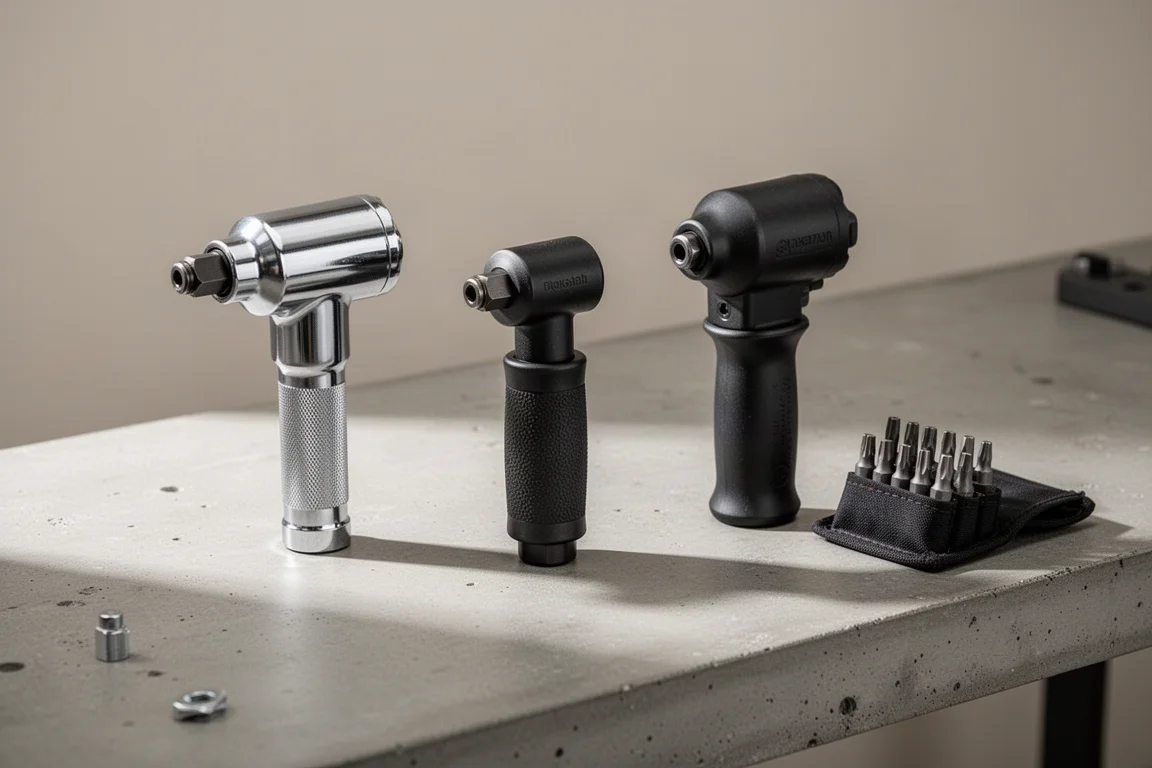
Manual impact drivers look obsolete on paper. Most of us reach for a battery-powered impact driver first, and honestly, that is usually the right call. But there is still a real place for the old-school hand-strike design: popping free a handful of stuck fasteners without dragging out a battery tool, and delivering a sharp rotational blow that a ratchet’s steady pull simply cannot match. We compared three handheld manual impact drivers across different prices, weights, and feature sets.
Why a Manual Impact Driver Still Matters
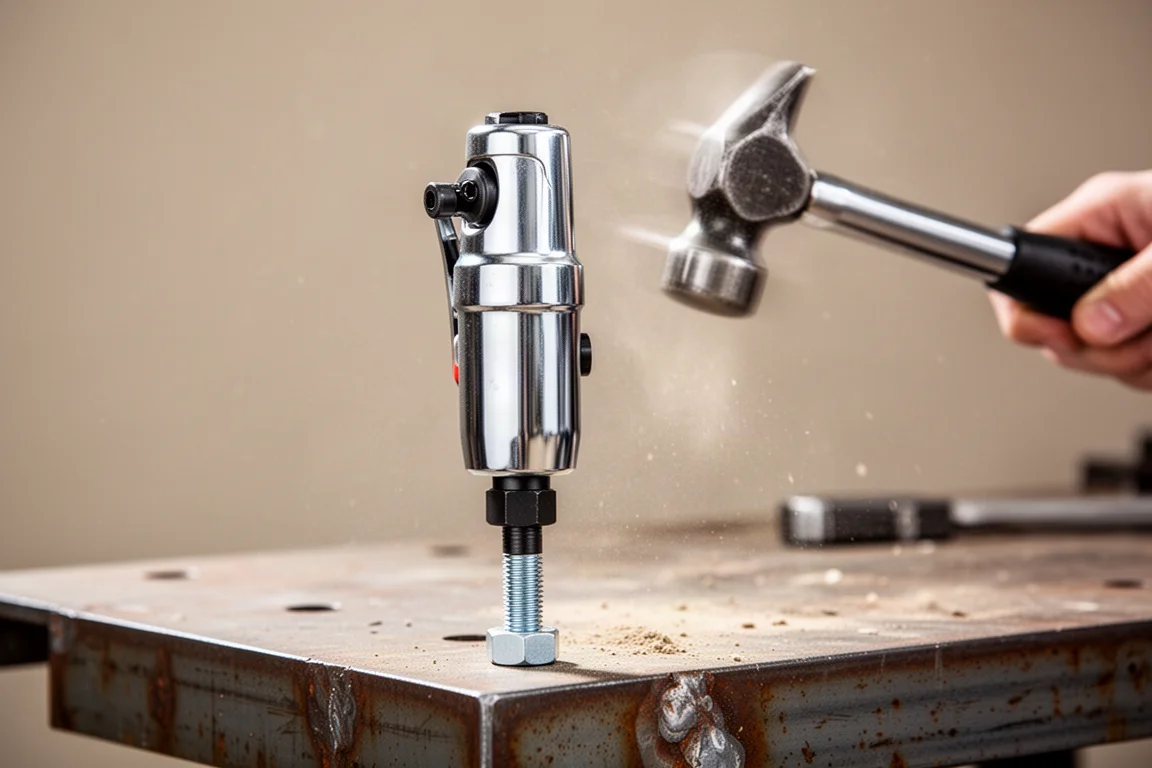
The basic design is simple. You seat a bit or socket on the drive, hold the tool against the fastener, and strike the rear cap with a hammer. The blow converts linear force into rotation, which is remarkably effective on stuck bolts, especially small Torx hardware like a bolt buried in the bed of a pickup. Sometimes a ratchet will just cam out or round things off, where a single blow from an impact driver can pop things loose.
Most of these tools also let you select direction, so the same blow tightens or loosens depending on the setting. That makes them useful not just for breaking things free, but also as a socket driver you can finish with a few whacks to snug something down.
Snap-On PIT120: The Old Standard
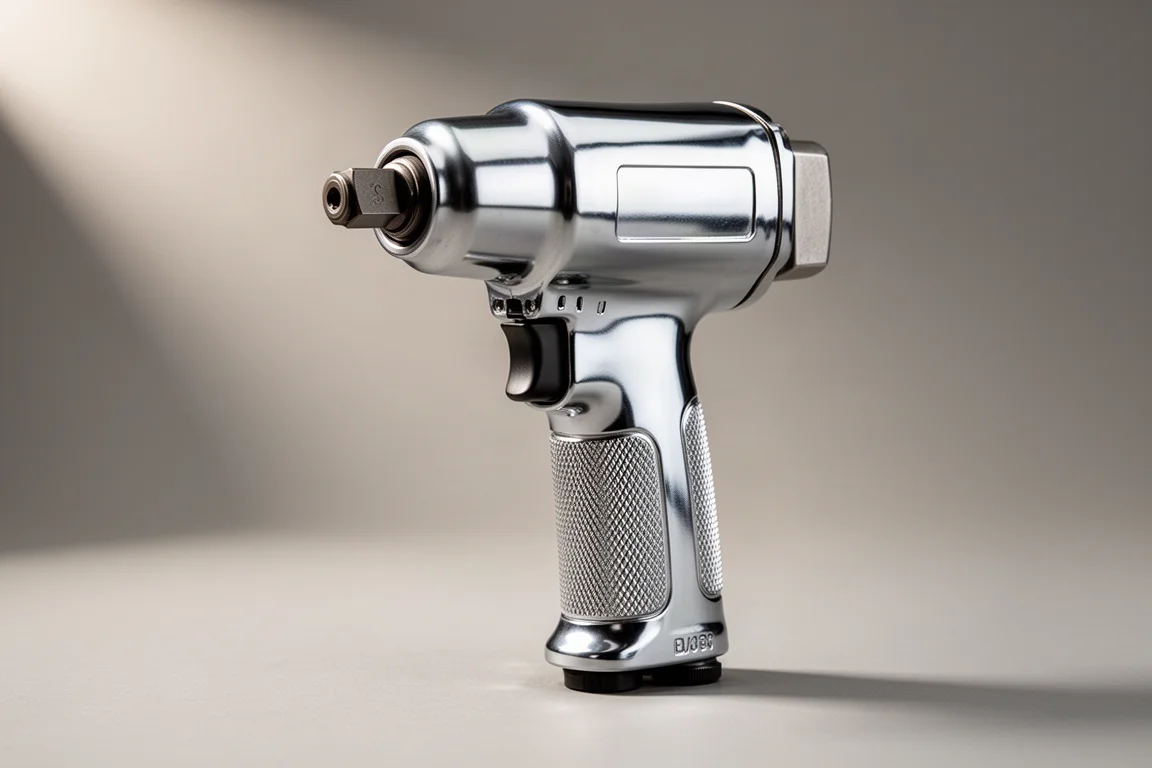
The Snap-On PIT120 has been around forever, and it is essentially the reference point for this category. This unit is actually a replacement, after the ball retention on the original broke out with no repair path available. The design is straightforward: fit a 3/8-inch socket, hit the cap, and the tool rotates. A selector lets you choose left or right rotation, so tighten or loosen is your call.
It weighs about 23.2 oz, so it has some heft, though it is not the heaviest tool in this class. Snap-On sells the standalone driver for about $91, and there are bundled kit options as well: a kit containing this driver for around $391, a larger kit at $850, and one over $900 that pairs the tool with a large set of high-quality sockets. That socket content is largely where the price of the big kits comes from.
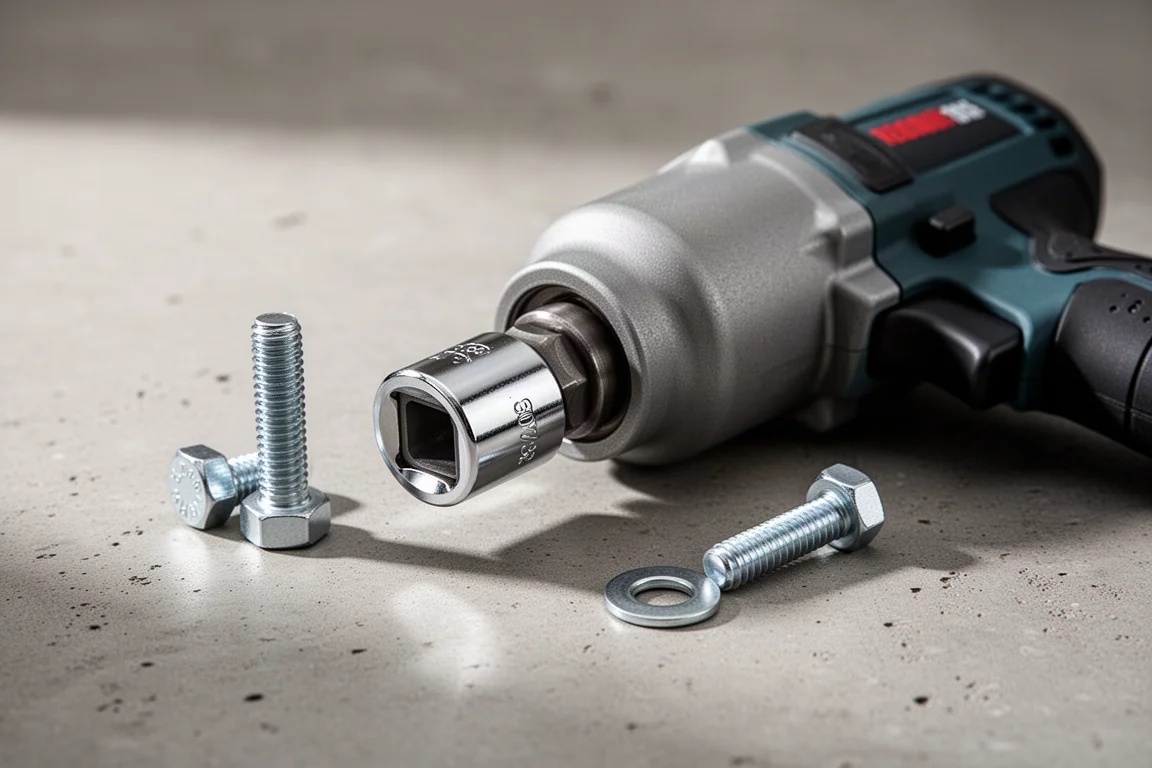
Like the other traditional designs here, there is no lock function, so if you want to use it as a plain socket driver between strikes, you are managing rotation by hand.
Vessel 2600: The Compact Option
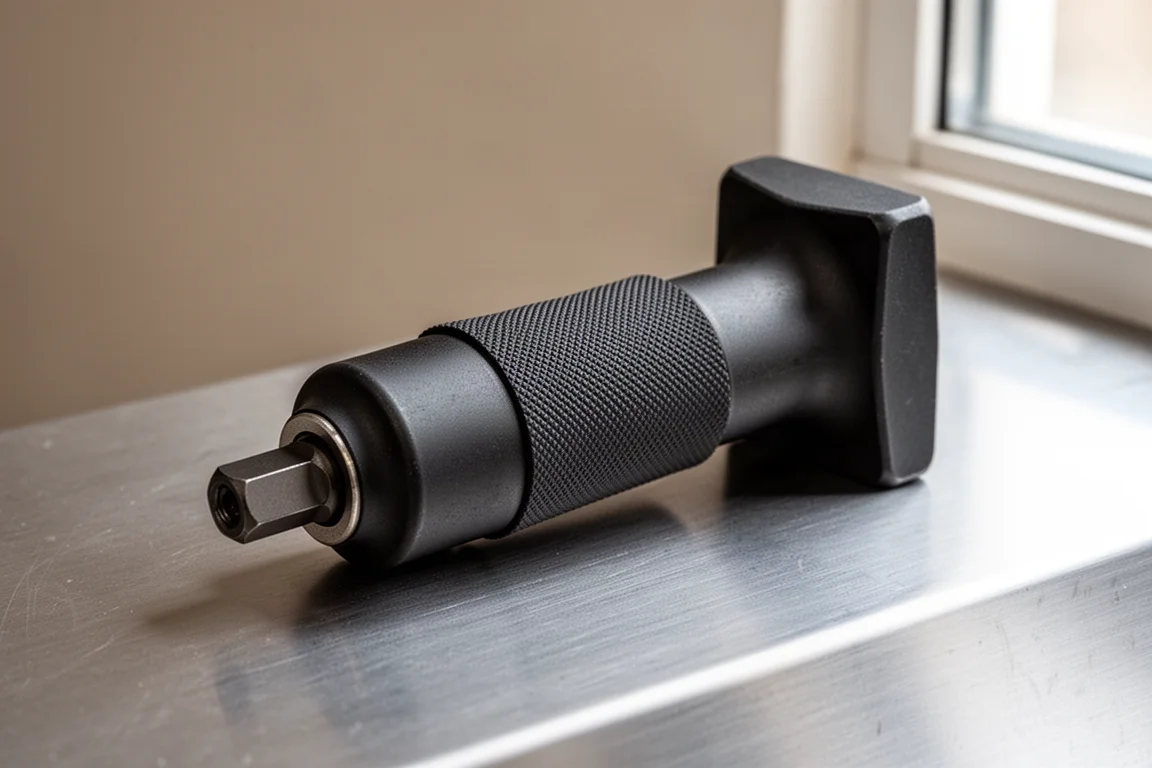
The Vessel 2600 is the smallest and lightest of the group at 10.6 oz, and it behaves more like a compact driving handle than a full-size impact driver. It sells for about $43 and includes a set of impact bits. Direction selection works the same way as the bigger tools, with left and right settings for loosening and tightening, and the rear striking surface is fairly stout.
One design touch is a rubberized area around the body that is presumably meant to protect your hand a little while striking. In practice, striking a handle you are already holding is a familiar motion and the rubber is a nice extra rather than a necessity. Nothing here is fancy, but for $43 with bits included, it is a sensible starting point if you do not own one yet.
It is worth noting that generic manual impact drivers can be found well under $20 if you shop around. The hesitation with unknown brands is that this is a striking tool, and not knowing what the metal is all about is a reasonable concern. A named product at this price removes that doubt.
Vera 921: A Driver and an Impact Tool in One
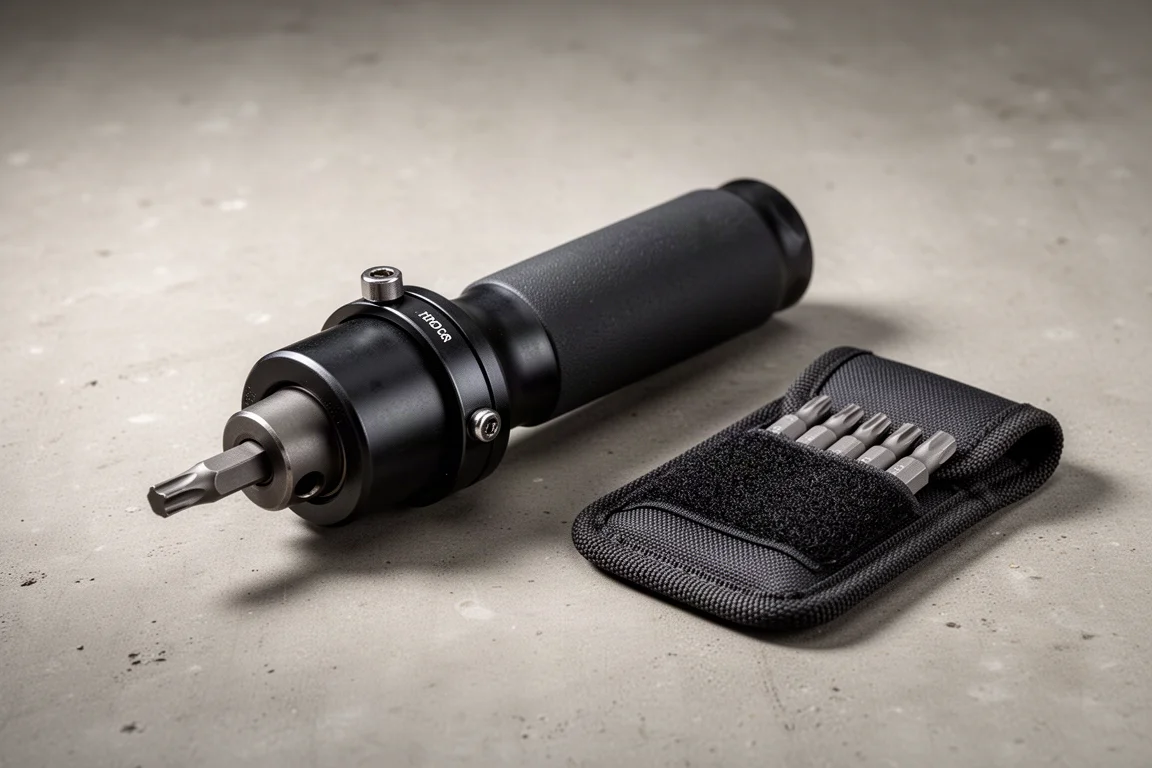
The Vera 921 takes a different approach from the two traditional designs above. It has a lock function: engaged, it turns the tool into a regular, if somewhat heavy, driving handle at about 11 oz for the handle alone. Unlocked and pushed, the mechanism drives the bit to the left, in the traditional loosening direction, which is exactly what the impacting is for.
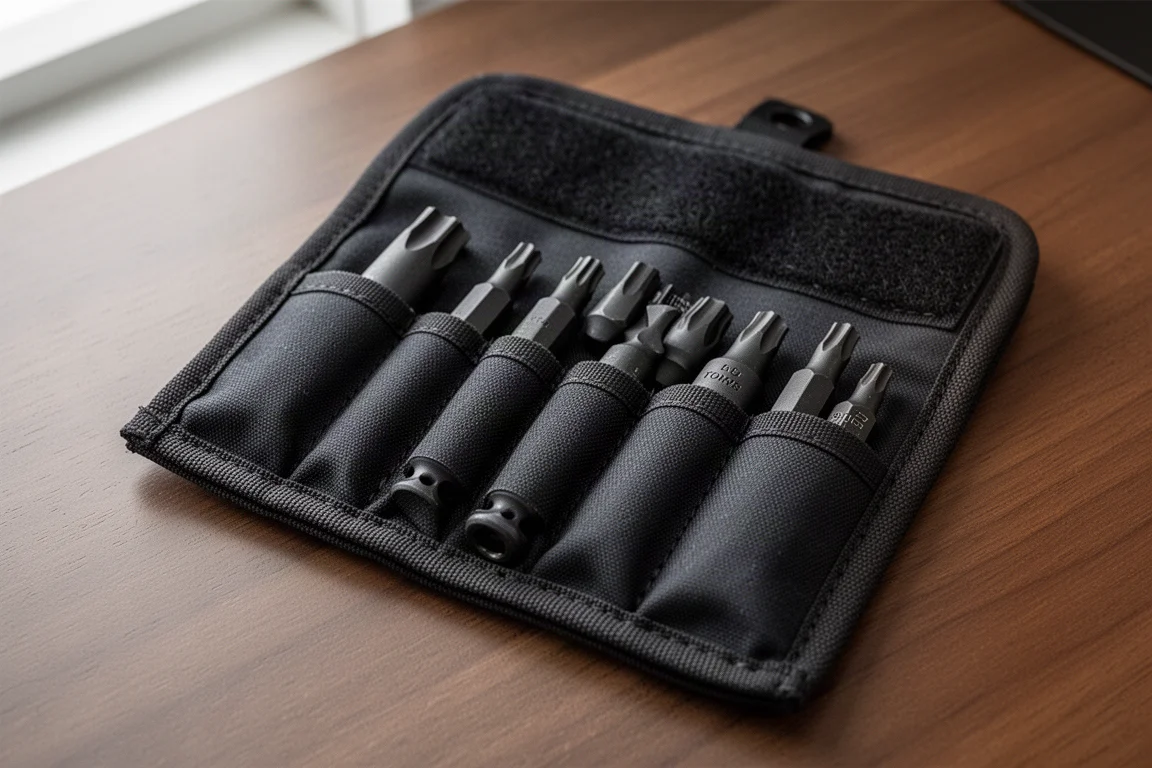
That dual role is the appeal. The idea of carrying one handle that works as an everyday screwdriver and still delivers impact blows when something is stuck is genuinely useful. It ships with Vera’s Torx bit design, and the set version pairs the handle with a full bit set in a nice velcro case. The standalone handle runs about $70, while the set with the bits and case sells for about $104.
Unlike the Snap-On and Vessel traditional designs, this one is a bit slippery to hold when using it as a regular driver, since the free-spinning mechanism works against you when you are not striking it. That is the trade-off for having the lock and impact modes at all.
Buying Advice: Which One Fits Your Toolkit
If you mainly need a no-nonsense tool to break loose stuck bolts and occasionally snug down sockets, the Snap-On PIT120 is the proven, established choice, with kits available if you also want a socket foundation. If you want the lightest and cheapest named option with bits included, the Vessel 2600 at around $43 is an easy entry point. If you want one handle that doubles as a daily driver with a lock and an impact mode for stuck fasteners, the Vera 921 justifies its price with that flexibility.
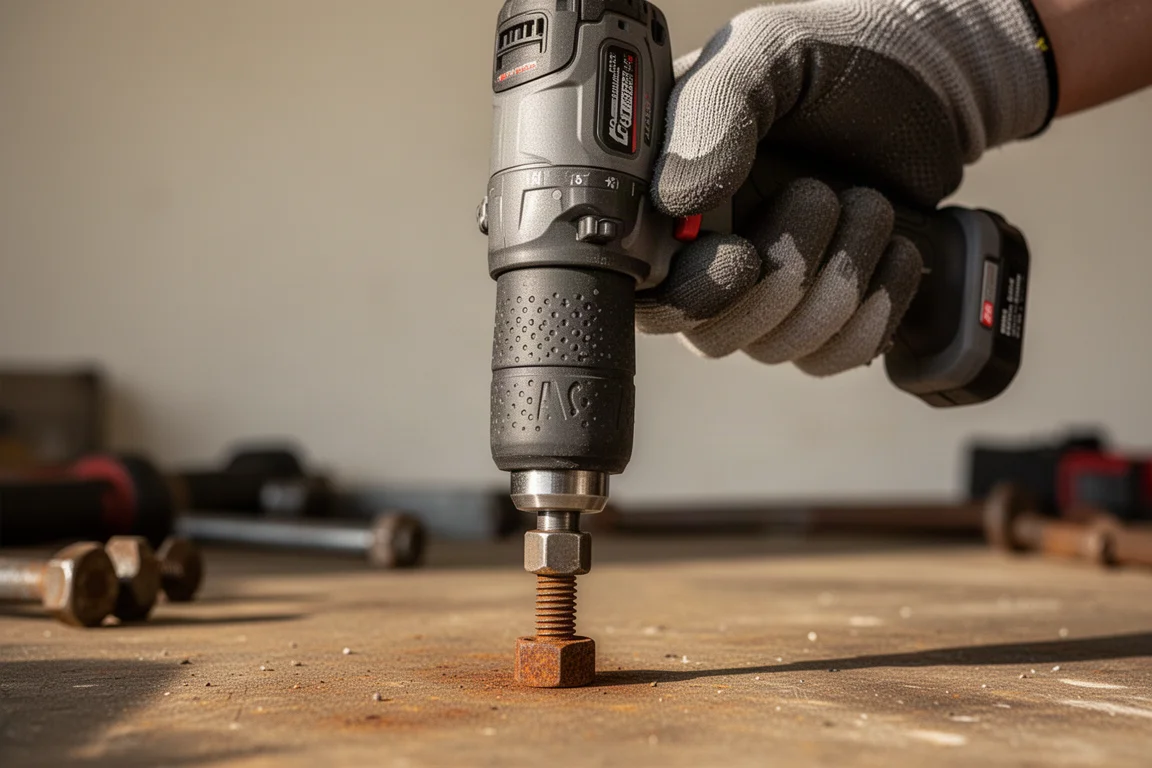
One general caution applies across the category: because these are striking tools, buying from a known brand matters more than usual. Unknown metal can be an unknown risk when you are hitting it with a hammer.
Conclusion
All three of these tools end up at the same place: converting a hammer blow into rotational force on a stubborn fastener. The differences come down to weight, price, and whether you want a pure traditional design or one that also locks into a regular driving handle. Match the tool to how often you expect to reach for it, and any of the three will earn its spot in the drawer.
Further reading
Related Reviews
Hand Tools
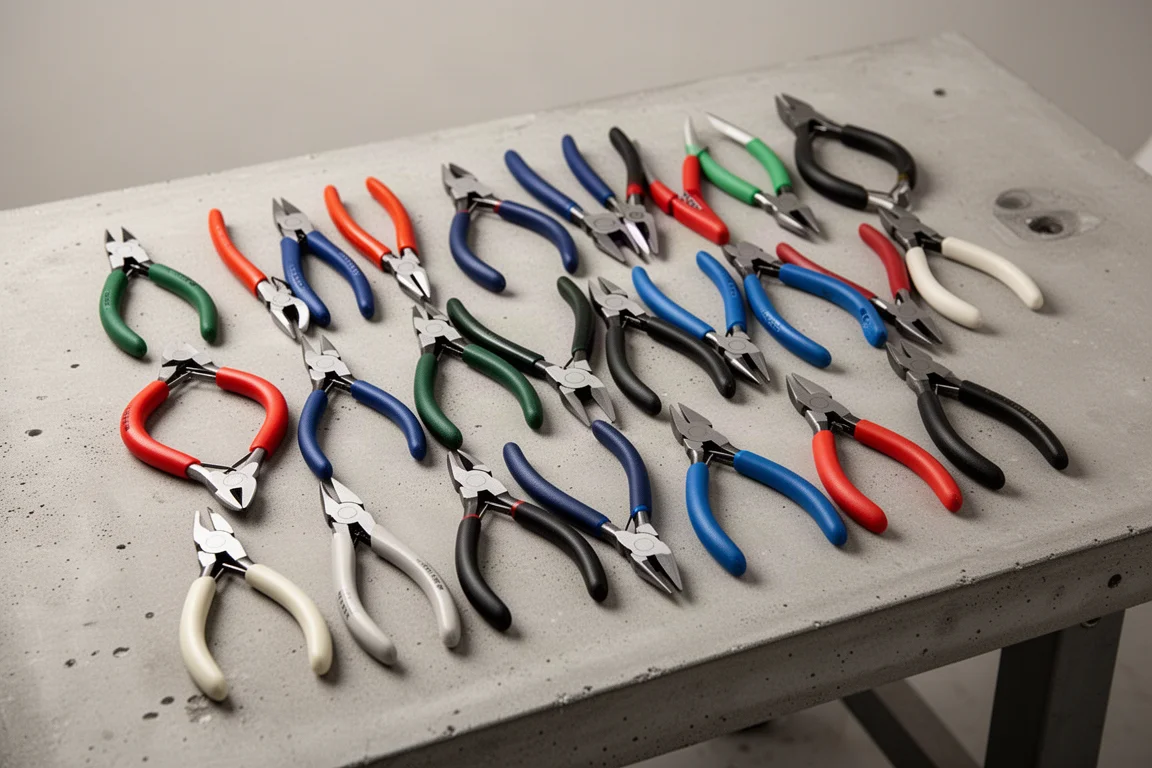
Best Diagonal Cutters 2026: 16 Pliers Tested for Cutting Power and Durability
We put 16 diagonal cutters through nail, screw, drill bit, and hex key tests to find the best value picks for your toolbox.
Hand Tools
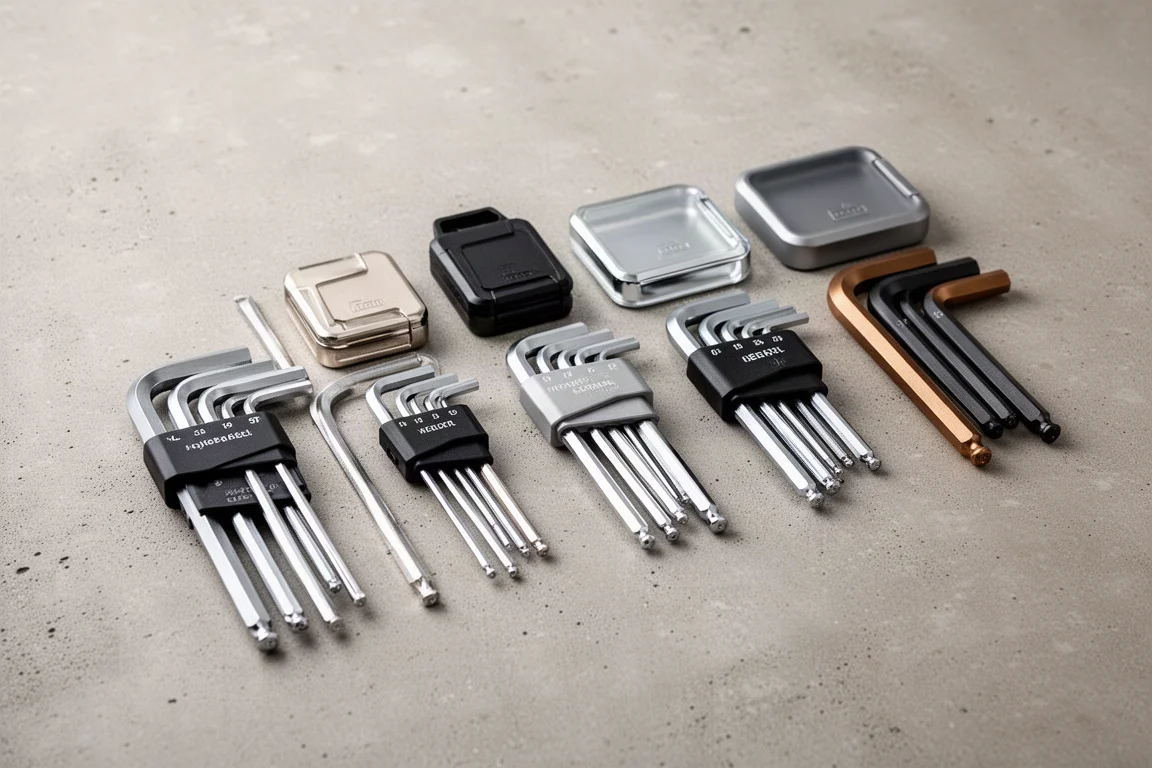
Best Hex L Key Sets 2026: Nine Sets Tested for Real-World Torque
Nine hex L key sets from budget to premium, tested for torque, fit, and durability. See which sets deliver real performance and which ones to skip.
Hand Tools
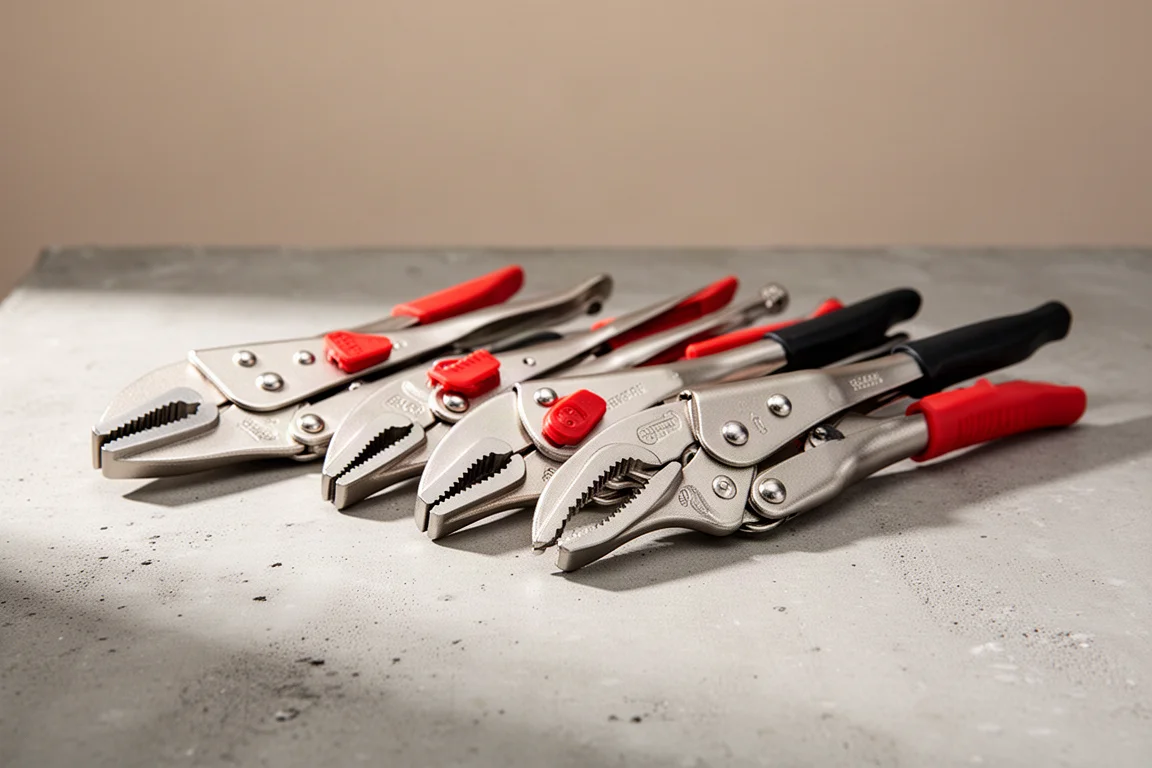
Best Locking Pliers 2026: Top Picks Tested for Grip and Durability
We tested 18 brands of 10-inch locking pliers for grip strength, jaw bite, build quality, and ease of release to find the best options for tough jobs.