Food & Kitchen
Best Louisiana-Style Hot Sauces: Four Classics Tasted and Compared
Four Louisiana-style hot sauces ranked from mildest to hottest, with flavor notes, fermentation details, and guidance on which one belongs in your kitchen.
Introduction
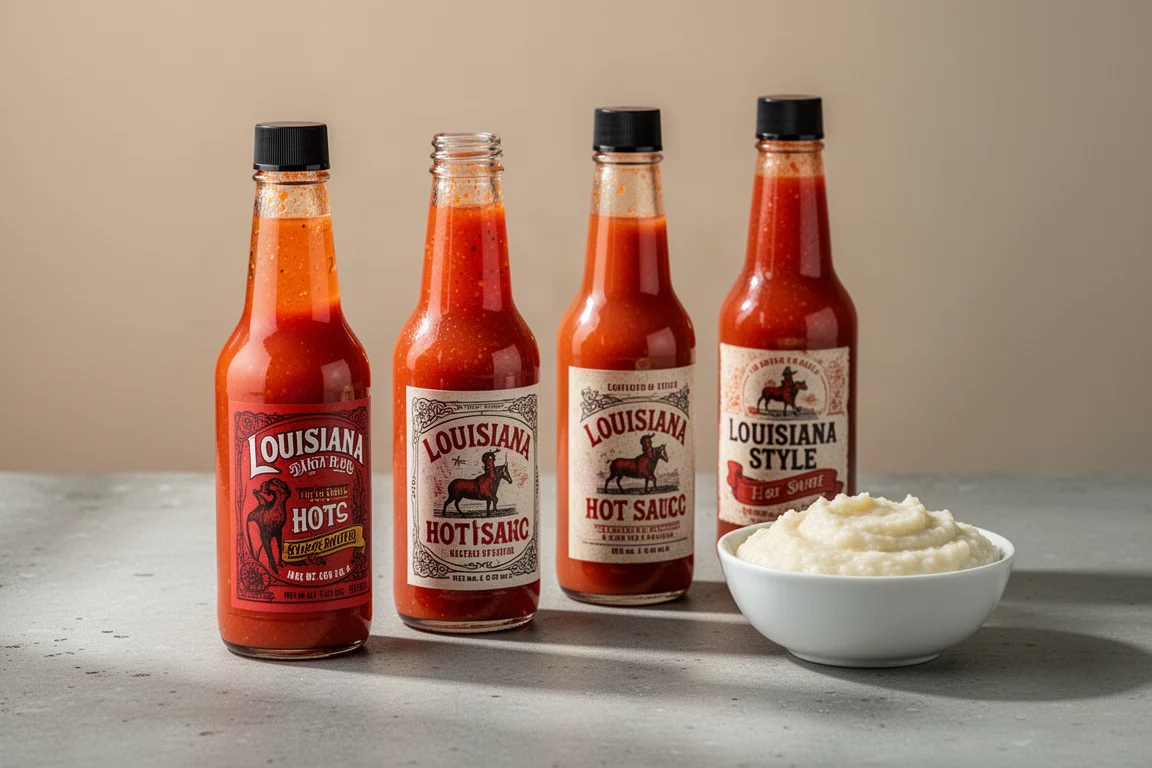
Louisiana-style hot sauces are a small category with passionate fans. Ask five people which bottle deserves a permanent spot on the table and you will get five different answers, which is exactly why a side-by-side comparison is worth doing. We tasted four of the most widely available options in order of heat, from the mildest to the spiciest, and evaluated them on flavor depth, texture, and everyday usefulness in the kitchen.
What Makes a Hot Sauce Louisiana-Style
Not every sauce in this category actually comes from Louisiana. Three traits define the style: the sauce is vinegar-forward (vinegar may even be the first ingredient), it is not terribly spicy, and it is fermented. Scoville ratings across the sauces we tasted ranged from 300 to 3,700, which places the whole category firmly on the mild side of the hot sauce spectrum.
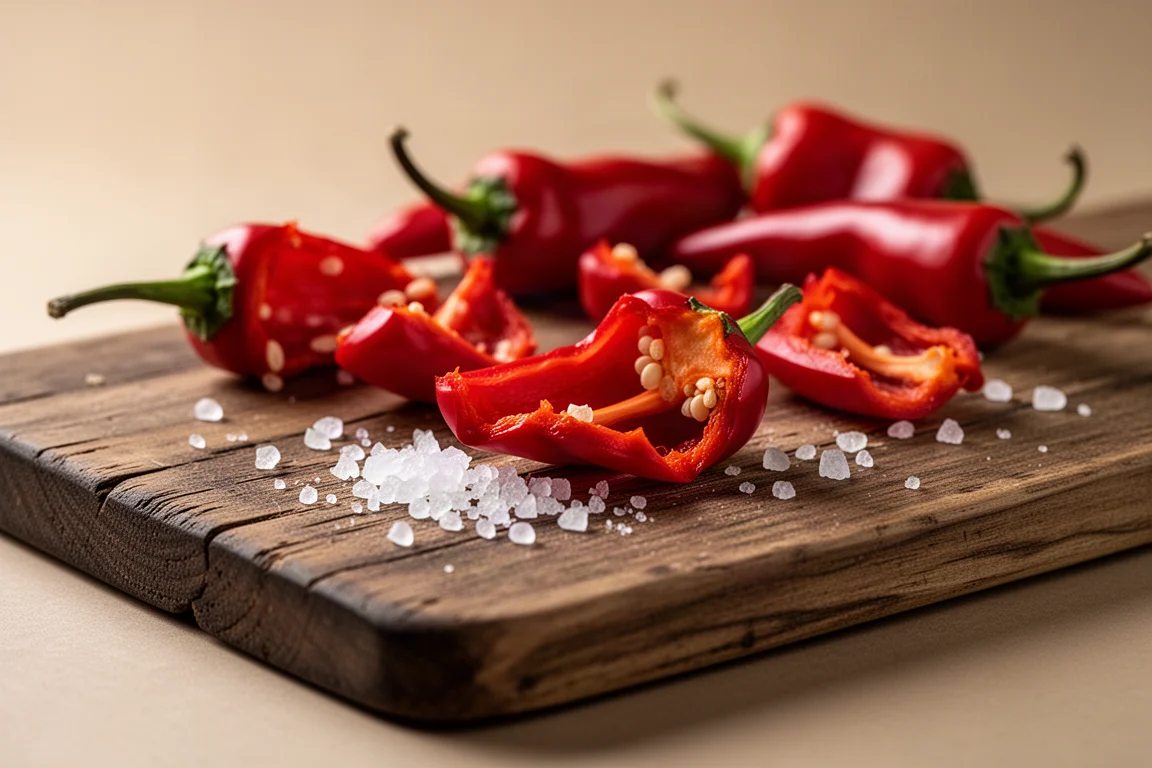
All of these sauces are built on one of two chilies: tabasco or cayenne, and some brands use both. Tabasco chilies are more expensive, so cayenne is the more common base. The two chilies behave differently. Tabasco brings grassy, green onion and celery notes with a slower-building, lingering heat. Cayenne is more acidic and hits you with its heat immediately.
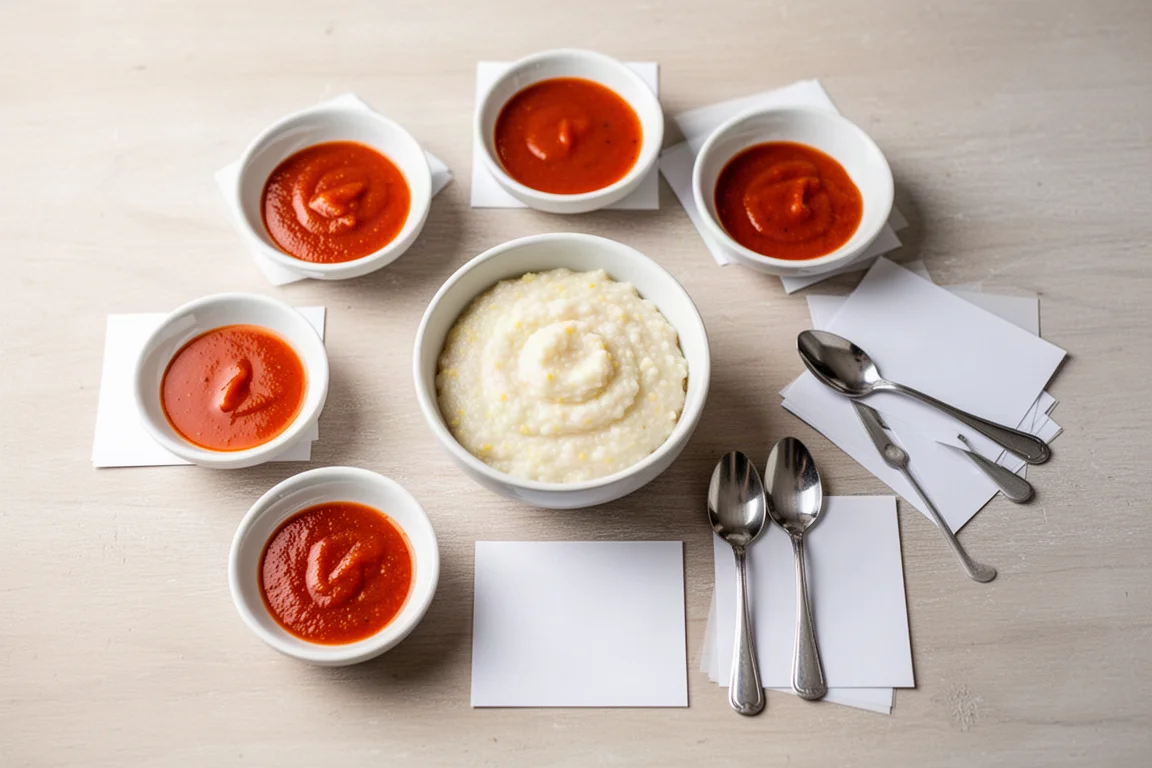
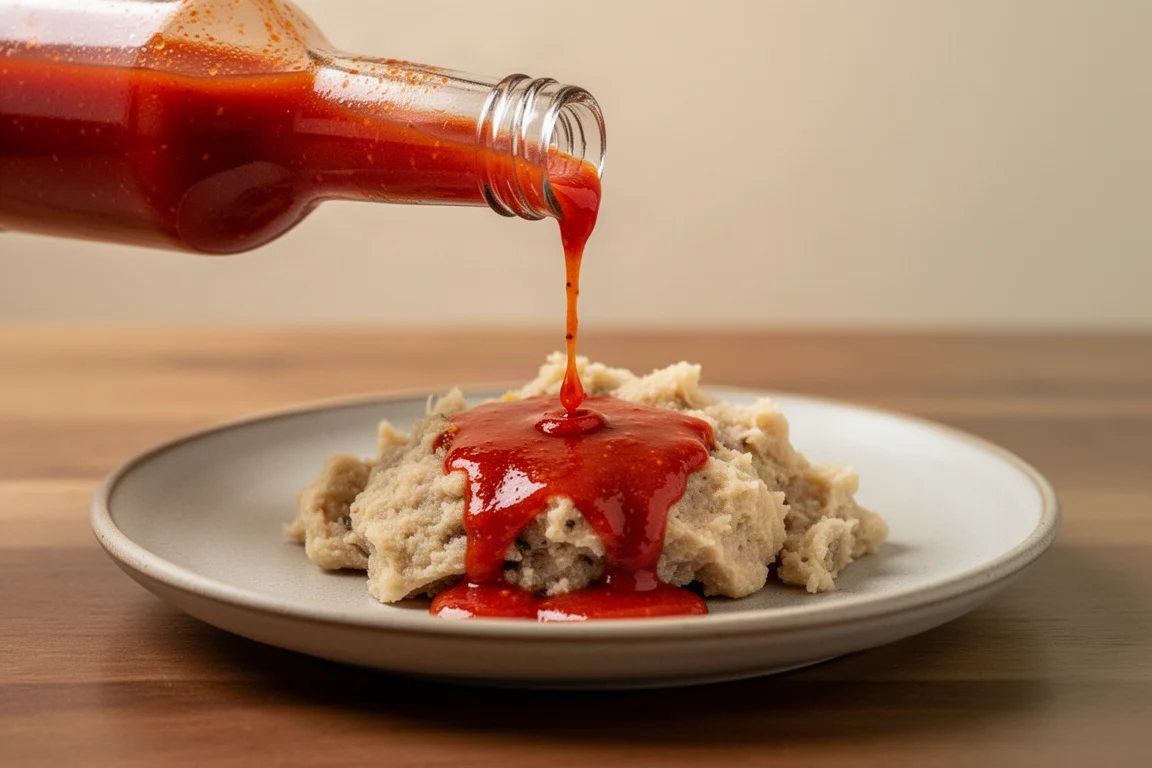
One practical tasting note: these sauces are far more pleasant evaluated over a neutral base like grits than tasted plain. On their own, the vinegar punch dominates and your palate needs a long recovery between samples. Over grits, you can actually taste the differences.
How Fermentation Shapes the Flavor
The defining step in production is lacto-fermentation, the same process behind sauerkraut and kimchi. Chilies are combined with salt and pureed into a pepper mash that ferments for anywhere from three months to three years. That duration has a major impact on the final flavor.
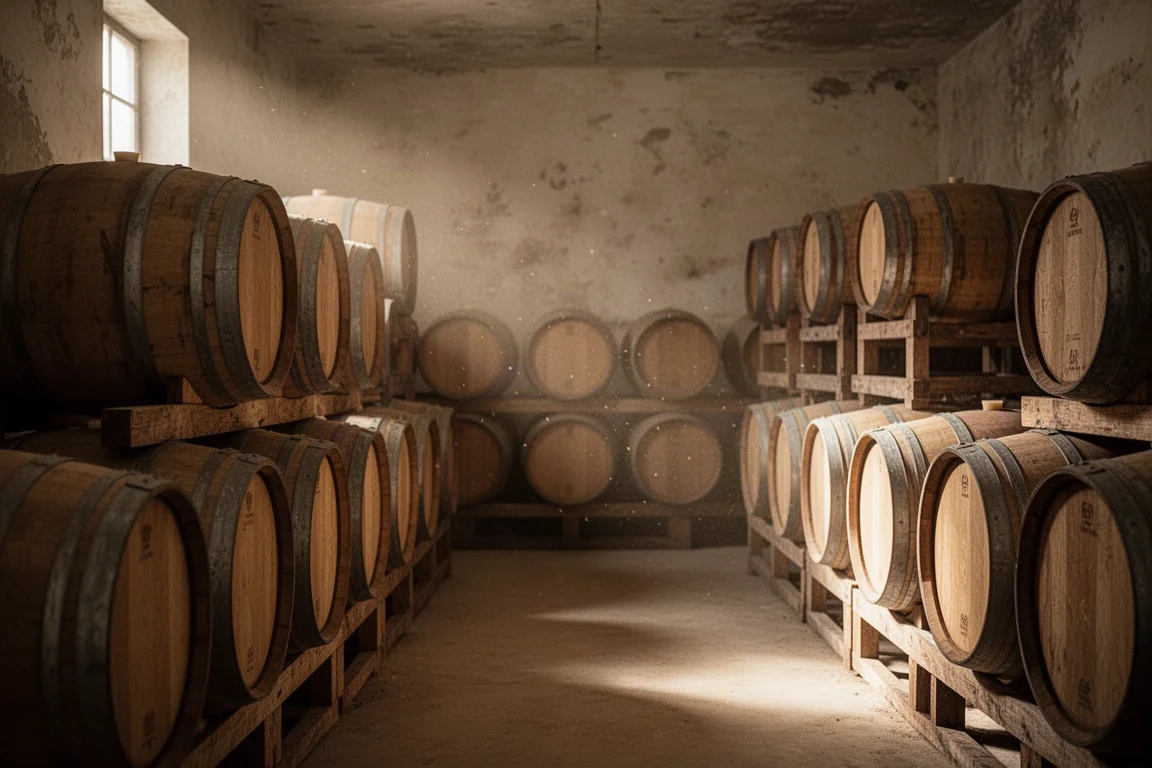
During fermentation the sauce develops more acidity, but it also builds the umami notes that give these sauces their depth and complexity. Fermentation can happen in plastic, metal, or oak barrels, and the vessel matters. Oak imparts tannins that give certain sauces an astringent, wine-like character, especially after long aging.
Texas Pete: The Mildest of the Bunch
Despite the name, Texas Pete is not from Texas and not from Louisiana. It is made in North Carolina. It earned the simplest flavor description of the group, which is not a criticism. As the mildest sauce at the table, it is a sensible pick when you want to season a dish while cooking with a teaspoon or two without overwhelming it.
Frank’s RedHot: The Crowd Favorite
Frank’s RedHot is made in Missouri and stood out as the only sauce in the lineup that includes garlic, which likely contributes to its appeal. It landed right in the middle of the heat range at 790 Scoville units. In tasting, it was a little thicker than the others, so it clung nicely to food, and it offered layers of flavor that made it the standout favorite. If you want one bottle that works as both a table sauce and a cooking ingredient, this is an easy recommendation.
Crystal: The New Orleans Classic
Crystal is a New Orleans classic and comes in slightly milder than Frank’s RedHot. It reads a little sweet, and it is a lovely, well-rounded sauce overall. For drinkers of the classic New Orleans style, this is the benchmark bottle.
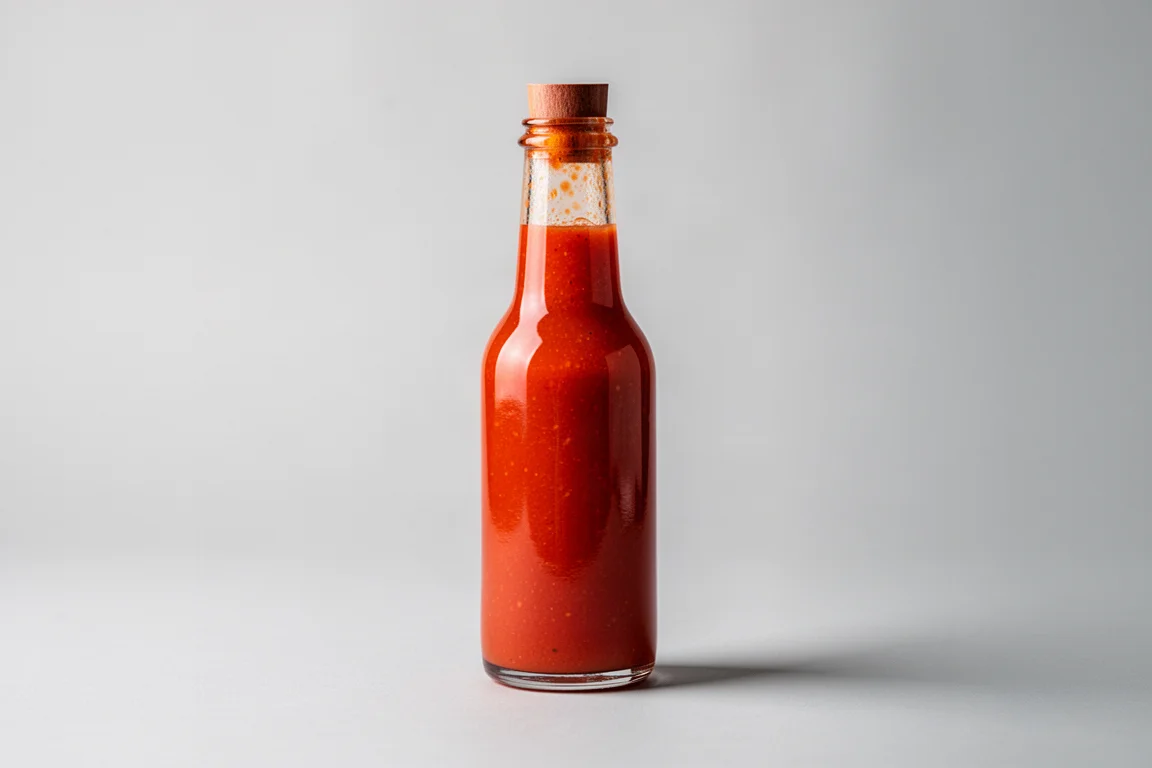
Tabasco: The Old Granddaddy
Tabasco is the classic, the original name in the category, and also the spiciest of the four at 3,700 Scoville units, roughly ten times hotter than the mildest sauce tasted. It is aged three years in oak barrels, and you can taste that: a noticeable astringent, tannic oakiness similar to what you find in wine, layered over a very vinegar-forward, tart profile. The long aging gives it a complexity none of the others match.
Overall Buying Advice
All four of these sauces have a place in the kitchen, and the right choice depends on how you plan to use them:
- For an all-purpose favorite with extra flavor depth, Frank’s RedHot is the strongest pick. Its thicker texture, garlic note, and mid-level heat make it versatile on and off the stove.
- For a gentler cooking sauce, Texas Pete works well. Its simplicity and low heat make it easy to add by the teaspoon without dominating a dish.
- For classic New Orleans character, Crystal delivers a slightly sweet, milder profile that many tasters find lovely.
- For maximum complexity and heat within the category, Tabasco’s three-year oak aging and 3,700 Scoville units put it in a class of its own.
Conclusion
Louisiana-style hot sauces reward close comparison. The differences between brands come less from the chilies themselves and more from manufacturing choices: mash fermentation time, aging vessels, and small recipe details like garlic. Pick Frank’s RedHot if you want a flavorful everyday favorite, Texas Pete for mild cooking, Crystal for New Orleans tradition, and Tabasco when you want the boldest, most complex sauce of the bunch.
Further reading
Related Reviews
Food & Kitchen
Apple Products Worth Knowing: From Applesauce to Hard Cider
Applesauce, apple butter, cider, hard cider, apple cider vinegar, and apple juice compared, with two picks that stand out.
Food & Kitchen
Best Bone Broth, Chicken Stock, and Chicken Base: Four Kitchen Staples Worth Knowing
Four warmed-and-tasted pantry staples compared: two bone broths with notably more protein, a classic chicken stock, and a convenient chicken base.
Food & Kitchen
Best Box Brownie Mixes: Four Standouts Worth Baking
We tested popular box brownie mixes for chocolate flavor, texture, and that crackly top. Here are the four that rose to the top of the pan.