Hand Tools
Locking Pliers Compared: Malco Eagle Grip vs Mr. Pen Budget Pair
A budget locking pliers and a premium American-made pair go head to head. Here is how they differ on build, grip, and value.
Introduction
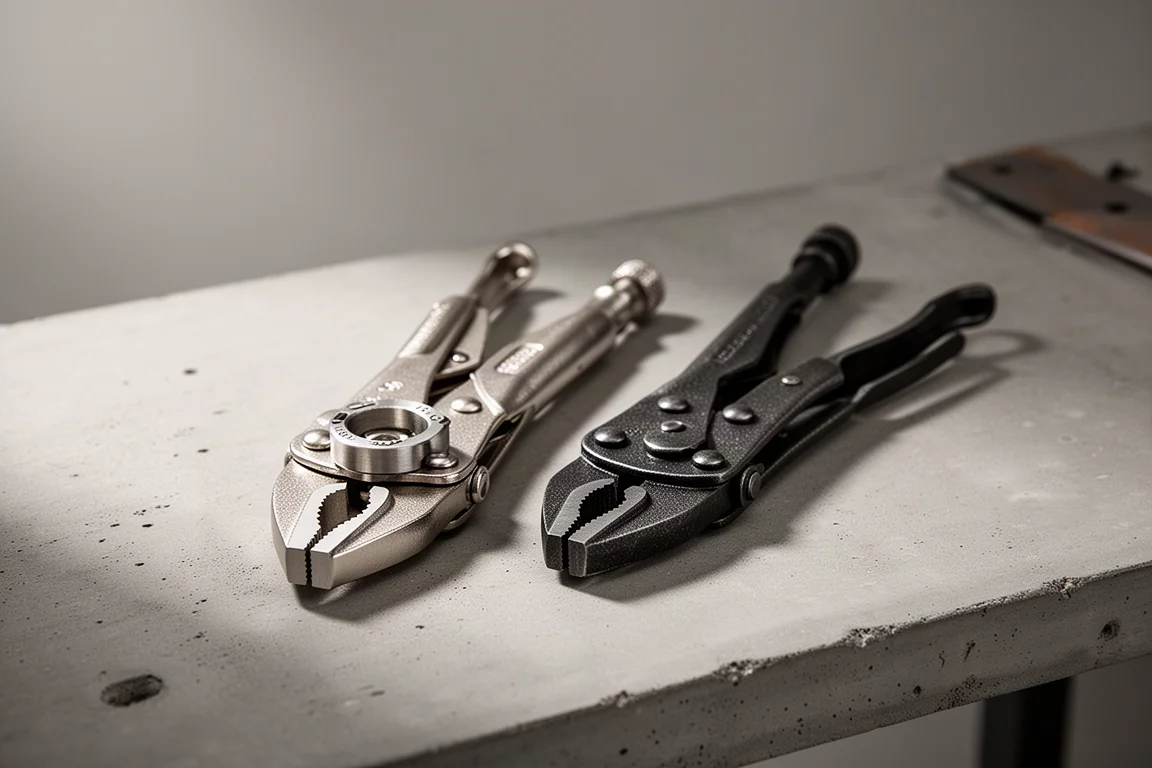
Locking pliers are one of those tools where the price gap between a budget pair and a premium pair can be enormous. A well-known American-made pair can cost many times more than a seven-dollar import, and it is genuinely hard to tell whether the premium is worth it on a design this simple. We compared two pairs of a similar size straight across: the Malco Eagle Grip locking pliers, a rebranded Snap-On style tool, and the Mr. Pen locking pliers, a very inexpensive option.
First Impressions and Build Quality
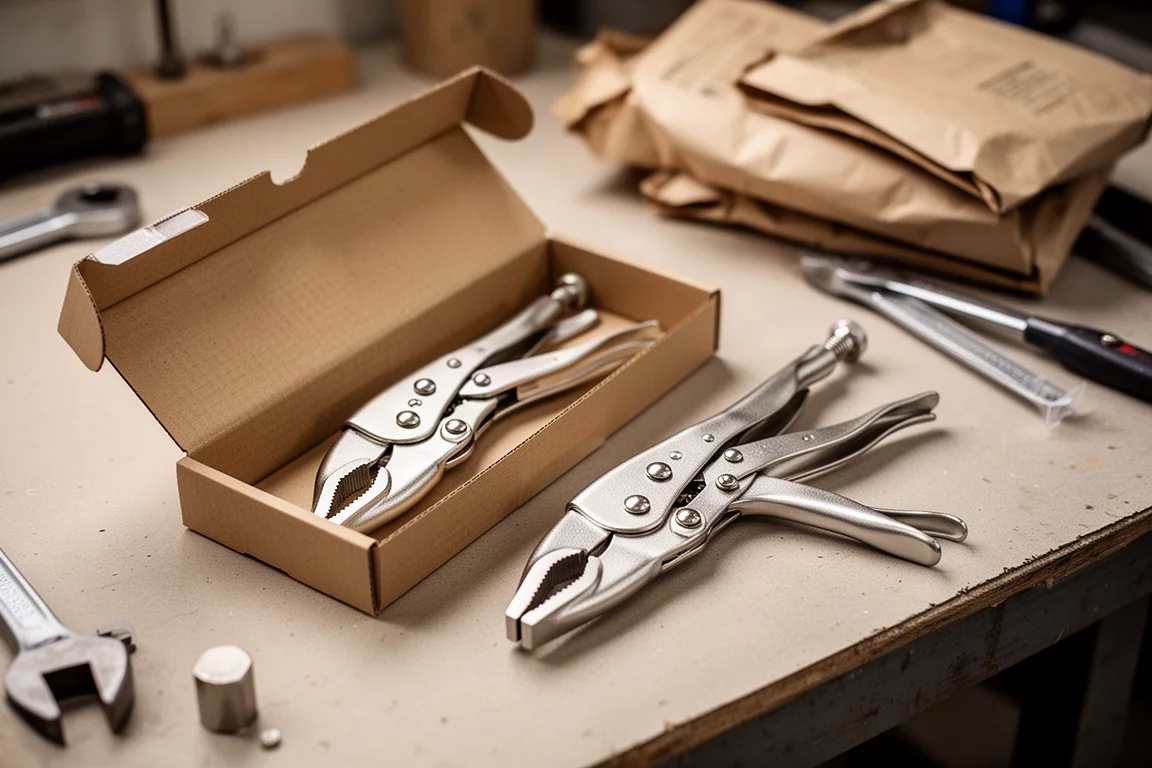
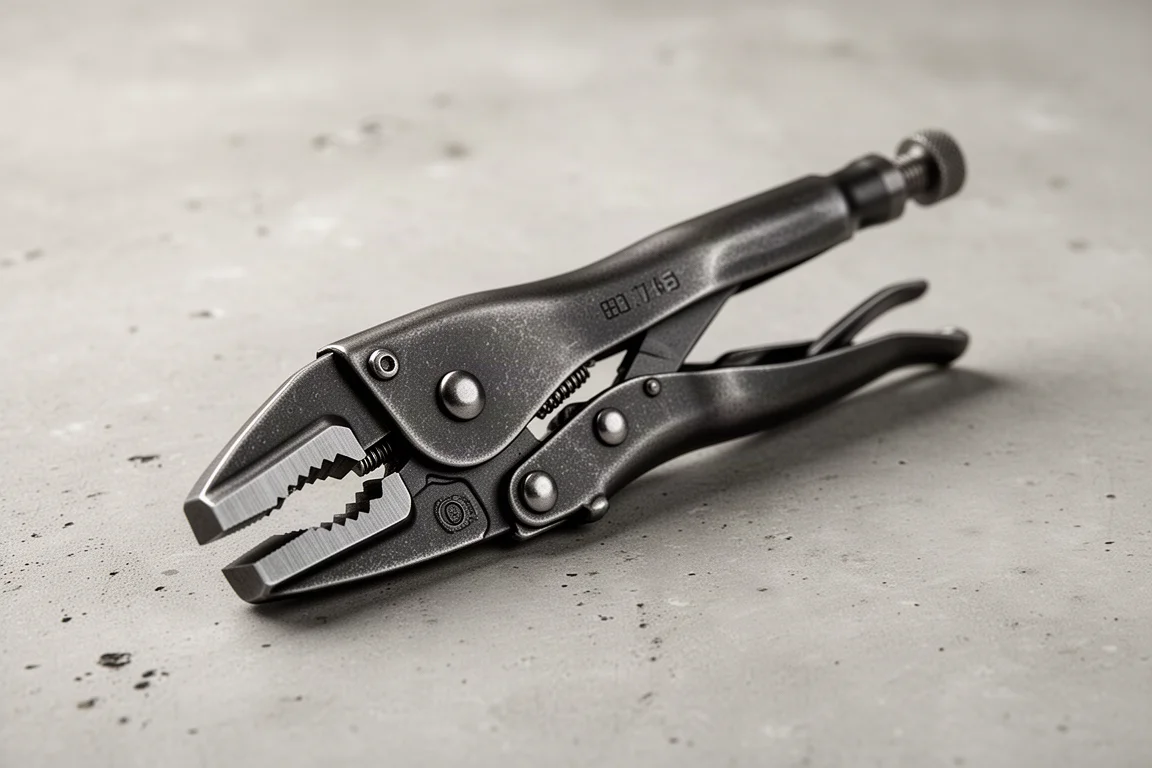
The Malco Eagle Grip pair arrives with a clear sense of quality. It is made in the USA, came in a proper box, and shows a nickel finish with reinforced construction. The adjustment collar at the base is a notable update: instead of simply smashing the two sides together and threading them, Malco added a reinforcement collar around the screw.
The Mr. Pen pair, at seven dollars, is a different story. The metal is visibly thinner in places, and the rivet work is a mixed bag. Rivets are arguably a good thing to see, but one joint appears to be simply indented to hold the back jaw in place rather than properly secured. The finish shows grinding-wheel marks where edges were cleaned up.
Design Differences That Matter
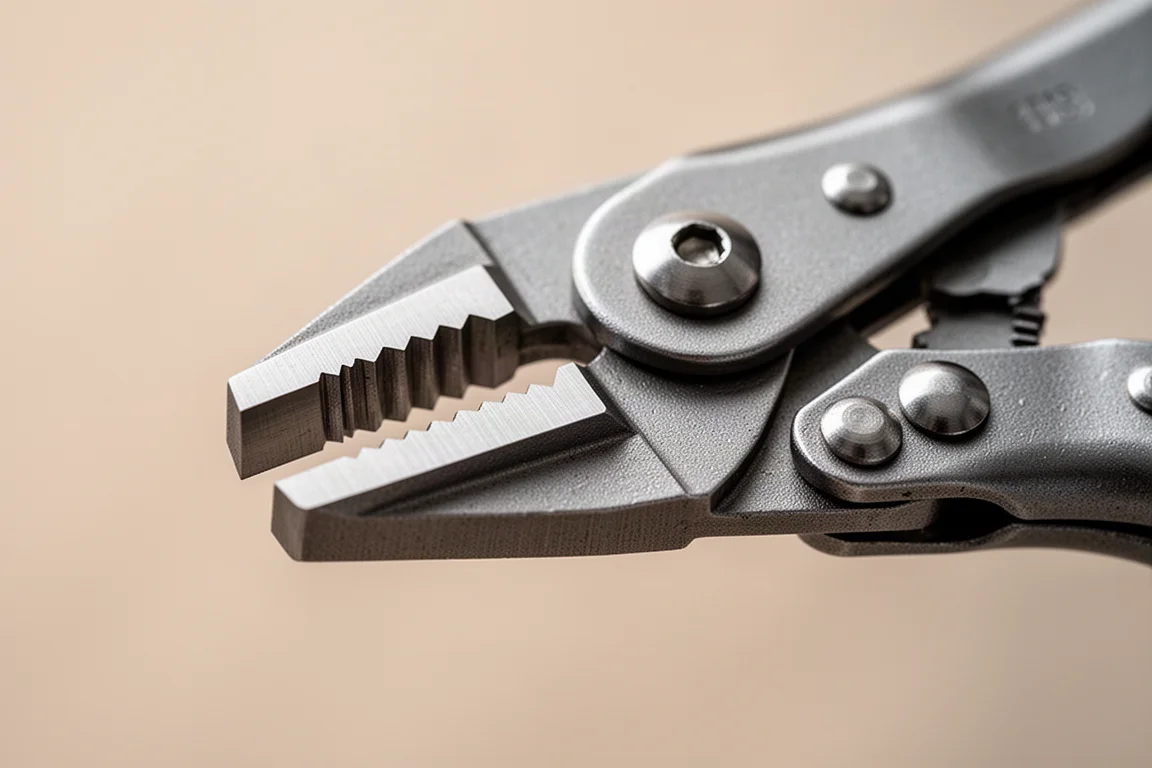
Despite the price gap, the two designs are remarkably similar. Both have cross-hatched jaws, with the Malco using a slightly narrower cross-hatch pattern and the Mr. Pen a slightly thicker one. Both include a cutter that works as a wedge knife against a flat anvil surface. Both use a locking mechanism, a strong release spring, and a connector running the same basic arrangement.
The differences are small but real. The Mr. Pen adjustment screw at the bottom is a little narrower than the Malco’s. The Malco’s reinforced collar is the standout structural upgrade. And interestingly, the Mr. Pen actually has a slightly tighter jaw fit out of the box than the Malco.
How They Perform Under Load
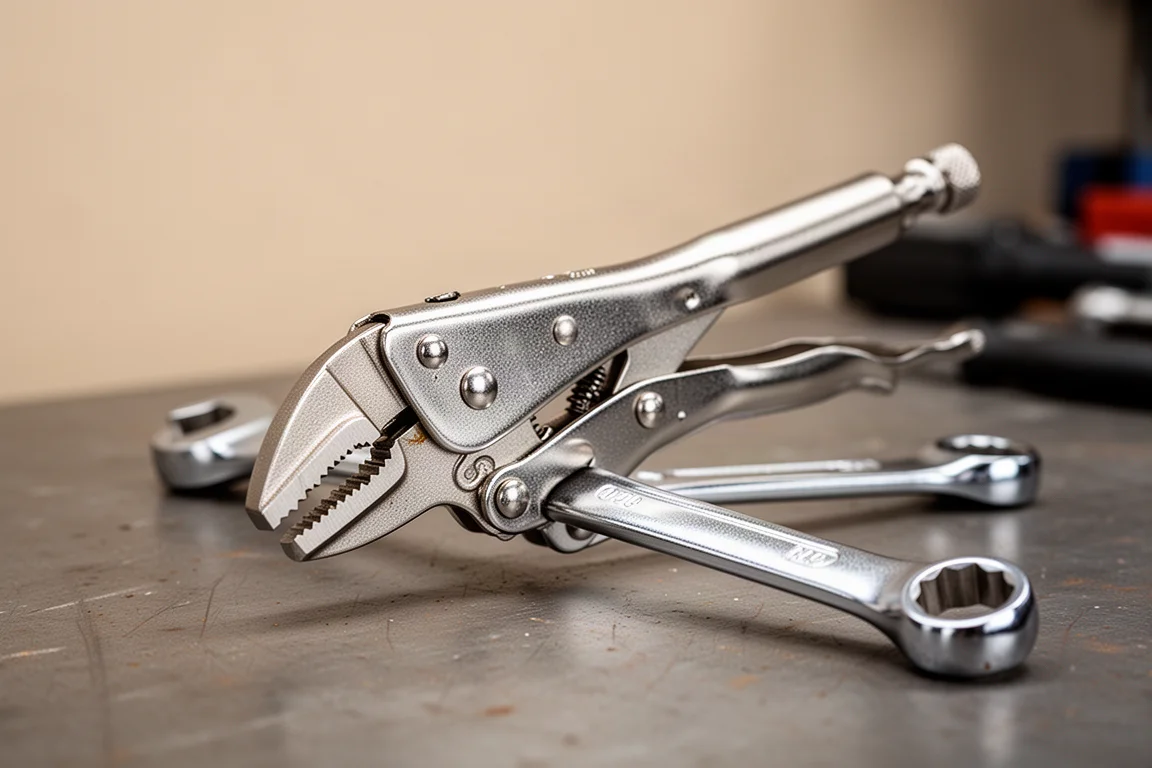
We clamped both pairs onto a Craftsman wrench and stressed them hard. The Mr. Pen grips hard and takes real effort to release, which is what you want from locking pliers. Under load, though, there is noticeable play in the front end beyond the mechanism itself, likely from that loose back jaw mounting. In theory, a vise could squish the sides and make the fit a bit snugger.
The Malco, by comparison, is a little spongier in feel and easier to back off and release. That easier release is a meaningful everyday usability advantage.
Price and Value
Here is the hard truth: the Mr. Pen was seven dollars, roughly half the price of an Irwin locking pliers and far below the Malco, which retails at the kind of price usually seen on the Snap-On truck. That is potentially a twelve-fold price difference. On a tool this simple, it is hard to argue you get twelve times the tool.
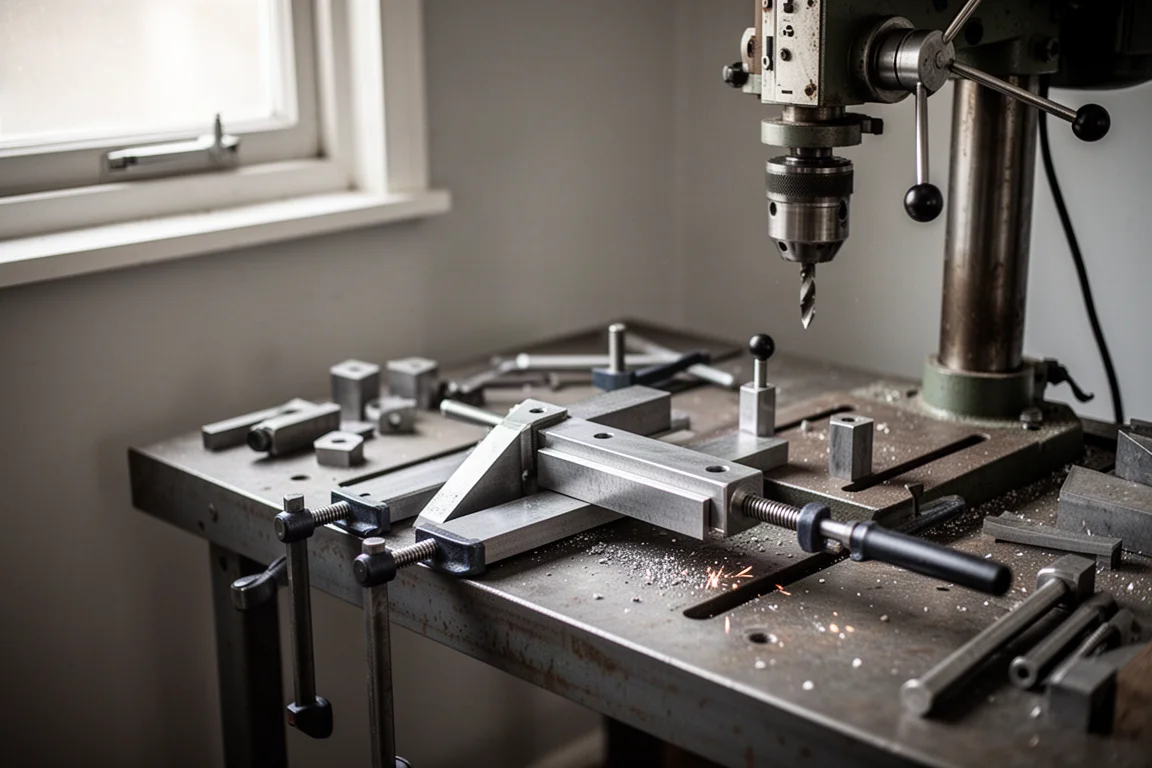
What the extra money buys is a better nickel finish, the reinforced collar, tighter fit at the pivot, easier release, and a premium warranty pedigree. Whether that matters depends on how hard you use locking pliers. Many people treat them almost as sacrificial tools: used on drill presses, clamped onto weldments, or even left as improvised latches.
Buying Advice: Which Pair Makes Sense
If you use locking pliers occasionally and can tolerate a little flex in the jaws, the Mr. Pen pair delivers a genuinely usable tool for pocket change. If you use them constantly, care about finish and fit, and want a tool backed by a stronger warranty, the Malco Eagle Grip is the safer long-term buy. Note that curved jaw versions of the Malco have been in and out of stock, with flat jaw and welding variants more commonly available.
Conclusion
Both pairs do the fundamental job of locking onto a workpiece. The Mr. Pen offers remarkable value for occasional use with a few build compromises, while the Malco Eagle Grip earns its premium through reinforced construction, a refined finish, and easier release. Match the tool to how often it will leave the drawer.
Further reading
Related Reviews
Hand Tools
Best Diagonal Cutters 2026: 16 Pliers Tested for Cutting Power and Durability
We put 16 diagonal cutters through nail, screw, drill bit, and hex key tests to find the best value picks for your toolbox.
Hand Tools
Best Hex L Key Sets 2026: Nine Sets Tested for Real-World Torque
Nine hex L key sets from budget to premium, tested for torque, fit, and durability. See which sets deliver real performance and which ones to skip.
Hand Tools
Best Locking Pliers 2026: Top Picks Tested for Grip and Durability
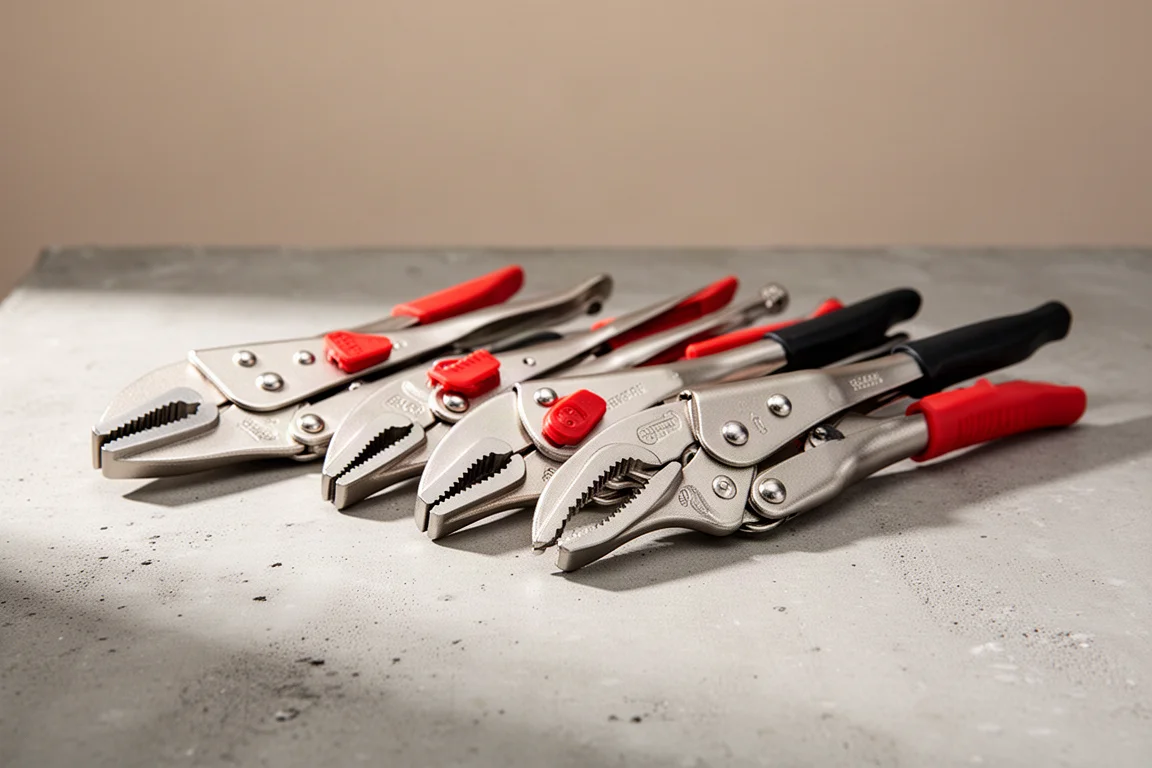
We tested 18 brands of 10-inch locking pliers for grip strength, jaw bite, build quality, and ease of release to find the best options for tough jobs.