Hand Tools
Best Lineman's Pliers Compared: Snap-on, Klein, Milwaukee, and Knipex
A hands-on comparison of lineman's pliers from Snap-on, Klein, Milwaukee, and Knipex, covering jaw grip, cutting knives, pivot feel, and the quality-control surprises worth knowing before you spend $45 to $90.
Introduction
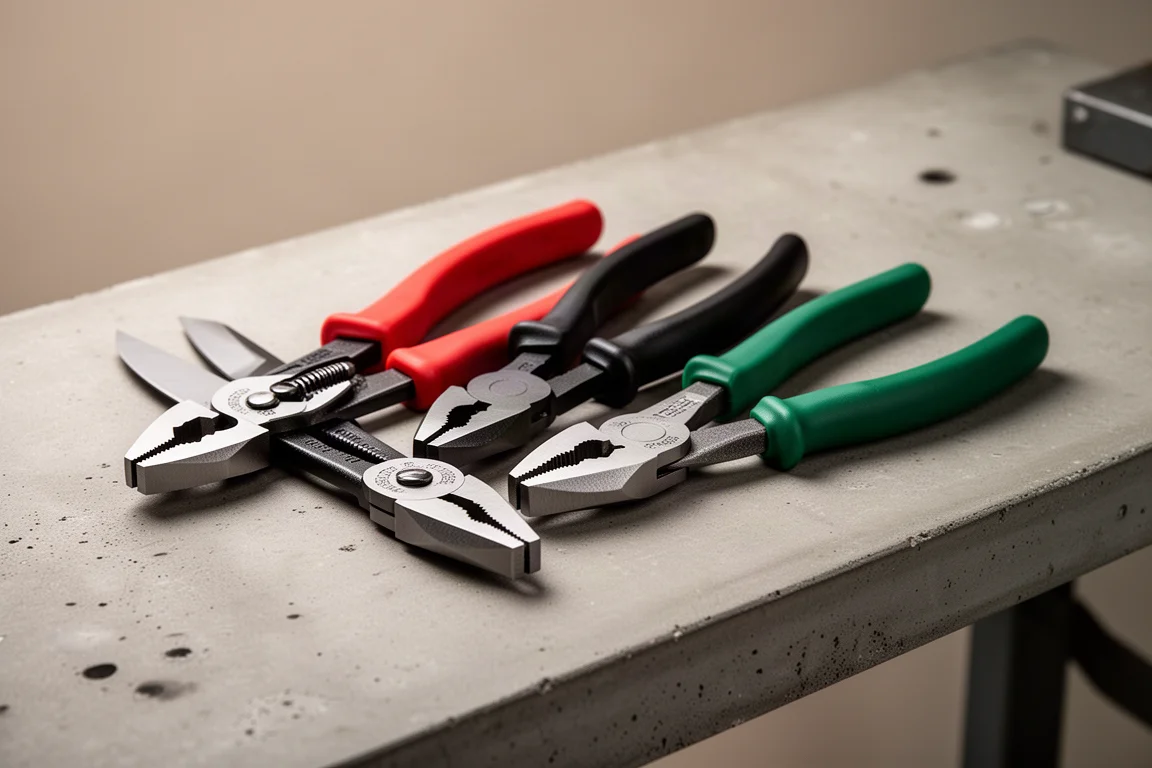
Lineman’s pliers look simple, but the differences between a great pair and a disappointing one show up fast once you cut wire all day. A recent hands-on look at five current options, including a brand-new Snap-on fresh off the truck, turned up some genuinely excellent tools and one surprising quality-control problem.
The short version: the older Snap-on models remain outstanding, Klein and Milwaukee offer strong American-made alternatives at far lower prices, and Knipex brings the signature German build quality. But the newest, most expensive Snap-on has a real defect worth knowing about before you order one.
What Actually Matters in a Lineman’s Plier
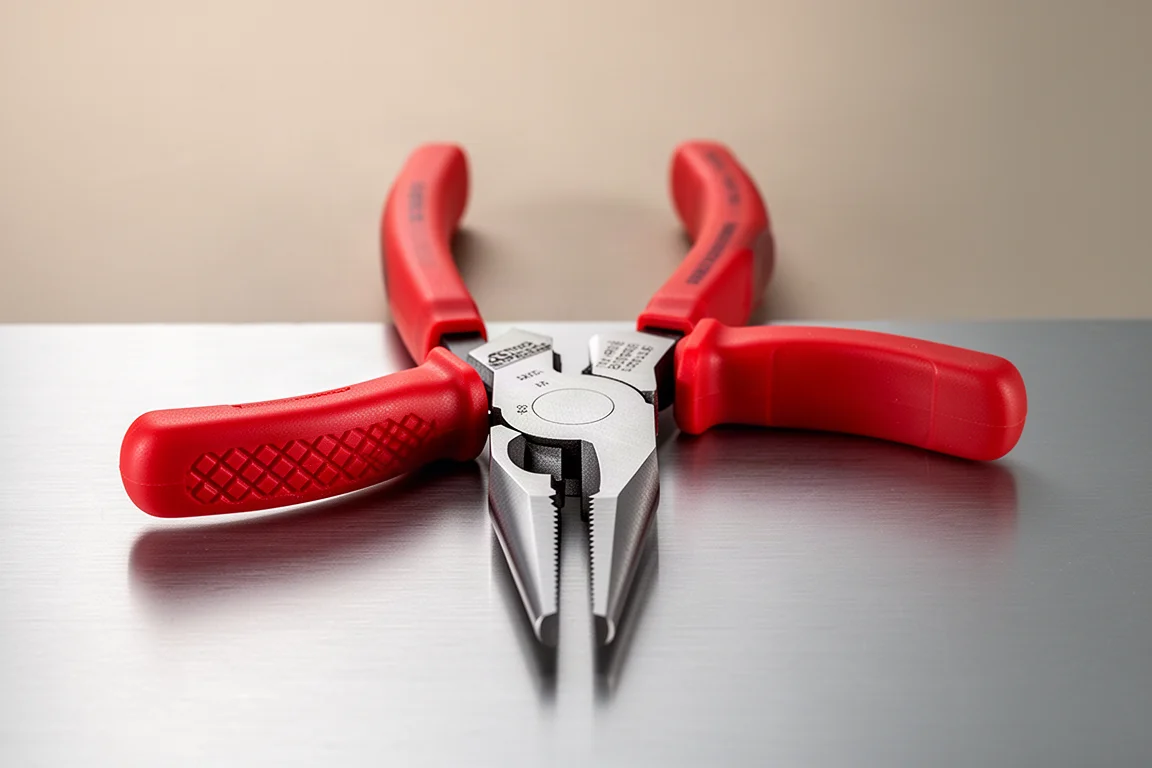
Three things separate a good lineman’s plier from a mediocre one. First, a grippy cross-hatch jaw pattern that holds wire without slipping. Second, big cutting knives behind the pivot that slice cleanly across the full jaw width. Third, the under-pivot area, which has become a pricey chunk of real estate: some brands put a crimper there, some add a fish-tape channel, and Milwaukee adds a ramp to keep fish tape pulling straight instead of crunching around the joint.
Pivot feel matters more than most buyers expect. The best pliers open and close with a tiny bit of resistance and a rock-solid joint, never loose, never sticky. That smoothness is what separates tools you reach for daily from tools you tolerate.
Snap-on 59 CF: The New “High Leverage Multi-Plier”
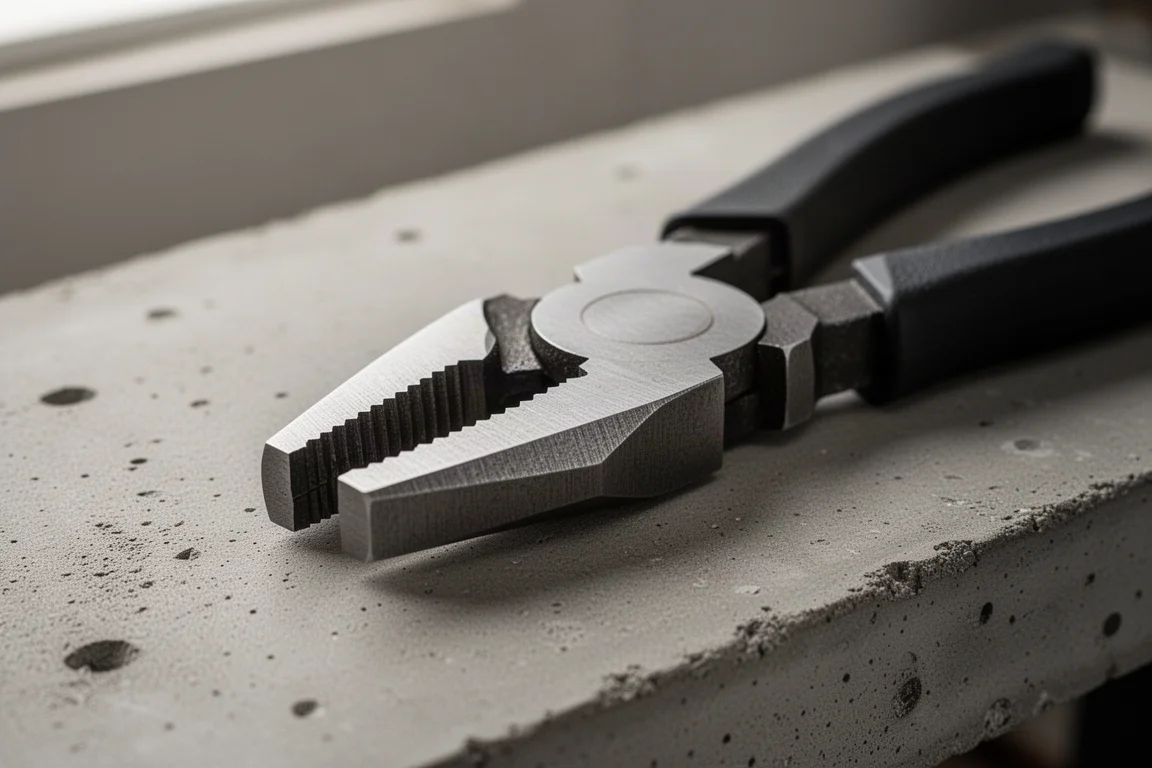
The tool Snap-on once branded simply as “The Lineman” is now listed as a high-leverage multi-plier, and the current iteration is the 59 CF. It keeps what made the originals special: a fairly grippy cross-hatch jaw, nice big cutting knives, and a generous under-pivot surface. It is also a fairly large plier, which many users will like.
The new version swaps the old jaw texture for what Snap-on calls the Talon Grip, a coarser crotch cross-hatch pattern that differs noticeably from the earlier style. Operation is smooth with a bit of sticky resistance rather than free-fall movement.
Here is the problem: on the new pair tested, light can literally be seen straight through the cutting gap near the middle of the jaw. It is not damage or wear; the forging appears poorly done straight from the factory. With 12-gauge solid-core wire, the plier only cuts near the very top of the knives. Lower down, the wire survives every squeeze and clings in the gap instead of parting cleanly. For a plier priced around $90, arguably the most expensive lineman’s plier on the market, that is shoddy quality control, and the tested unit was returned. It even arrived filthy, which made the whole experience worse.
Snap-on 57 AH LP: The Smaller Original
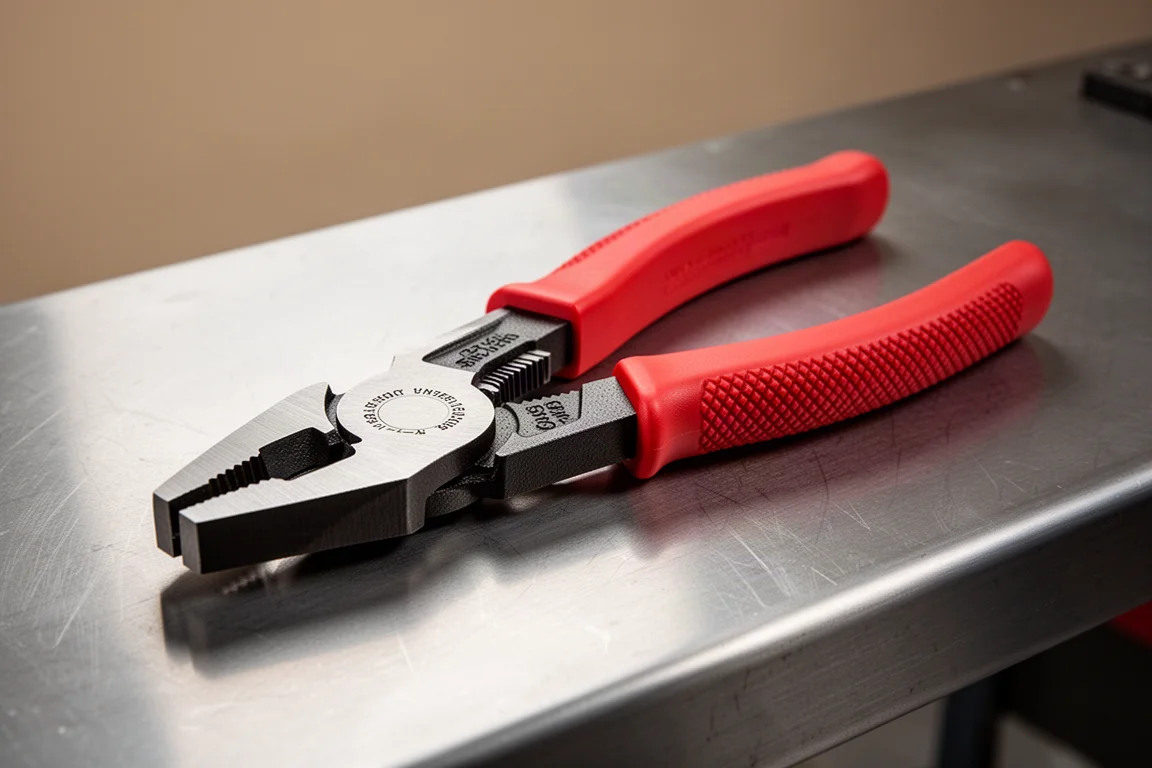
The 57 AH LP is a smaller version of the classic Snap-on lineman’s plier, and the older generation of these tools earned genuine enthusiasm. Great size, great feel, nice and slick operation with just a tiny bit of resistance, grippy cross-hatch jaws, and big cutting knives. For years these were the benchmark the reviewer had zero hesitation about.
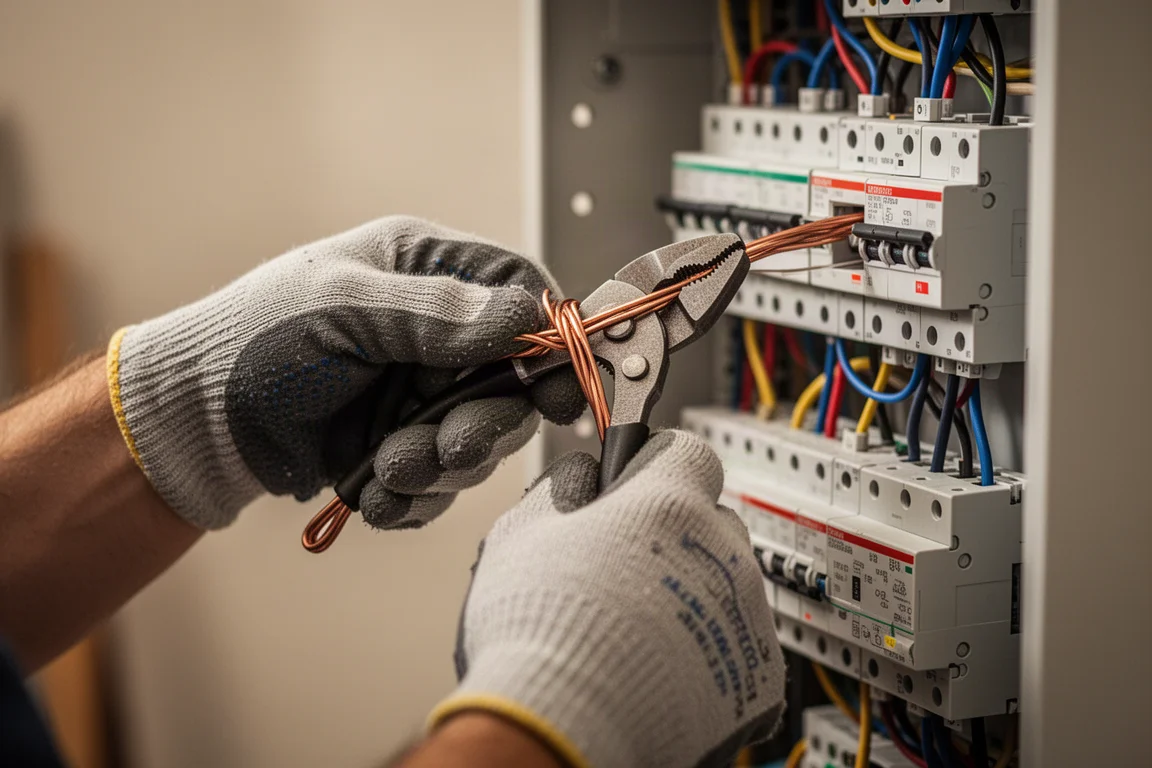
The key phrase there is “older generation.” If you hunt for one, you are looking at a previous iteration of the design, since the current catalog has moved to the 59 CF layout and the Talon Grip jaw. If you can find the earlier 57 AH LP or 59 AH LP in good condition, you are getting the plier that built the reputation.
Klein Lineman’s Pliers
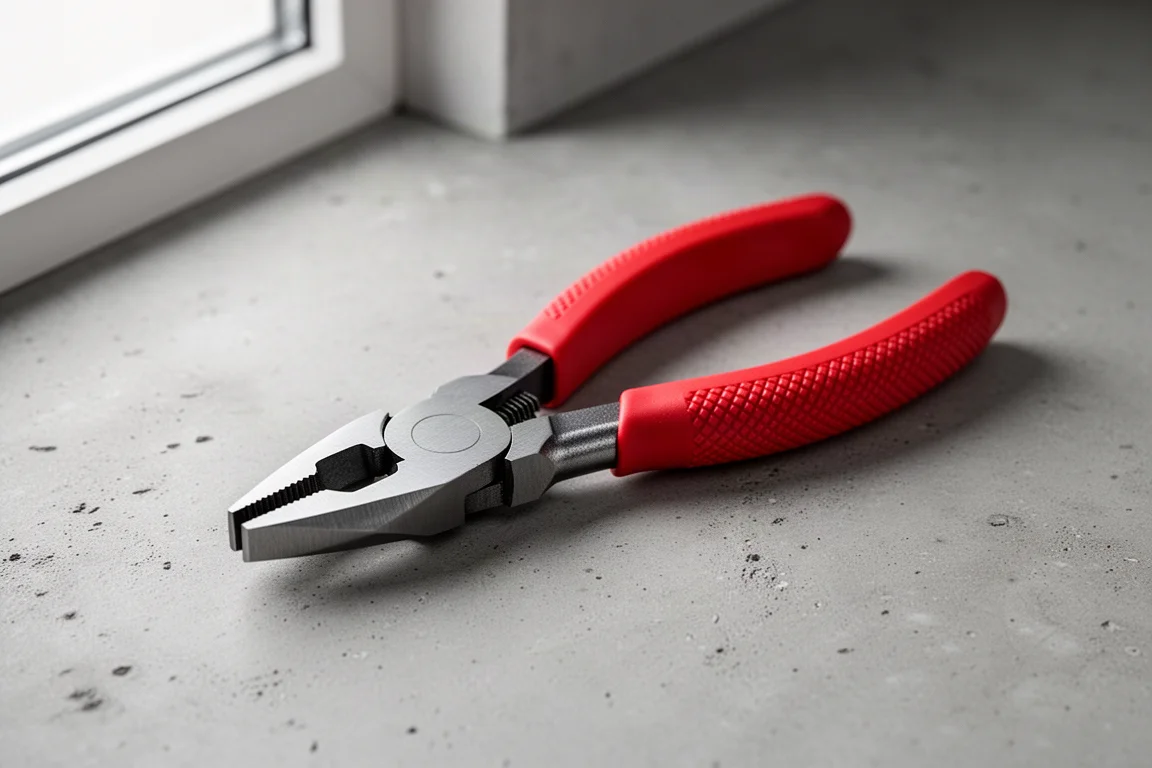
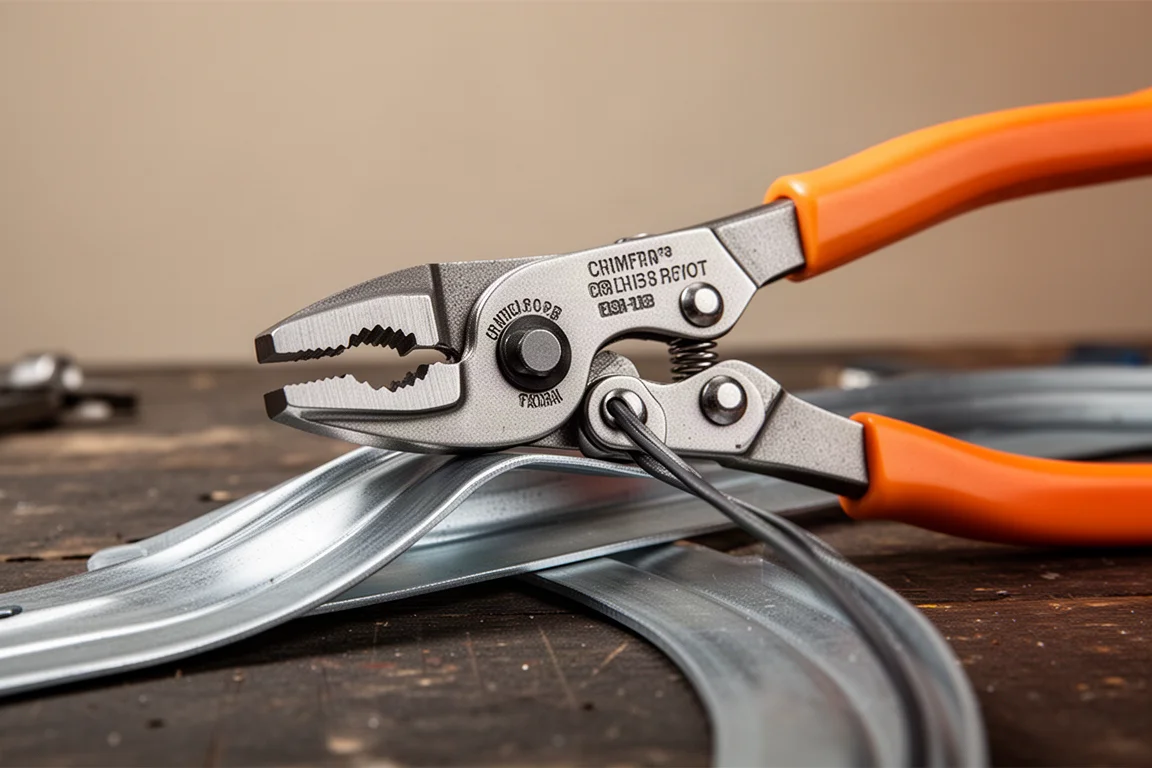
Klein’s lineman’s pliers take a different approach to the under-pivot area, adding a crimper there. The jaw cross-hatch is the pattern the original Snap-on was closely aligned with, and the cutting gap closes from the bottom up. That is a deliberate design choice: as you increase squeeze pressure, the gap closes completely, letting the wire shear cleanly near the top.
Multiple Klein pairs tested showed exactly that behavior, closing progressively and fully cutting when squeezed hard. There is even a very old Klein and Sons plier in the comparison that still works great after what must be a century of use, including time spent as, apparently, a hammer. Its pivot remains rock solid and its movement silky smooth. Even worn with a chunk of damage, it still cuts fine near the top of the knives. That is what durable toolmaking looks like.
Milwaukee Lineman’s Pliers
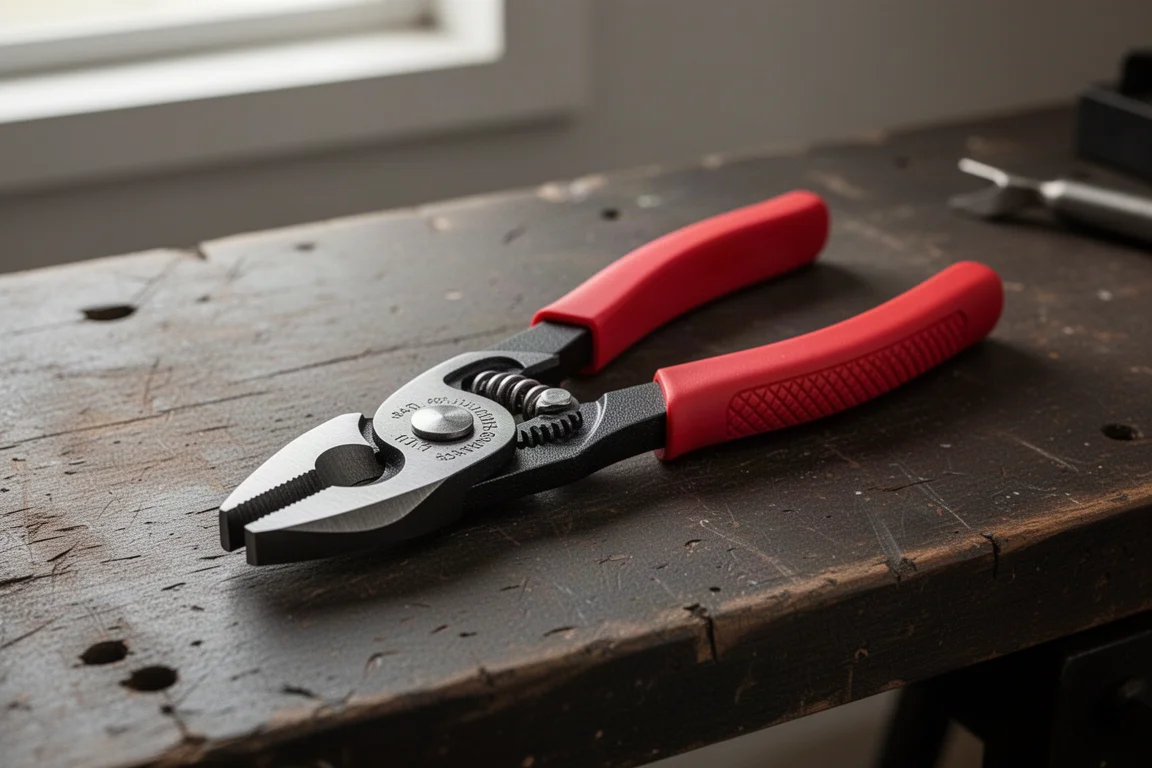
Milwaukee took the crimper idea one step further, adding a ramp in the under-pivot area to keep fish tape pulling straight so it does not get crunched around the joint. Made in the USA, these pliers showed one of the best cutting gaps in the test: near-complete closure with only a teeny speck of light that may even come from use.
Operation is close to a free fall at a certain point in the travel, matching the silky feel of the best pliers tested. At roughly $45 according to Home Depot’s listing, described as a 9-inch plier with a 6-inch handle, these deliver about half the price of the Snap-on with fewer compromises in the cutting gap.
Knipex Lineman’s Pliers
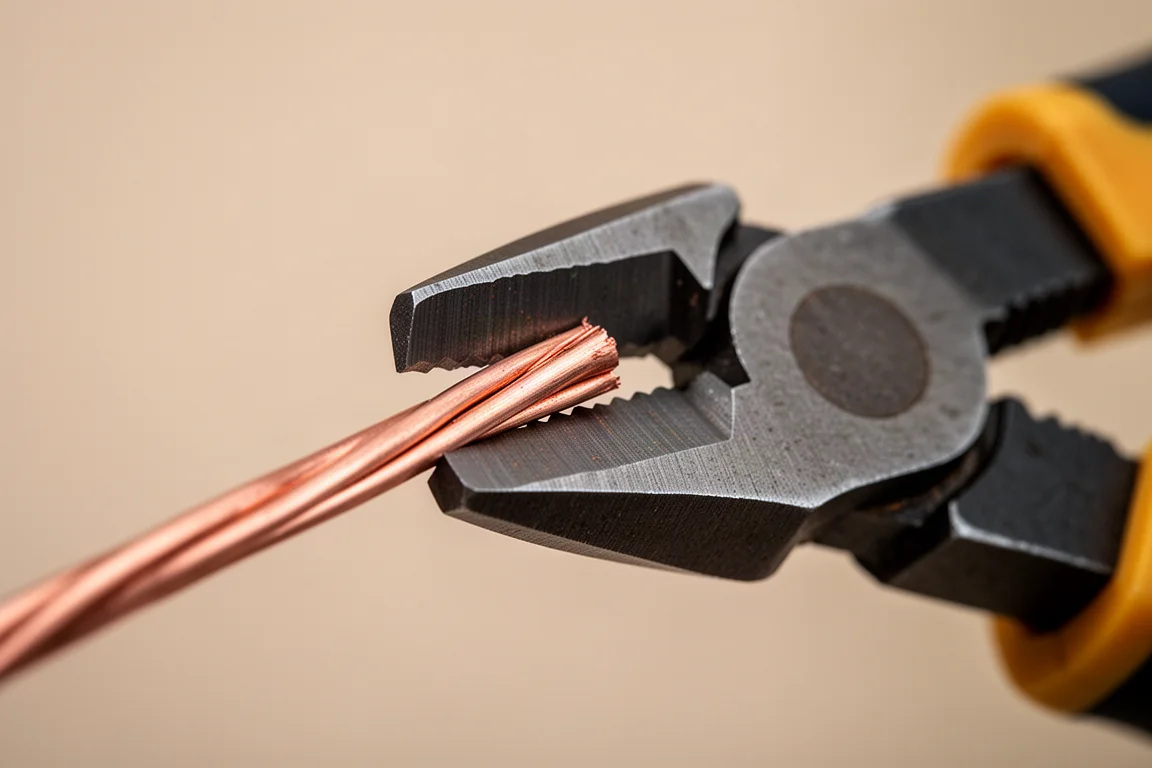
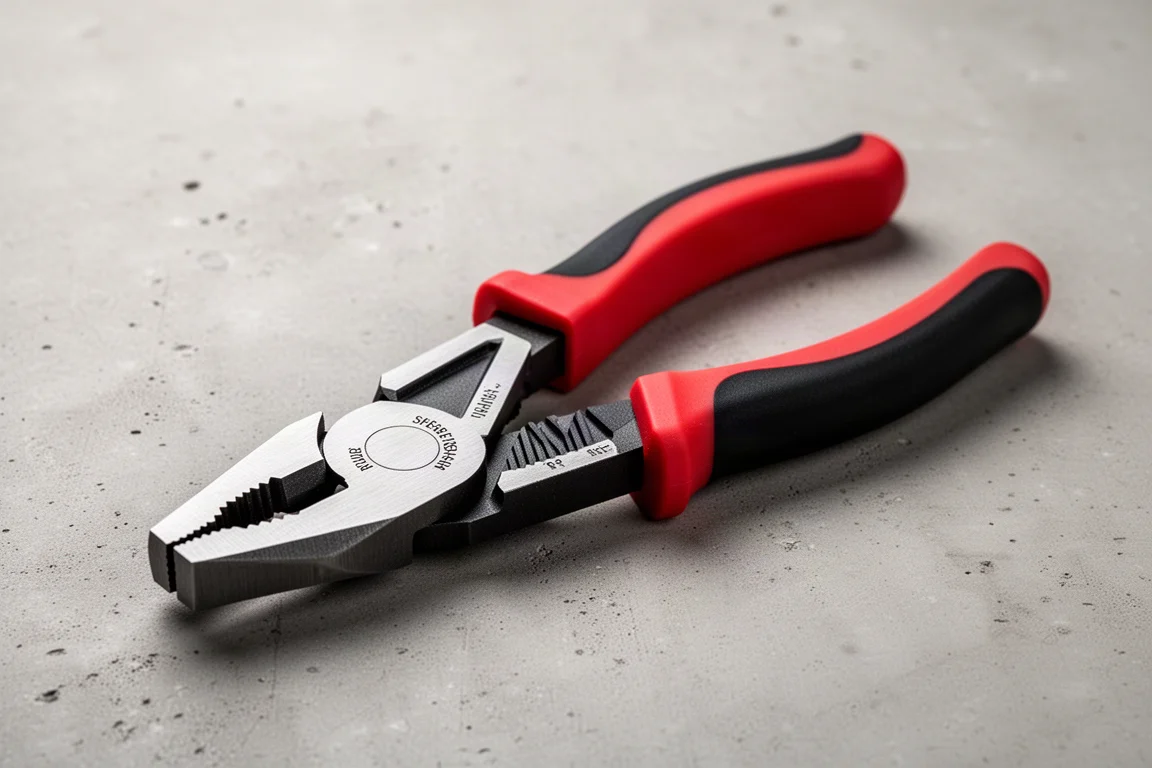
The Knipex version demonstrates what German engineering brings to this category. The cutting gap closes beautifully, small and tight, with essentially no visible light even after the pair has seen some use. Operation is exactly the smooth, confident feel you want from daily-driver pliers.
The under-pivot area does not advertise a dedicated fish-tape or crimping feature, but the overall execution of the joint and cutting knives is the strongest in the comparison. If flawless cutting action is your top priority, Knipex makes the case convincingly.
Buying Advice
If you want the classic Snap-on experience, the older 57 AH LP and 59 AH LP generation is the one that earned the reputation; the new 59 CF at around $90 has a documented forging defect that lets light through the cutting gap and prevents clean cuts in the middle of the jaw. Do not pay a premium for that.
For most buyers, the practical picks are the Milwaukee at roughly $45, with its excellent cut closure and fish-tape ramp, or Knipex if flawless German fit and finish matters more to you than price. Klein remains the reliable middle ground with a proven design and a crimper under the pivot.
Conclusion
This comparison turned out to be a cautionary tale as much as a recommendation. Snap-on’s newest and most expensive lineman’s plier arrived with a factory forging flaw, while cheaper American alternatives from Klein and Milwaukee, and Knipex from Germany, executed the fundamentals better. Match the under-pivot feature to your actual work, check the cutting gap closes fully, and your money will be well spent.
Further reading
Related Reviews
Hand Tools
Best Diagonal Cutters 2026: 16 Pliers Tested for Cutting Power and Durability
We put 16 diagonal cutters through nail, screw, drill bit, and hex key tests to find the best value picks for your toolbox.
Hand Tools
Best Hex L Key Sets 2026: Nine Sets Tested for Real-World Torque
Nine hex L key sets from budget to premium, tested for torque, fit, and durability. See which sets deliver real performance and which ones to skip.
Hand Tools
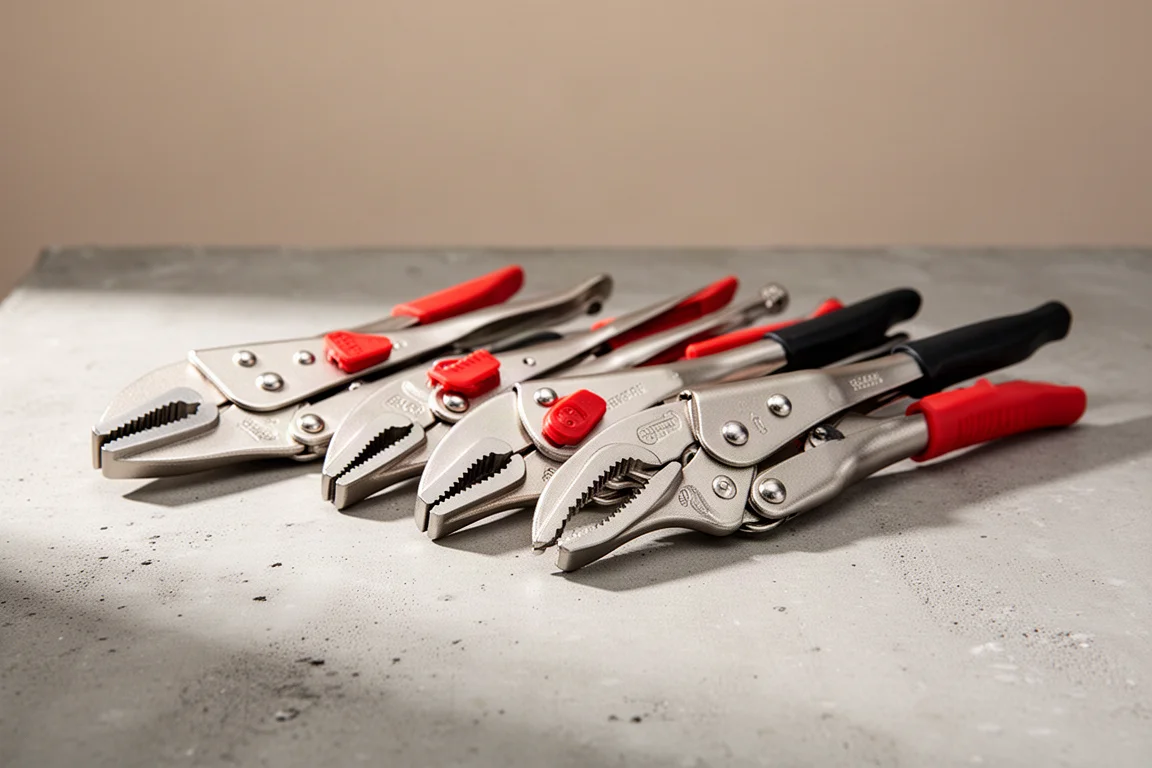
Best Locking Pliers 2026: Top Picks Tested for Grip and Durability
We tested 18 brands of 10-inch locking pliers for grip strength, jaw bite, build quality, and ease of release to find the best options for tough jobs.