Baking & Cooking Fats
Best Lard for Pie Dough and Biscuits: Two Options Worth Baking With
Lard and shortening are chemically the same, but one natural option earns a clear edge for tender, flaky pie dough and biscuits.
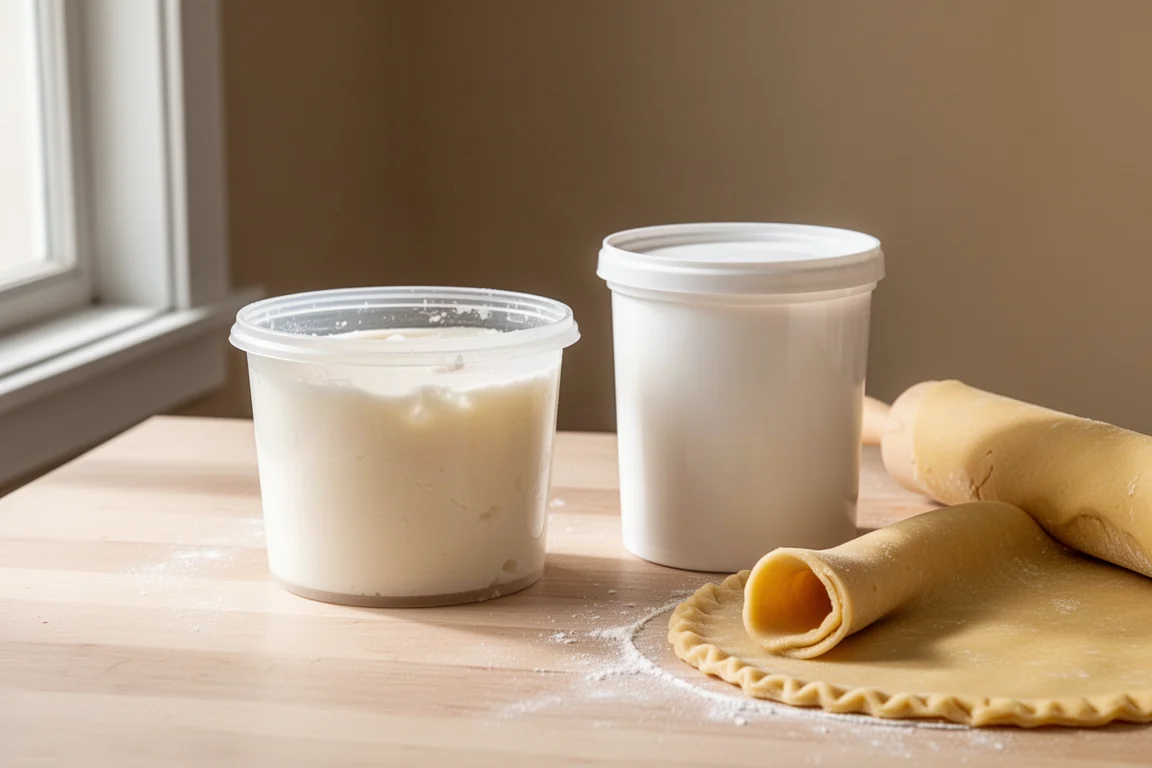
Introduction
Lard was the fat of choice for most of the 19th century. Then, in 1911, scientists figured out how to turn liquid vegetable oil into a solid fat through hydrogenation, and shortening arrived on the market, sold as the healthier plant-based alternative to an animal fat.
That nutrition science has largely not aged well. Before it was recently reformulated to remove trans fats, shortening was probably worse for you than lard. Today the two are best considered a tie, and because both are 100% fat, they can be used interchangeably in recipes. That said, we are firmly team lard, and this guide covers two options worth keeping in your pantry: a premium natural lard and an easy supermarket pick.
Why Lard and Shortening Beat Butter for Tenderness
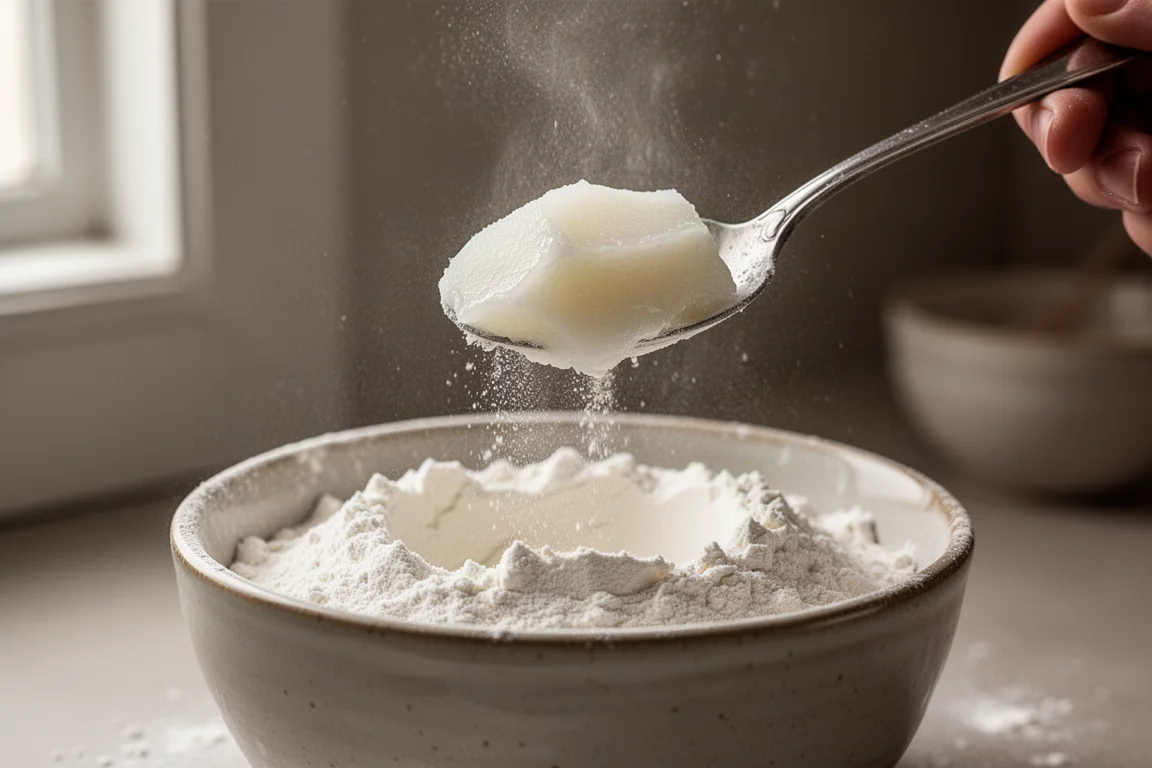
Butter belongs in pie dough and biscuits for flavor, and we still use it for exactly that reason. But butter is 80% fat and 20% water, while lard and shortening are 100% fat, and that difference changes the texture of your dough.
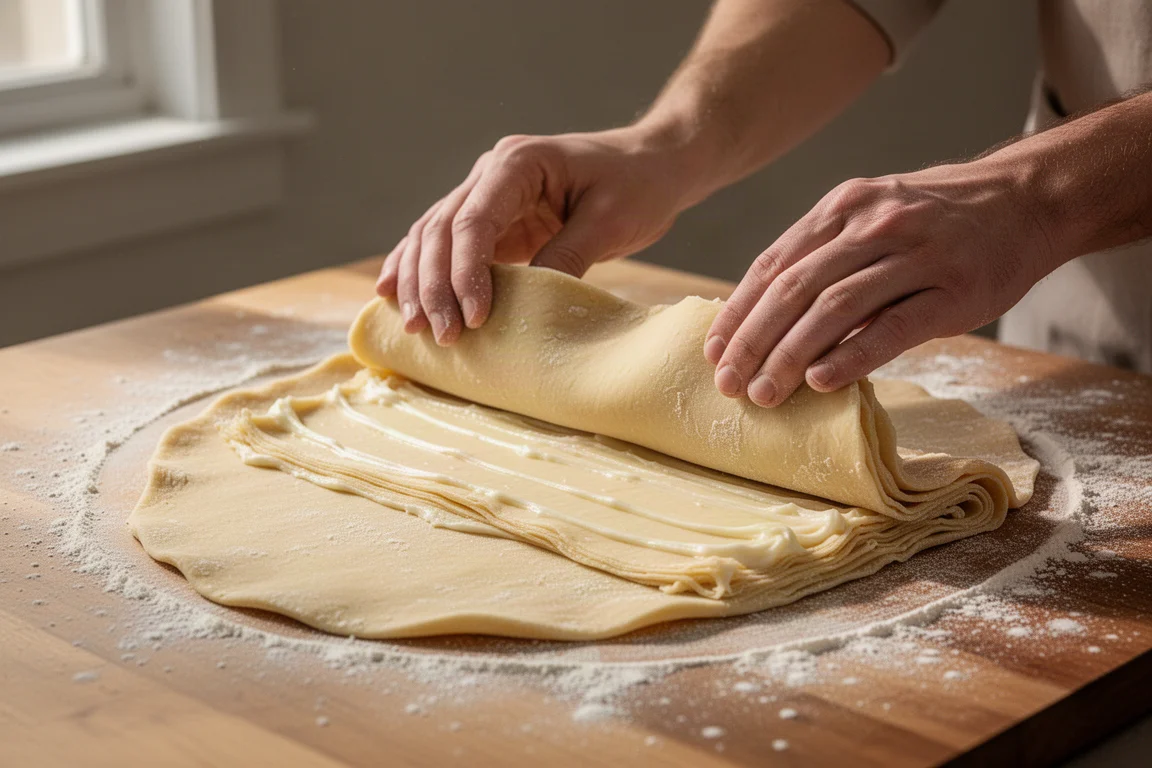
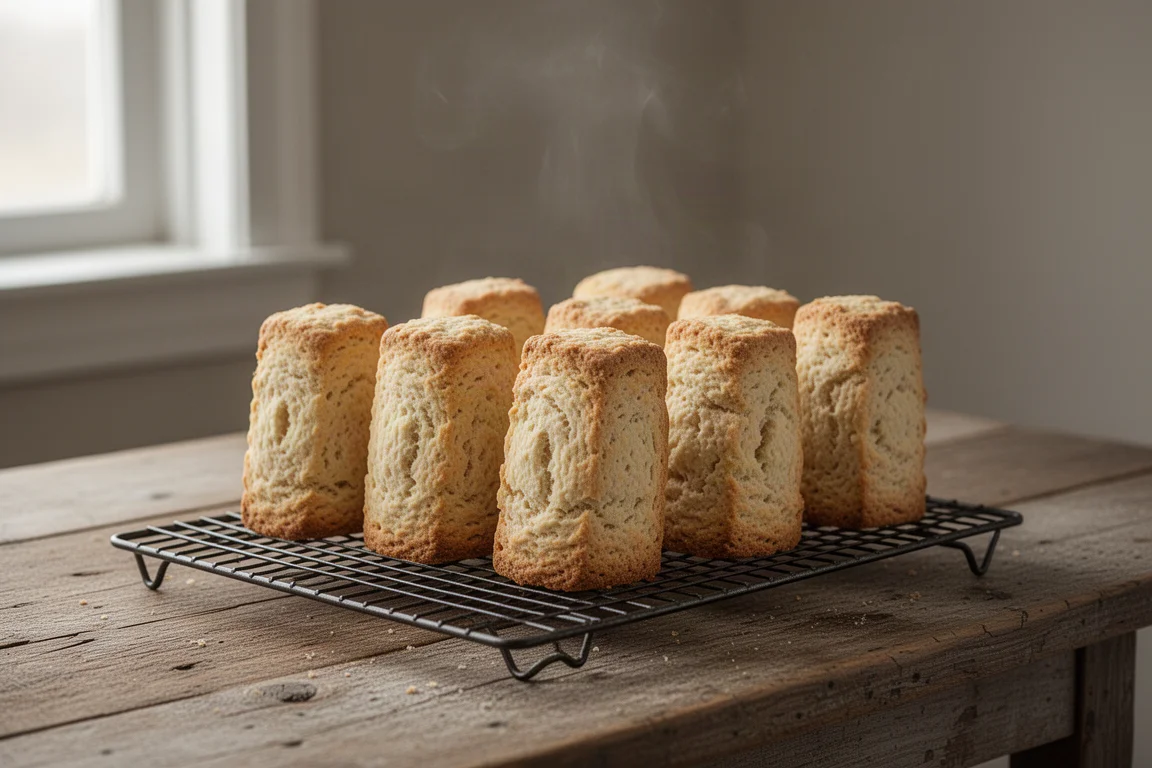
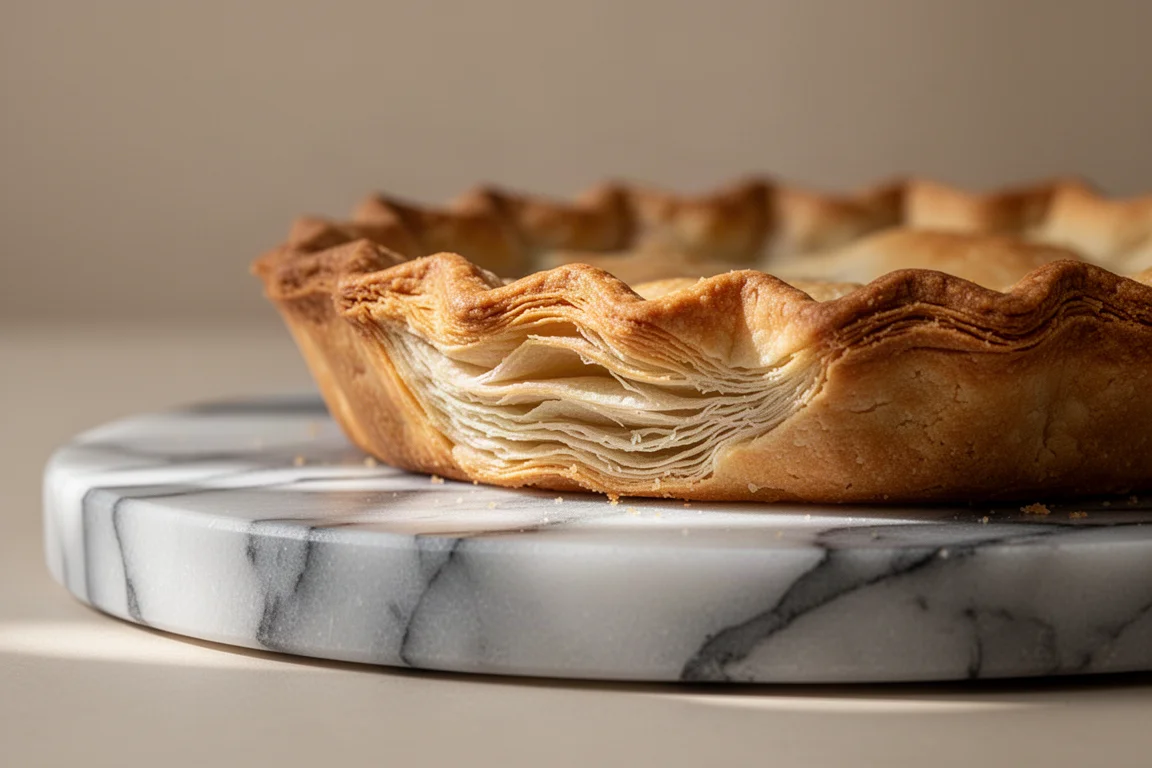
When you work any solid fat into flour, you are shortening the gluten strands, which is where the word shortening comes from. All three fats do this. But because lard and shortening contain no water, they do not promote gluten development once liquid is added to the dough. Combining either one with butter gives you the best of both worlds: rich flavor from the butter, and tender, flaky pie dough or beautifully tender biscuits from the water-free fat.
Our Lard Tasting Results
To find the best option, we ran a lard tasting, and one favorite clearly stood out from the field.
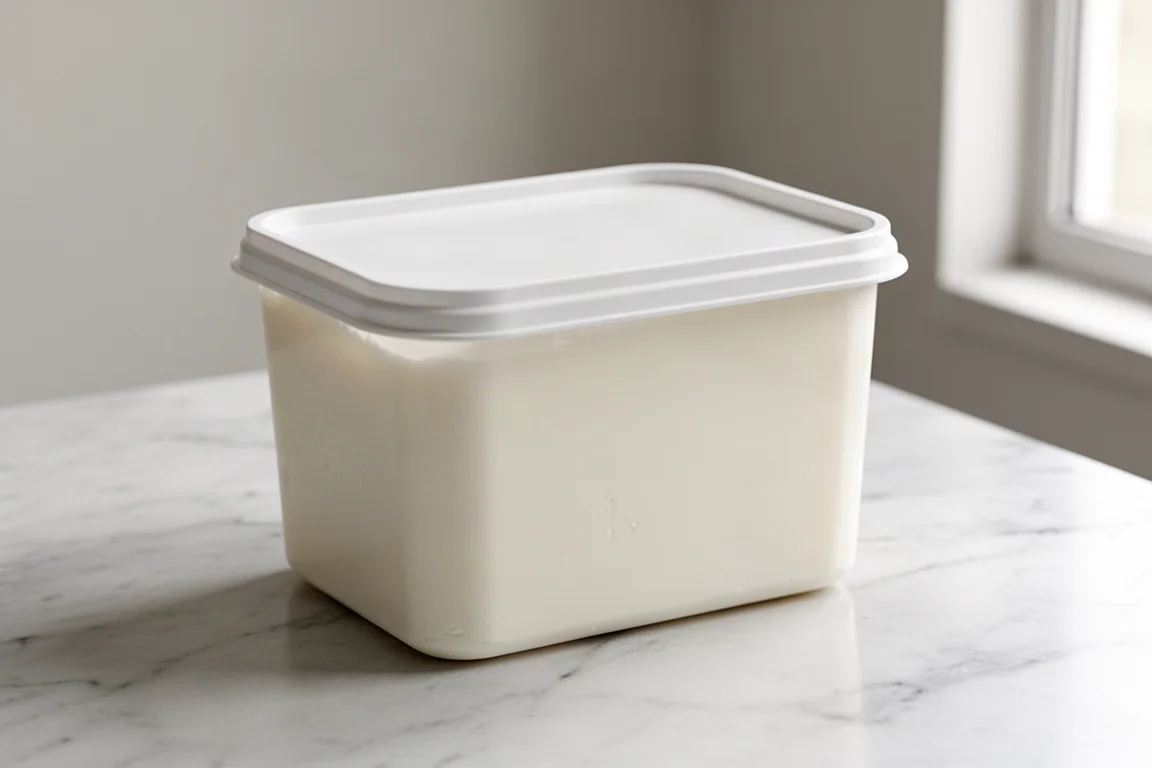
U.S. Dreams lard was our favorite. It is 100% pork lard with no preservatives, and its flavor is only lightly savory rather than strongly porky. You will not taste your pie dough and think it contains pork. The main drawbacks are availability and price: it is a mail-order brand, so it comes with a modest label and a fairly high cost.
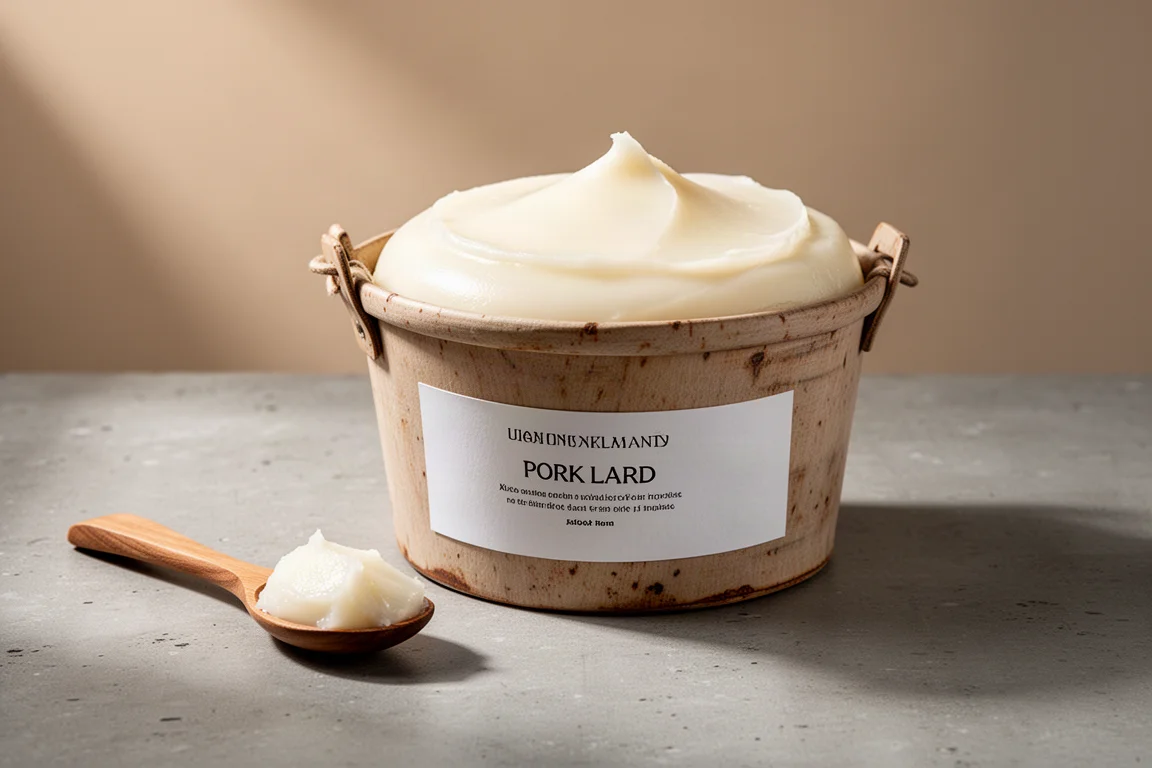
If you would rather grab something off the shelf, Morrell lard is a solid supermarket option. It has a very light, clean flavor and worked really well in both pie dough and biscuits.
How to Choose Between the Two
Beyond flavor, there are two practical reasons to prefer lard over shortening. First, you have the option of buying 100% natural lard with no preservatives. Second, it is more sustainable: if we are going to eat pork, turning the leftover fat into lard makes good use of the whole animal.
If budget and convenience lead, the supermarket option delivers clean flavor and excellent results in both biscuits and pie dough. If you want the most natural, additive-free choice and do not mind ordering online and paying more, the premium mail-order lard is worth it. Either way, the approach is the same: go back to the 19th century and use lard alongside butter, and you will get amazing flavor and incredible texture.
Conclusion
Lard and shortening are interchangeable because both are 100% fat, but lard earns the edge with its natural, preservative-free options and its sustainability. Pair it with butter in your pie dough and biscuits, and you get the flavor of butter with the tenderness only a water-free fat can deliver.
Further reading
Related Reviews
Baking Equipment
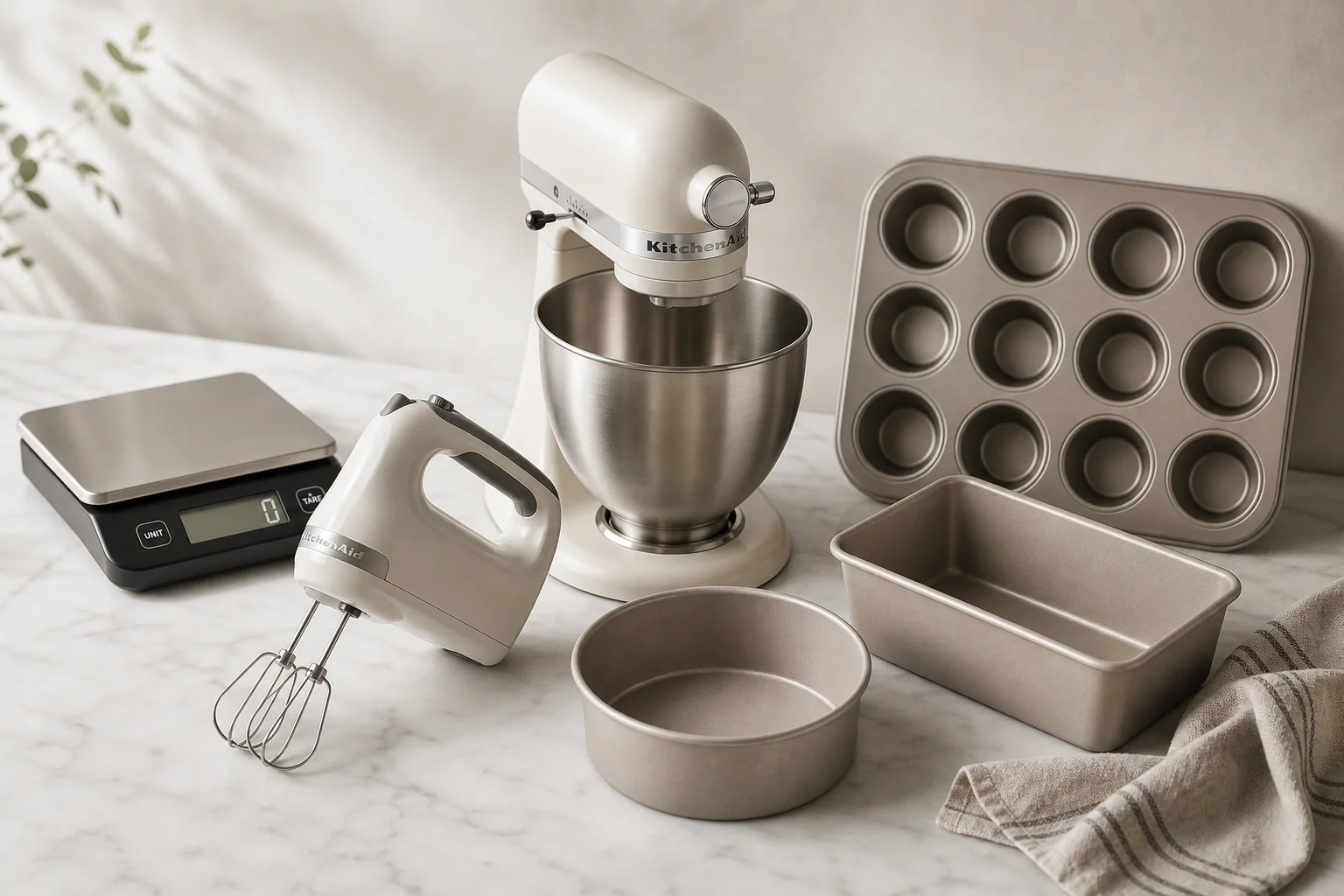
Best Gear for Small-Batch Baking: Essential Tools and Appliances
A complete guide to the essential equipment and specialized tools for baking cookies, cakes, and desserts for one or two people, including scales, mixers, pans, and small appliances.

Kitchen Equipment
Best Sheet Pans Tested: Which Brands Resist Warping and Cook Evenly
Six popular sheet pans tested for warping resistance, roasting performance, and ease of cleaning. Find out which offers the best value and which to avoid.

Kitchen Appliances
Best Stand Mixers 2026: Five Models for Different Baking Needs
A practical roundup of five stand mixers, from budget-friendly options to premium models, with clear strengths and trade-offs for home bakers.