Kitchen Knives
Best Kitchen Knives for New Professional Chefs: An Honest Kit Guide
The essential knife shapes for restaurant work, plus attainable Japanese knife brands worth buying when you upgrade from cooking school blades.
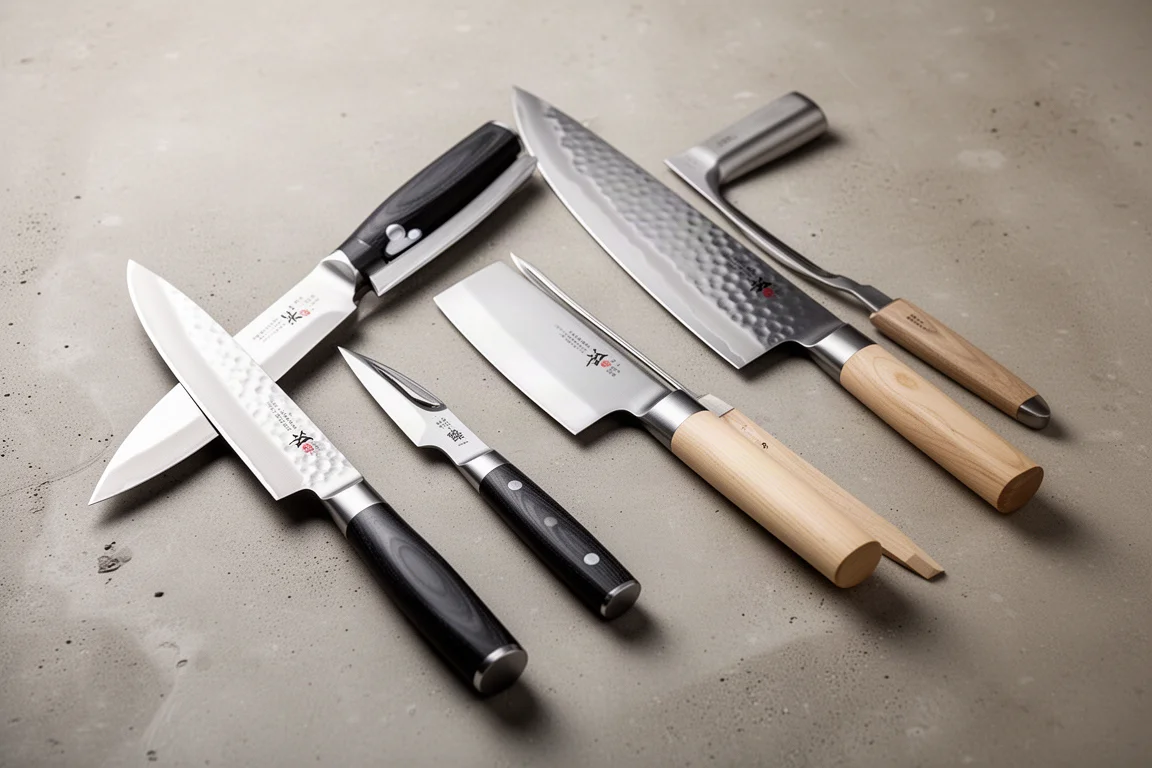
Introduction
Your first weeks in a professional kitchen are tough for everyone, and getting teased about your knives is practically a rite of passage. But there is real substance behind the jokes: the knives you used in cooking school are usually made from softer steel. That is cheaper and beginner-friendly because it resists chipping, but it also loses its edge fast.
In a restaurant, where you may use your knife for 8, 10, or 12 hours a day, upgrading to a Japanese knife pays off quickly. The steel is harder, so it stays sharp far longer, holds a sharper edge, and cuts your sharpening time dramatically. In eight years of restaurant work, the difference was sharpening weekly versus once every few months for the same workload.
The Two Shapes That Do Almost Everything
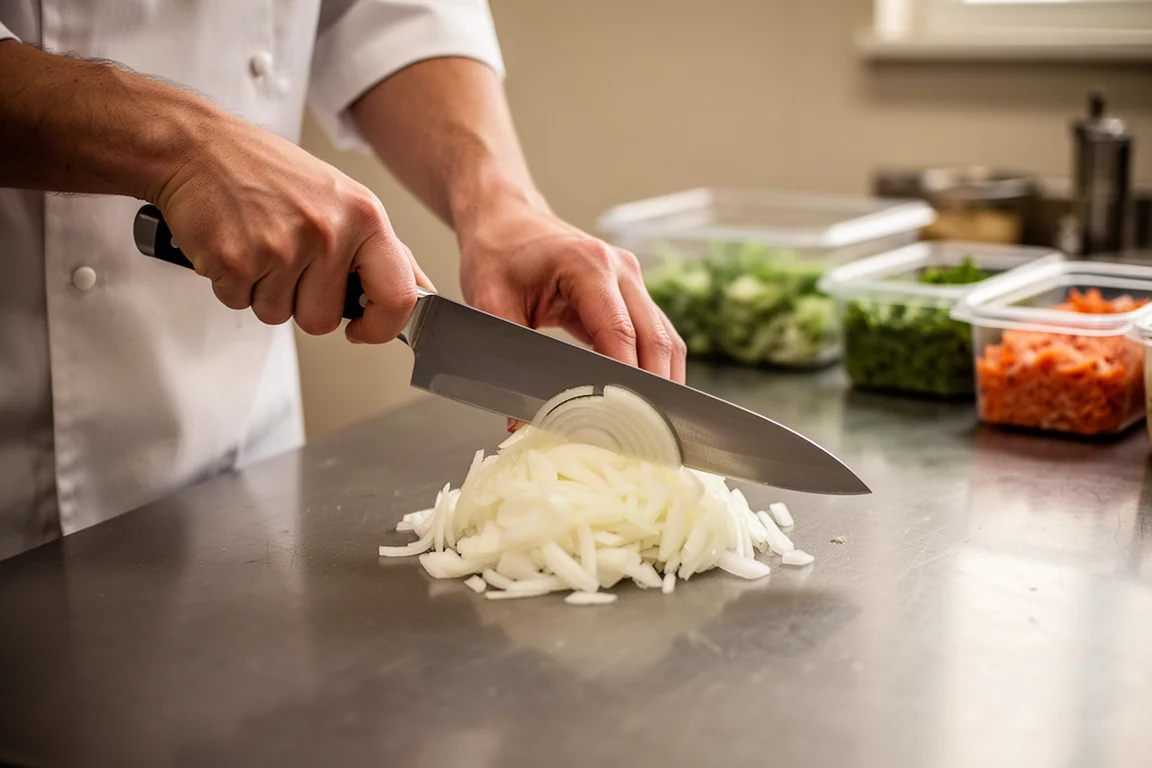
A professional cook can handle nearly any job with two core shapes. The first is the gyuto, essentially a European-style 8 or 10 inch chef’s knife rebuilt with harder Japanese steel. It does about 90 percent of the work in a restaurant: mountains of prep, carving roasts, and even service on the line. If you are smaller, choose a 210mm blade; a 240mm suits taller cooks and long slicing jobs like portioning steaks.
The second essential is the petty, or paring knife, the sous chef of your kit. It handles in-hand work like trimming potatoes, cutting fruit, and small board tasks like slicing tomatoes for a salad or carving a chicken breast to plate. A 135mm blade, or a slightly shorter 150mm, is versatile enough for most jobs and safer in cramped kitchens. It even works as a light boning knife for tasks like trimming tenderloin or breaking down a chicken, as long as you stay careful around bones.
Start with these two shapes. Most cooks do not earn much early on, so do not blow your rent money on a fancy kit before you need one.
Boning Knife and Honesuki
Once your chef trusts you with pricier proteins, add a dedicated boning knife. It has a thicker spine and edge than a petty, so it stands up better to work around bones, and its curved tip helps with delicate jobs like removing skin from pork belly.
An interesting alternative is the honesuki, a Japanese poultry knife. It has a thick heel for tougher jobs like cutting through chicken joints, while the fine, precise tip handles precision work like separating a breast from the carcass or trimming silverskin. For tunnel boning a pork shoulder, you will eventually want something thinner and more flexible.
Santoku and Nakiri
The santoku is basically a smaller chef’s knife. If you have smaller hands or feel nervous around big blades, it is easier to control.
On a busy prep shift, the nakiri earns its keep. Its flat edge makes a clean cut straight down through the board instead of requiring a rocking motion, which matters when you are thinly slicing a 40-pound bag of onions for french onion soup. If you cut a lot of vegetables, this is the knife for it.
Sujihiki
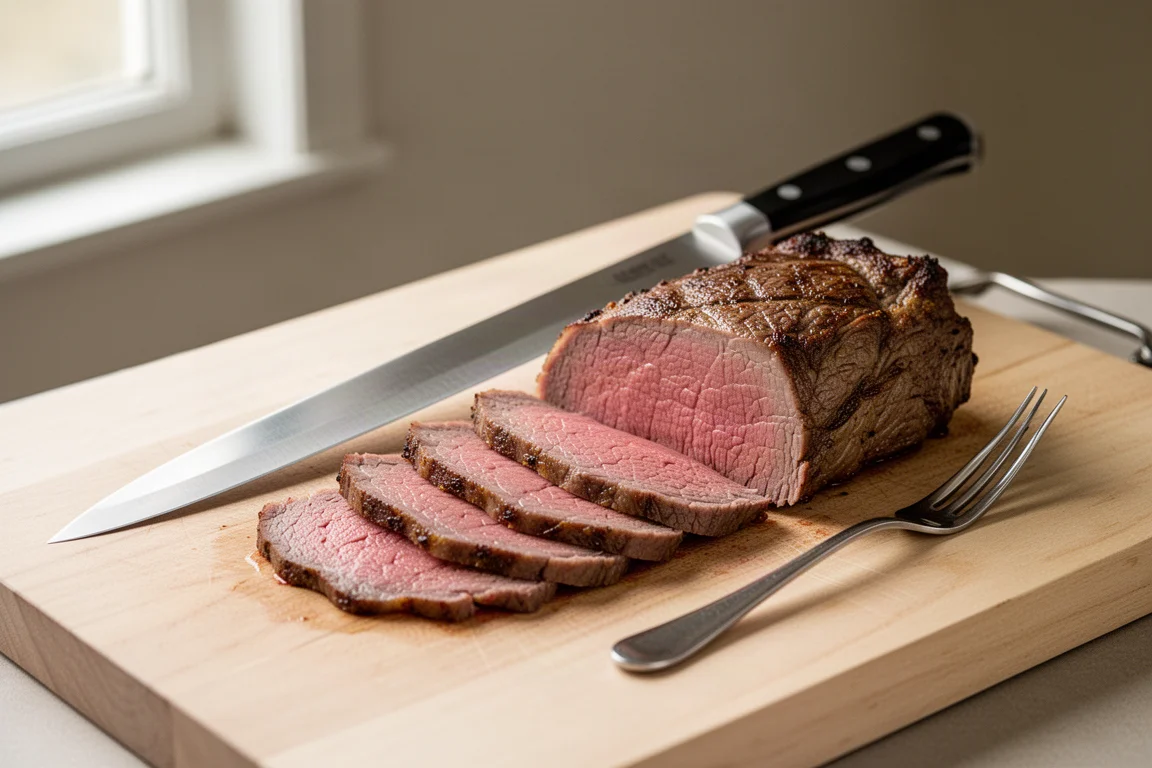
A sujihiki is a longer, skinnier slicing knife. While a gyuto can handle larger carving jobs, the sujihiki’s extra length and slimmer blade produce cleaner slices of prime rib and portion steaks, and it skins a salmon fillet far better. If you work with big proteins regularly, this shape belongs in your kit.
Bread Knife
It is for bread. That is the whole story, and it still belongs on the list.
Tojiro
Tojiro knives embody Japanese quality with no fancy bells or whistles. They are simple, well-made, high-performance blades that just keep going, and they are less fragile than more expensive options, which suits the rough handling of a professional kitchen.
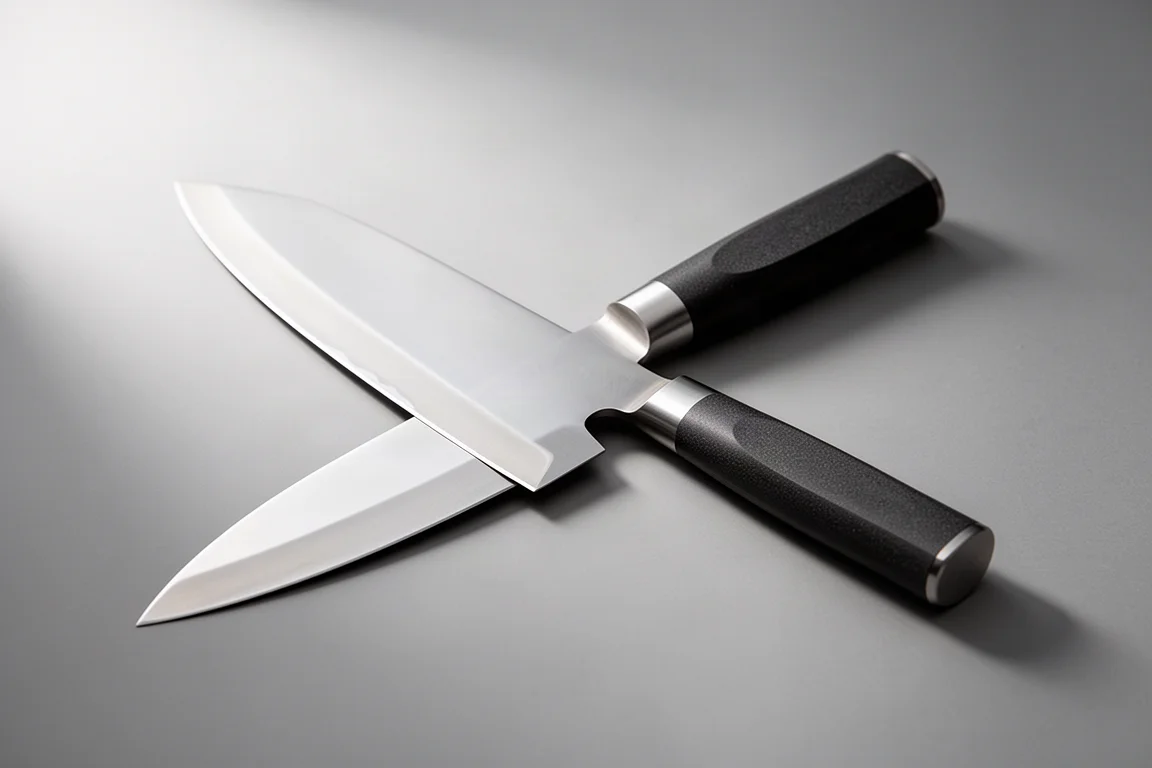
Tadafusa Hocho Kobo
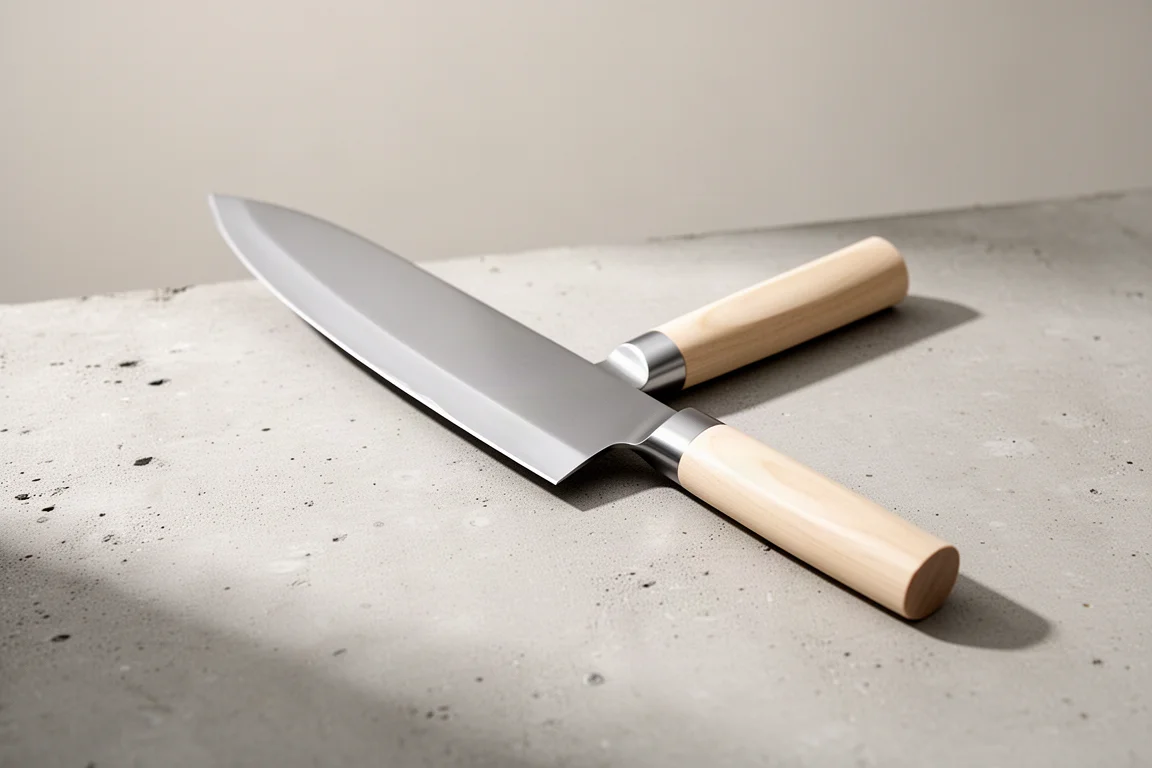
Tadafusa Hocho Kobo makes simple, elegant, very lightweight blades. If you pick up a European chef’s knife and find it too heavy, these are the baby bear of knives: light, easy to use, with a limited lineup of about five or six shapes that still covers all the bases for a minimalist kit.
Haruyuki
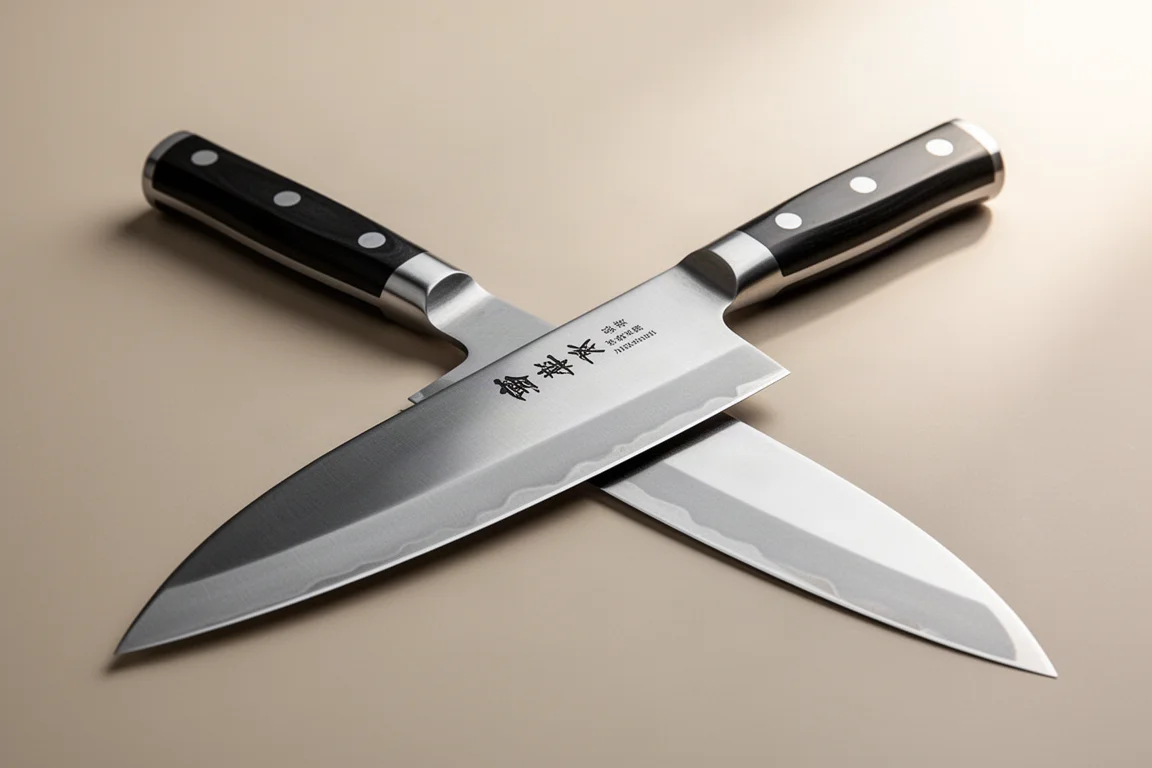
Haruyuki produces many lines and shapes using machine forging with the rest of the work finished by hand. That combination makes the knives high performance, reliable, and consistent while keeping prices very reasonable.
The Goma line offers a traditional western-style handle in finishes that look genuinely stunning, a touch flashier than utilitarian knives but still reliable and affordable. Haruyuki also offers traditional Japanese wa handles, which concentrate weight in the blade so the knife does more of the work for you. Over a 6 to 12 hour shift, that difference really adds up.
Fujimoto
Fujimoto is a favorite brand here. Like Haruyuki, it machine-forges for consistency and affordability with everything else done by hand, giving the knives a true handmade look and feel in a traditionally Japanese style.
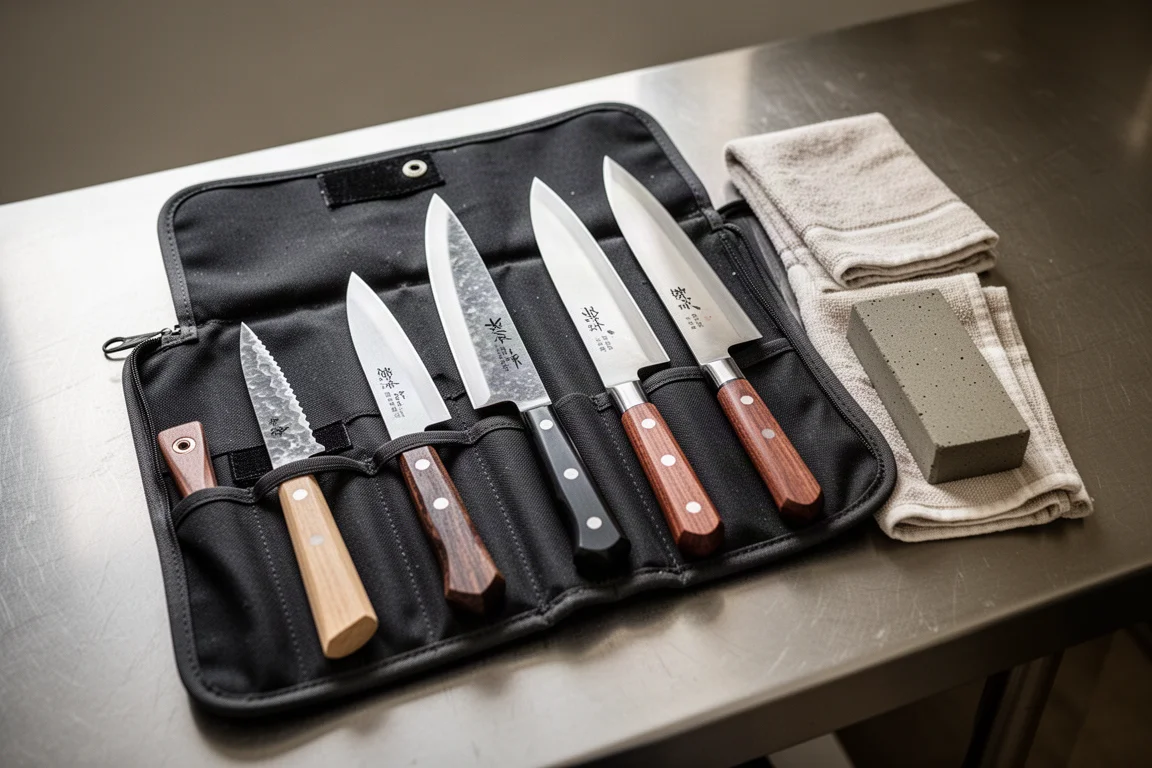
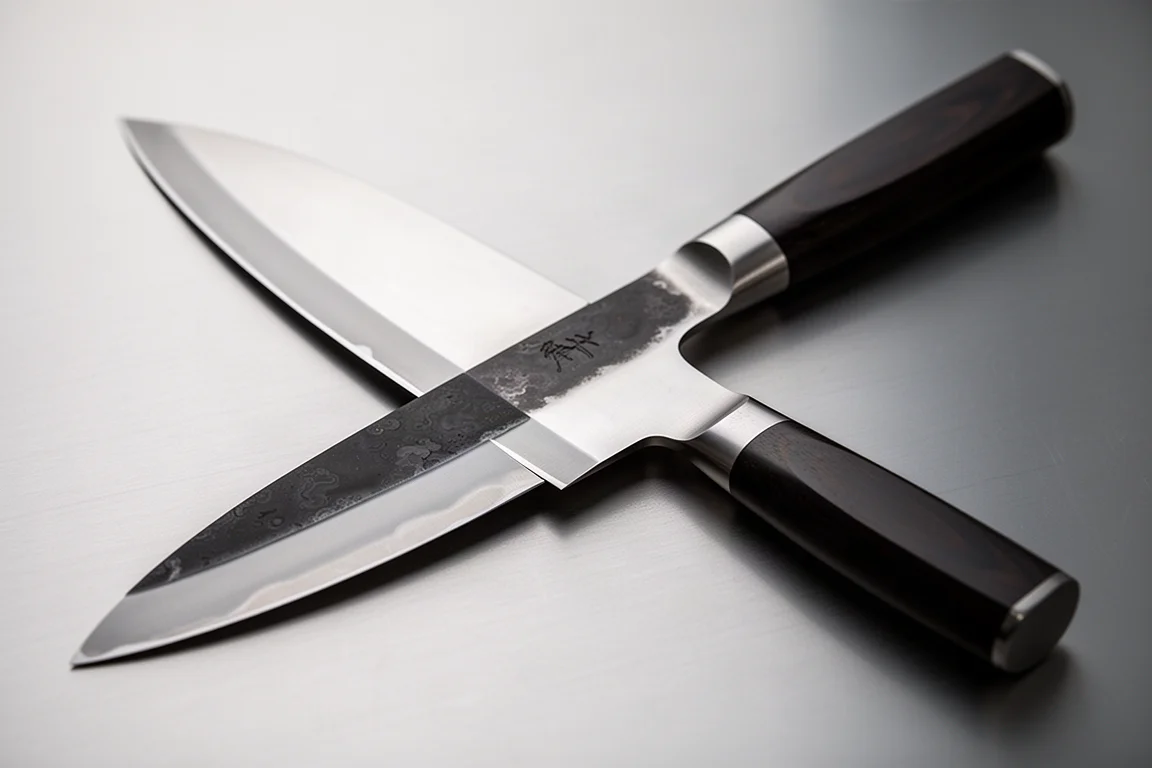
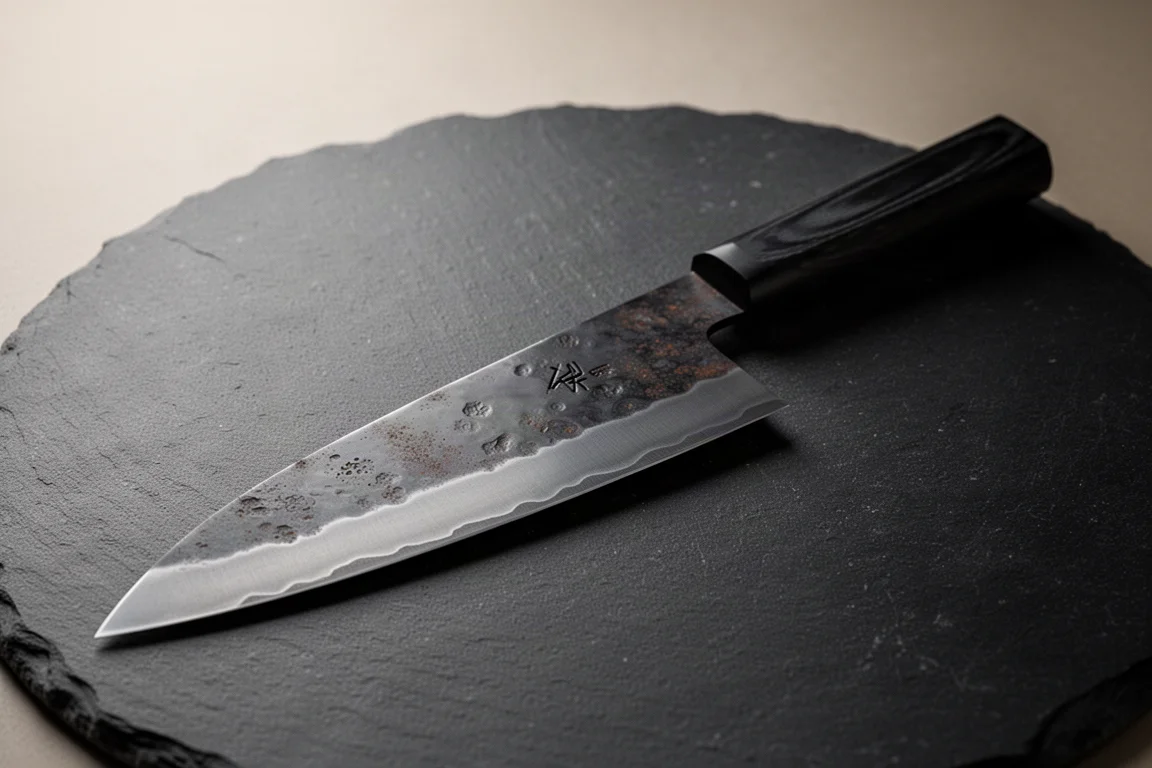
The Hammered series is both attractive and slightly more rugged than typical Japanese knives, so it holds up better in a professional kitchen. If you want to dip into carbon steel, the Nishiji line has a carbon steel core that stays sharp longer and takes a sharper edge, while the stainless cladding protects everything except the small exposed edge, which can rust without care. The Special Forge line is full carbon steel: gorgeous, patinas and changes with age like a weathered motorcycle jacket, and offers insane bang for the buck, but it rusts if you set it down for 30 seconds, so it demands real attention.
Aspirational Knives: Tojiro Atelier and Fujiwara
As you grow from cook to chef, your kit becomes a trademark of your career: the restaurants you have worked, the countries you have cooked in, how you have cared for your blades. Eventually, milestone moments like earning your red seal or landing that dream fine-dining job deserve a celebratory upgrade.
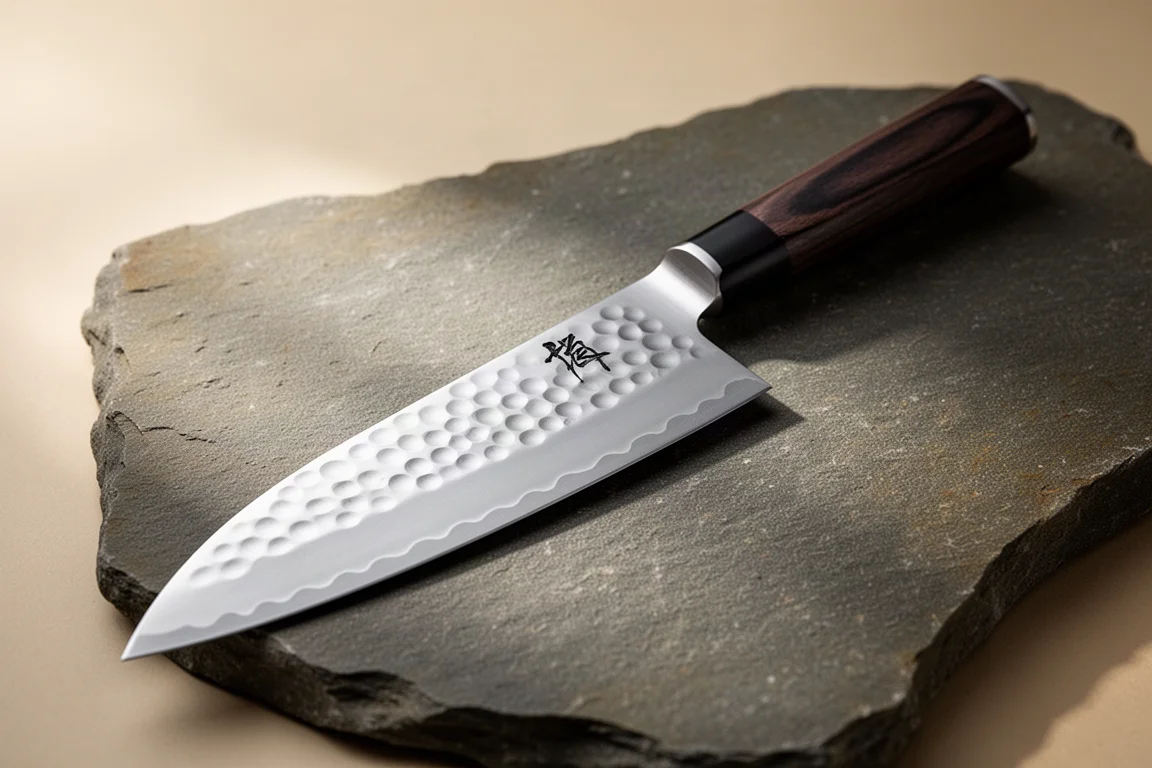
The Tojiro Atelier knives are hand forged in the Tojiro factory by a skilled team of blacksmiths. They use the same steel as the Tojiro DP, but the hand forging upgrades its performance, and the beautiful rough-forged Damascus finish pairs with the same tough, nearly indestructible utilitarian handle that suits professional environments.
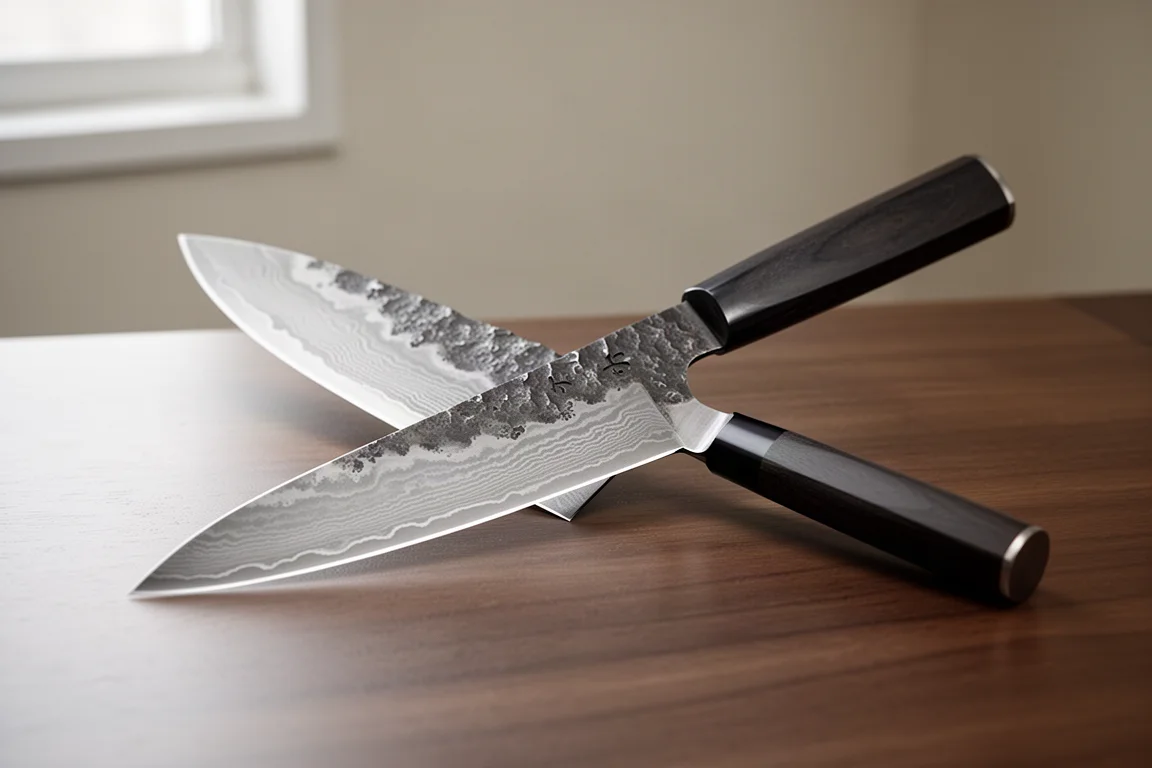
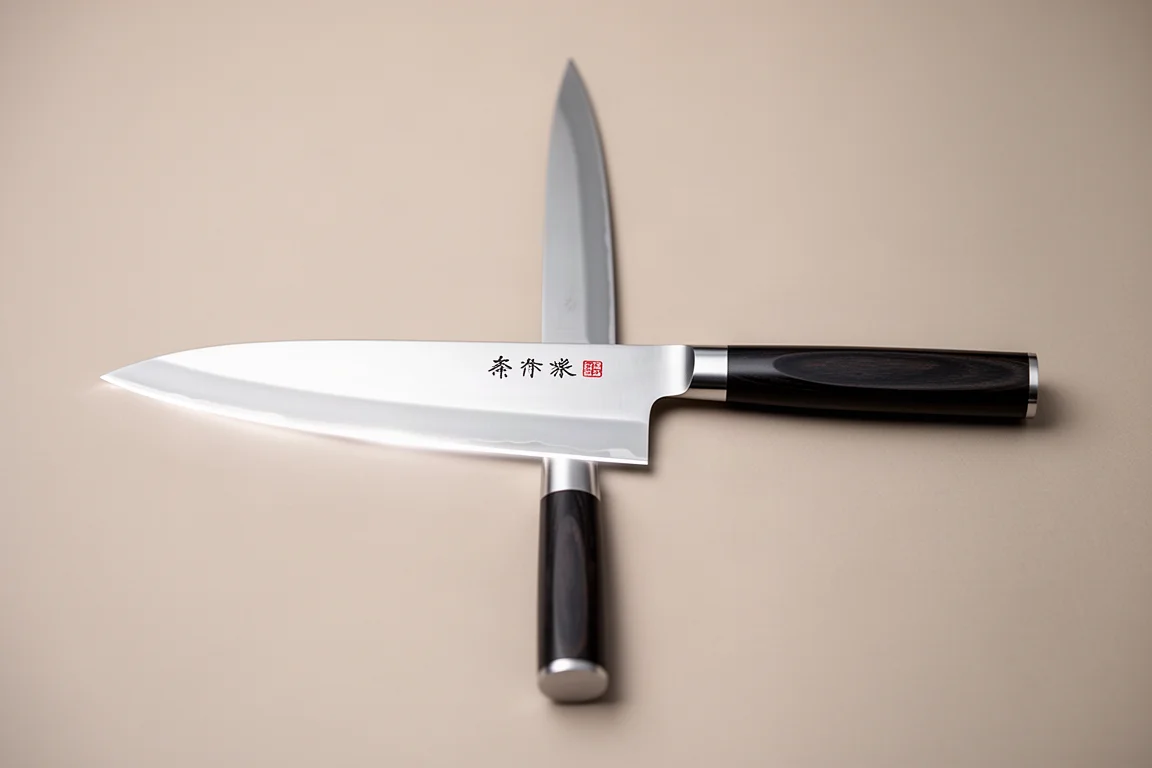
Fujiwara knives appear constantly in kitchens where experienced chefs have been collecting for a while. The Maboroshi series with a Japanese-style handle features a finger notch behind the blade that chefs lock their middle finger into when pinching the blade, and it feels like a handshake the moment you grab it. Fujiwara himself prefers the western-style handle and makes many knives that way, along with beautiful wa-handle versions. His Denka sits at the very top echelon of Japanese knife making, and if you are considering something fancy, you cannot go wrong here.
Buying Advice
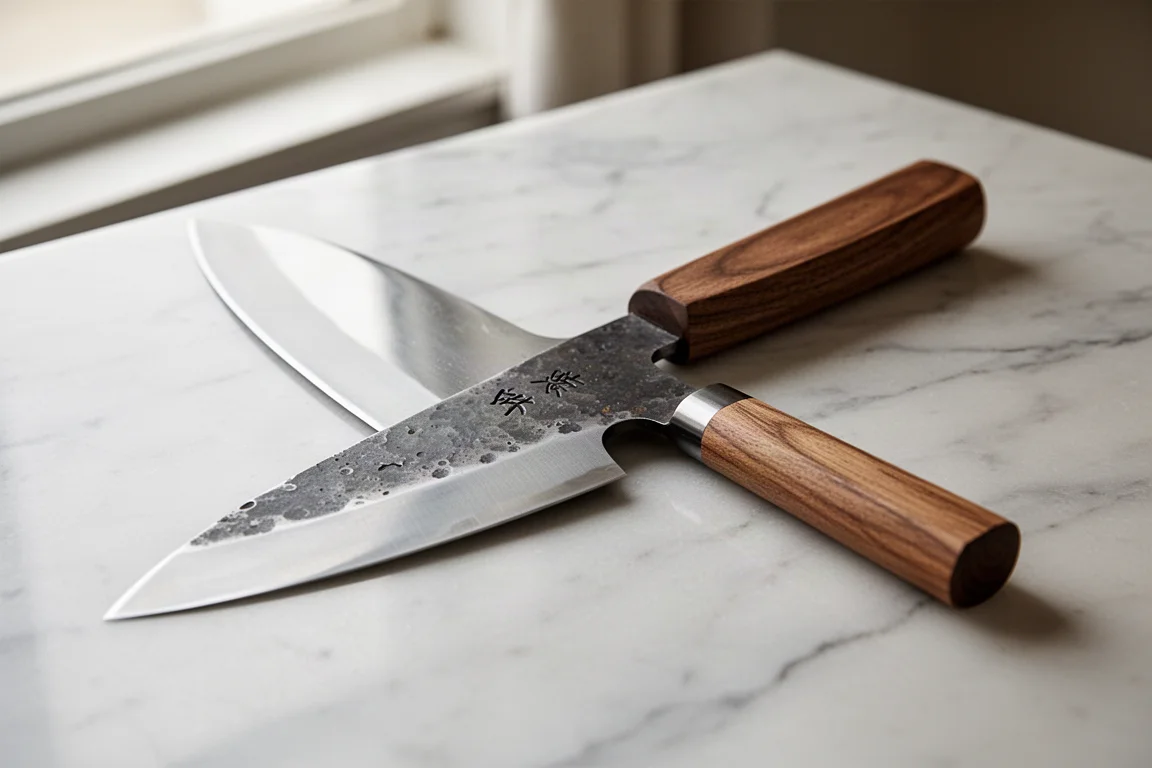
Hand forged knives are rarely the right starting point for beginners, but once you have built skills, they offer far more choice in style, finish, steel, and shape, letting you build a collection that reflects how you like to cook. For the beginning chef, two principles guide everything: do not be flashy, and do not break the bank. Start with a gyuto and a petty from an attainable brand, then add shapes and upgrade deliberately as your career grows.
Conclusion
Your knife kit will evolve with your career, and no two end up alike. Start with the two essential shapes from a reliable, affordable Japanese brand, add specialty knives as your roles expand, and save the hand forged pieces for the milestones they deserve.
Further reading
Related Reviews

Kitchen Knives
Best Chef's Knives 2026: 27 Popular Options Tested and Ranked
A comprehensive review of 27 chef's knives ranging from $18 to $380, with honest assessments of handle comfort, blade balance, and real-world performance.

Kitchen Knives
Best Chef's Knives Under $75: Two Tested Recommendations
Two practical 8-inch chef's knives that balance sharpness, comfort, and durability without premium pricing.

Kitchen Knives
Best Chef's Knives 2026: 27 Options Tested and Ranked
A comprehensive review of 27 chef's knives ranging from $18 to $380, with honest assessments of handle design, balance, blade profile, and real-world performance.