Kitchen Knives
Best Knife for Cutting Squash: Three Blades That Handle the Tough Jobs
Squash is one of the hardest vegetables to break down. We compare a 240mm gyuto, a 210mm gyuto, and a 165mm usuba to find which blade does each stage best.
Introduction
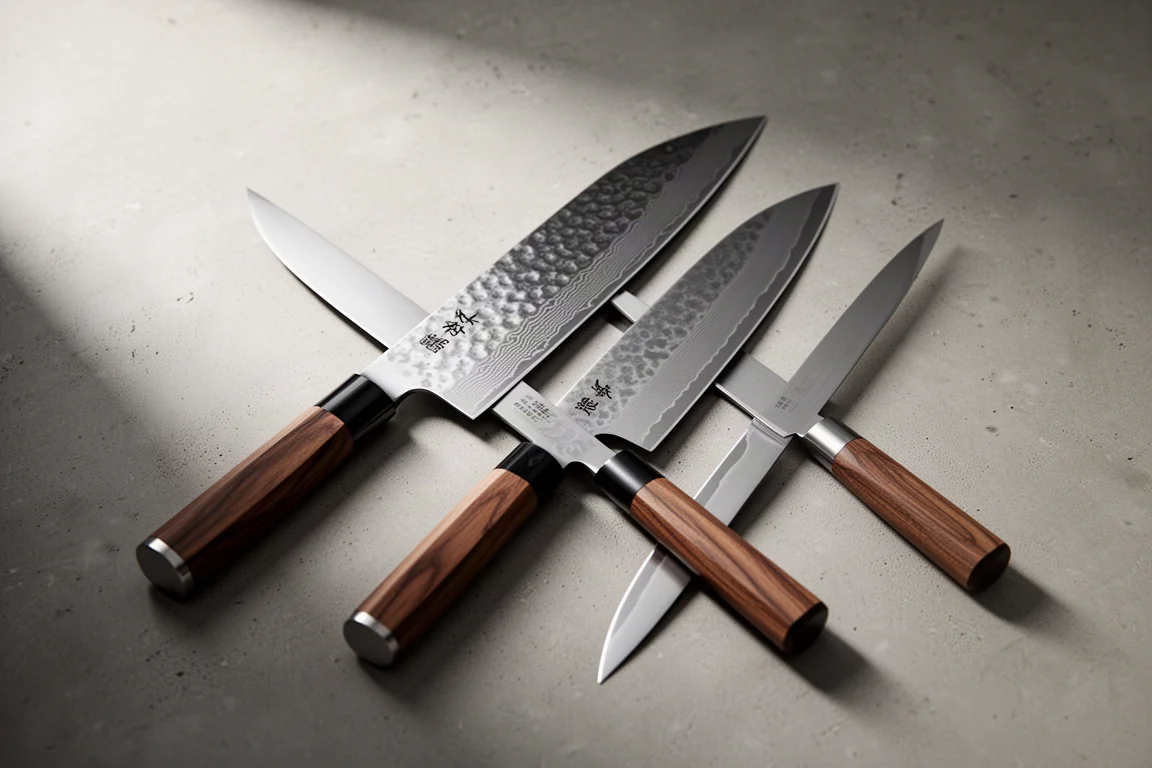
Squash is one of the hardest things you can ask a kitchen knife to do. Thick skin, dense flesh, a hollow center, and a round shape that wants to roll away from the blade make it a genuine test of edge length, weight, and blade texture. To find out which knives actually handle it well, this comparison works through every stage of the job: trimming the stem, peeling, splitting, quartering, and dicing.
The short version: size matters more than most people expect, and a bit of texture on the blade face makes a surprising difference. Here is how three Japanese knives performed.
Why Squash Is Such a Tough Test
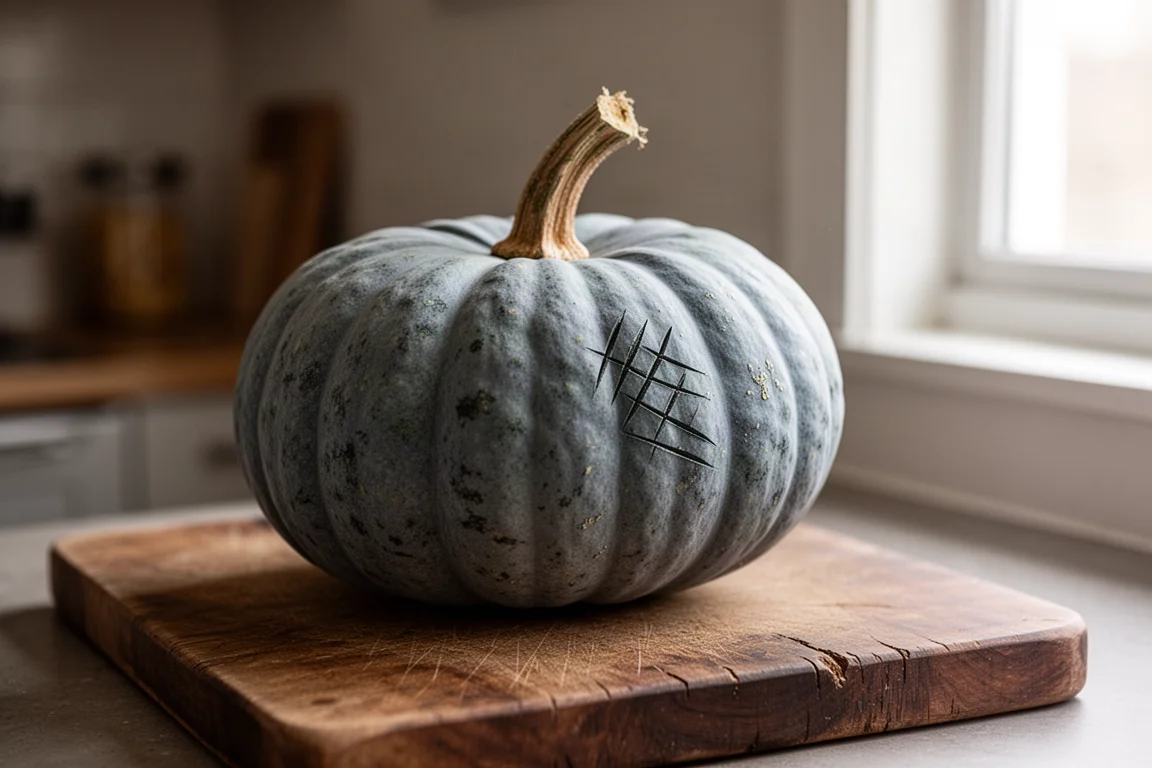
A blue hubbard squash has a very thick skin, and the stem end hides a hard core that runs down into the flesh. That core can chip a thin edge if you cut straight into it, so the first rule is to trim the top and bottom off with a little margin, avoiding the hard bit entirely. Cutting a flat spot on both ends also stops the squash from rocking around while you work.
Once the squash is stable, the real challenges begin. The skin resists peeling, the flesh binds around the blade as you push, and the hollow center means a full-length cut wastes effort on air. A knife that glides and releases beats one that relies on brute force.
Best for Peeling: 165mm Usuba
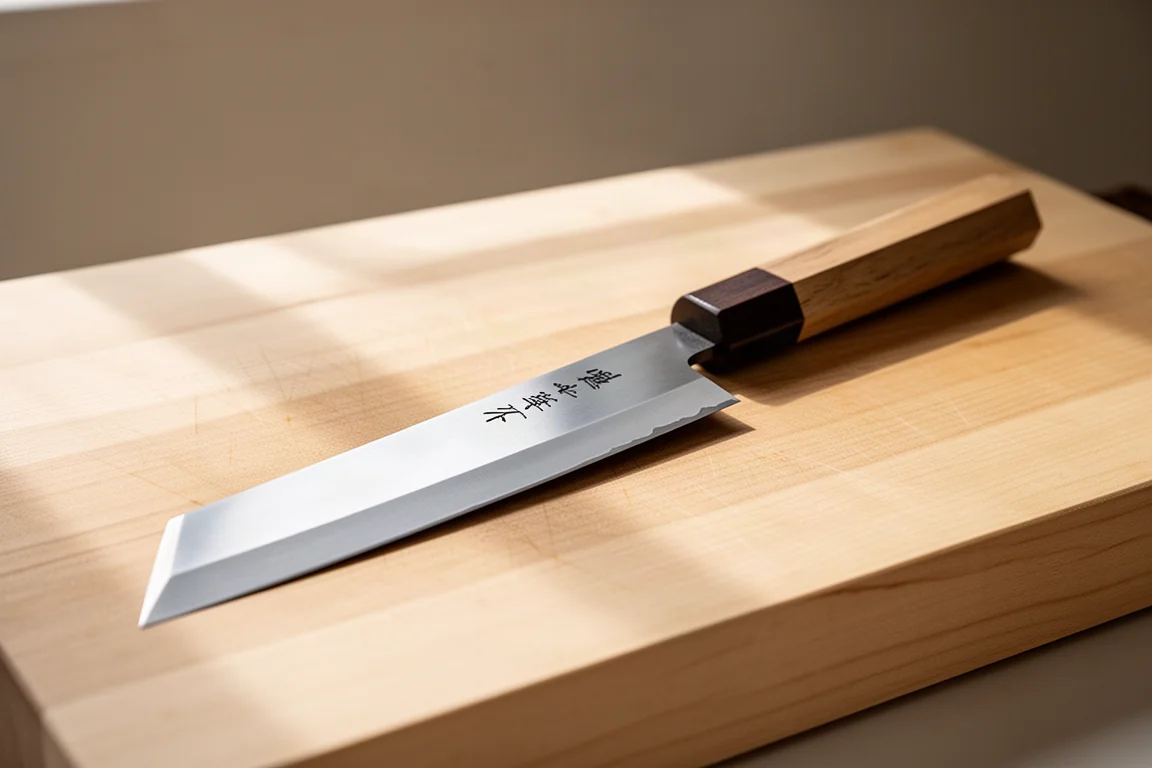
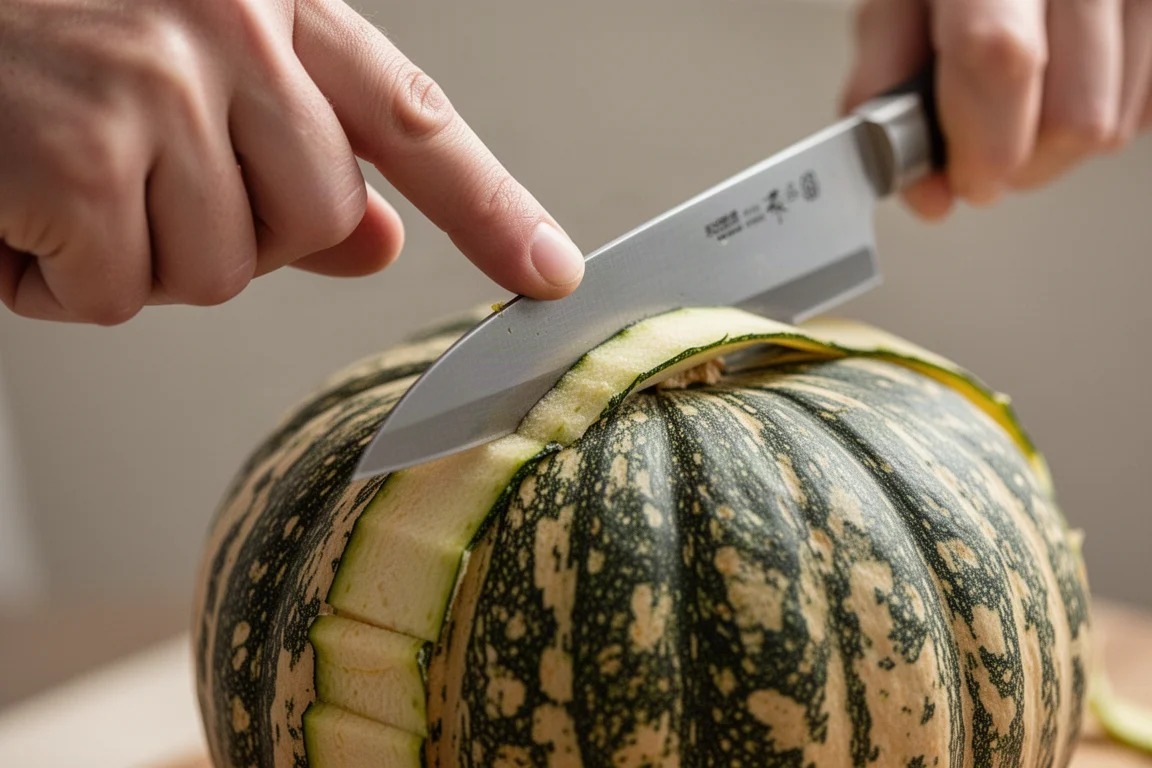
The usuba is a Japanese single-bevel vegetable knife, and it turned out to be the surprise winner of the peeling stage. Its thin blade and convex back follow the curve of the squash closely, with very little resistance, no sticking, and no binding. The result felt remarkably controlled, with the blade tracking the radius of the squash almost on its own.
The technique that works here is a rolling peel: slide the knife forward while following the curve, bracing a thumb on the spine and pushing outward so the blade rotates around the squash. When the blade starts to feel stuck, pull it back and restart along the curve rather than twisting. Twisting a thin Japanese edge is how edges get chipped, especially if the blade reaches the cutting board with force.
A standard vegetable peeler does an okay job, but on a hard squash it tends to leave bitter green skin behind and can snag hard enough to pop the blade out. A knife does the job faster and more cleanly.
Where the Usuba Falls Short
The same single-bevel design that makes the usuba brilliant at peeling makes it a poor choice for cutting through dense food. Because the blade is not beveled equally on both sides, it tends to curl away from a straight line, drifting to one side in the middle of a dense cut. For very thin slices it could still be excellent, but for splitting or quartering a squash it stops and twists rather than tracking straight. Keep this knife for its specialty jobs.
Best for Splitting the Squash
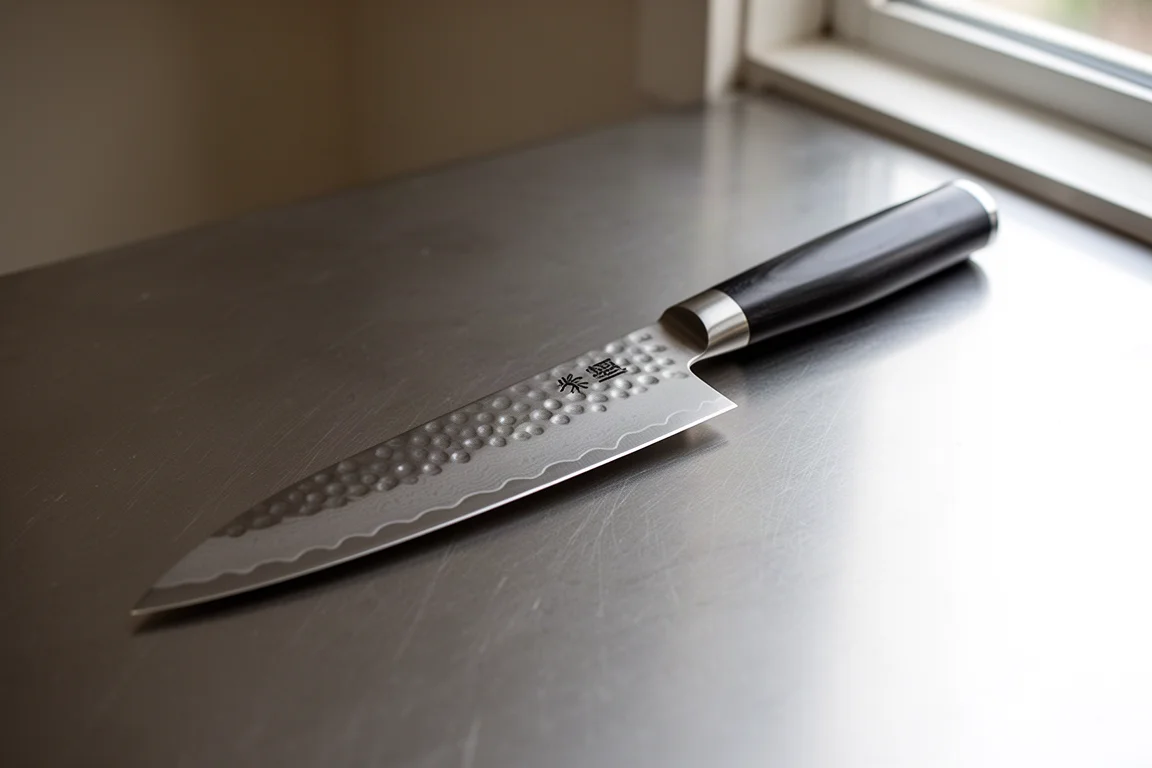
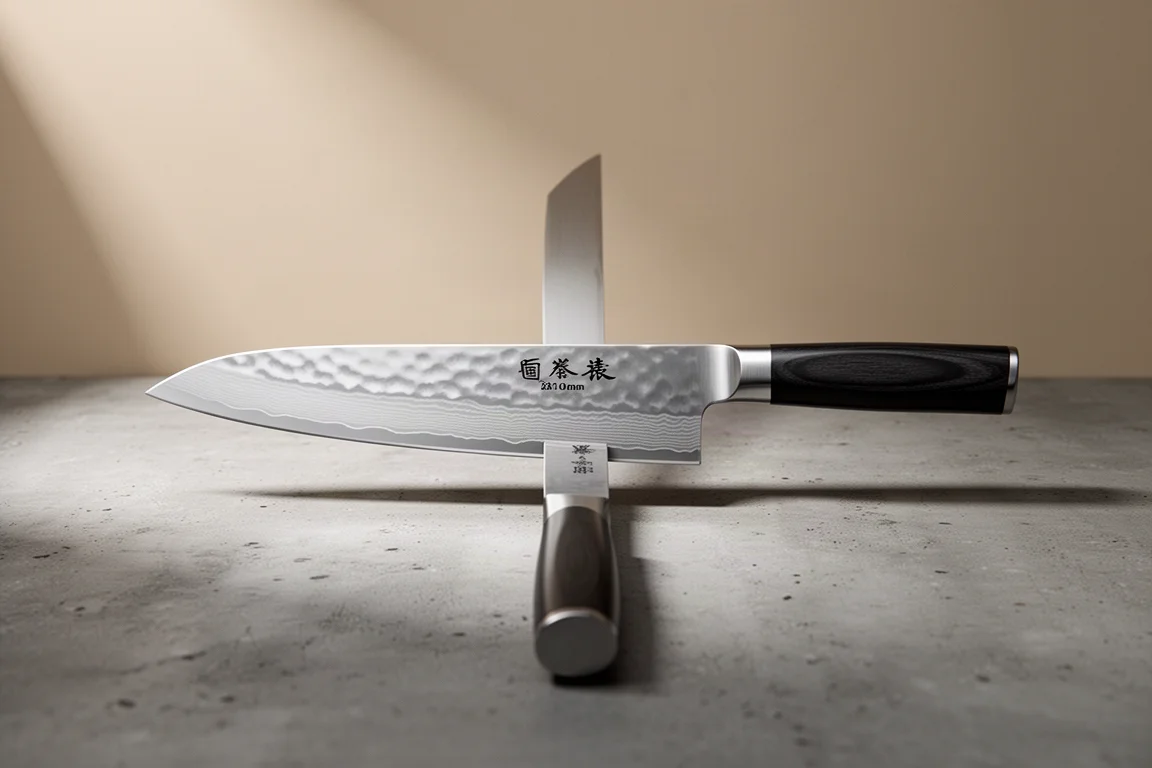
For the first big cut, length and mass are what count. The 240mm Fujiwara Maboroshi gyuto, a large chef’s knife, handled the initial work best. The dimpled texture on the blade face breaks up surface tension so the squash releases instead of suctioning against the polished steel, and the size and weight of the blade do much of the cutting for you.
A useful technique for a big, round vegetable: instead of forcing the knife through the whole squash at once, stab the blade in through the hollow middle, cut through one wall, back it out, turn the knife, and cut the other wall. You get far more control with much less resistance. Also aim the blade down toward the board while pushing forward, using a slight slide so more of the edge does the work.
Two cautions matter here. First, never pry or twist a stuck knife, especially a thin Japanese one; pull it straight out and start again. Second, take your time. If you are pushing too hard, back out and reset. Rushing is how knives get damaged and fingers get hurt.
Cutting Into Quarters and Eighths
Once the squash is halved and set flat-side down, the job gets easier but the blade requirements stay the same: length, weight, and a textured face. Cutting through two walls of dense, freshly packed flesh is where shorter knives started binding, while the longer blades drifted through with a simple sliding motion.
Scooping the seeds out before cutting through the middle makes a real difference too. Cutting around a dense seed pocket adds resistance for no benefit.
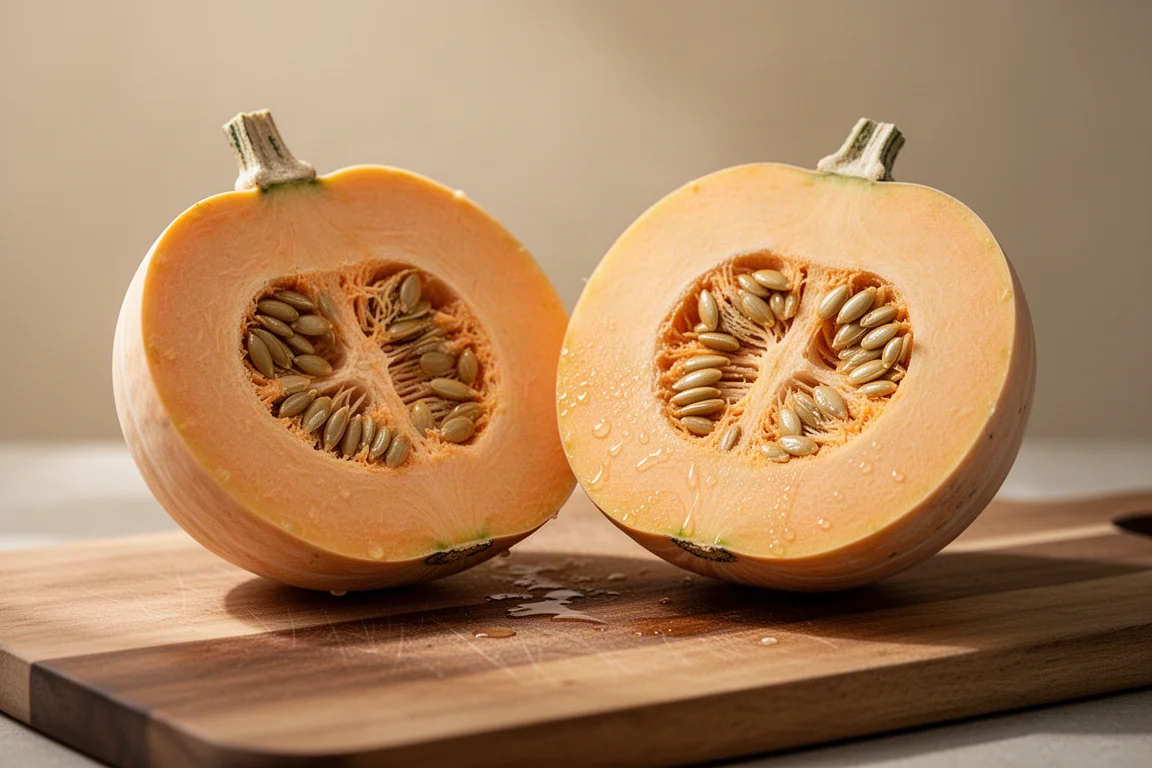
The 210mm Fujiwara Maboroshi gyuto performed very well at this stage. Its etched, layered finish creates a fine texture on the blade face that stops food from sticking, so the knife keeps moving instead of jamming abruptly. The shorter length is slightly less efficient than the 240 for the biggest cuts, but it still handled quartering and cutting through the dense, seeded center without binding.
Best for Dicing and Small Cuts
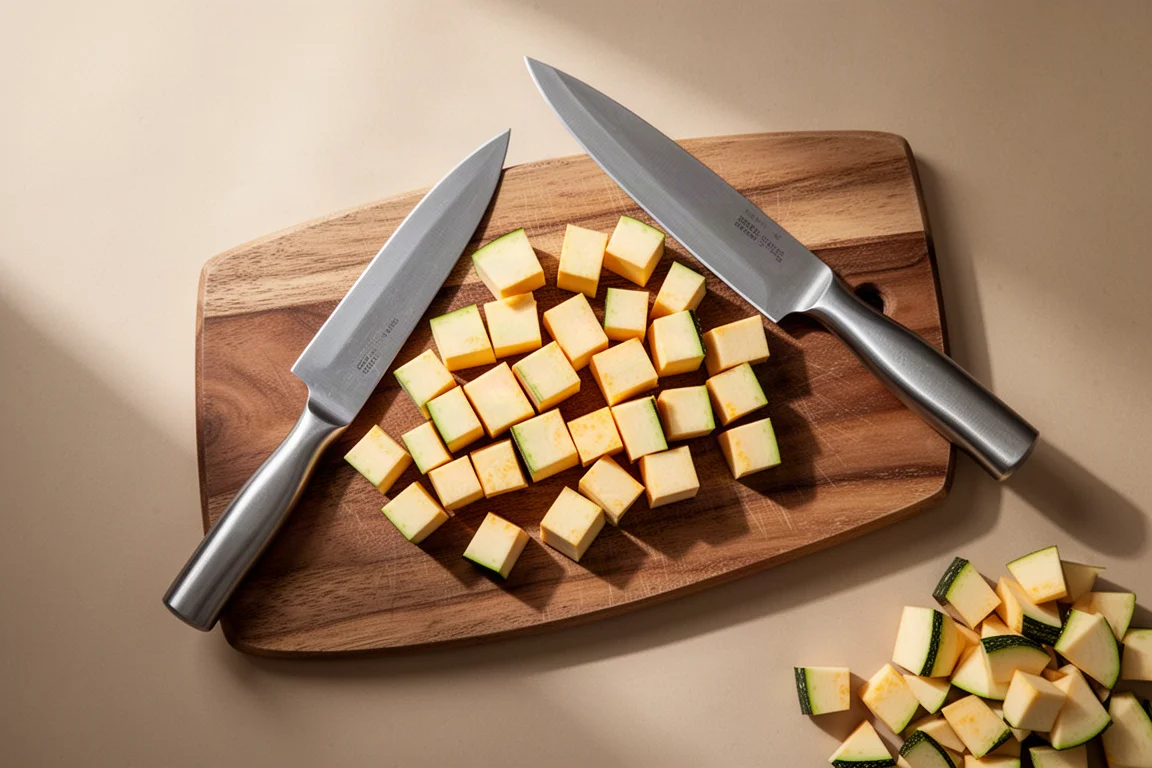
With the squash broken down into manageable pieces, most of the knives performed reasonably well. A long slicer glided through with the least resistance, and a santoku offered a comfortable, compact option for chopping pieces down into small dices, with less surface tension trouble simply because the pieces were no longer huge.
But the 240mm Fujiwara Maboroshi remained the most comfortable knife in hand through the entire process. The finger notch lets you choke up right on top of the balance point, which makes the knife feel secure and confident when pushing through tough spots. From peeling through quartering, eighths, and dicing, it did every stage with ease.
Buying Advice
If you want one knife for the whole job, aim for a 210mm or 240mm gyuto, or a kiritsuke shape in that same length range, with some texture on the face of the blade to help food release. Either Western or Japanese handle styles worked well in this comparison. The 240mm Fujiwara Maboroshi earns the top pick for its combination of length, weight, textured blade face, and comfort. If you prefer something slightly more compact, the 210mm version covers the same strengths in a smaller package. And if peeling is a big part of your prep, a single-bevel usuba is a specialized tool that genuinely excels at that one job.
One last tip that makes any knife work better on squash: pop the squash in the microwave for about a minute. The flesh softens slightly and the blade glides more easily. Trim the woody stem end first so it does not scorch, and you will find the knife binds far less.
Conclusion
Cutting a squash rewards the right tool more than raw effort. The 165mm usuba wins peeling with its thin single-bevel blade, while the 240mm and 210mm Fujiwara Maboroshi gyutos handle splitting, quartering, and dicing with the length, mass, and textured finish that dense vegetables demand. Pick based on which stage you do most, and take your time with the big cuts.
Further reading
Related Reviews

Kitchen Knives
Best Chef's Knives 2026: 27 Popular Options Tested and Ranked
A comprehensive review of 27 chef's knives ranging from $18 to $380, with honest assessments of handle comfort, blade balance, and real-world performance.

Kitchen Knives
Best Chef's Knives Under $75: Two Tested Recommendations
Two practical 8-inch chef's knives that balance sharpness, comfort, and durability without premium pricing.

Kitchen Knives
Best Chef's Knives 2026: 27 Options Tested and Ranked
A comprehensive review of 27 chef's knives ranging from $18 to $380, with honest assessments of handle design, balance, blade profile, and real-world performance.