Kitchen Knives
The Best Knife Care Tools: Five Picks to Keep Your Blades Sharp Longer
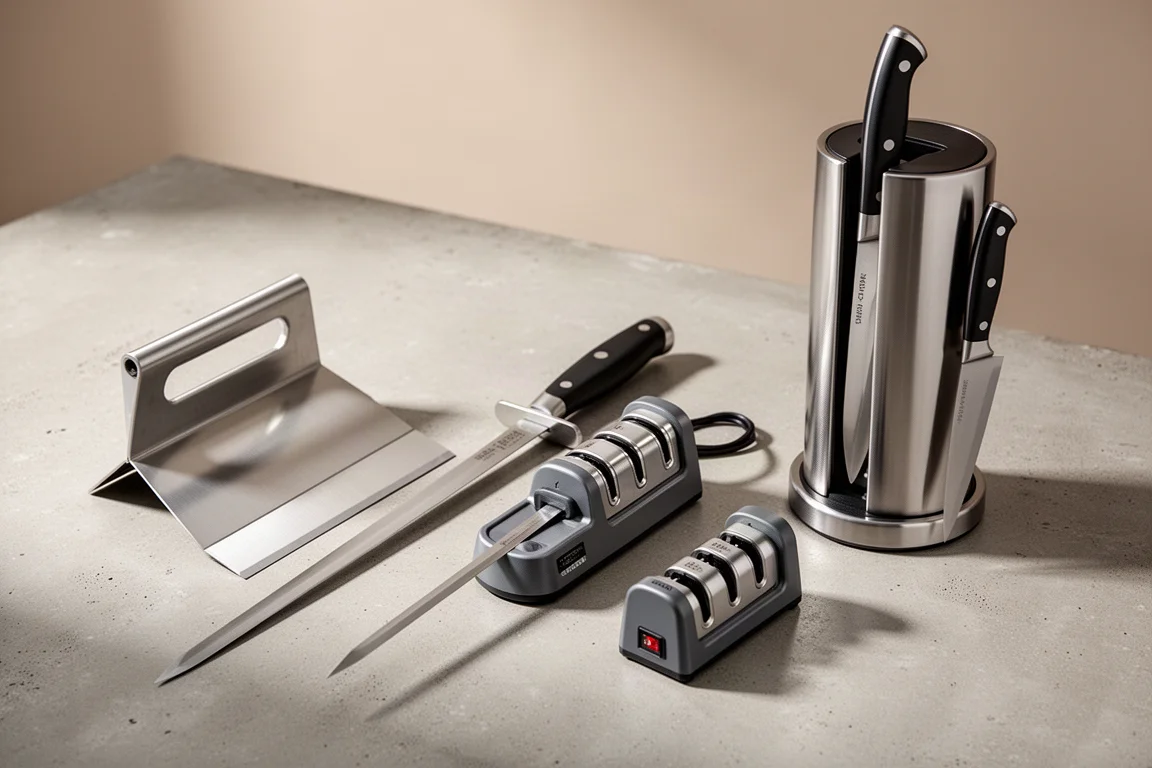
A bench scraper, honing steel, two sharpeners, and a rotating knife block that together keep cutting edges sharper for longer.
Introduction
You cannot prevent a knife’s cutting edge from dulling with use, but you can slow the process down considerably by treating your blades well. That comes down to a handful of habits: protecting the edge from hard surfaces, honing it regularly, sharpening it when it actually needs it, and storing it properly. Here are five tools that cover the whole routine.
Stop Dragging Your Knife: The Dexter-Russell Sani-Safe Dough Cutter and Scraper
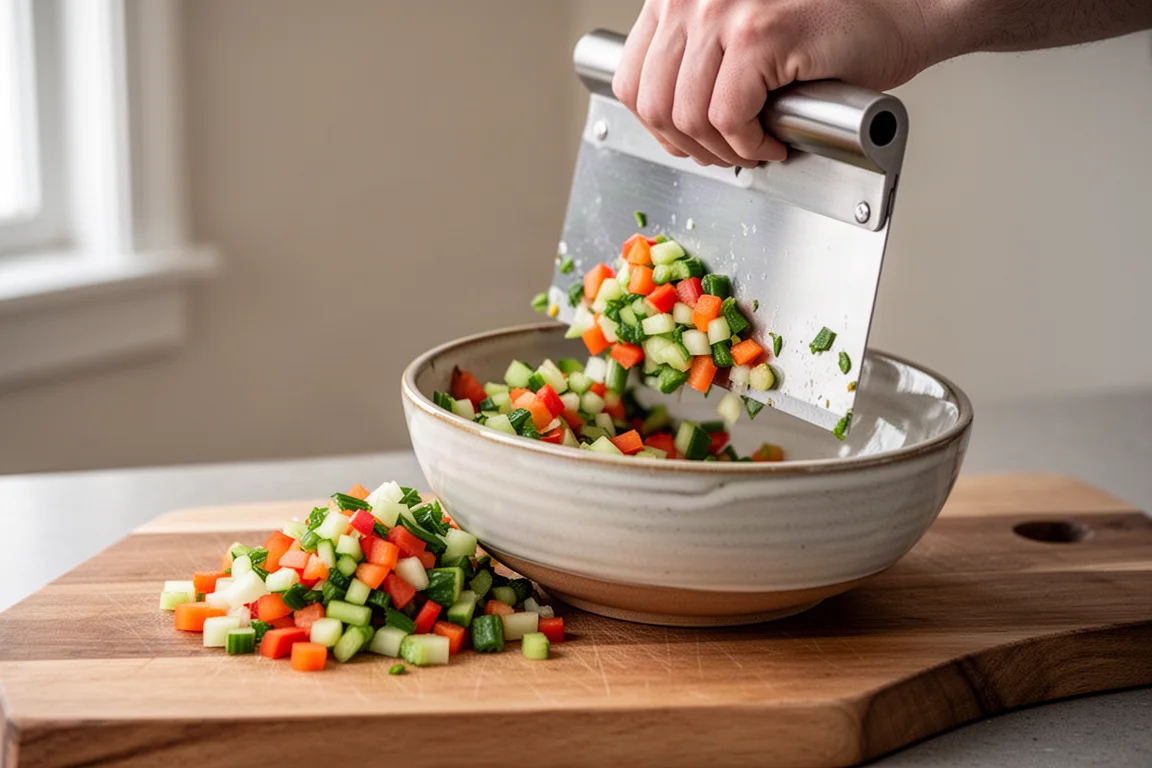
Two things are especially hard on a cutting edge: glass and hard plastic cutting boards, which both sound and feel awful to cut on and are murder on the blade, and dragging your knife across the board to scoop up chopped vegetables and move them to a pan or bowl. A bench scraper solves the second problem neatly.
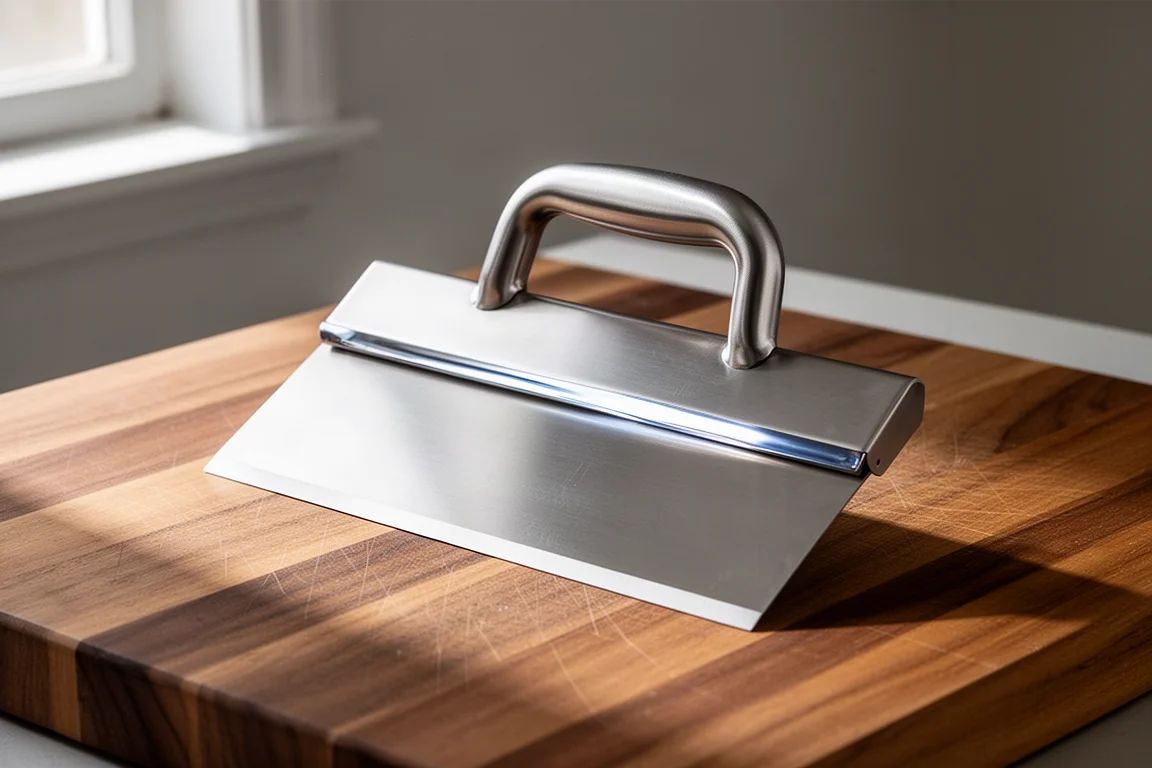
The Dexter-Russell Sani-Safe 6 inch dough cutter and scraper moves a lot of vegetables into your bowl in one pass and saves your knife blade from that unnecessary scraping. It is a simple, inexpensive tool that pays for itself in edge life.
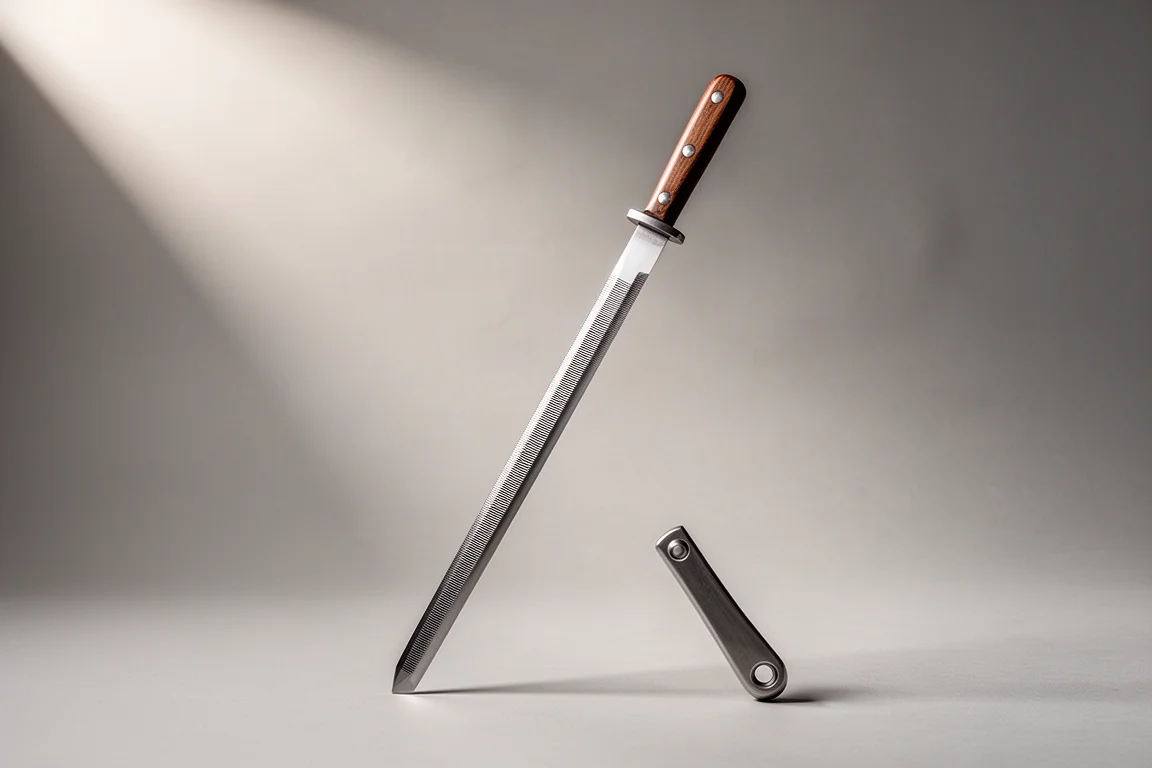
Hone Often: The Bob Kramer Double Cut Sharpening Steel
Honing is not the same as sharpening. When you cut, the edge gets bent over into what is called a burr, and honing straightens it back up so the knife feels sharper between actual sharpenings. Honing regularly is one of the easiest ways to stretch the time between sharpening sessions.
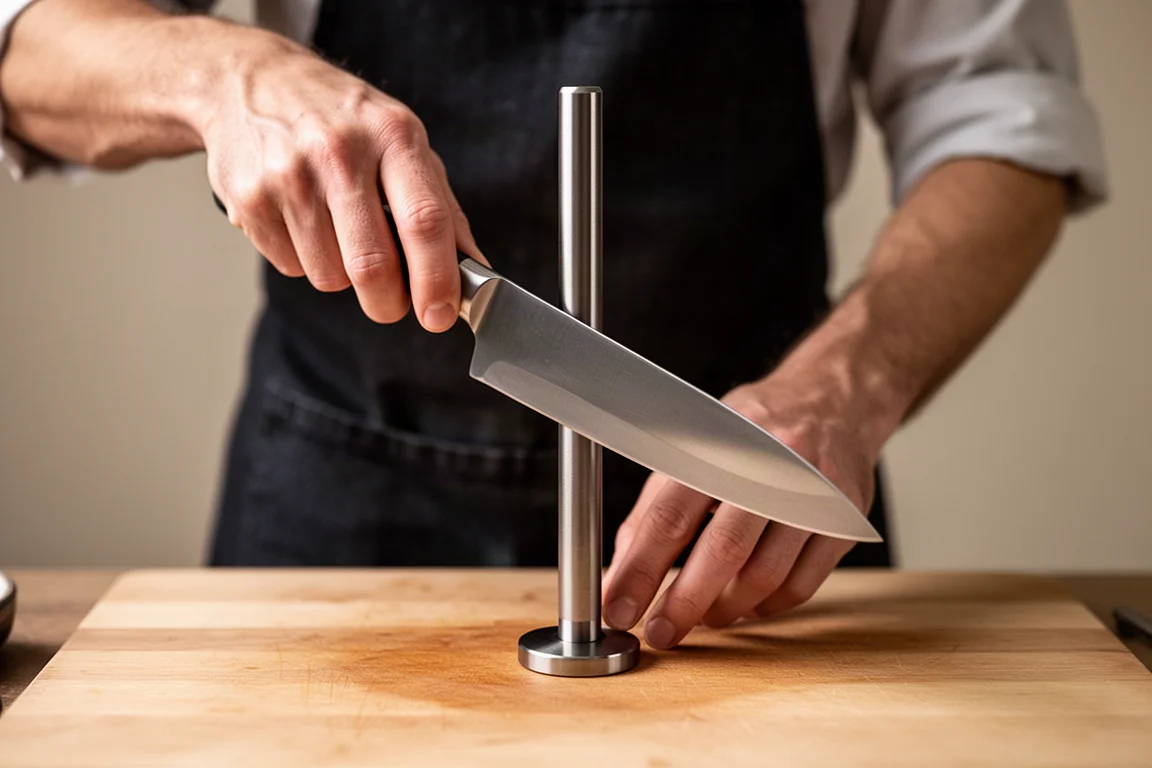
The Bob Kramer double cut sharpening steel, around $48, is a favorite for this job. It is easy to use: plant the tip on a cutting board, hold the knife at about a 15 degree angle to the rod, and sweep it up and down repeatedly. Whether you call it a sharpening steel, honing rod, or anything else, the technique is the same.
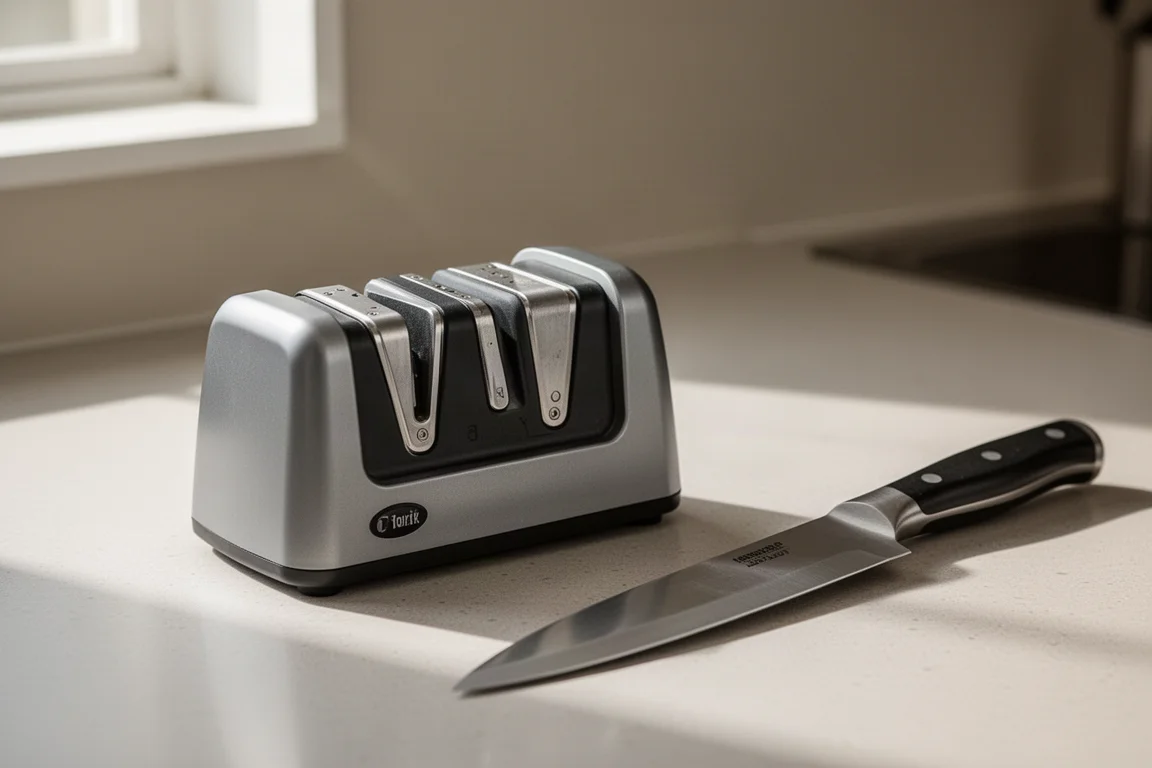
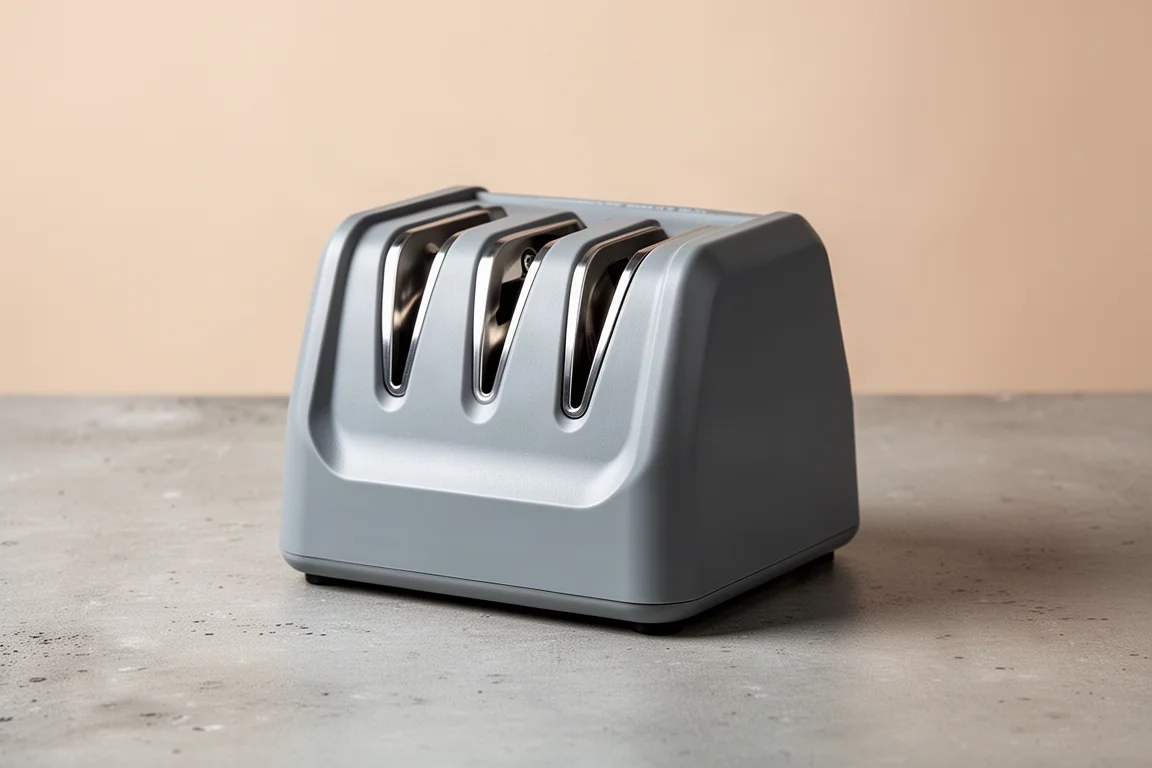
Best Electric Sharpener: Chef’sChoice Trizor 15
When it is time to sharpen, you are grinding metal off to create a new cutting edge, and nothing makes that easier at home than an electric sharpener. The Chef’sChoice Trizor 15, around $150, holds your knife at a precise angle of about 15 degrees in each of its three slots, pressed against spinning wheels coated with diamond abrasives. You just pull the knife through and it comes out sharp.
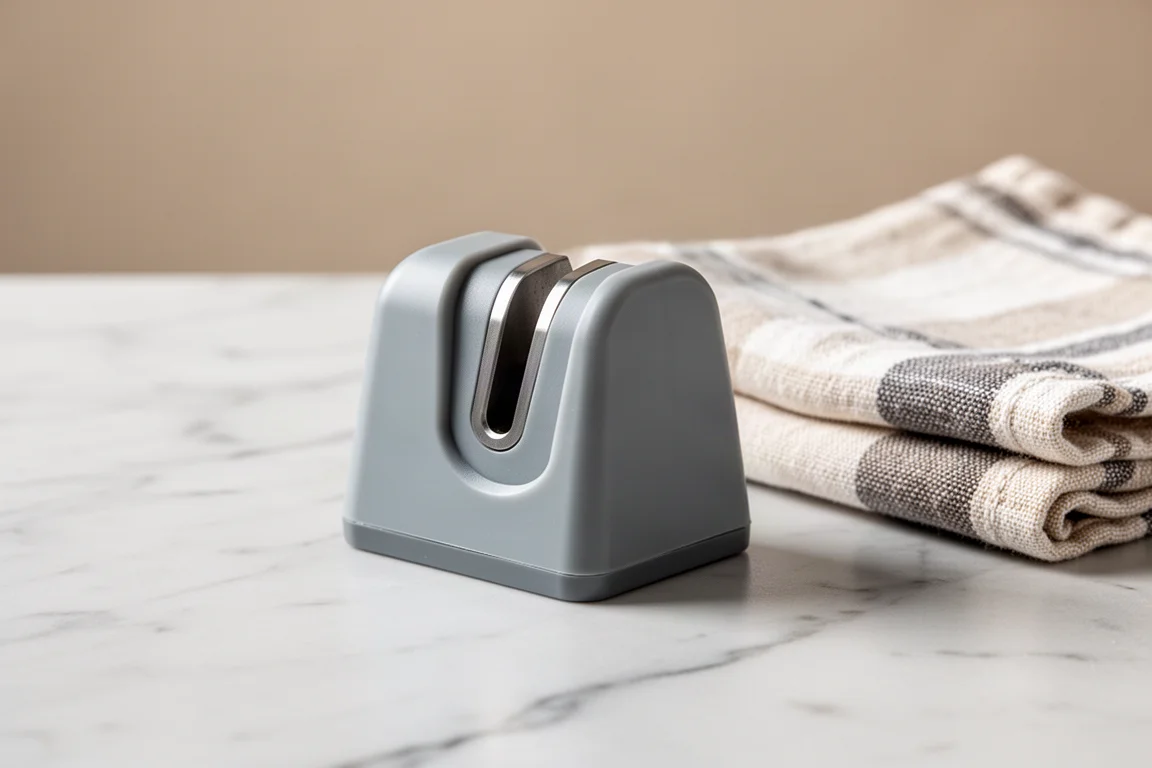
Best Manual Sharpener: Chef’sChoice Pronto
If you would rather sharpen by hand, the Chef’sChoice Pronto manual diamond hone sharpener is a strong choice at about $50. It is great for a light sharpening, and because it is so small it tucks straight into a drawer when you are done.
Store Knives Properly: The Bob Kramer Design Trifecta 360 Knife Block
When the sharpening is done, do not undo your work by tossing knives into a drawer, which does no favors for the cutting edge. A good storage system protects the edge and keeps every blade within easy reach.
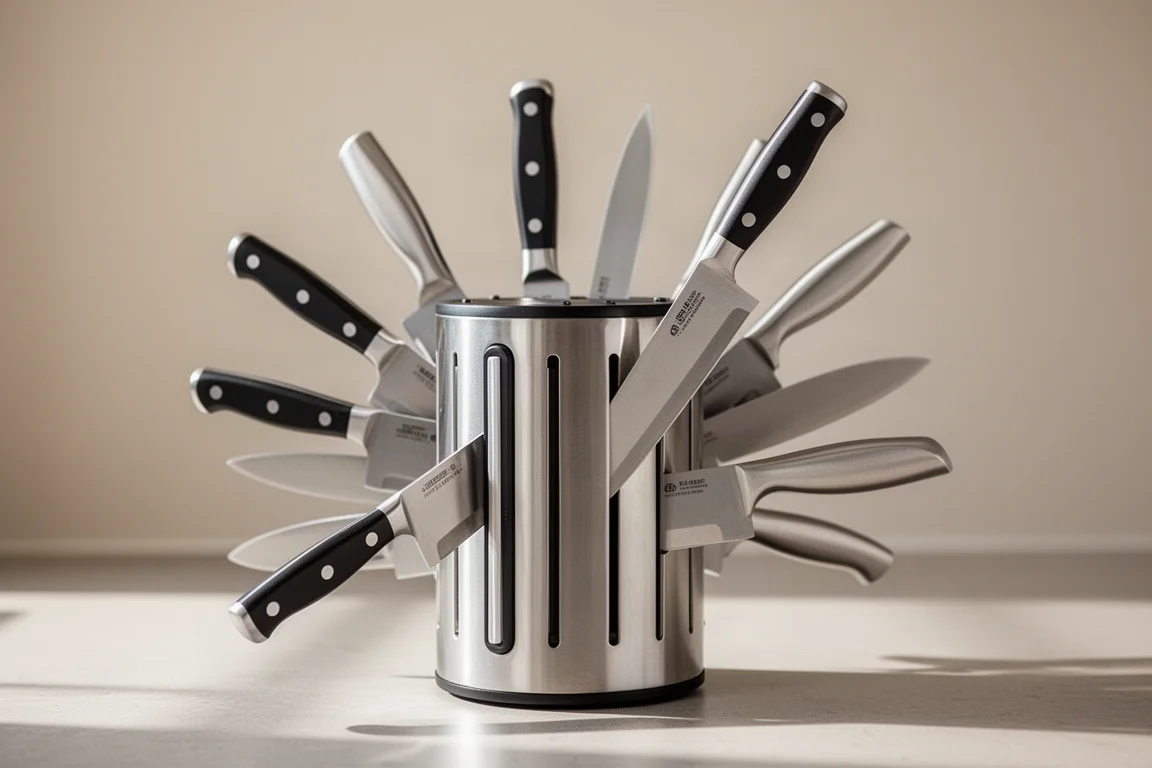
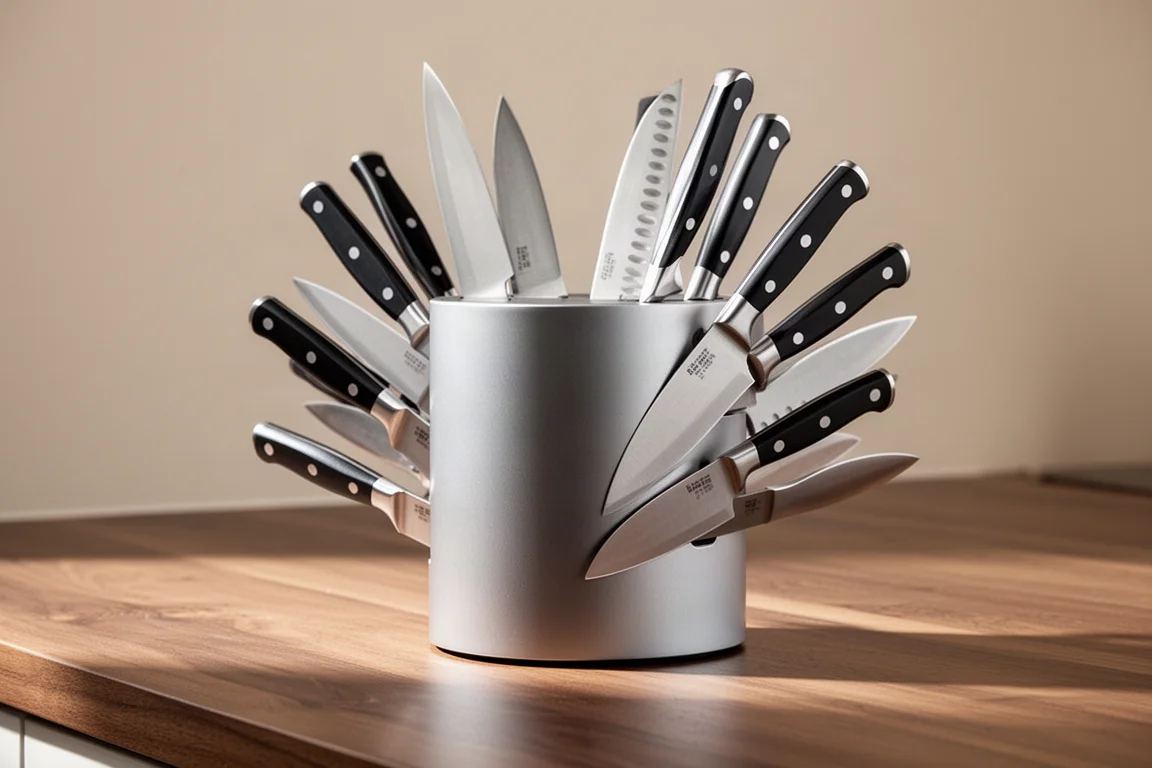
The Bob Kramer Design Trifecta 360 knife block, around $300, is magnetized, so you can pull a knife straight off and put it right back on without dragging the blade down the slot of a conventional block. It also rotates lazy susan style, giving you perfect access to all of your knives at once.
Buying Advice
The routine is simple: use a bench scraper instead of dragging your blade, cut on wood rather than glass or hard plastic, hone often with a steel, sharpen with the Trizor 15 if you want maximum convenience or the Pronto if you prefer a compact manual option, and store everything in a magnetic block rather than a drawer. Follow that sequence and your knives will feel sharper for longer.
Conclusion
Keeping a knife sharp is less about any single tool and more about protecting the edge at every step, from the cutting board to storage. This five-piece setup covers all of it without complicating your kitchen.
Further reading
Related Reviews

Kitchen Knives
Best Chef's Knives 2026: 27 Popular Options Tested and Ranked
A comprehensive review of 27 chef's knives ranging from $18 to $380, with honest assessments of handle comfort, blade balance, and real-world performance.

Kitchen Knives
Best Chef's Knives Under $75: Two Tested Recommendations
Two practical 8-inch chef's knives that balance sharpness, comfort, and durability without premium pricing.

Kitchen Knives
Best Chef's Knives 2026: 27 Options Tested and Ranked
A comprehensive review of 27 chef's knives ranging from $18 to $380, with honest assessments of handle design, balance, blade profile, and real-world performance.