Kitchen Gadgets
Best Kitchen Timers: Two Standout Picks for Every Kind of Cook
After testing nine digital timers, two clear winners emerged: a three-event timer with memory and an extra big and loud single-event pick.
Introduction
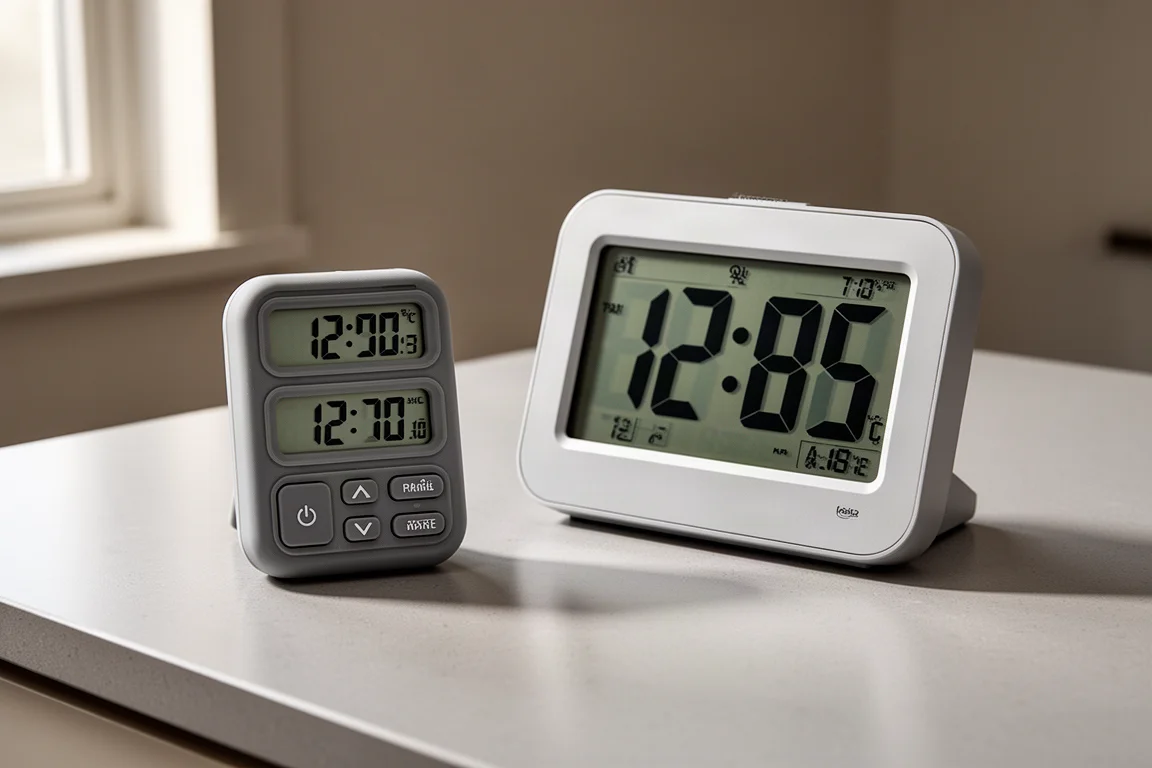
A dedicated kitchen timer earns its counter space. Phones, smart speakers, and oven clocks can all count down, but they are easy to lose, easy to silence by accident, and awkward to use with wet hands. To find out which physical timers are actually worth buying, nine digital models were tested across a price range of roughly $7 to $59, including both single-event and multiple-event timers. The results: every timer tested was accurate, so the real differences came down to design, usability, and alerts.
What Makes a Kitchen Timer Easy to Use
Since accuracy was a given across the board, testing focused on everyday usability: physical design, how intuitive it was to set, how strongly the alert grabbed attention, and the feature set. Two design details stood out immediately.
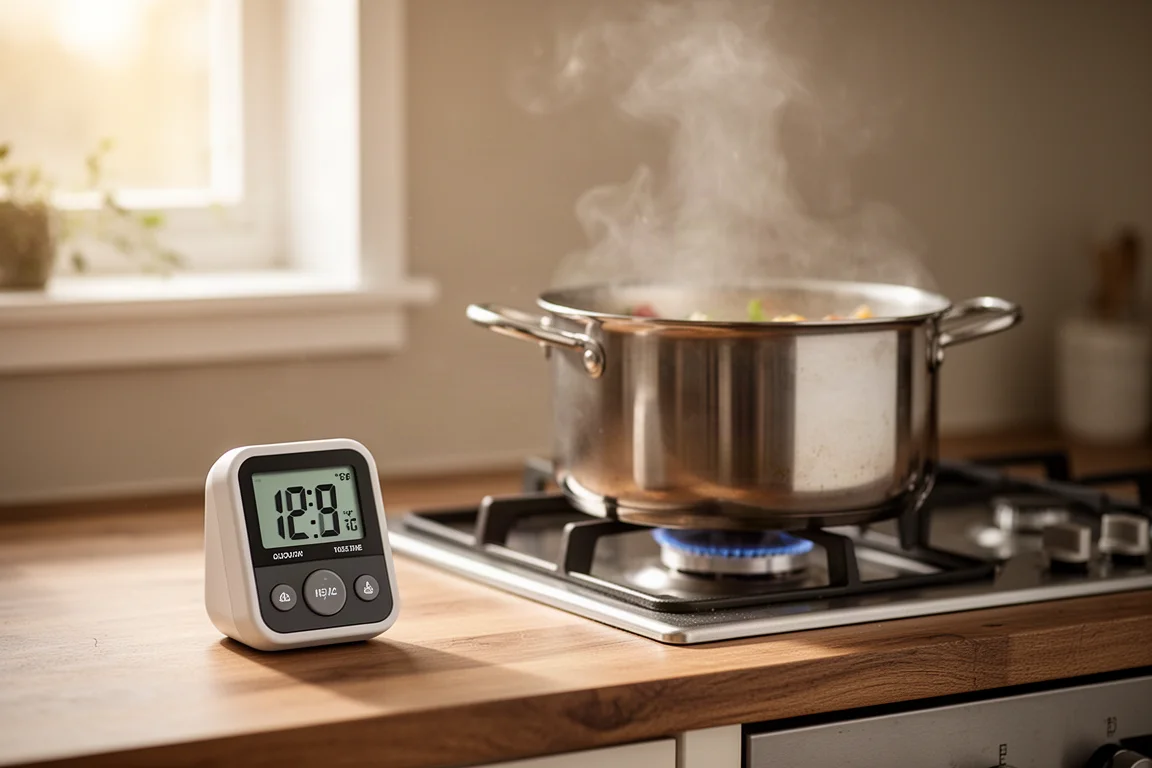
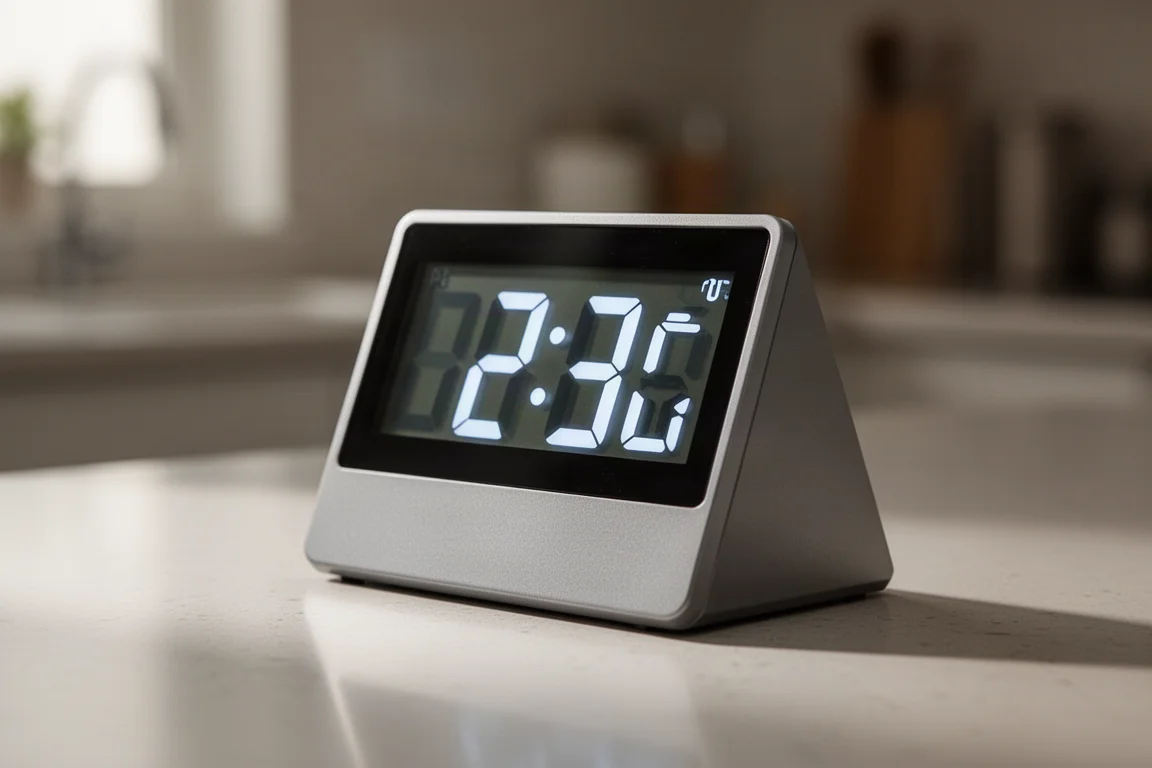
First, screen size matters. A large display with big digits is dramatically easier to read at a glance, especially when you are moving around the kitchen. Wedge-shaped timers that tilt the display back also scored points, because they stay readable from a distance or when you walk past.
Second, button size matters more than you might expect. Some tested models had buttons so tiny that one tester described them as “the size of lentils” and kept clearing settings by accident. Larger, well-spaced buttons proved far more foolproof.
Features That Actually Matter
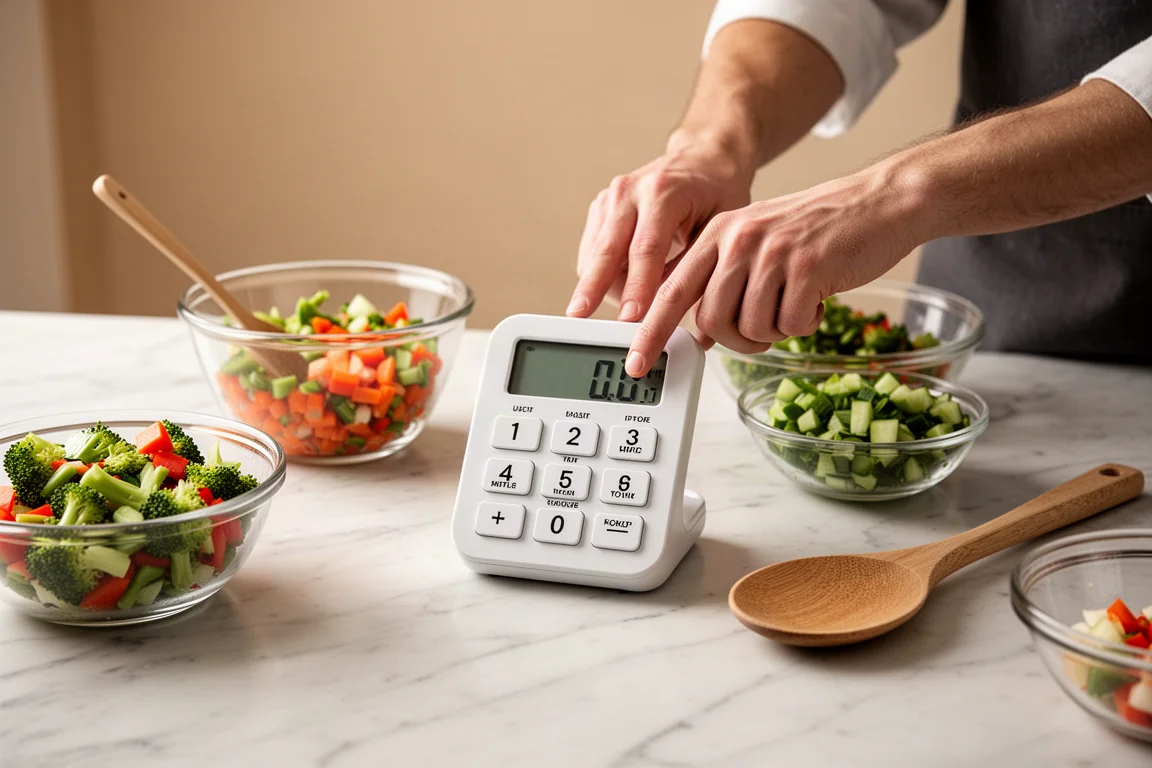
A full keypad was one of the biggest differentiators. Timers that let you dial in hours, minutes, and seconds directly were much faster to set than models that force you to toggle through each unit.
On the essential feature list, two things rose to the top. Counting in seconds is non-negotiable; one tested model only did hours and minutes, which makes it useless for something as simple as soft-boiled eggs. Counting up in elapsed time after an alert is equally valuable, so if you miss the beep you know exactly how much time has passed and can adjust the recipe.
Nice-to-have features included a memory function, which lets you recall frequently used times with a single button press instead of resetting the timer from scratch every time.
When it came to alerts, louder and more visible was clearly better. The best multiple-event timers used distinct beep patterns for each channel, and one model paired the audible alert with a flashing screen, making it much harder to miss.
Our Picks at a Glance
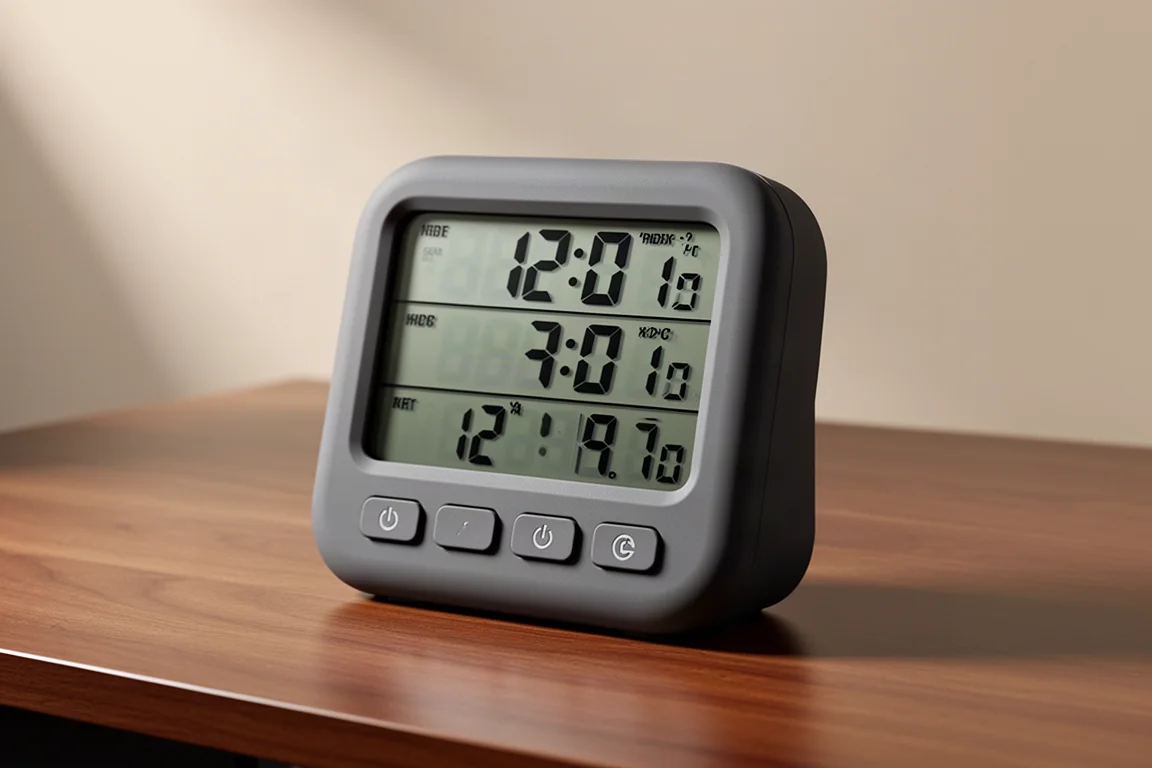
Best Multiple-Event Timer: OXO Good Grips Triple Timer
At $25, the OXO Good Grips Triple Timer was the clear multiple-event winner. It handles three timers at once, uses distinct beep patterns so you know which event has finished, and includes the memory function testers loved. With a full keypad and a large, easy-to-read display, it is easy to set, easy to see, and hard to miss.
Best Single-Event Timer: ThermoWorks Extra Big and Loud Timer
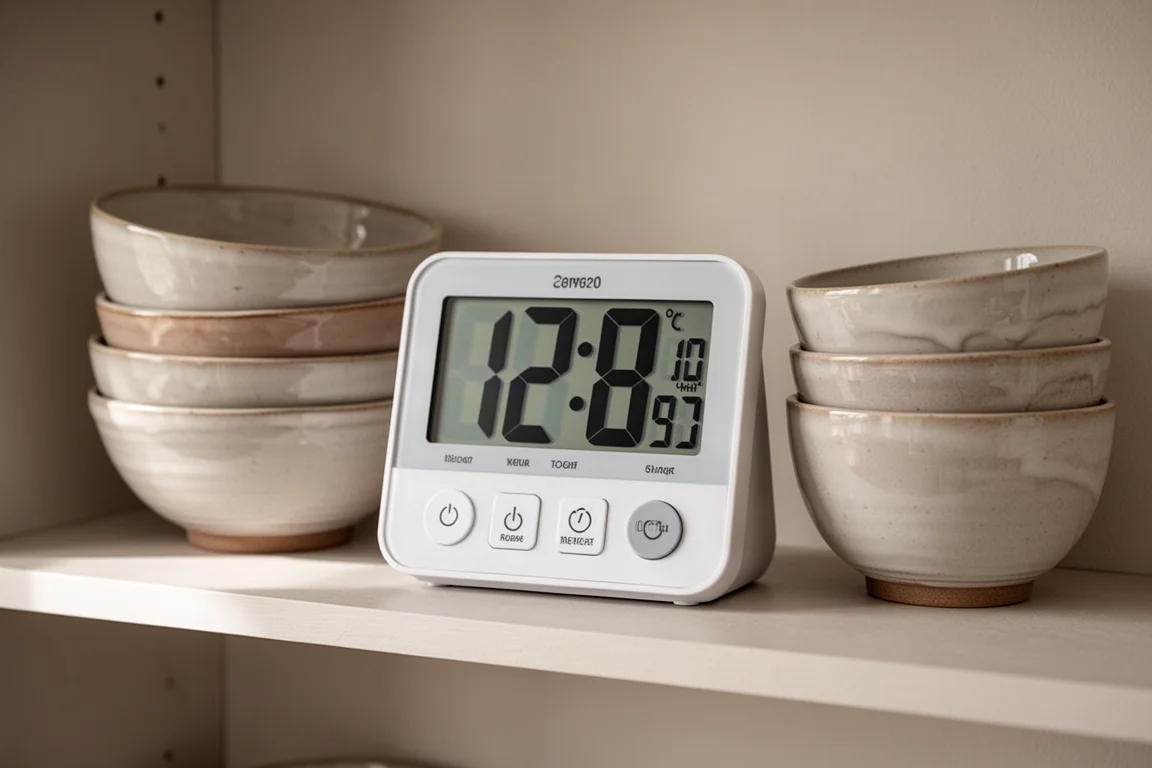
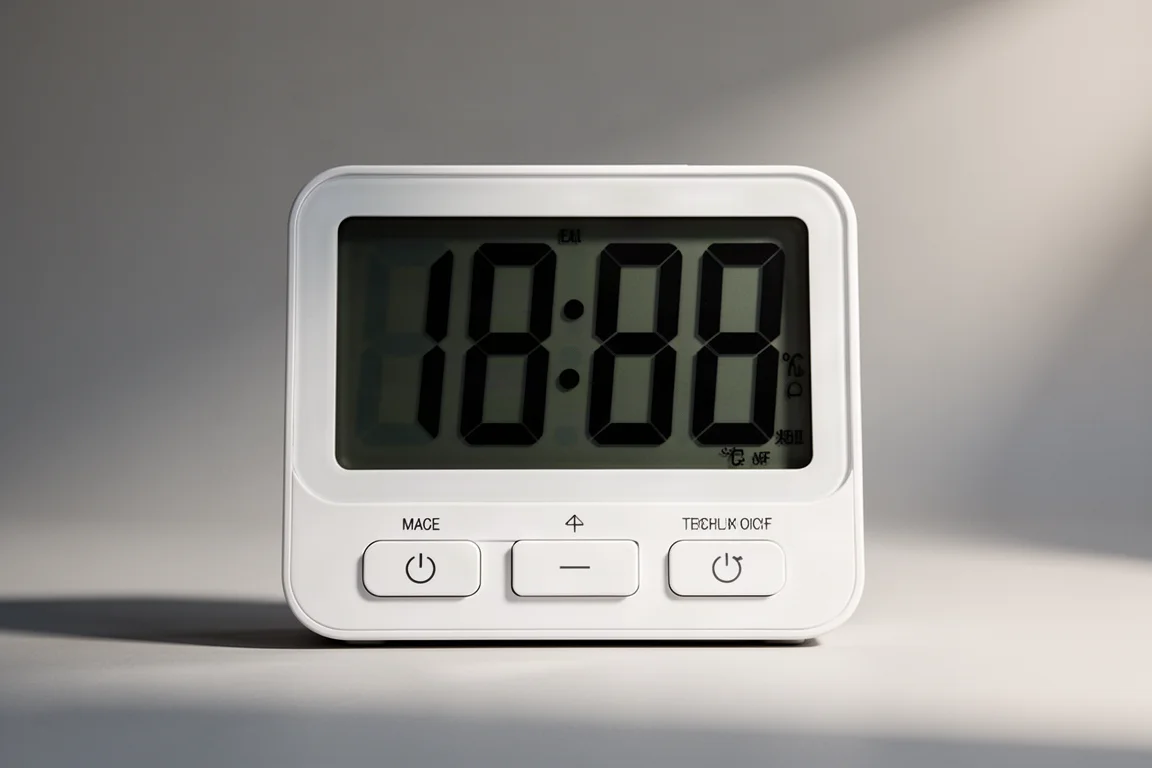
At $33, the ThermoWorks Extra Big and Loud Timer is true to its name. The display is extra big, the alert is genuinely loud, and it lives up to the advertising. If you only need to track one thing at a time, this is the one to get.
Buying Advice
The choice comes down to how many things you track at once. If you juggle several dishes or components of one recipe, the OXO Good Grips Triple Timer covers you with three channels, memory, and unmissable alerts for $25. If you only need one countdown and want maximum visibility and volume, the ThermoWorks Extra Big and Loud Timer at $33 is the better fit.
Conclusion
Both winners solve the core problem of a kitchen timer: being seen and heard when it counts. Match the number of events you actually need to track, and either pick will make cooking feel a little more in control.
Further reading
Related Reviews

Kitchen Gadgets
Kitchen Gadgets Tested 2026: Five Tools Worth Considering
A practical look at five kitchen gadgets, from egg shapers to peanut butter stirrers, with honest assessments of what works and what doesn't.
Kitchen Gadgets
Best Electric Wine Openers: Our Top Picks From Eight Tested Models
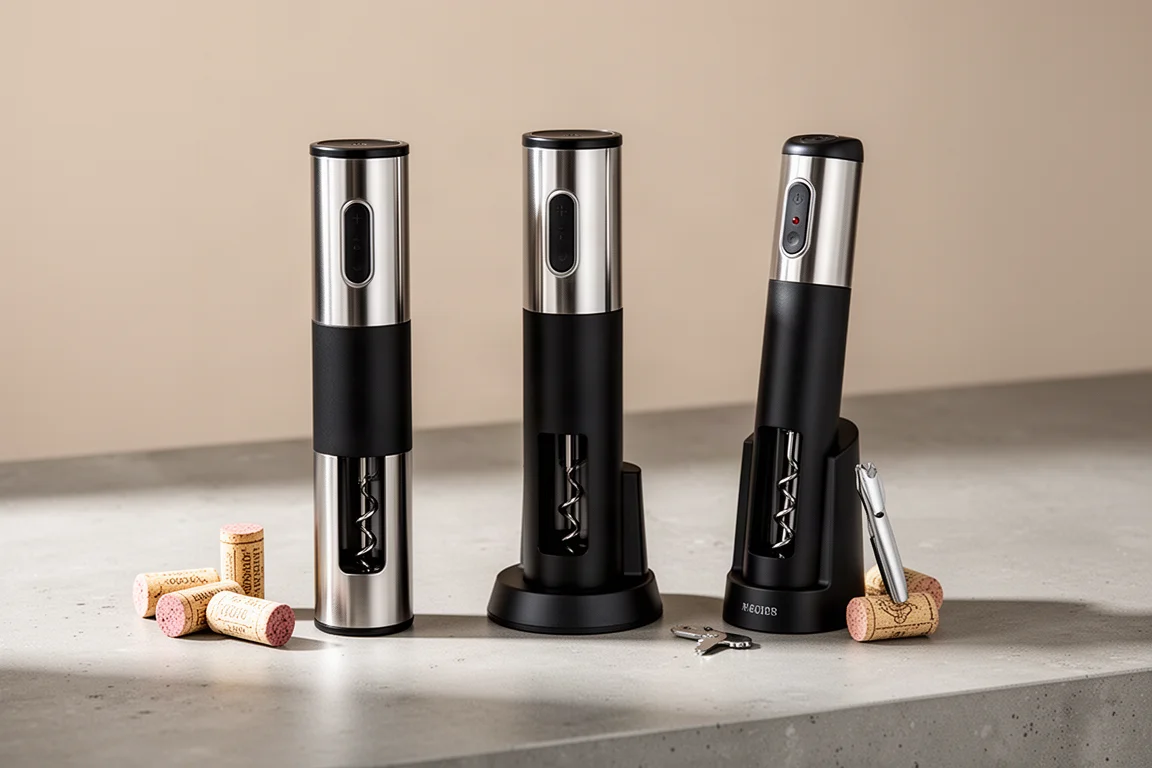
We tested eight electric wine openers priced from $20 to $110 on hundreds of bottles. The Secura came out on top, with a Peugeot and a Rabbit model also worth knowing about.
Kitchen Gadgets
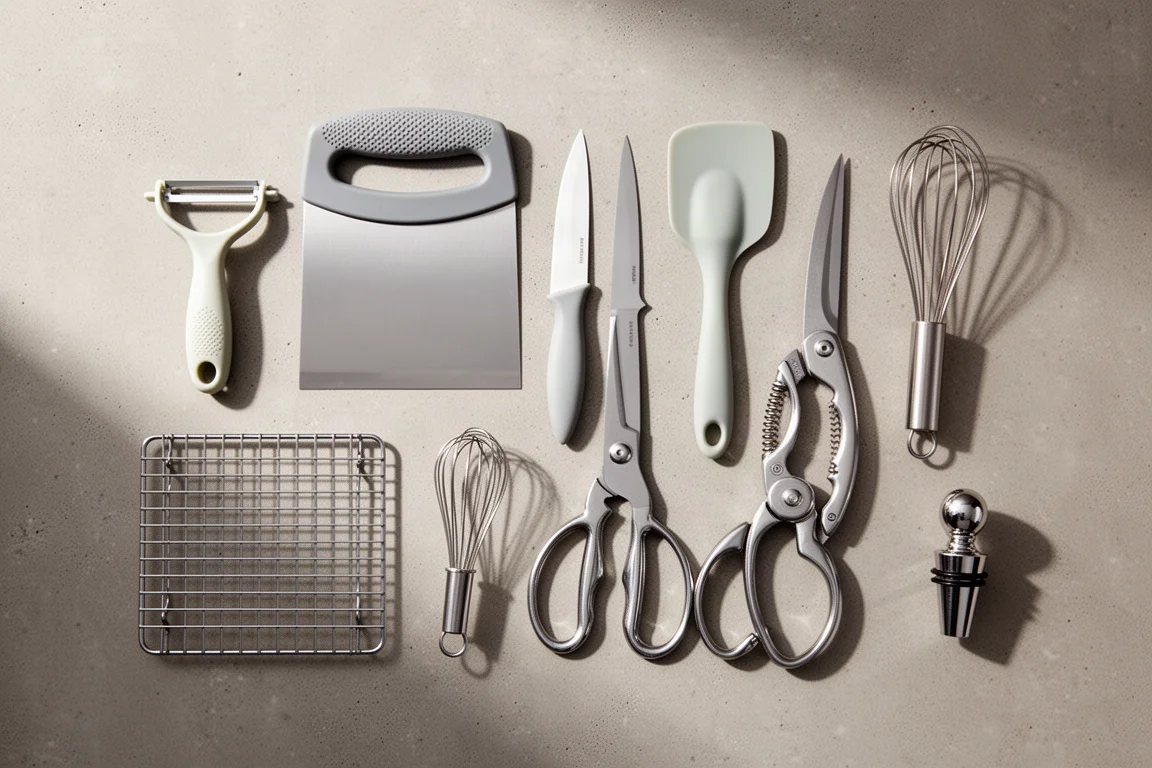
Best Kitchen Gadgets Under $15: Eight Small Tools That Earn Their Keep
Eight kitchen tools that cost less than $15 but perform like far more expensive gear, from a razor-sharp peeler to a champagne saver that really works.