Kitchen Gear
Kitchen Gear Worth Buying: The Standouts and the Products to Skip
A practical buyer's guide to rolling pins, grill gloves, griddles, blenders, bread ovens, cold brew systems, and hot water dispensers, plus a few products that did not earn a recommendation.
Introduction
A year of kitchen gear testing turns up plenty of winners, a few genuine disappointments, and some products that only make sense in a specific situation. This guide walks through the standouts across several categories: rolling pins, grill gloves, stovetop griddles, personal blenders, food processors, bread ovens, cold brew systems, and hot water dispensers. Just as useful are the products worth skipping, because a beautiful design or a clever idea does not always survive real testing.
Rolling Pins: Why Wood Beats Marble
Marble and stainless steel rolling pins look fantastic and can be chilled to keep dough cool, but that single benefit does not outweigh the downsides. A typical marble pin weighs around 4.6 pounds. That weight crushed the air pockets out of pizza dough, rolled cookie dough unevenly, dragged parchment paper around the counter, and left noticeable indentations in the dough. Marble is also fragile: one test pin rolled off a counter and shattered, leaving jagged edges. Non-stick coated pins are another trap. Dough is supposed to grip slightly during tasks like stretching, and a non-stick surface removes that control entirely.
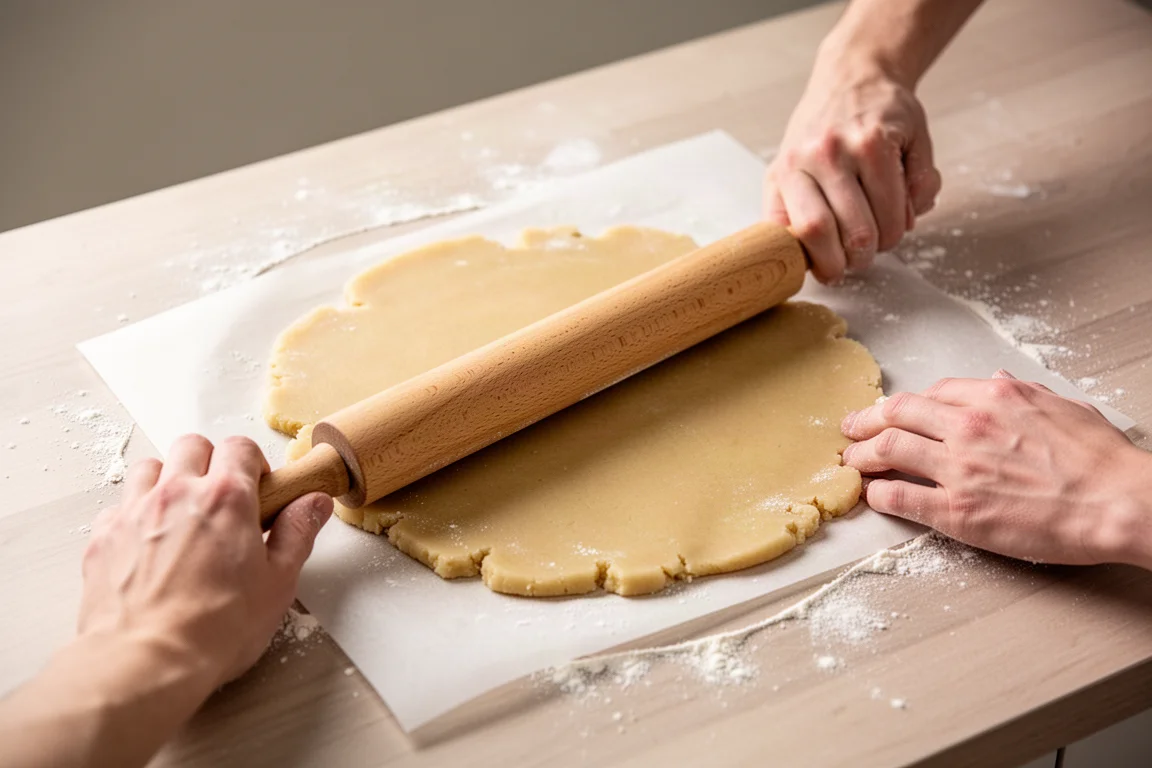
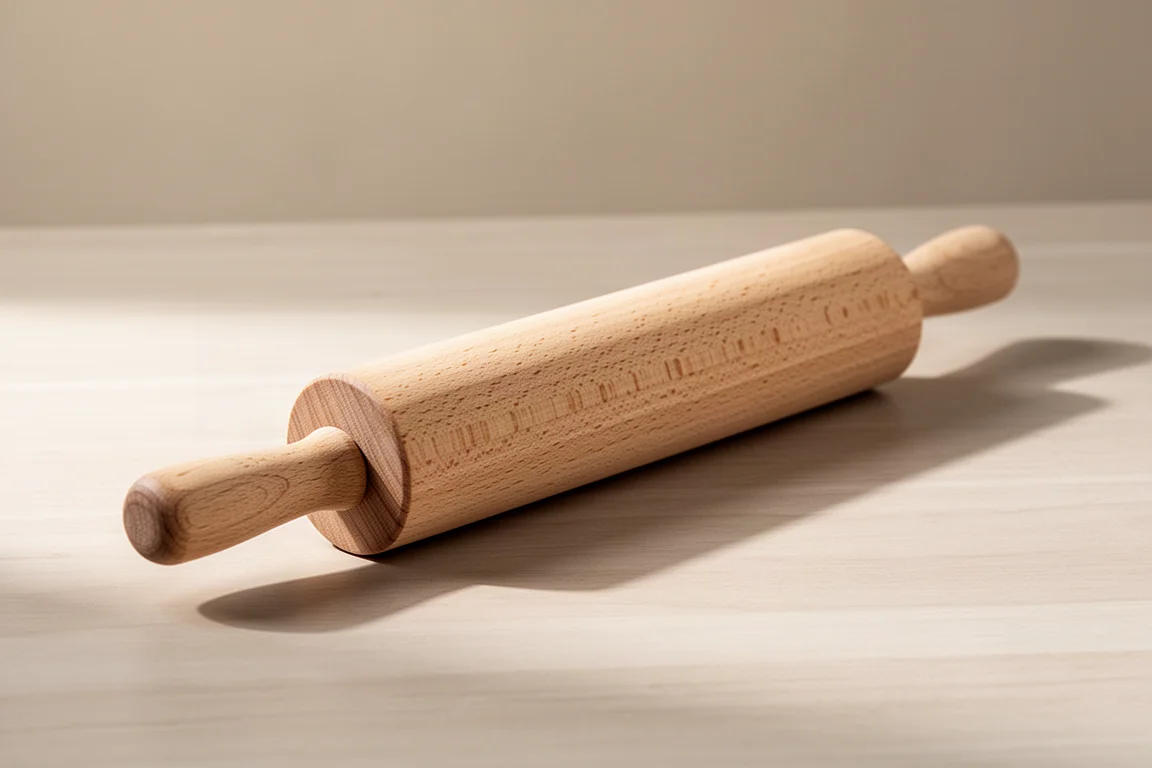
The recommended pick is a straightforward dowel-style wooden pin from JK Adams. It has won repeated rounds of testing for good reasons: the handle-free straight shape leaves no indentations, offers more usable rolling surface for larger doughs, and puts your hands directly on the material touching the dough for better control. Wood’s slight texture also threads the needle between grip and release.
Grill Gloves: One Clear Winner and One to Avoid
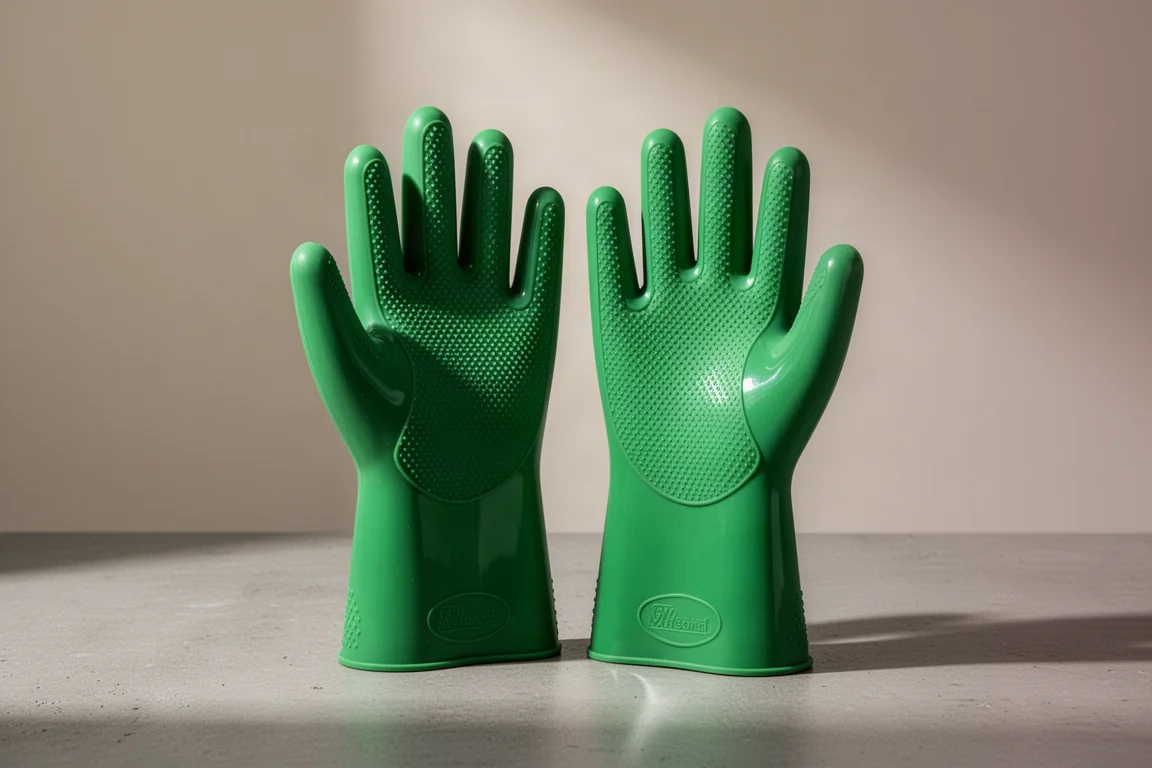
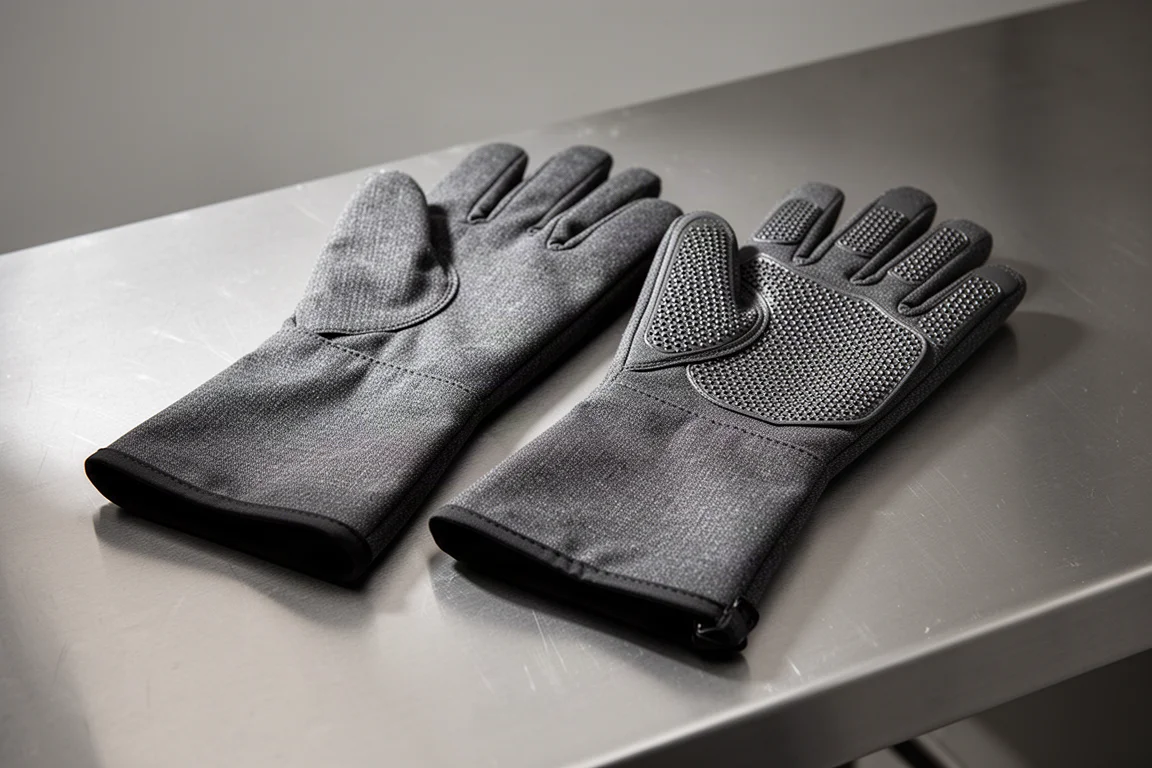
Grill gloves are worth owning for anyone who cooks over open heat, since they extend protection further up the arm than standard oven mitts. Not all models deliver, though. The Jolly Green silicone gloves tested poorly for a few reasons: the very thick, unlined silicone made them sticky and hard to pull on and off, and the proportions were off, with fingers too wide to give real control or dexterity.
The standout this year was the WZQH grill glove. It came in four sizes, which matters because fit directly affects dexterity. Heat protection was the best of everything tested, built from air-insulated aluminum layered with flame retardant cotton.
Stovetop Griddles: Nonstick vs Cast Iron
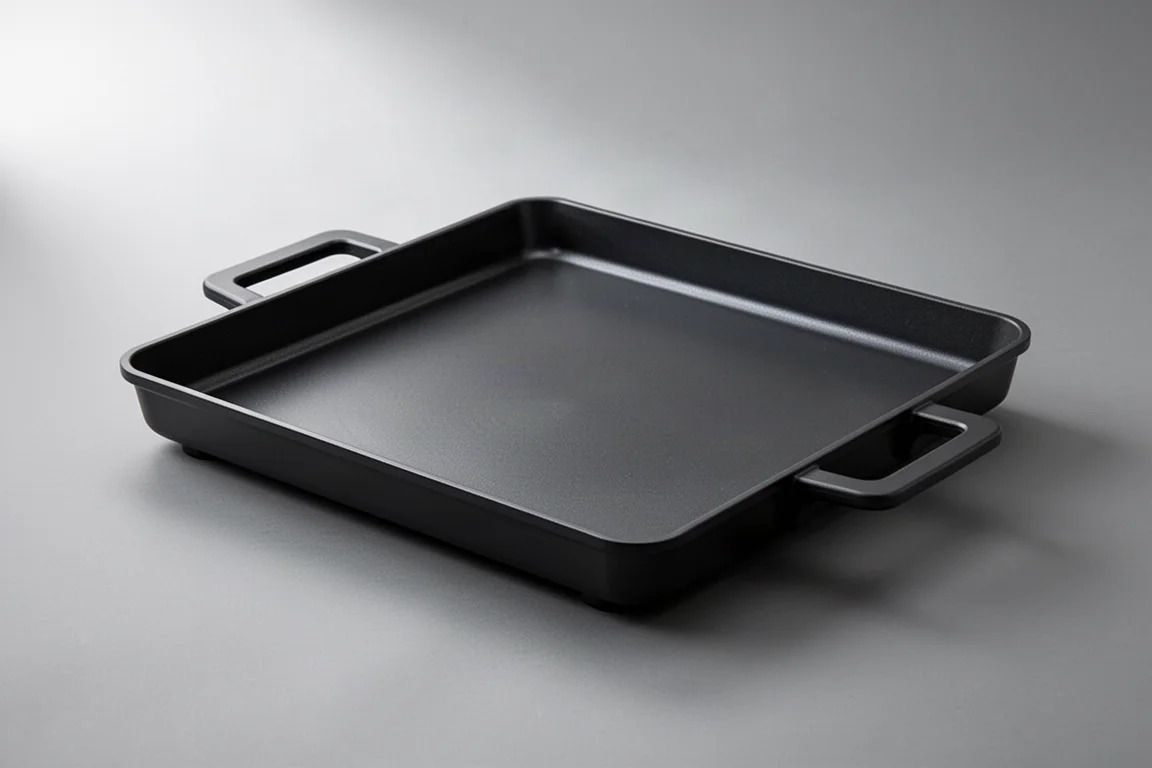
A two-burner stovetop griddle turns a home kitchen into a diner, whether the plan is smash burgers or a full breakfast spread. Two winners emerged because they excel at different things. The Cuisinart nonstick coated aluminum model is light, maneuverable, and heats and cools quickly, which frees the stove back up sooner. High walls contain splatter beautifully. The trade-offs: do not take it above 500 degrees because of the coating, skip high-heat searing, and keep it off the grill. It shines at eggs, bacon, and pancakes.
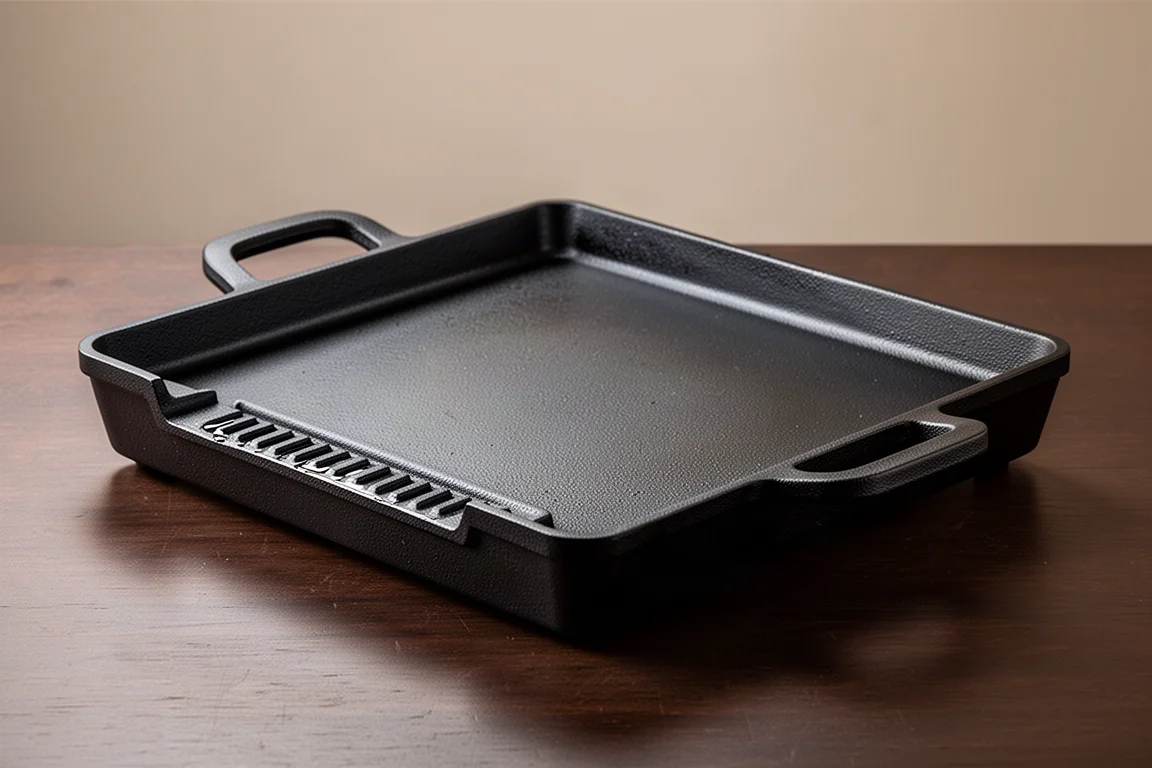
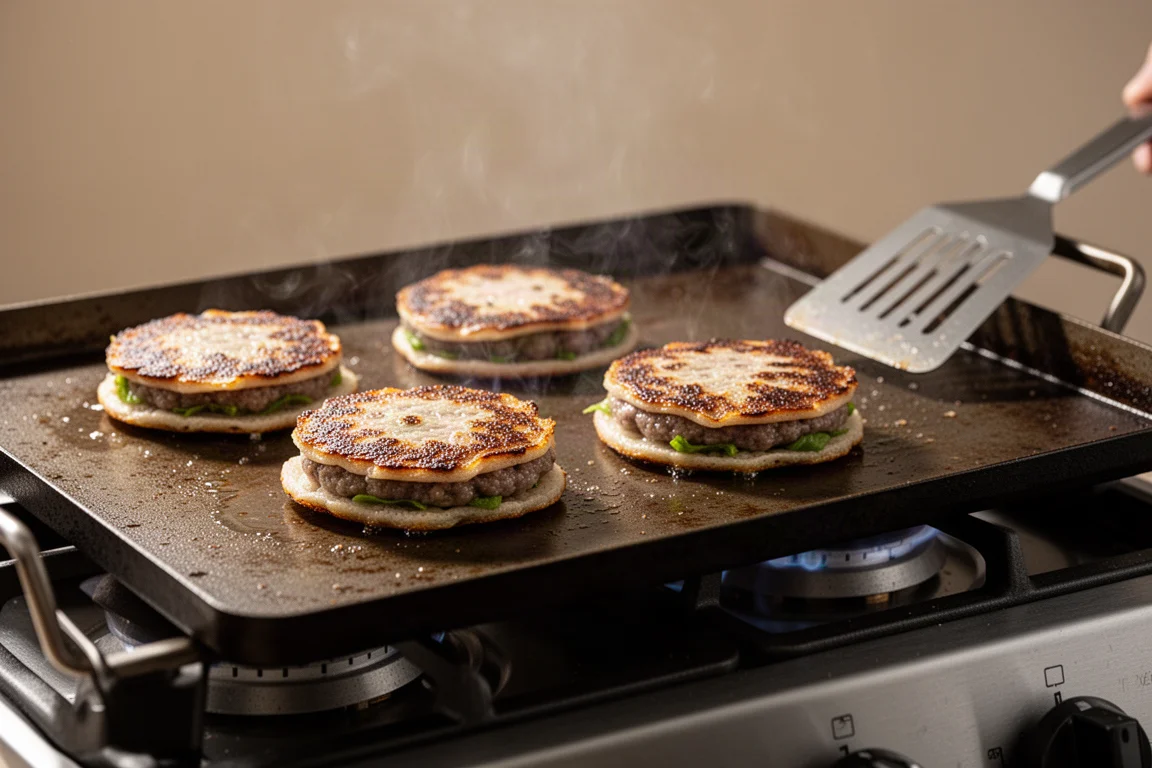
The Lodge cast iron griddle is the opposite personality. It is heavier, slower to heat and cool, and harder to wrestle in and out of the sink, but it delivers a ripping hot sear that is ideal for smash burgers, and it handles much higher heat with no babying. It has walls and a grease trough, though less containment than the Cuisinart. Loop-style handles make it easy to slide into a cabinet but trickier to grab with a mitt on. One tip from long-term use: give cast iron 5 to 10 minutes to preheat so the surface cooks evenly.
If you need induction compatibility, check the specific model carefully, since it varies between both types.
Personal Blenders: The Beast Health Wins
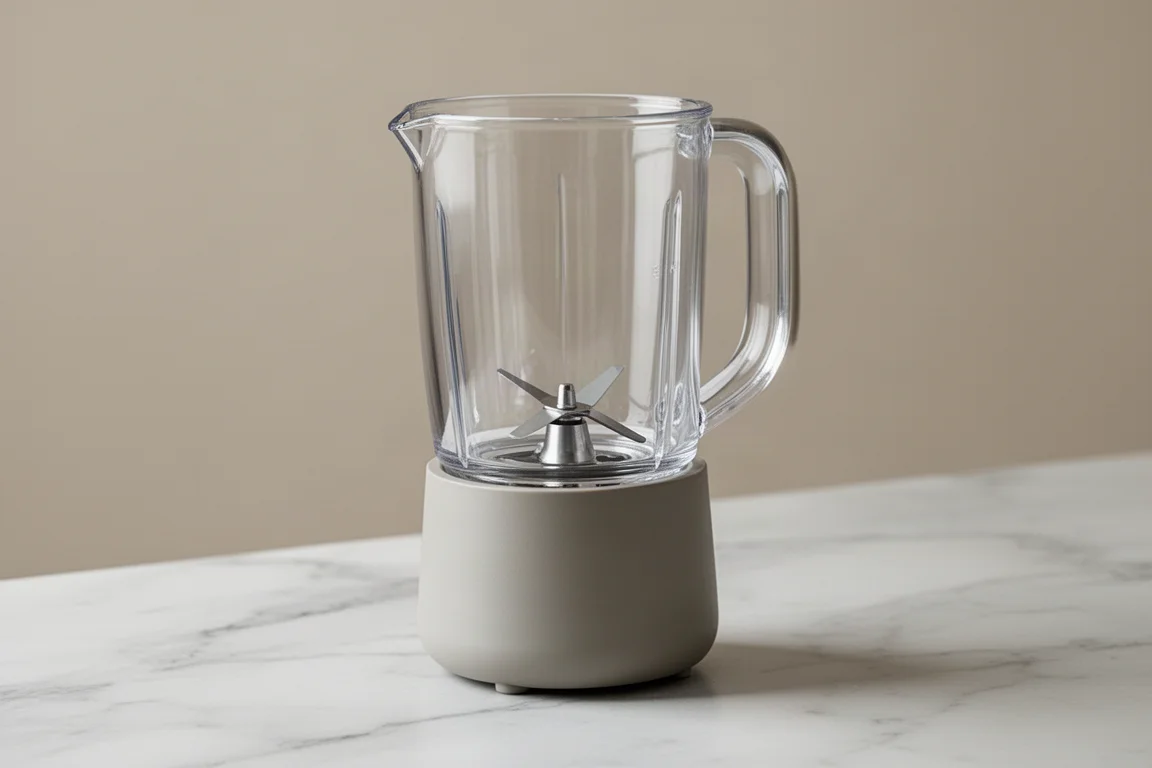
For portable personal blenders, the Beast Health blender aced testing. Jar shape turned out to matter enormously: wider U-shaped jars circulate ingredients better for more even blends, while tall narrow jars trap food away from the blade. Six or more blades angled in different directions grind food most efficiently. The Beast also passed a deliberately punishing smoothie test with fibrous kale and frozen pineapple, and it offers hands-off operation, either through a simple press-and-walk-away button or automatic start when components twist together. Travel lids with leak-proof seals and a storage lid rounded out the package.
Food Processor Attachment: Convenient, With Reservations
The Vitamix food processor attachment fits the A2500 Ascent series blender and the Venturist series, though not the classic 5200. It runs the same tests as dedicated food processors: chopping mirepoix, blending colored yogurt, sticky high-hydration pizza dough, and pie crust. The verdict: recommended only with reservations. Most tasks went fine, but dough was a failure. The blades glommed up on the sticky pizza dough, the machine began to overheat, and the dough had to be finished by hand.
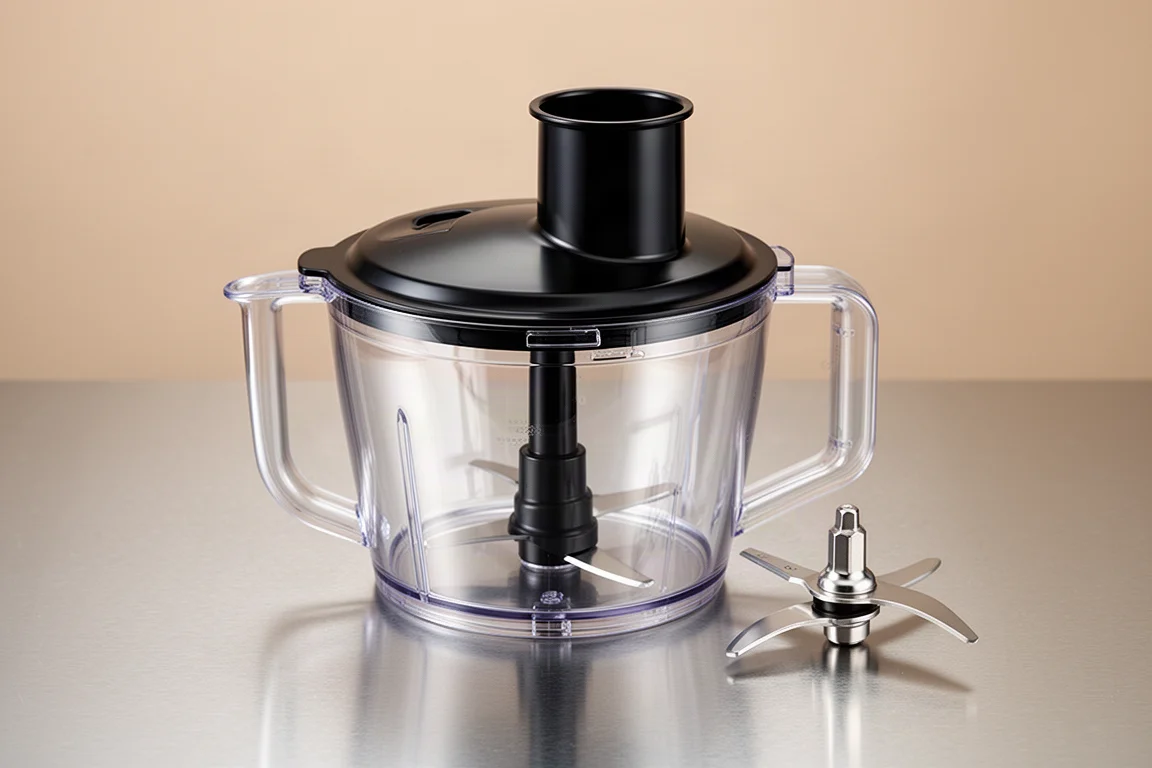
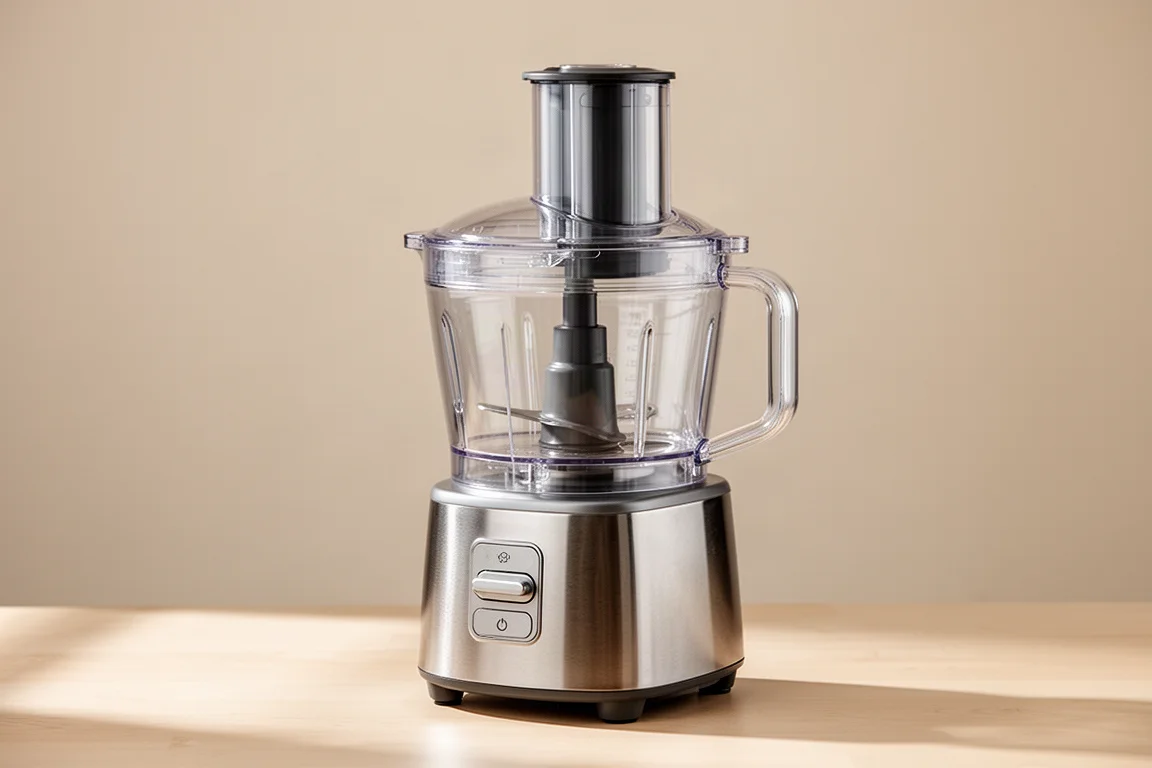
If you already own a compatible blender, the attachment saves a little counter space since it reuses the same motor base. But for about the same money, the Cuisinart Custom 14 performs the full range of food processor tasks better across the board. For a dedicated machine, this remains the safer pick.
Bread Ovens: Two Cast Iron Options
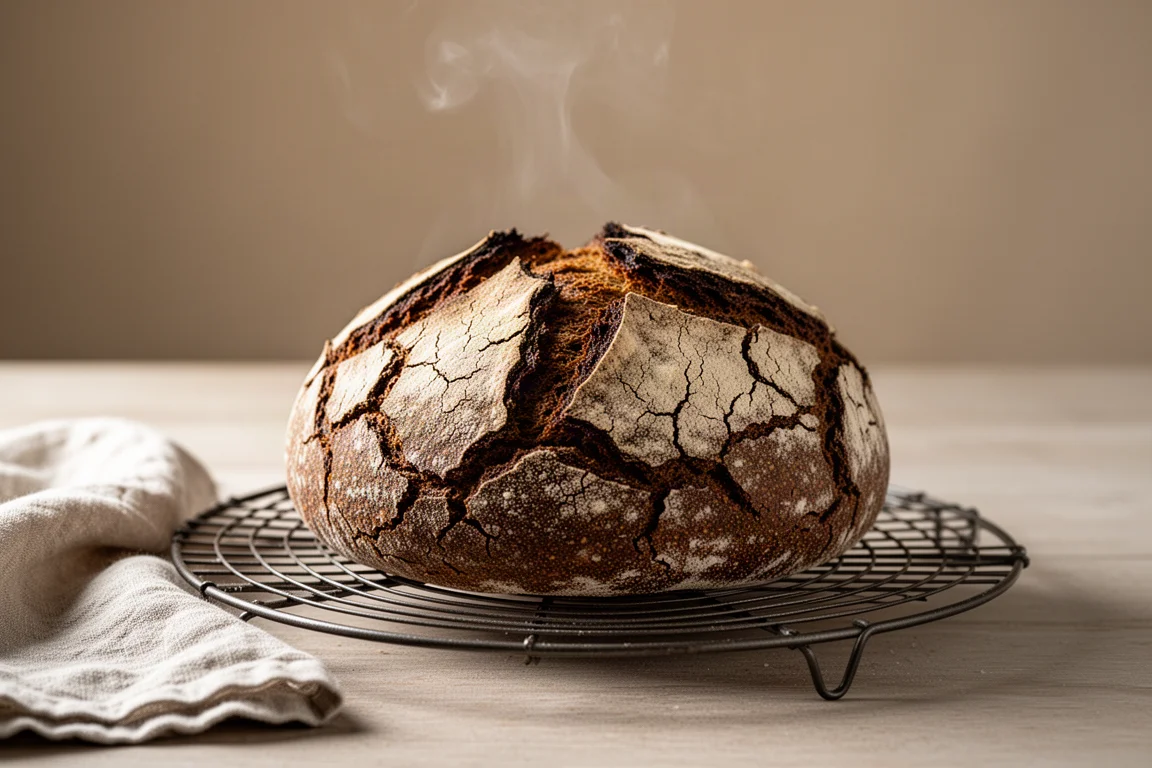
Home bakers who bake often may want a dedicated bread oven instead of a Dutch oven. Enamel cast iron Dutch ovens work, but polymerized oils can discolor the enamel permanently, the round shape limits loaf shapes, and the high sides risk burned knuckles when lowering dough in. The best bread ovens share a simple formula: two parts, a base and a lid, both in plain uncoated cast iron.
The Challenger bread oven is the top pick. Its large base handles loaves up to a kilo, round boules or oblong bâtards, with room to spread. Two sets of large looped handles make the lid easy to manage and the whole 22-pound oven liftable. That mass of cast iron retains heat superbly for crust development, but it needs a full hour of preheating, and loaves bake up to 20 minutes faster than in a typical Dutch oven, so watch the first few bakes. At nearly $300, it is a serious investment.
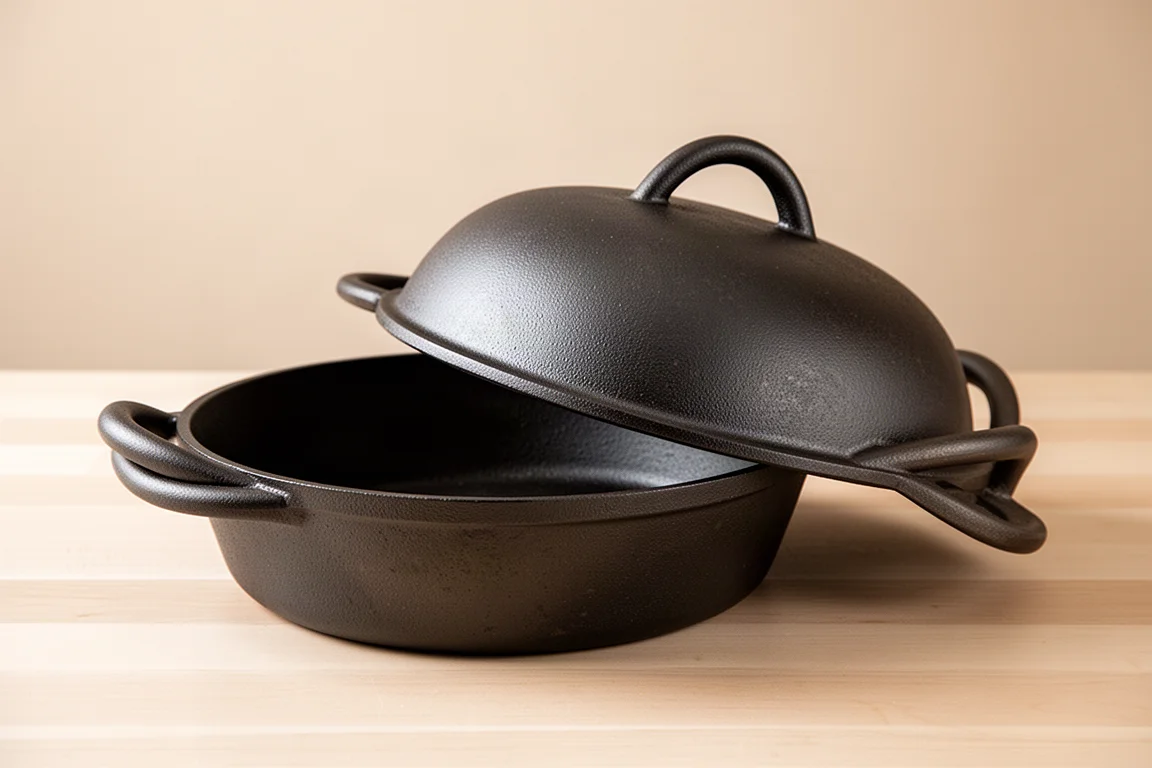
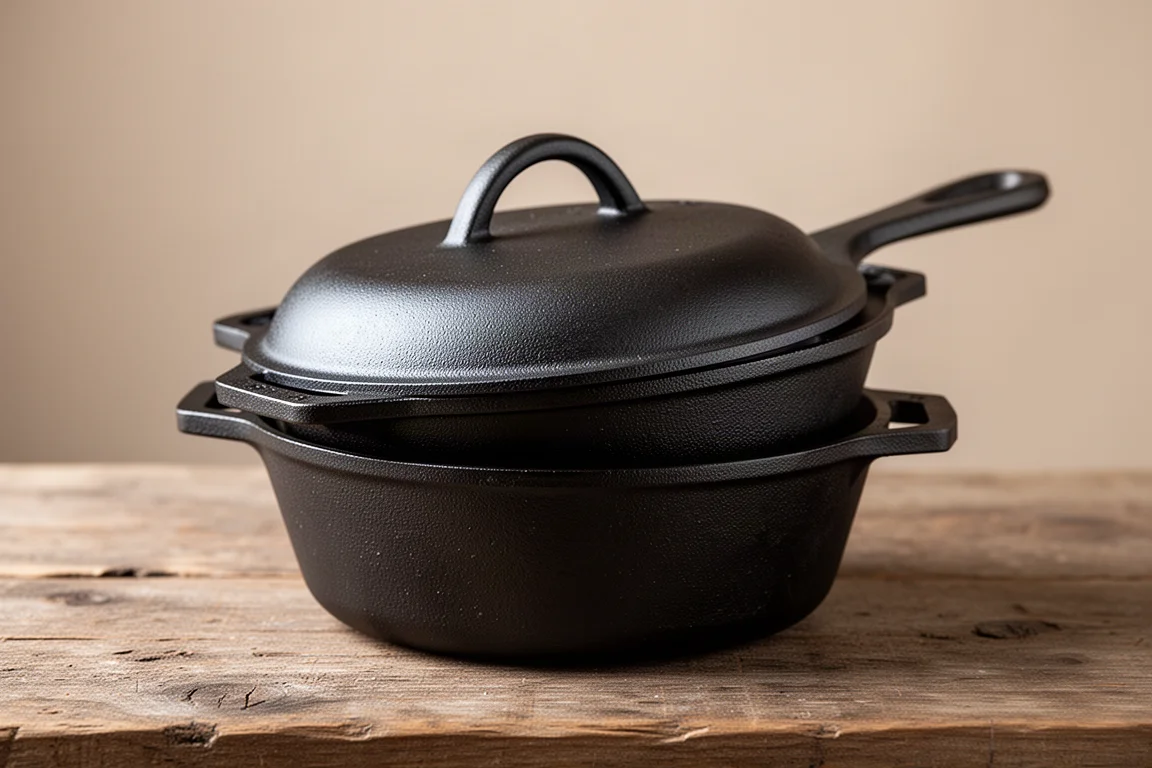
The Lodge camp cooker is the budget alternative at about $50. It was designed as camping cookware, with a skillet-style top and a deep saucepan-style bottom that together work like a Dutch oven, but it bakes bread beautifully. The same thick uncoated cast iron construction means darkening from baking never shows, and it is nearly impossible to wreck.
Cold Brew: Keep It Simple
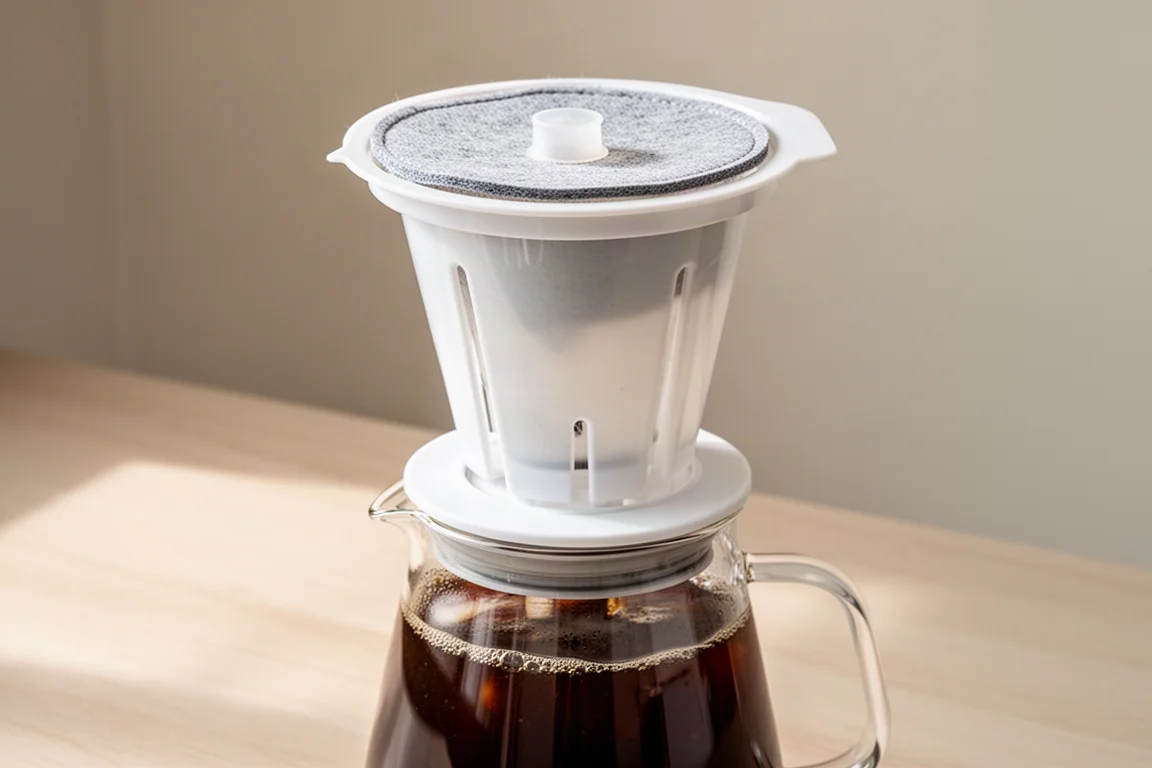
Cold brew steeps coffee in room-temperature water instead of hot, producing a smoother, more floral and fruity flavor. It is slower to make, but the payoff is a concentrate that keeps up to two weeks in the refrigerator, ready to pour over ice or dilute with hot water for coffee on demand. After testing many styles, including electric machines that churn water through the grounds, the lesson was that simpler is better. The electric machines produced cold brew that was gritty, sour, and weak.
The Toddy Cold Brew System is the recommended pick. Its spacious brew basket gives water and coffee plenty of contact, and the system is simple: a wetted filter disc pressed into the basket bottom, a silicone plug in the drain hole, coarsely ground coffee and cold water in the instructed proportions, then 12 to 24 hours at room temperature. Pull the plug over the included glass carafe and the concentrate drains out, with a tight-sealing lid to keep it fresh.
Hot Water Dispensers: Tea on Demand
A countertop hot water dispenser is a quiet luxury for anyone who drinks tea throughout the workday, and it is easier to live with than a kettle for people who find lifting and pouring uncomfortable. The Zojirushi hot water dispenser earned the top spot. It boiled 3 liters of water in about 30 minutes, faster than other models tested, and holds water at 195 degrees for up to 8 hours. Filling is easy thanks to a rising-ball water display and clear interior markings, and the curved front spout design lets a cup or bowl sit right underneath with fewer splashes.
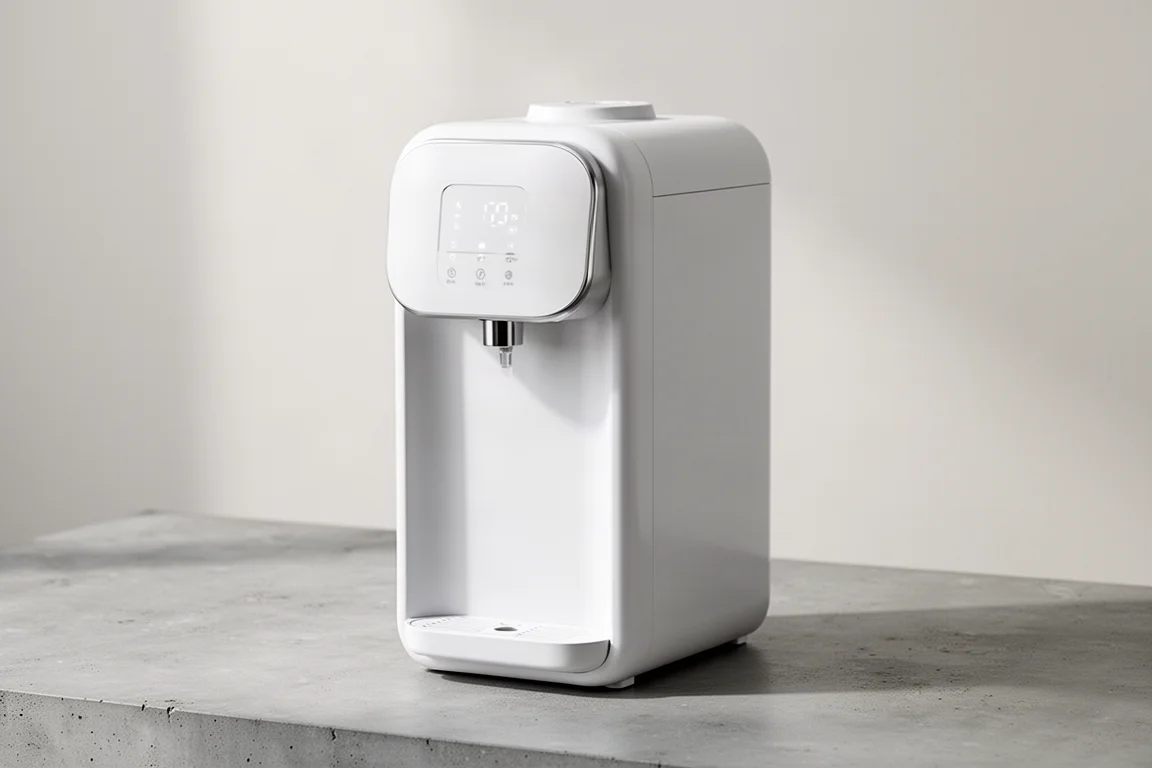
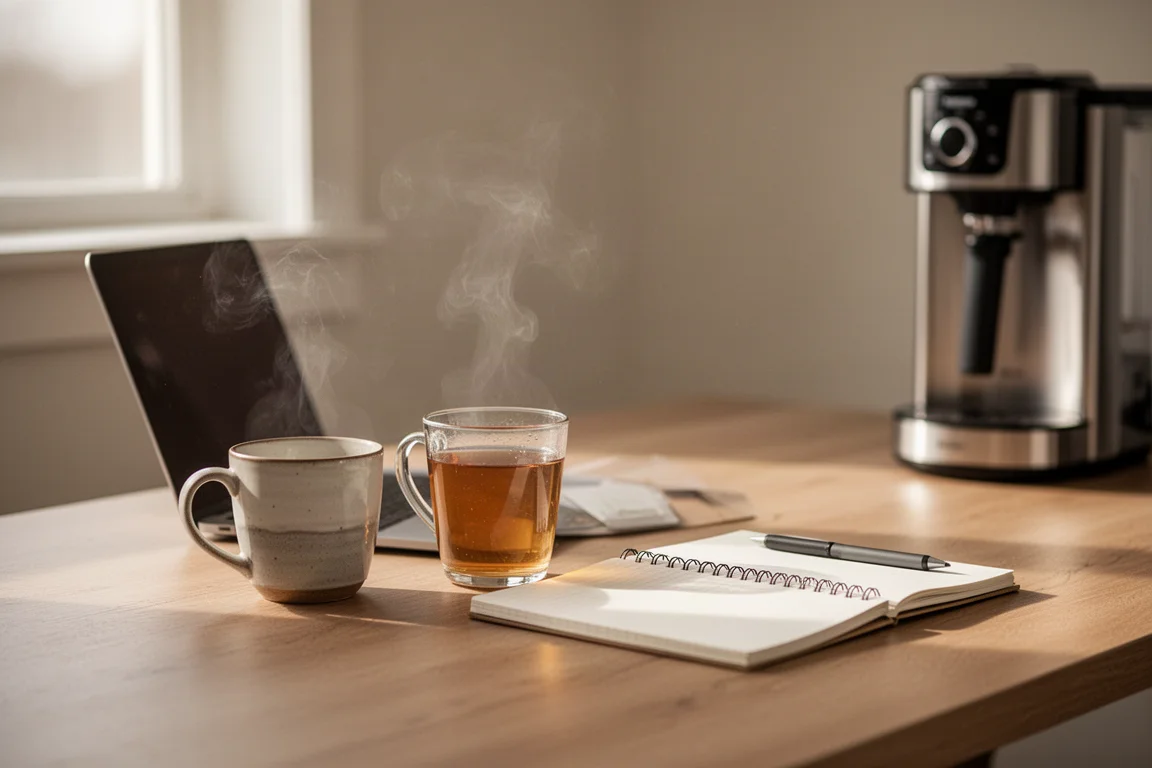
Compared with a kettle, a dispenser holds far more water, so there is no constant reboiling, and adjustable temperature settings mean it can simply sit at 160 or 175 degrees for delicate teas. The Tiger model is the best buy with many of the same features, though it was slightly more awkward to fill. Long-term users report the same appeal: fill it in the morning, set the temperature, and have tea on demand without leaving the desk.
Buying Advice
A few themes run through this whole list. Simple, well-proportioned tools keep winning: a handle-free wooden rolling pin, a two-part cast iron bread oven, a gravity-fed cold brew system. Materials matter more than looks, which is why marble rolling pins and thick unlined silicone gloves fell short. And match the tool to the job: nonstick griddles for gentle everyday breakfasts, cast iron for searing, a dedicated food processor over a blender attachment if dough is on the menu. Spend where the construction justifies it, like the Challenger bread oven, and save where simplicity wins, like the Lodge camp cooker.
Conclusion
The best gear from this year of testing shares a common thread: it solves a real problem without adding fuss. The JK Adams rolling pin, WZQH grill gloves, Beast Health blender, Challenger bread oven, Toddy cold brew system, and Zojirushi hot water dispenser all earned their spots through hands-on performance. Know what to avoid as well: marble and non-stick rolling pins, unlined silicone gloves, and blender-based food processor attachments if you knead dough. Choose based on what you actually cook, and these picks will hold up.
Further reading
Related Reviews

Kitchen Gear
Best and Worst Kitchen Gear for 2026: Stand Mixers, Pressure Cookers, and More
A practical guide to kitchen appliances worth buying and models to avoid, based on hands-on testing of stand mixers, pressure cookers, citrus juicers, dish racks, and espresso machines.

Kitchen Gear
Best Budget Kitchen Gear: Eight Value Picks That Punch Above Their Price
Eight kitchen tools that delivered excellent performance at a reasonable price, plus the trade-offs to weigh before you buy.
Kitchen Gear
Best Kitchen Gear Gifts: Seven Tested Picks From Budget to Splurge
Seven kitchen tools that earned their place, from a $15 vegetable peeler to a $1,000 indoor pizza oven.