Kitchen Gear
Kitchen Gear Winners and a Few to Skip: Our Favorite Test Kitchen Picks
From quarter sheet pans and carbon steel woks to robot vacuums, bread lames, and soft coolers, these tested picks earn their place in your kitchen.
Introduction
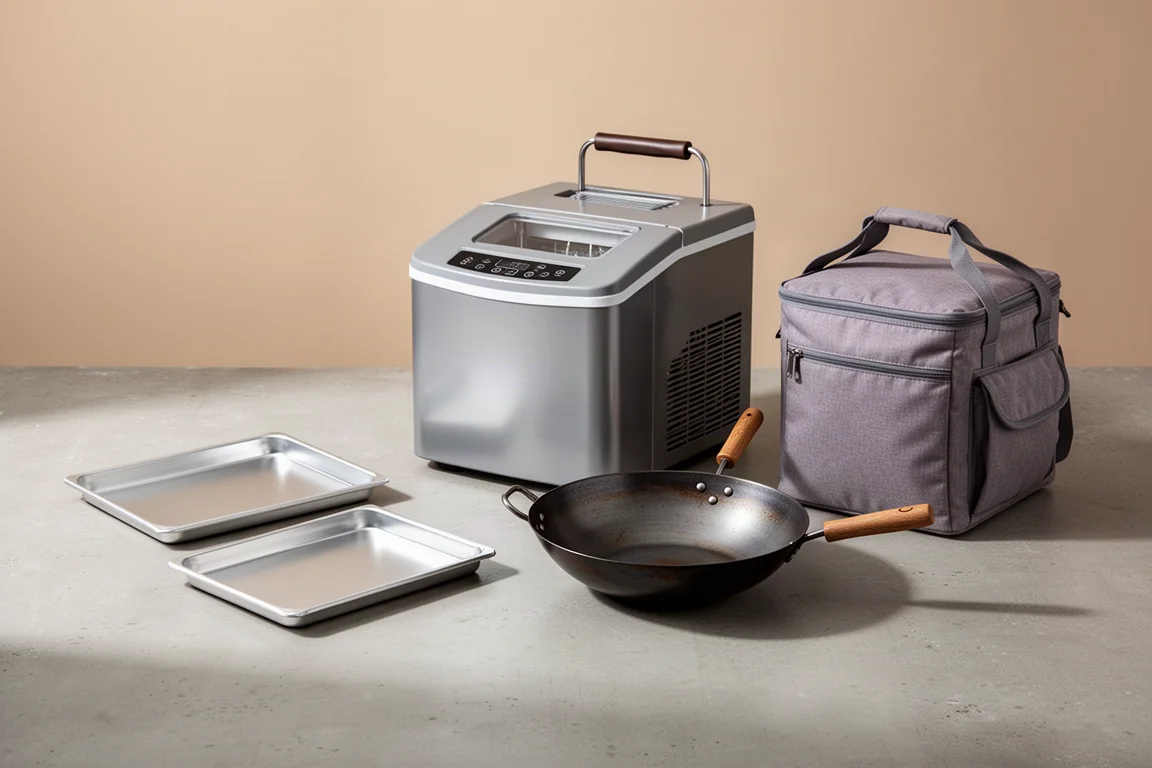
Testing hundreds of kitchen products in a year turns up a few standouts, a couple of budget heroes, and a handful of things better left on the shelf. This roundup covers the gear that genuinely earned its spot, from tiny sheet pans and proper woks to robot vacuums, bread lames, coolers, and ice makers, plus a warning about two viral products that did not live up to the hype.
Small Sheet Pans That Punch Above Their Size
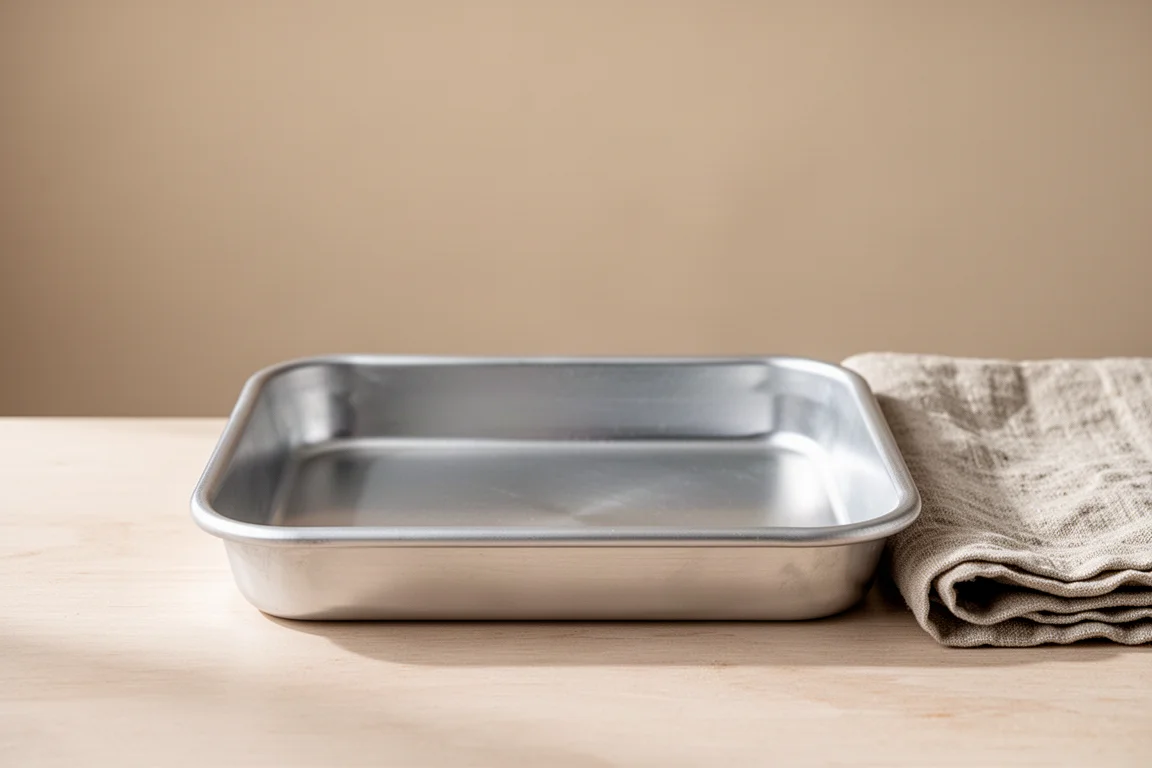
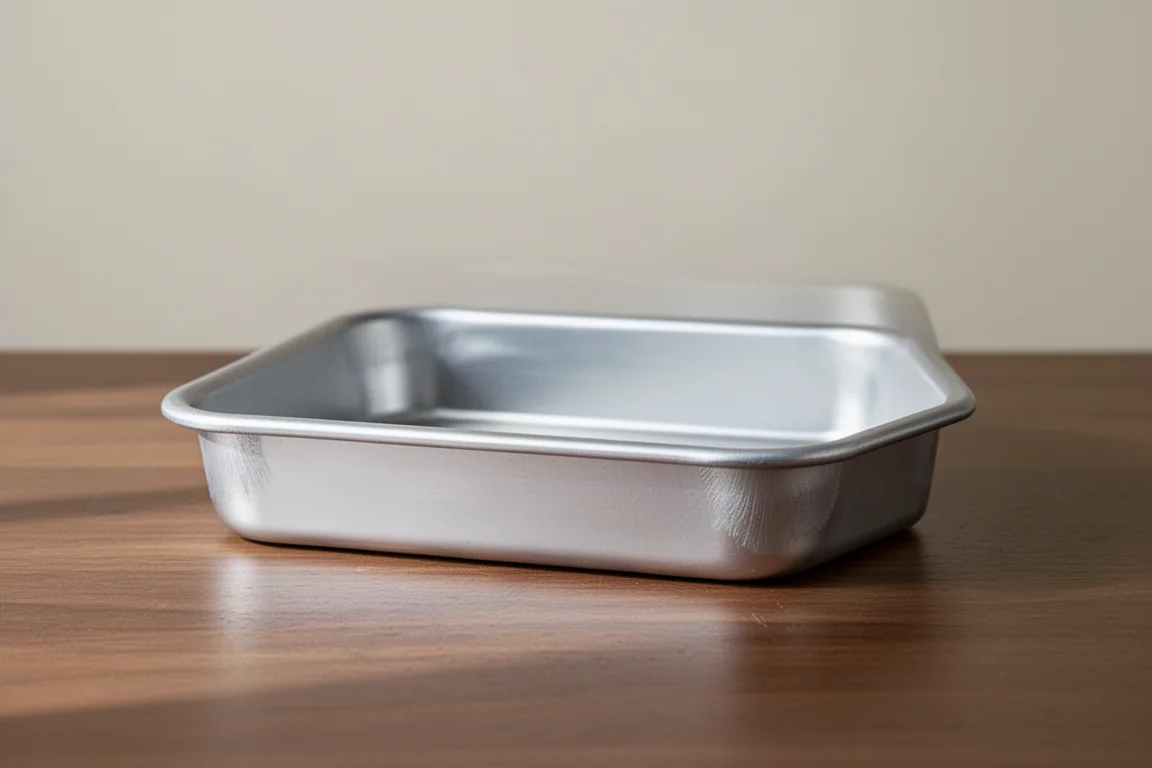
Quarter and eighth sheet pans are the unsung heroes of a well-run kitchen. Made by Nordic Ware, the same company behind the half sheet pan most cooks rely on, these smaller siblings are uncoated aluminum workhorses. That matters because you can use them under the broiler and under high heat without worrying about a non-stick coating getting scratched or coming off.
The quarter sheet pan is ideal for a couple of portions of chicken, squash, or a side dish, and it fits right in a toaster oven. The eighth sheet pan goes even smaller: perfect for toasting nuts or baking just one or two cookies from a stash of frozen dough balls. Both are great for mise en place, doubling as little trays for laid-out ingredients.
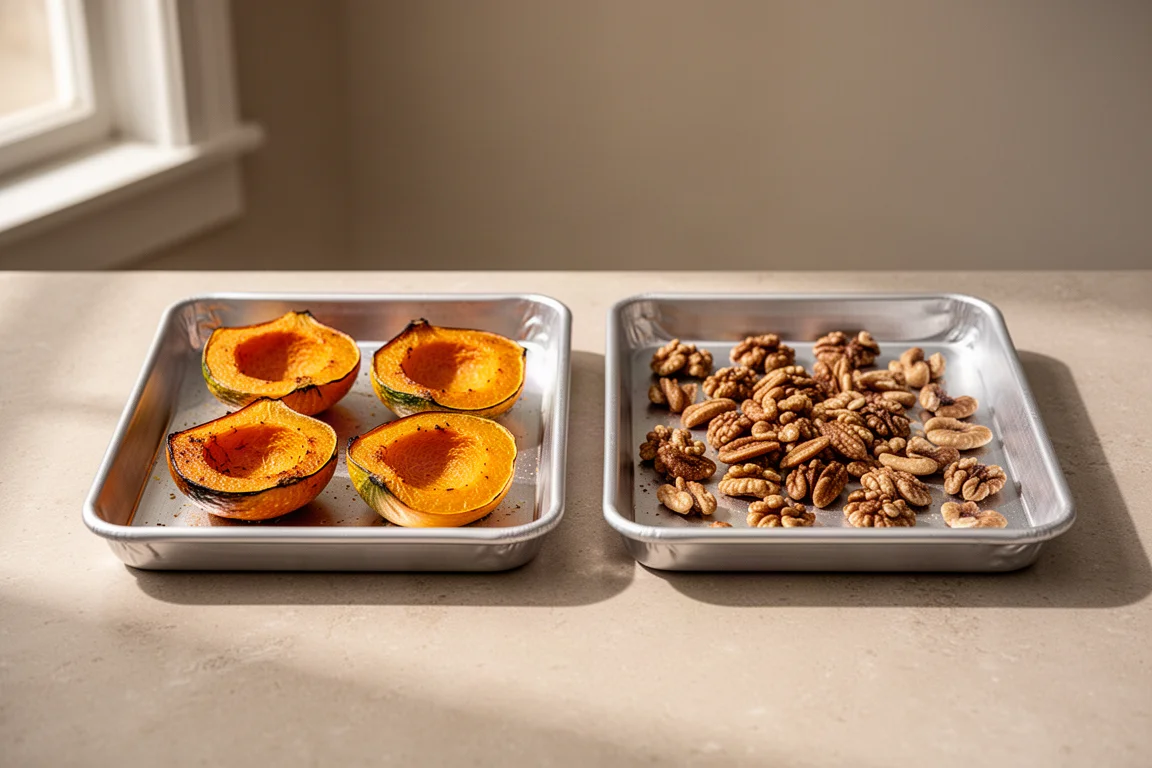
They feature straight, rolled 1.25-inch sides that are easy to grab with a pot holder or towel, and they proved sturdier than many competitors, resisting the warping that can affect thinner pans. There are fun accessories too, including a lid for transporting the quarter sheet to a potluck and a Checkered Chef grid-style cooling rack that fits snugly inside for draining or broiling. If you have limited space, or just want more versatility, these are easy to recommend.
Carbon Steel Woks: Why a 14-Inch Pan Beats a Skillet
For years the standard advice was to stir fry in a 12-inch non-stick skillet. After talking with wok expert Grace Young and running a head-to-head cook-off, that advice changed. A proper wok has high sides, plenty of room for food to spread out, and responds to heat in a way a skillet simply cannot match.
The key spec is size: 14 inches rim to rim is the sweet spot for home cooks. Anything smaller crowds the food, piles it up, and steams it instead of stir frying. Material matters too, and carbon steel came out on top for being lightweight and easy to lift and handle even when full of food. Wooden handles are a plus, since you can grab them without a pot holder. Carbon steel needs seasoning and will darken over time, developing natural non-stick properties just like a carbon steel skillet.
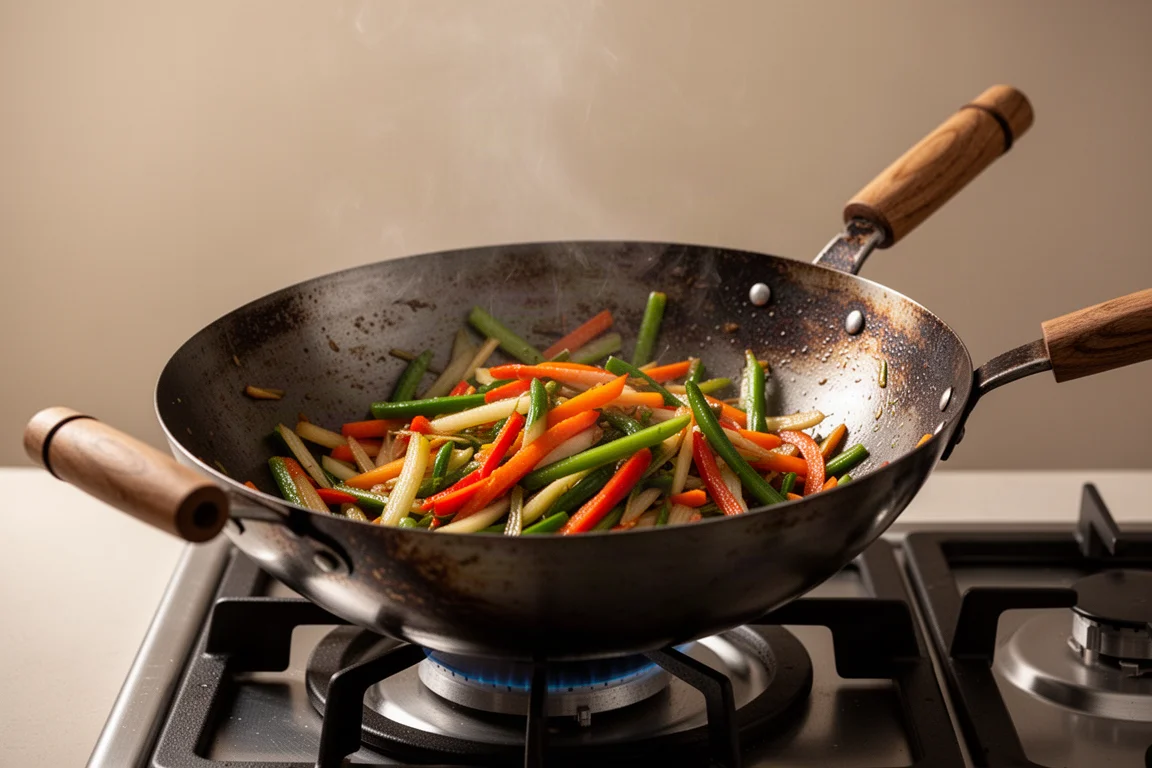
The original winner, the Taylor & NG natural nonstick wok, comes pre-seasoned from the factory, giving you a head start on that process. It is still loved, but demand has sometimes made it hard to find, so two co-winners with the same key characteristics are now on the list.
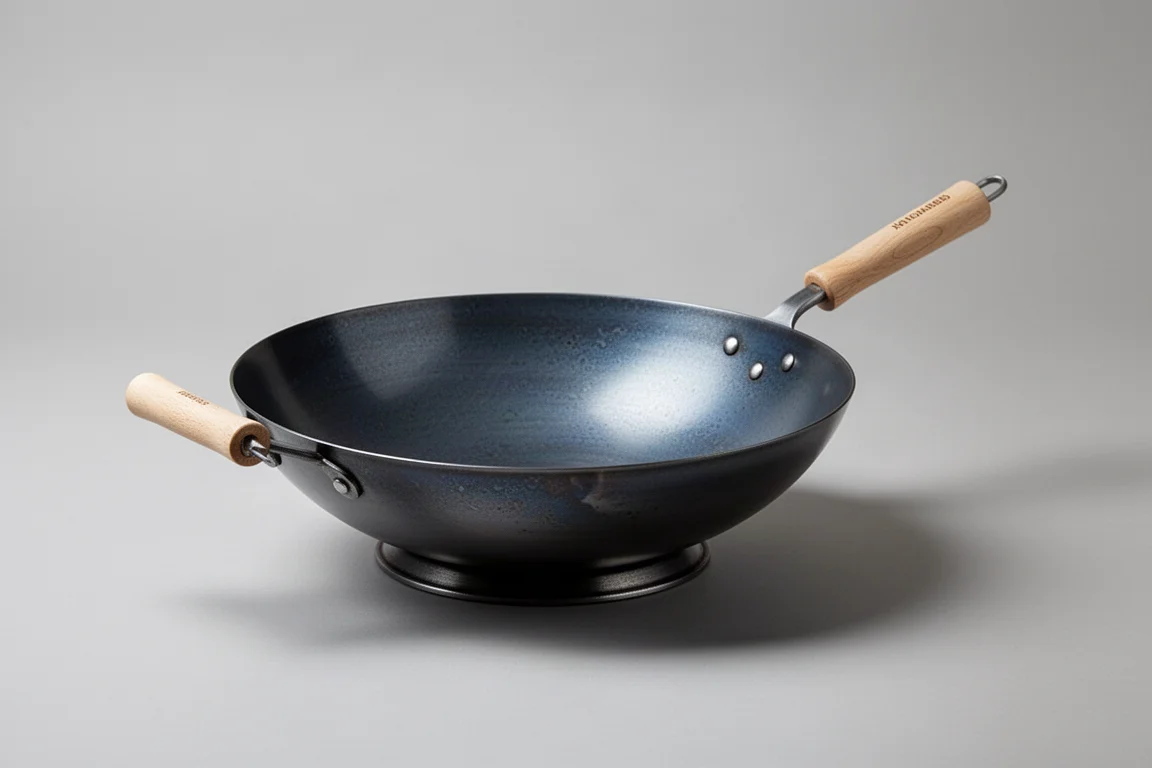
The Imusa wok matches the same recipe: 14 inches rim to rim, carbon steel, about three pounds, wooden handles, and a seven-inch flat area. It comes without a lid, which you should buy separately, and after adding one it lands at roughly the same price as the Taylor & NG. The handle is a bit thicker and flares out with facets, which is slightly awkward for smaller hands, but otherwise it performed beautifully and developed seasoning quickly.
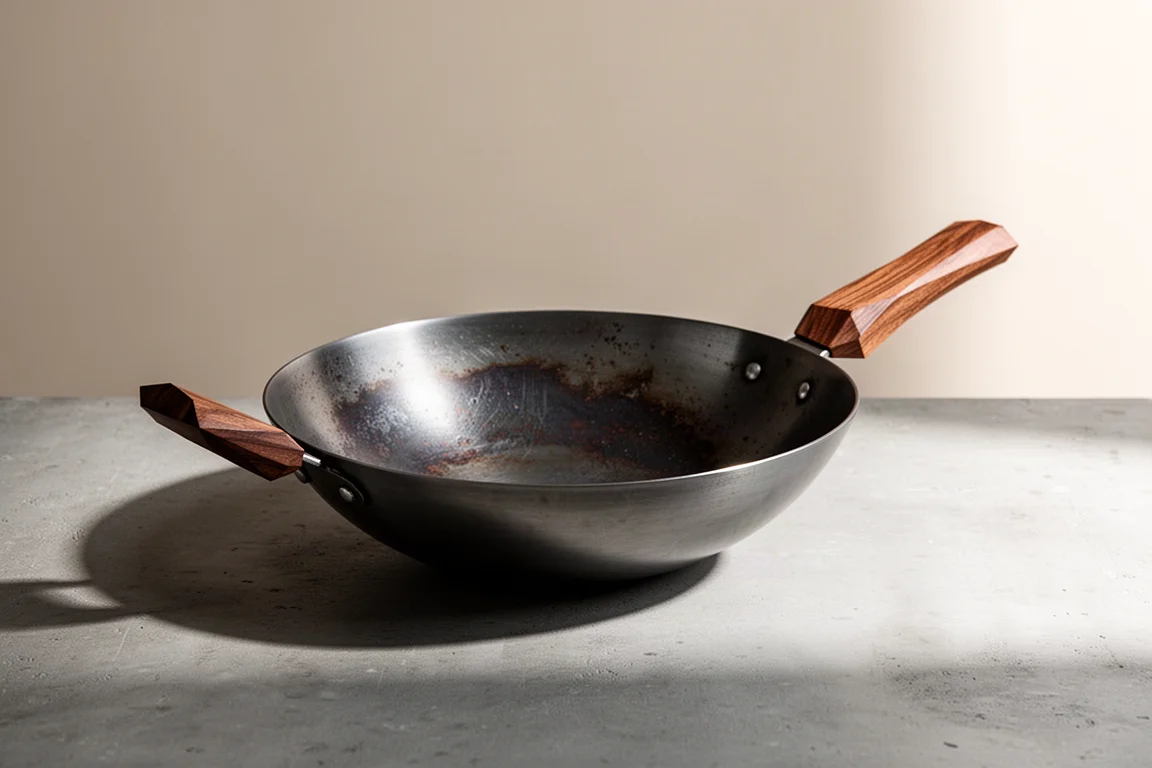
The Joyce Chen wok shares all the same traits, including the seven-inch flat surface, 14-inch rim-to-rim size, and roughly three-pound weight, with a slender handle that suits every hand size. It also lacks a lid and starts a bit cheaper, coming out to about the same total once you add one. Any of the three would be a great addition to your kitchen.
Robot Vacuums That Actually Clean
A robot vacuum may not seem like kitchen gear, but anyone who cooks knows the floor tells a different story afterward. The iRobot Roomba J7+ uses waypoints on the ceiling and a suite of navigational features to map your home on its first run, then empties itself into a base with a regular vacuum bag, so you never open the robot or shake out a bin. In a category full of products that promise a lot and deliver little, this one does exactly what it is supposed to do. The main drawback is the price, which is firmly premium.
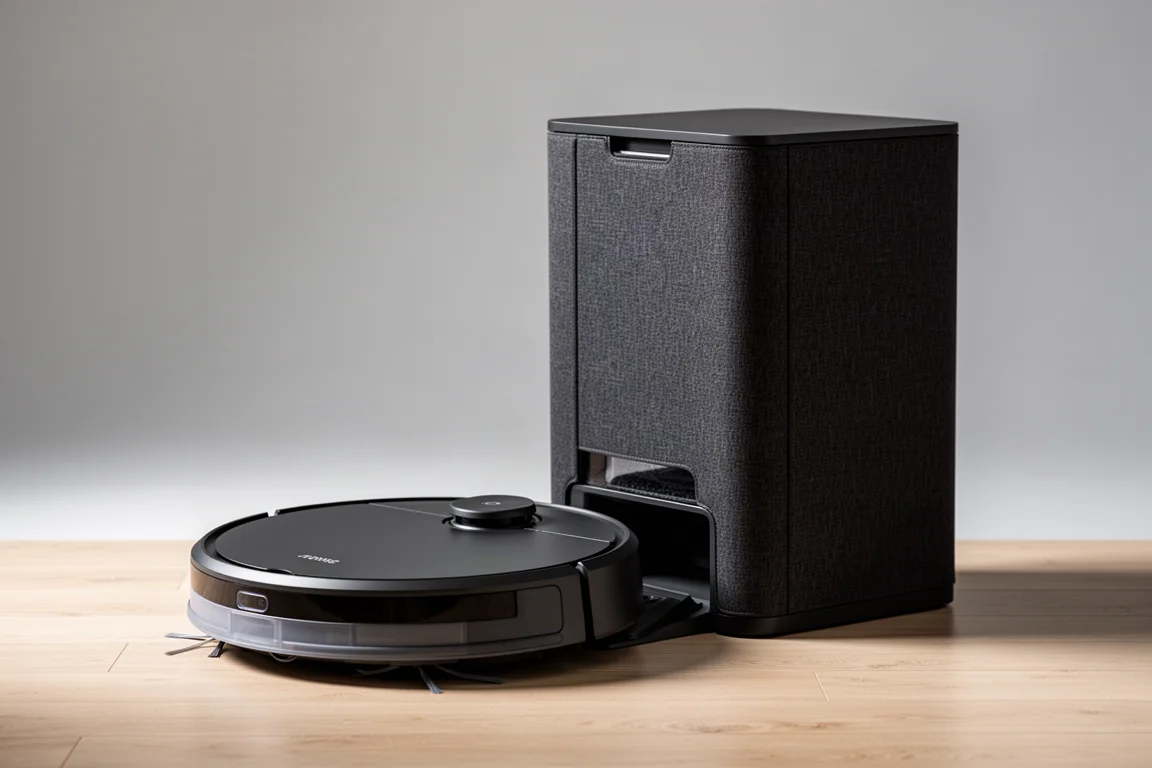
The best value pick is the Shark Ion. It is simple, with a small dock, and you do have to empty it yourself with a quick pinch-and-pull before it returns to recharge. It is not smart in the mapping sense, bumping into things and reversing, but it works like a little tank, covers the whole area, and picks up remarkably well. It costs less than half the price of the Roomba, which makes it the pick for anyone who wants clean floors without the premium outlay.
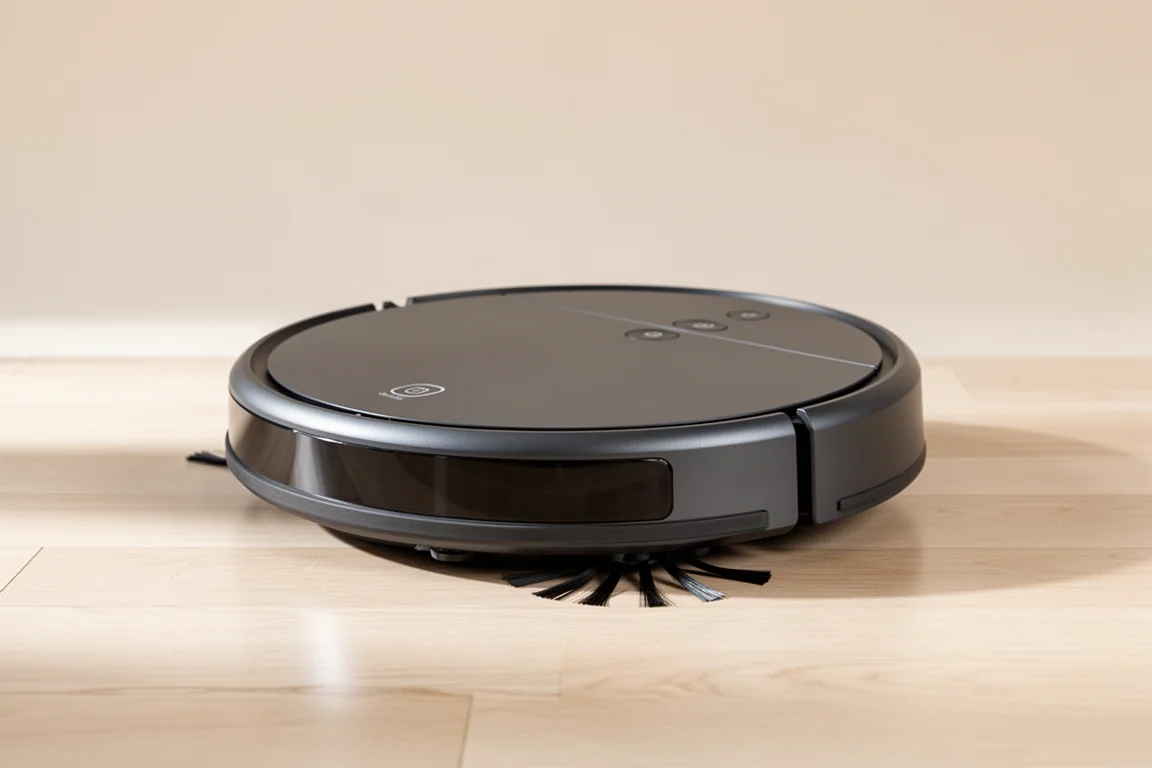
In testing, models faced an identical measured kitchen mess in the same penned space, and the gap was striking: the best picked up 100 percent while the worst managed only 59 percent. Both picks here had powerful suction, batteries that stayed on the job, easy handling, and controls that work on the machine or through an app. Avoid the ones that fail those basics, because a bad robot vacuum will genuinely drive you crazy.
Bread Lames for Beautiful, Evenly Expanded Loaves
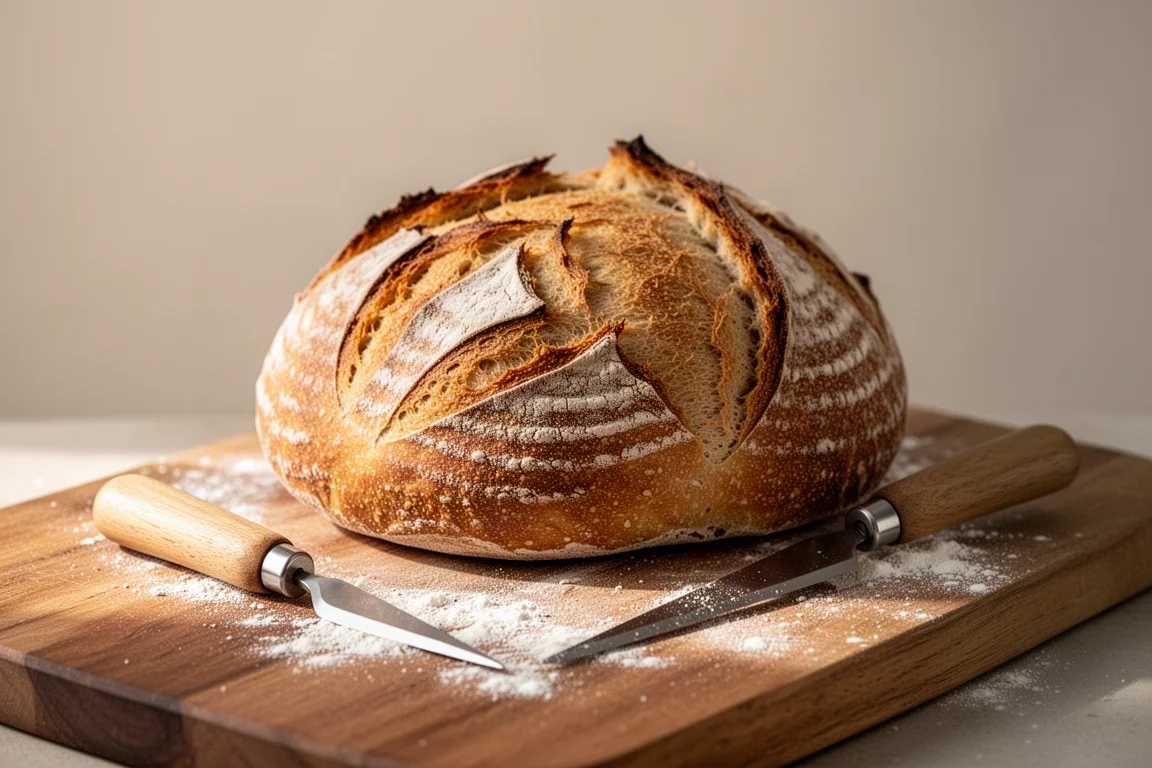
A bread lame looks minor but transforms homemade bread. Scoring the top lets the loaf expand in a predetermined way, preventing weird expansions and misshapen loaves, while adding those gorgeous crusty bits and decorative patterns that make a loaf feel bakery-worthy.
Two updated winners emerged from fresh testing. The Baker of Seville is the overall winner, with easy blade changes, two exposed cutting edges so you can use both sides before swapping, and an adjustable blade angle that works curved or straight, which matters because curved blades suit baguettes while straight ones are easier for beginners.

The Wild Monkey UFO Bread Journey earns its place for intricate scoring. You release the blade by turning it, then tighten it back down, and because you can choke up so close to the blade, the control is exceptional. That closeness is also why it is not the overall pick: you are handling the blade much more directly, so care is required.
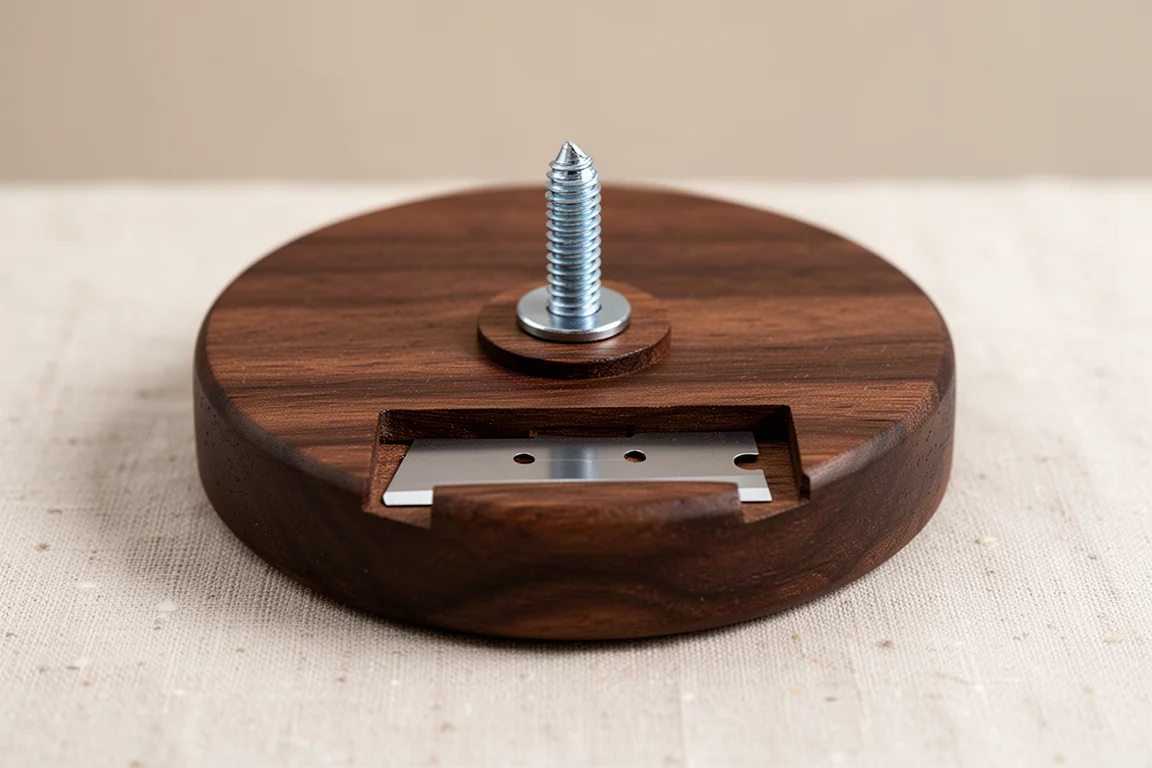
Across testing, the qualities that mattered most were seamless blade attachment and removal, two exposed cutting edges, adjustable blade angle, and a grip that works at multiple angles for more comfortable, more intricate work.
A Soft Cooler That Keeps Ice for Three Days
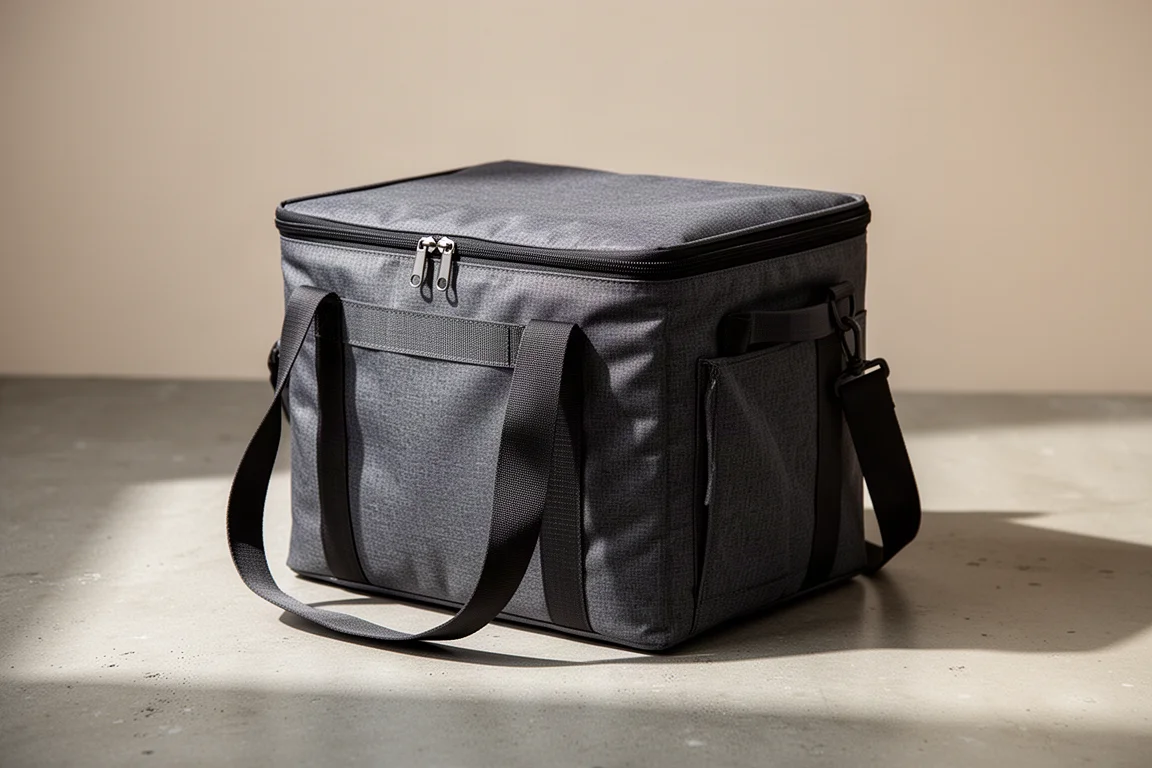
Rotomolded hard coolers keep ice beautifully but weigh a ton, so the question was whether a soft cooler could deliver close to the same performance in a lighter package. The answer is the Engel H20 22 quart soft cooler bag, which kept ice for three full days. It is not cheap, and you do pay for that performance, but it earned its place as a favorite of the year.
The secret is closed-cell foam insulation, where gas is forced into the foam to create isolated air pockets that impede heat transfer. Interestingly, that is also why premium hard coolers work: more air locked in the foam keeps contents colder. Beyond insulation, a smooth zipper was essential, box shapes beat tote shapes for usable space, and multiple carrying options, especially side handles that hold the bag tight to your body, made a full cooler far easier to move.
Countertop Ice Makers Worth the Counter Space
A countertop ice maker works like a freezer in miniature: a compressor filled with refrigerant cools metal molds that freeze water into ice. You fill a tank, sensors trigger more ice when levels drop, and the machine recycles melt water into fresh ice. These are not storage devices, though; for a steady supply you still want to transfer ice to your freezer.
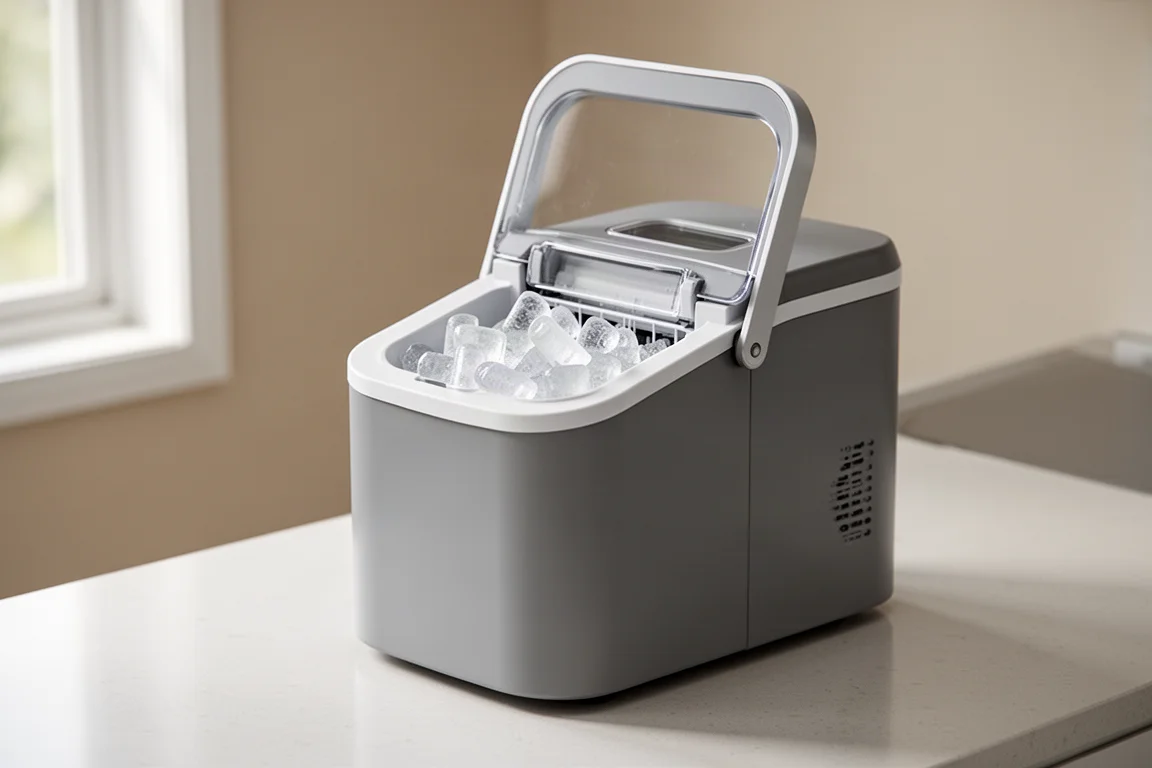
The overall winner is the Igloo, which is relatively compact with a handy carrying handle, produced about a pound of ice per hour, and turned out its first batch in around eight minutes. It offers multiple ice sizes, including hollow bullet style, has easy controls and clear indicator lights, and is one of the only models tested with a self-cleaning function that helps with descaling. Operation is as simple as pouring in two quarts of water and pressing a button.
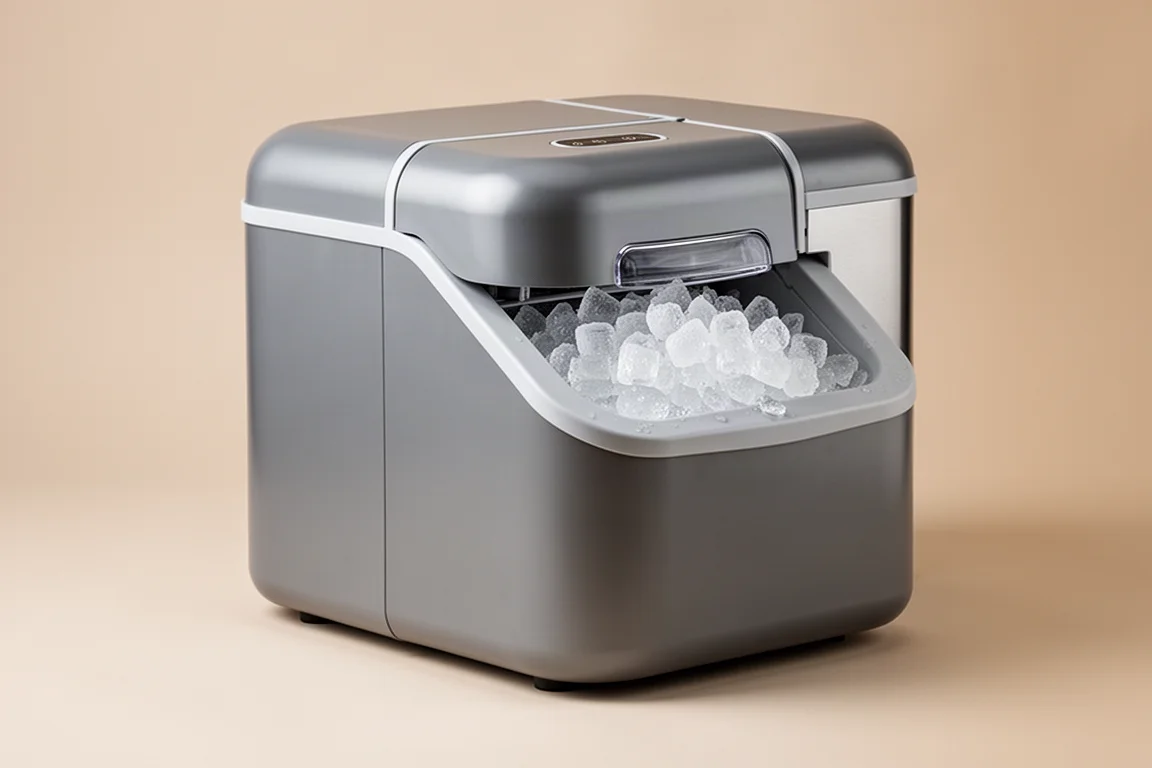
The Opal ice maker was also loved for its tiny nugget ice, and it definitely lived up to its reputation, but it is very expensive. For most buyers, the Igloo delivers a fantastic result at a much lower price. Brand mattered a great deal in this category: weaker models were slow, melted ice quickly, produced too little, or were simply too bulky for most counters.
The Non-Stick Skillet Worth Buying Instead
One heavily advertised pan failed hard. The HexClad non-stick skillet, endorsed by celebrity chefs and impossible to miss on social media, puts stainless steel hexagons through the non-stick coating, supposedly for durability. In practice, those exposed steel hexagons made eggs cling immediately, and the pan did not survive even the first round of a standard 50-egg dry skillet test. A second copy performed the same way. The pan is also heavy, which makes tossing awkward. Buying a non-stick pan for a surface that is not non-stick leaves you with a pan that defeats its own purpose.

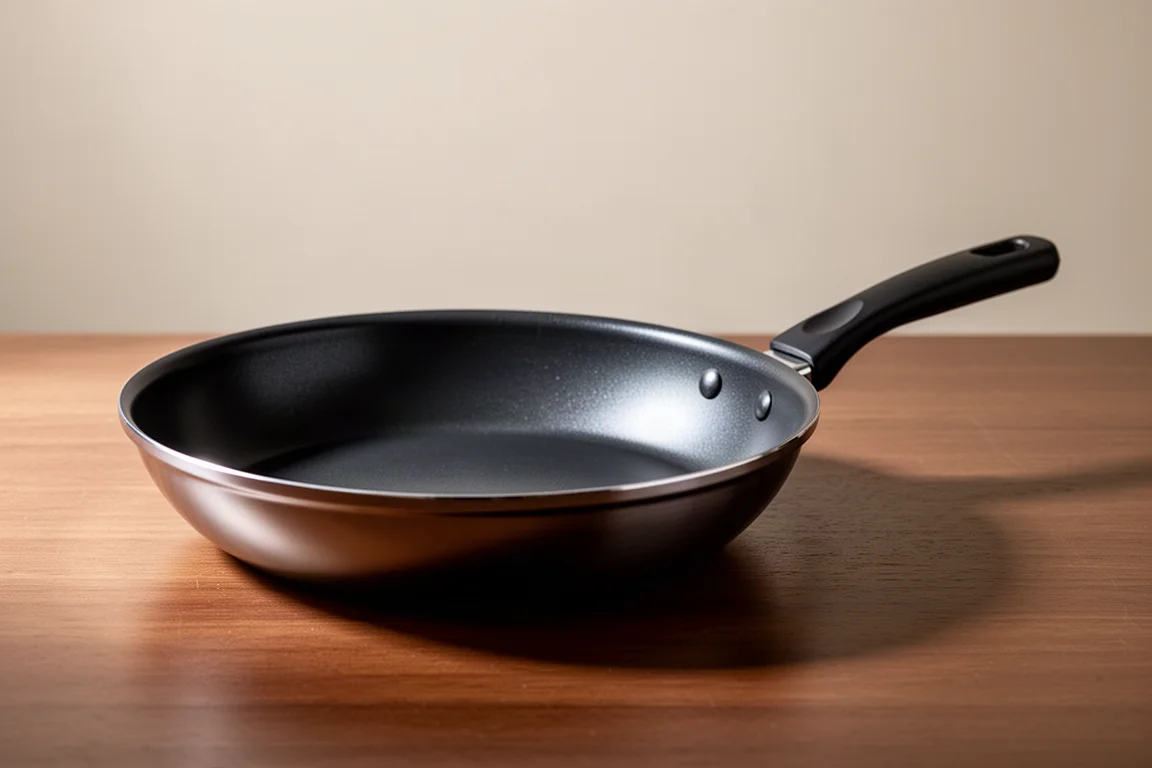
The recommendation instead is the Oxo non-stick skillet, still the best on the market. It is lighter, has a wonderful shape, and delivered super release across a full hundred-egg test, releasing every egg without issue. It is a useful reminder that non-stick coatings are consumable surfaces, which is a good reason not to overspend on one, and that carbon steel remains the better choice if you want naturally non-stick performance.
A Quick Word on What to Skip
Two products earned a firm avoid. The Ninja Creami is marketed as a seven-in-one machine for ice cream, gelato, sorbet, light ice cream, mix-ins, and smoothie bowls, but it really did only one of those well, produced soupy and inconsistent results across both its own recipes and independent ones, and costs well over $200, more than a favorite ice cream maker and personal blender combined, which together did the jobs better for less. And as covered above, the HexClad skillet is a dud. Not every viral product is worth the counter space.
Conclusion
The through-line in this year’s gear is simple: boring, well-built tools often beat hyped ones. Uncoated aluminum sheet pans, properly sized carbon steel woks, a straightforward robot vacuum, a good lame, and a thoughtfully insulated soft cooler all delivered on their promises, while two of the most heavily marketed products flopped in testing. Match the tool to the actual job you need done, and most of these picks will serve you for years.
Further reading
Related Reviews

Kitchen Gear
Best and Worst Kitchen Gear for 2026: Stand Mixers, Pressure Cookers, and More
A practical guide to kitchen appliances worth buying and models to avoid, based on hands-on testing of stand mixers, pressure cookers, citrus juicers, dish racks, and espresso machines.

Kitchen Gear
Best Budget Kitchen Gear: Eight Value Picks That Punch Above Their Price
Eight kitchen tools that delivered excellent performance at a reasonable price, plus the trade-offs to weigh before you buy.
Kitchen Gear
Best Kitchen Gear Gifts: Seven Tested Picks From Budget to Splurge
Seven kitchen tools that earned their place, from a $15 vegetable peeler to a $1,000 indoor pizza oven.