Kitchen Knives
Best Kitchen Chef Knives We Actually Cooked With: 7 Blades From Budget to Boutique
Seven chef knives tested in a real kitchen with real recipes, from a $72 workhorse to $850 boutique steel.
Introduction
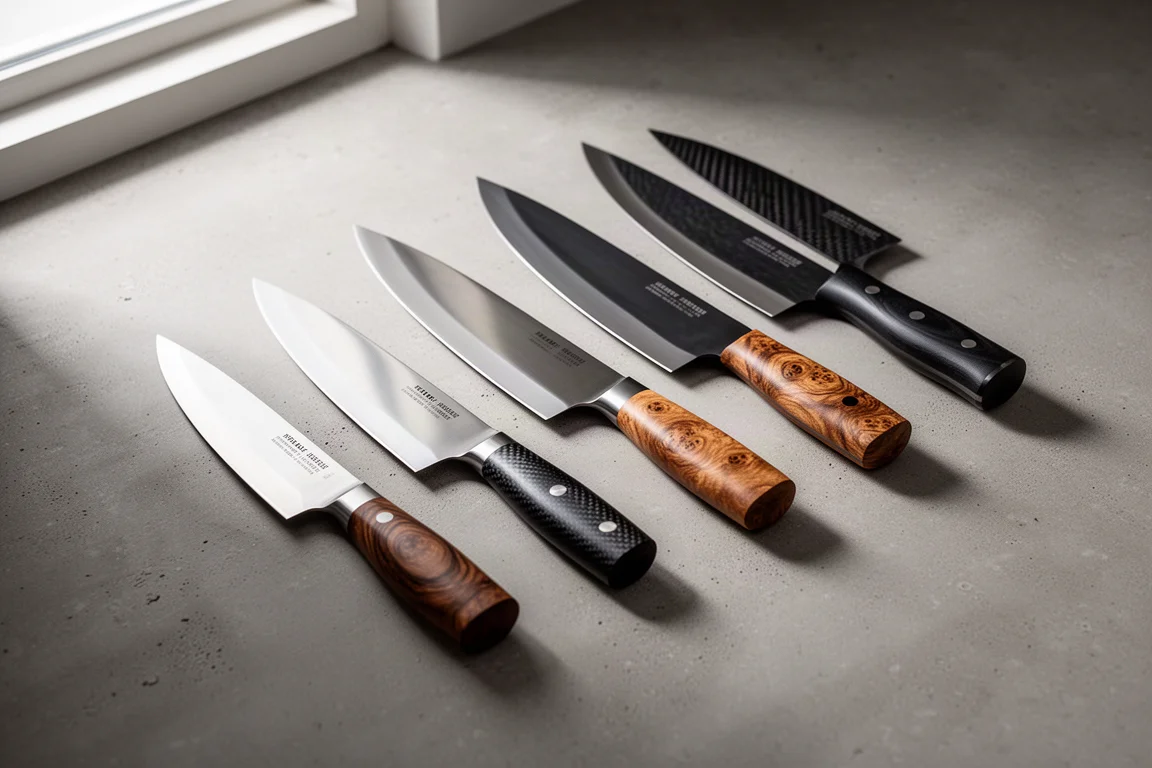
Boutique kitchen knives are easy to admire and hard to buy with confidence. Prices climb quickly, steel names get thrown around, and very little of it tells you what the knife feels like when you are actually making dinner. So we spent time cooking with seven knives that have lived in our kitchen for the better part of a year, using them for everyday prep and real recipes rather than showpiece cuts.
The result is a field with clear winners, a couple of expensive disappointments, and one budget knife that punches far above its price. Here is how they stack up.
How We Evaluated These Knives
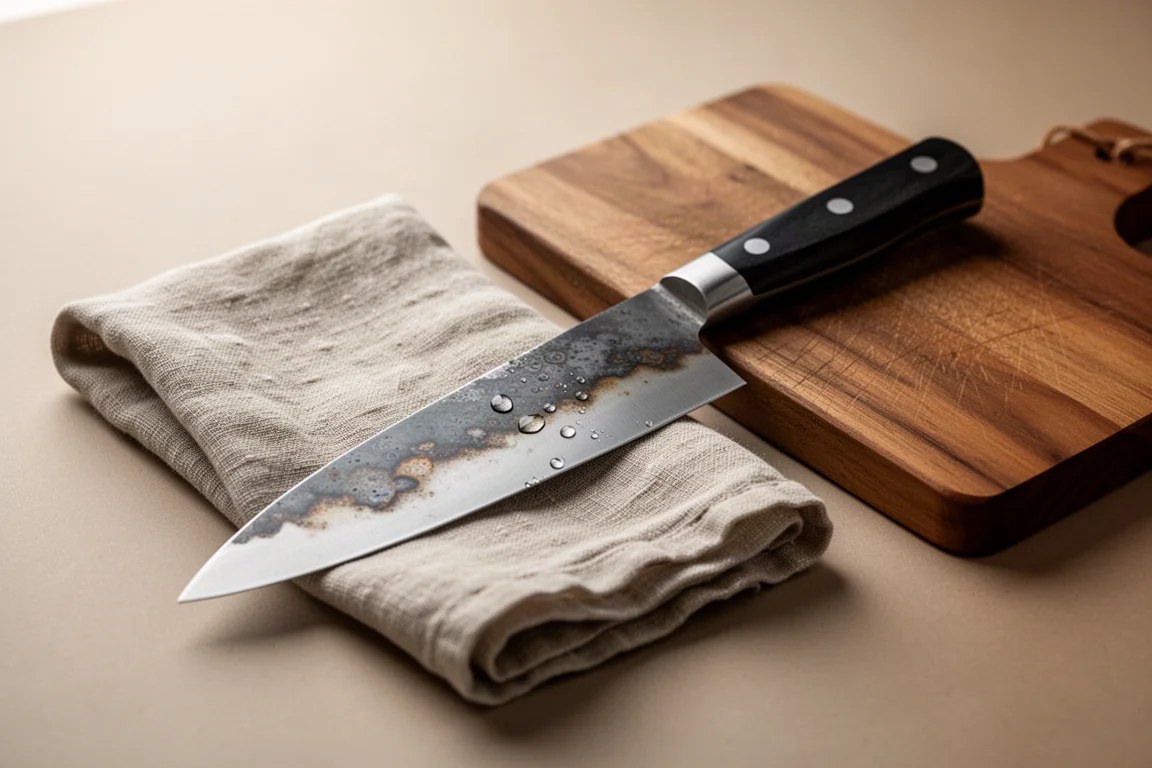
We judged each knife on four things: how it feels in the hand during real prep, how well it holds an edge with continuous use, how forgiving it is about drying and care, and whether the price makes sense for what you get. The care question matters more than most people expect, because several of these knives are carbon or semi-stainless steels that will rust or discolor if you leave them wet. A knife you resent maintaining is a knife you stop reaching for.
Best Budget Workhorse: Mac Chef Series 7 1/4 Inch
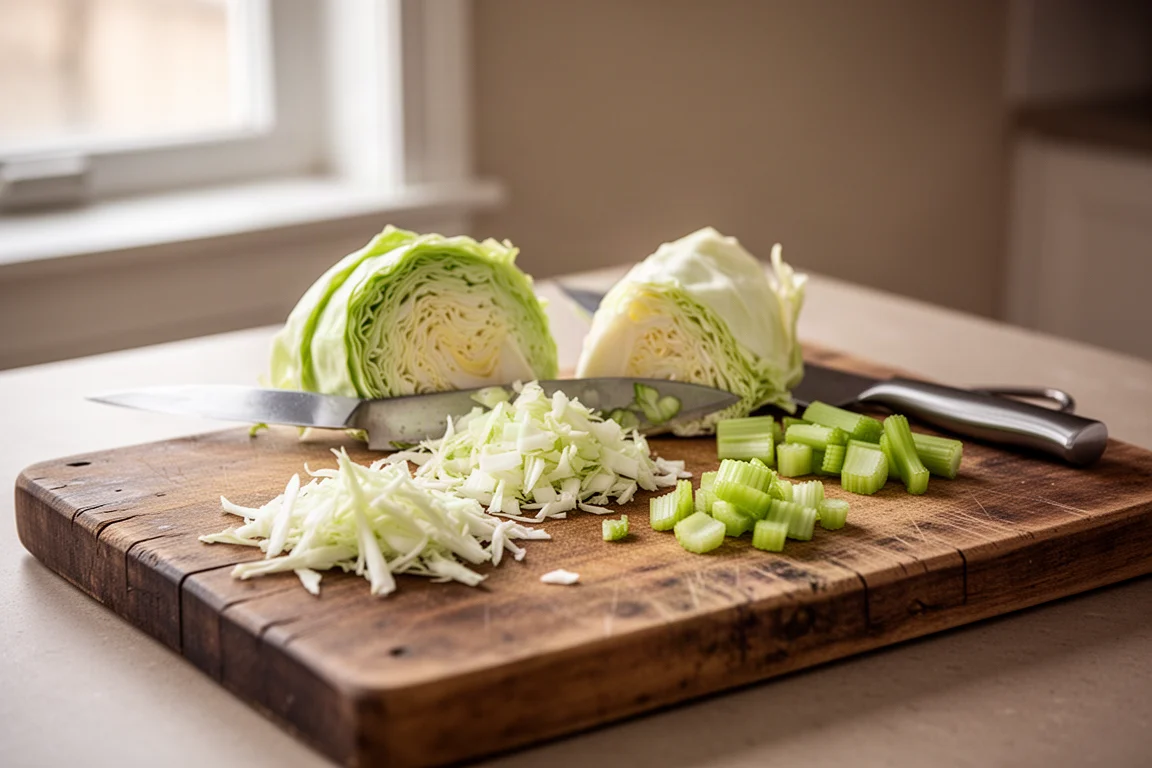
The Mac Chef Series 7 1/4 inch knife is our favorite low-cost knife, and it has been for a while. It is not amazing on paper, but it is genuinely good: decent quality steel, comfortable geometry, and it shrugs off abuse that would make more expensive knives nervous.
It also does not rust nearly as much as some of the others here if it accidentally sits out overnight, which makes it the least stressful knife in this entire group to own. The price has actually come down recently, landing around $72.50 at the moment. For a knife you can use hard every day without worry, that is an easy recommendation.
Best All-Rounder: Acre Forge Mac
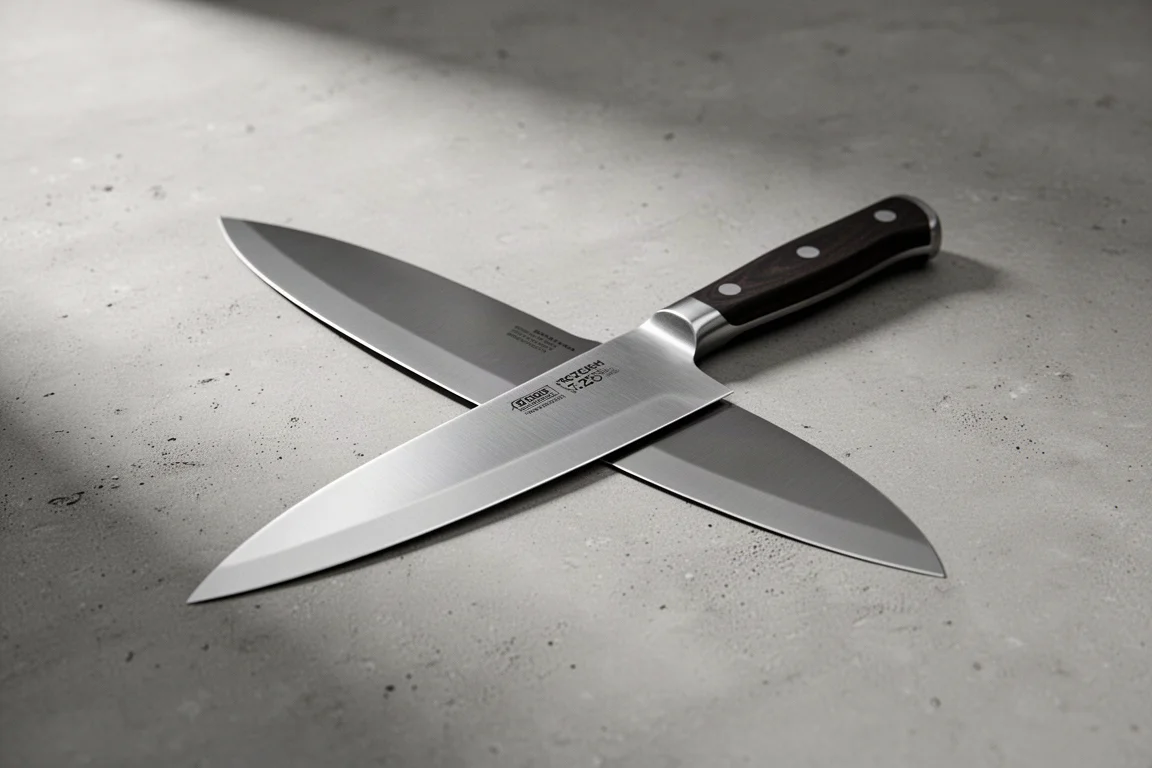
The Acre Forge Mac has been the most used knife in our kitchen for the last year, and that says more than any spec sheet. It is light, easy to maneuver, and feels safe and controlled in the hand. It uses RWL34, a powdered steel, and it holds an edge really well, though after months of continuous use it is naturally starting to dull a little.
The geometry is very similar to our favorite style of knife, just slightly longer. It does rust if you leave it to dry, so you still need to dry it shortly after washing. That said, it is far more forgiving than most carbon steel knives here, and that tolerance is a big part of why it gets picked up so often. It costs $325, with an AEBL steel version available for around $300 that does not hold an edge quite as well.
Small Batch Value: Bradford
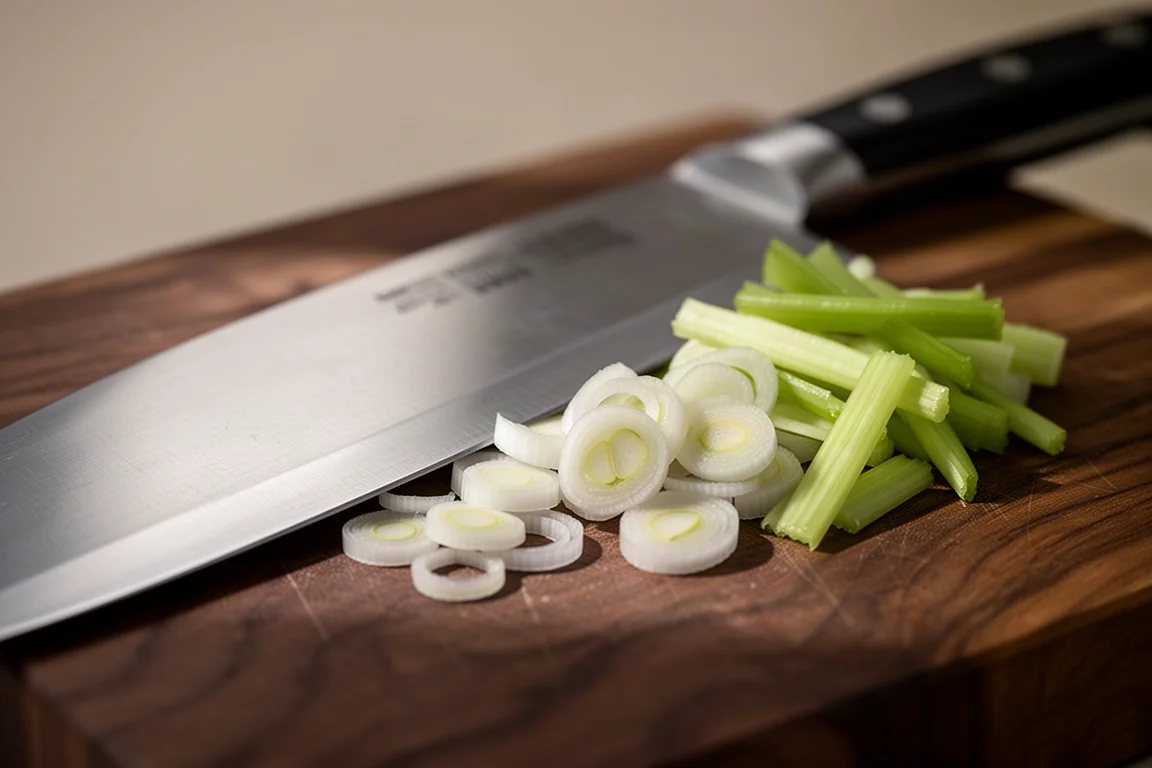
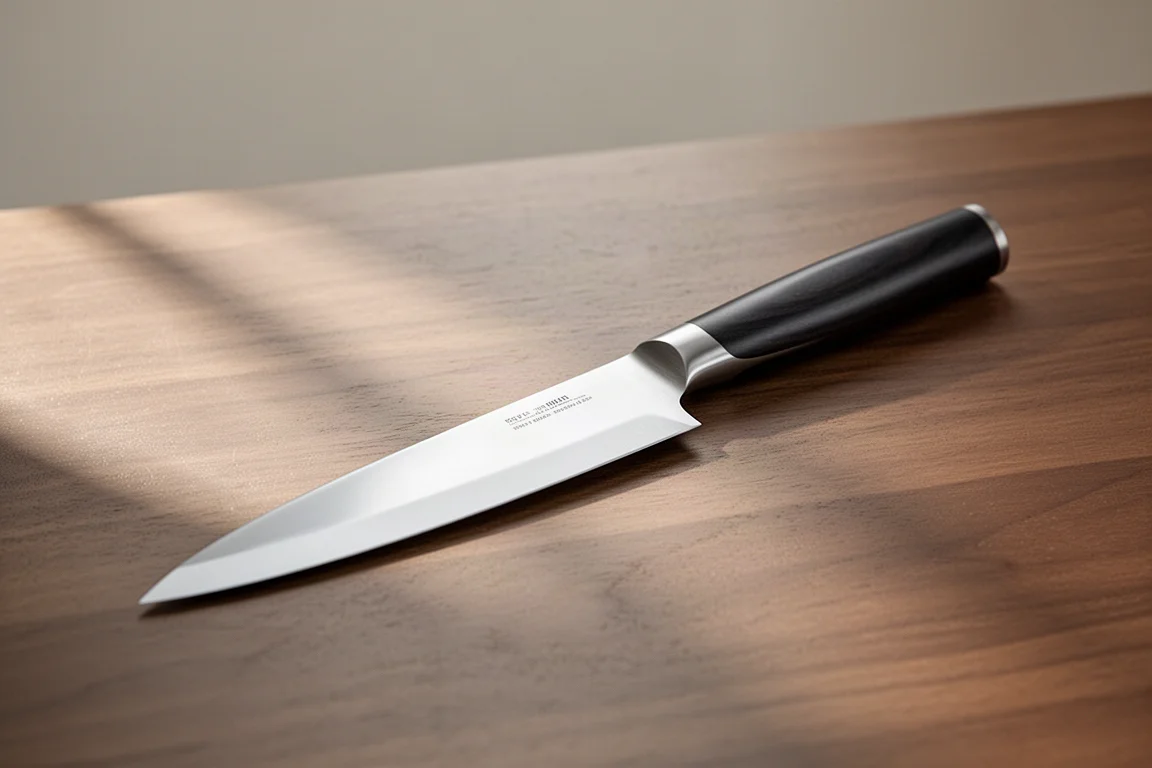
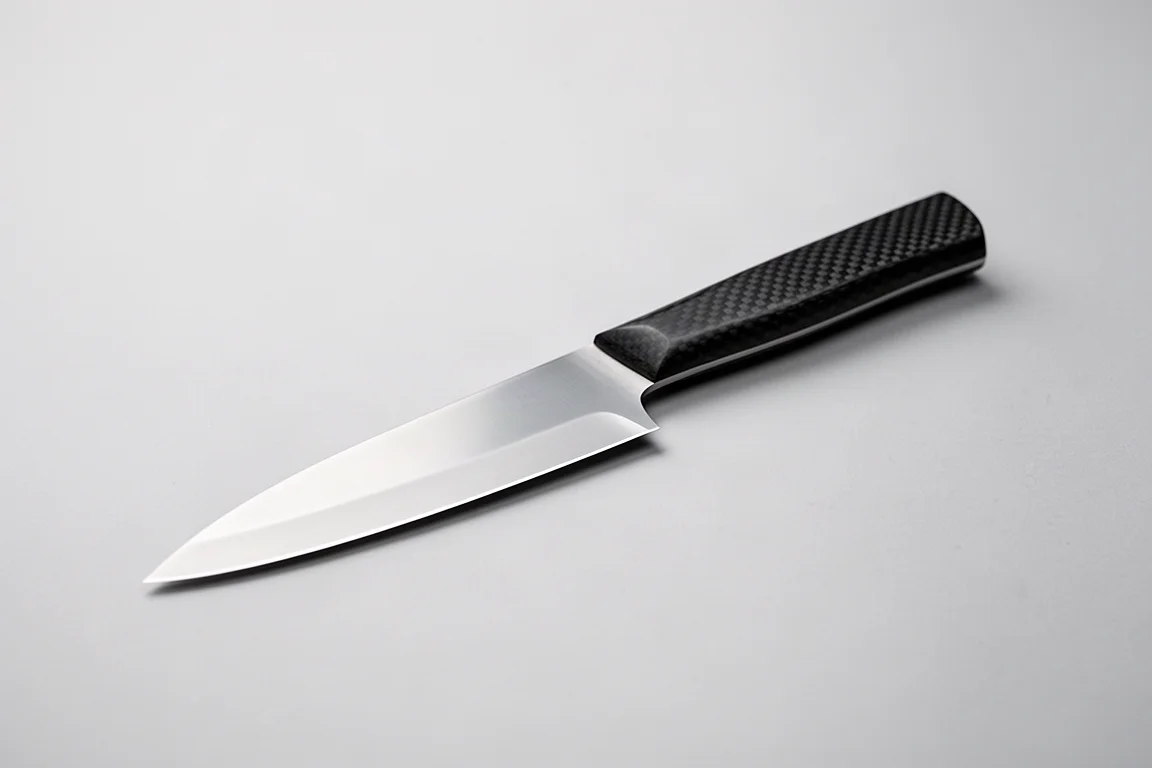
The Bradford is another small batch pick, and it surprised us. It is extremely light and very easy to use, and we liked it a lot more than expected. It feels great in hand, and in a pinch grip you barely notice the handle at all.
It uses AEBL steel, so like most knives in that class it does not hold an edge quite as well as the Acre Forge. The one real caveat is the carbon fiber handle. The design is good, but the texture is a little wonky, and that is a genuine sensory dealbreaker for some people. If you do not mind it, there is very little else to complain about at $239. It also has not shown the rusting issues some others here have, though we would still dry it out of habit.
The Handle Champion: Seelport
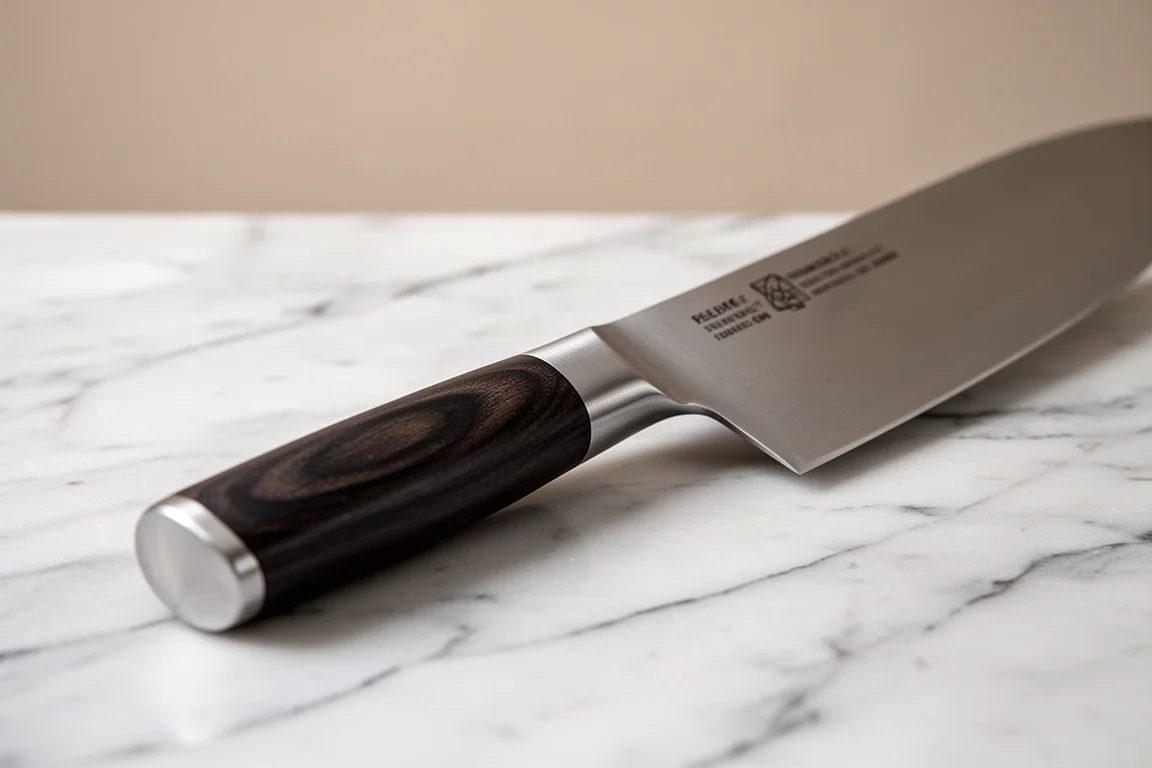
The Seelport was a long-time go-to, and out of every knife in this group it has, in our opinion, by far the nicest handle. The shape, the feel in the hand, the material: in a lot of ways it is borderline perfect.
The problem is the default geometry. It wedges into denser produce, which gets uncomfortable fast. The team behind it has reportedly made changes after feedback, but we have not tested the updated version, so we cannot confirm whether that concern is fixed. At around $400 in carbon steel, the upkeep is also real: it needs drying right after use, and acidic ingredients can cause rusting and browning, especially on a fresh patina. If you are not bought into that routine, it is a hard recommendation at this price.
Beautiful but Overpriced: Aura California Burl Chef Knife
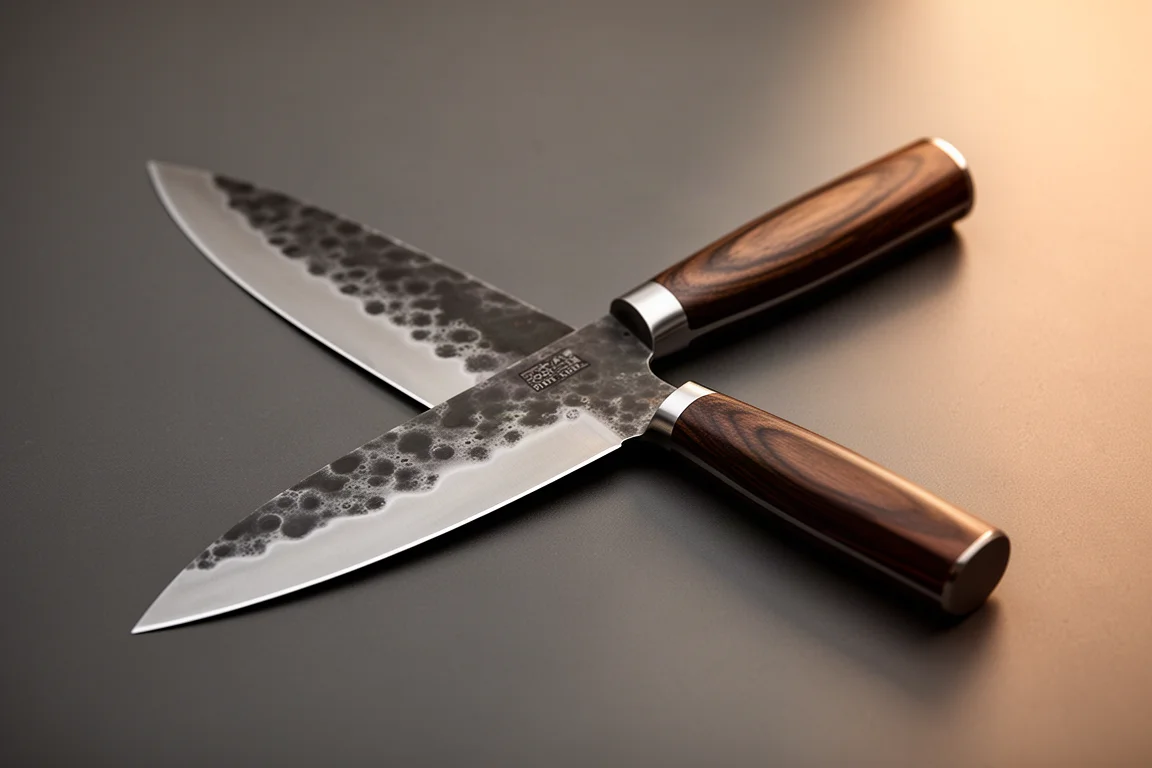
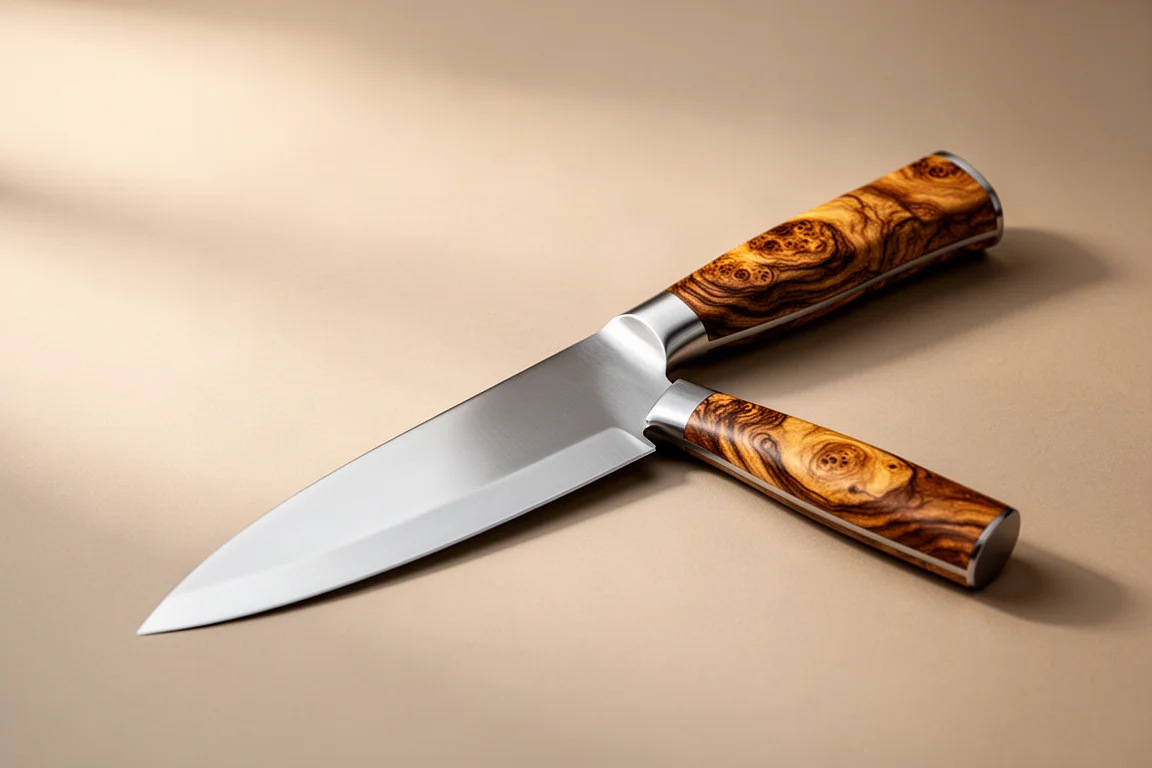
The Aura California Burl is an $850 knife made with a very fancy steel and a stunning California Buckeye burl wood handle. And to be clear, the knife does not really have any problems. It cuts well and it is easy to live with.
The issue is that there is nothing that justifies the price tag. It is a nicer handle than the Doberman below, certainly, but not a huge win, and definitely not twice as nice as the Seelport. Other creators who received these knives as gifts described them the same way: fine, nothing special. This is a knife for people who fall in love with the handle and accept that they are paying a large premium for aesthetics.
The Petty With a Catch: Aura Petty Knife
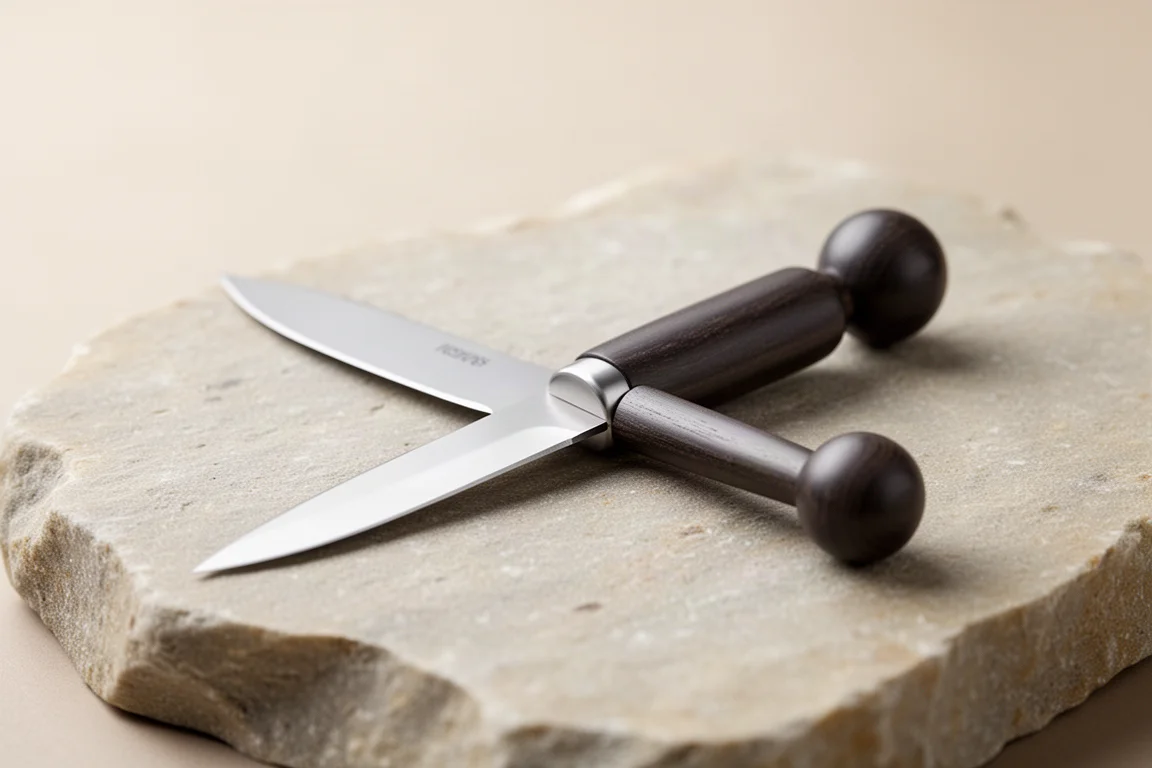
The Aura petty knife costs the same as the chef knife and comes with an interesting idea: a rounded ball grip designed to make a pinch grip more comfortable. In practice, the concept is genuinely intriguing, and the knife is easy to use and easy to control.
But it shares a flaw with the larger Aura: the spine is so angular that even in a pinch grip it digs into your finger. If that is something you think would bother you mid-cut, it is worth taking seriously. It is also heavier than some of the other knives here, and like the chef knife, we think it is overpriced for what it is.
The MagnaCut Question: Doberman Forge CPM MagnaCut
MagnaCut is an interesting steel with a great story. It was developed by Dr. Larrin Thomas, the metallurgist behind Knife Steel Nerds, specifically to balance corrosion resistance, toughness, and edge retention better than other steels. That balance is real, though at this point we think most buyers are hitting diminishing returns.
The Doberman Forge CPM MagnaCut knife, however, is where enthusiasm runs out. At around $550, it feels cheap, like a piece of sheet steel with a handle attached. The blade is fine, and the wood handle is genuinely nice, but the rest feels very unrefined for the price. If you want similar performance characteristics, AEBL offers a lot of the same balance in a stainless steel, has been around since the 1970s, and is usually much cheaper. The numbers on a spec sheet do not describe the experience of using a knife, and this one proves it.
Overall Buying Advice
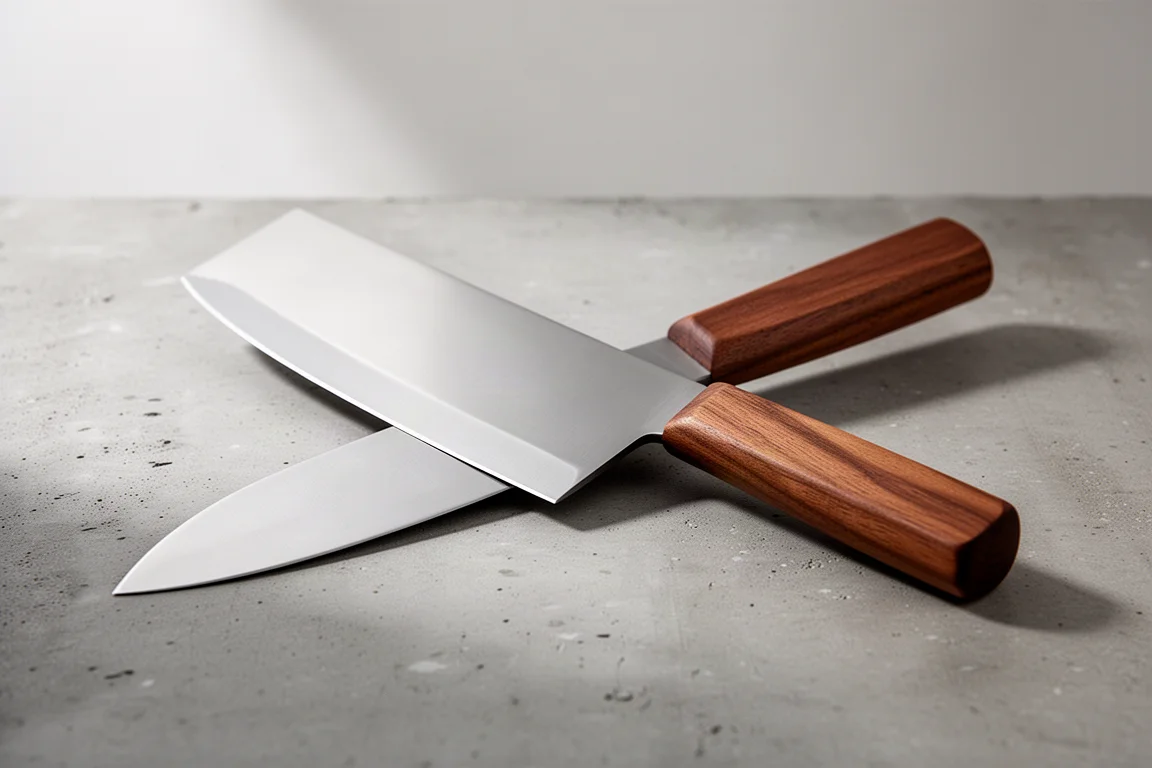
If you want one clear takeaway: spend less than you think. The Mac Chef Series at around $72.50 handled everything thrown at it, and the Acre Forge Mac at $325 earned its place as the most-used knife in a busy kitchen. Between them, the Bradford at $239 is a strong small batch alternative if the carbon fiber handle does not bother you.
The premium tier is where caution is warranted. The Seelport is lovely but demands care and has unresolved geometry questions. The Aura knives are easy to use but very hard to justify on price. And the Doberman Forge MagnaCut shows that a great steel does not guarantee a great knife. Before buying any high-end carbon or powdered steel blade, be honest about whether you will actually dry it after every wash. The best knife is the one you will still enjoy maintaining a year from now.
Conclusion
Cooking with these knives side by side made the differences obvious in a way that specs never do. The Acre Forge Mac is the standout all-rounder, the Mac Chef Series is the budget pick that embarrasses knives costing five times more, and the rest of the field ranges from charming-but-flawed to genuinely hard to recommend. Match the knife to your habits, not just the steel name on the listing, and you will end up happy.
Further reading
Related Reviews

Kitchen Knives
Best Chef's Knives 2026: 27 Popular Options Tested and Ranked
A comprehensive review of 27 chef's knives ranging from $18 to $380, with honest assessments of handle comfort, blade balance, and real-world performance.

Kitchen Knives
Best Chef's Knives Under $75: Two Tested Recommendations
Two practical 8-inch chef's knives that balance sharpness, comfort, and durability without premium pricing.

Kitchen Knives
Best Chef's Knives 2026: 27 Options Tested and Ranked
A comprehensive review of 27 chef's knives ranging from $18 to $380, with honest assessments of handle design, balance, blade profile, and real-world performance.