Food & Kitchen
The Best Kansas City-Style Barbecue Sauces: Nine Bottles Put to the Taste Test
From Kansas City institutions to big national brands, nine barbecue sauces tasted straight from the spoon and on pulled pork, with clear guidance on which bottle belongs in your pantry.
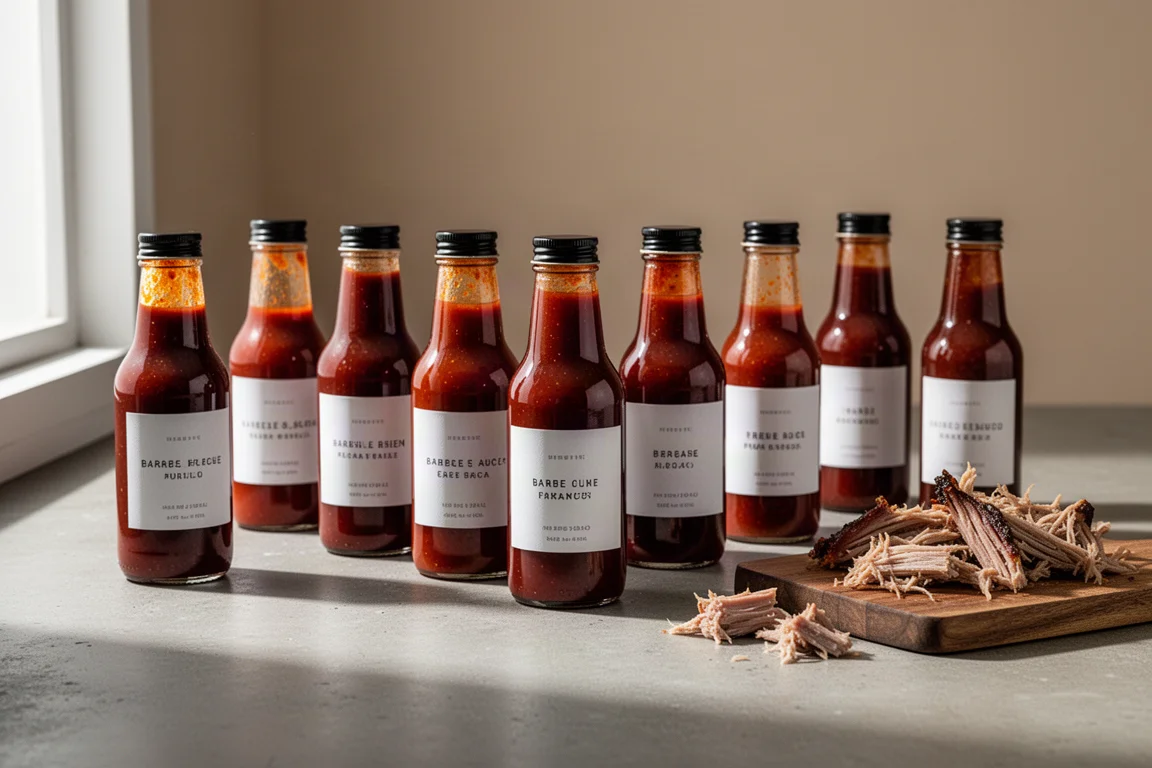
Introduction
Kansas City-style barbecue sauce is the version most people picture when they hear the words barbecue sauce: sticky, sweet, tomato-forward, with a little smoke and a good amount of tang. To find out which bottles actually deliver, we tasted nine sauces side by side, some from legendary Kansas City restaurants and some from national supermarket brands, both straight from the spoon and tossed with warm pulled pork.
The result was genuinely surprising. Even though every sauce here belongs to the same broad style, no two tasted alike. Some were thick and molasses-heavy, others thin, vinegary and fiercely peppery. A few carried real Kansas City history in the bottle, and one national staple proved it can still hang with the locals.
What Makes a Kansas City-Style Barbecue Sauce
Think of Kansas City sauce as the neutral-but-not-generic option of the barbecue world: a little sweet, a little smoky, enough tang and salt to keep things interesting, and versatile enough to work with pork, beef, or just about any protein you put on the grill. Tomato is the backbone of all of them, which is why every sauce in this test wore that characteristic red.
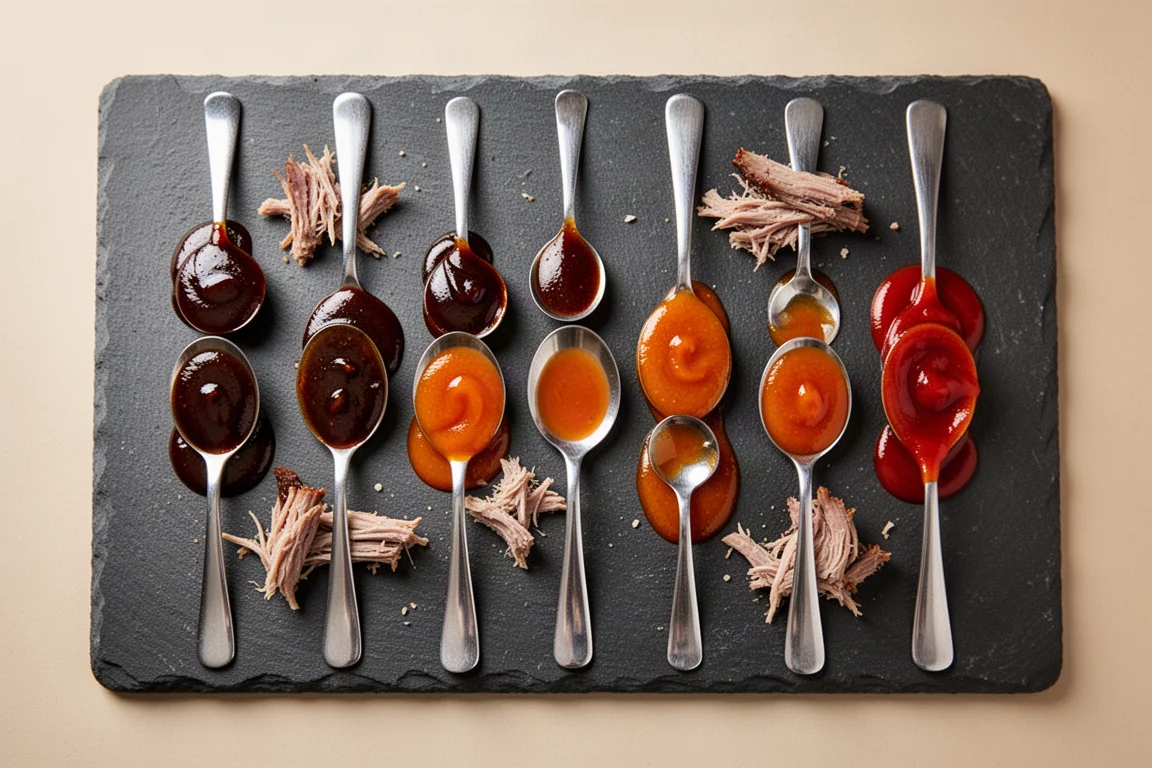
For the tasting, each sauce was judged both on its own and on pulled pork, since a sauce that tastes great off the spoon can behave very differently once it meets fatty, smoky meat.
Sweet Baby Ray’s Original Barbecue Sauce
The first spoonful set a high bar. This sauce poured thick with a jewel-like red-orange color, smelled lightly spicy and smoky, and delivered plenty of sugar with Worcestershire depth, black pepper, and onion notes underneath. On pulled pork it mellowed out noticeably, keeping its sweetness and tang while playing nicely with the porky flavor.
This is a national brand with Chicago roots that is still made in Illinois, yet it carries all the hallmarks of the Kansas City style: tomato flavor, proper consistency, a little smoke, and a little sweetness. The tasting panel described honey-like sweetness with tang, deep brown sugar notes, a touch of heat, and a pleasant undercurrent of smoke. It is very much a down-the-middle sauce, and that balance is exactly why it works.
LC’s Famous Kansas City Barbecue Sauce
Sample two looked completely different, with an applesauce-like texture and a scattering of visible character in the sauce. The flavor was herbal and tangy with far less sweetness, notes of dried green spices, plenty of vinegar, and real heat at the back of the mouth. On pork, the vinegary edge was genuinely appealing and made the whole bite taste like eating barbecue at a real Kansas City joint.
This is one of the sauces that Kansas City restaurants began bottling so people could take the flavor home, and it was mail ordered for the test. The panel called it fresh and garden-tomato flavored with a meaty texture, balanced heat and tang, and ideal for smoked meats. The ingredient list is refreshingly simple: tomato paste, water, sugar, vinegar, salt, spices, garlic, and just a touch of liquid smoke far down the list, with no corn syrup in sight. If you prefer tangy over sweet with a more savory, herbal profile, this is a strong pick.
KC Masterpiece Barbecue Sauce
This one was dark, glossy, extremely smooth, and almost gelatinously thick, with smoke noticeable from across the table. Straight from the spoon, smoke is the dominant note, alternating with sweetness throughout. On pork, it settled down into something far more balanced, adding nuance alongside the smoke of the meat itself.
KC Masterpiece calls itself the American original, and while molasses, onions, and spices are listed on the label, the sweetness reads as mild rather than molasses-heavy. Tasters called it perfect for smoke lovers, praised its smooth thick consistency for slathering on ribs, and more than one simply described it as tasting like childhood. If you grew up on classic bottled barbecue sauce and love pronounced smoke, this nostalgic middle-of-the-road option is aimed squarely at you.
Jones Barbecue Sauce
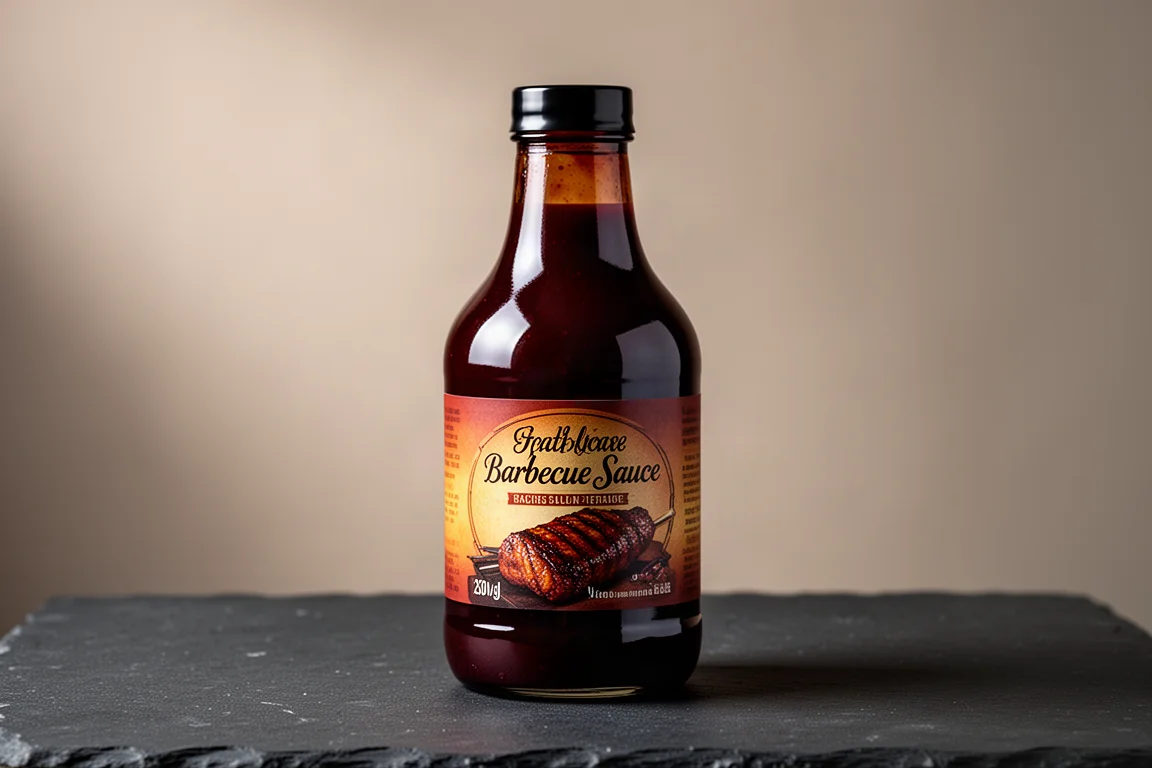
The prettiest sauce of the day, with a glowing jewel-tone color that was smooth without being gloppy. The flavor was surprisingly complex: celery salt and other dried spices, sweetness, acidity, and pepper at the finish, with a plummy, fruity character. On pork it added genuine balance and made everything taste more interesting.
Jones is run by two sisters who learned barbecue from their father and still cook all the time, and the sauce was bottled after their restaurant gained wider attention. Notably, there is no liquid smoke in it at all. The ingredients lean on brown sugar, cane sugar, tomato paste, vinegar, and paprika, and the panel described a jammy, peppery favorite with a honey-like consistency, visible ground black pepper, and a slow burn of chilies. For many tasters this was the sweet spot between Kansas City character and mainstream sweetness, and it caramelizes beautifully when cooked on.
Jack Stack Barbecue Sauce
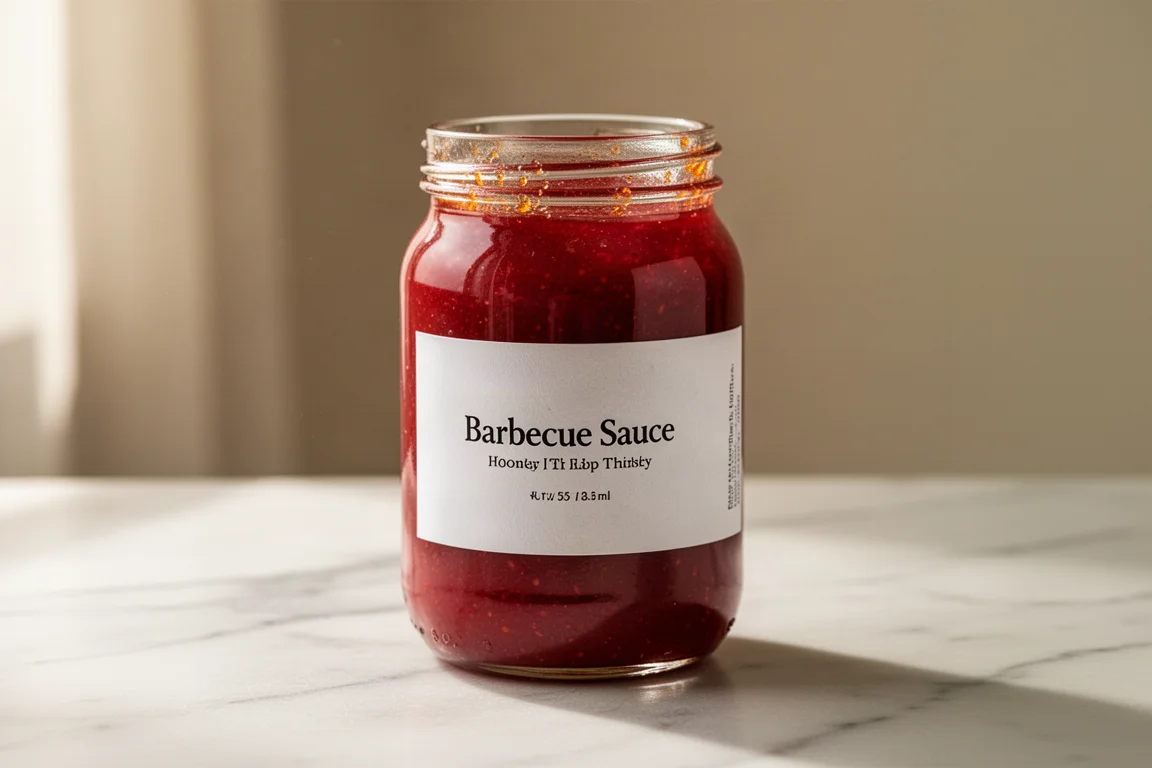
Thinner and less glossy than most, with a noticeable smoke aroma. Straight up it is almost mild: some sweetness, a good amount of salt, and a much softer profile than the sauces around it. The panel called it fragrant with subtle sweetness, a balanced warm peppery tomato flavor, sweet but not cloying, with a hint of vinegar and very subtle heat.
Jack Stack is a well-known family-owned restaurant chain in Kansas City, and the sauce has a loyal local following. Because it is thinner, you will want to use more of it and let it cook down on the meat so the flavor can concentrate. As a gentle, balanced option it has a lovely combination of flavors, just do not expect it to shout.
Pitmaster Barbecue Sauce
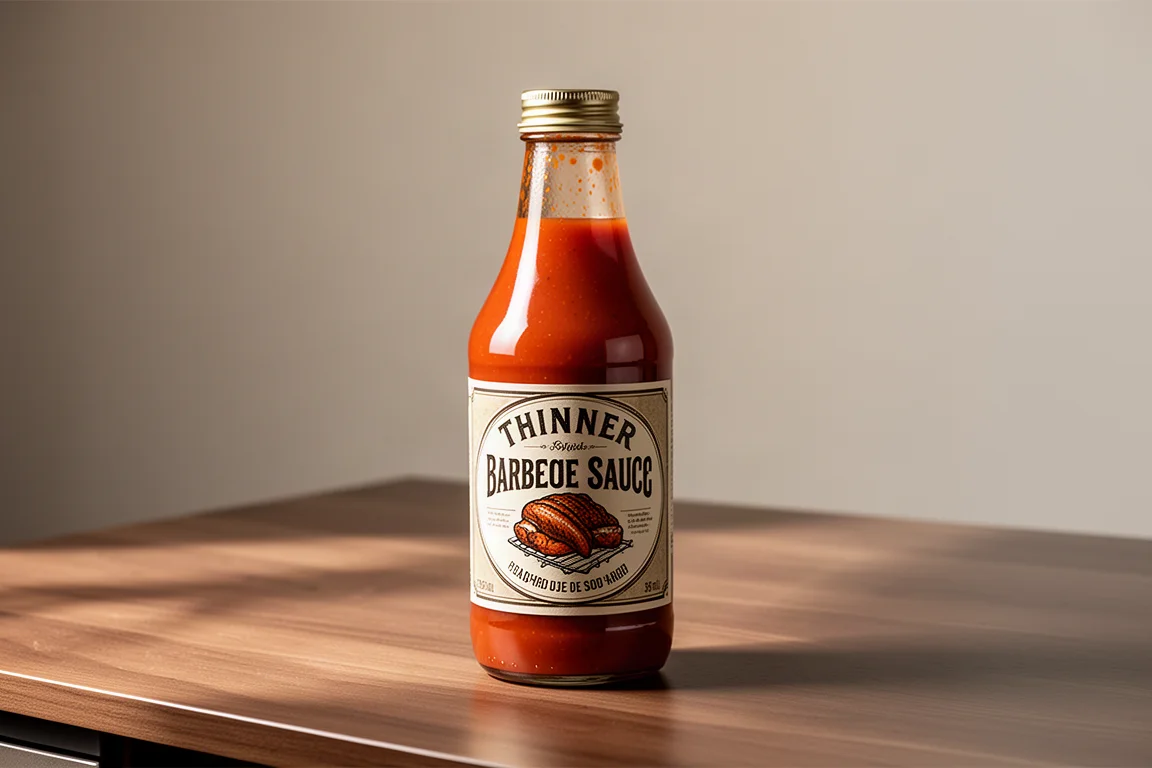
A rust-orange, thinner sauce that surprised with how sweet it tasted. First impressions leaned toward steak sauce rather than molasses ketchup, with Worcestershire-like tang, a puckery astringency in the aftertaste, and a hint of dried spice such as celery salt. On pulled pork the tang softened, letting more of the pork flavor through, which matters when you have spent hours cooking the meat.
Here is the interesting part: this sauce is made in North Carolina with the explicit goal of using less sugar. The ingredients begin with tomato puree and vegetable purees like butternut squash and carrot, so much of the sweetness comes from vegetables rather than added sugar, and liquid smoke sits at the very end of the list. Created in partnership with North Carolina pitmaster Ed Mitchell, it lands somewhere between a thin Carolina-style sauce and a Kansas City one. It is better suited to pulled pork than to ribs.
Gates Barbecue Sauce
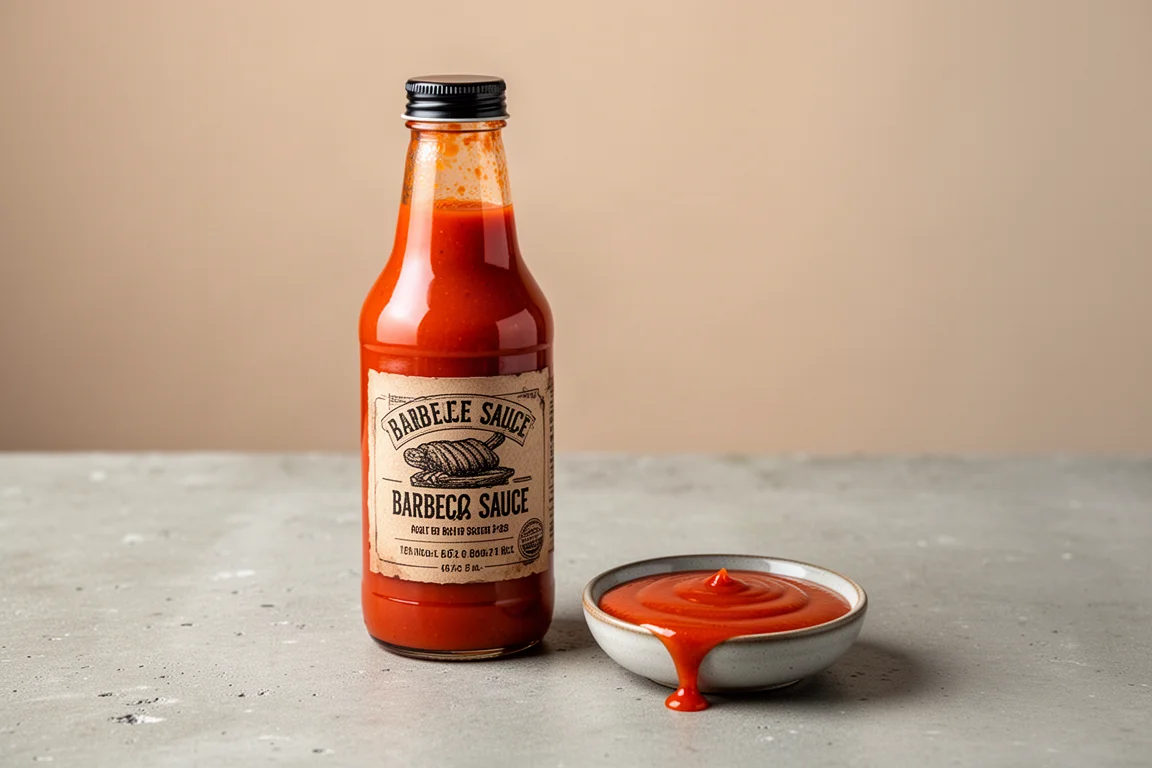
This one looked so much like ketchup that tasters double-checked, though it is slightly thinner and studded with flecks of pepper. The flavor could not have been more different from its appearance: very tangy, very spicy, fiercely peppery, and super sweet all at once, with a black-pepper burn rather than a cayenne hit. On pork it chilled out a little but stayed bold.
Gates is one of the most prominent and old-school Kansas City barbecue establishments, with a history stretching back through generations of the city’s barbecue tradition. It even appears in the Green Book, the historic guide for African-American travelers. This is a sauce with its own unmistakable signature, bold and pungent, and it is exactly the kind of bottle worth the trouble of mail ordering because you will not find this profile anywhere else. It is also excellent on pulled pork.
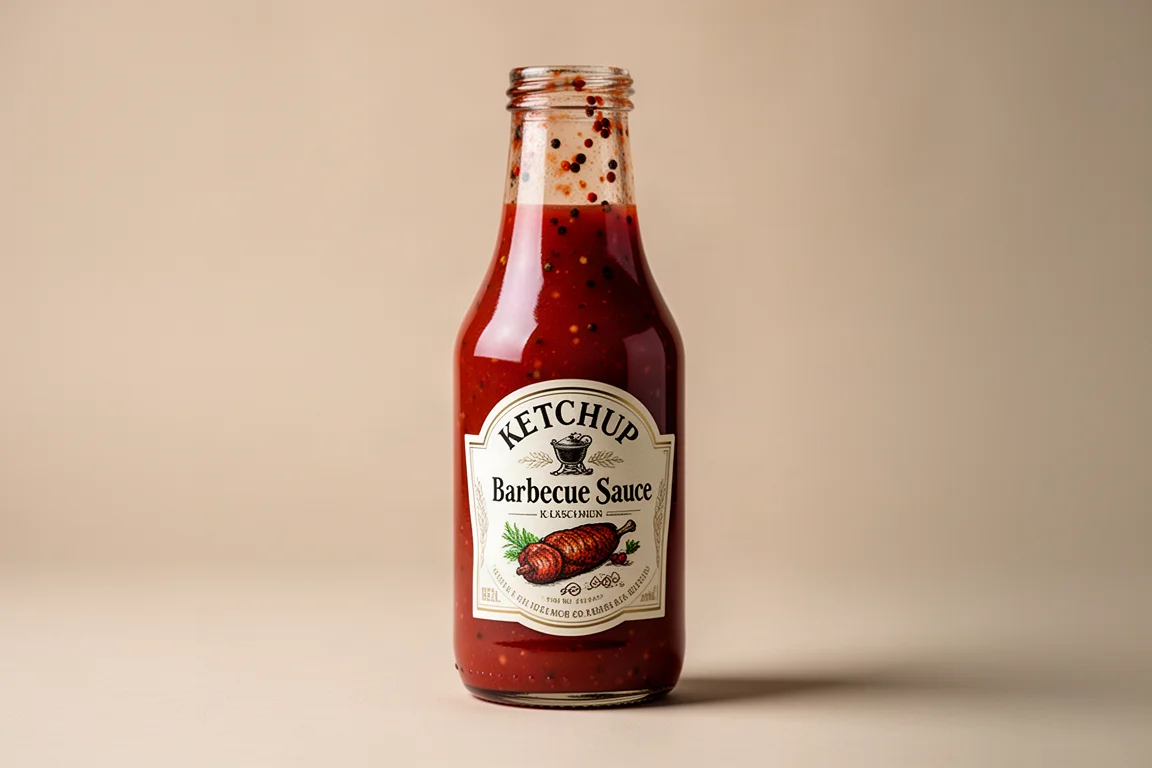
Bull’s-Eye Barbecue Sauce
The aroma of liquid smoke arrived before the spoon did. Thick, glossy, and gloppy, it smelled smokier than it actually tasted: sweet and tangy first, then smoky, and thoroughly familiar in the best way. It stood up well to the pork and read as a good, classic, mainstream bottled barbecue sauce.
This is a huge national brand and, for years, it regularly won tastings that included only national brands, even serving as the go-to sauce stocked in a professional test kitchen. Tasters noted candied fruit notes, tangy sweetness, savory undertones, well-balanced spice, and a heavy smoke aroma that makes it ideal for indoor recipes like barbecue chicken. Above all, it is available in virtually any grocery store in the country, which counts for a lot.
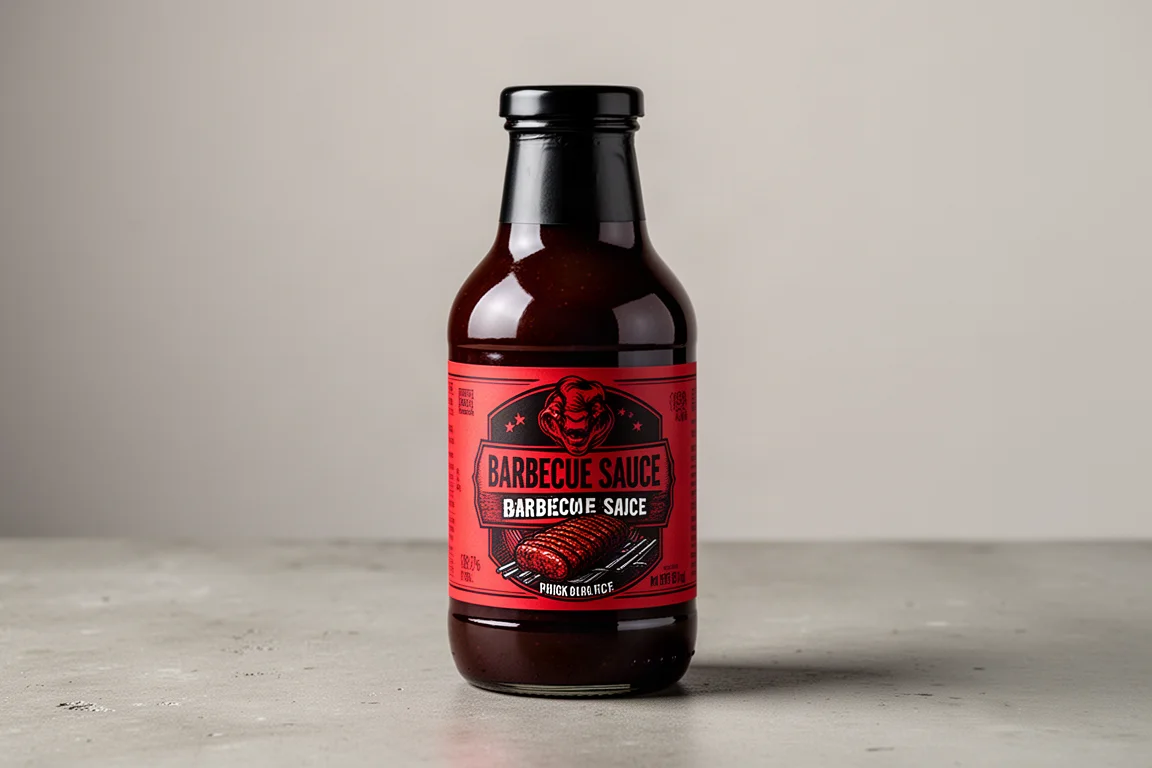
Arthur Bryant’s Original Barbecue Sauce
Bright orange, thin, and unlike anything else in the lineup. No smoke on the nose, just spice: onion, garlic, pepper, and cayenne, very chili-forward with a hot-pepper burn in the aftertaste and a noticeably salty edge. One taster described it as a hybrid of hot sauce and barbecue sauce, and everybody agreed it has its own lane and its own personality.
Arthur Bryant’s and Gates both trace their lineage back to Henry Perry, the self-anointed but well-deserved king of Kansas City barbecue, who arrived in the early 1900s. Perry’s original sauce was pared down almost Carolina-style, built on lard, vinegar, and cayenne, before evolving over time to include tomato, sweetness, and more spices. Despite a long-standing friendly rivalry between the two houses, both remain pillars of Kansas City barbecue. This was the sauce one taster would keep: distinct, memorably spicy, and rich with history.
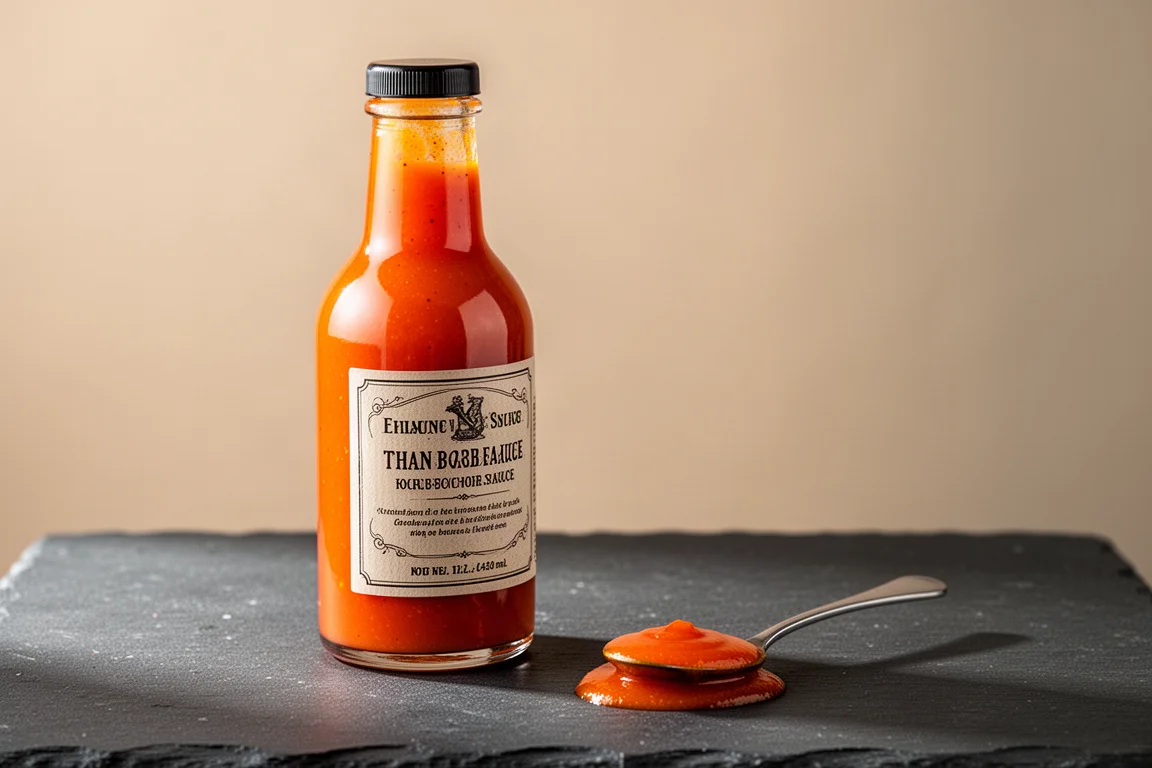
How to Use Barbecue Sauce the Right Way
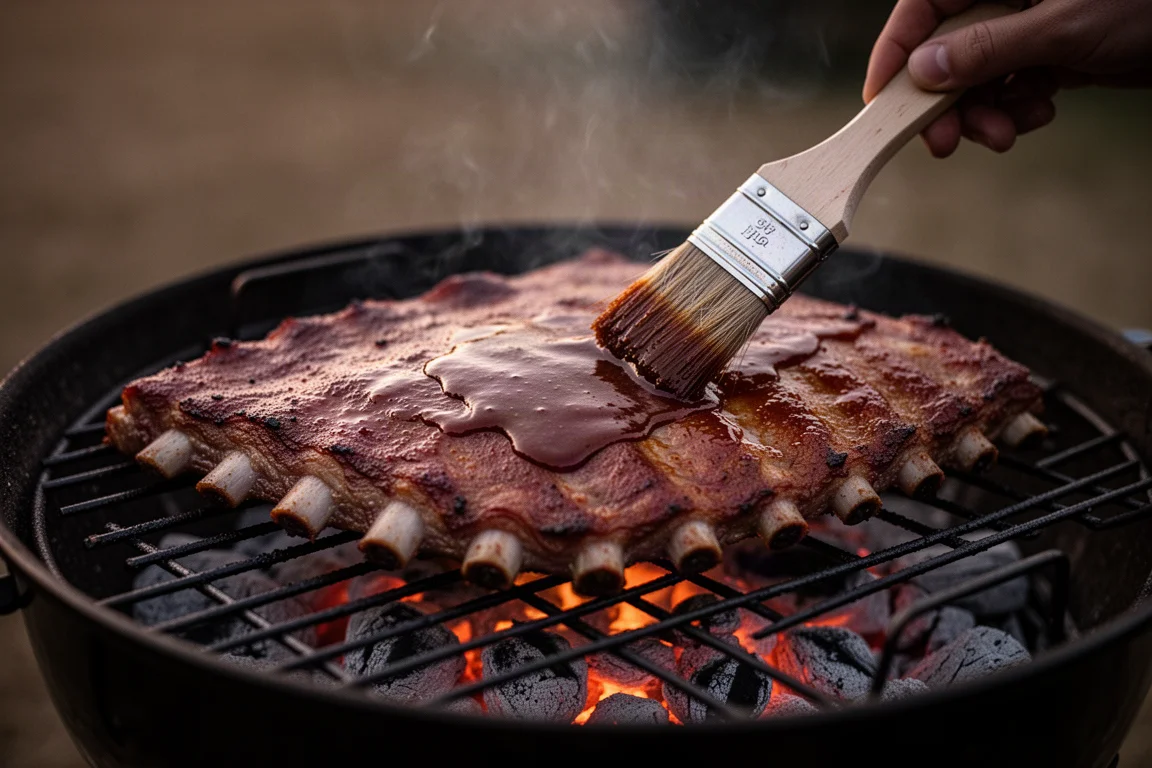
There is no official rule, but there is a method worth stealing from pitmasters: add some sauce toward the end of cooking, then serve more at the table. Kansas City-style sauces caramelize as they hit heat, and that little bit of cooking deepens the flavor considerably. A thicker sauce like KC Masterpiece or Bull’s-Eye handles the cooking phase well, while thinner, tangier sauces such as LC’s or Arthur Bryant’s shine as finishing or dipping sauces.
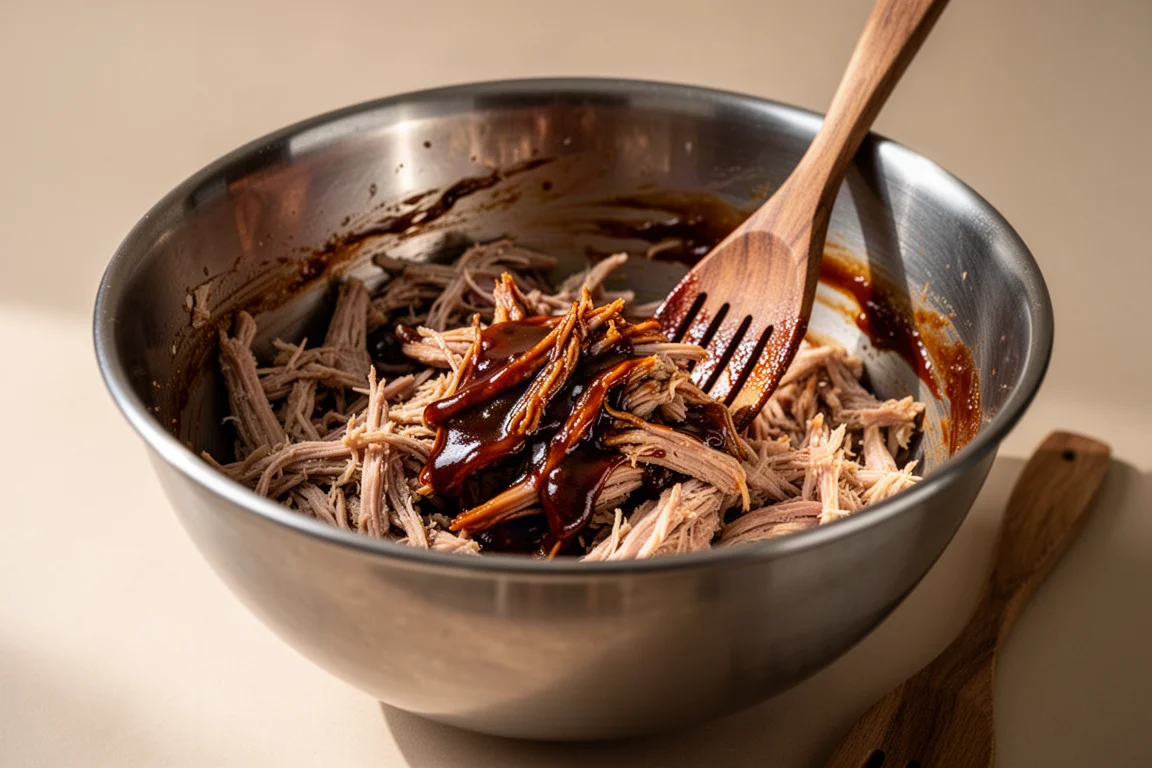
Matching sauce to meat matters too. Sweeter, jammy sauces like Jones bring balance to fatty pulled pork, while smoky thick sauces like KC Masterpiece were practically built for slathering on ribs.
Overall Buying Advice
The clearest lesson from the tasting is that restaurant-bottled sauces and national brands serve different purposes. The Kansas City restaurant sauces tend to be thinner, more assertive, and more distinctive: Gates and Arthur Bryant’s are bold and peppery, LC’s is tangy and herbal, and Jones is sweet, jammy, and caramelizes beautifully. The grocery store sauces are thicker, smoother, and more neutral, with Sweet Baby Ray’s and Bull’s-Eye offering balanced all-purpose performance and KC Masterpiece leaning into nostalgia and smoke.
If you can only buy one bottle, decide what you want it to do. For cooking indoors and building recipes, choose a thick, smoky, widely available sauce. For serving alongside real smoked meat or adding personality to a plate, one of the Kansas City originals is worth the extra effort to track down.
Conclusion
Nine sauces, one shared style, and almost no overlap in flavor: that was the biggest surprise of this taste test. The Kansas City originals proved that a bottle can carry real regional identity, with Arthur Bryant’s, Gates, Jones, and LC’s each offering something you cannot find on a supermarket shelf. Meanwhile, Sweet Baby Ray’s, Bull’s-Eye, and KC Masterpiece showed that the national brands have earned their place through balance, consistency, and sheer availability. Pick based on how you cook, and every one of these bottles will earn its spot in the pantry.
Further reading
Related Reviews

Food & Kitchen
Apple Products Worth Knowing: From Applesauce to Hard Cider
Applesauce, apple butter, cider, hard cider, apple cider vinegar, and apple juice compared, with two picks that stand out.

Food & Kitchen
Best Bone Broth, Chicken Stock, and Chicken Base: Four Kitchen Staples Worth Knowing
Four warmed-and-tasted pantry staples compared: two bone broths with notably more protein, a classic chicken stock, and a convenient chicken base.
Food & Kitchen
Best Box Brownie Mixes: Four Standouts Worth Baking
We tested popular box brownie mixes for chocolate flavor, texture, and that crackly top. Here are the four that rose to the top of the pan.