Car Accessories
Best Car Jump Starters Tested: 7 Packs Ranked From Budget to Premium
Seven lithium and sodium-ion jump starters went through four-, six-, eight-cylinder, diesel, and frozen testing. Here is how each one actually performed.
Introduction
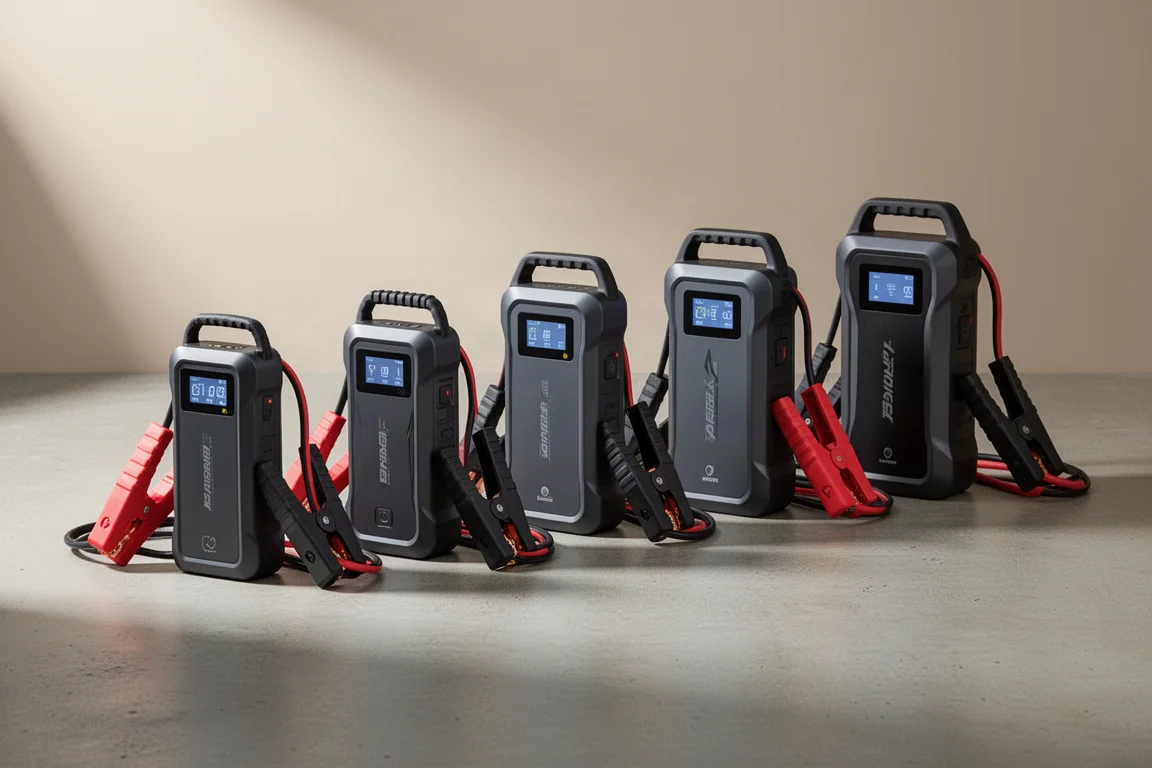
Jump starter marketing is dominated by huge amp numbers, and some packs today advertise as much as 8,250 amps from a small lithium unit. Real-world output tells a very different story, so we put seven packs through four-, six-, and eight-cylinder-level cranking demands, a diesel-level max test, and an overnight freeze at around 0 degrees Fahrenheit to see which ones are actually worth your money.
The lineup covers the first sodium-ion jump pack on the market, a self-heating unit, a feature-packed Chinese entrant, two NOCO models as reference points, a closely related budget performer, and an aggressive bargain that claims more amps than anything else here. The takeaway up front: the hardware tells the truth. If a brand uses thin cables and small clamps, believe it, no matter what the amp figure on the box says.
How We Sized Up Each Pack
Every pack was tested with consistent cranking loads that mimic a four-cylinder, six-cylinder, eight-cylinder, and large diesel engine, recording peak watts, sustained output, total energy delivered, and how long each unit kept cranking. Scores were then adjusted for how much each pack degraded in the frozen test, plus how many jump starts you get per charge.
Two things became obvious early. First, no pack here delivers anywhere near its advertised amps. Second, price does not always predict performance, but cable gauge and clamp quality do.
8250 Amp Jump Starter: The Budget Head-Turner
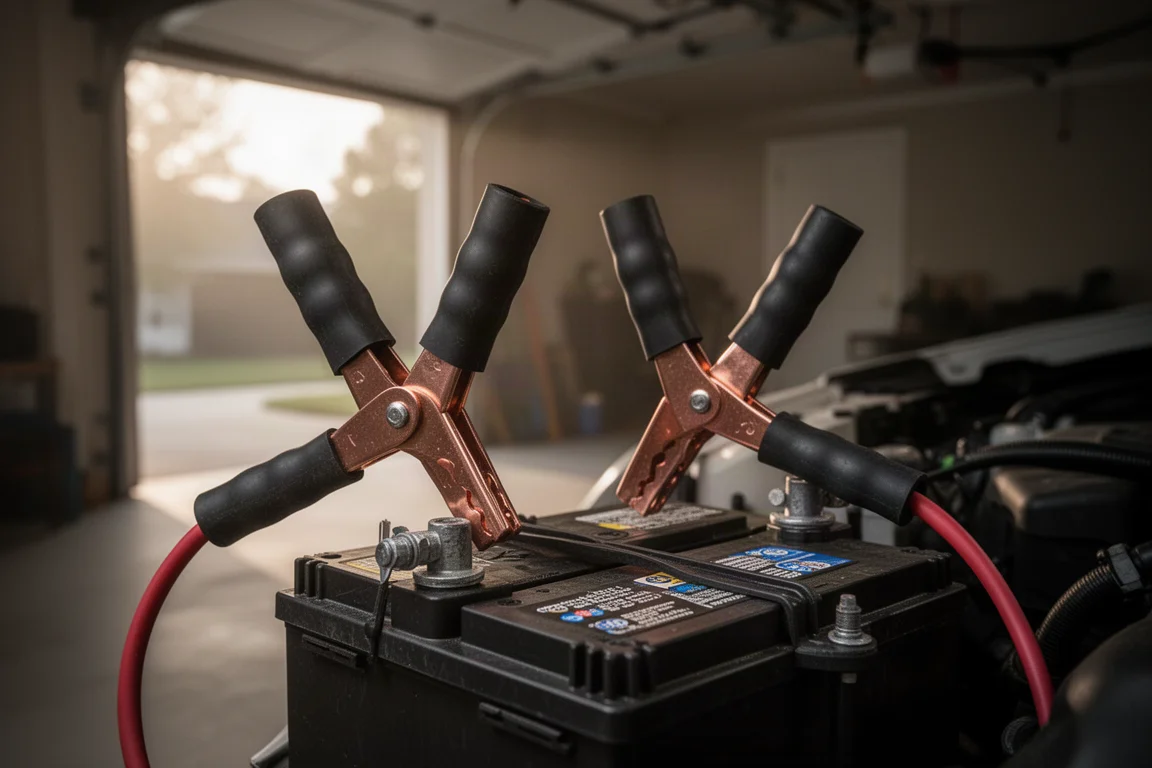
At around $80, this is the cheapest pack here, and it is the only one willing to print a figure over 8,000 amps into its specs. Ignore that number. What matters is that it charges at up to 60 watts over USB-C, delivers a solid peak of roughly 2,700 watts in six-cylinder testing, and managed a peak near 5,000 watts in the diesel-level test. That is a lot of power for the price.
It also completed the 400-amp V8-style demand at a higher voltage than almost everything else, something no other sub-$100 pack could do. The catches: it aired out quickly in early testing with only about 2.1 watt-hours of total energy sent, it provides fewer cranking cycles than the pricier competition, and it handles cold badly, losing about 87% of peak watts and 98% of total energy after a night in the freezer. Use it as a fair-weather bargain and it earns its keep.
Afree 2000A Sodium-Ion Jump Starter: New Battery Tech That Pays Off in the Cold
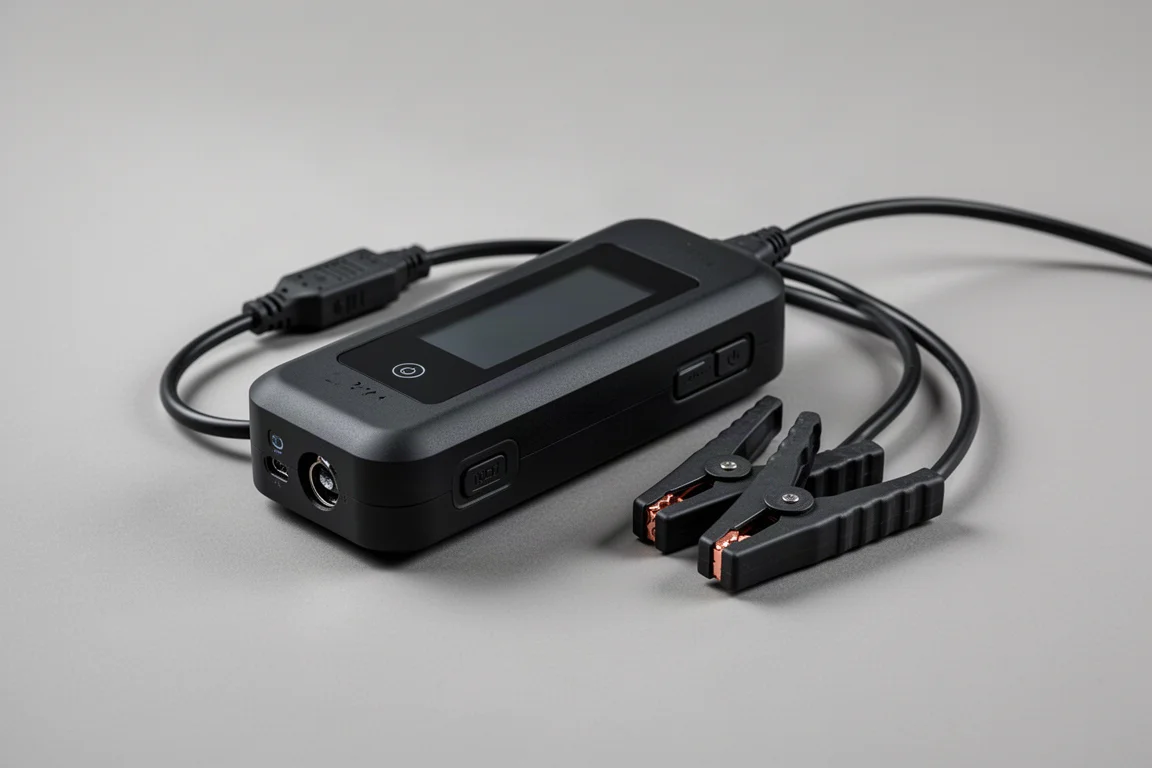
At $90, this is the first sodium-ion jump pack on the market, and the technology matters. Sodium-ion cells are less volatile than lithium, potentially last more charge cycles, and should cost less to make. The trade-offs are a slightly larger, heavier body for the same output and, on this unit, noticeably thin 10-gauge cables.
In warm conditions it split the difference between the packs around it, sustaining roughly 2,300 watts in six-cylinder testing and delivering more than double the total energy of the 8250. In the freezer, it flipped the script: only a 28% drop in peak watts, 29% in voltage, and just 17% in total energy, which is the best cold result to date for a non-capacitor pack. If Afree upgraded to thicker cables, this pack would climb even higher. As a first-generation product, it is genuinely promising, especially for anyone in a cold climate.
Noco 1000 Jump Starter: The Familiar Baseline
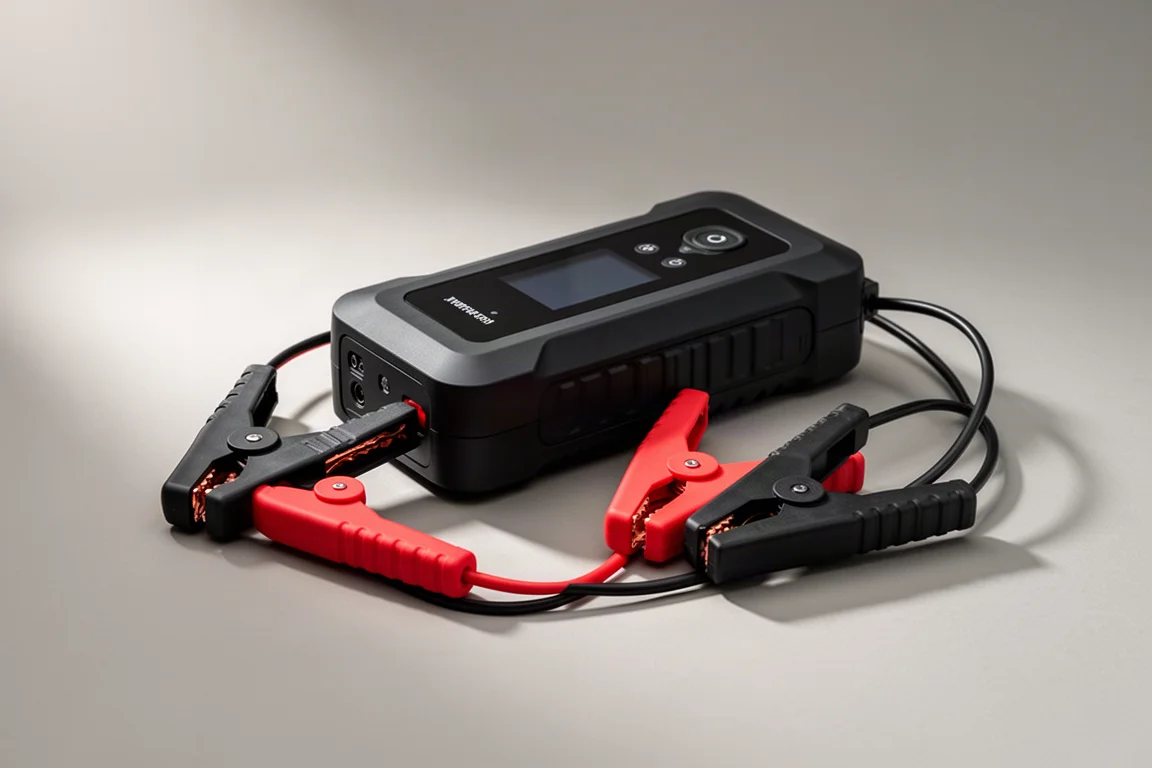
At around $100, the NOCO 1000 serves as the reference point in this group. It puts out around 1,200 watts in four-cylinder testing and peaked at 2,200 watts in the V8-level demand. That is fine, but in this company it was consistently outperformed by cheaper packs, including the $80 unit and the sodium-ion pack.
It is compact and easy to store, which is why it remains a popular choice, but if raw cranking performance per dollar is your priority, both budget packs above beat it in this testing.
Wolf Box 4000A Jump Starter: Strong and Consistent
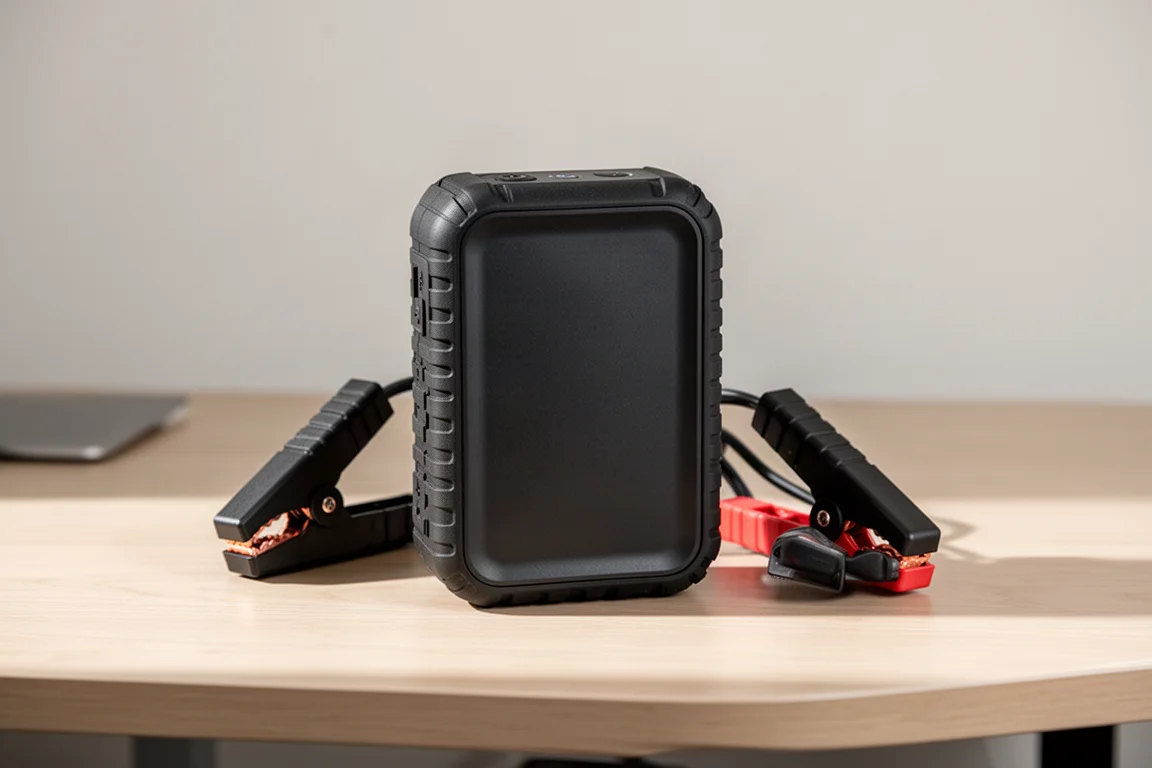
Priced around $115 and rated at 4,000 amps like the Gulu, the Wolf Box mirrored the Gulu closely across nearly every test, with the Wolf Box just barely on top each time. It delivered around 1,900 to 2,000 watts with stable voltage in six-cylinder testing and put out more total energy than the Gulu, including 13 versus 10 watt-hours in the first test and 18.5 versus 10.5 in the six-cylinder run.
It starts at a high voltage around 16.6 to 16.8 volts and handled the demanding boost-mode diesel request without any trouble. Its overall consistency and indifference to how you use it earned it real points in the rankings.
Gulu GT4000 Jump Starter: Feature-Rich With a Built-In Heater
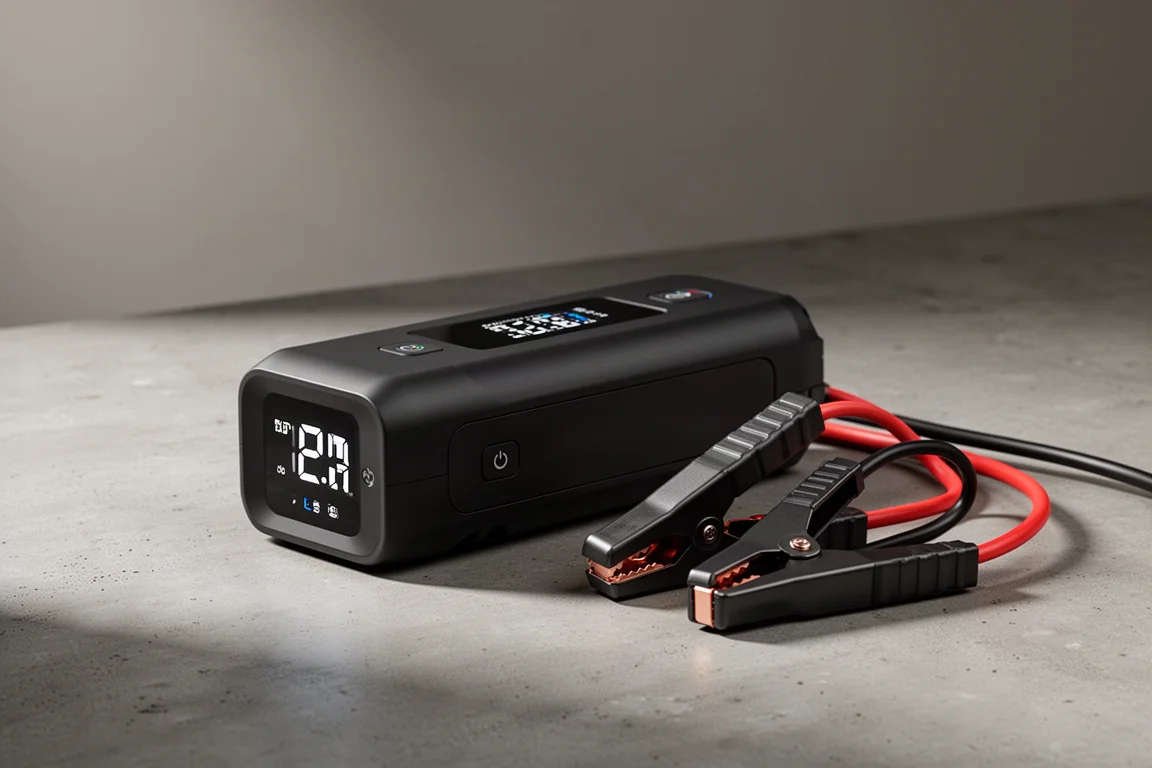
At $120, the Gulu GT4000 is stacked with features: heavier copper-rich clamps, 6-gauge cables, 100-watt fast charging in and out, and an on-screen readout of your charging wattage. Its headline trick is a self-heating function. If the pack senses it is too cold to perform, it can warm itself up to a working temperature.
There is a serious caveat: our first unit’s relay failed within a fraction of a second during the high-demand diesel test after peaking at roughly 5,900 watts and 602 amps, the second-best figures to that point. It may be that boost mode should not be used for extreme demands. A replacement unit survived the frozen test, where the heating function worked, though it needed to be cycled repeatedly until it reached about 42 degrees Fahrenheit before entering ready mode. Once warm, it was the best frozen performer among the heated and standard lithium packs, with no loss in peak watts and only 20% down in total energy.
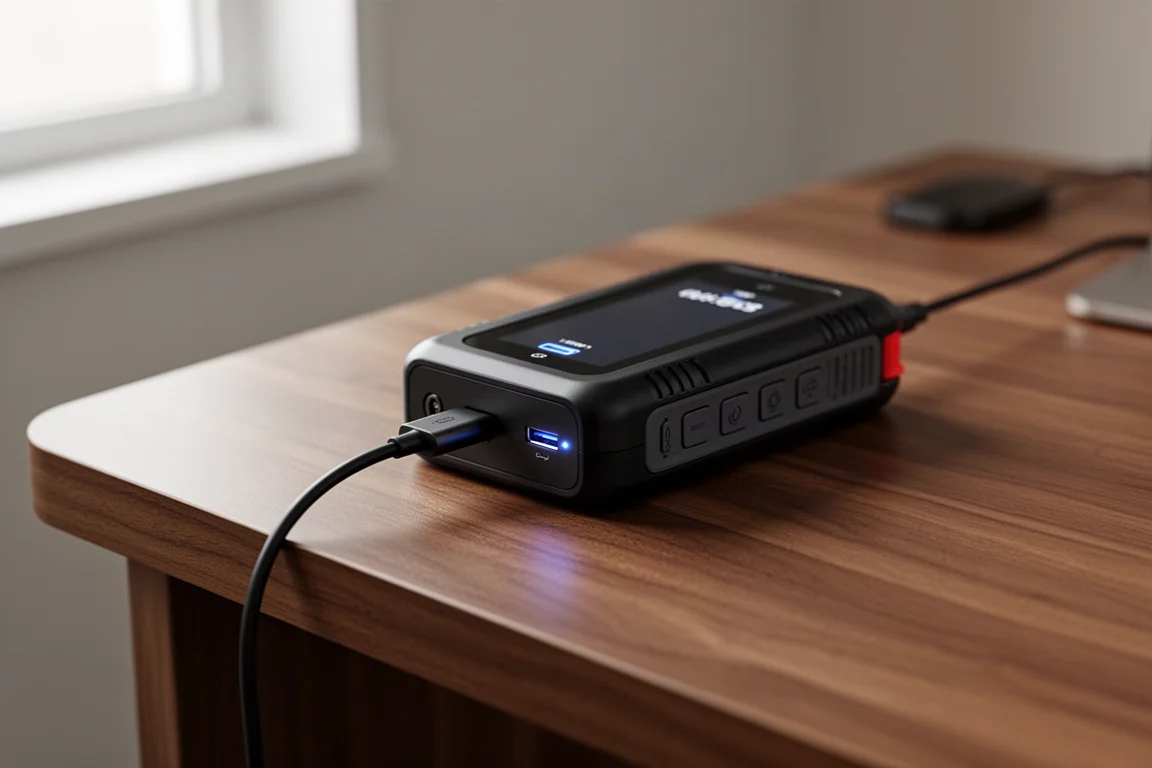
Overall it scored closely alongside the Wolf Box, but with the cold-weather advantage going to the Gulu.
Noco 1750 Jump Starter: The Reliable Mid-Price Pick
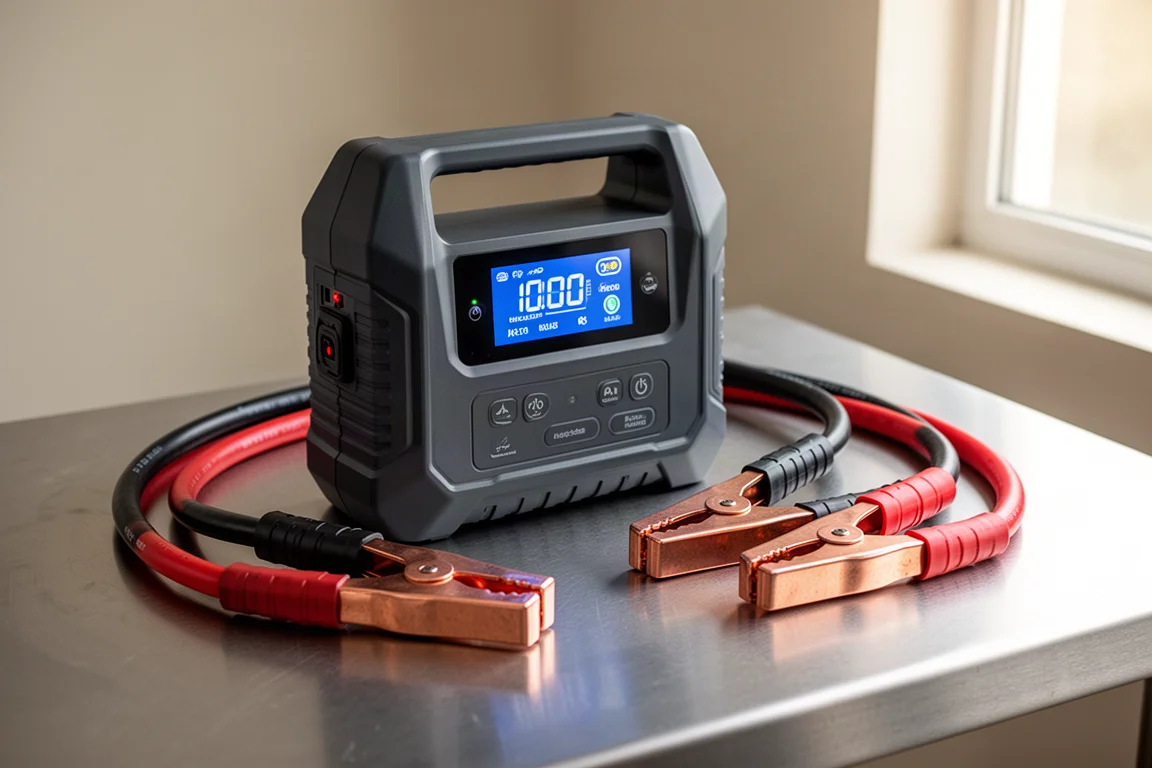
At $175, the NOCO 1750 has long been a favorite in this category, and it still holds up. It was the benchmark the Loki Thor was measured against, and in most tests the two traded blows closely. Its cold performance also held up well: in freezing conditions it behaved about on par with the top performer, a very good result for a conventional lithium pack.
It does not have a heating function or exotic battery chemistry, but if you want a well-established brand with predictable behavior across a range of engine sizes, this remains one of the safer purchases here.
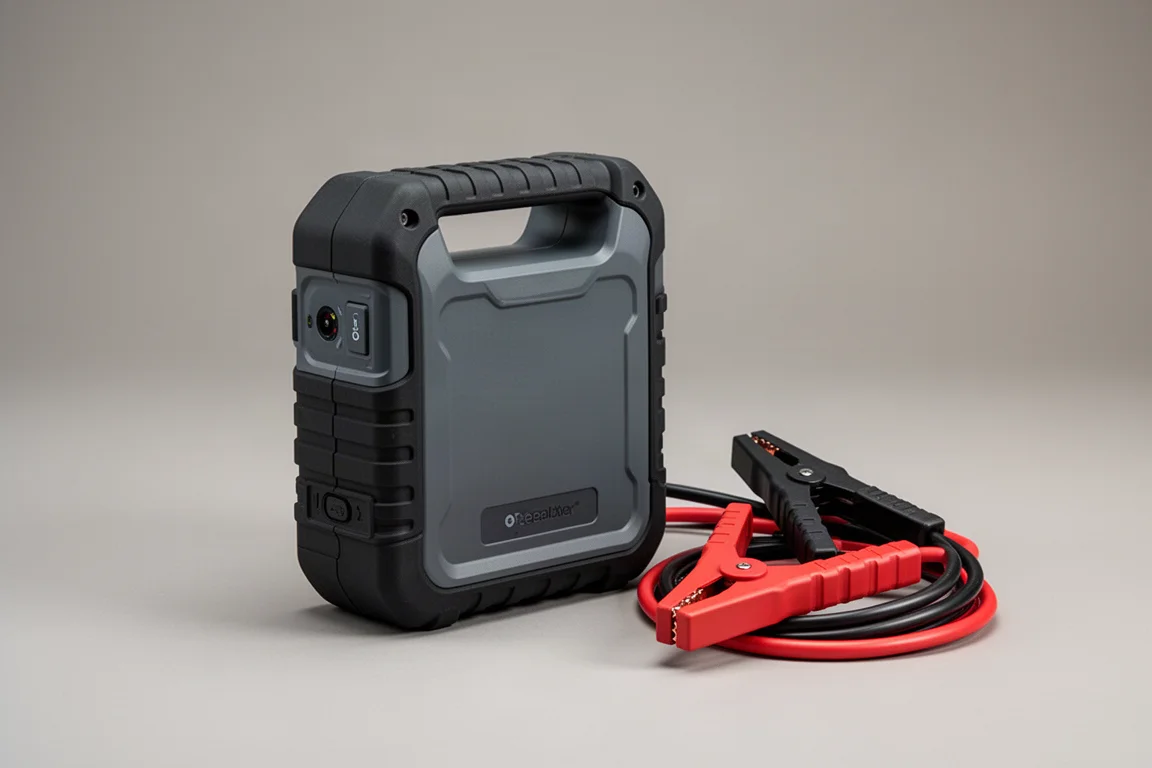
Loki Thor 3000 Jump Starter: The Overall Performance King
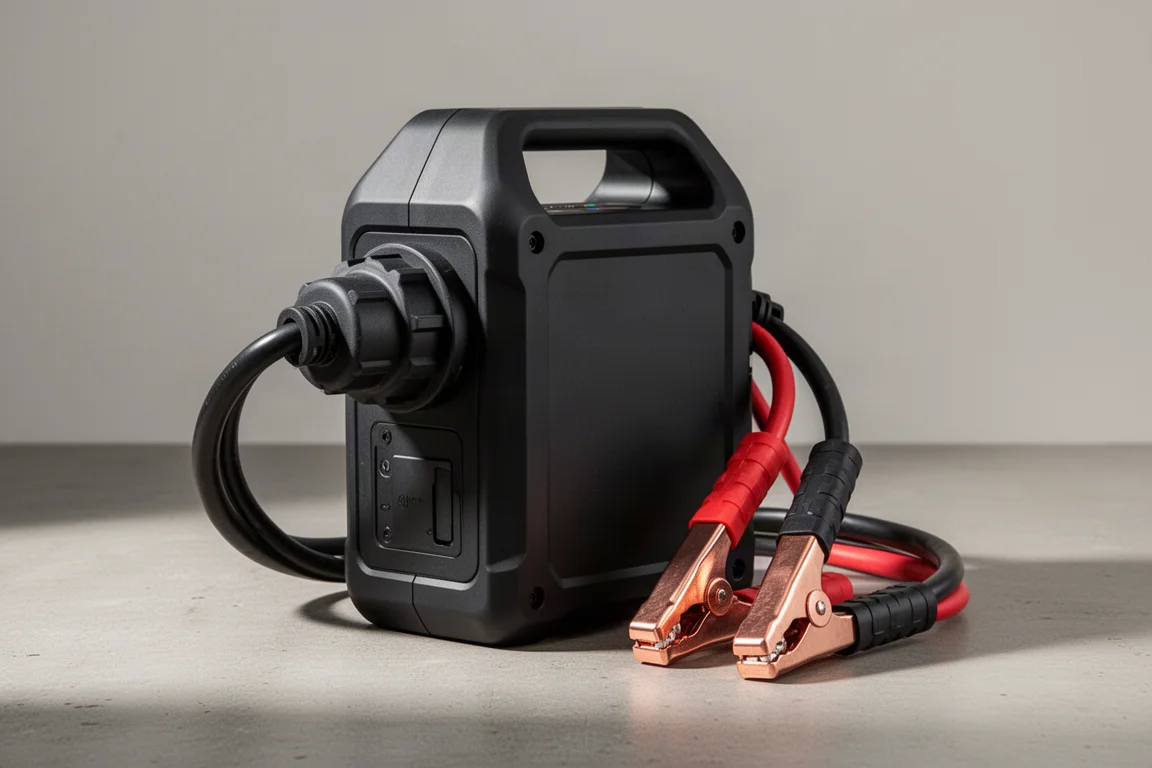
Priced around $170, the Loki Thor 3000 has the nicest hardware of the group: custom clamps with copper on both sides inside, strong clamp tension, 6-gauge cables, 100-watt fast charging with multiple cables included, and the largest, most substantial connector of any pack here.
Its results match the hardware. It posted a 3,290-watt peak in six-cylinder testing, the most recorded to date, and never faltered, timing out rather than giving up, with 32 watt-hours delivered, the most energy ever recorded from a jump starter in a single test. In the V8-level demand it peaked at 4,900 watts, and in the diesel-level test it hit just over 7,000 watts and a clean 700-amp peak, about four times the draw of a standard household outlet. It finished first or near first in every category. Its one weakness is cold: without special chemistry or heating, it lost 43% of peak watts and around 98% of total energy in the freezer, though voltage held remarkably well at just 5% down.
If you want maximum cranking performance and plan to store it somewhere that stays above freezing, this is the pick.
Cold Weather Results
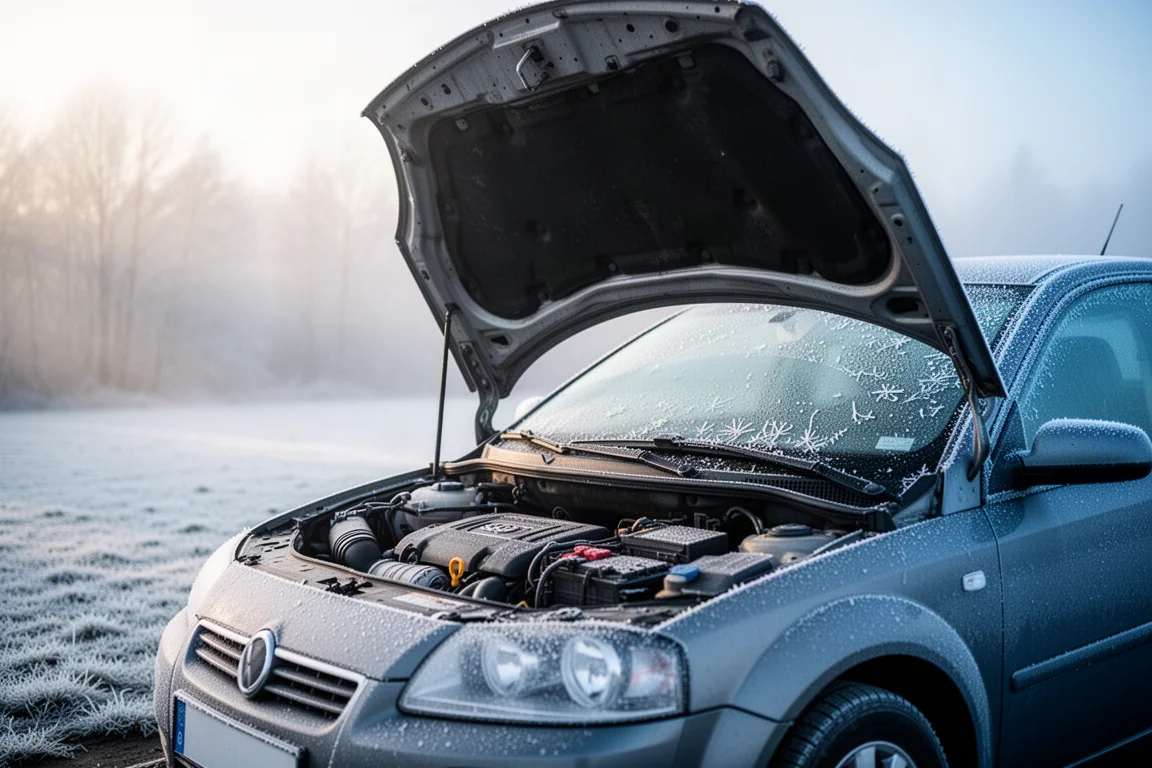
This is where the field splits hard. The 8250 fell apart in the frost, losing 87% of peak watts. The sodium-ion Afree barely noticed the cold with its 17% energy drop, the best result of any non-capacitor pack tested. The Gulu’s heating function worked, albeit with a lot of button cycling, and once warm it matched its warm-weather peak output. The Loki Thor dropped like a typical lithium pack but still held voltage well.
If your car lives outside in a cold climate, the Afree or the Gulu make the most sense here. If your jump starter lives in a heated garage, this factor matters much less.

Buying Advice: What Actually Matters
Ignore the amp figures in the product names entirely; none of these packs delivers anywhere near what it advertises. Instead, look at the hardware. Cable gauge, clamp copper content, and connector size are the honest spec sheet. Thin 10-gauge cables, like those on the Afree, bottleneck even a capable battery, and we measured a large improvement in peak and total energy just by swapping in thicker 8-gauge cables.
View more details for Noco 1750 Jump Starter
Match the pack to your climate and engine: budget buyers in warm climates get great value from the 8250; cold-climate buyers should choose the Afree or the heated Gulu; and performance-first buyers should pick the Loki Thor. For mainstream needs with a trusted brand, the NOCO 1750 is the comfortable default.
Conclusion
The Loki Thor 3000 takes the overall performance crown, the sodium-ion Afree proves the next generation of battery tech has real advantages in the cold, the Gulu adds clever features with some reliability risk, and the 8250 delivers surprising power for $80 if you can forgive its stamina and cold-weather weakness. Whichever you pick, spend more attention on the cables and clamps than the amp number on the box.
Further reading
Related Reviews
Car Accessories
Best Dash Cams: What to Prioritize and What to Ignore When Buying
A comprehensive guide to choosing the right dash cam, covering night vision performance, capacitor technology, and top recommendations across single, dual, and triple channel options.
Car Accessories
Best Dash Cams Under $100: Budget-Friendly Options That Actually Work
We tested twelve popular dash cams to find which models deliver real value. Most are disappointing, but two stand out as genuinely practical choices.
Car Accessories
Best Tablet Car Mounts: Five Options for Every Driving Need
A practical comparison of five tablet car mounts, from flexible gooseneck designs to magnetic headrest holders, helping you choose the right mount for your vehicle and passengers.