Snowboarding
Best Jones All-Mountain Snowboards: Mind Expander, Hovercraft 2.0, Stratos, Flagship and Project X Compared
Five Jones all-mountain snowboards compared, from the surf-inspired Mind Expander to the ultralight Project X, to help you find the right ride.
Introduction
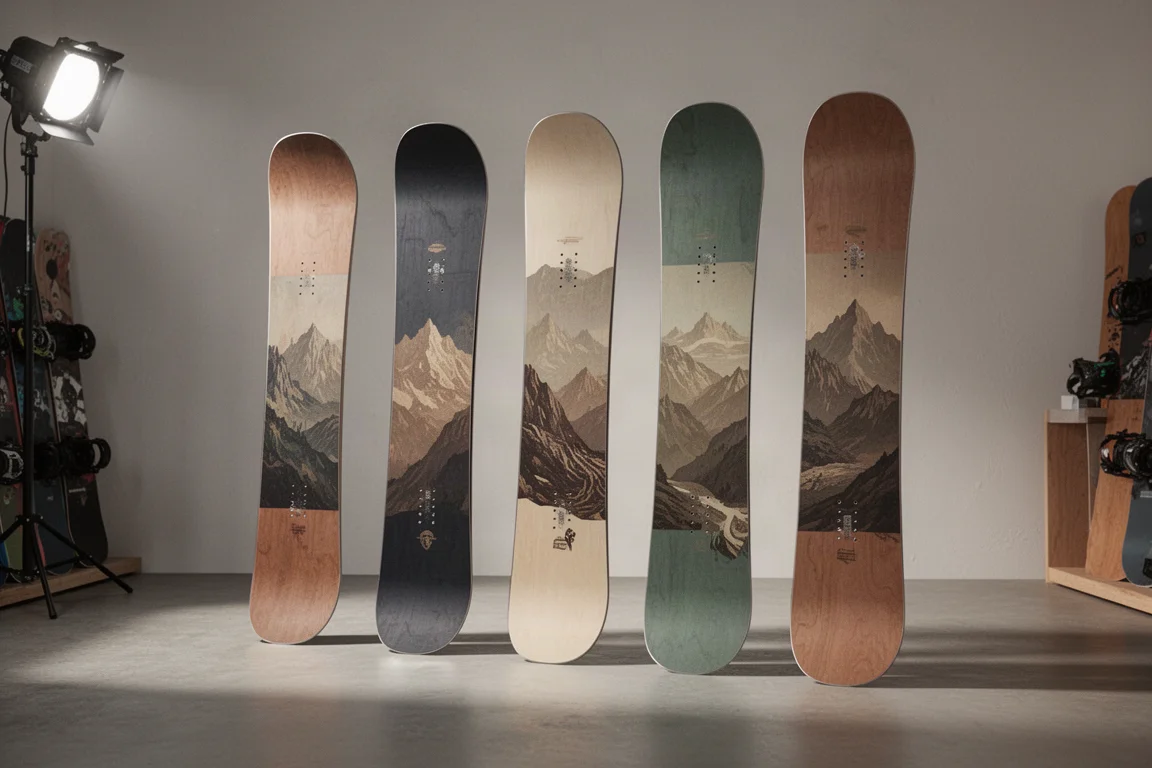
Jones has built a reputation as one of the top choices for riders hunting down the best all-mountain snowboards, with boards like the Flagship, Mind Expander, Hovercraft and Project X leading the lineup. The tricky part is sorting through five genuinely good options to find the one that matches your riding.
This comparison covers the Mind Expander, Hovercraft 2.0, Stratos, Flagship and Project X. While each model has a distinct personality, any of them will work if you need one board to get things done. All five are designed for all-mountain riding, ready for the backcountry or the resort, though none of them are boards you would want to ride in the park all day.
What These Boards Share
Before getting into the differences, there are several design threads that run through the entire lineup. Every board here has a directional shape, meaning a longer nose than tail, which helps in powder conditions while setting you up for the best turning capabilities.
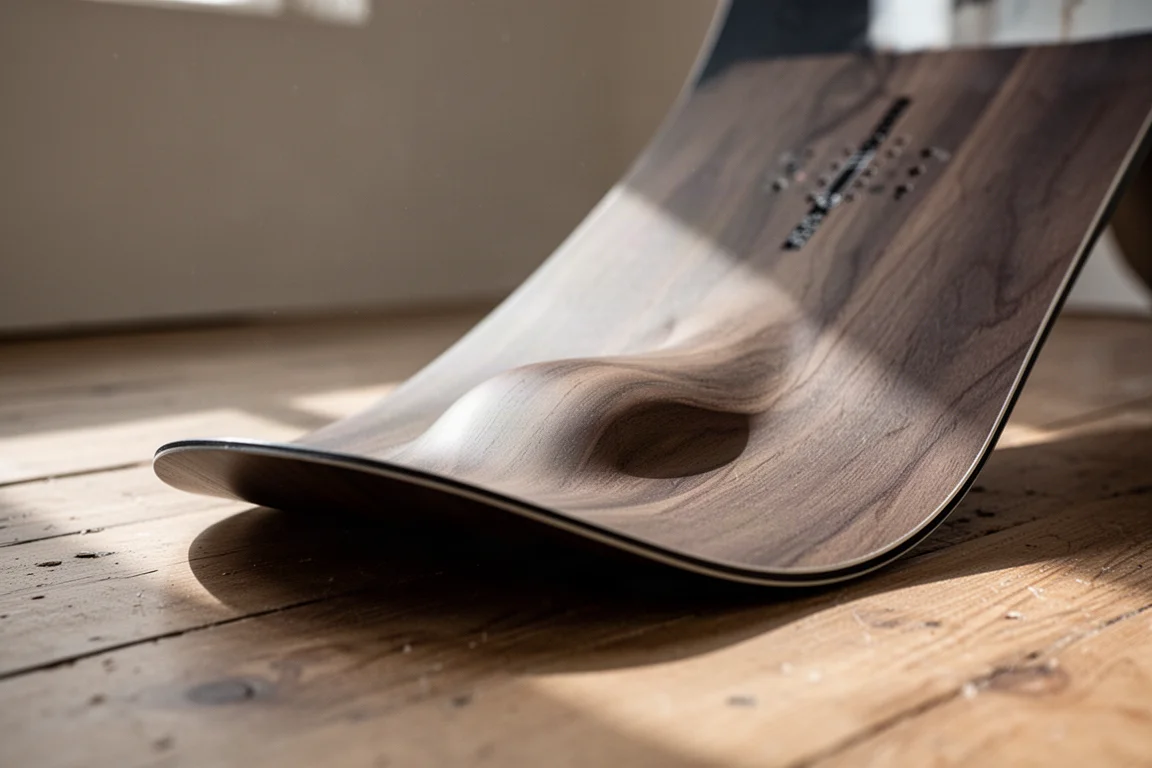
Each board also features Jones’s 3D Contouring 2.0 base, which adds a slight spoon-shaped curvature to the nose and tail for better float. Jones’s Traction Tech creates three slight bumps along the edge of the board for added grip on firm snow, and the Forever Flex process removes the break-in period while keeping the flex consistent through the lifetime of the board. Every Jones snowboard also ships with a factory tune and a natural wax treatment.
One important note: all of these boards except the Project X are designed to be ridden by both men and women. The Mind Expander and Hovercraft 2.0 come in smaller sizes, while the Flagship and Stratos come in both a specific men’s and women’s model.
Jones Mind Expander
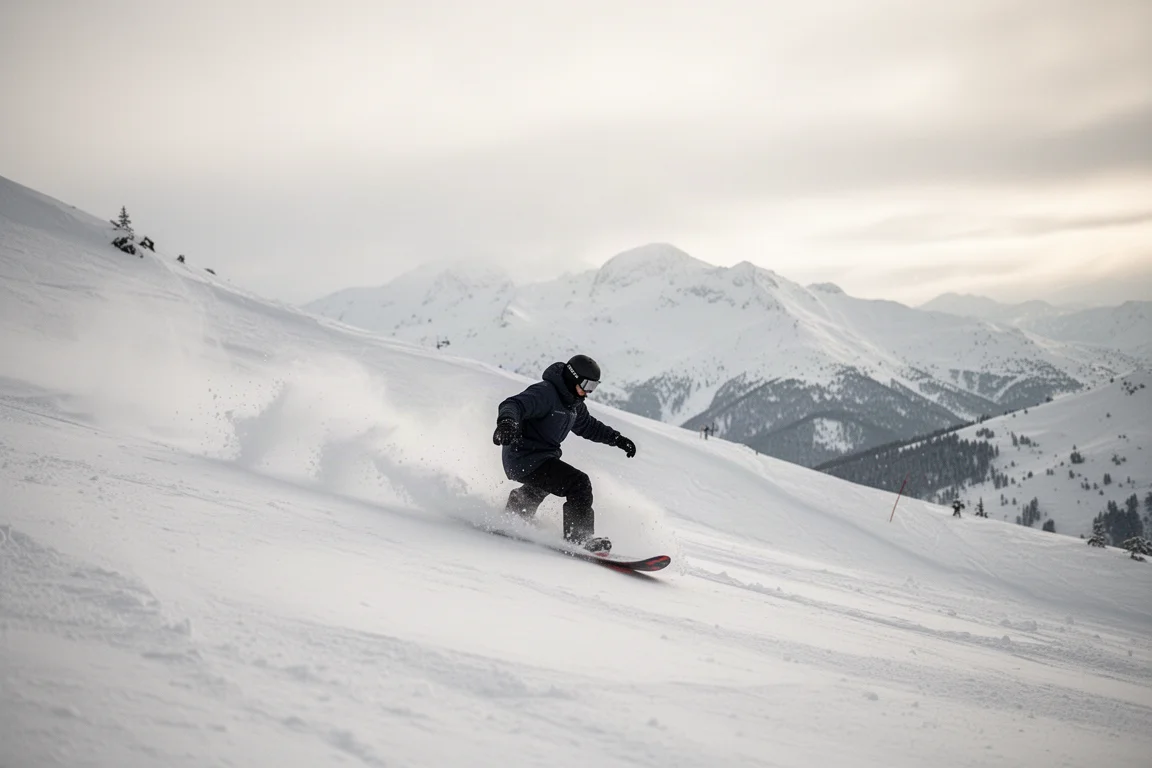
The Mind Expander is part of Jones’s Surf Series, made in collaboration with renowned surf shaper Chris Christensen. The profile and overall shape combine to create more of a glide in the ride, aiming for a feeling most similar to surfing. The rocker in the nose is based directly off the rocker from Christensen’s surfboards.
The board originally launched with a flat camber profile, but the addition of camber brings a little more stability while stiffening things up. That makes it no longer the easiest choice for beginners, but it is a fun ride for intermediate and advanced riders. The flex sits somewhere between medium and stiff, so it handles higher speeds with no problem.
Taper is considerable here, with the nose 20 mm wider than the tail on the 154. That wide nose helps the board float well in powder and also helps initiate carving. The somewhat tight sidecut, 6.9 m on the 154, means you will never want to stop carving. A decently wide waist at 256 mm on the 154 lets you ride this board shorter if you wish, and the Carbon Pack gives more stance options toward the middle of the board so you can really play with your setup.
Inside you get a triple-density bamboo core strategically interwoven with palonia wood, while flax and basalt stringers run from the front foot to the nose, adding response and dampening. The Mind Expander comes in sizes 142, 146, 150, 154, 158, 162 and 166, and retails at $569.95. Underneath is a centered 8000 base made from ultra-high-molecular-weight polyethylene for a durable, fast ride, the same base found on the Hovercraft 2.0.
Jones Hovercraft 2.0
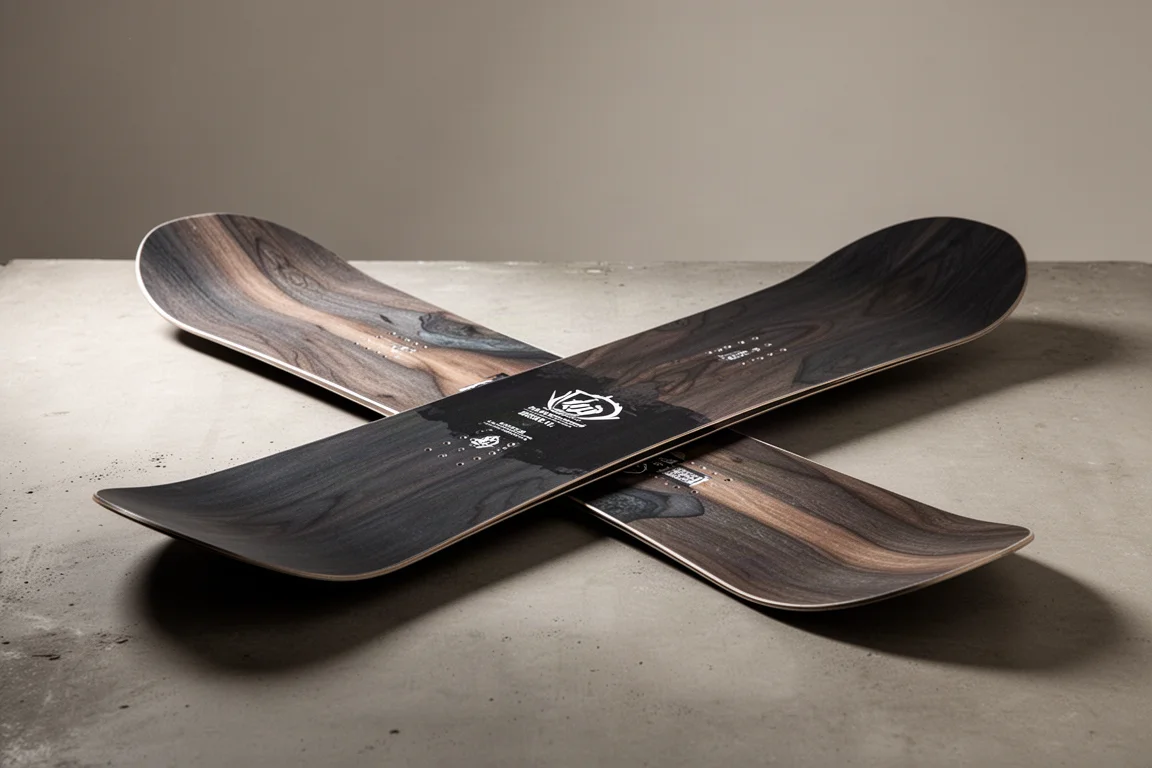
Where the Mind Expander has a more unique, surf-inspired ride, the Hovercraft 2.0 moves slightly more toward the traditional board. The first thing you will notice is the tail, which is cut like a swallow tail to let the back end sink in deeper snow, but releases the shape from the contact points like a typical tail. On hard pack, it feels more like a normal tail when carving.
On the base, dual speed channels allow a quicker release of snow out the rear, something you will feel more in higher-friction snow such as warmer or wetter conditions. This is a great choice for intermediate riders and up, offering a medium flex in a board that wants to bomm around wherever you point it.
You get a fairly long sidecut with a 9 m radius on the 156, which also has a waist width of 263 mm. Mixing those two factors with a 17 mm taper, you can get into a carve easily, tip it high on edge and rip it down the mountain without the board wanting to finish a tight turn.
In the guts sits a poplar plus palonia wood core combined with stringers made from reclaimed snowboards, something unique to the Hovercraft 2.0. It works by taking cuts from six used snowboards which run down the nose of the core, helping to stiffen the nose and reduce chatter. Sizes run 144, 148, 152, 156, 160 and 164, retailing for $599.95.
Jones Stratos
Stepping up in aggression brings us to the Stratos. It uses the same directional camber shape as the Hovercraft but with a longer section of rocker in the tail. The Stratos is meant as a daily driver, but also for the rider who rides everywhere in a freestyle spirit.
The waist is fairly standard at 254 mm on the 156, alongside a 7.2 m sidecut and 10 mm of taper. With a stiffer flex, this board can handle any type of riding, and compared with the specs on the other boards here, it is the easier one for tricks if you want them. Otherwise it is simply a fun board to rip all over the mountain.
Angled basalt stringers run from the front foot to the contact points of the nose, directing energy for a more responsive ride. You also get an upgraded dual-density core made from premium cuts of palonia wood combined with poplar stringers. On this board and the rest covered here, you have the option to move your stance further toward the tail with the Float Pack.
The Stratos comes in sizes from 149 up to 164 wide, with the women’s model ranging from 143 to 155. Both models retail for $629.99. On both the Stratos and the Flagship you will be riding on a centered 9900 base for better wax absorption and a faster ride.
Jones Flagship
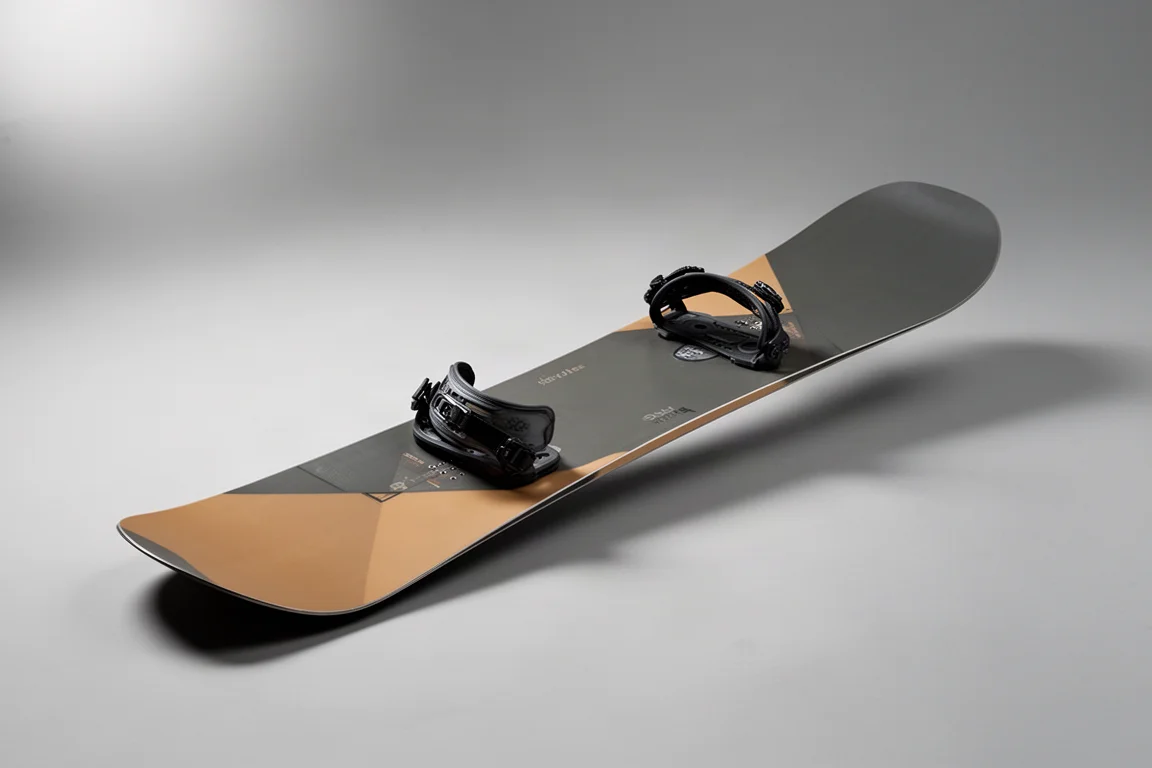
The Stratos and Flagship are the two most similar boards in the line, but there are key differences. The Flagship has a longer section of rocker in the nose, starting just past the furthest insert, which helps with float and steering in powder. It is also part of why the Stratos remains the better pick for riders who spin more often.
The highlighted stringers from the Stratos are mirrored in the rear of the Flagship for more overall response and chatter disruption. Where the Stratos uses biaxial fiberglass with fibers woven perpendicularly, the Flagship has a triax fiberglass laminate to increase response and stability while making the board more aggressive. A new composite wood veneer top sheet on the Flagship is engineered to add more dampening to the ride.
You also get a triple-density power core that uses bamboo stringers and palonia wood for added snap. The shape is tried and true, with an 8.5 m sidecut, a 249 mm waist width and 12 mm of taper on the 158. Sizes start at 151 and run up to a 172, with the women’s model ranging from 146 to 155. Both sit on the shelf at $699.95.
Jones Project X
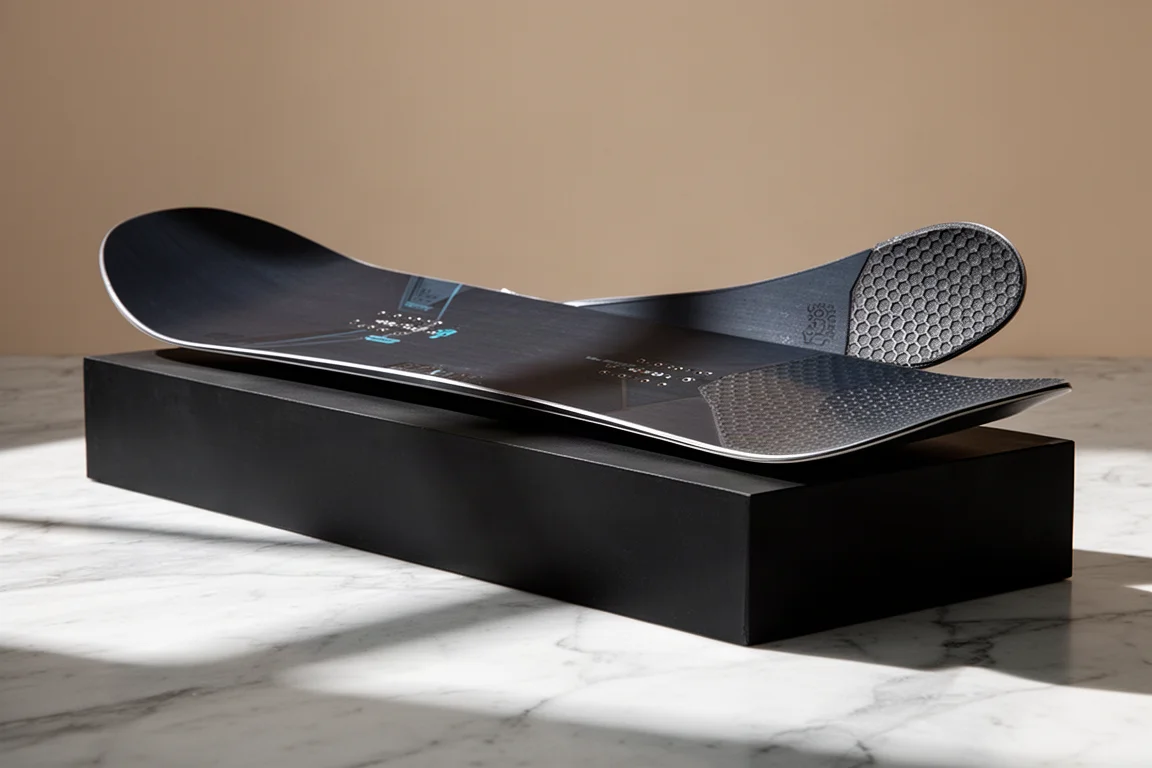
And now for the premium dreamliner of the lineup: the Project X, Jones’s lightest-weight, top-of-the-line snowboard. At $1,700, this board is no joke. It is built off the basis of the Stratos and shares the same shape and specs; what is different is the construction, and therefore the weight.
In the guts you get a fusion core combined with carbon fiber, triax fiberglass, carbon stringers and Koroyd. Together these create a highly responsive, lightweight, snappy all-mountain destroyer. If Koroyd sounds familiar, it is because helmet manufacturers have used it for its lightweight properties that crush and take the brunt of an impact. In a snowboard, it helps reduce riding vibrations while keeping overall weight down, and it is placed in the nose of the Project X for exactly those benefits.
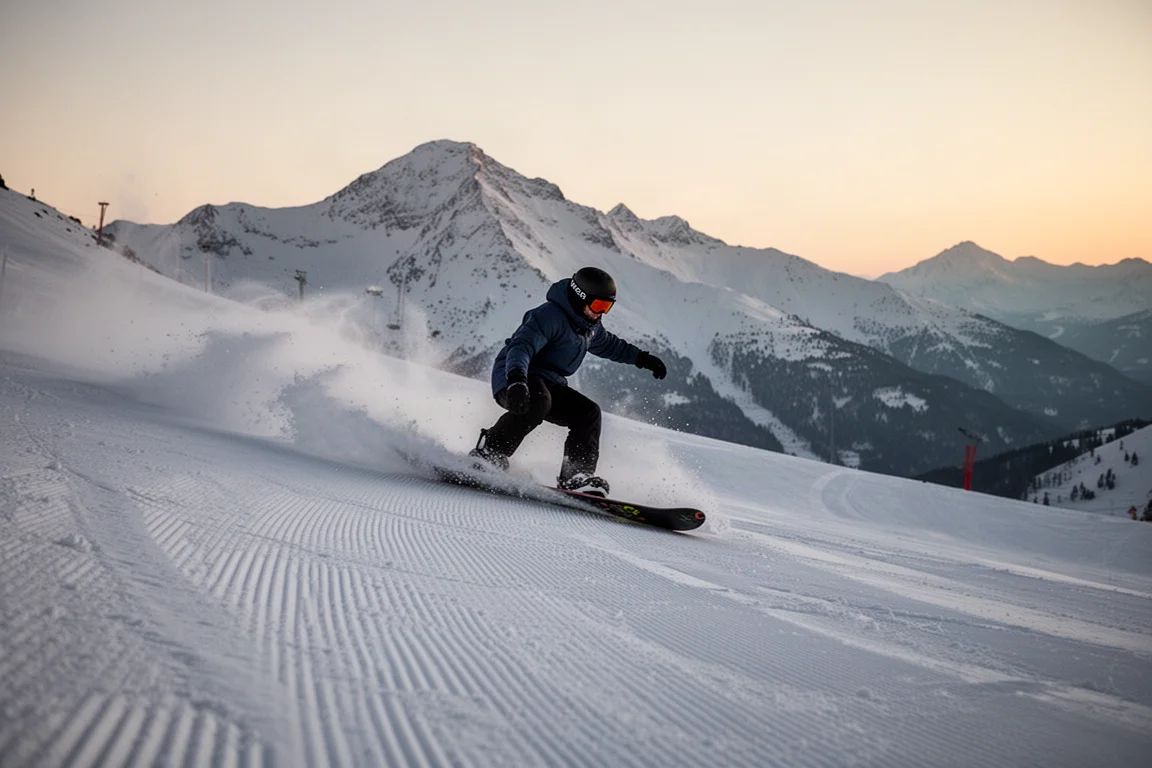
Surprisingly, the Project X feels slightly softer than the standard Stratos, so you do not have to worry about the carbon build making it an over-twitchy board that gets kicked and bucked all over the mountain. You also get an ultra-base from Jones designed for higher wax absorption, better glide in a wider variety of snow conditions and overall faster speed. The Project X only comes in sizes 156 and 159.
Which Jones Board Is Right for You?
The Mind Expander is the surf-inspired ride for the rider who goes all over the mountain in all conditions, changing speed between slow cruising and bombing a little faster, on a board with a fun and unique shape.
The Hovercraft 2.0 is a great introduction to freeride snowboards. Its approachable ride suits intermediate and advanced riders who want to bomb across the mountain with its elongated sidecut.
The Stratos is a bomber of a board for the person riding everywhere, or for the rider who likes to be tricking across the mountain, maybe someone who has moved on from their park rat days. It still rips powder great and is meant to ride everywhere, including railing turns and testing your speed limit.
The Flagship provides even better float and steering in deep snow and is made to ride anywhere, every day. It has the most energy and will give the most response without being too much, that is, aside from the Project X. That board is the ultralight, super-premium buildout of the Stratos shape, for the rider already in love with the Stratos who wants the next step, or anyone who wants the very best-built Jones snowboard they can get.
Conclusion
Every board in this comparison is a capable all-mountain tool, so the right choice comes down to how you ride. Pick the Mind Expander for a unique surf-inspired feel, the Hovercraft 2.0 as an approachable freeride gateway, the Stratos as an aggressive daily driver with a freestyle streak, the Flagship for maximum response and deep-snow performance, or the Project X if you want the absolute pinnacle of Jones construction and weight savings.
Further reading
Related Reviews
Snowboarding
2025 Snowboard Gear List: Five Picks That Earned Their Place on the Mountain
From Zeiss-lens goggles to a hybrid step-in binding, here are five pieces of 2025 snowboard gear that held up across a full season of riding.
Snowboarding
2026 Snowboard Gear List: Boards, Bindings, Boots and Outerwear Worth a Look
A season-ready snowboard setup built from the bottom up: base layers, Strafe outerwear, Ride and Union boots, Union bindings, and two new Capita boards.
Snowboarding
32 Cold World Review: A Playful Hybrid Camber Board for Park Laps
The 32 Cold World blends classic camber underfoot with flat nose and tail sections for a predictable, butter-friendly ride aimed at intermediate park riders.