Kitchen Knives
Best Japanese Knives for Cheese: Three Blades That Earn a Spot on the Board
A cheese expert helps test a petty knife, a sickle, and a dedicated cheese knife on soft, firm, and hard cheese to find what actually works.
Introduction
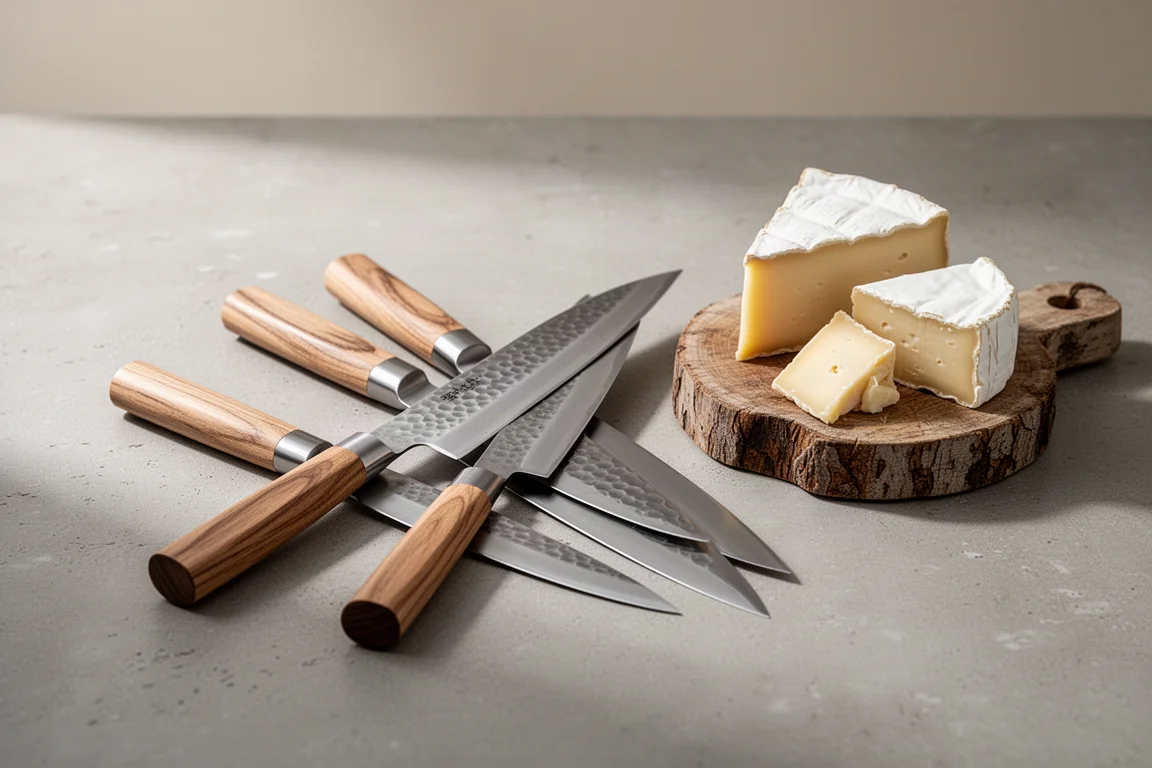
When customers ask which Japanese knives work best for cheese, the honest answer is usually: it depends on the cheese. Soft, gooey wheels behave nothing like a two-year-aged Gouda, and a blade that glides through one can badly wedge in the other. To settle it, we brought in a professional cheesemonger and put three very different knives to work on a board of soft, firm, and hard cheeses.
The short version: for very soft cheese, a wire beats any knife. For firm and hard cheese, a narrow Japanese blade is genuinely excellent, and one unexpected harvesting tool turned out to be a surprise winner.
Soft Cheese: Why a Wire Beats a Blade
The softest cheese on the board was an ash-coated bloomy-rind style, the same family as Brie, with a striking white-and-black rind created by mold growing in the cave. Cutting it is where most people go wrong: attack it with a regular knife and you mash it. Even a very sharp Japanese knife, while it did not hurt the cheese, was described as awkward for this job, the soft paste melting around the blade.
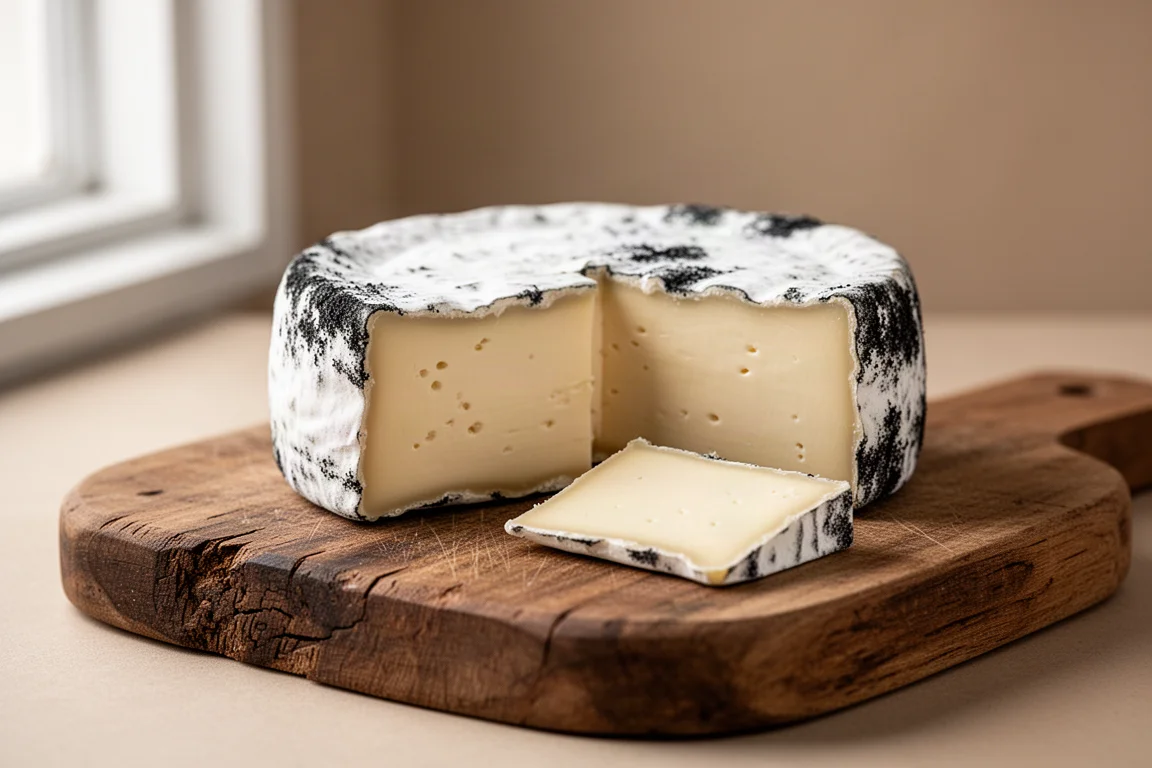
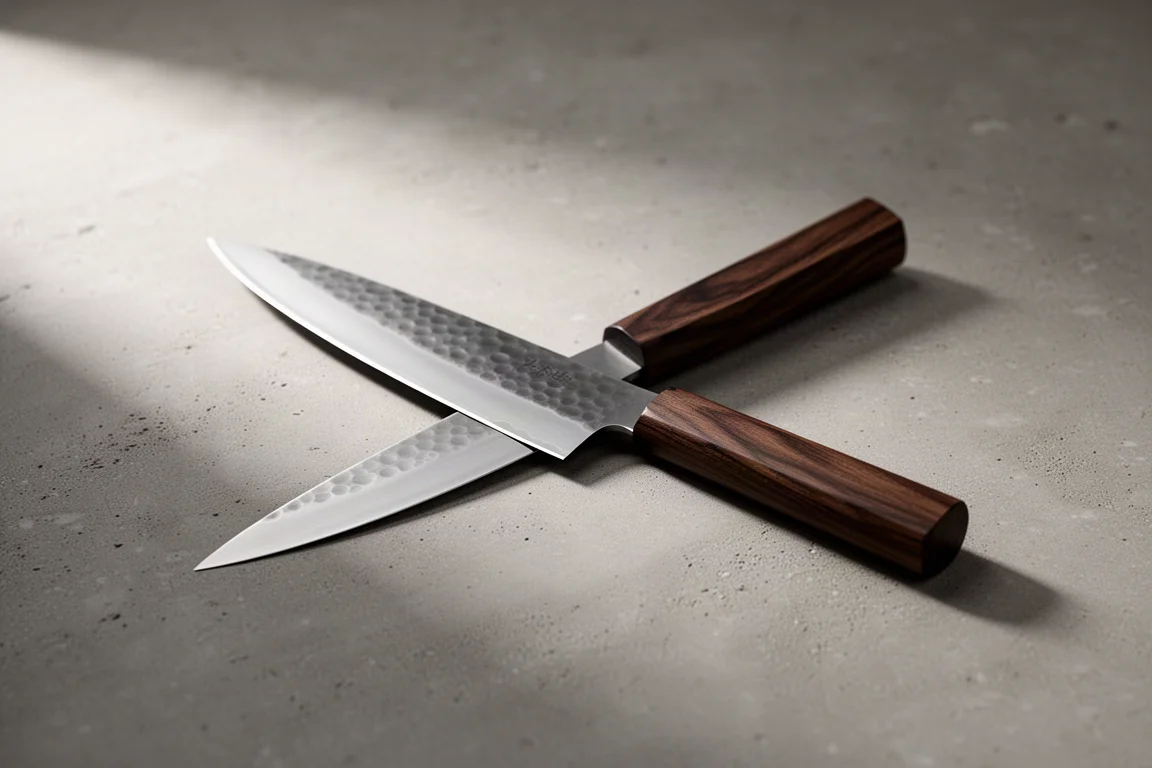
A cheese wire is the right tool here for a simple reason: less surface area means a cleaner cut with no dragging or compression. Anyone who eats soft cheese regularly should have a wire in the culinary arsenal. That said, the Harayuki petty knife handled the soft round reasonably well, and its narrow profile with a hammered texture is really aimed at the firmer stuff ahead.
Firm Cheese: The Narrow Blade That Does Not Wedge
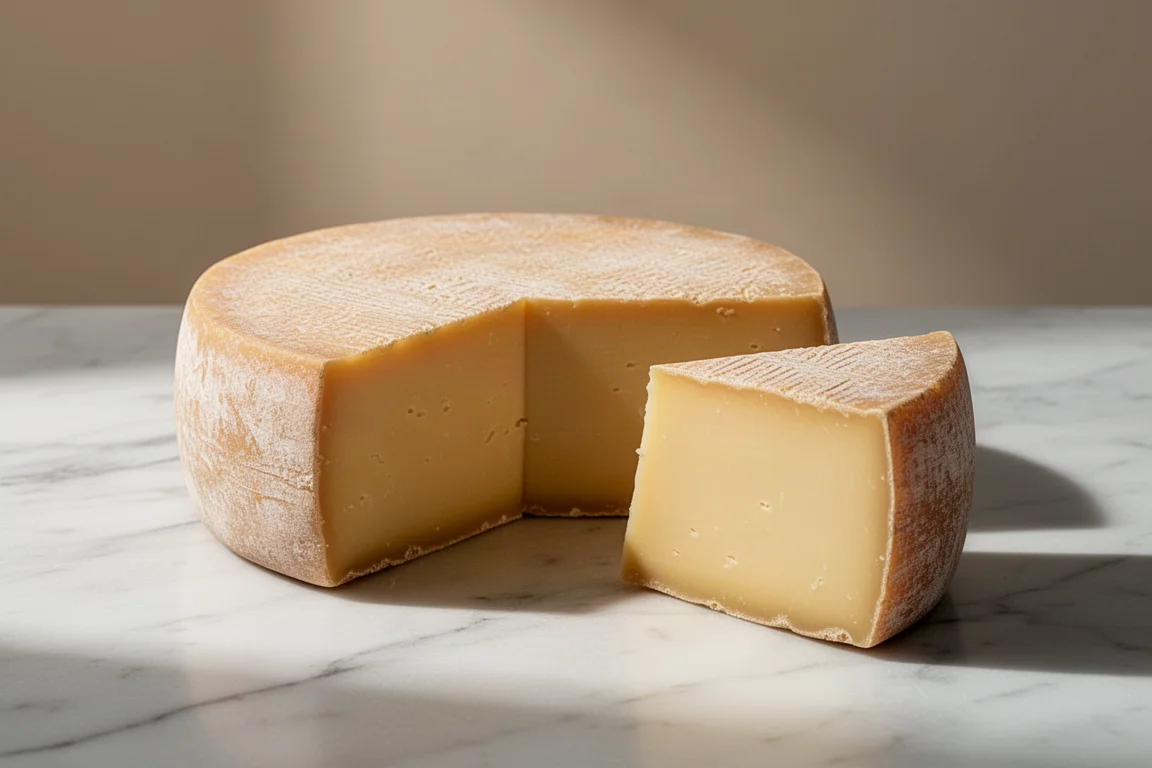
Next came a younger Gouda-style cheese, firm but still malleable, with no rock-hard rind. This is the middle ground where knives matter most, and it is also where people chip nice, thin Japanese knives on tough rinds like Parmesan. Aged Gouda over two years and hard Parmesan-style cheeses call for a wedge-style tool instead; forcing a thin blade into them is how tips break.
On this firmer-but-yielding cheese, the narrow blade performed beautifully. The shape matters more than it first appears: because the top edge is flat, the knife can also scoop and serve softer items like butter, making it a surprisingly versatile board companion. One practical bonus: the blade shape discourages the bad habit of whacking a used knife tip down onto the board, so the tip stays intact and the table stays civil.
View more details for Harayuki Petty Knife
The Suzuki Sickle: An Unlikely Hard-Cheese Tool
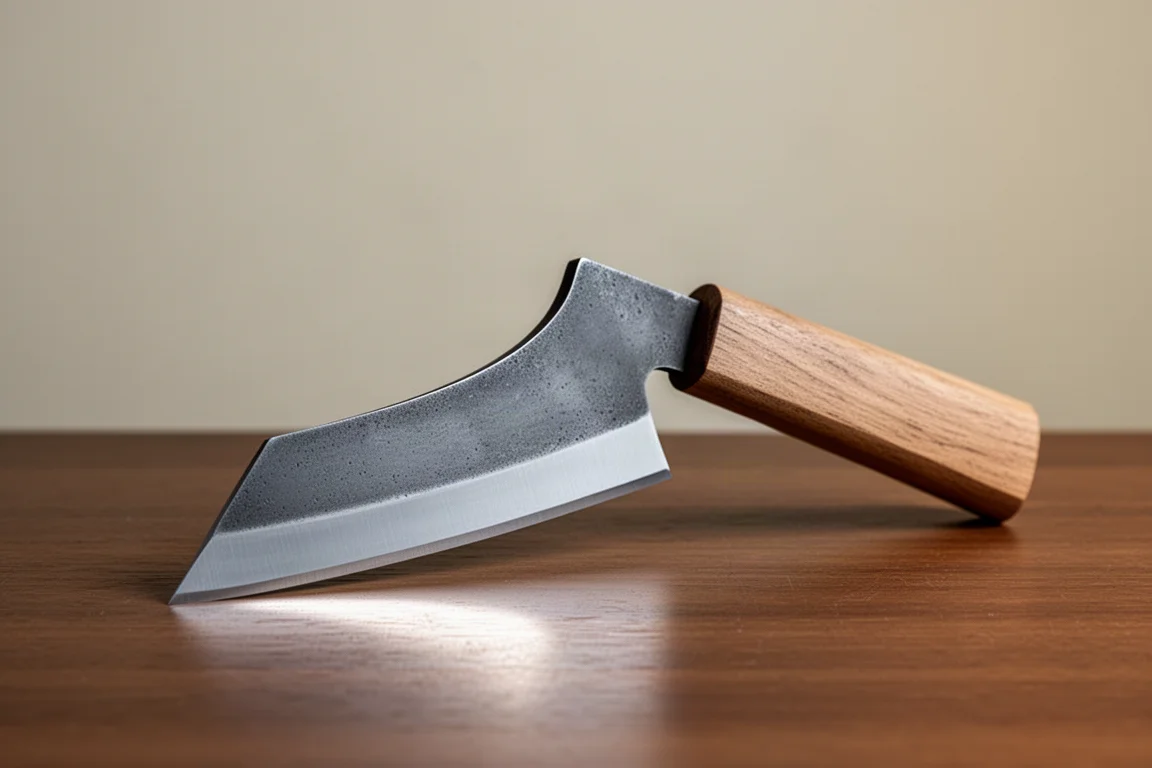
This one was picked out as an experiment. It is a Japanese sickle, a harvesting knife with a thick reinforced spine and a single-sided, aggressively angled bevel. The thick spine exists because the blade is ground extremely thin and would otherwise flex; the reinforcement keeps it rigid. The single bevel design is made to peel material away from the blade, even when cutting moist, sticky produce like cucumber.
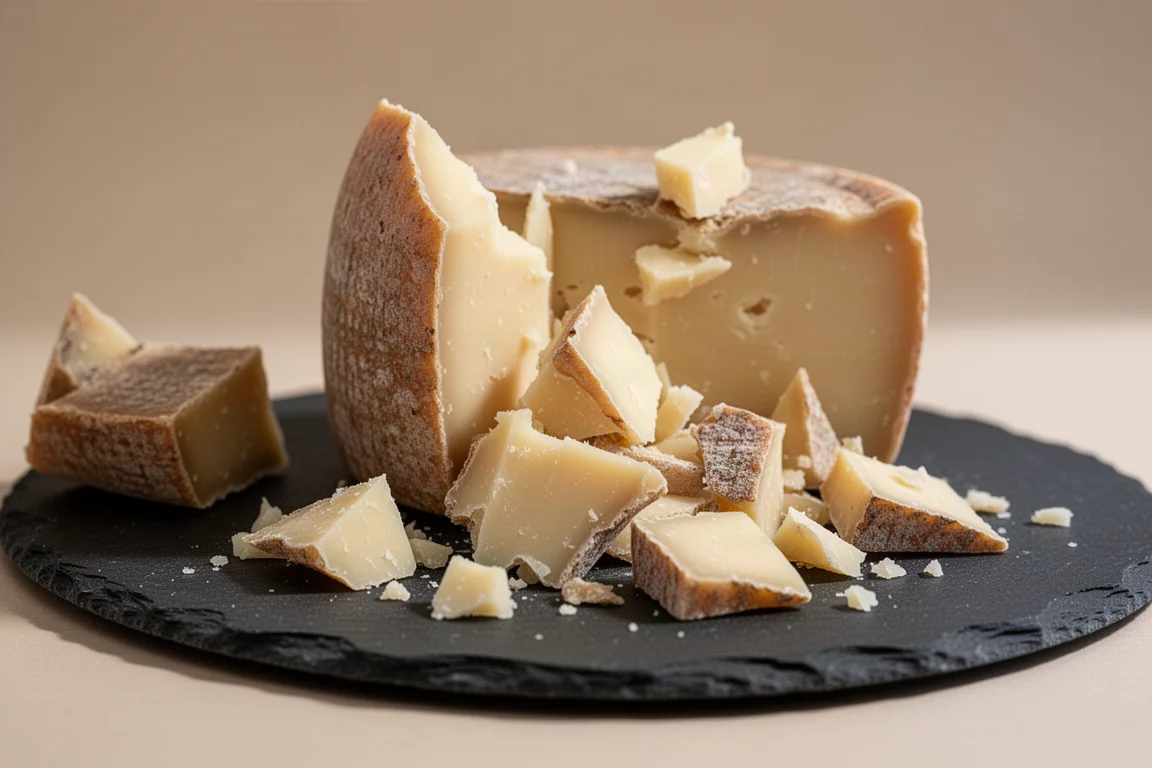
On hard, aged cheese, that design translates directly: instead of slicing and wedging, you chip away at the cheese the way it would be served anyway. For a three-year Gouda or similarly hard wheel, the sickle peels off clean pieces without forcing a thin blade into a dense paste. It is a genuinely clever use case for a knife built for the field, not the kitchen.
The Dedicated Cheese Knife: MoriNoki
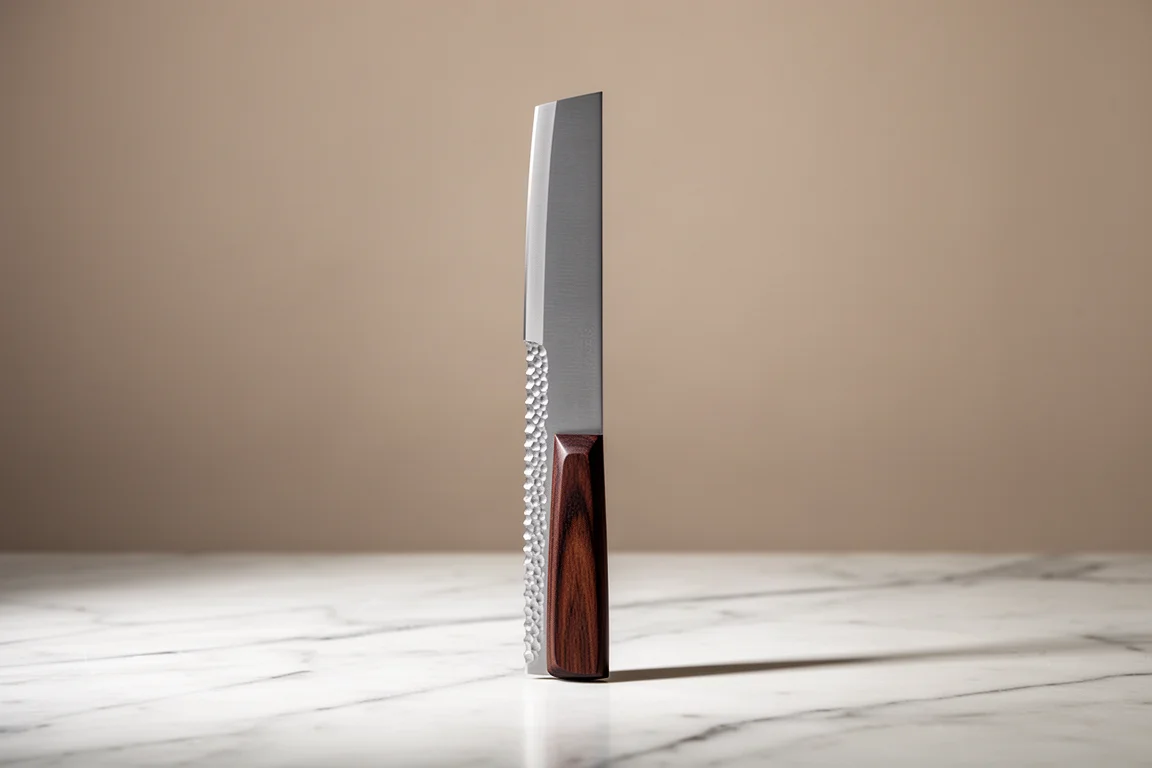
The MoriNoki is marketed specifically as a cheese knife, and its textured, serrated edge immediately raises the question of whether all that texture does more harm than good. Sliced into a firm cheese, it does leave visible lines and a fair amount of texture in the cut surface, though it wedges far less than expected and cuts surprisingly smoothly.
The real appeal is practicality. It is a premium Japanese knife, the kind of purchase that only makes sense if you genuinely appreciate the finer things, and it suits medium and hard cheese well. The flat top edge again means it can serve soft items like butter, and it even handled a softened baked round without damage. One knife that slices, serves, and looks handsome on the board.
Building the Board: What You Actually Need
For a proper cheese experience at home, the expert’s verdict was simple: a wire for the gooey stuff, one good narrow knife for medium and firm cheese, and something to chip hard aged wheels, plus a butter knife and maybe a spoon for the softest offerings. Everything on the board we assembled, from an earthy washed-rind wheel that is friendly enough for cautious in-laws to a nutty, sweet aged Gouda, was handled with those few tools.
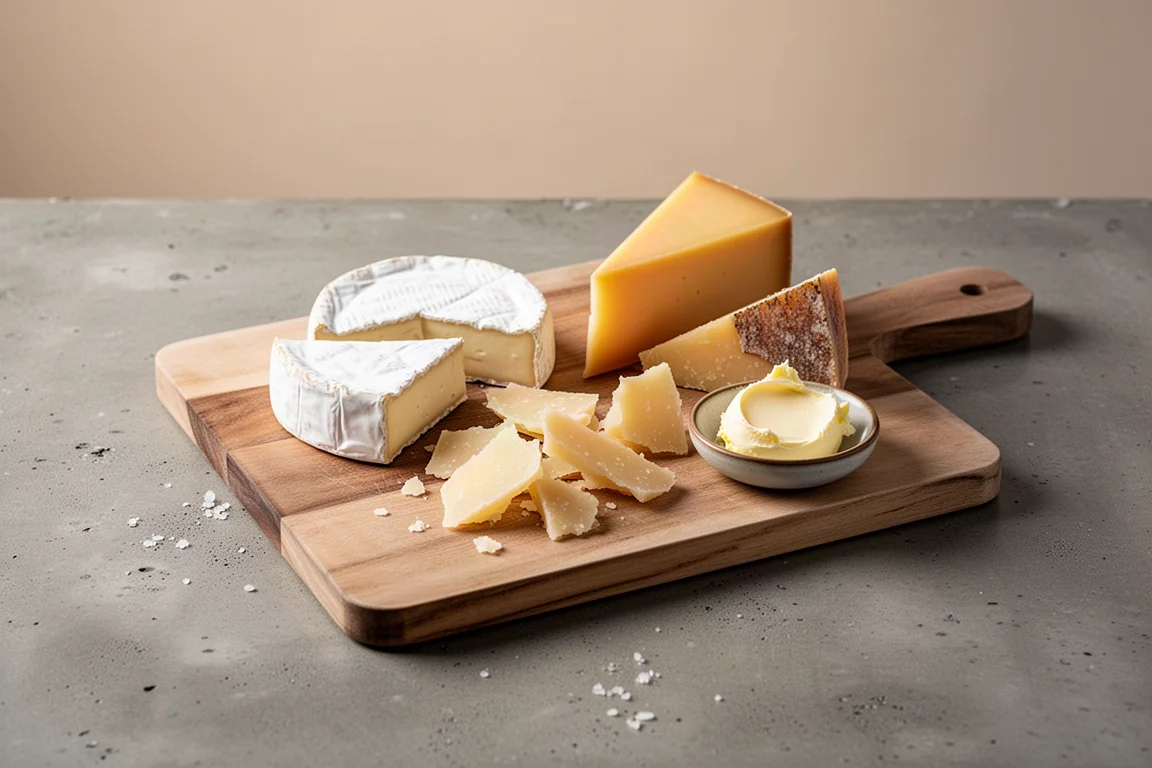
That is a refreshingly small arsenal. Most people do not need a drawer full of specialty blades, just the right one or two matched to the cheeses they actually eat.
Conclusion
For soft cheese, skip the knife and use a wire. For medium and firm cheese, the Harayuki petty knife is a capable, elegant choice with surprising versatility. For hard aged wheels, the Suzuki sickle is the unexpected standout, and the MoriNoki cheese knife earns its place if you want one premium blade dedicated to the board. Match the tool to the texture and every cut gets cleaner.
Further reading
Related Reviews

Kitchen Knives
Best Chef's Knives 2026: 27 Popular Options Tested and Ranked
A comprehensive review of 27 chef's knives ranging from $18 to $380, with honest assessments of handle comfort, blade balance, and real-world performance.

Kitchen Knives
Best Chef's Knives Under $75: Two Tested Recommendations
Two practical 8-inch chef's knives that balance sharpness, comfort, and durability without premium pricing.

Kitchen Knives
Best Chef's Knives 2026: 27 Options Tested and Ranked
A comprehensive review of 27 chef's knives ranging from $18 to $380, with honest assessments of handle design, balance, blade profile, and real-world performance.