Kitchen Knives
Four Japanese Kitchen Knives Worth a Second Look This Season
A restock roundup featuring Mazaki Kurochi, Shiro Kamo Aogami Super Nakiri, Shiro Kamo Black Damascus Gyuto, and Makoto Kurosaki Style K knives.
Introduction
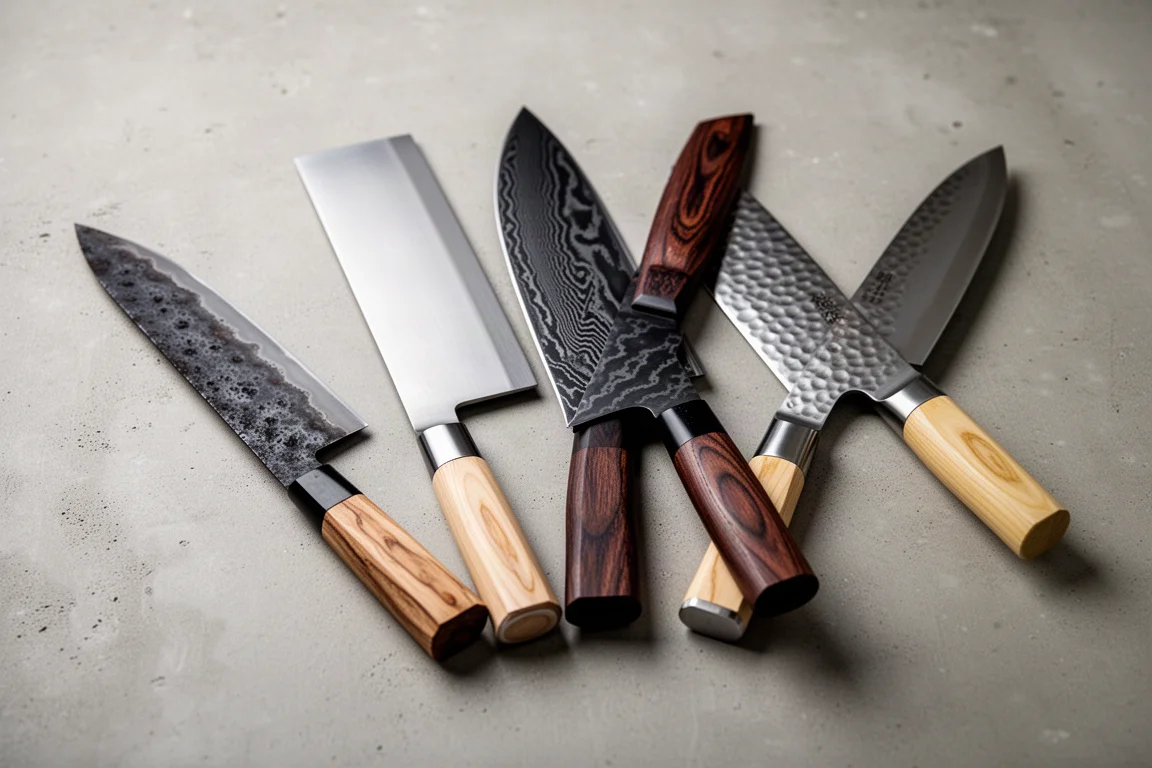
Every so often a restock shipment lands that reminds you why handmade Japanese knives are worth the wait. This batch brings back four lines that have been difficult to keep in stock, spanning carbon steel kurouchi work, a beloved vegetable knife, a striking damascus gyuto, and a polished stainless performer. Each one earns its place for a different reason, and each suits a slightly different kind of cook.
Mazaki Kurochi Series
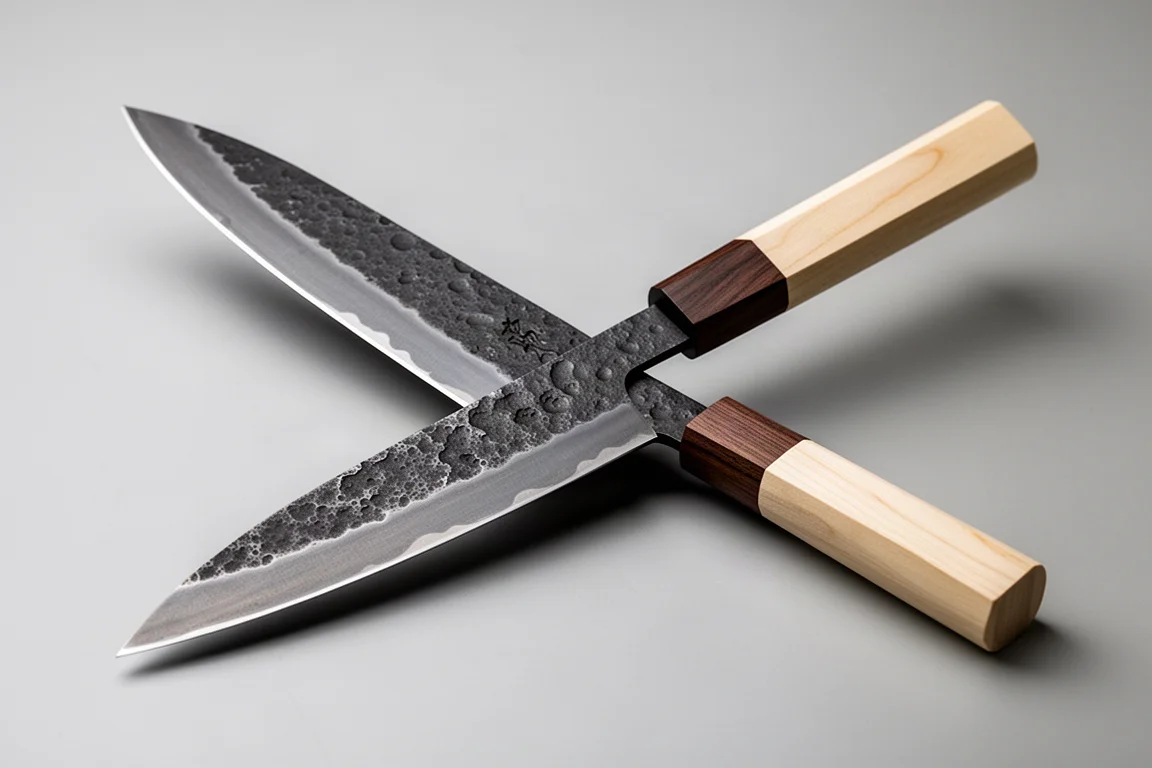
Mazaki-san works in the Sanjo region of Japan, and his knives vary from batch to batch because every one is hand forge welded. This Kurochi series is ironclad over Shirogami number two steel, with a Rockwell hardness of around 64 to 65. This batch returns to a chunkier spine, and the handles are magnolia with walnut: large and chunky, fitting comfortably into the hand.
The edge geometry is the standout here. These knives get extremely thin behind the edge while staying thick at the spine, a combination the shop describes as commanding: you feel in control when using them. They are hand polished on natural stones and come very sharp out of the box, though a quick micro bevel touchup on a higher grit stone can take them even further. Note that as a hand forged product, lengths vary from knife to knife, so it is worth checking exact specs before buying.
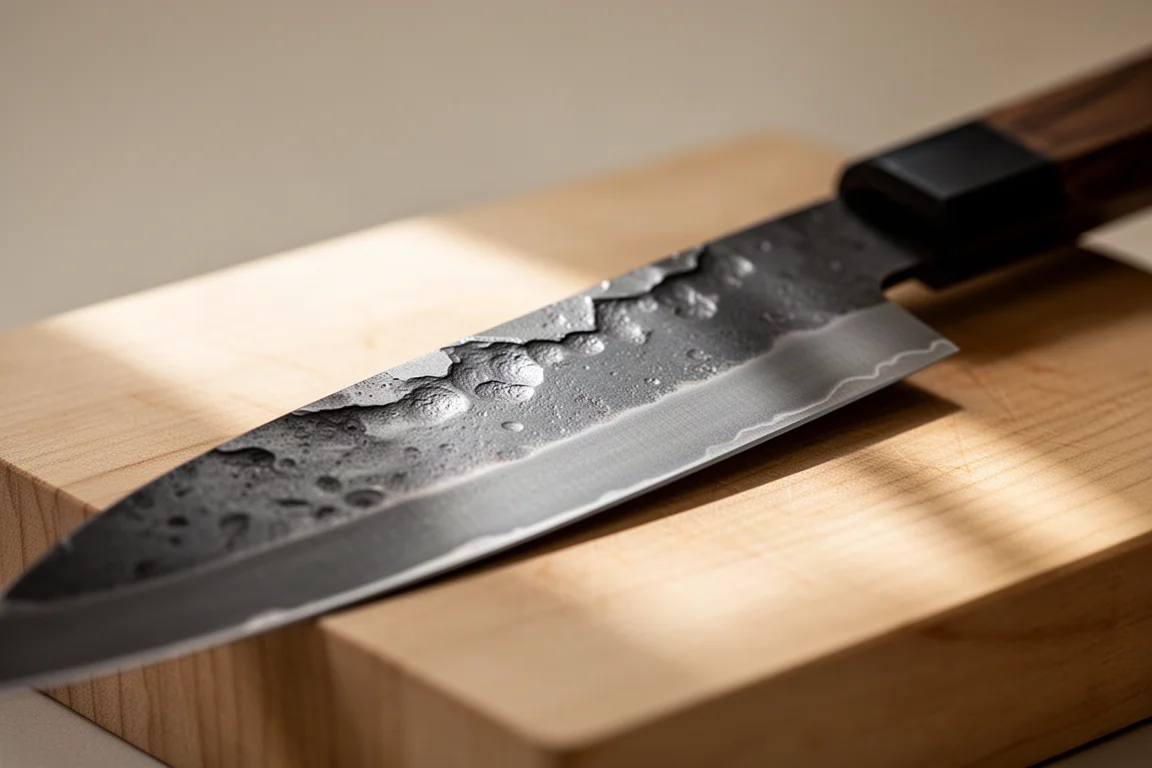
The lineup covers a wide range, from 90mm petty knives through 120mm, 150mm, and a personal favorite 180mm, up to a 270mm sujihiki, with 210mm and 240mm gyutos and 165mm and 180mm bunkas and nakiris in between. The 180mm bunka is the pick for anyone drawn to that style.
Shiro Kamo Aogami Super Nakiri
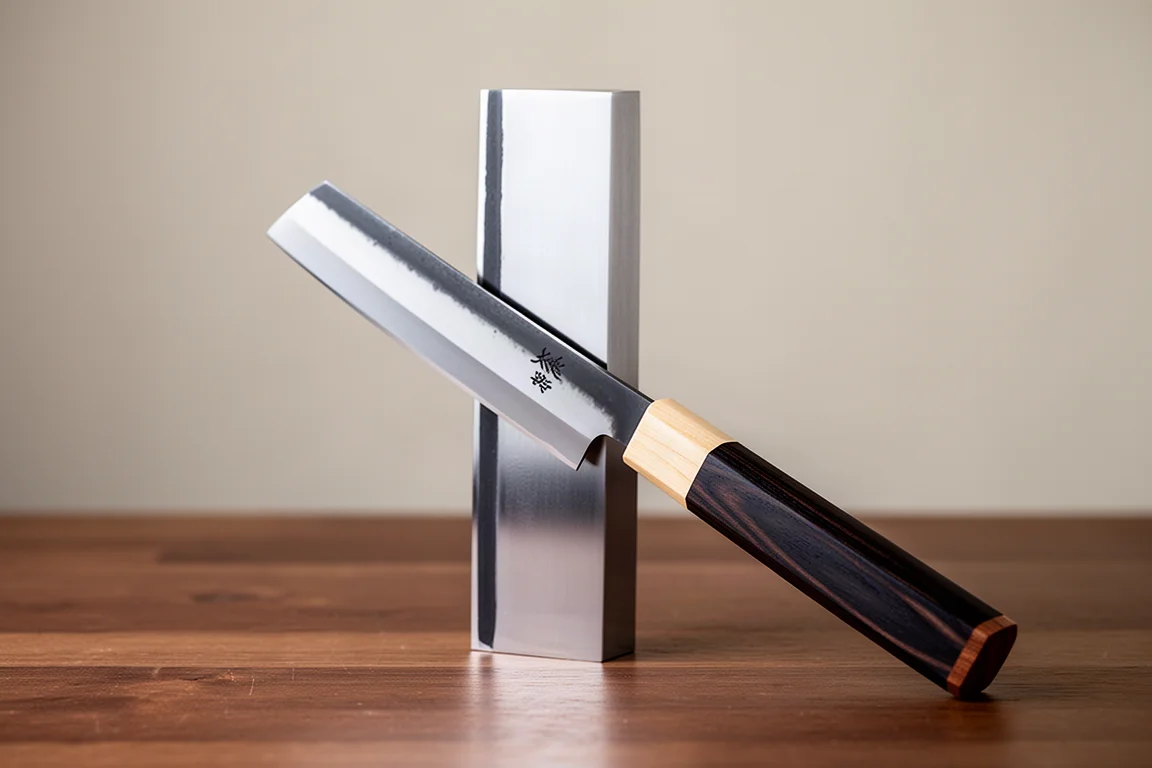
Shiro Kamo is another favorite blacksmith, and his nakiri has earned a reputation as the shop’s most popular vegetable knife. The blade is made from Aogami Super, a favorite carbon steel, with stainless cladding, and the handle combines ebony with a maple spacer and walnut.
These are thin at the spine, thin behind the edge, and nicely tall, which is exactly what you want in a nakiri: they simply fly through vegetables. The blades do not arrive with the best edges, so they are sharpened before shipping, meaning you receive a genuinely sharp knife ready to use.
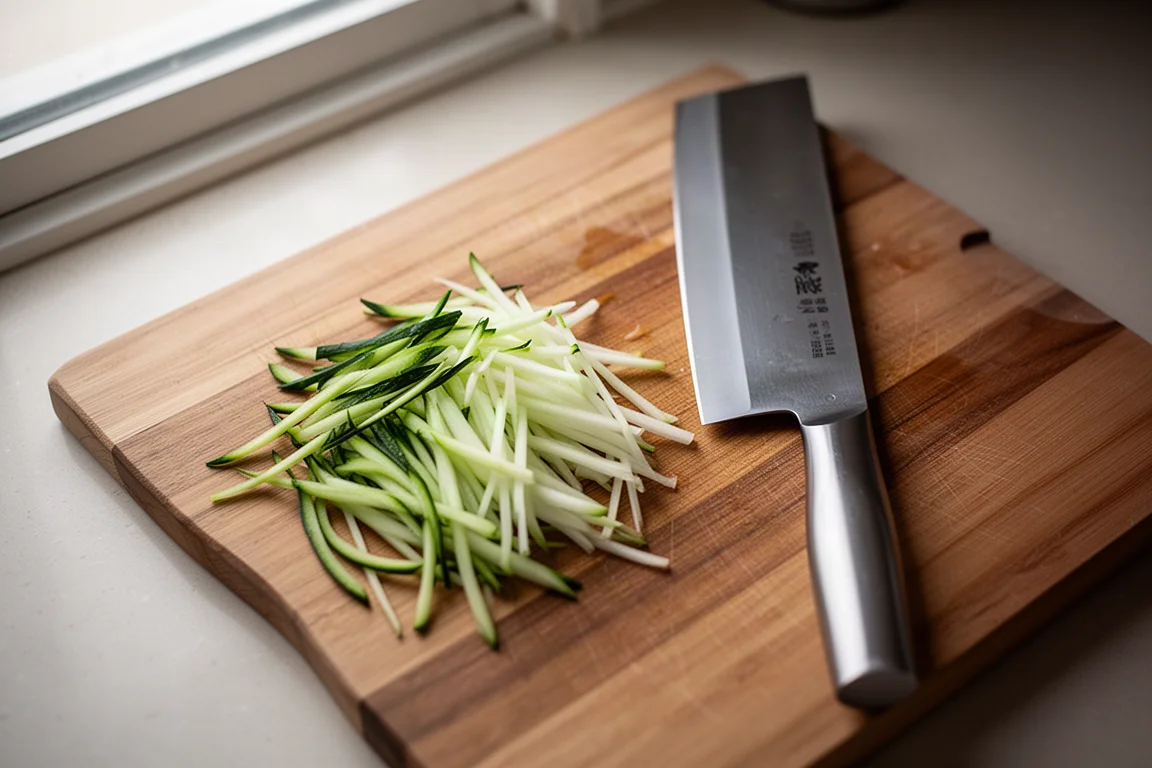
For anyone doing serious vegetable prep, this is one of the most reliable choices in the nakiri category.
Shiro Kamo Black Damascus Gyuto
Another very popular knife from Shiro Kamo is his Black Damascus gyuto, made from R2 stainless steel. R2 is appreciated for how nicely it sharpens and how long it holds its edge, which makes it a strong stainless option for daily work.
One practical caution: although these are listed as stainless steel, the black damascus finish can develop rust a little more easily than a typical stainless knife, so a bit more care in drying and storage is sensible. The handles on this batch are maple with an ebony spacer and bloodwood, a louder pairing that suits the busy damascus blade surprisingly well.
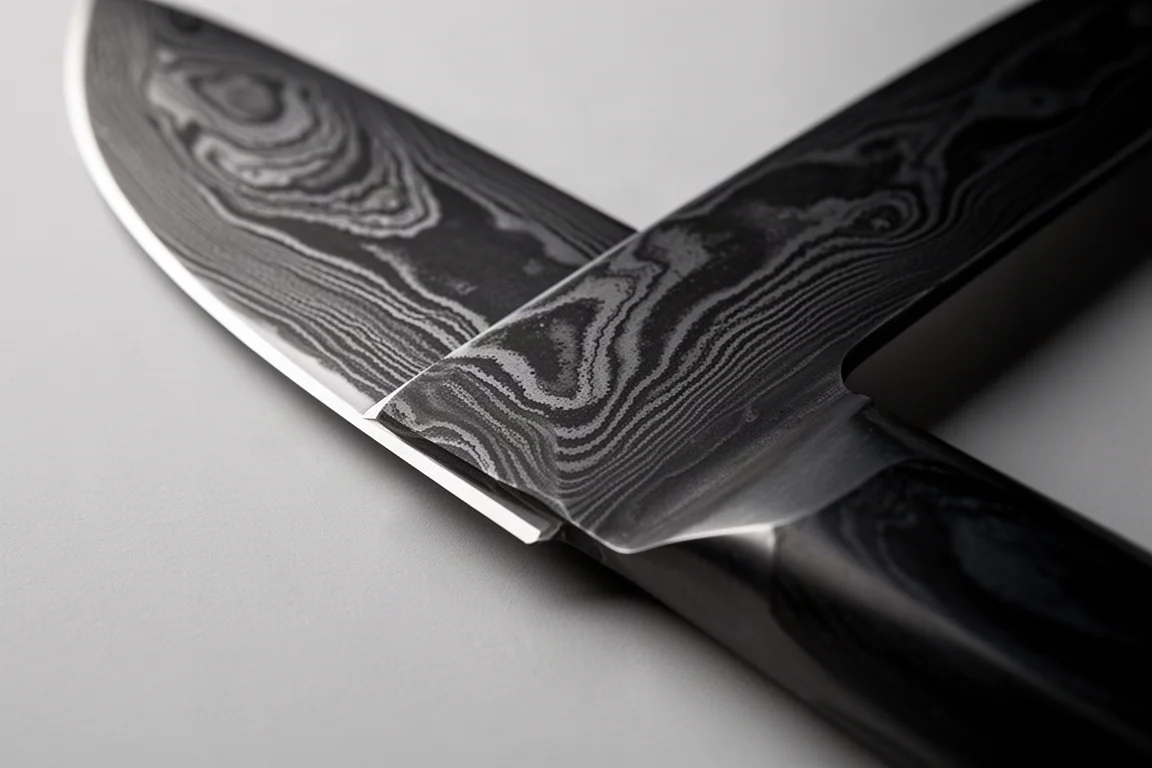
If you want visual drama alongside solid performance, this gyuto delivers both.
Makoto Kurosaki Style K
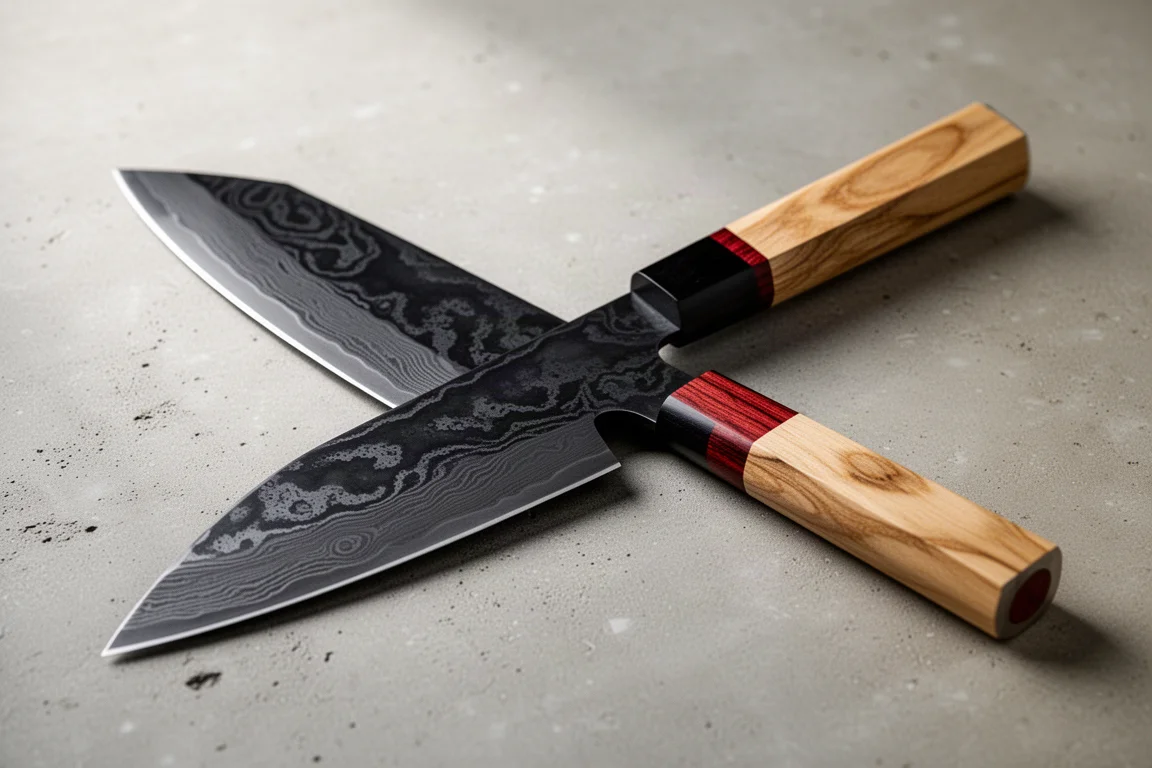
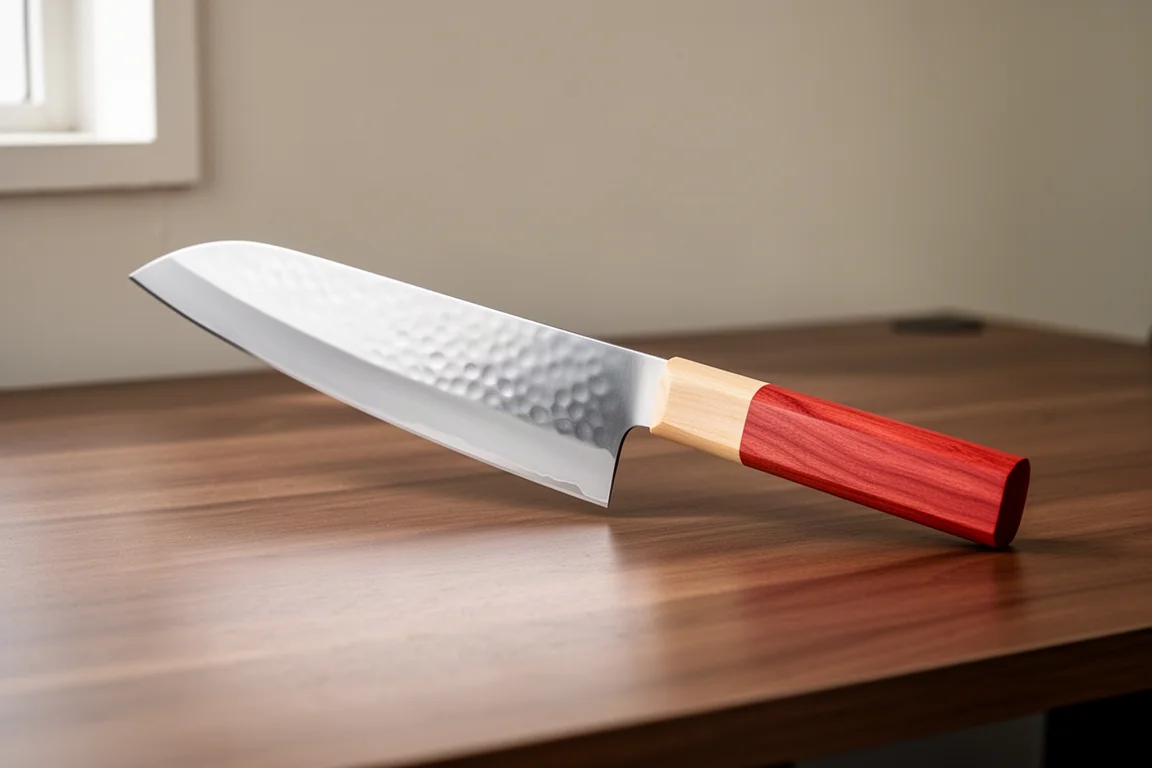
Rounding out the restock is the 170mm bunka and 210mm gyuto from Makoto Kurosaki’s Style K line, featuring a beautiful hand hammered tsuchime finish, R2 stainless steel, and blonde pakka wood with cherry handles.
These knives hit a sweet spot for people who like thin, light knives: thin at the spine and thin behind the edge, but light without feeling fragile. There is no sense that the blade cannot handle normal kitchen work. They are very sharp out of the box, reflecting Makoto Kurosaki’s skill as a sharpener, and they perform at a high level.
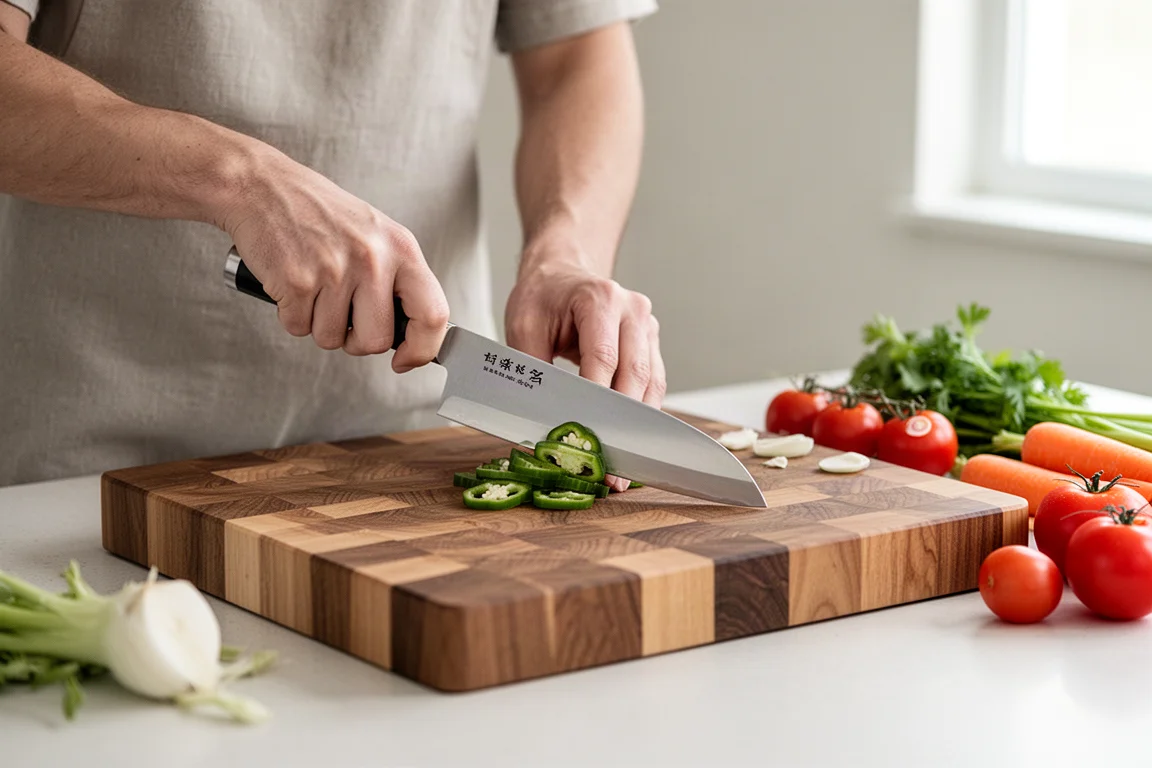
They are not cheap, but they are also not going to break the bank the way some handmade Japanese knives can, which makes them an approachable entry into this tier.
Which One Should You Choose
If you love carbon steel and a commanding, hand forged feel, the Mazaki Kurochi series is the most characterful of the bunch. For dedicated vegetable work, the Shiro Kamo Aogami Super nakiri is hard to beat. The Black Damascus gyuto suits cooks who want a stainless daily driver with real visual presence, while the Style K line offers a lighter, more affordable path into high-performance Japanese steel. Handmade batches vary, so always check exact measurements before committing.
Conclusion
This restock covers a genuinely useful spread: carbon and stainless, bunka and nakiri, bold damascus and quiet kurouchi. Match the knife to how you actually cook, and any of these four will serve you well for years.
Further reading
Related Reviews

Kitchen Knives
Best Chef's Knives 2026: 27 Popular Options Tested and Ranked
A comprehensive review of 27 chef's knives ranging from $18 to $380, with honest assessments of handle comfort, blade balance, and real-world performance.

Kitchen Knives
Best Chef's Knives Under $75: Two Tested Recommendations
Two practical 8-inch chef's knives that balance sharpness, comfort, and durability without premium pricing.

Kitchen Knives
Best Chef's Knives 2026: 27 Options Tested and Ranked
A comprehensive review of 27 chef's knives ranging from $18 to $380, with honest assessments of handle design, balance, blade profile, and real-world performance.