Kitchen Knives
Japanese Kitchen Knives Worth a Look This Season: A Restock and New Arrivals Roundup
From Takeshi Saji's rainbow Damascus line to hand-forged Takeda Hamono gyutos, a look at the Japanese knives newly available and what makes each one worth considering.
Introduction
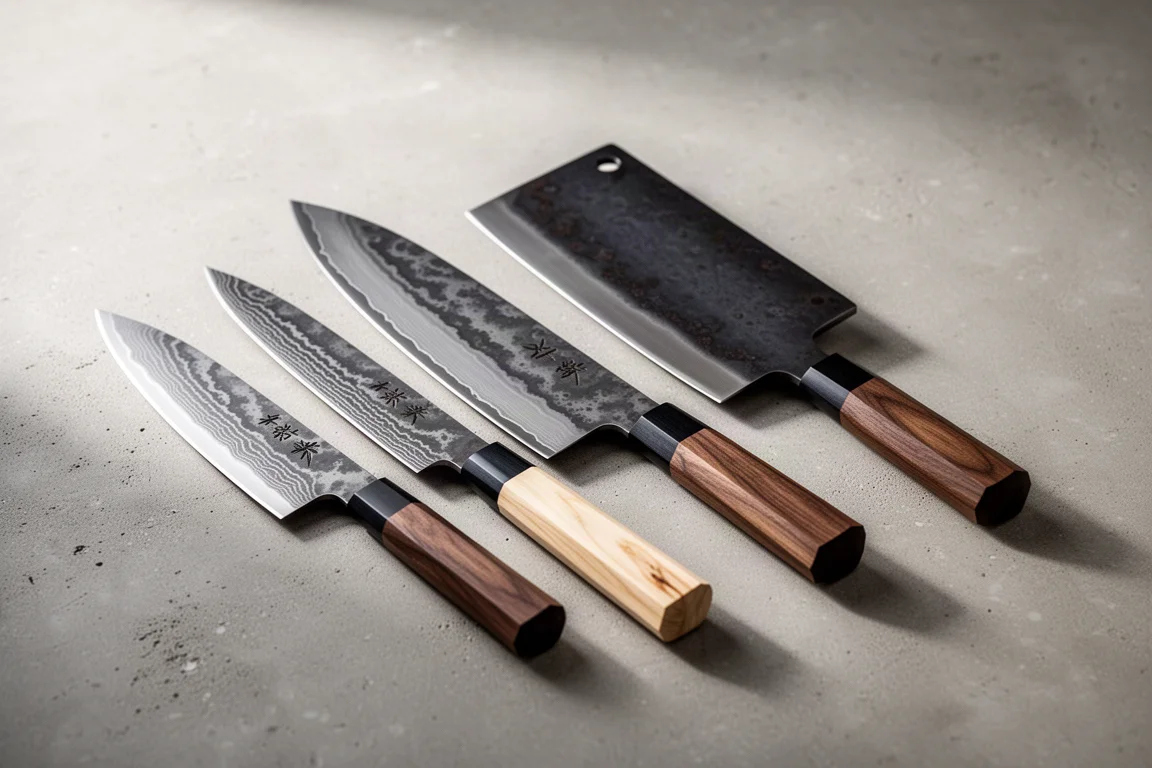
A fresh wave of Japanese knives has landed, spanning everything from affordable gift-worthy santokus to rare hand-forged pieces that have never been available before. This roundup covers restocks and new arrivals across a wide range of budgets and steel types, with a few genuinely special finds at the end.
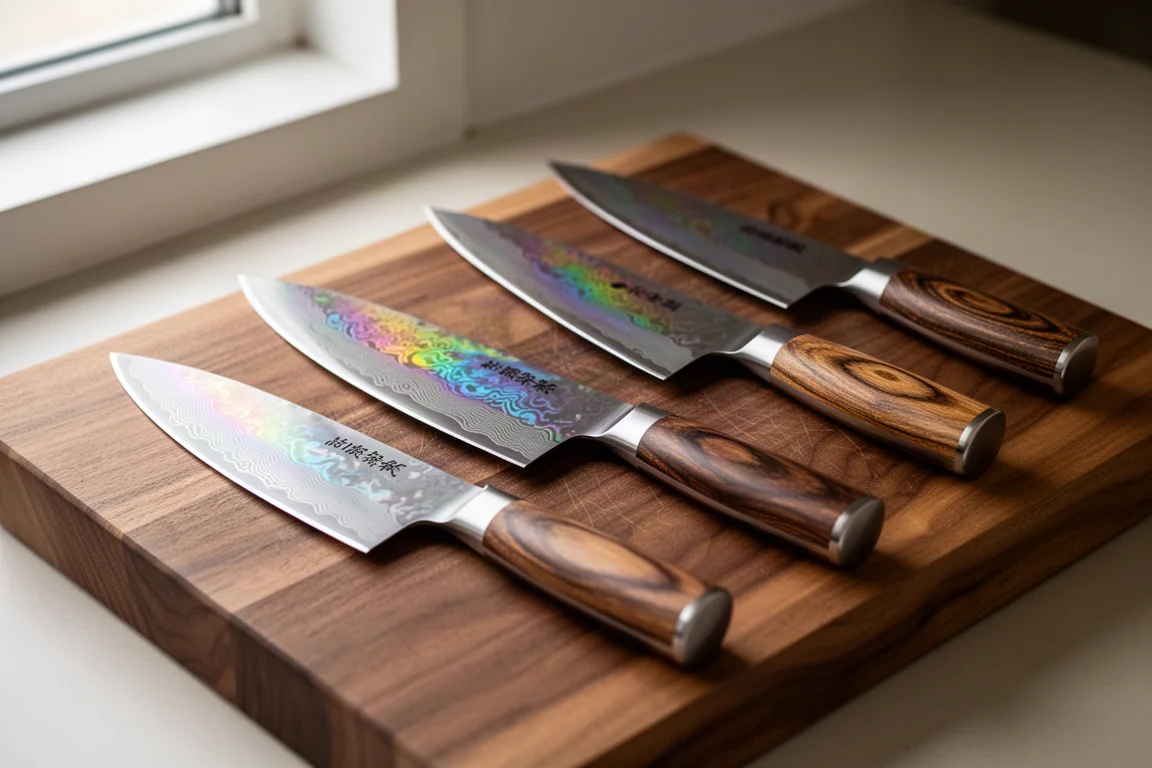
Takeshi Saji Rainbow Damascus VG10
The rainbow Damascus VG10 line is back, and this batch stands out for its fit and finish. The western quince handles feel smooth with no rough edges, and the figuring on the wood is particularly striking this time around. The line covers a petty, santoku, bunka, nakiri, and gyutos in 210mm and 240mm.
These are not just showpieces. They perform surprisingly well in use, so if you want a high-performing knife that also turns heads, this line fits the bill. A combo deal is expected around Black Friday and Christmas.
Matsubara Hamono SG2 Gyuto 210 Damascus
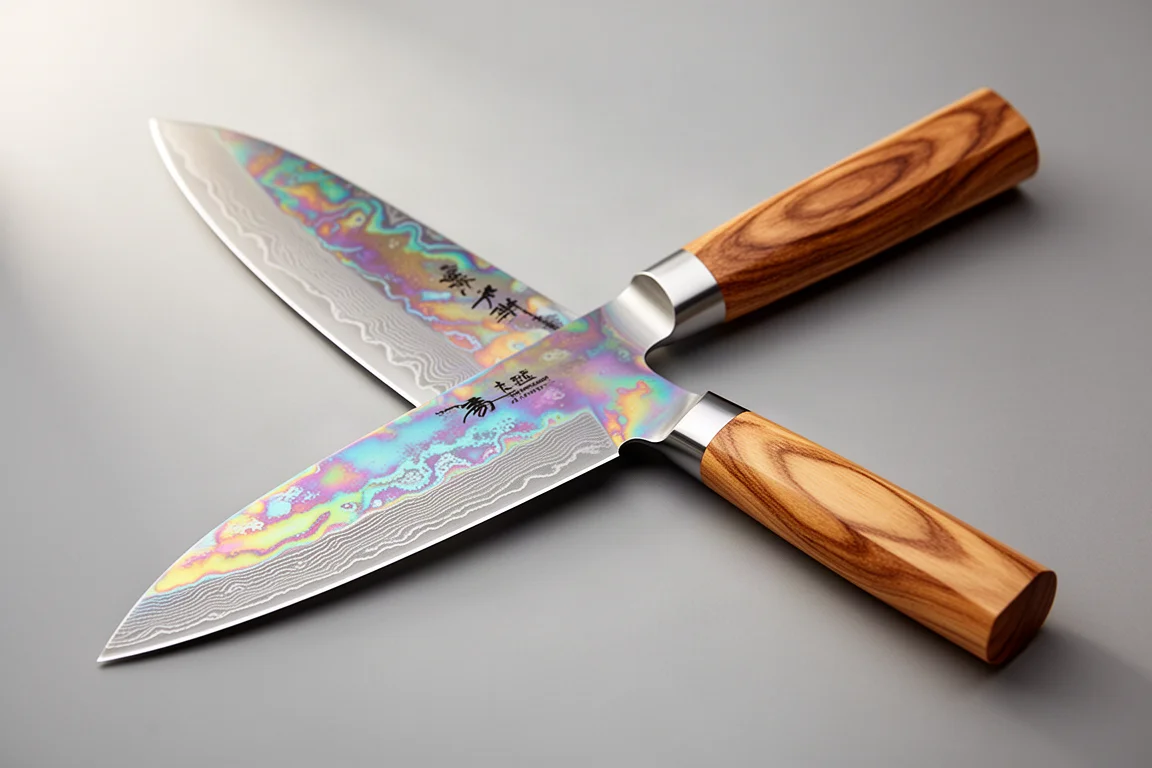
The SG2 Gyuto 210 with Damascus finish and oak handle brings the blade geometry Matsubara is known for: a nice tall profile, very sharp out of the box, and a balance point right where you want it. It feels excellent in the hand and is an easy recommendation for anyone after a capable mid-length gyuto.
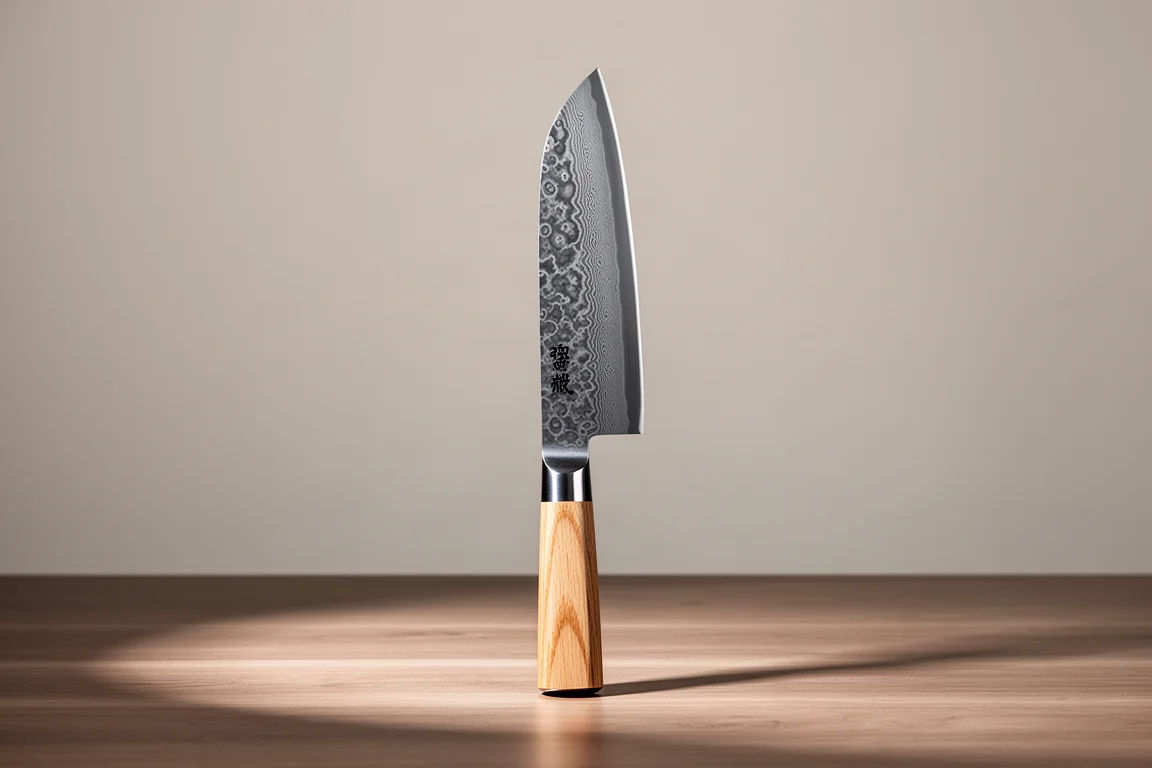
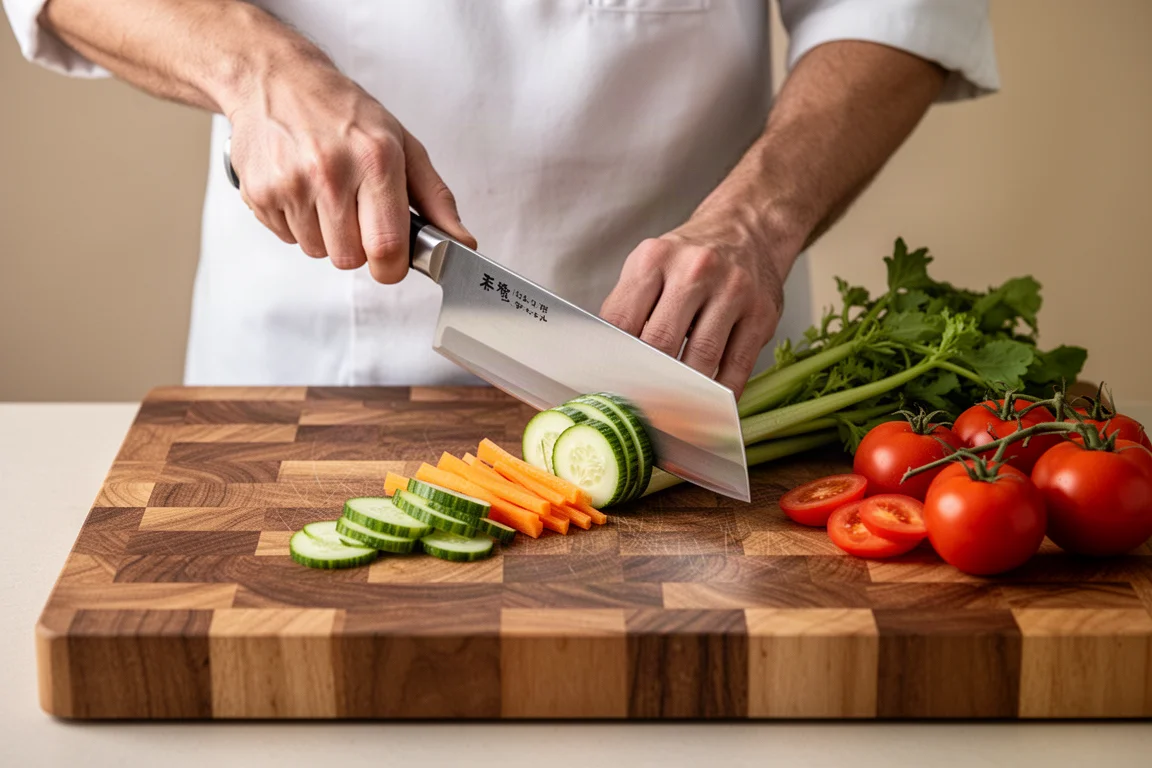
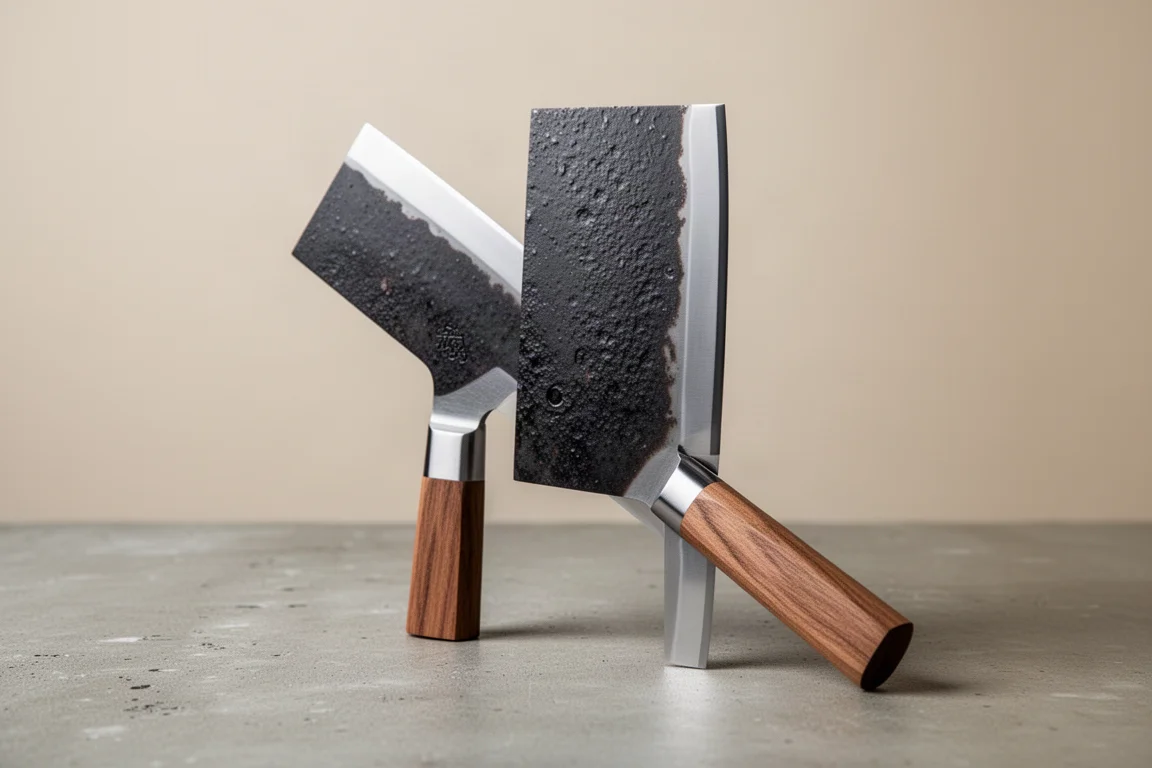
Matsubara Hamono Shirogami Stainless Clad Kurouchi Nakiri
Kurouchi pieces from this maker have become harder to find, so this nakiri restock is welcome news. It shares the same tall blade and great balance, with the balance point sitting pleasingly far forward. Expect more Kurouchi stock in the future if this first batch goes well.
R2 Santoku Okaku Kai Series
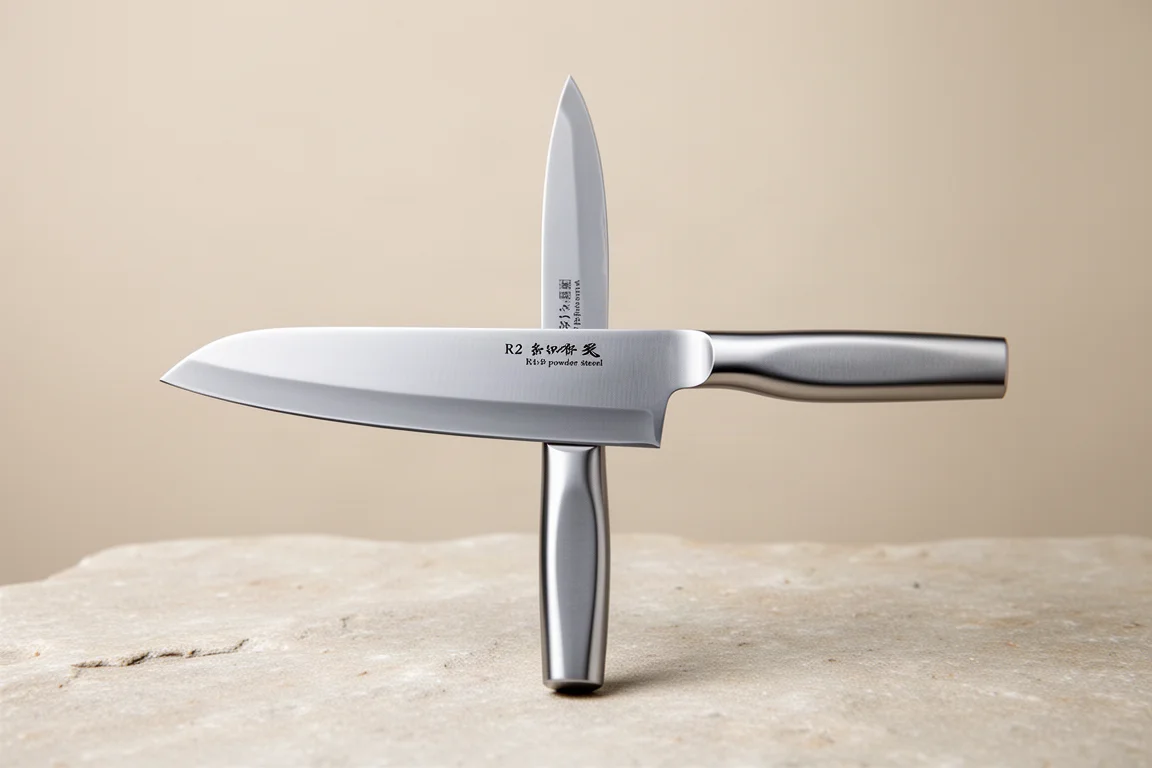
The full line of the R2 Santoku Okaku Kai series is in stock, covering petty, bunka, nakiri, and two gyutos. If you are building out a knife set with a consistent look and steel type, having the entire line available at once makes that straightforward.
Masamoto KS Series Gyuto
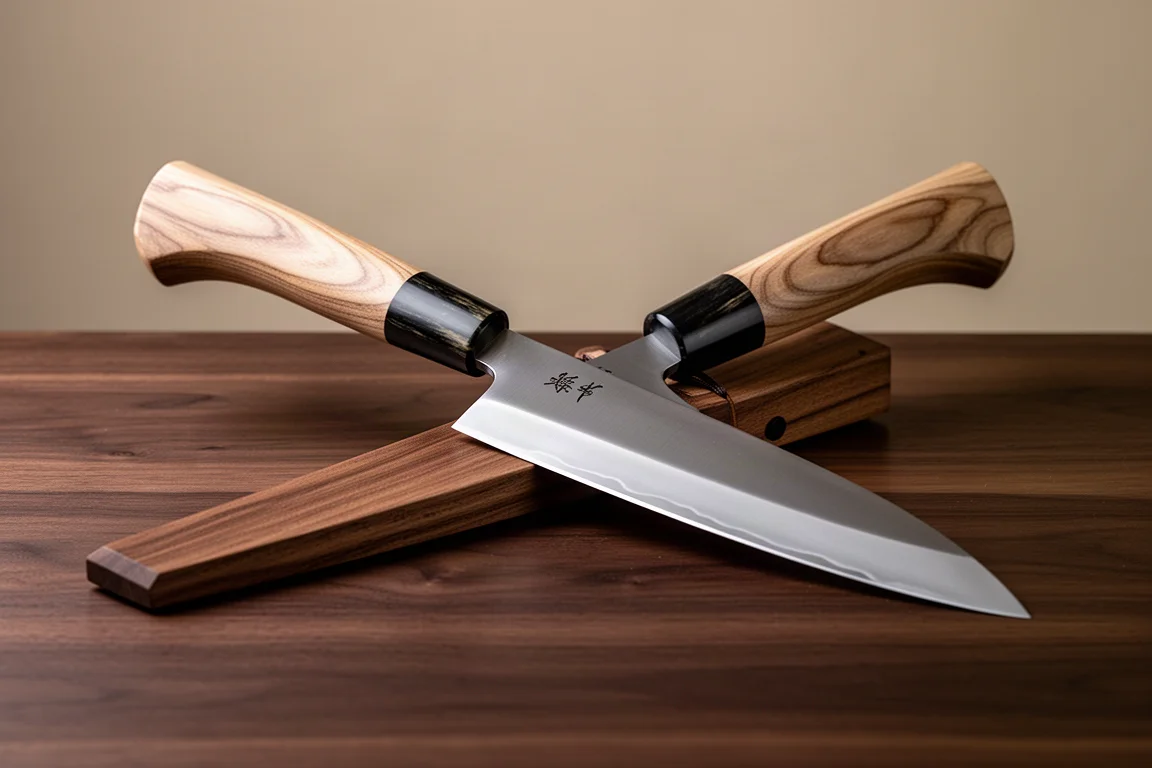
A staple in the Japanese knife world for decades, the Masamoto KS series returns with the 210mm and 240mm gyutos in both kiritsuke and regular profiles, each including a saya in the price. Magnolia wood D-shaped handles, buffalo horn ferrules, and nicely sanded choils and spines round out a genuinely high-performing, classic package.
Hatsukokoro VG10 Damascus Santoku
This is the practical pick of the list. Priced affordably and restocked heavily toward Christmas, the VG10 Damascus santoku makes a great gift for someone who has never owned a Japanese knife. It feels sturdy in the hand and cuts well without being delicate or chippy.
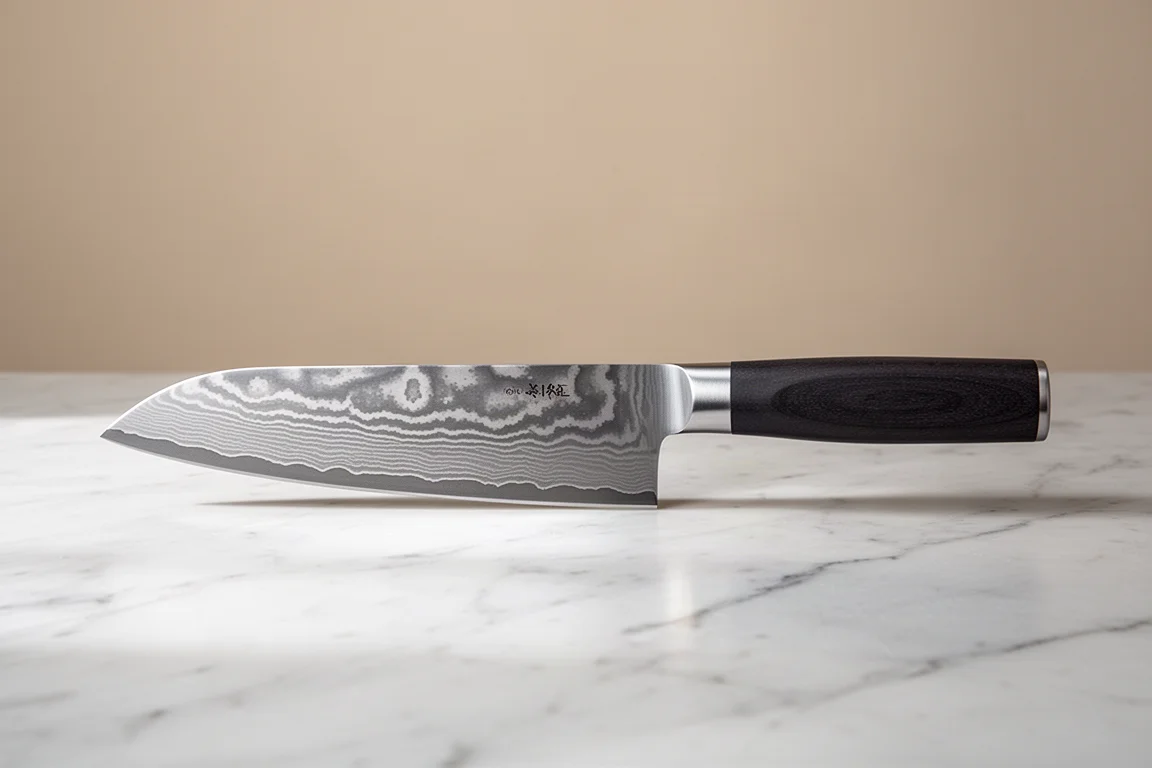
Hatsukokoro Kaijin Aogami #2 Kiritsuke Gyuto
The Kaijin Aogami #2 stainless clad kiritsuke-style gyuto with a stabilized birch handle is a different animal: super thin, very reactive, and a touch delicate. For experienced users, though, it flies through onions and handles dense ingredients with ease thanks to that thin geometry. A better second Japanese knife than a first one.
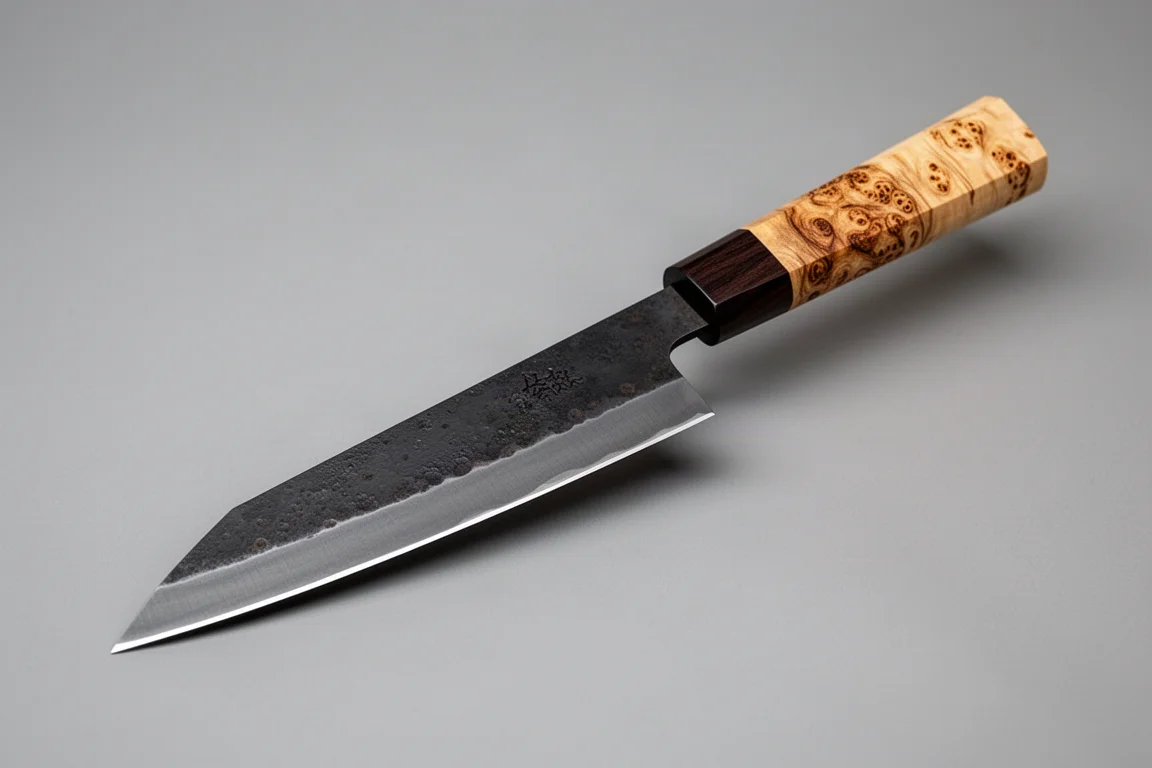
Shiro Kamo 210 Aogami Super Kurouchi
This one ticks a lot of boxes. Aogami Super with a kurouchi stainless clad finish, an octagonal walnut handle with ebony ferrule and maple spacer, a balance point far forward, and a thin blade behind the edge. The knives measure around 215mm tip to heel, which is why they are listed that way despite being sold as 210s. They feel sturdy and cut beautifully.
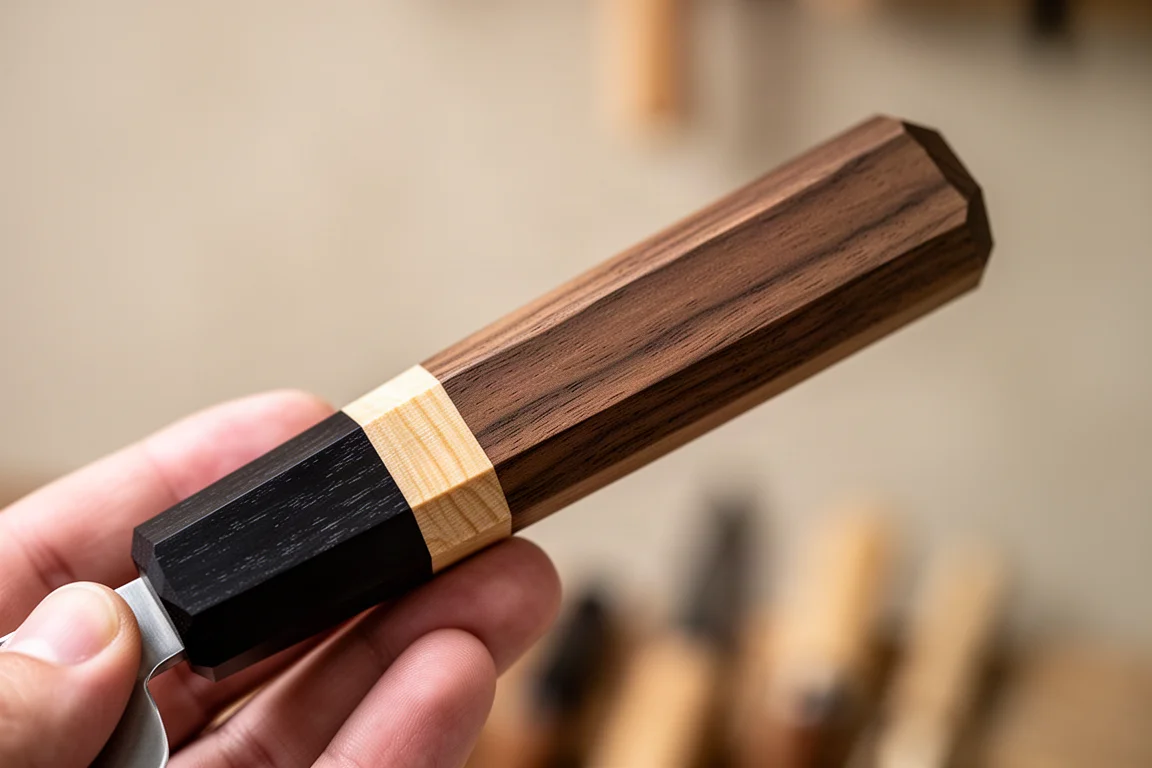
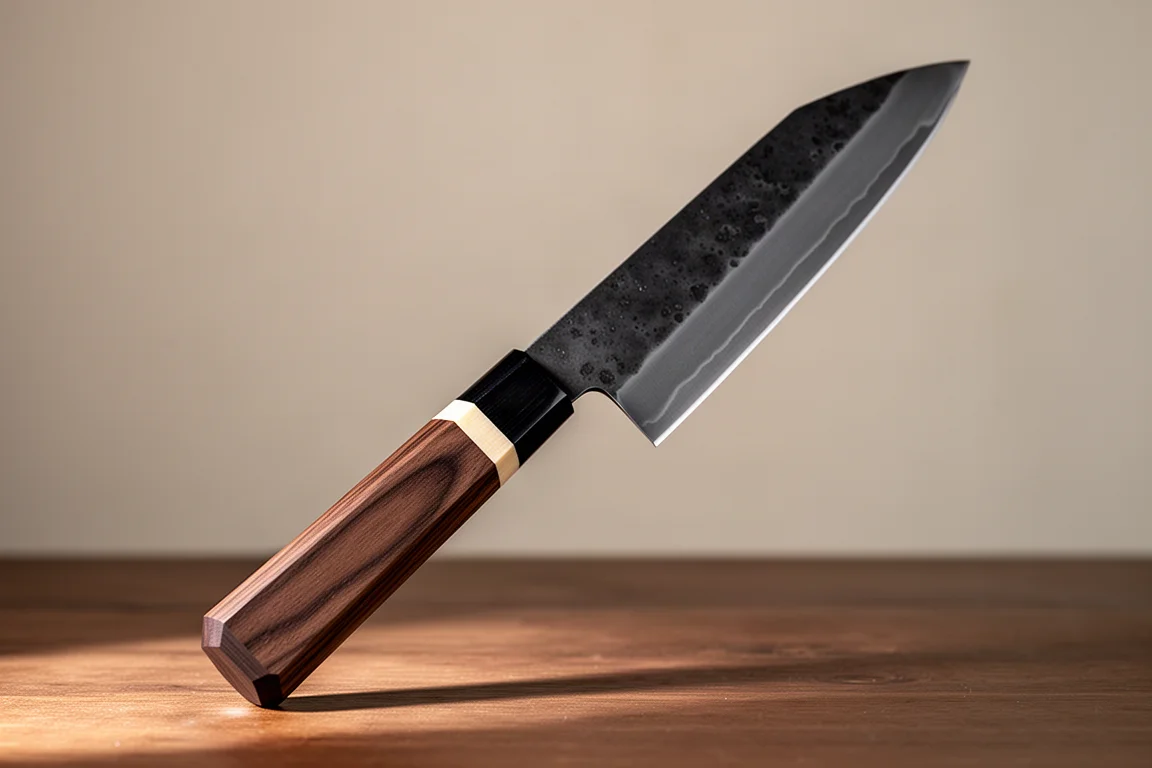
Hideo Kitaoka Kiritsuke Shirogami Damascus
These traditional kiritsuke knives from Hideo Kitaoka, who also works out of the Takefu Knife Village, are genuinely gorgeous. Single bevel, Damascus, shirogami steel, and a rosewood D-shaped handle. Note that they are right-handed only. The small machi gap near the handle is a design feature carried over from sword making, where the notch helped a blade sit properly in its scabbard, not a flaw.
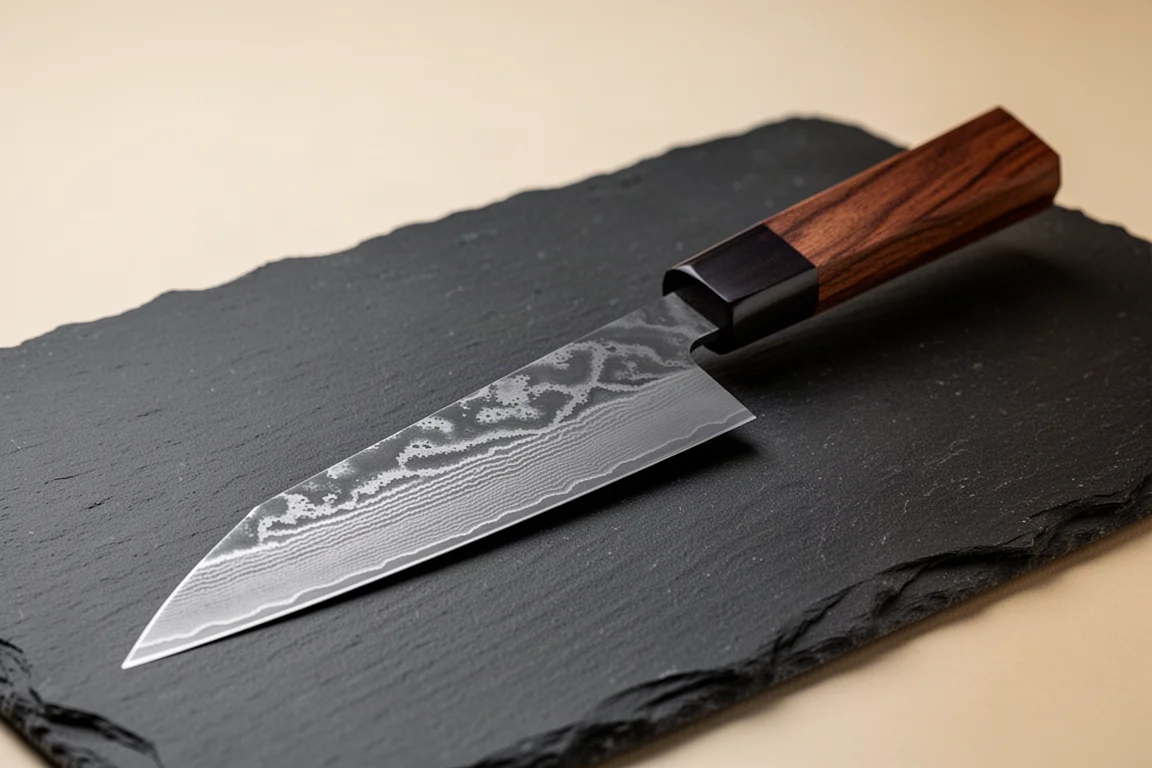
Fujiwara Teruyasu Denka 240mm Gyuto
The Fujiwara Denka 240mm gyuto in kurouchi finish has an Aogami Super stainless clad blade and an octagonal magnolia handle with buffalo horn ferrule and a small finger notch, which is also intentional. The balance point sits far forward. Heat treat and out-of-the-box edges are consistently excellent, and this batch is thinner behind the edge than some past batches, with very good handle fit. These tend to sell out quickly.
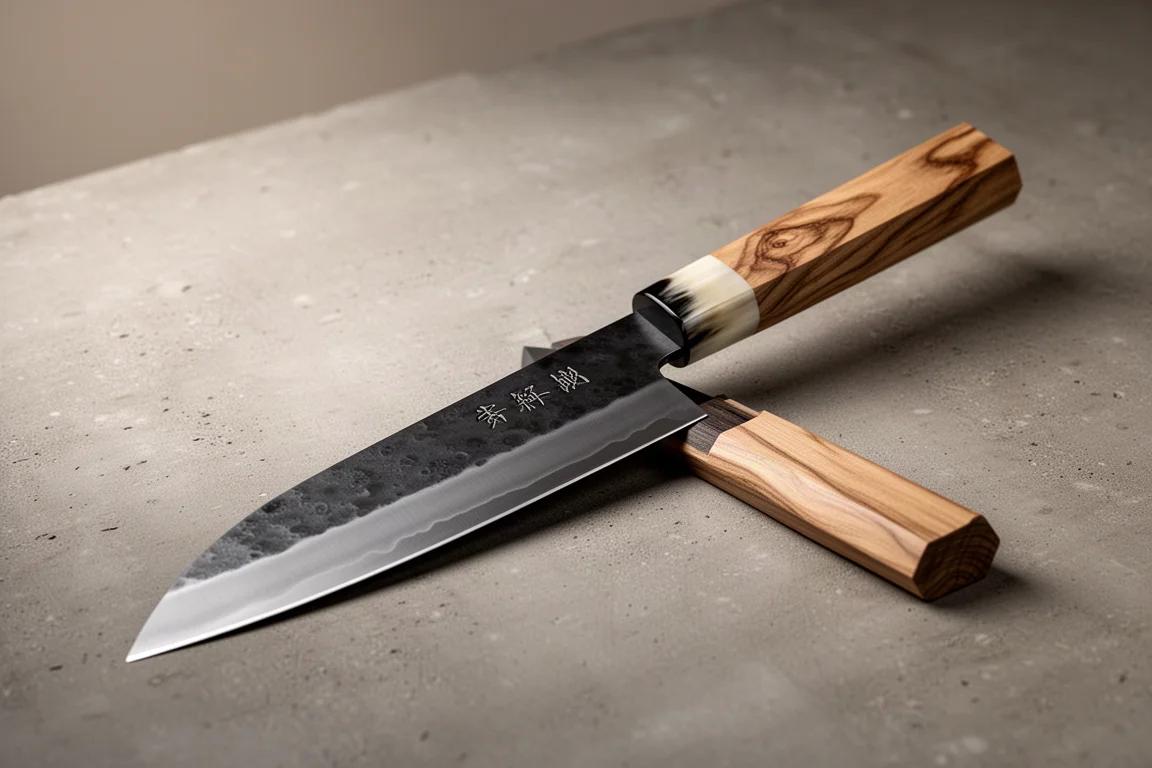
Takeda Hamono Sasanoha Gyuto
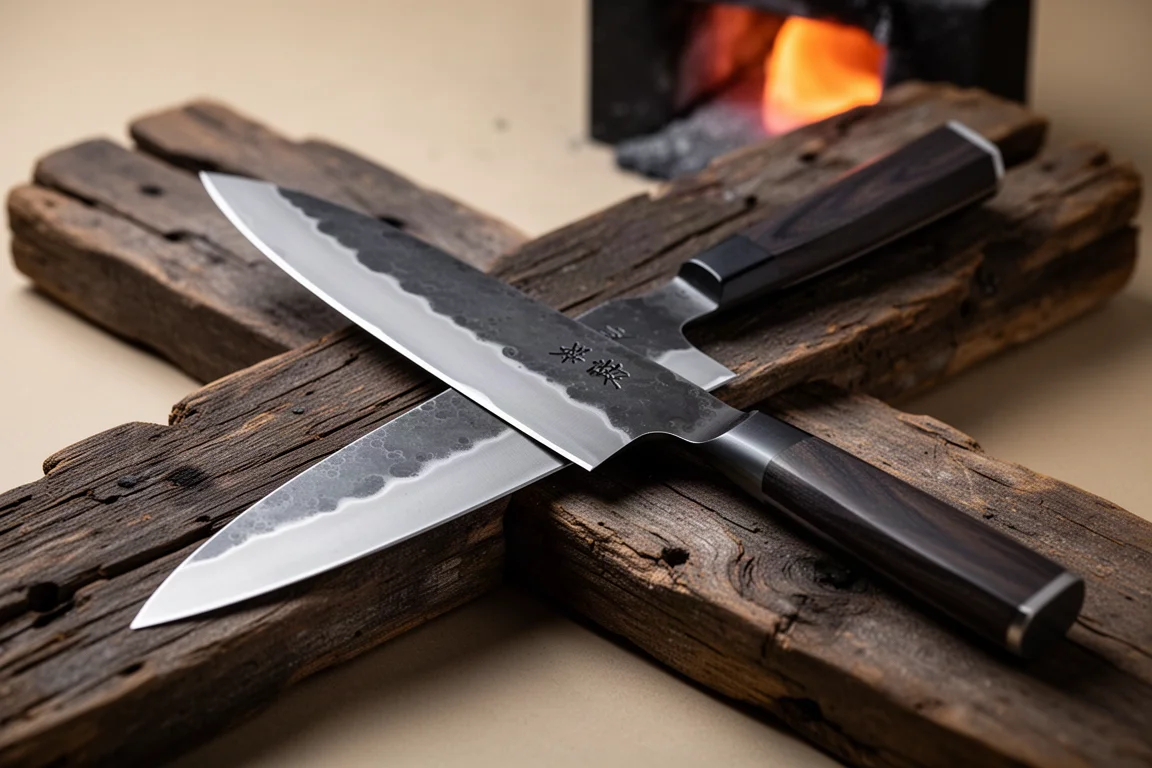
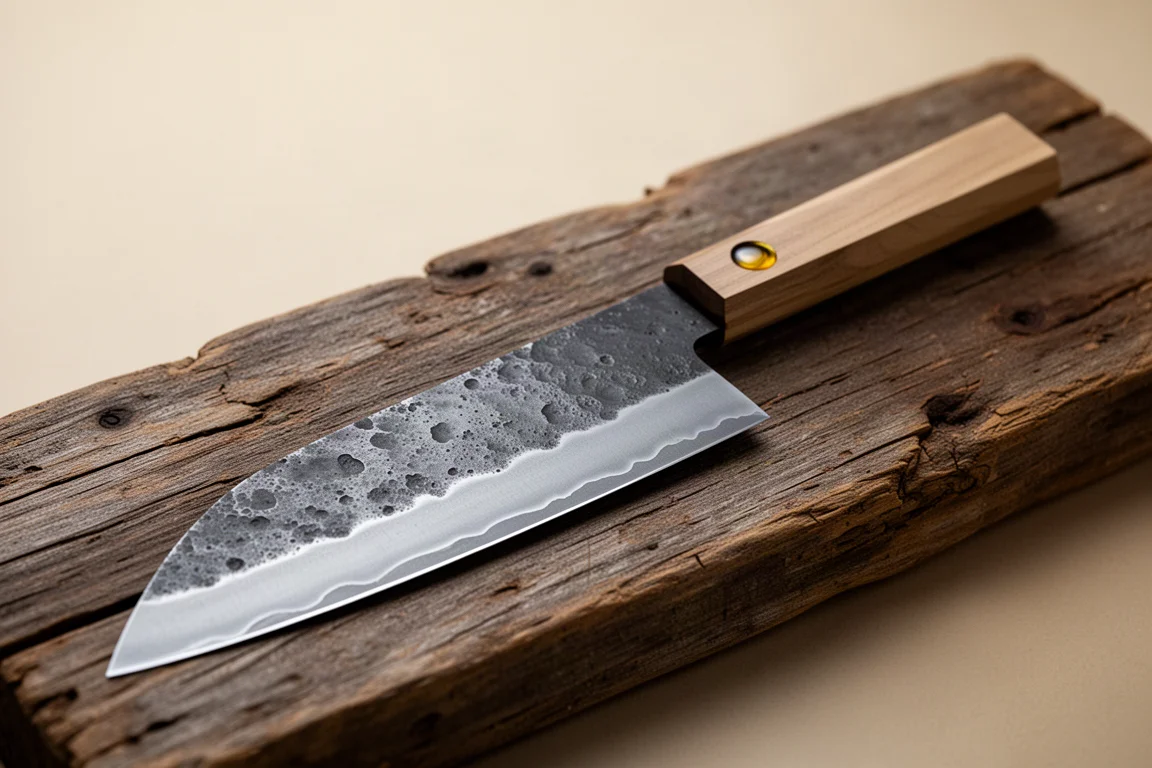
The biggest story in this roundup. Takeda Hamono knives have never been available through this shop before, and only a very limited amount made it in after a visit to the Yasugi blade festival, held once a year in October. The lineup includes the Sasanoha in 210mm and 240mm, a super tall regular gyuto with blade height over 60mm, kiritsuke in medium and large, a kobunka, and a nakiri.
The signature S-grind should deliver outstanding food release. Known criticisms include slightly imperfect grinds and an epoxy blob on the blade near the handle, which is deliberate: it seals the tang against moisture so the handle will not rot from the inside. For hand-forged, very thin knives, they are impressively straight and the blade geometry is excellent.
Overall Buying Advice
If you are buying your first Japanese knife or shopping for a gift, start with the Hatsukokoro VG10 Damascus santoku or the R2 Kai series. For a step up in performance and handle quality, the Matsubara SG2 gyuto and Shiro Kamo 210 are strong all-rounders. Collectors and experienced users should look closely at the Fujiwara Denka, the Kitaoka kiritsuke, and above all the limited Takeda Hamono pieces, which may not appear again once gone.
Conclusion
This batch of arrivals covers the full spectrum, from friendly gift knives to rare hand-forged pieces with waiting lists of admirers. Match the knife to your skill level and cutting style, and any of these would be a satisfying addition to the block.
Further reading
Related Reviews

Kitchen Knives
Best Chef's Knives 2026: 27 Popular Options Tested and Ranked
A comprehensive review of 27 chef's knives ranging from $18 to $380, with honest assessments of handle comfort, blade balance, and real-world performance.

Kitchen Knives
Best Chef's Knives Under $75: Two Tested Recommendations
Two practical 8-inch chef's knives that balance sharpness, comfort, and durability without premium pricing.

Kitchen Knives
Best Chef's Knives 2026: 27 Options Tested and Ranked
A comprehensive review of 27 chef's knives ranging from $18 to $380, with honest assessments of handle design, balance, blade profile, and real-world performance.