Kitchen Gadgets
Five Italian Kitchen Gadgets Reviewed: From Pasta Testing to Cheese Wheel Cracking
We put five Italian kitchen gadgets to the test: a pasta tester, a garganelli and gnocchi paddle, a tagliatelle rolling pin, an Arancinotto, and Grana Padano knives.
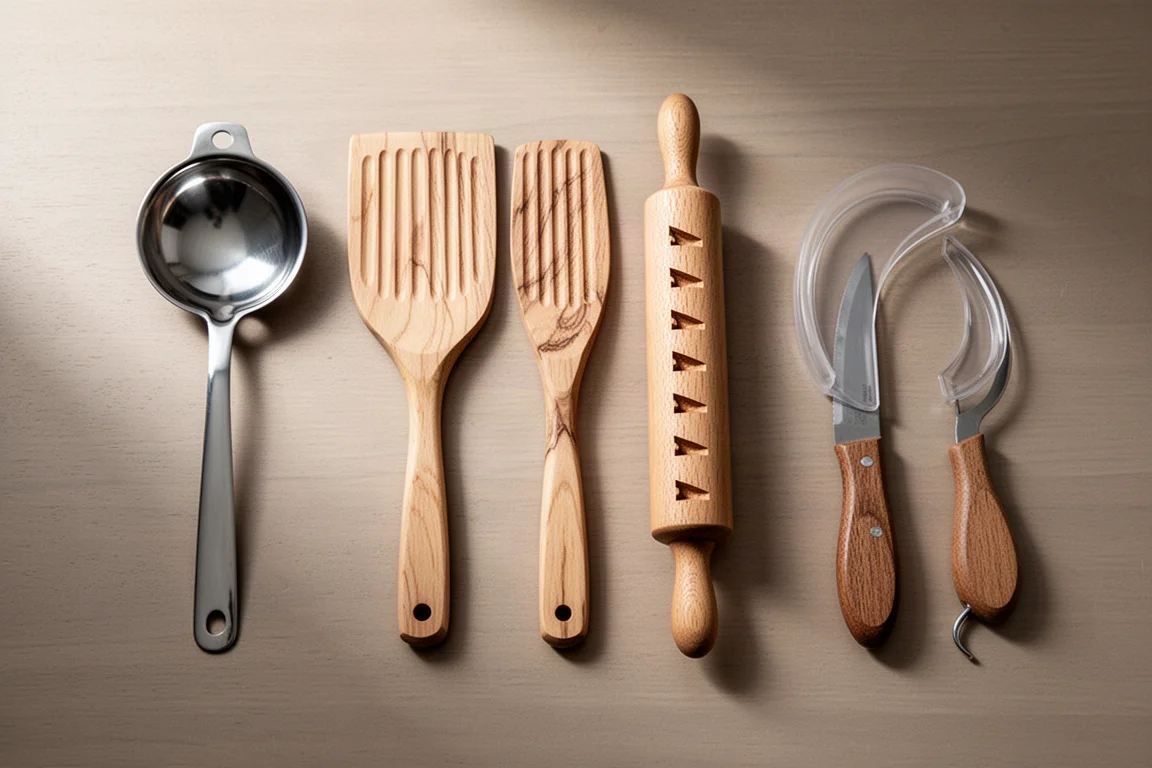
Introduction
Italian kitchens have a talent for making tools that feel as good as they work. We gathered five gadgets that cover the full arc of an Italian meal: testing the pasta, shaping it, cutting it, turning leftover risotto into arancini, and finally cracking open a wheel of aged Grana Padano. Some of these are cheap and cheerful wooden tools, others are niche single-purpose designs, and one is a serious piece of cheese ceremony equipment. Here is how each one performed.
Vabene Pasta Tester
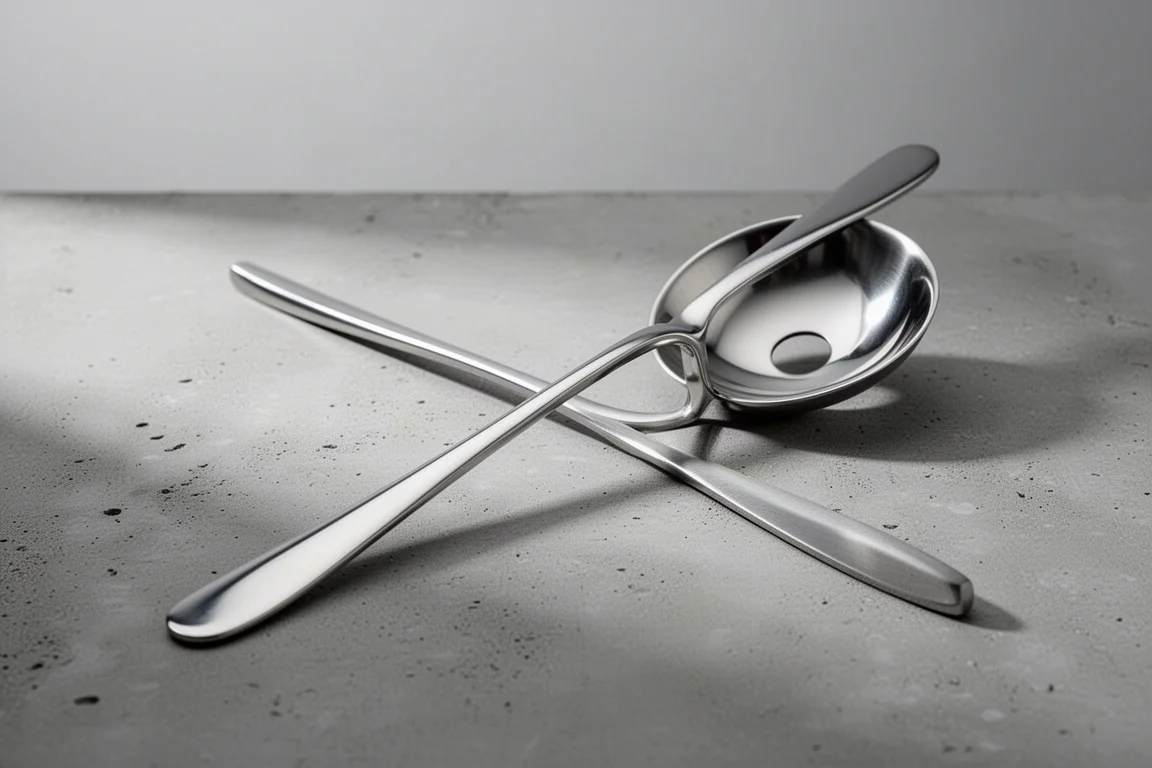
The Vabene Pasta Tester is a polished stainless steel spoon with a hole in the middle of the bowl and a long handle, designed for scooping out single pieces of pasta to test doneness. That hole matters more than it sounds: a regular spoon captures water along with the pasta, while this lets it drain away. The long stainless steel handle also means you can dip into the pot from a distance without risking a burn.
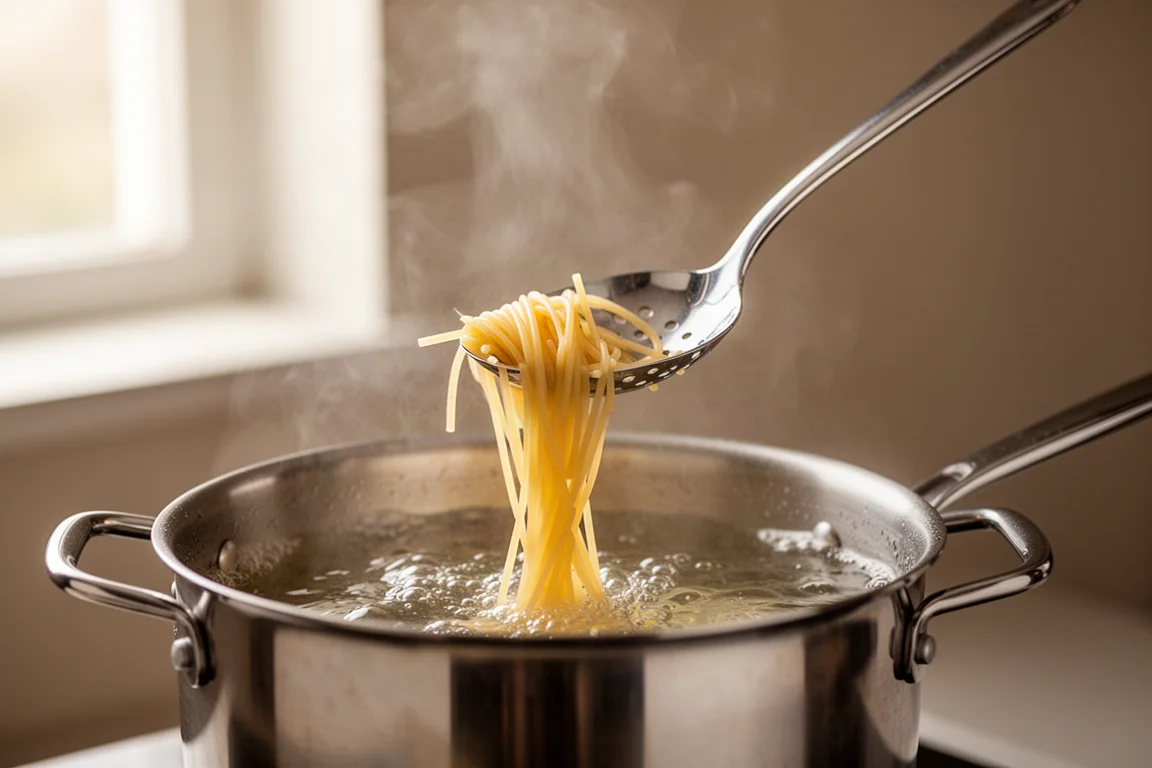
It is a relatively new invention, designed by Milan-based designer Miriam Mirri, who won a 2006 Fritz Henkel Award for Innovation for it. It is undeniably a thing of beauty, and the weighted handle does take a little getting used to, since it slides when pressure is applied at the wrong end. It also works well as a spoon for serving. At around 32 euros it sits firmly in gift-shop territory, and it is hard to imagine most households using it regularly, but as a decorative tool that genuinely does the job, it has real charm.
Garganelli and Gnocchi Ridger and Paddle
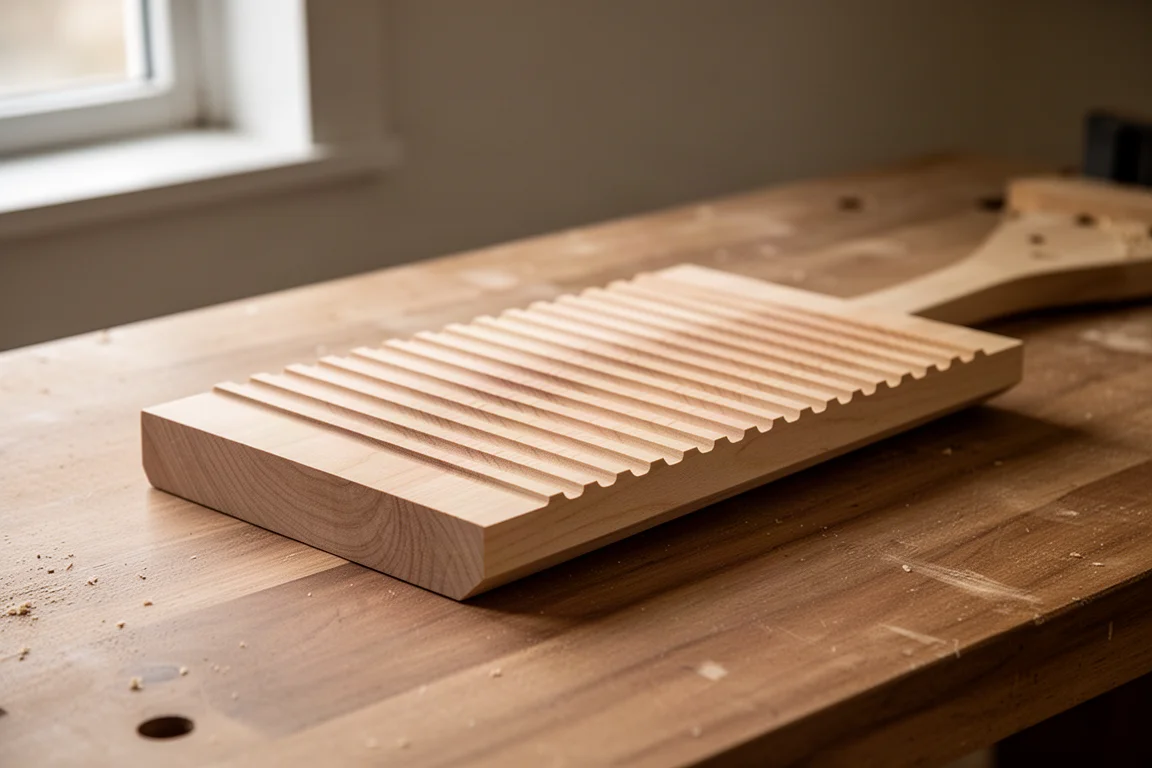
This simple wooden paddle with an angled, ridged base is used to shape pasta or gnocchi dough and create the iconic ridges found on many pasta products. Those ridges are not just decorative: they give pasta sauce something to cling to, which is the whole point of textured shapes like garganelli, the traditional pairing for ragu.
The technique is easy to learn. Dust the paddle and rolling pin with flour, take a two-inch square piece of pasta dough, lay it on the ridged paddle with a corner pointing towards you, then roll it around a slender pin until it forms a closed tube. First attempts tend to come out a little thick, but the learning curve is short and the process is genuinely therapeutic. For anyone who appreciates pasta making as an art form and a tradition, this is one of the more forgiving entry points.
Tagliatelle Rolling Pin
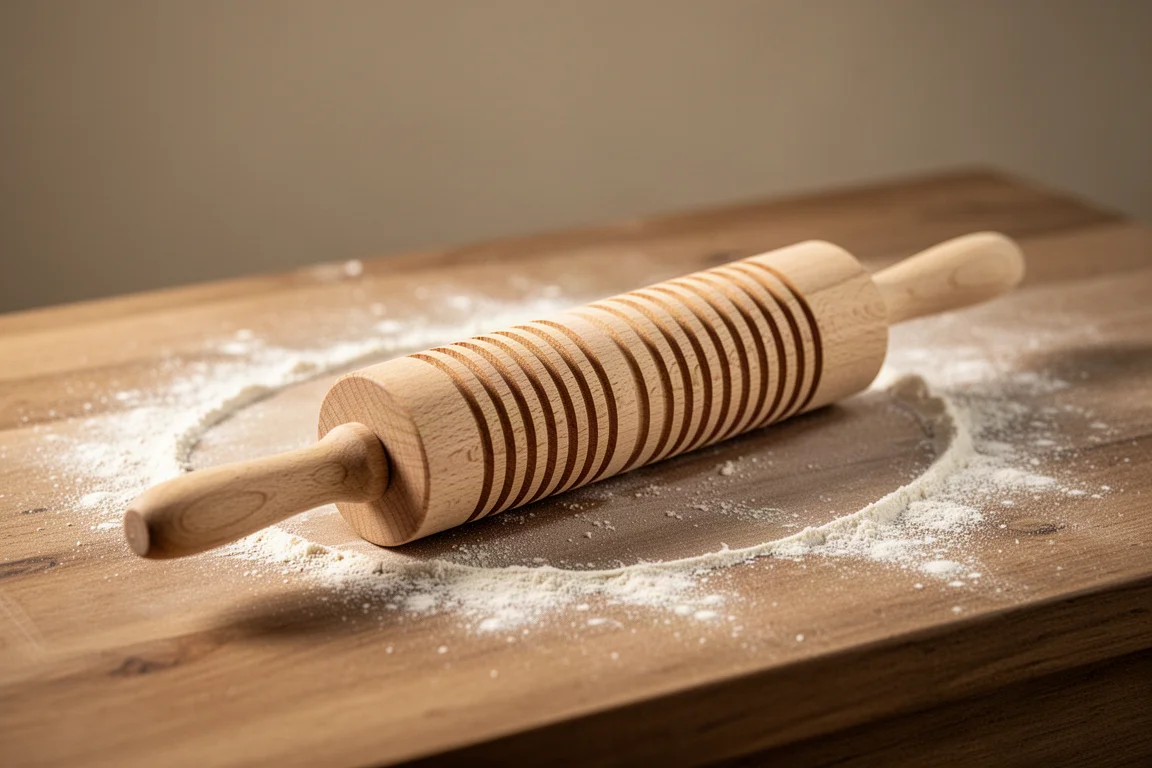
The Tagliatelle Rolling Pin is crafted from hornbeam wood and designed to cut strips of tagliatelle from sheets of fresh pasta. You simply roll the pin along a sheet of fresh pasta, applying pressure so the extruded notches cut the pasta into thin strips. It demands a bit of strength and a steady hand, because it is very much a one-shot tool: if the first pass goes wrong, that sheet is done.
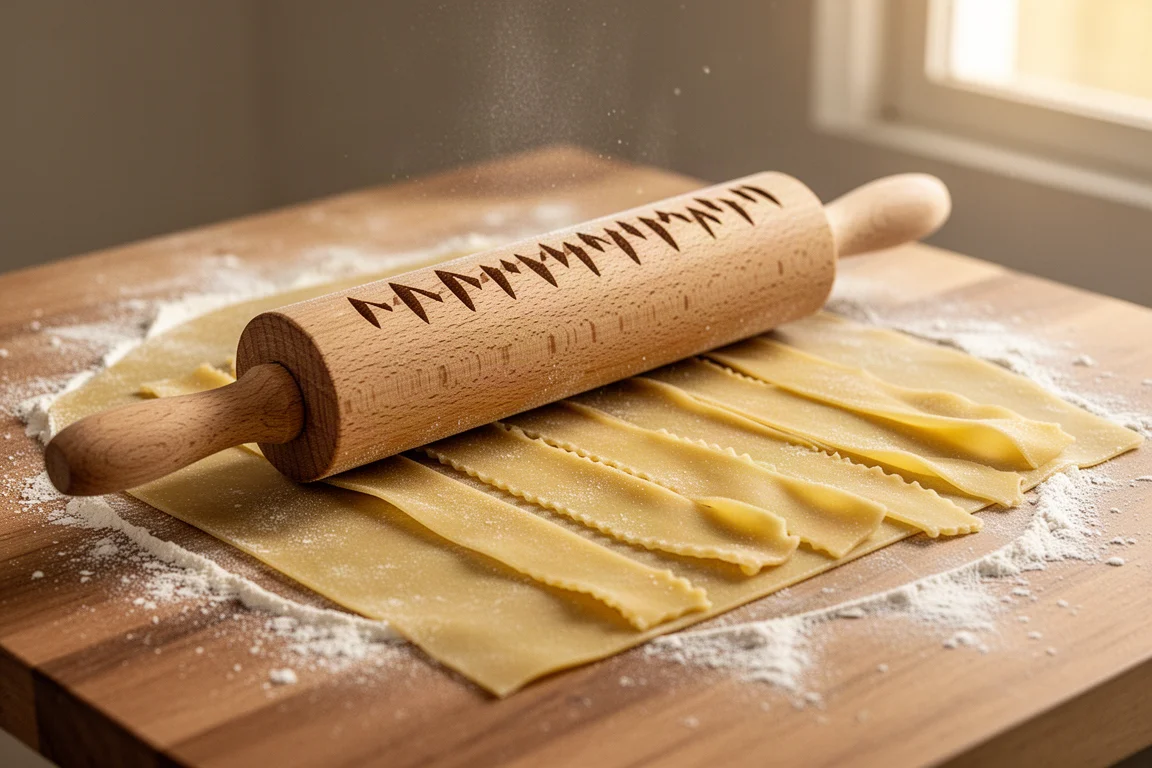
What makes this pin interesting is the finish it leaves behind. Because the cut is not perfectly clean, the edges come out rougher than a blade would leave them, and that rougher edge does exactly what the ridged paddle does: it gives sauce more surface to cling to. The resulting tagliatelle is a thicker pasta because of the way the dough overlaps, and it needs a slightly longer cook. At under six euros, it is an extremely affordable wooden tool that can bring hours of satisfying, almost meditative kitchen work. For a household that actually makes fresh pasta, it is easy to recommend.
Arancinotto
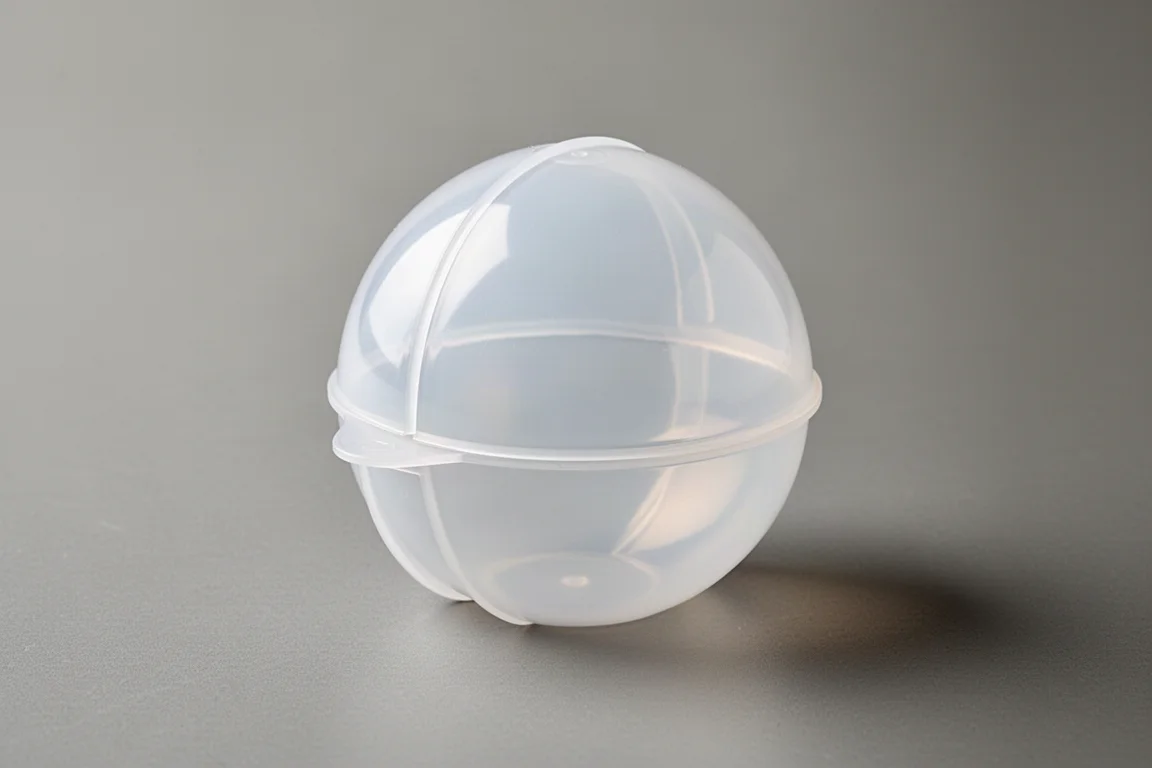
The Arancinotto is a mould for making Sicilian arancini, the world-famous deep-fried rice balls. This version forms the ball shape, and the makers offer all sorts of other shapes in the range. The mould has a dome at the top and curves around the sides and bottom, so whatever rice you pack into it comes out completely spherical.
In use, it is startlingly effective. The shaped rice slid out cleanly first time, leaving a perfect cavity ready to be filled with ragu before breading and deep frying. The shaping and filling process proved noticeably quicker, simpler, and less messy than doing it by hand, and the learning curve is rewarding: the first arancini came out good, and the second was twice as good, twice the speed, and more perfect.
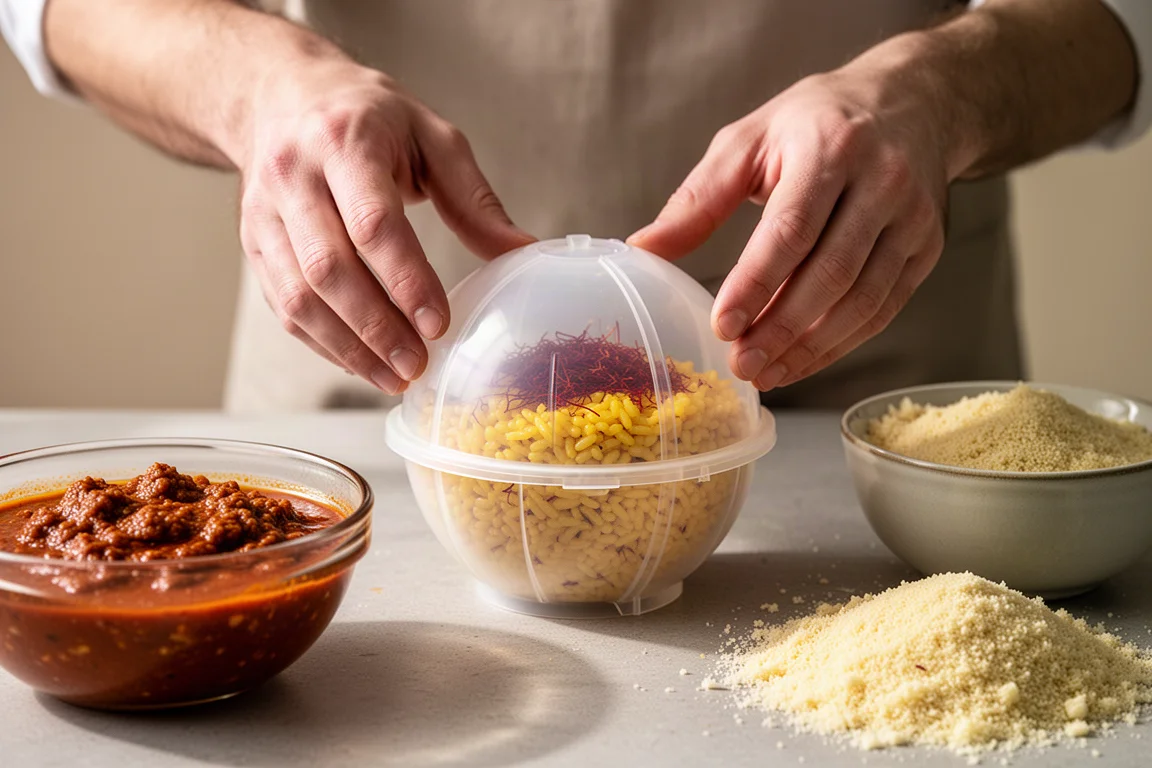
At around 22 euros, it is a lot for what is essentially a cleverly moulded piece of plastic, and there is a clear margin in that. But it is genuinely fun to use, nothing else quite like it is widely available, and for anyone who wants to make arancini at home it does the job very well.
Grana Padano Knives
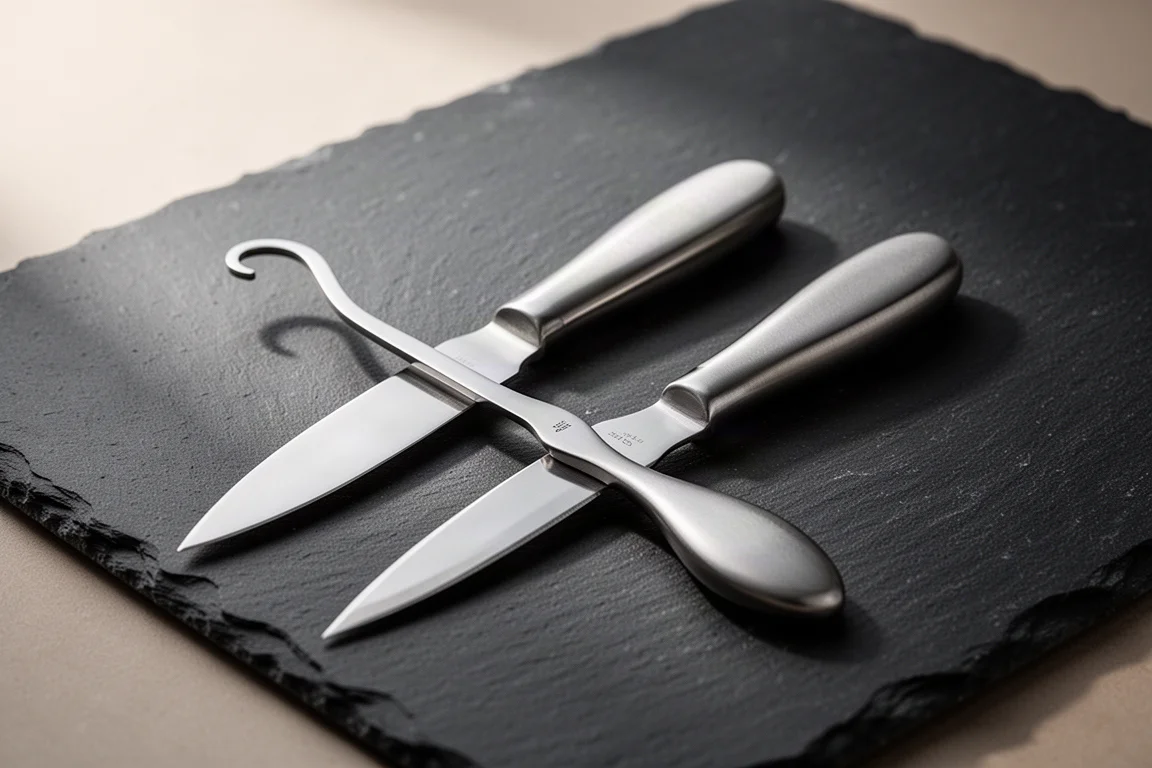
These Grana Padano Knives are specifically designed for cracking open a wheel of Italian hard cheese such as Grana Padano. They feel lovely in the hand: weighty, heavy, and solid, with ergonomic grips and sharp edges where you need them for the initial scoring. The traditional method treats opening a wheel as a ritual carried out with precision and care, and these tools are made to respect the craftsmanship behind the cheese.
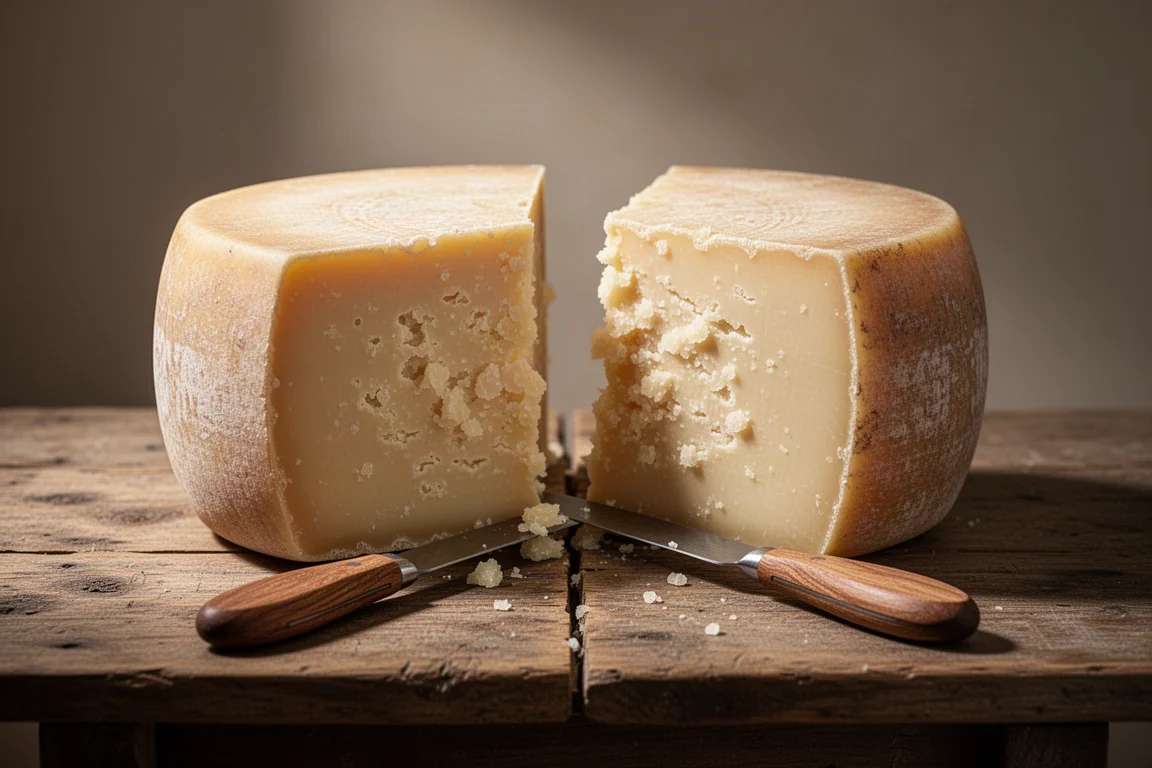
The process works in stages. A line is first scored down the seam in the middle of the wheel with the hooked knife, and that line matters: keeping it straight is what gets you a perfect half. Next, an almond-shaped knife is inserted along the score, and this is where the work begins. The first inch feels easy, then the deeper you go the harder it gets, and the wheel needs to be worked from multiple points before it finally splits. It is genuinely demanding, and we tested it on a 38-kilogram wheel, so there is a lot riding on getting it right. At around 46 euros for the set, relative to the price of the cheese, it is money you would not want to skip.
Overall Buying Advice
These five tools sit at very different price points and serve very different cooks. The Tagliatelle Rolling Pin and the Garganelli and Gnocchi Ridger are the easy wins: cheap, wooden, traditional, and rewarding for anyone who enjoys making pasta by hand. The Vabene Pasta Tester is the design object of the group, best bought as a gift or a piece of functional kitchen art rather than a daily workhorse. The Arancinotto earns its premium by solving a genuinely fiddly shaping problem that is otherwise hard to get right. The Grana Padano Knives are the most specialist of the lot, and they only make sense if you actually plan to open a wheel rather than buy wedges. Match the tool to how often you will genuinely use it, and each of these can earn its place.
Conclusion
Not every gadget here will suit every kitchen, but each one does exactly what it promises. The wooden pasta tools offer unbeatable value and real therapeutic appeal, the Arancinotto turns a messy job into a quick and satisfying one, and the Grana Padano Knives bring proper ceremony to a proper cheese. Choose based on your cooking habits, and you will not be disappointed.
Further reading
Related Reviews

Kitchen Gadgets
Kitchen Gadgets Tested 2026: Five Tools Worth Considering
A practical look at five kitchen gadgets, from egg shapers to peanut butter stirrers, with honest assessments of what works and what doesn't.
Kitchen Gadgets
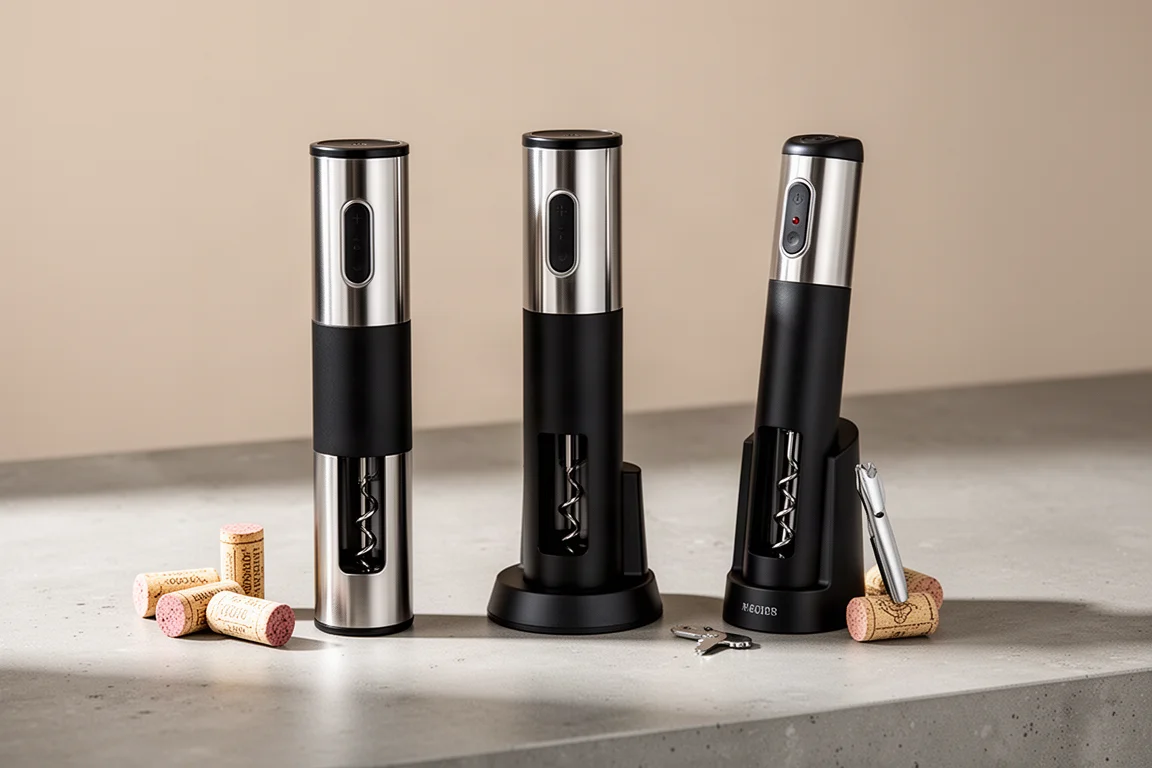
Best Electric Wine Openers: Our Top Picks From Eight Tested Models
We tested eight electric wine openers priced from $20 to $110 on hundreds of bottles. The Secura came out on top, with a Peugeot and a Rabbit model also worth knowing about.
Kitchen Gadgets
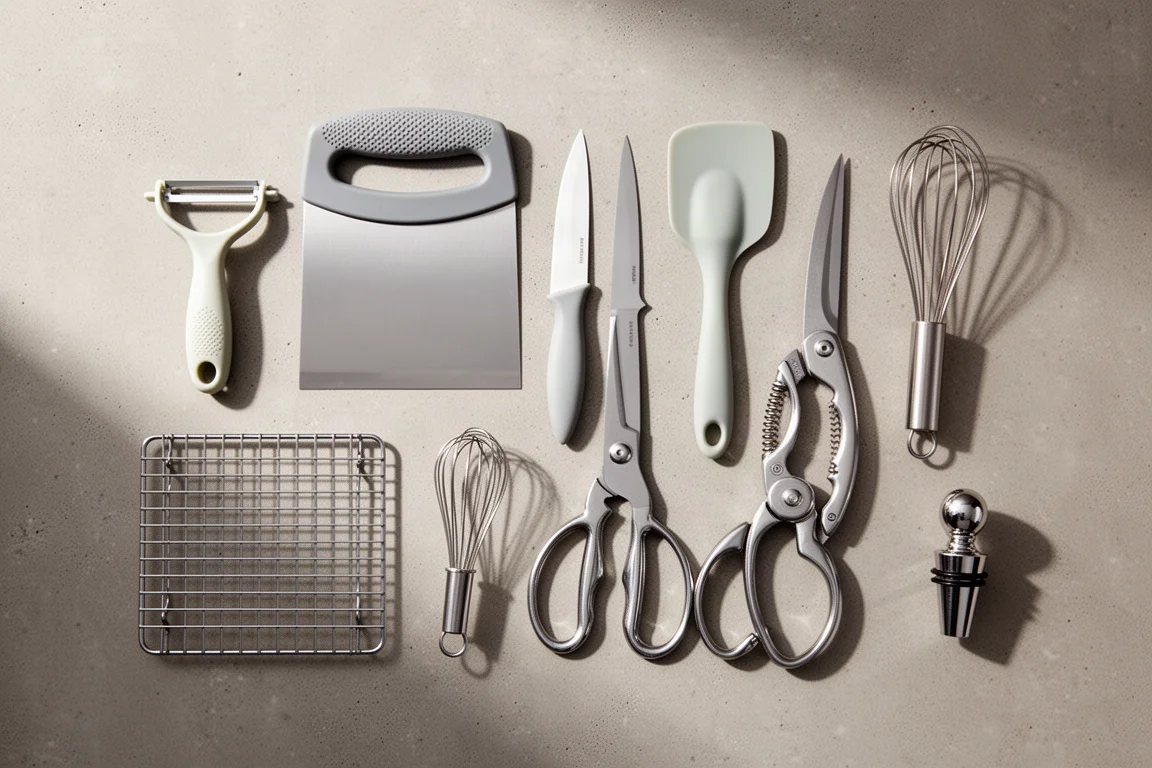
Best Kitchen Gadgets Under $15: Eight Small Tools That Earn Their Keep
Eight kitchen tools that cost less than $15 but perform like far more expensive gear, from a razor-sharp peeler to a champagne saver that really works.