Phone Cases
Best iPhone 17 Pro Max Cases: 16 Cases Tested for Drop Protection, Buttons, and MagSafe
Sixteen iPhone 17 Pro Max cases from $7 to $85, compared through side impact, corner impact, button feel, screen gap, grip, and MagSafe holding tests.
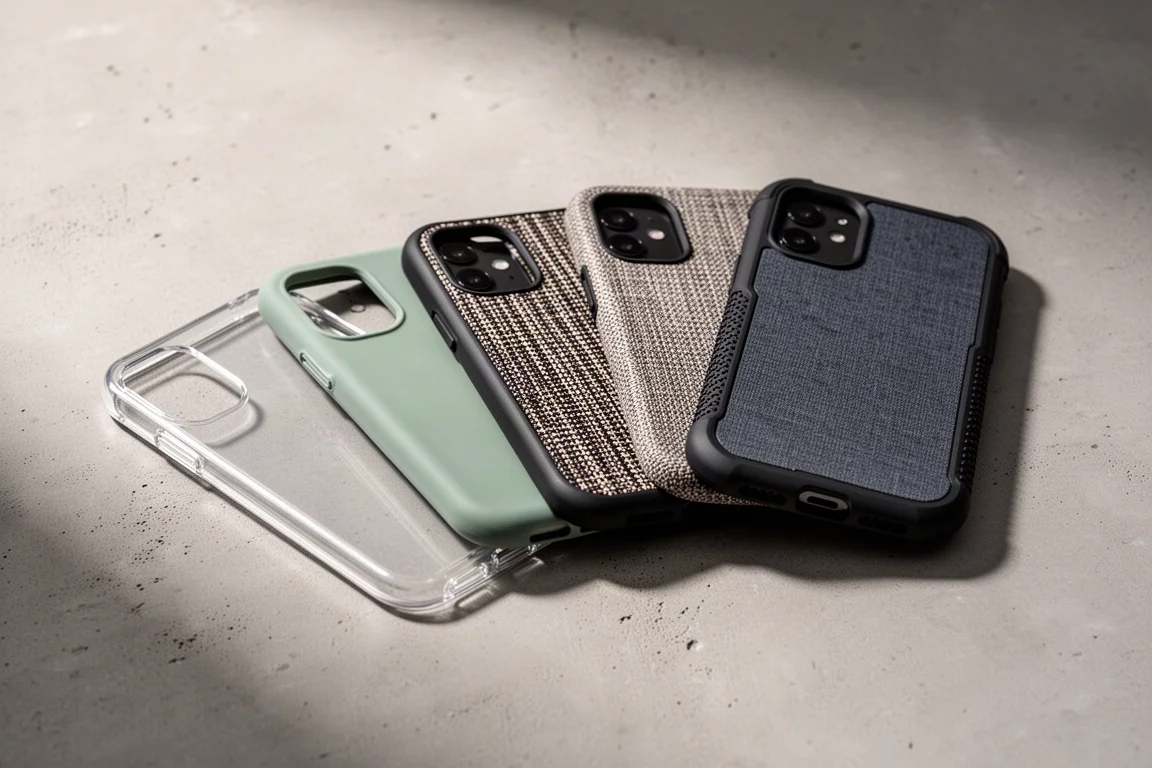
Introduction
A flagship phone can easily cost over $1,000, and the difference between a $7 case and an $85 case is not always obvious from the product listing. To find out which cases genuinely earn their price, sixteen cases for the iPhone 17 Pro Max were put through side impact drops, corner impact drops, button force measurements, screen-gap checks, case retention tests, and MagSafe holding strength tests.
The results split cleanly into three groups: a few cheap cases that come apart under moderate drops, a middle tier that protects reasonably but compromises elsewhere, and a small set of cases that survive heights most people will never experience. The most expensive case won the overall ranking, but the cheapest top performer came in at just $27, which says a lot about where the value is.
How the Cases Were Evaluated
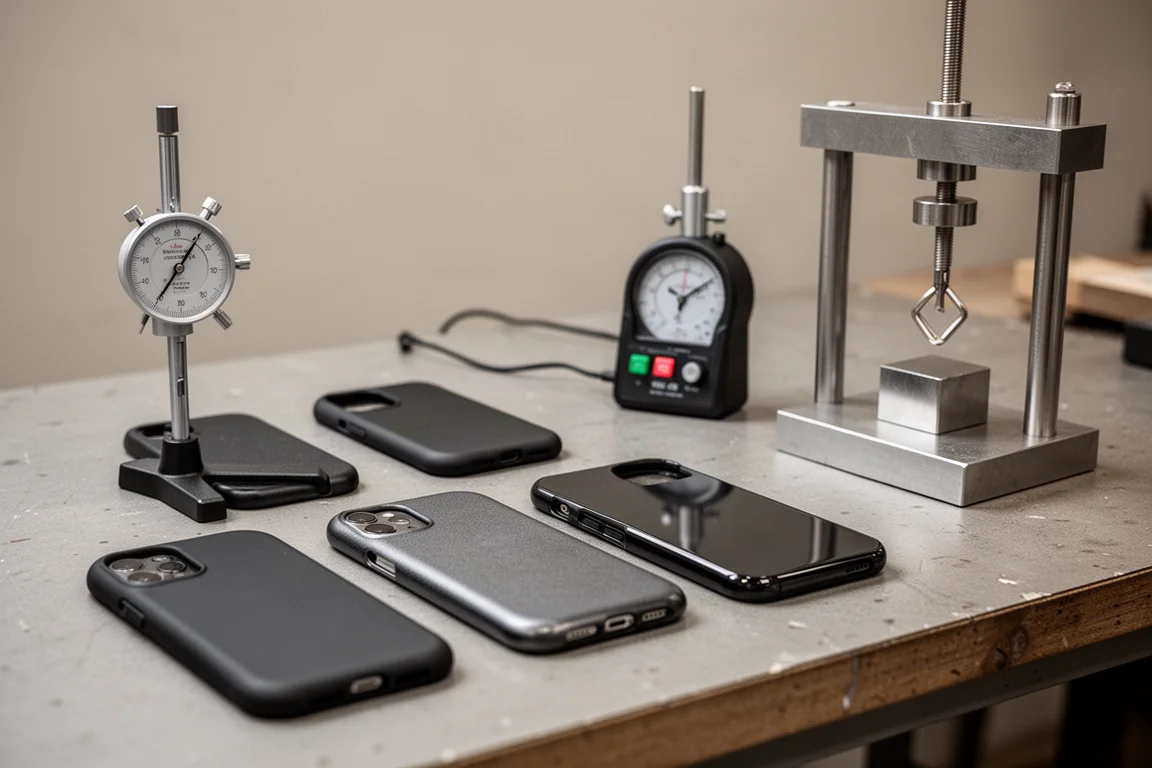
Every case was weighed first, since weight often hints at how much material is protecting the phone, from a light 32.53 g silicone case up to an 86.36 g rugged build. Button feel was measured with a push-pull meter against the bare phone’s baseline of roughly 9 ounces for the side button and 10 ounces for volume, then the cases went through side impact and corner impact drop tests on instrumented test phones, starting at 18 inches and escalating to 24 and 30 inches, with the best performers pushed to 36 and 42 inches.
Additional checks measured the raised bezel gap above the screen, the force needed to dislodge the phone from the case, and MagSafe pull-off and shear strength. Wireless charging compatibility was verified for all sixteen, with one exception noted below.
Budget Cases: FNT Case, MKK, Ornado, and Subfine
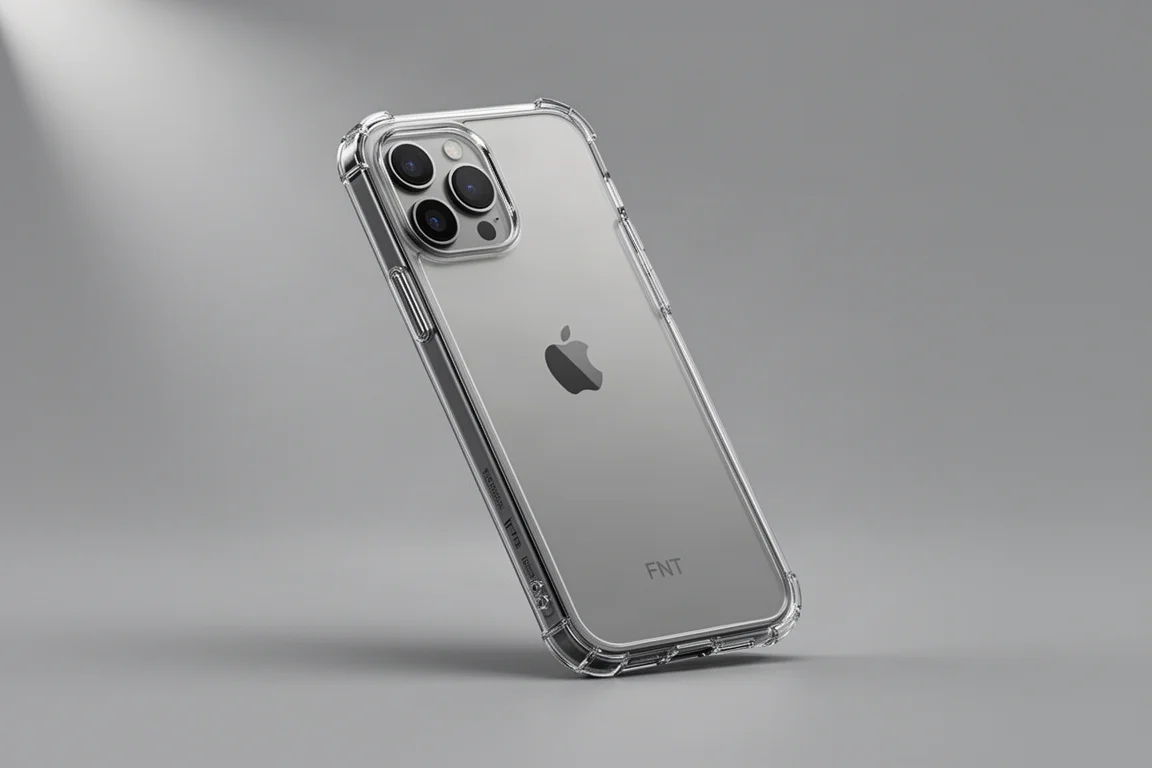
At $7, the FNT Case is the least expensive option here. It is a clear magnetic case with anti-yellowing and shockproof claims, a stated magnetic attraction of 2,400 g of force, and screen protector compatibility. It held the phone surprisingly well, needing 14.5 lbs to dislodge, the second-best grip in the test, and its MagSafe holding force of 5 lbs pull-off and 6 lbs shear is solid for the price. But it finished last in corner impact, with catastrophic damage at 30 inches, and its buttons add meaningful resistance at 13 ounces for the side and 15 for volume.
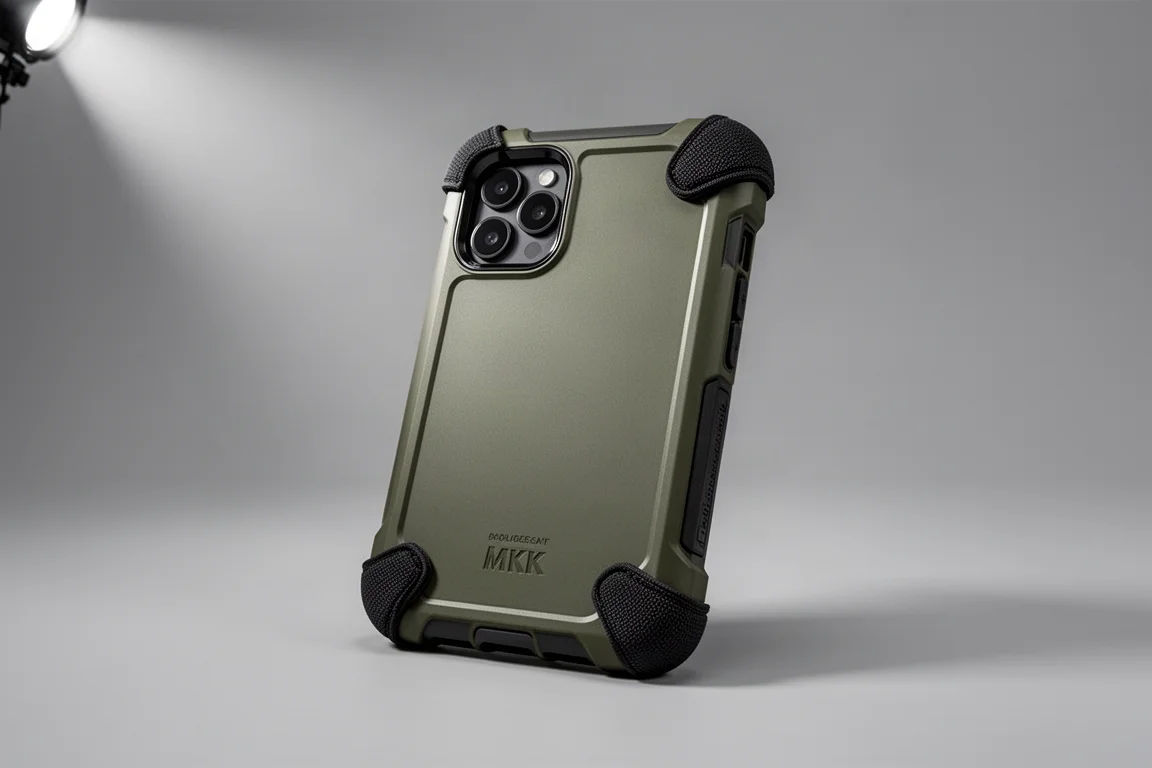
The $10 MKK claims military-grade drop protection, a shockproof bumper, three layers of elastic air pads in each corner, and over 30,000 drop tests. It beat the FNT Case in both drop tests, finishing ninth in corner impact with less broken glass and a smaller dent. Its raised bezel is a strong 0.93 mm, but it is not designed for MagSafe at roughly 0.7 lb of holding force, and its buttons are the stiffest of the budget group at 17 and 20 ounces.
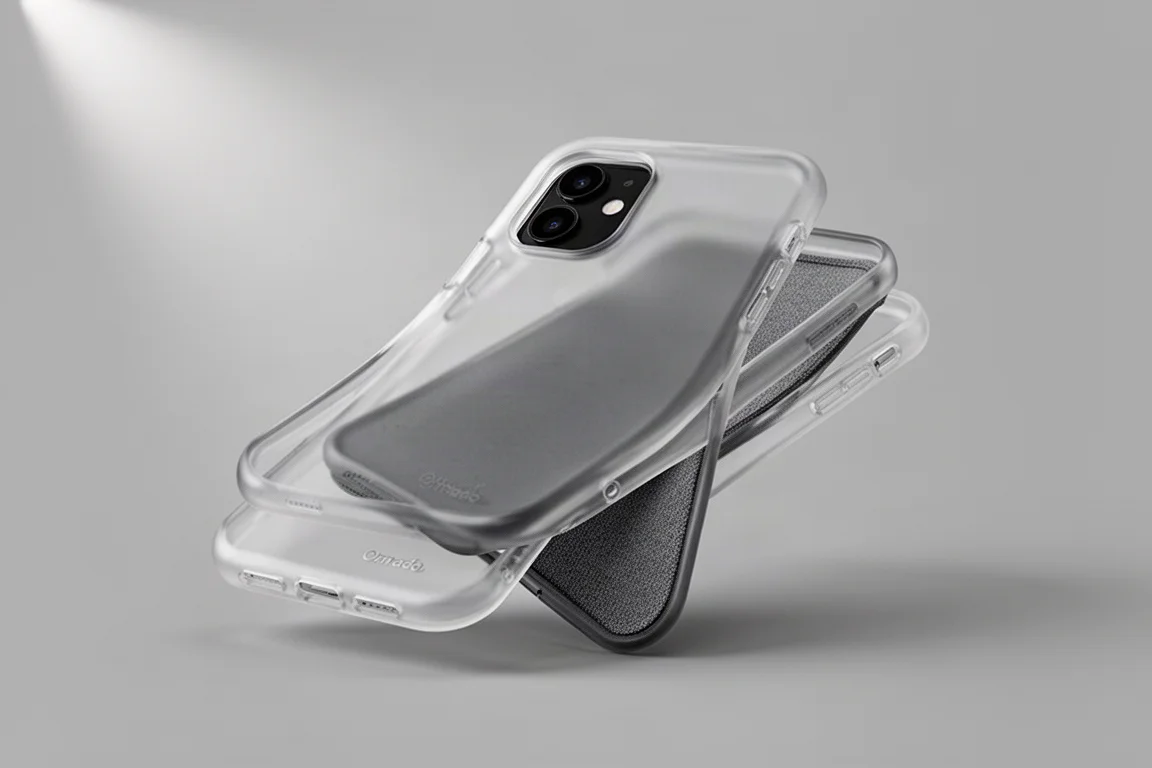
The $10 Ornado is a slim three-layer liquid silicone case with an anti-scratch microfiber lining and wireless charging support, though it is not MagSafe compatible. It has the best grip on the phone of all sixteen cases at 16.1 lbs to dislodge, and its buttons were the most responsive of the budget group at 12 and 13 ounces. Protection is its weak point: it finished last in side impact with heavy damage and struggled badly in corner impact too.
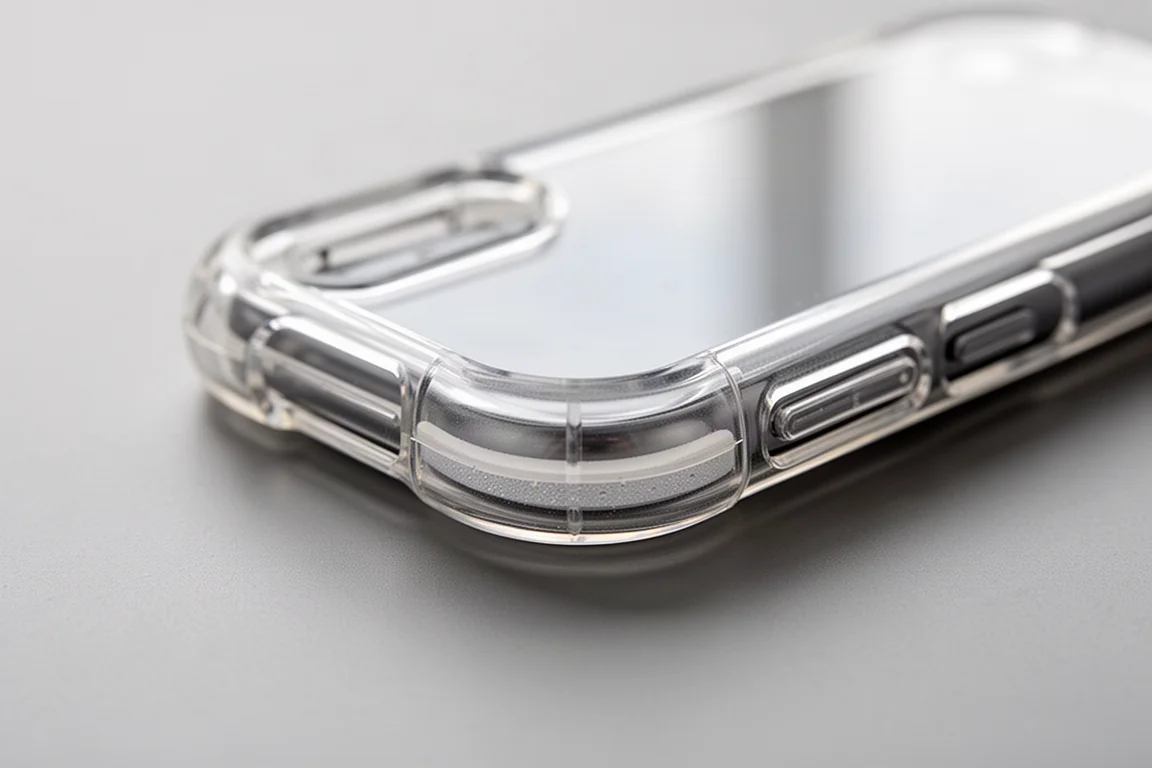
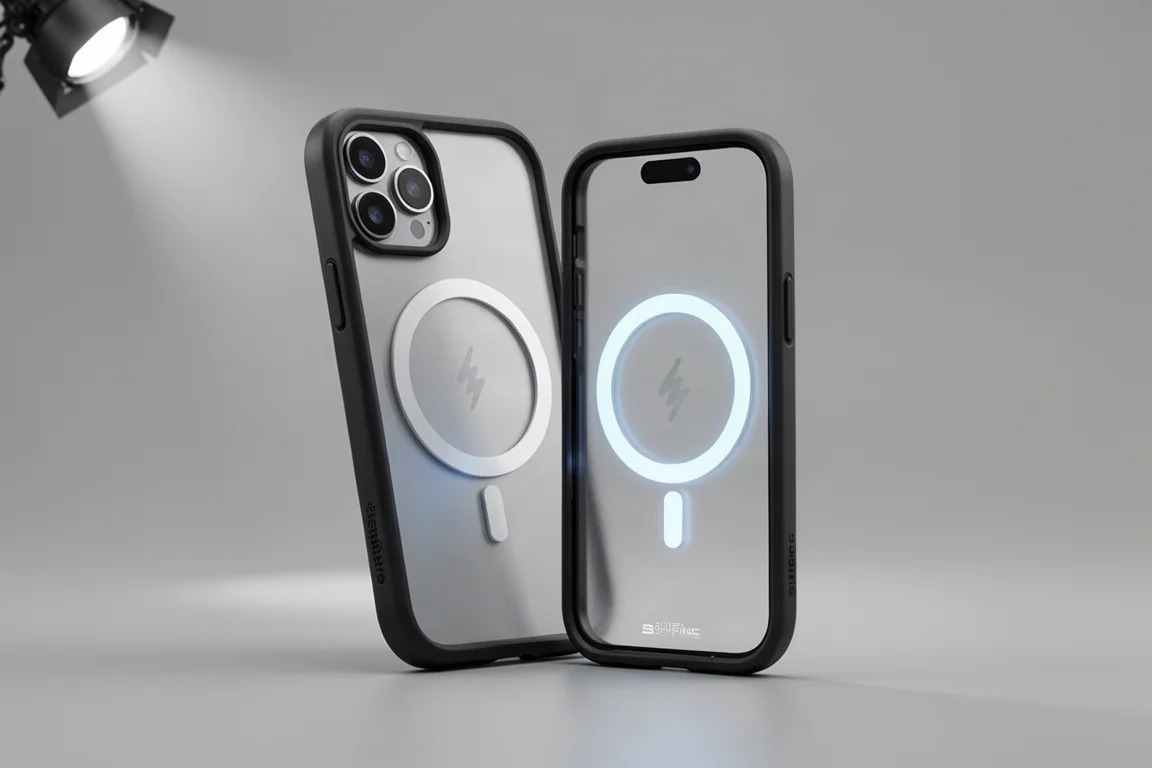
The $10 Subfine is MagSafe compatible with a flexible TPU frame, anti-fingerprint finish, and screen and camera protection claims. It posted the best MagSafe holding strength in the entire test at 6.6 lbs pull-off and 7.7 lbs shear, and it finished a respectable eighth in side impact with less structural damage than most budget cases. Corner impact is where it ran out of protection, failing at 30 inches with significant damage, and its raised bezel is thin at 0.18 mm.
Mid-Priced Cases: Spigen, TOCO, and Miracase
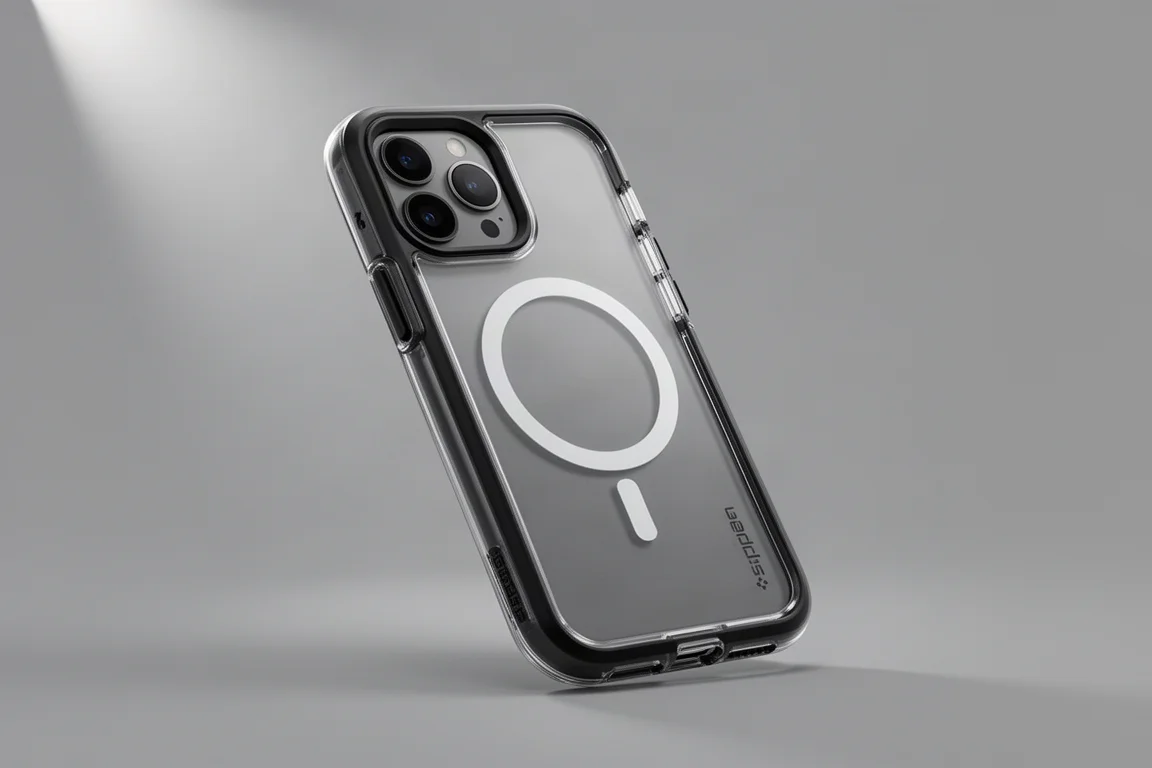
The $15 Spigen is MagSafe compatible with anti-yellowing material, a hybrid PC and TPU structure, air cushion technology, and a thin TPU layer over the camera control button. It finished tenth in side impact and twelfth in corner impact, both mid-pack, and its MagSafe holding strength of 5.6 lbs pull-off and 8.5 lbs shear is second only to the Subfine. The trade-offs are a small 0.25 mm screen buffer and a stiff volume button at 15 ounces.
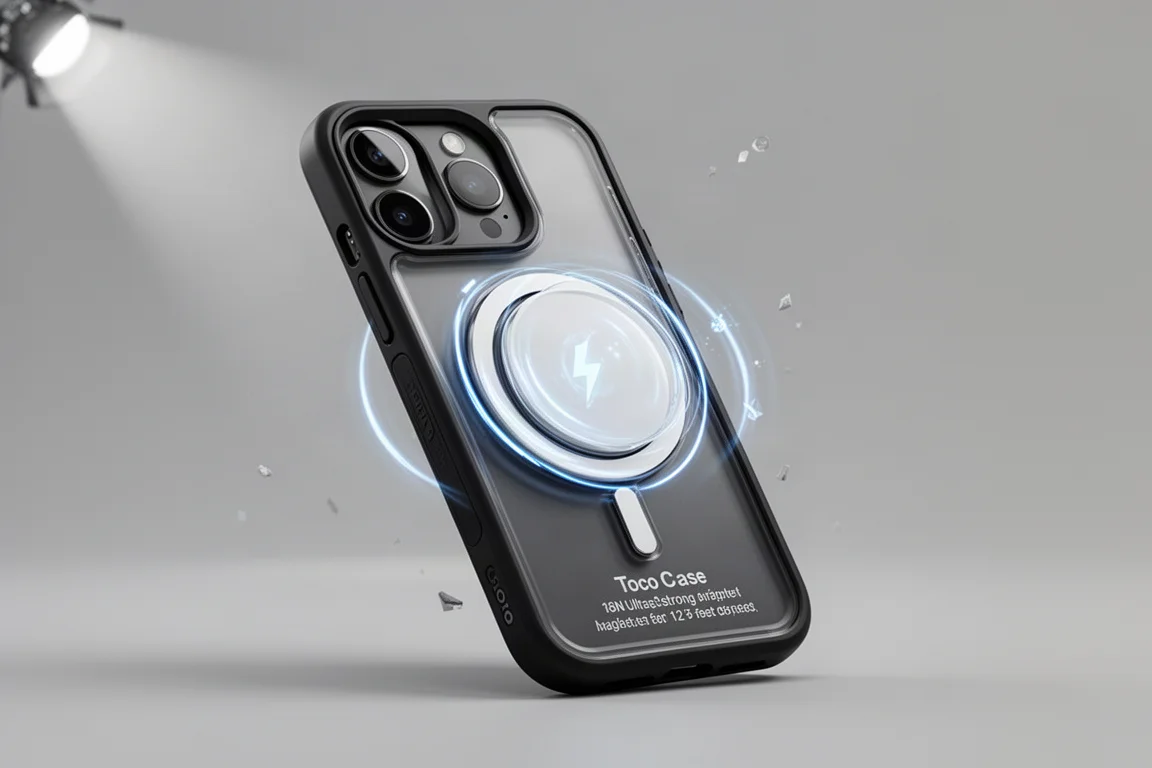
Also $15, the TOCO claims full camera protection, an 18N magnetic hold, a frame sitting 0.88 mm above the camera lens, a 360-degree airbag, and drop protection up to 12 ft. Its cutout button design works well, matching the best button feel in the test at 9 and 12 ounces, and its MagSafe numbers of 4.5 and 6.1 lbs are good. Unfortunately, protection did not hold up: it finished fourteenth in side impact, where the phone essentially folded under the impact, and fourteenth in corner impact.
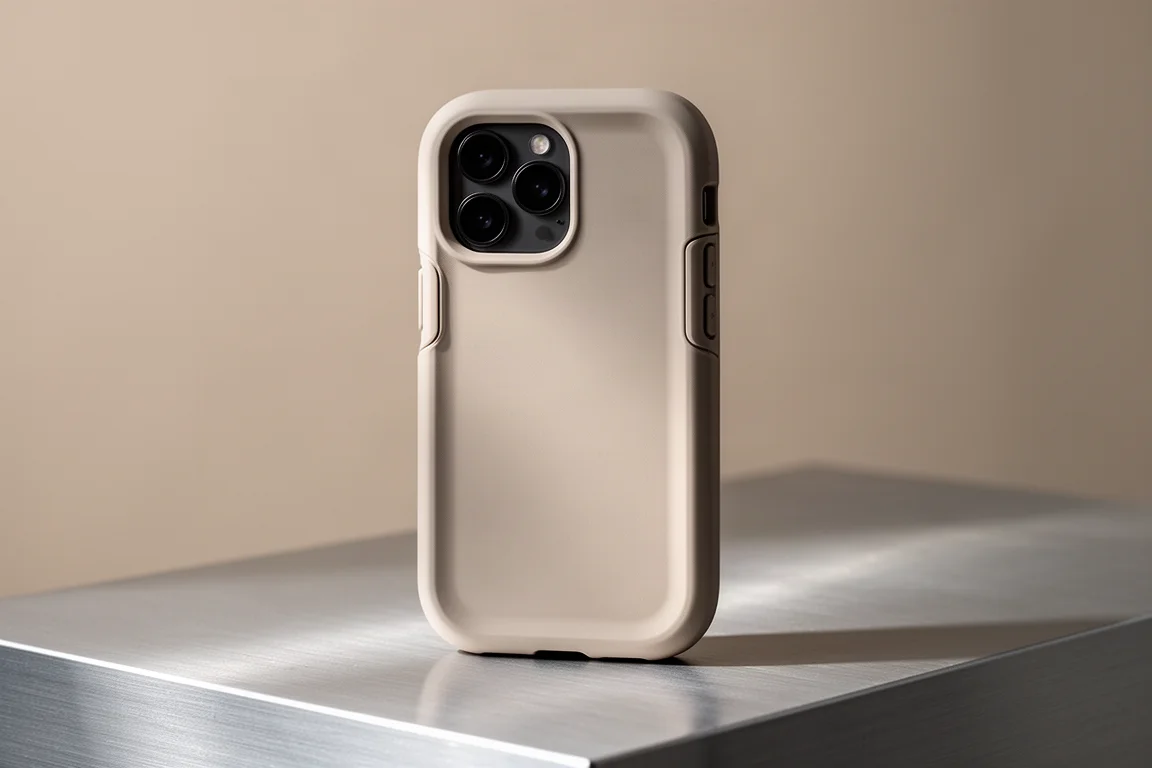
At $21, the Miracase is MagSafe compatible with an integrated silicone camera control cover, 3 mm thick shockproof drop protection, and wireless charging support. It is the surprise of the drop tests, finishing third in corner impact with very little damage at 30 inches, though it could not survive a 36-inch drop. The seamless buttons improve dust protection but feel stiff at 16 and 18 ounces, and its MagSafe holding strength is below average at 2.2 lbs pull-off.
ESR: The Budget Protection Champion
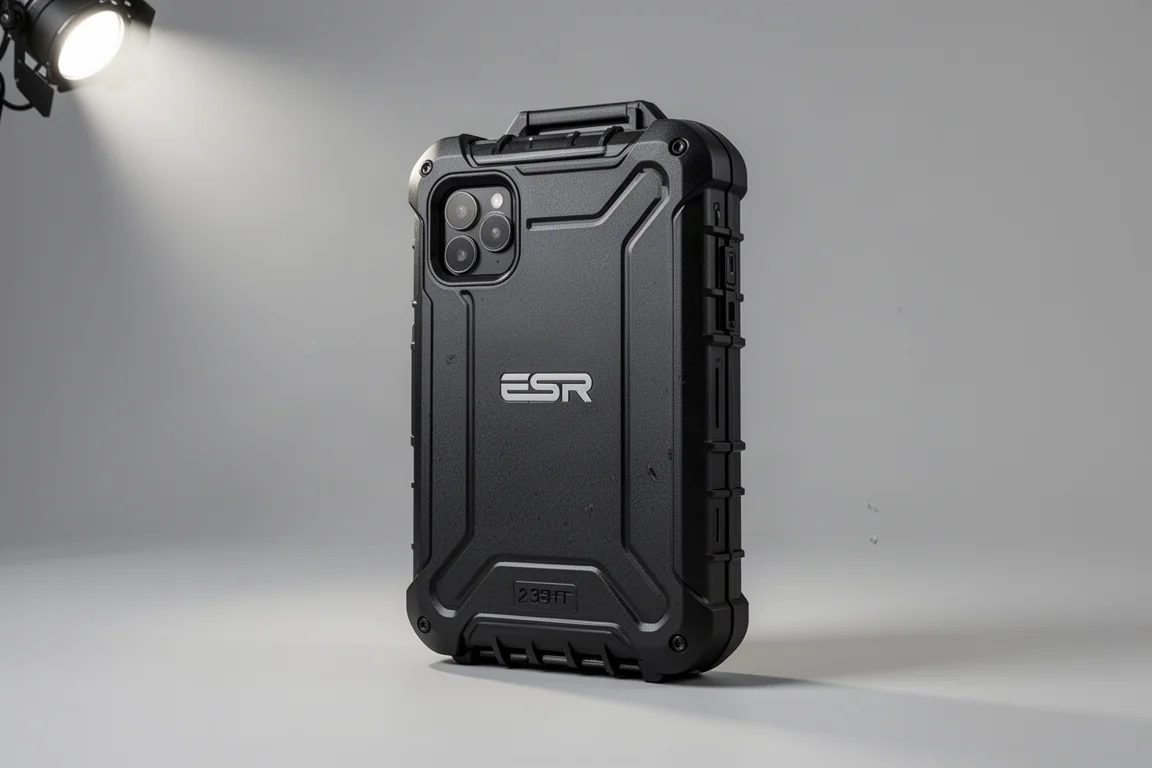
The $27 ESR claims seven times military-grade drop protection, shock absorption, drops up to 23 feet, a powerful magnetic ring with 1,500 g of holding force, a built-in stand with 0 to 85 degree viewing angles, and full camera control compatibility. At 78.62 g it is one of the heaviest cases here, and it feels like it: it won the side impact competition outright, finished tied for first in corner impact, and even at 42 inches showed only a small amount of damage. Its 1.52 mm raised bezel is by far the best screen buffer in the test.
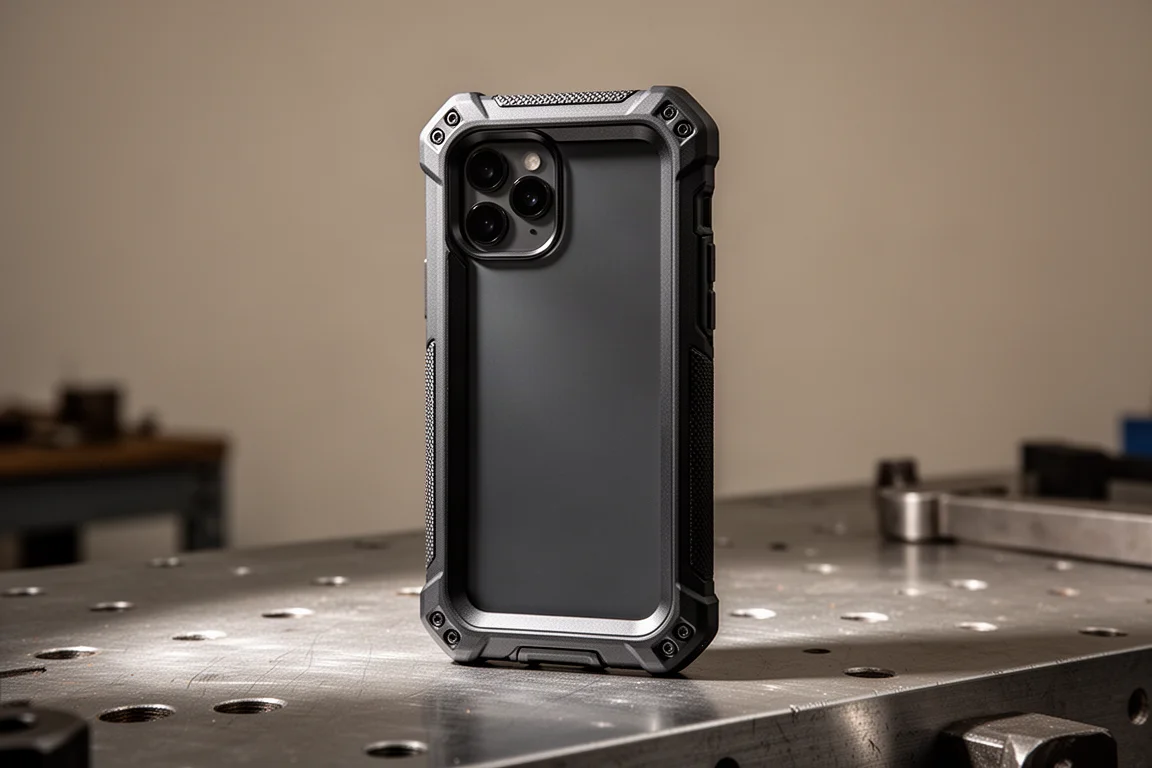
The compromises are real but manageable. Buttons take noticeable force at 18 and 15 ounces, and it needs only 6.6 lbs to dislodge the phone from the case, the weakest retention measured. If raw protection per dollar is the goal, nothing else here comes close.
Ridge: Compact and Refined
At $40, the Ridge is MagSafe and wireless charging compatible with aluminum control buttons, dual-layer construction, and a TPU bumper for drop protection. It tied for third overall, matching the best button feel at 9 and 12 ounces thanks to those aluminum buttons, and it finished second in side impact with no broken glass.
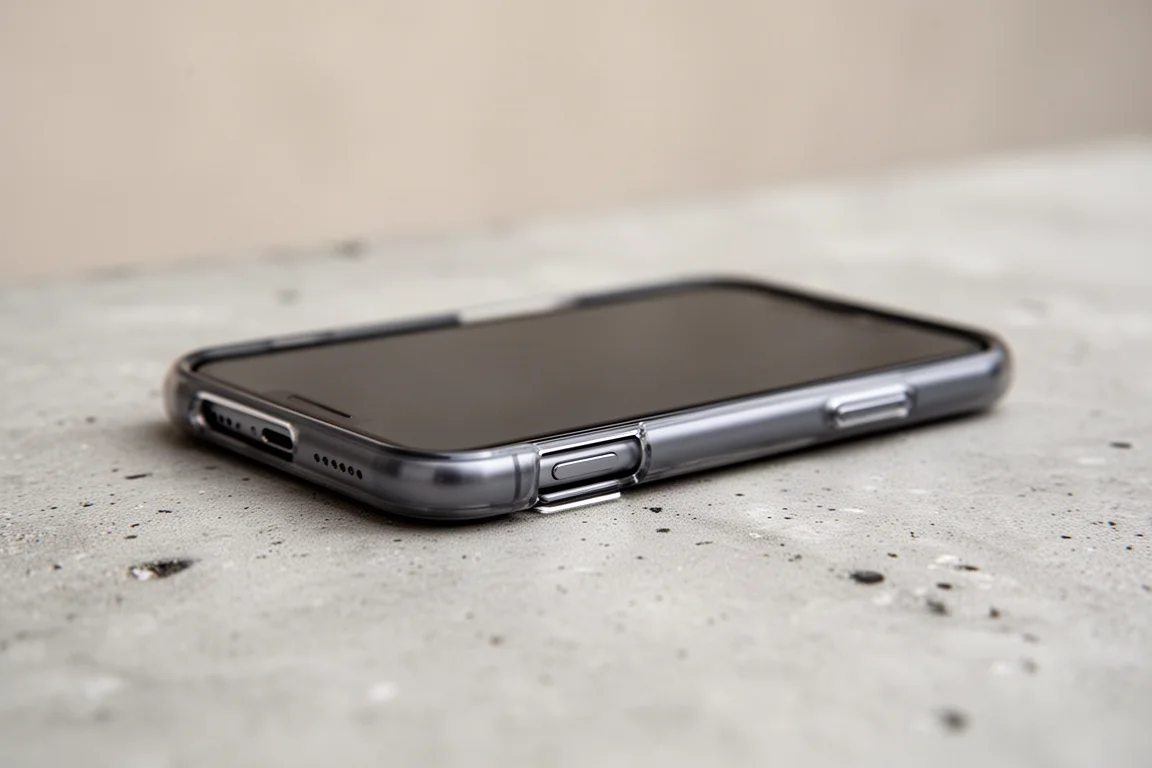
Where it falls short is screen and corner protection: the raised bezel is nearly flat at 0.12 mm, and visible corner damage appeared by 24 inches in the corner test, finishing seventh. It is more compact and user-friendly than the ESR, but it does not protect as comprehensively.
Apple and Otterbox: Premium Names, Mixed Results
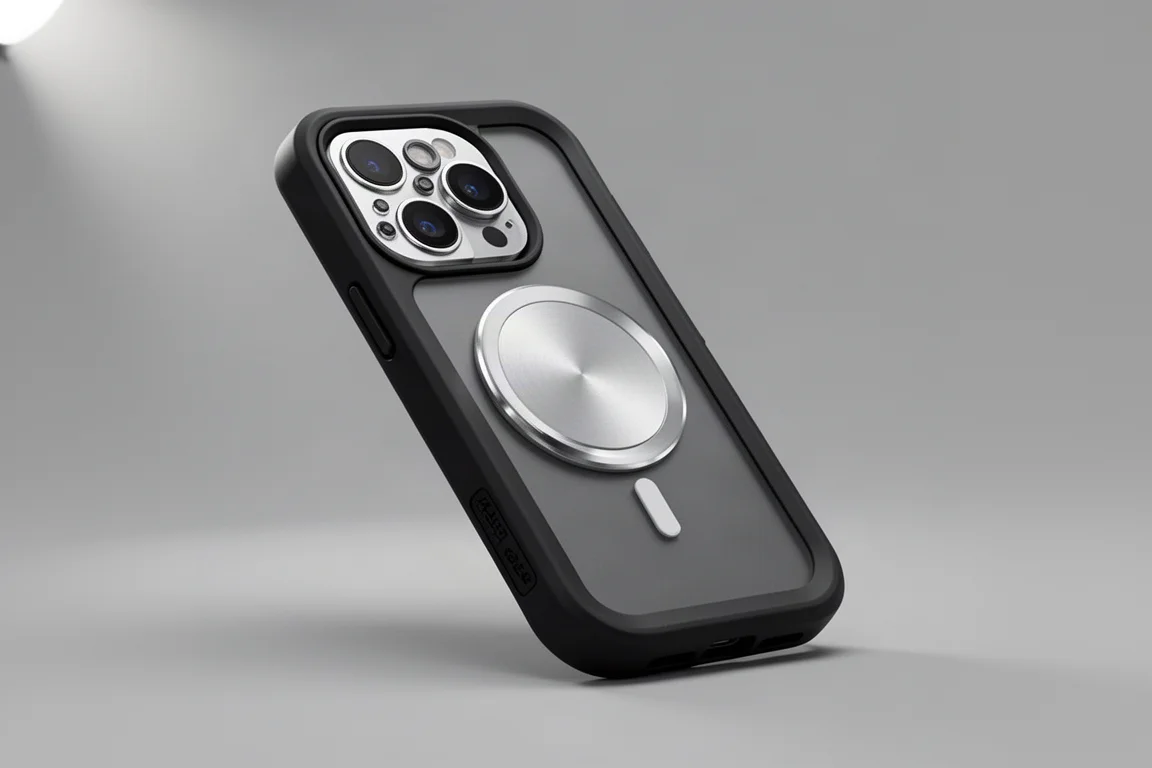
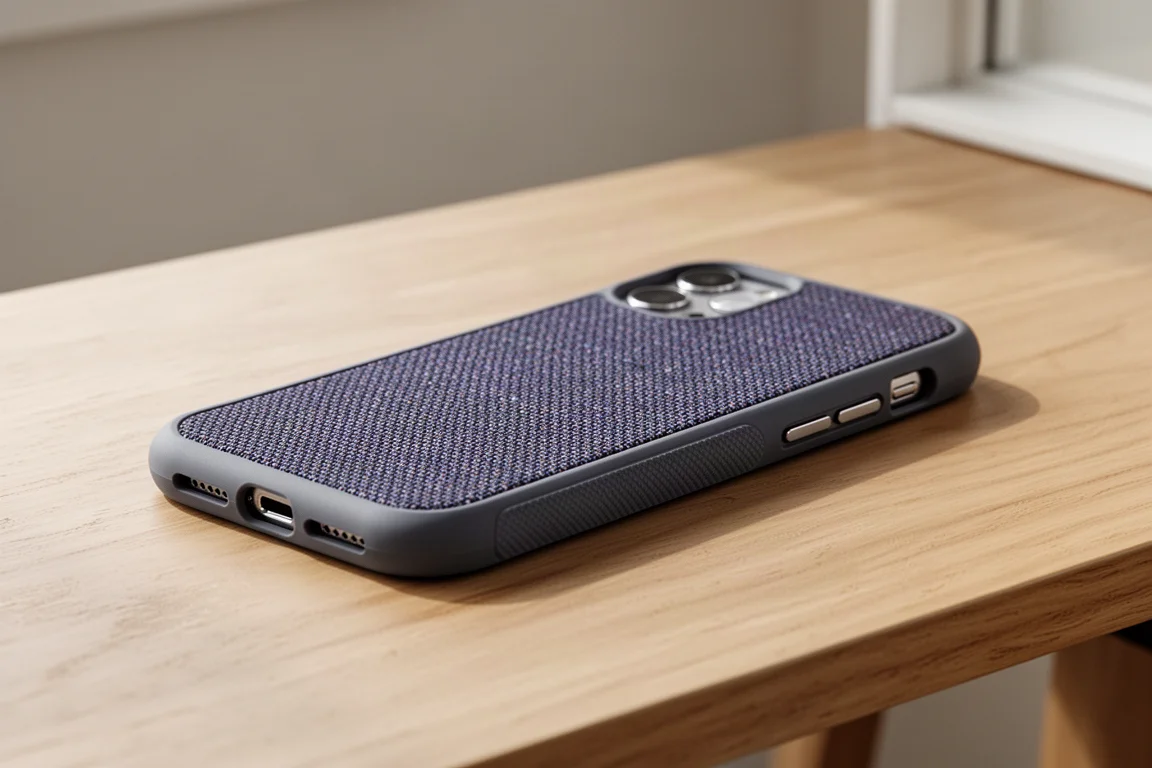
The $50 Apple TechWoven case is crafted from a custom technical woven fabric made of 100% recycled polyester, with lightly textured TPU sides for grip and anodized aluminum buttons for precise feedback. It is one of the lightest cases at 34.68 g and button feel is good at 11 and 12 ounces, but it finished fifteenth in side impact and eleventh in corner impact, below several cases costing a third as much. Its 0.12 mm bezel offers almost no face-down screen buffer, and just 8 lbs dislodges the phone.
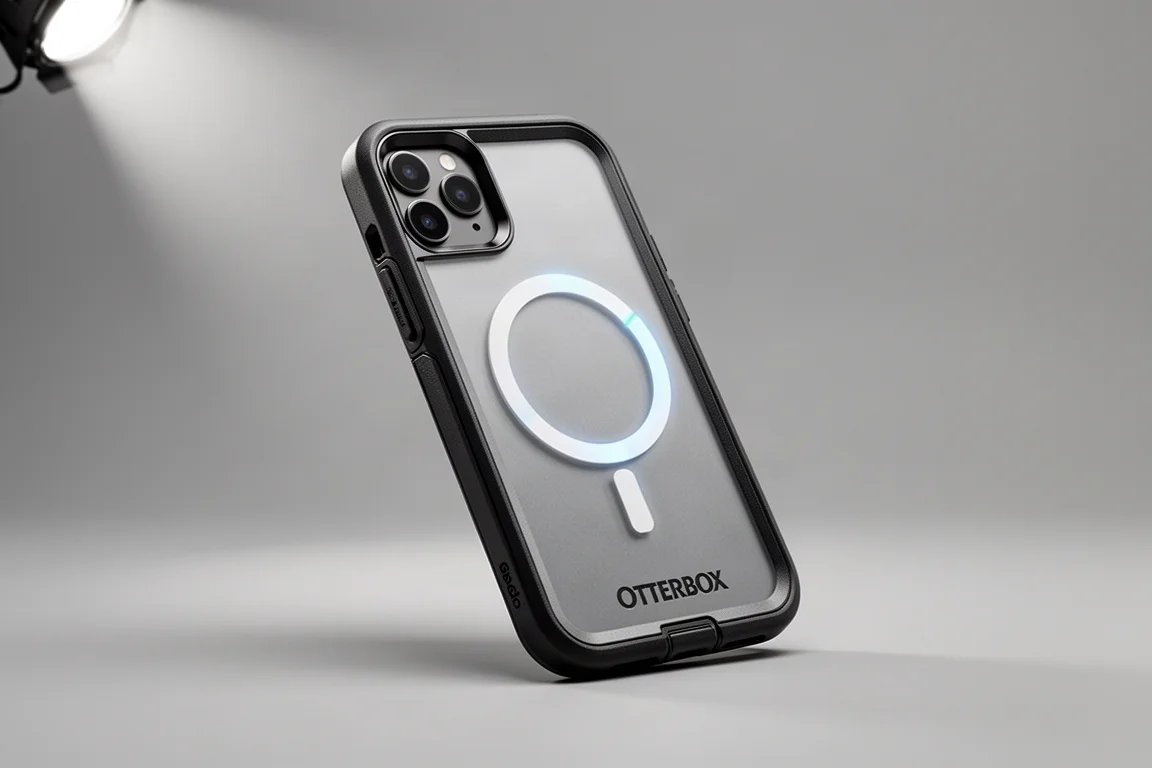
The $50 Otterbox claims a thin dual-layer pocket-friendly design, three times military strength, survival across 78 drops from 4 feet, and wireless charging compatibility. In practice it was the most disappointing case here: the worst buttons by far at 27 and 20 ounces, the weakest retention at 4.3 lbs, and a corner that folded under pressure for fifteenth place in corner impact. It does have the third-best screen buffer at 1.19 mm, and notably, it was the only case that interfered with wireless charging.
Kadabi and Dbrand: Tight Fits and Slim Profiles
The $52 Kadabi combines a slim form with a signature pebbled texture, a proprietary shock-absorbing polymer called Shock Light, CNC-machined aluminum buttons, drop testing from 15 ft, a fully integrated camera control button, and MagSafe accessory compatibility with a consistently tight fit. It backed that up with tenth-place button feel at 10 and 12 ounces, seventh in side impact with a small dent and no broken glass, and sixth in corner impact, looking noticeably better than the Torras and Ridge.
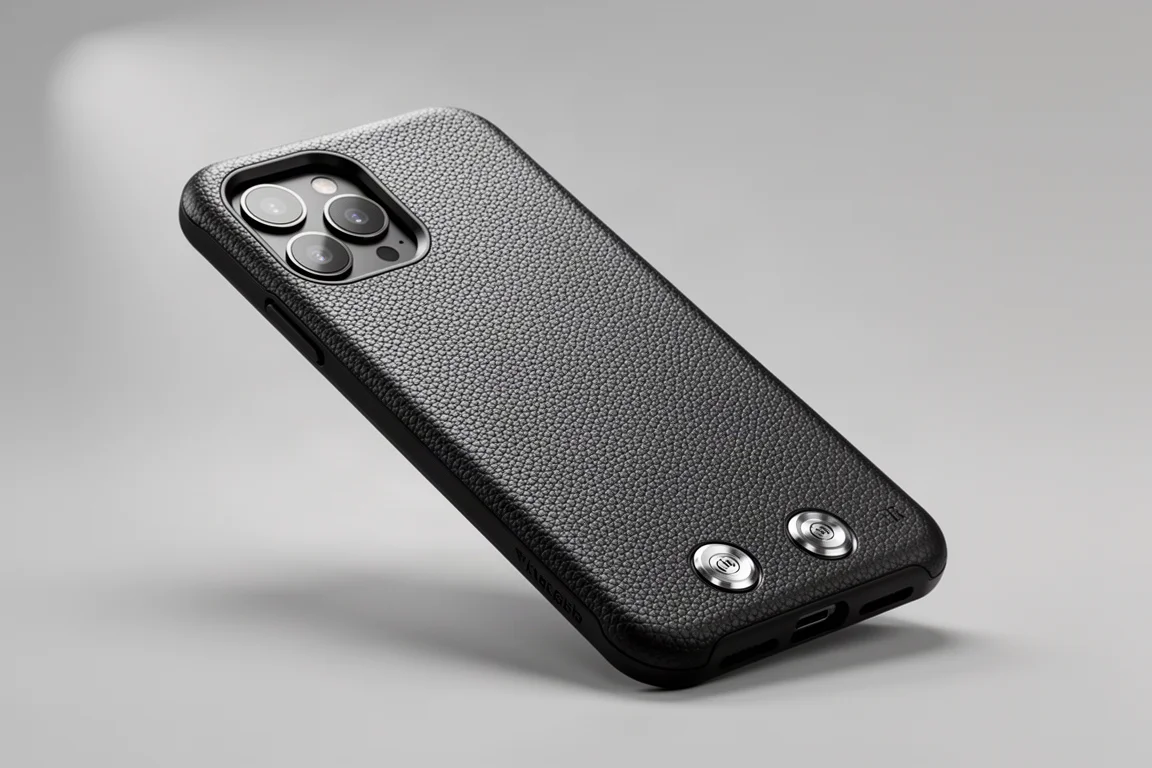
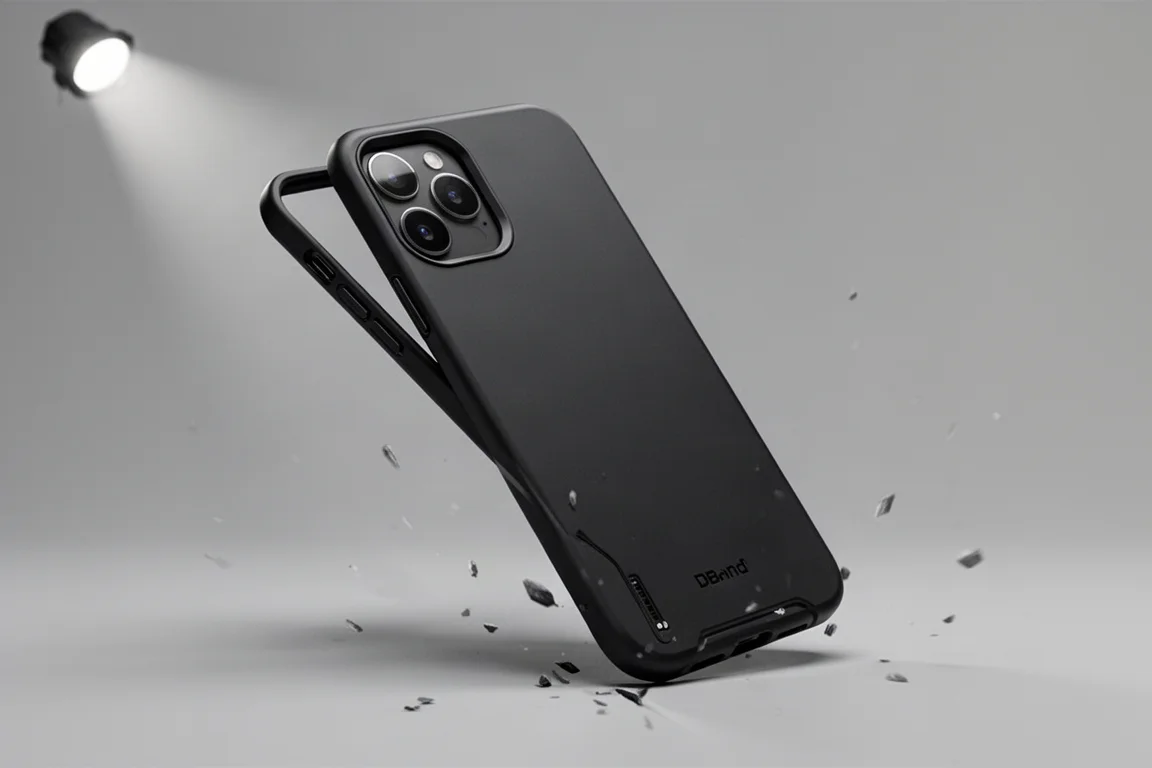
At $55, the Dbrand claims to be the world’s grippiest case, engineered over seven generations for maximum drop protection in a remarkably slim 2 mm profile with military-grade impact resistance and the most precise fit. Made in Canada rather than China, it finished second in side impact and a strong fifth in corner impact with only minor damage at 30 inches. Its 0.73 mm bezel is above average, buttons are slightly stiffer than the Kadabi at 14 and 16 ounces, and MagSafe holding is about average at 4.1 lbs pull-off.
Torras: Responsive Buttons and a Magnetic Stand
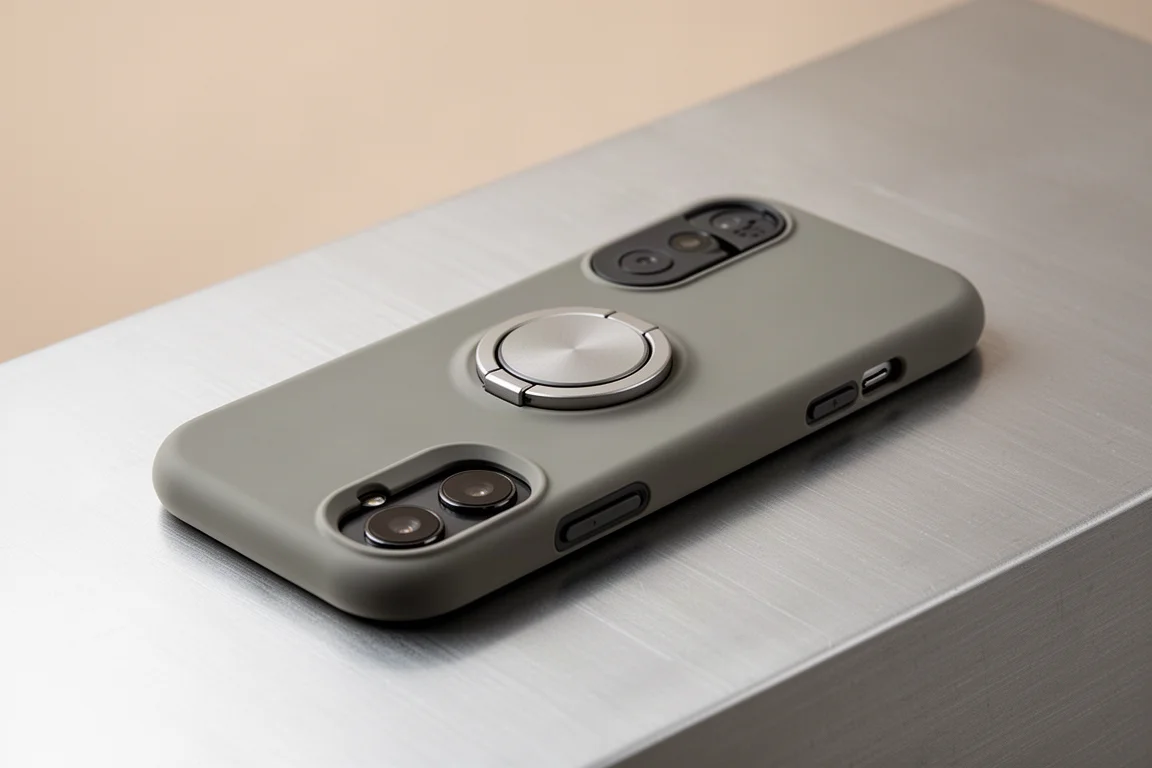
The $67 Torras is MagSafe ready, military-grade drop tested with claims of exceeding military standards, and includes a camera control button, a spare set of buttons, and a 360-degree magnetic stand. Its buttons are among the most responsive at 10 and 11 ounces, its shear strength of 6.2 lbs is solid, and its 12.9 lbs retention is third best. Protection was mixed: sixth in side impact with no broken glass, but eighth in corner impact, where the case did not adequately disperse impact force and the phone corner took heavy damage.
Rokform: Industrial-Grade Protection
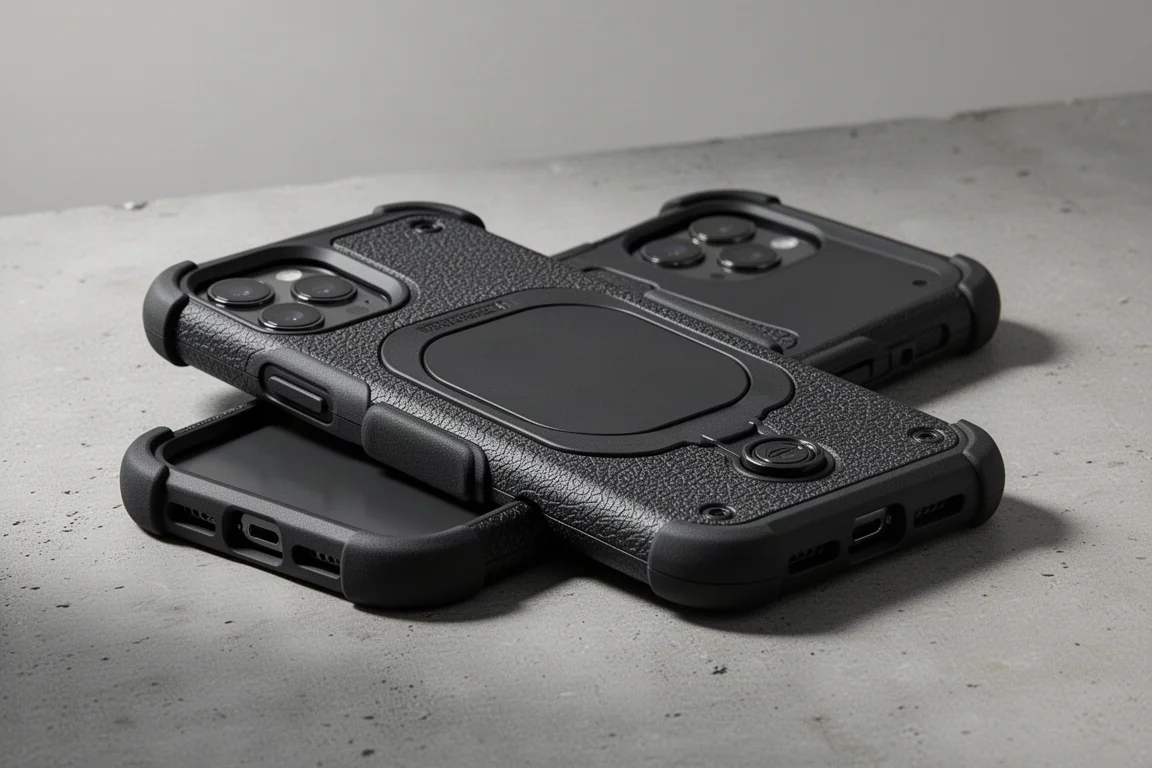
At $70, the Rokform claims industrial-grade built-in magnets for a stronger hold, a design that exceeds military drop test standards, a built-in Rock Lock twist-lock system compatible with its bike mounts, and wireless charging compatibility. At 86.36 g it is the heaviest case in the test, and it behaves like it: third in side impact and tied for first in corner impact, showing no visible damage even at 30 inches and holding up well at 42 inches.
The costs are bulk and feel. Buttons take 12 and 18 ounces of force, and MagSafe pull-off of 6 lbs is decent though shear of 5.9 lbs is merely average. This is the case for people who are genuinely hard on their phones or work in demanding environments.
Mous: The Overall Winner
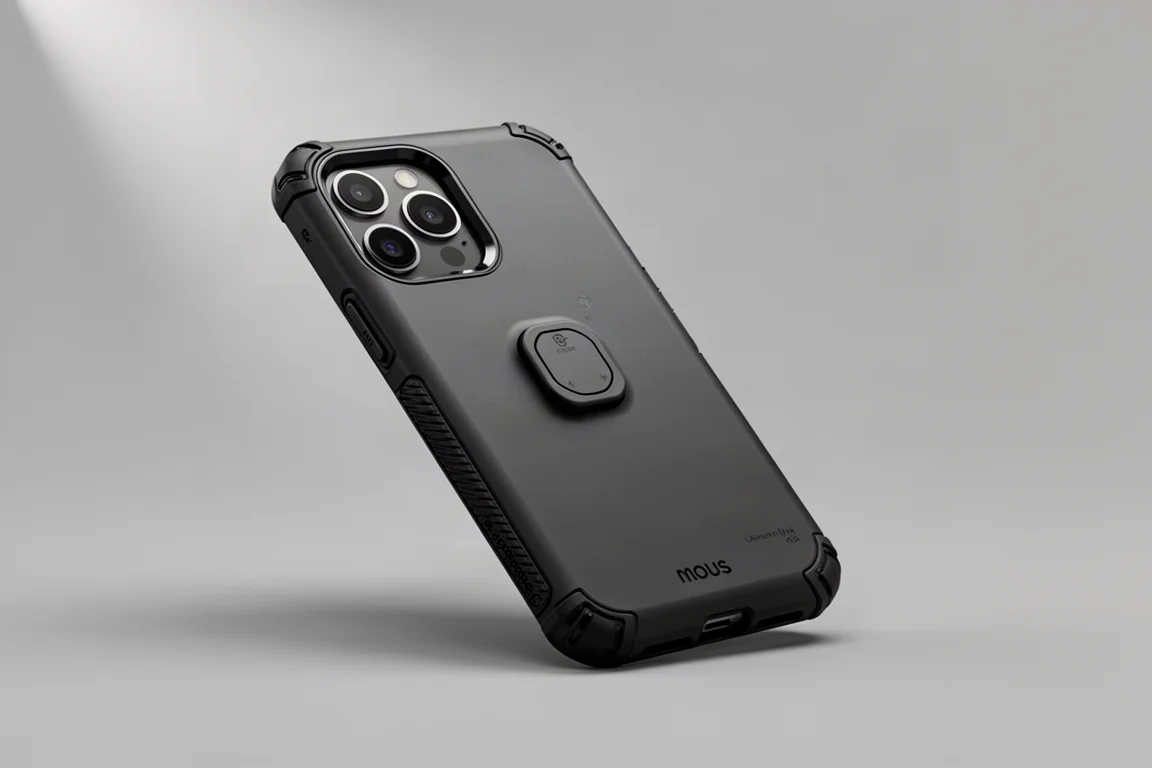
The $85 Mous is the most expensive case here and the overall winner with the best average finish of 4.2. It features a rigid shell that resists flex and torsion for extreme drop protection, a patent-pending camera control button with a reinforced triple-shot surround, aluminum frame, silicone diaphragm, and toughened glass top for crisp presses and swipes, Aeroshock impact-absorbing corners, MagSafe compatibility, and claimed 15W fast wireless charging.
It led the button test outright, adding only about 1 ounce of total force across both buttons, has the second-best screen buffer at 1.22 mm, strong retention at 13.4 lbs, and for its size delivered very impressive corner and side impact protection, finishing fourth in both with no broken glass. It is not the absolute strongest in any single drop category, but no other case scored this well across every test at once.
Buying Advice
If money is no object and you want the most refined case overall, the Mous is the clear pick: the best buttons, excellent protection, and a good screen buffer in a reasonably light 47.64 g package. If you want maximum survival on a budget, the ESR at $27 is the standout, winning the side impact test outright and tying for first in corner impact, with the trade-off of heavier weight, stiffer buttons, and weak case retention.
Riders and people in rough environments should look at the Rokform, whose twist-lock mount system and thick construction survived everything thrown at it. The Ridge is the better choice if you prefer a compact case with crisp aluminum buttons and do not expect frequent face-down or corner drops. Avoid treating brand reputation as protection: the Apple and Otterbox cases, both $50, finished near the bottom of the drop tests, while the $21 Miracase out-protected them in corner impacts by a wide margin.
Conclusion
Price and protection do not correlate the way marketing suggests. The best case in the test was also the most expensive, but the second-best value story belongs to cases under $30, and two of the worst performers cost $50. Match the case to your actual risk: refined everyday use points to the Mous, brutal environments point to the Rokform or ESR, and careful users on a budget can happily live with the Ridge, Kadabi, or even the Miracase.
Further reading
Related Reviews
Phone Cases
Best Samsung Galaxy Cases: Seven Picks for Butterfingers and Style Seekers
From rugged armor to slim leather, seven case options that cover grip, protection, wallet storage, and MagSafe-style accessories.
Phone Cases
Best iPhone 15 Cases: 10 Picks for Style, Grip, and Protection
From clear cases that never yellow to wallet folios and magnetic mount systems, these 10 iPhone 15 cases cover every kind of user.
Phone Cases
Best iPhone 16 Cases: Six Picks for Every Type of User
From drop-proof tanks to barely-there minimal shells, six iPhone 16 cases that cover stand users, leather fans, and everyone in between.