Snowboarding
Best Intermediate Snowboards 2024-2025: Top Five Picks and Three Honorable Mentions
Eight solid intermediate snowboards for the 2024-2025 season, from playful rocker boards to directional freeride decks, with real strengths and trade-offs for each.
Introduction
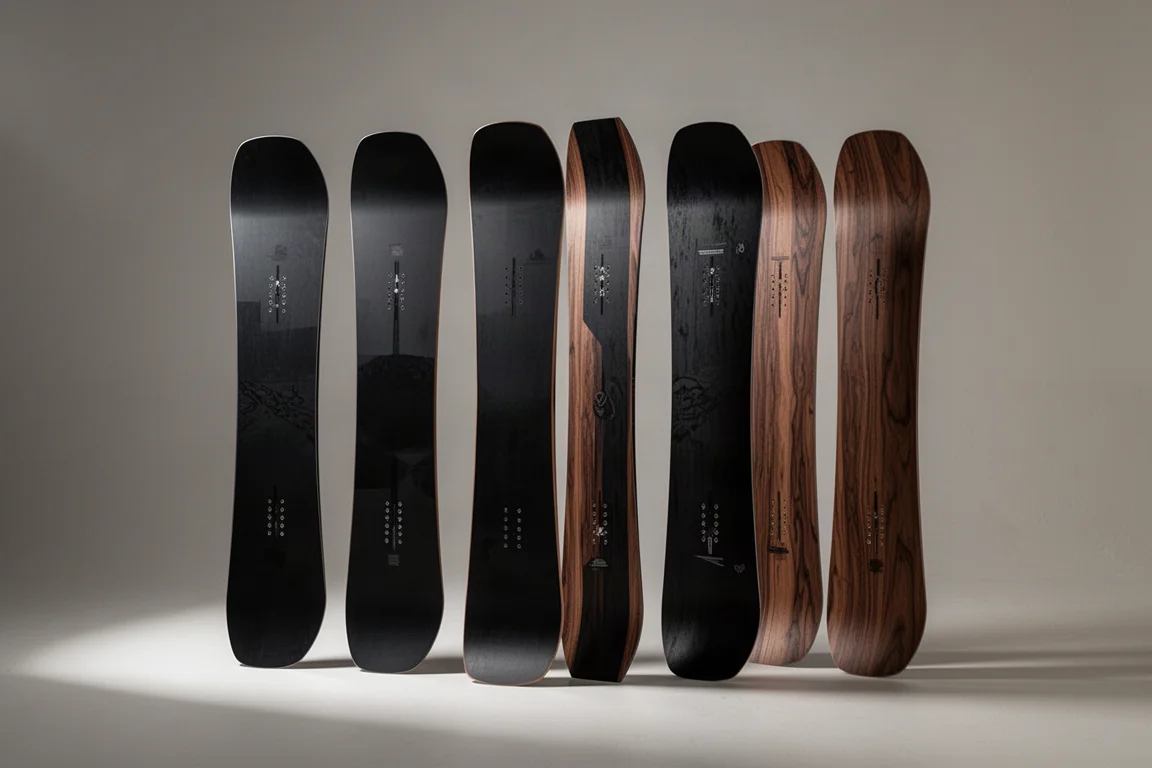
Intermediate riders have more genuinely good board options than ever, and the 2024-2025 lineups make the choice both easier and harder. Easier because brands have refined their hybrid profiles and directional freeride shapes to be far more forgiving; harder because nearly every board on this list could plausibly be your next daily driver. This roundup covers the five standout intermediate snowboards of the season plus three honorable mentions that came close.
5. Arbor Verado
The Arbor Verado was previously sold as the Arbor Coda Rocker, renamed this season to keep things clearer. It is a full reverse camber board with Grip Tech contact points right underneath the inserts, which means it grips into the snow instead of letting you slide around like you are on a saucer. Even though it swivels and presses easily, edge hold stays surprisingly solid.
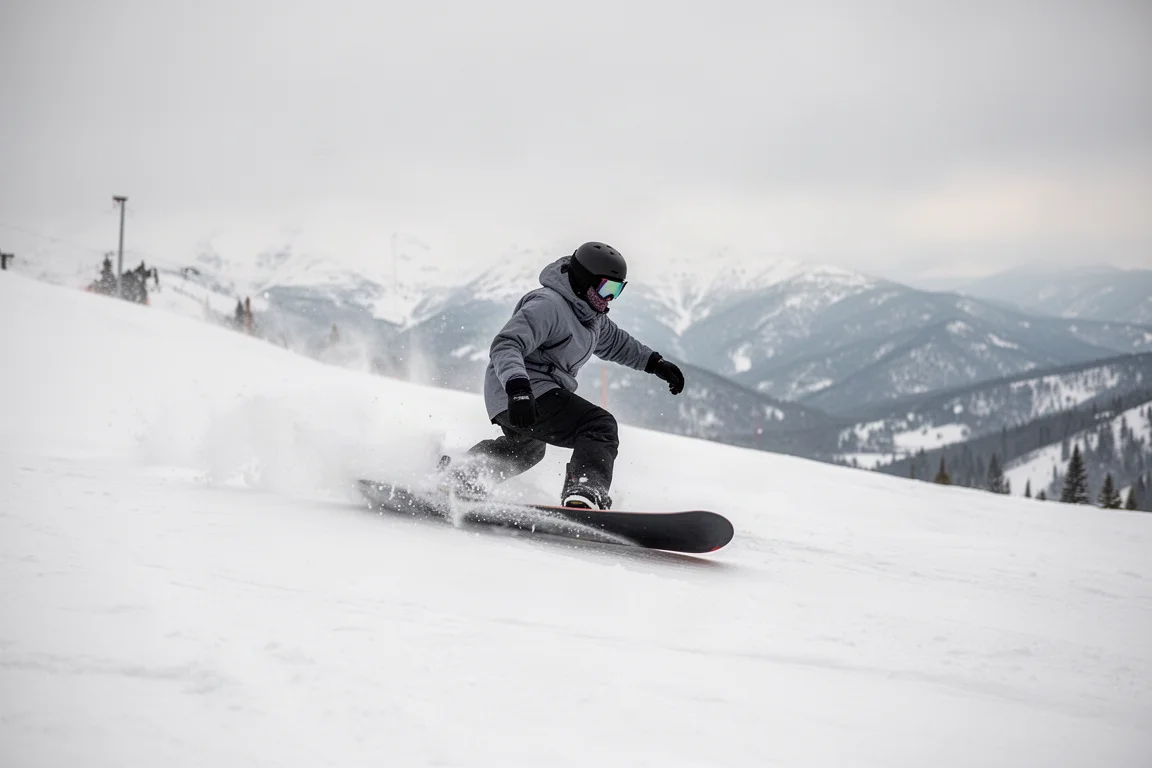
Float is a real strength here: that nose shape wants to stay up in powder and slushy snow. It is also a blast in the park or just buttering around, since you can press hard into the nose or tail without penalty. It is not the most precise board on the mountain, but it strikes a nice mixture of precision and playfulness.
4. GNU Hyper
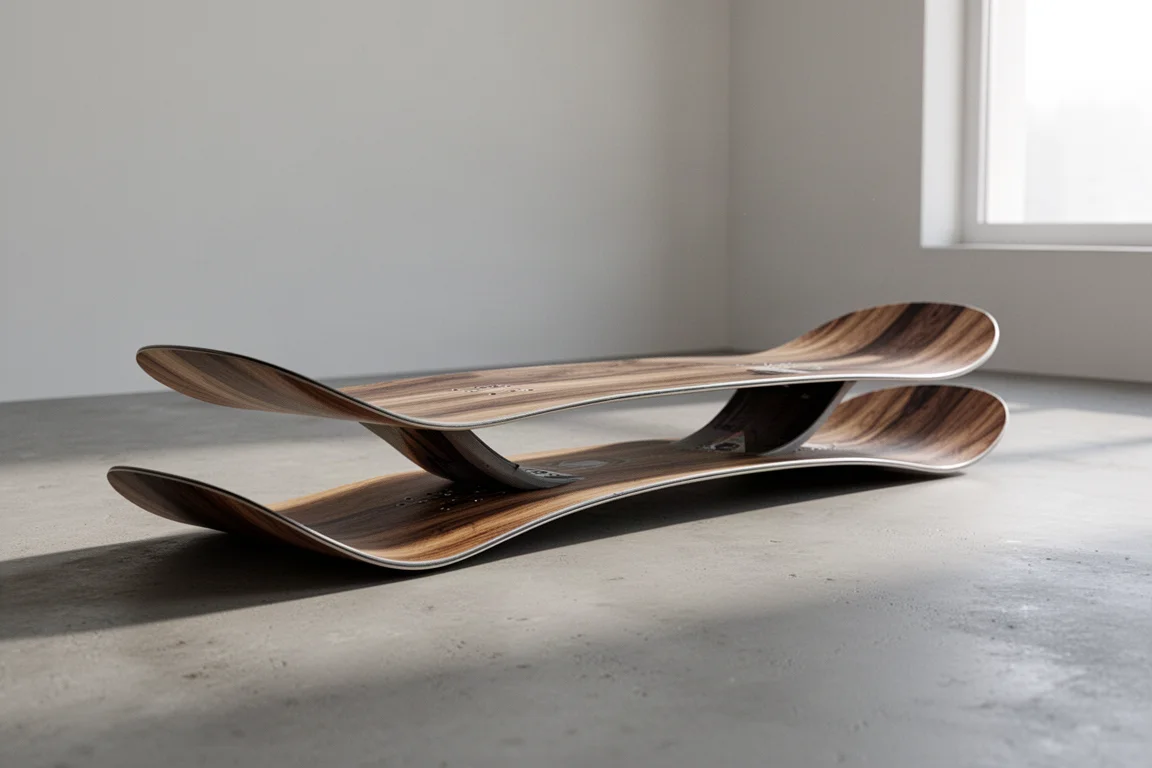
The GNU Hyper is a great combination of precision with a little playfulness mixed in. If you try to overpower it, it will punish you, which is exactly what makes it such a good intermediate board for someone learning to hold an edge without dumping force into the turn.
It is easy to turn and easy to keep floating, and it does not demand that you ride at your absolute limit every run. It will also progress with you: once you reach that advanced zone, you can take it off jumps and side hits without worrying about it folding on you or running out of board.
View more details for GNU Hyper
3. K2 Instrument
The K2 Instrument is a volume-shifted directional freeride board, so you can size down a few centimeters from your usual length. This is the board for riders who have found their niche and want to point it one direction: carve the whole mountain, get into the trees, and make tight wiggle moves in the glades.
It turns easily without being cumbersome, keeps that great float, and the directional shape makes it manageable in tighter tree sections while you keep progressing. If directional freeriding is where your riding is heading, this is a natural next step.
2. Rome Ravine
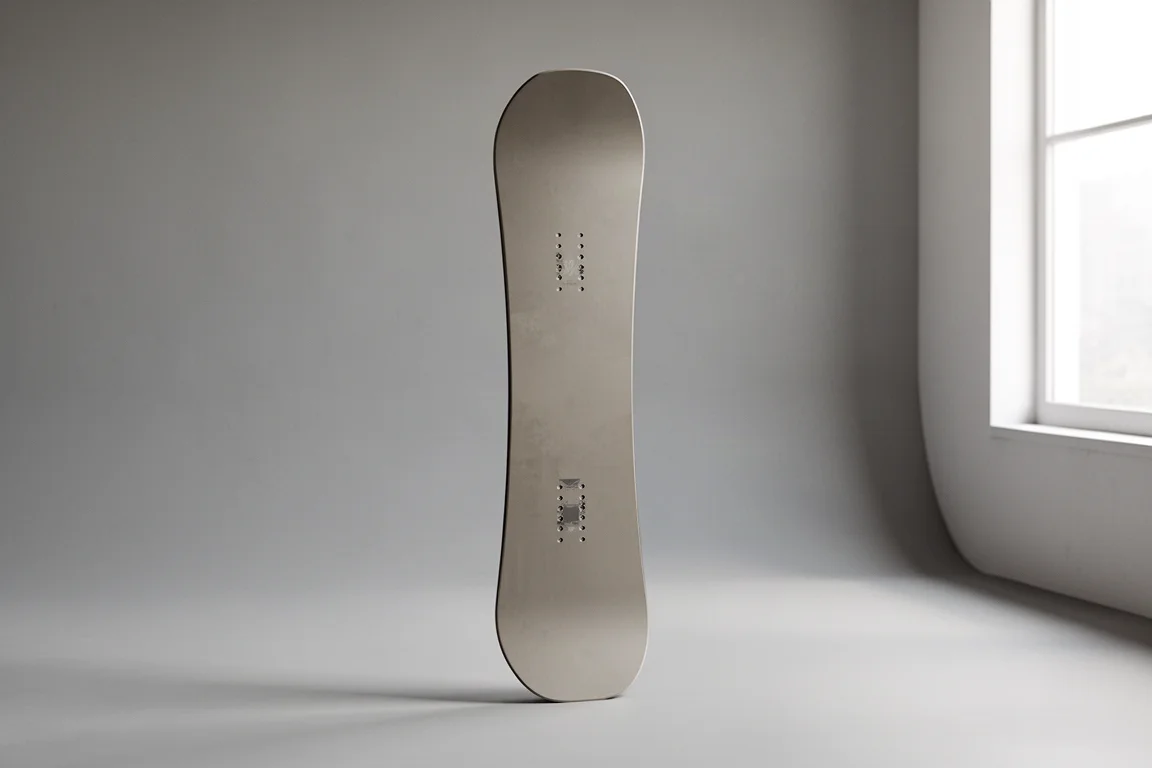
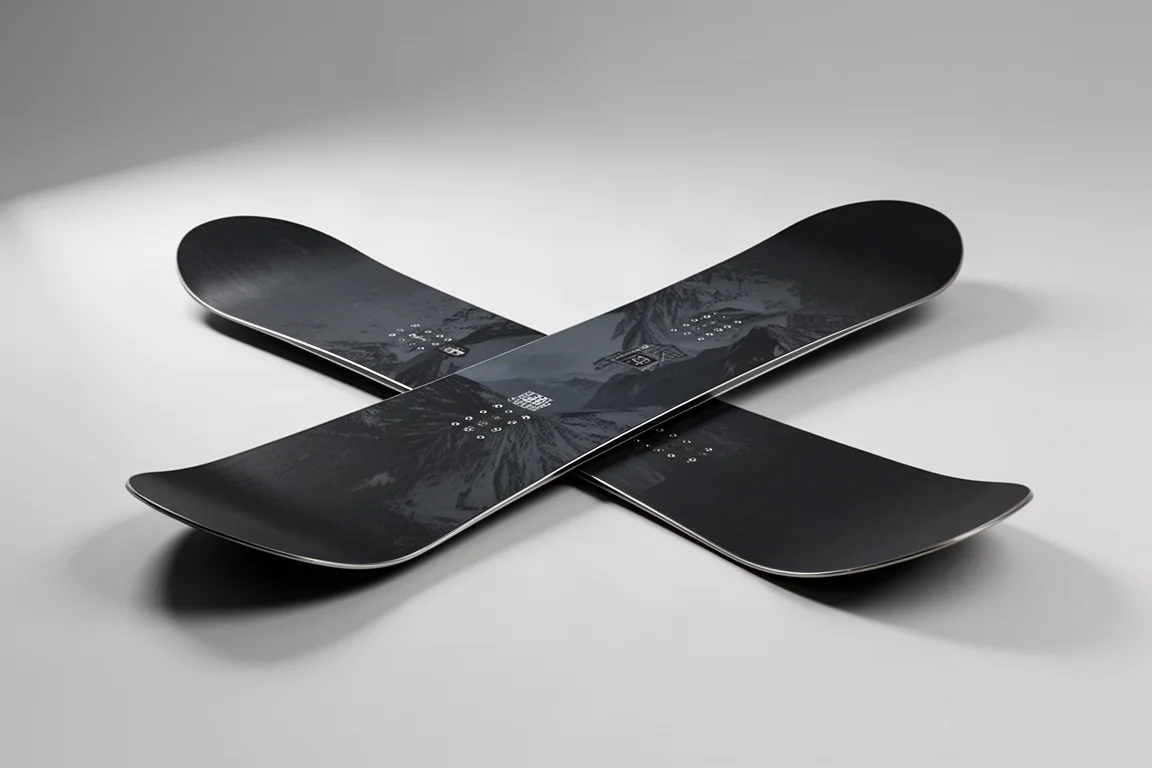
The Rome Ravine works for intermediate riders moving up toward advanced. It runs camber between the feet with rocker on the nose and tail, slightly less rocker on the tail because it is a directional board. It turns really well, and you can stand on that tail and lean into it for power without worrying about it folding underneath you.
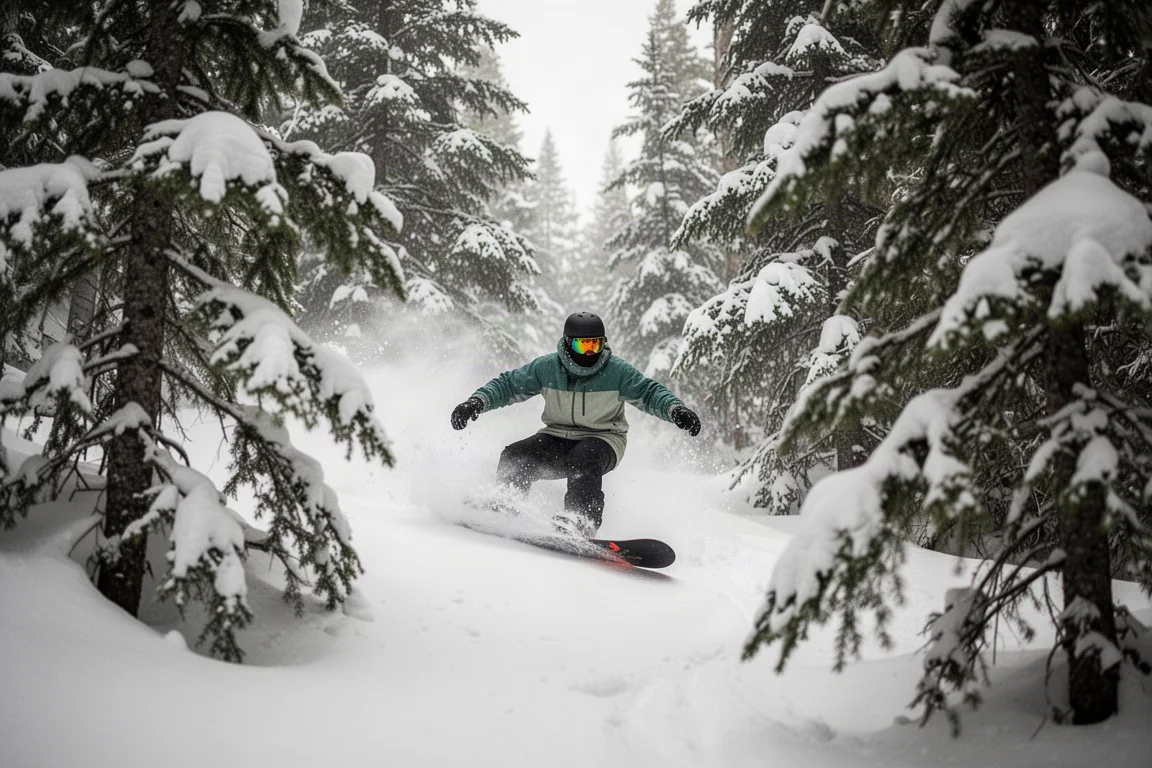
It also loads up extremely well, so you are not pigeonholed into a straight freeride role. Take it off side hits or lap a medium jump line and it stays genuinely fun. That versatility is what pushes it near the top of this list.
Honorable Mentions
These boards are all great options in their own right; they just did not quite crack the top five this season.
Nitro SMP
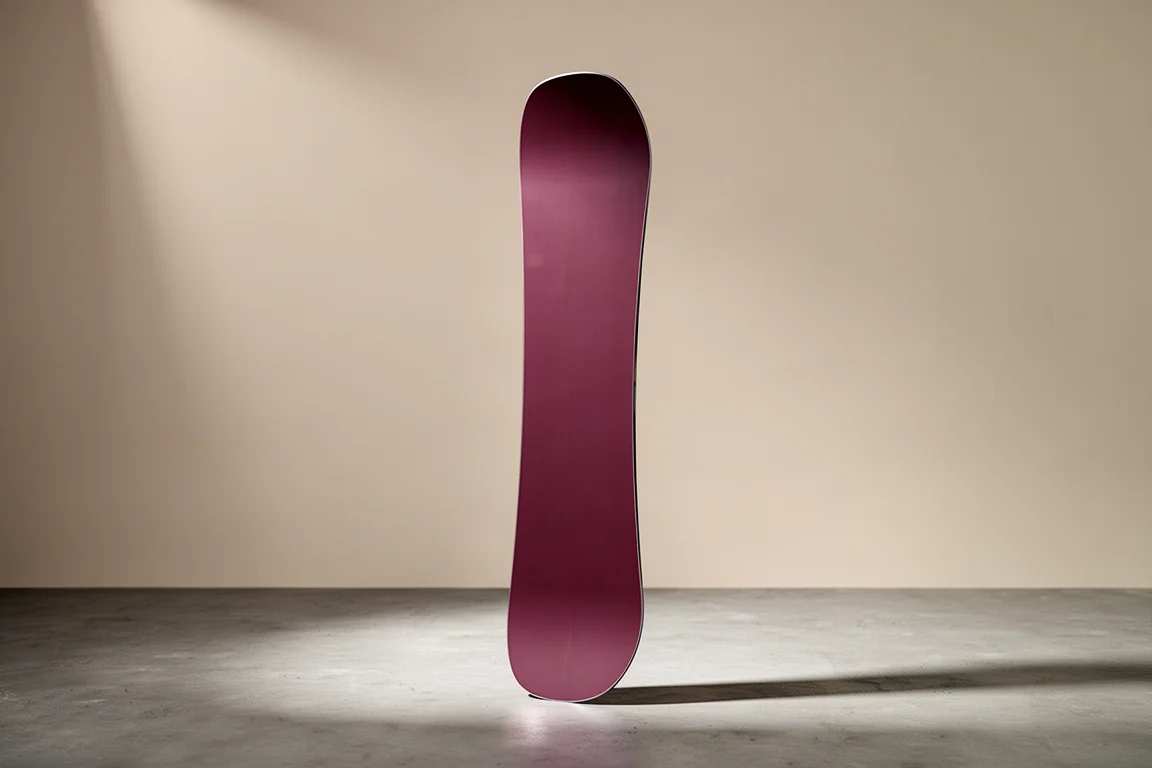
The Nitro SMP is a great directional freeride board with camber right underneath your feet and rocker on the nose and tail. It simply wants to turn, and it behaves like a classic freeride deck. Power pods under the inserts add extra grip, so on icy or super steep terrain that challenges your ability level, it will hold up for you.
Jones Frontier
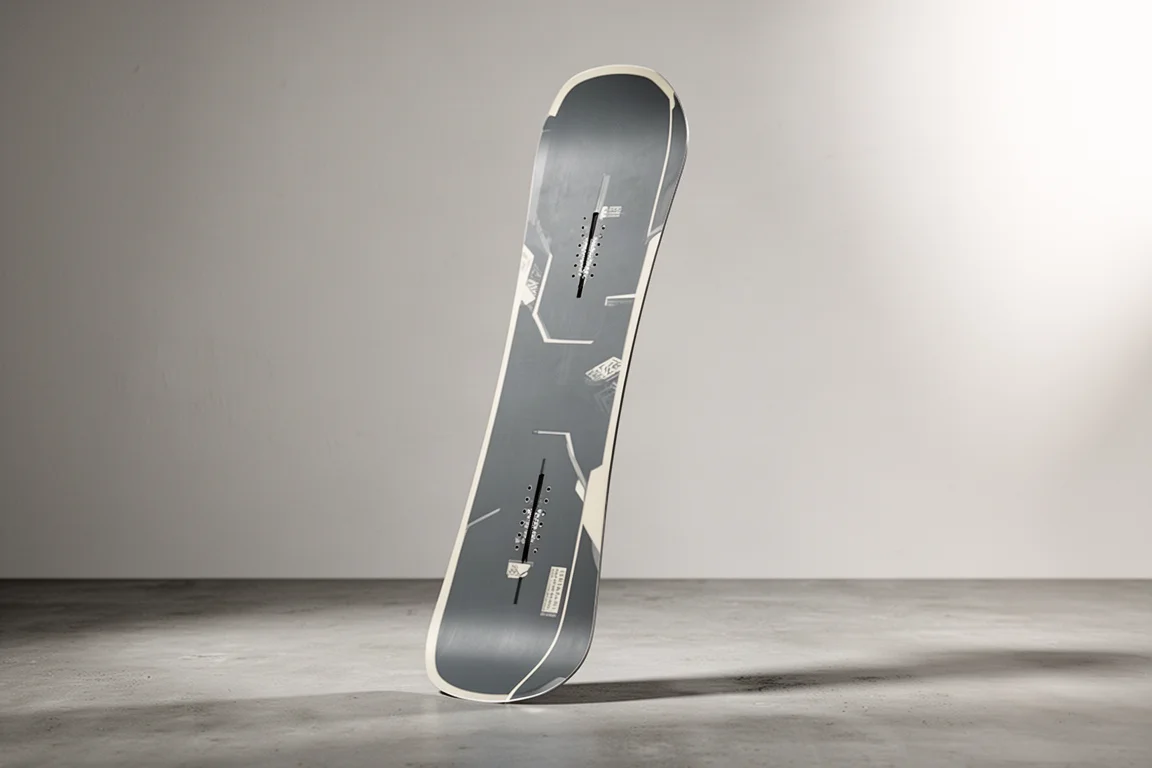
The Jones Frontier is a directional twin, and its shape will look familiar: it shares its silhouette with the Solution and Flagship, tweaked slightly to be more user friendly. Camber between the feet with rocker on nose and tail makes it more catch-free and helps it float when you get into powder.
Salomon Super 8
The Salomon Super 8 fits riders who want to carve, hit side hits, or even compete in their first banked slalom. It is not super rigid, running mostly camber with more rocker on the nose than the tail. The result is a user-friendly board you can still take big runs on without getting bucked around.
1. Ride Moderator
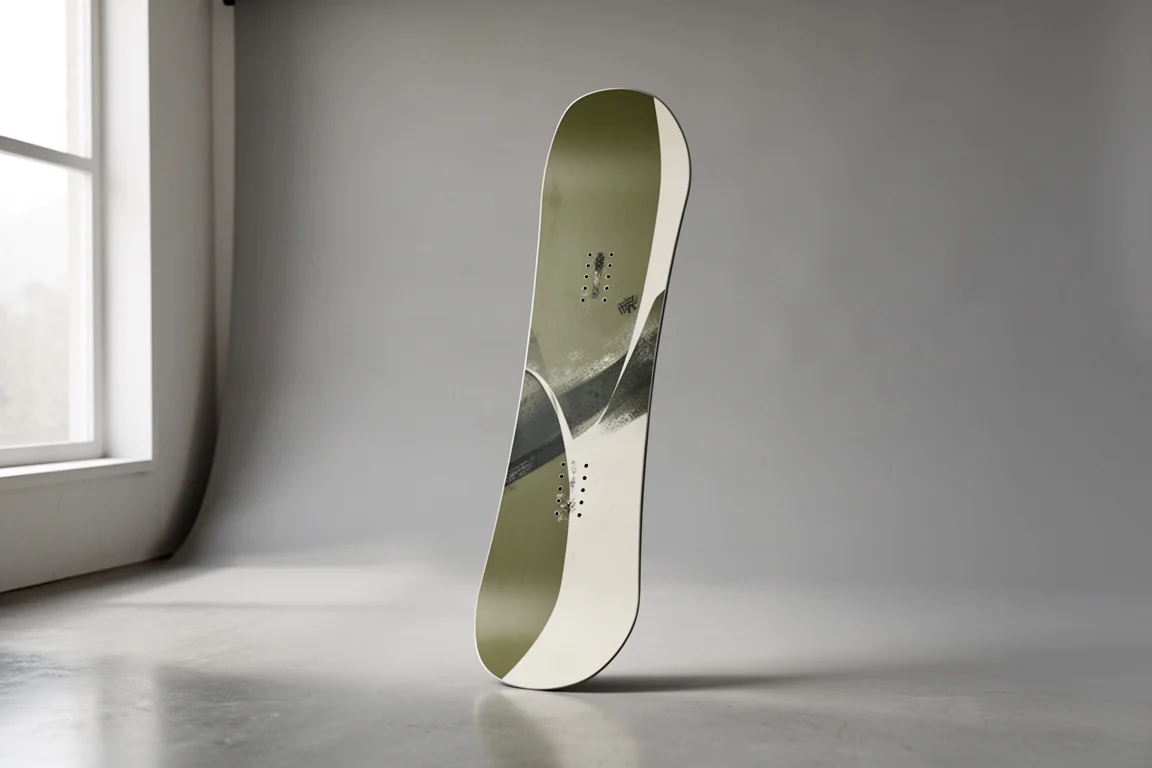
The Ride Moderator is new to the line this season and takes its cue from a mixture of the Ride Deep Fake and the Shadow Band. It carries the stiffness of the Shadow Band without being crazy stiff, and it skips the metal sidewalls of the Deep Fake, landing in a nice happy middle. That makes it a great option if you are not a particularly big rider.
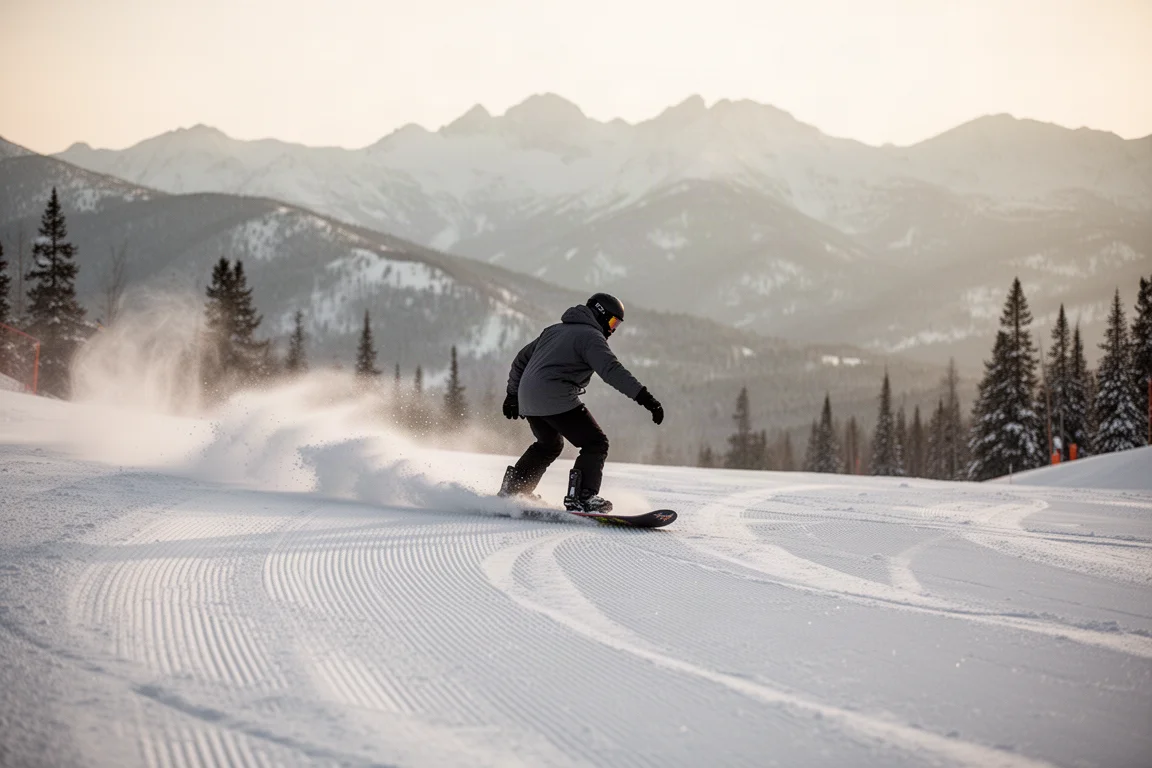
It runs camber underneath your feet all the way through the tail with a little rocker on the nose. That profile delivers the precision you are looking for without being overbearing, since the rocker helps the board get off edge and over to the other side, and it also helps float when you are chasing fresh powder on side hits and sidecountry lines. Because of the camber, it has a nice pop, and there is extra landing gear in the tail: land a little back seat and it wants to bring you right back to your normal stance. You do not always have to land bolts on it.
View more details for Ride Moderator
Buying Advice
If you want maximum playfulness and float, the Arbor Verado is the easy pick. If you want a board that teaches you better edge control but still grows with you, the GNU Hyper fits that role. Directional freeride riders should look hard at the K2 Instrument and the Nitro SMP, while the Rome Ravine and Jones Frontier cover the versatile hybrid-camber middle ground. The Salomon Super 8 suits mellower all-mountain riders and banked slalom types, and if you want one board that blends precision, pop, and forgiveness, the Ride Moderator earns its number one spot.
Conclusion
The best intermediate snowboard is the one that matches where your riding actually is, not where you hope it will be next season. Any board on this list, from the playful Verado to the directional Moderator, will support real progression without punishing every mistake. Pick the profile and direction that fits your terrain, and you cannot go far wrong.
Further reading
Related Reviews
Snowboarding
2025 Snowboard Gear List: Five Picks That Earned Their Place on the Mountain
From Zeiss-lens goggles to a hybrid step-in binding, here are five pieces of 2025 snowboard gear that held up across a full season of riding.
Snowboarding
2026 Snowboard Gear List: Boards, Bindings, Boots and Outerwear Worth a Look
A season-ready snowboard setup built from the bottom up: base layers, Strafe outerwear, Ride and Union boots, Union bindings, and two new Capita boards.
Snowboarding
32 Cold World Review: A Playful Hybrid Camber Board for Park Laps
The 32 Cold World blends classic camber underfoot with flat nose and tail sections for a predictable, butter-friendly ride aimed at intermediate park riders.