Power Tools
Best Impact Drivers 2026: Four Compact Powerhouses Tested Head to Head
DeWalt's new DCF845 and Atomic DCF850 face off against Makita's XDT19Z and Milwaukee's M18 Gen 4 in a torque, speed, and comfort showdown.
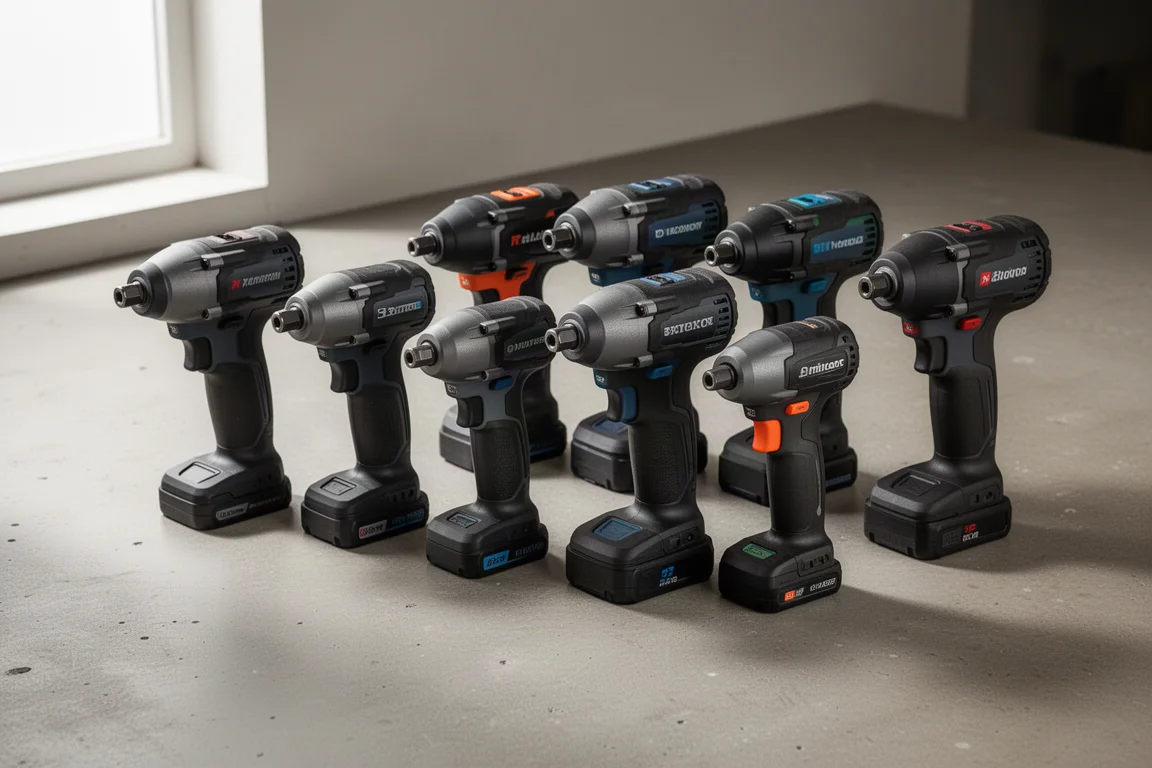
Introduction
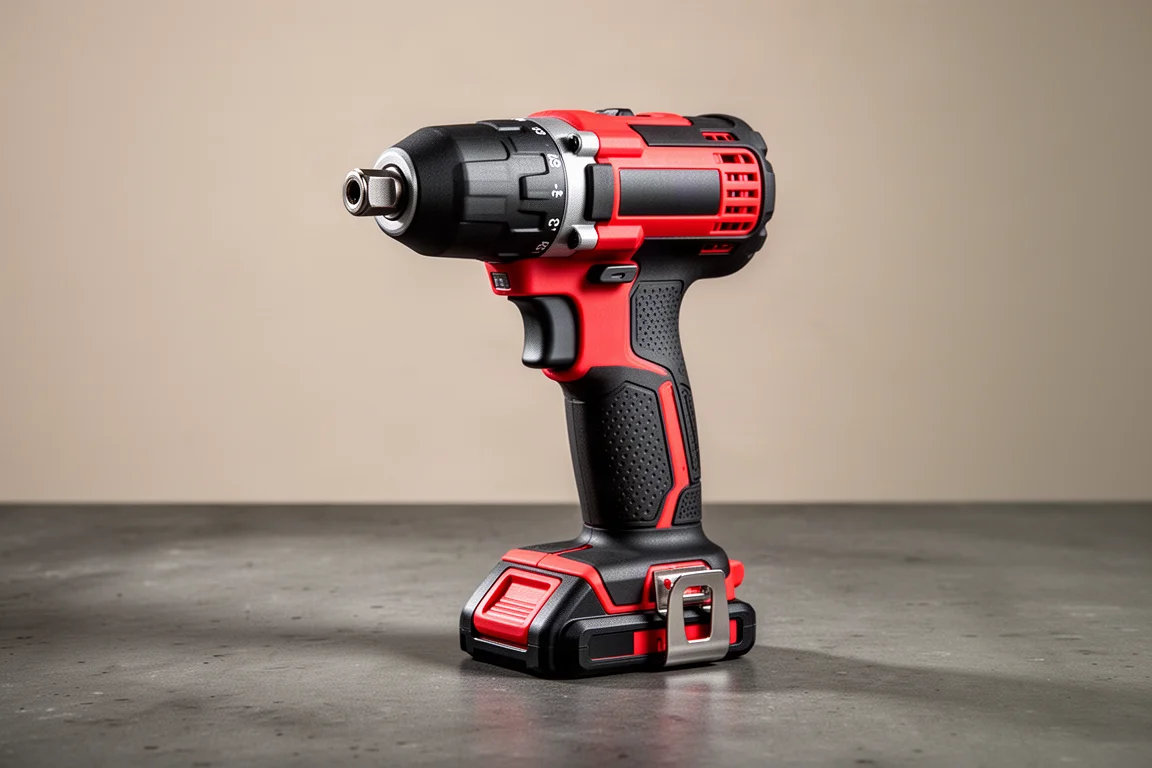
Compact impact drivers have quietly become the most-used tools in many kits, and four current models stand out for different reasons. DeWalt’s brand-new DCF845 20V XR promises its highest performance figures yet, the tiny Atomic DCF850 claims the same torque in a smaller body, Makita’s latest XDT19Z continues a long line of small-but-strong drivers, and Milwaukee’s M18 Gen 4 2953 is the fourth generation of a proven favorite.
We put all four through torque tests, speed runs, and real-world driving work to see where each one genuinely earns its place.
How We Tested
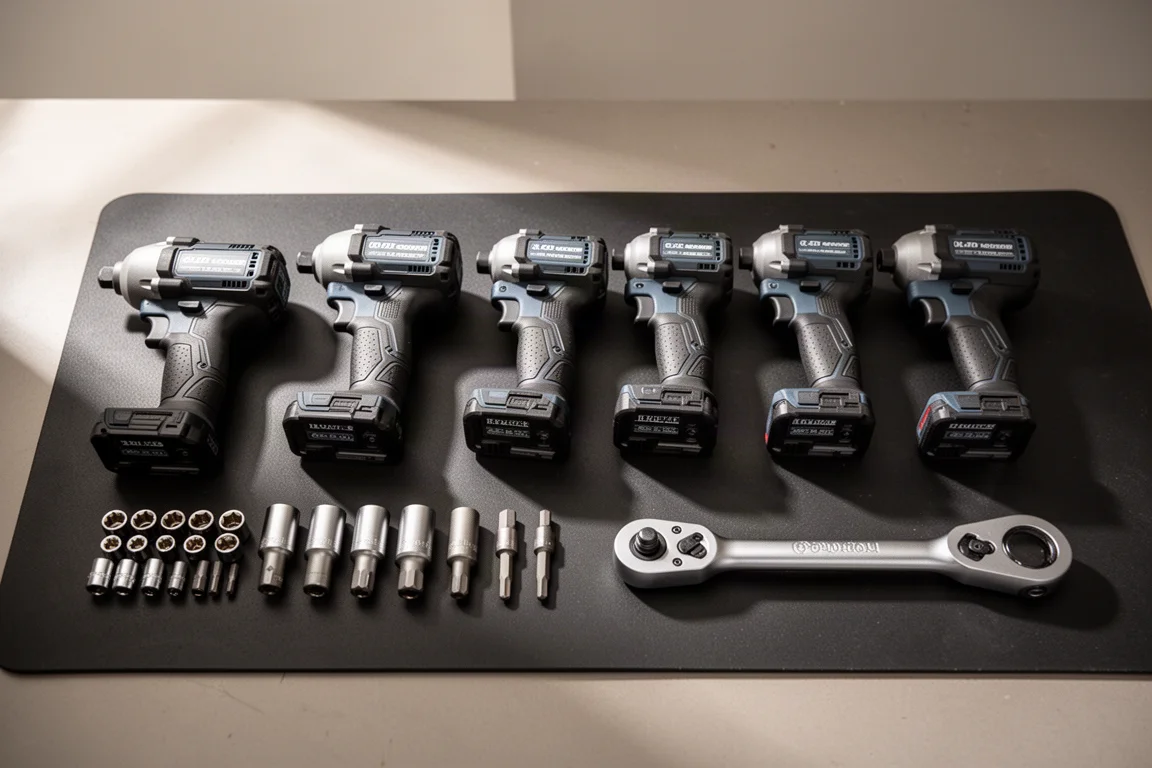
The core test is a five-second forward working torque run, which mirrors how manufacturers measure their claimed torque figures. From there we move to longer ten-second forward tests, then reverse torque, and finally a look at weight, size, speed, vibration, and price-to-performance.
The results reveal some interesting gaps between what the spec sheets advertise and what these drivers actually deliver.
DeWalt DCF845 20V XR
The DCF845 looks a lot like the recent DCF840 but adds a selector switch, and on paper it is DeWalt’s new leader: 1,825 inch-pounds of torque, speed bumped from 3,250 to 3,400 RPM, and impacts per minute jumped from 3,800 to 4,200. It is narrow, lightweight, and genuinely comfortable, though at 5.1 inches it is not especially short for the class.
In testing, it is a fast, smooth operator. It sinks deck screws and even short lags as quickly as the Atomic, and it is remarkably pleasant at high torque levels, barely vibrating compared with typical DeWalt drivers. Where it falls short is peak torque: despite matching the DCF850’s rating on paper, it measured slightly behind both the Atomic and the Makita in the longer forward test. The rapid impacting gets it off to a strong start, but heavier, less frequent blows carry the Atomic further into high torque territory.
If you care about productivity above all, driving hundreds of deck screws in a day with a comfortable, well-balanced, no-nonsense tool, the 845 is easy to recommend at its roughly $150 price point. Just know it does not out-torque the Gen 3 or Gen 4 Milwaukee, or even its own little brother.
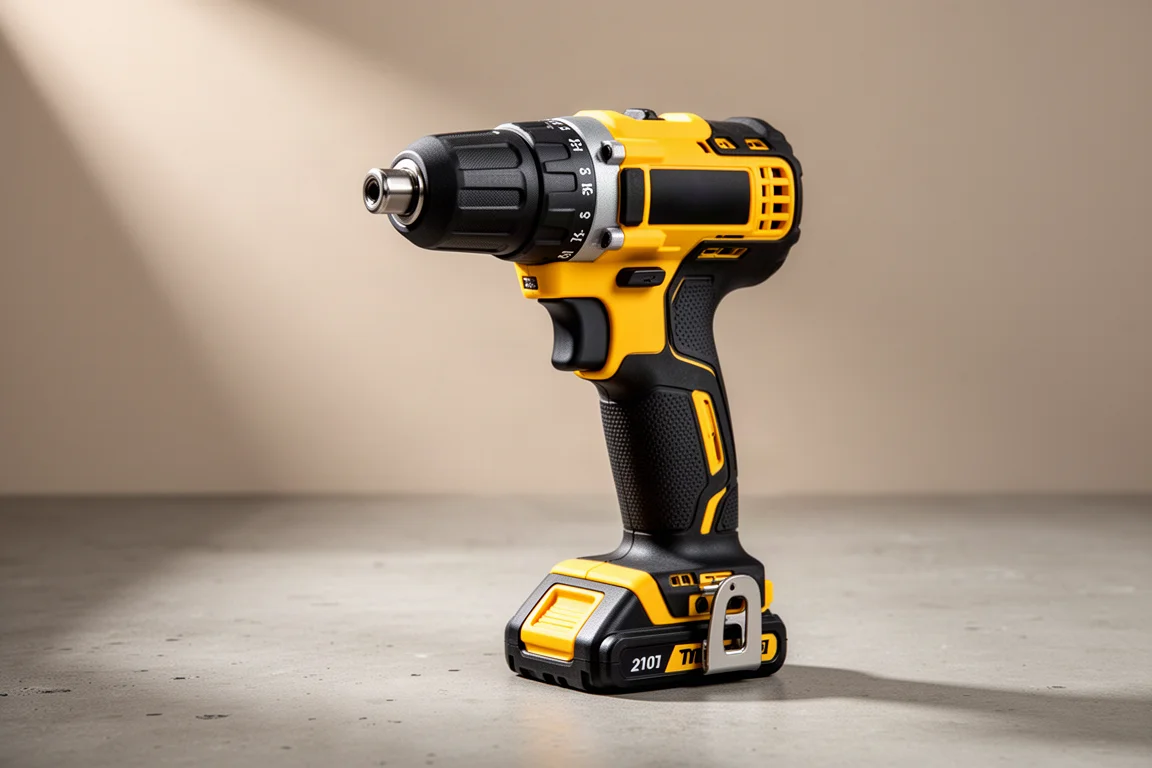
DeWalt DCF850 Atomic
The Atomic DCF850 is a tiny package with serious attitude. Despite its compact size, it weighs a bit more than you would expect, and that mass shows up in the results: its larger-diameter hammer amplifies moment of inertia, letting it build more significant hits and carry deeper into high torque levels than the nominally identical DCF845.
In the working torque test it came in later with stronger, more deliberate blows, and in the ten-second forward test it clearly outpaced the 845 despite both tools carrying the same 1,825 inch-pound rating. If you want the most torque DeWalt’s compact line actually delivers, rather than the one with the flashiest speed numbers, the Atomic makes a compelling case.
Makita XDT19Z
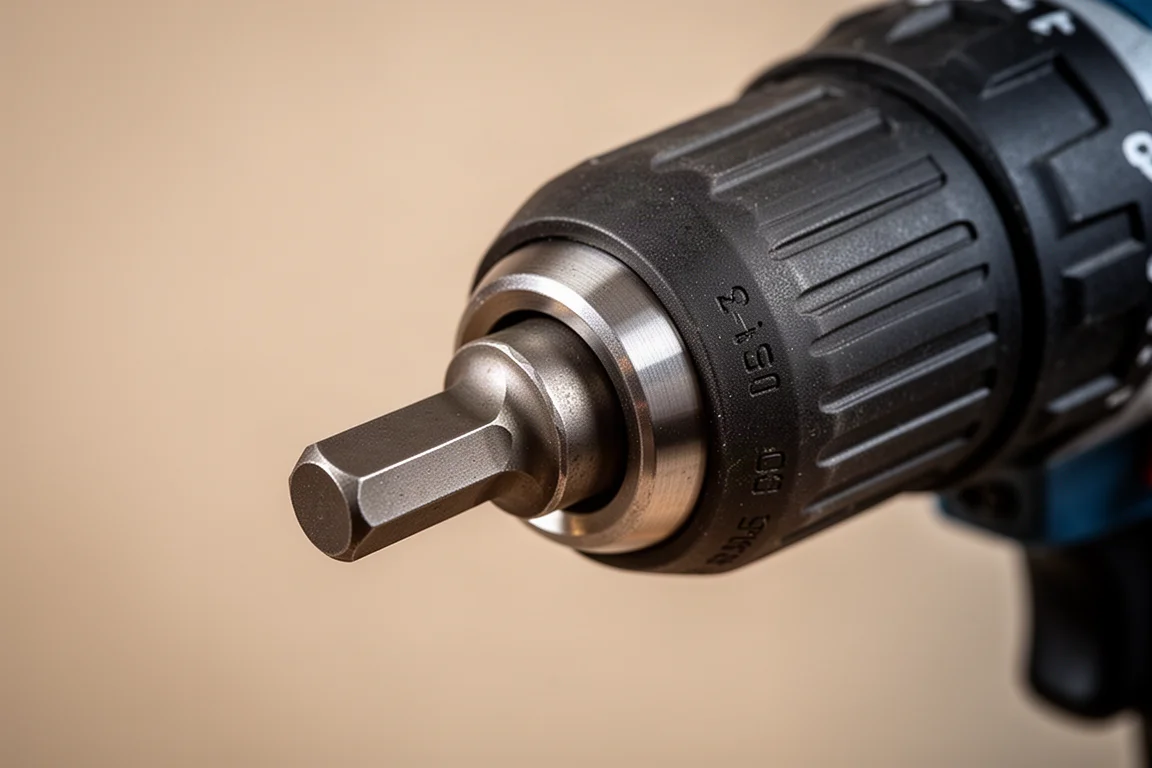
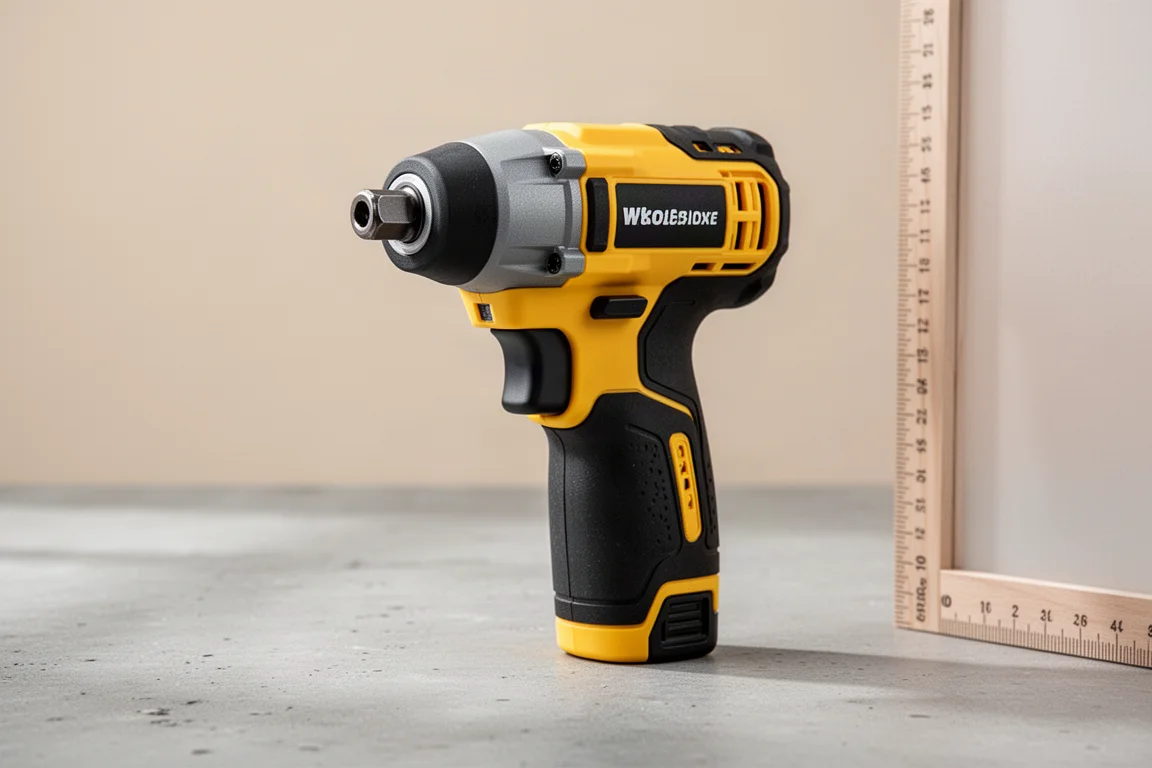
Makita has been keeping things small but powerful in this category longer than anyone, and the XDT19Z is the latest US-market model, replacing the XDT16 and a long line of near-identical predecessors. It is a sixteenth of an inch shorter and 0.1 pounds lighter than before, with around 1,590 inch-pounds of claimed torque.
In use it is smooth like butter, with one of the nicest trigger setups you will find: spring pressure and potentiometer zones that make starting machine screws and working in threaded holes genuinely pleasant. It outperformed its torque claim in forward testing. The odd weakness is reverse, where our sample struggled badly and sounded like it was skipping a hammer; that appears to be a defective unit rather than a design trait, but it is worth noting.
At around $200 to $210 it is expensive for an impact driver, and the Japanese-market equivalent, essentially the same tool in more color options and made in Japan, can be found for around $160. If you are drawn to this one, the import route is worth considering.
Milwaukee M18 Gen 4 2953
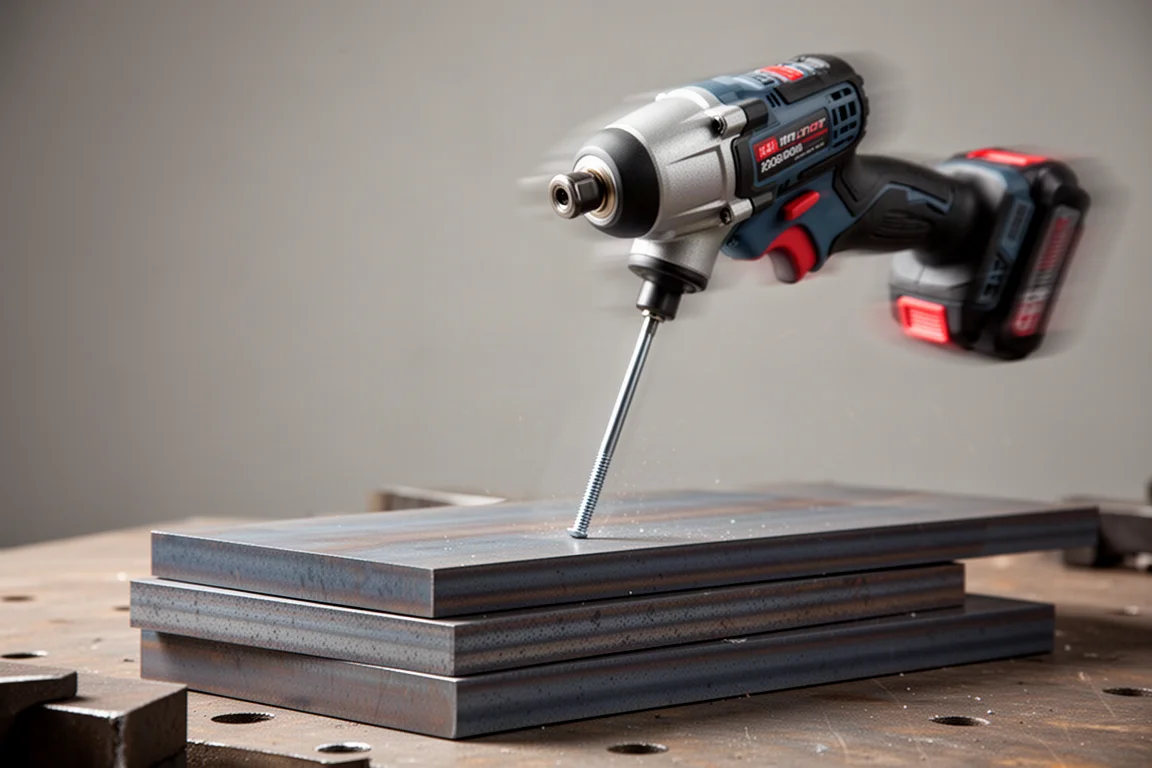
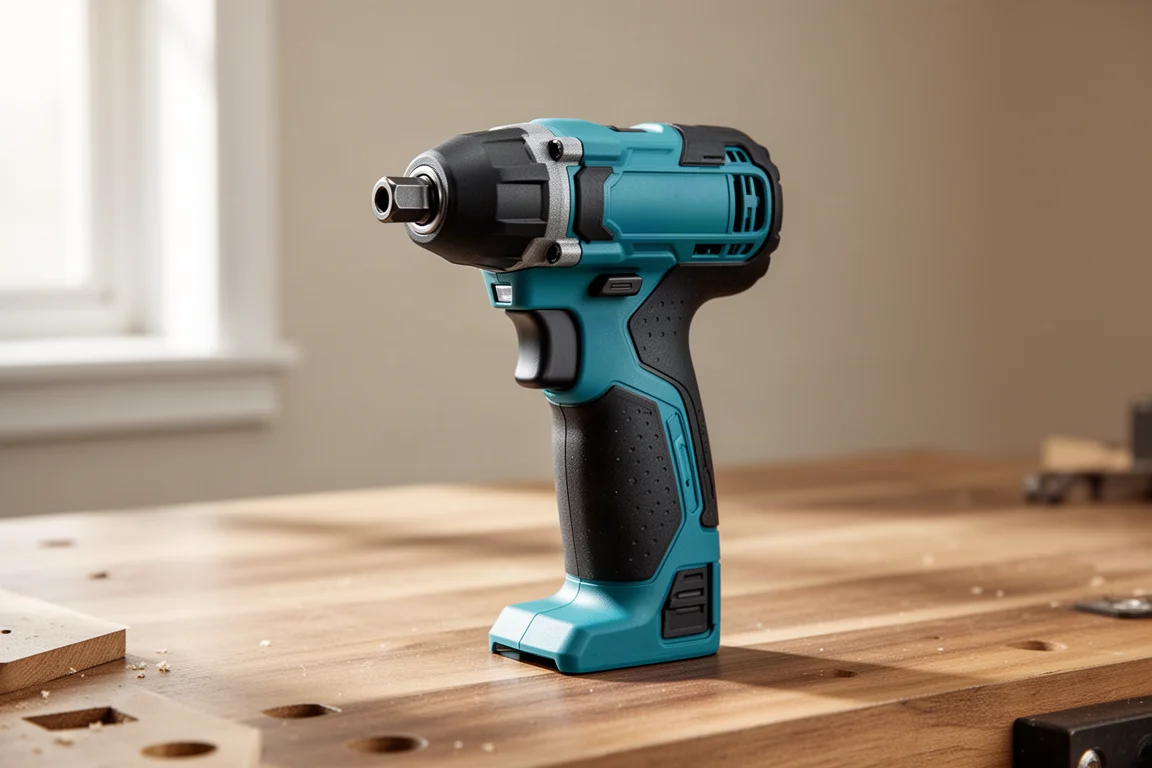
The Gen 4 Milwaukee entered testing with a cloud over it: the first sample broke during early testing on bolts, before it could even be returned through normal channels. Rather than write it off, a replacement was sent out for torture testing with half-inch and five-eighths inch lags driven into pressure-treated 4x4s with no pilot hole.
The result was smoke, plenty of heat, and peak torque readings climbing to around 166 to 177 foot-pounds, but no death. The tool lived on through everything thrown at it. Given that it is not intended primarily for lug nut duty, the first failure looks like an unlucky happenstance rather than a pattern.
On the test rig it posted a strong 134 foot-pounds in the working torque test, right at its rating, with what is arguably the finest trigger feel of the group. For overall torque and refinement, it remains the benchmark the others fall short of.
Buying Advice
If peak and sustained torque matter most, the Milwaukee M18 Gen 4 remains the one to beat, with the Makita XDT19Z close behind in forward work and unmatched in trigger feel. If speed and all-day comfort are your priority, the DeWalt DCF845 is a joy to use at a friendly price. If you want maximum actual torque from DeWalt’s compact line, the Atomic DCF850 quietly outperforms its own flagship sibling.
For the Makita, check the Japanese import market before paying full US retail; the equivalent tool is often cheaper and equally good.
Conclusion
Spec sheets tell only part of the story. DeWalt’s DCF845 brings speed and comfort, the Atomic DCF850 delivers more real-world torque in a smaller body, Makita’s XDT19Z is the smoothest of the bunch with a superior trigger, and Milwaukee’s Gen 4 2953 still leads on raw torque and survived a brutal torture test. Match the driver to the work you actually do, and any of these four will serve you well.
Further reading
Related Reviews
Power Tools
Best 1-Inch Pistol Impact Wrenches: Three Heavy-Duty Options Compared
We compare three 1-inch pistol impact wrenches, from a budget-friendly Harbor Freight model to a premium Caterpillar unit, to help you choose the right one.
Power Tools
Best 3/4-Inch Impact Wrenches 2026: Five Contenders Compared
We compare five 3/4-inch impact wrenches across price and performance, from a budget Amazon option to Snap-on's most powerful model yet.
Power Tools
Best Budget Cordless Tools 2026: Walmart Finds That Punch Above Their Price
We tested five cordless tools from Walmart, including a high-torque impact wrench that trades blows with Milwaukee and a $35 duster that outperforms its price class.