Power Tools
Impact Driver Showdown: New Makita XGT vs Makita 16, 19 and Metabo HPT Bolt
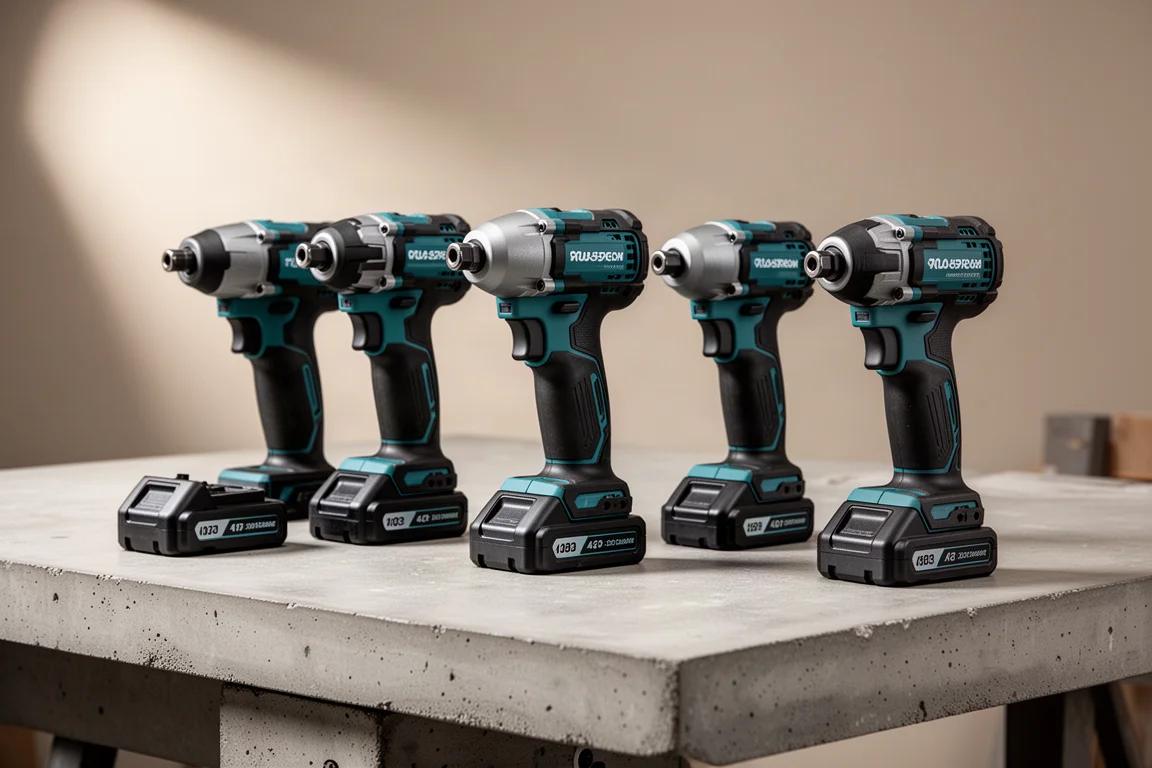
Four fastening powerhouses compared: the new Makita XGT GDT002D, the XDT16, the XDT19, and the Metabo HPT WH36DC, the surprise powerhouse of the group.
Introduction
Four fastening powerhouses, one honest comparison. The newest arrival is the Makita XGT GDT002D, a Gen 2 40V Max impact driver built for the US market, and it goes head to head with two proven LXT veterans, the Makita XDT16 and XDT19, plus the Metabo HPT WH36DC, known in the US as the Bolt.
Here is the interesting part before anything else: despite being the newest and most expensive tool here, the new Makita is not the most powerful. That title goes to the Metabo HPT Bolt. And battery capacity is a non-issue in this comparison, because every battery involved sits at exactly 90 watt hours.
How We Compared Them
The GDT002D kit runs for around $430 and includes two 2.5Ah XGT batteries, an XGT charger, and a bag. The tool-only price sits around $160, which is not cheap, and pairing it with XGT batteries adds more cost on top.
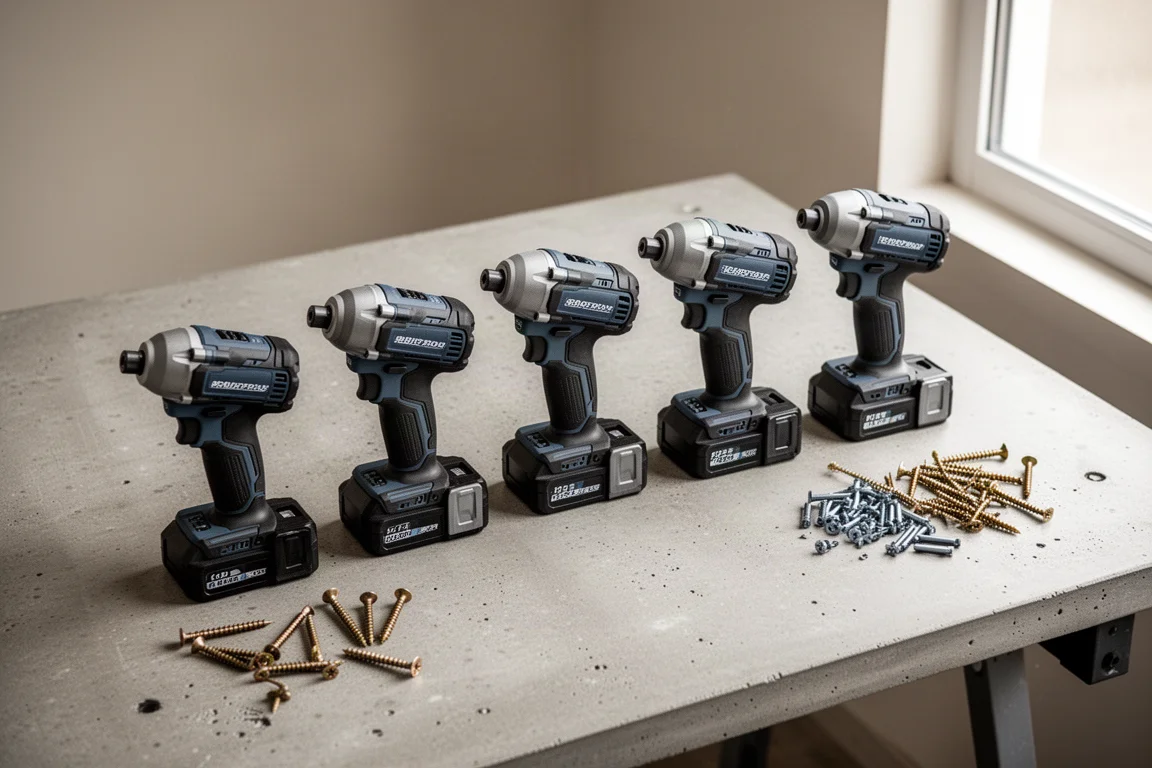
All four drivers were tested with the same 90Wh-class batteries attached, timed on fastener driving tasks, and weighed without batteries. The GDT002D is rated at 3,800 RPM and 4,100 impacts per minute, the highest speed figures in this group. The XDT16 and XDT19 each run 3,600 RPM and 3,800 IPM.
Makita XGT GDT002D
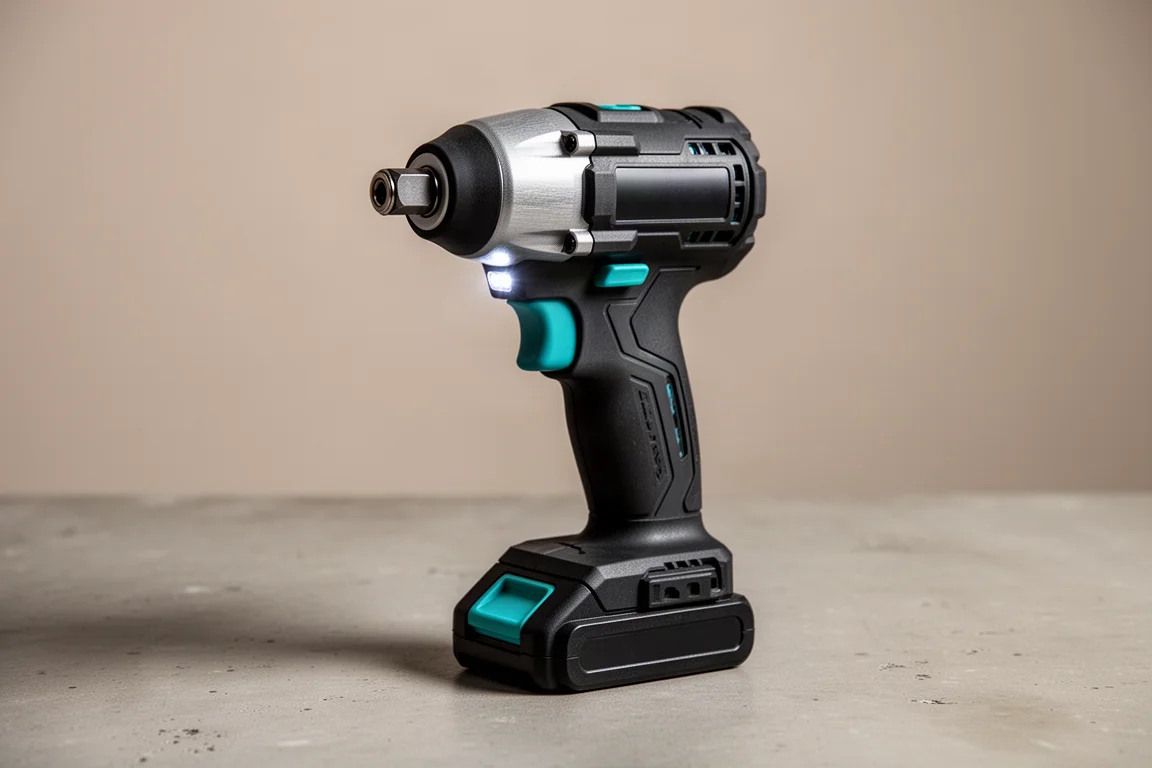
Out of the box, the GDT002D looks strikingly similar to the XDT16. It shares the dual side LED lights of the 16 and 19, but skips the signature glow ring, which feels unusual for a flagship. On the plus side, the exposed piece at the top is metal rather than the plastic used on the 16 and 19, a genuine improvement.
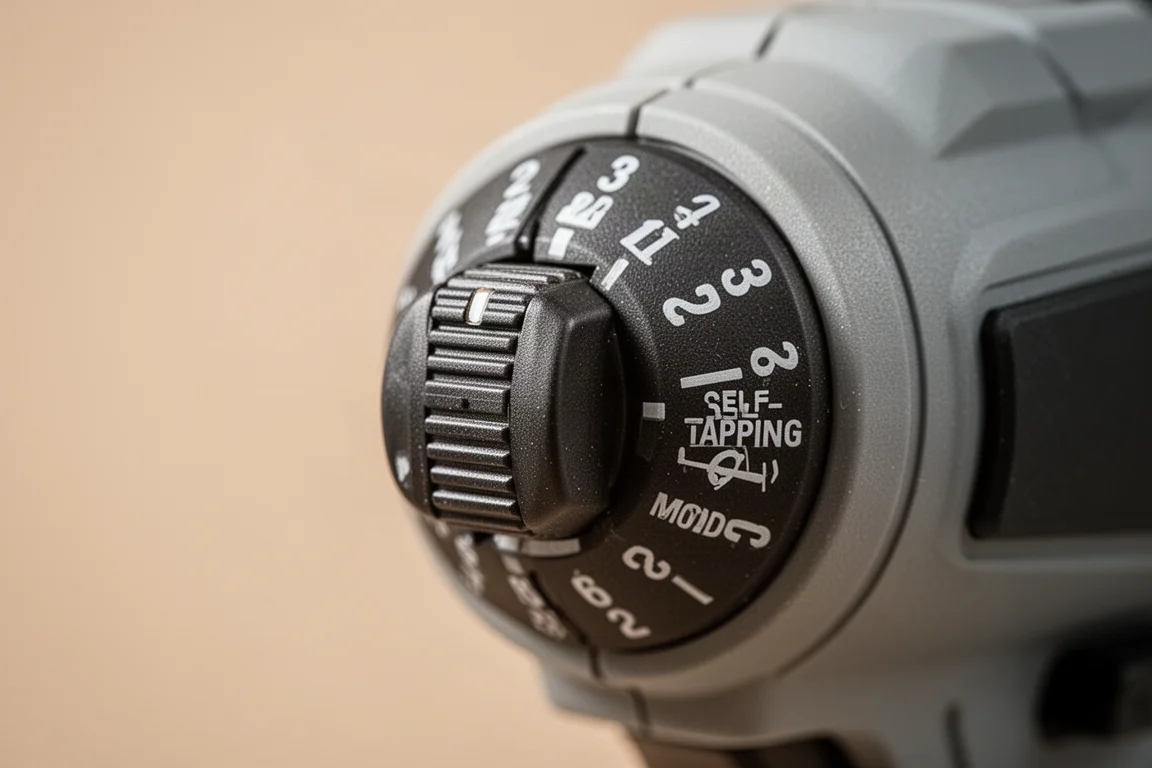
Where it falls short is features. You get five modes total: four speed modes plus a single self-tapping mode. There is no upper control pad to adjust modes from one through four like the 16 and 19 offer. Makita is known for loading impact drivers with features, and this one is surprisingly basic for a premium XGT release.
Makita XDT16
The XDT16 is the older of the two LXT tools here, but it still feels full-featured. It matches the 19 exactly at 3,600 RPM and 3,800 IPM, offers a wide mode selection with an upper control pad, and carries the glow ring that the new XGT model lacks.
At 1 pound 15.1 ounces without a battery, it is lighter than the new GDT002D, and it remains a well-rounded choice for drivers who want plenty of adjustability without moving to the 40V platform.
Makita XDT19
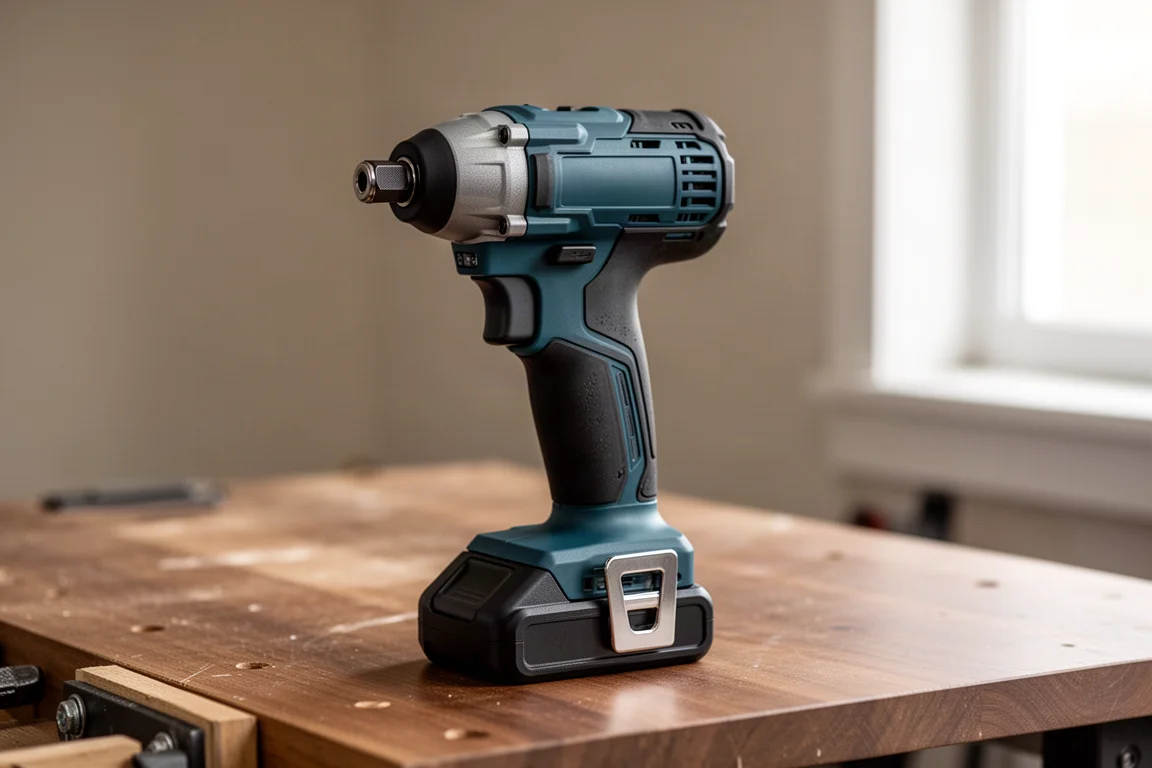
The XDT19 is the lightest of the group at 1 pound 14.1 ounces without a battery, and it is the most feature-rich Makita here. It has the glow ring, a full range of modes, and the refined trigger control that is a signature across Makita impact drivers. That trigger feel is genuinely excellent and easy to dial in once you get used to it.
It is a touch shorter than the new GDT002D, and for many users it still represents the sweet spot in Makita’s current lineup.
Metabo HPT WH36DC (Bolt)
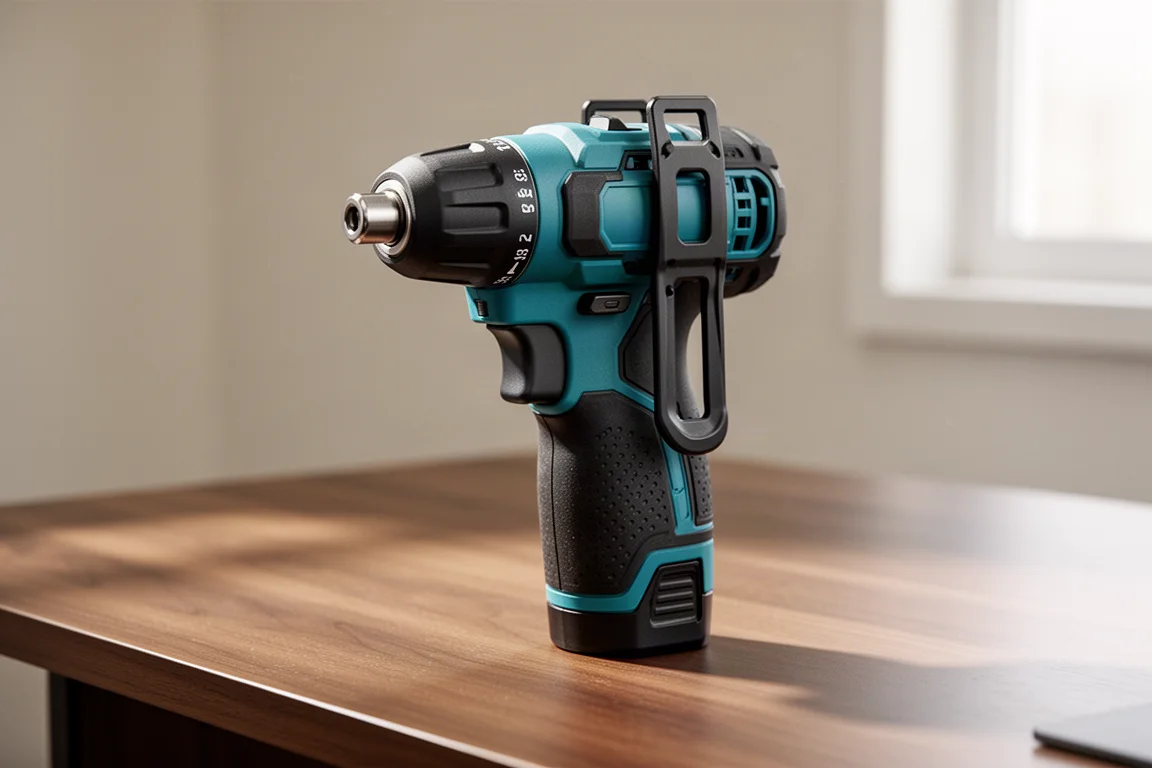
The Bolt is the sleeper hit of this comparison. Despite facing three Makita tools, it delivered the best overall driving performance and has the most torque of any driver in this lineup. Its triple-hammer mechanism does a fantastic job of seating larger fasteners very quickly.
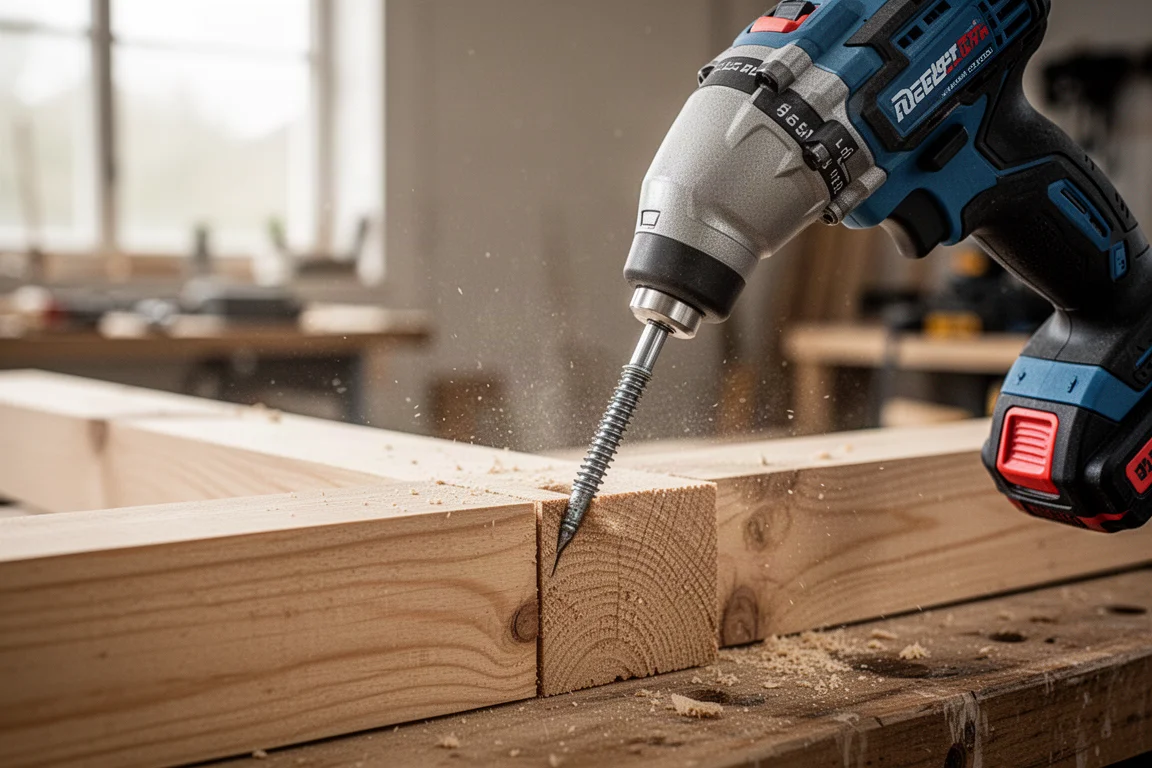
It also carries an IP56 rating, which none of the Makita tools here can officially match. The Makita’s XPT, or Extreme Protection Technology, is described as job-site toughness but does not specify a formal IP rating.
The value story is just as strong: at around $120 before shipping from Amazon Japan, it has become a genuine go-to impact driver. It weighs 1 pound 14.4 ounces without a battery, and its battery also sits at 90 watt hours, keeping the comparison fair.

Overall Buying Advice
Once drivers cross roughly the 1,500 inch-pound mark, smaller fasteners go in within tenths of a second of each other, so raw torque stops being the deciding factor for everyday screws. What matters more day to day is RPM, impacts per minute, mode flexibility, and how the tool feels in hand.
The GDT002D is hard to place. It costs more than the tools it sits alongside, weighs the most of the group at 2 pounds 1.9 ounces without a battery, and offers fewer modes than the 16 or 19. Meanwhile, the Bolt offers more torque, an IP56 rating, and a far friendlier price. Interestingly, the Japanese Gen 2 XGT versions add DST (dual spring technology) and Bluetooth, so buyers hoping for more innovation may want to watch what Makita does next, with the next-generation TD173 expected to become the XDT21 in the US.
Which One Should You Buy?
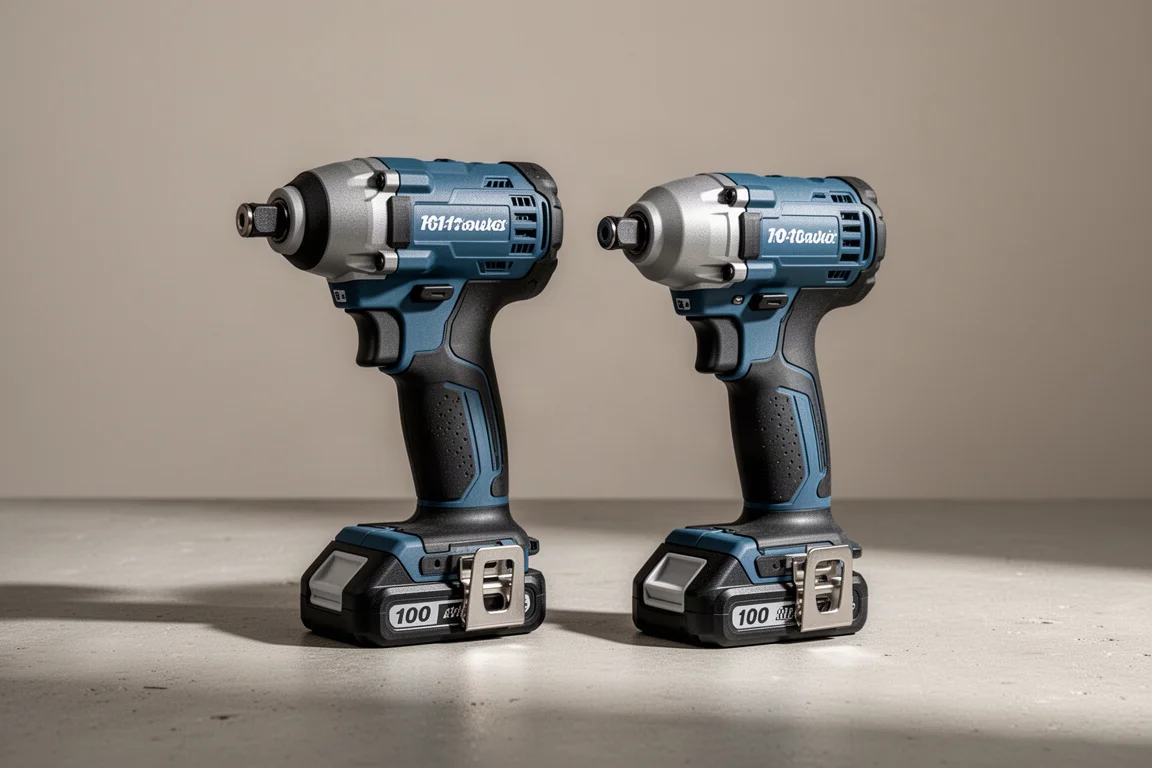
If maximum fastening speed and torque per dollar matter most, the Metabo HPT WH36DC Bolt is the clear pick. If you want the most features and refinement on the Makita side, the XDT19 still leads, with the XDT16 close behind. The new Makita XGT GDT002D makes sense mainly if you are already invested in the XGT 40V platform, but it is not the feature-packed flagship many expected.
Conclusion
This comparison turns the usual script on its head: the newest, priciest tool is not the standout. The Bolt wins on performance, value, and official water resistance, while Makita’s strength remains trigger feel, mode selection, and the proven XDT16 and XDT19. The new XGT GDT002D is competent and well built, but it currently sits in an awkward spot in the lineup.
Further reading
Related Reviews
Power Tools
Best 1-Inch Pistol Impact Wrenches: Three Heavy-Duty Options Compared
We compare three 1-inch pistol impact wrenches, from a budget-friendly Harbor Freight model to a premium Caterpillar unit, to help you choose the right one.
Power Tools
Best 3/4-Inch Impact Wrenches 2026: Five Contenders Compared
We compare five 3/4-inch impact wrenches across price and performance, from a budget Amazon option to Snap-on's most powerful model yet.
Power Tools
Best Budget Cordless Tools 2026: Walmart Finds That Punch Above Their Price
We tested five cordless tools from Walmart, including a high-torque impact wrench that trades blows with Milwaukee and a $35 duster that outperforms its price class.