Hiking Gear
Best Hiking Gear 2026: Nine Trail-Tested Essentials
A practical hiking gear list built from a 1,000-mile season, covering footwear, water filtration, navigation, lighting, packs, layers, and small essentials.
Introduction
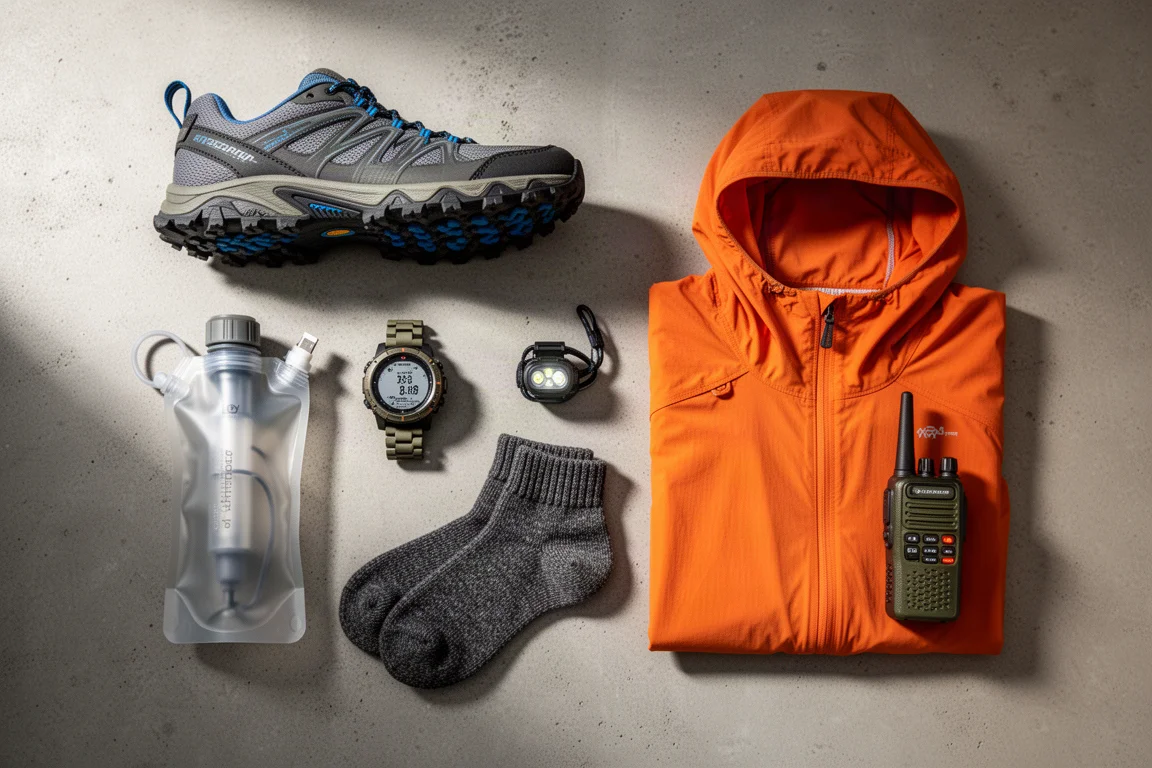
This list comes from a year that passed 1,000 miles hiked across a wide range of climates and environments, and a handful of gear choices changed along the way. What follows are the items that earned a permanent place in the pack, described in plain terms so you can decide whether they fit the trips you actually take.
The picks cover footwear, water treatment, navigation, lighting, packs, group communication, and clothing, plus the small extras that quietly prevent bad days. It is written for day hikers and backpackers who value gear that is simple, durable, and easy to live with.
How This List Was Put Together
Every item here survived repeated use in wet granite, deep mud, cold rain, and bright exposed ridgelines. The filter was simple: gear had to keep working after months of abuse, stay easy to use when tired or cold, and avoid features that add complexity without solving a real problem. Redundancy was weighted heavily for navigation, lighting, and emergency communication, because those are the areas where a single failure changes the shape of a trip.

Each entry below notes what the item does well and where it makes a compromise. Terrain, weather, trip length, and whether you hike alone or in a group will all shift the answer, so treat the list as a set of well-tested starting points rather than a fixed kit.
Altra Lone Peak 9 Plus: Back to a Familiar Shoe
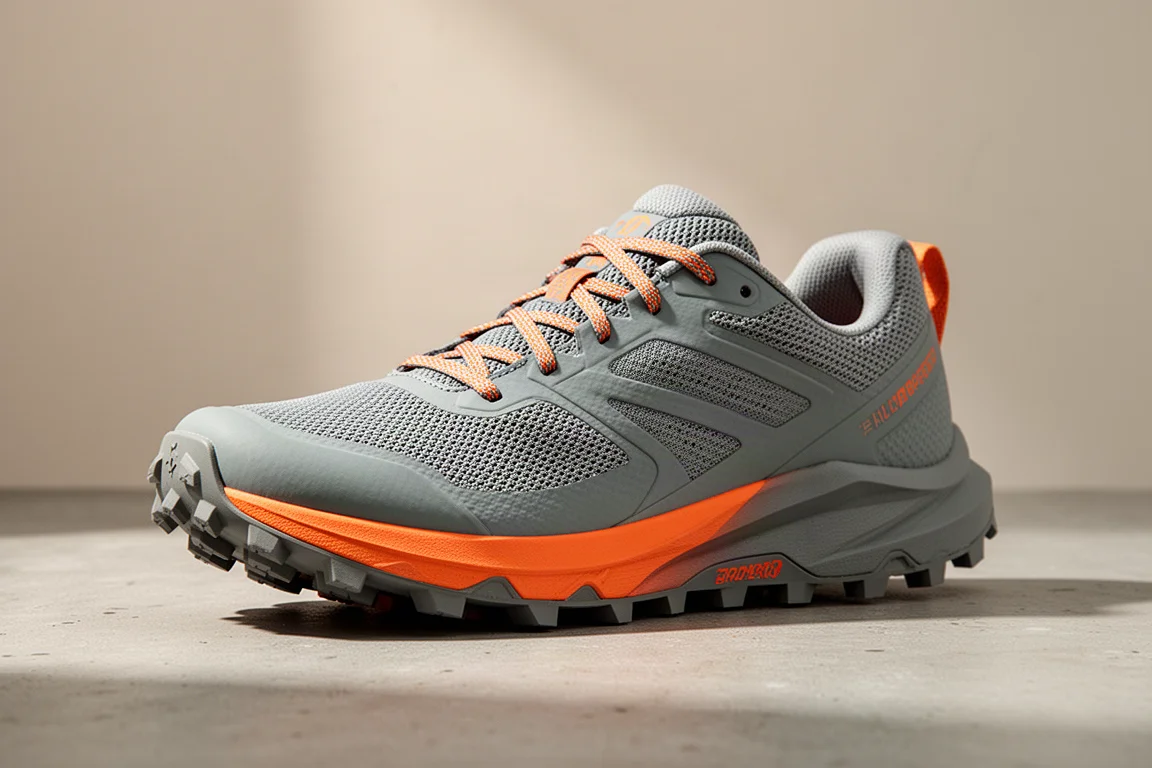
After time away from the model, the Lone Peak is back in rotation, and specifically the 9 Plus. The Plus matters because of the outsole: earlier versions felt slippery, while the updated outsole has been excellent in wet conditions on granite and in mud.
Everything that made the shoe a favourite is still there. It keeps a zero drop geometry, a wide toe box, a lightweight build, and a breathable upper that dries quickly. For most people looking for one hiking shoe to cover a lot of ground, this is a strong default pick.
Water Filtration: Sawyer Squeeze With a 2L Bladder
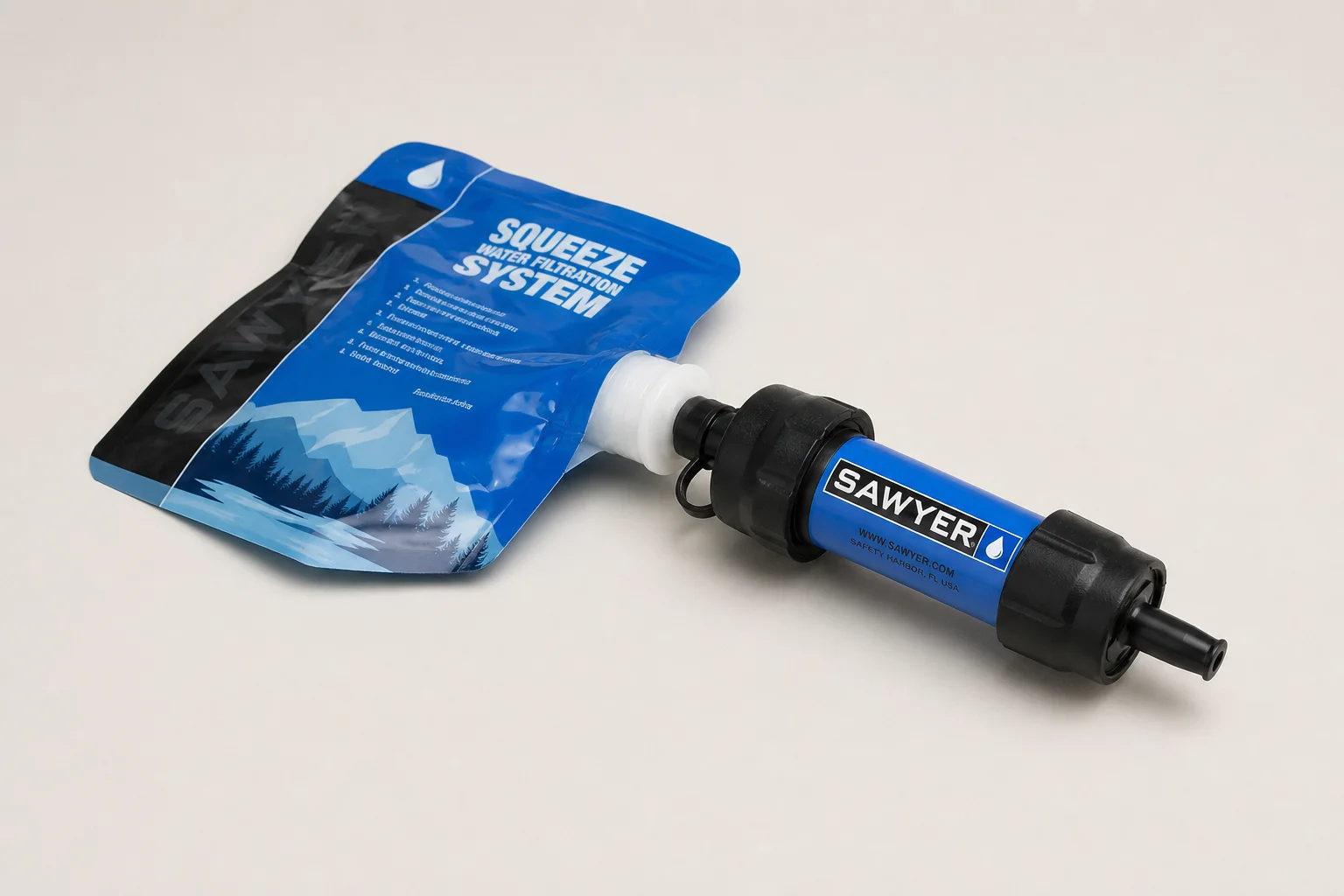
The filtration setup is a Sawyer Squeeze paired with a 2-litre bladder as a kit. The system keeps clean and dirty water clearly separated: a one-litre bottle carries clean water, and the bladder carries untreated water.
The bladder’s wide mouth makes scooping from a stream or pool quick, and squeezing pushes water through the filter into the clean bottle. If a route needs more capacity, the full 2 litres can be carried dirty and filtered as needed. Bottles are cheap and easy to buy along the way, which means the system scales without extra hardware.
Navigation: Garmin Fenix 8 and Mapping Apps
Planning starts with a free mapping and route-planning tool, which is enough for most trips. A community trail app is useful for recent trip reports, though it has introduced new pricing tiers and moved some functionality around, so it is worth checking before a long trip. For offline maps, a simple free app works on both Android and iOS and offers offline routing with cartography based on OpenStreetMap data, supported by donations. A fuller OpenStreetMap app exists with more features, but the simpler option covers what most people need.
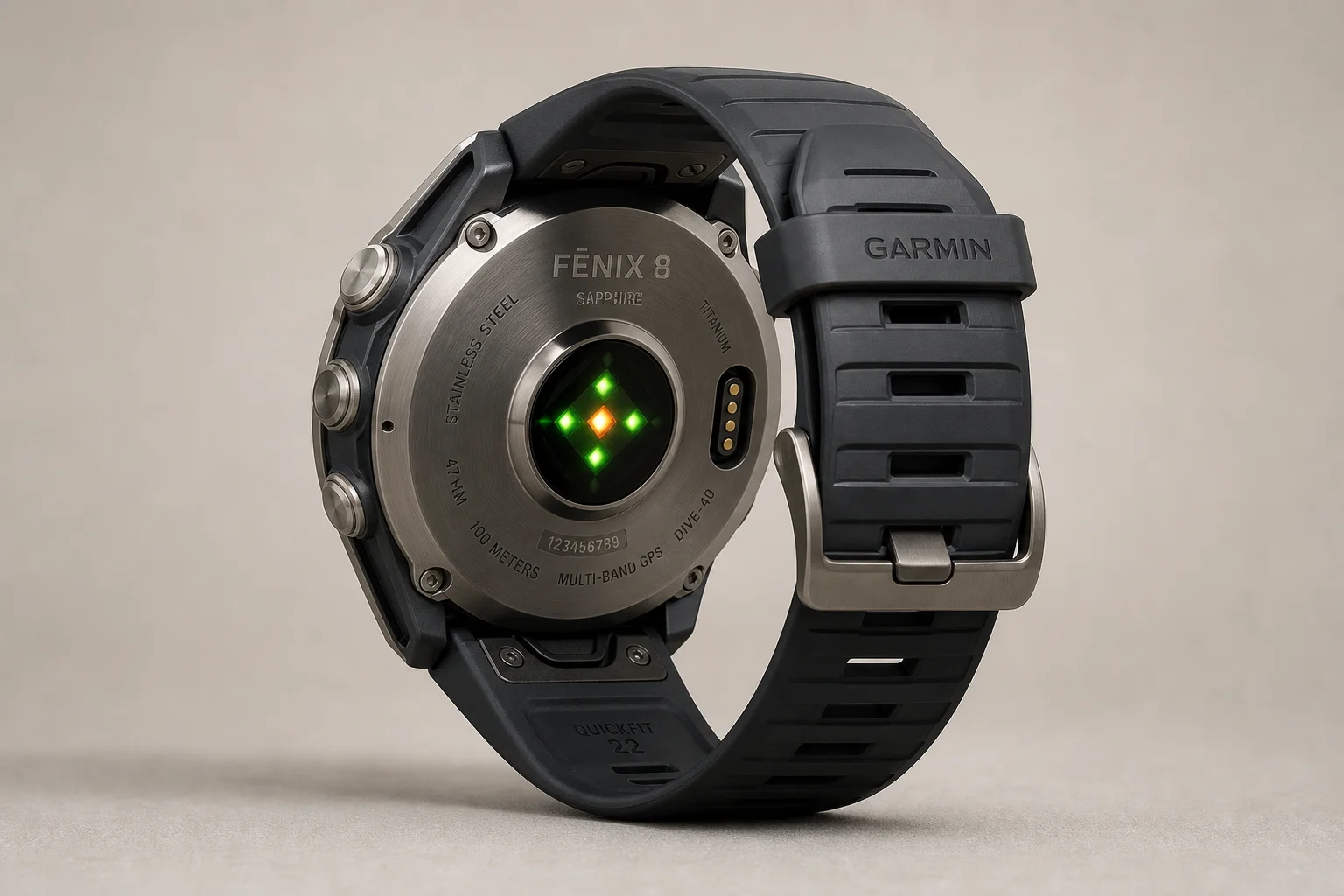
On the trail, a light hike is fine with a smartwatch alone. A paid tier of a route app can add course points and offline maps to the watch for a closer match to a dedicated GPS experience. When conditions turn bad or the trip needs more battery headroom, the Garmin Fenix 8 takes over, with topographic maps and navigation functionality stored on the device.

In practice, that means a phone or light watch for straightforward days, and a dedicated GPS watch once weather, distance, or route complexity increase.
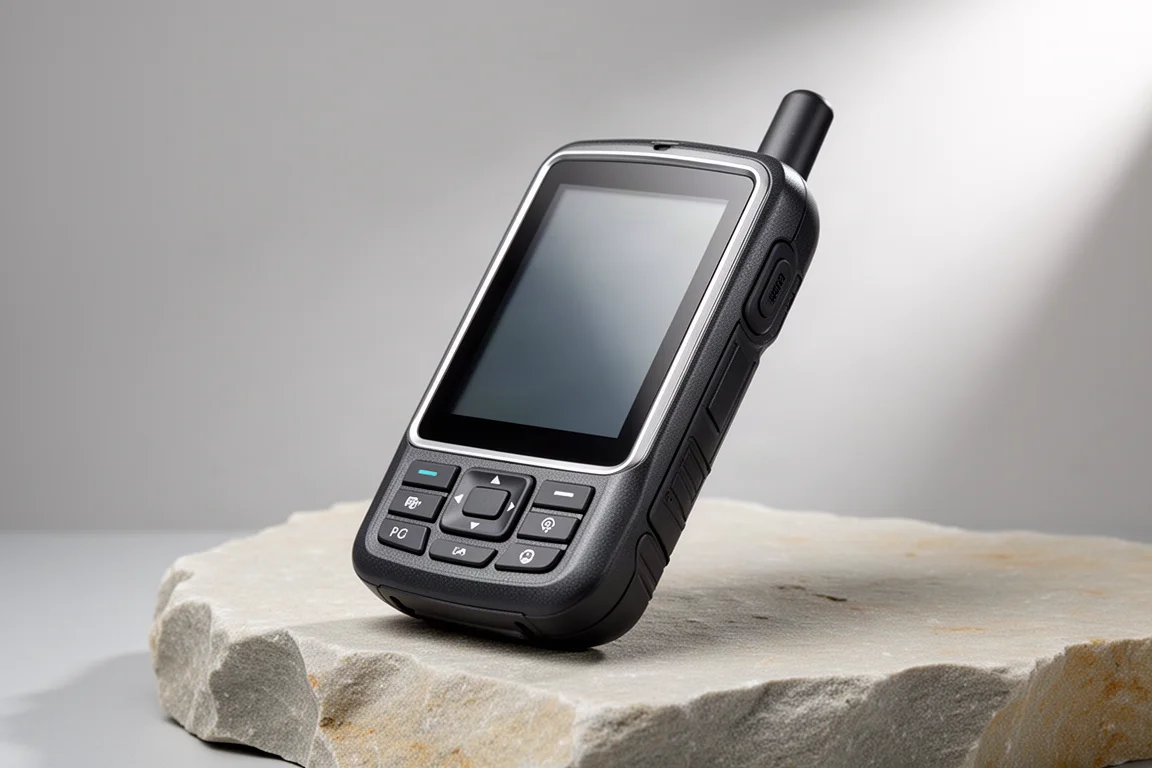
Garmin GPSMAP 67i: Handheld Navigation for Rough Weather
When conditions are genuinely bad, or a larger screen is wanted, the handheld Garmin GPSMAP 67i comes along. It has satellite messaging built in, a big screen, and preloaded maps.
Its real advantage is the control layout. Physical buttons stay usable in cold and rain, where a touchscreen can be finicky. Plenty of long-distance hikers manage with a phone app, but a handheld is easier to work with when conditions are sloppy.
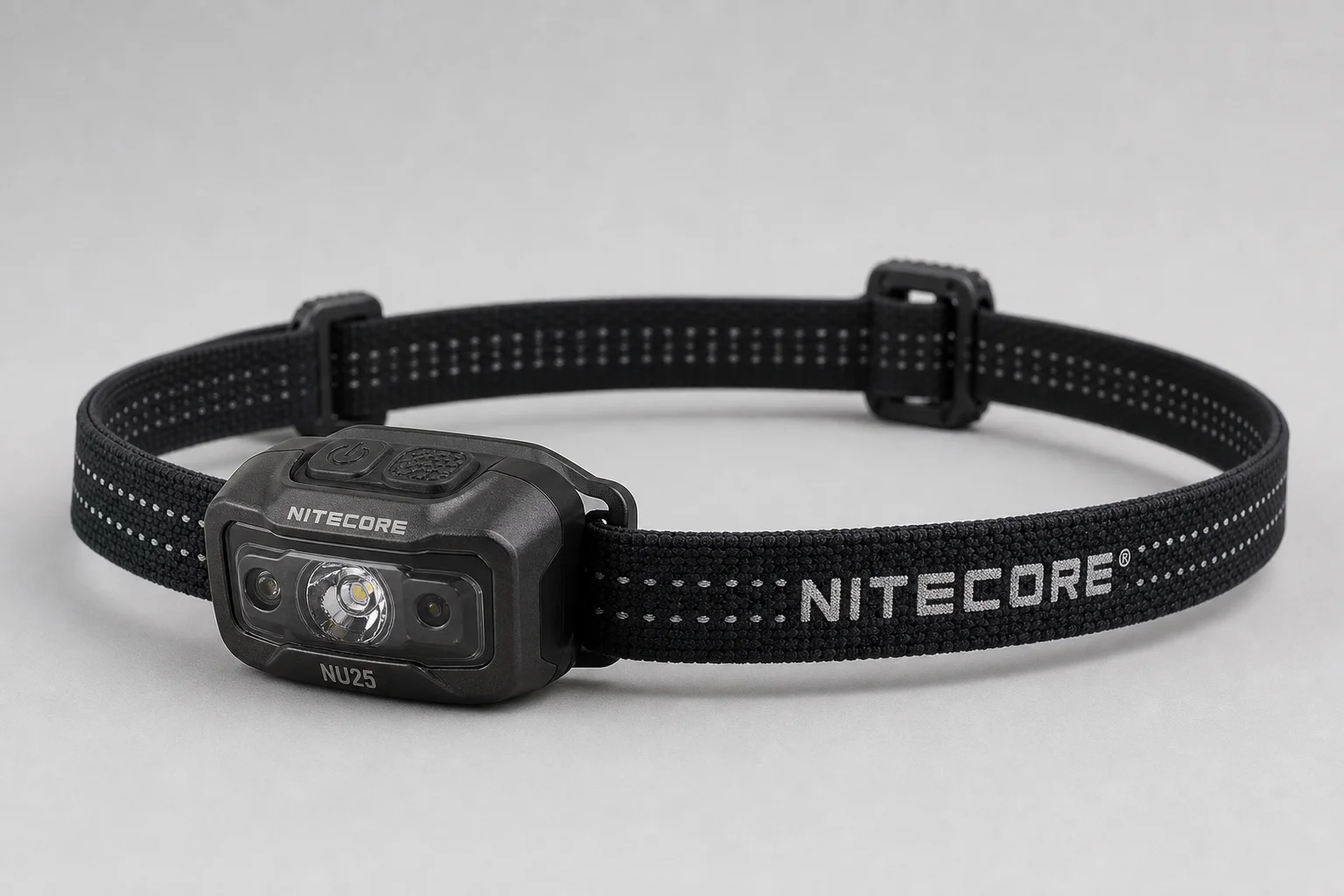
Headlamp: Nitecore NU25
The headlamp is the Nitecore NU25: lightweight, simple, and capable of doing what you need without extra modes or complexity. It charges over USB-C, which means the same power bank used for a phone can top up the lamp.
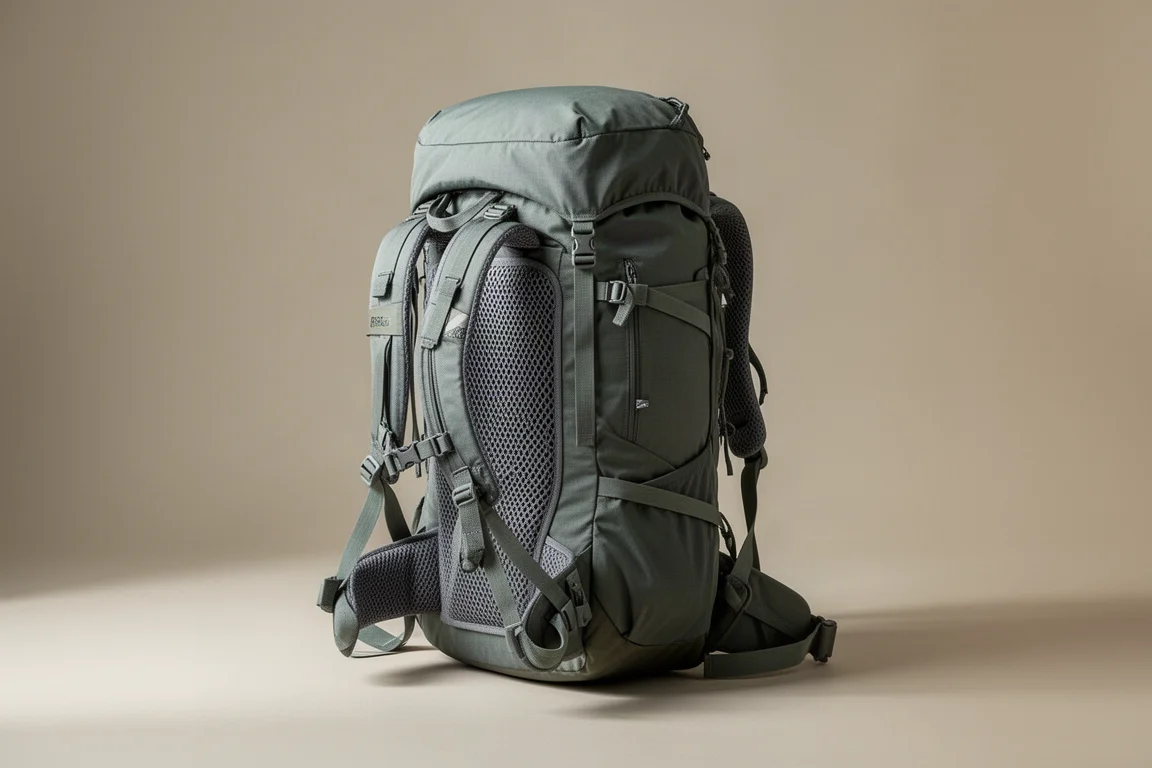
Daypack: Osprey Hike 26
The Osprey Hike 26 has been big enough for just about any day hike, and durable through heavy use, including being thrown around as carry-on luggage. It has what you need without the things you do not.
The trampoline back panel lets air move and sweat evaporate, and the frame gives the pack enough shape that it does not flop around awkwardly when lightly loaded. It is simple, relatively affordable, and the one daypack that could be recommended to almost anyone.
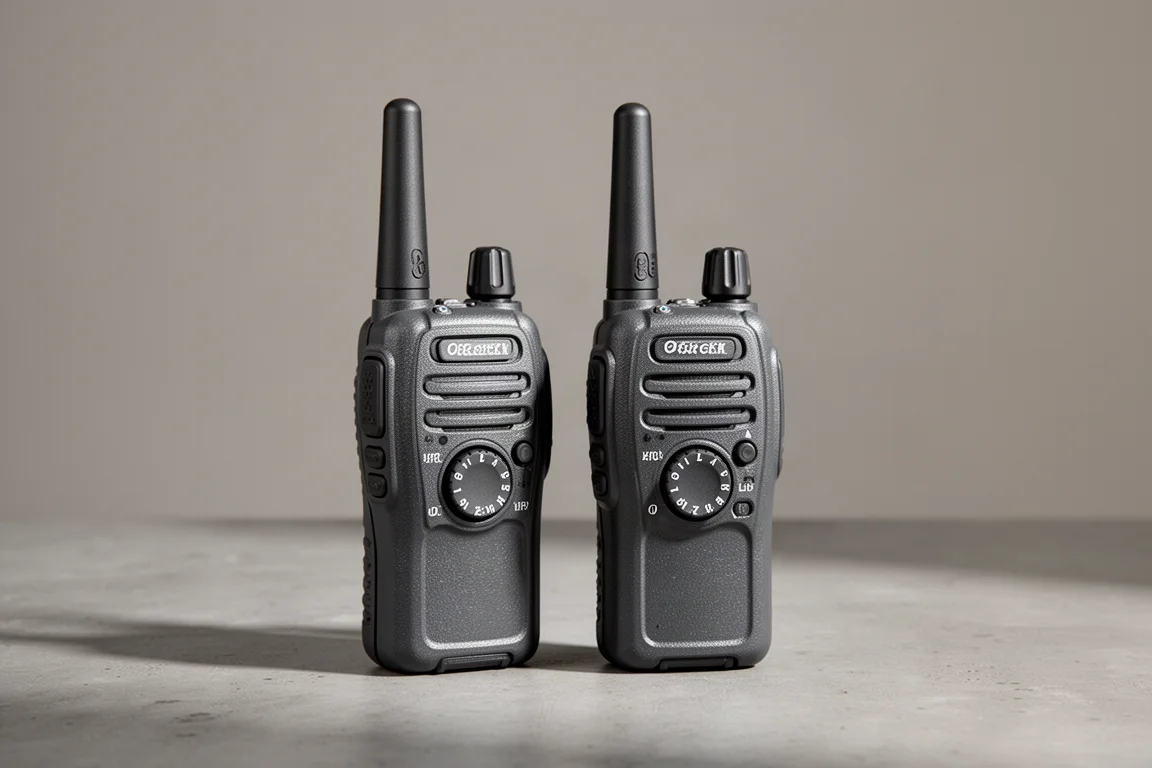
Two-Way Radios for Group Hikes
A newer addition that has been genuinely useful: simple handheld radios. For hiking with friends or backpacking in a group, they make it easy to stay in touch without any bells and whistles.

They are also common among guide companies working in national parks, which says a lot about how practical they are for straightforward trail communication.
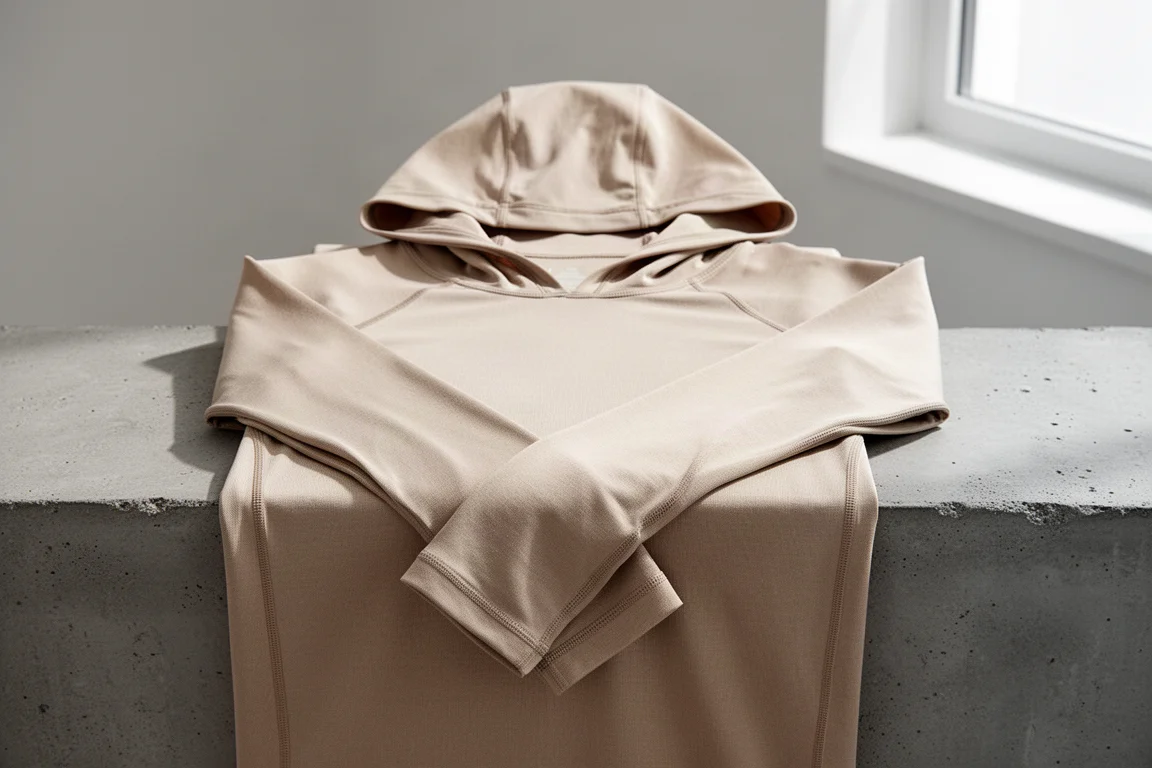
Clothing: Outdoor Research Echo Hoodie
The Outdoor Research Echo hoodie earns its place mainly through visibility. It comes in a bright orange that stands out during hunting season and anywhere in the backcountry where being seen matters.
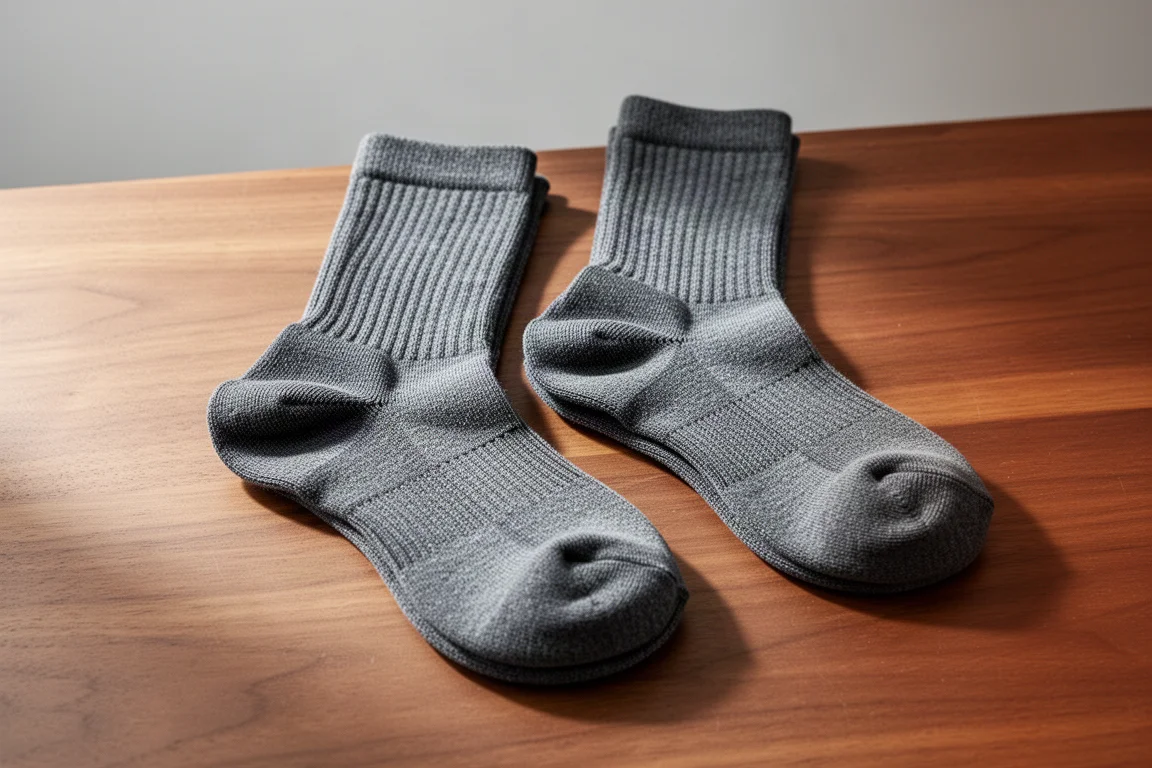
Socks: Darn Tough Hiker Micro Crew Cushion
After many years, the Darn Tough Hiker Micro Crew Cushion is still the sock of choice. Paired with trail runners, it has kept blisters away over a very long stretch of hiking, and the cushioned crew height suits long days on rough ground.
Small Items and Emergency Extras
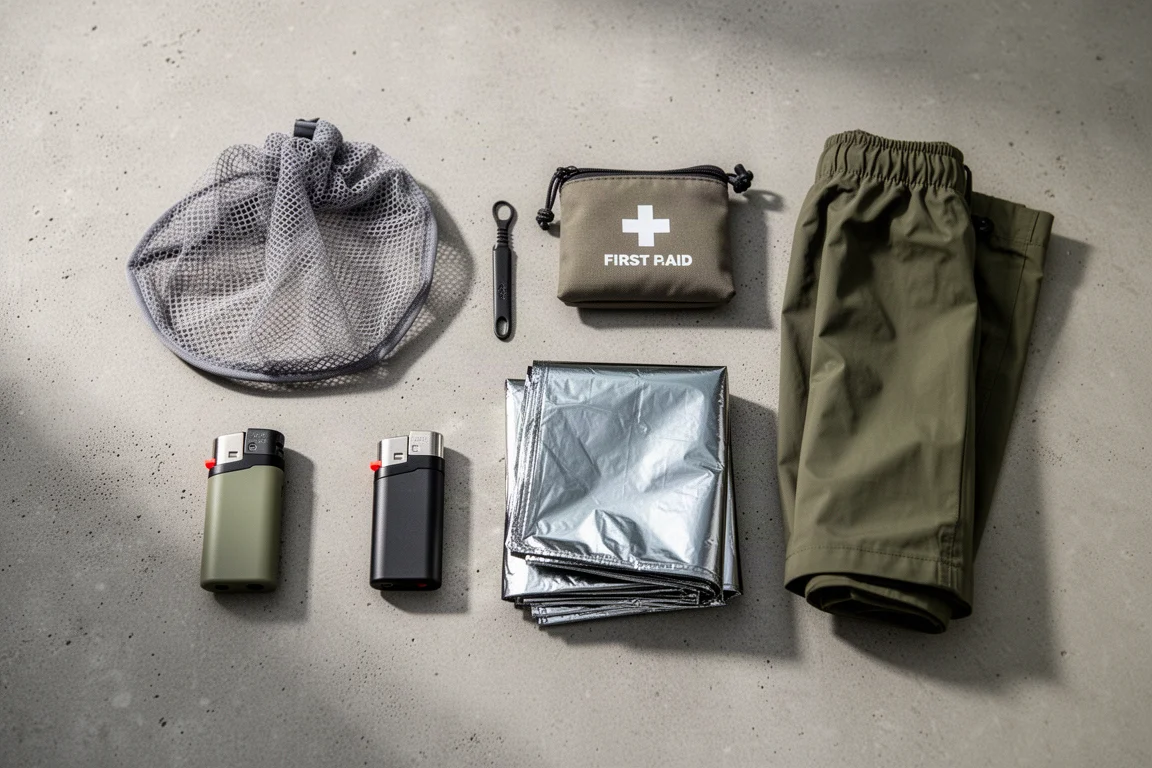
An emergency bivvy is worth paying a little more for. A breathable version avoids the sweaty, wet feeling of a plastic sack, and it can be stuffed with organic material such as leaves for extra insulation. Convertible pants keep the legs in the pack for cold spells, while a rain shell and rain pants handle rain and add warmth if a trip turns into an unplanned overnight. A visor keeps sun and sweat out of the eyes, with a beanie over the top when temperatures drop.
A head net looks silly and eliminates a great deal of misery when bugs are thick on a big climb. Treating clothing with a permethrin pump spray has kept ticks and biting insects away, and a small tick removal tool handles the worst case without leaving anything behind. A lemon eucalyptus repellent covers general protection, with DEET wipes reserved for harder conditions and used sparingly.
For tools and power, a compact survival knife with a small emergency kit and a fire starter stays in the pack. A USB-C rechargeable lighter with a built-in LED flashlight, plus a standard backup lighter, covers fire starting. A simple power bank with an attached USB-C cable charges everything except the Garmin watch, which needs a small adapter. Phone-based satellite messaging handles check-ins, an inReach device on an enabled plan covers SOS, and a rescue coverage subscription is there in case a rescue turns into a bill.
Overall Buying Advice
Start with footwear, water treatment, and navigation. Those three determine whether a trip is comfortable, and whether you can get back to the trailhead if something goes wrong. Lighting and a pack come next, because they shape every hour on the trail.
Build in redundancy where failure is expensive: a second light source, offline maps that work without a signal, and an SOS option for remote terrain. Keep everything else simple, since gear that is easy to use is gear that actually gets used.
Match features to conditions rather than to specifications. A light watch and a phone cover fair-weather day hikes, while a GPS watch, a handheld, or a satellite messenger earn their weight as weather, distance, and remoteness increase. Check app subscription tiers before a long trip, since pricing and where features live can change between seasons.
Conclusion
This list is built around gear that has held up over a lot of miles in a lot of different places. If you take one thing from it, start with the items that match the trips you actually take, then let the rest of the kit grow from there.
Further reading
Related Reviews
Hiking Gear
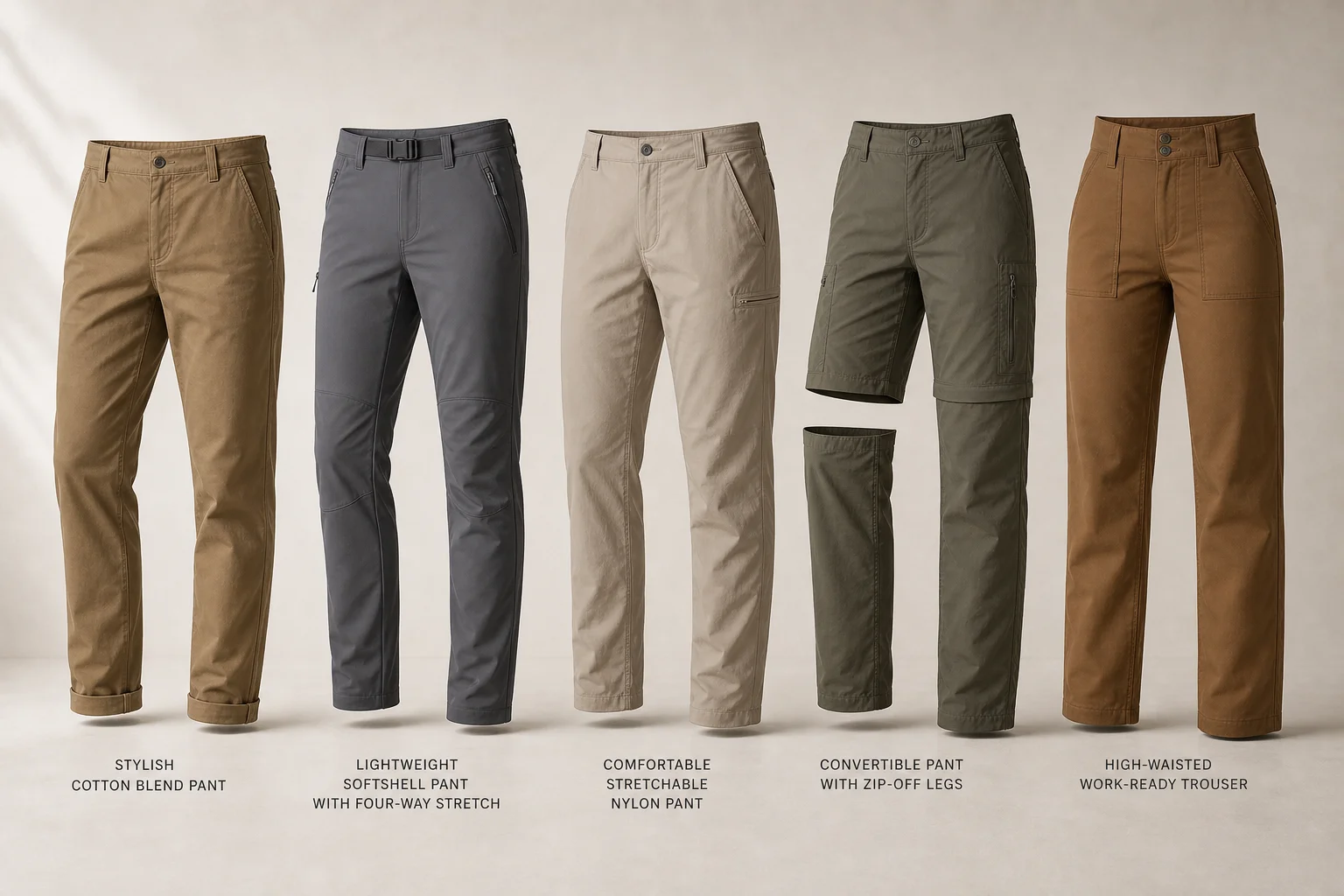
Best Hiking Pants on Amazon: Five Practical Options for Different Needs
A practical review of five hiking pants with clear strengths and trade-offs, from lightweight convertible styles to durable work-ready trousers.
Hiking Gear
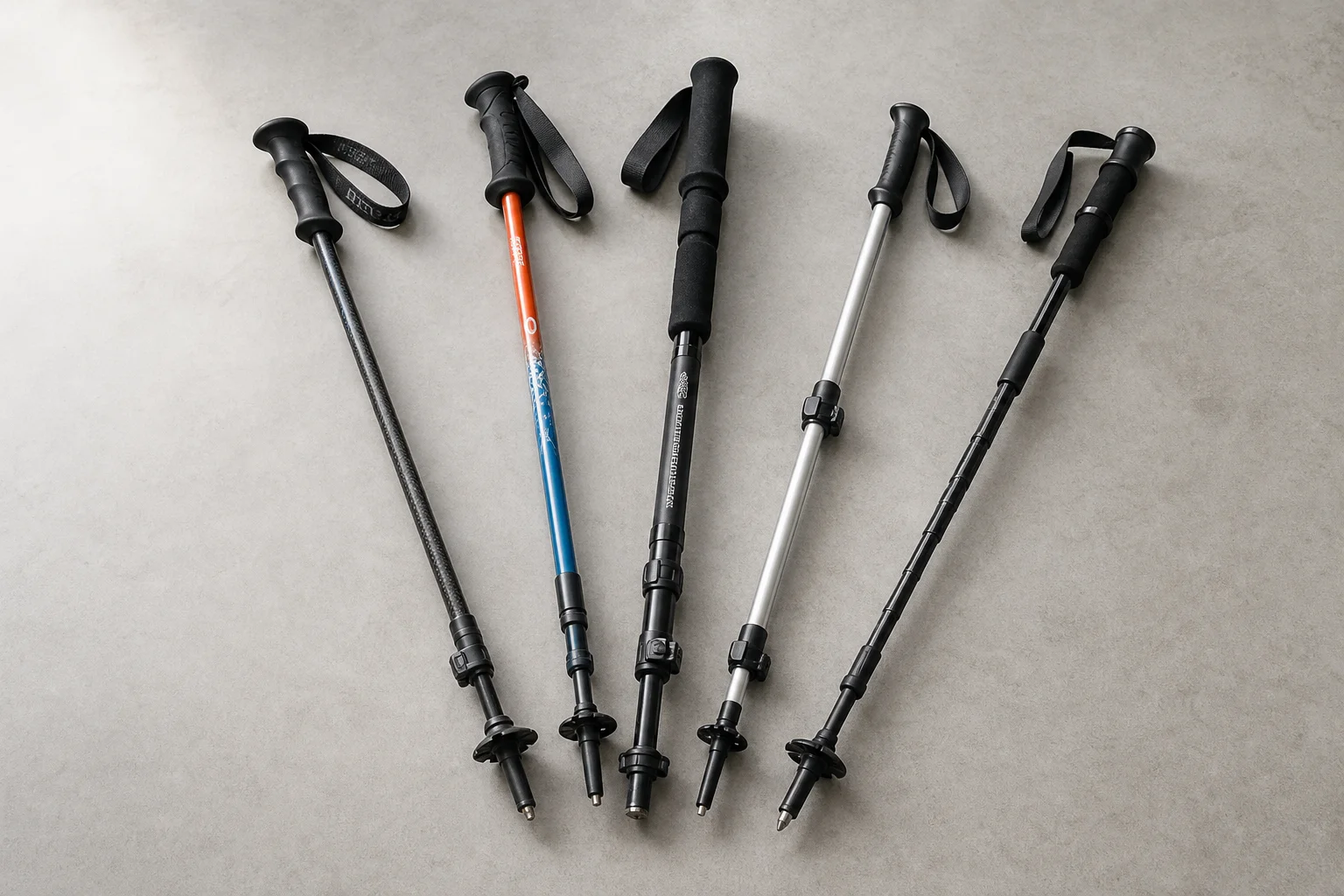
Best Hiking Poles 2026: Five Options for Different Trail Needs
A practical review of five hiking poles, from lightweight carbon designs to versatile all-terrain options, with clear strengths and trade-offs for each.
Hiking Gear
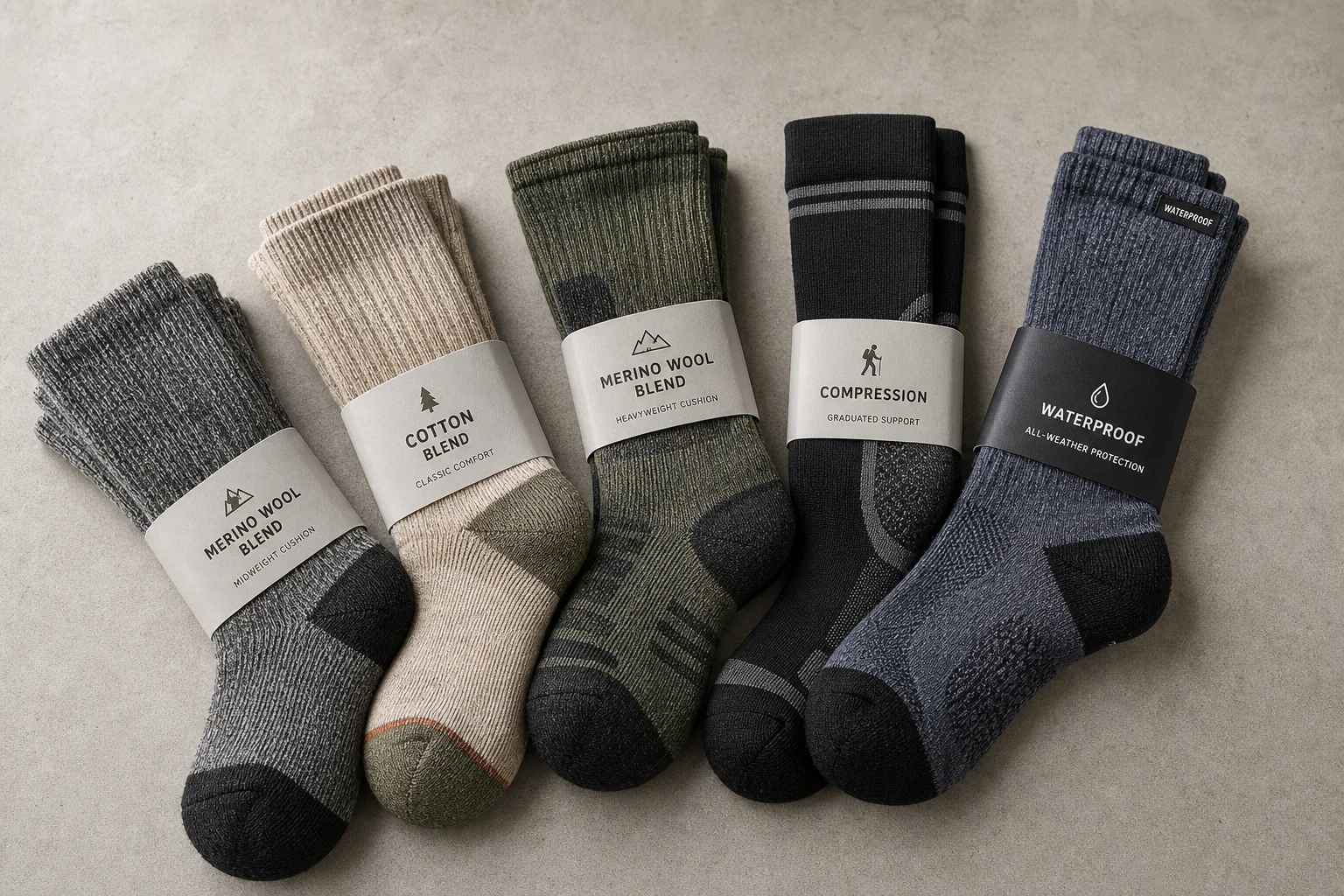
Best Hiking Socks 2026: Five Top Choices for Different Trail Needs
A practical roundup of five hiking socks, from lightweight merino options to heavy-duty compression styles, with clear guidance on which suits your outdoor activity.