Power Tools
Best High-Output Power Tool Batteries: 8 Packs Put to the Test
Regular versus high-output batteries from Ryobi, Milwaukee, Kobalt, and Ridgid, tested in chainsaws, circular saws, and blowers to see if the premium packs deliver.
Introduction
Tool brands now sell “high output” battery packs that promise around 50% more power and cooler running than their standard packs. They also cost noticeably more. To find out whether that premium is real value or marketing, we tested standard and high-output packs from Ryobi, Milwaukee, Kobalt, and Ridgid in chainsaws, a circular saw, and air blowers, and also opened the packs to compare the cells inside.
How We Tested
Each standard and high-output pair was run through three scenarios: stall force and cutting speed in a chainsaw (Ryobi and Kobalt), cut speed through a 2x4 with a circular saw (Ridgid), and air speed plus run time in a blower with a temperature probe. Every pair was also tested cold, chilled to around 0 degrees Fahrenheit, because cold weather is where battery differences should show up most clearly. Batteries were fully charged before every run, and cuts were repeated three times and averaged.
Ryobi 18V One+ 4Ah: Standard vs High Output
Ryobi claims the high-output pack makes 30% more power and runs cooler. At $85 versus $50 for the standard pack, it carries a $35 premium. The packs look nearly identical, use ten 18650 cells each, and the high-output version weighs 25 grams more (728 g vs 703 g), with a claimed 74 Wh versus 72 Wh.
In the chainsaw stall test, the standard pack consistently held 46 lb of downward force before stalling, while the high-output averaged slightly less at around 45 lb. Cutting pressure-treated 4x4s, the standard averaged 6.87 seconds per cut against 6.96 seconds for the high-output. At room temperature, the standard pack was marginally better.
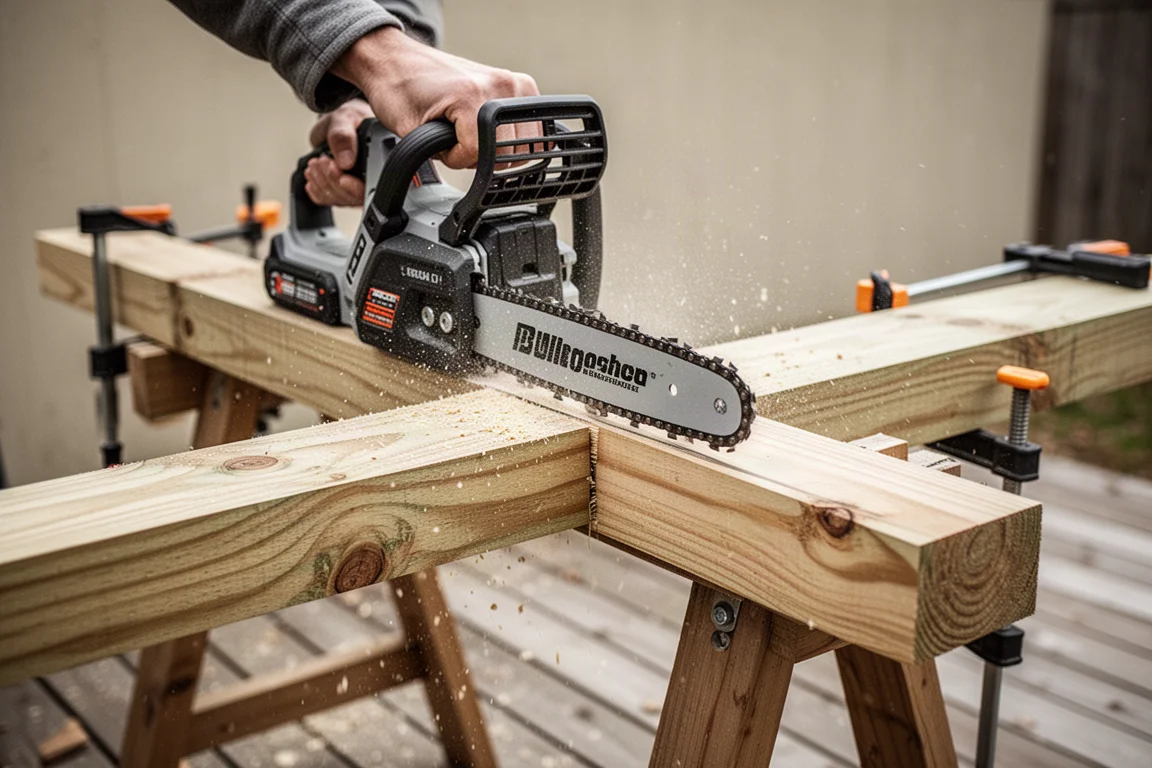
Cold changed the story completely. The chilled standard pack stalled five times and needed 15.72 seconds for its first cut, improving as it warmed. The high-output pack never stalled and ran a very consistent 9.38 to 9.53 seconds. In the blower test at room temperature, the high-output started much stronger at 25.4 mph but fell to the standard pack’s level by minute four, yet finished cooler at 106 degrees versus 111 and ran just over 16.5 minutes versus 16. When cold, the high-output pack outperformed the standard throughout and lasted about 1.5 minutes longer.
Milwaukee M18 3.0: XC vs High Output CP
The Milwaukee M18 Red Lithium XC 3.0 ($100, or $119 when bought singly) claims up to 20% more power and 40% more run time, and is made in Mexico. The High Output CP 3.0 costs $20 more and claims 50% more power and cooler running, with fine print clarifying it compares against a standard CP pack, not the XC. The XC weighs 713 g; the high-output is a striking 121 g lighter at 592 g.
In a blower test, both packs drained at nearly the same rate, finishing in exactly 6 minutes 22 seconds at room temperature. The XC actually led for the first five minutes and ran roughly 30 degrees cooler, at 109 degrees versus a very hot 143 for the high-output pack.
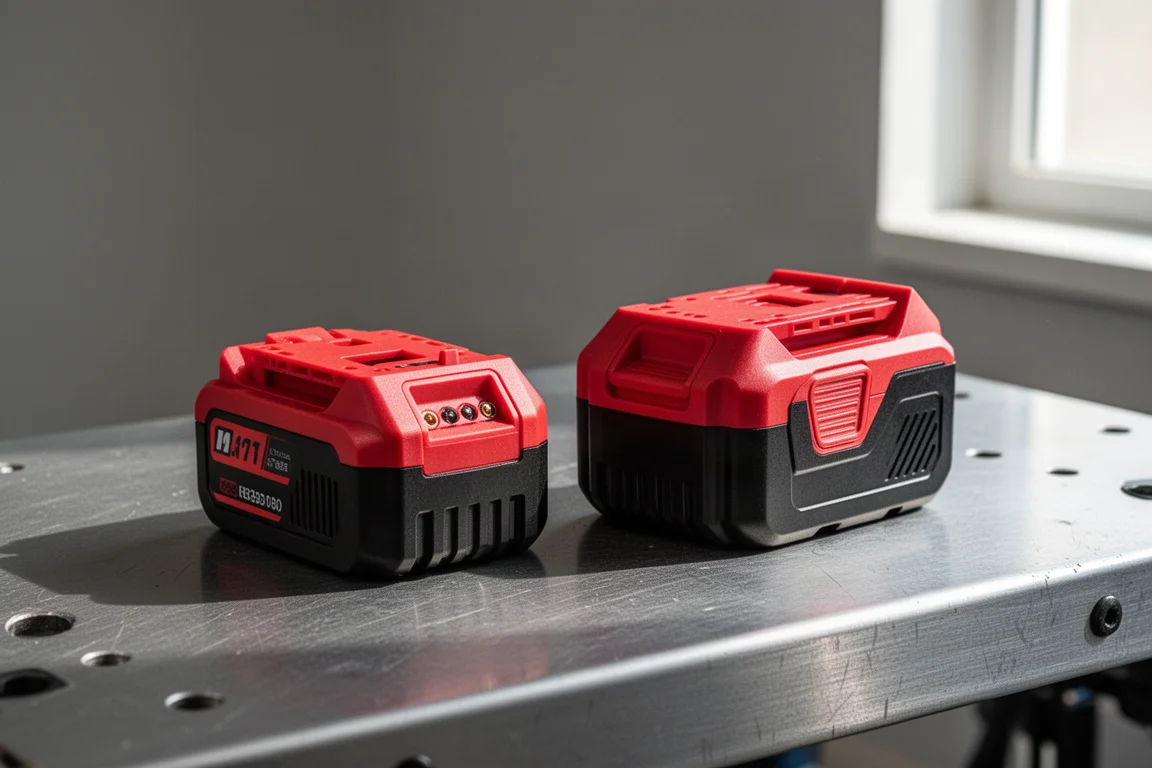
Cold reversed the result. Starting at around 0 degrees Fahrenheit, the high-output pack started stronger and stayed ahead for the entire run, finishing in 6 minutes 39 seconds while remaining quite warm at 122 degrees. The XC finished about 21 seconds later but at a much cooler 80 degrees. Inside, the XC 3.0 uses ten 18650 cells, while the high-output CP uses five much larger 21700 cells, each holding nearly twice the capacity.
Kobalt 24V 4Ah: Extended Run vs Ultimate Output
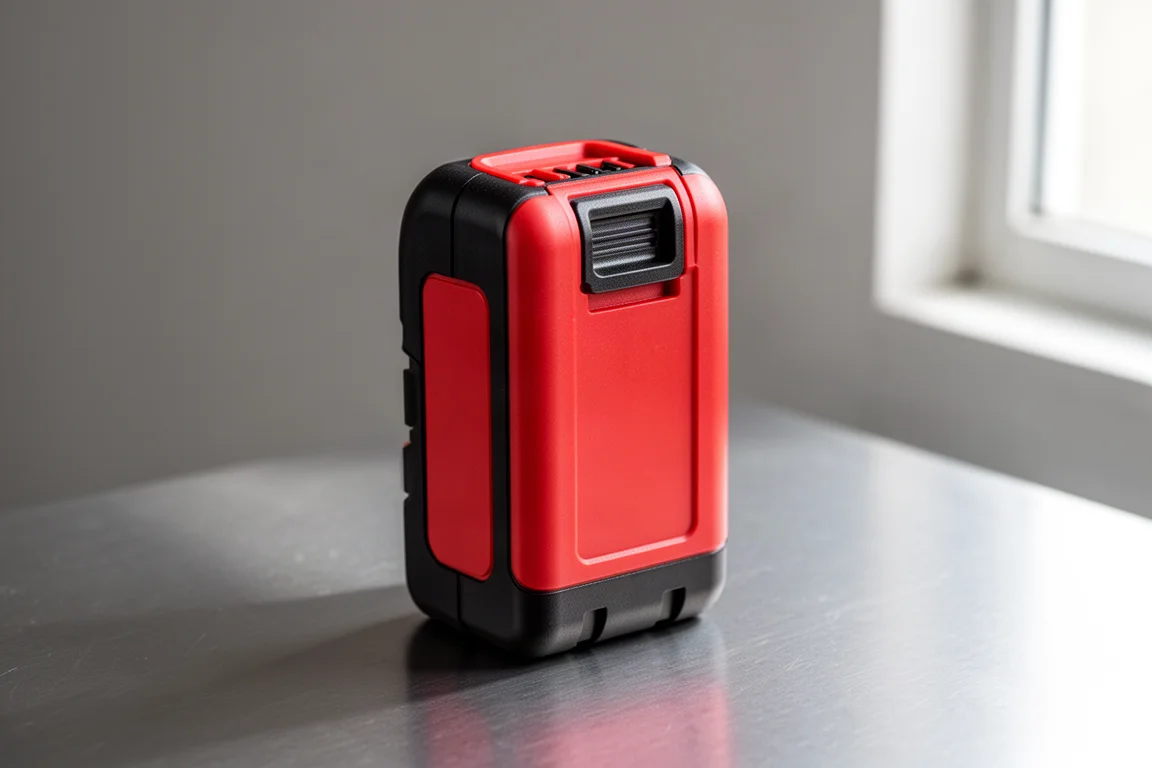
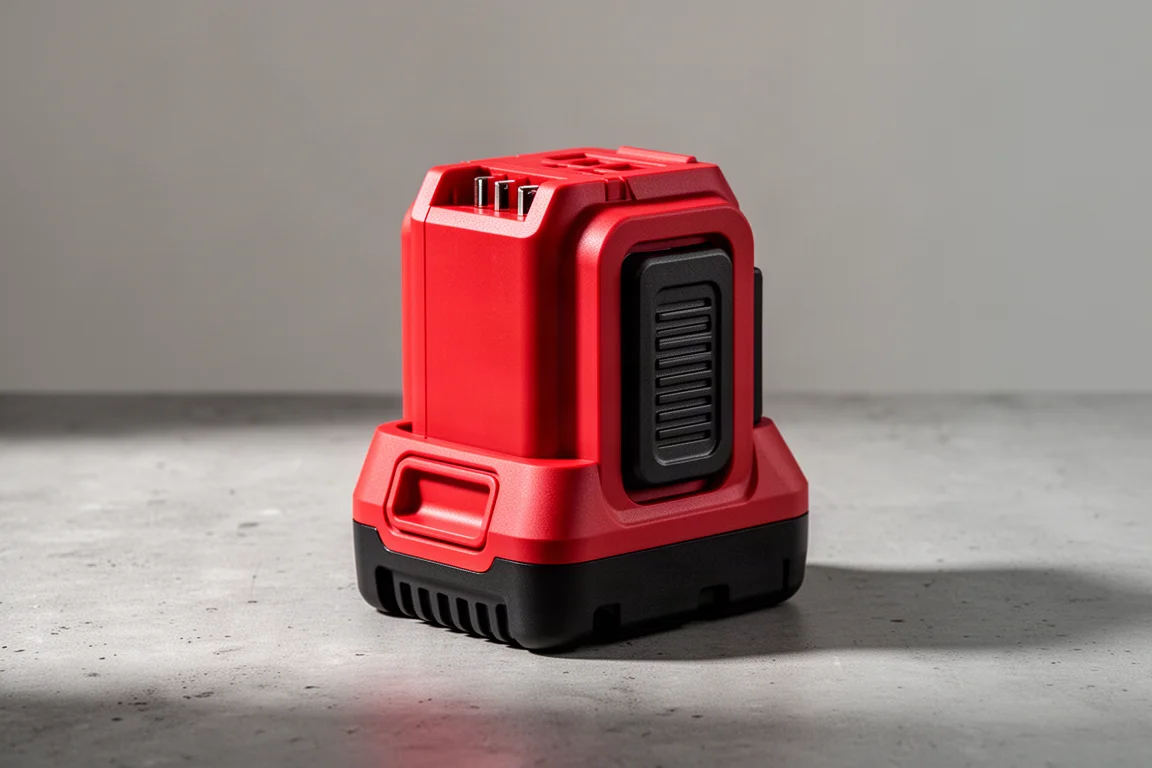
Kobalt sells a $60 Extended Run pack and a $70 Ultimate Output pack, both made in China. The Ultimate Output is marketed as compact; it is shorter but longer and wider, about 5 cubic inches larger overall, and 65 g lighter at 724 g versus 789 g.
In the chainsaw, stall force was essentially a tie at around 22.5 lb for the Extended Run and 23 lb for the Ultimate Output. Cutting speed was also a near tie: 3.64 seconds average for the Extended Run versus 3.62 for the Ultimate Output. Under a cold test, neither pack could run the saw properly; the chilled Extended Run pack stalled outright, and the Ultimate Output stalled too until weight was partially supported, finally cutting in 23.5 seconds.
A controlled drain test told a clearer story. Under a 5-amp load, the Extended Run delivered 3.72 Ah and 77.4 Wh over 45 minutes, while the Ultimate Output managed 3.5 Ah and 73.6 Wh over 42.5 minutes, holding higher voltage for the first 25 minutes before falling behind. Internally, the Extended Run uses twelve 18650 cells and the Ultimate Output uses a 21700 Samsung cell.
Ridgid 18V 4Ah: Standard vs Max Output
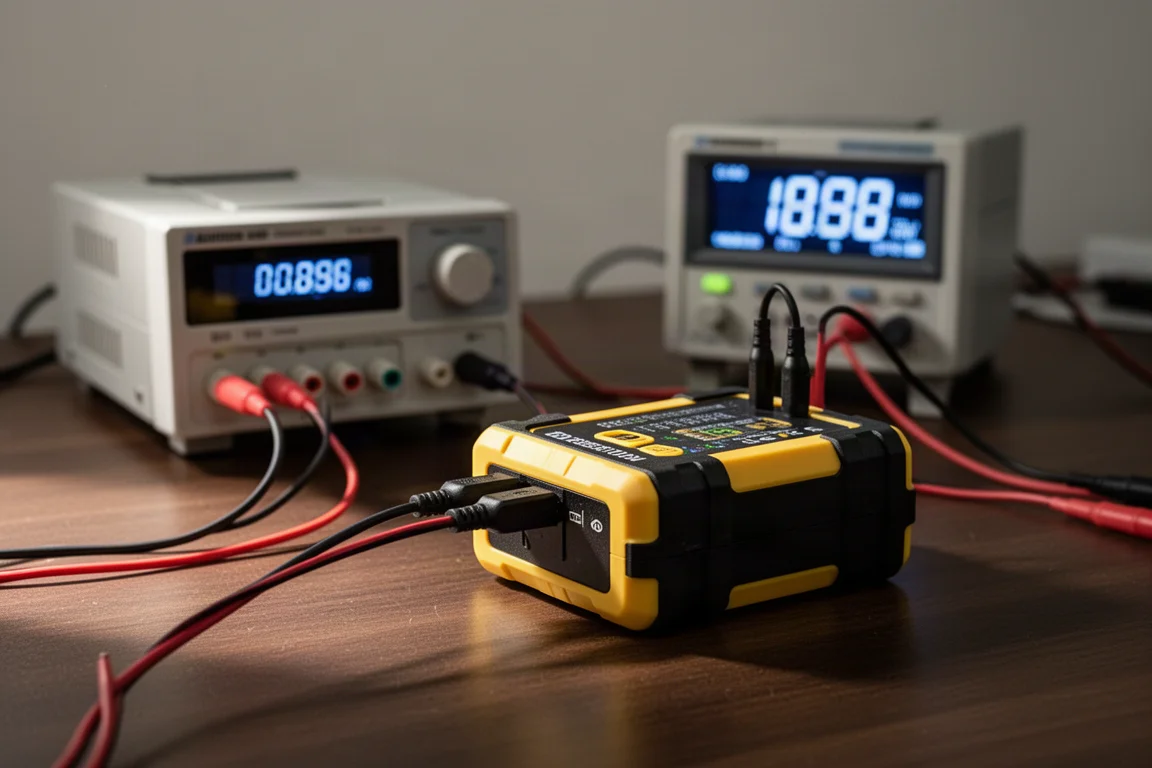
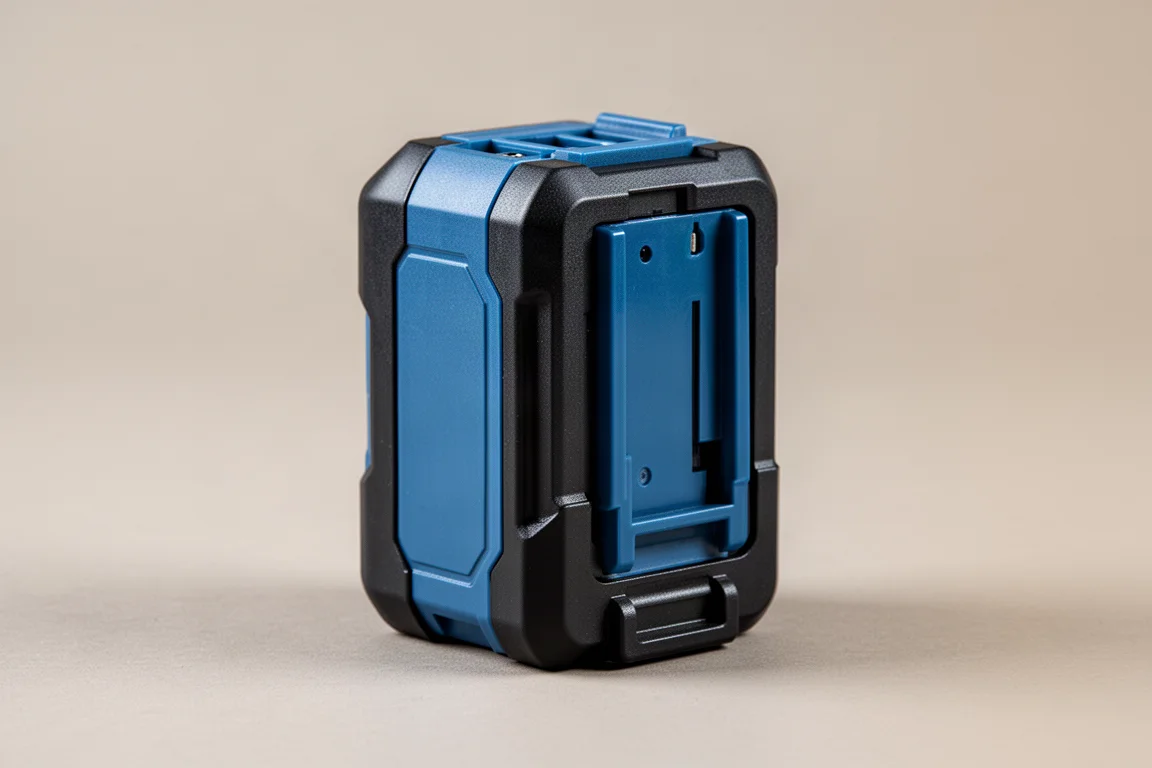
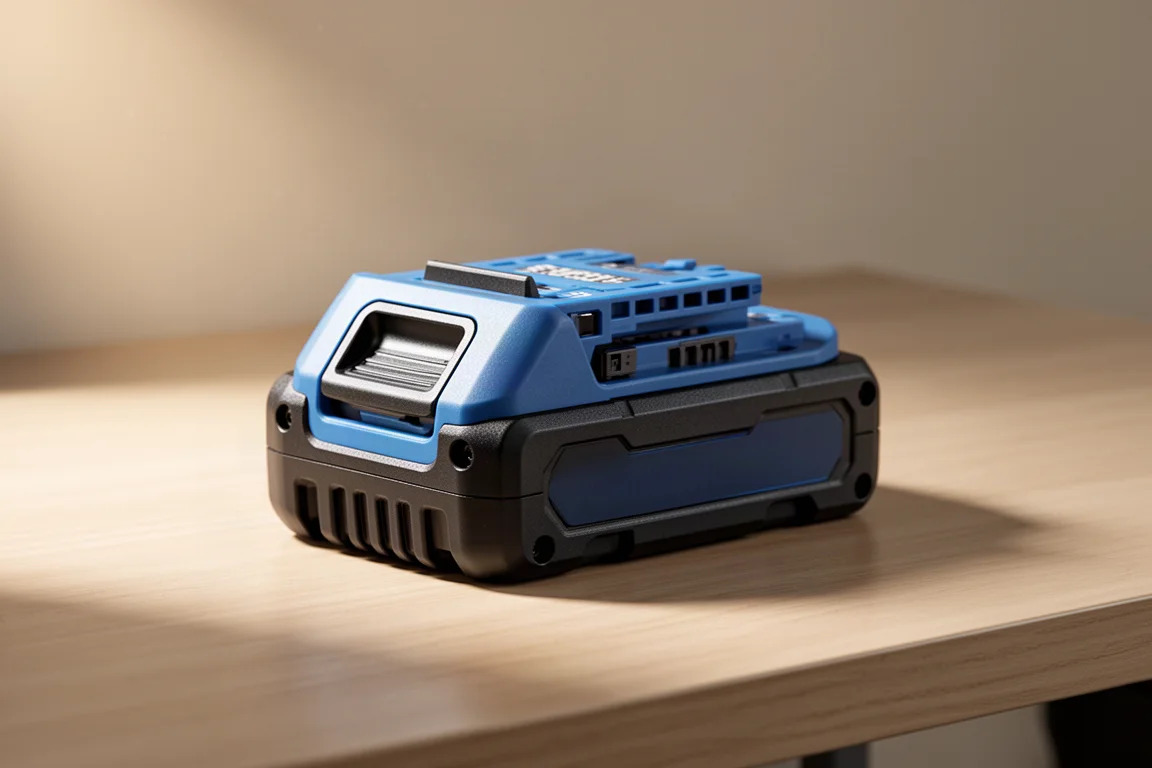
Ridgid’s standard 4Ah pack costs $99 and the Max Output version $110, both made in China with identical plastic housings and nearly identical size and weight (682 g vs 686 g).
In the circular saw test, cutting a roller-fed 2x4 under 5 lb of pull, the standard pack averaged 3.35 seconds per cut. The Max Output averaged 2.83 to 3.03 seconds, about 12% faster overall. That is the clearest performance gain of any high-output pack tested. Cold was the great equalizer, though: both packs were too cold to even power up the saw.
Bonus Round: Knockoff 9Ah vs Genuine Milwaukee XC 8.0
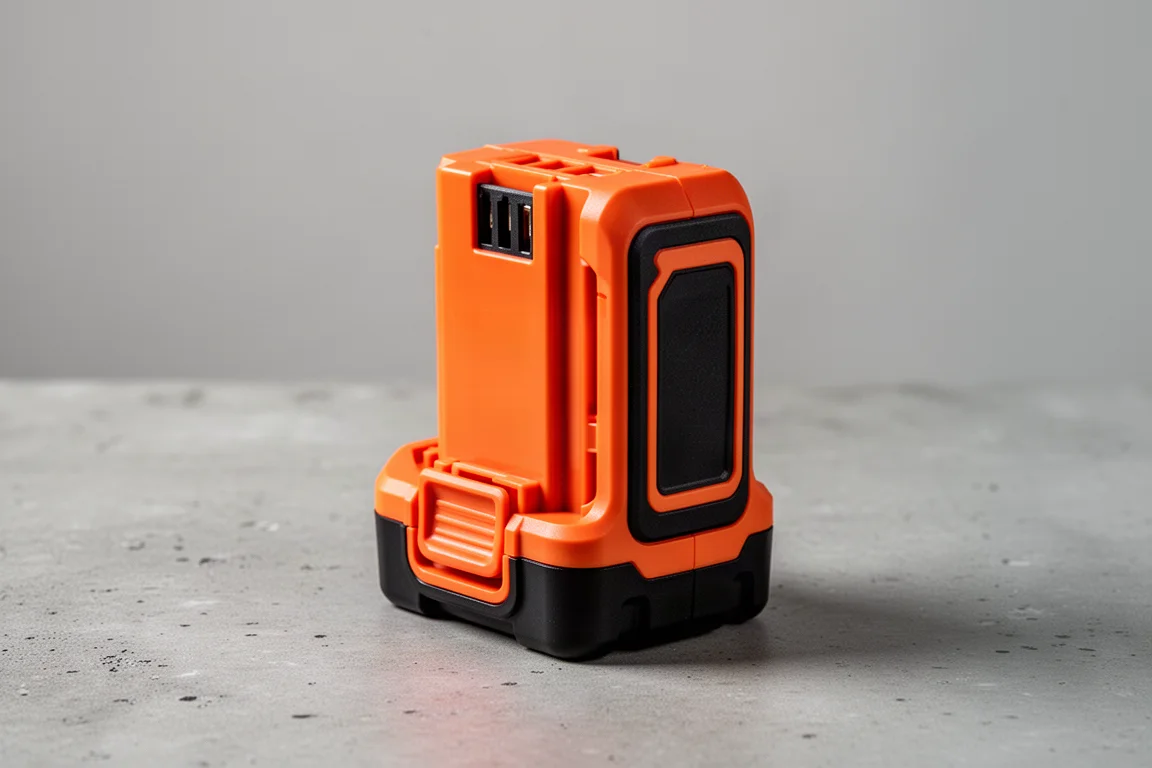
At just $44, a knockoff Milwaukee-compatible 9Ah pack looks tempting against the genuine $229 M18 Red Lithium XC 8.0. The knockoff uses fifteen 18650 cells with Korean-made cells finished in China, while the genuine pack uses ten 21700 cells and weighs almost 100 grams more.
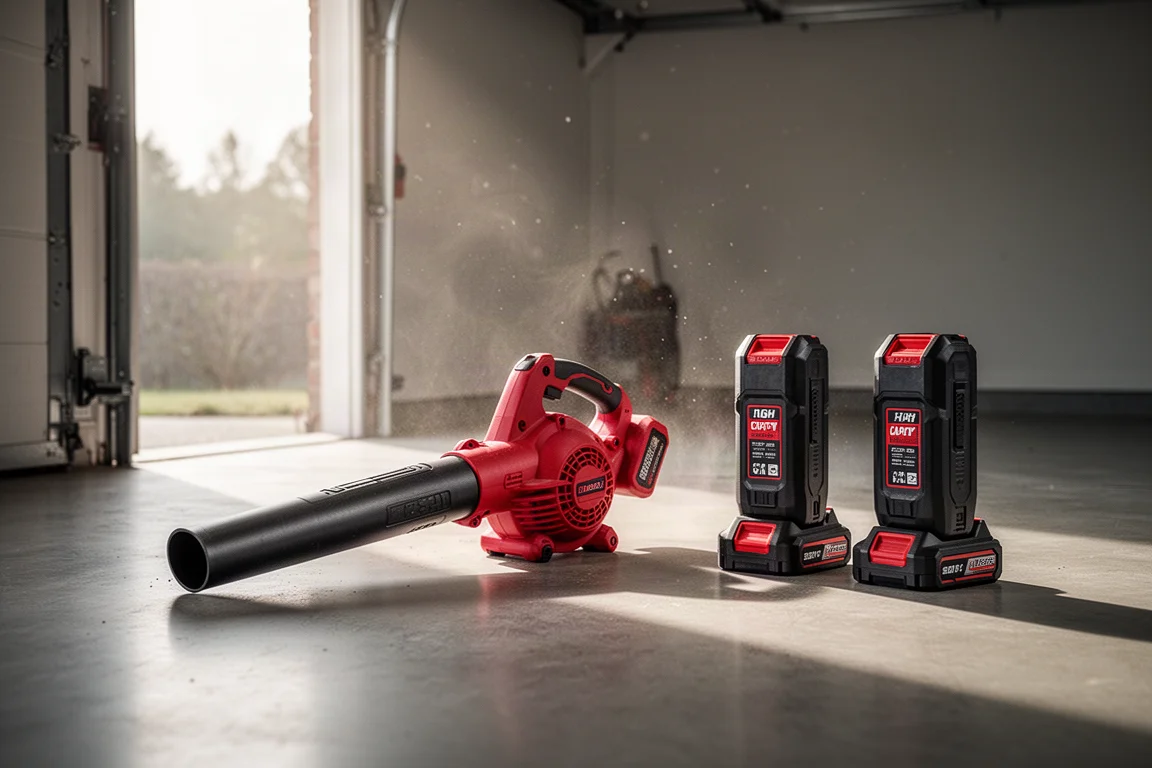
In the blower test, the genuine XC 8.0 started stronger and the knockoff fell off hard around minute four. The knockoff died at 11 minutes 48 seconds; the Milwaukee ran 16 minutes 5 seconds, over 4 minutes longer. Cold testing showed the same pattern, with the genuine pack stronger from the start and lasting about 3.5 minutes longer.
The 21700 cell count explains most of the gap. For anything beyond light, occasional use, the genuine pack justifies its price.
Buying Advice
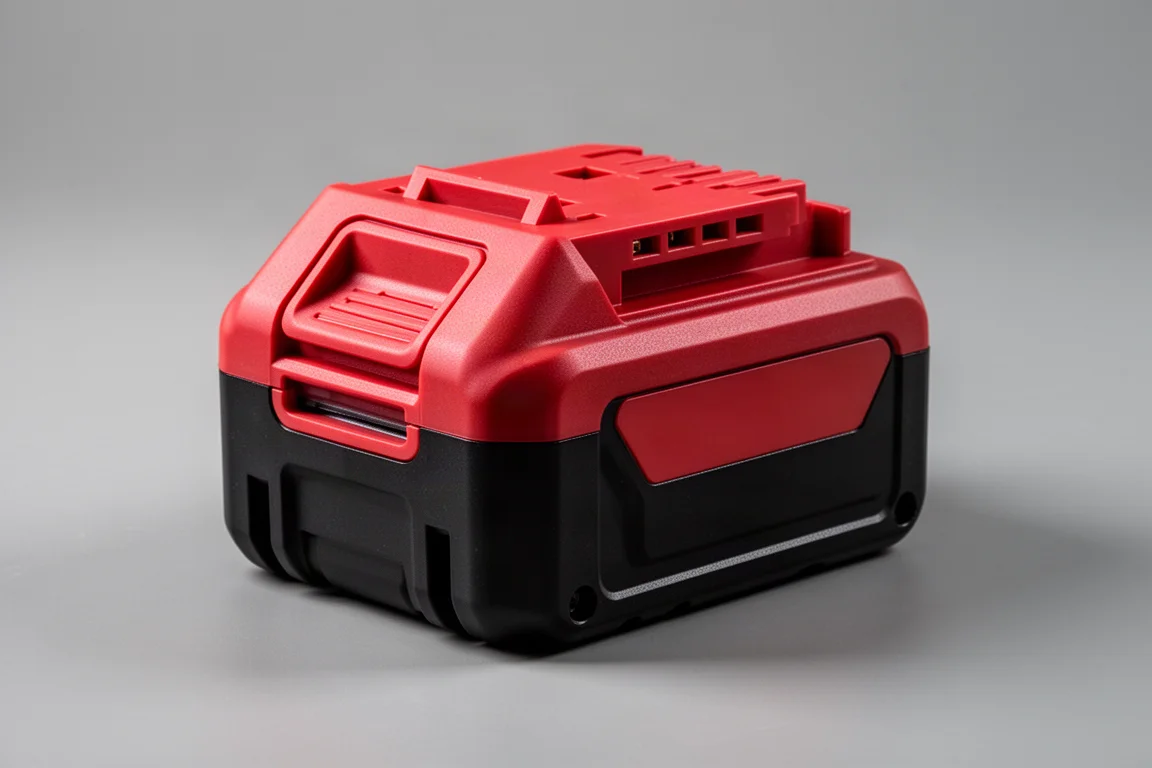
If you work in genuinely cold conditions, high-output packs earned their premium across nearly every brand tested: they started faster, ran more consistently, and in some cases outlasted standard packs at low temperatures. At room temperature, the results were far less dramatic. Ryobi’s standard pack actually edged out its high-output sibling in chainsaw testing, Kobalt’s two packs were nearly identical in the saw, and Milwaukee’s XC beat the high-output CP on run time and temperature in the blower. Ridgid’s Max Output was the only pack with a clear all-around room-temperature win, at 12% faster cutting.
Conclusion
High-output batteries are not a scam, but they are situational. Cold-climate users get real, measurable benefits. Everyone else can likely save money with standard packs, except perhaps where Ridgid is concerned. And as the knockoff test showed, cell size and quality matter more than the amp-hour number printed on the label.
Further reading
Related Reviews

Power Tools
Best 1-Inch Pistol Impact Wrenches: Three Heavy-Duty Options Compared
We compare three 1-inch pistol impact wrenches, from a budget-friendly Harbor Freight model to a premium Caterpillar unit, to help you choose the right one.

Power Tools
Best 3/4-Inch Impact Wrenches 2026: Five Contenders Compared
We compare five 3/4-inch impact wrenches across price and performance, from a budget Amazon option to Snap-on's most powerful model yet.

Power Tools
Best Budget Cordless Tools 2026: Walmart Finds That Punch Above Their Price
We tested five cordless tools from Walmart, including a high-torque impact wrench that trades blows with Milwaukee and a $35 duster that outperforms its price class.