Hand Tools
Best Hex Bits and Bit Sockets for Stuck Allen Bolts: 9 Sets Tested Under Real Torque
Nine hex bit and bit socket sets, from Wiha to Grip Edge, pushed to their limits on custom-machined hex cap screws to see which translates the most torque without stripping the fastener.
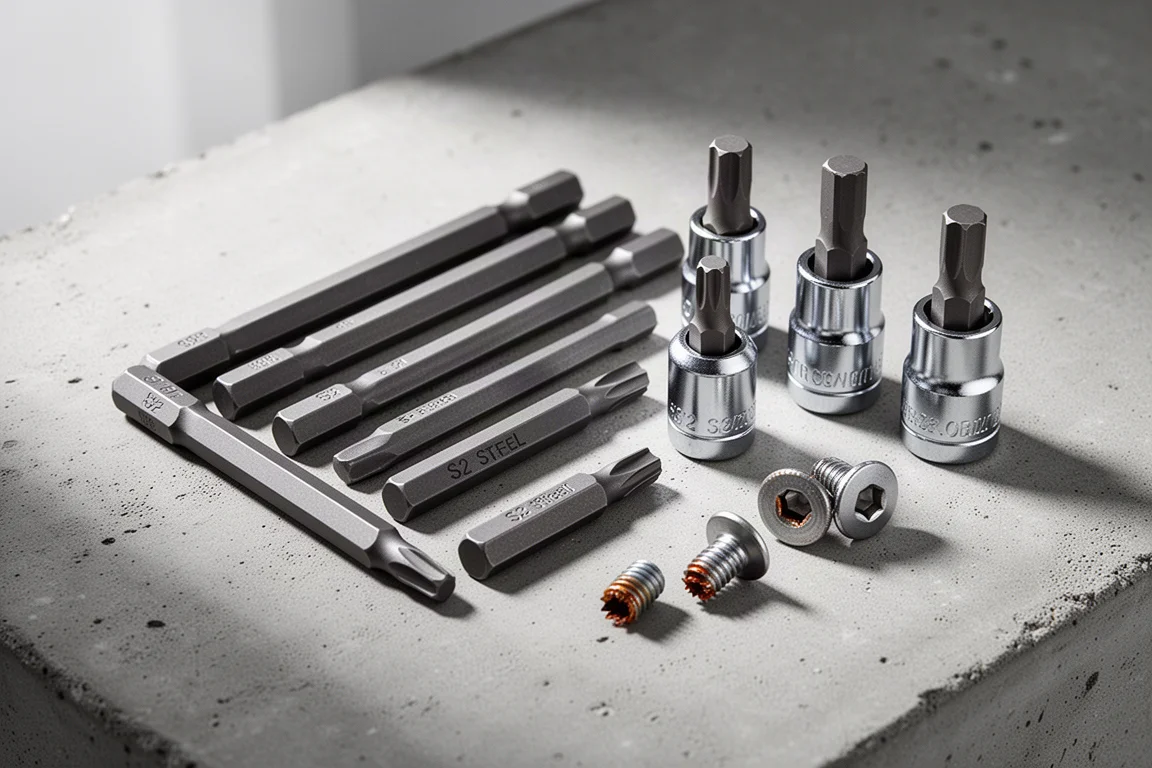
Introduction
Hex socket cap screws, often called Allen bolts or button head cap screws, are notorious for stripping out, and they frequently arrive already rounded when you find them. With a pile of hex bits and impact bit sockets on the bench, the question is simple: which type translates the most torque without wrecking the fastener head?
To answer it, a testing outfit machined and broached internal hexes into custom left-hand thread M20 bolts in M6, M8, and M10 sizes. Because standard cap screw heads snap off before many good bits do, the larger threads were needed so the bolt body would not deform and lose the data. Bolt hardness sits on the upper end of grade 5 or metric class 8.8 and near the low end of grade 8 or class 10.9, deliberately in a middle ground where results are comparable but not lab-perfect. Each tool was run in forward and reverse with several cycles, stepping up from 1/4-inch hex impact drivers to 3/8 drive impact wrenches, and eventually 1/2-inch high torque tools for the largest sizes.
How the Testing Worked
The method was progressive. Starting with the smallest tools, each bit saw increasingly powerful impacts until it either failed or rounded out the internal hex. Peak torque and the total number of tool stages a bit survived both counted toward the final ranking. The test is not about how tightly you can tighten an Allen bolt; it is measured in reverse, simulating how much stuck, corroded, or previously mangled torque you can unstick with a given bit.
One practical note: a 1/4-inch hex shank itself becomes the limiting factor at the top end, which is why the largest sizes moved to 3/8 and 1/2-inch drive bit sockets.
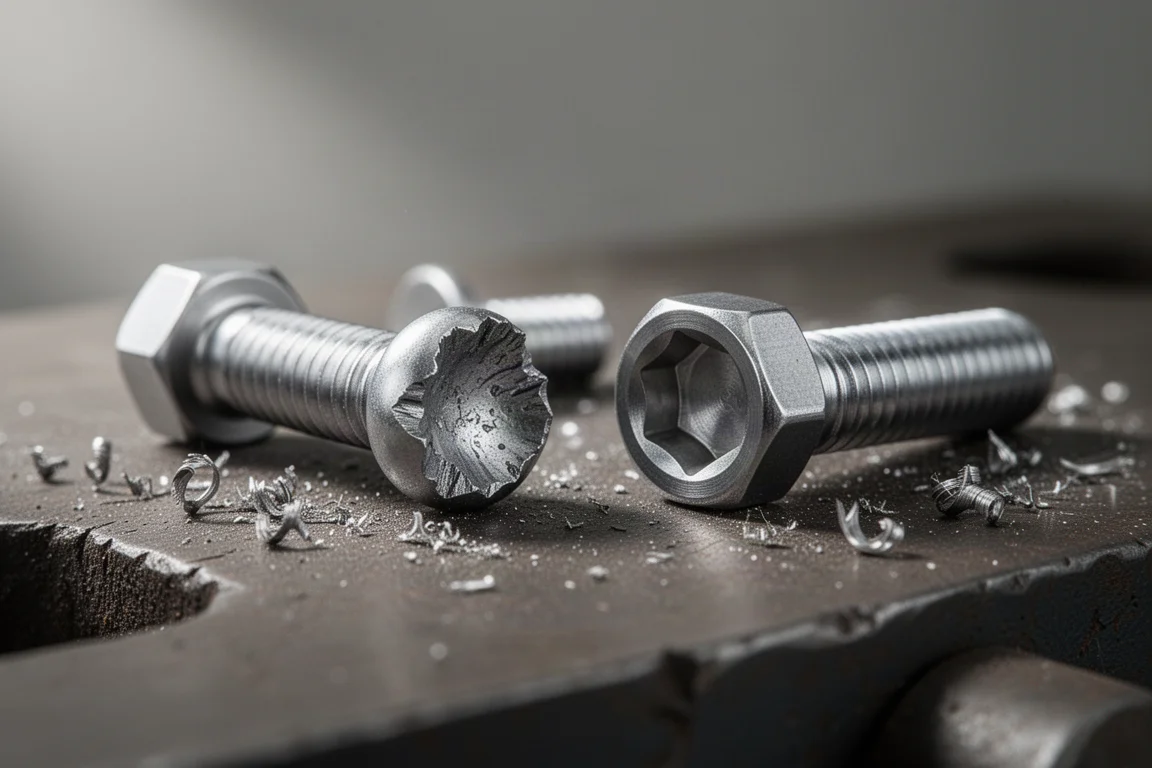
Insert Bits: The Short Hex Lineup
Baseline: Wiha Hex Impact Bits
The Wiha bits, designed in Germany and made in Vietnam, come in at the lowest price point at roughly 90 cents per bit, but they do not extend into larger sizes, so testing covered the 6 mm size only. With a rigid impact driver they made 48 ft-lb with no real rounding, rising to 59 ft-lb with a higher-torque M18 impact driver. The M12 stubby impact wrench brought cycling to a peak of 48 ft-lb before rounding out the 6 mm hex, a respectable high water mark for the size. A solid, affordable baseline.
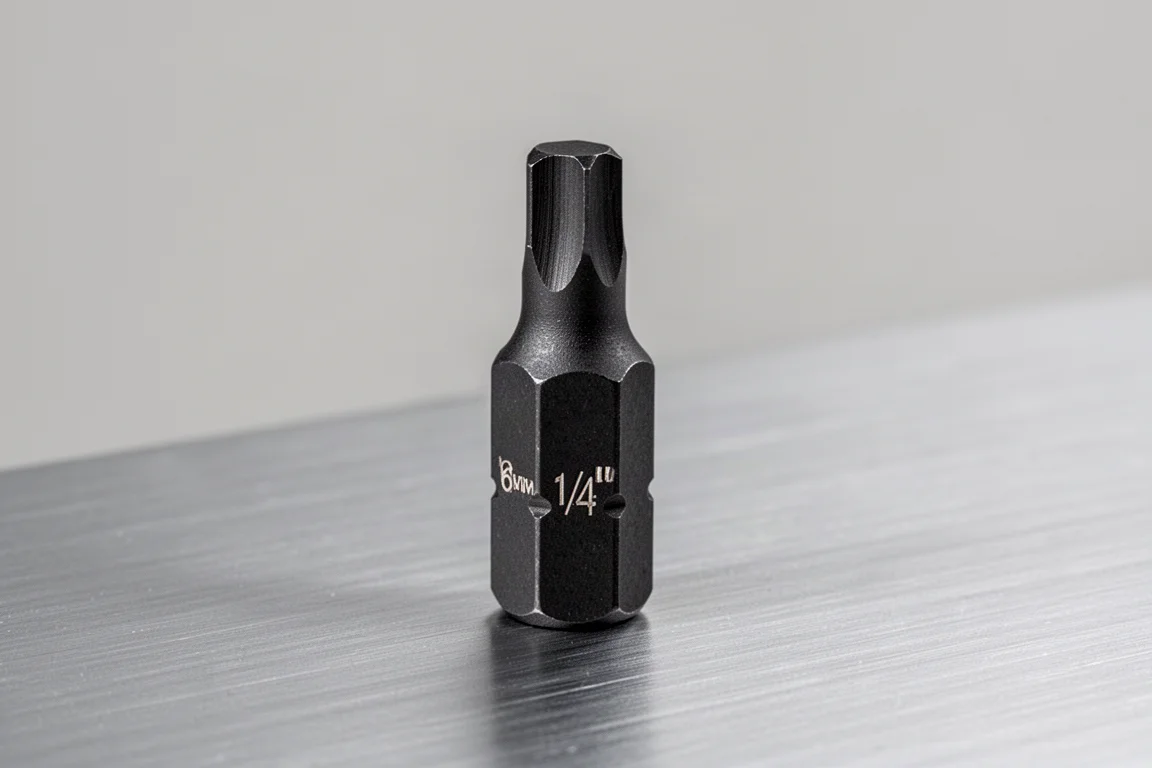
Milwaukee Shockwave Hex Bits
Milwaukee Shockwave bits are made in China, run about $1.10 per bit, and reach sizes up to 10 mm, which is rare at this length. Their center taper acts like a torque stick, soaking up impacts and limiting shock transfer to extend durability, but that same taper limits how much torque the bit transmits. Each tool stage produced lower numbers than the baseline, and the internal hex stripped at a lower torque as well. In 8 mm the picture improved: 51 ft-lb with the rigid driver, 58 ft-lb with the M18 impact driver, and 93 ft-lb with a 3/8 mid torque before the bit snapped in half in that tapered shockwave zone. Longevity is clearly the design priority here, not peak torque.
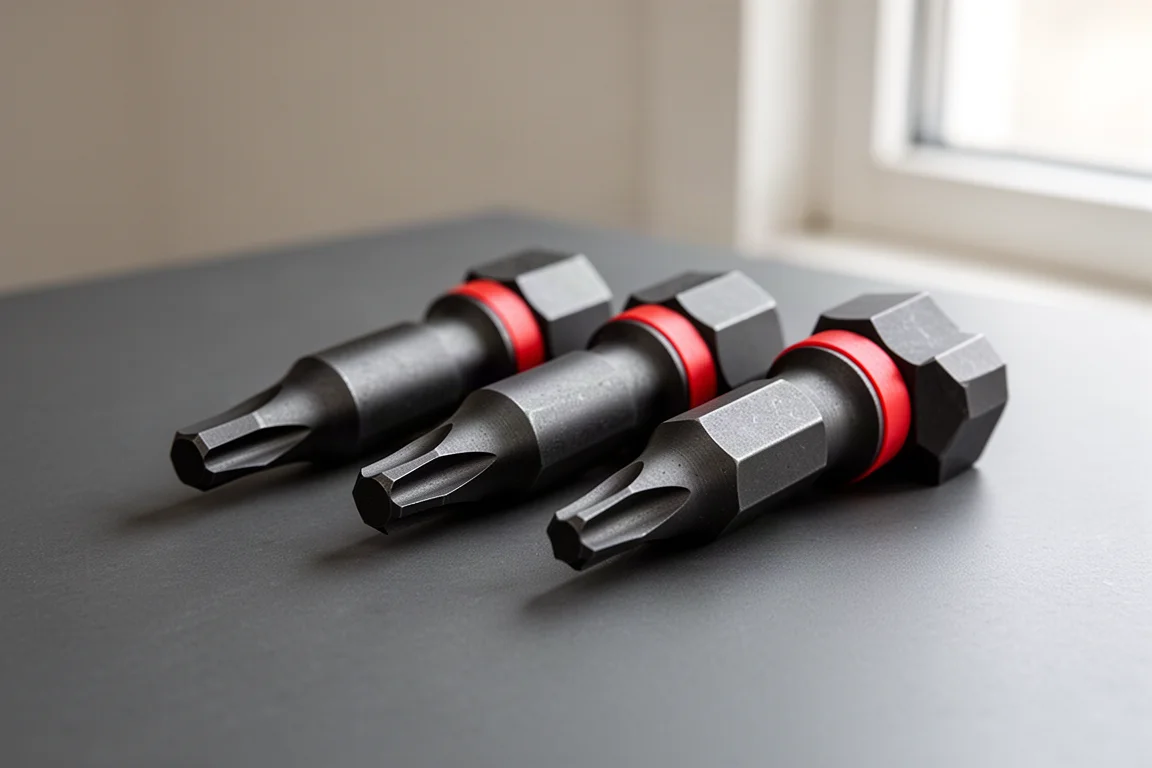
PB Swiss Hex Impact Bits
PB Swiss, designed and made in Switzerland at roughly $3.45 per bit, brings a distinctive heat-treated stainless-like finish. In 6 mm, the bits made 42 ft-lb with the rigid driver, 49 ft-lb with the M18 impact driver, 56 ft-lb with the M12 stubby, and 69 ft-lb with a 3/8 mid torque. The 8 mm size outpaced Milwaukee’s equivalent: 49, 60, then 70 ft-lb, maxing out the mid-torque wrench without failing. After an even bigger battery pack finally ended the run, PB Swiss sat just 1 ft-lb behind the best peak while surviving more tool stages than anything else. When the ranking settled, PB Swiss topped the short insert bit category overall.
Wera Hex Bits
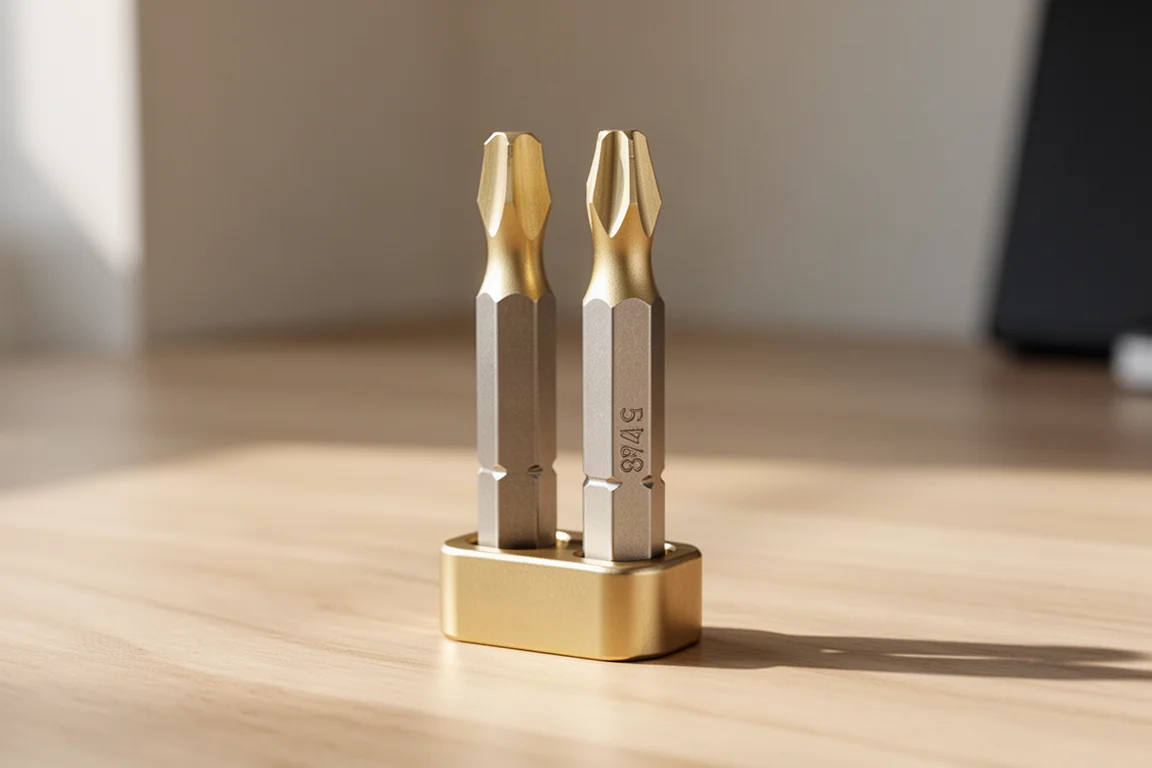
Wera’s contribution is a genuinely unique contour on the bit flats, focusing turning pressure onto the inner points of the hex so the corners dig in and resist rounding into a circle. In 6 mm they made 51 ft-lb across the impact drivers and climbed to 63 ft-lb. The 8 mm size is where the design shines: 60, 68, 73, and a category-best 102 ft-lb, with the contour advantage growing as bit size and surface area increase. One caveat: the included adapter broke fairly quickly under abuse. Wera finished just behind PB Swiss in the short bit ranking, separated by a small margin.
Extra Long Bits: Vim
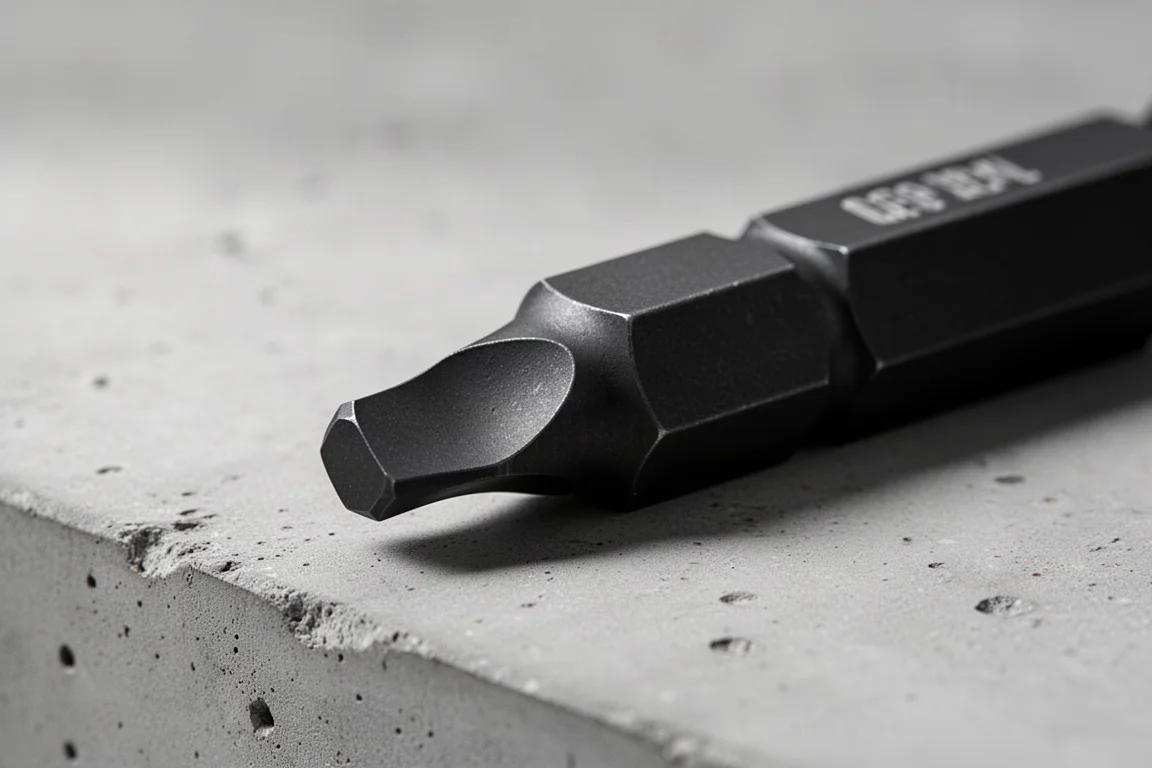
Extra long bits face a physics problem: torque drops off over the length, so they slip or simply fail to translate enough force to do damage. The comparison here ran a value-priced long bit set (around $20 per set, about $2.40 per bit) against the Vim set at $67, roughly $4.19 per bit. In 6 mm, the value option went from 30 ft-lb up to 45 ft-lb across the tool range, stalling purely from length. Vim tracked similarly, from 28 to 44 ft-lb. Both are advertised as S2 tool steel and behave close to interchangeably at this length.
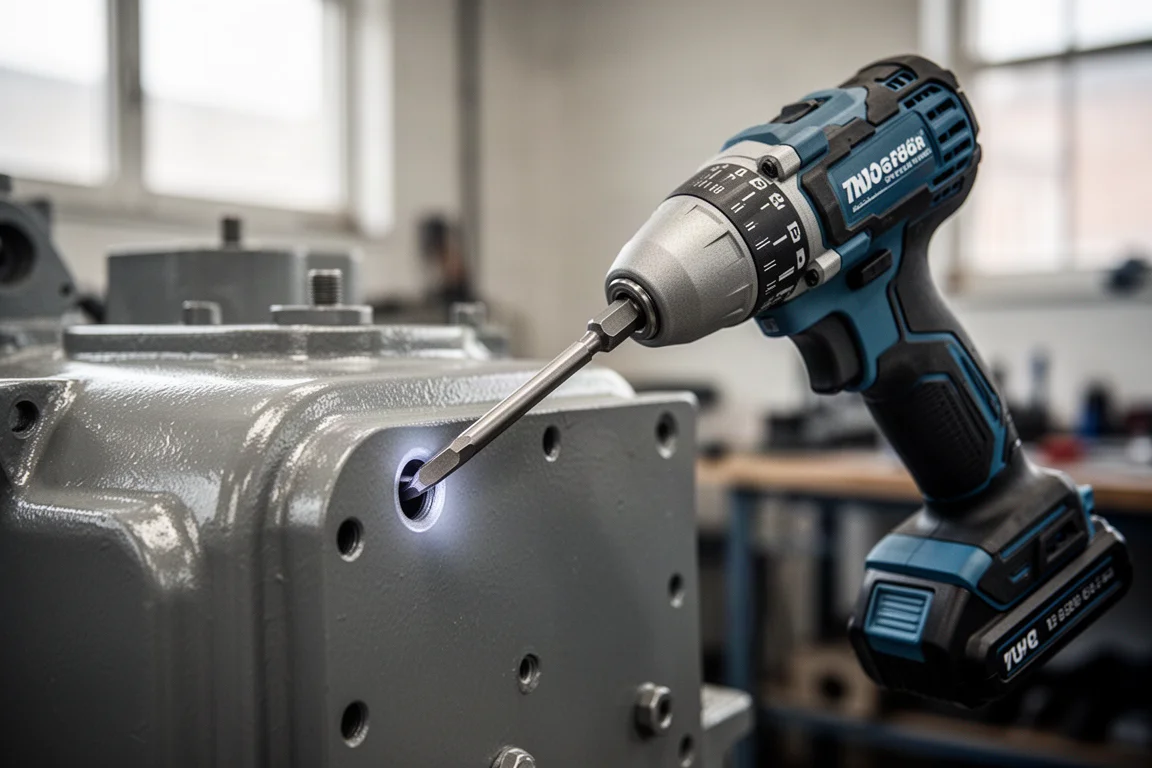
Where Vim pulls ahead is its included 3-inch mid-length bits, which made 51 ft-lb and 95 ft-lb depending on the tool. If you need the reach for recessed fasteners, either long set will get you there gently; if you need a plan B with more bite, Vim’s mid-length pieces deliver it.
Impact Bit Sockets: Nico and Tekton
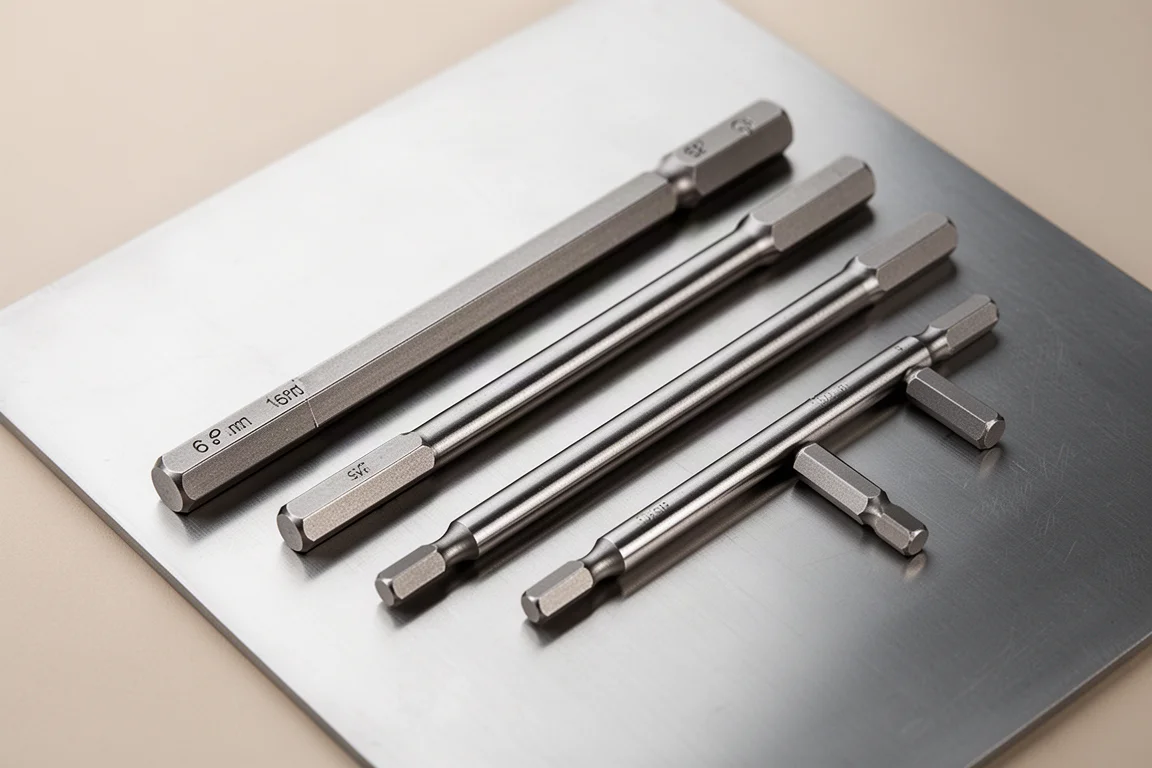
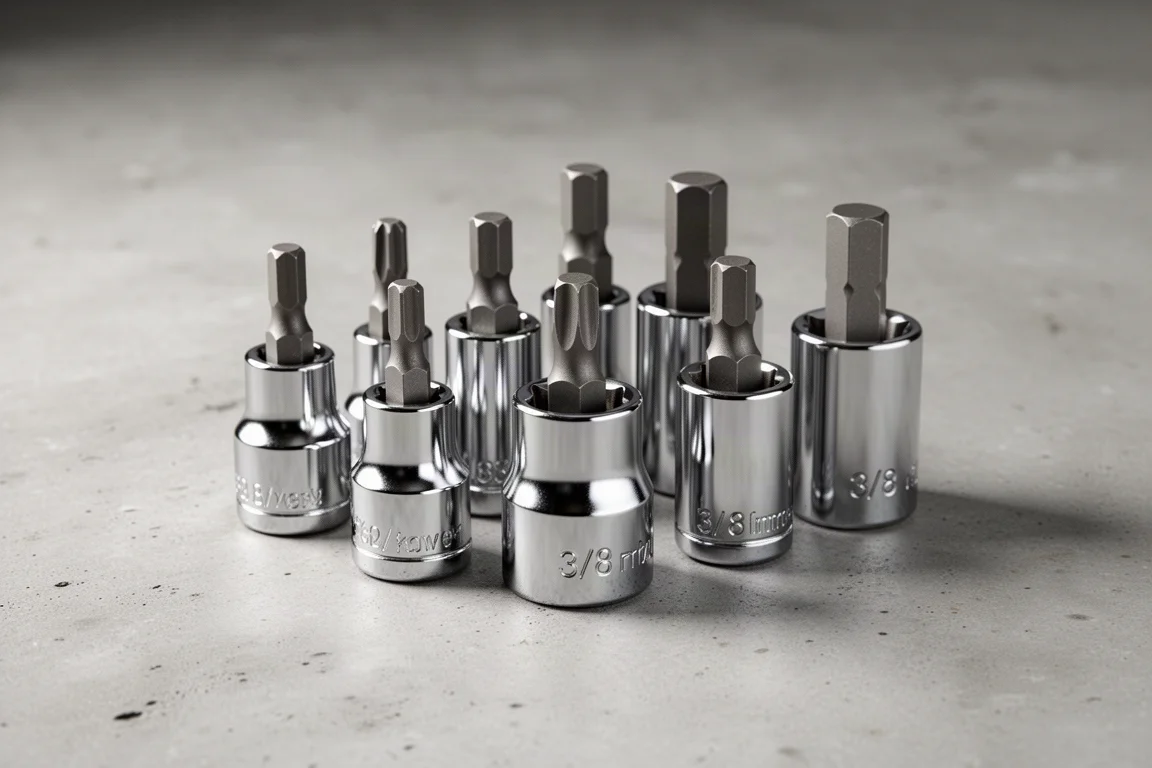
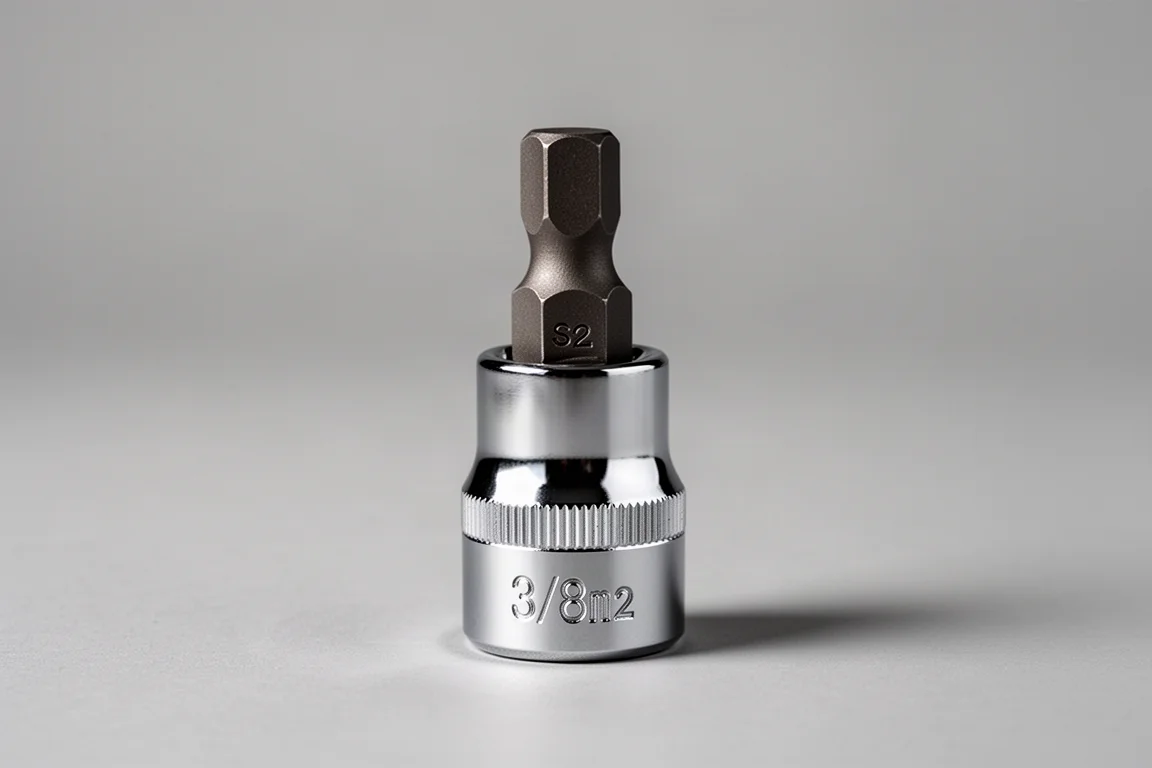
Stepping up to 3/8 drive bit sockets changes the transmission path: with no adapter between tool and hex, these should receive all the power the tool produces.
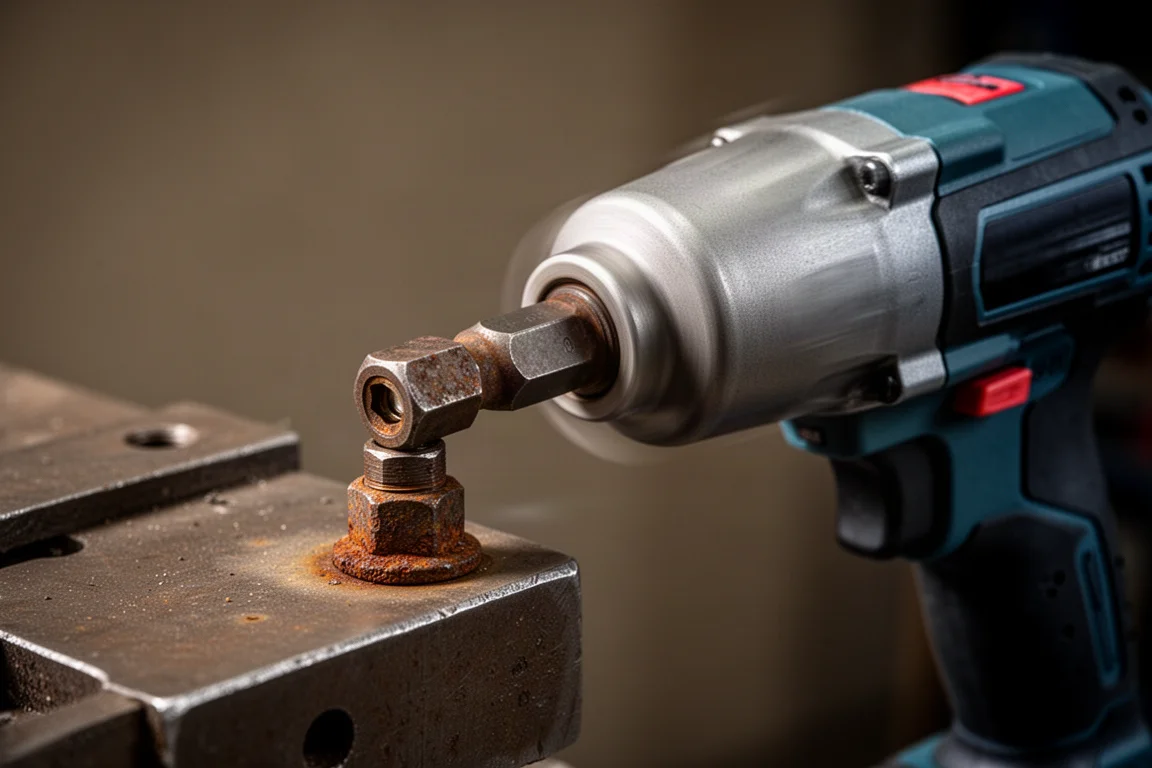
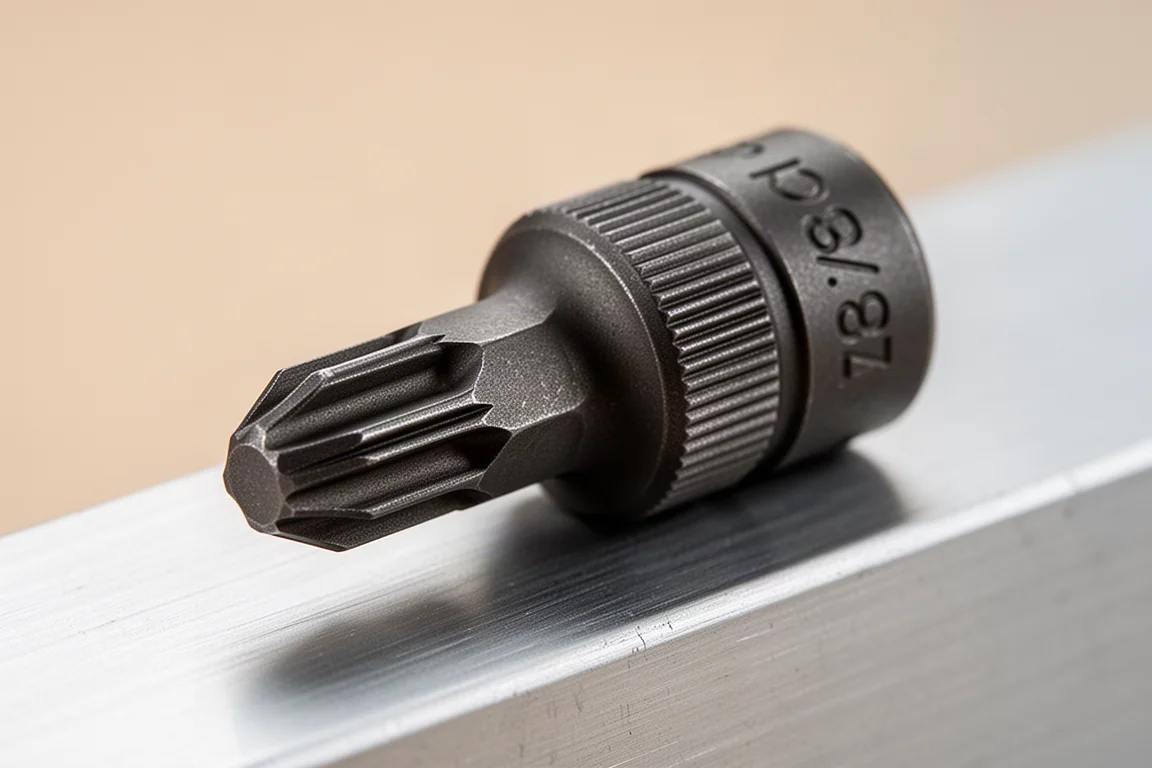
The Nico set, made in Taiwan and priced around $30, delivered 46 ft-lb with the M12 stubby and 52 ft-lb with the 3/8 mid torque in 6 mm before stripping, only marginal improvement over insert bits. The 8 mm size is where the format earns its keep: with a 1/2-inch high torque wrench and a reducer, the Nico made 142 ft-lb before the bit spun freely in the drilled-out head. The 10 mm size, fed by a 1/2-inch high torque with a large battery, reached 214 ft-lb. Easy to use and forgiving; you can simply let it rip.
Tekton’s set, also made in Taiwan, costs more at $50 for 13 pieces, which works out to less per bit at $3.85. These are S2 material, nearly 10 points harder than the chrome-moly Nico sockets, and they look like ordinary hand-use bit sockets rather than impact-rated ones. They get up to torque quickly and chew material aggressively: the 8 mm made 100 ft-lb with the mid torque, and the 10 mm hit 215 ft-lb with the big half-inch setup. The bits stayed visually perfect throughout, but that hardness also means they can chew up a fastener earlier in the process if you are not careful.
In the final ranking these two finished neck and neck at 2.5 and 2.6, with Tekton slightly ahead on a per-piece basis and no skipped sizes, while Nico costs less as a full set and is a bit easier on the trigger.
Bondhus Hex Bit Set
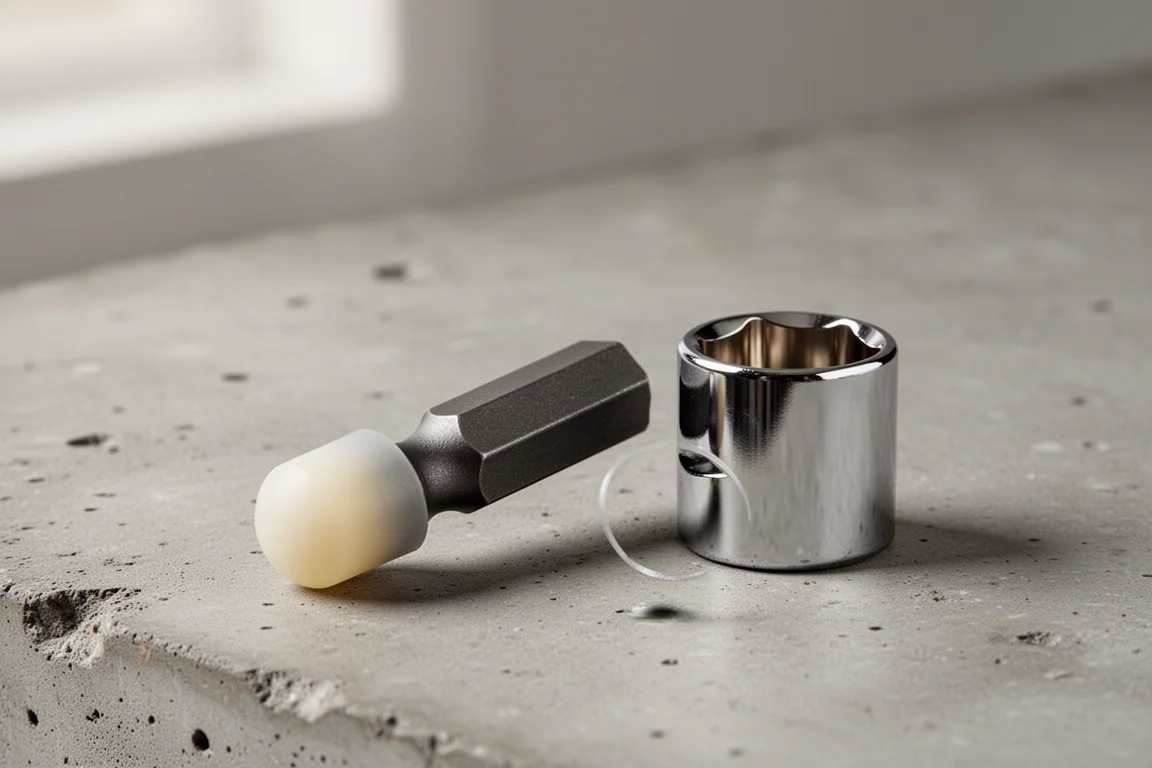
Bondhus, made in the USA, takes a different approach: the bits come without sockets, using polymer dots on the shanks that you hammer into a socket of your choice, letting you run them in 1/4, 3/8, or 1/2-inch drive. Sizes extend all the way to 17 mm, far beyond any other 3/8 set here, which makes the per-size cost comparatively low. The two-piece construction does cost some torque per stage: 55 ft-lb in 6 mm, 63 ft-lb in 8 mm, and 93 ft-lb with a mid torque, with a high torque finishing it at 98. But that gentler transmission meant Bondhus took the most impacting abuse of the socket sets in the mid sizes, and the 10 mm went the distance, reaching 208 ft-lb with a Gen 3 high torque. Expect some fiddliness when removing sockets, as the bit can stay seated in the bolt head.
The Standout: Grip Edge
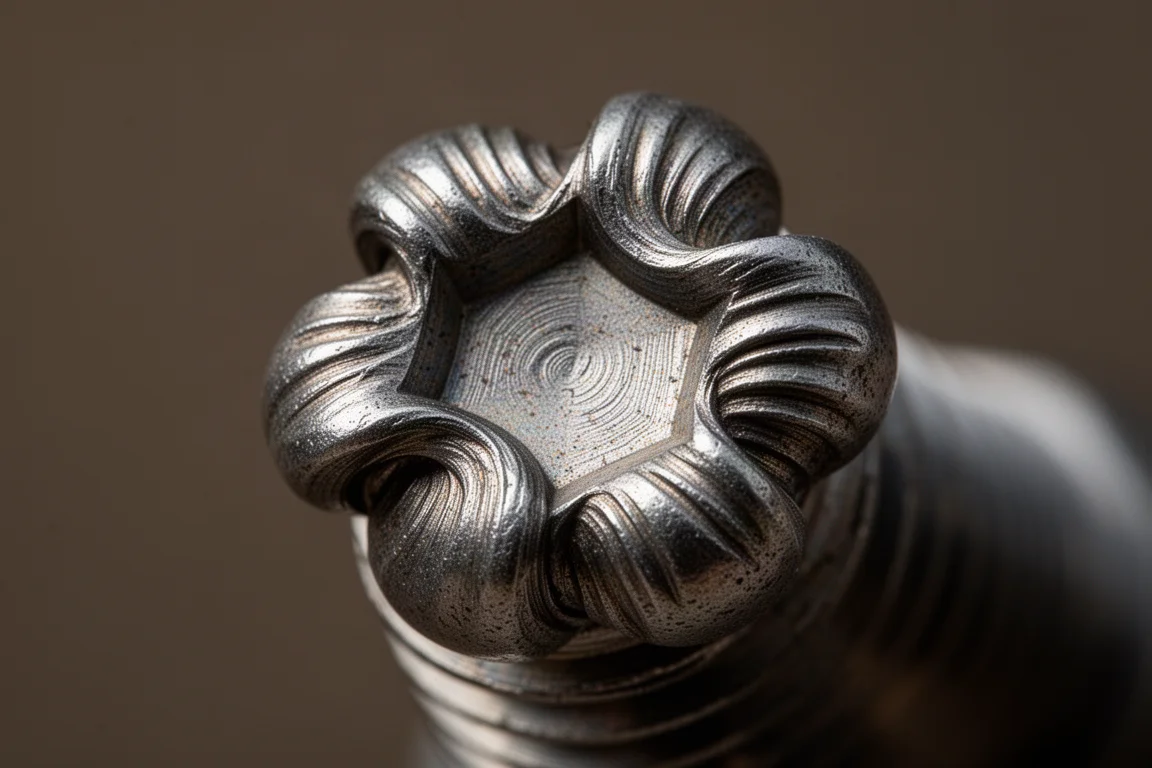
Grip Edge comes from the same people behind the RBRT rounding-prevention designs sold through tool trucks, and this small set runs $120 to $125, about $16.43 per bit. The design uses directional ridges that fit into the hex corners and pull material in rather than shoving it out. The maker says they work on damaged or rounded internal hex, and also as a daily driver for extra turning power.
The hype held up. In 6 mm, the aggressive bite stacked torque quickly, stripping out at 59 ft-lb with the M12 stubby alone. In 8 mm, it made 104 ft-lb with the stubby, more than most other sets hit with 10 mm bits on the same tool, then 144 ft-lb with the mid torque, 151 with a larger battery, and 152 with a high torque. The 10 mm marched through 134, 171, 186, 230, and 232 ft-lb before a forge-equipped M18 high torque pushed it to 269 ft-lb. Grip Edge finished first in practically every ranking cell with a score of 1.2, far ahead of the field.
Buying Advice
Pick based on where you actually work:
- Short insert bits for daily driving: PB Swiss tops the category on both peak torque and durability, with Wera right behind and offering that point-focused contour design at presumably a friendlier price. Wiha is the budget baseline; Milwaukee Shockwave trades peak torque for longevity.
- Extra long reach: any decent long bit will transmit limited torque by nature of its length, so the value option and Vim are close to interchangeable; Vim adds useful 3-inch mid-length pieces if you sometimes need more bite.
- 3/8 bit sockets: Nico is the easier, cheaper full set; Tekton is cheaper per piece, skips no sizes, and doubles as a hand tool set thanks to its hard S2 construction.
- Maximum fight on a stuck fastener: Bondhus survives the most total abuse and covers the widest size range, but Grip Edge is in a class of its own for turning power, especially on already-damaged hex heads.
Conclusion
For 6 to 10 mm hex fasteners, the short insert bit crown goes to PB Swiss with Wera close behind, while Grip Edge dominates the bit socket category outright, delivering more grip per tool stage and the highest peaks recorded, including 269 ft-lb in 10 mm. Match the format to your access needs, and if you routinely face rounded or rusted Allen bolts, the Grip Edge design justifies its price.
Further reading
Related Reviews
Hand Tools
Best Diagonal Cutters 2026: 16 Pliers Tested for Cutting Power and Durability
We put 16 diagonal cutters through nail, screw, drill bit, and hex key tests to find the best value picks for your toolbox.
Hand Tools
Best Hex L Key Sets 2026: Nine Sets Tested for Real-World Torque
Nine hex L key sets from budget to premium, tested for torque, fit, and durability. See which sets deliver real performance and which ones to skip.
Hand Tools
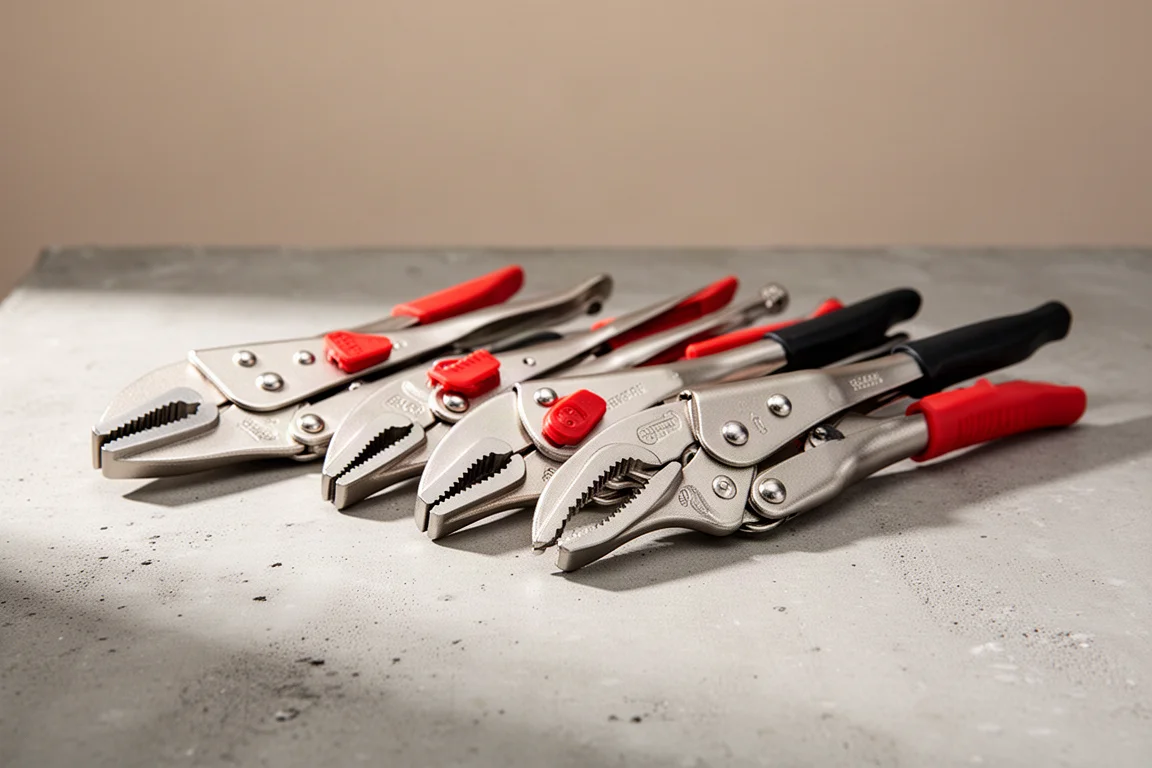
Best Locking Pliers 2026: Top Picks Tested for Grip and Durability
We tested 18 brands of 10-inch locking pliers for grip strength, jaw bite, build quality, and ease of release to find the best options for tough jobs.