Hand Tools
Best Hex Bit Adapters for Ratchets: Wera vs. Godor Compared
Three hex bit adapters that turn your 3/8 and 1/4 drive ratchets into bit drivers, with real differences in locking, finish, and price.
Introduction
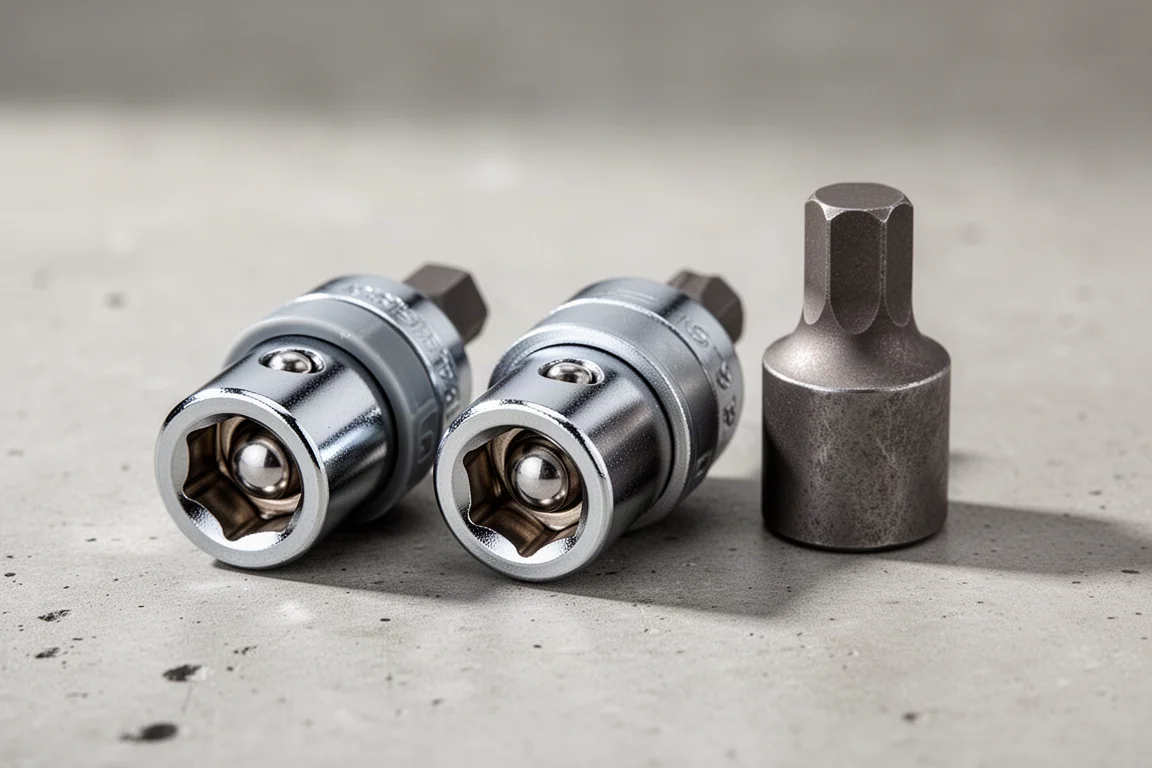
A hex bit adapter is one of those small accessories that quietly unlocks a lot of functionality. It seats onto a 3/8 or 1/4 drive ratchet like a socket and holds standard hex shank bits, letting you use speed bits, regular bits, or whatever else you have on hand while keeping full ratchet functionality.
We compared three options across two brands: the Wera non-impact rated adapters, the Wera impact-rated versions, and a less expensive alternative from Godor. All of them do the basic job, but the differences in locking mechanism, finish, and durability are worth understanding before you spend.
How These Adapters Work
The core idea is simple: the adapter slides onto the ratchet square drive like a socket, and the bit drops into a hex receiver at the other end. What separates a good adapter from a mediocre one is how securely it grips the bit.
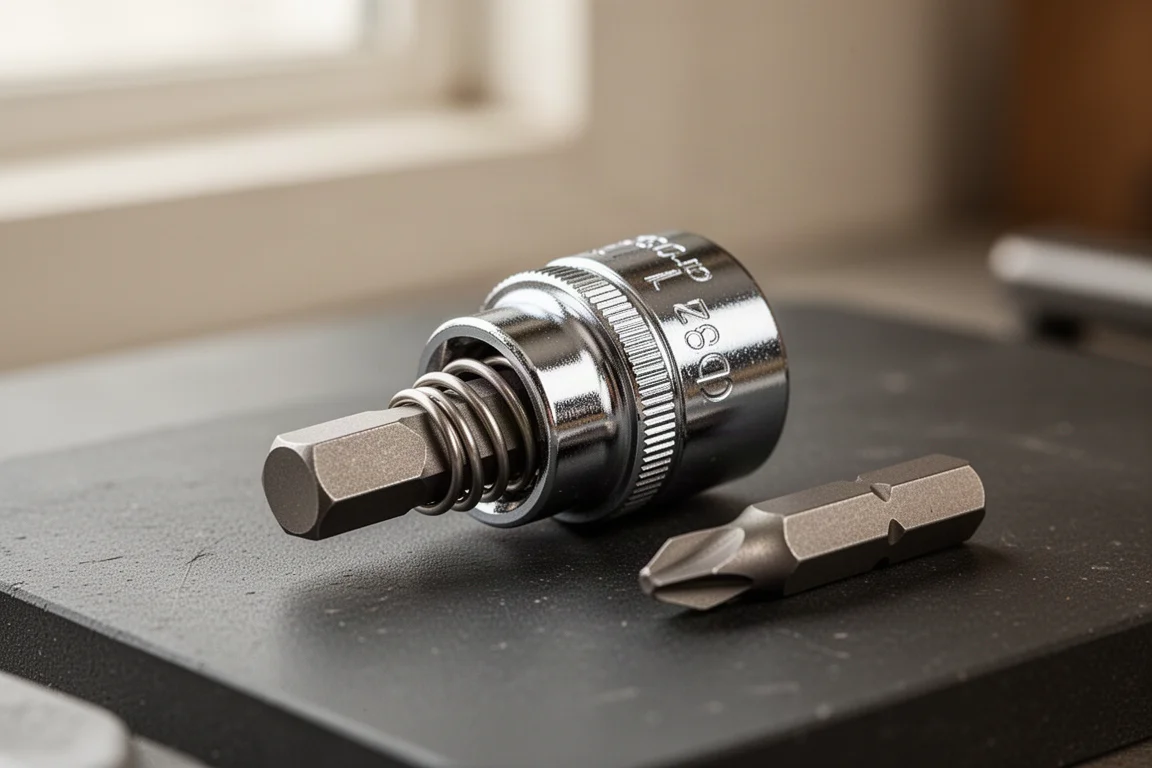
The Wera designs use a double ball bearing system at the corners of the hex receiver. Insert a bit and it locks in on two corners, seating into the notches of the bit shank. Once locked, the bit is held rock solid with essentially no play. The plastic collar is spring loaded, and raising it releases the bearings so the bit can slide out.
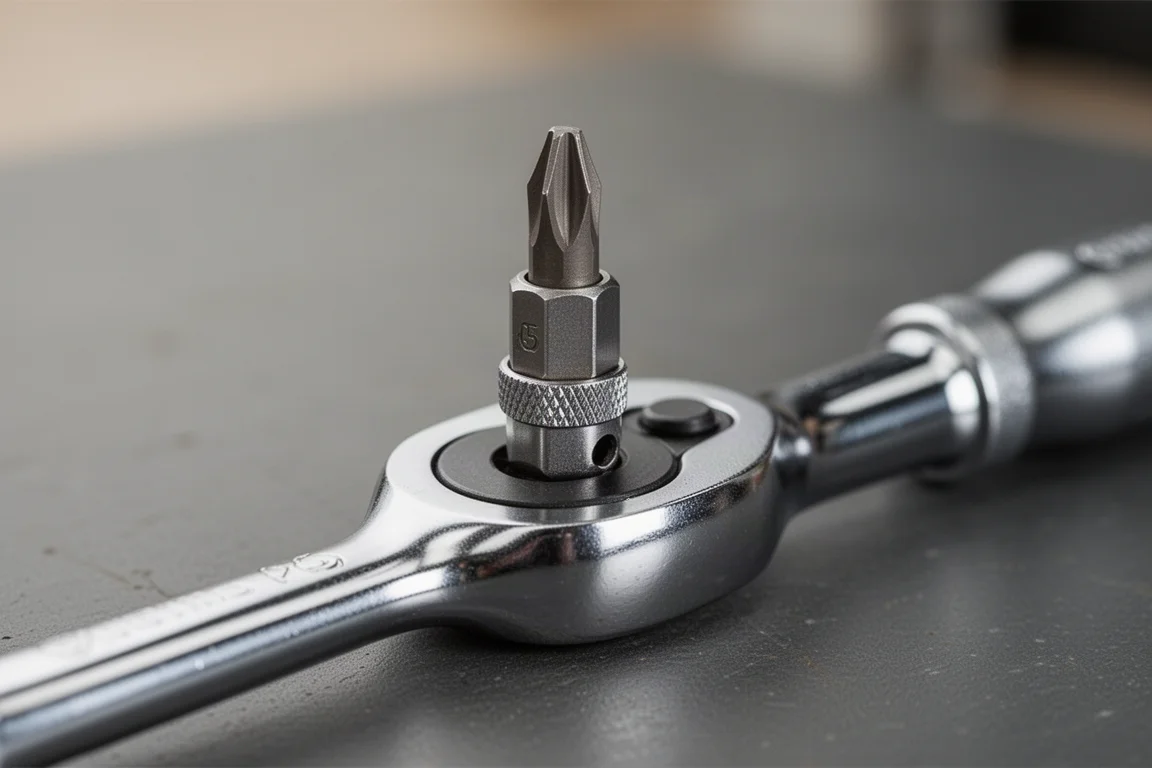
One worth noting: with long speed bits, the bearings drop into the large recessed area of the bit shank, which introduces some play. That is inherent to the design rather than a defect, and normal bits stay locked in tightly.
Wera Non-Impact vs. Wera Impact-Rated
Wera makes two versions, and they look more alike than they are. The non-impact rated adapters are chrome plated with a dual-color plastic collar, while the impact-rated versions wear a raw, anodized-looking steel finish with no chrome and a solid metal collar. The lack of chrome and a likely different steel composition make the impact versions safer to use in impact environments.
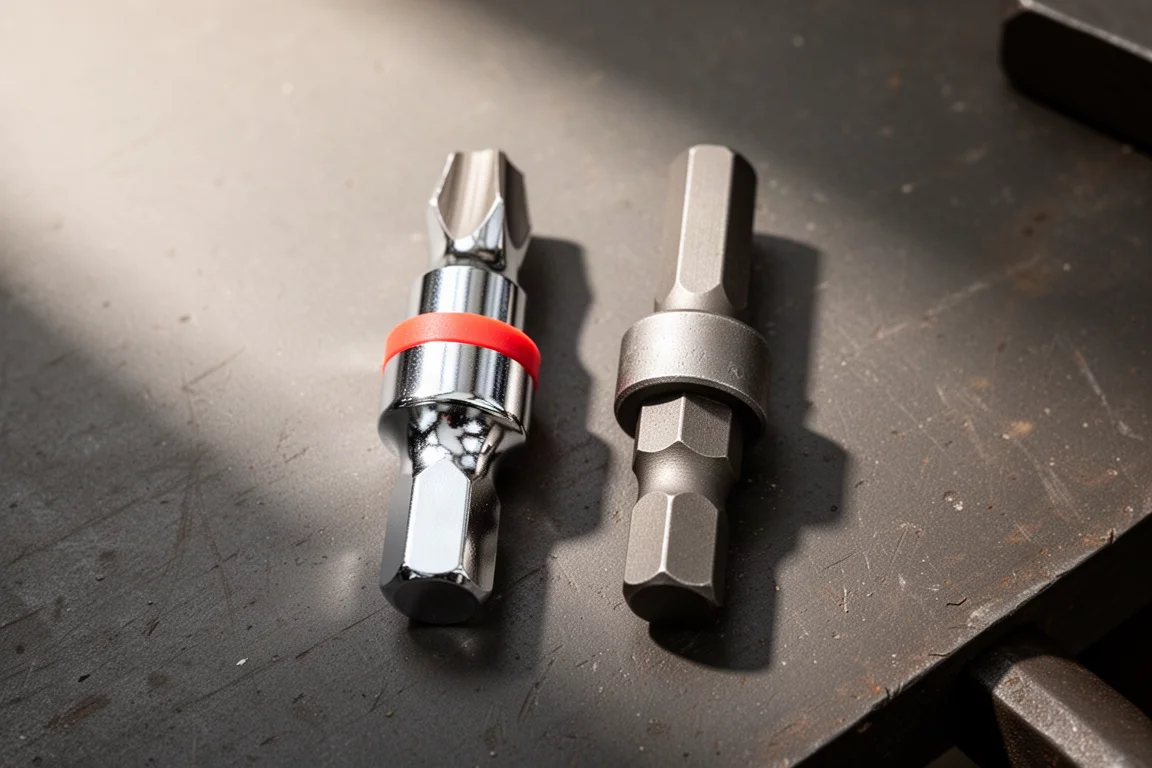
Mechanically, the main difference is bearing position. In the non-impact version the ball bearings sit lower in the receiver, so a comparable bit seats deeper and no hex is left exposed. In the impact version the bearings sit higher, leaving a small portion of the bit shank visible. Both hold bits firmly on two corners, and both require raising the collar to insert or remove a bit, so there is no one-handed release like some pre-loading designs offer.
If you ever plan to pair these with an impact driver, the impact-rated set is really the only correct choice. If you are strictly using them on a hand ratchet, the non-impact versions are the ones we would reach for first: the bit seats deeper and the hold feels a touch tighter.
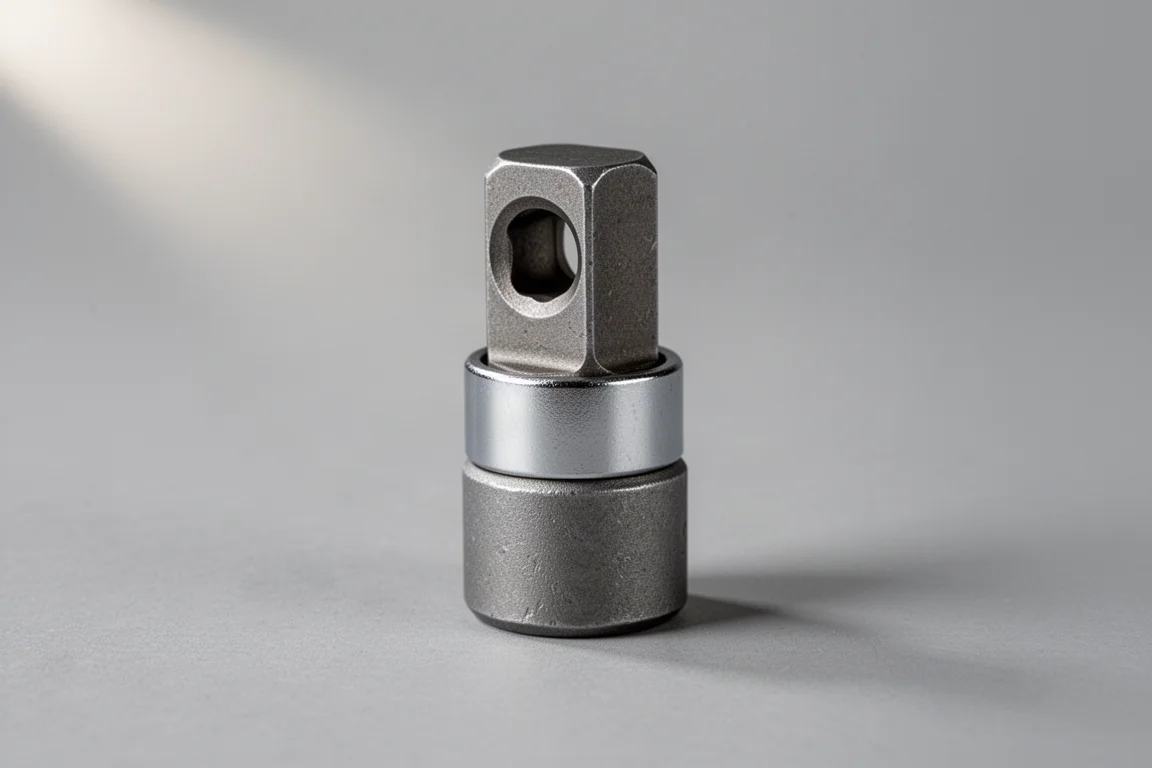
Godor Hex Bit Adapter: The Budget Option
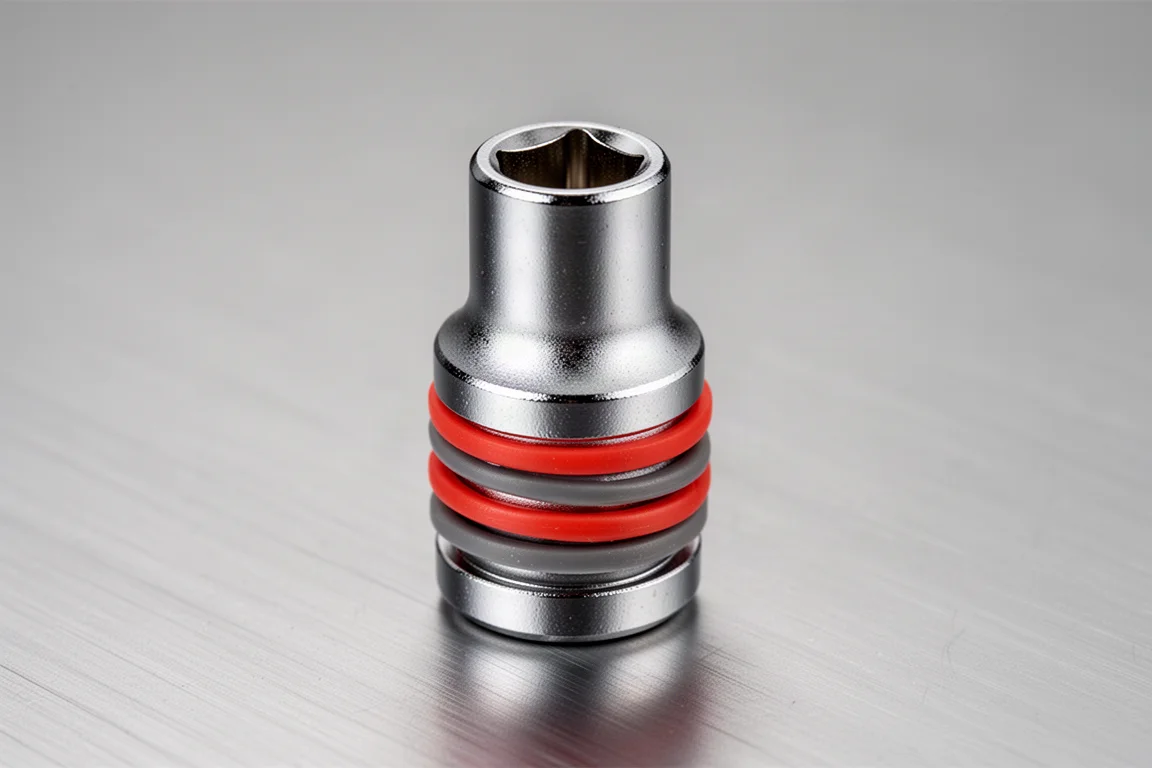
Godor takes a completely different and more old-school approach. Instead of corner-locked ball bearings, it uses a spring-loaded metal collar with a recessed bearing positioned on the side wall of the socket rather than in the corner. The result is a pure friction fit along the side of the bit shank.
That makes the Godor very easy to use: bits pop in and out with one hand and the collar acts like a spring as you press a bit past the bearing. It is snugger than some basic holders, but it never truly locks the bit. With sticky fasteners or diamond-coated bits that seat deeply into the fastener, you can end up pulling the bit right out of the adapter along with the fastener.
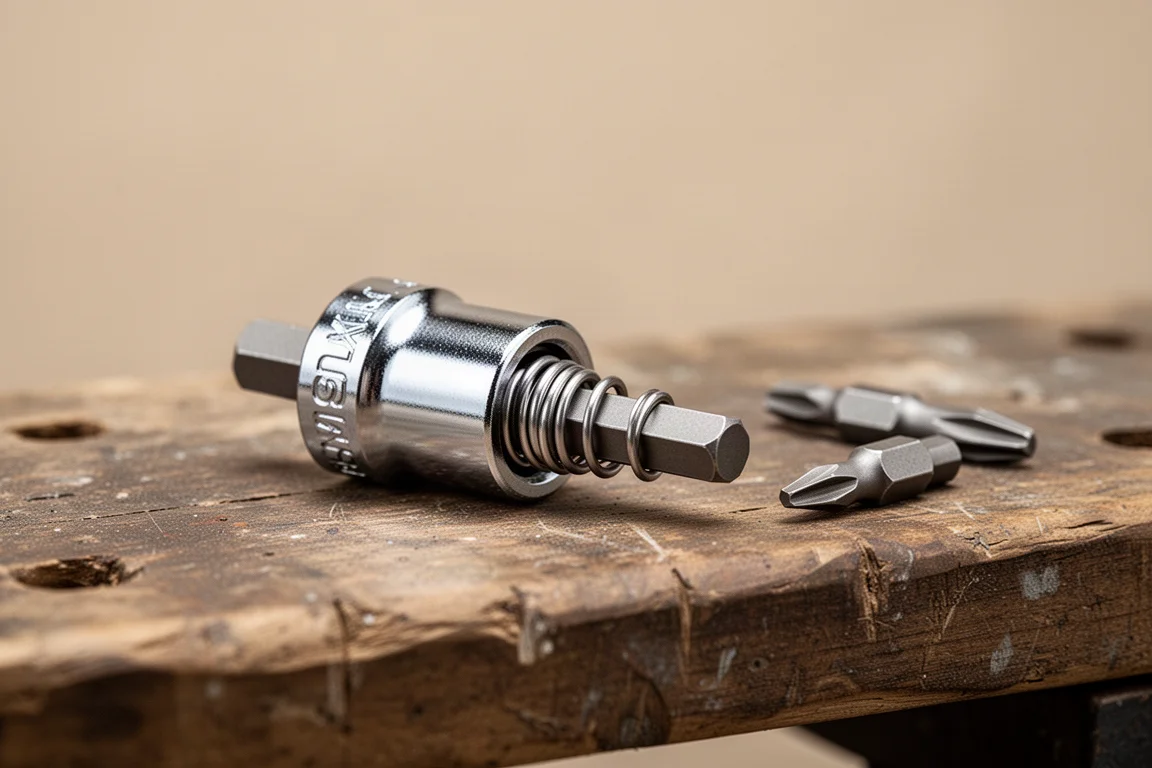
There is also a finish concern. During use, we noticed chrome flakes coming off the Godor adapters, something that never happened with the Wera units. Whether that is the plating quality or something else, it does not inspire long-term confidence. The upside is the price: the 3/8 to quarter hex version is $9.27 and the 1/4 version is $5.39, roughly half the cost of the least expensive Wera. For occasional, general-purpose use with normal bits, they are perfectly fine, and it helps that a real company stands behind the product.
Buying Advice: Which One Should You Get
Across all three sets, both drive sizes, the total came to roughly a hundred dollars. That is a good reminder that even small accessories add up quickly, so it pays to buy the right one the first time.
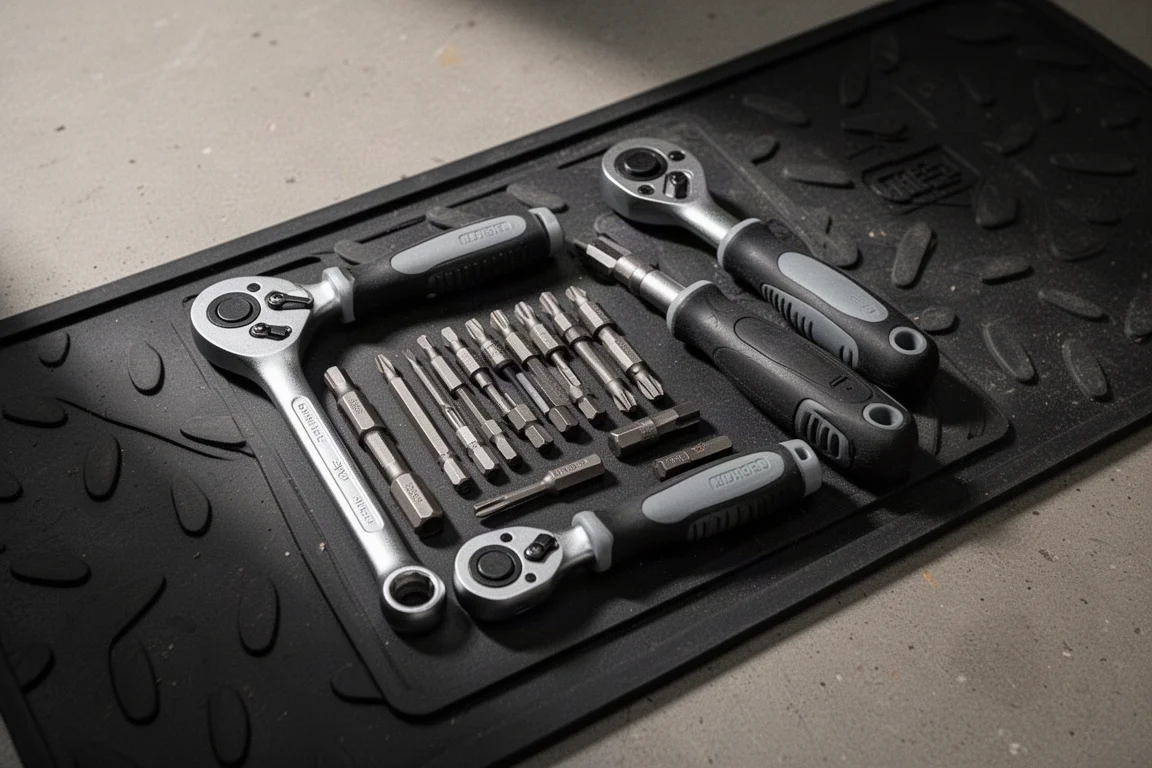
Our take is straightforward. If you want the tightest bit hold and the nicest feel for ratchet work in the shop, the Wera non-impact versions are the favorite here: deeper bit seating, zero play, and a plastic collar that works smoothly. If impact use is even a possibility, buy the Wera impact-rated versions, since that is really the only safe choice in this group. If you just want an inexpensive just-in-case adapter for general use and you will never run diamond-coated or deeply seating bits, the Godor is a reasonable value despite the friction-fit design and finish concerns.
There is also a field-use angle worth considering. In an overland or trail kit, where tools get dropped, rained on, and bumped around, you want the bit genuinely locked in rather than held by friction. In a controlled garage environment the choice is easier; in the field, the firmer lock wins.
Conclusion
All three adapters turn a ratchet into a capable bit driver, but they are aimed at different users. Wera’s non-impact adapters offer the best locking and feel for hand use, the Wera impact-rated set is the only option for impact environments, and the Godor delivers a basic friction-fit hold at a fraction of the price. Match the adapter to how you actually work, and none of them will feel like a bad purchase.
Further reading
Related Reviews
Hand Tools
Best Diagonal Cutters 2026: 16 Pliers Tested for Cutting Power and Durability
We put 16 diagonal cutters through nail, screw, drill bit, and hex key tests to find the best value picks for your toolbox.
Hand Tools
Best Hex L Key Sets 2026: Nine Sets Tested for Real-World Torque
Nine hex L key sets from budget to premium, tested for torque, fit, and durability. See which sets deliver real performance and which ones to skip.
Hand Tools
Best Locking Pliers 2026: Top Picks Tested for Grip and Durability
We tested 18 brands of 10-inch locking pliers for grip strength, jaw bite, build quality, and ease of release to find the best options for tough jobs.