Workwear
Best Heated Gear for a Very Cold Workday: Vests and Jackets Compared
How to layer heated vests and heated jackets the right way, plus three picks for working outside in freezing temperatures.
Introduction
Heated gear only works when you wear it correctly, and this is where most of the complaints about heated jackets and vests come from. People stack thick layers underneath, turn the jacket on, and then wonder why they cannot feel the heat. The fix is simple: heat from the inside out, the way you heat a house. Put the heated layer close to your body, then insulate over it.
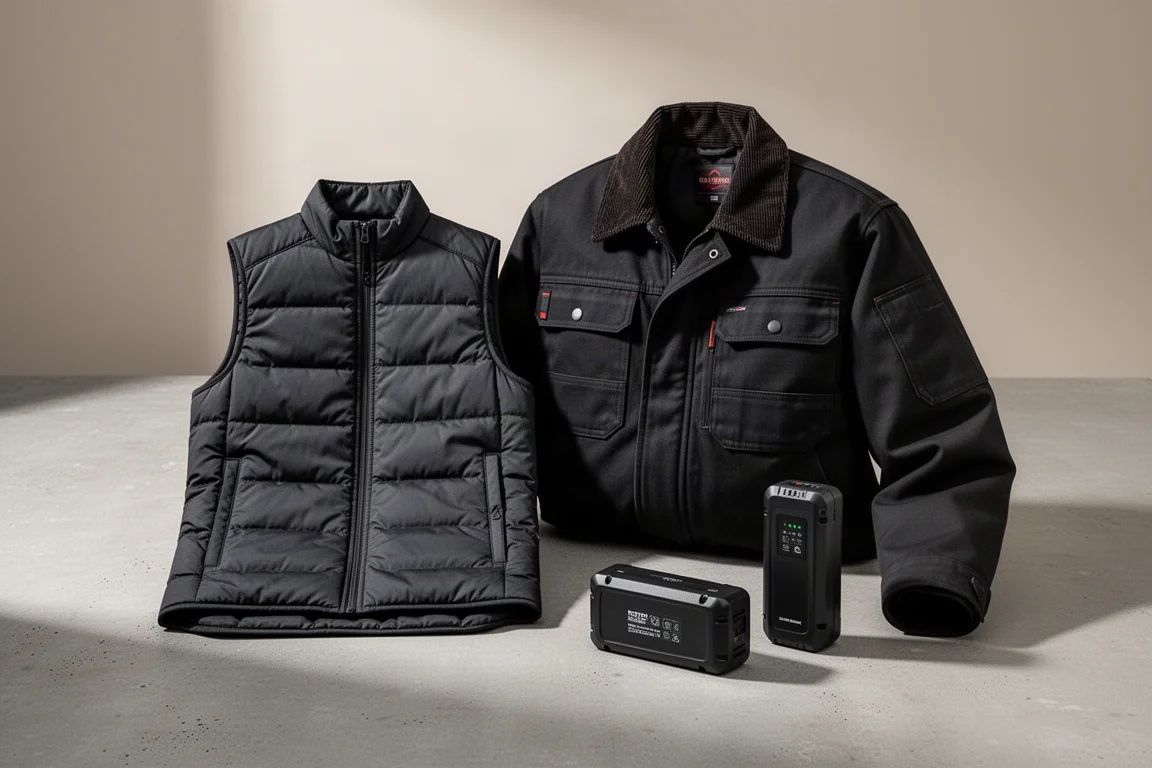
This guide covers three options for very cold workdays: the Fieldsheer Mobile Warming Heated Vest, the Milwaukee Heated Jacket, and the broader Milwaukee M12 Heated Gear lineup, along with the layering rules that make any of them actually work.
Getting the Layering Order Right
Start with a proper base layer. A breathable, moisture-wicking base layer pulls sweat away from your body and keeps you warm on its own, while still letting the heat from a heated vest or jacket pass through to your skin. Thin, breathable zones in areas like the armpits help keep you dry instead of cold and damp.
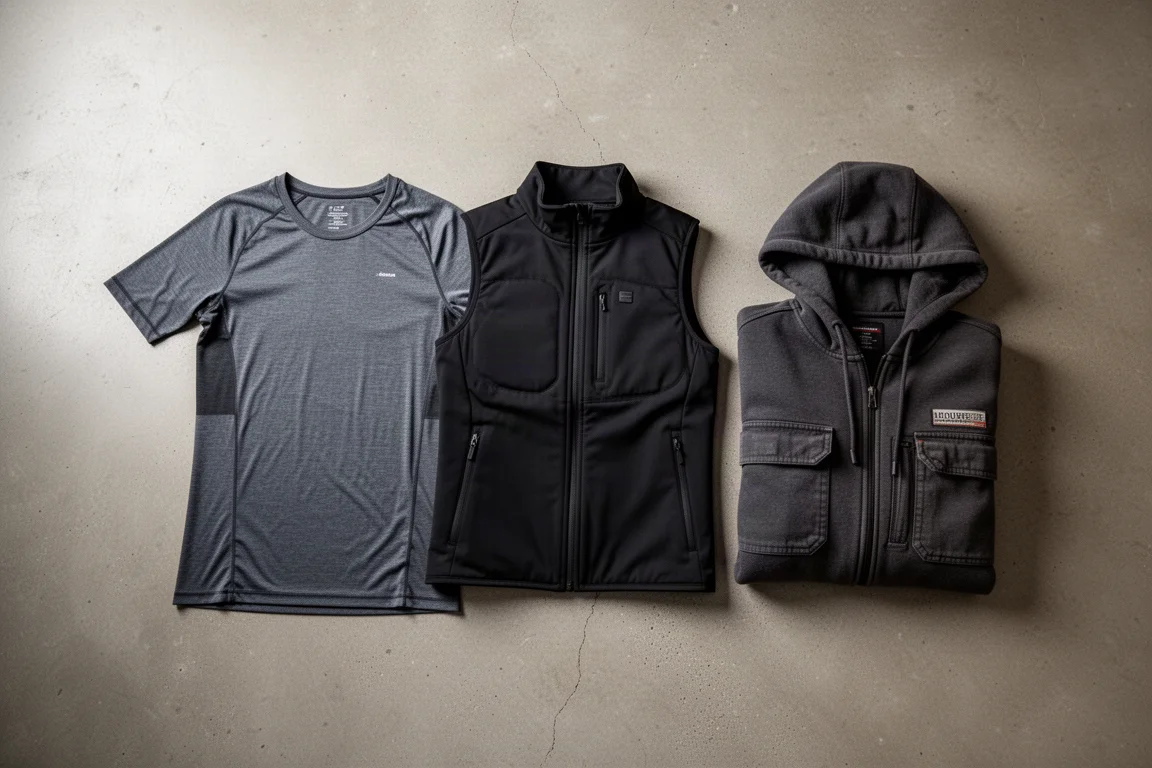
From there, add a heated vest or jacket, then insulate over the top with a hoodie or work jacket. The heated layer should sit tight against your body so the warmth reaches you instead of fighting through a stack of insulation. Elbows, knees, and your back are the spots that get cold first, because compressed insulation loses effectiveness, so a snug fit matters most in those areas.
If a base layer plus heated jacket is still not warm enough, the better answer is a heated base layer, not more clothing underneath the heated jacket.
Fieldsheer Mobile Warming Heated Vest
The Fieldsheer Mobile Warming vest is a mid-layer style heated vest, and its fit is the standout: sized close to the body so the heating elements sit against you. It stretches at the sides, but it should pull in snug, which is exactly how heated gear is supposed to be worn.
Layering works well with this vest because it is designed to be worn under other things. You can put a regular, non-heated hoodie over the top, and another layer beyond that, such as a work jacket or high-visibility outerwear, while keeping the heat on the inside and maintaining good mobility.
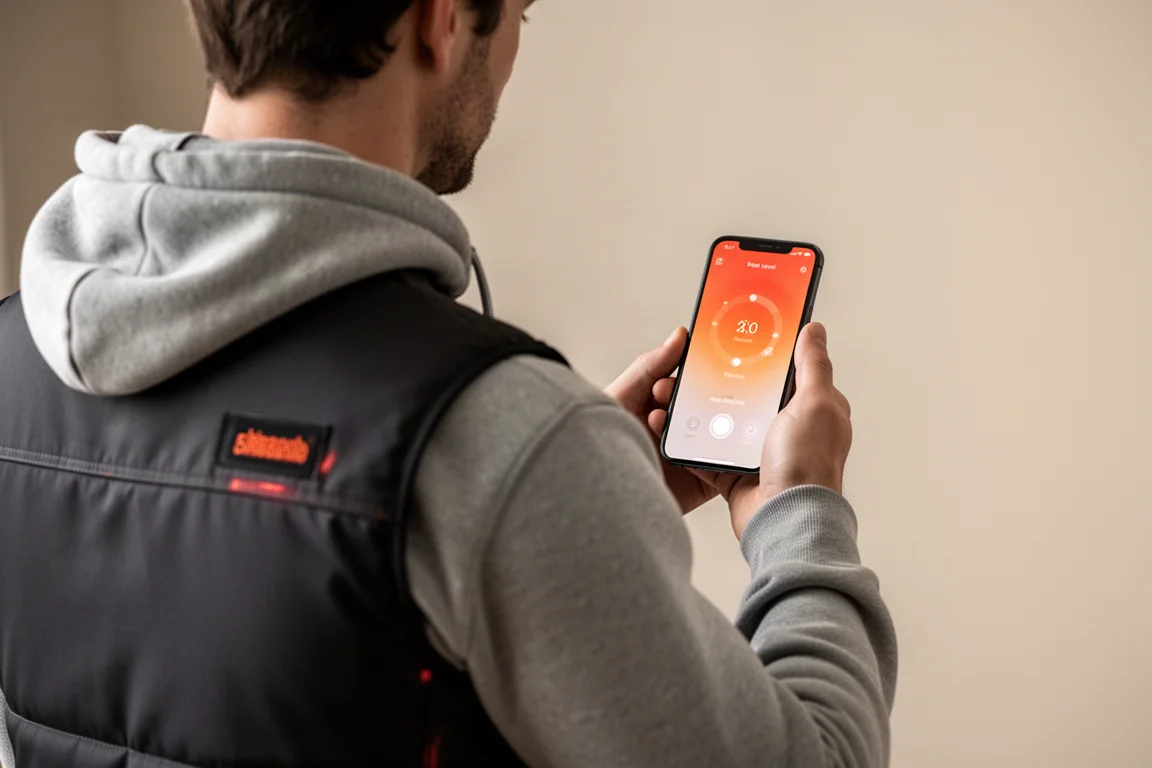
The best feature is Bluetooth control. With several layers on, the power button on most heated jackets ends up buried inside everything, and digging through layers to adjust the heat is a real annoyance. With this vest, you adjust heat levels from your phone, and it shows the battery percentage and the current level. It runs high (orange), then green, then blue. Blue gives roughly 90 degrees inside, which is ideal while working, and red gives about 120 degrees for when you are sitting still.
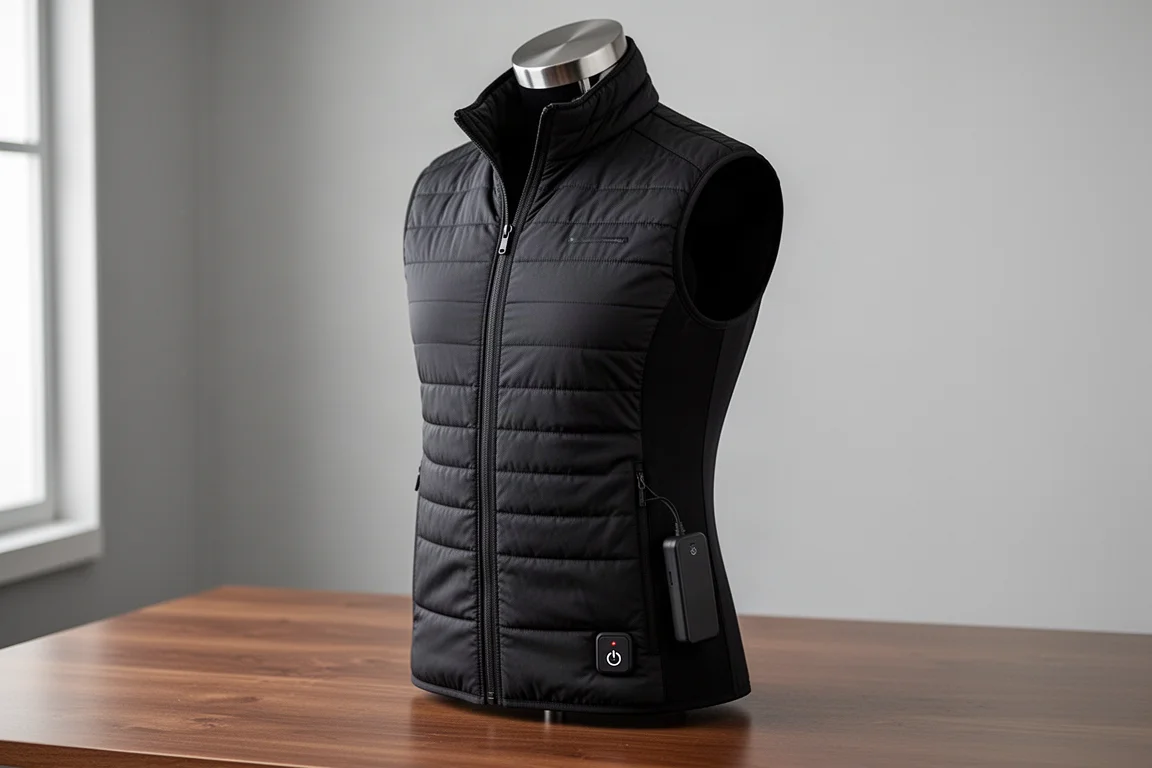
Battery life runs about 2 hours on high and about 10 hours on low with the standard 2.2 amp-hour battery. The 7.4V battery is thin enough that you barely notice it, and larger capacity versions exist if you need more runtime. One limitation: it charges over micro USB rather than USB-C, and it cannot be turned on or off via Bluetooth, only the heat levels adjusted. The small front-mounted button can also be bumped accidentally when you sit in a chair.
Milwaukee Heated Jacket
The Milwaukee heated jacket is widely regarded as some of the best heated gear on the market, with one of the widest selections available, from base layers up to jackets and vests. The jackets are excellent for work, provided you use them right: nothing but a base layer underneath.
The main issue is sizing. Versions that run loose, with extra room and longer arms, create a gap of insulation between the heating elements and your body. Putting a hoodie underneath feels natural because there is room for it, but the heat will not reach your body through that bulk. Milwaukee has been adjusting sizing as it fits more sizes, but a baggier jacket means less efficient heating.
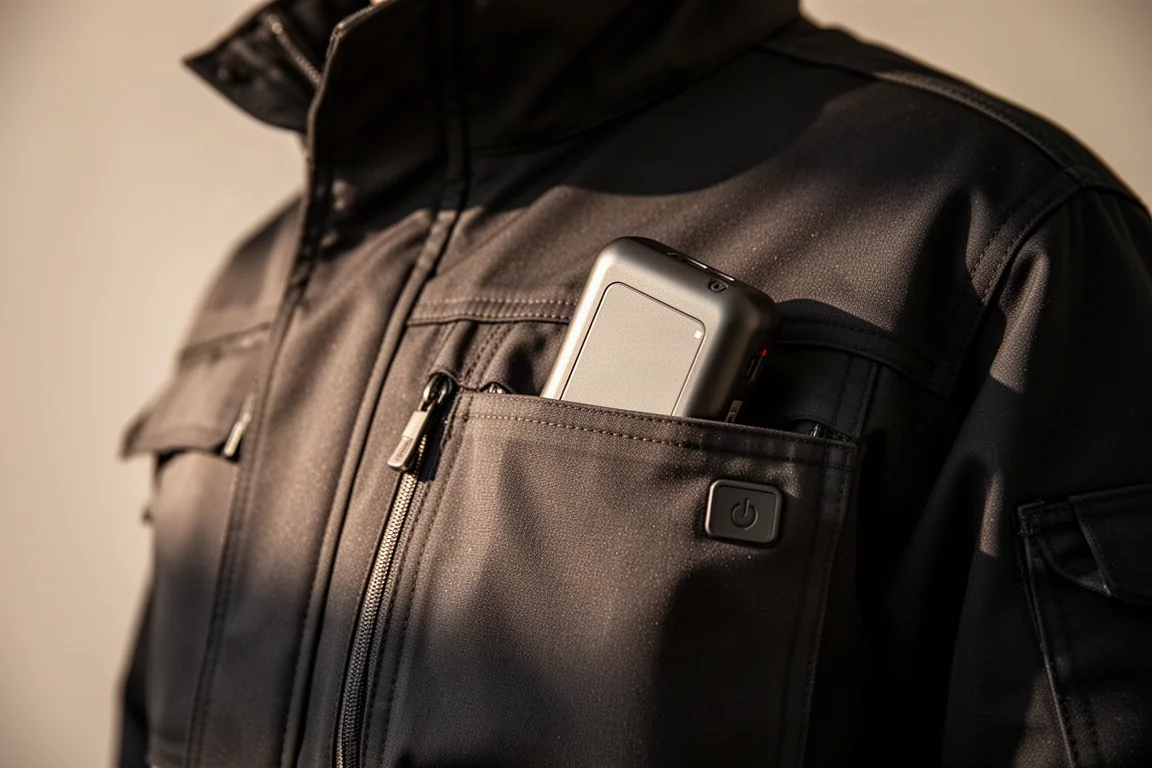
Milwaukee also offers USB-rechargeable battery options, which is convenient since you use one battery across the system, though a smaller USB battery does not last as long as the larger M12-style packs, which is why many people move to the M12 system.
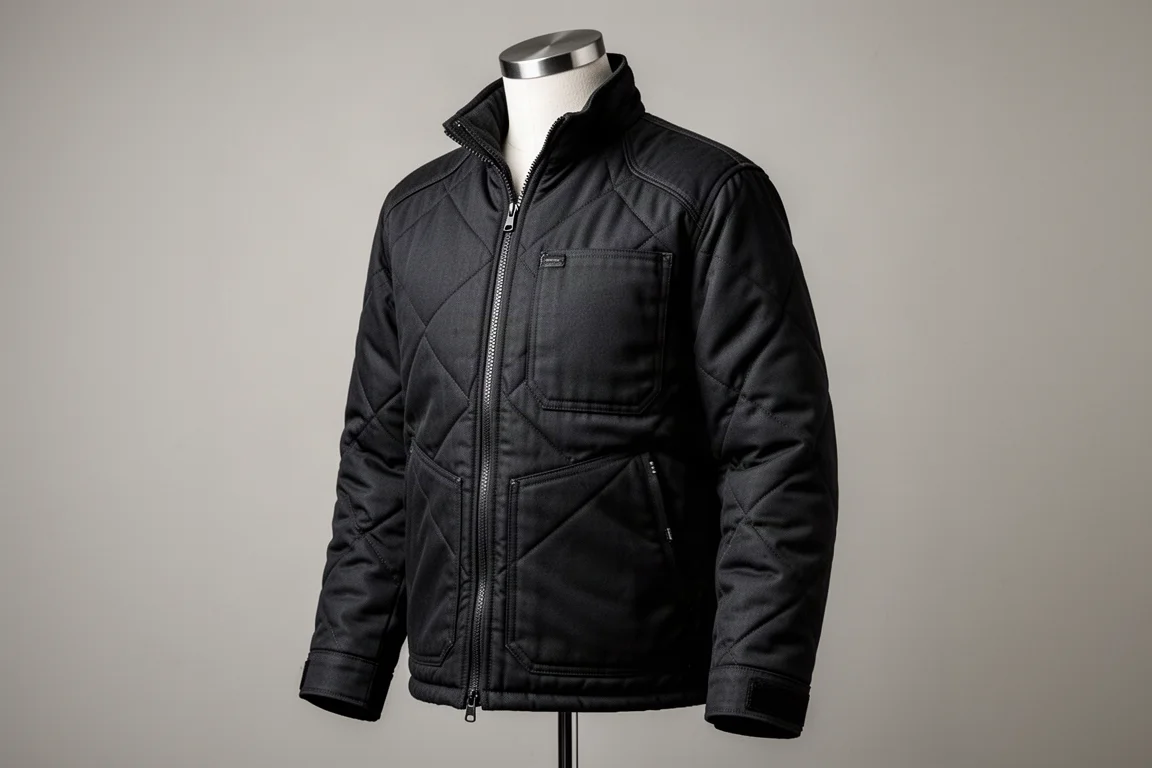
Milwaukee M12 Heated Gear
Milwaukee M12 heated gear is the battery-powered end of the lineup, running off the M12 battery platform. If you are already in the Milwaukee battery ecosystem, this makes the heated gear practical for long days, since the larger battery delivers more runtime than the compact USB packs.
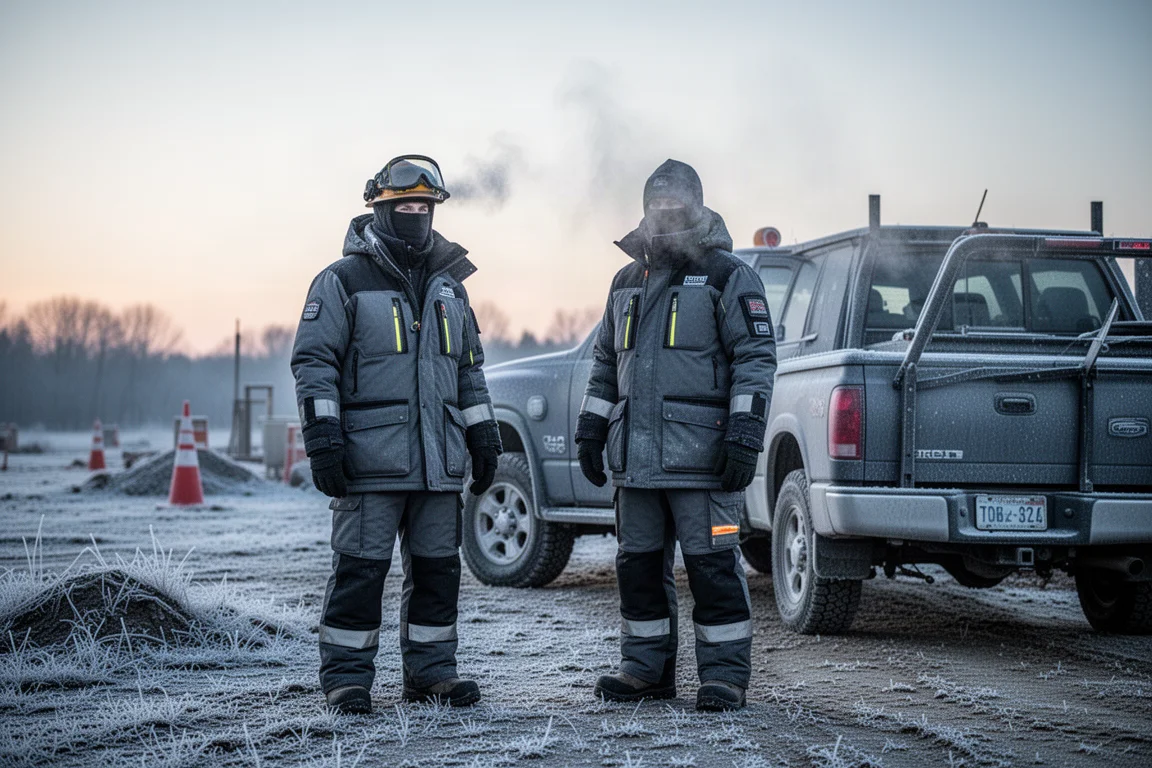
The lineup covers apparel from the Alpha layer through the Charlie layers, all of which work well when paired with a base layer and worn snug. As with the jacket above, the rule holds: base layer directly under the heated gear, insulation over the top, and nothing thick in between.
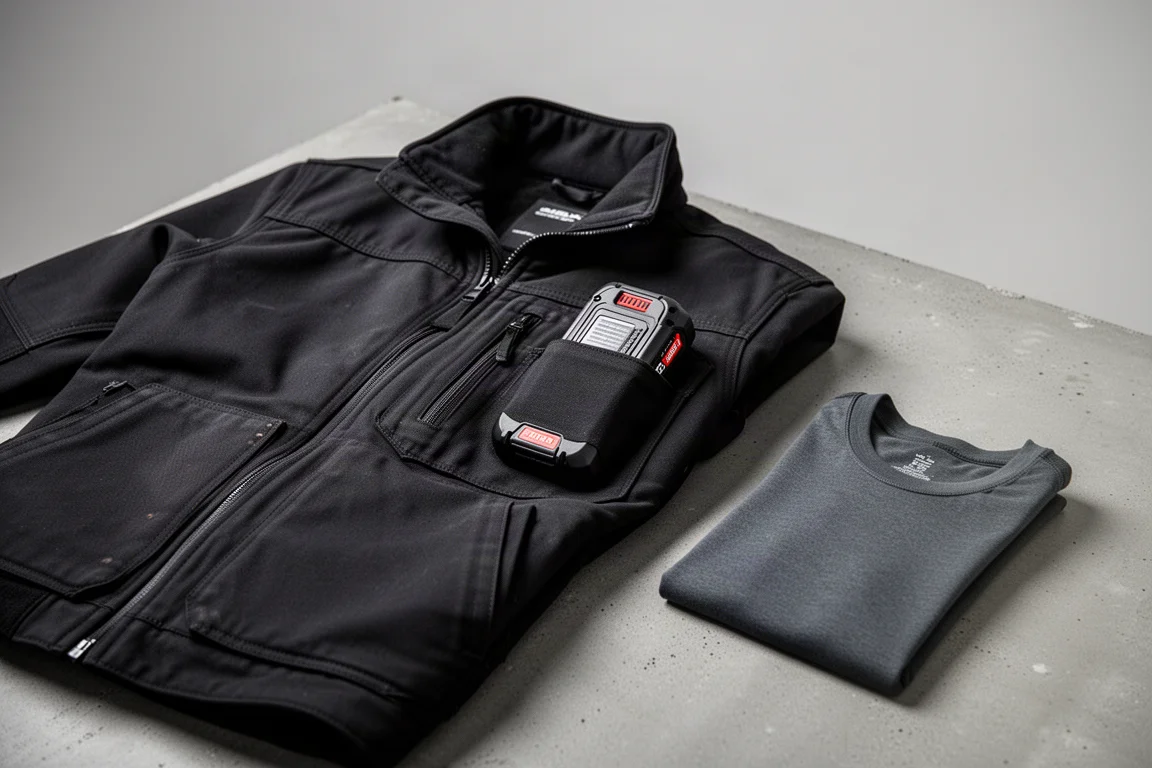
Which Heated Gear Should You Buy
Whatever brand you choose, the principle is the same: heat from the inside, like heating your house, and keep that heat insulated next to your body. If a jacket is not warm enough with just a base layer underneath, the jacket is probably sized too large, or you need a heated base layer rather than more clothing between you and the heating elements.
The Fieldsheer vest is the pick if you value app-based heat control and a snug, layer-friendly fit. Milwaukee gear is the pick for work-focused durability and, with the M12 system, longer runtime. A quick test: put on a t-shirt, wear the jacket over it, and go for a short walk. If you cannot feel the heat, the fit is likely too loose.
Conclusion
Heated vests and jackets genuinely work in freezing conditions, but only when layered correctly. A wicking base layer, a snug heated layer against your body, and ordinary insulation over the top will keep you warm at or near zero-degree conditions while working. Most complaints about heated gear come from wearing it wrong, so get the layering order right before blaming the jacket.
Further reading
Related Reviews
Workwear
1620 Workwear Foundation Series Work Pants: Built Like Armor, Priced Like It Too
Heavy-duty waterproof work pants made in the USA with a tailored fit, thick Cordura-blend fabric, and a few trade-offs worth knowing before you spend around $140.
Workwear
Bamal FR Flame Resistant Shirts and Pants: Fire, Tear, and Water Resistance in One Kit
A hands-on look at Bamal FR's treated cotton workwear, which combines flame resistance with water and tear resistance, plus sizing notes worth knowing before you buy.
Workwear
Brunt Workwear Picks: Three Pieces Worth Considering in 2026
The Marin, the Omen, and McKenna workwear: three Brunt products that hold up to hard use, plus what to know before buying.