Hand Tools
Three Hammers That Cover Almost Every Job Around the House and Shop
A titanium claw hammer, a classic steel claw hammer, and a two-pound engineers hammer: why these three cover most driving, pulling, and metalwork tasks.
Introduction
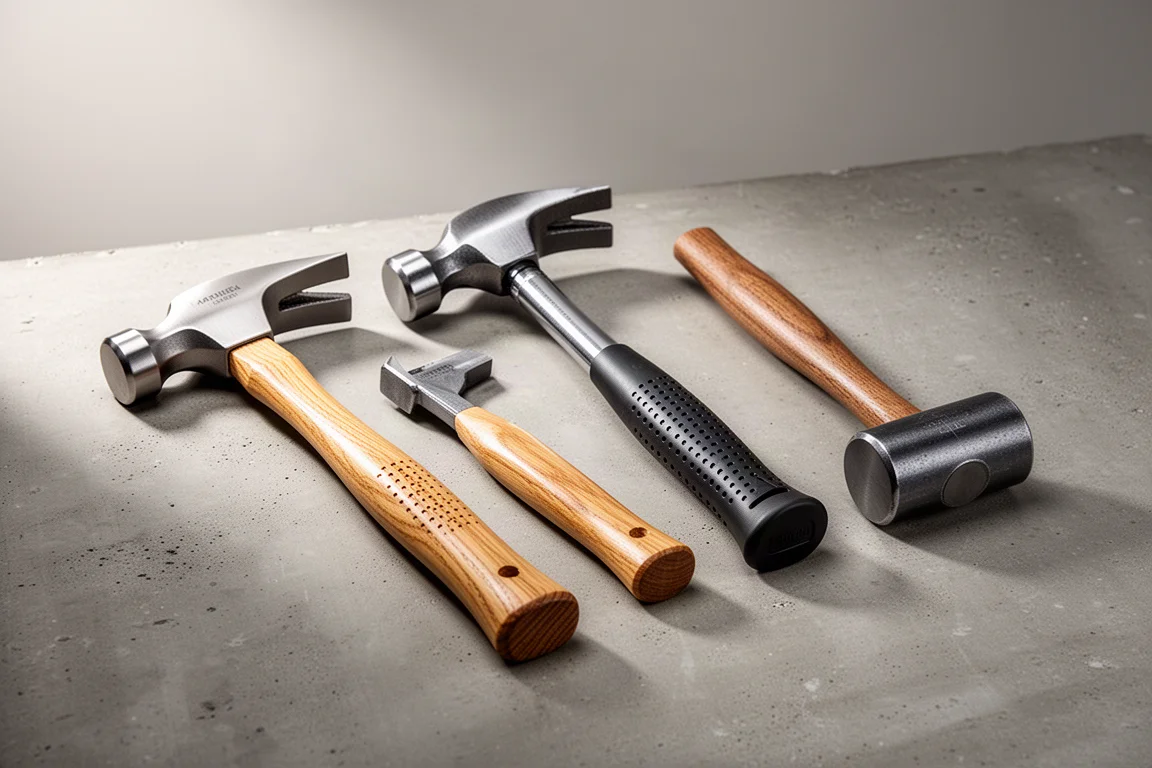
Most household and workshop work comes down to a surprisingly small set of tools, and hammers are a perfect example. After decades of building and blacksmithing at a professional level, one pattern keeps repeating: a few well-chosen hammers cover nearly every task, from driving nails to hitting metal to persuading heavy things to move. This roundup focuses on three hammers that anchor that short list: a titanium claw hammer for everyday carpentry, a classic steel claw hammer as the dependable alternative, and a two-pound engineers hammer for metalwork and automotive jobs.
Evaluation Criteria
The hammers here were judged on a few practical points. How well does the hammer perform its core job, whether that is driving nails, pulling them, or striking metal? How does it feel over a long day of work, especially on the elbow and wrist? And does the handle material suit the kind of repeated use a working tool sees? Weight matters too, since the energy of a hammer blow rises roughly with the square of the mass and the cube of the swing speed, so small differences in head weight and handle length translate into noticeably different results.
Claw Hammers: The Everyday Essential
The claw hammer is the category most people need first. It has a face for driving nails, either smooth or textured, and a set of claws for pulling them. The uses are intuitive, and if there is not one in the house, you will wish you had one soon enough.
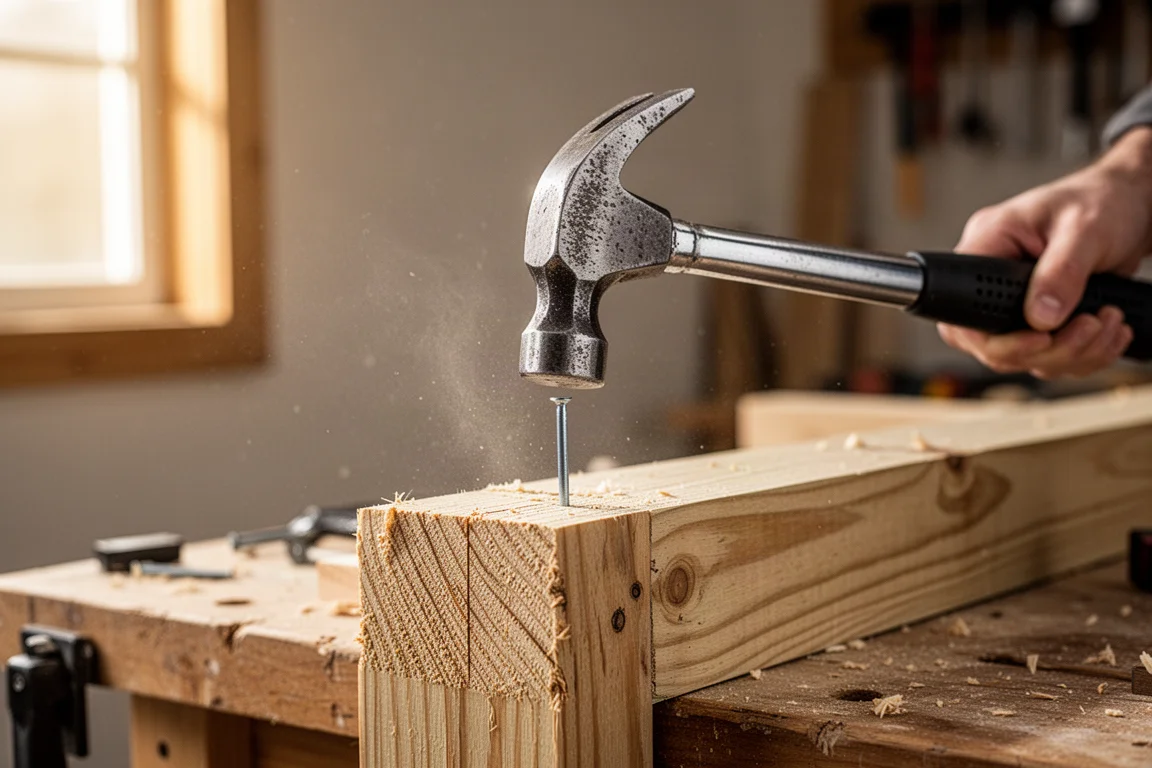
Handle choice is a genuine fork in the road. A steel handle with a molded grip will essentially never break, which is why some carpenters have used the same fiberglass-handled design for an entire career. A hickory handle, on the other hand, offers a lively feel and a grip that sticks in the hand, and replacing a wooden handle is a satisfying process in its own right.
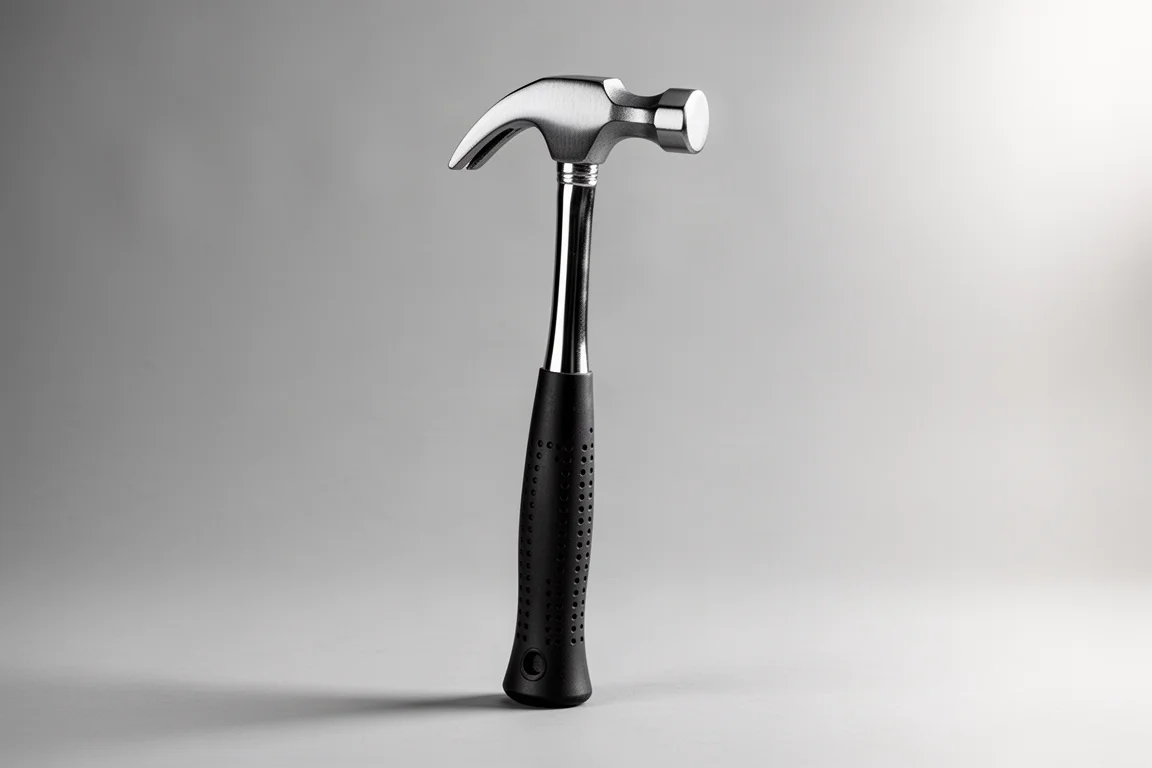
Stiletto Titanium Hammer
This is the premium option, and it is honestly loved by those who use it. Titanium construction keeps the head weight comparable to a steel hammer while the longer handle generates more swing speed, and the reduced shock is noticeably easier on the elbow. It is a genuinely expensive hammer, and younger, stronger users might not have justified the cost in an era when these did not exist. But once someone switches to titanium, going back to solid steel is hard to imagine. For anyone whose elbow aches after a day of nailing, this is the upgrade that actually pays off.
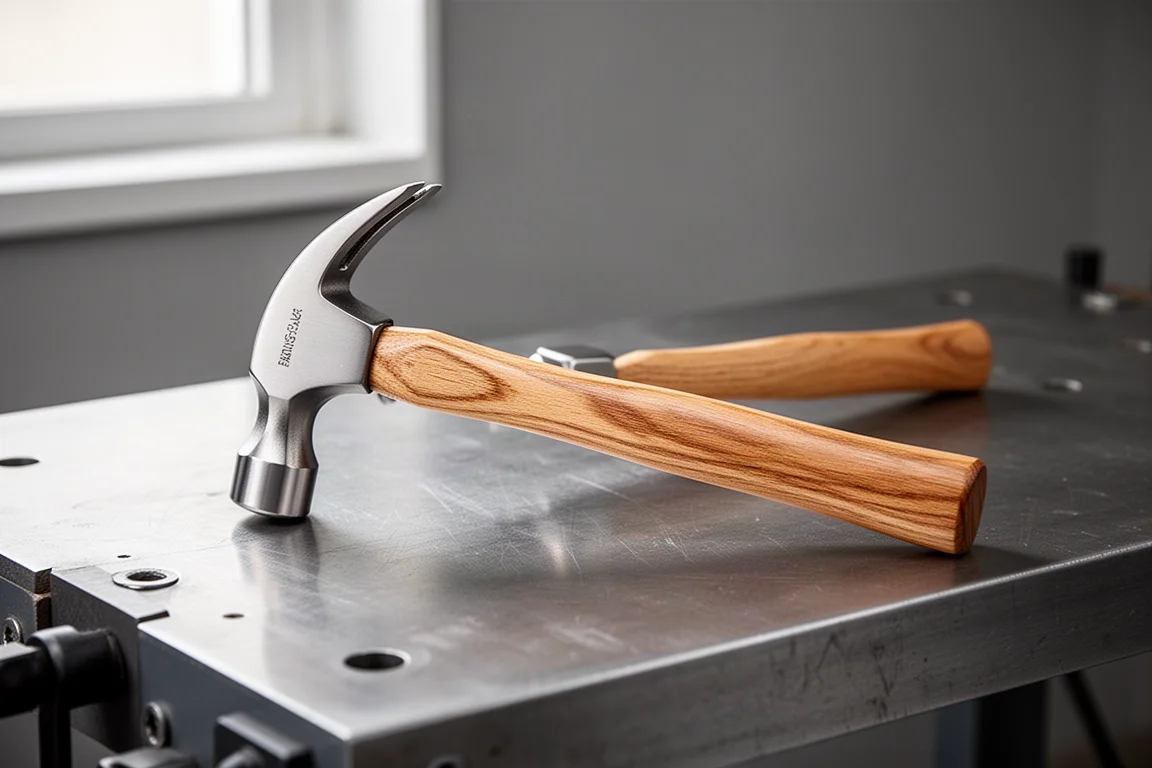
Estwing Claw Hammer
This is the sensible, widely available choice. Estwing is a well-regarded brand, and this version has a smooth face that suits finish work, with a steel one-piece handle and a plastic grip that you are never going to break in ordinary use. The two hammers here are roughly the same weight, so the real decision is between titanium comfort and steel durability, plus the face and claw style that fits the work. Found at hardware stores, garage sales, or inherited from a relative, a solid steel claw hammer is the one tool in this list almost everyone should simply own.
Engineers Hammer: For Metalwork and Heavy Driving
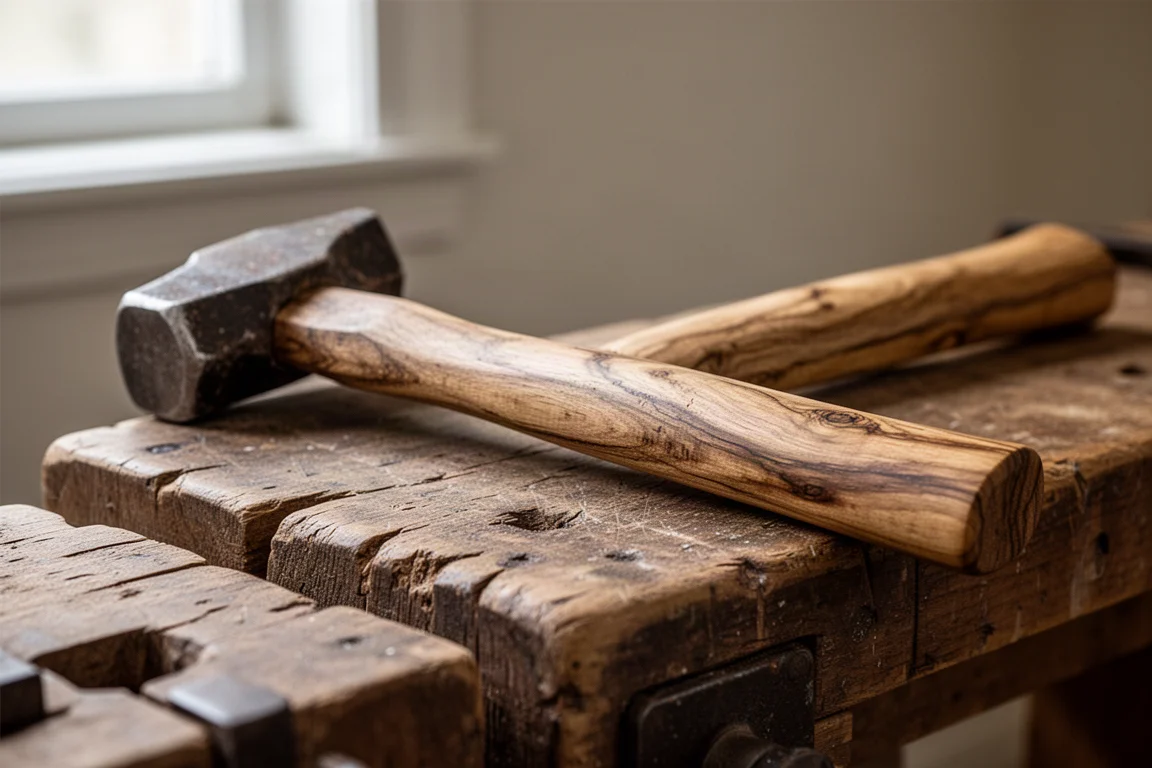
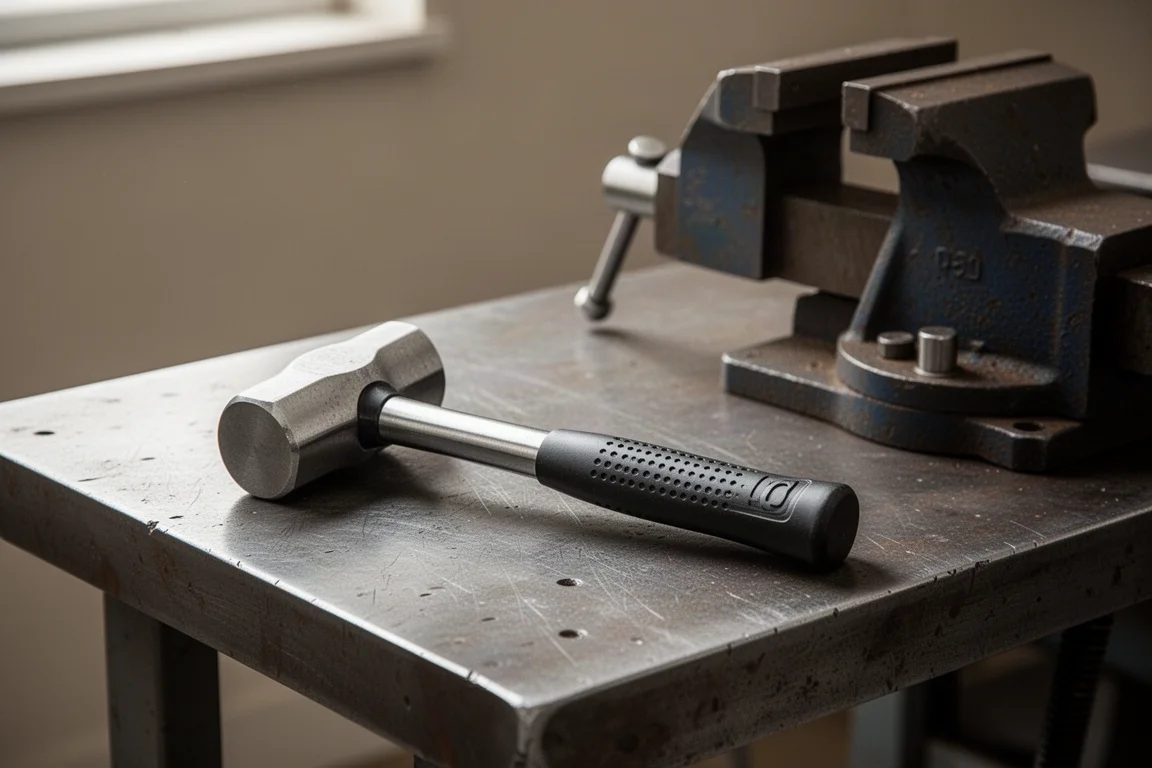
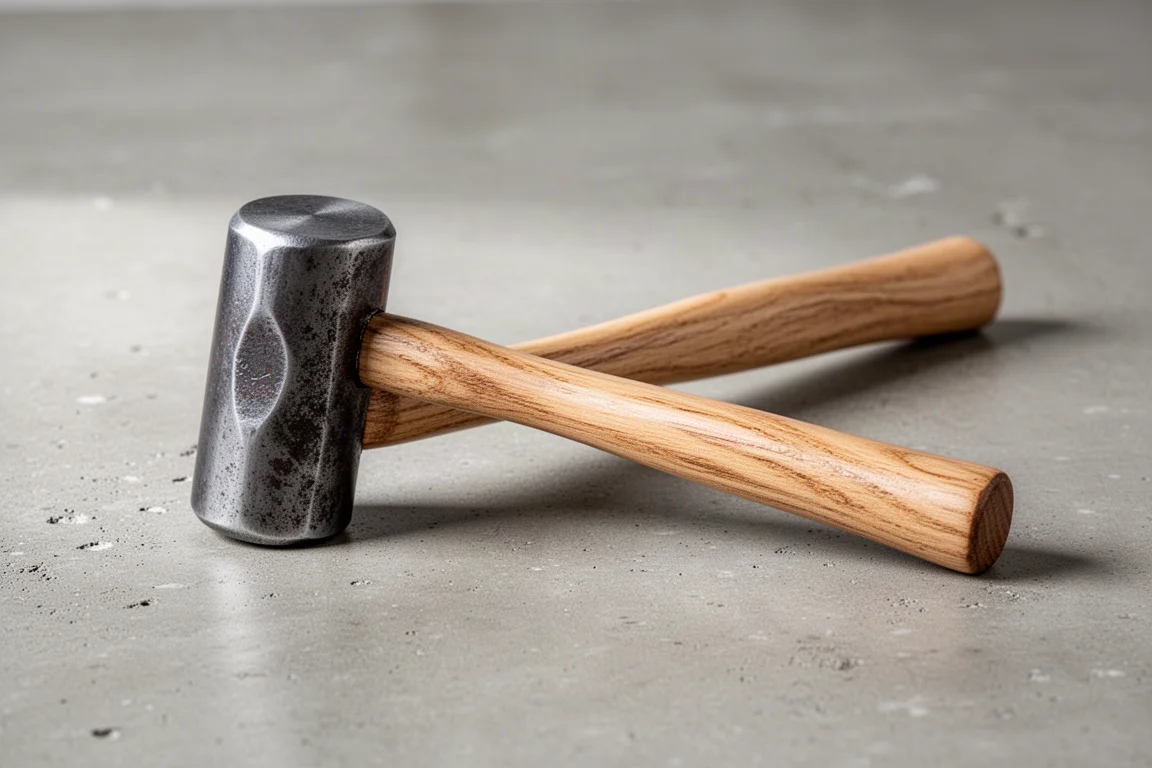
The engineers hammer, sometimes called a cross peen hammer, is the go-to whenever metal needs to be hit. Flattening something, driving a bolt or nut out during automotive work, tapping a center punch or drift, cutting wire against the edge of angle iron, or upsetting the end of a piece: this is the tool for those jobs. Ball peen, cross peen, and straight peen faces all exist for different metalwork applications.
This particular two-pound Craftsman is a fairly old example, and part of the appeal of this category is that useful examples turn up for almost nothing at garage sales. It also earns a place as the family-friendly heavy hitter: when someone needs to drive a tent stake into the garden or help set up a tent in the backyard, this feels like plenty of hammer without the intimidation of a sledgehammer. Anyone who does automotive work, blacksmithing, or general hitting-of-things will never regret keeping one in the 1 to 2 pound range.
Beyond the Big Three: Mallets and Sledgehammers
A full hammer collection does not stop at three. A rubber mallet is the specialized piece that delivers sudden impact energy without bruising the work, invaluable when a blow must land on the corner of a piece of wood that cannot be repaired. For serious demolition and stake driving, a single jack in the 3 to 6 pound range works one-handed, and a double jack from 8 to 20 pounds is the two-handed tool for breaking things that must be broken.
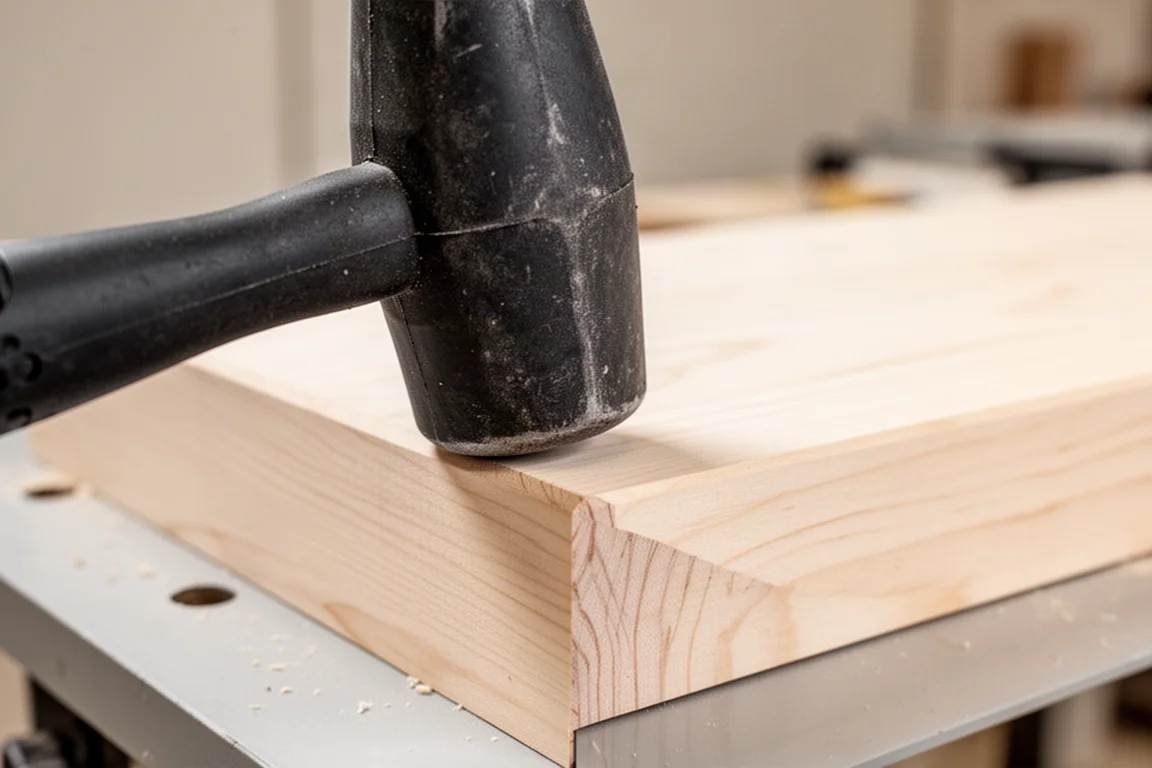
If the whole collection had to be boiled down to the essentials, a reasonable short list would be a rubber mallet, a single jack, a double jack, an engineers hammer, and one straight-claw, smooth-face hammer for general duty. But for most people, most days, the three hammers above handle nearly everything.
Buying Advice
Start with a claw hammer if the toolbox is nearly empty; the Estwing covers that role durably and affordably. Add the engineers hammer as soon as metalwork, automotive repairs, or stake driving enter the picture, and remember that older examples at garage sales are often excellent. The Stiletto is the tool for someone who swings a hammer professionally or often enough that elbow comfort and swing speed justify a premium. Matching the hammer to the actual workload is what turns three tools into a complete striking toolkit.
Conclusion
Three hammers, three distinct jobs: a titanium claw hammer for daily nailing with less strain, a steel Estwing claw hammer as the rugged everyday workhorse, and a two-pound Craftsman engineers hammer for metal, bolts, and stakes. Cover those bases and there is very little around the house, garden, or shop these cannot handle.
Further reading
Related Reviews
Hand Tools
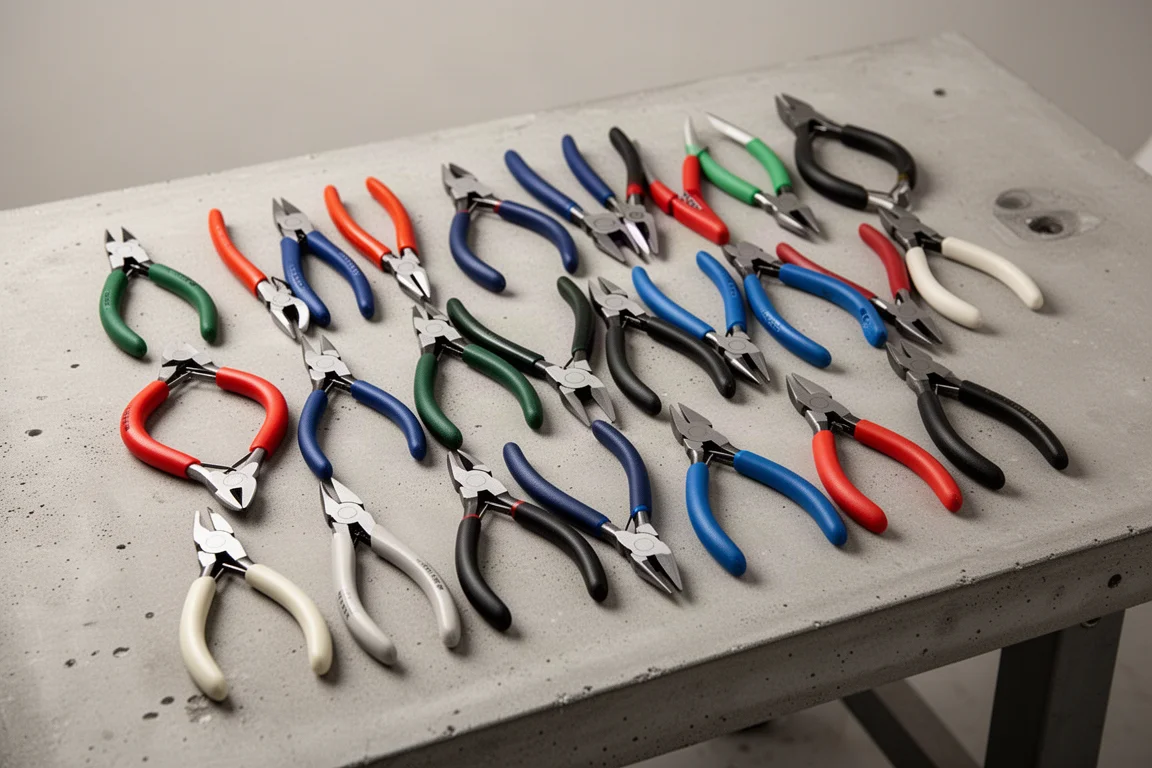
Best Diagonal Cutters 2026: 16 Pliers Tested for Cutting Power and Durability
We put 16 diagonal cutters through nail, screw, drill bit, and hex key tests to find the best value picks for your toolbox.
Hand Tools
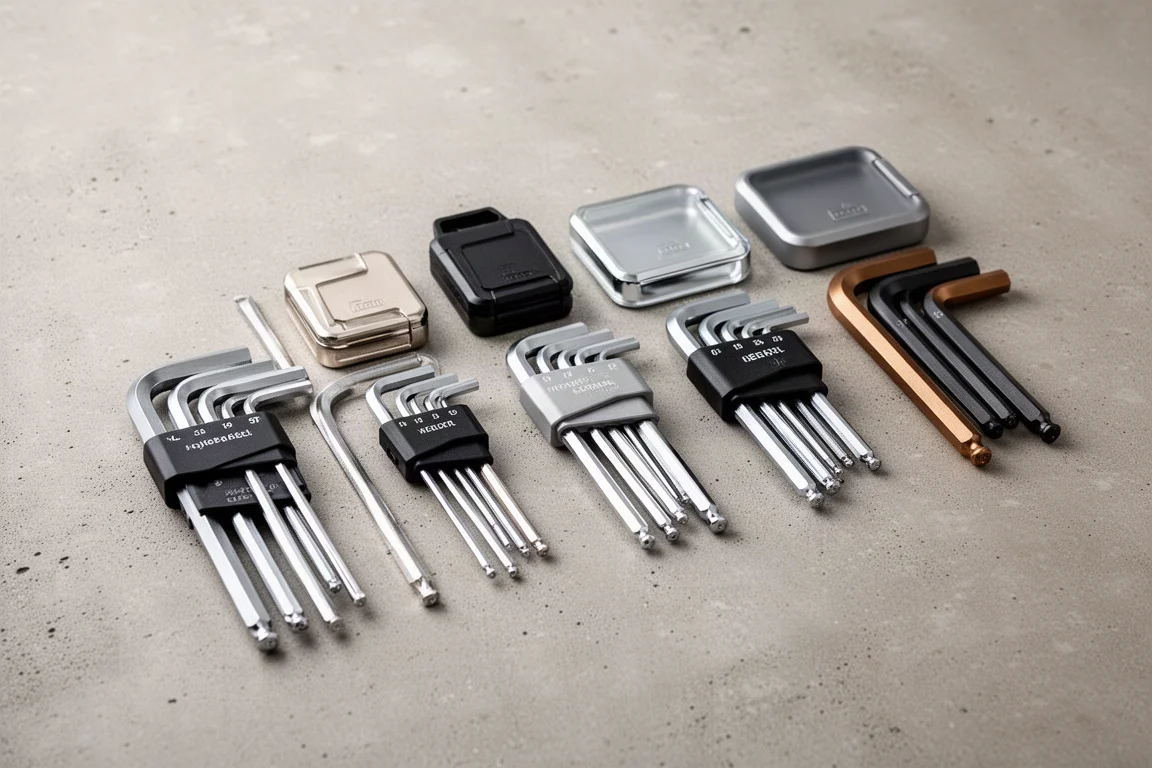
Best Hex L Key Sets 2026: Nine Sets Tested for Real-World Torque
Nine hex L key sets from budget to premium, tested for torque, fit, and durability. See which sets deliver real performance and which ones to skip.
Hand Tools
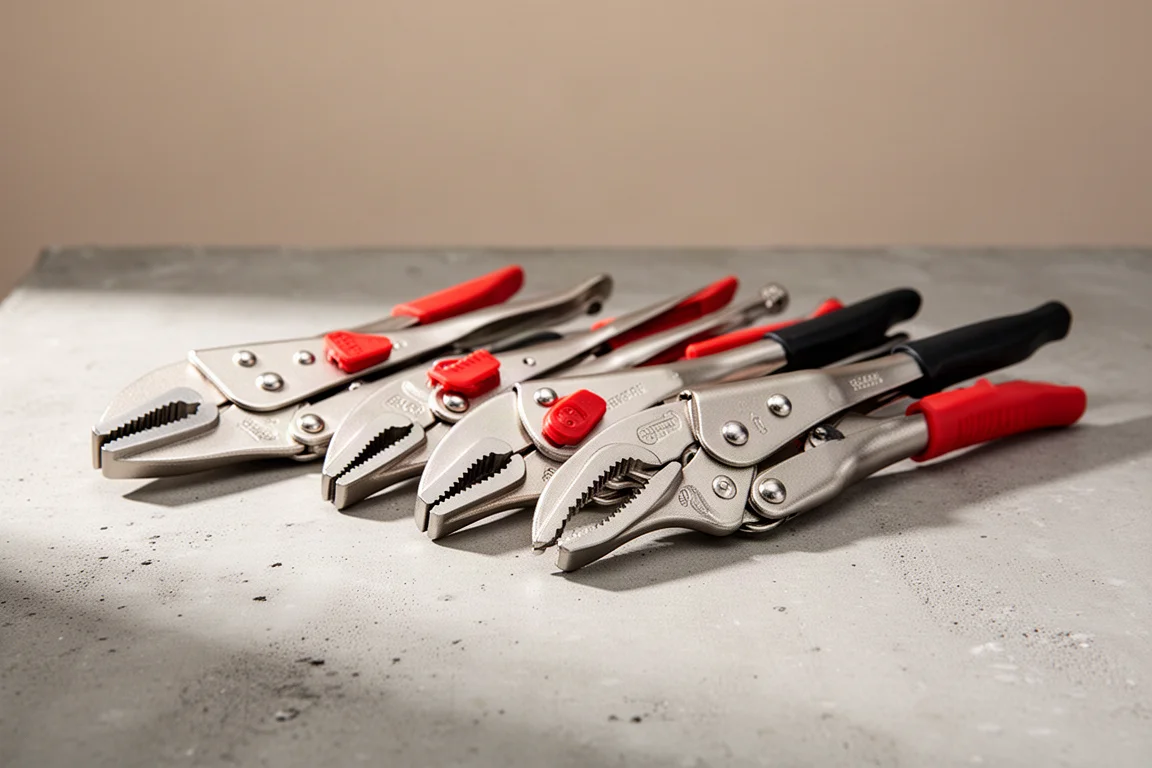
Best Locking Pliers 2026: Top Picks Tested for Grip and Durability
We tested 18 brands of 10-inch locking pliers for grip strength, jaw bite, build quality, and ease of release to find the best options for tough jobs.