Power Tools
Best Hammer Drills Tested: 11 Drills From Budget to Pro Grade
Eleven hammer drills, from a $57 budget kit to a $279 pro-grade 24V machine, tested for chuck grip, real working torque, driving speed, concrete drilling, and noise.
Introduction
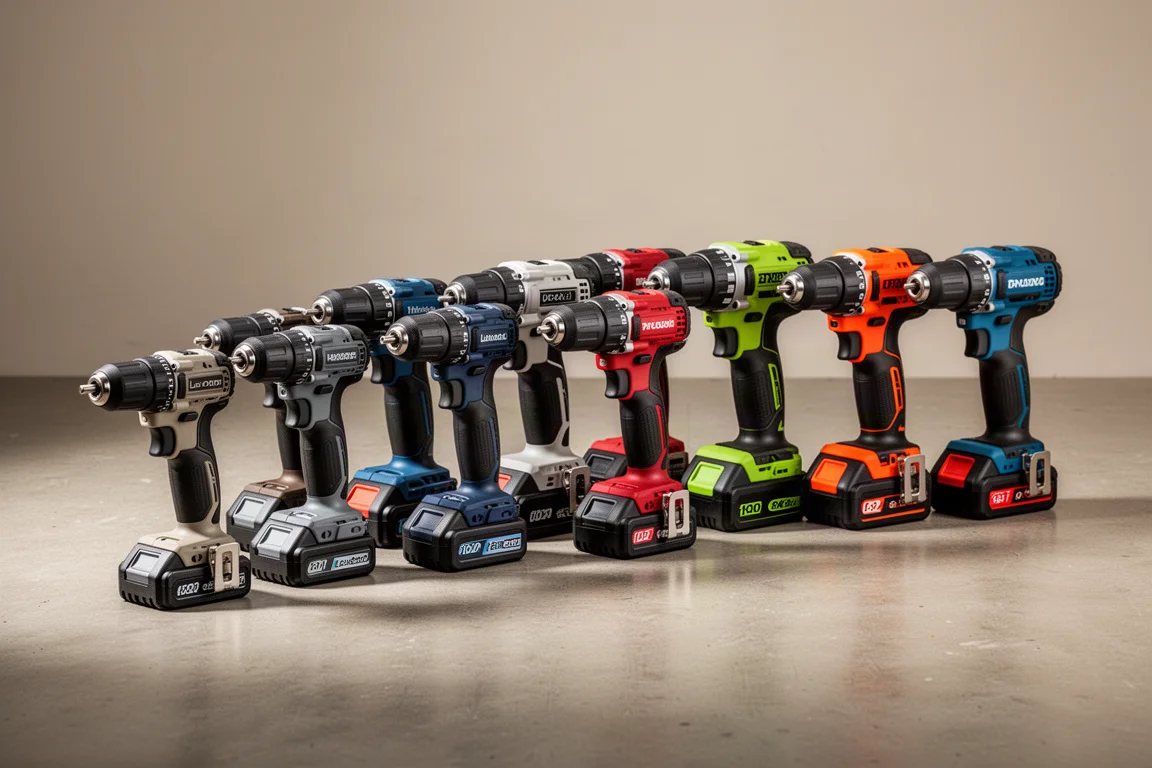
It has been several years since our last full hammer drill comparison, so this lineup was overdue for a rematch. The question this time was simple: has the field genuinely improved, and is the cheapest drill in the test actually good enough next to drills costing four times as much?
Eleven hammer drills went under the lamp, ranging from a $57 Kimo kit all the way to a $279 Flex 24V setup. Some of the results were surprising, and a few long-held assumptions about expensive brands did not survive contact with the tester.
How We Tested
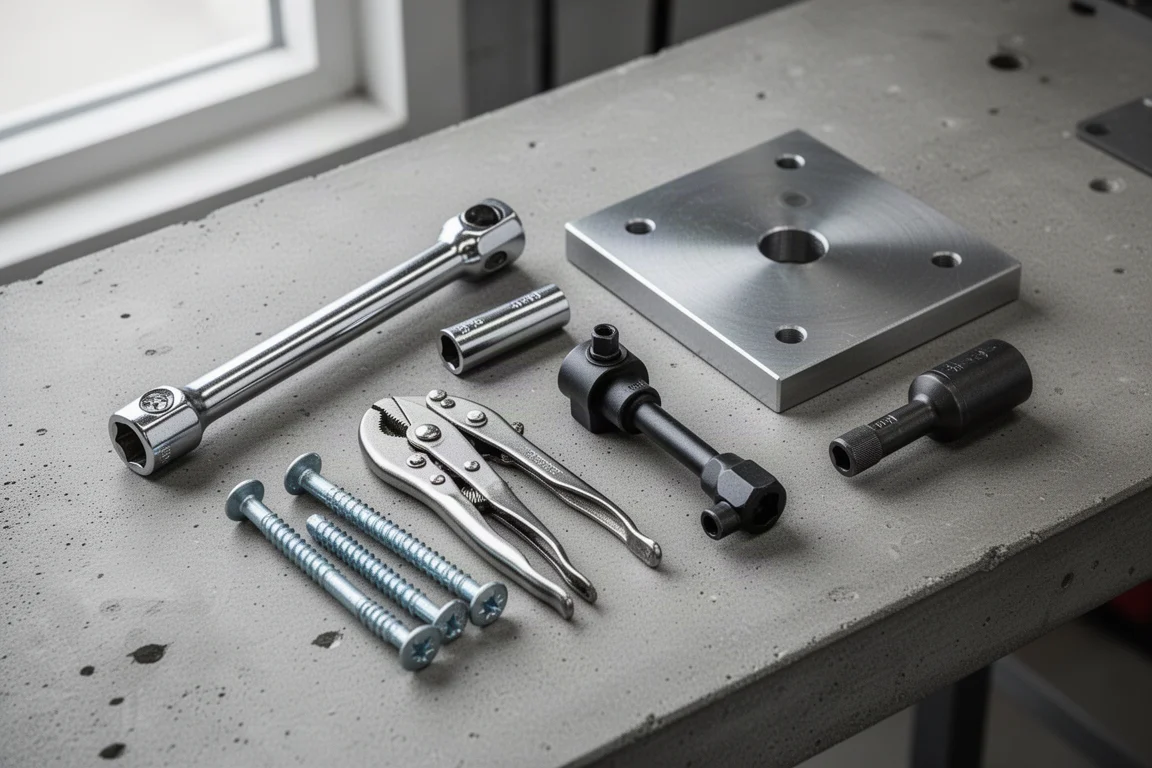
Each drill faced the same series of challenges. First, a chuck grip test using a chrome-plated socket extension and locking pliers, tightened evenly with a 10 lb steel plate. Chrome-plated tool steel is notoriously hard for a chuck to hold, so this test separates well-designed chucks from marketing claims.
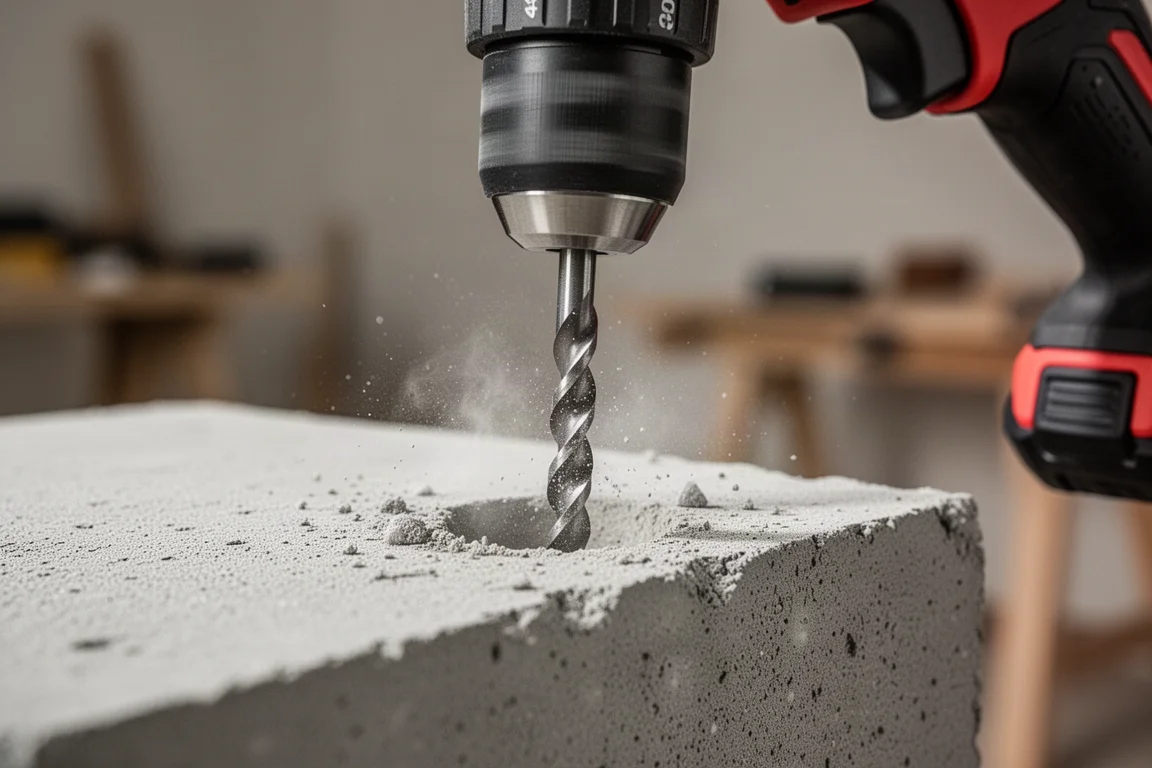
Next came real-world torque, measured with an inline torque adapter while driving 1/2-inch by 10-inch lag bolts in first gear. Then driving speed under a moderate load using 5-inch lag bolts, a high-gear torque test, a one-minute concrete drilling test with a 3/4-inch masonry bit and 50 lbs pressing the drill down, low-torque clutch control, noise measurement at 24 inches, low and high RPM range, and overall length. Every drill was run on a fully charged battery, with higher-capacity packs used where noted to give each drill its best chance.
Budget Picks: Kimo, Hercules, DCK, Skil, and Craftsman
Kimo: The Cheapest Kit in the Test
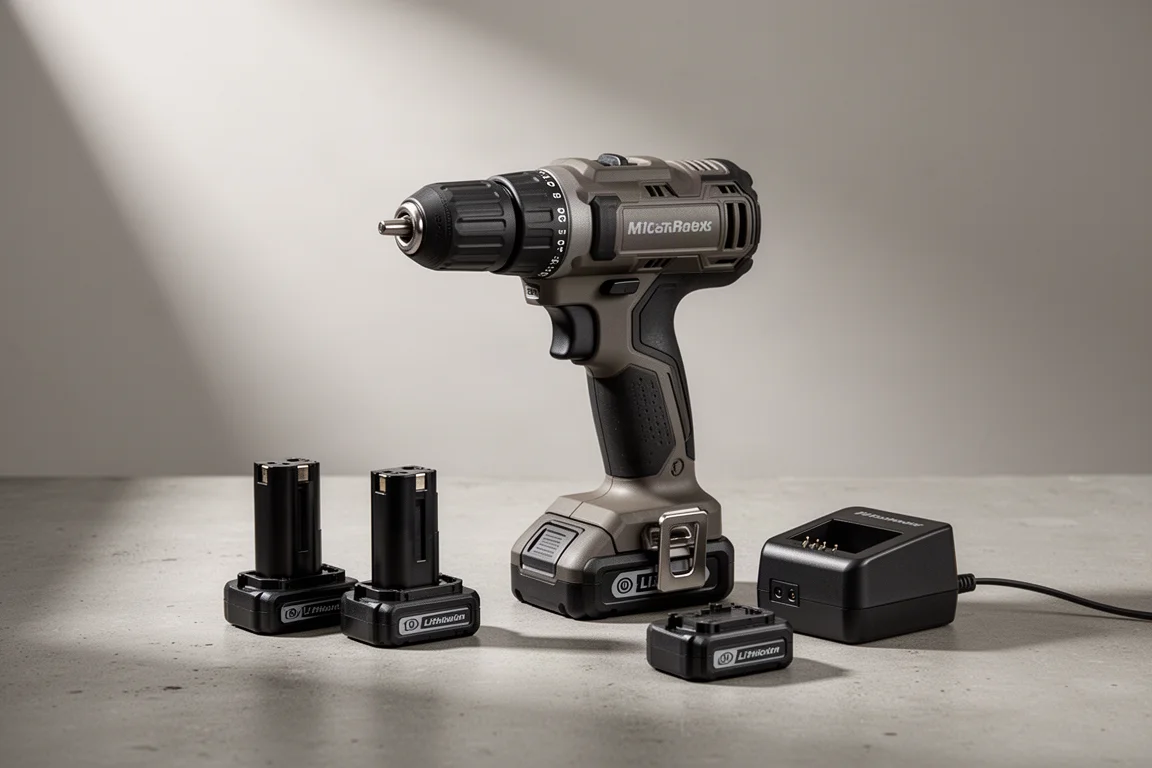
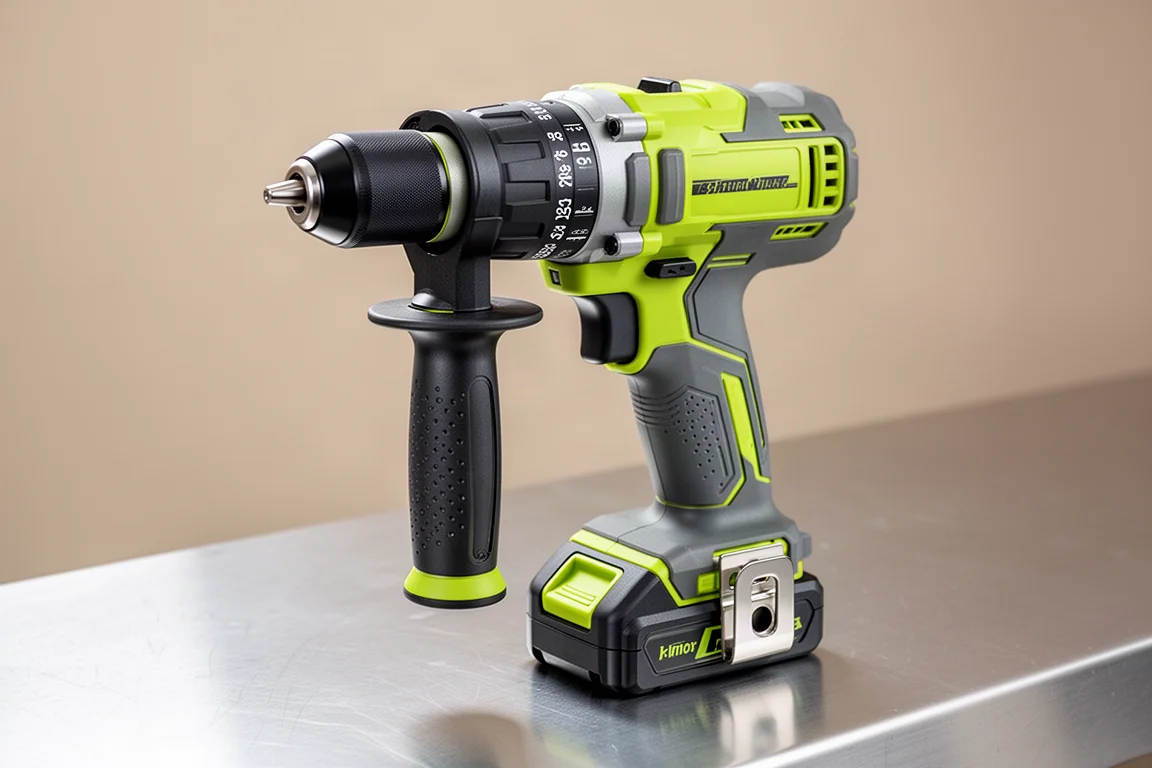
At $57 with two batteries and a charger, the Kimo is the least expensive drill here. It claims up to 1,350 RPM and 350 inch-pounds of torque, offers three modes (drive, drill, and hammer), a two-speed transmission, a built-in charge indicator, and a claimed weight of just 2.41 lbs, rising to just over 2.8 lbs with a battery installed. In testing, its chuck lost grip early at 54 inch-pounds and it ran out of steam on the lag bolt test at 107 inch-pounds, but it is remarkably quiet at 78.5 dB and offers excellent low-speed control down to about 13 RPM.
Hercules: Strong Value, One Big Catch
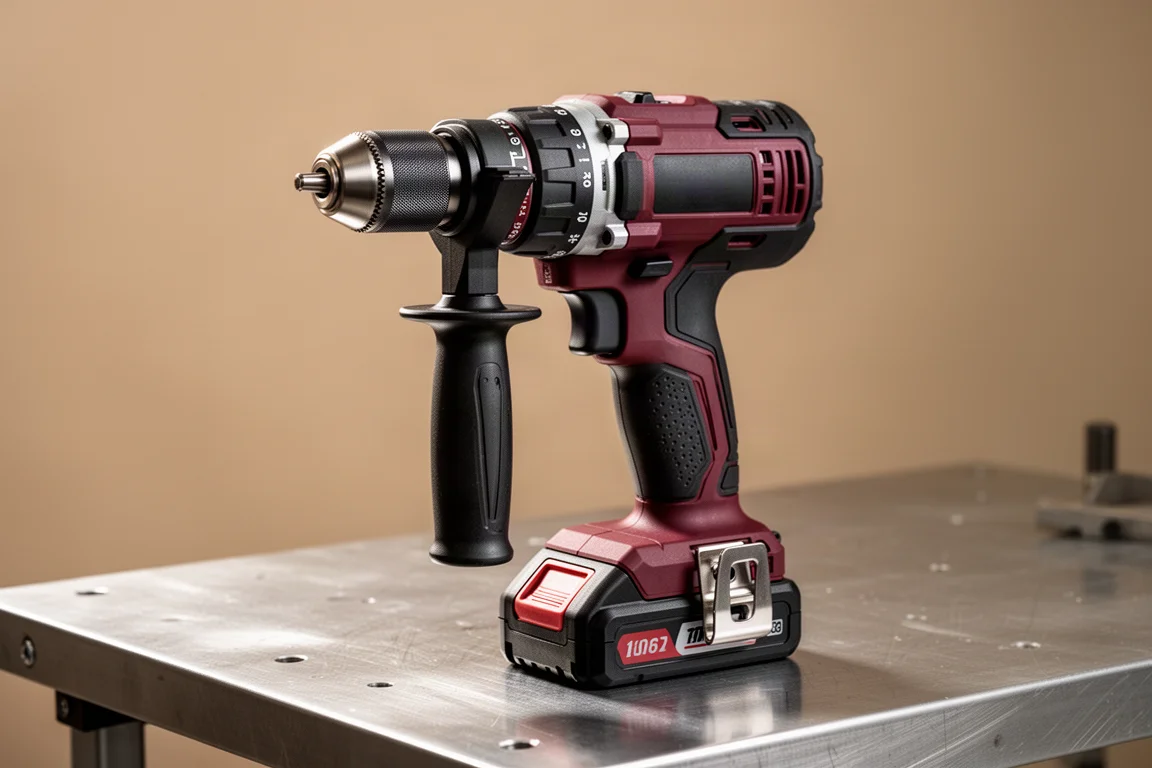
Sold at Harbor Freight, the Hercules costs $70 for the bare drill or around $190 with a battery and charger. It uses a brushless motor, a two-speed transmission with 14 clutch settings, an all-metal Jacobs half-inch ratcheting chuck, and a detachable side handle. The LED stays on for 20 seconds after trigger release. Its chuck held an honest 159 inch-pounds, over 100 better than the Kimo, and it posted 368 inch-pounds of lag bolt torque plus a very strong 5.82-second average driving speed. One catch: it lacks a hammer mode, so it was skipped in the concrete test.
DCK: Loaded Kit, Modest Muscle
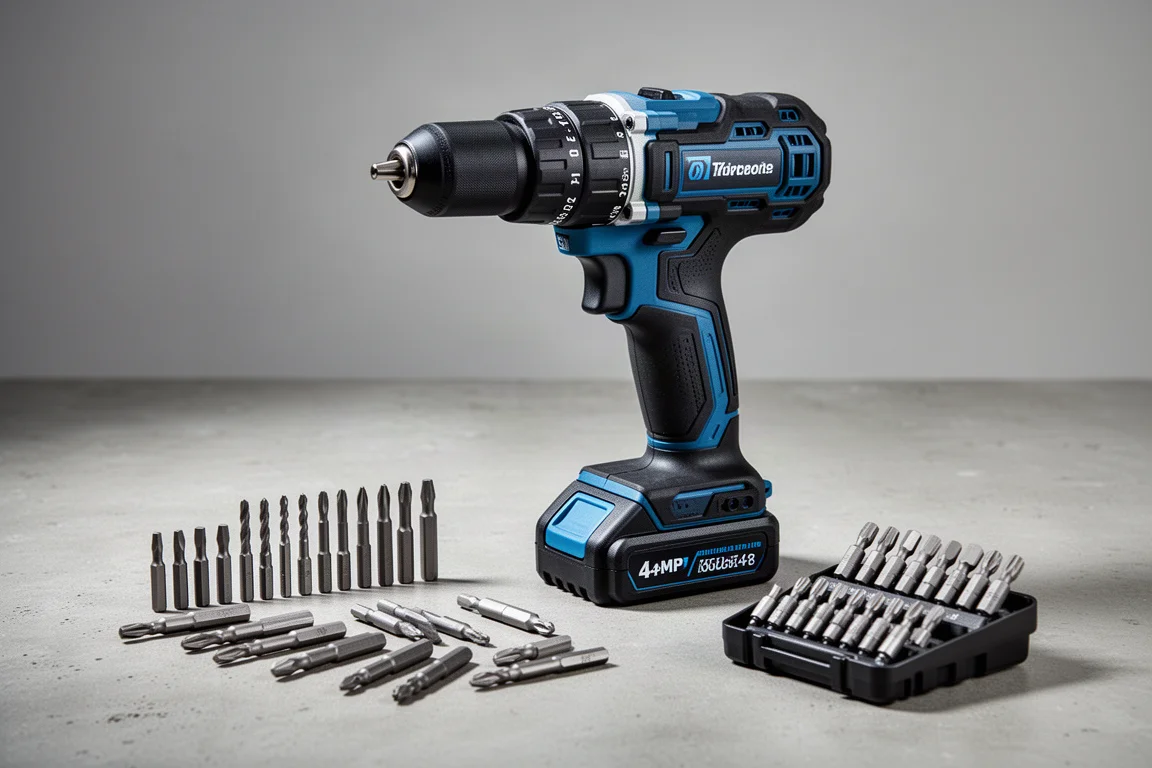
For $80 with a 4 amp-hour battery, charger, a driver set, and an assortment of bits, the DCK 20V brushless hammer drill is generous on accessories. It claims 531 inch-pounds of torque, up to 36,000 impacts per minute, and 2,200 RPM. In testing it came up short on torque at 184 inch-pounds, drove lag bolts in 7.07 to 7.38 seconds, and managed 2 and 7/8 inches into concrete. Its non-ratcheting chuck slipped at just 50 inch-pounds.
Skil: Light Duty All Around
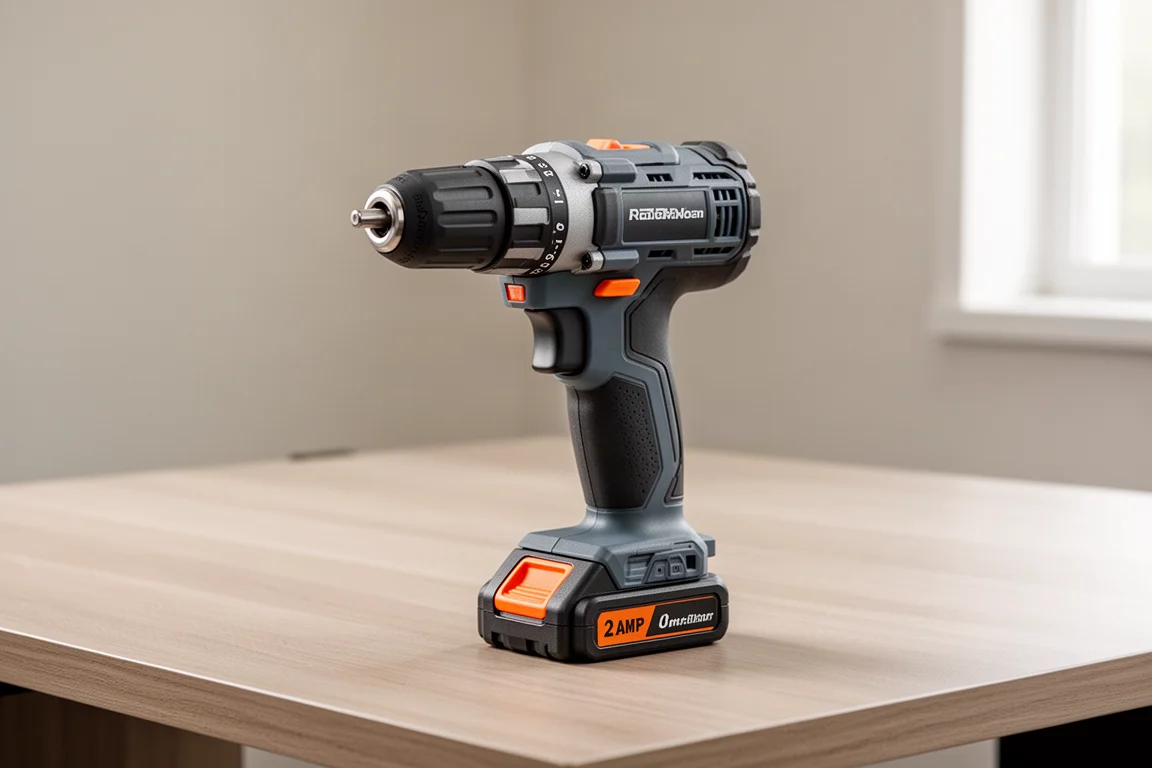
The $80 Skil kit includes a 2 amp-hour PowerCore battery and charger and offers three-in-one functionality for quick transitions between hammer, drill, and screwdriver modes, plus a keyless ratcheting chuck with auto spindle lock. It uses a brushed motor, weighs just 3.22 lbs, and its LED runs about 10 seconds after trigger release. Testing confirmed it is a light-duty tool: only 82 inch-pounds on the lag bolt, a chuck that slipped at 78 inch-pounds, and just 3/4 inch of concrete progress before it gave up.
Craftsman: Solid Kit Value
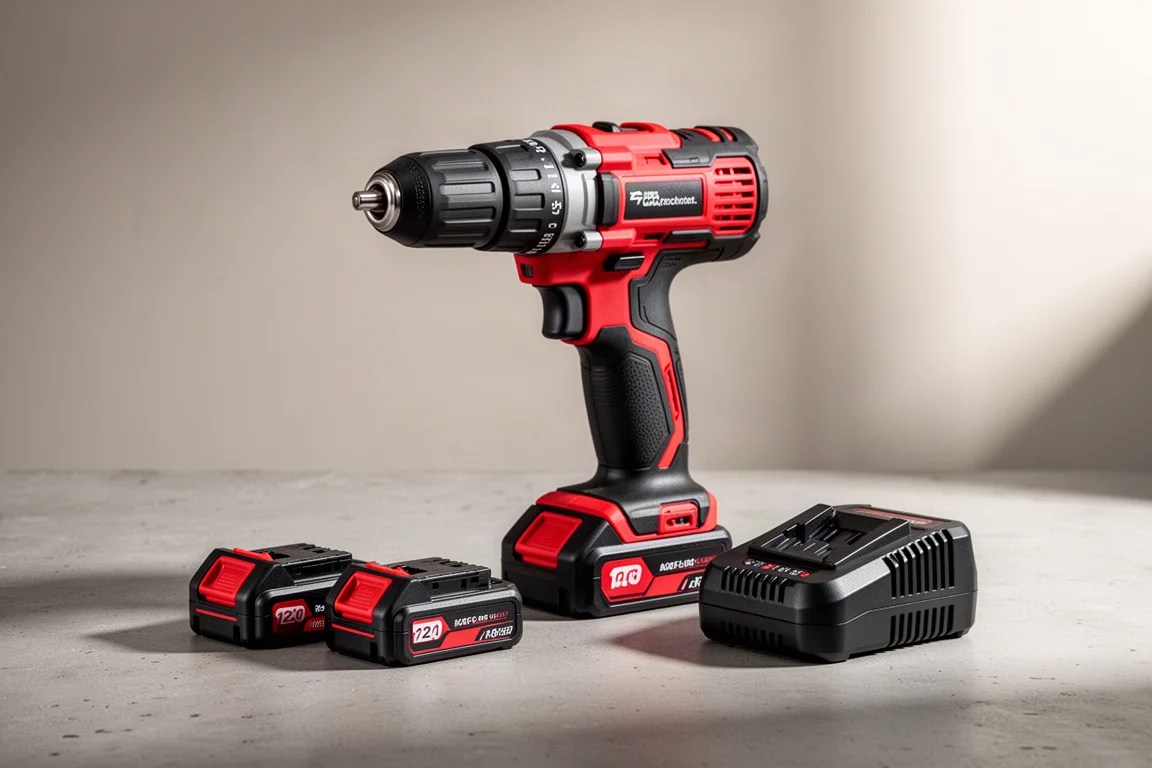
At $99 for the drill, two 1.3 amp-hour batteries, and a charger, the Craftsman claims a 280 unit-watt motor, up to 1,500 RPM, and 25,500 impacts per minute. It uses a brushed motor, and a 4 amp-hour battery was added for testing to give it a fair shot. It turned in a respectable 102 inch-pounds of chuck grip, ranked second on the lag bolt torque test, and drilled 2 and 1/8 inches into concrete, though it slowed noticeably over the minute. It is also the longest drill here at 8 and 3/4 inches.
Mid-Range Contenders: Rigid, Ryobi, and Makita
Rigid: Heavy but Honest
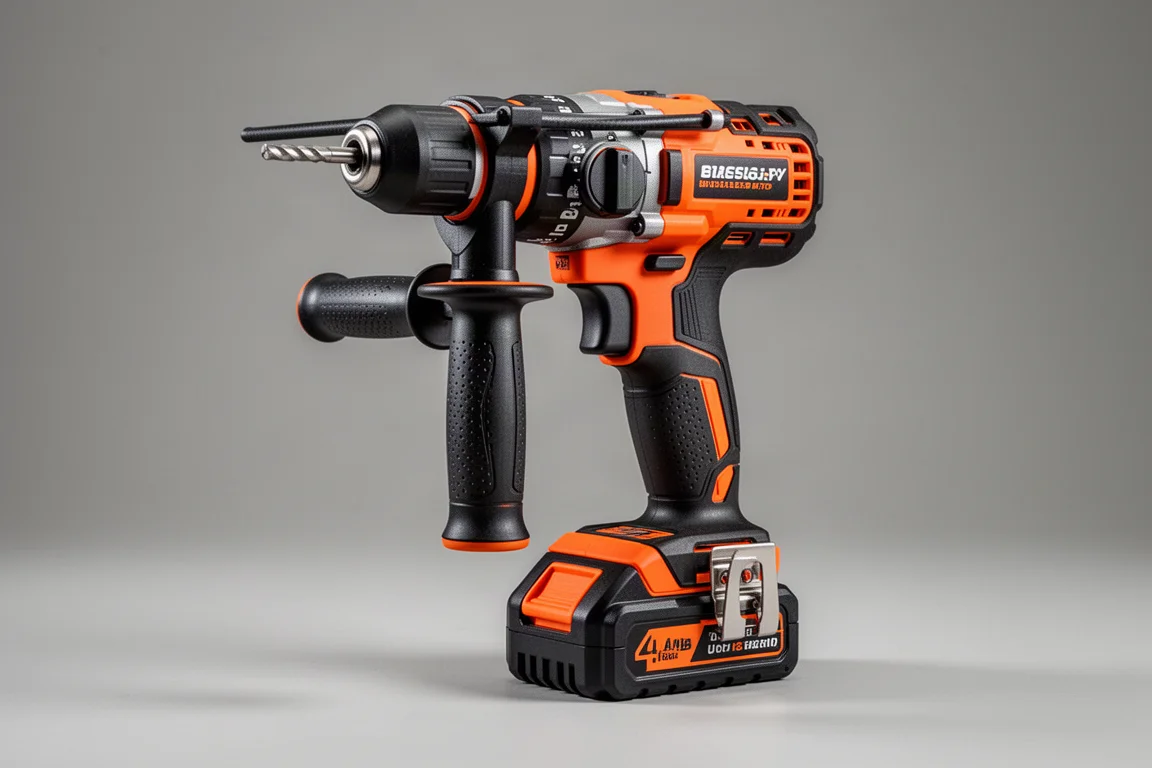
At $120 for the bare tool, the Rigid claims up to 2,000 no-load RPM, 32,000 impacts per minute, and 1,250 inch-pounds from its brushless motor. It was tested with a 4 amp-hour max output battery and comes with an auxiliary handle. It is the heaviest drill in this group at right around 5 lbs, and its chuck slipped at just 85 inch-pounds, but it drove lag bolts consistently in around 6.4 seconds and drilled 3 and 1/8 inches into concrete.
Ryobi One+ HP: Balanced Mid-Packer
The $129 Ryobi One+ HP claims up to 31,000 impacts per minute, 750 inch-pounds of torque, 29% faster drilling in hammer mode, and up to 2,100 no-load RPM from its brushless motor, with 24 clutch positions and an auxiliary handle. It ran lag bolts at a steady 6.6 seconds, reached 4 inches into concrete, and held 119 inch-pounds of chuck grip, all solid middle-of-the-pack results at 4.57 lbs.
Makita: The Chuck Champion
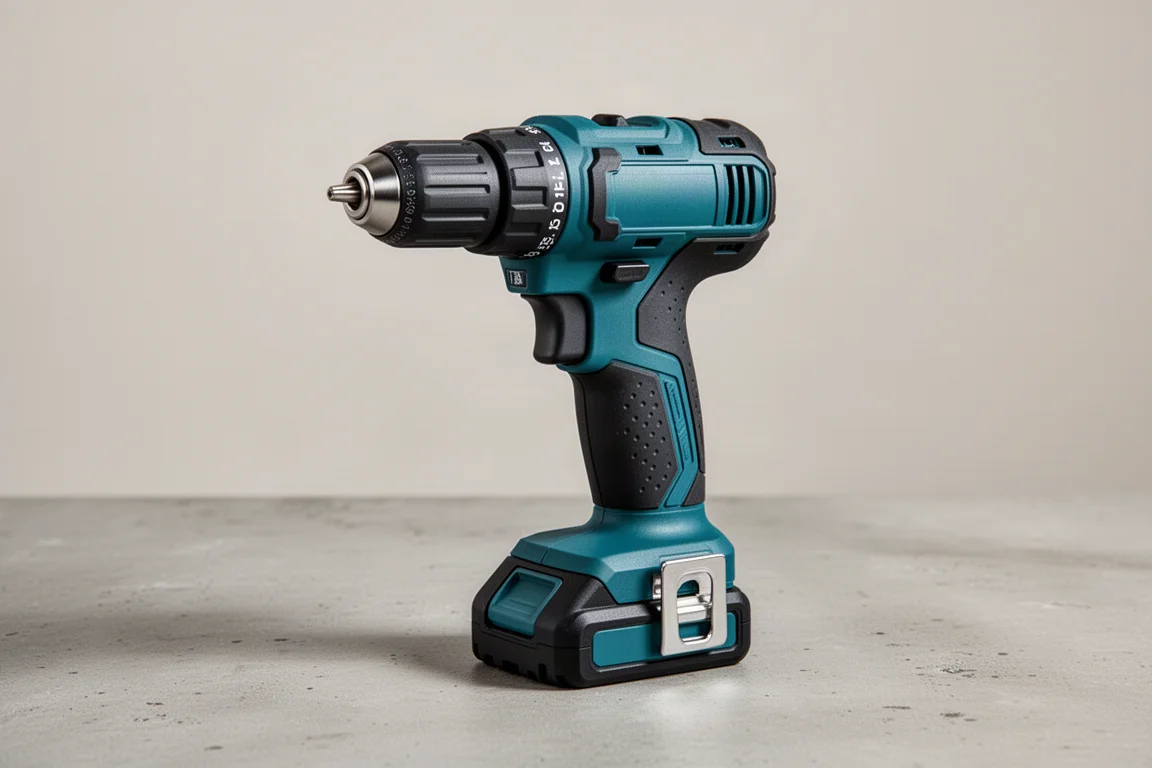
At $130 for the bare tool, the Makita claims 1,250 inch-pounds from its brushless motor in a compact, ergonomic body only about seven inches long. It has an all-metal self-ratcheting chuck, a two-speed transmission up to 2,100 RPM, and 31,500 impacts per minute. Its chuck grip was the best in the entire test at 218 inch-pounds, so tight the drill body rotated before the bit slipped, and it drove the lag bolt further than anything before it at 401 inch-pounds with a 5.80-second average. It fell short in the high-gear torque test and drilled 3.5 inches into concrete.
The Premium Tier: Milwaukee, DeWalt, and Flex
Milwaukee: Powerful, Compact, Loud
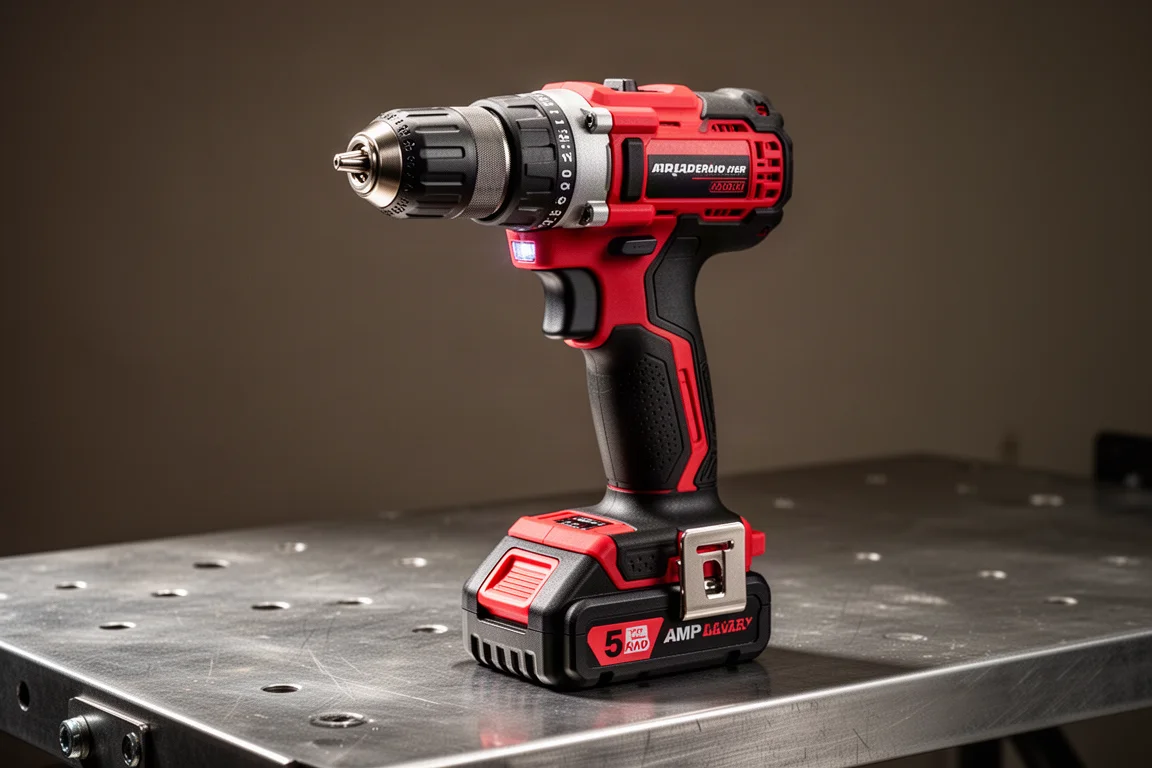
At $249 for the bare tool, the Milwaukee claims to be the most powerful and most compact hammer drill on the market, with up to 1,400 inch-pounds of torque, an auto-stop feature, a mechanical clutch, and packaging that shows it is smaller than its main pro-brand rivals. Tested with a 5 amp-hour battery, it posted the best working torque at 455 inch-pounds, was the only drill in its tier to drive all three lag bolts in second gear initially, reached 4 and 1/8 inches into concrete, and is the most compact drill here at 6.94 inches. It is also the loudest at 95.9 dB.
DeWalt: The High-Gear Specialist
Also $249 for the bare tool, the DeWalt claims to be its brand’s most powerful 20V max hammer drill, with a three-speed transmission, a half-inch ratcheting nitrocarburized metal chuck, a brushless motor, a claimed 1,530-watt maximum output, and a push-button LED with a 20-minute work light mode. It delivered 440 inch-pounds of lag bolt torque, topped the concrete test at 4 and 9/16 inches, and was the only drill to average enough torque in its highest gear, posting the best high-gear time at 2.31 seconds. Its electronic clutch and soft start still let too much torque through at low settings, and at 5.55 lbs it is the heaviest of the three premium drills.
Flex 24V: The Overall Winner, With Caveats
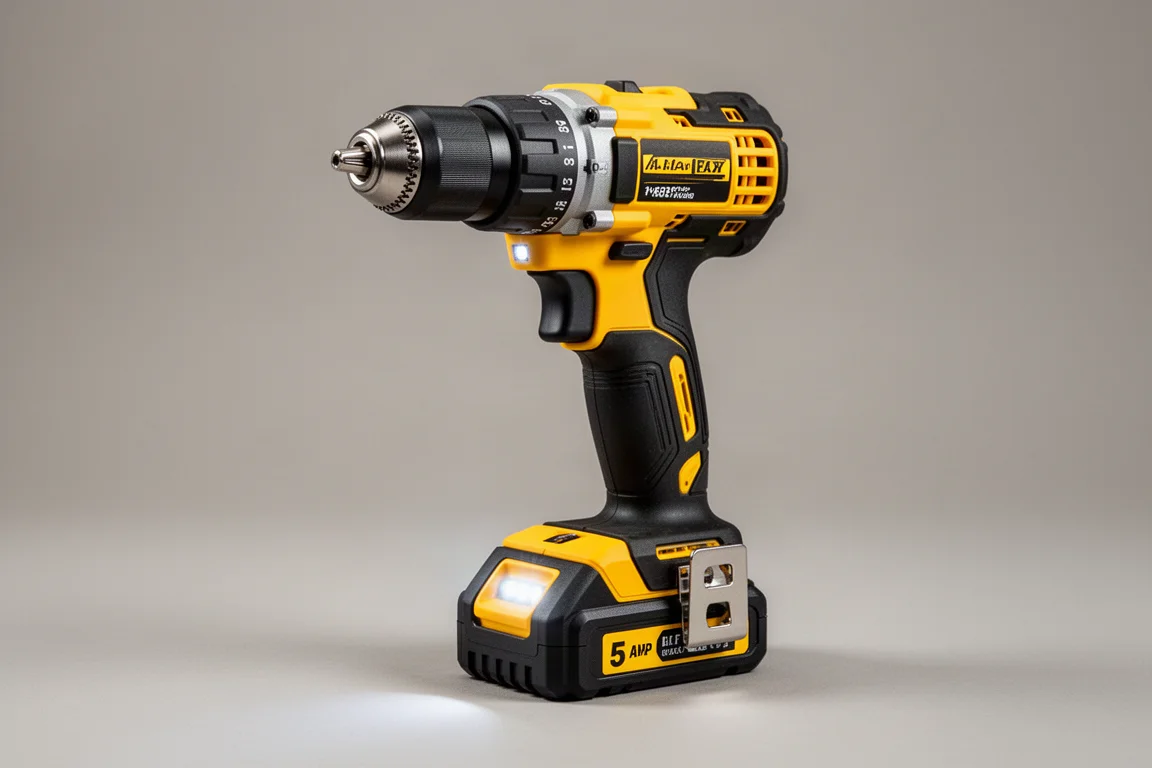
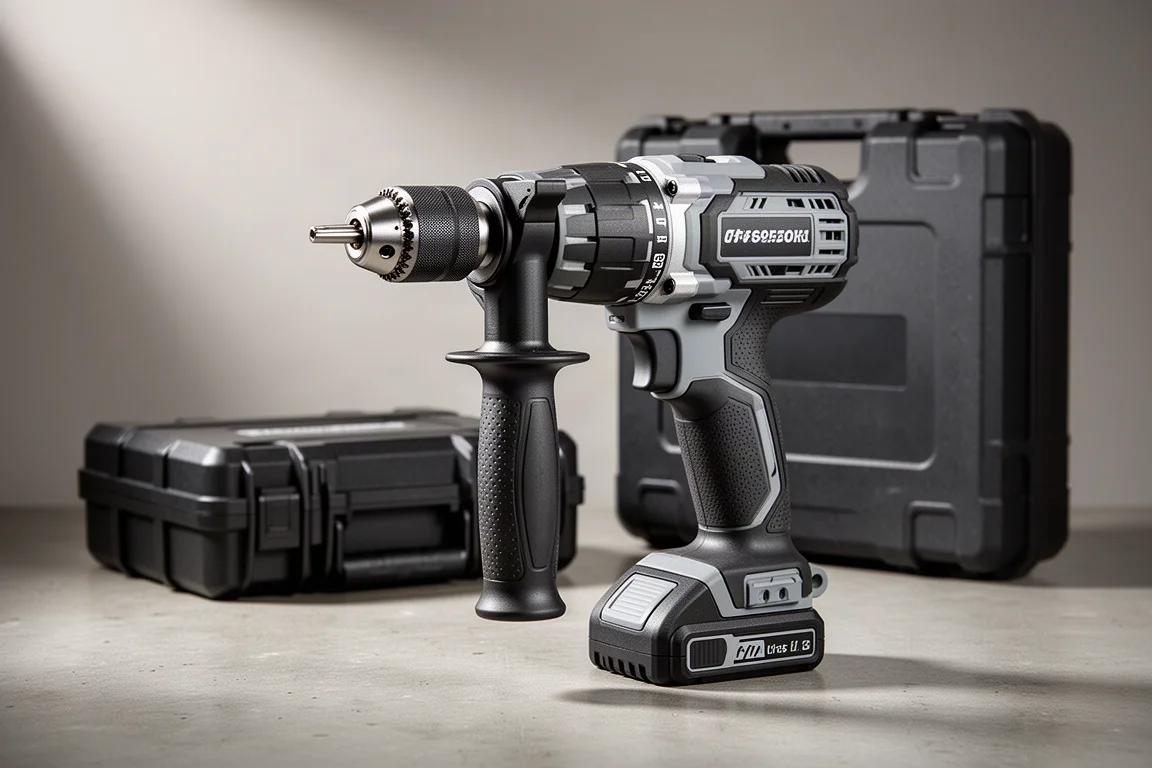
At $279, the Flex is the most expensive drill tested, and the kit comes nicely appointed with a carrying case, a 6 amp-hour 24V Stack Lithium battery, and a 280W rapid charger. It claims 1,400 inch-pounds of torque, 200% more power, a full-metal half-inch ratcheting chuck with carbide teeth, a mechanical clutch, and a turbo mode pushing up to 2,500 RPM in high gear. It finished with the best average placement in the scorecard: 210 inch-pounds of chuck grip, 454 inch-pounds of lag bolt torque, the fastest average driving speed at 5.36 seconds, and 4.5 inches into concrete. The trade-offs are weight, just over six pounds, and a larger overall footprint.
Where the Field Stands
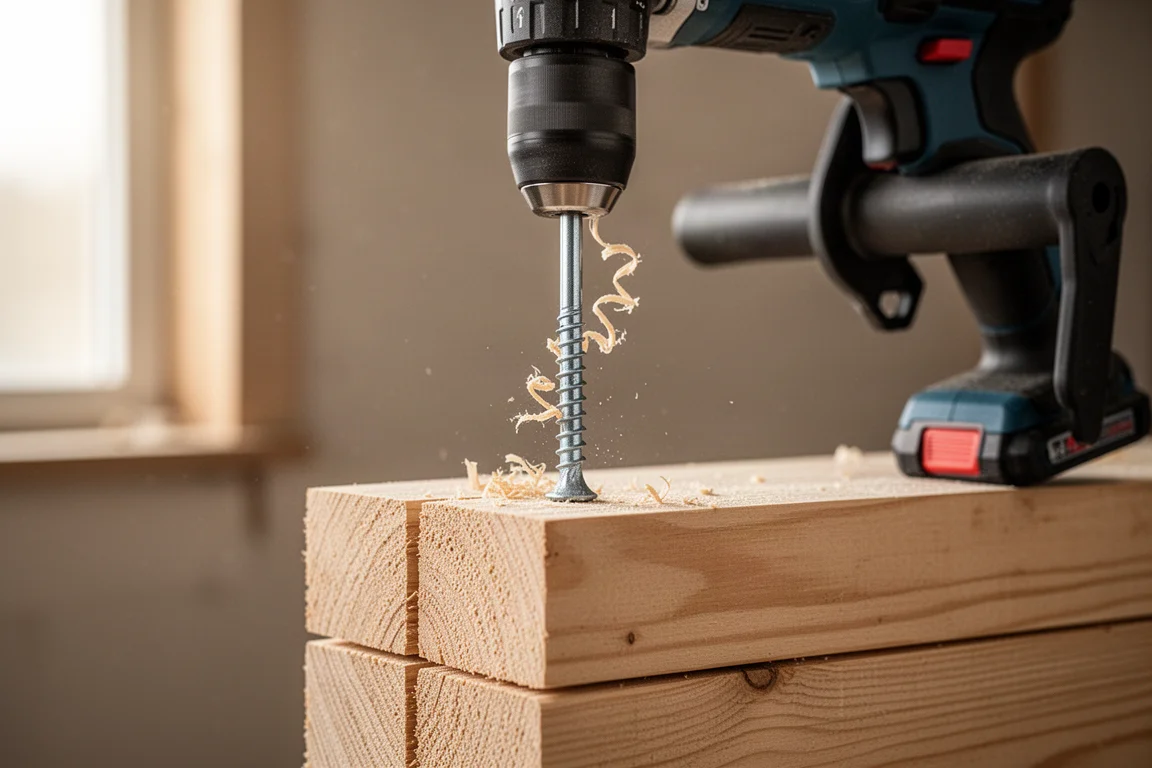
A few patterns are worth highlighting. Chuck grip separated the pack dramatically: the Makita (218) and Flex (210) towered over the DCK (50) and Kimo (54). On working torque, the Milwaukee (455), Flex (454), and DeWalt (440) form a clear top tier, with the Makita (401) close behind.
Concrete drilling favored the same trio, led by the DeWalt at 4 and 9/16 inches, followed by the Flex at 4.5 and the Milwaukee at 4 and 1/8. Low-torque clutch control was strongest on the DCK and Craftsman, while the Hercules (47 inch-pounds) and DeWalt (32) still have work to do. If noise matters, the Kimo (78.5 dB), Skil (81.8), and Craftsman (85.6) are the quietest choices; the Milwaukee (95.9) and DeWalt (94.1) are the loudest.
Overall Verdict
The Flex came out on top with the best average finish, and it earned it with genuine all-around performance. The Milwaukee took second as a superb all-around drill that is lighter and smaller than the Flex, if noisy. The Makita reads like a more laid-back Milwaukee: not quite as powerful, but with no glaring weaknesses and the best chuck in the test. The DeWalt is also a strong choice, best in the high-gear and concrete tests, though it is heavy and its electronic clutch lags the competition.
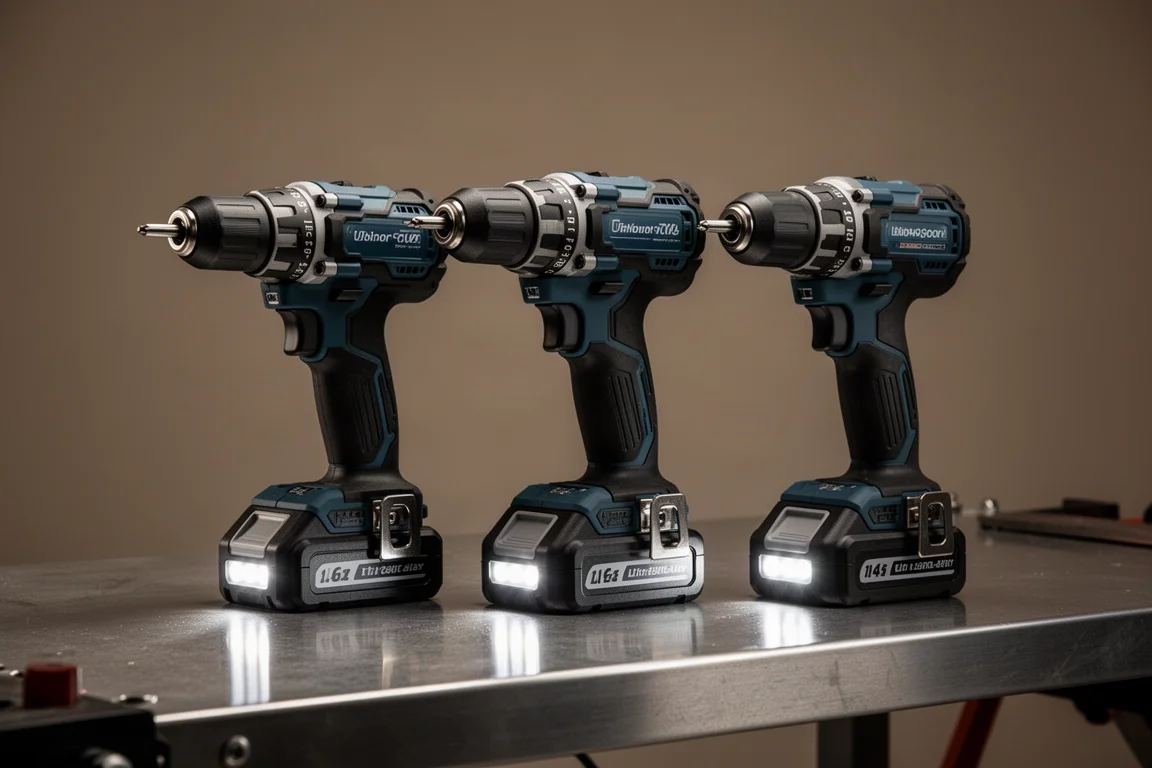
All eleven drills have improved since the last comparison, and honestly, any of the top four are worth buying when the price is right. On a tight budget, the Hercules offers the best performance per dollar among the bare-tool options, while the DCK and Craftsman kits are the most generous on included batteries and accessories.
Conclusion
Price no longer tracks cleanly with performance. The $57 Kimo is quiet and comfortable but ran out of steam early, while drills in the $120 to $130 range like the Makita now trade blows with $250 machines in several tests. Match the drill to your workload: light home tasks can justify a budget kit, serious concrete and framing work still justifies the premium tier.
Further reading
Related Reviews
Power Tools
Best 1-Inch Pistol Impact Wrenches: Three Heavy-Duty Options Compared
We compare three 1-inch pistol impact wrenches, from a budget-friendly Harbor Freight model to a premium Caterpillar unit, to help you choose the right one.
Power Tools
Best 3/4-Inch Impact Wrenches 2026: Five Contenders Compared
We compare five 3/4-inch impact wrenches across price and performance, from a budget Amazon option to Snap-on's most powerful model yet.
Power Tools
Best Budget Cordless Tools 2026: Walmart Finds That Punch Above Their Price
We tested five cordless tools from Walmart, including a high-torque impact wrench that trades blows with Milwaukee and a $35 duster that outperforms its price class.