Power Tools
Milwaukee M18 Fuel 2804-20 vs Makita XPH14: Two Heavyweight Hammer Drills Compared
Two of the most popular hammer drills on the market go head to head on power, size, weight, and value, with one clear verdict emerging.
Introduction
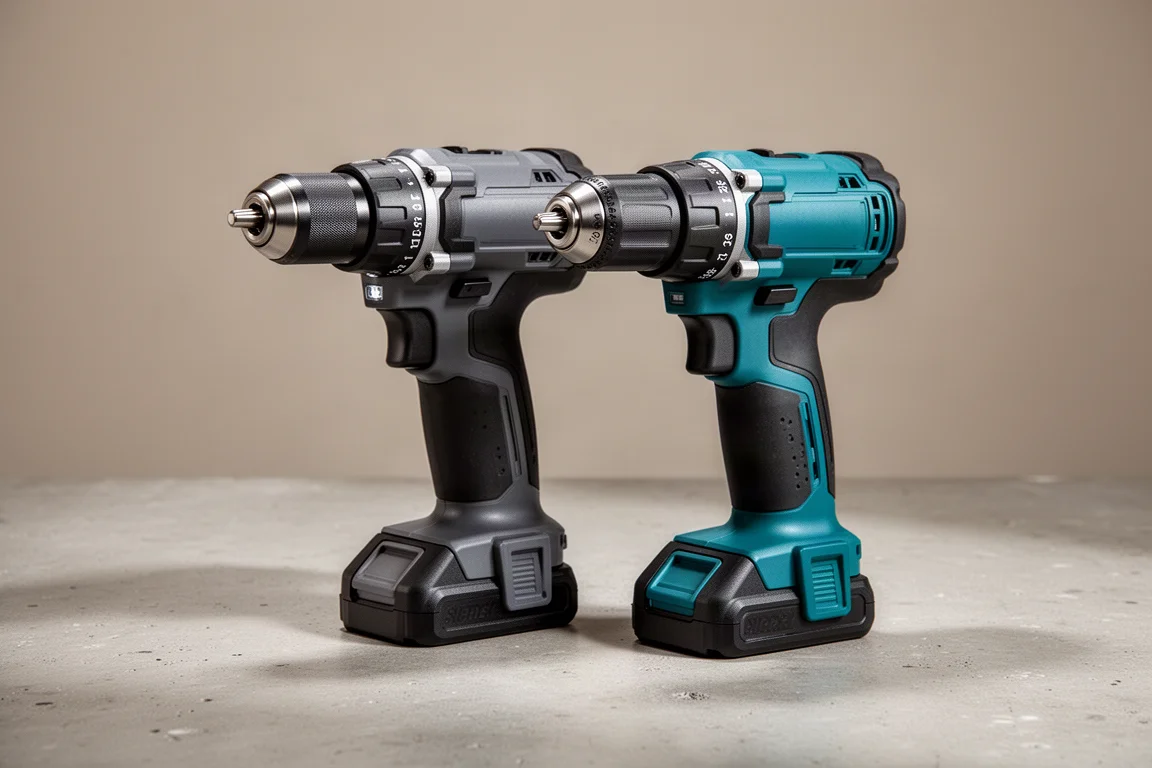
Most buyers today are already loyal to one battery platform, and for many that means Milwaukee or Makita. Those are the two brands we are putting against each other here, using the Milwaukee M18 Fuel 2804-20 hammer drill and the newest Makita hammer drill, the XPH14. These are among the most common hammer drills you can pick up at a major home improvement retailer today, and both have strong reputations.
On paper, this should be an easy call. The newer Makita is the more powerful drill, and it has been out for less than a year. But real comparisons rarely come down to a single number, and after looking at weight, size, drilling performance, and value, the older Milwaukee puts up a serious fight.
Power and Weight: Surprisingly Close
The two drills are nearly identical in raw torque. The Milwaukee is rated at 1,200 inch-pounds, while the Makita edges it out with 1,250 inch-pounds. That 50 inch-pound gap looks decisive on a spec sheet, but in practice the difference is not the whole story.
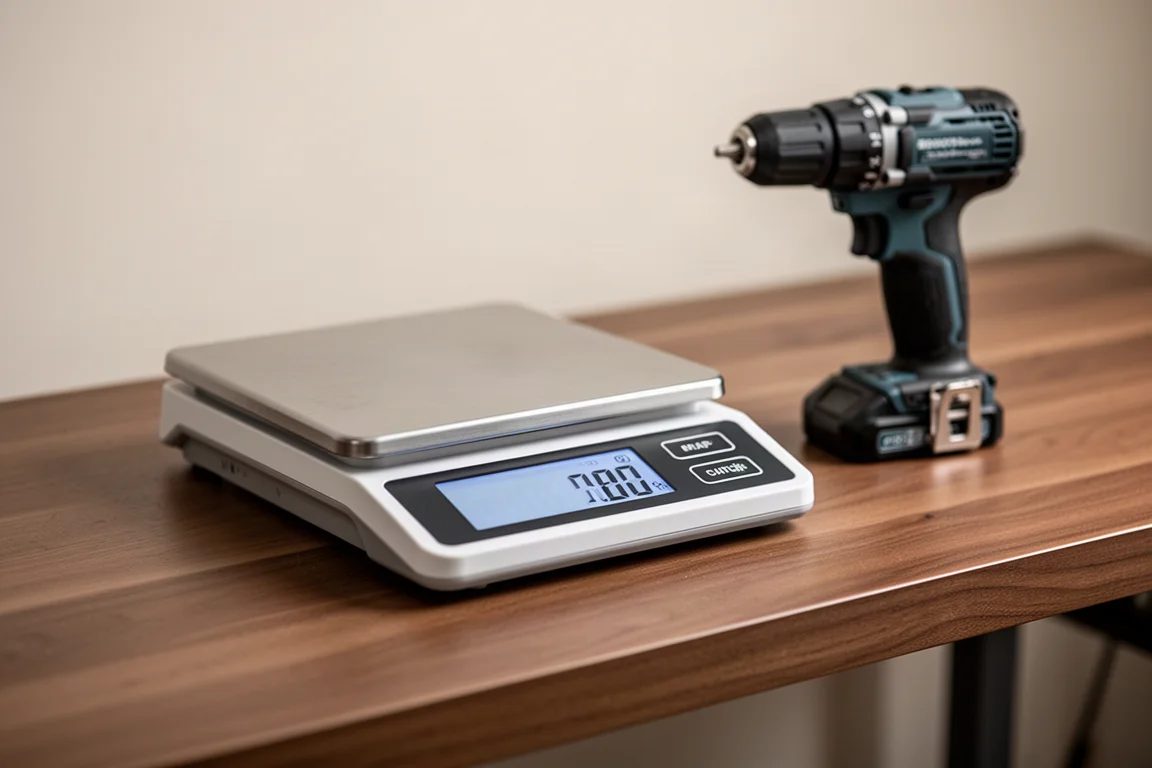
Where the Milwaukee surprises is weight. With fully charged 5 amp-hour batteries on both tools, the Makita weighs 5 pounds 1.2 ounces, while the Milwaukee comes in at 4 pounds 11.6 ounces. Hold both and you can feel that difference. For a drill that has been on the market for a few years, keeping the newer competition within reach while staying noticeably lighter is an impressive feat.
Size and Compactness
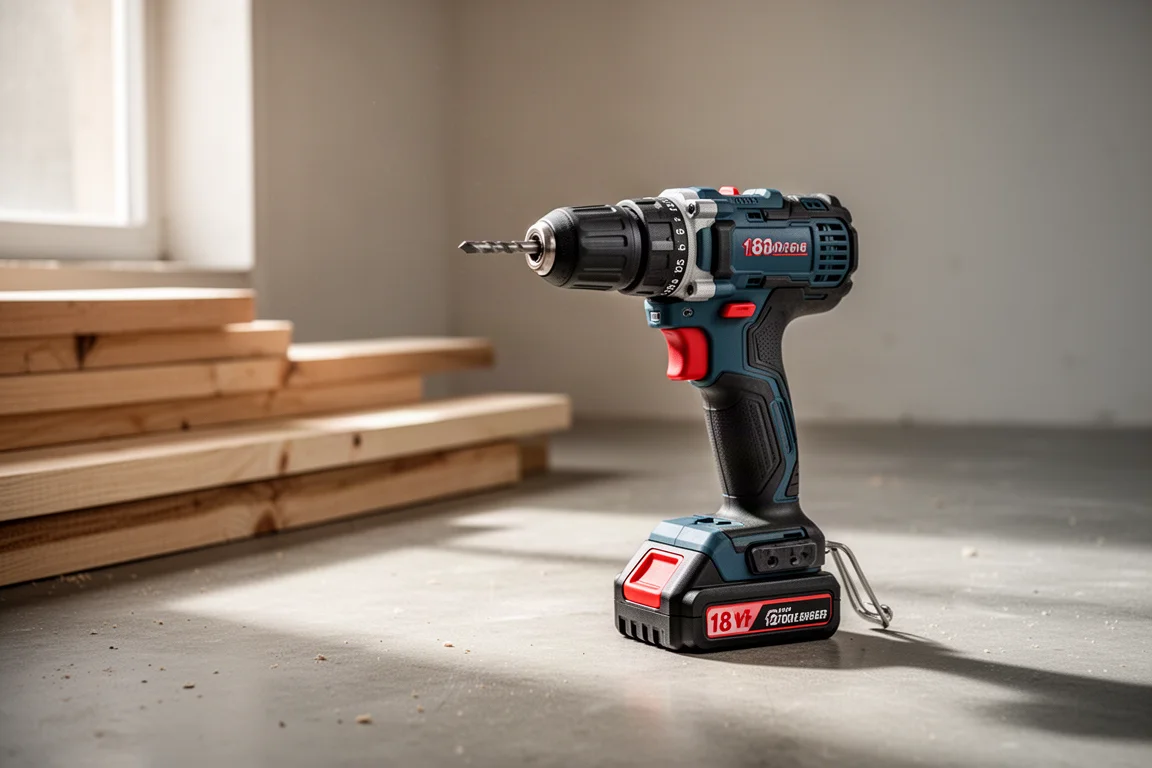
The size comparison is where things get interesting. Front to back, the two drills are almost identical, with the Makita perhaps an eighth of an inch longer. But look at the width up top and the gap grows: the Makita measures just under three inches bumper to bumper, while the Milwaukee is a clear two and a half inches wide.
The Milwaukee also wins on ergonomics in a couple of details. Its larger drill-mode selector switch is easier to operate with gloves on and easier to read. The Makita, on the other hand, has more clutch space and slightly different internal packaging. The chucks are about the same size on both, and the Makita’s is a bit trickier to change with gloves, though it is not a dealbreaker.
It is worth clarifying one thing: even though the Milwaukee is the more compact of the two, it is not a sub-compact drill. A sub-compact Makita is close in size but nowhere near this Milwaukee in power. If you want a sweet spot between a sub-compact and a full-size drill, this Milwaukee hits it very well.
Real-World Drilling Test
Specs only tell part of the story, so a spade bit test with a one-inch Diablo bit in speed two, drill mode, and fully charged 5 amp-hour batteries on both drills settles the argument about power. The result went almost as expected: the newer Makita, with its extra torque, just edged out the Milwaukee on time.
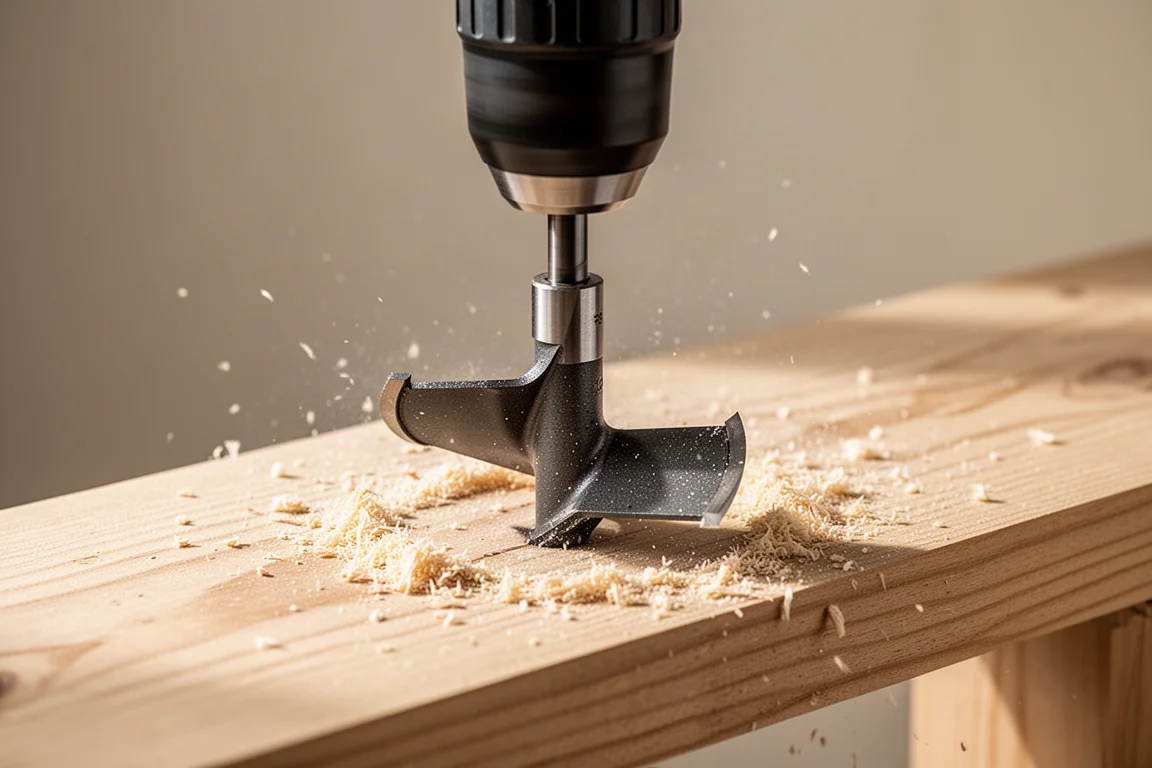
There was one curious moment during the Milwaukee run, a possible heat-related hiccup, but the battery showed no real drain afterward and bounced back to full bars. The Makita, naturally, also stayed on four bars after its two holes. In short: the Makita wins the raw drilling race, but not by the margin you might expect from a drill two generations newer.
Price and Value
Here is where the Milwaukee really makes its case. It is genuinely hard to find the Makita for under a hundred dollars, while the Milwaukee regularly sells for less than that. It has been seen as low as 80 to 90 dollars on eBay with a 5 amp-hour battery, and one example was picked up for about 120 dollars with an 8 amp-hour battery included.
Warranty matters too. A used Milwaukee purchase can still carry roughly two to three years of remaining warranty, which comes close to matching the Makita’s three-year warranty on a brand-new purchase. On an apples-to-apples basis, the older Milwaukee still holds up remarkably well on value.
Buying Advice
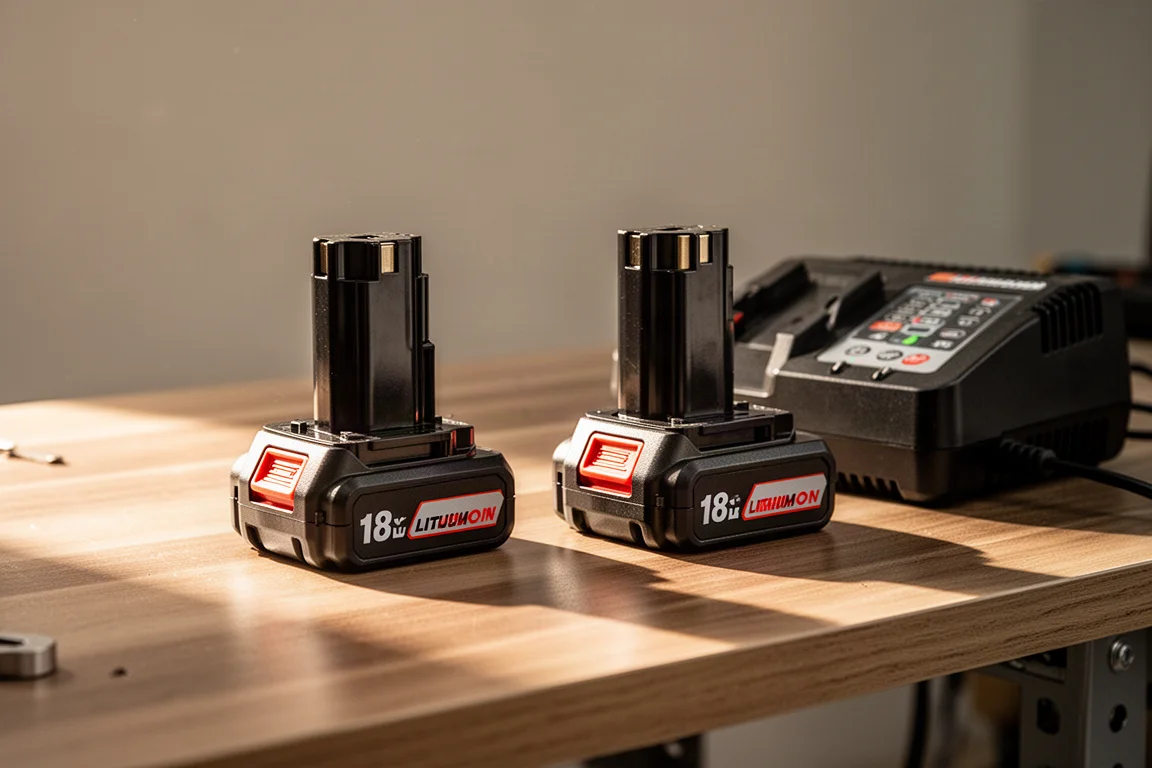
If you are already invested in a battery platform, that is usually the deciding factor, and both brands are common enough that switching rarely makes sense. Within that constraint, the choice is straightforward:
- Choose the Makita XPH14 if you want the newest, most powerful option and you value the full three-year warranty and slightly higher torque rating.
- Choose the Milwaukee M18 Fuel 2804-20 if you want the lighter, more compact body, easier glove-friendly controls, and significantly better pricing, especially on the used or discounted market.
Conclusion
The newer Makita XPH14 wins on paper with its 1,250 inch-pounds of torque, and it took rivals this long to beat the older Milwaukee, which says a lot about how good that tool remains. But with its lighter 4-pound-11.6-ounce weight, narrower 2.5-inch body, and much lower street price, the Milwaukee 2804-20 is arguably the better overall hammer drill for most people. It will be interesting to see what Milwaukee’s next-generation answer looks like, because the competition from Makita and DeWalt is clearly heating up.
Product link
View more details for Milwaukee M18 Fuel 2804-20 Hammer Drill
This product is mentioned in the review. Check the specifications, options, and compatibility before buying.
View more details for Milwaukee M18 Fuel 2804-20 Hammer DrillFurther reading
Related Reviews
Power Tools
Best 1-Inch Pistol Impact Wrenches: Three Heavy-Duty Options Compared
We compare three 1-inch pistol impact wrenches, from a budget-friendly Harbor Freight model to a premium Caterpillar unit, to help you choose the right one.
Power Tools
Best 3/4-Inch Impact Wrenches 2026: Five Contenders Compared
We compare five 3/4-inch impact wrenches across price and performance, from a budget Amazon option to Snap-on's most powerful model yet.
Power Tools
Best Budget Cordless Tools 2026: Walmart Finds That Punch Above Their Price
We tested five cordless tools from Walmart, including a high-torque impact wrench that trades blows with Milwaukee and a $35 duster that outperforms its price class.