Hand Tools
Best Hacksaws 2026: Three Frames Worth a Look
Three hacksaws compared, from a classic American-made Craftsman to the Klein 702-12 heavy-duty electrical hacksaw with its high-tension cam lever.
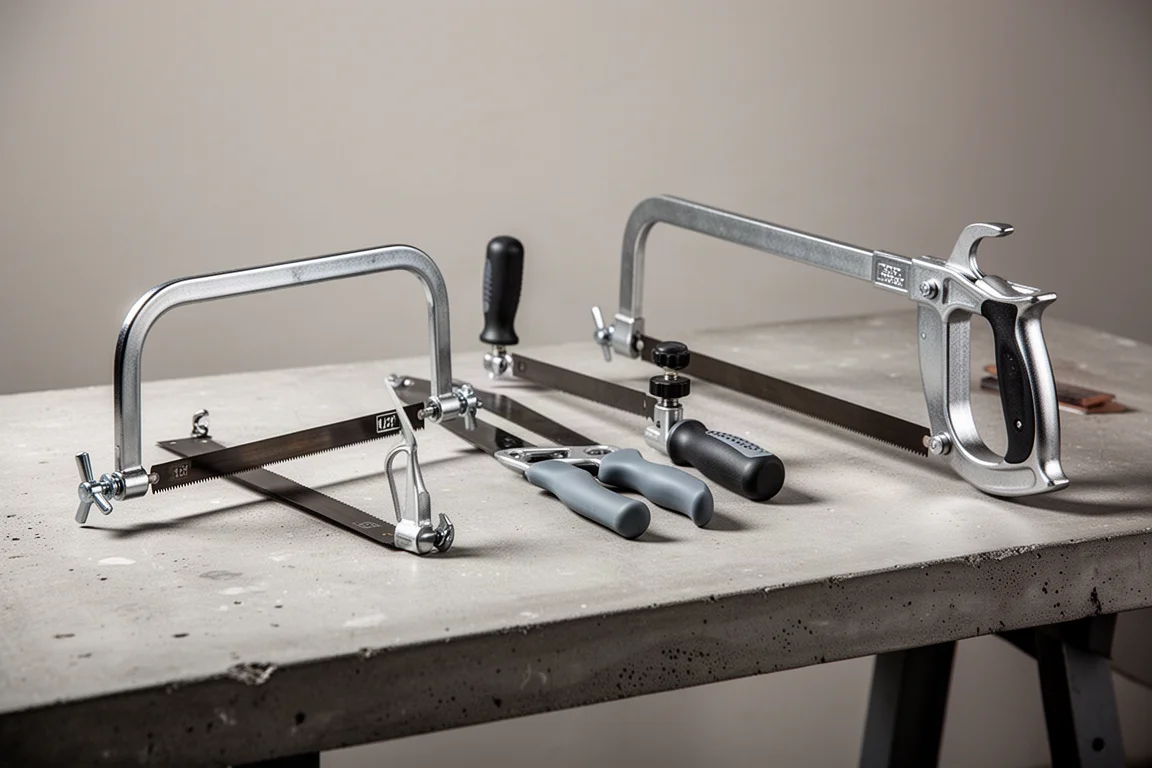
Introduction
The hacksaw has been around in one form or another for centuries, but the version most people recognize took shape in the late 1800s. The core idea is simple: a flexible blade held at both ends, unlike a wood saw where the blade attaches at only one side. That tensioned blade is what makes the hacksaw a genuine upgrade over the old bow saw.
Fast forward to today and blade technology is largely figured out. Steel temper, tooth design, and tooth counts are all well established, which means modern hacksaw innovation has shifted almost entirely to the frame. That is exactly where these three saws differ, and why comparing frames is now the most useful way to pick one.
What Actually Matters in a Hacksaw
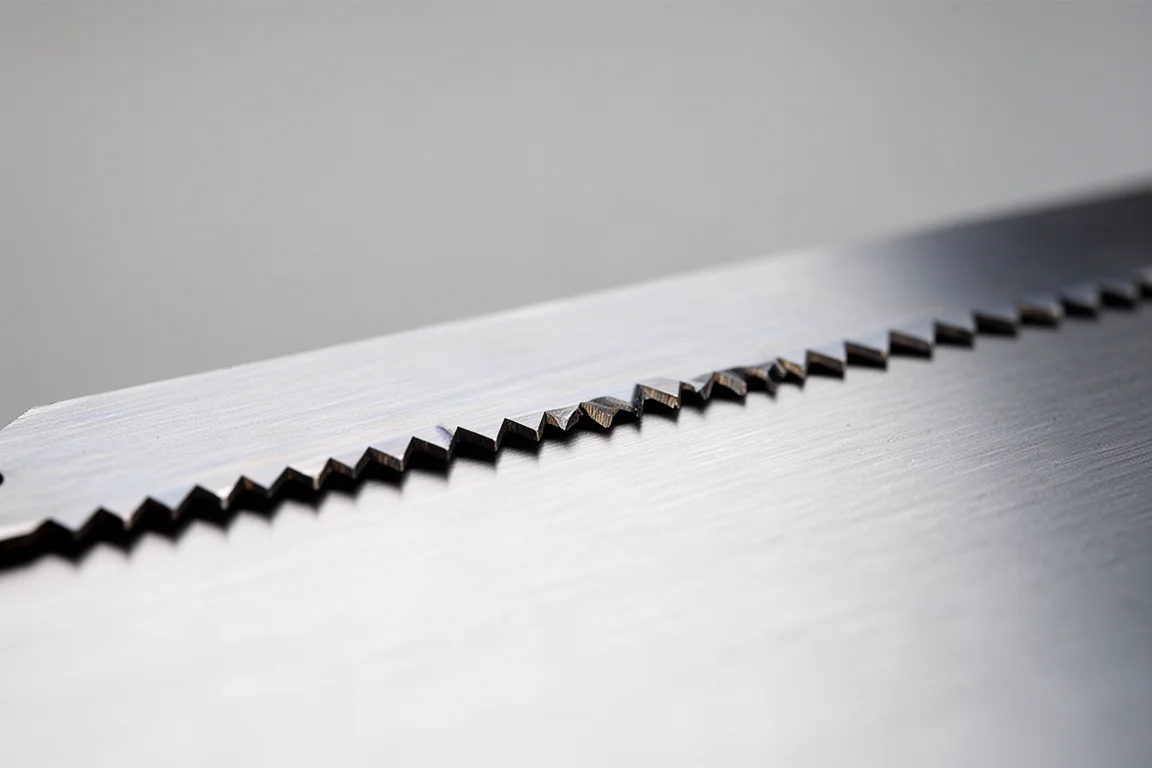
Blades are defined mostly by their teeth, measured in teeth per inch, which ranges from roughly 3 to 32 depending on the material being cut. Almost all blades are high-speed steel. Since the blade side of the equation is fairly dialed in, what really separates one saw from another is how much tension the frame can hold, how it handles, and how easy it is to live with.
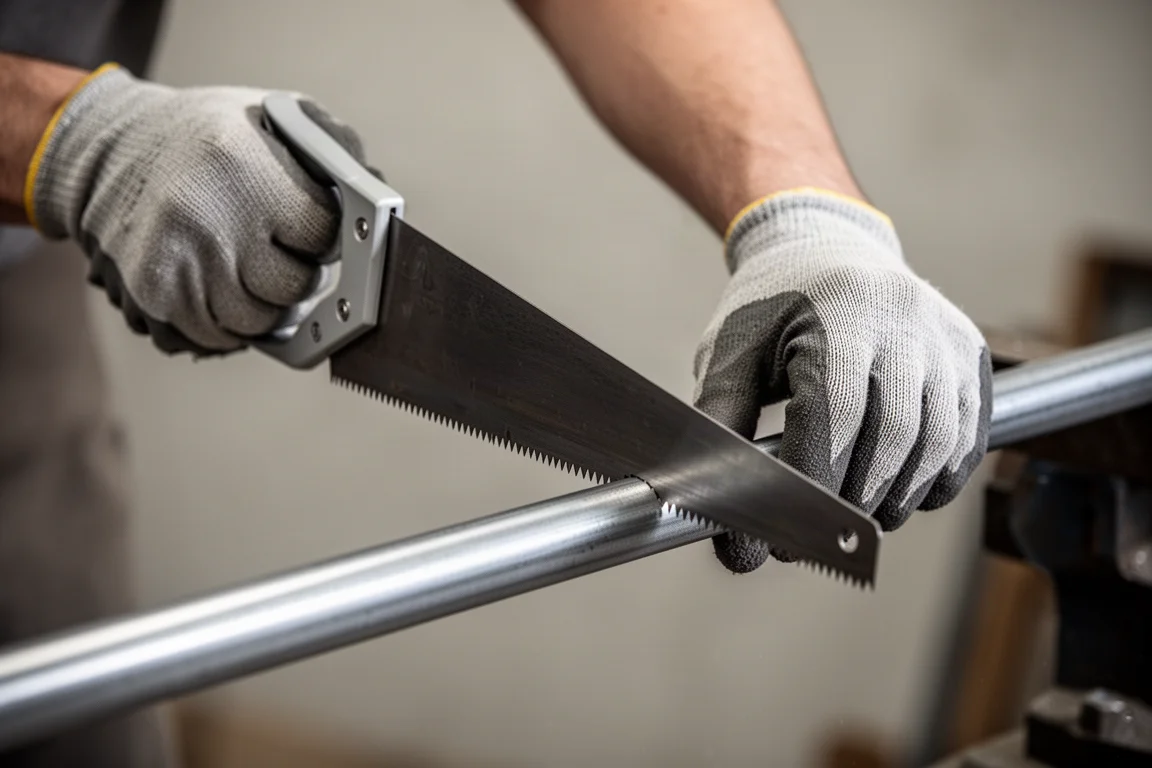
One important detail: hacksaw blades are designed to cut on the push stroke. Wood saws often cut on the pull stroke because a thin blade with a free end can bend if you push into it. The hacksaw’s tensioned frame removes that problem, which is part of what makes the design so effective.
Craftsman Classic Hacksaw
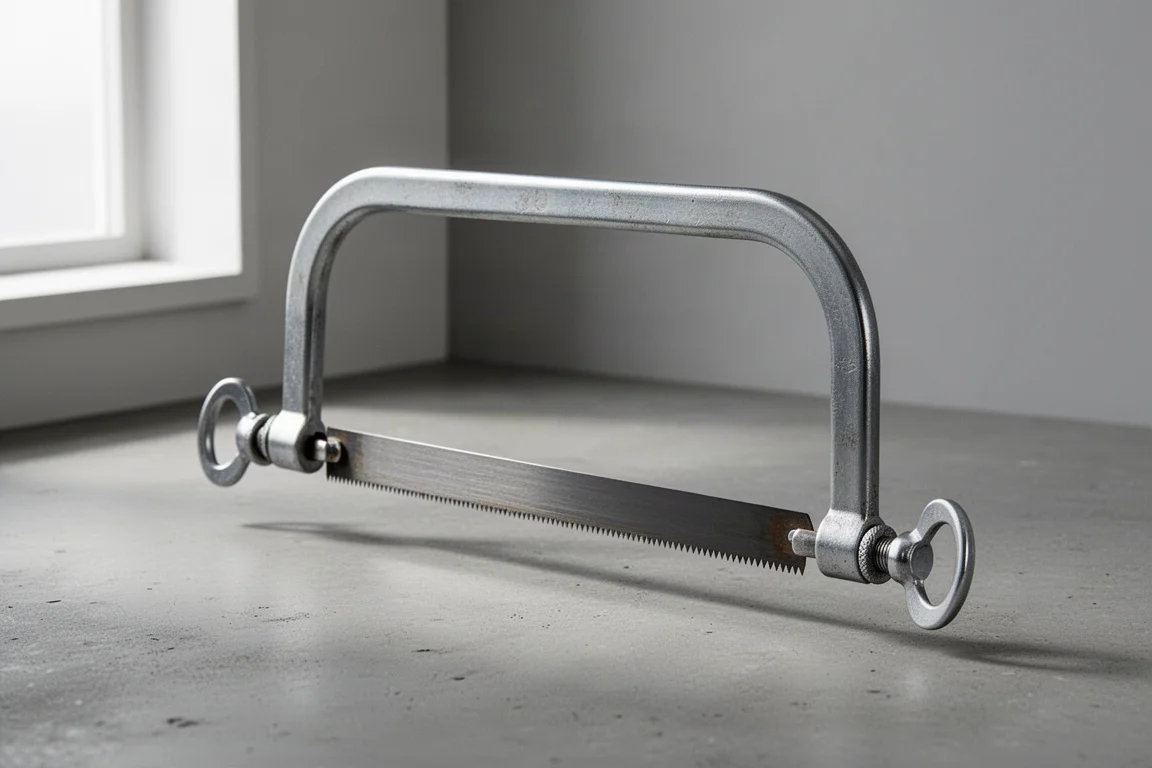
This is a made-in-USA classic design that accepts both 10-inch and 12-inch blades, with a 10-inch blade shown here. It represents the traditional hacksaw layout that defined the category for decades.
The frame is all metal, which is a plus, but the giant wing nuts always seem to get in the way, and there is no blade storage on the old-school versions. As a basic, honest workhorse it still does the job, just with the limitations you would expect from a century-old design.
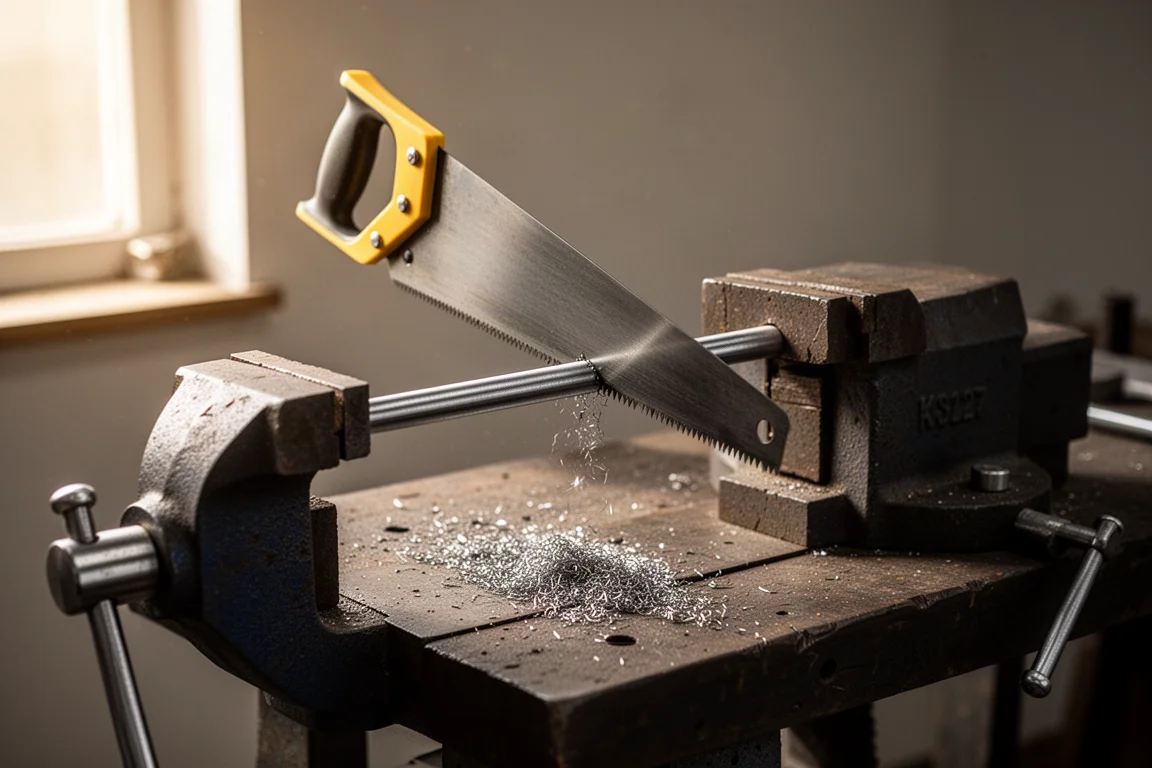
A later Craftsman model, a more professional version sold through the old Sears catalog, added a cam lever design for blade tension plus blade storage that let you slide spare blades in with a screwdriver. It looked and felt a little fancier, with more plastic in the construction. The catch is that the cam lever and the small plastic tension wheel limit how much tension you can actually put on the blade. A slightly flexing blade cuts less straight, struggles more on tougher material, and does not align as well when you start a cut.
Snap-on HSG 319
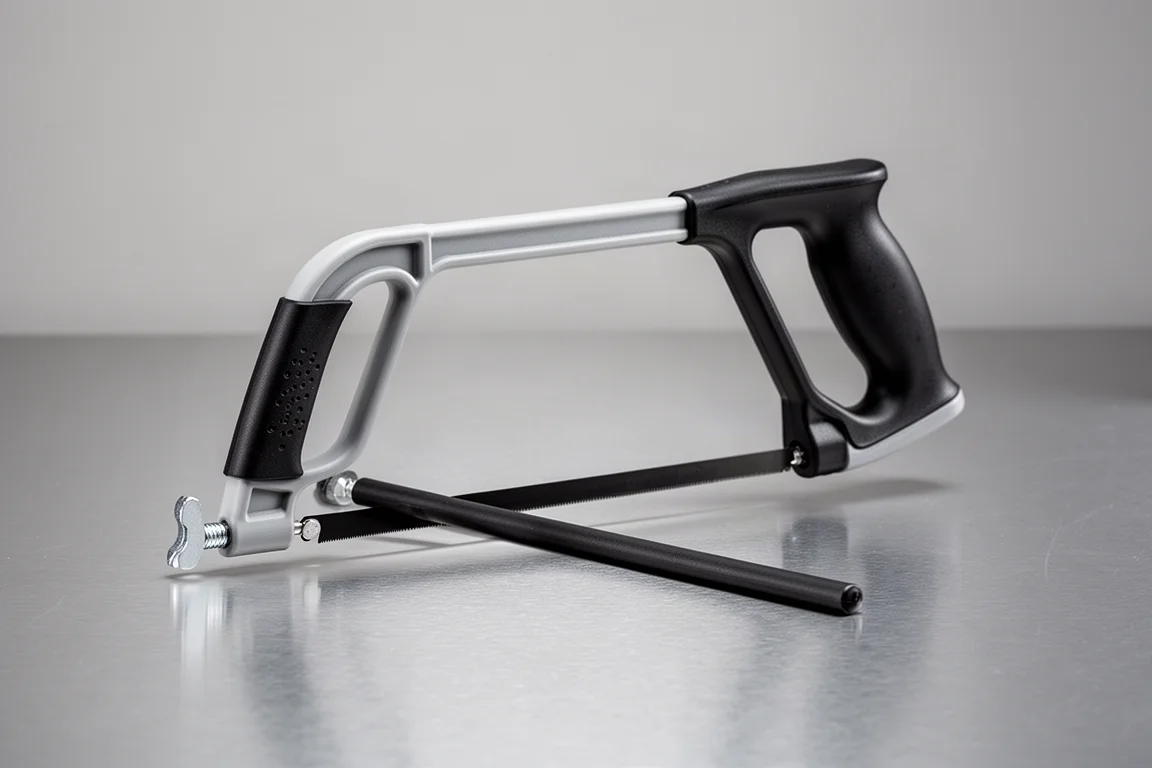
The Snap-on HSG 319 is made in Sweden and takes a simpler approach: a screw mechanism at the back for tension and no blade storage. The frame appears to be plastic-coated metal, and it has a noticeably solid feel in use.
The big change is the front end. An added piece up front turns this into a genuinely two-handed saw, giving you a natural grip position for both force and control. That matters more than it sounds, because hacksaw work often rewards steady pressure through a long push stroke.
It is a straightforward, well-made saw, but compared with the newest heavy-duty frames it leaves some things on the table: no blade storage, no blade-angle adjustments, and a front grip that is far smaller than what the top-tier frames offer.
Klein 702-12 Heavy-Duty Electrical Hacksaw
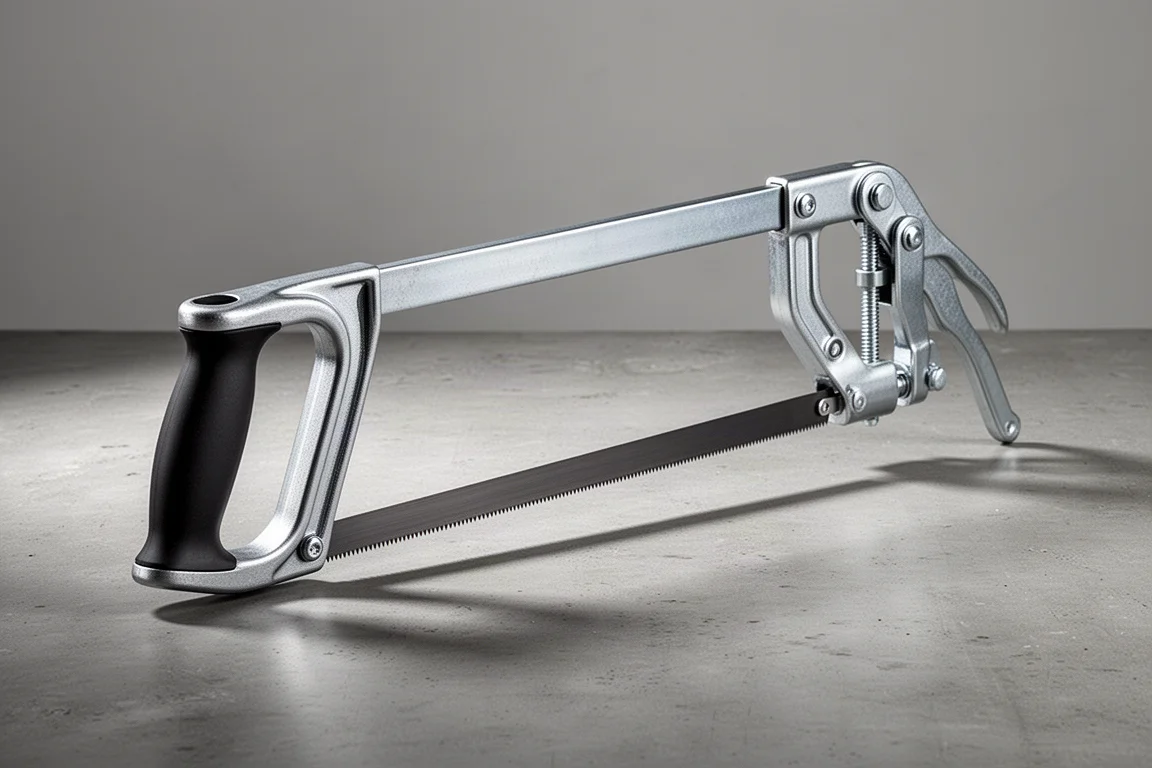
The Klein 702-12 is the latest saw here and is quickly becoming a favorite. It uses a full metal frame with a 12-inch design and a huge cam lever mechanism at the back that is screw driven. The tension available is enormous, which keeps the blade incredibly tight. That matters in practice: a loose blade flexes, cuts less straight, has trouble on tougher material, and does not align well when starting a cut. A tight blade keeps the efficiency loss near zero.
Up front, the 702-12 can accept a reciprocating saw-style blade in the standard fitting. Drop that in and you get a lot more clearance for reaching up between things. When you do not need it, it stores in the back of the frame, so you do not need a separate saw for those tight jobs.
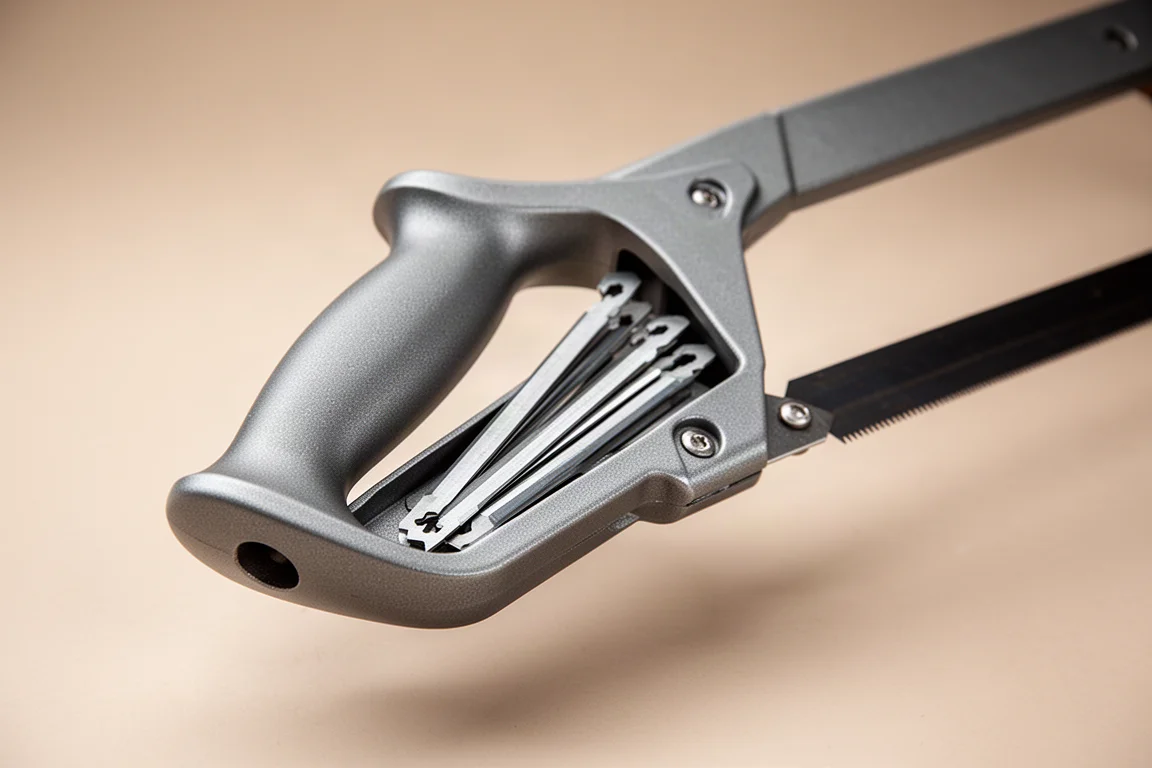
The back end supports both 90-degree and 45-degree blade positions with a simple pop-up adjustment, and the front section doubles as storage for multiple spare blades, or even a lightly oiled blade, depending on how you want to use it. Klein is clearly still innovating this category.
The 702-12 is easily the sturdiest hacksaw in this lineup, with a robust feel throughout, and it has by far the most comfortable front end. The oversized grip dwarfs the Snap-on’s front end and gives you plenty of room to grab hold and really put force into hard work, something the older classic designs make almost a non-starter.
Buying Advice
If you only need an occasional saw for light cuts, a classic metal-frame design still works and usually costs less. If you do regular metal cutting and want a solid two-handed grip, the Snap-on HSG 319 is a simple, well-built option. If you want the most capable frame currently available, the Klein 702-12 stands out for its extreme blade tension, blade-angle options, storage, and front-end comfort. It sells for around 30 dollars, sometimes a little less, which is remarkable for what it offers.
As for what comes next: with blades already refined, the frame is the frontier. A carbon fiber frame with enough strength, perhaps with honeycomb titanium reinforcement, could theoretically drop the weight to around 6 ounces, though the price might well land in the three or even four digit range. For now, the Klein represents the current state of the art.
Conclusion
All three of these saws cut metal well, and blades themselves are largely interchangeable territory. The differences live in the frame: how tight it holds the blade, how it feels over a long cut, and what extras it carries. The classic Craftsman design is honest and affordable, the Snap-on HSG 319 adds a proper two-handed grip, and the Klein 702-12 pushes tension, storage, and comfort to a level the others cannot match. Pick based on how often you cut and how much control you need.
Further reading
Related Reviews
Hand Tools
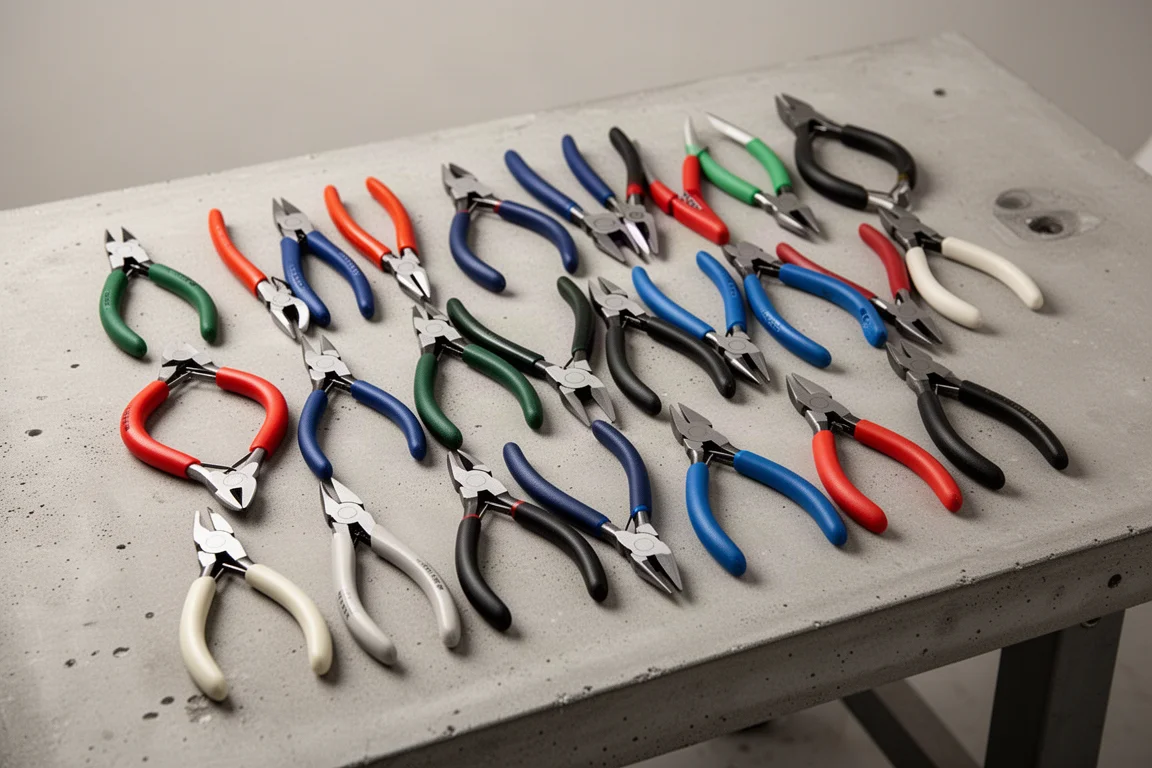
Best Diagonal Cutters 2026: 16 Pliers Tested for Cutting Power and Durability
We put 16 diagonal cutters through nail, screw, drill bit, and hex key tests to find the best value picks for your toolbox.
Hand Tools
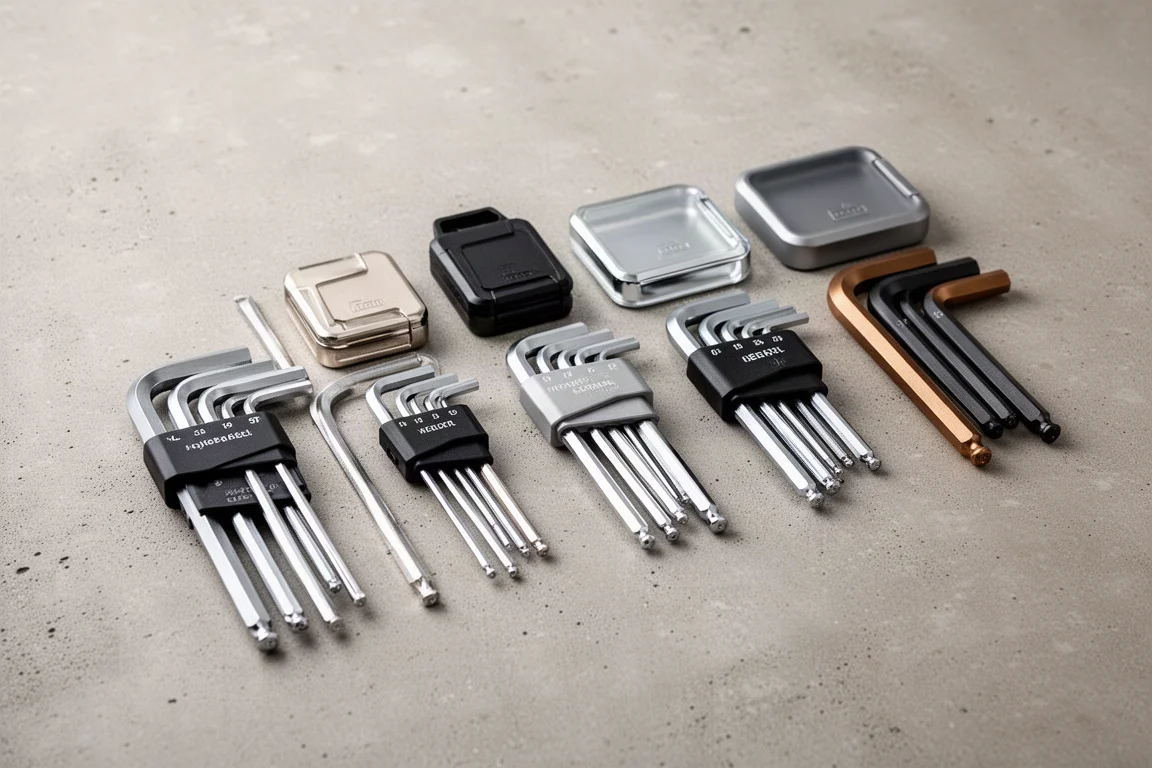
Best Hex L Key Sets 2026: Nine Sets Tested for Real-World Torque
Nine hex L key sets from budget to premium, tested for torque, fit, and durability. See which sets deliver real performance and which ones to skip.
Hand Tools
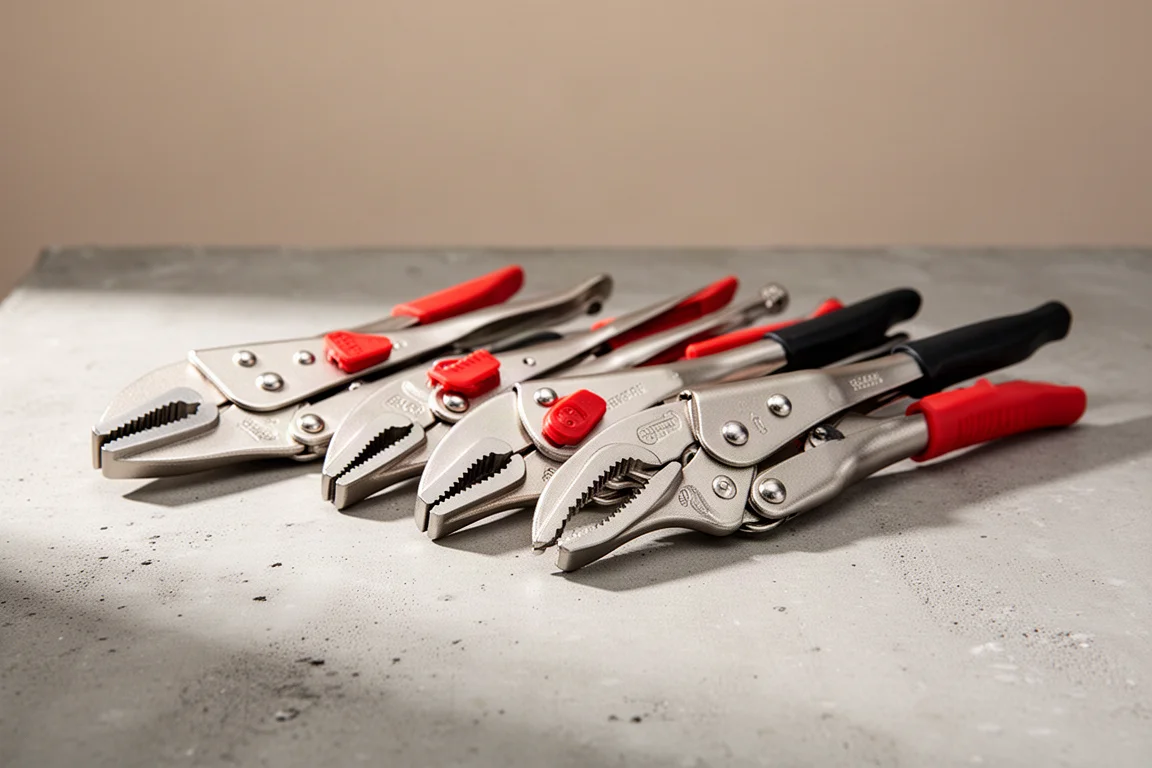
Best Locking Pliers 2026: Top Picks Tested for Grip and Durability
We tested 18 brands of 10-inch locking pliers for grip strength, jaw bite, build quality, and ease of release to find the best options for tough jobs.