Kitchen Knives
Gyuto Roundup: 16 Japanese Chef's Knives for Every Cook
A full lineup breakdown of gyuto knives, from beginner-friendly stainless options to razor-thin carbon steel performance blades, sorted by maintenance needs and skill level.
Introduction
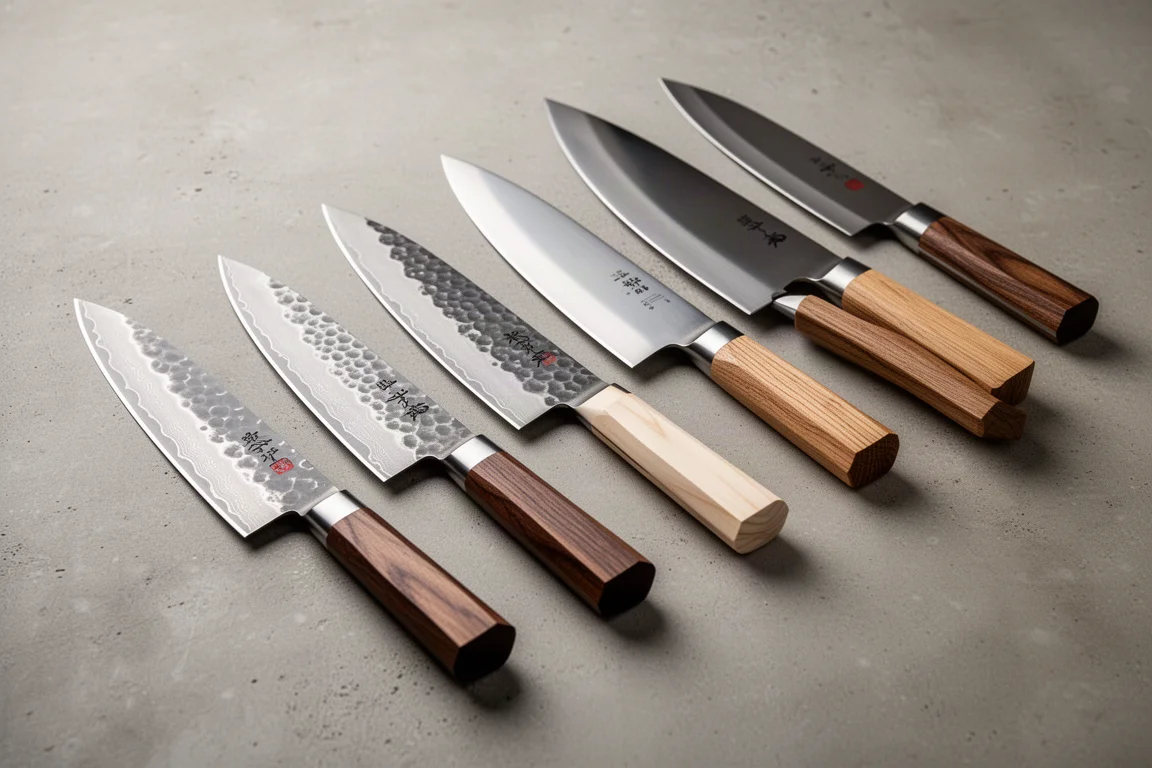
The gyuto is the Japanese take on the Western chef’s knife, and it is the most versatile shape in any kitchen. In this roundup, we break down sixteen gyuto (and one gyuto-adjacent) knives currently available, organized into three practical categories: beginner and high-volume friendly options, in-between picks, and high-performance blades for discerning home cooks and fine-dining professionals. Each knife gets a quick breakdown of steel, geometry, and who it suits best.
How We Sorted These Knives
Rather than ranking strictly by price, these knives are grouped by how easy they are to live with. Fully stainless, chip-resistant blades land in the beginner category. Carbon and semi-stainless steels with thin edges land in the high-performance category. Everything that straddles the line, whether because of price, stainless cladding, or a forgiving but delicate geometry, sits in between.
A note on length: many of the knives here come in 240mm versions, which can look intimidating. With a pinch grip instead of a hammer grip, most cooks can handle a 240mm just fine, and choking back on the blade gives you full control when you need it.
Best Beginner-Friendly Gyuto Knives
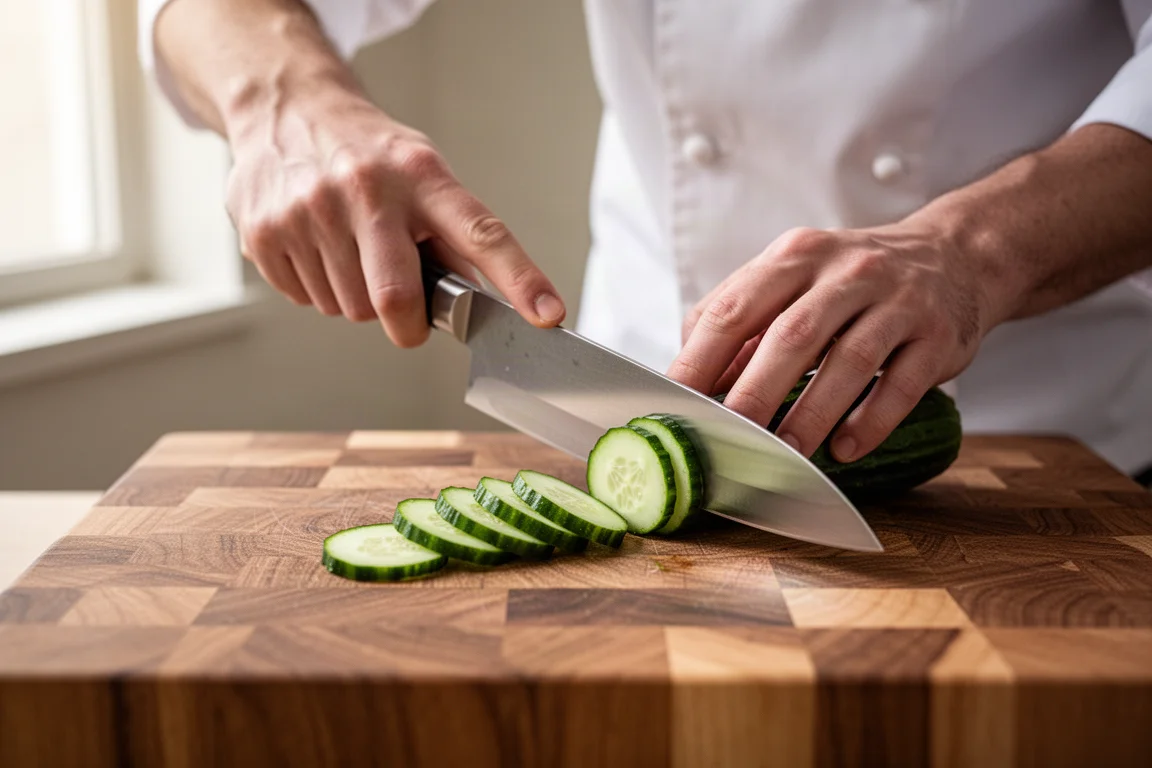
These knives are fully stainless, resistant to chipping, and forgiving of neglect. They suit beginners and high-volume professionals alike, where maintenance time is scarce and durability matters most.
Tetsuji Tsuchime Gyuto
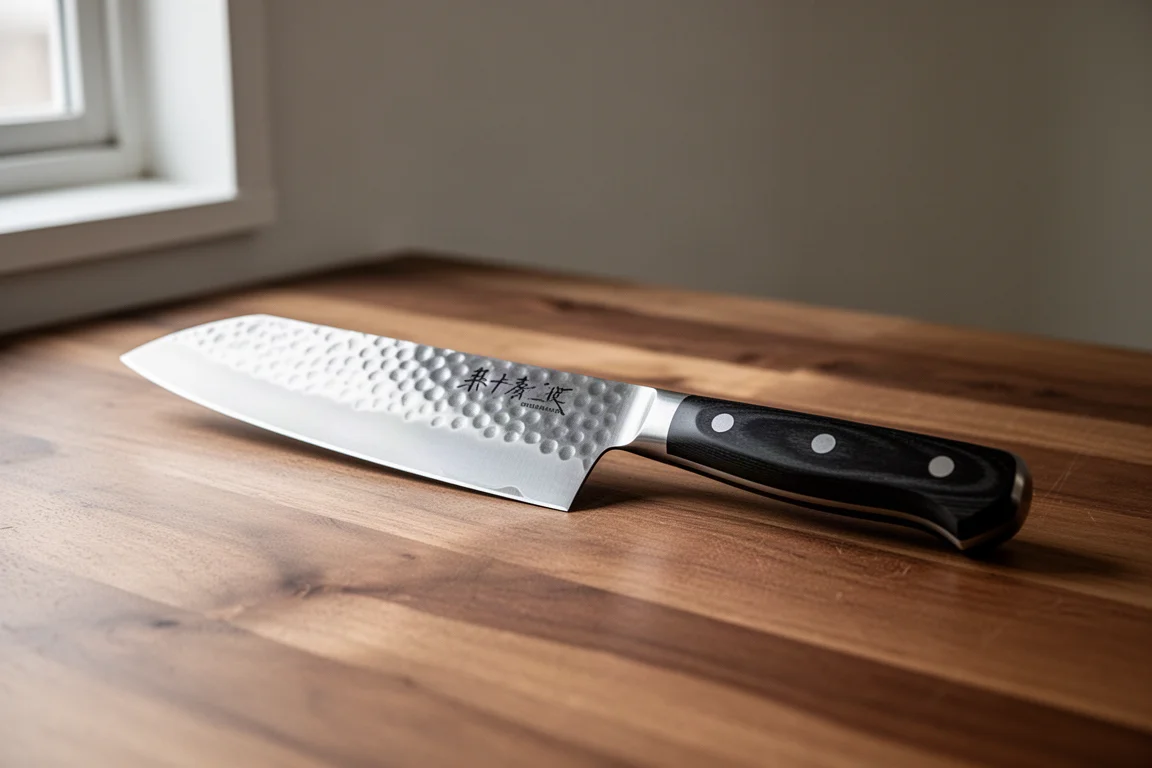
This is the most affordable gyuto in the lineup, and it punches well above its price. It is fully stainless with a hand-hammered tsuchime finish and a triple-riveted Western-style handle that is extremely robust and long-lasting. It is not a laser and edge retention is only decent, but the slightly thicker geometry handles hard ingredients like squash and sweet potato without anxiety. If a chip happens, it is not a costly disaster. Avoid the dishwasher anyway, but this knife shrugs off daily use.
Makoto Kurosaki Style-K Gyuto
Made from R2 stainless steel in 210mm and 240mm sizes, the Style-K is thin at the spine and behind the edge, yet surprisingly few users report chipping issues. That combination of easy maintenance, solid performance, and relative affordability makes it one of the most popular knives in the lineup, and the maple ferrule over American cherry octagonal handles gives it a distinctive look. Well sanded at the spine and choil, suitable for right- and left-handed users.
Seki Kanetsugu Gyuto
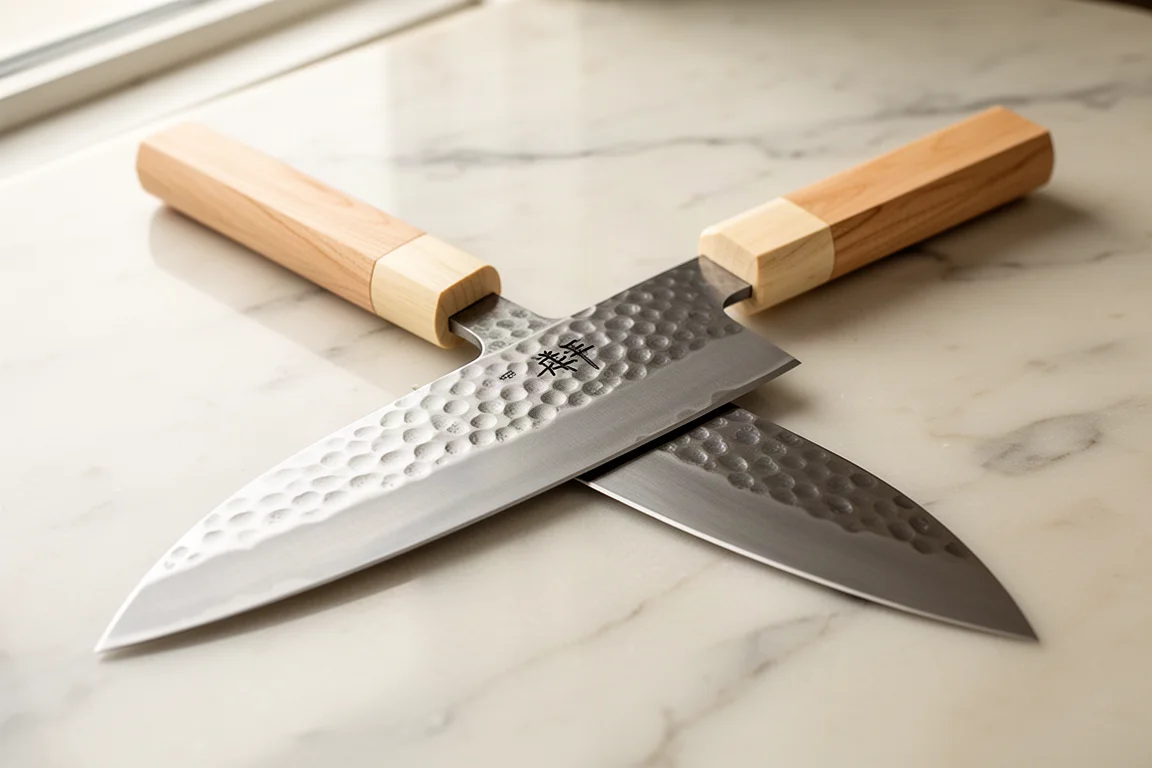
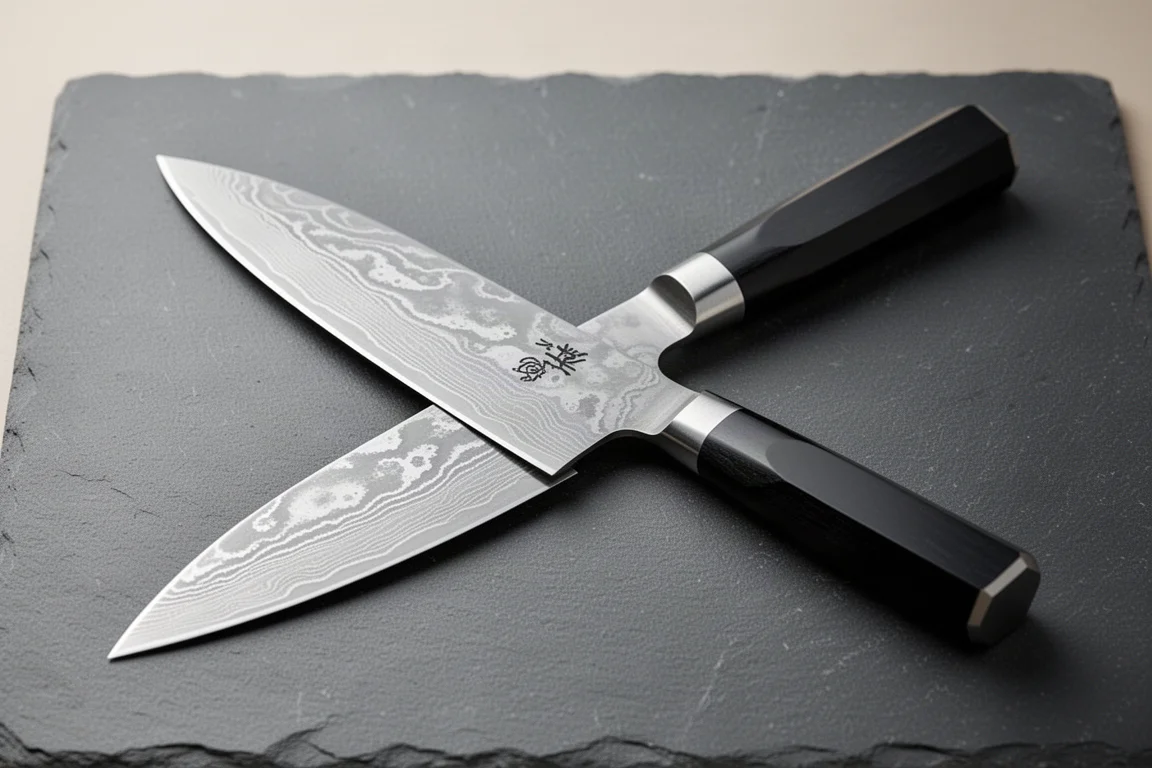
Technically a gyuto-like chef’s knife hybrid, this blade is made from SG2 powdered stainless steel with a beautiful Damascus pattern and strong edge retention. Its seven-sided heptagonal handle is divisive: some people love it, some do not, though the flat top face feels comfortable to many. Balance is neutral and weight is moderate. It is easy to maintain, chips rarely, and earns consistently good feedback from users.
Kurosaki Senko Gyuto
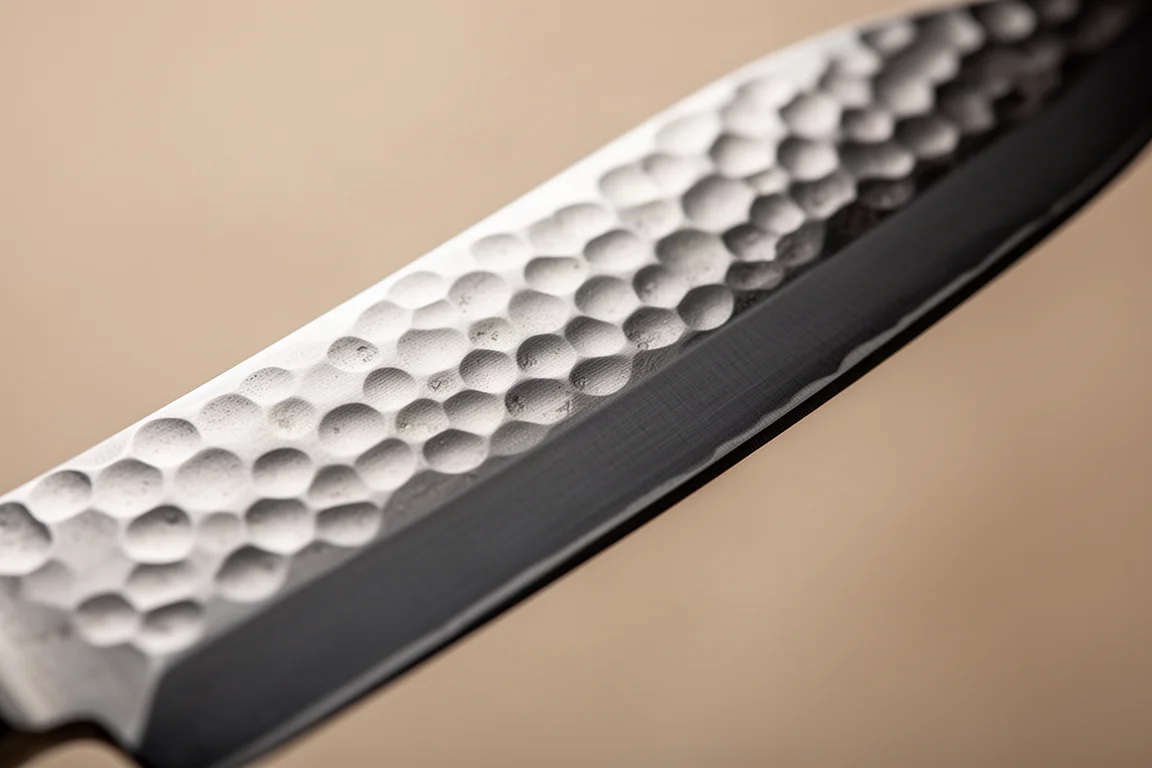
Yu Kurosaki’s Senko series in SG2 comes in 210mm, 240mm, and a striking 270mm. The hand-hammered finish shows beautifully in the light, and R2-class powdered stainless delivers excellent edge retention and rust resistance. Compared with the rest of Kurosaki’s work, the Senko is thicker behind the edge, which makes it the best first Japanese knife from this maker: far less chip-prone while still cutting ingredients smoothly. Octagonal oak handles with purpleheart ferrules, and a balance point slightly forward like all of his knives.
Best In-Between Gyuto Knives
These knives land in the middle for different reasons: some pair carbon steel cores with stainless cladding to ease maintenance, some are affordable high performers, and one is a robust collector-grade blade.
Toyama Aogami Super Gyuto
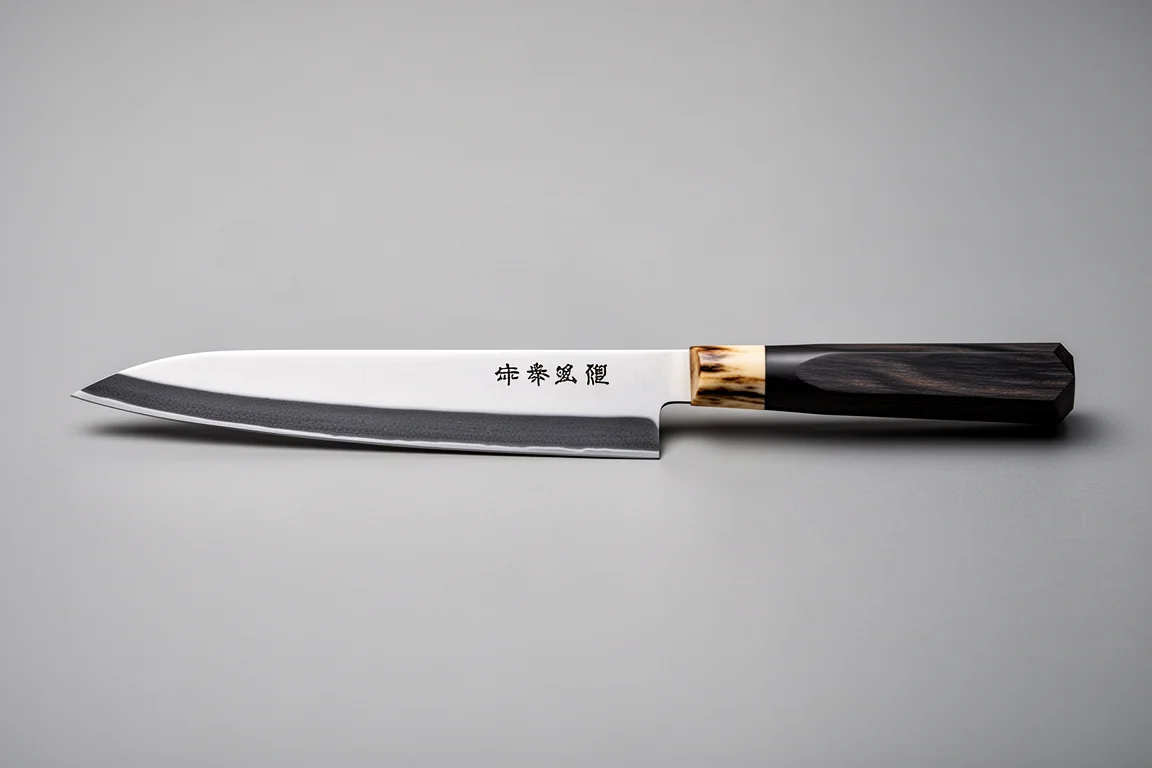
A 240mm laser-class knife with an Aogami Super carbon core under stainless cladding, offered at a very accessible price for its performance level. Thin at the spine and very thin behind the edge, it delivers top-tier cutting feel and is easy to sharpen, with a Rockwell rating around 62 to 63. The trade-off is delicacy: sizable chips have come back on returns, so treat it with care. Octagonal handle, buffalo horn ferrule, light in the hand with a forward balance, and a profile that works for slicing, rocking cuts, and push chopping.
Aogami Nashiji Gyuto
Another stainless-clad 240mm, this one built around Aogami #2 carbon steel with a beautiful nashiji finish. The chunky, distinctive handle suits large hands particularly well, and this knife is a favorite among barbecue enthusiasts for slicing big cuts of meat while still handling vegetables with ease. It is thicker at the spine than a laser but still thin behind the edge, and noticeably more robust in practice than the Toyama above. Only the exposed edge needs care against rust and discoloration.
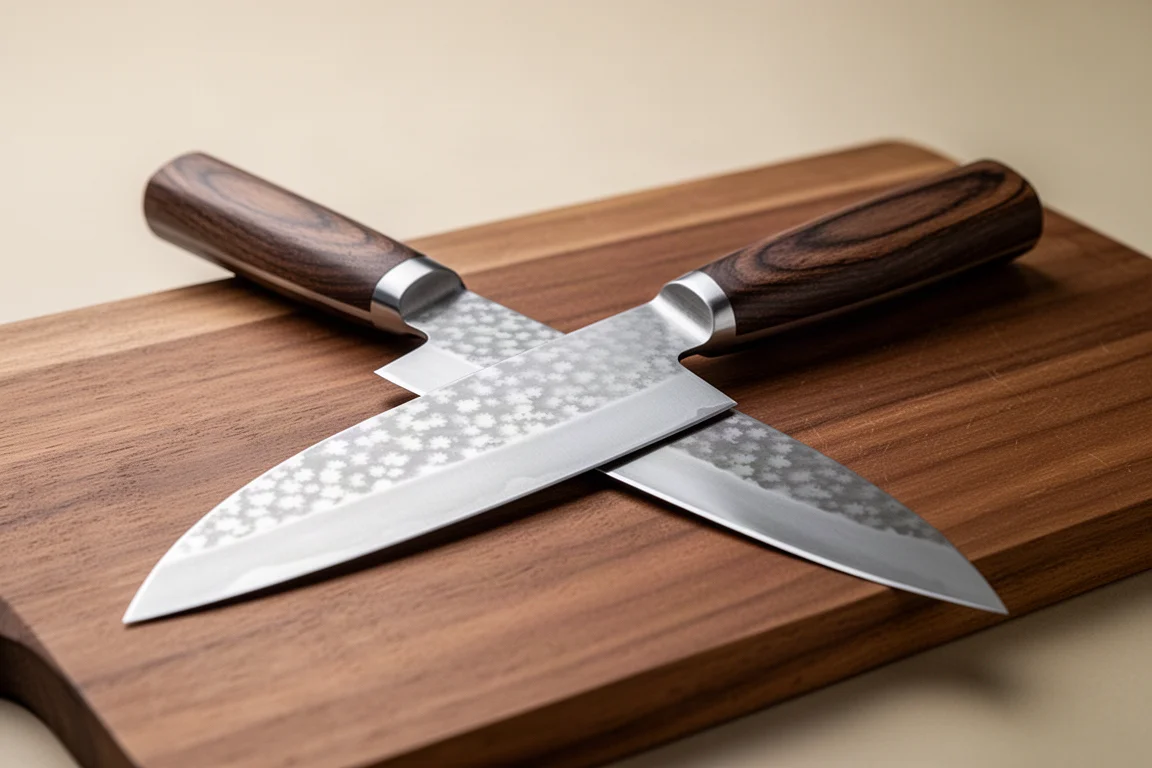
Sakai Kikumori SG2 Migaki Gyuto
For anyone who loves the handle feel and aesthetic of a French or German knife but wants Japanese steel and edge geometry, this is the pick. A polished migaki SG2 blade with a western-style brown pakkawood handle, a welded integral bolster that keeps moisture out of the handle, and a balance point further back like a Western chef’s knife. Nearly laser-class thin behind the edge with a nice flat spot for both chopping and rocking cuts. Fully stainless but chippy enough that it straddles beginner and professional territory.
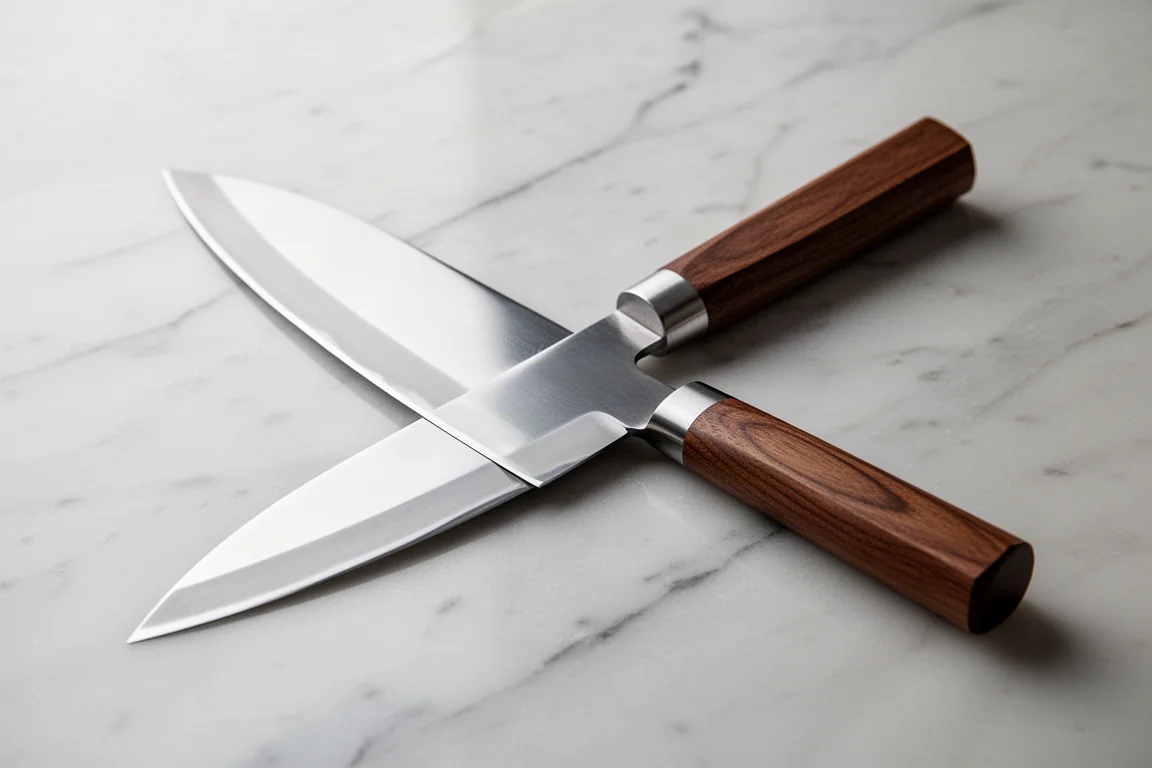
Sukunari Himmono Gyuto
These one-off pieces are mostly made from ZDP-189, a super stainless steel with a Rockwell rating around 66 to 68, giving exceptional edge retention. Available in 210mm, 240mm, and 270mm, some with a kiritsuke-style tip and some with a classic gyuto profile, they feature near-perfect fit and finish, handsome handles, and horn ferrules in blonde or black. Normal spine width with moderate thinness behind the edge makes them genuinely robust despite the hardness. At $735 for one example, these are collector knives for people who also need something that can take real abuse: the working cook’s luxury blade.
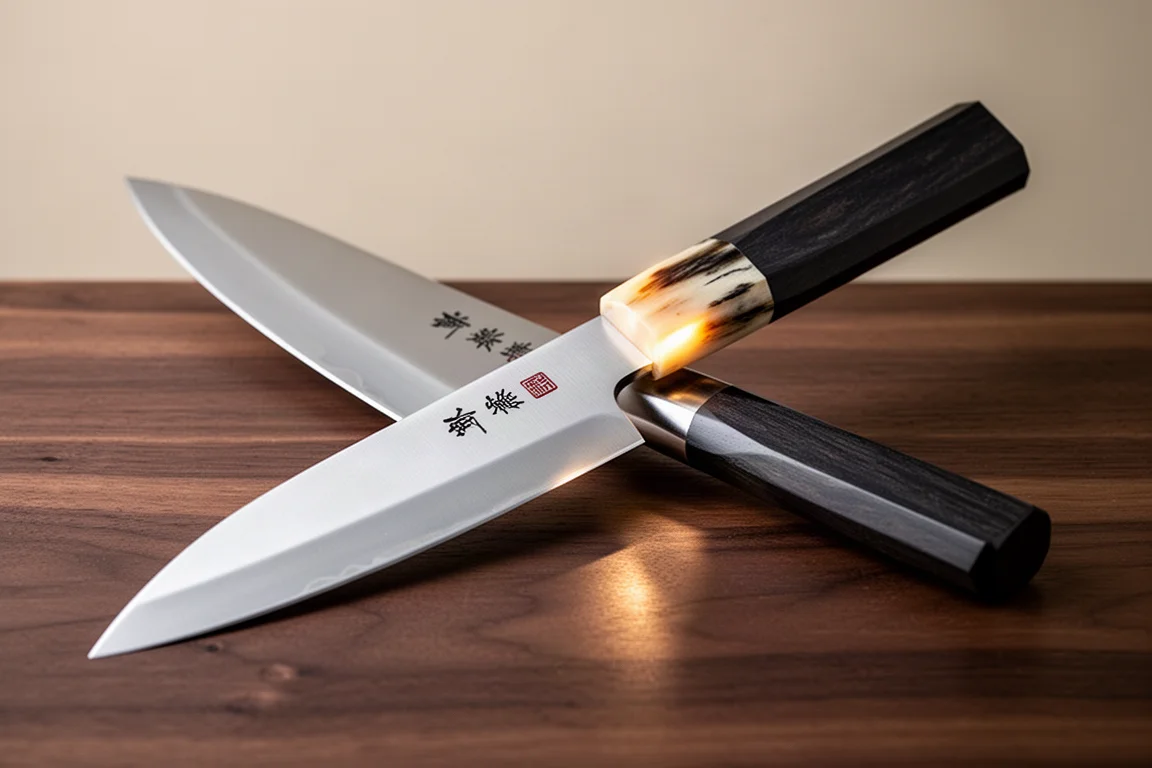
Kurosaki Gecko Gyuto
Made from HAP40 semi-stainless steel with a very high Rockwell rating, the Gecko holds an edge for a long time. The 210mm is in stock with a 240mm arriving. The wenge octagonal handle with no ferrule is a highlight, and the semi-stainless steel only needs basic care: keep it dry and clean, and it will develop a lovely patina. Geometry sits between workhorse and laser, so it is less chip-prone than Kurosaki’s thinner blades while still cutting very well. Harder to sharpen for beginners, but very manageable.
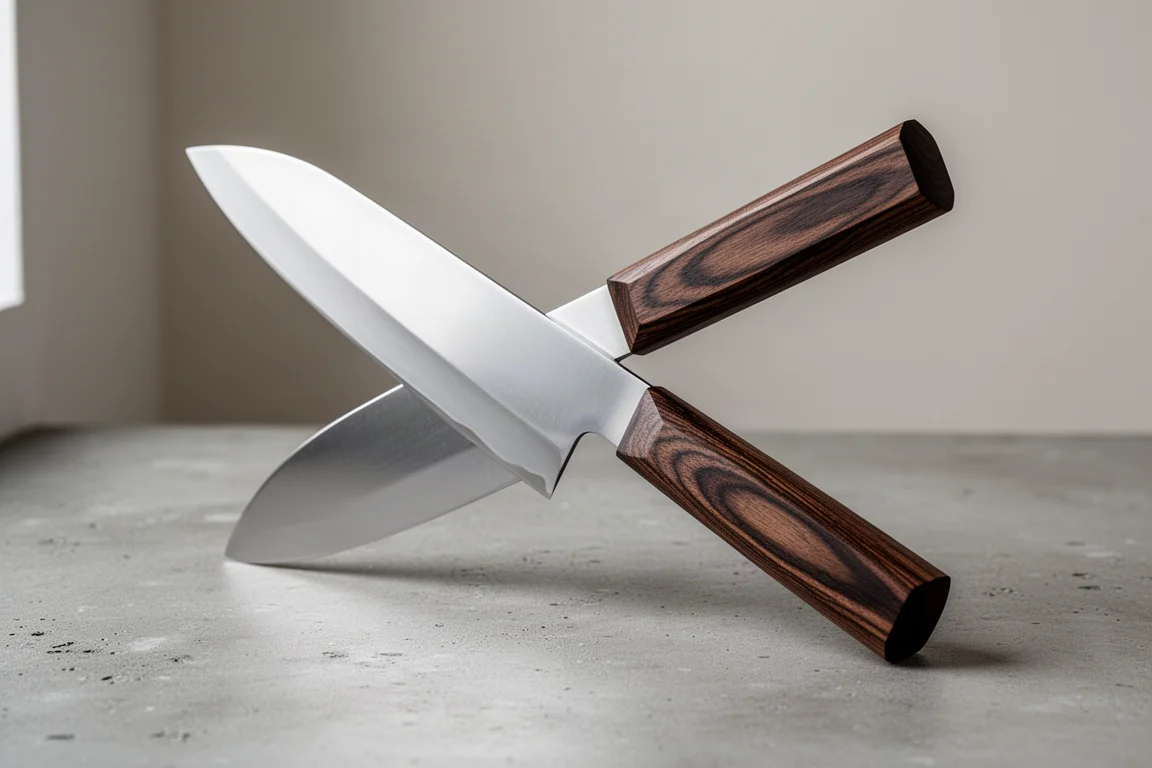
Kurosaki Fujin VG10 Gyuto
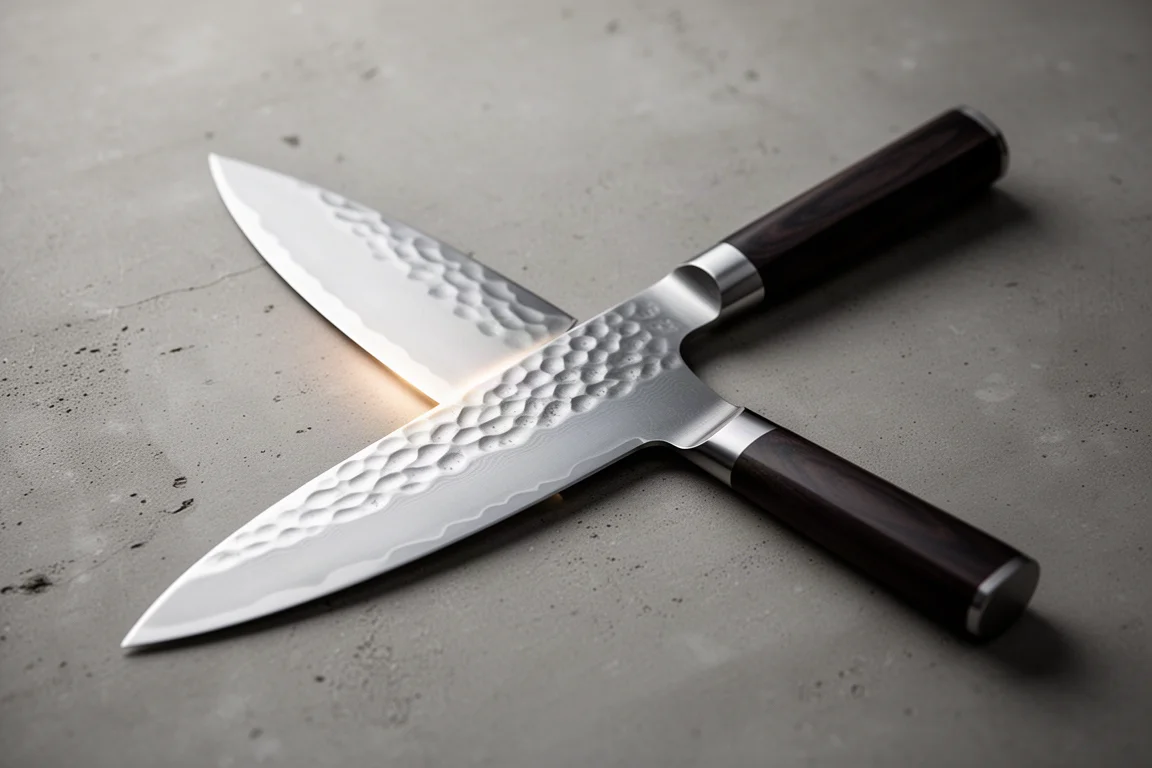
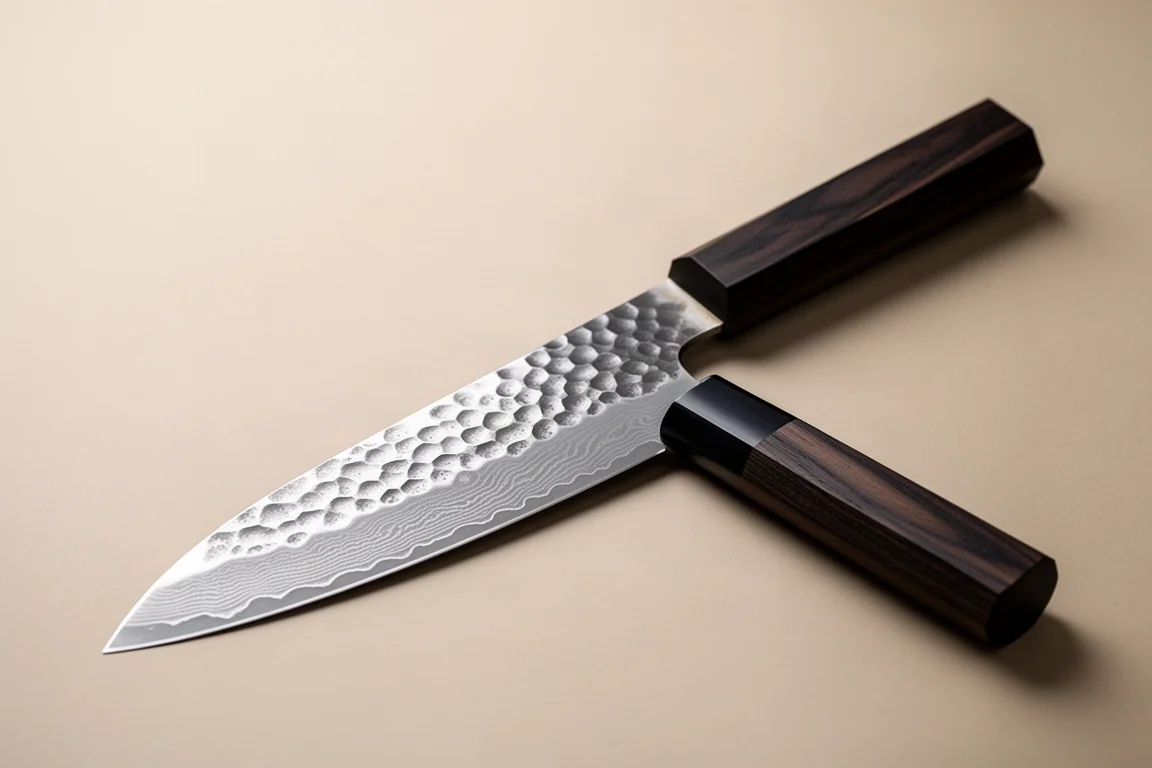
The Fujin series, named for the god of wind, uses VG10 stainless steel with a hand-hammered pattern meant to evoke wind strokes plus a Damascus pattern on the bevel. It encroaches on laser status with a very thin edge and superb sharpness out of the box, and VG10 offers good edge retention and easy sharpening. Fully rust-resistant, though the thin geometry means some care is needed to avoid chips. Octagonal wenge handle with no ferrule, good fit and finish, and the classic forward Kurosaki balance.
Best High-Performance and Collector Gyuto Knives
These blades demand more attention. Some are prone to rust because of exposed carbon steel, others are extremely thin and chip-prone, and some simply command premium prices. They reward careful owners with exceptional cutting performance.
Mutsumi Hinoura Gyuto
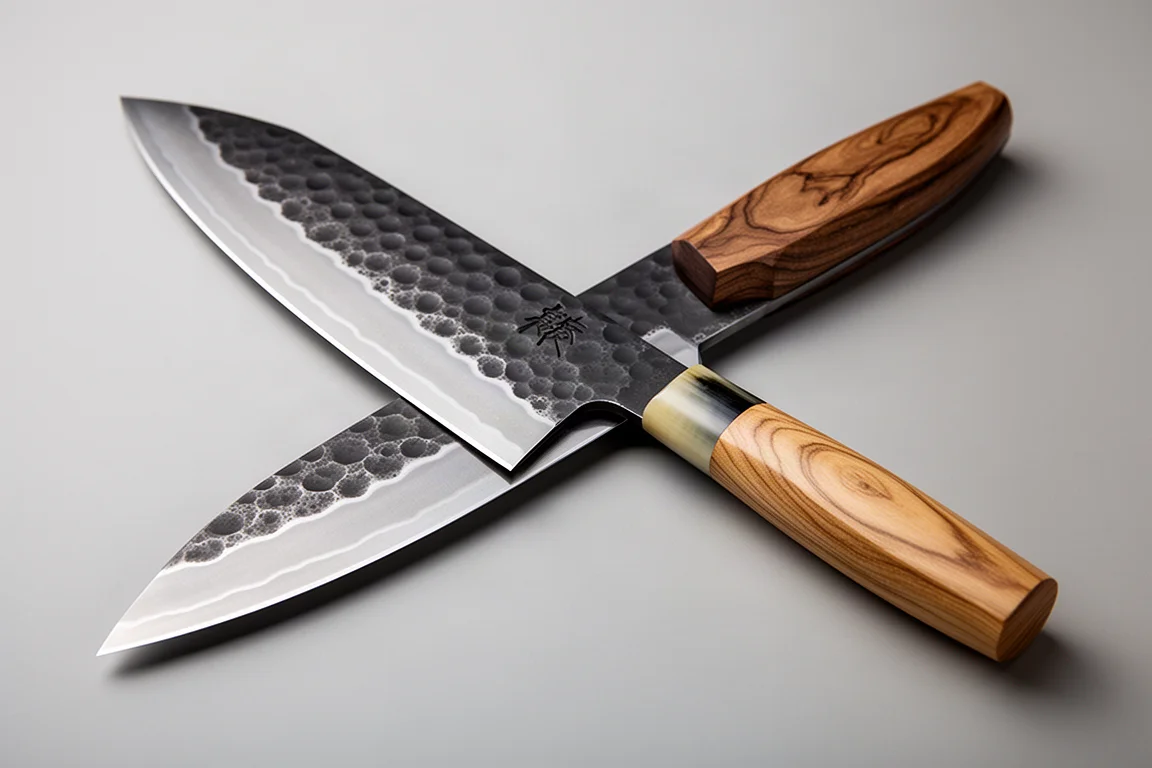
A gorgeous 240mm with a tsuchime finish layered under a kuruchi finish, sharpened beautifully just past the cladding line on a stainless-clad blade. The polished steel core is thin behind the edge for high-level cutting performance, and it is a joy to sharpen. Not laser-thin at the spine, but still on the delicate side. Oval magnolia handle with a buffalo horn ferrule, suitable for either handedness, with clean fit and finish throughout.
Kikuzuki Kuruchi Gyuto
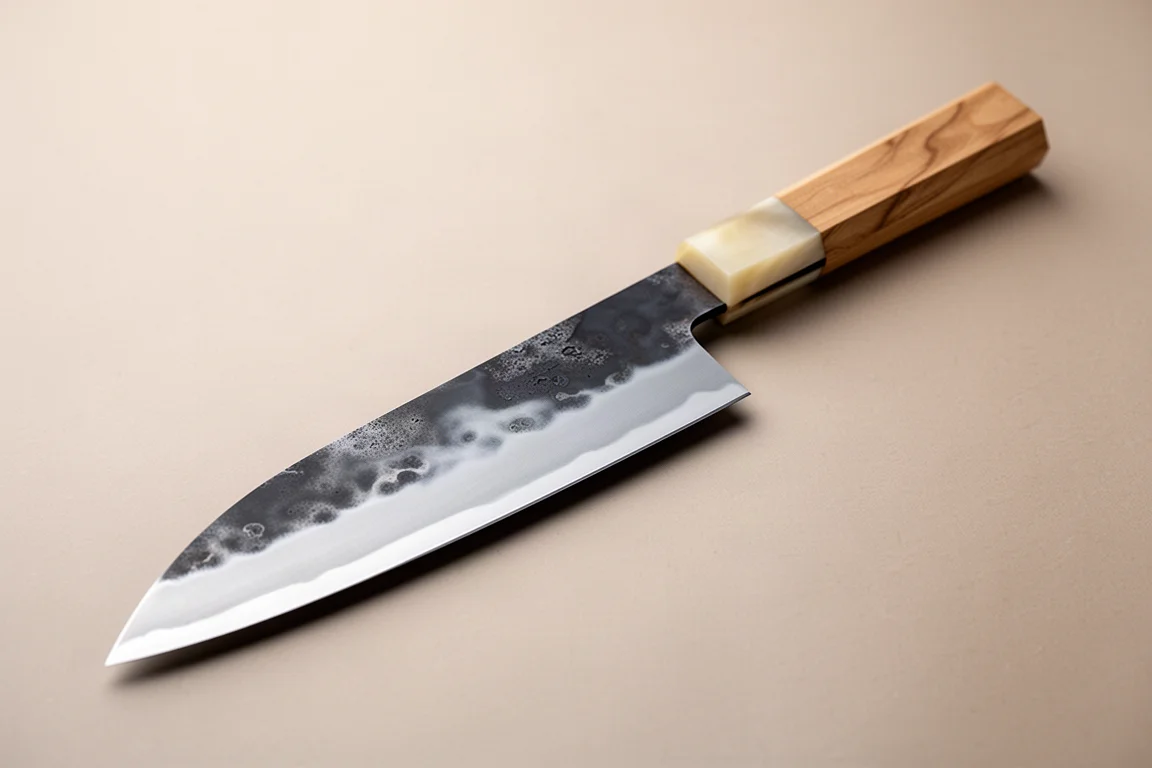
Forged by Yoshikazu Tanaka, this iron-clad 240mm is one of the more reactive knives in the lineup and needs to be kept dry and clean at all times. The reward is a gorgeous kasumi finish, superb edge geometry, thinness behind the edge, and one of the most satisfying sharpening experiences available. Chippier than most, so mindful use is required. Comfortable octagonal magnolia handles with buffalo horn ferrules, suitable for right- and left-handed users, also available in 210mm and kiritsuke versions.
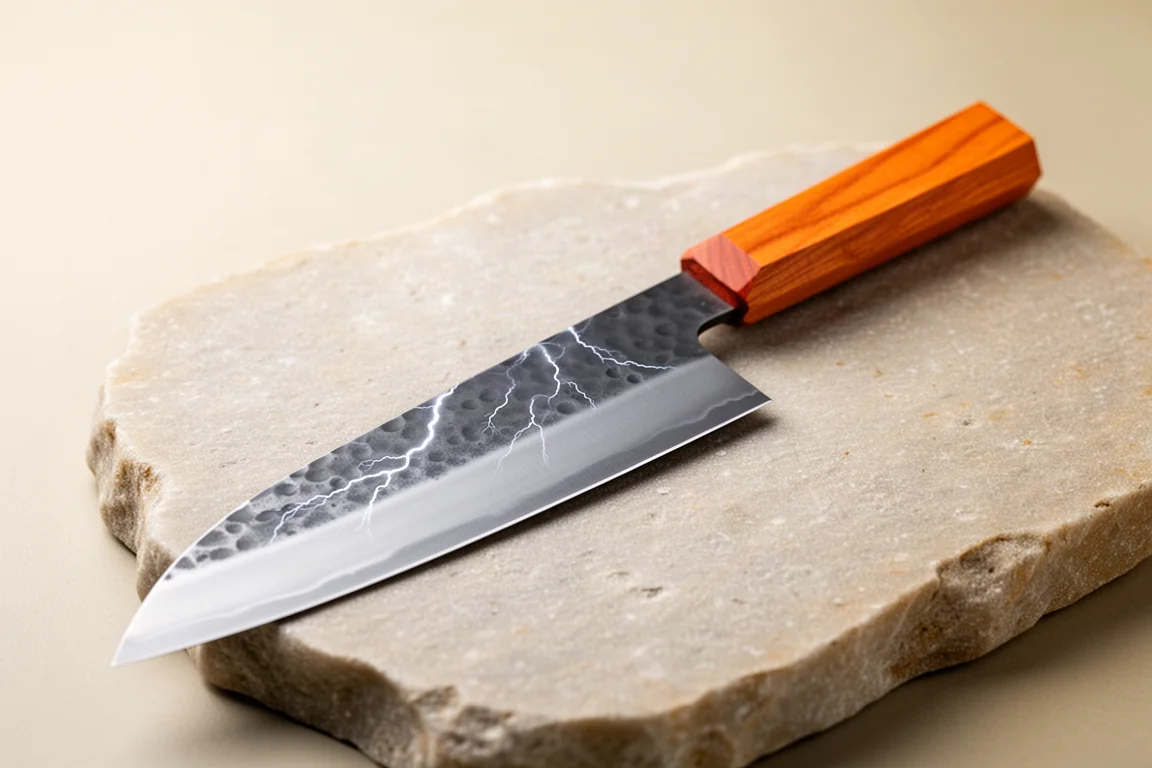
Kurosaki Raijin Gyuto
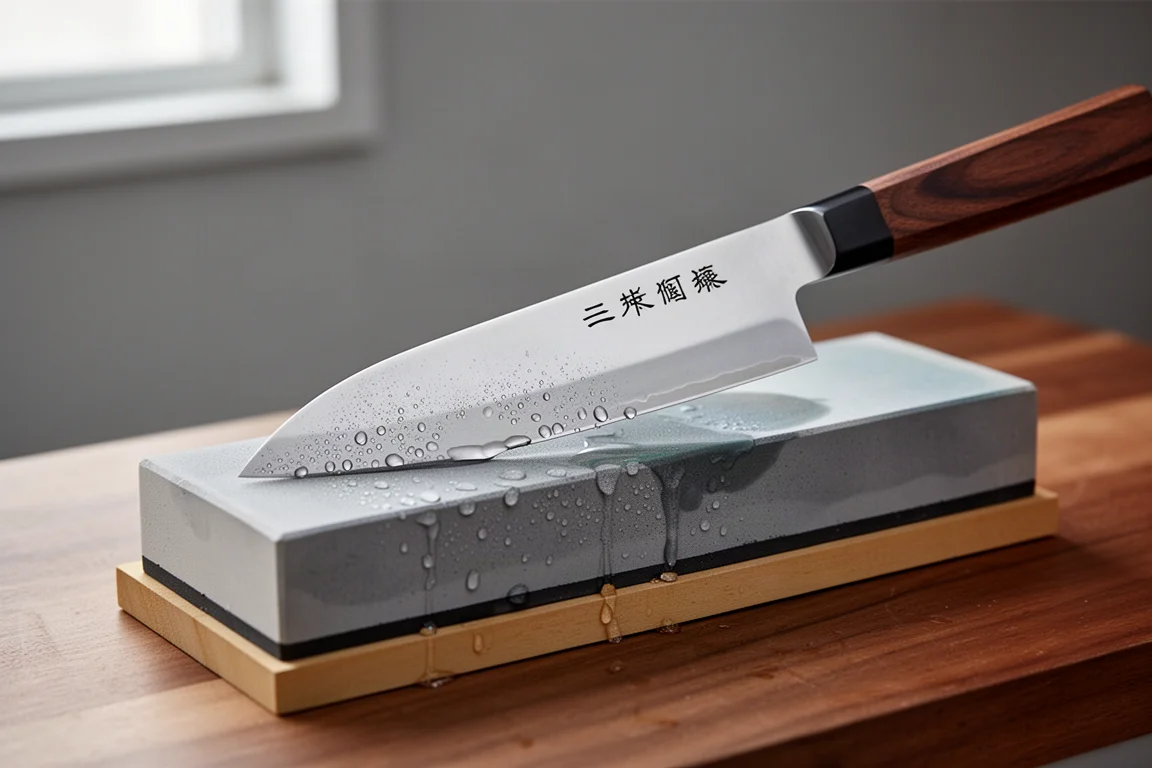
If there was ever a true laser, this 240mm from the Raijin series is it. Made from Cobalt Special steel, which performs nearly identically to R2 in edge retention and sharpenability, it is extremely thin behind the edge with wide bevels and an incredible cutting feel. The hand-hammered pattern evokes lightning strokes, and the keyaki wood octagonal handle looks even better in person than online. Fully rust-resistant but very delicate: no torquing or twisting, or you will chip it. Sanded spine and choil, comfortable forward balance.
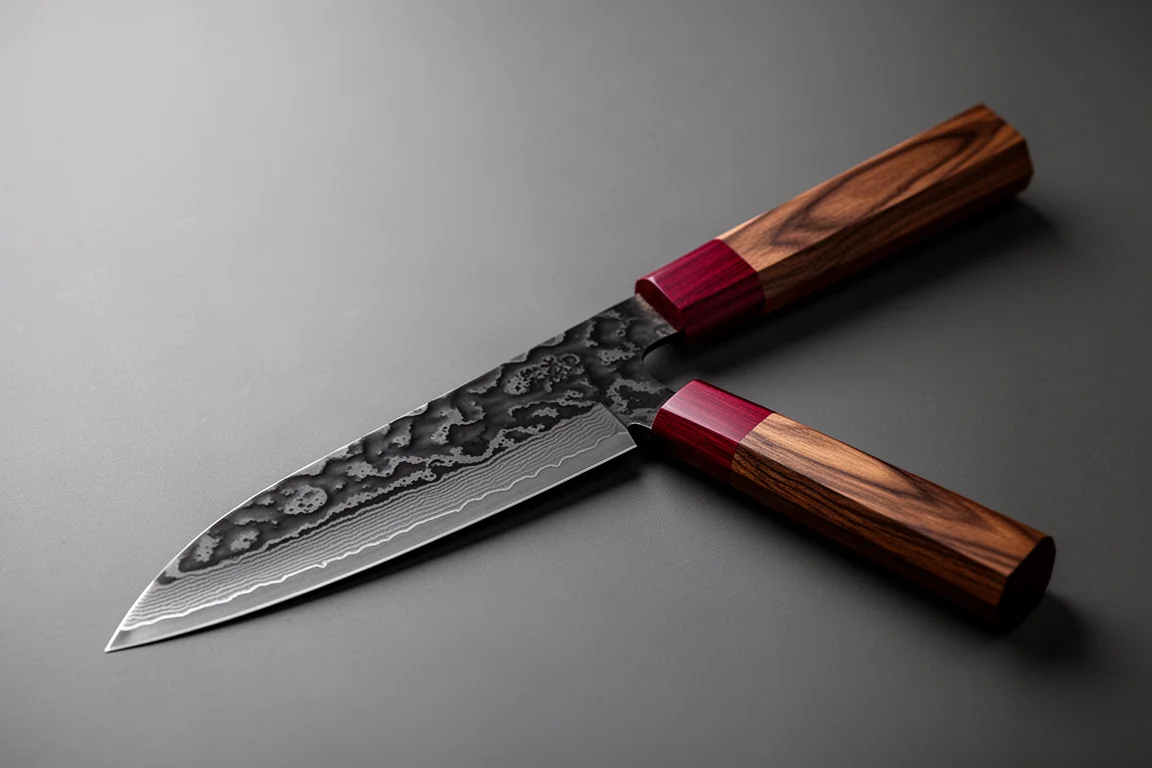
Yoshimi Kato Gyuto
This 240mm pairs R2 stainless steel with a black Damascus pattern, and unlike the more fragile-feeling VG10 black Damascus knives, this one feels much more robust in the hand despite being equally thin at the spine and edge. Cutting performance is excellent and it is super sharp out of the box. The rosewood handle with red pakkawood ferrule contrasts the dark blade nicely. Note that most black Damascus blades are slightly reactive despite being stainless, and the textured surface can occasionally catch on dense ingredients. Beautifully finished choil, spine, and handle junction.
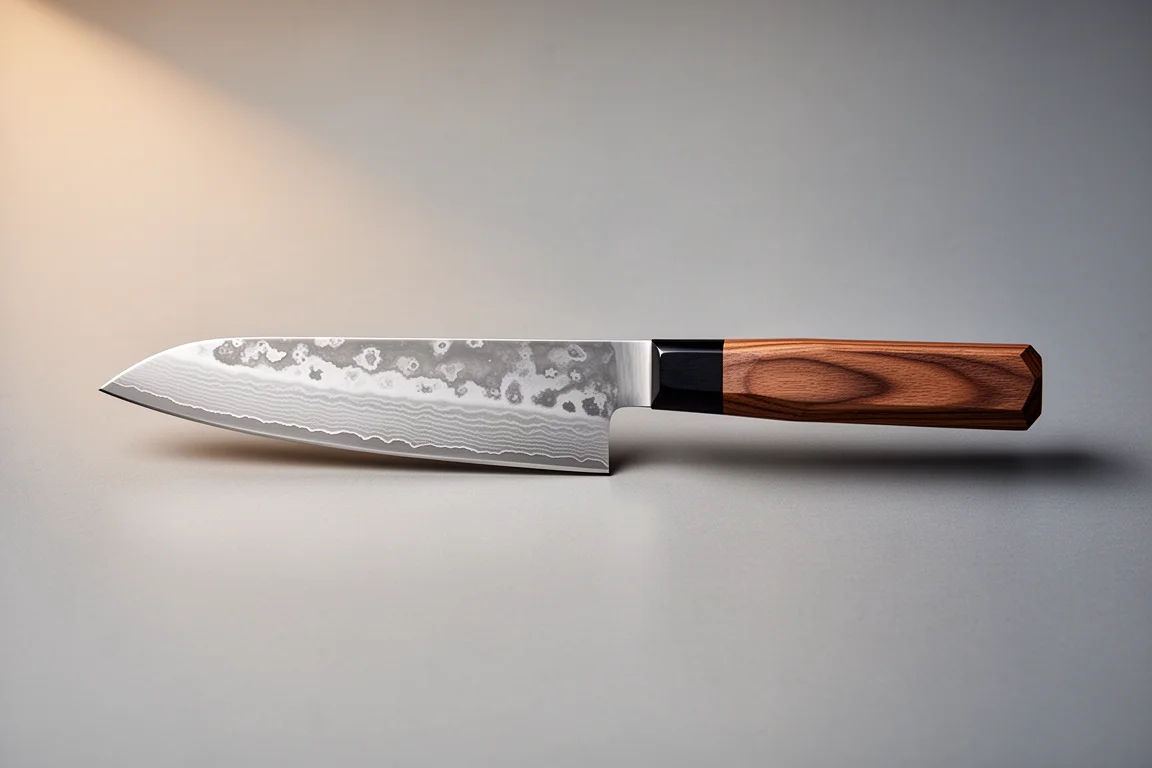
Shigeki Tanaka Gyuto
A 240mm with a Damascus-pattern VG10 stainless blade, laser-class thin behind the edge and very high performing. The octagonal walnut handle with black pakkawood ferrule suits either hand. Fit and finish is good overall, though the choil and spine are not heavily sanded, with a couple of slightly sharp spots you may want to smooth yourself. Balance sits a couple of inches forward of the handle, in line with other 240s. It will not rust, but the thin geometry means careful use to avoid chips.
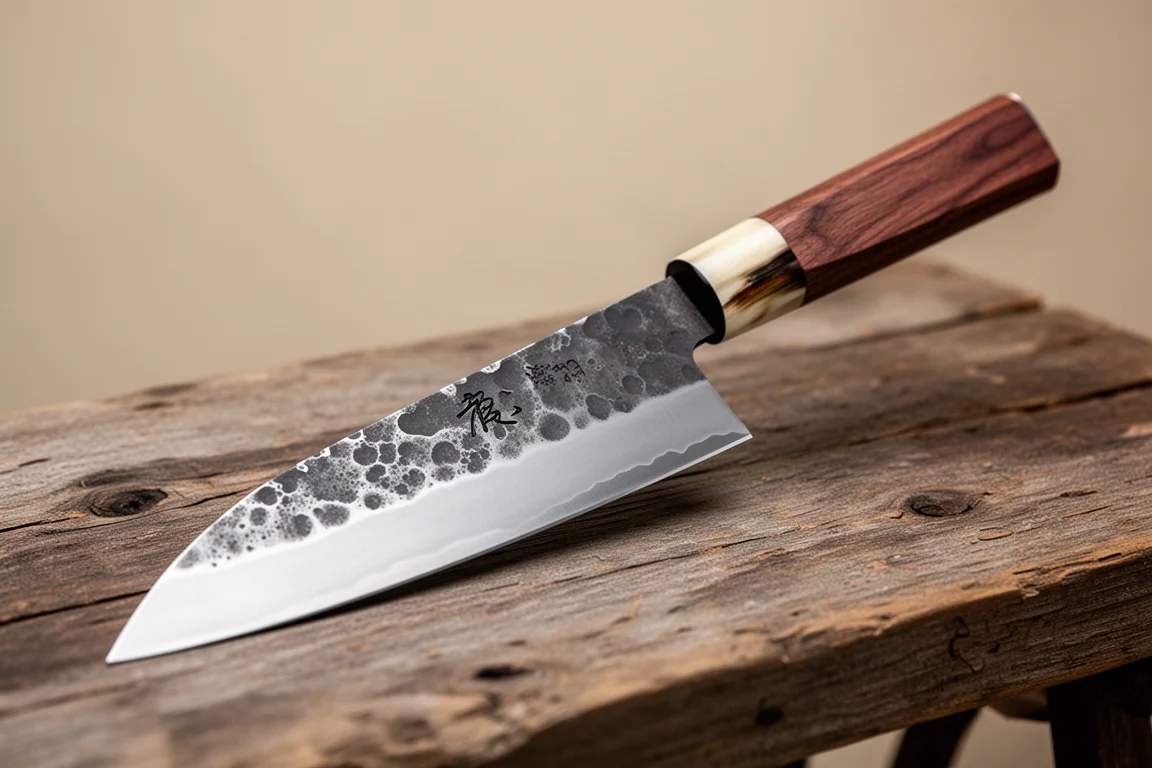
Kawamura Gyuto
Kawamura’s 240mm is genuinely unique, with a very pointy tip and a finish that crosses tsuchime with nashiji, unlike anything else in the lineup. Shirogami carbon steel under stainless cladding, a rosewood handle with buffalo horn ferrule, and octagonal shaping for either hand. These knives are a bit rustic: reasonably straight, but expect less refinement at the choil and spine than elsewhere here. Performance is high with excellent edge geometry, sitting between workhorse and laser. Shirogami demands chip caution and rust prevention, which is why this belongs in the high-maintenance category alongside the Kikuzuki and Hinoura.
Buying Advice
If you are new to Japanese knives or run a busy kitchen, start with the fully stainless options: the Tetsuji Tsuchime for the tightest budget, the Makoto Kurosaki Style-K for the best blend of value and performance, the Seki Kanetsugu if you like a distinctive handle, and the Kurosaki Senko if you want near-laser refinement with added chip resistance.
If you want serious performance but limited maintenance, the stainless-clad carbon options (Toyama Aogami Super, Aogami Nashiji) and the fully stainless but thin Sakai Kikumori, Fujin, and Gecko are strong middle-ground picks. The Sukunari Himmono stands alone as the robust collector’s choice.
For discerning cooks with time and patience, the Kurosaki Raijin delivers the most extreme cutting feel, while the Kikuzuki, Mutsumi Hinoura, Kawamura, and Yoshimi Kato offer some of the finest forging, finishes, and sharpening experiences available. The Shigeki Tanaka is the stainless high-performance pick in this group.
Whatever you choose, match the knife to your habits honestly: a delicate laser in a careless kitchen is a worse purchase than a slightly thicker blade used daily with confidence.
Conclusion
There is a gyuto here for nearly every cook, from the most affordable full-stainless workhorse to hand-forged carbon steel collector pieces. Decide first how much maintenance you will realistically commit to, then choose the thinnest, highest-performing blade within that boundary. That is the fastest path to a knife you will love for years.
Further reading
Related Reviews

Kitchen Knives
Best Chef's Knives 2026: 27 Popular Options Tested and Ranked
A comprehensive review of 27 chef's knives ranging from $18 to $380, with honest assessments of handle comfort, blade balance, and real-world performance.

Kitchen Knives
Best Chef's Knives Under $75: Two Tested Recommendations
Two practical 8-inch chef's knives that balance sharpness, comfort, and durability without premium pricing.

Kitchen Knives
Best Chef's Knives 2026: 27 Options Tested and Ranked
A comprehensive review of 27 chef's knives ranging from $18 to $380, with honest assessments of handle design, balance, blade profile, and real-world performance.