Kitchen Knives
Best Gyuto for Sweet Potatoes: 19 Japanese Chef's Knives Tested and Scored
We put 19 gyuto knives through a sweet potato plank, julienne, and large dice test. The results show that price and performance do not always line up.
Introduction
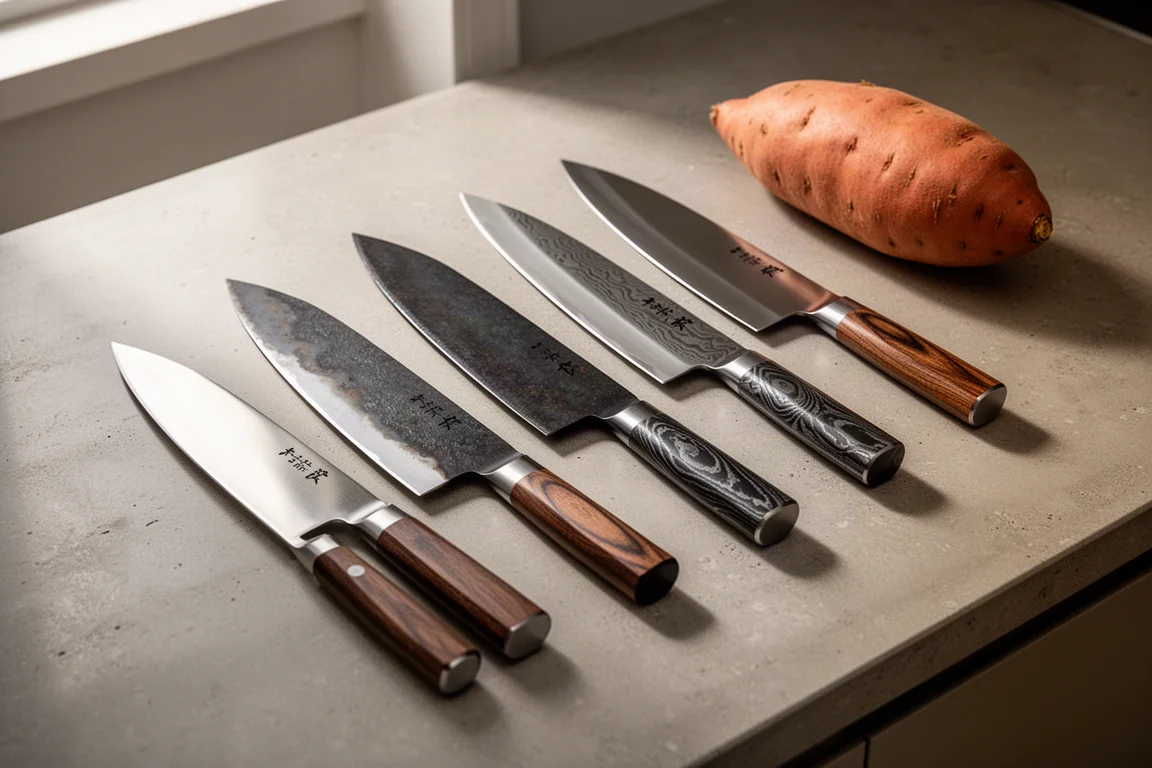
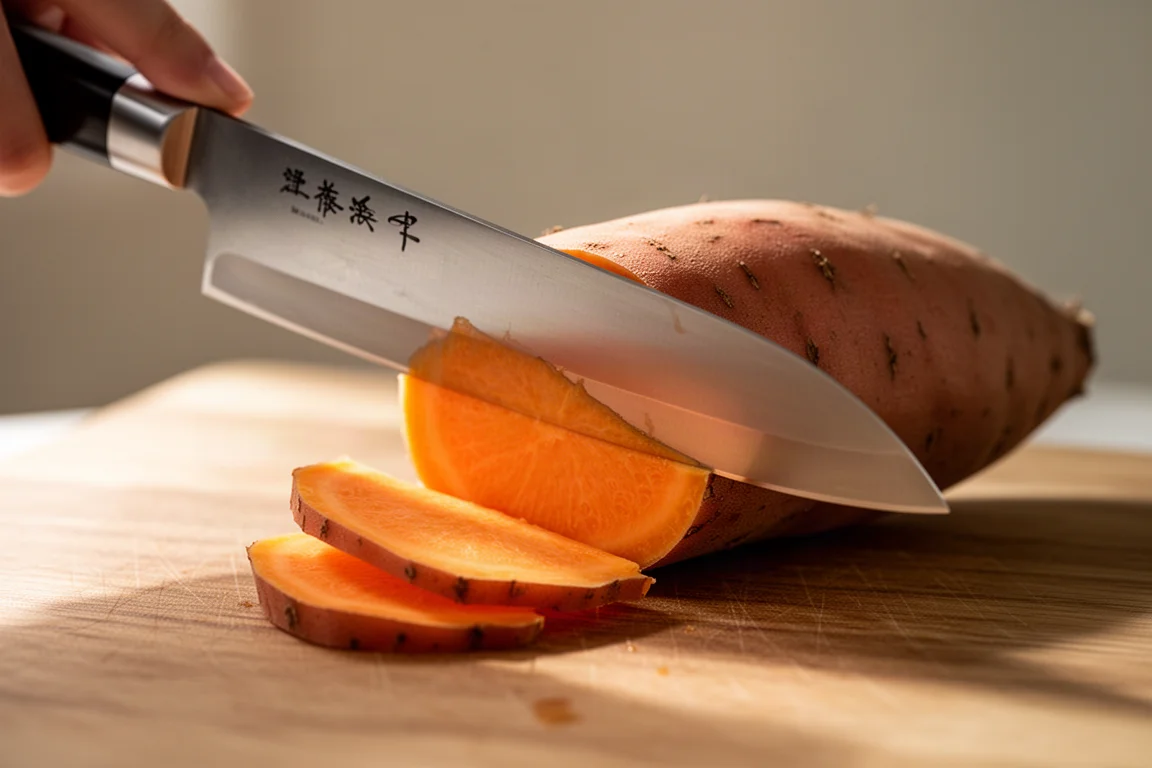
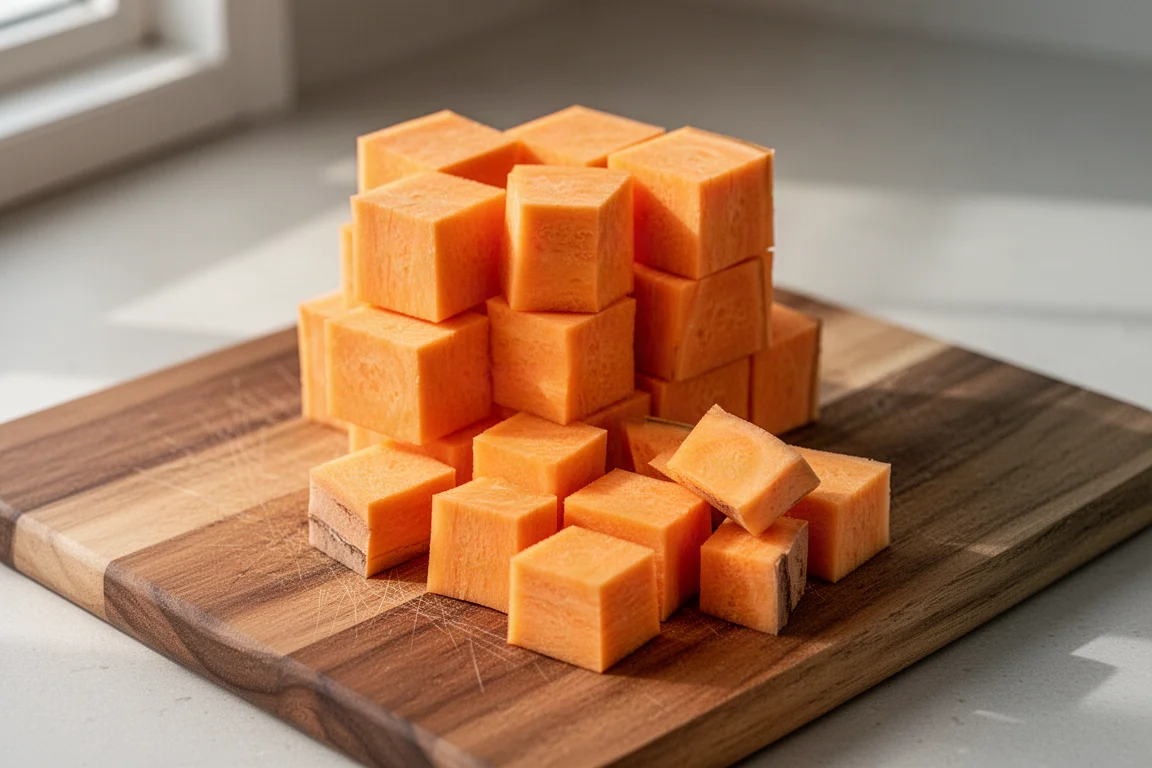
Sweet potato is one of the best stress tests you can give a gyuto. It is dense, it is slippery, and it punishes thick or steep blade geometry with cracked planks and wedging. We sliced, julienned, and diced our way through 19 gyuto knives, scoring each one out of 10 on the full cutting experience.
The headline result? The most affordable knife of the day walked away with the win. As we suspected going in, expensive does not always mean better for dense vegetables. What matters is a thin blade and a gradual geometry that lets the edge fall through the potato instead of wedging into it.
How the Test Worked
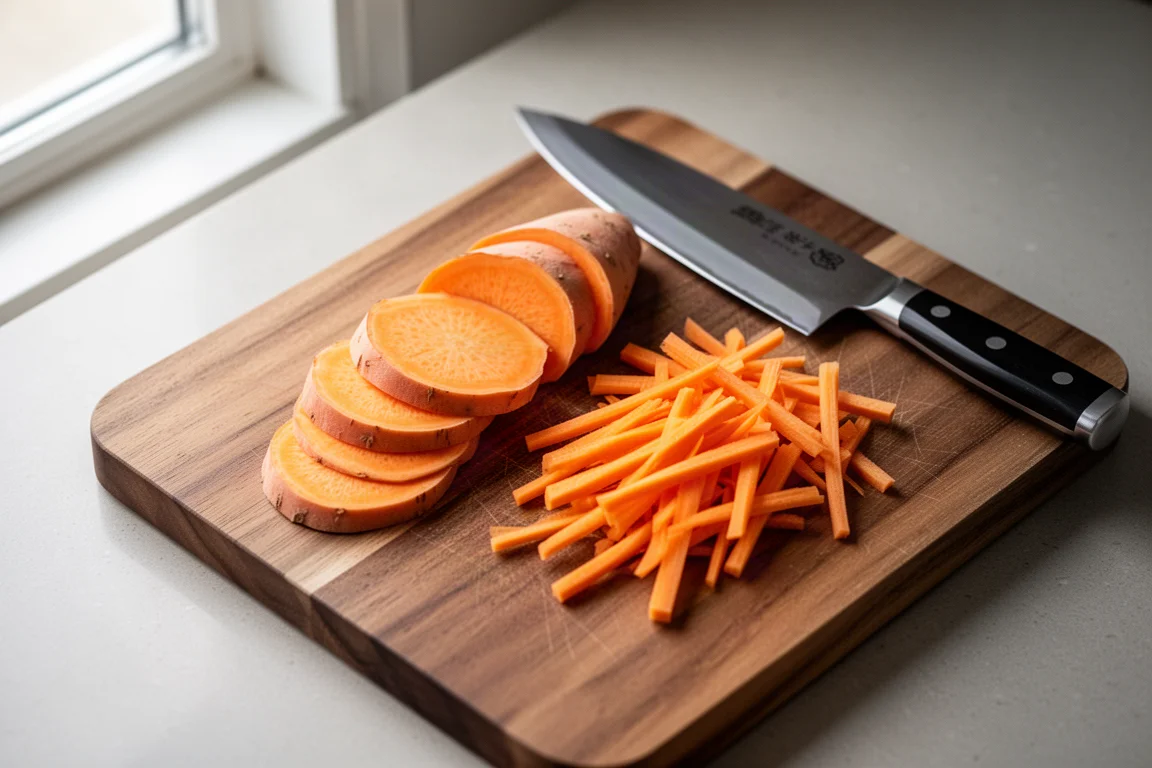
Each knife went through the same routine: planks cut off one half of the sweet potato, those planks julienned, then the other half split and large diced. We scored each knife on sharpness out of the box, food release, wedging on big cuts, steering, and overall cutting feel.
A quick note on context: a gyuto is inherently a good shape for this task. Longer blades with favorable edge geometry will always score higher against a dense vegetable than a petty knife or a dull general-purpose blade would. All of these knives performed well in absolute terms; the scores are about separating very good from exceptional.
The Winner: Masutani 180mm Gyuto
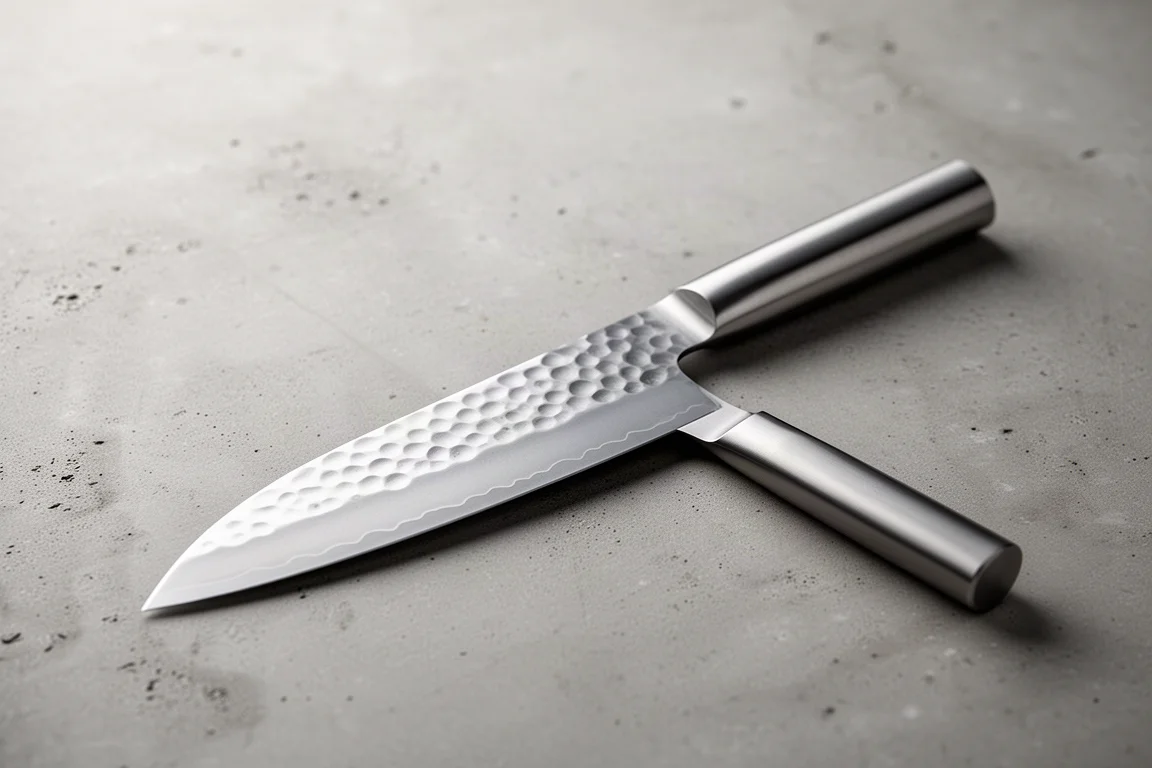
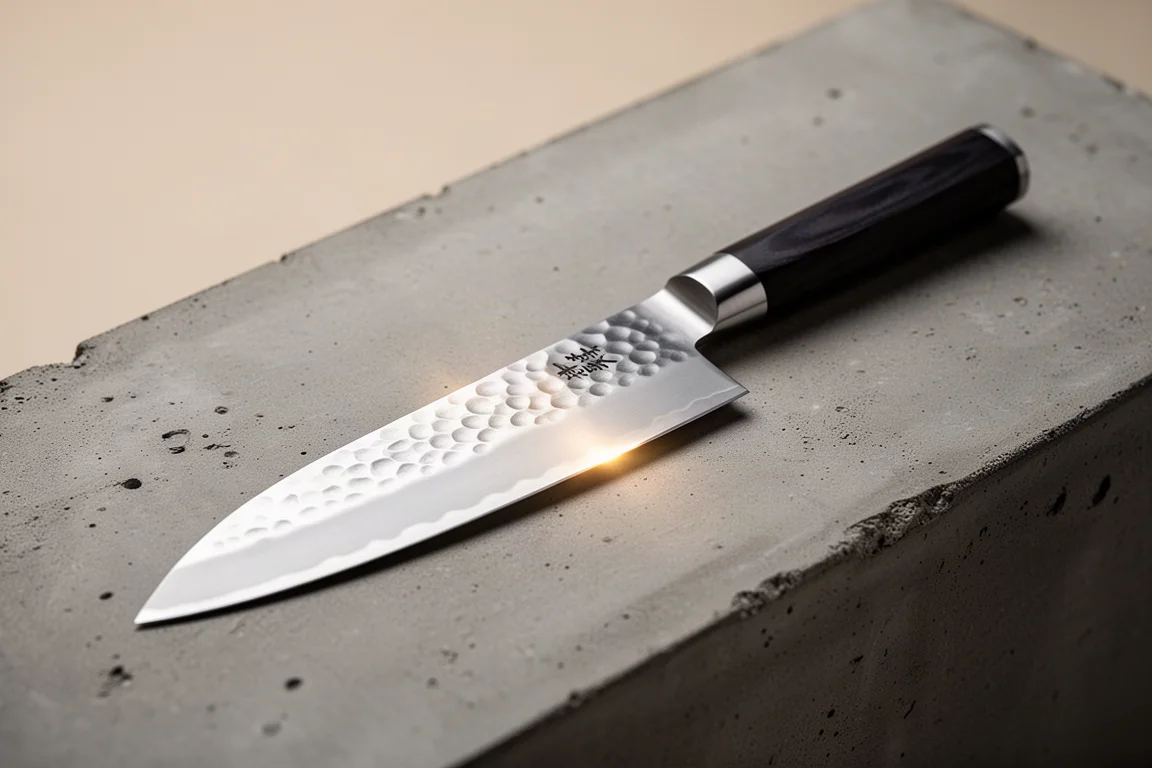
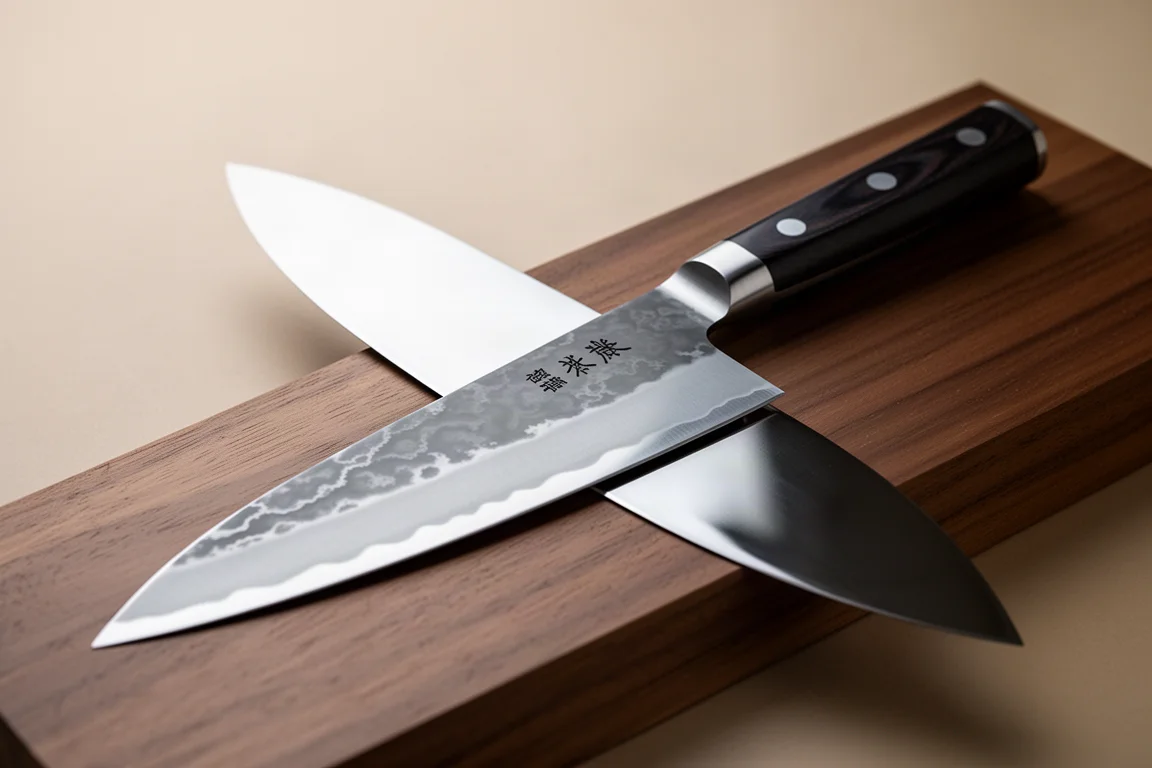
The Masutani 180mm gyuto took the top score of 9.6, and it earned it. These knives are made for this kind of work: super thin at the spine, super thin behind the edge, and well sharpened. The textured hand-hammered finish helps food release, and the knife flew through planks, julienne, and dice with almost no resistance.
The trade-offs are real but modest. Edge retention is not the best in this lineup, though it is easy to sharpen. The handle is no-frills. If you want pure performance without a high price tag, this is a fantastic pick.
Standout Performers
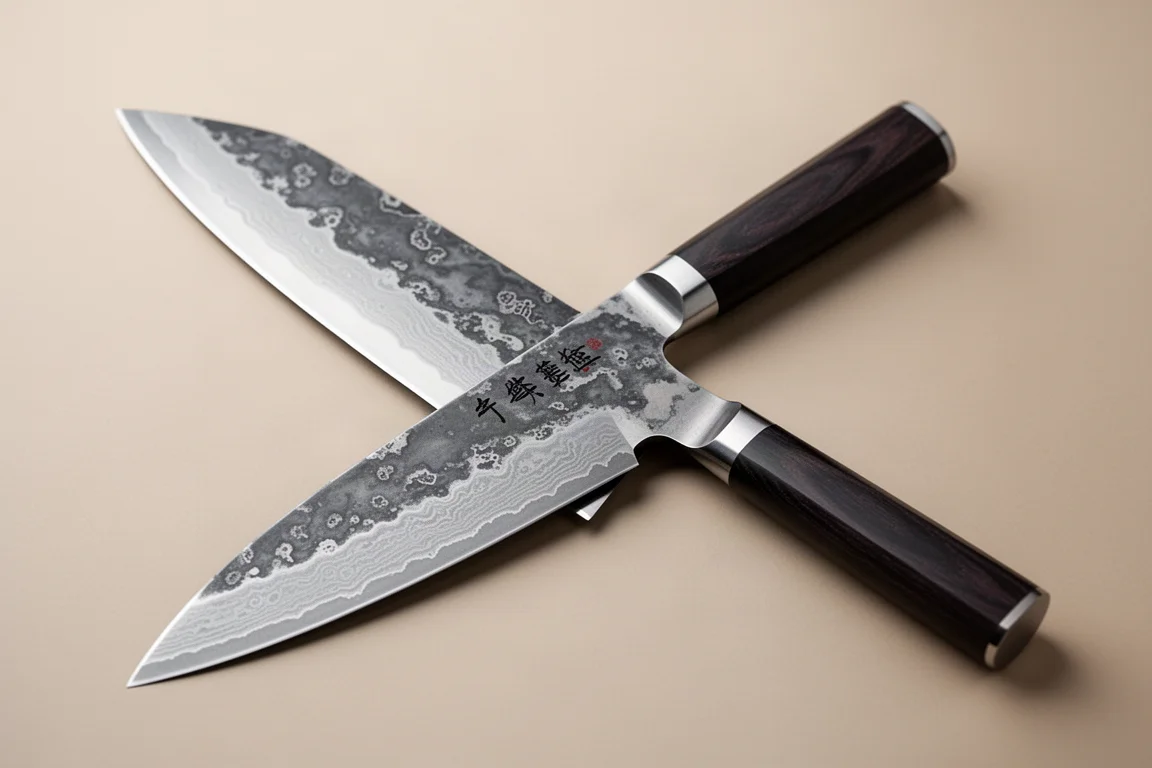
The Hatsukoro Kurouchi 210mm gyuto set the early pace with a 9.5. The kurouchi finish, stainless cladding, and Shirogami #2 core make it super sharp out of the box, and the profile balances nicely between rocking and push cuts. Minor cosmetic quirks and a touch of stickiness did not hold it back.
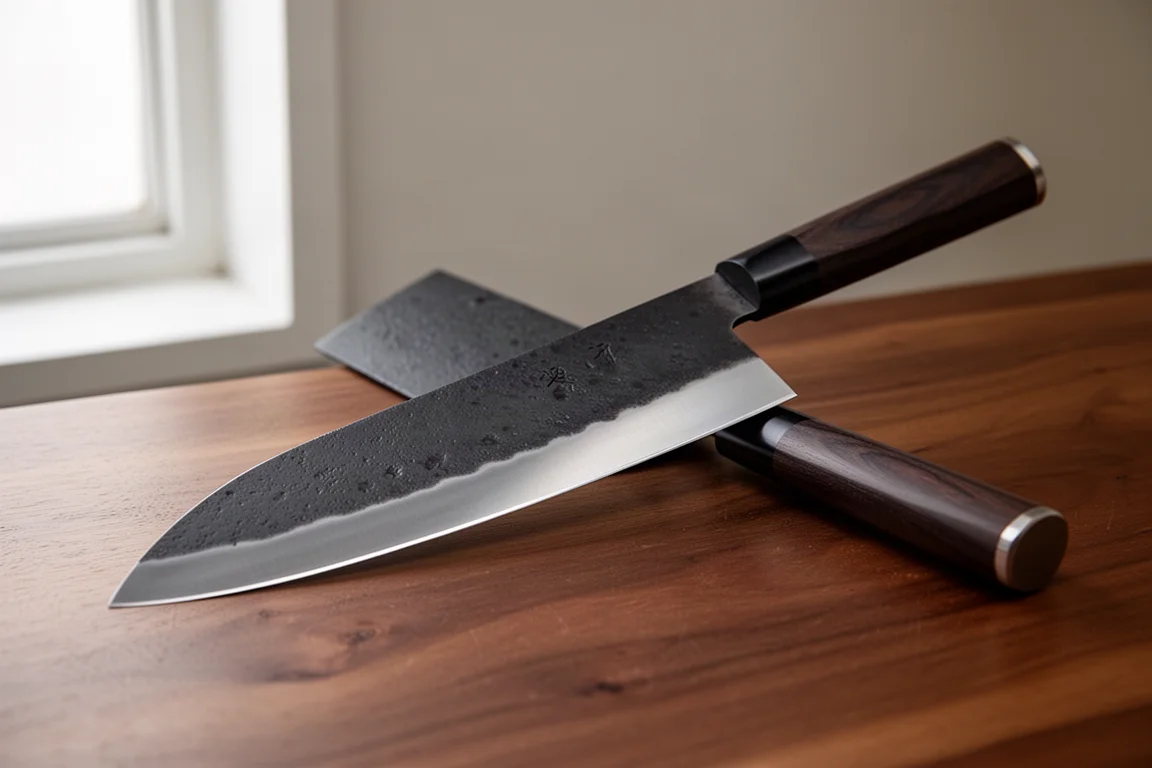
The Yoshikane 210mm gyuto also landed a 9.6. This one is a genuine laser, with the best cutting feel of anything tested on the day. The flat-ish profile is not ideal for rock chopping, but push cuts were outstanding. The Yoshikane 240mm followed at 9.5, matching the feel at a more accessible price point, with only minor stickiness to note.
The Tsunahisa 210mm scored 9.3. It is super sharp and very thin, gliding through the potato easily, though it felt slightly sticky and the handle meanders into the hand a bit at first. It sits around the same price point as the Masutani, which makes it great value for sweet potato work.
Strong All-Rounders
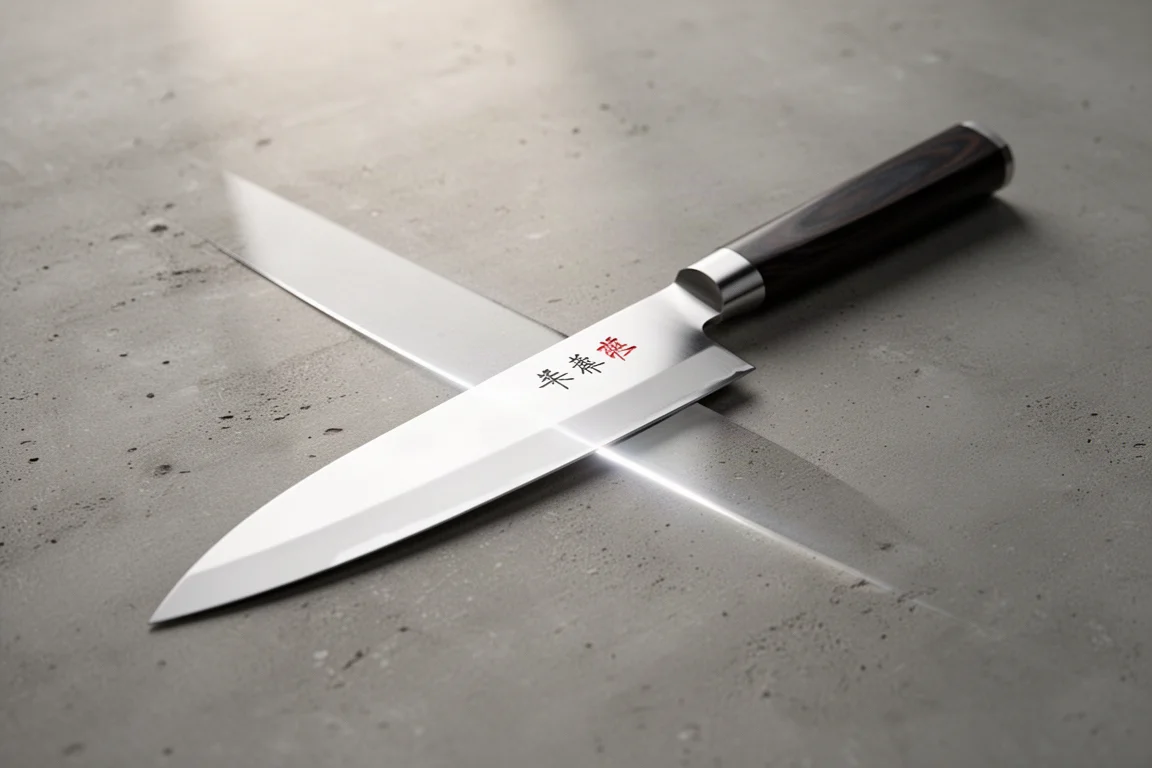
A large cluster of knives landed between 9.0 and 9.4, and any of them would make a happy owner. The Fukakuru 210mm scored 9.4 with a fantastic, delicate feel typical of Ryusen-made knives. The Kiro Hamono Shogami #2 215mm matched it at 9.4, another favorite maker with flawless julienne performance.
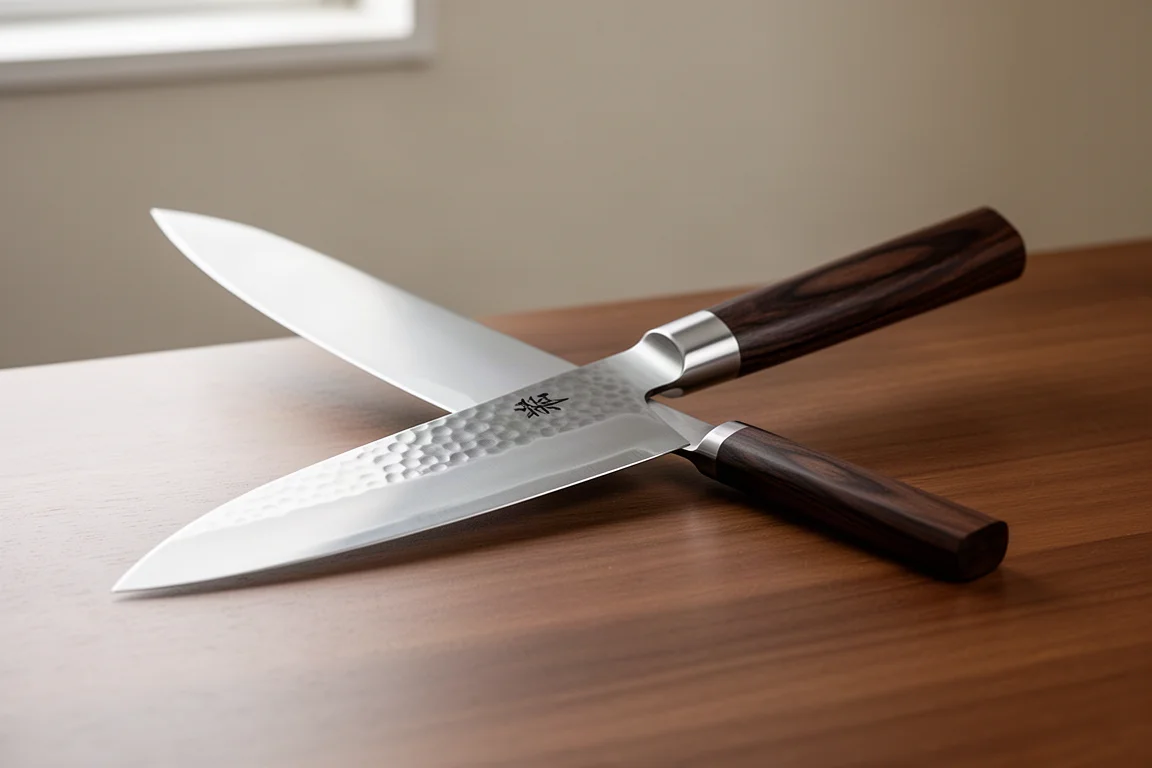
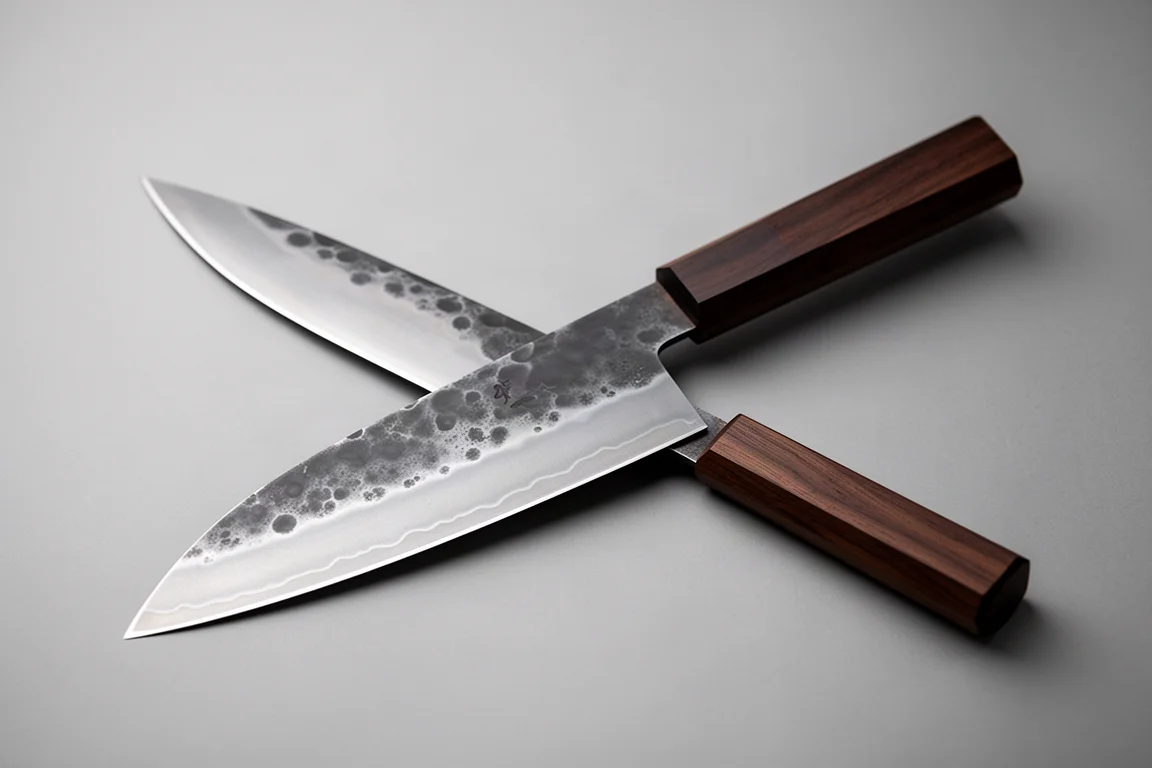
The Rousen Hamono 240mm also scored 9.4. It is superb for push and pull cuts, just slightly flat for rocking. The Konosuke Hatano Aogami Super gyuto scored the same, with no wedging at all and beautifully clean, shiny cuts; its blade geometry is shared across Hatano’s knives and it shows. The Munaishi 240mm matched at 9.4, a fantastic rocker and an even better push cutter.
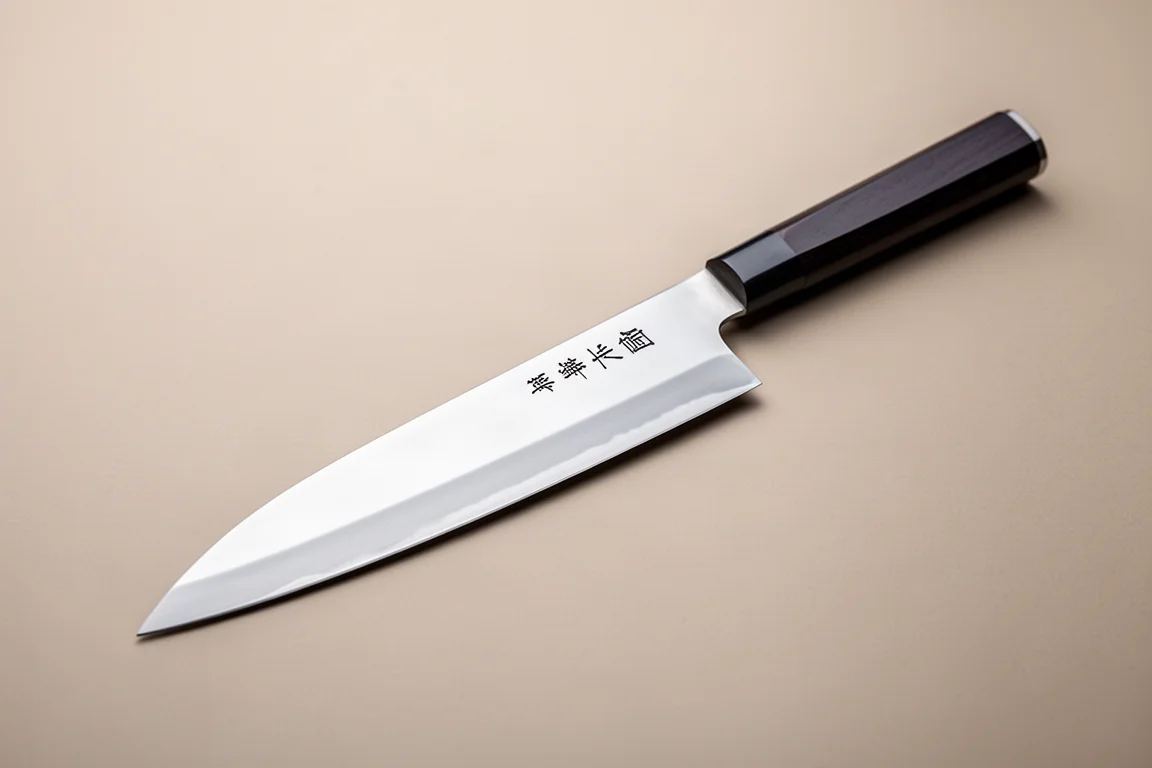
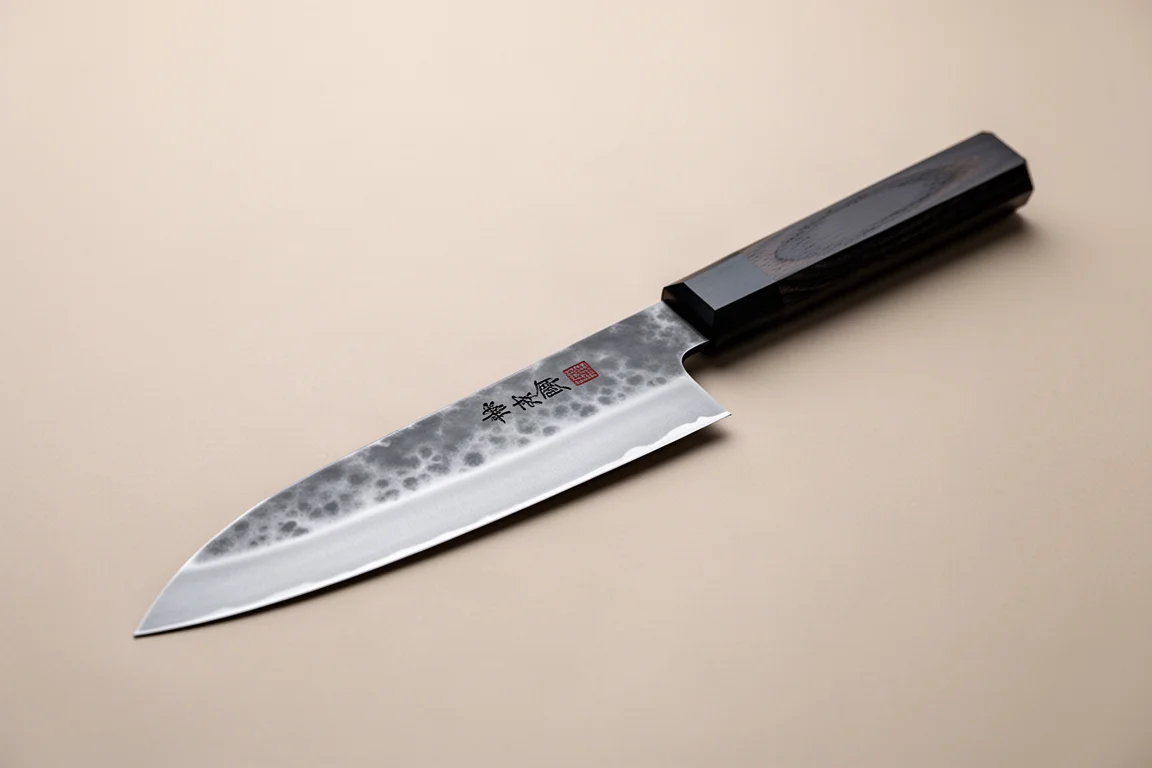
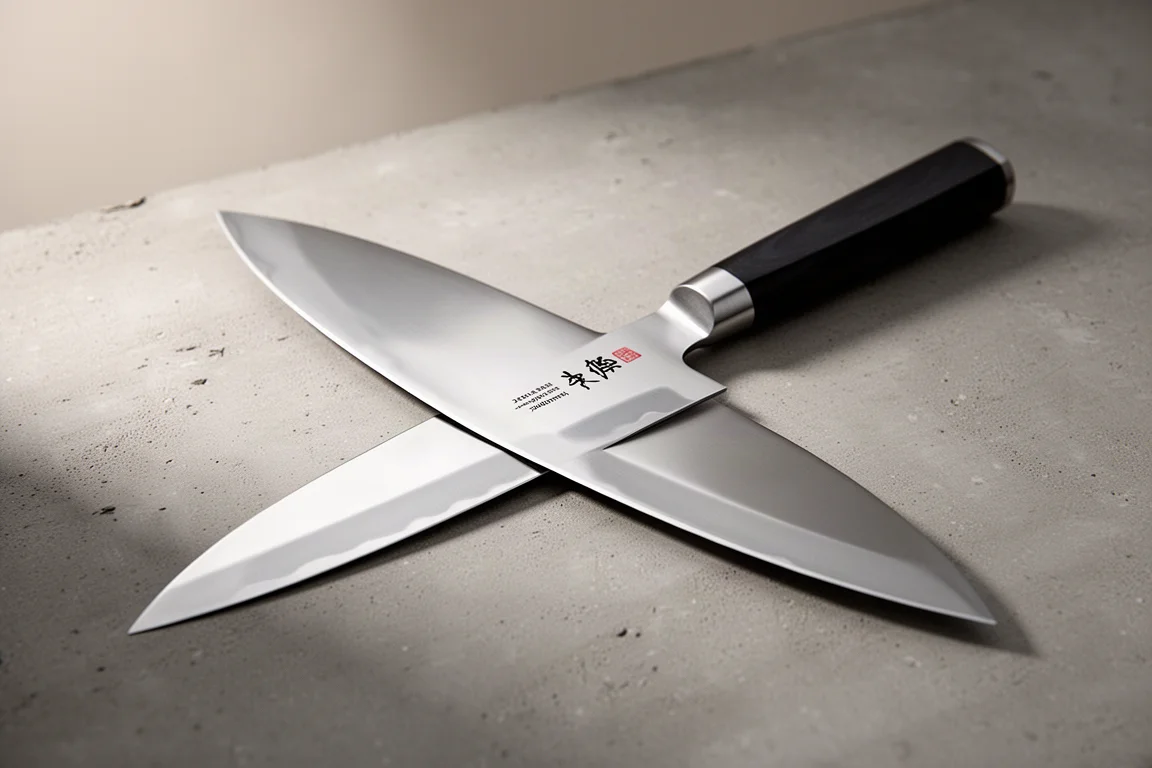
The Hatsukoro Aogami Super 240mm scored 9.25, with excellent food release for a polished knife and nice thin slices. The Niagara Hamono Suchi Damascus 240mm also hit 9.25, proving how much finish affects food release: much less stickage than the Anon, with a nicer cutting feel and a taller blade.
The Shiro Kamo 215mm scored 9.1, with very good food release on the big dice after slight stickage on the planks. The Tetsu DT 210mm, one of the more affordable knives here, impressed at 9.1 with a comfortable western handle, though the reactive steel can stain orange until wiped down.
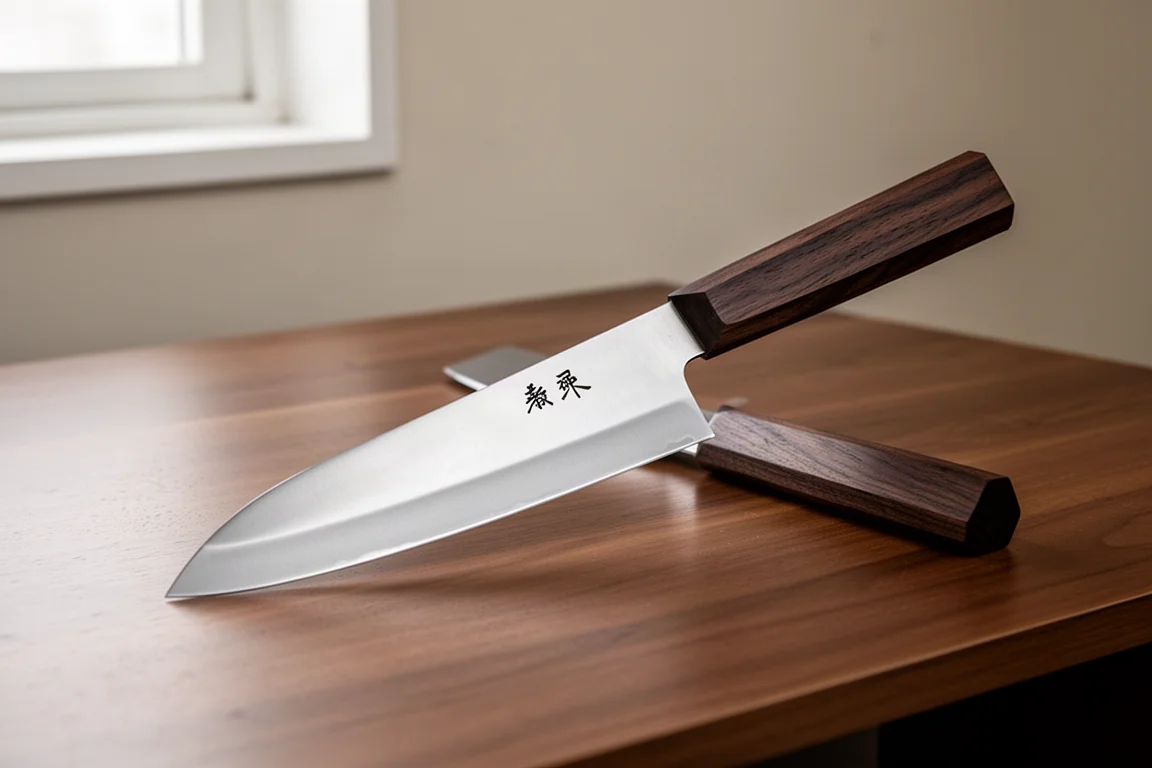
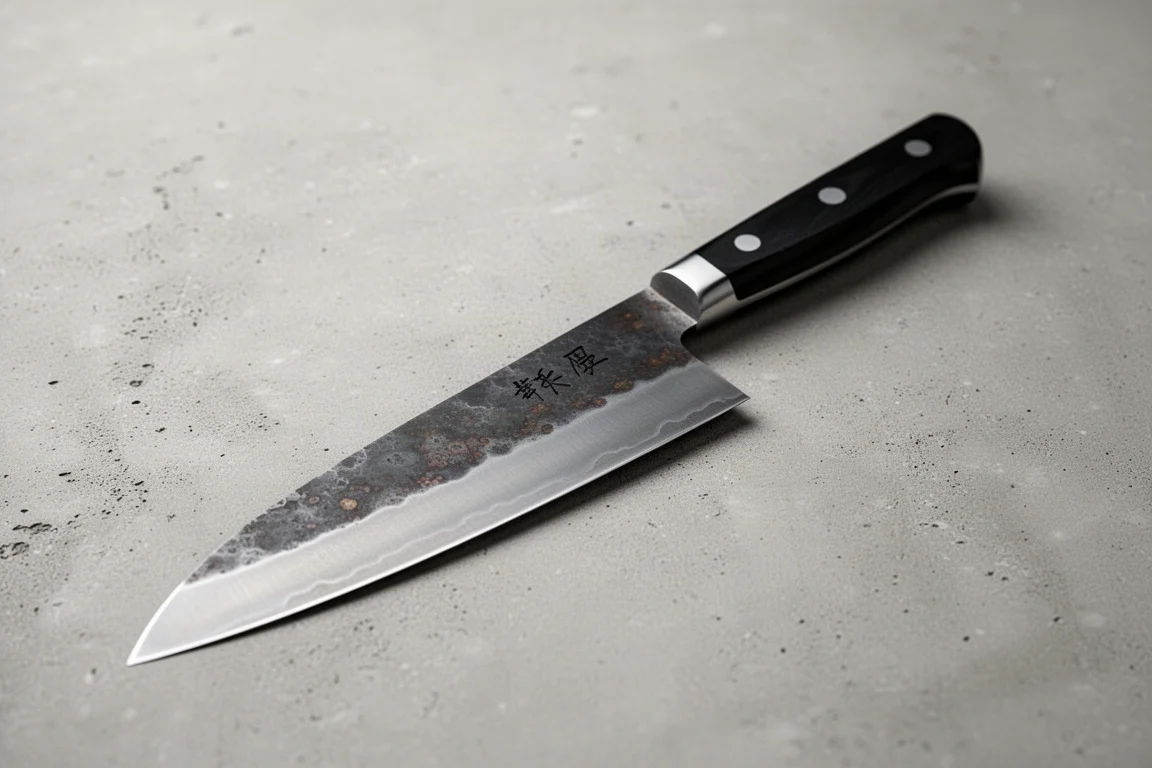
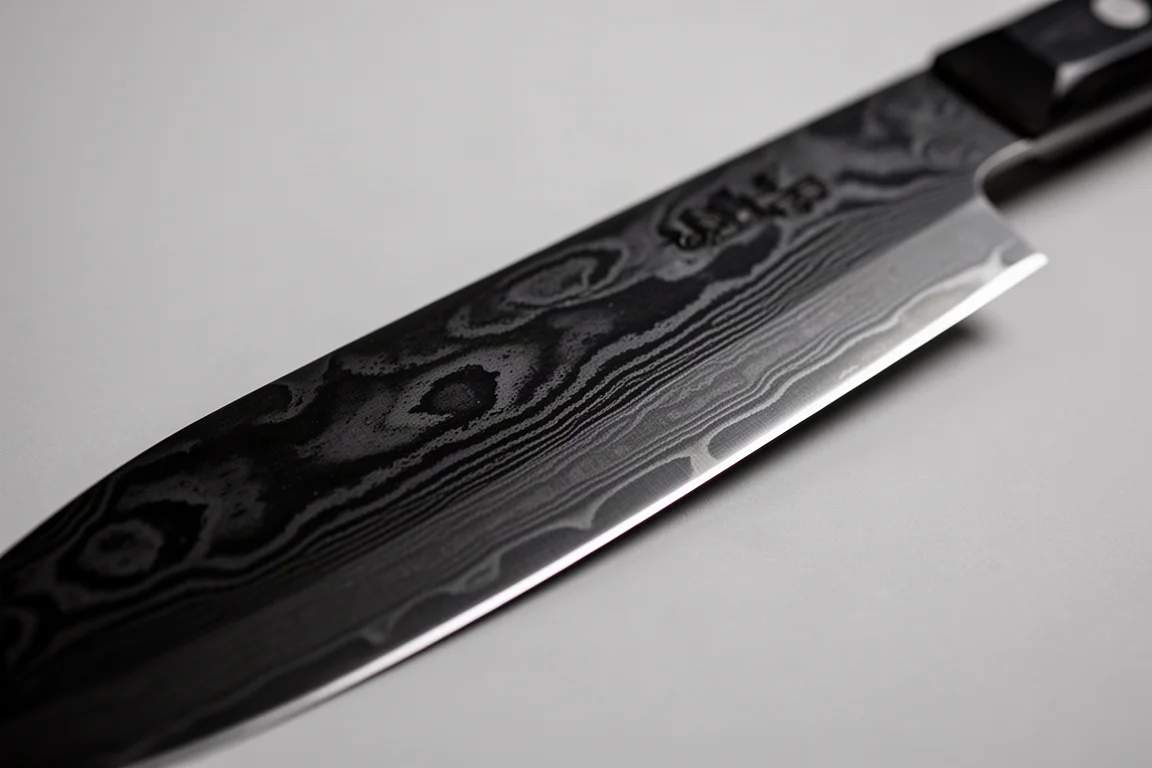
The Anon Damascus 240mm scored a solid 9.0. It is arguably the stickiest knife tested, which is typical of black damascus finishes, but the cutting feel was great, the geometry is nice, and it is one of the most beautiful blades of the day.
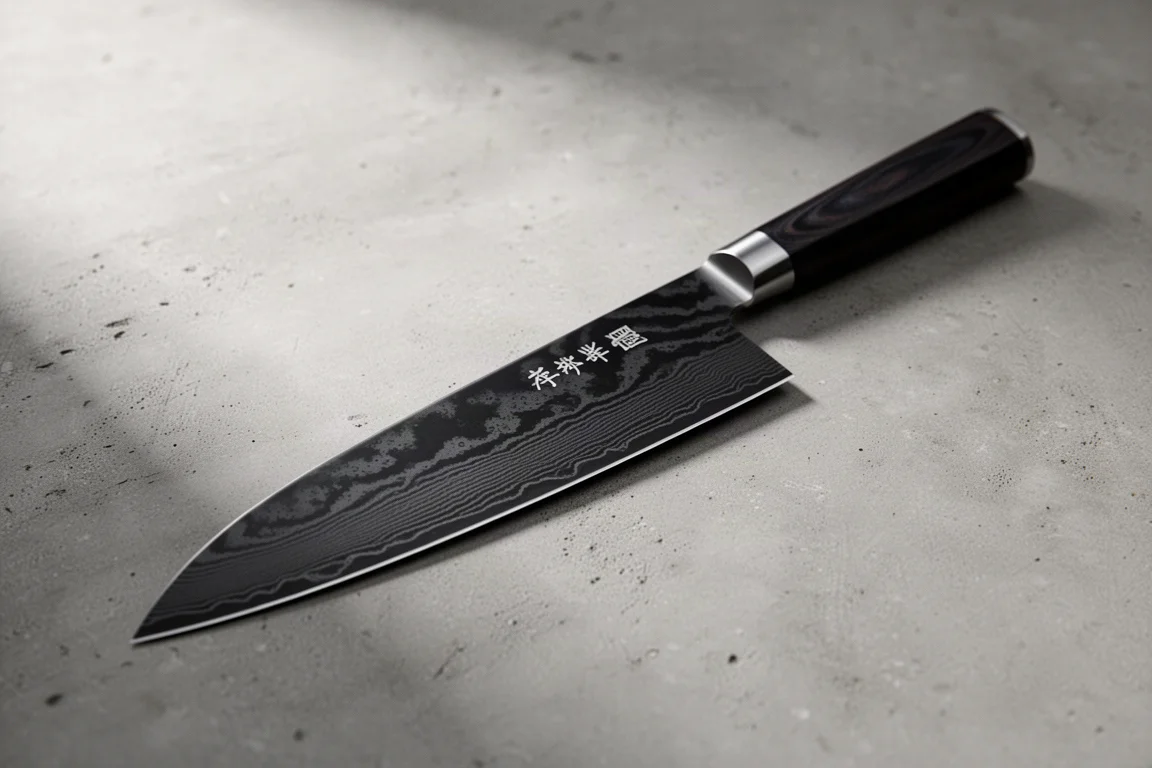
Workhorses and Bigger Blades
The Utsumi Hamono 215mm scored 8.8. It had the best food release of its group and the most rock-chop-friendly profile, but the thicker spine caused the most wedging on big cuts. It is a sturdy, great-feeling Sanjo knife, just not the sweet potato specialist.
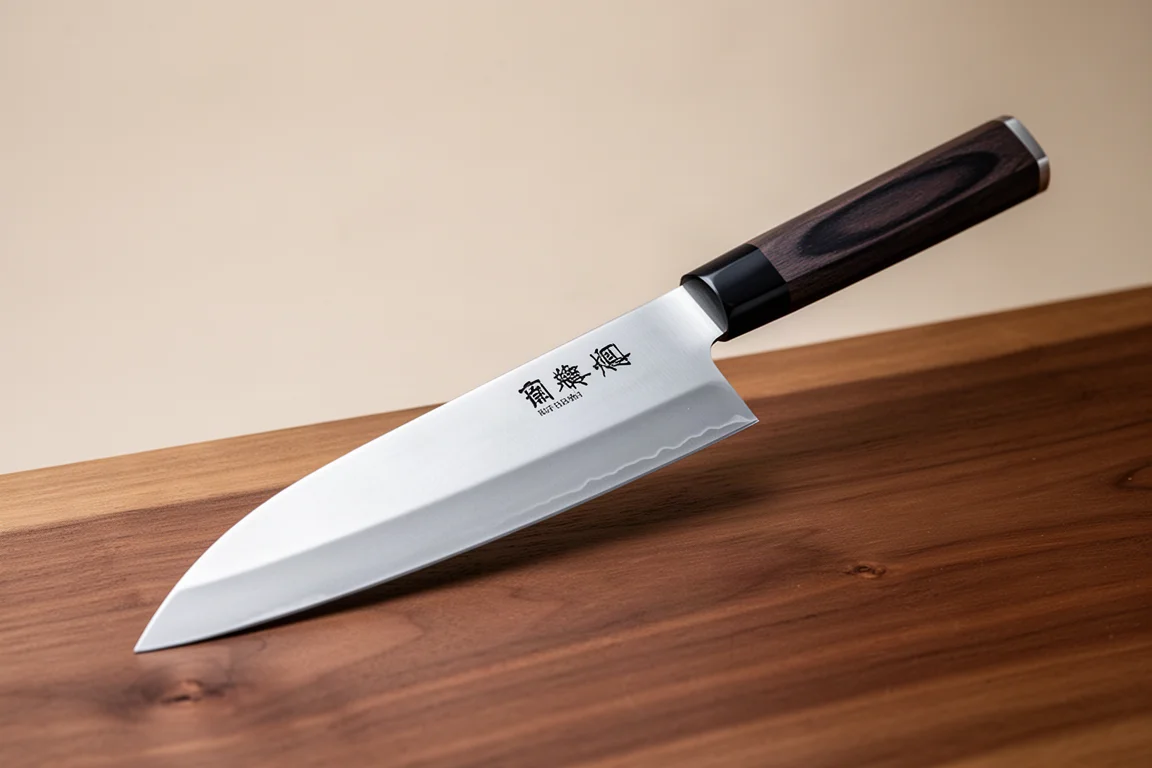
The Munetoshi Atsu Tafu 240mm also scored 8.8. This is one of the most workhorse-oriented knives tested, with very little stickage and toughness you would struggle to chip, but it is thick behind the edge. It is a better pick for brisket and barbecue slicing alongside dense vegetable work.
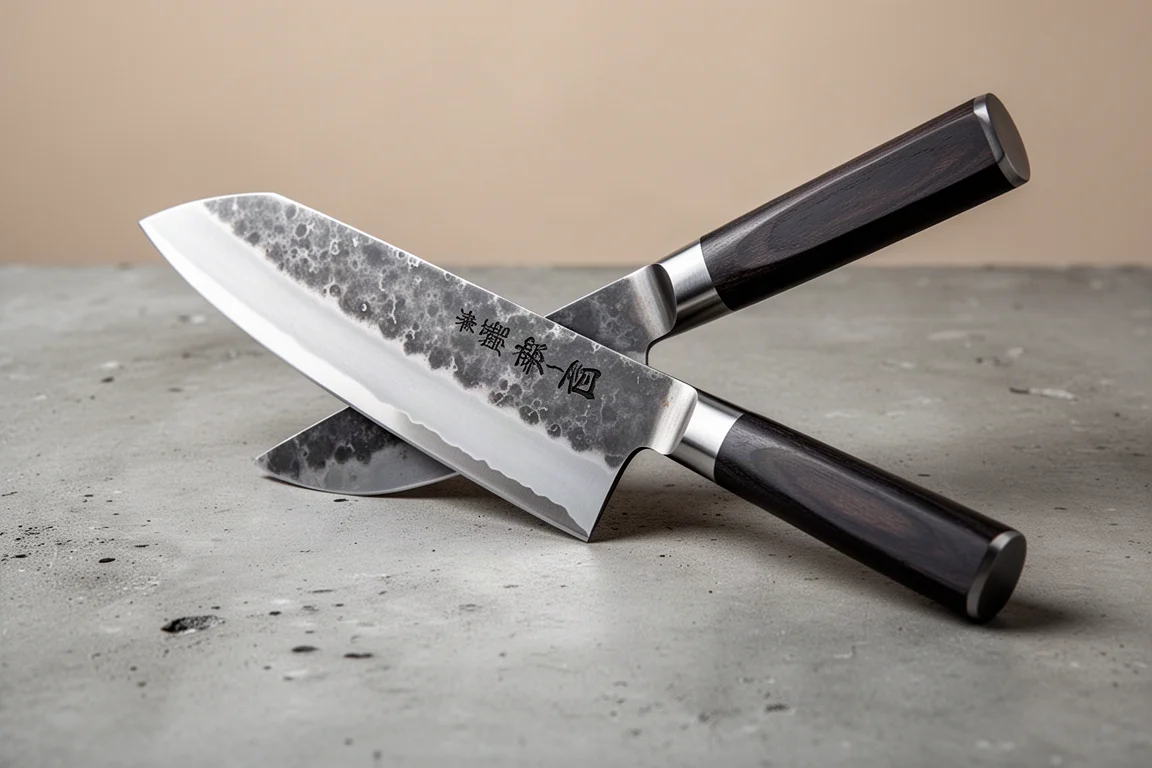
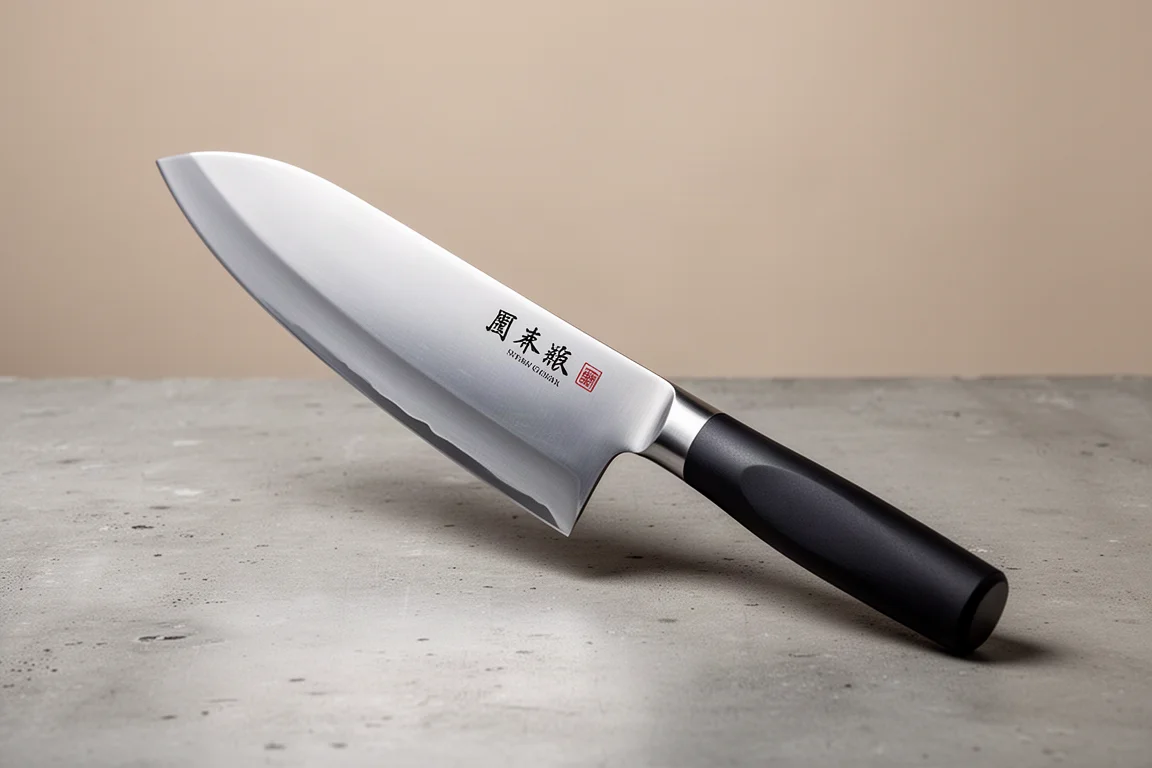
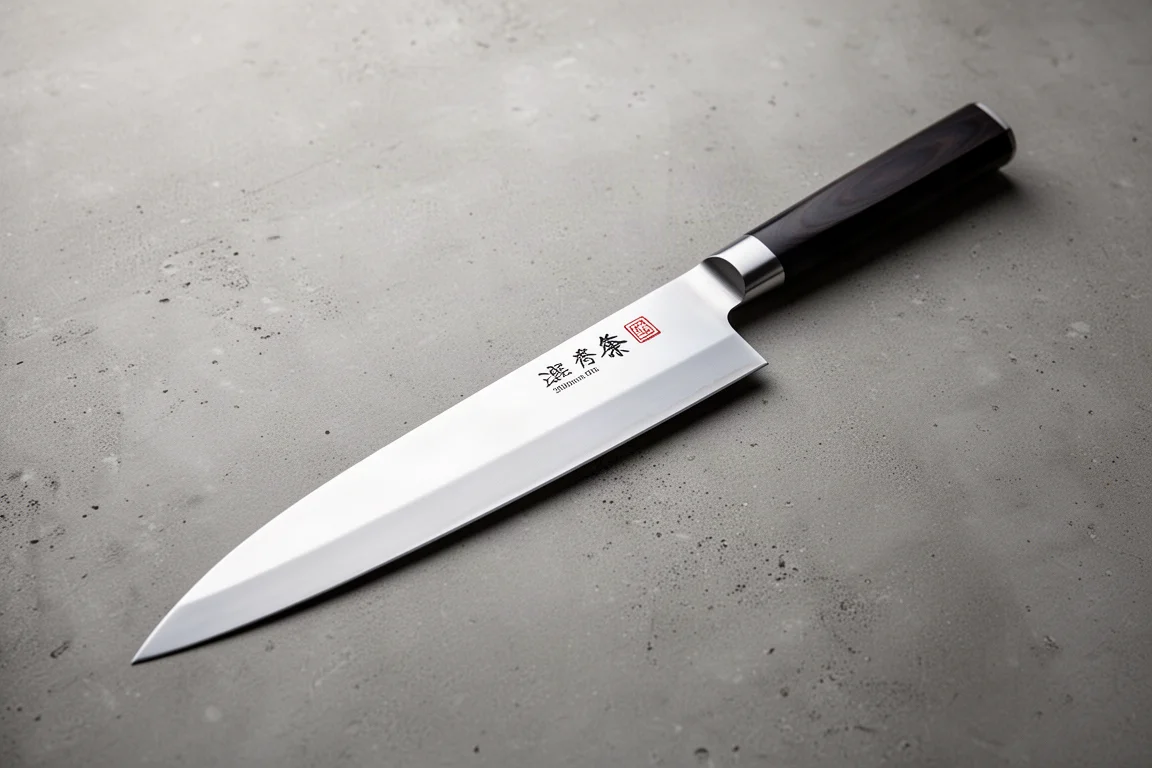
The Masahiro 240mm wide gyuto scored 8.8 as well. Super sharp and strong out of the box for the price, with some steering on thick cuts and a basic handle. The Fujiwara Denka 300mm earned 8.9: its length gives it spectacular geometry and zero stickage, but the heft that powers through big slices also keeps it from the very top scores here.
Buying Advice
For dense vegetables like sweet potato, prioritize a thin blade with gradual geometry over brand prestige or blade length. The Masutani 180mm proves that a budget-friendly, thin, hand-hammered knife can beat knives many times its price at this task. If you want a more premium feel, the Hatsukoro Kurouchi and the Yoshikane 210mm deliver exceptional cutting feel. If you need one knife for both sweet potatoes and tough-skinned barbecue slicing, the Munetoshi Atsu Tafu is the durable choice.
Conclusion
Nearly twenty knives later, the ranking makes the point beautifully: the cheapest, shortest knife won. Thin geometry and good sharpening beat heft and price. Match the knife to the job you actually do, and you will be happier than chasing the biggest name on the block.
Further reading
Related Reviews

Kitchen Knives
Best Chef's Knives 2026: 27 Popular Options Tested and Ranked
A comprehensive review of 27 chef's knives ranging from $18 to $380, with honest assessments of handle comfort, blade balance, and real-world performance.

Kitchen Knives
Best Chef's Knives Under $75: Two Tested Recommendations
Two practical 8-inch chef's knives that balance sharpness, comfort, and durability without premium pricing.

Kitchen Knives
Best Chef's Knives 2026: 27 Options Tested and Ranked
A comprehensive review of 27 chef's knives ranging from $18 to $380, with honest assessments of handle design, balance, blade profile, and real-world performance.