Gravel Bikes
Best Gravel Superbikes 2026: Seven Race-Ready Bikes Compared
Seven gravel bikes that cover the full spectrum, from featherweight race frames to suspension-equipped explorers, with the strengths and trade-offs that matter before you buy.
Introduction
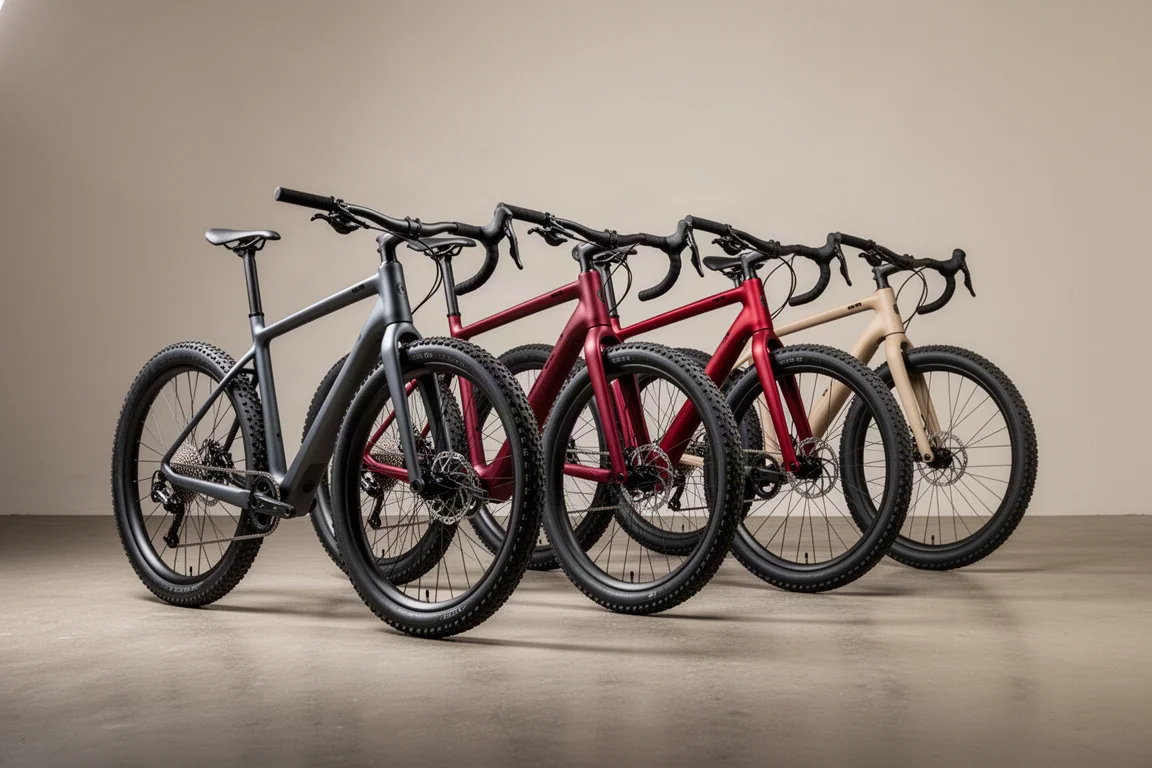
Gravel riding keeps pulling in more riders because it offers adventure, versatility, and a genuine edge that paved roads rarely match. Whether you are an experienced racer or completely new to the discipline, the bikes at the top of the category show how far the format has come.
This roundup covers seven machines that redefine adventure on two wheels. They range from featherweight race frames to suspension-equipped explorers, and they deliver speed, endurance, and exploration in very different ways. The sections below explain what each bike does best and where it asks you to compromise.
What Separates a Gravel Superbike
Four factors do most of the work when you compare bikes at this level: frame weight, tire clearance, mounting points, and ride quality on rough surfaces.
Weight shapes acceleration and climbing feel, and the lightest frames in this group sit at the very front of the market. Tire clearance decides how far you can push into loose, muddy, or rocky terrain. Mounts and fittings determine whether a bike can carry mudguards, bottles, and luggage for long days out. Ride quality covers everything from the stiffness that makes a race bike feel fast to the suspension and flex that keep you comfortable on washboard gravel.
Riders who want one bike for everything should weight clearance and mounts most heavily. Riders chasing race results should look first at weight and frame stiffness.
Specialized Crux: The Featherweight Racer
The Crux earns its place at the top of this list on weight alone. The range-topping S-Works model uses a 725 g frame for a 56 cm bike, making it one of the lightest gravel frames on the market, if not the lightest.
That low figure does not come at the expense of ride quality. The Crux is a real joy to ride, with an addictive and lively feel that is quite unlike any other gravel bike. It is not effortless, since you still have to push the pedals, but the super light frame contributes to a responsive feel over lower-speed terrain. It is very easy to lift the rear wheel and throw the bike around, and last-moment bunny hops over potholes and obstacles are dispatched with ease.
The Crux was born for the cyclocross course, and this latest model posts massive clearance around a UCI-legal 33 mm tire. That makes it ideal for muddy cyclocross races, because mud does not build up to the point where the wheels stop turning.
Practicality is where the concessions appear. There are no mudguard or luggage mounts, so it is not the most versatile gravel bike out there, and the lightweight, stiff frameset sacrifices a little comfort on rough descents. If you are after a super fast racer, this would be a brilliant pick.
Specialized Diverge: Versatility First
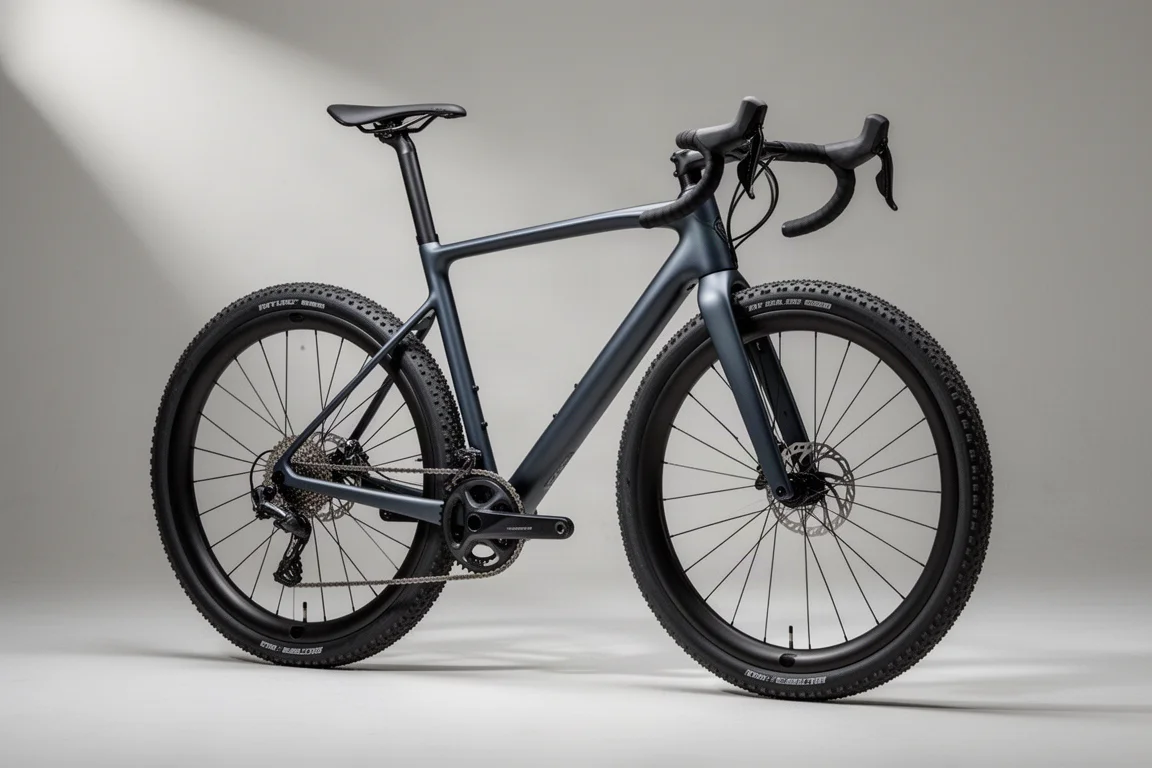
Specialized offers the Diverge for riders who want additional versatility, which makes it the natural counterpoint to the race-focused Crux. Where the Crux strips everything back in pursuit of low weight, the Diverge is the model to look at when a broader range of riding matters more than saving grams.
For anyone weighing the two against each other, the split is straightforward: the Crux is the racer, and the Diverge is the versatile all-rounder in the same family.
Specialized Creo: Gravel With Electric Assistance
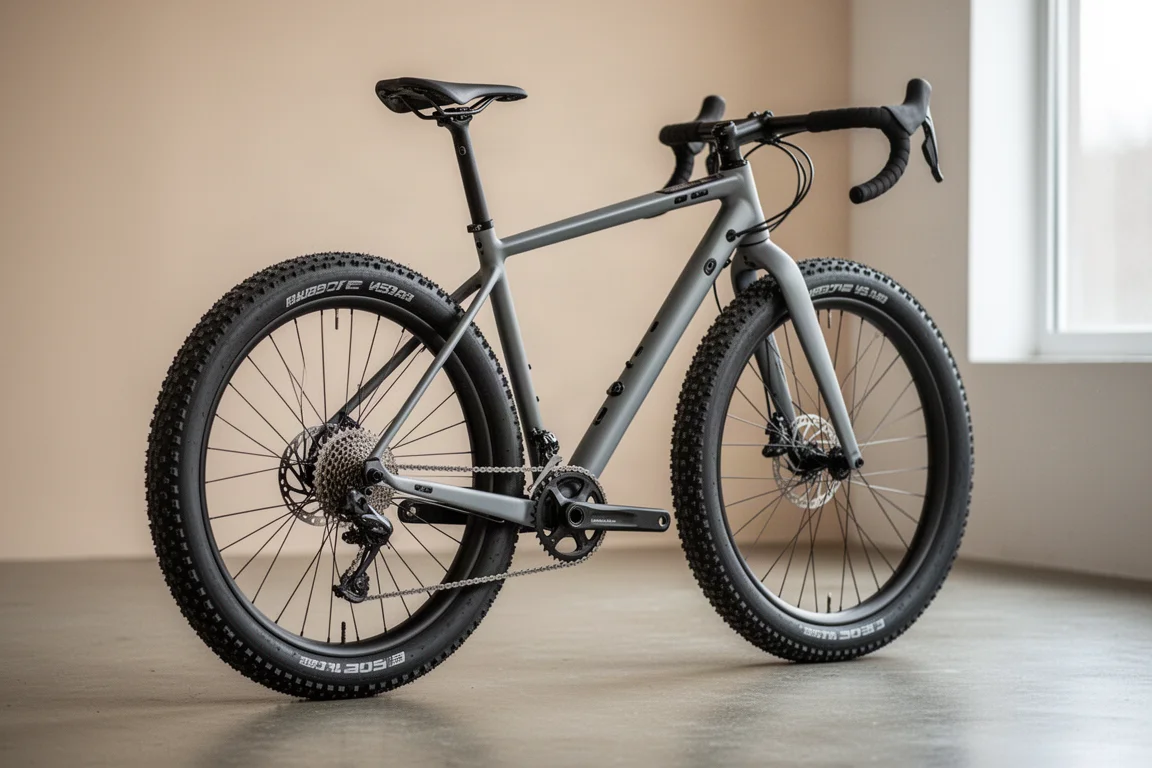
The Creo adds the assistance of an electric motor, which makes it the pick in this group for riders who want help on the climbs without leaving the gravel format behind.
It joins the Crux and the Diverge in Specialized’s gravel range, giving riders three distinct approaches to the same discipline: race-light, versatile, and assisted.
Pinarello Grevil F: Italian Aero Speed
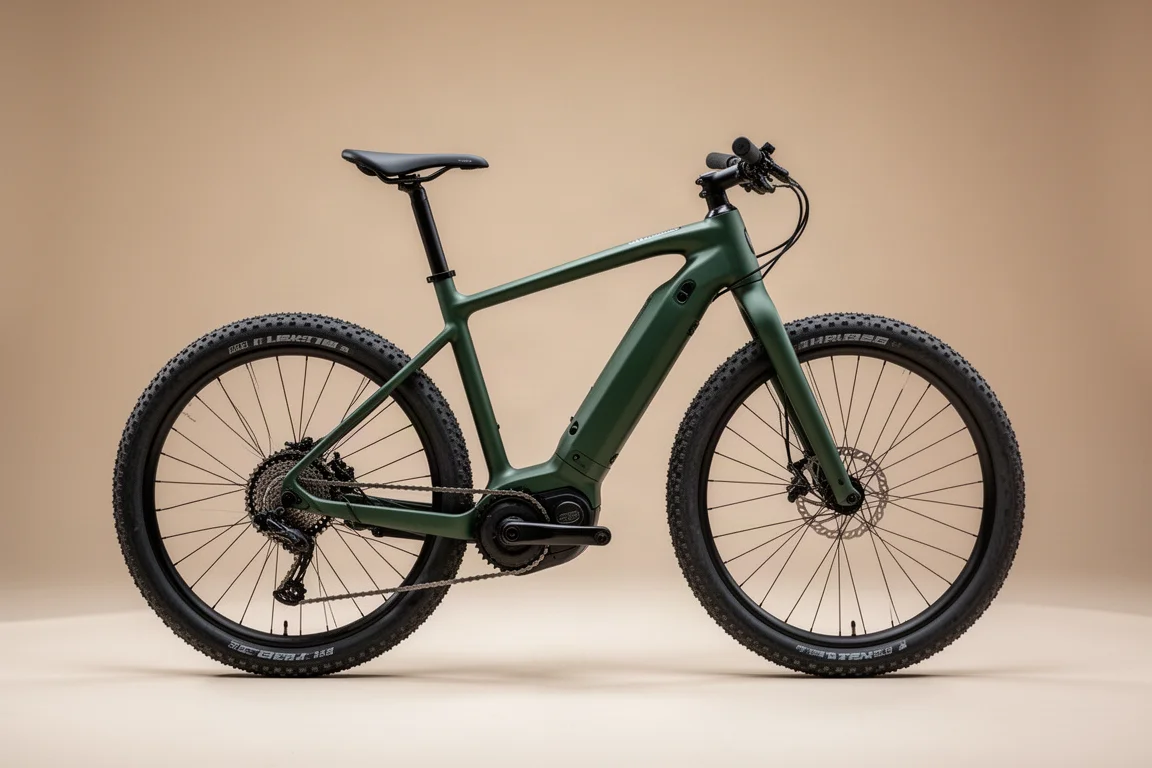
The Grevil F is the Italian brand’s race option for unpaved surfaces. The frame and fork get the usual wavy Pinarello tube shapes along with plenty of aero touches.
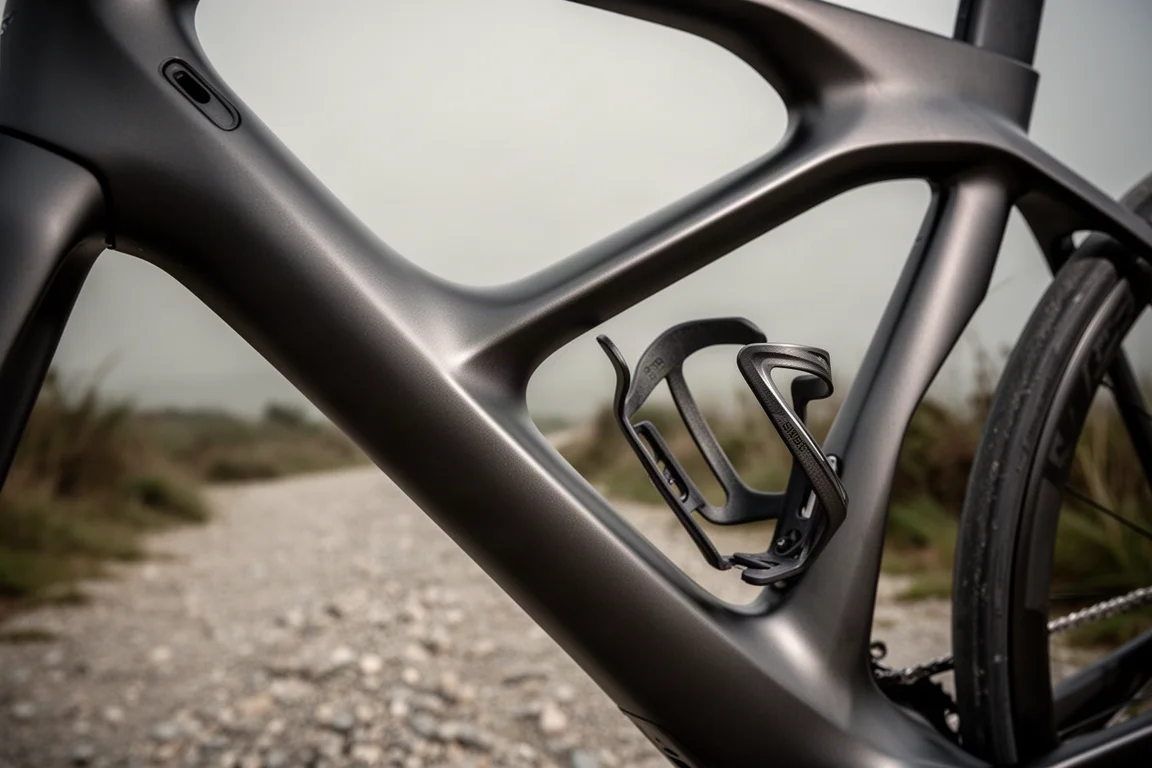
Cast your eyes to the down tube and you will see cam-tail shaping that drops away at the bottle cage area to smooth the airflow over the bottle. Pinarello has even gone as far as building a fairing into the fork leg to hide the front brake caliper. How many watts this actually saves is unclear, but the integrated front end will help you slice through the air.
A race build seen at the British gravel championships shows how flexible the platform is. The drivetrain used a mix of 11-speed Shimano Ultegra Di2 and GRX components, with a clutch-equipped rear derailleur chosen to keep the chain in place. Compact 50/34 road chainrings were paired with an 11-34 cassette out back, and road pedals were fitted for a better pedaling platform. Over a two-hour race, the rider averaged 325 watts. The build also ran R785 shifters, the original non-series Di2 shifters for hydraulic braking launched back in 2013, and a Princeton CarbonWorks wheelset that adds around $4,000 to the build.
That mix of parts is a reminder that the Grevil F can be tuned heavily toward racing, and that a premium build can climb in cost quickly.
Basso Palta: Italian Character, Practical Touches
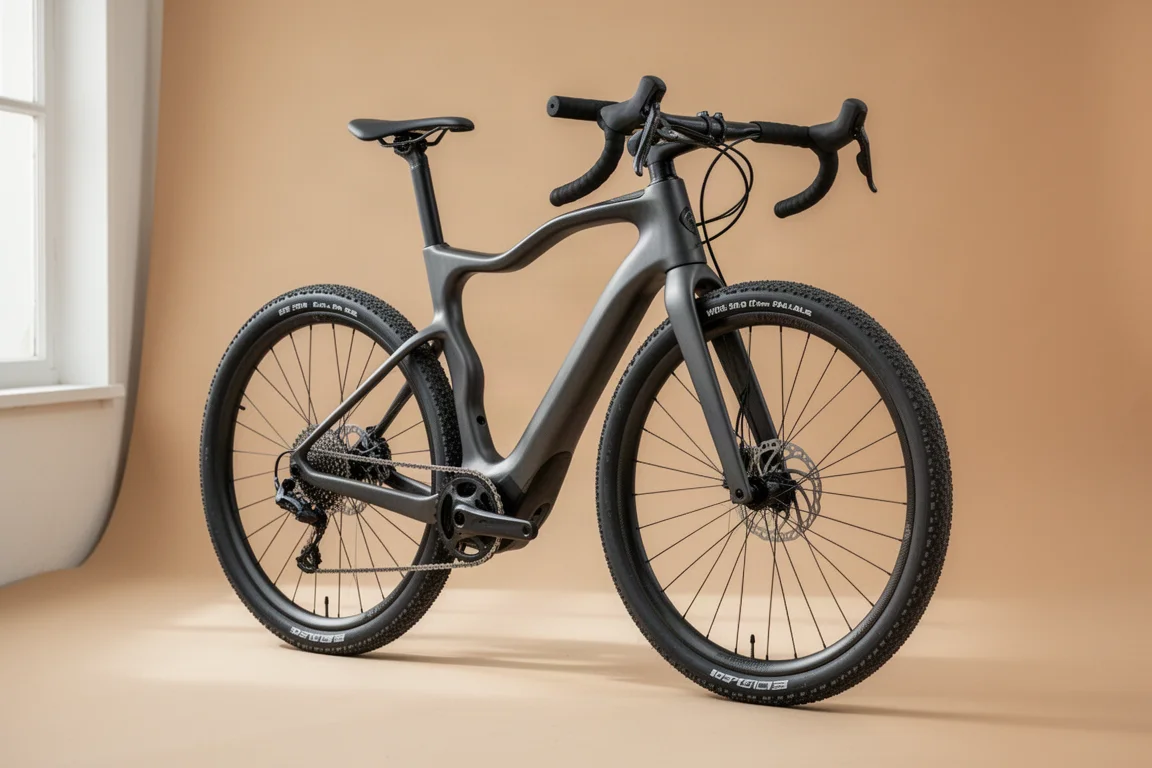
Basso’s Palta is made in Italy and features a range of quirky tube shapes that give it a character all of its own. The name comes from the word used in Basso’s home region of Veneto for the high roads where tarmac turns to gravel, so think of it as the region’s version of Tuscany’s Strade Bianche.
The slender, lightweight frame places the Palta firmly in the racy gravel camp, and it proves to be a compellingly quick and competent all-road gravel bike.
There is a lot of proprietary design going on here. The seat tube has a cutaway for rear wheel clearance and accommodates a proprietary crescent-shaped seat post. Up front, the head tube is designed for Basso’s Paradigma integrated system, which routes hoses and mechanical drive cables through a channel bolted to the underside of the stem. That means the stem can be removed independently of the cabling, which then runs down either side of the steerer tube.
The slender fork integrates smoothly into the head tube, although the front of the head tube is wide and almost flat with just a subtle arc. It may not be the most aerodynamic shape, but it is practical: once you mount a bar bag in front of it, the bag sits stable as it rests flush against the head tube. With space for 45 mm tires, the Palta is plenty capable. If you like your gravel bike to be a little different from the crowd, this is a great way to go.
Orbea Terra: One Bike for Every Gravel Ride
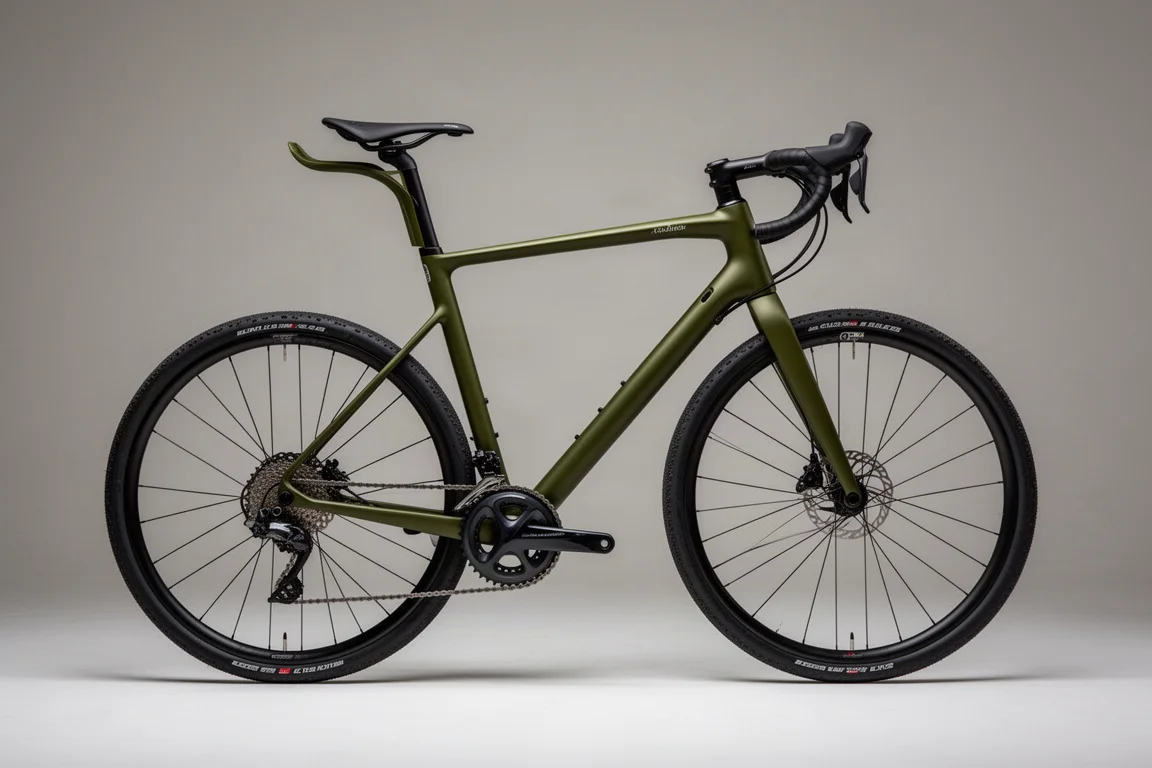
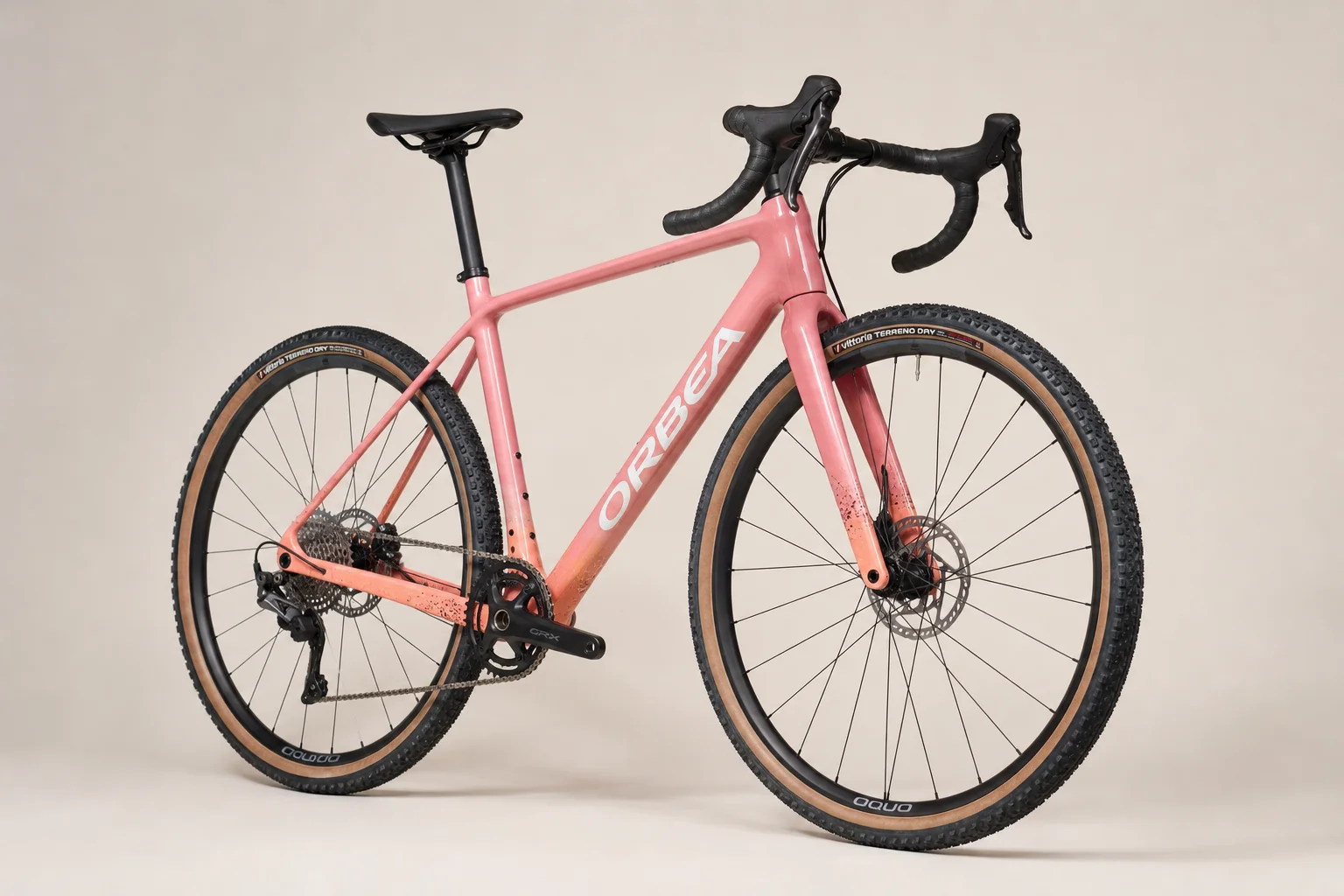
The latest Orbea Terra is designed to be all the gravel bike you will ever need, no matter what sort of gravel you ride.
The Terra can be equipped with a mechanical or electronic drivetrain across both 1x and 2x formats, and it can be run with 700c or 650b wheels. Clearance is 45 mm with 700c and a huge 50 mm with 650b, which gives you enormous scope when it comes to how you set the bike up.
The standard round 27.2 mm diameter seat post allows a wide range of seat posts and opens up the possibility of using a dropper post. The frame features threaded bosses on the dropouts for full-length mudguards, and for big-mile rides there are triple bottle cage mounts. Orbea has also made good use of the oversized down tube by including a storage box with a lockable door.
The best part is how it rides. On tarmac it feels faster than you would imagine, and it is light enough not to be a burden on long climbs. Point the Terra at its natural off-road habitat and it shines even brighter, never feeling anything less than composed on the roughest surfaces. If you want a bike that can do it all, the Terra is a brilliant bet.
Lauf Seigla: Suspension Comfort From Iceland
Lauf hails from Iceland, where there are almost endless gravel roads, so it comes as no surprise that the brand produces one of the best gravel bikes in the world.
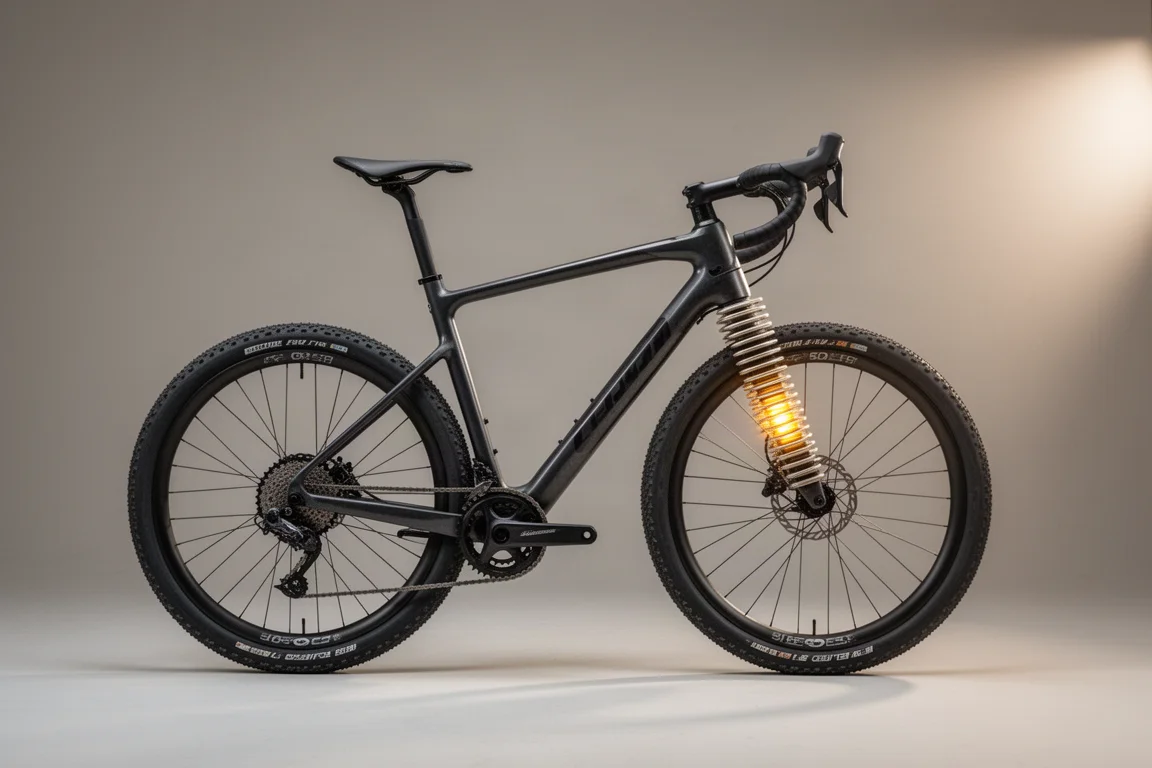
The Seigla provides 10 mm of rear displacement at the saddle and pairs it with 30 mm of travel from Lauf’s Grit SL fork. Tires of up to 29 x 2.25 in can be fitted, which is massive. To maximize tire clearance at the rear end, the chainstays originate from a shallow but broad carbon plate. That aids stiffness in the bottom bracket area while also shaving off a few millimeters of depth to help squeeze wider tires into the short rear stays.
Lauf has also used a BSA 73 bottom bracket, which is wider than the usual BSA 68 standard commonly found on road and gravel bikes. The move gains a few extra millimeters of clearance, but it does require the use of a specially built crankset from SRAM or a modular option from the likes of Rotor or E*thirteen.
The standout feature, however, is the Grit fork. A total of 12 glass fiber springs join a pair of dog-leg links to the fork legs, giving 30 mm of travel that is limited by rubber bumpers on the legs to prevent damage when the full extent of the travel is reached. The result is oodles of comfort from a bike that simply sails over rough terrain. If you can get past the odd aesthetic of the fork, this is truly an excellent gravel bike.
Buying Advice
Choosing between these bikes comes down to matching the machine to the riding you actually do. If race results are the goal, the Crux offers the lowest weight in the group, while the Grevil F adds aero shaping and an integrated front end for high-speed gravel. If you want one bike that covers everything from tarmac to rough tracks, the Orbea Terra’s combination of 45 mm and 50 mm clearance, mudguard mounts, and triple bottle mounts is hard to argue with.
Riders who value comfort above all else should look closely at the Lauf Seigla, where 30 mm of fork travel and clearance for 29 x 2.25 in tires turn rough terrain into something to look forward to. The Basso Palta suits riders who want a quick all-road bike with a distinct Italian character, while the Specialized Diverge and Creo cover the versatile and assisted ends of the spectrum.
It is also worth weighing the practical details before you commit. Proprietary parts, unusual bottom bracket standards, and integrated cable routing all affect how easy a bike is to live with over time, and those details matter as much as headline weight or clearance figures.
Conclusion
Every bike in this roundup delivers adventure on two wheels, but they get there in different ways. The Crux is the featherweight racer, the Grevil F is the aero Italian, the Palta is the characterful all-road machine, the Terra is the do-it-all option, and the Seigla is the suspension-equipped explorer. The Diverge and the Creo round out the lineup with versatility and electric assistance.
Decide what matters most to you, whether that is low weight, huge tire clearance, suspension comfort, or the ability to carry luggage and mudguards, and the right gravel superbike becomes a much easier choice.
Further reading
Related Reviews
Gravel Bikes
3T Exploro Ultra Review: A Fast Gravel Bike Built for Big Tyres
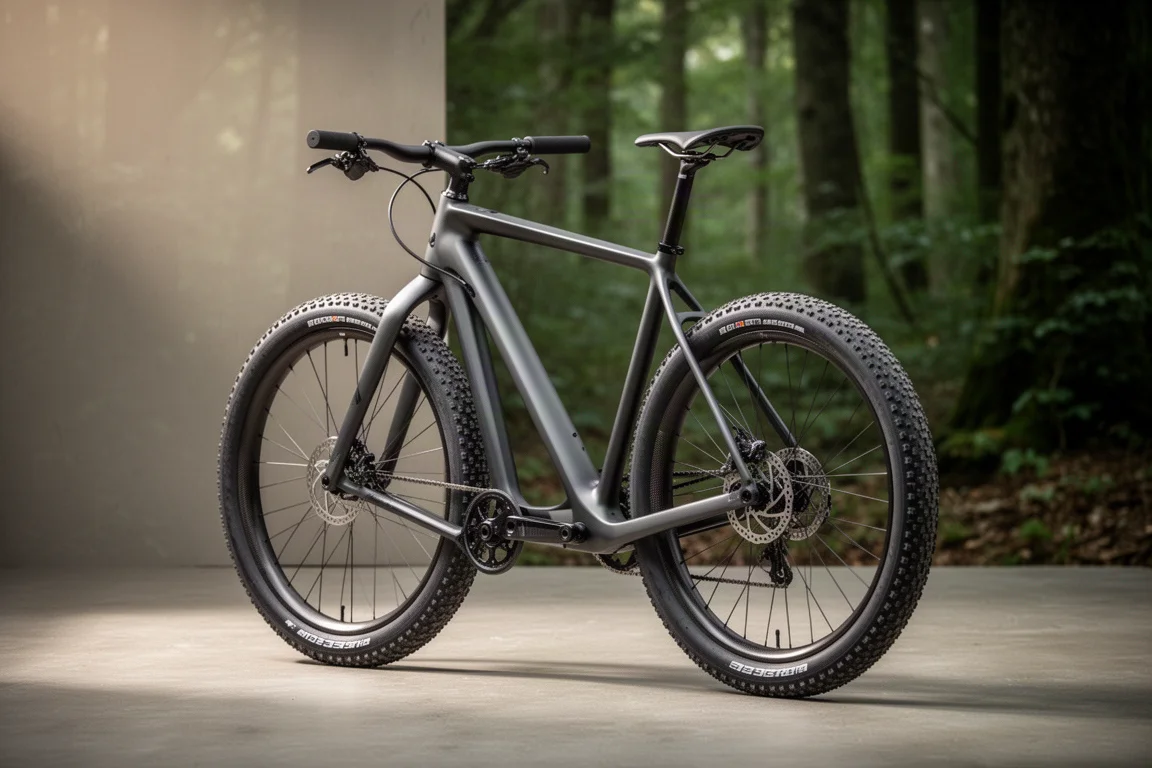
A close look at the 3T Exploro Ultra, an aero carbon gravel bike designed around wide tyres, with road-like handling, a 980 g frame and genuine rough-terrain capability.
Gravel Bikes
3T Extrema Italia Review: Aero Gravel Speed With Room for 57 mm Tires
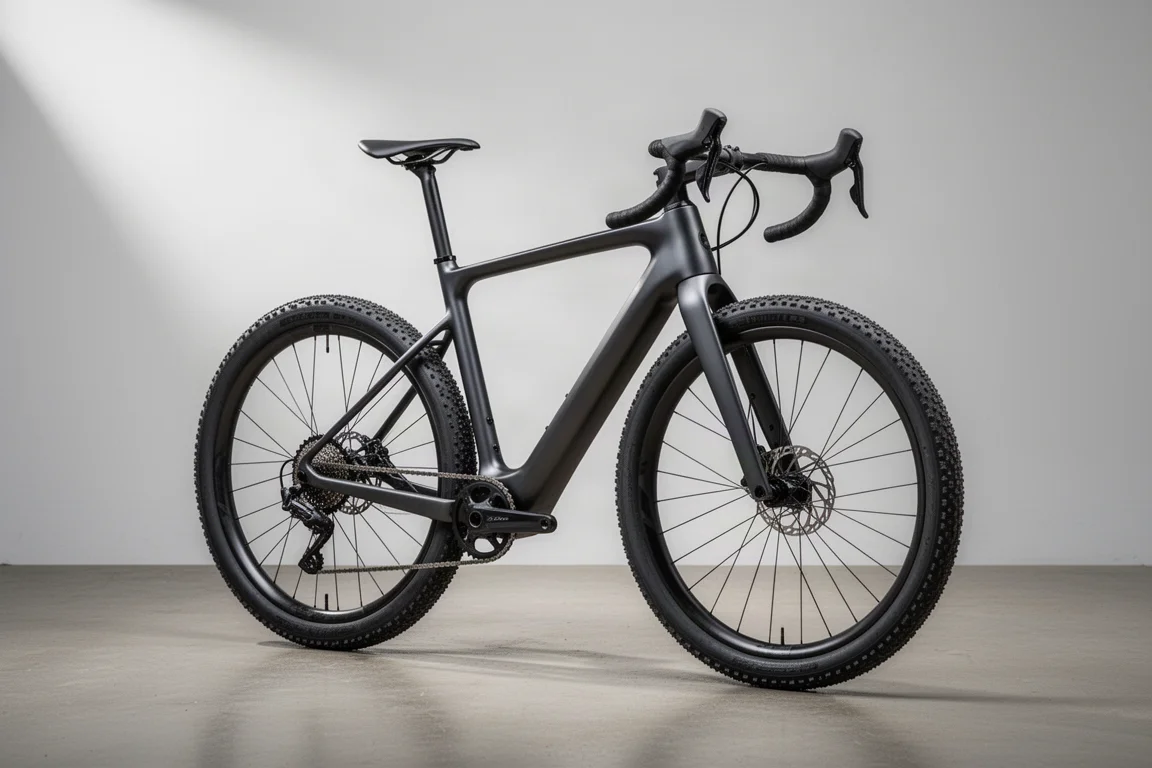
The 3T Extrema Italia pairs an aero frame with huge tire clearance, Italian-made carbon and a more comfortable ride than the RaceMax. Here is what to know before buying.
Gravel Bikes
3T Race Max 2 Italia Review: An Aero Gravel Race Bike Made in Italy
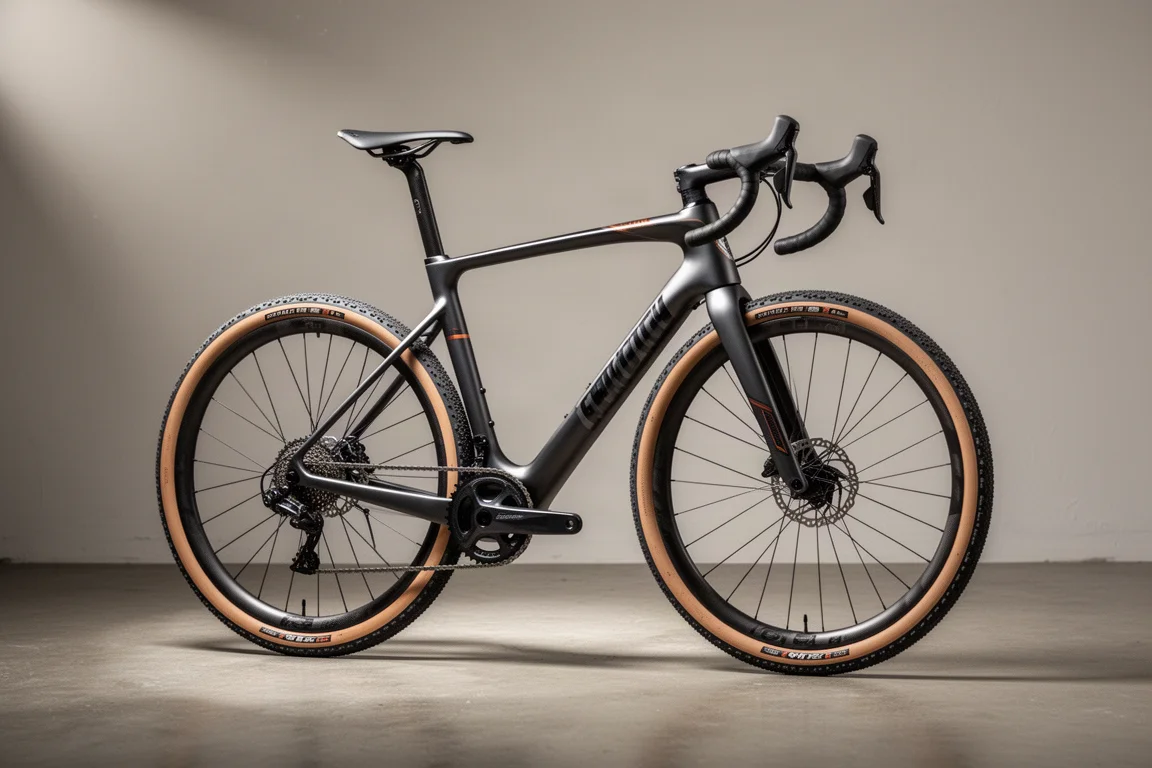
A closer look at the second-generation 3T Race Max 2 Italia, covering its aero updates, ride character, tire clearance, internal storage and who it suits.