Gravel Bikes
Best Gravel Bikes: 10 Standout Options Worth Considering
Ten gravel bikes with distinct characters, from aero race machines to progressive adventure platforms, with the weights, prices and trade-offs that matter.
Introduction
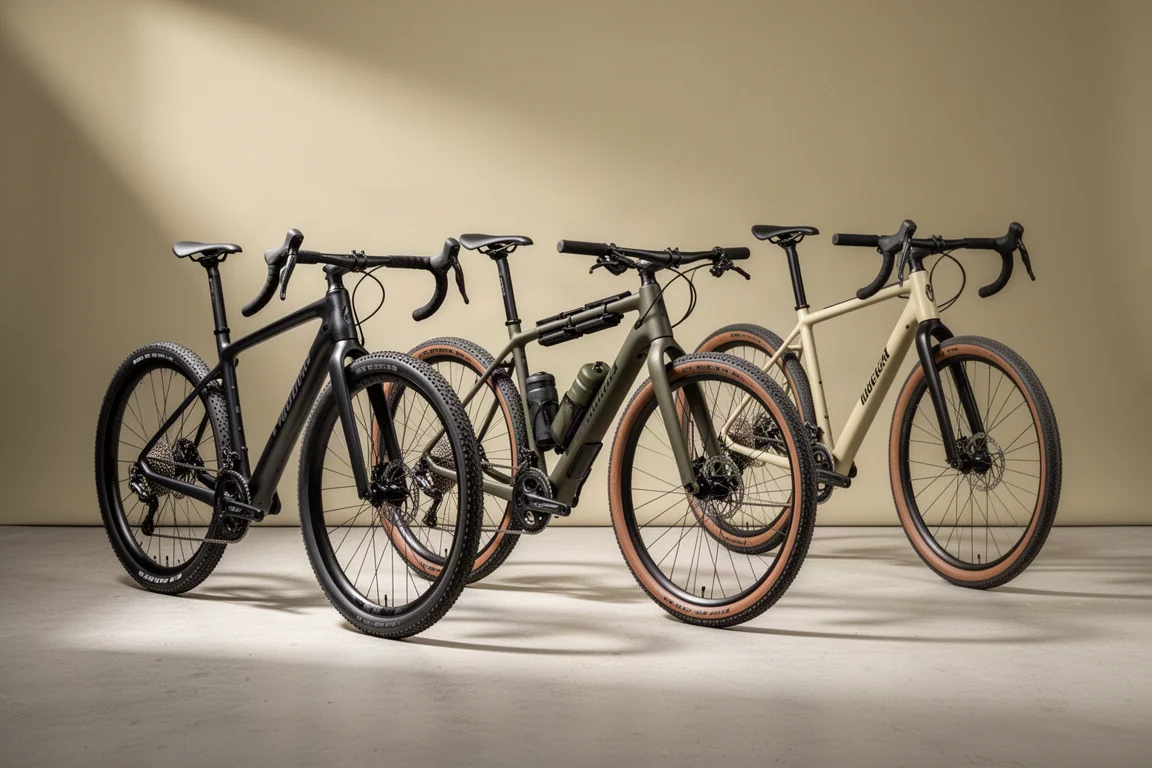
Gravel has split into two broad camps. On one side are aero, race-oriented bikes built around speed on fast, dry surfaces. On the other are progressive, long-and-slack adventure platforms designed to stay composed when trails turn rocky, steep and loose. Between them sit a handful of bikes that deliberately try to do a bit of both.
The ten bikes below cover that whole spectrum. Each has a clear character, a defined set of strengths and at least one trade-off worth understanding before you buy. Where weights, specifications and prices were confirmed, they are included here.
How These Bikes Were Assessed
Every bike was judged against the same practical questions. Frame material and claimed weight matter, but so do tyre clearance, bottom bracket standard, seat post diameter and the number of mounts for bottles, bags and mudguards. Geometry is the other deciding factor: head angle, fork trail and wheelbase determine whether a bike feels calm and planted or quick and reactive.
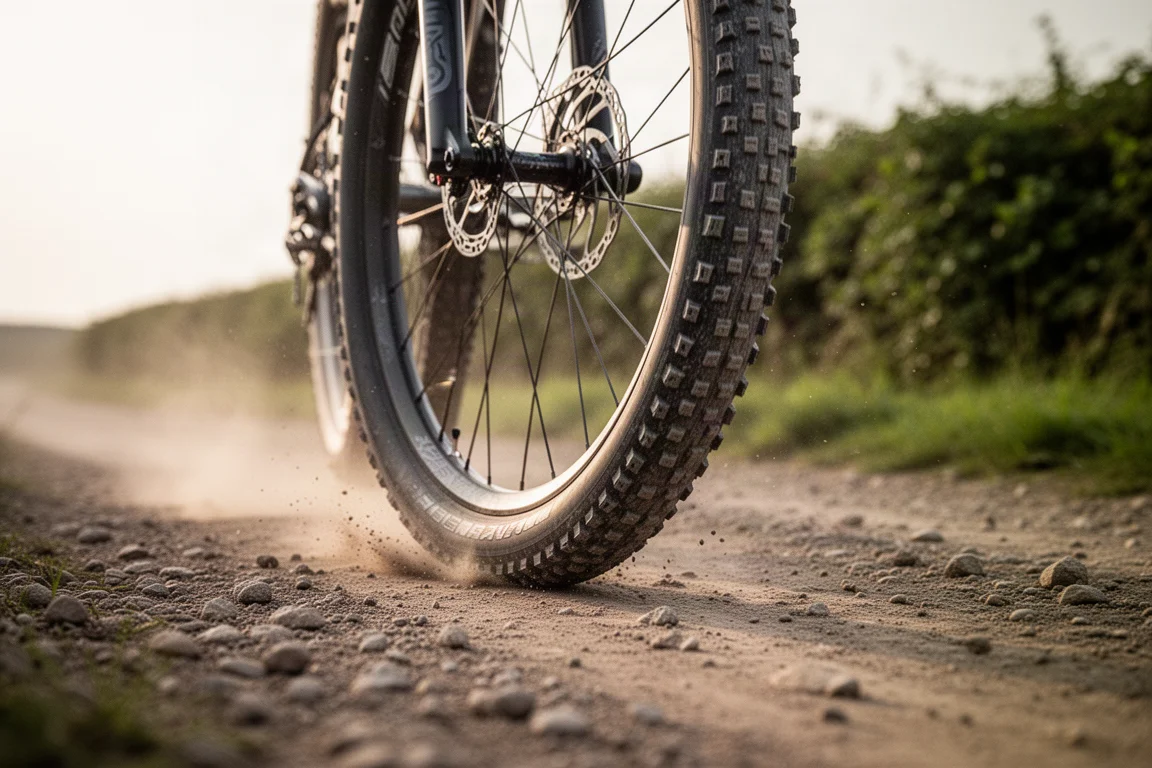
Drivetrain choice, wheel quality and tyre specification were considered too, because those parts often shape the ride as much as the frame does. A bike with generous clearance and a threaded bottom bracket is easier to live with long term, while a one-piece cockpit or a proprietary seat post narrows your options later. Each section below notes where those trade-offs fall.
Canyon Grail: Aero Race Speed With Practical Storage
The Canyon Grail replaces the distinctive double-decker handlebar of the previous generation with a conventional one-piece cockpit, and the reason is aerodynamics. The new bar uses what Canyon calls a double drop shape, with 5 degrees of back sweep on the tops and a double flare that goes from 5 degrees at the hoods to 16 degrees in the drops. A flattened section in the middle, the Gear Groove, gives accessories such as a computer mount, a light mount or a phone mount somewhere to clamp without crushing a round tube.
The frame borrows heavily from the Ultimate road platform, with a D-profile seat post and seat tube and a clear focus on speed. Tyre clearance is 42 mm, and the bike ships with 40 mm tyres. There are mudguard mounts, and guards can be fitted around a 42 mm tyre. Canyon kept clearance at 42 mm partly to leave room for a 52/36 double chainset.
Practical details stand out. A removable frame bag uses the Fidlock system and three stubby mounts, with no velcro straps to scratch paint or rub knees, and it releases in seconds. Down tube storage holds a carbon fibre pump, a multitool and a small bag for a tube, a gas canister and tyre levers. A small port allows a charging cable to run to a computer or a light.
The Grail comes in three tiers. CF SL is the entry point, CF SLX sits in the middle and CFR is new to the platform, with a frame claimed to be over 100 g lighter and stiffer around the fork, head tube and bottom bracket. The CFR build tested here runs SRAM electronic gearing with hydraulic disc brakes, a power meter, DT Swiss carbon wheels with 180 hubs and 40 mm Schwalbe G-One RS tyres. A size medium weighed 7.7 kg without pedals.
On smooth gravel and tarmac it is genuinely quick, and the new handlebar shape works well, with a comfortable position on the tops and several hand positions in the flared drops. The ride takes the edge off bigger impacts without feeling plush, and it is firmer than a big-tyre adventure bike. Two things to weigh up: a one-piece carbon cockpit means you cannot choose a different stem length, and the long-term support for the Gear Groove, plus third-party accessory availability, remains an open question.
Cervélo Áspero: Sharp, Fast and Firm
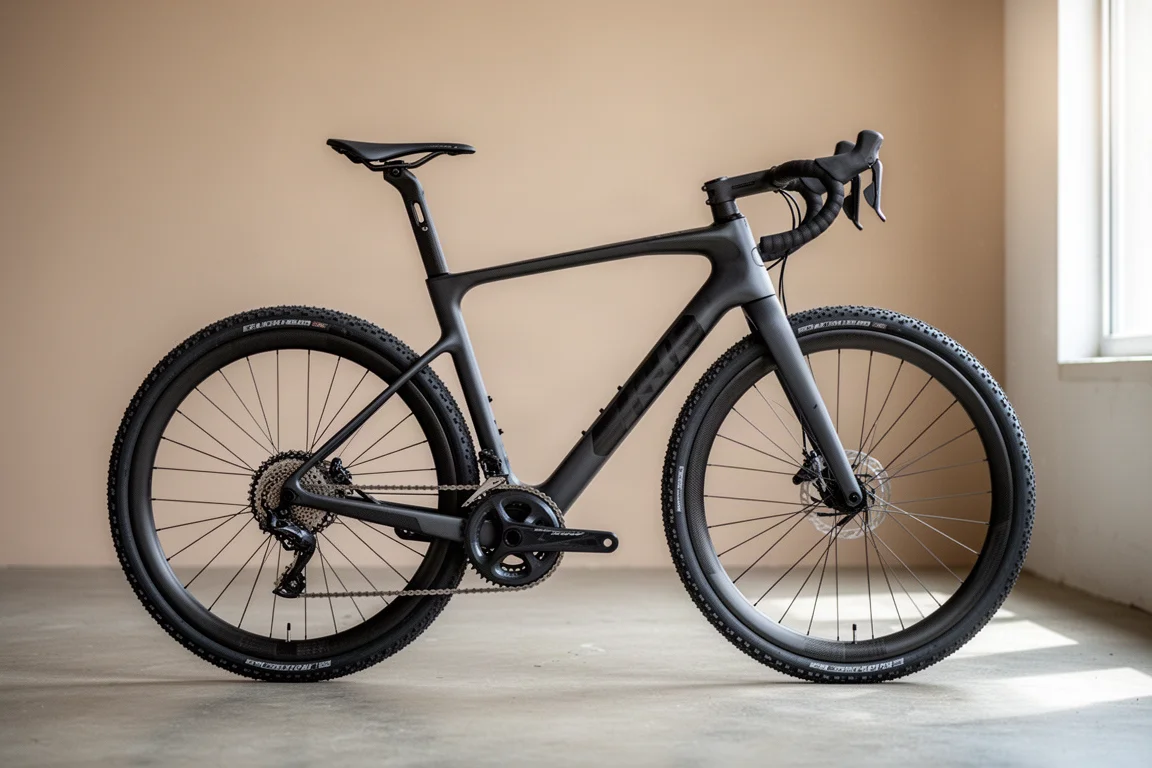
The Áspero keeps the silhouette of the original but updates several details. The top tube is more sloped for extra standover clearance, the chainstays are dropped further than before and the seat tube is curved to open up room at the rear wheel. Tyre clearance rises to 42 mm on 700c, and there is enough space around a 40 mm tyre that a 45 mm may fit depending on the rim and tyre combination.
A flip chip in the fork dropout lets you adjust fork trail when you change wheel or tyre size. With a 40 mm tyre the trail sits at around 62 mm, which gives stable, planted handling at speed over rough ground. The rear dropouts use the SRAM UDH standard, so the mech hanger is easy to replace and the frame is compatible with SRAM T-Type transmissions such as an Eagle mullet setup.
Other changes are practical rather than dramatic. Stiffness at the head tube has been reduced for a little more front end compliance, the seat post remains a round 27.2 mm item with an external seat clamp, and the down tube is slimmer. Cables and hoses now run fully internally through a D-shaped steerer, and the two-piece setup can be swapped for a one-piece bar and stem if you prefer.
The bottom bracket is a T47 threaded unit, though Cervélo uses an external cup on the drive side and an internal cup on the non-drive side, so you need a compatible bottom bracket rather than an off-the-shelf one. Mounts are limited: there are top tube bolts for a bento bag and a third bottle position on the down tube, along with a bash guard, but no fork mounts and no mudguard mounts.
Prices run from £3,000 with Shimano GRX up to £5,200 for the range-topping build tested here, which pairs SRAM Rival AXS with Reserve carbon wheels, 40 mm WTB Vulpine tyres, a flared carbon aero bar, a carbon seat post and a Prologo saddle. A size 56 weighed 8.5 kg with a computer mount and bottle cage fitted.
It is a fast bike. On a power-metered test loop it sits alongside the Canyon Grail, the Scott Addict Gravel and 3T’s race-oriented platforms. Power transfer is excellent, the fit is close to an endurance road bike with a lower stack and shorter reach than a Grail, and the steering is calm rather than lazy. It is also firm, and not as smooth as a Canyon Grail, Giant Revolt, Cannondale Topstone or GT Grade. The WTB Vulpine tread is quick in dry conditions and less happy in mud.
Ventum GS1: The Value Carbon Racer
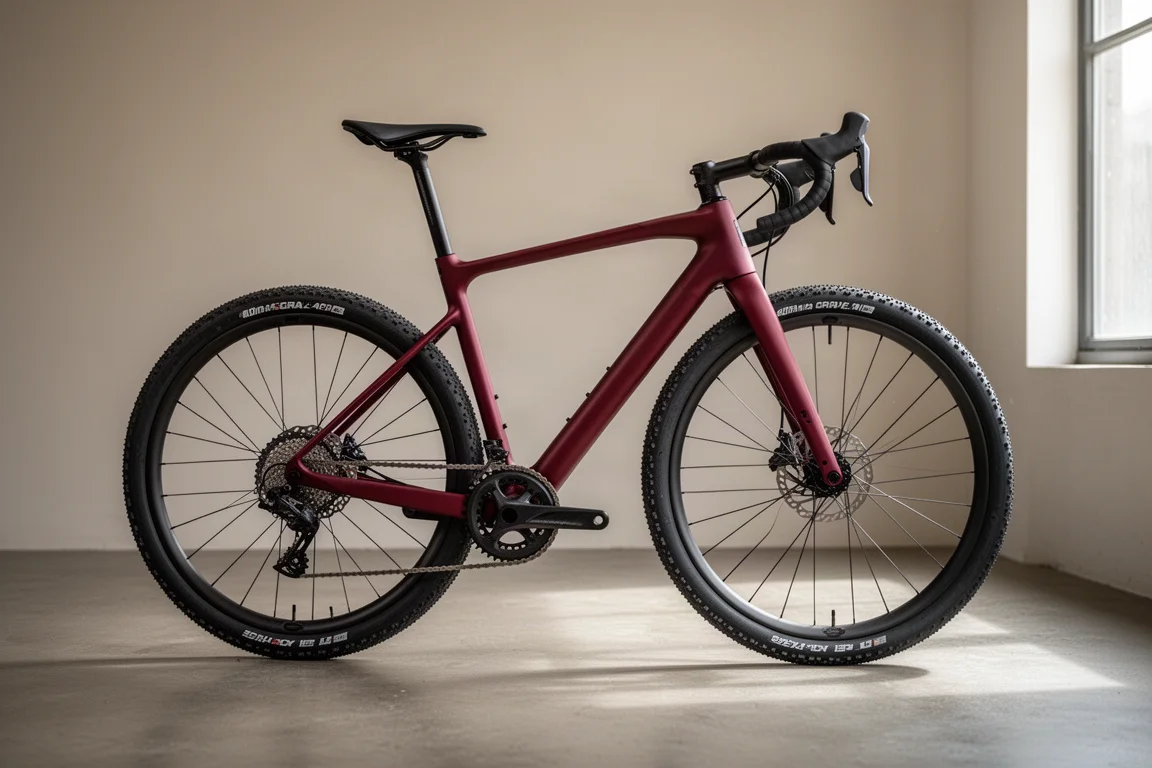
Ventum sells direct, with no dealer network, which is how the GS1 lands at $3,000 with a full carbon frame and fork and SRAM’s most affordable electronic groupset. Comparable carbon gravel bikes from Giant and Canyon at a similar price typically come with mechanical Shimano GRX.
The frame follows modern race-bike thinking: semi-internal cable routing up front, an aero down tube, dropped rear stays and dropped chainstays. Tyre clearance is 48 mm, which is more than a Canyon Grail and a little less than a Giant Revolt. There is a blanking plate on the seat tube if you prefer a one-by setup, and the frame can take a front mech. There is a T47 threaded bottom bracket and a SRAM UDH compatible dropout.
Mounts are modest. There are bento box bolts on the top tube and a third bottle position under the down tube, but no fork blade mounts and no mudguard or fender mounts, which limits winter and commuting use. A flip chip in the fork dropout adjusts fork rake and trail between 45 and 50 mm, so you can tune steering speed to your terrain.
Ride quality is racy. The frame and fork are stiff, it sprints out of corners well and power transfer is strong, though it does not climb quite as effortlessly as a much more expensive bike. Geometry sits in the middle ground, neither extreme nor conservative, which makes it easy to feel at home on. Damping is reasonable: similar to a Canyon Grail or Cervélo Áspero, and behind a Giant Revolt or a Specialized Diverge.
Two comfort notes. A near-horizontal top tube leaves little exposed seat post, and the D-shaped aero seat post rules out most dropper and suspension posts. A size ML weighed 8.6 kg without pedals, which is respectable at this price, and the electronic groupset is the standout value item, with light shifting, a clutch to control chain slap and powerful brakes.
FiftyOne Assassin: Adjustable, Stable, Adventure-Ready
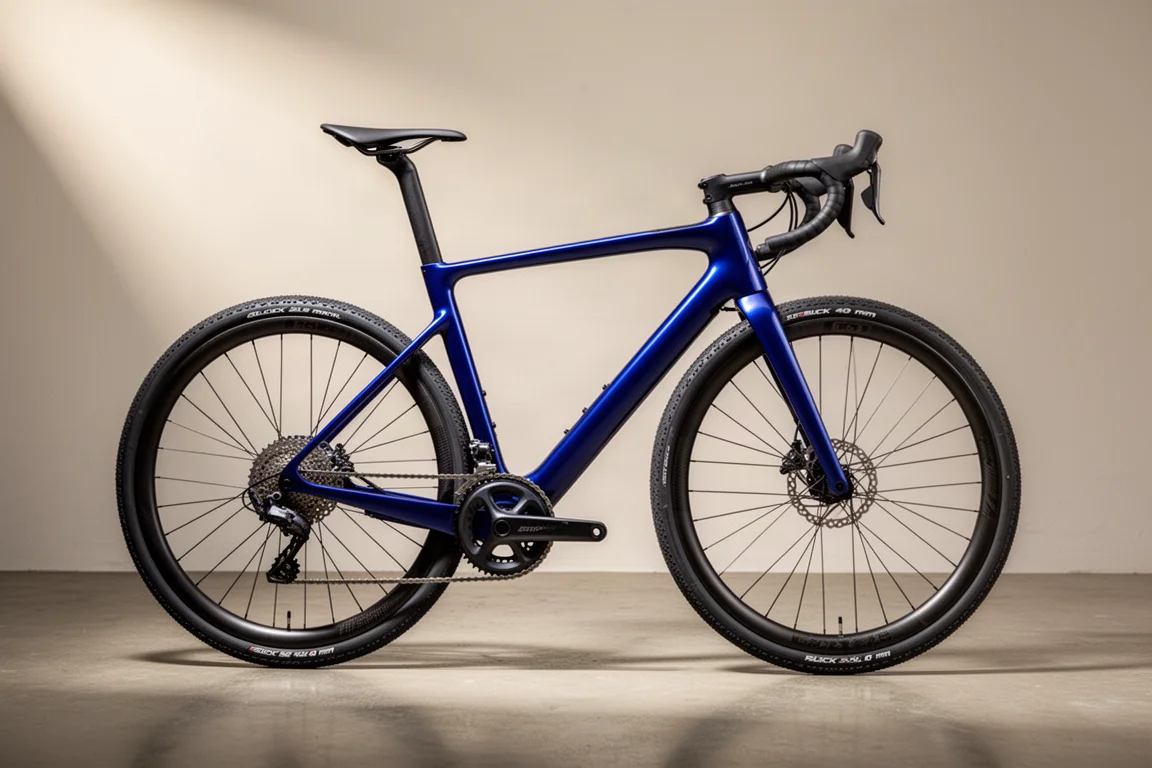
FiftyOne is a Dublin-based brand, and the Assassin is its first gravel and adventure frame, made in Taiwan. It is distinctive: a tall, deep head tube, a muscular flat-sided fork, a sloping top tube, skinny non-dropped rear stays and swooping dropped chainstays. Tyre clearance is 47 mm on either 650b or 700c wheels, and the bike tested here ran 700c wheels with 45 mm tyres.
Geometry is progressive, long and slack compared with road-biased gravel bikes. It is also adjustable at both ends, with flip chips in the rear dropout and the fork dropout. Trail can be set from 76 to 87 mm, which is far longer than a Specialized Diverge at around 57 mm and longer than the 77 mm of a BMC URS. The long setting makes the bike extremely stable and calm over rough, technical terrain, while the shorter setting sharpens it up.
The frame set costs £3,000 and comes in four sizes with a choice of colours. The complete bike tested here retails at £3,800, which looks like strong value: Shimano GRX 1x11 mechanical with a mix of 800 and 600 series parts, DT Swiss 1800 wheels, 45 mm WTB Riddler tyres, an Easton flared drop bar, a Zipp stem and seat post and a WTB saddle. A size large with bottle cages weighed 9.2 kg.
On tarmac it feels unhurried and takes a while to understand. Point it down a rocky descent and the geometry makes complete sense, carrying speed with a planted, confidence-inspiring front end. The front end is firm and transmits some feedback through the bars on dried, rutted trails, but a round 27.2 mm seat post with an external clamp means you can fit a suspension post or a dropper, and a normal stem means a suspension stem is an option too.
There are mounts for mudguards, bags and bottles, a moulded bash guard on the down tube, internal routing with ports for mechanical or electronic groupsets, and a T47 threaded bottom bracket. Two limitations: only four frame sizes, and tyre clearance could be more generous for muddy conditions. A chainstay protector would be a welcome addition.
Enve MOG: Race Speed With Everyday Versatility
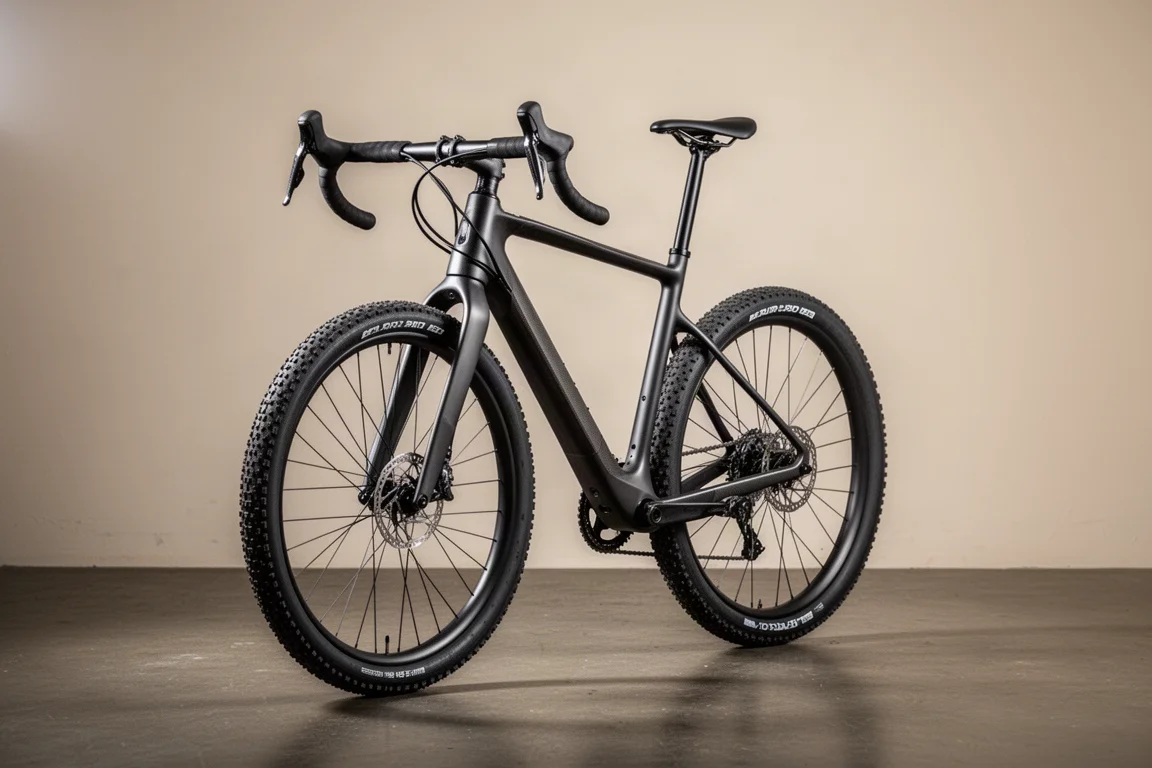
The MOG is Enve’s gravel platform, and it deliberately aims at both camps: aero tube profiles, full internal routing and down tube storage on one hand, mudguard mounts, fork mounts and clearance for up to 50 mm tyres on the other. The frame is claimed at 950 g, which is heavier than a Specialized Crux at around 725 g but brings considerably more practicality.
The bike tested here ran 40 mm Schwalbe G-One RS tyres and a Shimano GRX 1x11 electronic groupset with a 42 tooth chainring and an 11-42 cassette, along with Enve SES 3.4 carbon wheels. As ridden, with a computer, an action camera, a saddle bag and pedals, it weighed 9.26 kg.
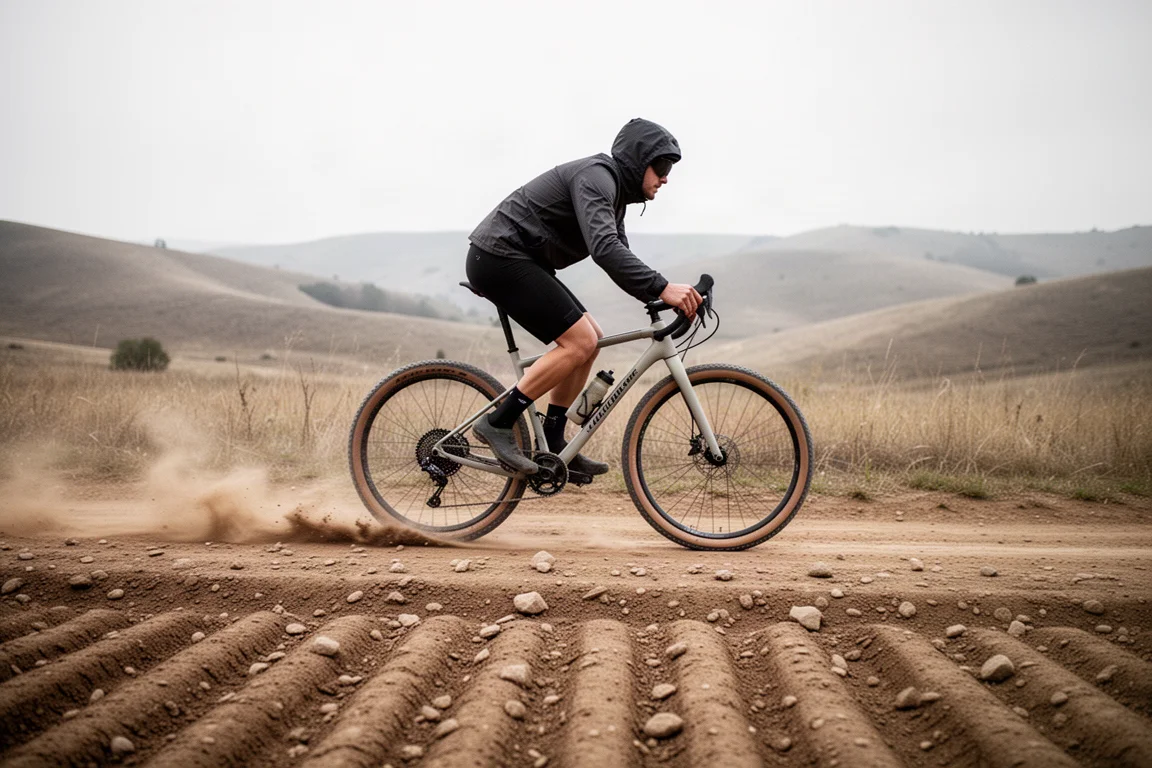
Over a 215 km gravel event the speed was the headline. On fast rolling gravel it was easy to sit in a small group at high speed, and the aero benefit was noticeable on descents, where the bike pulled away from more conventional gravel machines. The carbon rims also proved tough, surviving repeated impacts into rocks without punctures, cracked rims or broken spokes.
Comfort was the surprise. Despite the race intent, the back and neck held up over nine hours in the saddle. A 27.2 mm seat post with plenty of exposed length, dropped rear stays and a tuned carbon layup at the rear all contribute. It is not as smooth as a Giant Revolt, a Cannondale Topstone Carbon or a Specialized Crux, but it sits closer to those than to the firmest aero gravel bikes. There is room for a 45 mm tyre if you want more cushioning.
One mechanical issue marred the day: a dropped chain on a fast, rough descent, which is a reminder that one-by setups can still lose a chain. Compared with a Specialized Crux, the MOG offers mudguard mounts, extra bottle and bag mounts including fork mounts, 50 mm clearance versus 47 mm, down tube storage and full internal routing. The Crux counters with a lighter frame and a more traditional round-tube look.
Giant Revolt X: Suspension at Both Ends
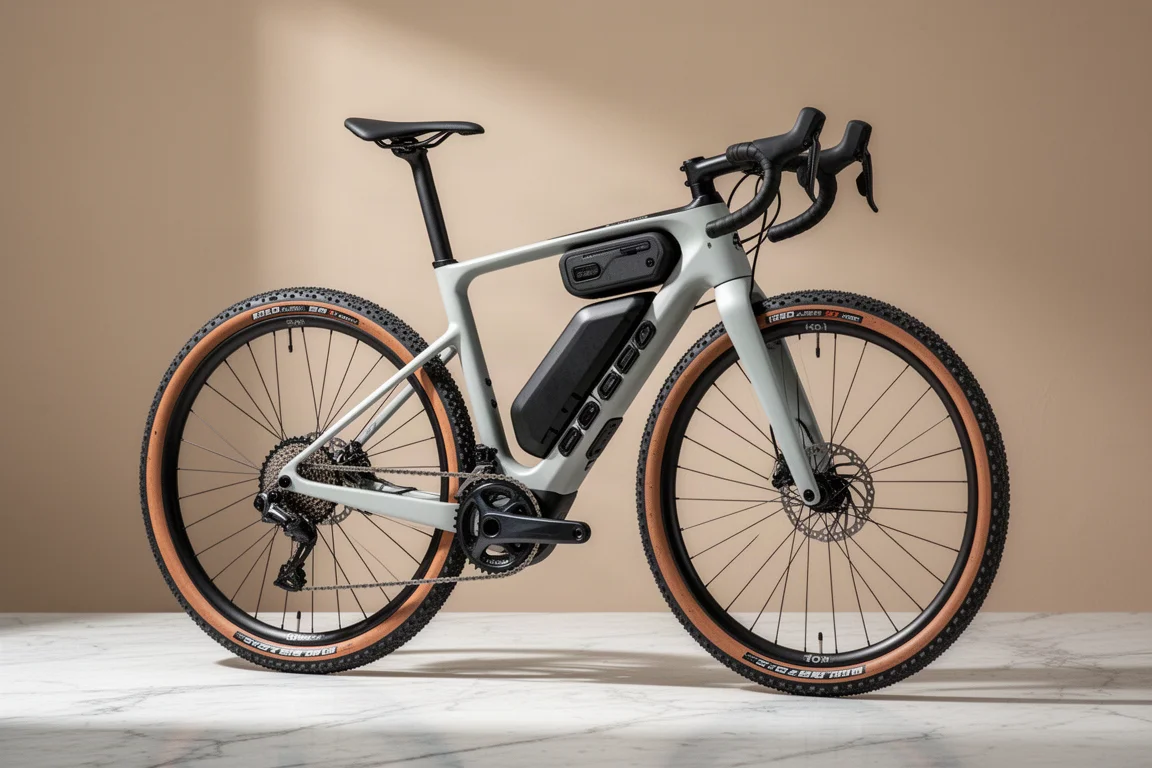
The Revolt X adds front and rear suspension to Giant’s long-running Revolt platform, aimed at riders who spend time on terrain where a mountain bike would normally be the sensible choice. The frame is redesigned around the suspension fork, with a shorter head tube, a 71 degree head angle, a 73 degree seat angle, a lower bottom bracket than the standard Revolt and shorter chainstays. Rear dropout flip chips adjust wheelbase and tyre clearance.
The interesting part is the seat post. It is a dropper offering between 75 and 100 mm of drop from a handlebar lever, but it also provides around 25 mm of suspension travel, so it delivers comfort as well as clearance. You can swap it for a standard round 30.9 mm post or Giant’s own D-Fuse post if you prefer. Stems are shorter and handlebars wider than on the regular Revolt.
There are four builds, starting at £3,000 in the UK. The Pro model tested here runs SRAM Rival 1x with an Eagle GX rear mech and a 10-52 cassette, and retails at £5,500 in the UK or $6,200 in the US. A size ML, ridden by a 181 cm rider, weighed 10 kg without pedals, yet it does not feel heavy on the trail.
Giant’s own lightweight carbon wheels and 45 mm Crosscut tyres with a chunky tread help here. The gearing makes steep climbs straightforward, and the suspension fork and seat post smooth out roots and hidden bumps far better than a rigid setup. It widens the band of terrain the bike handles well without giving up the speed and sprightliness of the standard Revolt.
One thing to watch: the seat post clunked a few times on the first ride, apparently topping out against its stops. That is worth monitoring over time. Otherwise the package is well judged, with a two-tone paint finish, a wide flared bar, a short stem, grippy bar tape and a battery protector on the SRAM rear mech.
3T Extrema Italia: Aero Speed on Very Wide Tyres
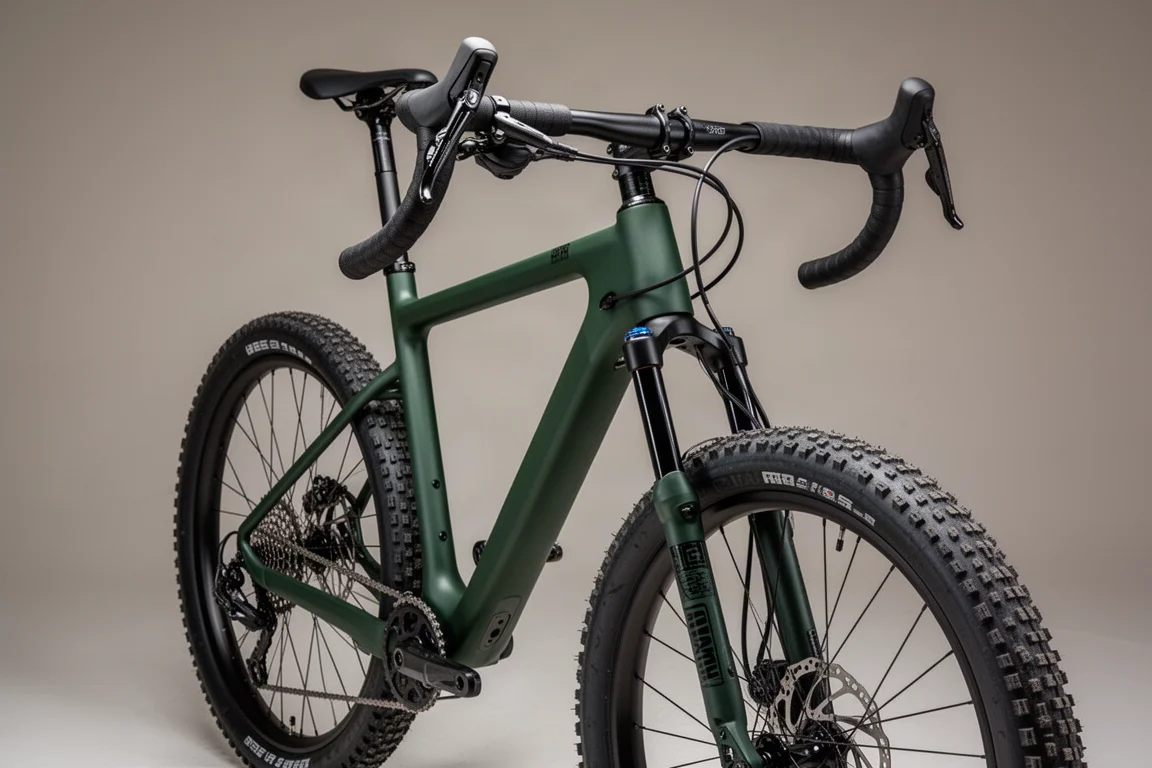
3T introduced the aero gravel concept with the original Exploro, and the Extrema Italia is its new flagship, replacing the RaceMax. The headline number is tyre clearance: up to 57 mm, against 46 mm on the RaceMax, with around 6 mm of clearance between rubber and frame. For context, a Specialized Diverge takes 47 mm, a Canyon Grizl and a Fairlight Secan take 50 mm, and a Giant Revolt takes 53 mm.
The frame is made in Italy. A very large down tube, narrow at the head tube and widening around the bottle cages, is designed to manage airflow around bottles and the rear wheel. The head tube is narrow and the fork is slender with a low profile crown. Cable routing is now conventional, with brake hoses passing under the stem and into the frame through the headset bearing, and the two-piece bar and stem allow you to change stem length, bar width and stack height.
At the rear there is a round 27.2 mm seat post with an internal seat clamp, so a carbon, suspension or dropper post will fit, and the seat tube layup is tuned for more compliance than the RaceMax while retaining the same torsional stiffness at the head tube and bottom bracket. The bottom bracket uses the same thread-fit system as the RaceMax. Head angle is 71.5 degrees, which is middle of the road rather than radical: a Merida Silex or BMC URS sits closer to 69 degrees.
Three builds are offered, and the most affordable is £6,700. It pairs SRAM Rival shifters and a single chainring with an Eagle Transmission GX level rear mech and a 10-52 cassette, a mullet setup that gives a very wide gear range. Zipp 303S carbon wheels, Continental Race King mountain bike tyres, a wireless RockShox Reverb dropper and a Selle San Marco saddle complete it. Without pedals it weighed 9.6 kg. The frame set alone is £4,600.
On the trail the extra tyre width transforms the bike’s capability, adding grip and composure on muddy forest tracks and demanding singletrack. Comfort is a clear step up from the RaceMax, though a Giant Revolt, a Vielo or a Specialized Diverge will still be smoother. The fit is higher, shorter and more relaxed than the RaceMax. Eagle Transmission shifting was fast, quiet and reliable even in mud.
The one reservation is geometry. On very steep, technical sections the Extrema Italia is less composed than slacker rivals, and 3T could have been bolder with the numbers to match the tyre clearance.
Merida Silex: Mountain-Bike-Inspired Adventure Geometry
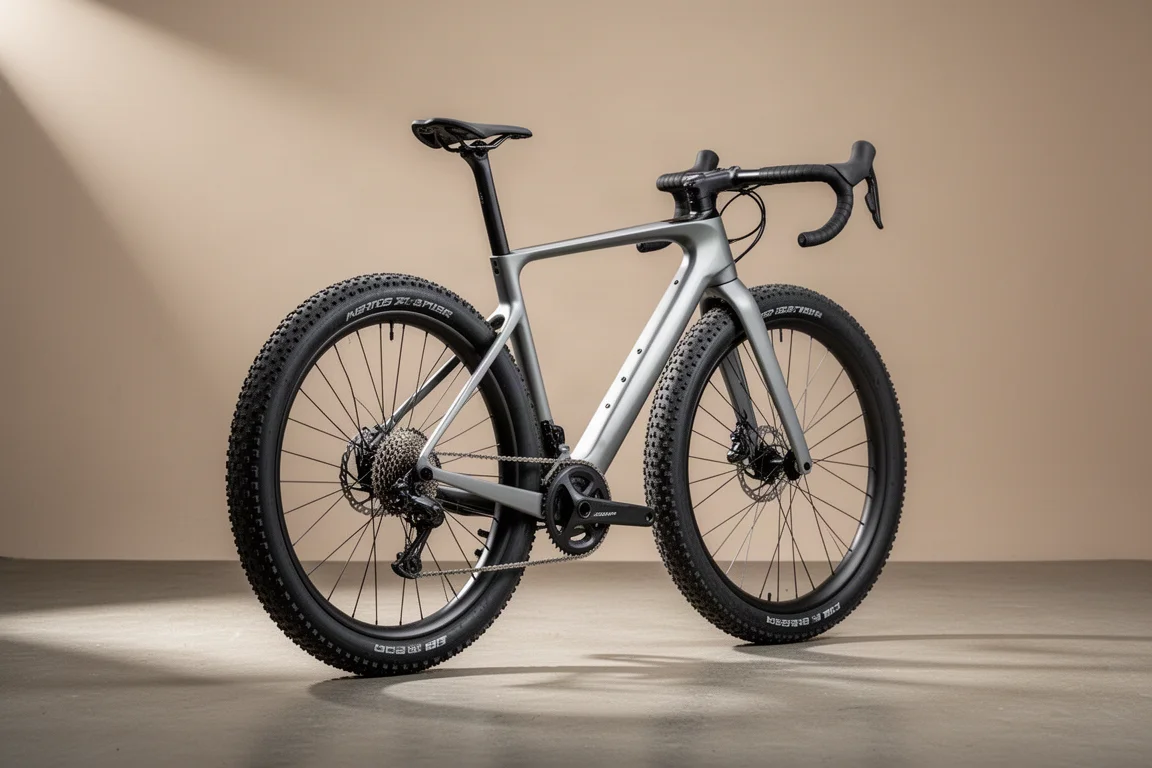
The Silex looks like a race bike on paper, but its geometry tells a different story. A 69.5 degree head angle is 1.5 degrees slacker than the previous version and closer to a short travel mountain bike than to a typical gravel race bike. The head tube is much shorter than the original 2018 model, made possible by a longer fork, which also means the frame is compatible with a suspension fork without ruining the handling.
Tyre clearance has grown from 38 mm to 45 mm, and the bike is specified with 45 mm Maxxis Rambler tyres, with plenty of room around them at the fork and rear stays. It is a shame Merida did not go wider, since 47 mm and 50 mm are now common, but 45 mm covers a lot of ground.
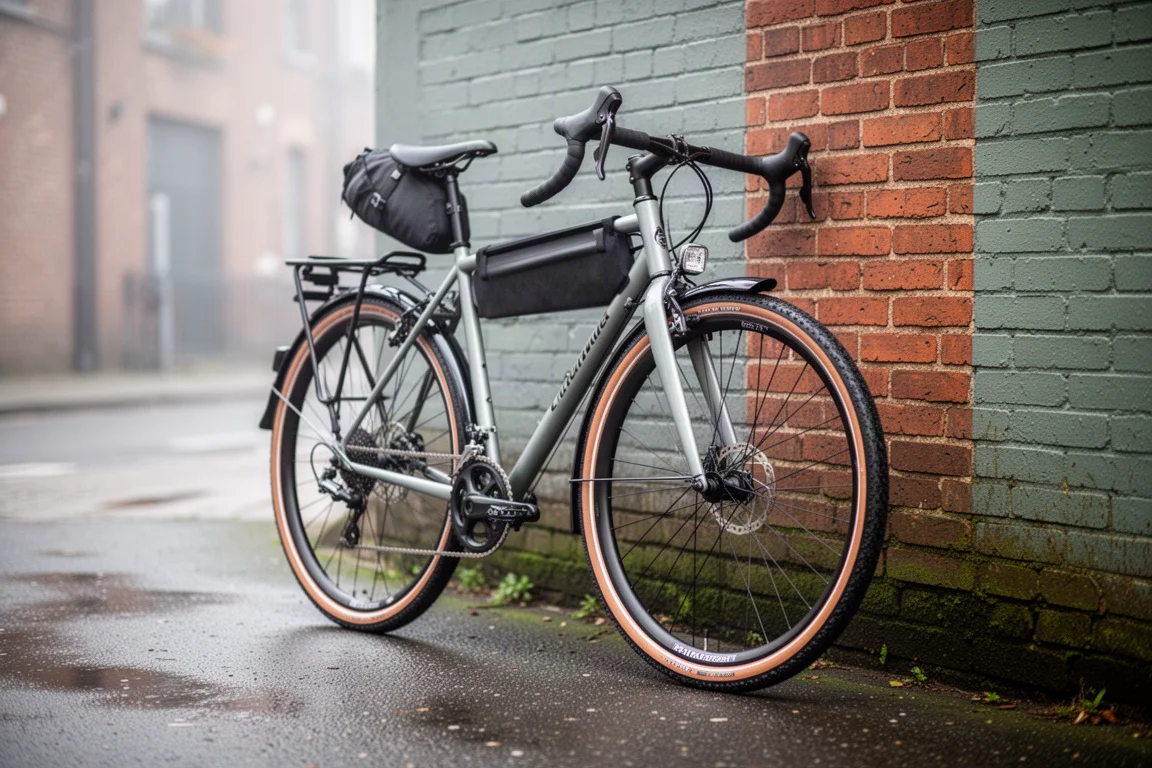
Details include internal routing that runs through the top cap and into the frame, a two-piece bar and stem, fork mounts for cages or bottles, mudguard mounts and a threaded bottom bracket. Two features stand out at the rear: 180 mm disc rotors front and rear, and heat sinks mounted between the caliper and the frame or fork. The rotors add stopping power, though whether the extra size and the heat sinks make a meaningful difference on a gravel bike is harder to say.
Prices start at just over £1,200 for aluminium models, with carbon options higher up the range. The carbon build tested here costs £7,000 and uses Shimano GRX 12-speed mechanical, Easton wheels, a flared drop bar, a carbon seat post and a Merida saddle. It weighed 9.4 kg, which is reasonable for the specification.
The ride is unusual at first. The high front end, short stem and wide bar place the rider further back and higher than a race-oriented gravel bike, which can feel strange on tarmac. Point it downhill and the geometry makes sense: the slack head angle and extra length give calm, authoritative handling through corners and over rocky, stepped trails. Running pressures as low as 20 to 25 psi helps the tyres do their share of the work.
Because the bike uses a normal stem and seat post, a suspension stem and seat post are easy upgrades for long distance adventure riding. It is not the smoothest bike on rough ground, and it takes a few miles to adjust if you are coming from a road or race gravel background.
Cannondale Topstone Lab 71: Kingpin Comfort and a Race Fit
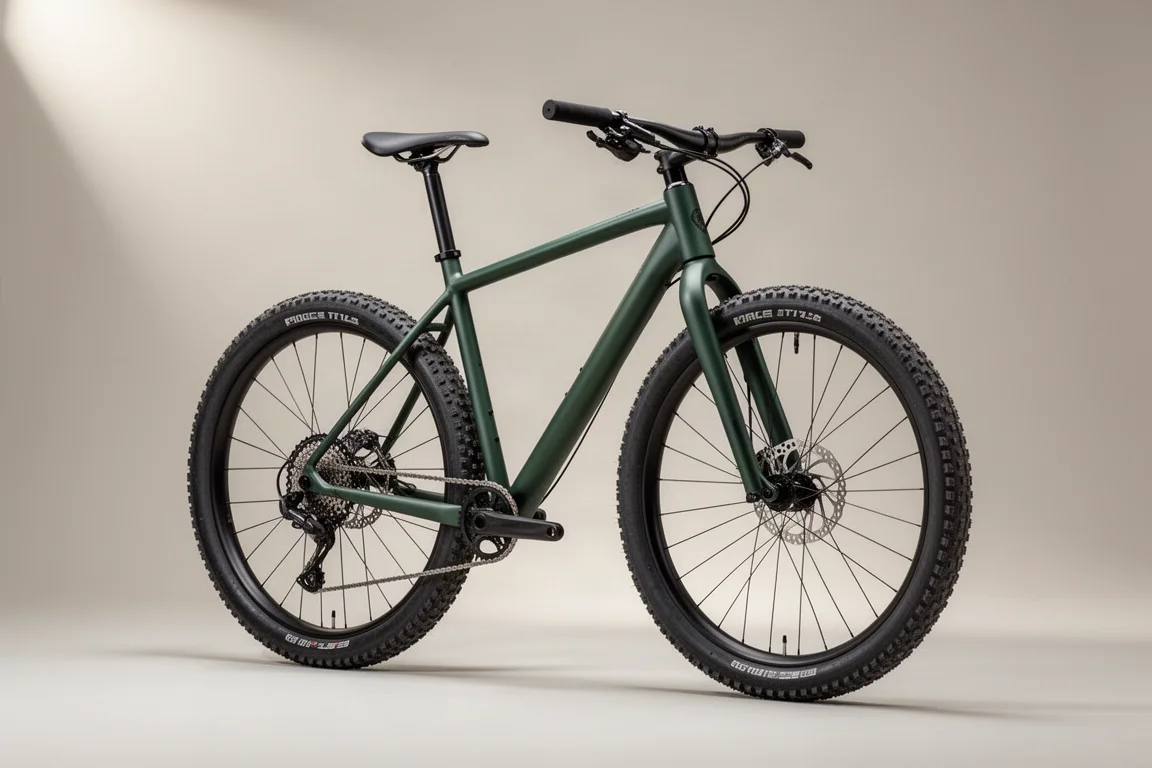
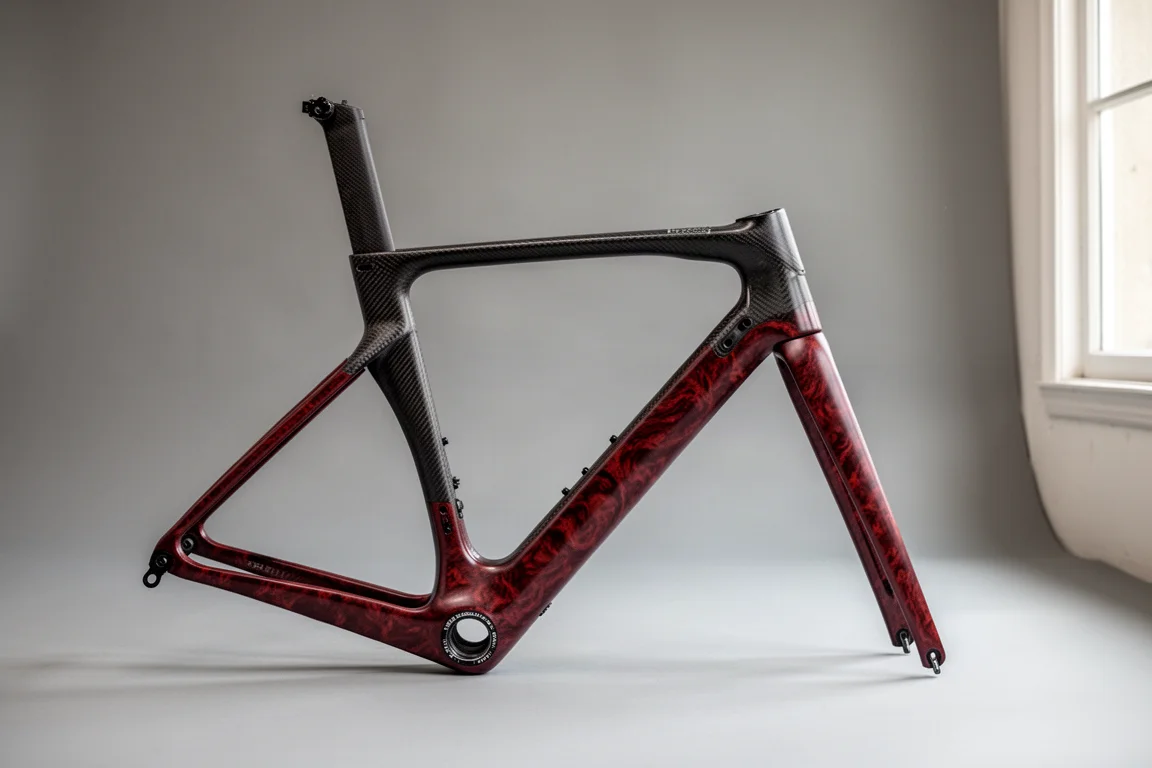
Lab 71 is Cannondale’s flagship treatment, applied across several platforms, and the Topstone Lab 71 is the gravel version. The frame uses a higher grade of carbon and a new paint finish to save a claimed 160 g over the regular carbon Topstone. The finish here is a split of Ox Blood at the rear with bare carbon at the front and on the fork, which saves weight but is a divisive look on a premium frame.
Tyre clearance is up to 45 mm on 700c, and 650b builds are available. There is a threaded bottom bracket, mounts across the frame and fork for bottles and bags, and mudguard mounts. The down tube carries a SmartSense compatible mount, a carryover from the Synapse system, which can be used with a supplied bracket and straps for a bag or inner tube, though it feels like a leftover rather than a designed feature.
The signature element is Kingpin: a through-axle pivot linking the seat stays to the seat tube. Combined with the carbon layup in the top tube, seat tube and flattened chainstays, it allows up to a claimed 30 mm of deflection at the saddle.
Lab 71 is sold as a frame and fork package at £3,000, so you build it yourself or have a shop do it. The build tested here used Shimano GRX 12-speed mechanical with an 11-51 cassette, HollowGram carbon wheels with DT Swiss internals, a Prime carbon aero bar and stem and a Fabric saddle with carbon rails. The complete bike weighed 7.7 kg, which is impressive for a mechanical build. For most buyers, a complete carbon model at just over £3,000 is the smarter purchase.
On the road and on smooth gravel the Topstone is quick and well balanced. The geometry is sporty and close to an endurance road bike, which makes it easy to link lanes, byways and forest tracks. The wheelbase is long, the head angle slack and the fork trail long, so steering is stable rather than twitchy. It is not the bike for steep, technical trails.
Comfort at the saddle is the standout. Kingpin delivers a noticeably smoother ride than most gravel bikes, and it edges out the Canyon Grizl’s split seat post in this respect, letting a 40 mm tyre feel closer to a 45 mm one at the rear. The front end is firmer, though a suspension stem is an easy addition since the steerer is standard.
Mason Bokeh: Handmade Aluminium Versatility
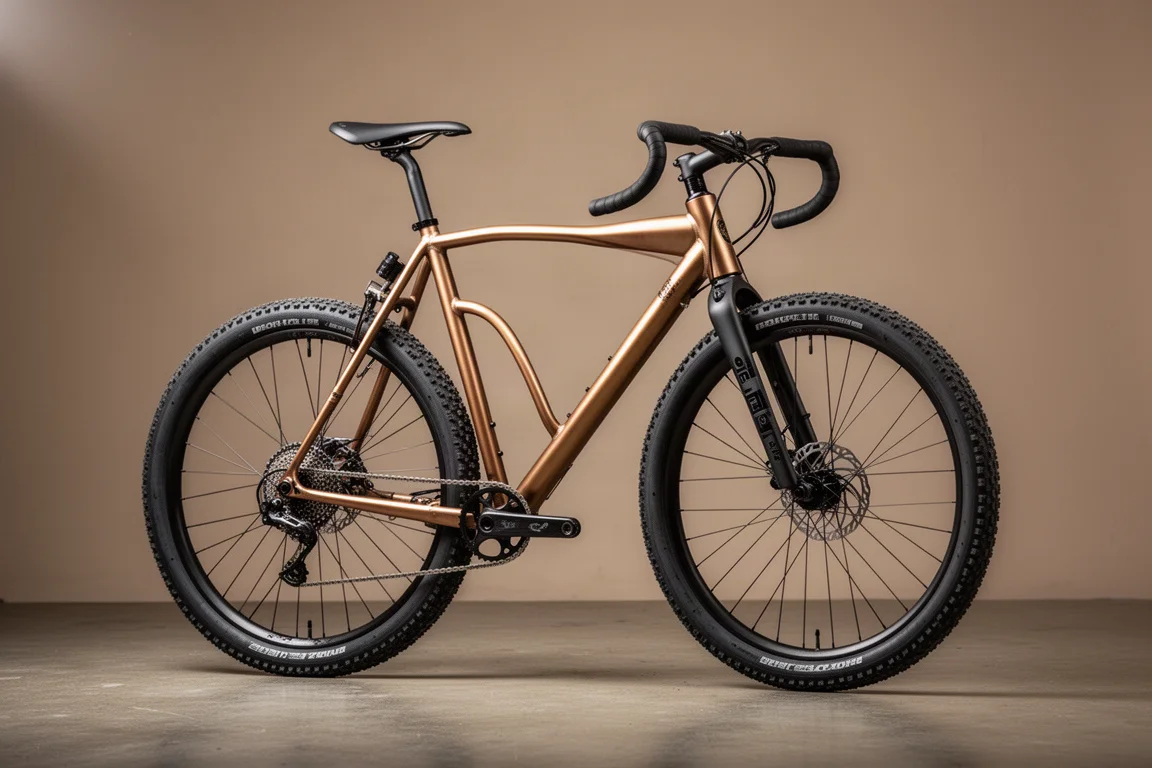
The Bokeh is now in its third version, following the original from 2016 and a second version in 2019, and the recipe has not changed much because it did not need to. Mason does not follow model years, so changes are refinements. The frame is still handmade in Italy from triple-butted aluminium with custom tube shapes, and this version adds CNC machined dropouts, internal routing for rear cables and brake hoses, extra mounts for cargo and water, dynamo routing through the top tube and a new carbon fork with its own mounts.
Tyre clearance has improved slightly, to 700x45 or 650x55. With 2.1 inch mountain bike tyres fitted there is ample space at the front, though the rear tyre sits very close to the chainstays. There is no chainstay bridge, which helps mud clearance, but a buckled wheel on a long adventure could leave very little room.
The frame and fork package is close to £1,500, complete builds start at just over £3,200 with Shimano GRX and run to over £4,000 with SRAM Rival AXS. The build tested here, with Campagnolo Ekar, Hunt wheels, Vittoria tyres and a Ritchey VentureMax flared drop bar, comes in at over £3,600. That is a lot for an aluminium bike, and a Canyon Grizl with a comparable groupset costs around £300 less and rides more smoothly thanks to its carbon frame and split seat post. The Bokeh weighed 9.3 kg, matching the Grizl.
What you get in return is a small British company with a barn near Brighton, where you can test ride and collect the bike in person. For some riders that relationship is worth the premium.
The ride is sporty, fast and agile, and the geometry still balances road speed with off-road capability rather than chasing the slackest possible numbers. Mason does offer a steel Bokeh with slacker geometry for riders who want more capability. On a bikepacking trip across Wales, including a rocky passage over the Gap below Pen y Fan, the aluminium frame felt sprightly and direct, with more feedback than carbon or steel, while the fat tyres smoothed out much of the rough surface. It climbs well and feels stiff under power. It is not the most capable choice when trails turn steep and technical, but for a first or second gravel bike it remains a well-judged, versatile machine.
Buying Advice: Matching the Bike to Your Riding
The right choice depends far more on your terrain than on any single specification. If your gravel is fast, dry and rolling, the aero race platforms make sense: the Canyon Grail, the Enve MOG, the 3T Extrema Italia and the Cervélo Áspero all prioritise speed, with the Grail adding frame storage and the MOG adding mounts and clearance.
If you want race speed on a tighter budget, the Ventum GS1 is the value pick, with a carbon frame and electronic shifting at $3,000, provided you can live without mudguard mounts. The Merida Silex and FiftyOne Assassin suit riders who want stability and adjustability over outright pace, and the Assassin’s dual flip chips give the widest tuning range.
Riders who regularly ride rough, rooty or rocky terrain should look at the Giant Revolt X, where front suspension and a suspension dropper post make a real difference. Those who want comfort and versatility for mixed surface riding, including long days and light bikepacking, will find the Cannondale Topstone Lab 71 and the Mason Bokeh easier to live with day to day.
Two specifications are worth checking on any bike you consider. Tyre clearance determines how far you can push comfort and grip, and mudguard mounts determine whether the bike stays useful through a wet winter. A threaded bottom bracket and a round seat post also keep long-term maintenance and upgrade options open.
Conclusion
There has rarely been a better time to buy a gravel bike, and rarely a harder one to choose between them. The ten bikes here are all competent, but they are built for different riders and different terrain. Aero race bikes reward fast, dry surfaces. Progressive adventure platforms reward rough, steep and loose trails. Comfort-focused designs reward long days and mixed routes.
Match the bike to the riding you actually do most of the time, check the tyre clearance, the mounts and the cockpit and seat post standards, and the decision becomes much simpler.
Further reading
Related Reviews
Gravel Bikes
3T Exploro Ultra Review: A Fast Gravel Bike Built for Big Tyres
A close look at the 3T Exploro Ultra, an aero carbon gravel bike designed around wide tyres, with road-like handling, a 980 g frame and genuine rough-terrain capability.
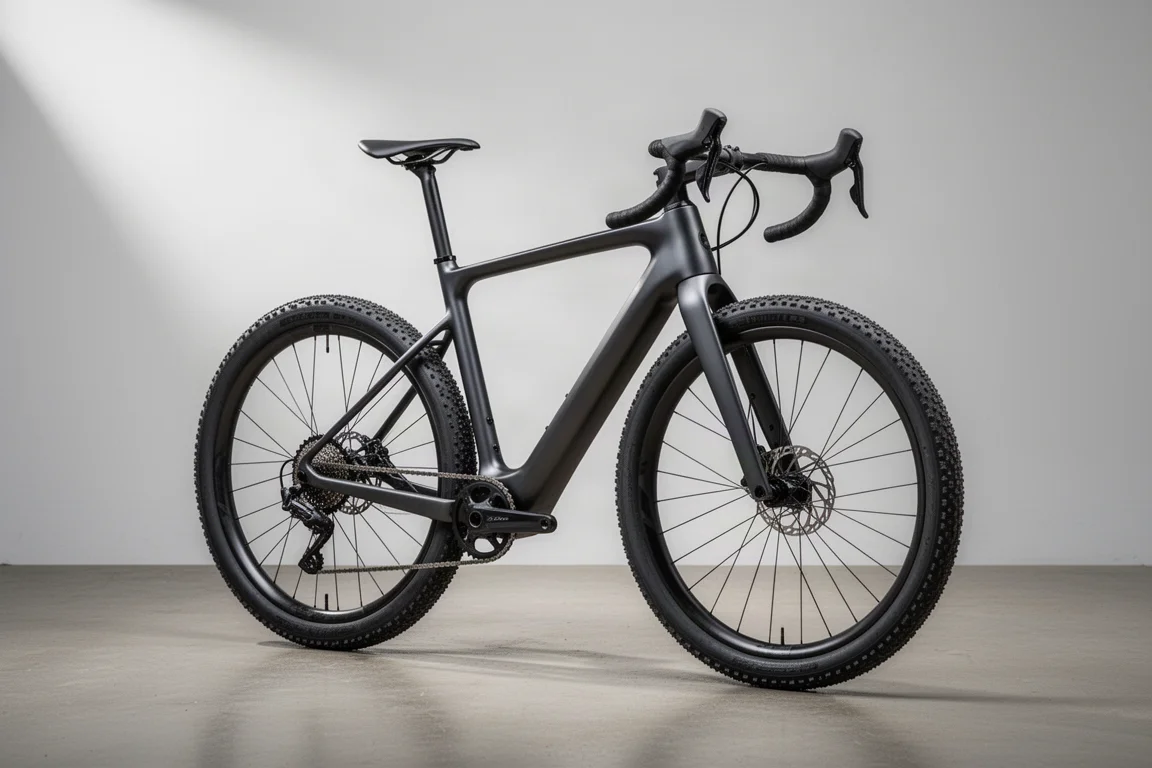
Gravel Bikes
3T Extrema Italia Review: Aero Gravel Speed With Room for 57 mm Tires
The 3T Extrema Italia pairs an aero frame with huge tire clearance, Italian-made carbon and a more comfortable ride than the RaceMax. Here is what to know before buying.
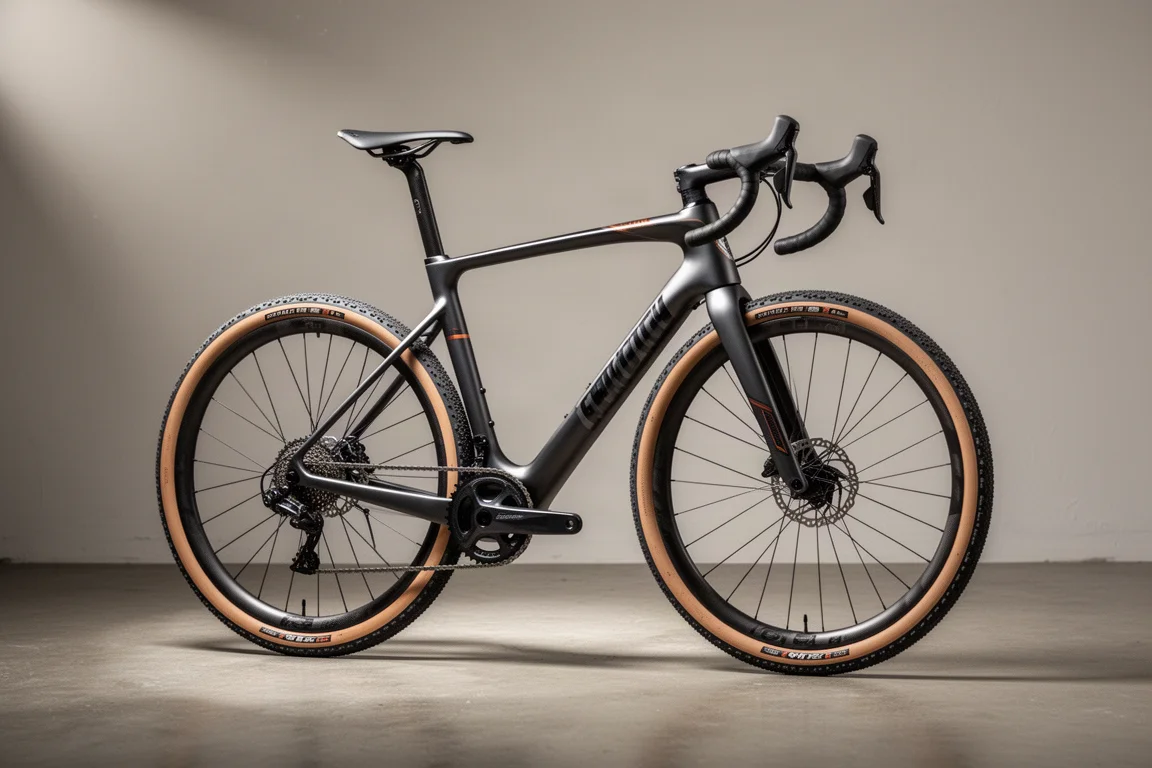
Gravel Bikes
3T Race Max 2 Italia Review: An Aero Gravel Race Bike Made in Italy
A closer look at the second-generation 3T Race Max 2 Italia, covering its aero updates, ride character, tire clearance, internal storage and who it suits.