Gravel Bikes
Best Gravel Bikes to Watch: Five Designs Built for Different Terrain
Five gravel bikes with clearly different priorities, from rear suspension and aero race frames to mountain bike inspired geometry and huge tyre clearance.
Introduction
The gravel market has moved well beyond a single template. Some bikes are now built around stability and comfort on loose, rough terrain, while others are engineered purely to be fast on well-graded race courses. The five models below sit at different points on that spectrum, and each one makes a clear argument for the riding it was designed around.
Several themes run through the group: generous tyre clearance, geometry borrowed from mountain bike design, aerodynamics applied to gravel frames, and mounting points that make long days out easier to manage.
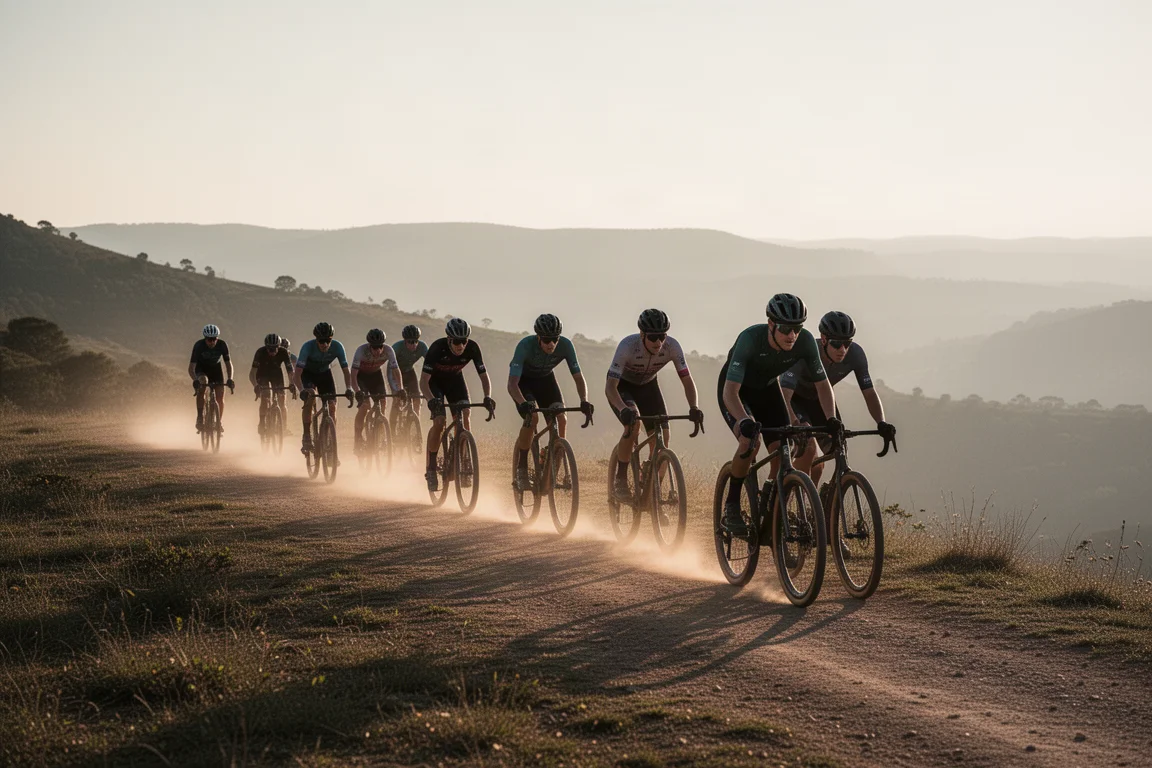
None of these are entry-level machines, and none of them try to be everything at once. The more useful question is which design philosophy matches the gravel you actually ride.
What Sets These Gravel Bikes Apart
Three design directions stand out across this selection.
The first is suspension. One bike adds a rear suspension unit to complement a front suspension system, and another offers compatibility with a suspension stem. In both cases the goal is to reduce fatigue on long, bumpy surfaces rather than to turn a gravel bike into a mountain bike.
The second is aerodynamics. Aero tube profiles and integrated front ends are appearing on gravel race bikes, with claimed drag savings measured at the front of the bike. That matters most on fast, open courses.
The third is geometry. Several of these bikes take direct inspiration from mountain bike design, with slacker head tube angles, longer wheelbases and lower bottom brackets aimed at composure on steep, loose descents.
Tyre clearance varies just as widely, from 44mm up to 2.1 inch mountain bike tyres, so it is worth matching clearance to the surfaces you ride most.
Specialized Diverge STR: Rear Suspension for Adventure Gravel
The Diverge STR keeps much of what defined the previous Diverge, including the Future Shock 2.0 system in the head tube, 47mm tyre clearance on 700c wheels and a downtube SWAT storage compartment. What is new is a suspension unit at the rear, which Specialized says is tailored to counteract the small bumps and impacts typical of gravel riding.
The intent is straightforward: staying seated over bumps should help retain traction and power. Geometry, tyre clearance and the front suspension are unchanged, so the rear system is the headline change.
Riders with long race calendars are the clearest beneficiaries. Specialized pro Ian Boswell has said he expects to use it in the majority of his races, suggesting the rear suspension could reduce fatigue in longer events and leave more in reserve for the finish.
Factor Ostro Gravel: Aero Speed for Gravel Racing
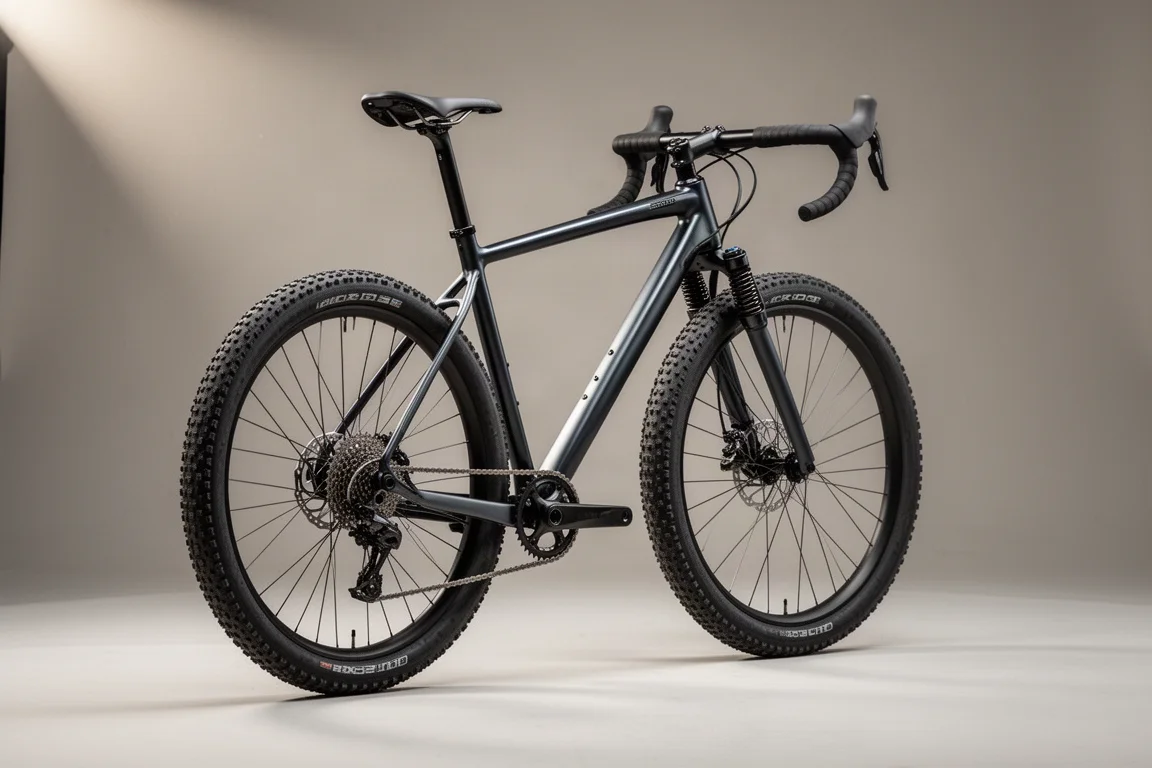
The Ostro Gravel is a gravel superbike that borrows key design cues from the Ostro VAM road race bike. Its tube shapes are aero optimized to make it as competitive as possible at races such as Unbound.
The frame uses a blend of TeXtreme, Toray and Nippon graphite carbon fibres, which Factor says balances low weight with a layup strengthened for gravel riding. Paired with a wide stance fork, the head tube is particularly striking, and together with the cockpit it contributes to a claimed 9 watt drag reduction at the front end.

Mounting options are deliberately limited. There is provision for a Bento Box on the top tube and mounts under the down tube near the bottom bracket junction for a third bottle or a tool keg, but that is all. Riders who want to fit luggage will need to strap on bags. Tyre clearance is 45mm, which should be plenty for the well-graded gravel this bike is designed for.
Ridley Kanzo Adventure: Mountain Bike Geometry for Rough Terrain
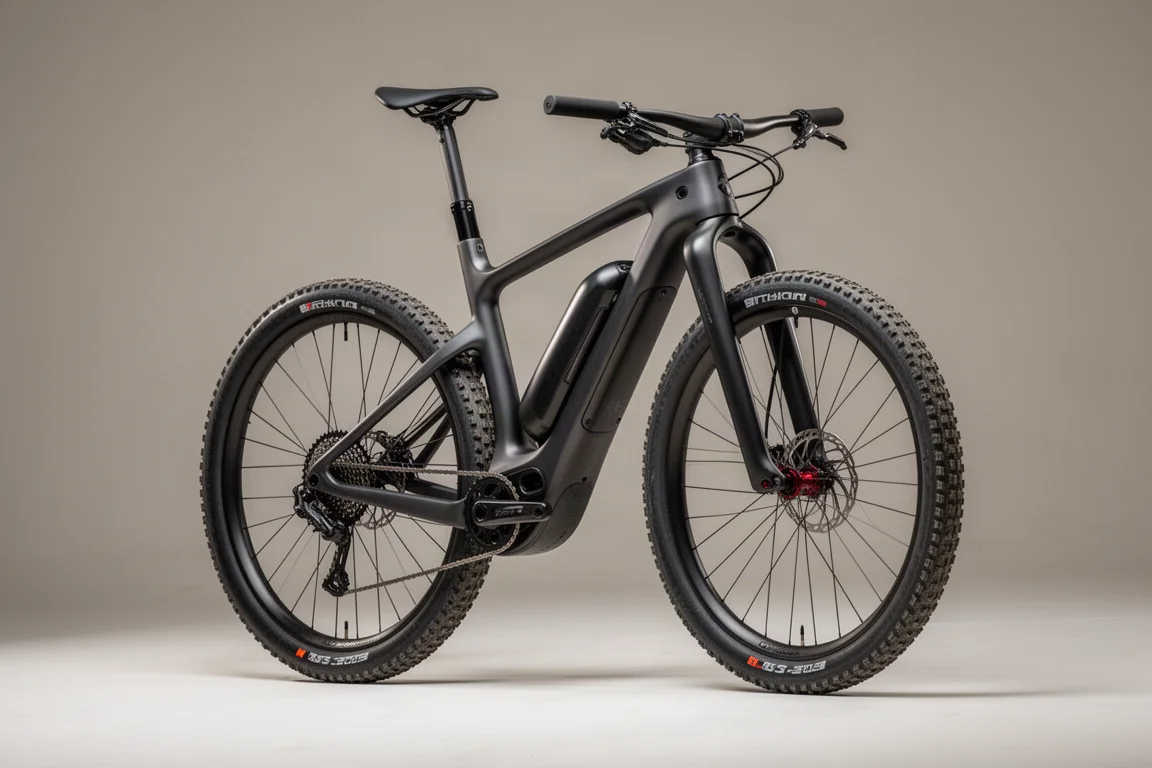
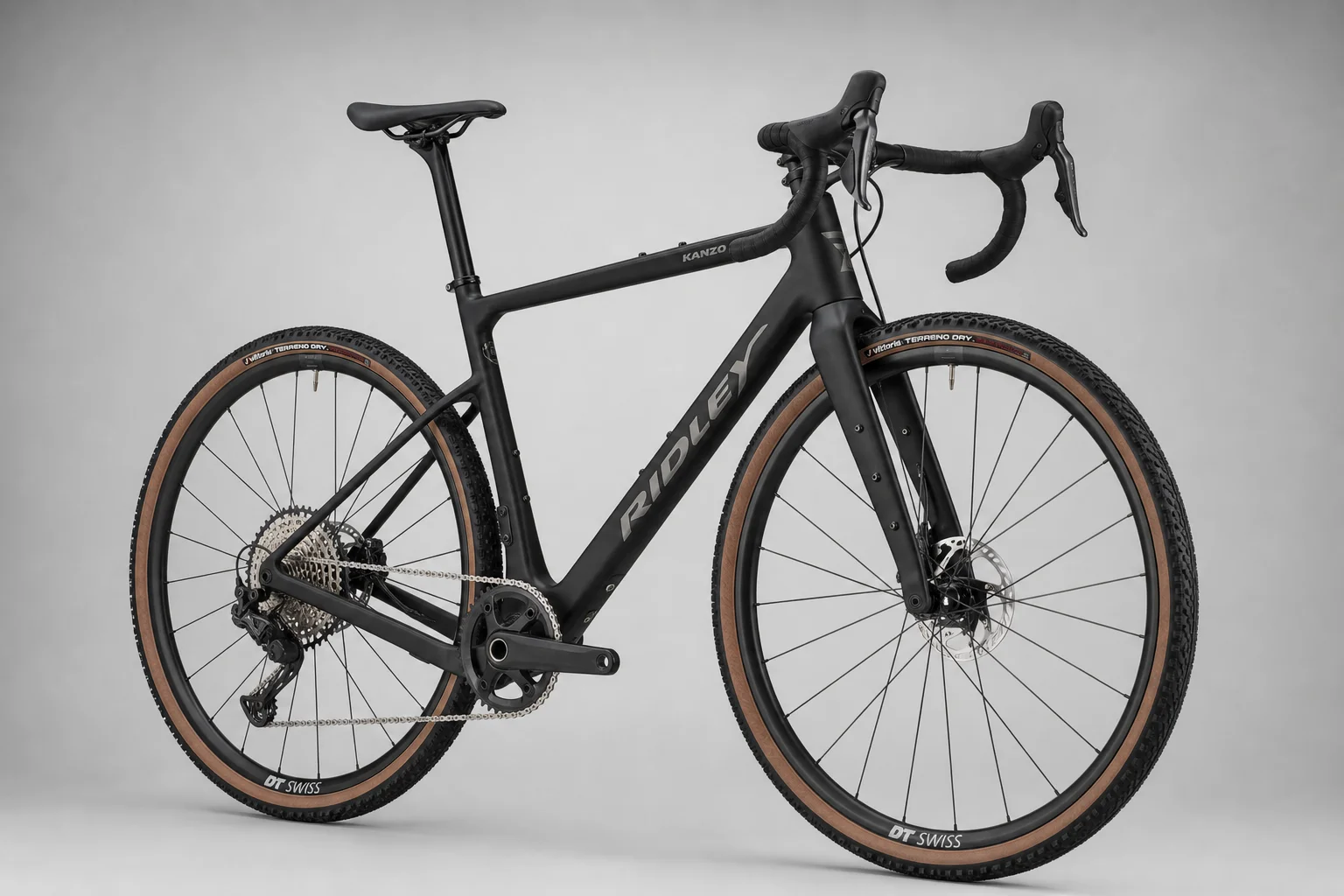
Launched in March 2022, the Kanzo Adventure remains one of the more intriguing adventure gravel bikes around. Ridley says it started from scratch, developing a white paper on what an adventure gravel bike should actually be, and the result is a bold set of numbers: progressive geometry and clearance for 2.1 inch mountain bike tyres on 700c wheels.
The carbon frame takes inspiration from mountain bike geometry. The head tube angle is one degree slacker than the Kanzo Fast race bike, which should add stability on rough terrain and steep downhills, and it is matched with a longer wheelbase and a lower bottom bracket drop for balanced handling.
The head tube is also kept short so it interferes less when a suspension fork is fitted. With that much tyre clearance and slack geometry, this is a bike built for chunky, loose surfaces.
BMC Kaius: A Lightweight Aero Gravel Racer
The Kaius is a minimalist, lightweight and aerodynamically optimized gravel race bike, very much in the vein of the S-Works Crux or Cervélo Áspero 5. It takes clear inspiration from BMC’s Teammachine SLR01 road race bike, sharing a visually similar head tube, an oversized down tube and angular dropped seat stays.
Tyre clearance sits at a more conventional 44mm. That is still respectable, and it comes alongside the features expected on a modern gravel racer: top tube mounting points for a Bento Box, compatibility with both 1x and 2x drivetrains, dropper post compatibility, and support for BMC’s ICS MTT suspension stem, which adds 20mm of travel.
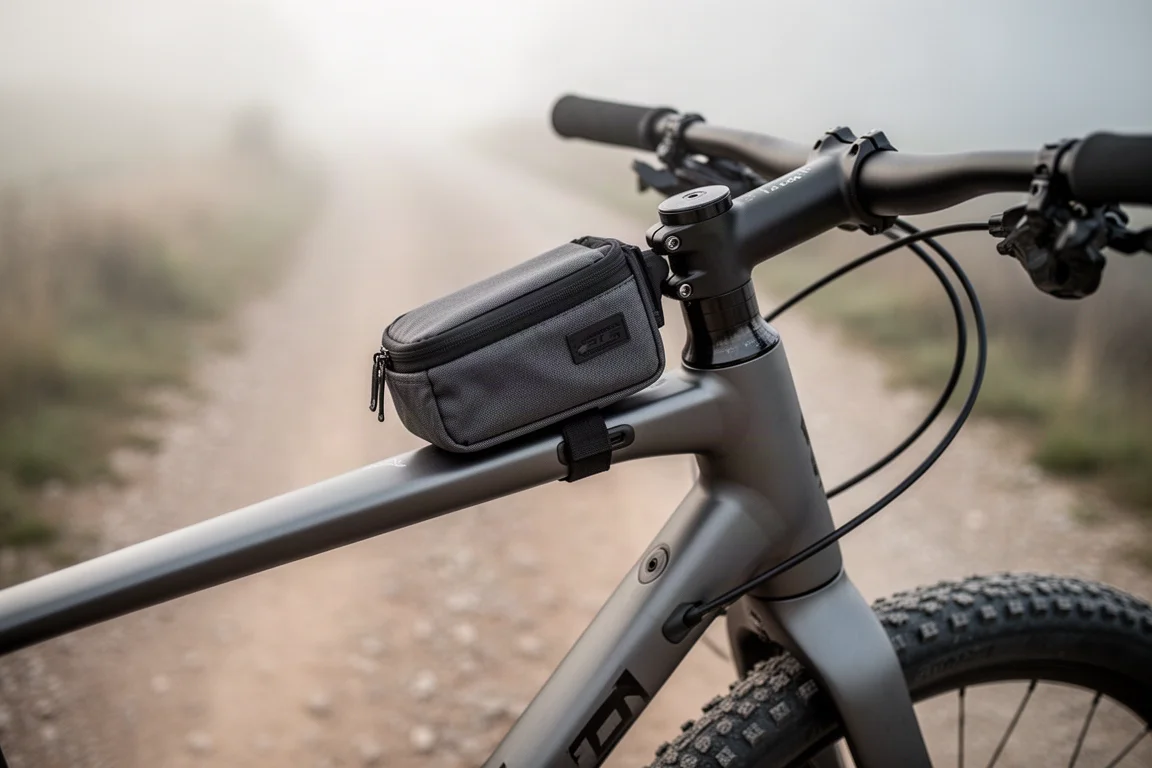
Much of the appeal is in the finish. The front end is notably clean, and the through axle insert is bonded in place to cover the drive side hole for pure aesthetic gains. The range-topping build is priced at $12,000 and weighs a claimed 7.7kg with Zipp wheels and a SRAM Red eTap AXS XPLR groupset.
Rondo MYLC: Down-Country Gravel for Explorers
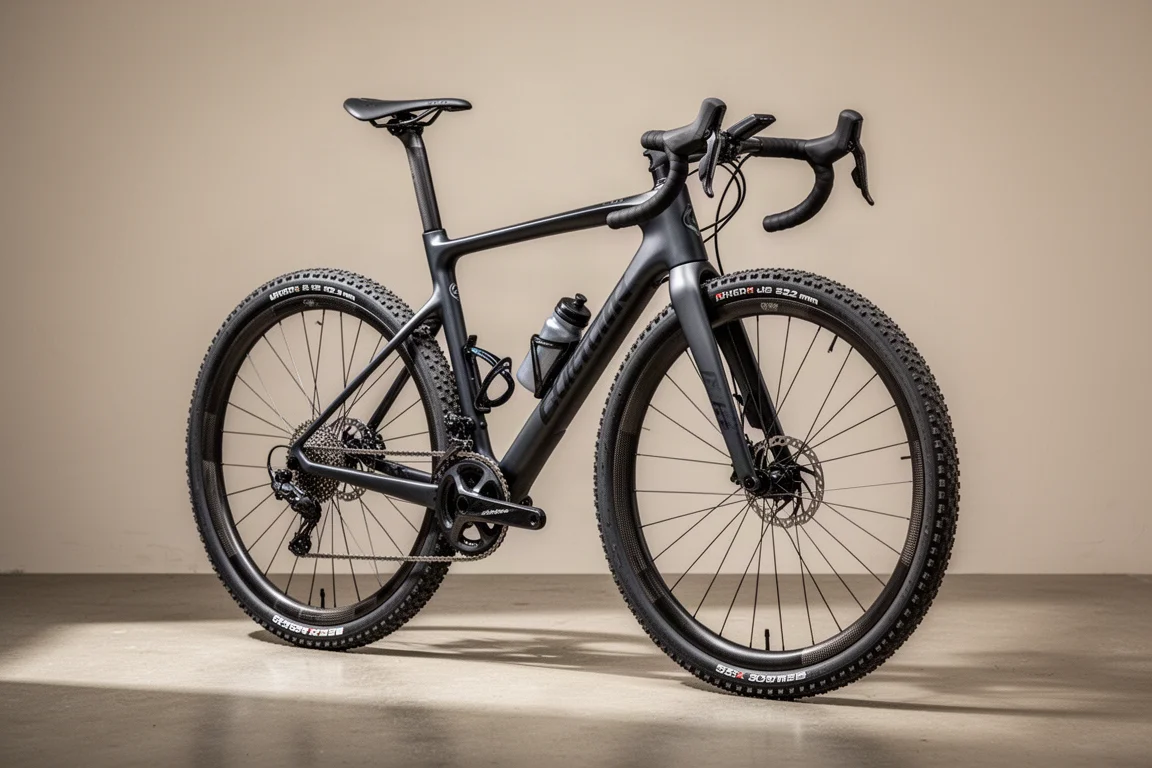
The MYLC is a dropper post compatible down-country gravel bike, and Rondo has drawn heavily on modern mountain bike design. Its geometry is geared towards maximum stability and comfort on gnarly terrain.
Rondo pitches the MYLC primarily at explorers and riders looking for a complete off-road experience, and the measure of that ambition is the claim that it is easier to ride on steeper and rockier descents.
The frame offers high and low geometry settings thanks to a variable twin tip front axle. Switching to the high position pushes the front wheel marginally forward and relaxes the handling further. There is also a distinctive kink in the top tube.
Overall Buying Advice
Choosing between these five comes down to the surfaces you ride and how you like to ride them.
If comfort over long, rough days is the priority and you want to stay seated and pedalling through chatter, the Diverge STR’s rear suspension is the most direct answer. If you race on fast, well-graded gravel and care about aerodynamic efficiency, the Ostro Gravel’s aero tube shapes and front-end drag savings are the relevant features, though its limited mounts and 45mm clearance suit a focused race setup rather than a loaded adventure build.
For genuinely rough terrain, the Kanzo Adventure’s slack front end, longer wheelbase and 2.1 inch tyre clearance make it the most capable option here on paper. The Kaius takes a different approach: light, clean and aero, with 44mm clearance, a claimed 7.7kg range-topping build, and dropper and suspension stem compatibility for riders who want to add capability later. The MYLC sits between the two, with mountain bike inspired geometry, adjustable handling and dropper post compatibility for riders who want composure on steep descents without giving up a drop bar.
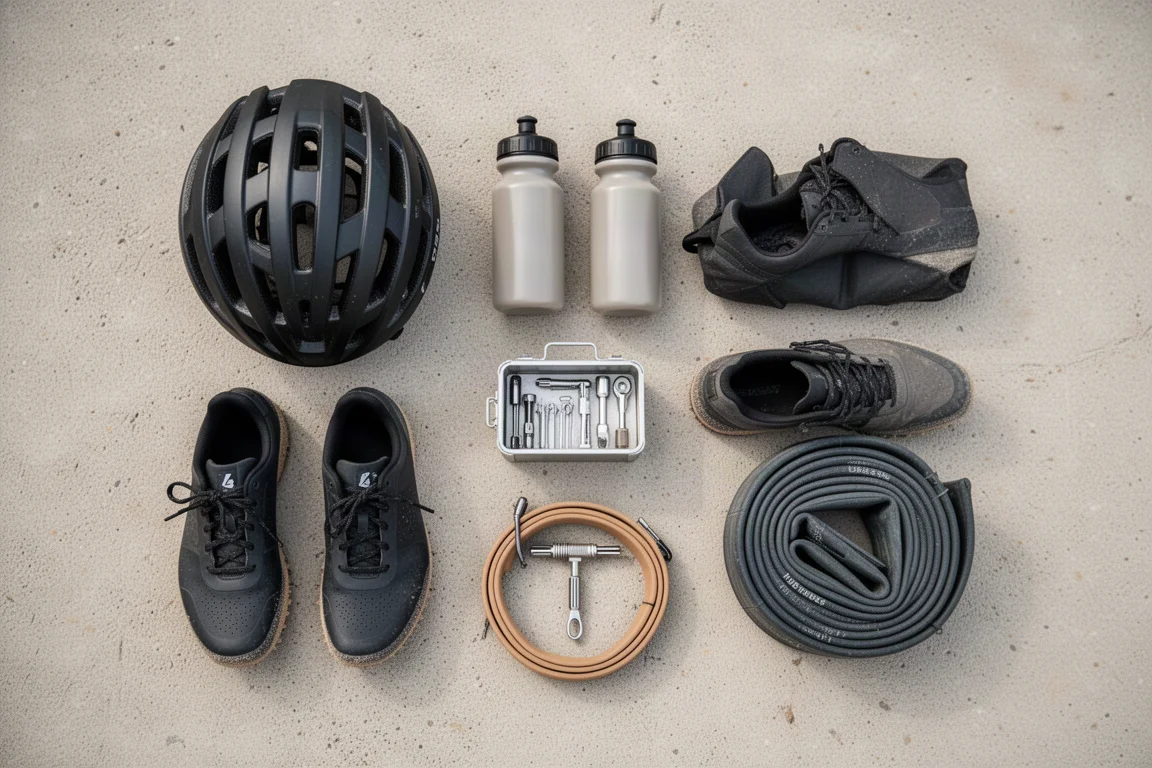
Practical checks before buying: confirm the maximum tyre size against the surfaces you ride most, check whether the frame’s mounting points match the luggage you already own, and decide whether suspension or a dropper post matters more for your terrain.
Conclusion
The split between adventure and race gravel design is good news for buyers, because it makes the right bike easier to identify. Each of these five makes a specific promise: rear suspension to cut fatigue, aero efficiency for fast courses, mountain bike geometry for rough ground, low weight and clean design for racers, and adjustable handling for explorers. Match the promise to your riding and any of them should serve you well.
Further reading
Related Reviews
Gravel Bikes
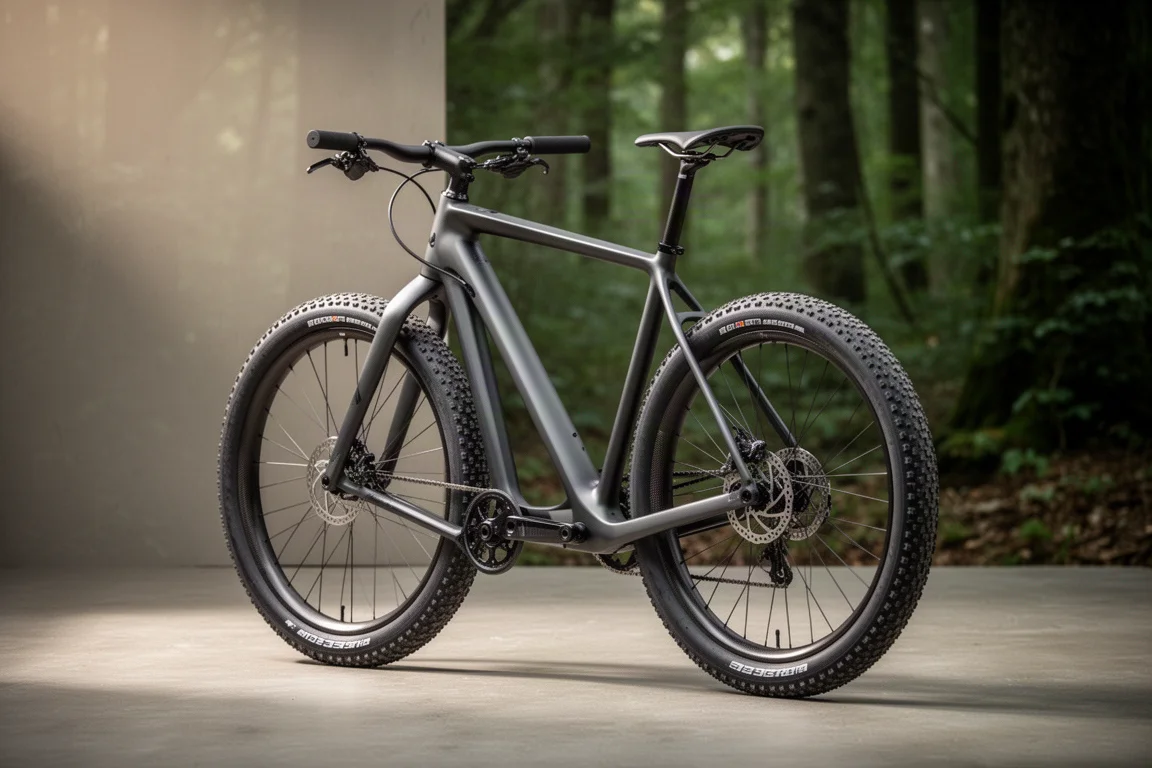
3T Exploro Ultra Review: A Fast Gravel Bike Built for Big Tyres
A close look at the 3T Exploro Ultra, an aero carbon gravel bike designed around wide tyres, with road-like handling, a 980 g frame and genuine rough-terrain capability.
Gravel Bikes
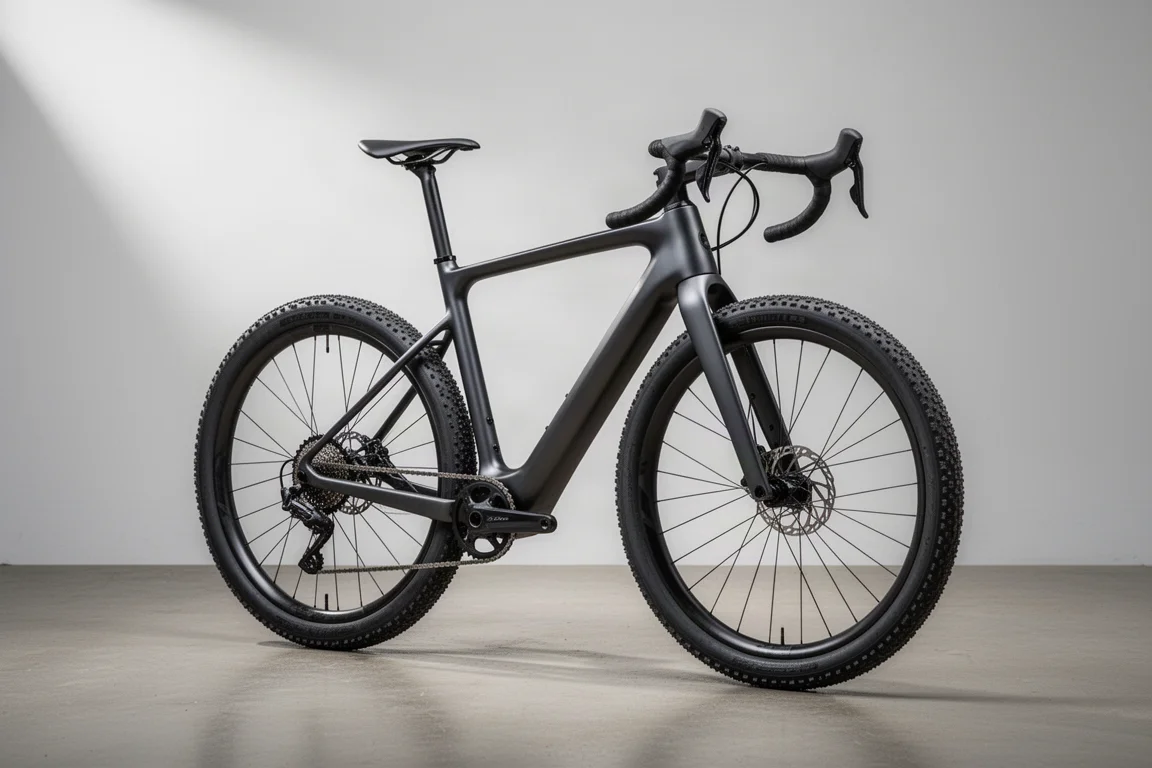
3T Extrema Italia Review: Aero Gravel Speed With Room for 57 mm Tires
The 3T Extrema Italia pairs an aero frame with huge tire clearance, Italian-made carbon and a more comfortable ride than the RaceMax. Here is what to know before buying.
Gravel Bikes
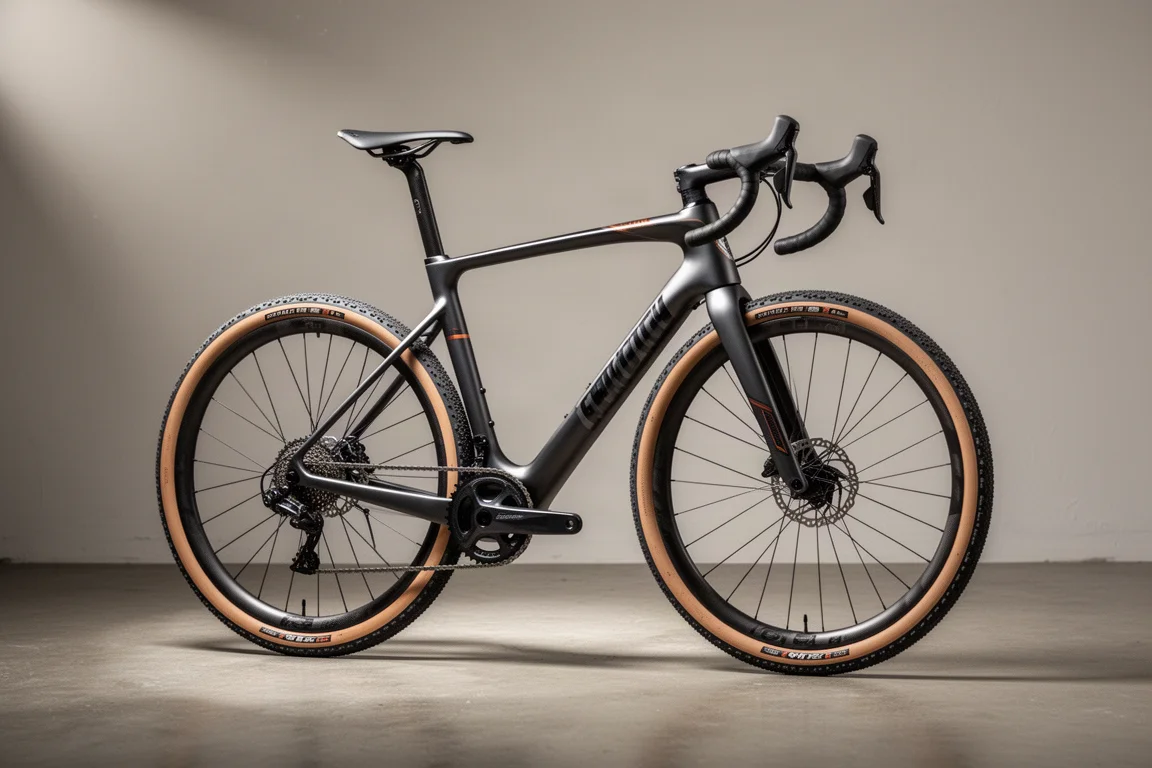
3T Race Max 2 Italia Review: An Aero Gravel Race Bike Made in Italy
A closer look at the second-generation 3T Race Max 2 Italia, covering its aero updates, ride character, tire clearance, internal storage and who it suits.