Gravel Bikes
Best Gravel Bikes That Also Work Well as Road Bikes: 7 Options Worth Considering
Seven gravel bikes with genuinely useful road manners, from fast carbon race frames to steel and flip-chip designs, plus what to check before you buy.
Introduction
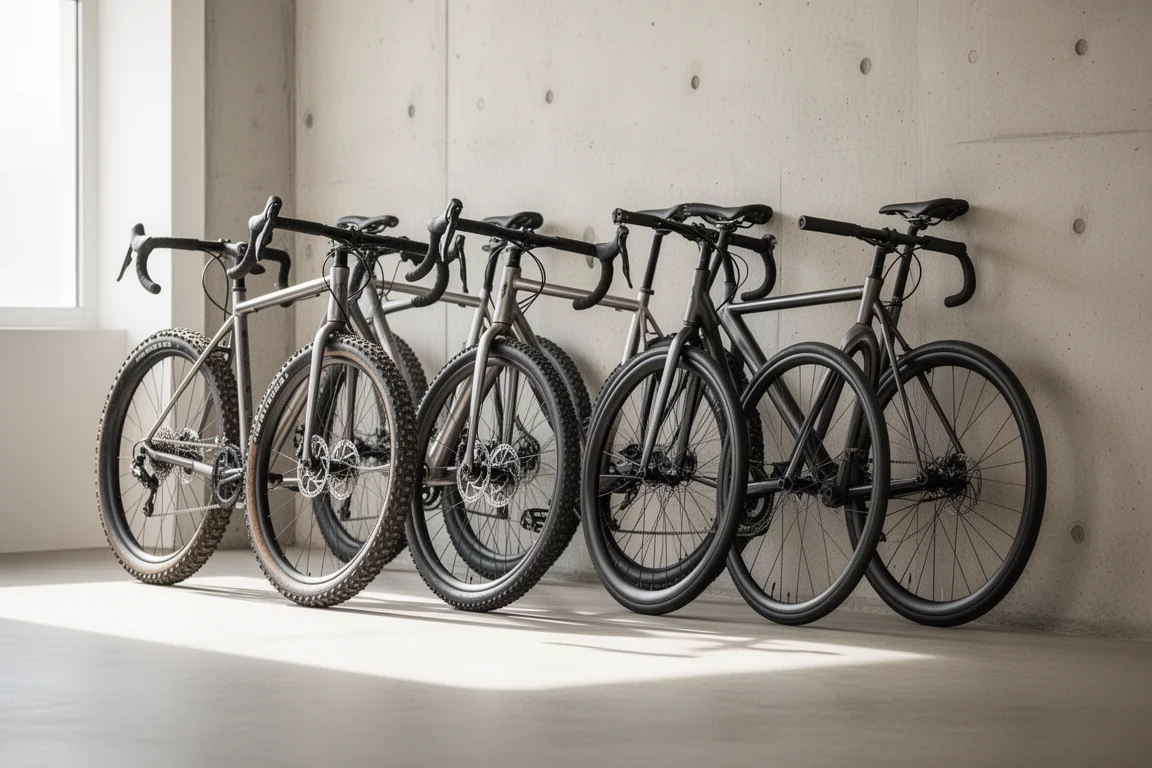
Gravel bikes and road bikes share a great deal of DNA. Stiff, lightweight carbon or aluminium frames, drop handlebars, and tyres that can be swapped for whatever surface is on the plan. The main difference comes down to geometry, and it varies from brand to brand. Generally speaking, a gravel bike is longer, often higher in the stack, and a little slacker than a road bike. That does not stop a slacker gravel bike from being ridden on tarmac, but some models feel far closer to a road bike than others, and those are the ones worth shortlisting if you want one bike for two jobs.
The gravel category is also splitting into two distinct camps. There are race bikes at one end and adventure bikepacking machines at the other, and the racier end of the market is where the strongest dual-purpose candidates usually sit.
It is worth considering the reverse approach as well. A modern endurance road bike such as the Specialized Roubaix now accepts tyres up to 40mm, so a 38mm or 40mm tyre can take it onto smooth, dry dirt. If mud clearance is not a factor where you ride, that may be all the gravel bike you need.
For riders who want at least a 45mm tyre and proper clearance around it in muddy, slippery or boggy conditions, plus bikepacking mounts, a purpose-built gravel frame is usually the better starting point. The seven options below cover that range, from fast carbon race frames to steel and flip-chip designs.
How to Judge a Gravel Bike That Doubles as a Road Bike
The first thing to understand is that there is no single blueprint. What makes a good dual-purpose bike depends on where you ride, how fast you ride, and how much you prioritise speed against comfort. There is no black and white answer, and there is a lot of variation between models.
Geometry is the place to start, because it shapes how a bike feels far more than the spec sheet suggests. Stack, reach and wheelbase are the numbers that matter most, and comparing them side by side is the quickest way to understand how two bikes will differ before you ride either one. A geometry comparison tool such as Geometry Geeks allows you to enter different models and sizes and line the numbers up directly.
Beyond geometry, two further factors decide how well a gravel bike works as a road bike: tyre choice and gearing. Both are worth factoring into the decision alongside frame clearance and mounts. The list below focuses on frames and their geometry, since that is the part you cannot change later.
Giant Revolt
The Giant Revolt is a proven dual-purpose option, having been run as a road bike with both a fat slick gravel tyre and a 30 to 32mm road tyre. Against a dedicated race bike such as the Giant TCR, the difference in time against the clock is not all that large. The Revolt does feel slower, because the wheelbase is longer and the angles are slacker, so it feels more stable and steady and less nimble and agile. It is still a lightweight bike with a stiff frame, and it climbs very well. The main difference is in how it feels rather than in outright speed.
Fit a narrow tyre to a deep-section carbon rim and the Revolt becomes a quick road bike. Fit gravel tyres and it is very good off-road. It also carries the bikepacking features many riders want: mounts on the frame, mounts on the fork, and adjustable dropouts that allow geometry changes. It is a very good bike for bikepacking and gravel riding, though probably not the fastest gravel-and-road setup in this group.
Canyon Grail
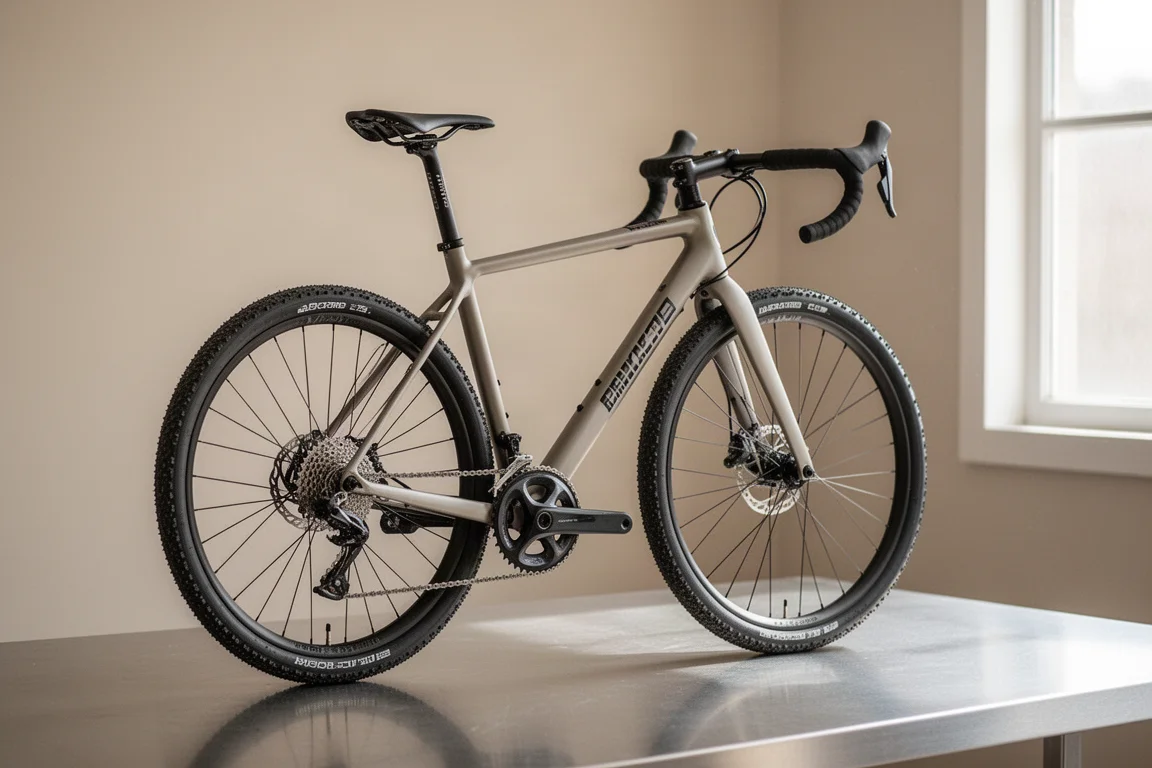
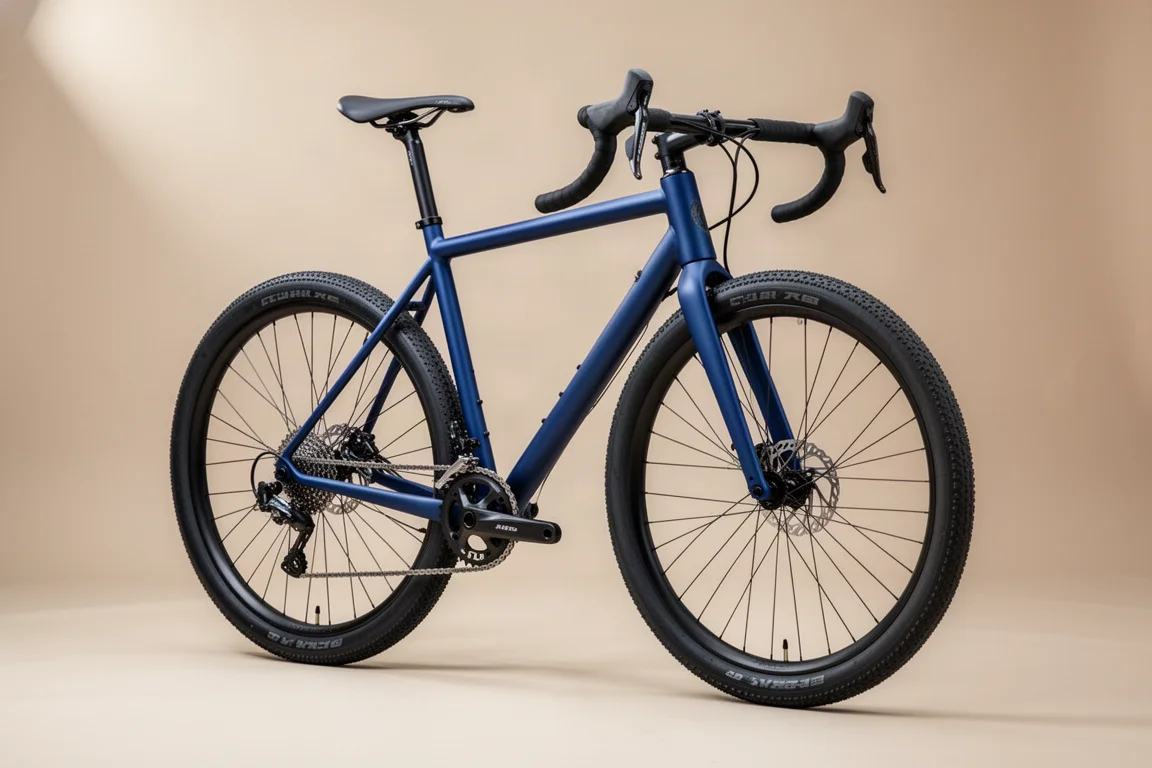
The Canyon Grail is quicker again if speed is a priority. The current version, launched last year, uses a lightweight, stiff carbon frame that closely resembles the Ultimate road bike, and it comes with a one-piece aero carbon handlebar as part of an overall aero package.
Stock bikes are sold with a 1x transmission, but the frame is designed to accept a 2x road transmission, because it was built for riders who ride extremely quickly and want the range and close steps that a 2x setup provides. Specified with 2x, it is very quick on the road. Even with a 40mm gravel tyre that has a smooth centre section, it is quick on tarmac.
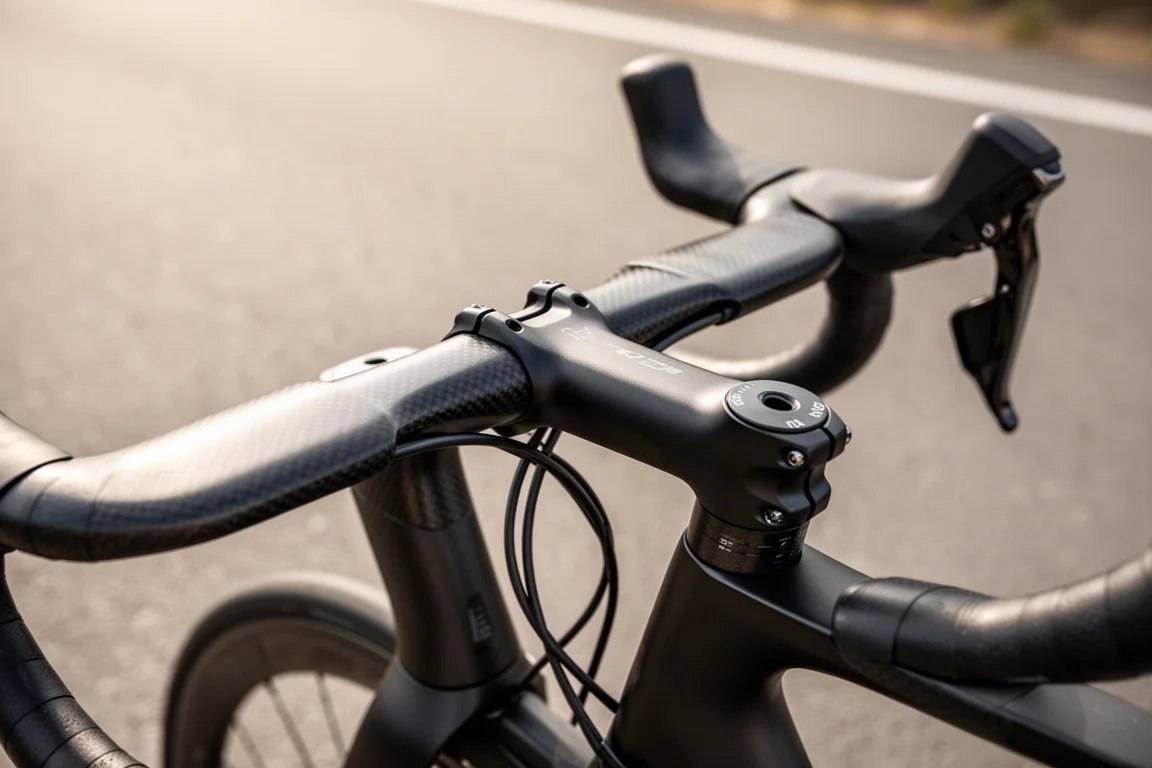
The Grail can also take mudguards, which is a real bonus for all-weather riding. Its geometry compares well with the Endurace: the Grail is longer, slacker and higher, which suits comfort-focused road riding rather than an aggressive aero position. It is not as head down as an Endurace or an Ultimate, but it is no slouch at all.
Fairlight Secan
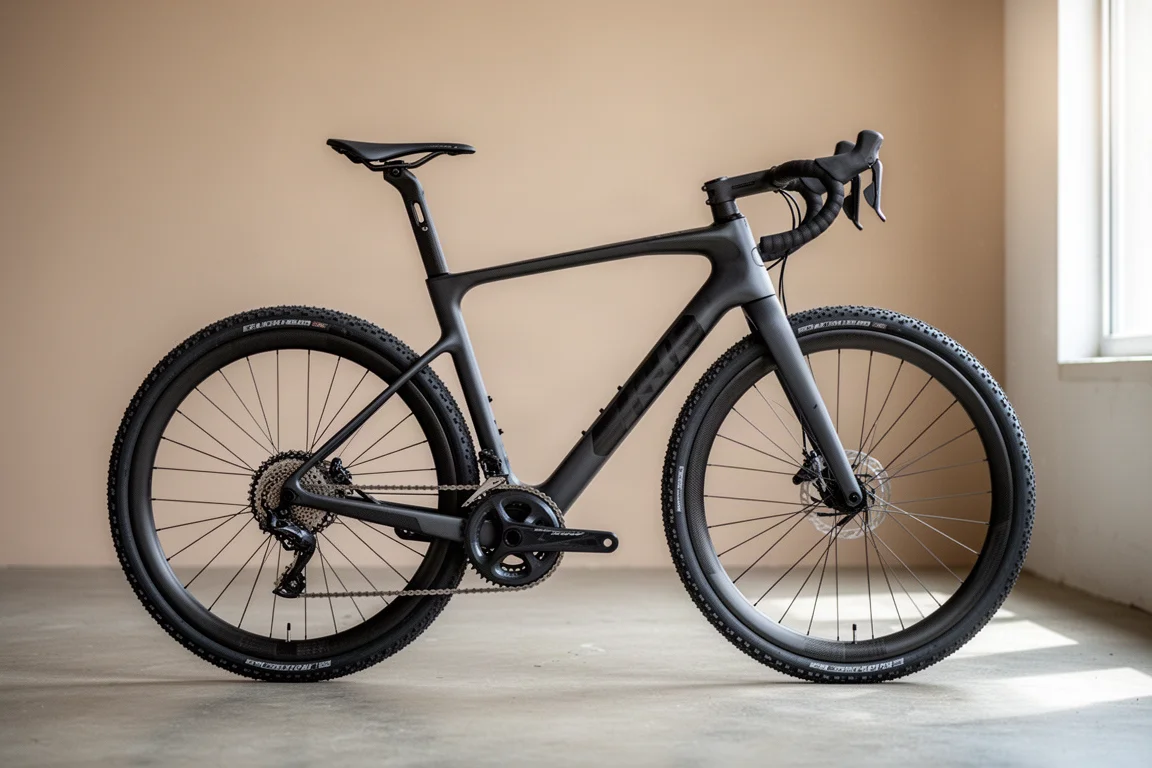
Not everyone wants carbon fibre, and the Fairlight Secan is a strong choice for riders who prefer steel. It is designed and marketed as a gravel bike, but it is not actually that much different from the Strael road bike in the same range. It is a bit taller in the stack and a bit shorter, and the frame is a bit heavier, beefed up for off-road riding, though not so much that you notice it in a negative way.
The Secan has been used for bikepacking, for gravel riding and for a great deal of road riding. With 30mm tyres it completed a 300km Audax ride without holding anyone back. More recently it has been run with 38mm tyres and mudguards in an audax-touring setup, with comfort coming from the big tyres, the geometry, a short stem and a wide flared gravel handlebar. As a winter road bike where comfort and reliability are the priorities, it has worked really well, and it is definitely not slow. With fat tyres fitted, it is genuinely fast.
Specialized Crux
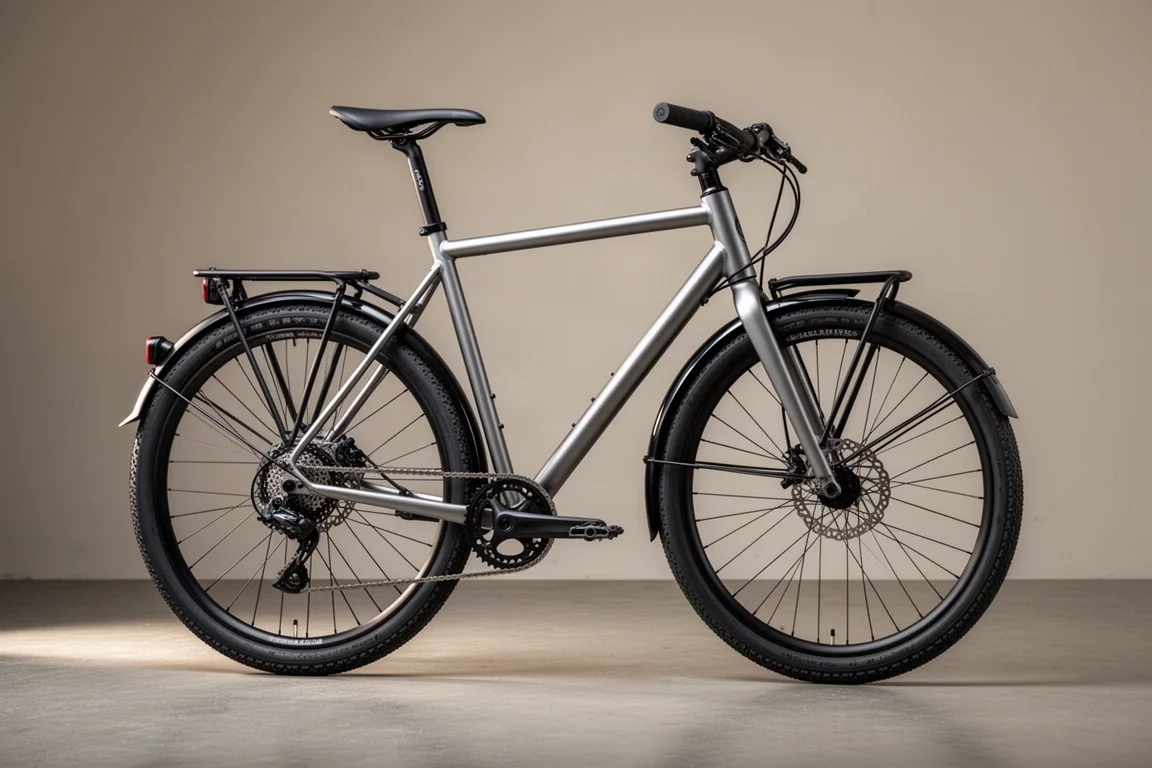
The Specialized Crux is not the obvious choice for a dual-purpose build. It began as a cyclocross bike, now serves as a gravel bike, and does work as a road bike with a wide slick tyre fitted. It is primarily a gravel bike with a 45mm tyre, and a cross bike in winter, which is exactly how it tends to get used when a dedicated road bike is already in the stable.
The geometry has been detuned from its cross origins, but compared with an endurance road bike the Crux sits higher, and the bottom bracket is higher off the ground, so the rider feels higher on the bike. An endurance road bike has a lower bottom bracket, so you feel lower and more in the bike, which is better for road riding. The Crux can feel a bit lofty at times, and some of the other angles do not lend themselves to being the perfect road bike, though these are fine margins. It works as a road bike, just not as well as a pure road bike, so it would not be a first choice for an even gravel and road split. For something closer to 10 percent road use, it is perfectly fine.
For riders weighing the S-Works Crux against a dedicated steel road and gravel frameset and planning a decent share of gravel alongside road riding, the S-Works Crux is the better pick. The extra tyre clearance does not hobble the road performance that bike offers when the right tyres are fitted.
Emonda
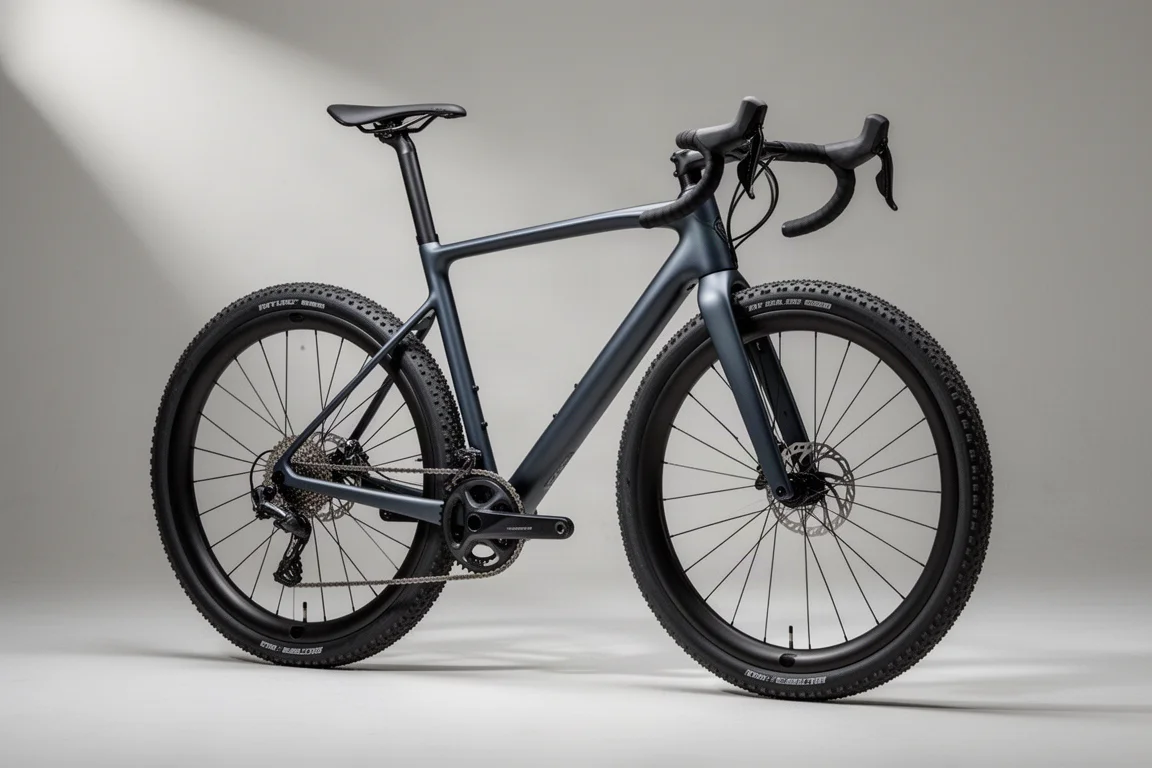
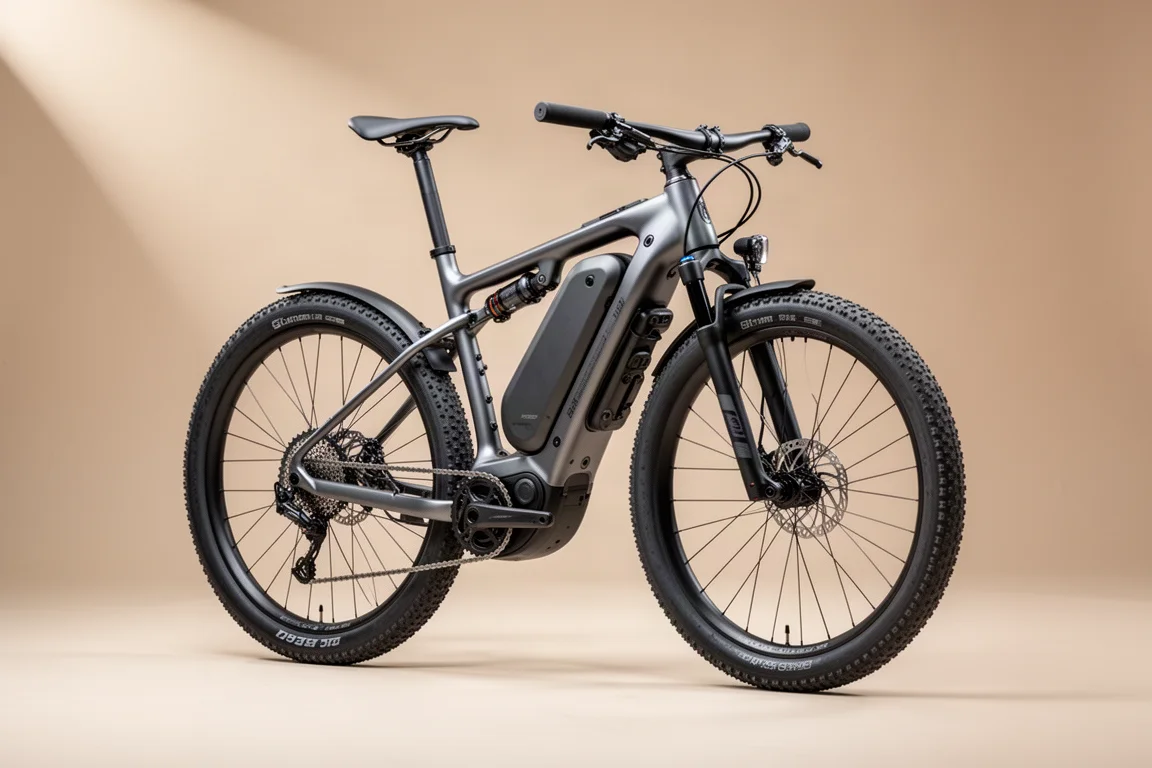
The Emonda launched last year and has been ridden across a wide range of scenarios, from a 220km gravel race to bikepacking trips and road riding. As a gravel bike it ticks every box and a few more than the Crux. It accepts 50mm tyres, has mudguard mounts that the Crux does not, includes down tube storage, and carries plenty of mounts on the frame and fork for bikepacking. That makes it a more versatile gravel bike than the Crux and puts it in similar company to the Giant Revolt.
Its geometry is a bit lower than the Crux, so it is slightly more aggressive, and the bottom bracket is lower as well, so the rider sits more in the bike rather than on top of it. That makes it a better choice for a 50/50, 60/40 or 70/30 gravel-to-road split, and it is a genuinely interesting option for riders who want one bike to cover both surfaces properly.
Allied Echo
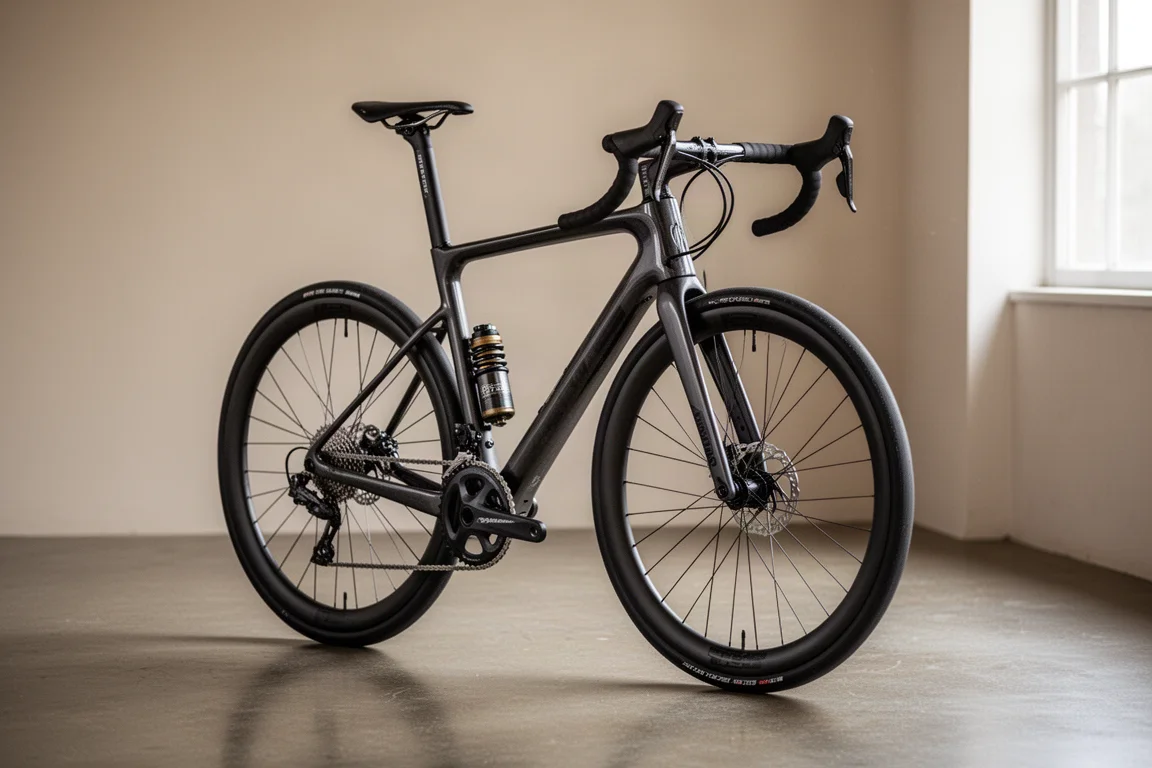
The Allied Echo, from the United States, takes a different approach: it is designed for gravel and for road from the outset. With a 28mm tyre it delivers nimble road bike handling and speed. With a 40mm tyre it becomes a gravel bike.
Flip chips in the fork dropouts and the rear dropouts tune and customise the handling, the geometry and the stack, so the bike can be set up with two distinct handling profiles for wide and narrow tyres. That makes it a strong candidate for riders who want a genuine dual-purpose road and gravel setup rather than a compromise in one direction. The design intent is one of the more interesting answers to the dual-purpose question, and it is a bike many riders would like to see in person before deciding.
Specialized Roubaix: The Road Bike Used as a Gravel Bike
The other route to a dual-purpose bike is to start with an endurance road bike and take it off-road. The Specialized Roubaix now has space for tyres up to 40mm wide, so a 38mm or 40mm tyre can be fitted for riding on dirt.
If the gravel you ride is smooth and dry, and clearance for mud is not a factor, that may be all the gravel bike you need. The Roubaix meets road criteria very well indeed. It does not meet a muddier gravel brief, though: for slippery, boggy conditions, clearance around at least a 45mm tyre matters, and that is where a dedicated gravel frame wins. Riders who split their time between tarmac and soft, muddy surfaces should look at the gravel-first options above instead.
Buying Advice
There is no clear blueprint for how much road bike a gravel bike should be. The right answer depends on the riding you actually do, where you live, how fast you ride, and how you weigh speed against comfort. Some bikes in this group work better as road bikes, and some do fine without matching a pure road bike or the quicker options here.
Comparing geometry numbers is the most reliable way to narrow the field. Stack, reach and wheelbase tell you a great deal about how a bike will feel before you ride it, and a tool such as Geometry Geeks lets you punch in different models and sizes and compare them directly. That single step will usually eliminate two or three candidates from a shortlist.
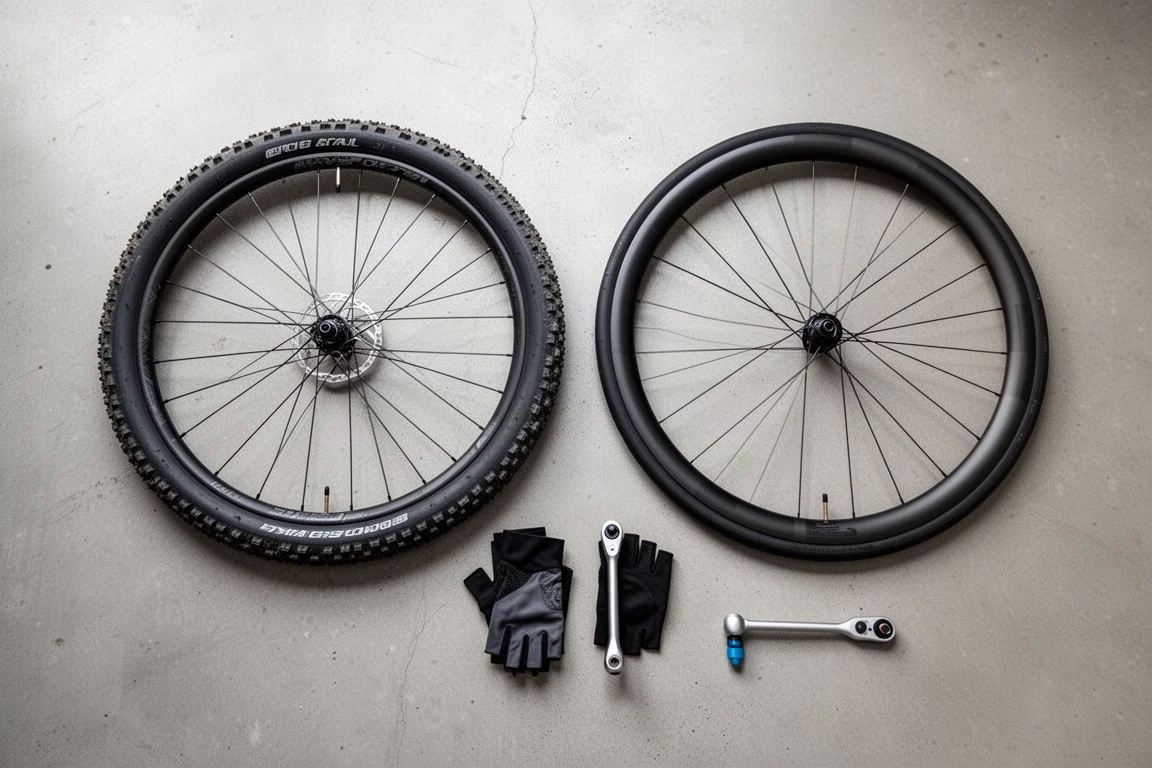
Tyre choice and gearing also shape how well a gravel bike performs on the road, and both deserve a place in the decision alongside frame clearance and mounts. A frame with generous clearance and the right mounts will stay useful for years, while tyres and gearing can be changed as your riding evolves.
Conclusion
The bikes here all vary, which is the point: there is no single formula for a gravel bike that also performs well on the road. The Canyon Grail and the Emonda lean furthest towards speed and versatility respectively, the Giant Revolt and the Fairlight Secan deliver stability and comfort with genuine road pace, the Allied Echo is purpose-built around two setups, and the Specialized Crux and Specialized Roubaix sit at the edges of the brief. Check the geometry numbers for the sizes you would actually ride, match the tyre clearance to the conditions you face, and the choice becomes considerably clearer.
Further reading
Related Reviews
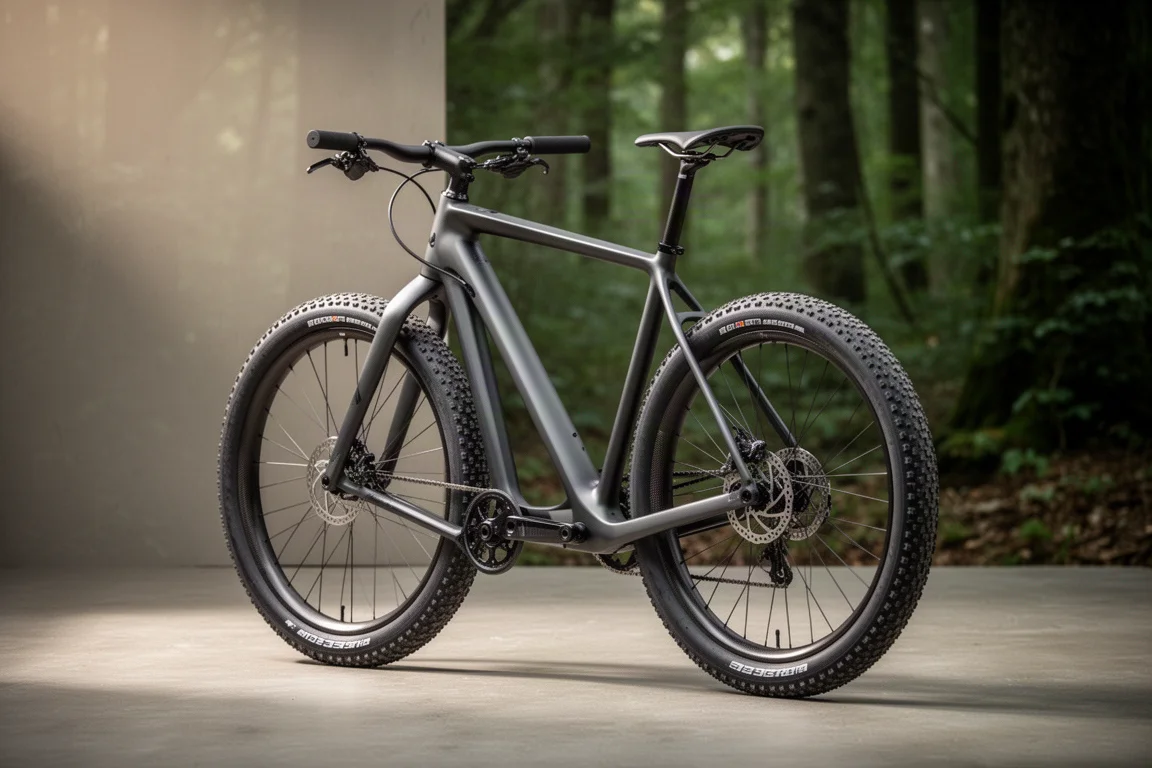
Gravel Bikes
3T Exploro Ultra Review: A Fast Gravel Bike Built for Big Tyres
A close look at the 3T Exploro Ultra, an aero carbon gravel bike designed around wide tyres, with road-like handling, a 980 g frame and genuine rough-terrain capability.
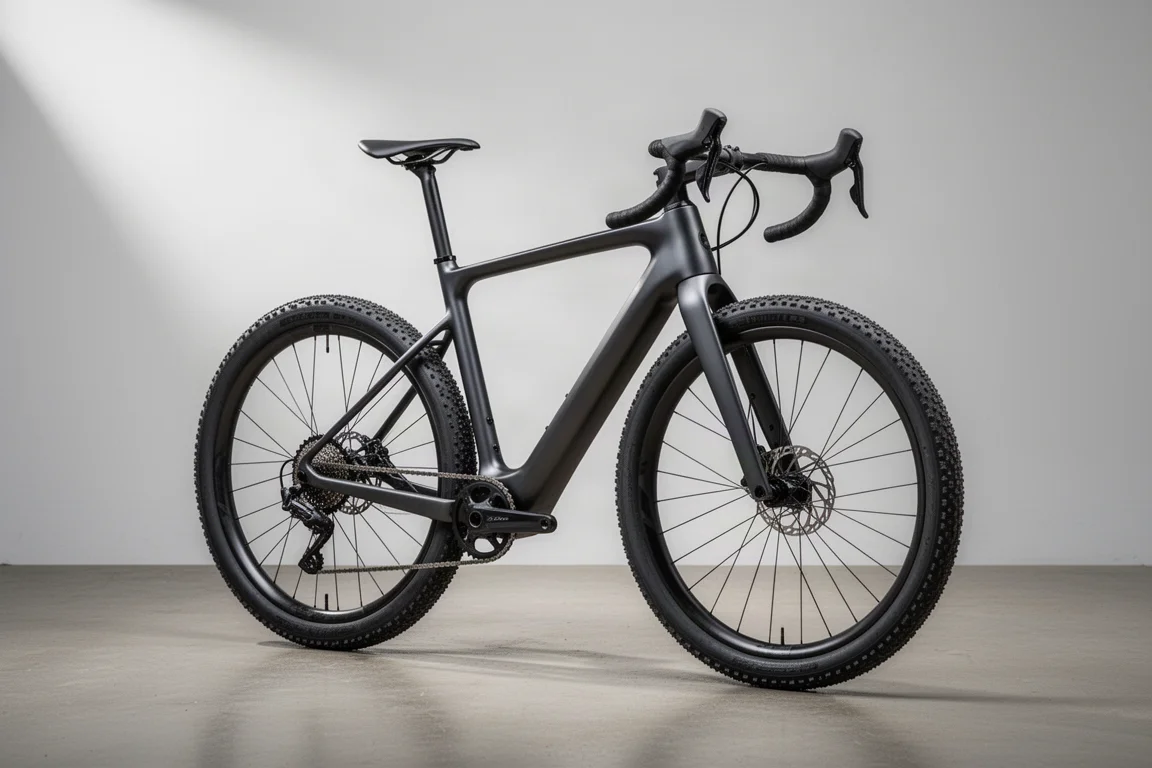
Gravel Bikes
3T Extrema Italia Review: Aero Gravel Speed With Room for 57 mm Tires
The 3T Extrema Italia pairs an aero frame with huge tire clearance, Italian-made carbon and a more comfortable ride than the RaceMax. Here is what to know before buying.
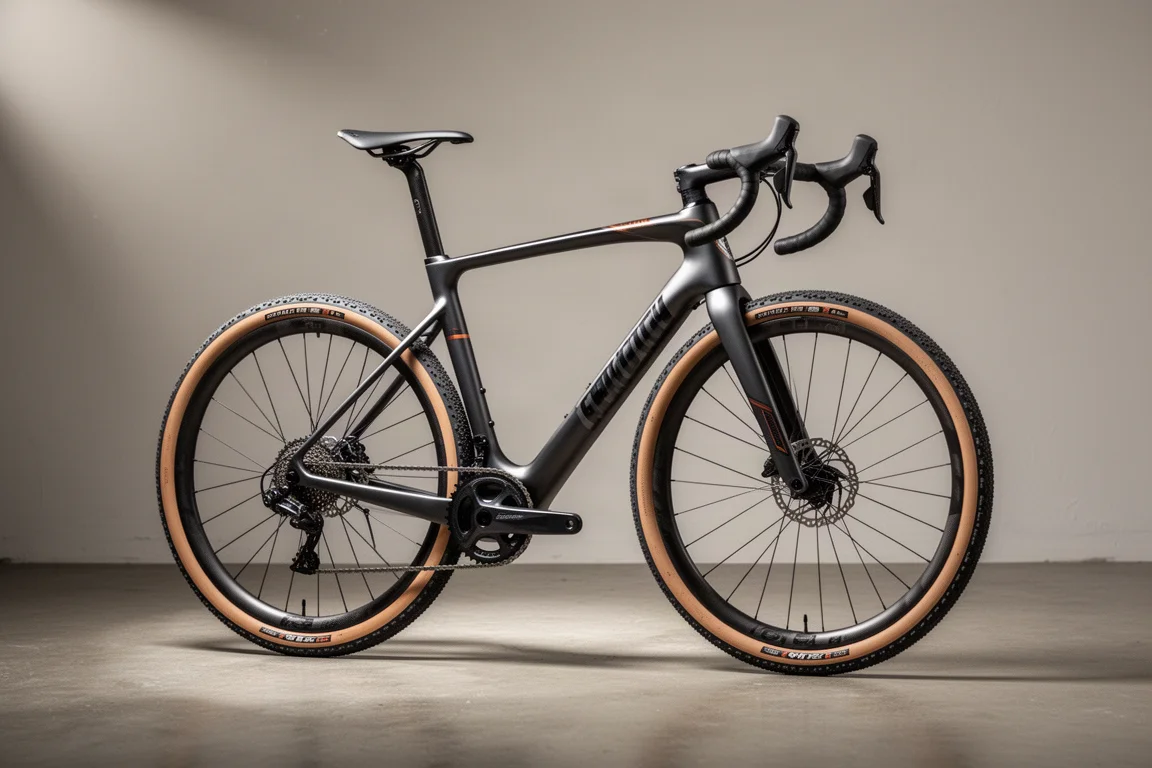
Gravel Bikes
3T Race Max 2 Italia Review: An Aero Gravel Race Bike Made in Italy
A closer look at the second-generation 3T Race Max 2 Italia, covering its aero updates, ride character, tire clearance, internal storage and who it suits.