Gravel Bikes
Best Gravel Bikes: Six Options Worth Considering
Six gravel bikes from around £2,000 upward, compared on frame material, tire clearance, drivetrain, mounting points and geometry.
Introduction
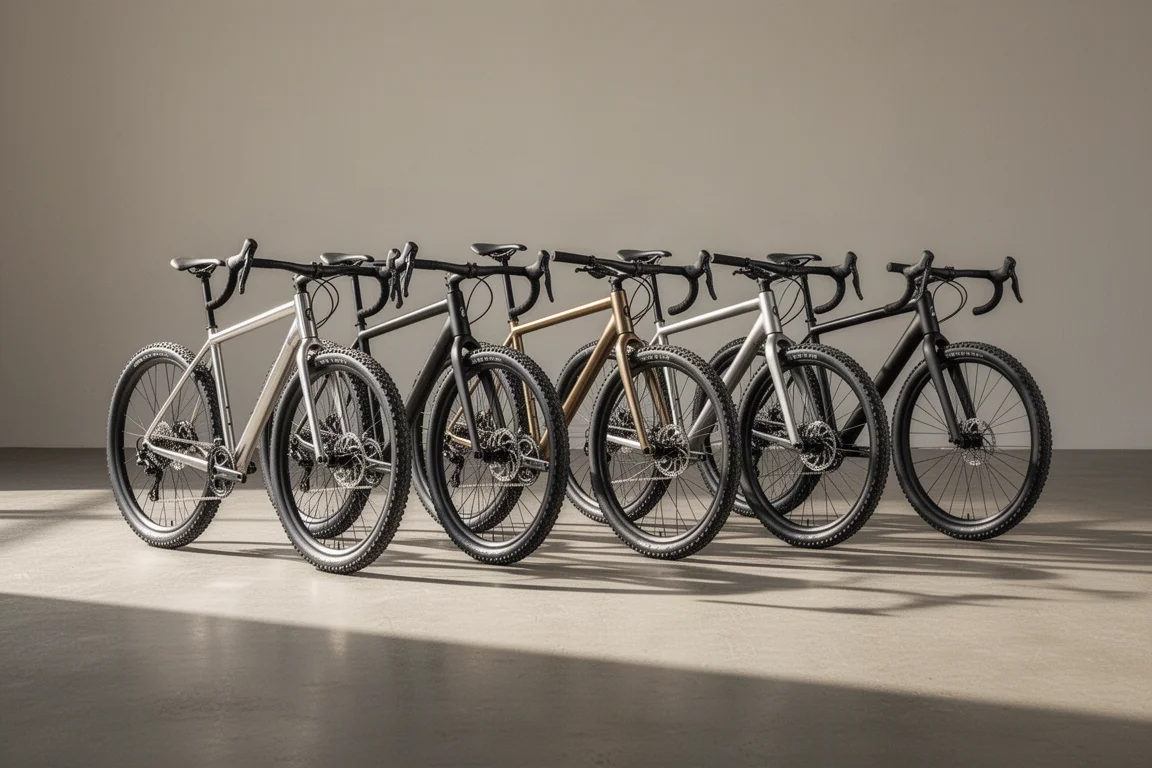
Gravel bikes have become the most versatile option in many riders’ garages, and the current market offers real choice from around £2,000 upward, with carbon fiber frames and wireless electronic groupsets now achievable at this price point. The six bikes below approach that spread from different angles: direct-to-consumer value, shop-floor familiarity, progressive trail-focused geometry, and aluminium frames that deliver far more than their material usually suggests.
Rather than ranking them against each other, this guide looks at what each bike does well and where the compromises sit, so you can match a bike to the riding you actually do.
How We Evaluated These Gravel Bikes
Every bike here was assessed on the same practical points: frame material and claimed weight, tire clearance, groupset type and range, mounting points for bikepacking, and geometry. Weight matters most on long climbs, but handling and comfort usually decide whether a bike gets ridden often. Tire clearance sets the ceiling on how rough a route you can take on comfortably, while mounting points determine whether a bike can grow into multi-day trips.
Groupset choice is largely about preference. Mechanical shifting is simple and battery-free, while electronic shifting brings cleaner shifts and, on some builds, app-based tuning. Geometry is the biggest differentiator of all, and it is worth comparing stack, reach, head angle and wheelbase between models before deciding. Prices are quoted where they were confirmed at launch, and regional pricing varies, so it is worth checking local availability before committing.
Specialized Crux DSW: Aluminium Performance
The Crux DSW takes the geometry and 47mm tire clearance of the carbon Crux and rebuilds them in aluminium. The claimed frame weight of around 1,400g is respectable for the material and keeps this bike in the same conversation as the better aluminium gravel frames on the market. The trade-off is straightforward: expect a slightly firmer ride and a little more weight than the carbon version, without losing the handling character that makes the Crux quick and confident.
The launch range is limited to a single complete build, pairing a SRAM Apex Explorer 1x12 mechanical groupset with hydraulic disc brakes, a claimed 9.3kg weight, and a price of £2,300 or $2,600. One detail worth noting is the switch to a universal derailleur hanger, which makes a bent or broken hanger easy to replace and leaves the door open for future groupset options.
Canyon Grizl CF SL 6: Carbon and Wireless Value
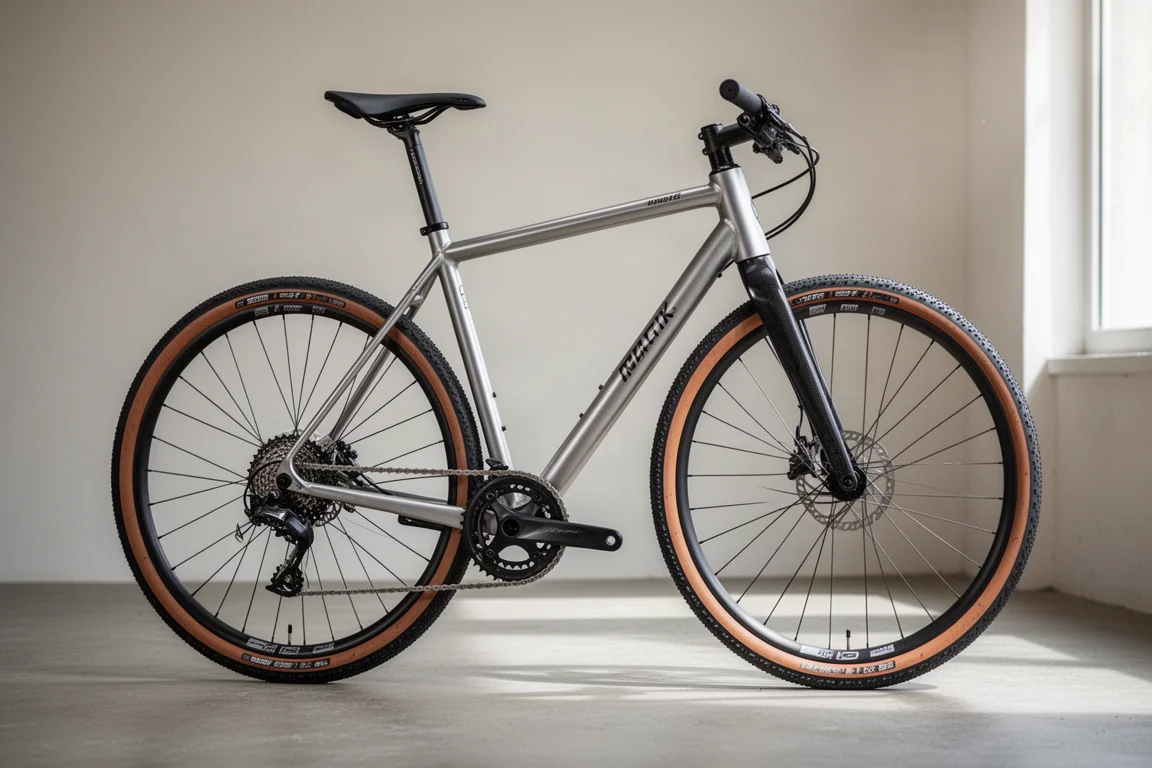
Canyon sells direct, which is how a carbon frame and a SRAM Apex wireless electronic groupset land at a price that undercuts most shop-bought equivalents. The Grizl has built a strong reputation as a comfortable, calm-handling gravel bike with generous tire volume, and the frame and fork carry plenty of mounts for bags and bottles. For riders who want to bikepack or head out on long multi-day routes, that mounting provision makes it a more versatile choice than a race-focused frame.
Claimed weight sits at 9.6kg, so it is not the lightest option here, and the electronic groupset means remembering to charge batteries. Only the more expensive Grizl models get the comfort-focused split seatpost, and buying online means there is no test ride before the box arrives.
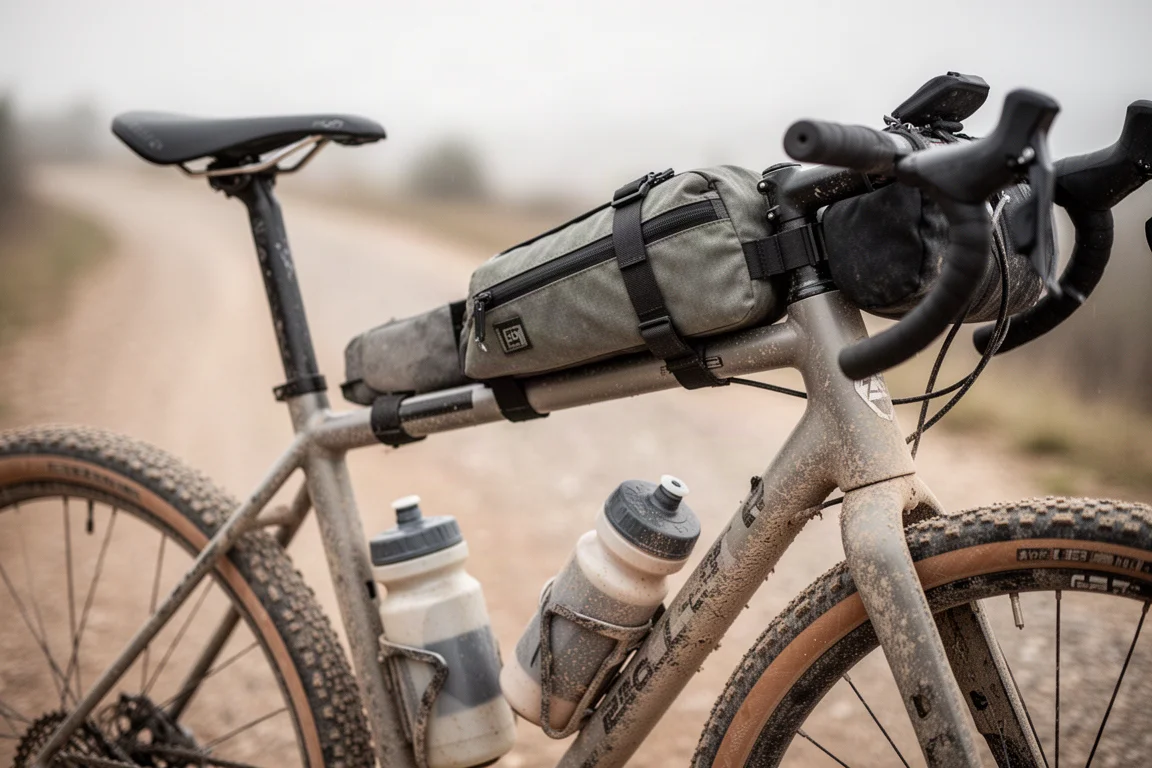
Even so, the combination of a carbon frame, wireless shifting and real mounting flexibility is difficult to match at this price, which makes it the obvious starting point for many riders.
Giant Revolt: Comfort and Adaptability
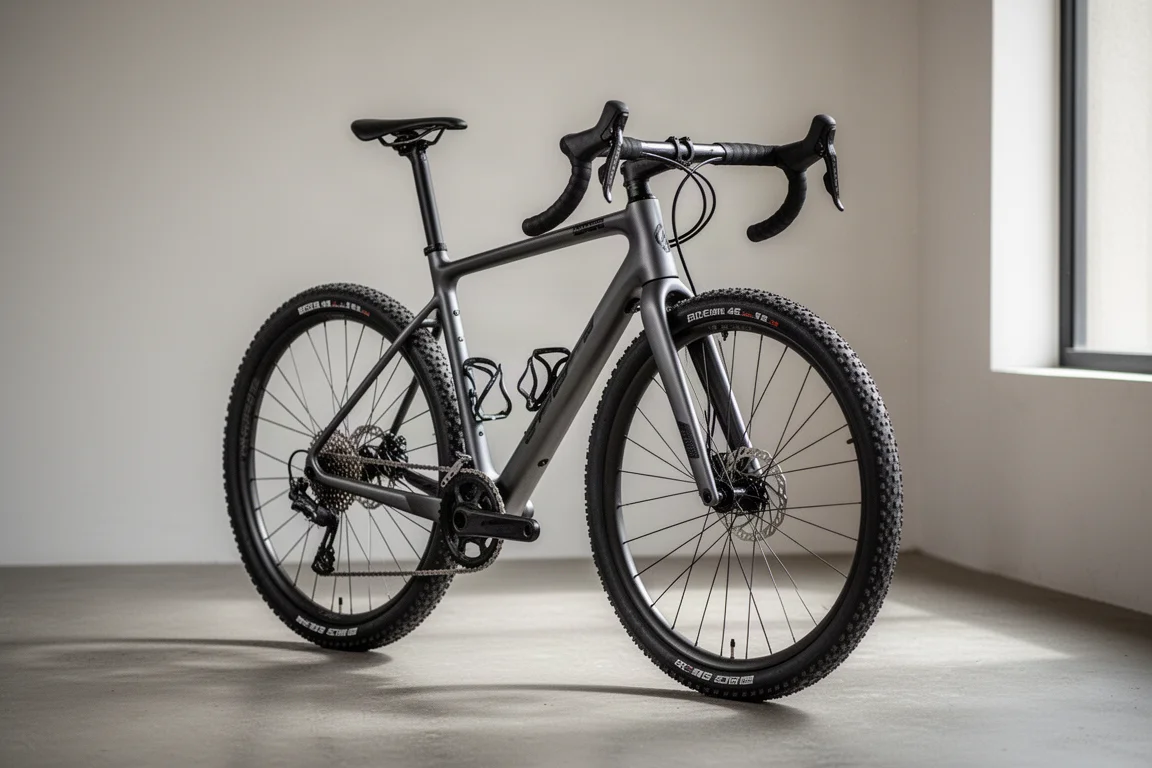
The Revolt pairs a carbon frame and fork with generous tire clearance, so you can fit the tire that suits your riding, and both frame and fork are covered in mounts for bags, bottles and mudguards. Its most distinctive feature is an adjustable sliding dropout that lengthens or shortens the wheelbase to tune stability and handling, although the practical difference is fairly subtle in use.
The D-shaped seatpost gives the Revolt a slightly smoother ride than the Grizl at a comparable price, where only the pricier models get the split design. The groupset is a mixed Shimano GRX and Tiagra 2x10 setup, a pragmatic way to hit the price point. A 2x drivetrain suits fast gravel racing and road riding well, though that comes down to personal preference. The components are modest, but the quality carbon frame leaves plenty of room for upgrades later.
Cube Nuroad: Light Carbon With a Shimano GRX Mix
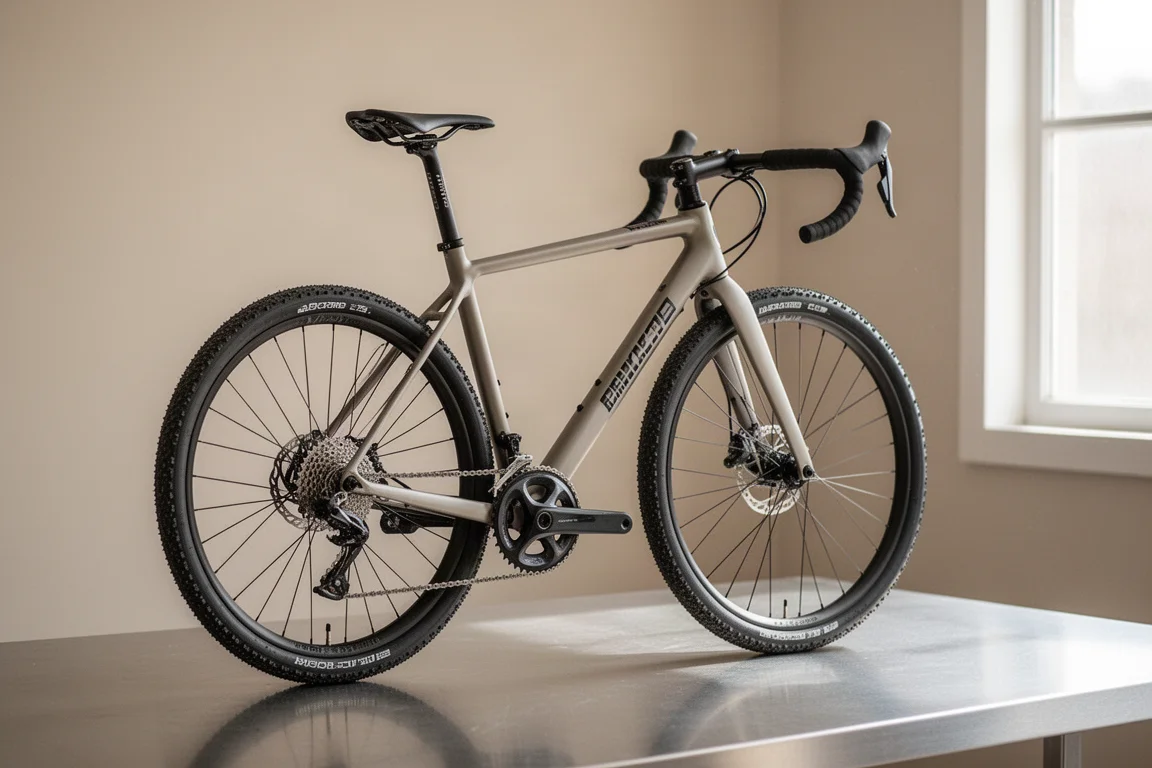
The Nuroad is sold through bike shops rather than direct, and on paper it looks properly strong. A carbon frame and fork with 45mm tire clearance covers most riders’ needs, even if it is a touch tighter than the Canyon and Giant alternatives. A claimed weight of around 9kg makes it one of the lighter bikes in this group, which will appeal if climbing is a priority.
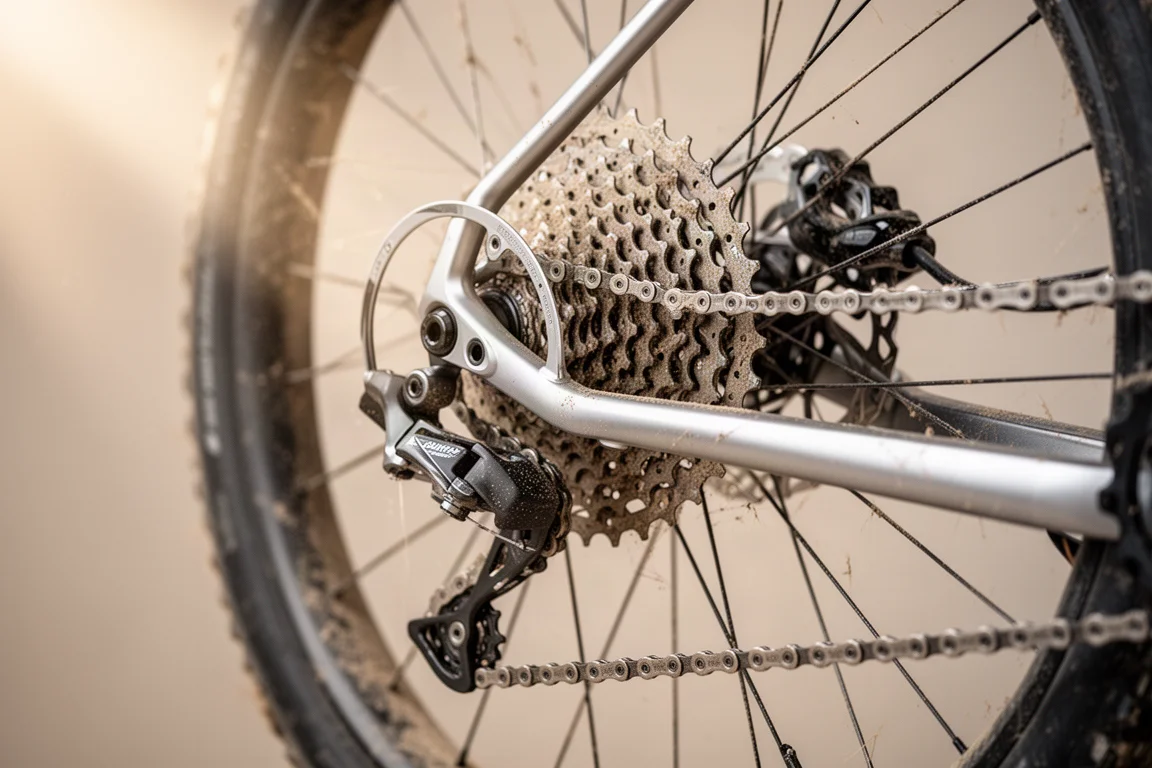
The spec is sensible: a Shimano GRX groupset mixing 400, 600 and 800-series parts in a 1x configuration with an 11-42 cassette, plus own-brand wheels, handlebar and saddle. It is a build that suggests the money went into the frame first, which is usually the right call.
Riders who want a light, upgrade-friendly carbon platform without going direct-to-consumer should put this one on the shortlist.
Merida Silex: Mountain-Bike-Inspired Geometry
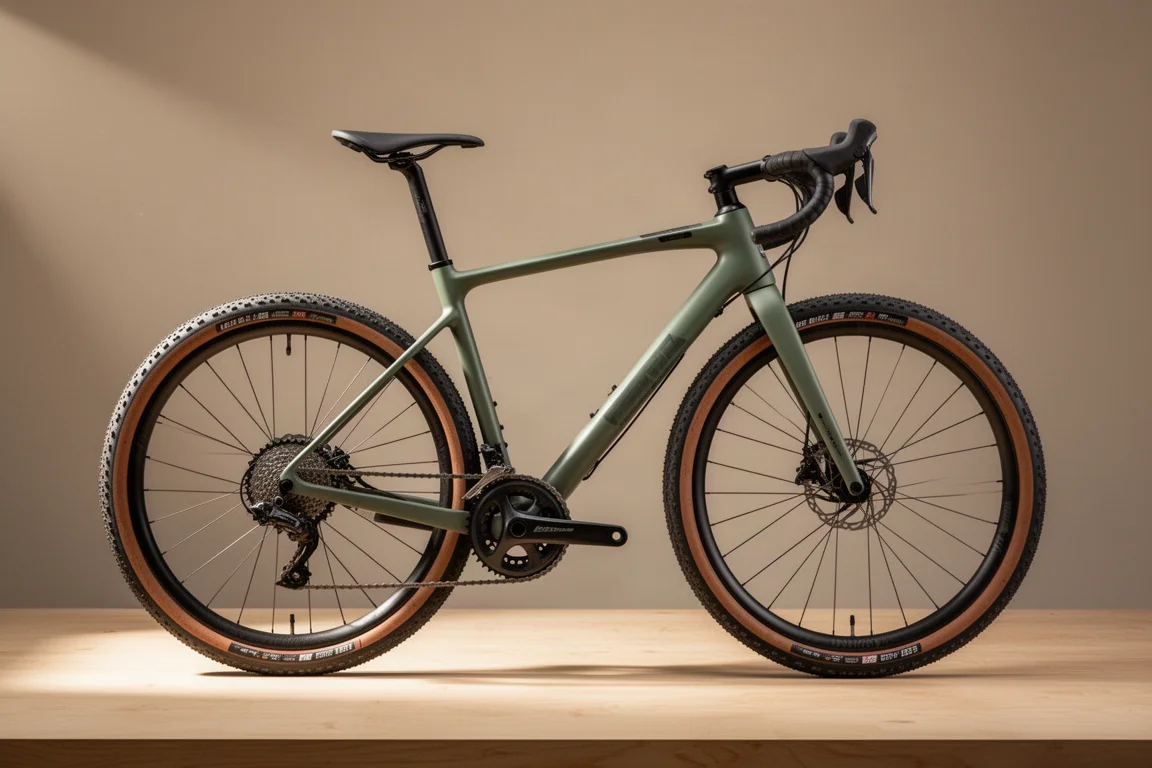
The Silex is the outlier here. Its geometry is the most progressive of the group, with a long wheelbase and a notably slack head angle that shift the emphasis toward technical trails and demanding terrain rather than fast, road-biased gravel. If your rides involve steep, loose descents and you want stability ahead of sharpness, this is the shape to look at.
Merida offers two builds at broadly similar prices. One pairs a carbon frame with a Shimano GRX 10-speed 2x groupset, while the other uses an aluminium frame with the newer 12-speed Shimano GRX. The carbon option makes more sense if you plan to upgrade components over time, while the aluminium build delivers the better groupset out of the box for riders who intend to keep the bike as it is.
Cannondale Topstone: Aluminium Done Well
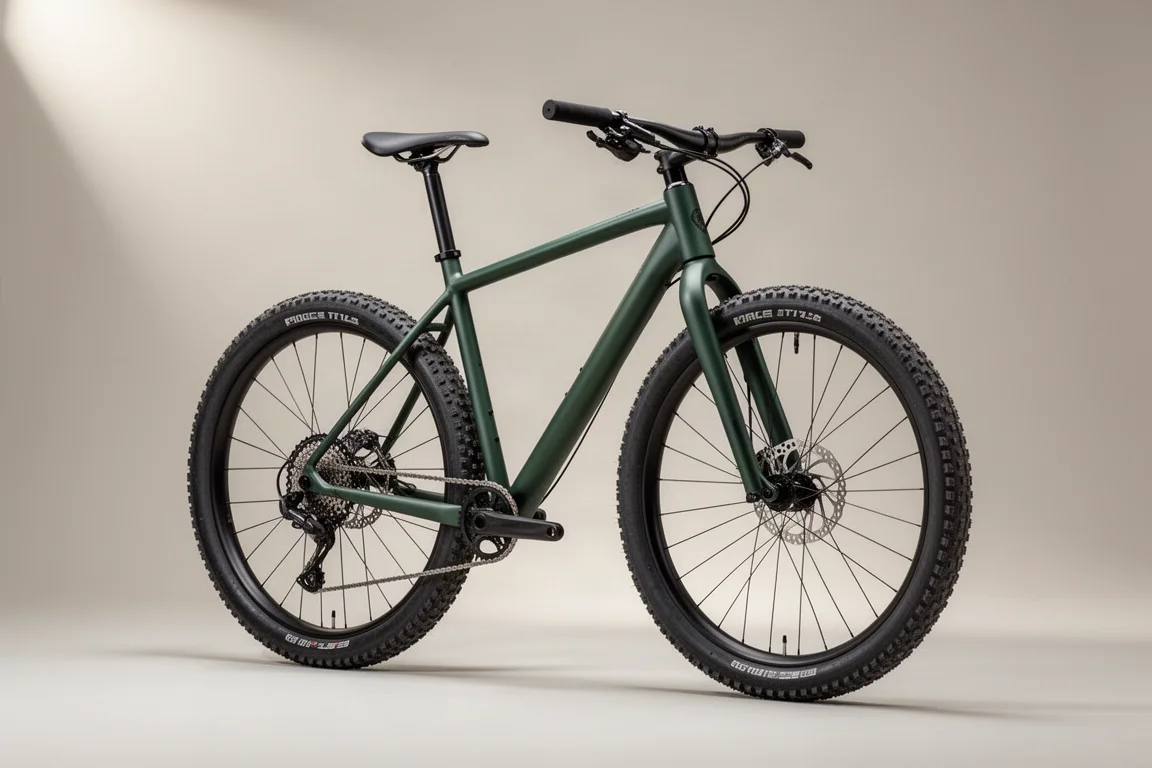
Aluminium is something Cannondale does particularly well, and the Topstone benefits from that experience. At £2,200 it undercuts most of the bikes here, while the carbon version starts at £2,800. There is no Kingpin rear suspension on this model, but dropped seat stays and a slim seatpost should take some edge off rougher surfaces. Tire clearance runs to 45mm, and the frame and fork carry a full set of mounts for mudguards, racks and bottles.
The groupset is a SRAM Apex Explorer mechanical 1x12 with hydraulic disc brakes: a wide range, simple to live with, and no batteries to charge. The weak point is the finishing kit, particularly the wheels, which are basic and the obvious first upgrade.
Buying Advice: Which Gravel Bike Suits You?
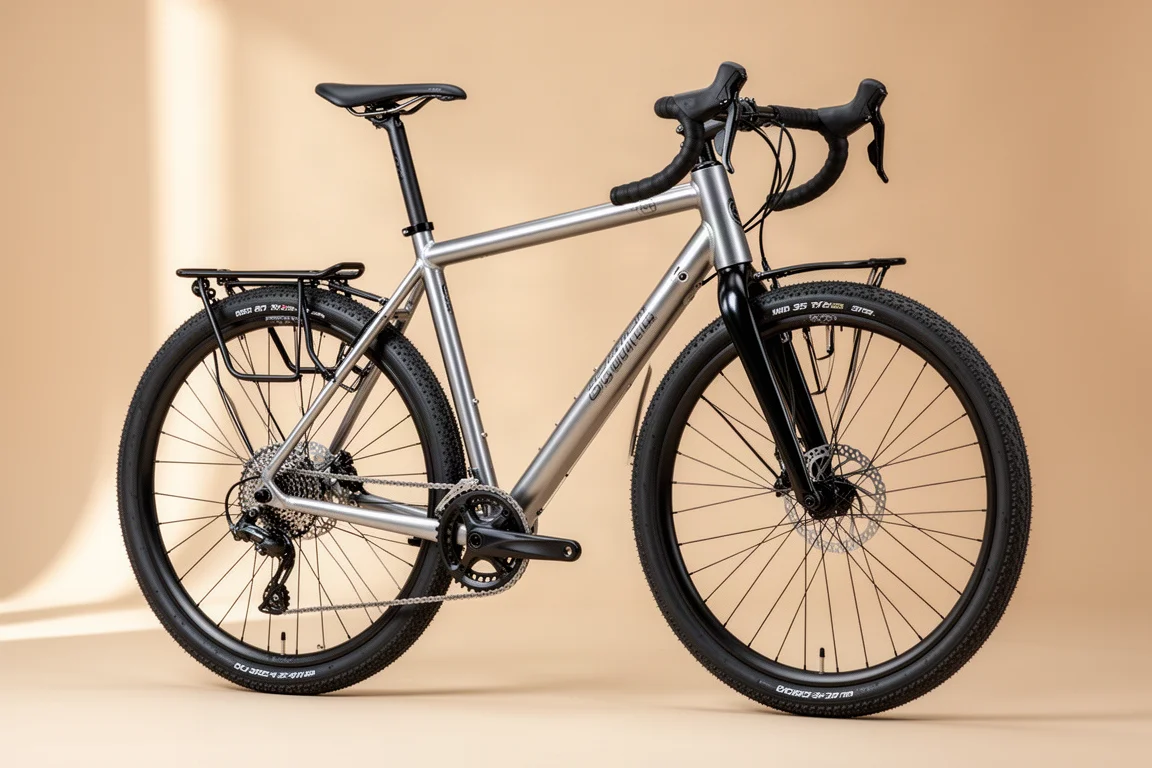
Start with the riding you do most. If long climbs matter, weight and frame quality should lead the decision, which points toward the Cube Nuroad and the carbon options. If multi-day bikepacking is the goal, mounting points matter more than grams, and the Canyon Grizl and Giant Revolt are the more flexible platforms. Riders who want to race or mix in fast road miles may prefer the 2x drivetrain on the Revolt or the Silex.
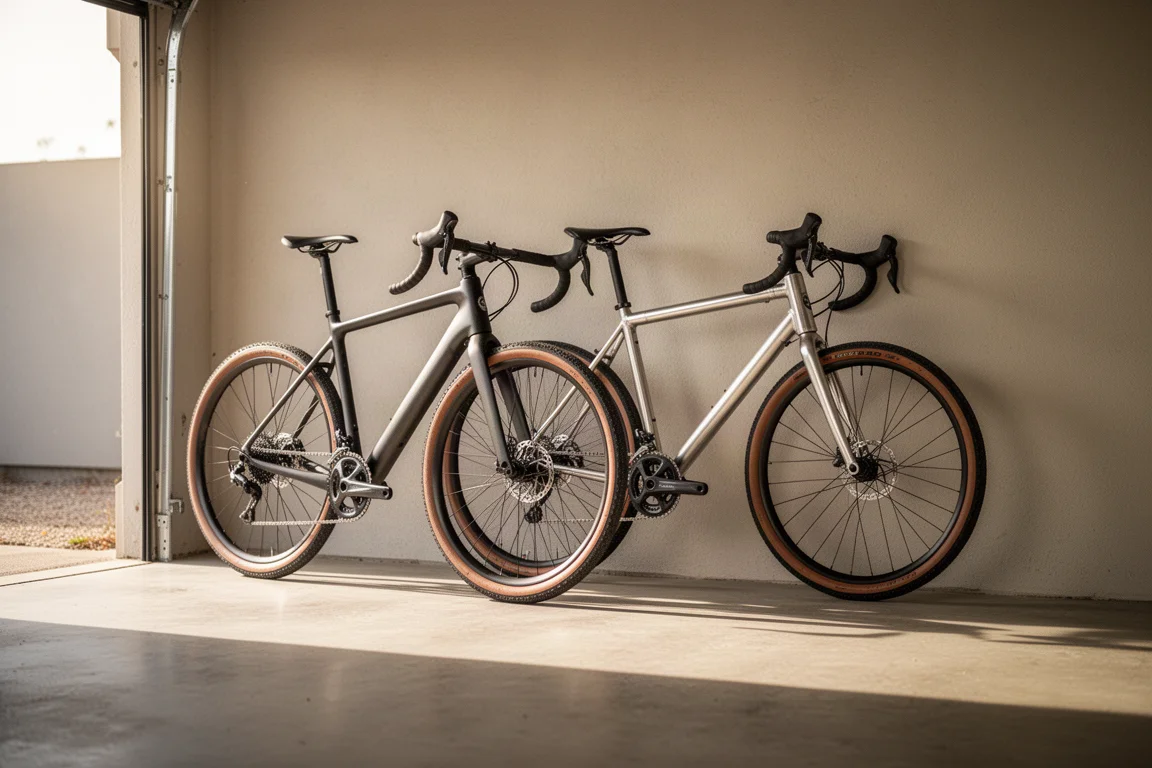
Frame material is the other big fork in the road. Aluminium frames from brands that build them well, such as the Crux DSW and the Topstone, deliver strong performance for the money, while carbon frames like the Grizl and the Revolt offer a lighter base and more upgrade headroom. Shifting preference is personal: mechanical groupsets are simple and battery-free, while electronic shifting offers cleaner shifts at the cost of charging. Geometry deserves more attention than it usually gets, and comparing stack, reach, head angle and wheelbase between the two or three models you are considering will tell you more about how a bike will feel than any single component.
Conclusion
Across this selection there is a genuine answer for almost every rider. The Specialized Crux DSW brings race-derived geometry to aluminium, the Canyon Grizl CF SL 6 combines carbon and wireless shifting with real bikepacking capability, and the Giant Revolt balances comfort with adaptability. The Cube Nuroad is the lightweight carbon value pick, the Merida Silex is the trail-focused choice, and the Cannondale Topstone shows how good a well-executed aluminium frame can be. Match the frame material, drivetrain and geometry to how you actually ride, and any of these six will serve you well.
Further reading
Related Reviews
Gravel Bikes
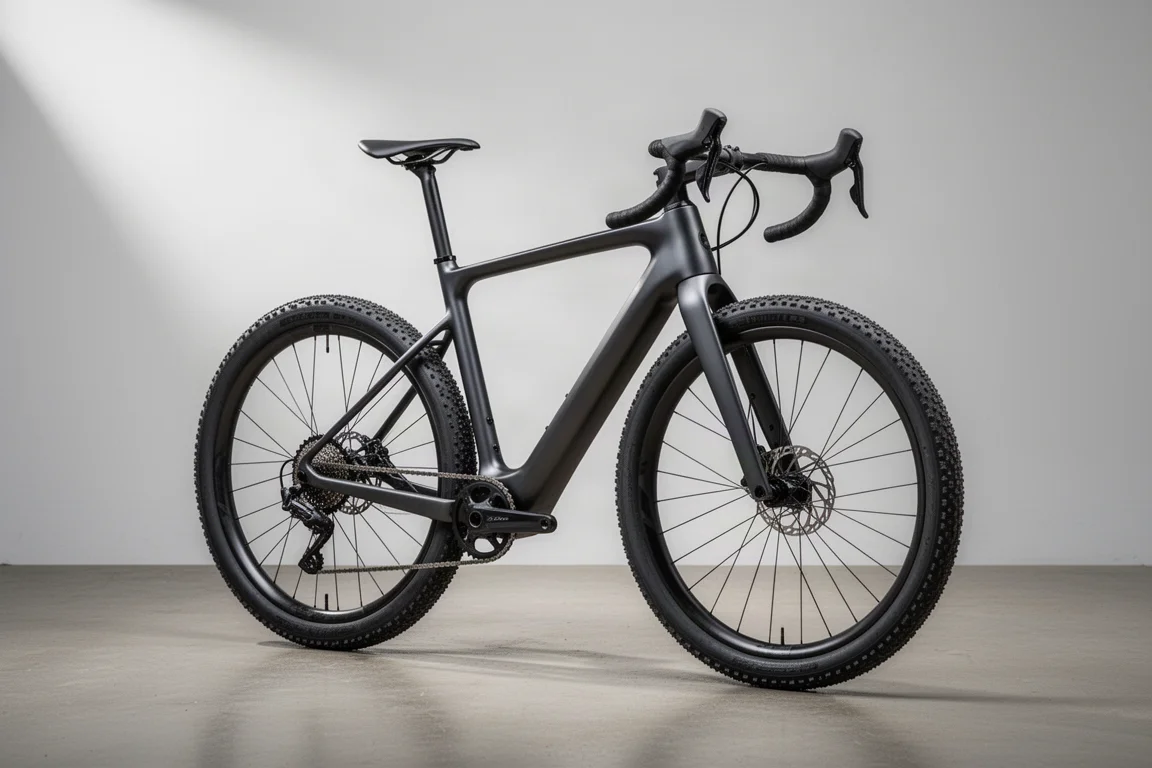
3T Exploro Ultra Review: A Fast Gravel Bike Built for Big Tyres
A close look at the 3T Exploro Ultra, an aero carbon gravel bike designed around wide tyres, with road-like handling, a 980 g frame and genuine rough-terrain capability.
Gravel Bikes
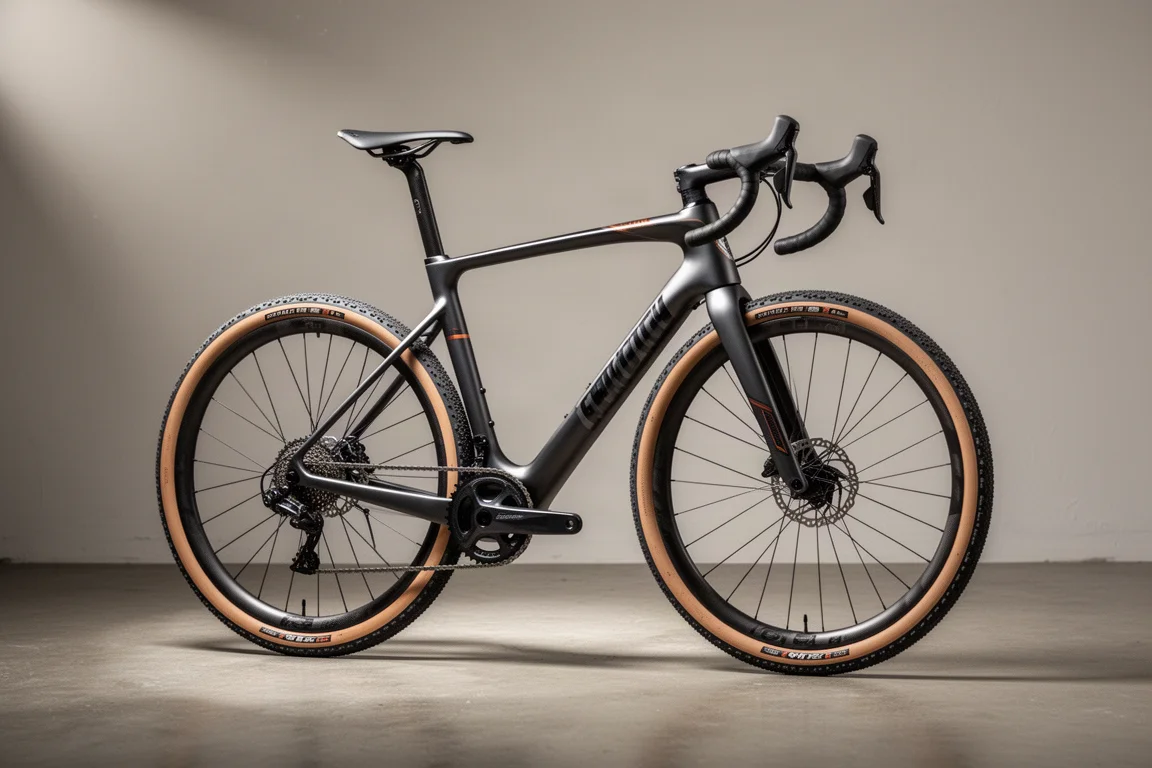
3T Extrema Italia Review: Aero Gravel Speed With Room for 57 mm Tires
The 3T Extrema Italia pairs an aero frame with huge tire clearance, Italian-made carbon and a more comfortable ride than the RaceMax. Here is what to know before buying.
Gravel Bikes
3T Race Max 2 Italia Review: An Aero Gravel Race Bike Made in Italy
A closer look at the second-generation 3T Race Max 2 Italia, covering its aero updates, ride character, tire clearance, internal storage and who it suits.