Gravel Bikes
Best Gravel Bikes: Six Carbon and Aluminium Options Compared
Six gravel bikes from Specialized, Canyon, Giant, Cube, Merida and Cannondale, compared on frame material, groupset, tire clearance and geometry.
Introduction
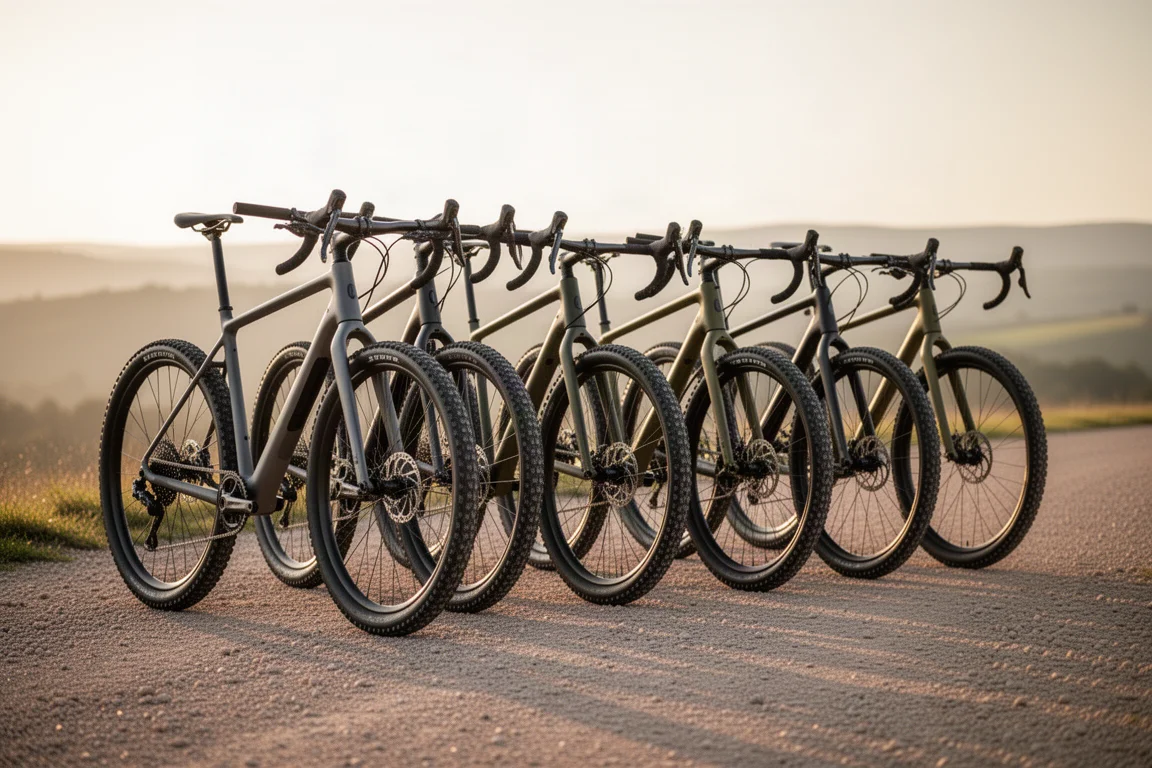
Gravel bikes have become one of the most competitive corners of the market, and the current crop shows how much performance has trickled down to sensible price points. Carbon fibre frames, wireless electronic groupsets and generous tire clearance are all realistic at this level, which was not the case a few seasons ago.
This roundup covers six bikes from Specialized, Canyon, Giant, Cube, Merida and Cannondale. They sit in a similar bracket, roughly between £2,000 and £2,300 depending on the model and your region, and each takes a slightly different route to the same goal: the most capable gravel bike for the money. Pricing varies by country, so it is worth checking local figures before you commit.
What to Look For in a Gravel Bike at This Price
A handful of factors separate a genuinely good buy from a compromise at this level: frame material, groupset type, tire clearance, mounting points and geometry.
Frame material is the first fork in the road. Carbon frames cost more to manufacture, which is why aluminium is the most common choice at lower price points. Buying direct from the brand rather than through a shop is one way to get carbon and a better groupset for the same money.
Groupset choice matters just as much. Mechanical shifting is simple and needs no charging, while wireless electronic shifting brings cleaner shifts and a tidier cockpit but adds batteries to keep topped up.
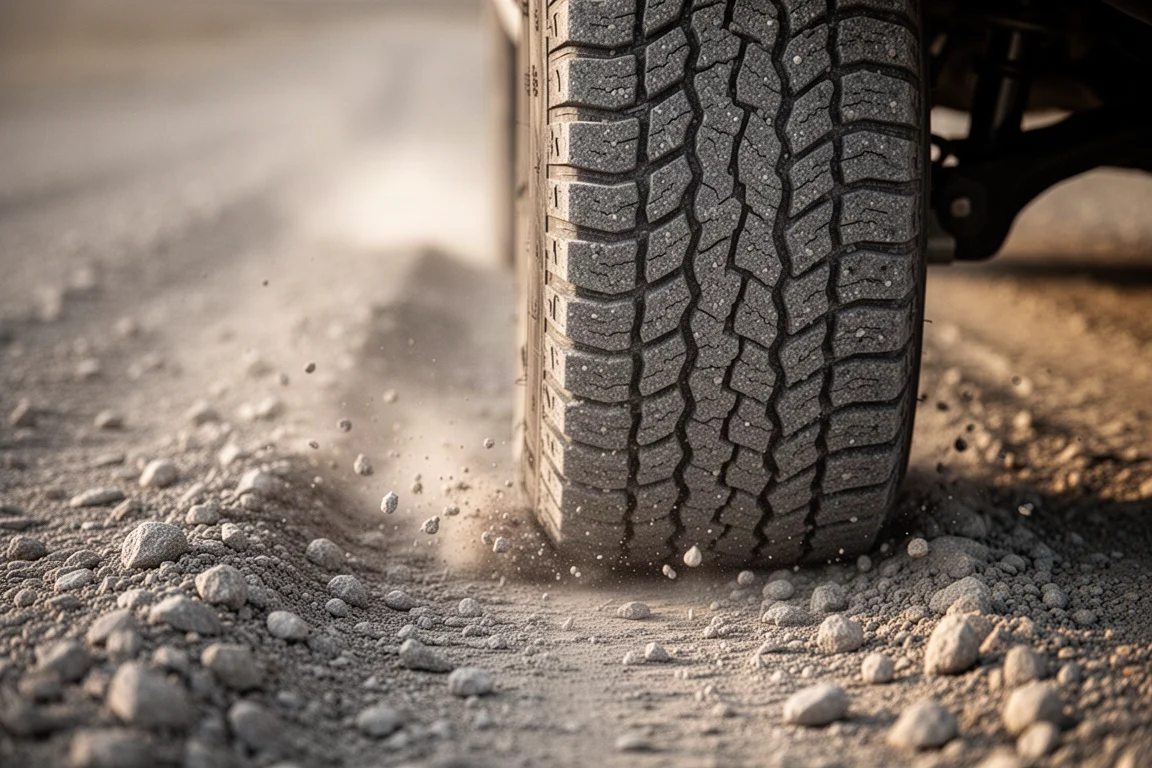
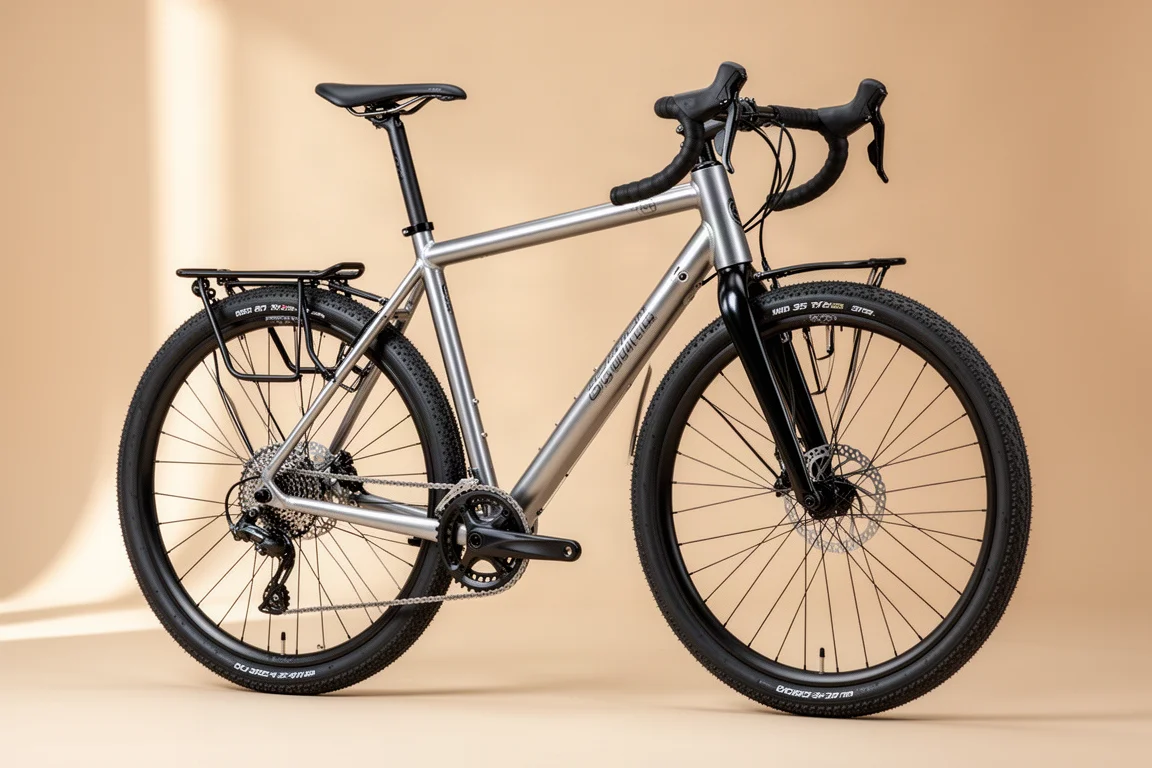
Tire clearance determines how far off the beaten path a bike will comfortably go. Some frames here accept up to 47 mm, others stop at 45 mm, which is still enough for most riders.
Mounts on the frame and fork decide whether a bike can carry luggage for long adventures or bikepacking trips. Finally, geometry is the difference between a calm, stable ride and a nimble, race-oriented one. Comparing stack, reach, head angle and wheelbase figures between models before buying will tell you more about how a bike will feel than any single component choice.
Specialized Crux DSW
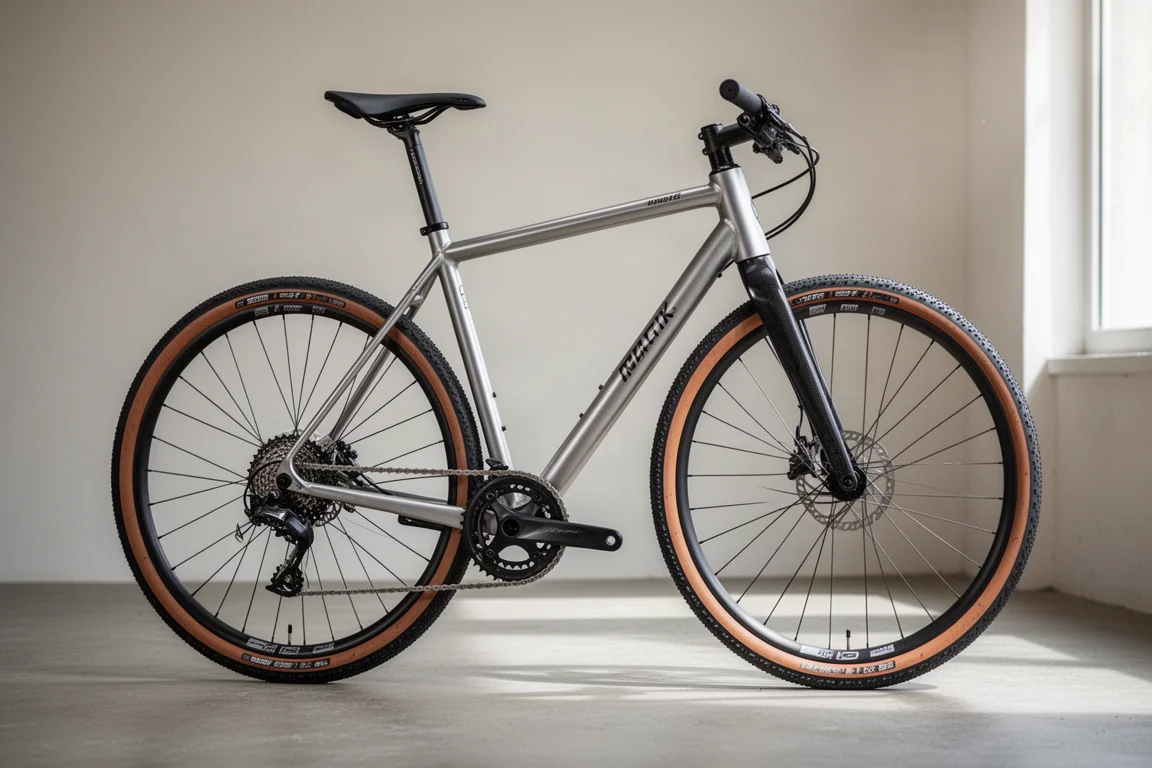
The Crux DSW is an aluminium version of the lightweight carbon Crux, and it carries over the same geometry and the same 47 mm tire clearance, with a metal frame instead of carbon fibre. Expect a slightly firmer ride than the carbon model, and a little more weight.
The frame weighs a claimed 1,400 g, which is respectable for aluminium and comparable to other well-regarded alloy frames. It is roughly double the weight of the carbon S-Works version at a claimed 725 g, but that bike costs far more, so the two are not really comparable on value.
There is a single complete build at launch: a SRAM Apex Explore 1x12 mechanical groupset with hydraulic disc brakes, a claimed weight of 9.3 kg, and a price of £2,300 or $2,600. One notable update over the carbon Crux is the adoption of the Universal Derailleur Hanger, which makes replacing a bent or broken hanger straightforward and points to future drivetrain compatibility.
Riders who like the idea of the Crux but prefer simple mechanical shifting and no charging routine will find this an appealing package.
Canyon Grizl CF SL 6
Canyon sells direct to customers, and that structure lets the brand offer a carbon-framed Grizl CF SL 6 with a SRAM Apex wireless electronic groupset at a price that undercuts comparable shop-bought builds. On paper it looks like strong value.
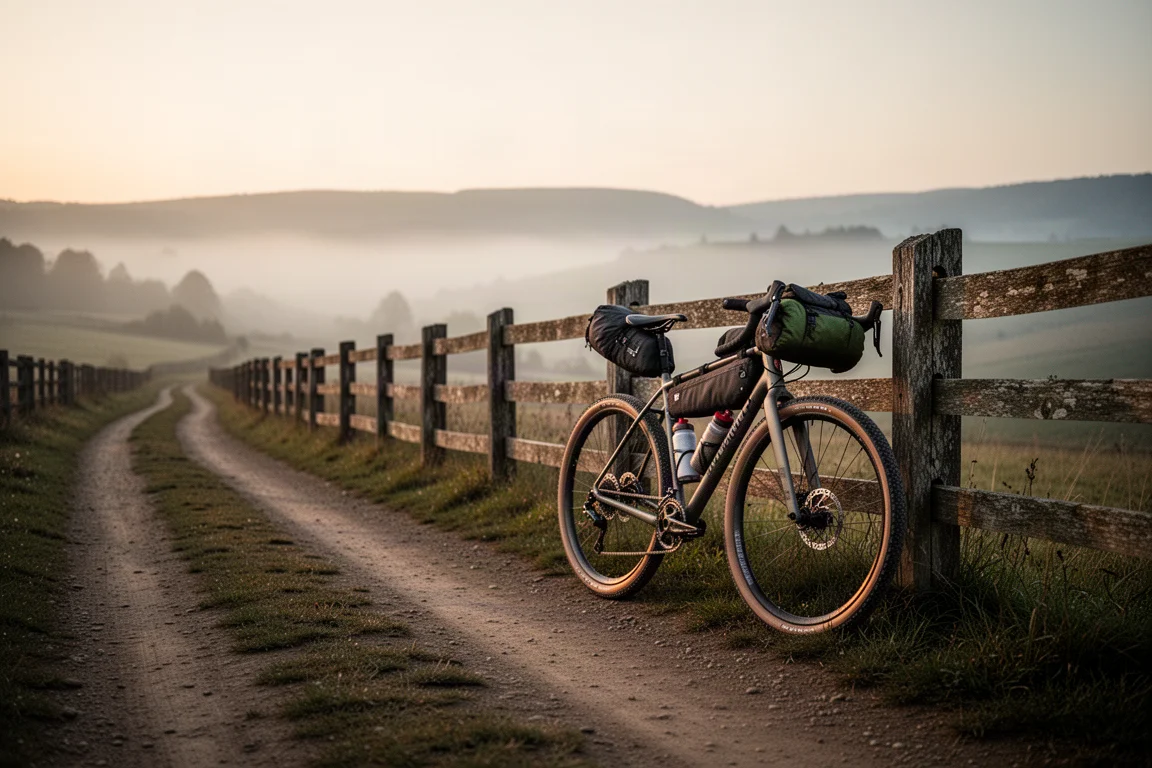
The Grizl is a well-rounded gravel bike. It offers ample comfort from the frame and the large tires, calm and reassuring handling, and plenty of mounts on both the frame and fork for bikepacking. That makes it a more versatile choice than some rivals if you want to run frame bags, bottles and extra luggage on long adventures.
Claimed weight is around 9.6 kg, so it is a little heavier than the lightest bikes here, but weight is not everything. The trade-off of buying direct is that you cannot visit a shop to test ride the bike before it arrives in a large box.
Only the more expensive Grizl models get the comfort-focused split seatpost, so this build relies on the standard post and its high-volume tires for ride comfort.
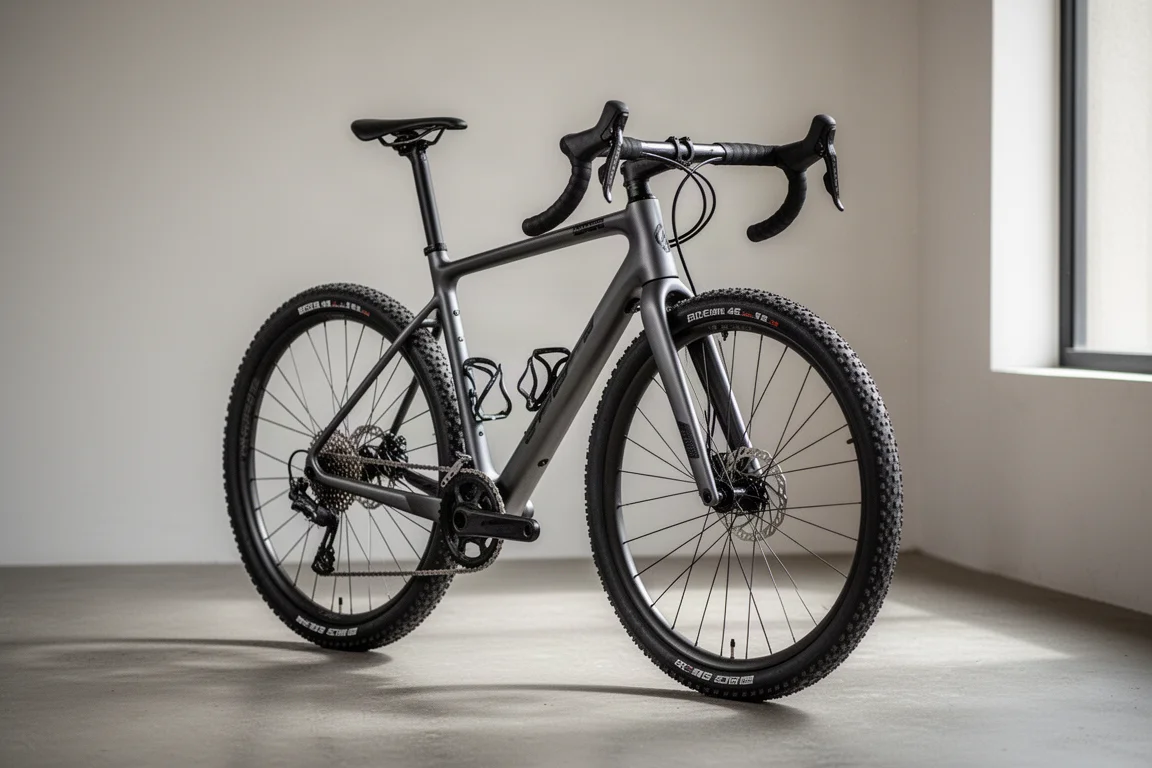
Giant Revolt
The Revolt is similar to the Grizl in handling and performance, and it is also light. It offers general tire clearance, so you can fit the tire that suits your riding, and the frame and fork are covered in mounts for bags, bottles and mudguards.
One distinctive detail is the adjustable sliding dropout, which lets you lengthen or shorten the wheelbase to alter tire clearance and tune handling from calm to more nimble. In practice the difference is marginal, but it is a genuinely useful feature.
The Revolt runs a mixed Shimano GRX and Tiagra 2x10 groupset, a combination that presumably helps hit the price point. A 2x setup suits fast gravel racing and road riding well compared with the 1x drivetrains on most bikes here, though this very much comes down to personal preference.
Equipment aside, the carbon frame and fork are the real story here, and they leave plenty of room for upgrades later.
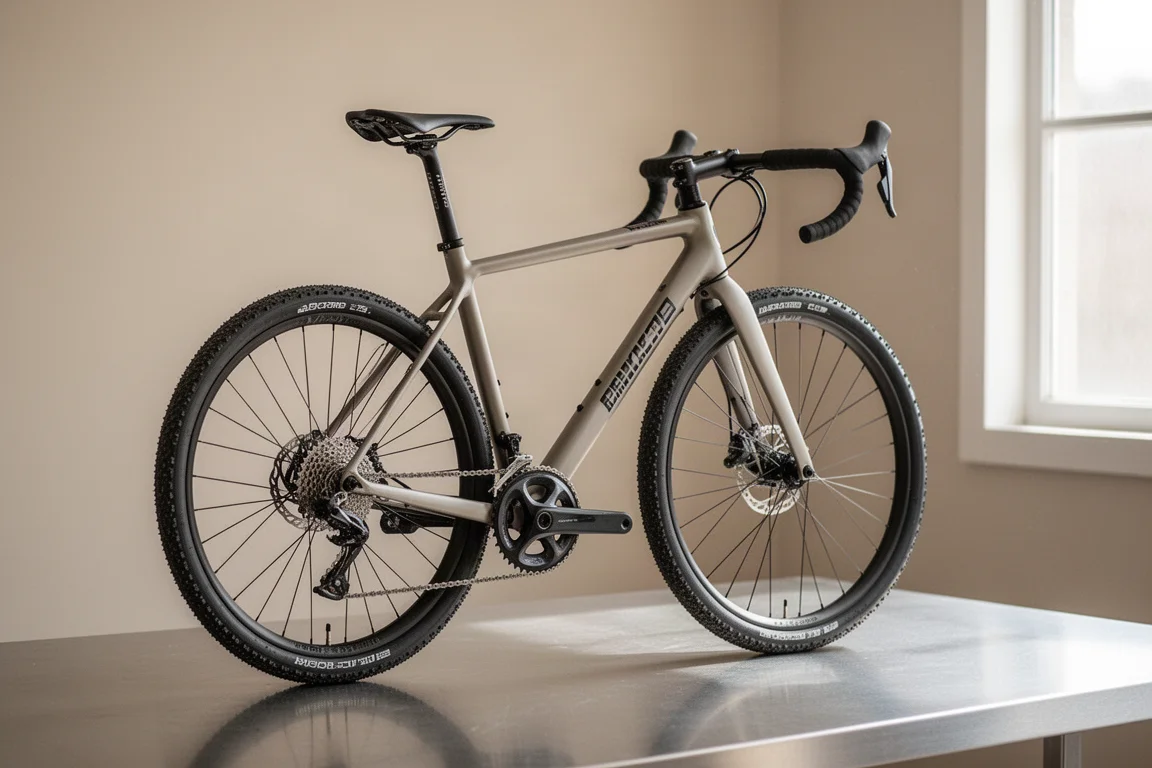
Cube Nuroad
Cube sells through bike shops rather than direct, and the Nuroad is the brand’s gravel offering. On paper it looks properly good: a carbon frame and fork with space for 45 mm tires, slightly less than the Canyon and the Giant but enough for most riders.
The spec is strong, with a Shimano GRX groupset that mixes 400, 600 and 800 series parts in a 1x configuration around an 11-42 cassette. The wheels, handlebar and saddle come from Cube’s own component range, and the claimed weight of around 9 kg makes it one of the lighter bikes in this group.
If weight is a priority, the Nuroad deserves a place on your shortlist. The 45 mm tire limit is the main consideration if you want to run the widest rubber available.
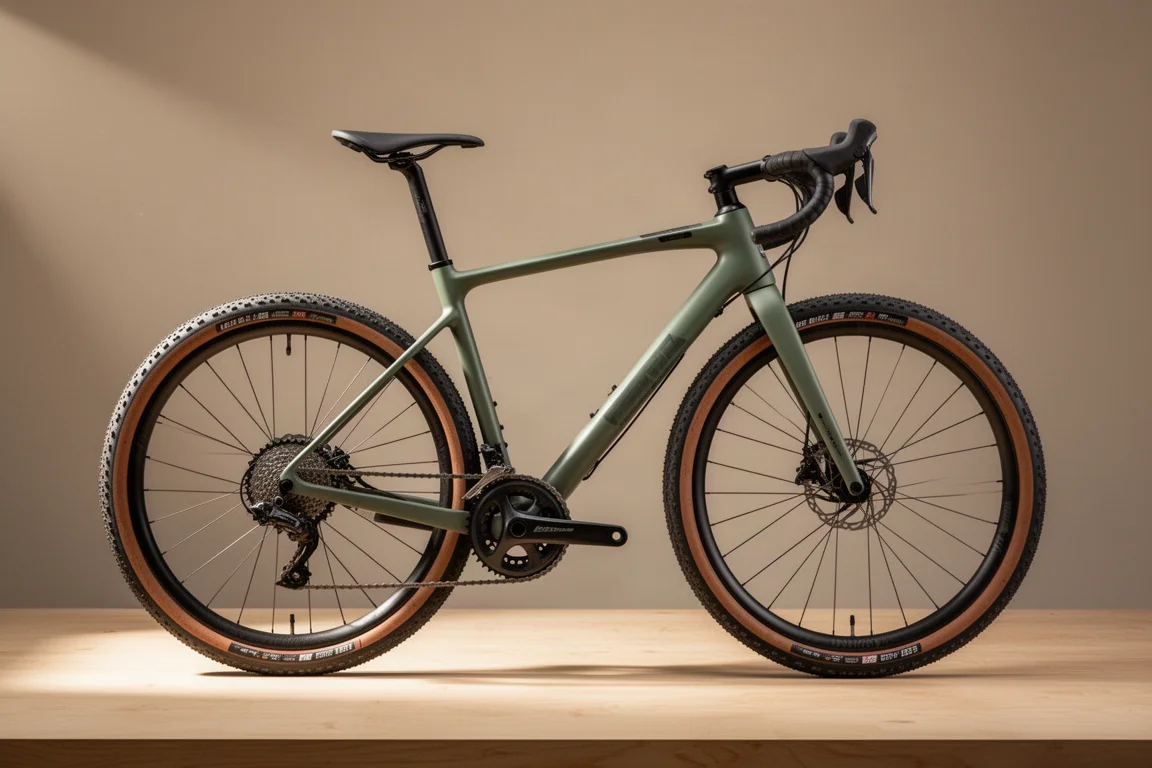
Merida Silex
The updated Silex has the most progressive, mountain-bike-inspired geometry of any bike here. If your riding leans toward challenging trails and technical terrain, this is the one to look at.
A long wheelbase and a notably slack head angle put the emphasis firmly on technical trail riding, and it is less road-biased than the other bikes in this roundup. That is a deliberate choice rather than a shortcoming, but it does mean the Silex feels different from a race-oriented gravel bike.
Merida offers two options at roughly the same price. One pairs a carbon frame with a Shimano GRX 10-speed 2x groupset, while the other uses an aluminium frame with the newer 12-speed Shimano GRX. If you plan to upgrade parts later, the carbon frame is the better foundation. If you simply want the best bike you can buy now and have no intention of spending more, the aluminium version with the newer groupset is the smarter pick.
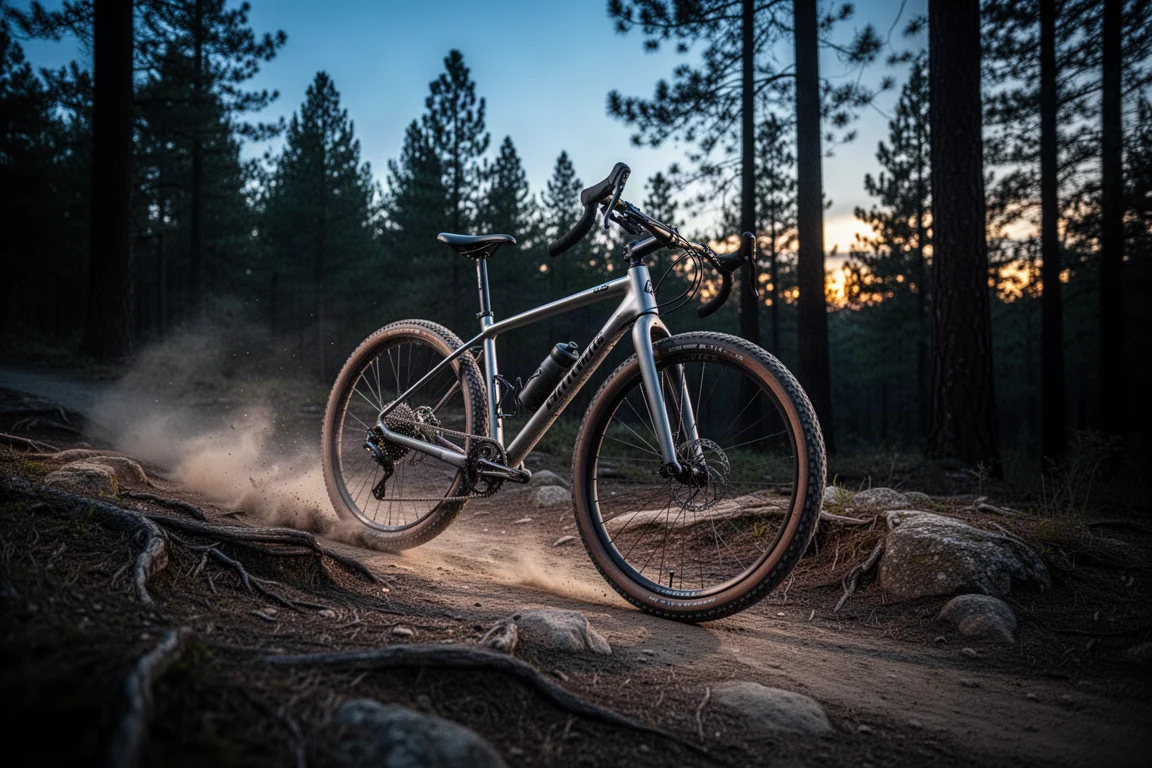
Either way, the Silex is the bike in this group most clearly aimed at riders who want to push into rougher terrain.
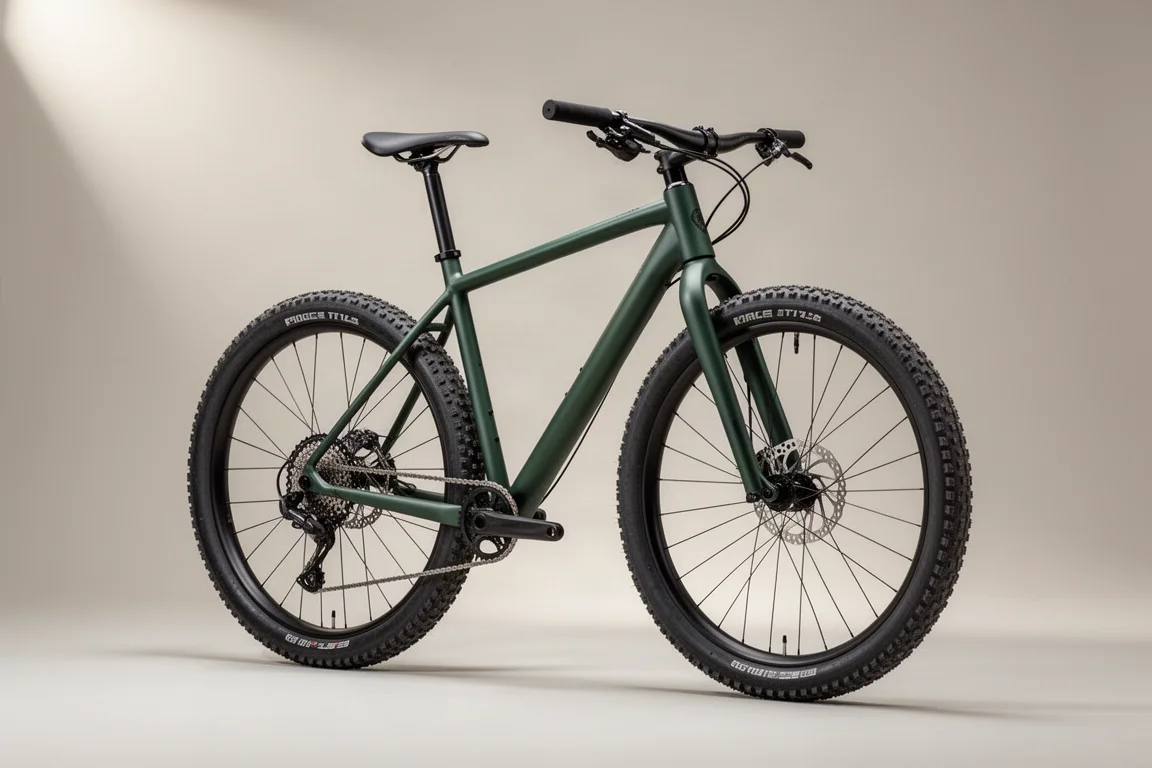
Cannondale Topstone
The Topstone is a strong contender, and Cannondale’s aluminium frames are among the best in the business, so the frame quality here is high. The model in this roundup costs £2,200, which makes it cheaper than most of the other bikes featured.
You do not get the Kingpin rear suspension found further up the range, but dropped seat stays and a slim seatpost should take some edge off rough surfaces. Tire clearance is up to 45 mm, and the frame and fork carry plenty of mounts for mudguards, racks and bottles, making it a versatile bikepacking and exploring option.
The groupset is a SRAM Apex Explore mechanical 12-speed 1x setup, which brings a wide gear range, simple mechanical operation, powerful hydraulic disc brakes and good ergonomics, with no batteries to charge.
The usual caveat at this price is the finishing kit, and the wheels in particular look fairly basic. They will work fine, but they are unlikely to be light, and they are an obvious target for a future upgrade.
Buying Advice: Which Gravel Bike Suits You
There is no single best answer here, and the right bike depends on where and how you ride.
Choose carbon if you want the lightest platform and the best base for future upgrades. Choose aluminium if you want to put more of your budget into the groupset and finishing parts, or if you simply prefer the value that alloy frames offer at this price.
On drivetrains, mechanical shifting keeps things simple with no charging to remember, while wireless electronic shifting offers cleaner shifts and a tidier cockpit. Both work well, and the choice is as much about habit as performance.
Geometry deserves real attention. Stack, reach, head angle and wheelbase determine how a bike responds, and the differences between these models are meaningful. A race-oriented bike and a trail-focused bike can share a price tag and feel completely different on the same road.
Finally, consider how you buy. Direct-to-consumer brands can offer more bike for the money, but you lose the chance to test ride first. Shop-bought brands make it easier to try before you buy and to get support locally.
Conclusion
The gravel bike market at this price point is genuinely strong. Carbon frames, wireless electronic groupsets and wide tire clearance are all within reach, and none of the six bikes here looks like a compromise in the areas that matter most.
The Canyon Grizl CF SL 6 stands out as the obvious all-rounder for riders who want carbon and electronic shifting, and it doubles as a versatile bikepacking platform. The Specialized Crux DSW is the pick for anyone who values mechanical simplicity and proven geometry. The Giant Revolt and Cube Nuroad both deliver strong frames with real upgrade potential, the Merida Silex is the clear choice for technical terrain, and the Cannondale Topstone offers a quality aluminium frame and a dependable groupset at the lowest price of the group.
Match the bike to your terrain, your shifting preference and your upgrade plans, and any of these will serve you well.
Further reading
Related Reviews
Gravel Bikes
3T Exploro Ultra Review: A Fast Gravel Bike Built for Big Tyres
A close look at the 3T Exploro Ultra, an aero carbon gravel bike designed around wide tyres, with road-like handling, a 980 g frame and genuine rough-terrain capability.
Gravel Bikes
3T Extrema Italia Review: Aero Gravel Speed With Room for 57 mm Tires
The 3T Extrema Italia pairs an aero frame with huge tire clearance, Italian-made carbon and a more comfortable ride than the RaceMax. Here is what to know before buying.
Gravel Bikes
3T Race Max 2 Italia Review: An Aero Gravel Race Bike Made in Italy
A closer look at the second-generation 3T Race Max 2 Italia, covering its aero updates, ride character, tire clearance, internal storage and who it suits.