Gravel Bikes
Best Gravel Bikes: Seven Standout Models Across the Spectrum
Seven gravel bikes covering aero race machines, steel tourers, and suspension-equipped rigs, with the geometry, tyre clearance, and drivetrain details that separate them.
Introduction
Gravel has splintered into a wide spread of sub-genres: all-road, adventure, racing, utility, monster cross, and plenty more besides. That variety makes choosing harder, but it also means there is a good chance of finding a frame that suits your riding almost exactly.
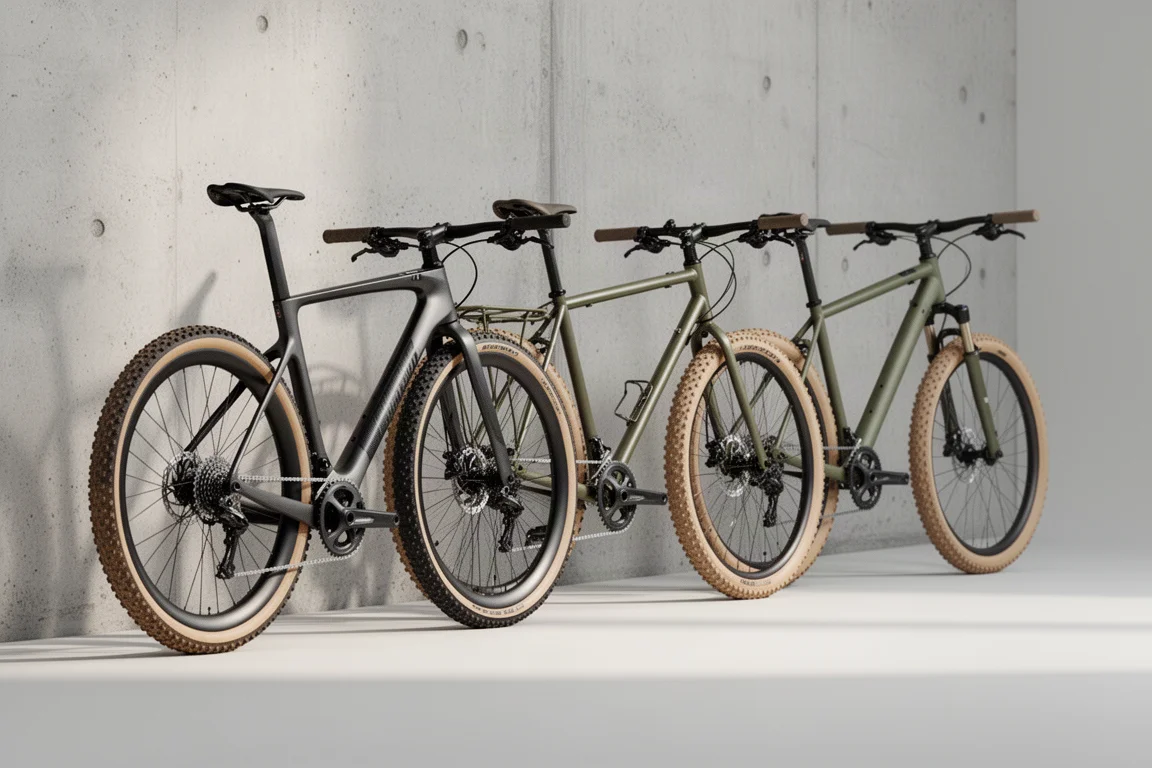
The seven bikes below sit right across that spectrum. Two are built for speed, one is a steel load-hauler, several aim for balance, and one blurs the line between gravel and mountain biking with suspension at both ends. Here is what separates them, and who each one suits.
What Separates These Seven Gravel Bikes
Gravel is no longer one thing. The bikes here run from aerodynamic race frames with 37mm tyres to steel tourers with rack mounts and suspension-equipped machines that borrow heavily from mountain biking. Reading the numbers is the quickest way to work out where any given frame sits.
Head angle and chainstay length tell you most about how a bike will feel. A steeper head angle around 72 degrees and short 420mm chainstays produce quick, flickable handling, while slacker angles near 70 degrees and longer stays calm things down. Frame material matters too: carbon keeps weight low and can be shaped for compliance, while steel trades a little weight for durability and straightforward roadside repair.
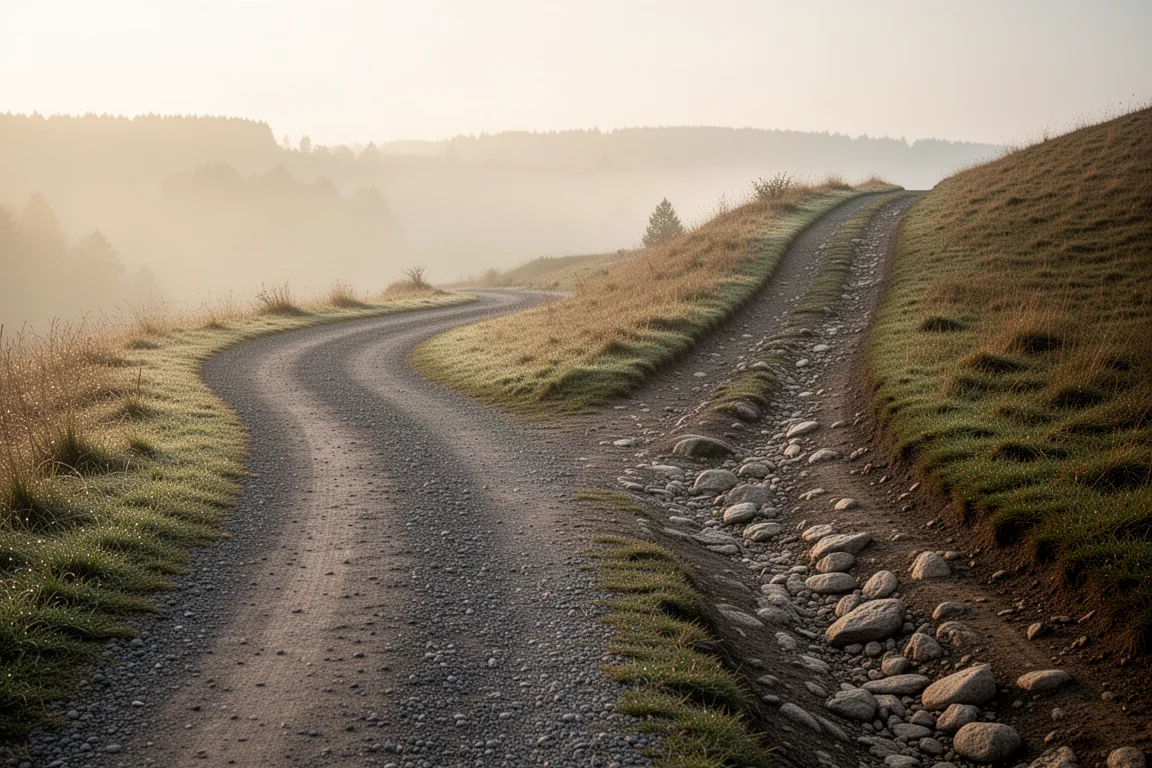
Tyre clearance sets the ceiling on how rough you can go. Some frames here max out at 37mm, others swallow 45mm or 47mm, and one takes 2.1 inch 650b rubber. Mounts are the other dividing line: a handful of bosses for bottles and a small frame bag suits fast day rides, while rack and pannier mounts open up multi-day trips.
Drivetrains split three ways. There are simple 1x mechanical setups, wide-range 2x mechanical setups, and 12-speed electronic shifting. Each involves a trade-off between simplicity, gear range, and price, and none of them is automatically the right answer.
Cervélo Áspero: Built for Speed
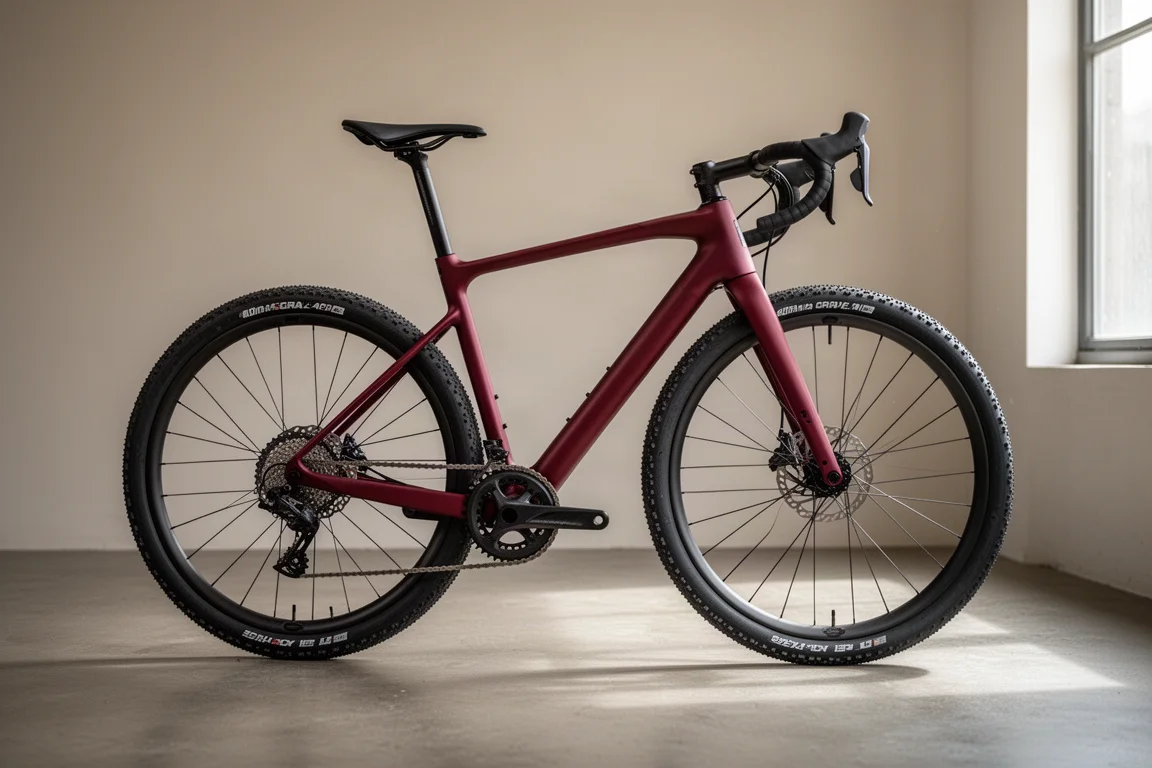
Speed runs through the whole Áspero design. Cable routing is fully integrated, the seat stays are dropped, and the tube profiles are closer to an aero road bike than to a typical gravel frame. The carbon wheels even carry a little depth at 32mm.
The geometry is racy too. A 72 degree head angle and 420mm chainstays give the Áspero a short wheelbase by gravel standards, which quickens the handling and makes it feel flickable. The trade-off is a little less stability than longer, slacker gravel bikes offer, so it suits racing better than fully loaded adventures.
Weight is competitive: a SRAM Force eTap build came in at 8.3kg in a size 56, which is respectable for gravel and not unreasonable for a road bike. Panaracer Gravel King SK tyres with a file centre tread and short shoulder knobs match the fast intent, though at 37mm they are on the narrow side even for gravel racing.
Gearing follows the same theme, with a 36 tooth chainring paired to a 10 to 36 tooth cassette. You get 1x simplicity plus three single-tooth jumps for smooth cadence changes, but the near 1:1 bottom gear means steep climbs are best tackled at pace.
Sonder Surveyor GRX600: Steel for the Long Haul
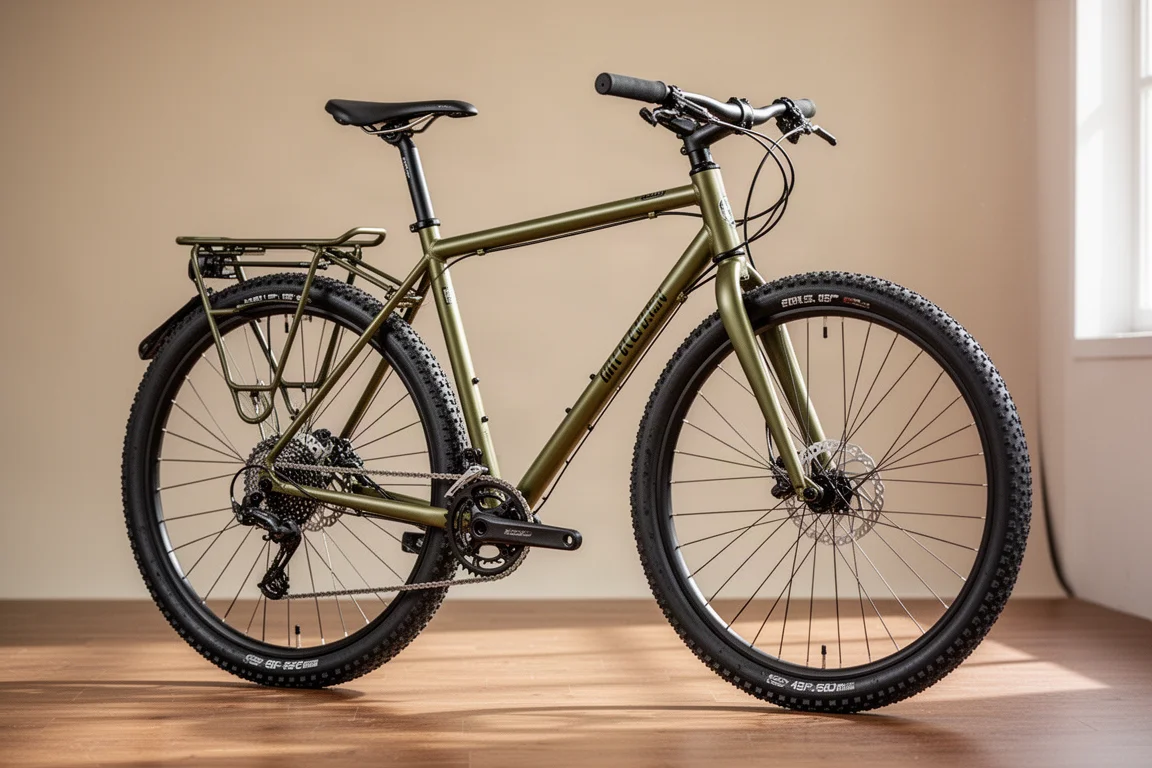
The Surveyor GRX600 heads in the opposite direction. Its frame is triple-butted CrMo steel, with bosses under the down tube and on the fork legs, and rack and pannier mounts preserved for longer treks.
Mechanically actuated brakes can look like a lower-spec choice, but out in the wilderness their simplicity and serviceability are real advantages over hydraulics. Shimano does not offer mechanical options within its GRX gravel range, so 105 shifters are used instead. External cable routing with a full run of outer housing keeps cables easy to reach and protected from the elements.
Chainstays measure 450mm, significantly longer than you tend to find on other gravel bikes. That stretches the wheelbase and improves stability when the bike is heavily loaded, particularly with panniers fitted. Clearance is rated to 45mm on 700c tyres, dropping to 38mm if you add mudguards.
BMC URS 01: Playful and Capable
The URS 01 struck a strong balance between being fun and capable off-road while staying efficient enough for long-distance epics. In a four-bike head-to-head it came out on top.
Several cues come from mountain biking: a slacker 70 degree head angle and a stubby 70mm stem. Those figures are conservative by mountain bike standards but progressive for gravel, and combined with short 425mm chainstays the result is a bike you can pop around corners without it feeling skittish on descents.
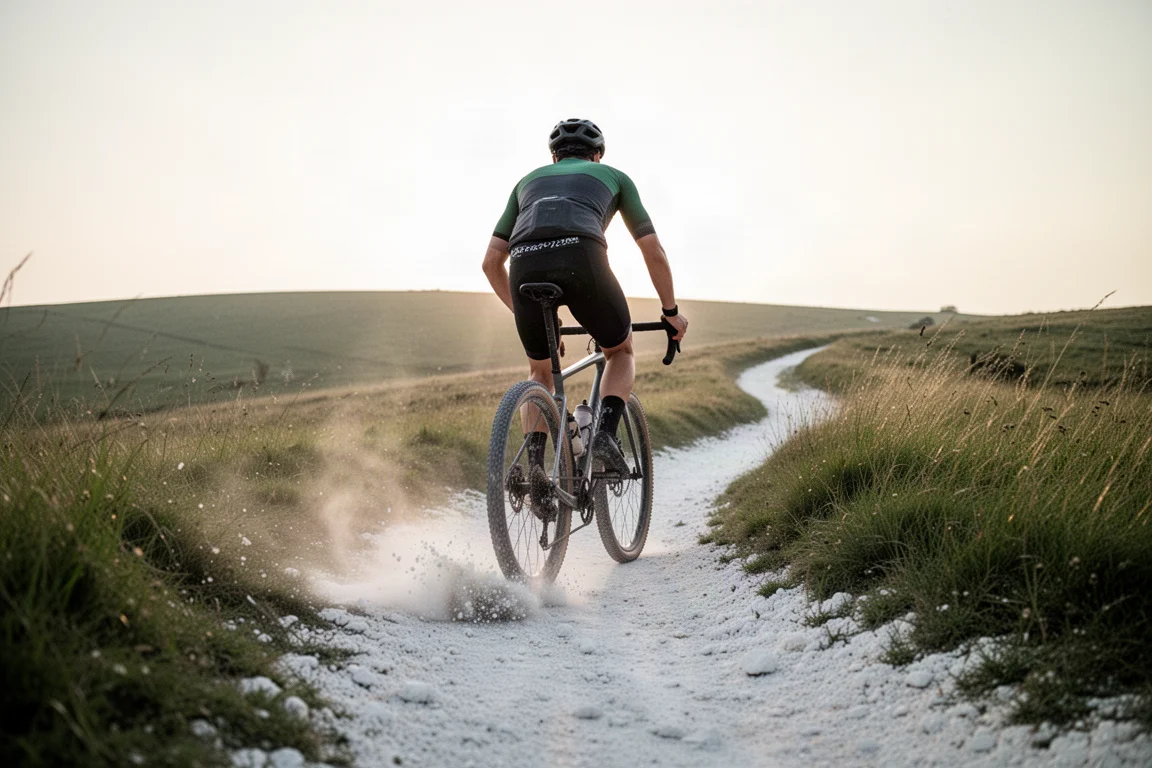
For all that, it is not a monster cross with drop bars. It keeps the efficiency you would expect from a gravel bike, and it completed the South Downs Way, a challenging 100 mile gravel trail in the south-east of England. Mounts are more limited than on the Surveyor, so multi-week bikepacking is not its brief, but for the shorter local rides that make up most of the time spent on a bike, it is a pleasure to ride.
Rondo Ruut CF2: A Flexible Carbon Platform
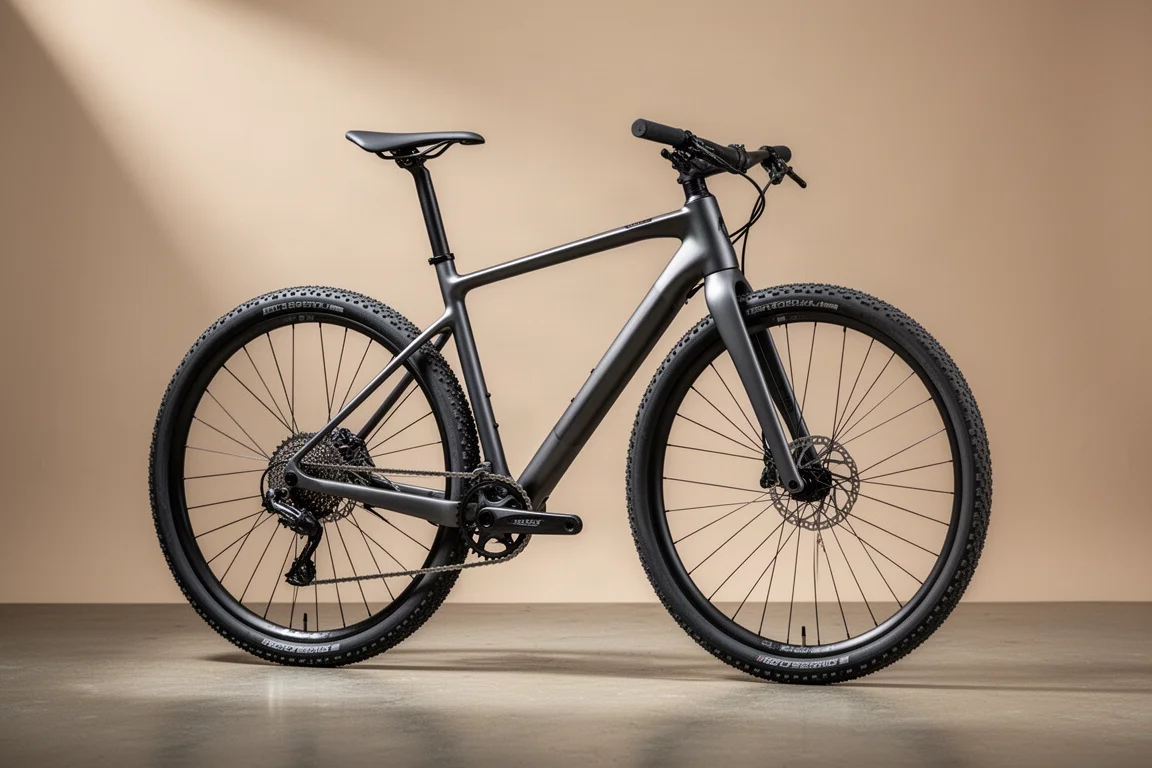
The Ruut CF2 finished behind the leaders in a fiercely competitive comparison, and that says more about the field than about the bike. On paper the build does not turn heads for the price: 2x10 Shimano GRX and relatively heavy OEM wheels.
Swap in a better set of wheels and you get an extremely capable bike. Chunky 2.1 inch 650b tyres are handled with ease, and the riding position is comfortable and efficient enough for long-distance tracks. This bike has completed the South Downs Double, a 200 mile, 320 kilometre gravel epic with over 23,000 feet, or around 7,000 metres, of climbing.
Cannondale Topstone Lefty: Suspension Comes to Gravel
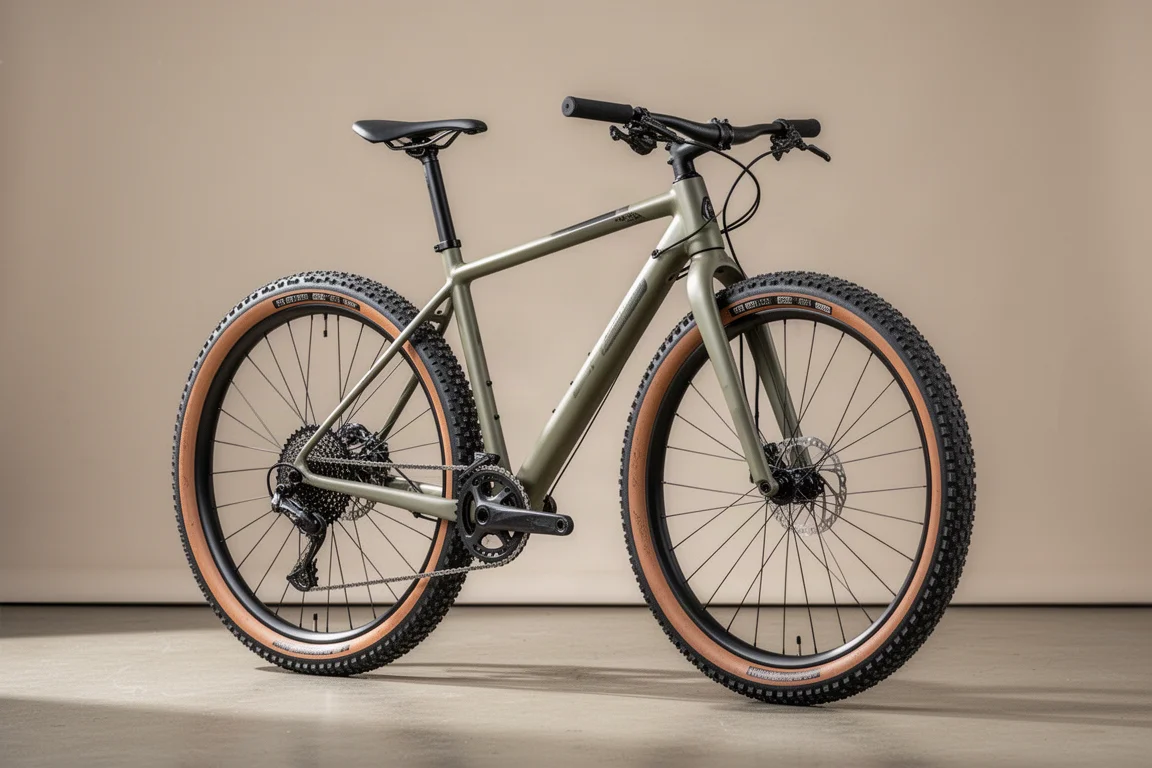
The Topstone Lefty steps things up with 30mm of suspension travel at both the front and the rear, blurring the line between gravel riding and mountain biking. Where it slots into the gravel spectrum becomes clear quickly: messing around off-road, it is simply a bundle of laughs.
Before the Rudy XPLR fork arrived, the Lefty gravel fork was one of very few gravel suspension forks on the market. It is supple and responsive over the repeated chatter of an ill-kept fire road, and it is not too heavy, so it does not feel like a drag on the ride.
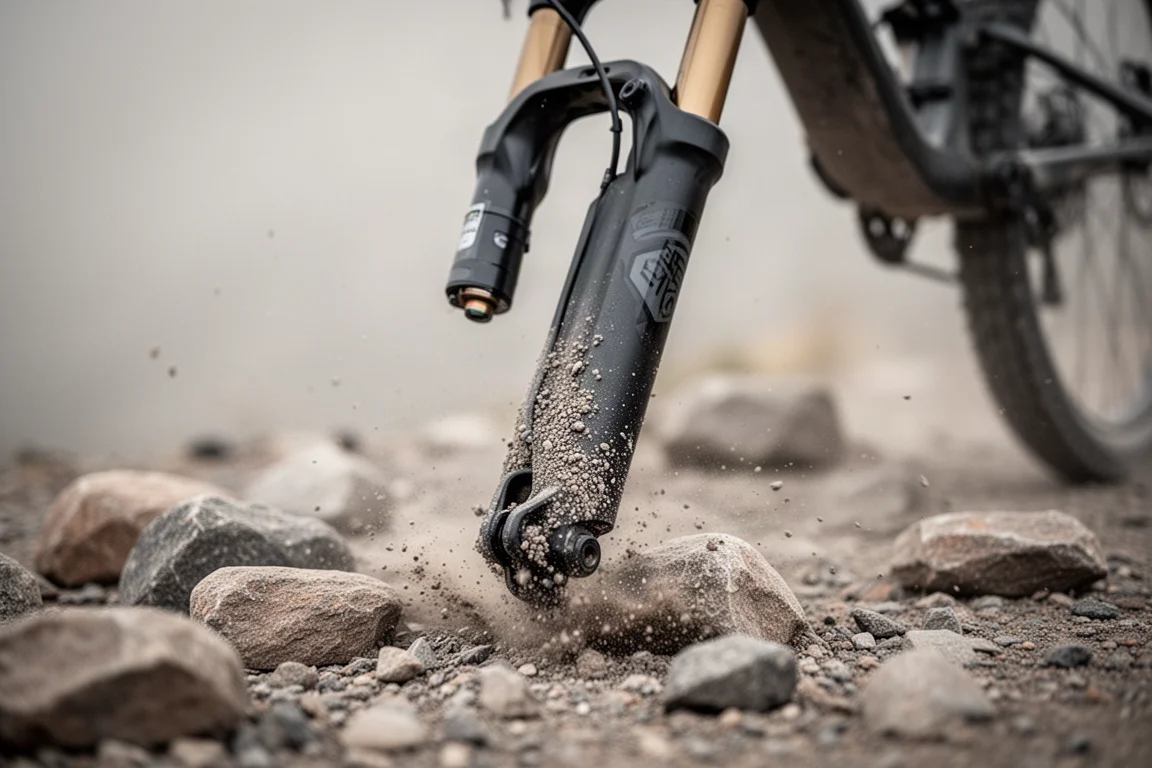
Chainstays of 450mm keep the handling quick but limit tyre clearance to a maximum of 47mm in 650b, which is narrow for a bike this bent towards rough terrain. Accepting roughly 10mm more chainstay length and slightly less snappy handling in exchange for 2.1 inch, or 53mm, tyres would be an easy trade to make.
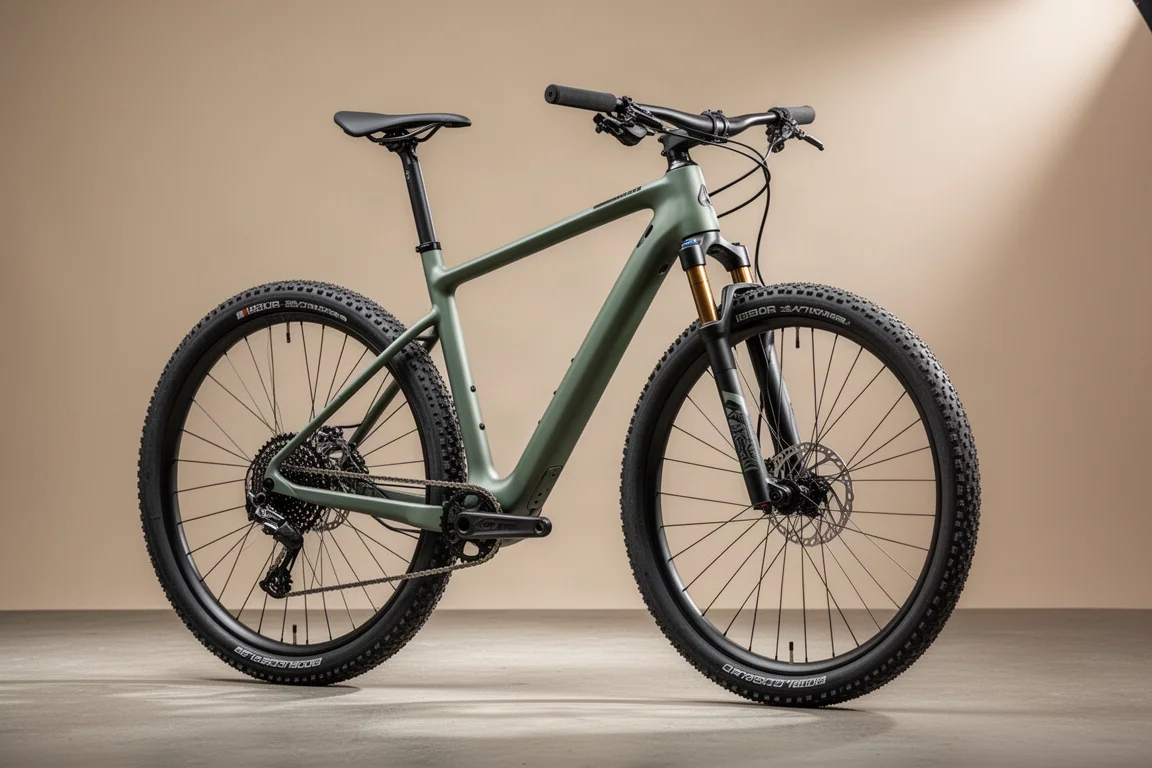
Specialized Diverge Comp Carbon: The Balanced All-Rounder
The Diverge Comp Carbon strikes a good balance between sprightliness and stability. It does not push to the extremes of a dedicated race machine or a dedicated bikepacking rig, and that restraint is a benefit: you are not railroaded into one specific style of riding. Trails, road miles, hard efforts, and easy spins are all within reach. Other gravel bikes are better suited to each of those uses individually, but they end up making larger sacrifices in the other cases.
Six bottle mounts and an integrated downtube storage system make multi-day bikepacking a genuine option. The 2x Shimano GRX drivetrain delivers plenty of range for pacing on the road as well as steep off-road climbs, albeit without the shifting simplicity that comes from a 1x system.
Price is the main consideration. The Comp Carbon represents a considerable investment at around 4,000 pounds, but the range starts at 1,099 pounds with aluminium framesets, and carbon models begin at 2,600 pounds.
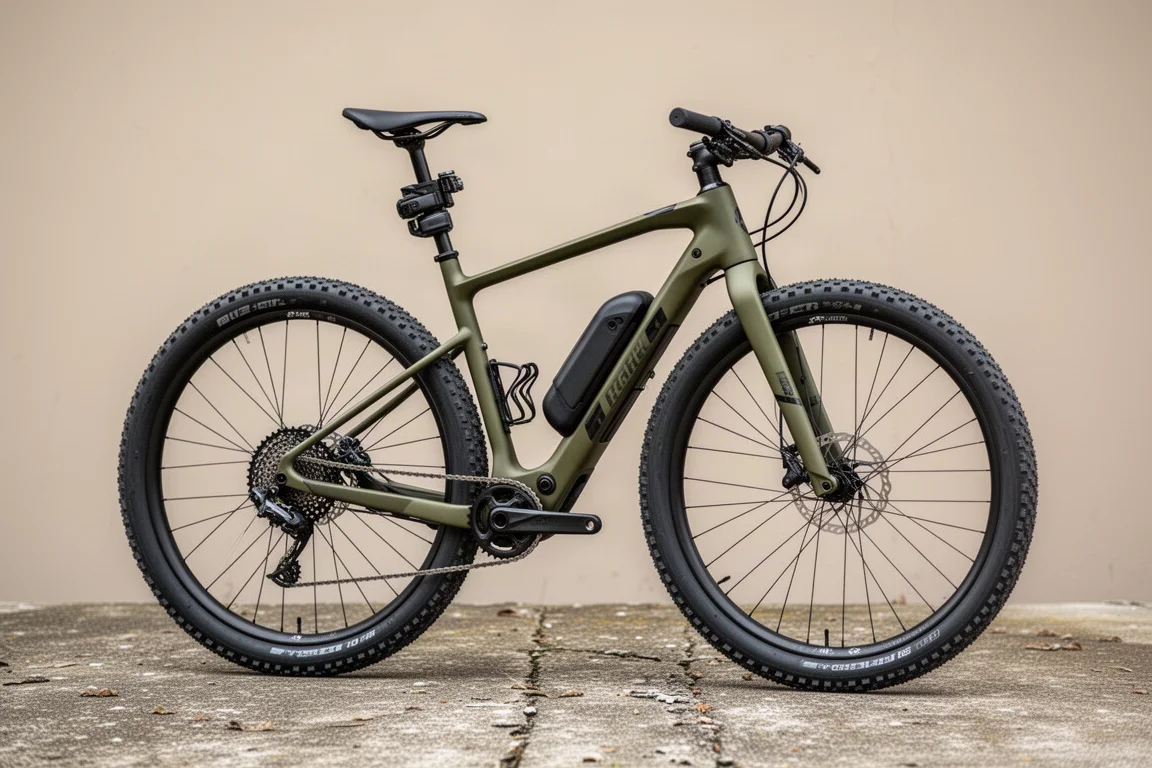
Vitus Substance CRS-2 eTap AXS: Electronic Shifting at a Keen Price
The Substance CRS-2 eTap AXS pairs great ride quality with an extremely good value specification. Plump 47mm 650b wheels feel quite agile while still providing ample cushioning for rougher off-road sections.
Bottle bosses on the fork legs, plus mounts inside and outside the main triangle, boost carrying capacity, and rack and pannier mounts add versatility for essentially no downside.
The real party piece is the inclusion of SRAM’s 12-speed electronic groupset and a carbon frame for around 2,499 pounds. Electronic shifting gravel bikes elsewhere are often more than twice that price. If you have very specific requirements around handling, geometry, or tyre clearance, you will know to look elsewhere, but if you want a well-rounded gravel bike on a budget, there is an incredible amount of value here.
Overall Buying Advice
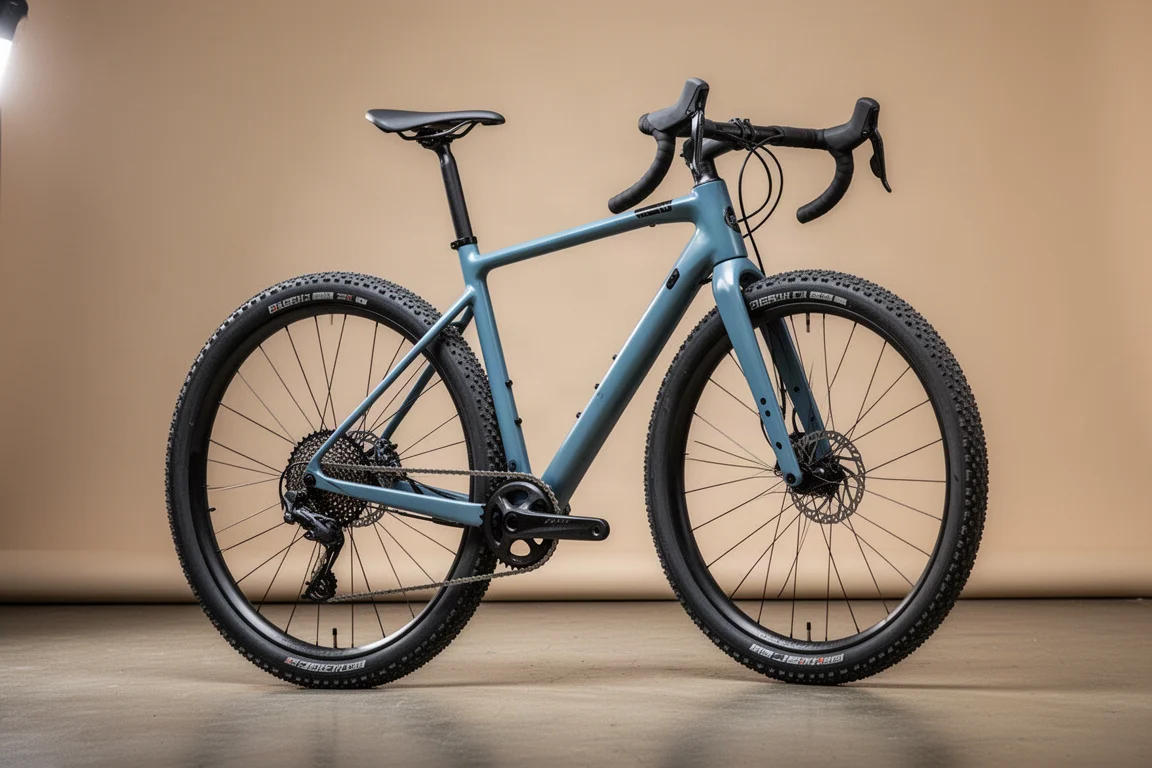
Match the bike to the riding you actually do. If racing and speed are the priority, a short wheelbase and aero tube shapes like the Áspero’s make sense, provided you accept narrower tyres and quicker handling. If loaded trips matter more, long chainstays, rack mounts, and mechanically actuated brakes like the Surveyor’s are worth more than low weight.
If you want one bike that handles a bit of everything, a moderate design like the Diverge is easier to live with than a specialist. For genuinely rough terrain, suspension travel and higher-volume tyres change what is rideable, which is where the Topstone Lefty comes in. And if budget is the deciding factor, the Substance CRS-2 shows how much specification a keen price can buy.
Conclusion
There is no single best gravel bike in this group, and that is the point. Each of these seven frames solves a slightly different problem, from race-day speed to long-distance load carrying to rough-terrain comfort. The right one is the one that matches your terrain, your loading, and your priorities.
Further reading
Related Reviews
Gravel Bikes
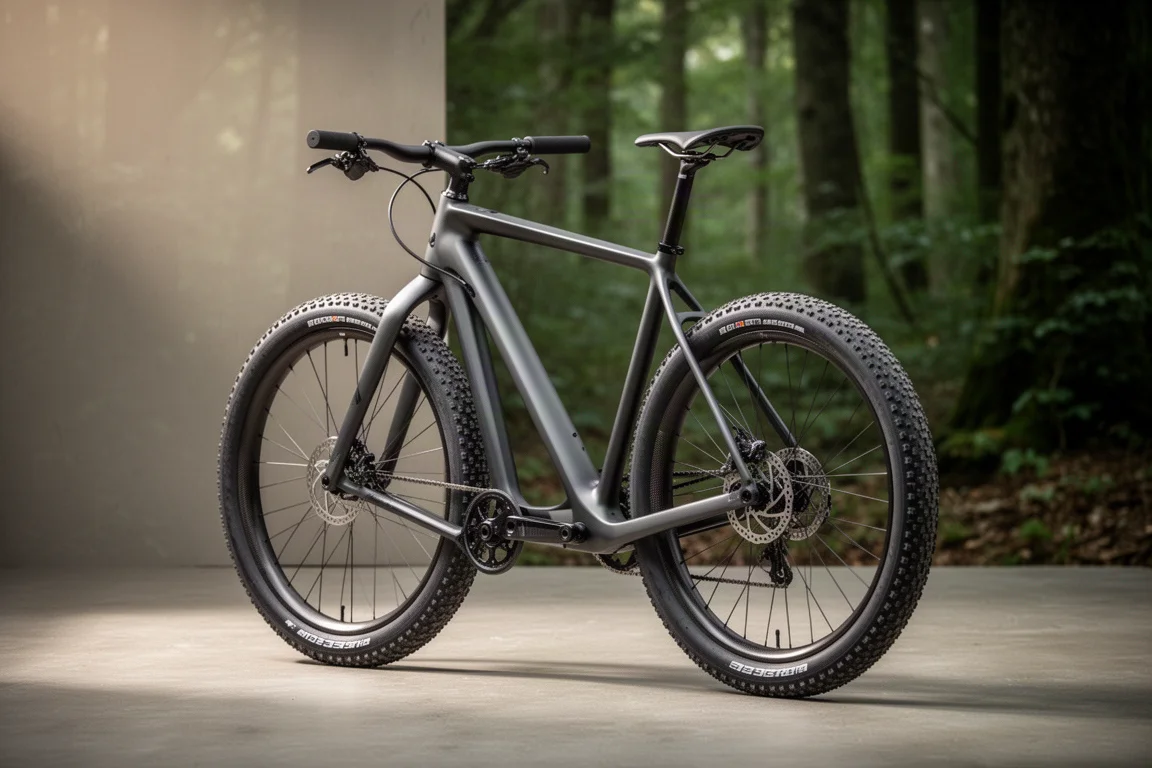
3T Exploro Ultra Review: A Fast Gravel Bike Built for Big Tyres
A close look at the 3T Exploro Ultra, an aero carbon gravel bike designed around wide tyres, with road-like handling, a 980 g frame and genuine rough-terrain capability.
Gravel Bikes
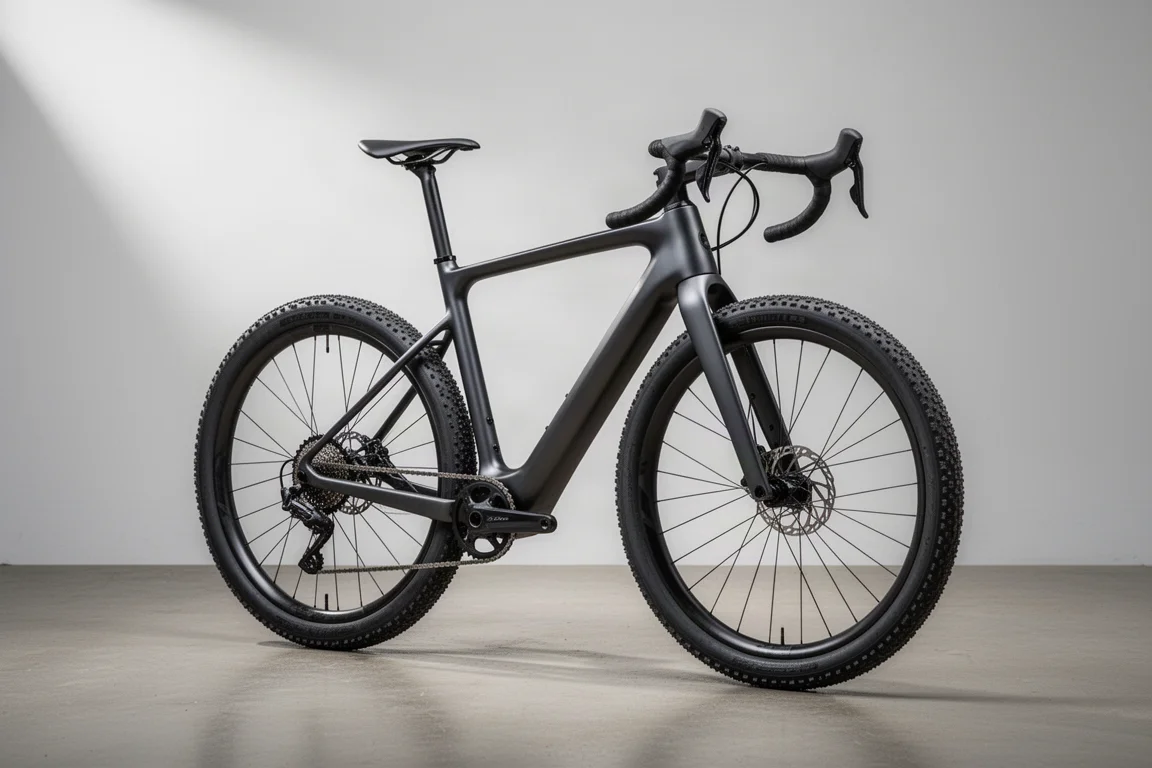
3T Extrema Italia Review: Aero Gravel Speed With Room for 57 mm Tires
The 3T Extrema Italia pairs an aero frame with huge tire clearance, Italian-made carbon and a more comfortable ride than the RaceMax. Here is what to know before buying.
Gravel Bikes
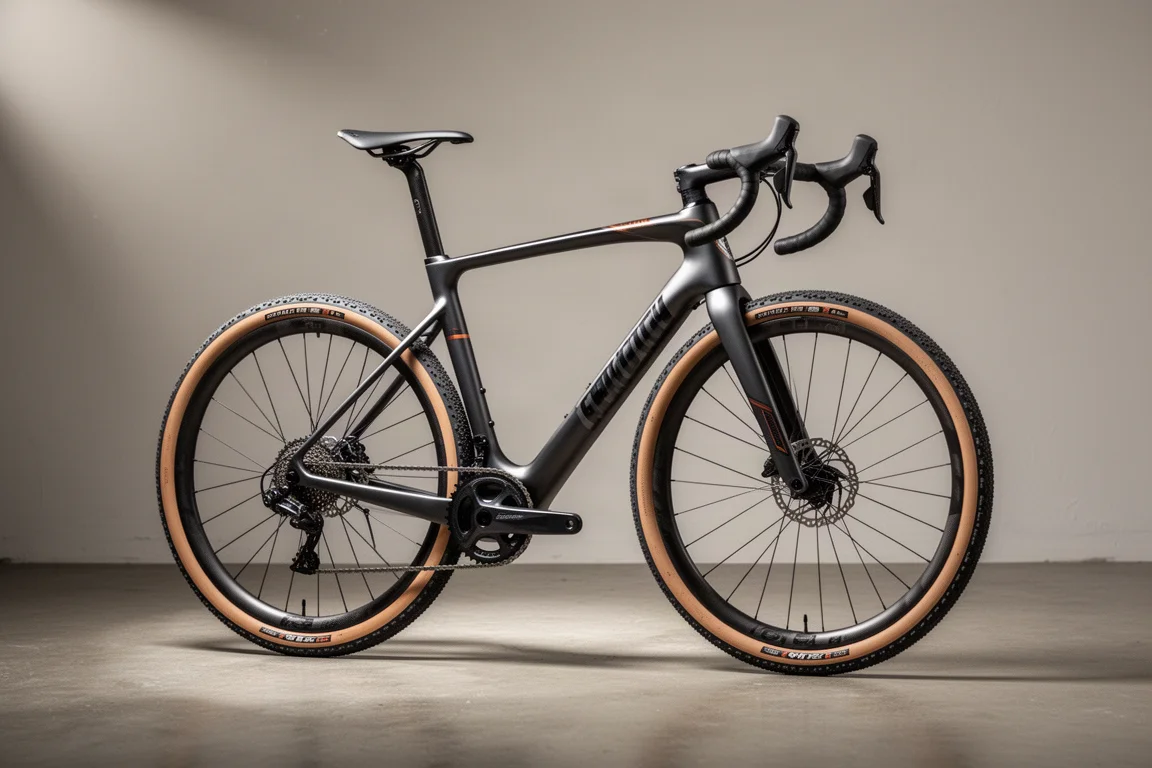
3T Race Max 2 Italia Review: An Aero Gravel Race Bike Made in Italy
A closer look at the second-generation 3T Race Max 2 Italia, covering its aero updates, ride character, tire clearance, internal storage and who it suits.