Gravel Bikes
Best Gravel Bikes: Seven Picks for Every Type of Gravel Rider
From alloy all-rounders to aero race machines and premium custom platforms, seven gravel bikes with clear strengths, honest trade-offs, and a plain answer on who each one suits.
Introduction
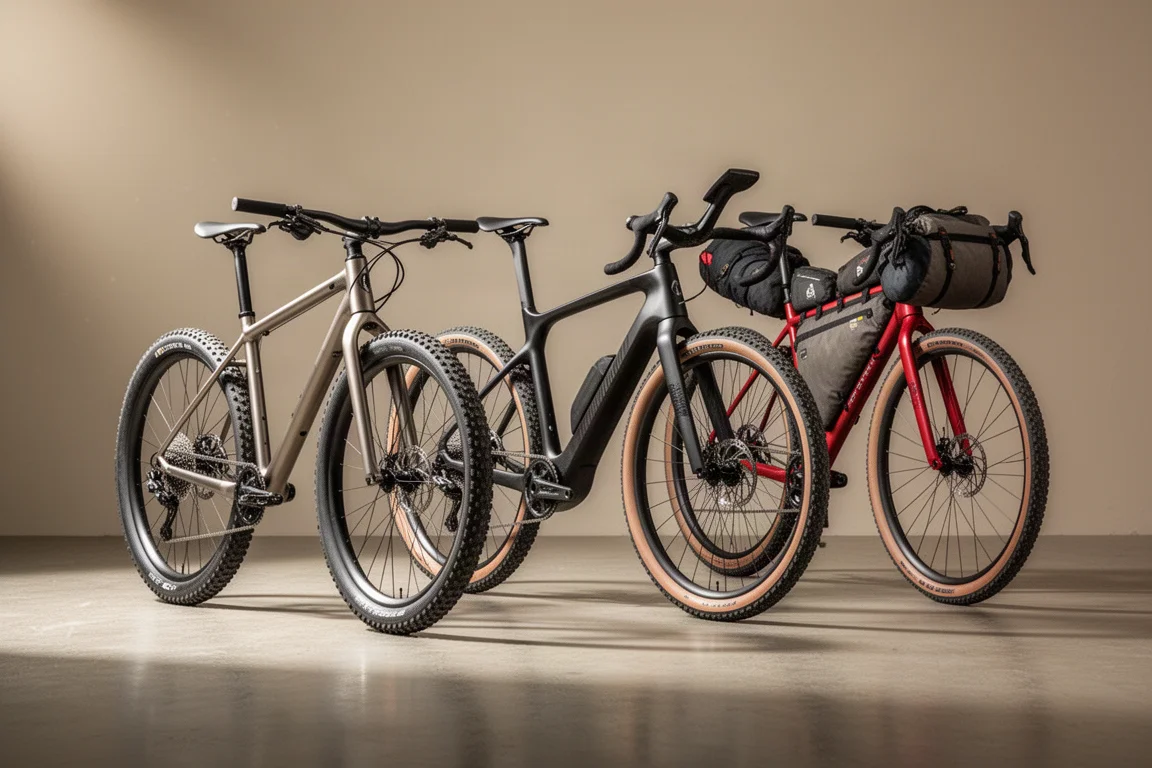
Gravel used to be a simple idea: take a road bike, slacken the geometry, widen the tire clearance and ride it anywhere. That definition no longer covers what is actually on shop floors. Today the category splits into adventure bikes, alloy do-it-all machines, value race platforms, aero gravel racers and premium framesets built for custom projects.
The seven bikes below were chosen because each one does a specific job well, and each one has a real limitation worth understanding before you commit. The aim here is not to crown a single winner, but to help you work out which of these approaches matches the riding you actually do.
What to Look For in a Gravel Bike
Tire clearance sets the ceiling on where a bike can comfortably go. Many riders now treat 50mm as the benchmark for rough surfaces, while 45mm to 47mm remains plenty for mixed gravel and road use. A few millimetres sounds trivial until you are on loose, chunky terrain where volume and grip matter more than weight.
Geometry decides how the bike feels rather than how fast it looks. A slacker head angle and a longer wheelbase buy stability on descents and confidence when the bike is loaded. A shorter wheelbase and tighter front end sharpen handling in tight singletrack, at the cost of calm at speed. Neither is better in isolation, but one will suit your terrain more than the other.

Practical details deserve the same attention as the frame. Mounting points determine how well a bike carries bikepacking gear, integrated storage is genuinely useful for tools and snacks, and proprietary accessory mounts can quietly limit what you can fit later. Groupset choice matters too, but it is often the wheelset that offers the biggest performance gain per pound, which is why owners of several bikes here treat a wheel upgrade as the first meaningful change.
Merida Silex: Adventure-Ready Stability
The Merida Silex is aimed squarely at adventure riding. Its updated geometry uses a 69.5 degree head angle that leans into mountain bike stability, while retaining the broad appeal of the previous version. That combination makes it a calm, planted bike when the surface gets loose or the bike gets heavy.
Tire clearance sits at 45mm, which is a little shy of the 50mm some gravel riders prefer, but it still provides solid grip off road. Braking comes from 180mm discs front and rear, which delivers confident stopping power when the bike is loaded with bikepacking gear.
A top-tier 10K build with Reynolds carbon wheels and a SRAM Apex Explore groupset was tested at £8,750 and proved genuinely fun to ride, with decent spec value against its competition. That said, the Silex range is broad and better value can be found lower down the line, so the flagship build is not the only sensible way into the platform.
Specialized Crux DSW: Alloy Versatility
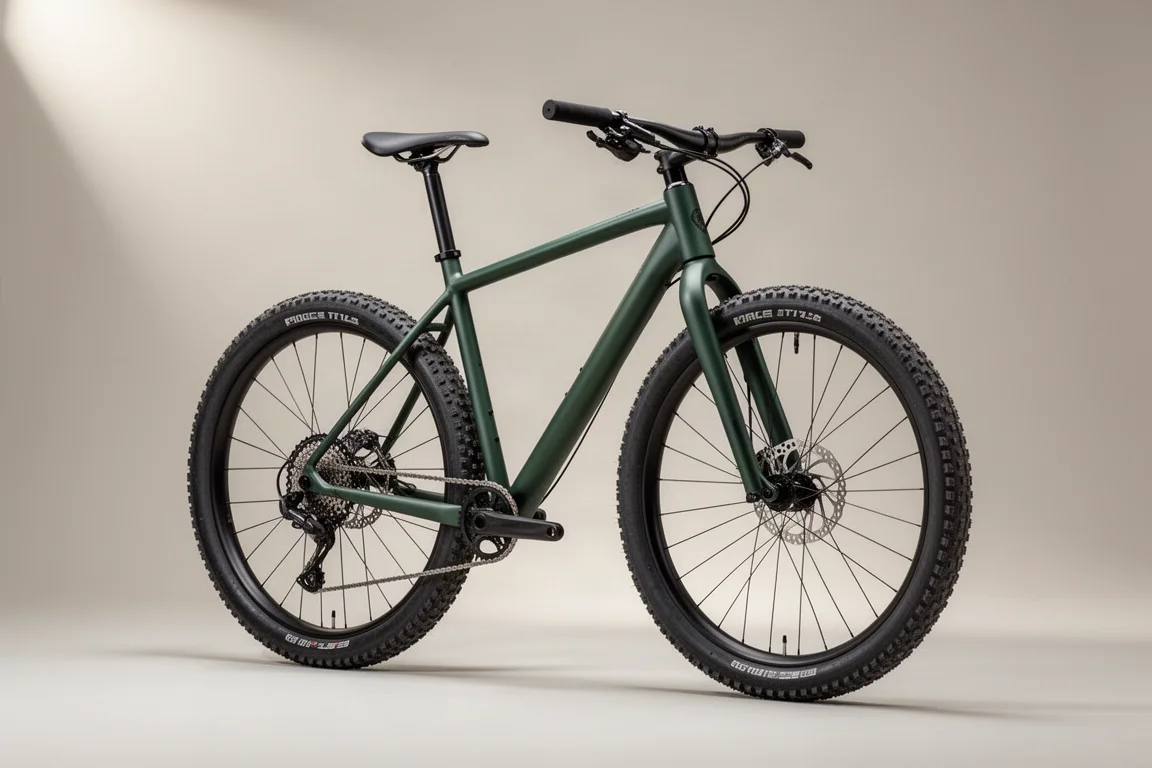
Not every interesting gravel bike needs a five-figure price. The Specialized Crux DSW is an alloy machine built for riders who want one bike for gravel, cyclocross and road. Its D’Aluminium Smart Weld aluminium frame mirrors the high-performance geometry of the more expensive carbon Crux models, so the handling DNA carries over.
The package includes 47mm of tire clearance and a FACT 12R carbon fork, which keeps the front end responsive across mixed terrain. On test the ride felt lively and especially agile on climbs, stable on descents, and easy to place through tight corners.
Weight is the honest trade-off, since the alloy frame is heavier than its carbon siblings. A wheelset upgrade, such as swapping the DT Swiss G540 hoops for lighter wheels, unlocks noticeably more of the bike’s potential. At £2,300 for the complete build it is a well-priced entry into gravel and multi-surface riding, and the frameset is available separately for riders who would rather build their own.
Canyon Grail CF SL 8: Value Race Performance
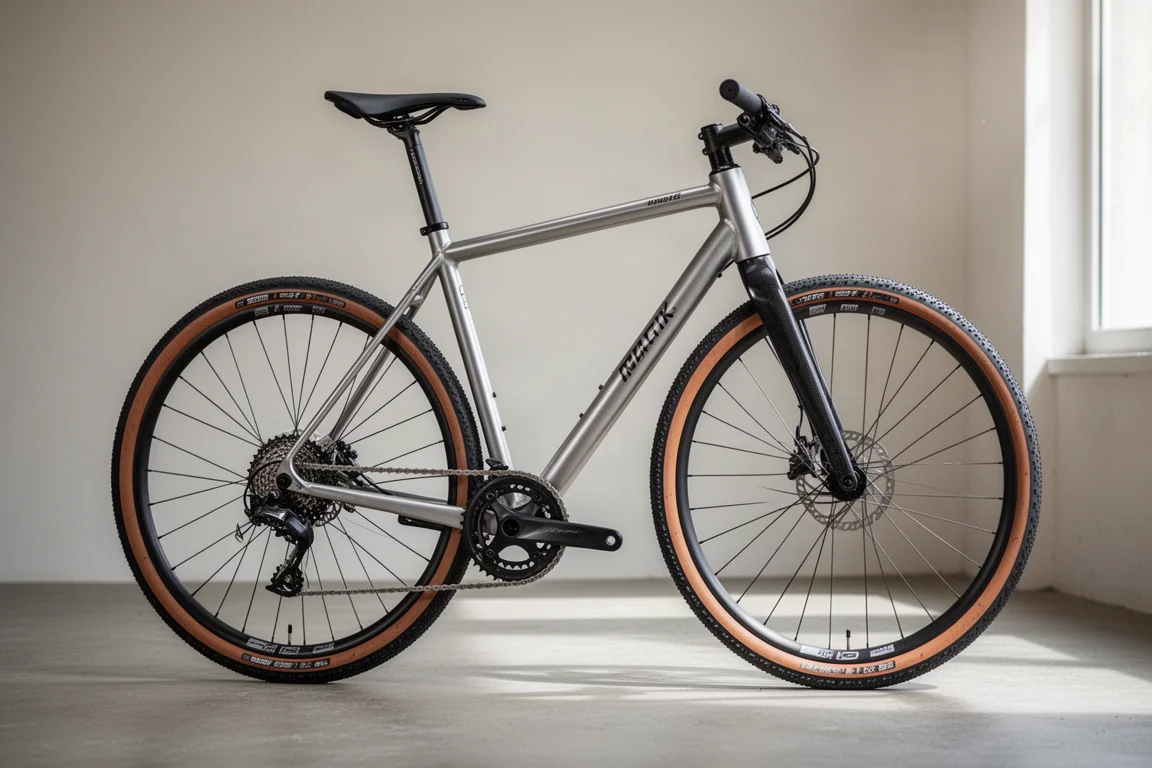
The Canyon Grail CF SL 8 is one of the most sensible bikes in the range, pairing race-proven performance with a capable specification at a comparatively modest price. A newly designed, more aerodynamic frame and a one-piece double drop handlebar work together to reduce drag and give the bike a streamlined profile.
Stability is handled by an extended wheelbase, a slacker head angle and a low bottom bracket, which together inspire confidence on technical terrain. The build relies on a Shimano GRX 822 12-speed mechanical groupset and DT Swiss G1800 wheels, components that are bombproof and well matched to the majority of riders.
That level of integration does bring compromises. Canyon-specific accessory mounts and limited handlebar adjustability can add unexpected costs and restrict customisation, since many standard bike accessories will not fit the proprietary mounts. At £2,799 for a carbon frame and a capable build, it remains a strong choice for riders hunting for excellent value rather than maximum adjustability.
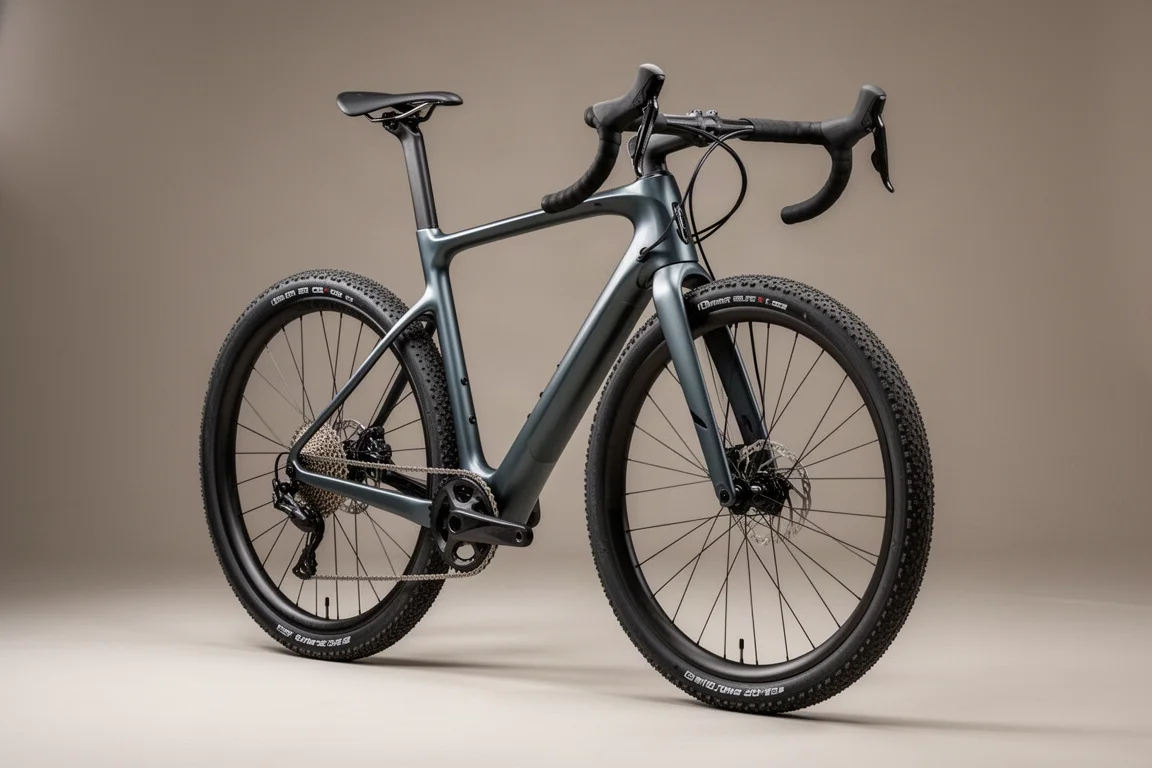
Trek Checkpoint SL7 AXS Gen 3: Comfort and Capability
The Trek Checkpoint SL7 AXS Gen 3 is built for adventure comfort and speed, and it has been raced at the top level of gravel competition. Updated colourways and geometry are tuned for endurance and stability, making it a bike that stays composed over long distances rather than only over short efforts.
Versatility is a core part of the design. Wider tire clearance and multiple accessory mounts make serious bikepacking practical, and integrated down tube storage lets you stash essentials such as tools or snacks without adding bags. A wireless groupset provides smooth, precise shifting, while carbon wheels and a gravel-specific handlebar design contribute to a clean, high-performance feel.
Comfort comes from the IsoSpeed decoupler, which now sits prominently on the frame and absorbs bumps and rough terrain without compromising speed. Whether the route is rocky and technical or long and scenic, the Checkpoint balances comfort and capability well, which is why it remains a top pick for gravel riders who want one bike to cover a lot of ground.
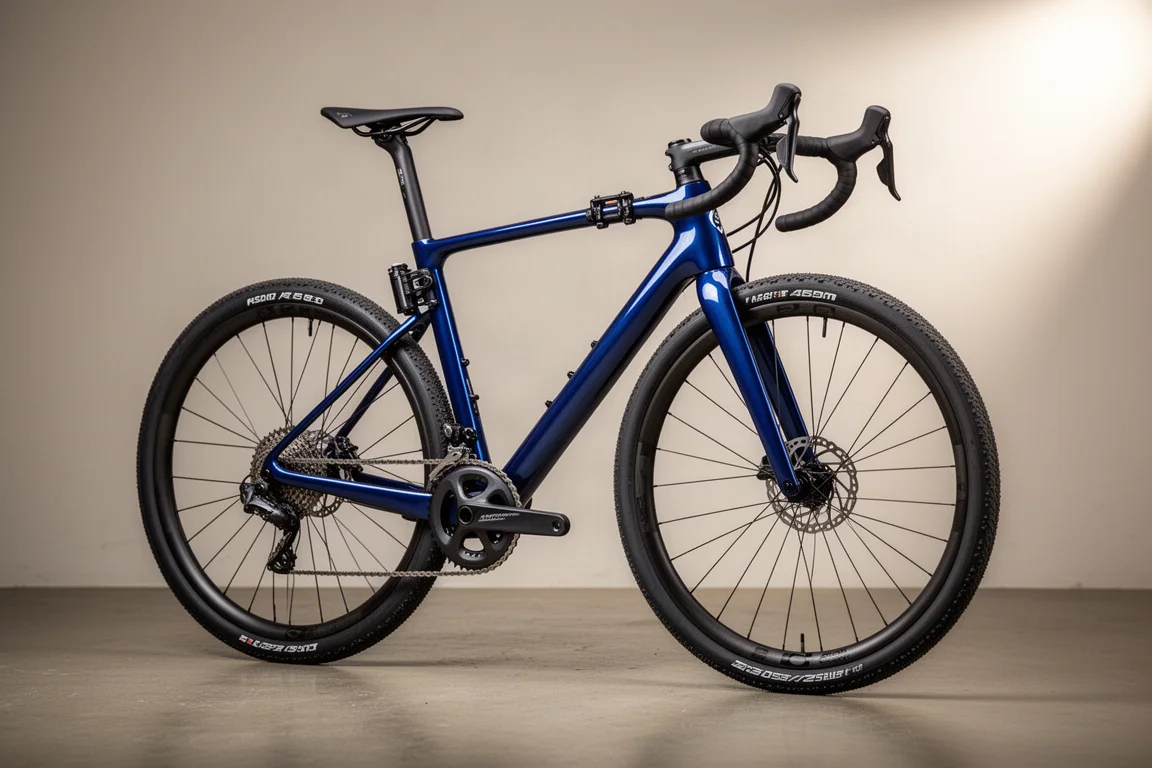
ENVE MOG: A Premium Custom Platform
The ENVE MOG is ENVE’s first dedicated gravel bike, and it strikes an impressive balance between stability, comfort and performance. It is designed as a platform for custom builds rather than a single off-the-shelf specification, which suits riders who want to choose their own components.
The lightweight carbon frame carries ample accessory mounts and thoughtful touches such as down tube storage, making it an adaptable and convenient companion for mixed terrain riding, gravel racing or bikepacking. It is engineered around 700c wheels with up to 50mm of tire clearance, and 650b compatibility allows high-volume tires to be used while preserving the stable, confidence-inspiring geometry.
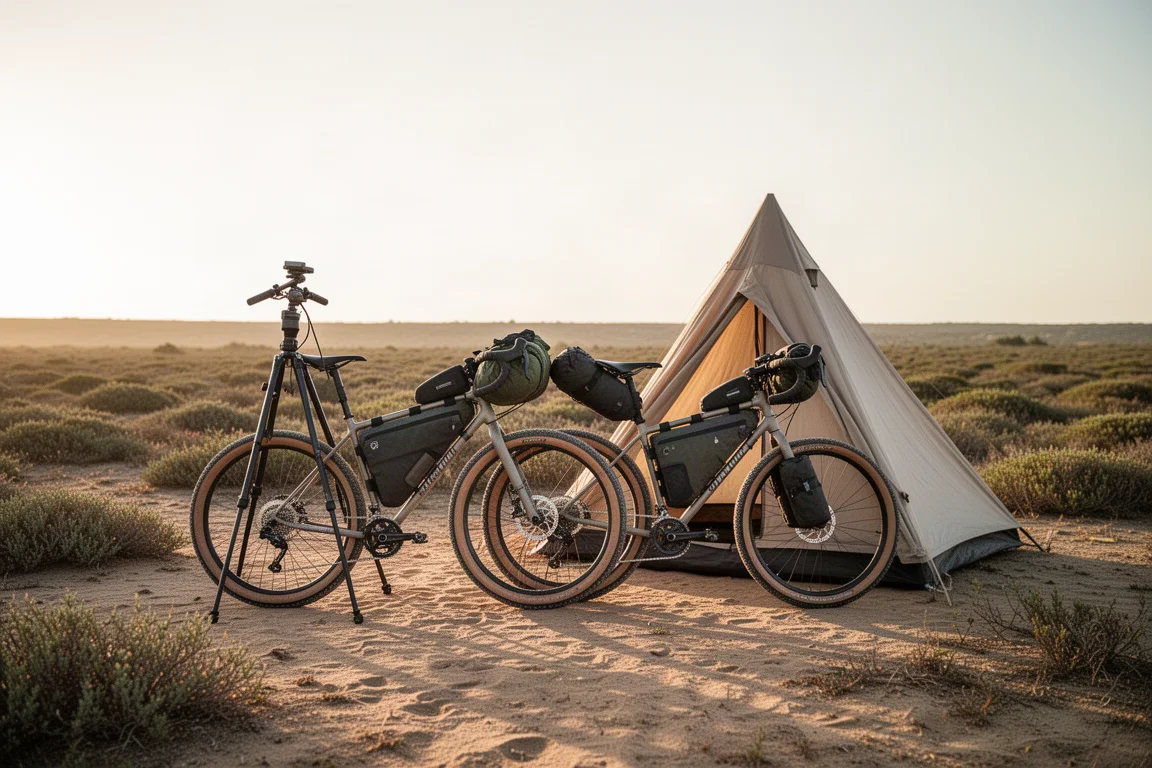
Build flexibility is baked in. There is a threaded T47 bottom bracket and a choice between a dropper or a rigid seatpost, so the bike can be set up for varied off-road adventures. On technical trails the responsive handling and solid geometry paired well with a dropper post, which added control on descents. At £5,500 for the chassis it is a premium option, but the versatility and considered design make it a worthwhile investment for dedicated gravel riders.
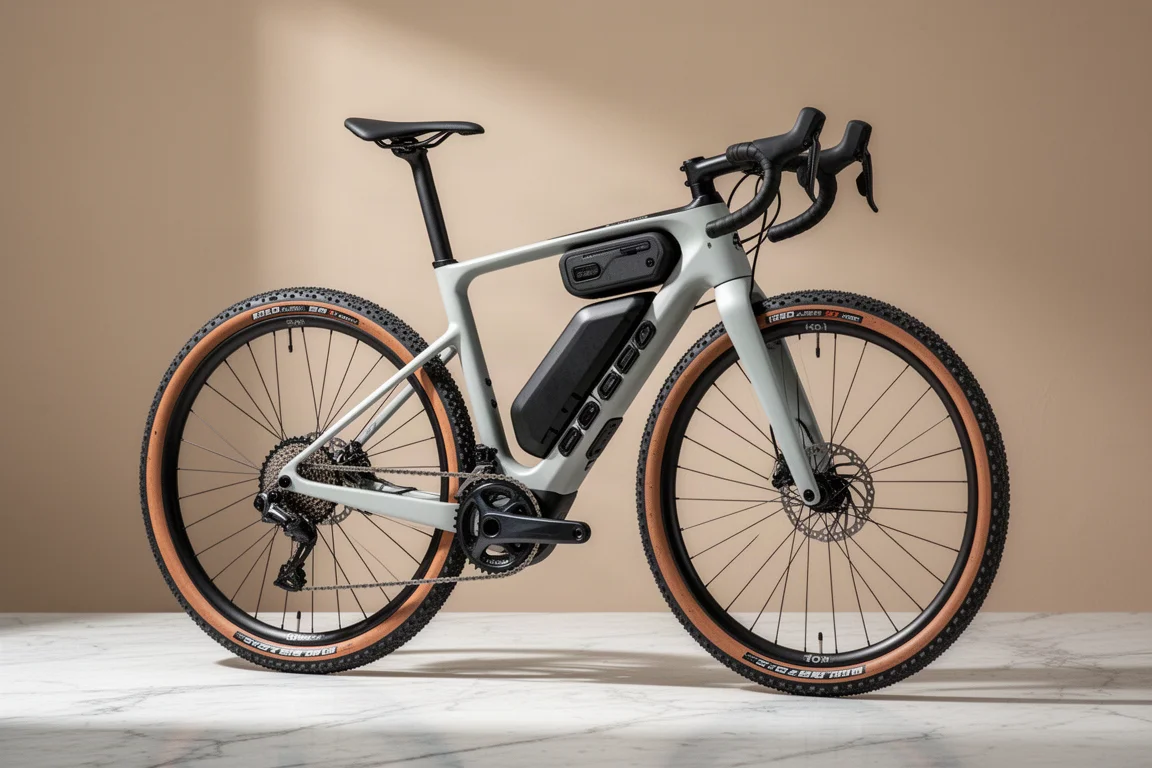
Ridley Kanzo Fast: Aero Speed on Gravel
The Ridley Kanzo Fast marks the move from do-it-all gravel bikes towards the more race-focused end of the category. It brings high-speed aerodynamic design to gravel, borrowing from the Noah Fast road bike for its frame and geometry. A deep section head tube and fully integrated cables give it a sleek profile.
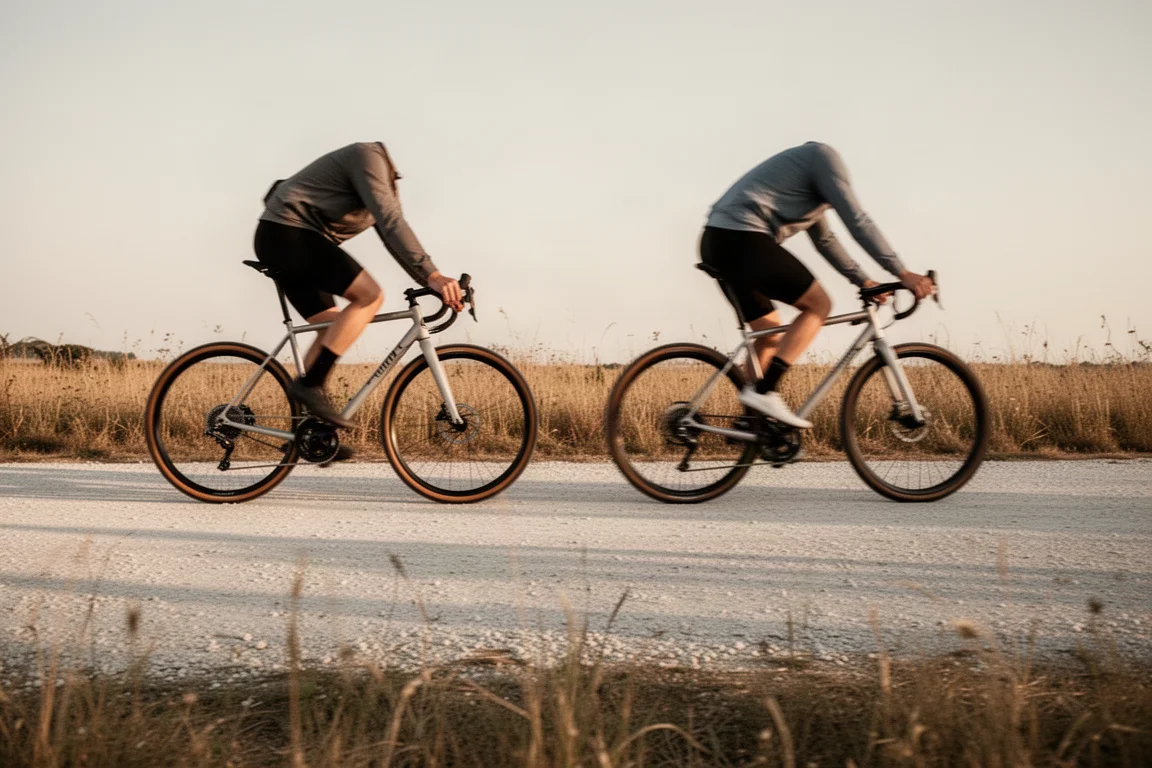
Comfort is the surprise here. The frame’s carbon flex and 38mm Vittoria Terreno tires absorb a lot of trail chatter, making it easy to hold a smooth pedal cadence and an efficient posture over long distances. Responsive handling and a short wheelbase make it agile, particularly on technical singletrack.
There are trade-offs to weigh. That short wheelbase can feel unstable on steep descents, and toe overlap on the extra small test model may create challenges on tight trails. The aerodynamic benefits are most evident on long, fast descents, while the extra weight and limited tire clearance slightly reduce overall versatility. It suits riders looking for a high-performance, race-oriented gravel bike that balances speed with a surprisingly comfortable ride.
Cervélo Áspero: All-Day Speed and Comfort
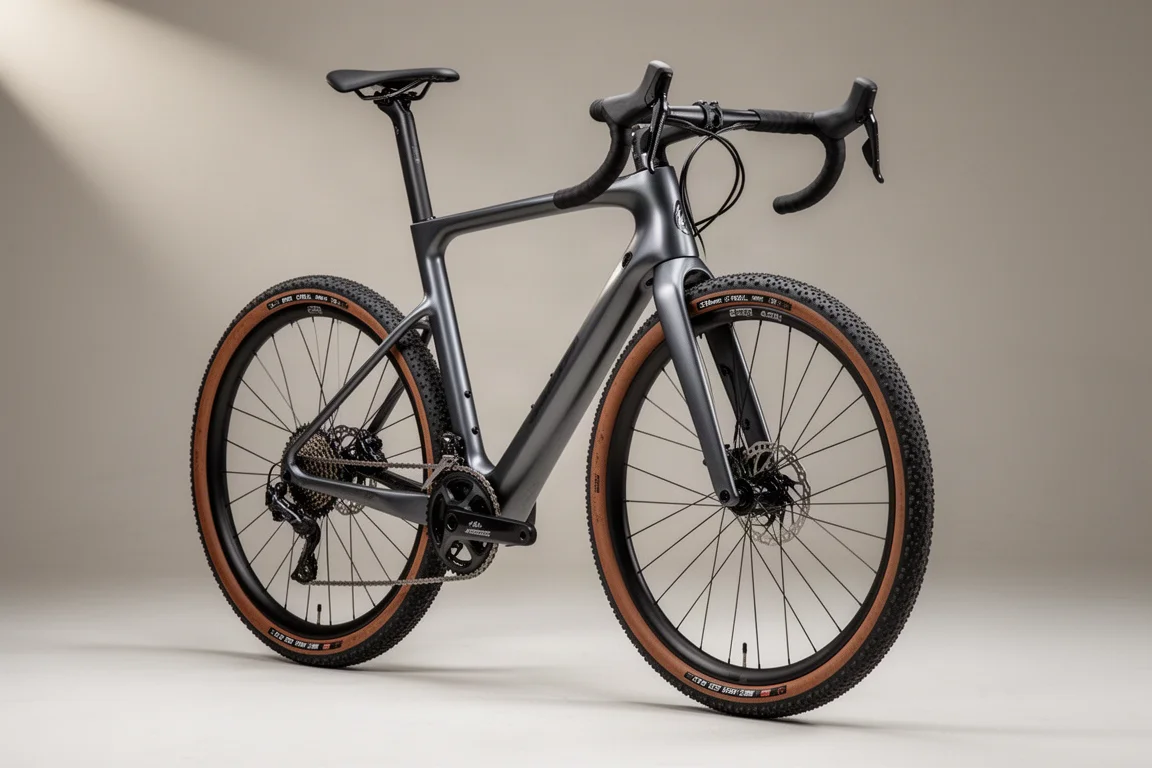
The Cervélo Áspero is a gravel bike that offers impressive versatility and comfort without compromising on speed. Its carbon frame is built with an emphasis on all-day reliability, and it performs well on both gravel and smooth tarmac, which makes it a strong option for riders whose routes mix surfaces.
Geometry stays largely unchanged from previous models, but the bike now offers greater tire clearance and the option of a 46T chainring, making it more adaptable across terrain. An updated rear triangle with dropped seat stays and increased seatpost flex contributes to a more forgiving ride, particularly on rougher surfaces.
The specification includes a SRAM Apex AXS groupset, 40mm WTB Vulpine tires and Fulcrum Rapid Red 300 wheels, aimed at riders who want a balance of speed and comfort with enough capability for gravel adventures. A flip chip allows adjustments to the bike’s trail for slightly altered handling depending on wheel size. At £4,200 the Áspero struggles against some rivals on spec for money, but for the keen gravel racer it remains a fantastic option and one that responds well to a set of race wheels.
Buying Advice: Matching the Bike to Your Riding
Start with terrain rather than specification. If your riding leans towards loaded bikepacking and rough, loose surfaces, the Merida Silex, Trek Checkpoint and ENVE MOG all prioritise stability and carrying capacity, with mounting points and storage designed around long days out. Tire clearance of 45mm and above is the practical baseline in that group.
If you want one bike that covers gravel, cyclocross and road without a premium outlay, the Specialized Crux DSW and the Canyon Grail CF SL 8 make the strongest case. The Crux DSW trades some weight for an accessible price and a frame that improves noticeably with a wheelset upgrade, while the Grail CF SL 8 delivers race-ready aerodynamics and a dependable groupset, provided you are comfortable with proprietary mounts.
For riders chasing speed, the Ridley Kanzo Fast and the Cervélo Áspero sit at the race-focused end. The Kanzo Fast is at its best on fast, flowing terrain where its aerodynamic profile pays off, while the Áspero blends speed with all-day comfort and can be sharpened further with lighter wheels. Whichever direction you choose, budget for the parts that matter most to your riding: tires for grip, wheels for pace, and bags or mounts for the trips you actually plan to take.
Conclusion
There is no single best gravel bike here, only the best fit. The Silex, Checkpoint and MOG suit riders who value stability and load carrying. The Crux DSW and Grail CF SL 8 deliver strong value for mixed-surface riders. The Kanzo Fast and Áspero are aimed at those who want to race or ride fast on gravel. Decide what your riding really looks like, and the shortlist becomes much shorter.
Further reading
Related Reviews
Gravel Bikes
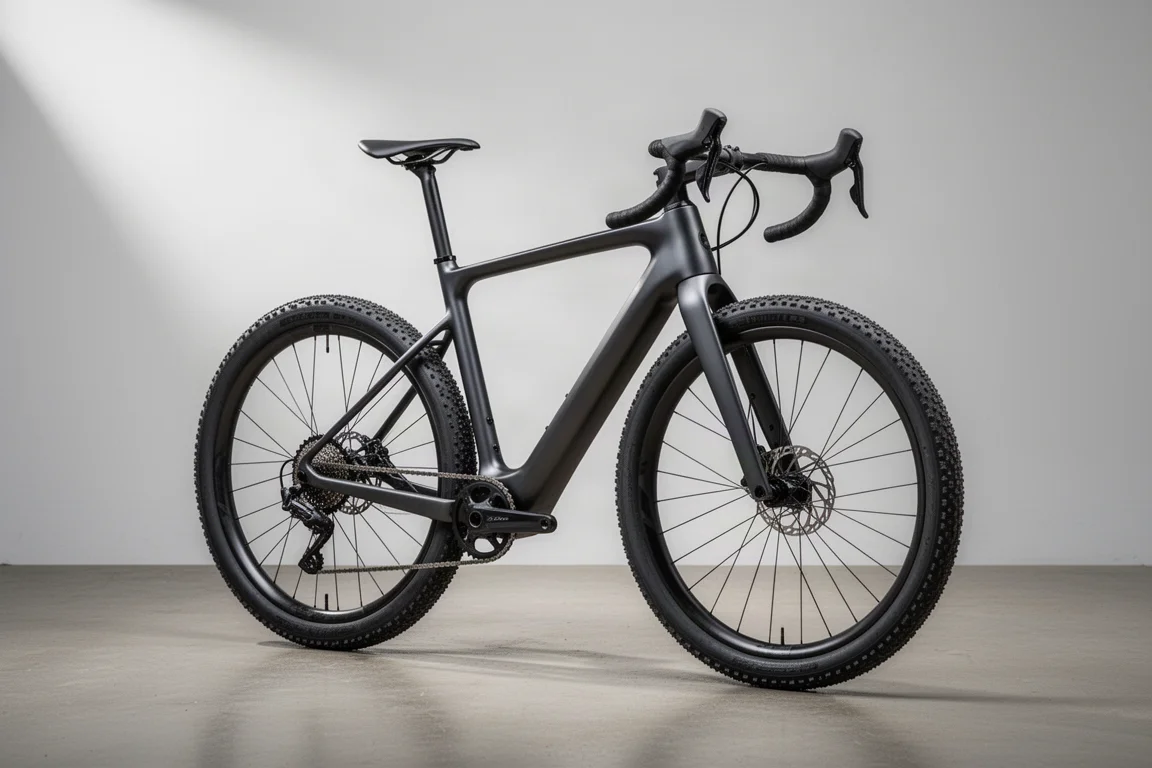
3T Exploro Ultra Review: A Fast Gravel Bike Built for Big Tyres
A close look at the 3T Exploro Ultra, an aero carbon gravel bike designed around wide tyres, with road-like handling, a 980 g frame and genuine rough-terrain capability.
Gravel Bikes
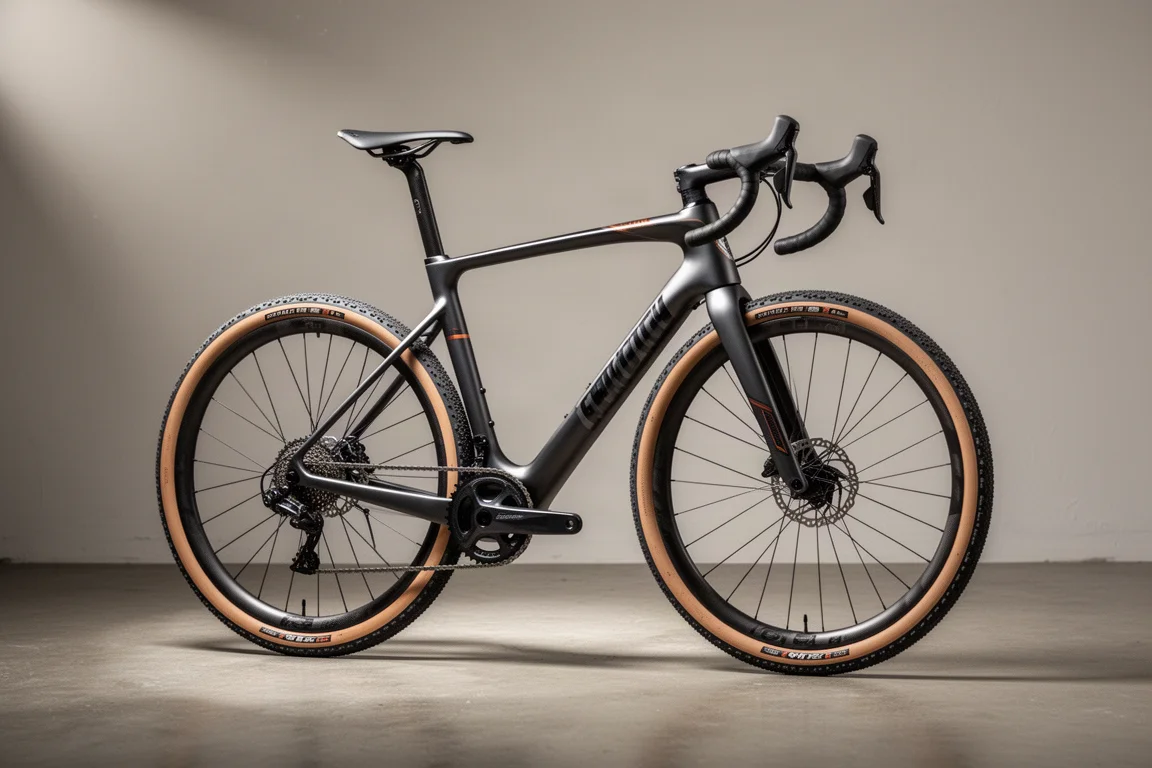
3T Extrema Italia Review: Aero Gravel Speed With Room for 57 mm Tires
The 3T Extrema Italia pairs an aero frame with huge tire clearance, Italian-made carbon and a more comfortable ride than the RaceMax. Here is what to know before buying.
Gravel Bikes
3T Race Max 2 Italia Review: An Aero Gravel Race Bike Made in Italy
A closer look at the second-generation 3T Race Max 2 Italia, covering its aero updates, ride character, tire clearance, internal storage and who it suits.