Gravel Bikes
Best Gravel Bikes: Nine Picks From Sensible to Dream Builds
Nine gravel bikes worth considering, from affordable all-rounders with suspension to aero race machines built for smooth, fast gravel.
Introduction
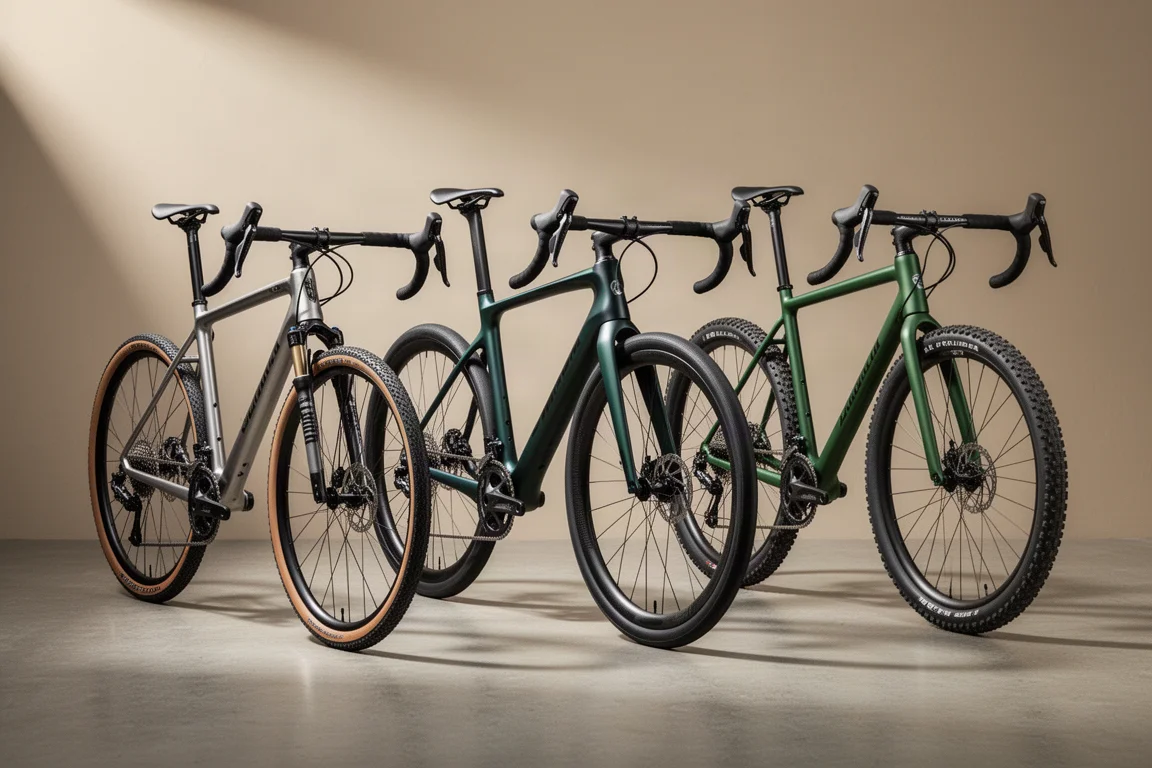
Gravel bikes have multiplied to the point where choosing one has become genuinely difficult. The category now stretches from sharp-handling alloy all-rounders to aero race machines built for wide, smooth gravel roads, and the right answer depends heavily on the surface you actually ride.
This guide gathers nine picks split into two groups: realistic builds that most riders could justify, and dream builds for when budget is not the deciding factor. Each one earns its place for a specific reason, whether that is value, handling, frame standards, or sheer speed on the right terrain.
How These Gravel Bikes Were Chosen
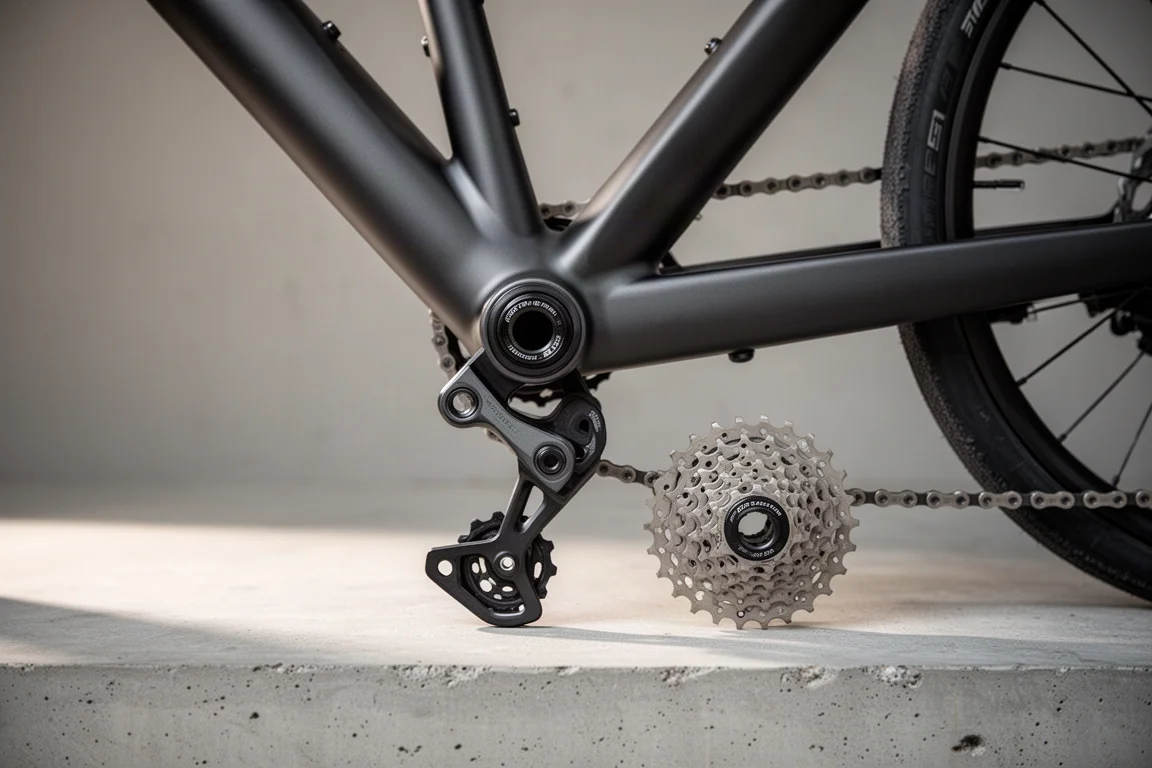
Two themes run through most of the picks below. The first is frame standards, and in particular the universal derailleur hanger, a rear mech mounting standard introduced as an open standard so that a replacement hanger is available wherever you are and whatever bike you ride. It does not stop you running other drivetrains, and adapters exist that let a UDH frame take a Shimano direct mount setup. It is a small detail with real consequences: a frame should not be written off because a cheap, hard-to-find hanger snapped.
The second theme is suspension and tyre clearance. Gravel suspension remains a divisive idea, but for riders whose local routes include rocky singletrack, a bit of travel at the front and rear makes far more of those trails rideable. Others prefer to keep things rigid and rely on wider tyres for comfort instead. Neither approach is wrong, and the picks below reflect both.
The result is a spread of bikes rather than a single answer. A racy machine with modest tyre clearance suits fine, fast gravel. A slacker frame with a suspension fork suits technical terrain. Read each entry against the riding you do most often.
Cervelo Áspero: A Sharp All-Rounder
The Áspero Apex XPLR build sits at around £3,100 and makes a strong case as a do-everything gravel bike. The standard Áspero frame is arguably the better pick over the Áspero 5: it is a little simpler, it uses a UDH dropout, and it keeps a round seatpost so a dropper can be fitted without fuss.
Handling is sharp and the bike looks purposeful without being fussy. It is not the final recommendation here, but it is an easy bike to like and an easy one to live with long term.
GT Grade X: Suspension Done Sensibly
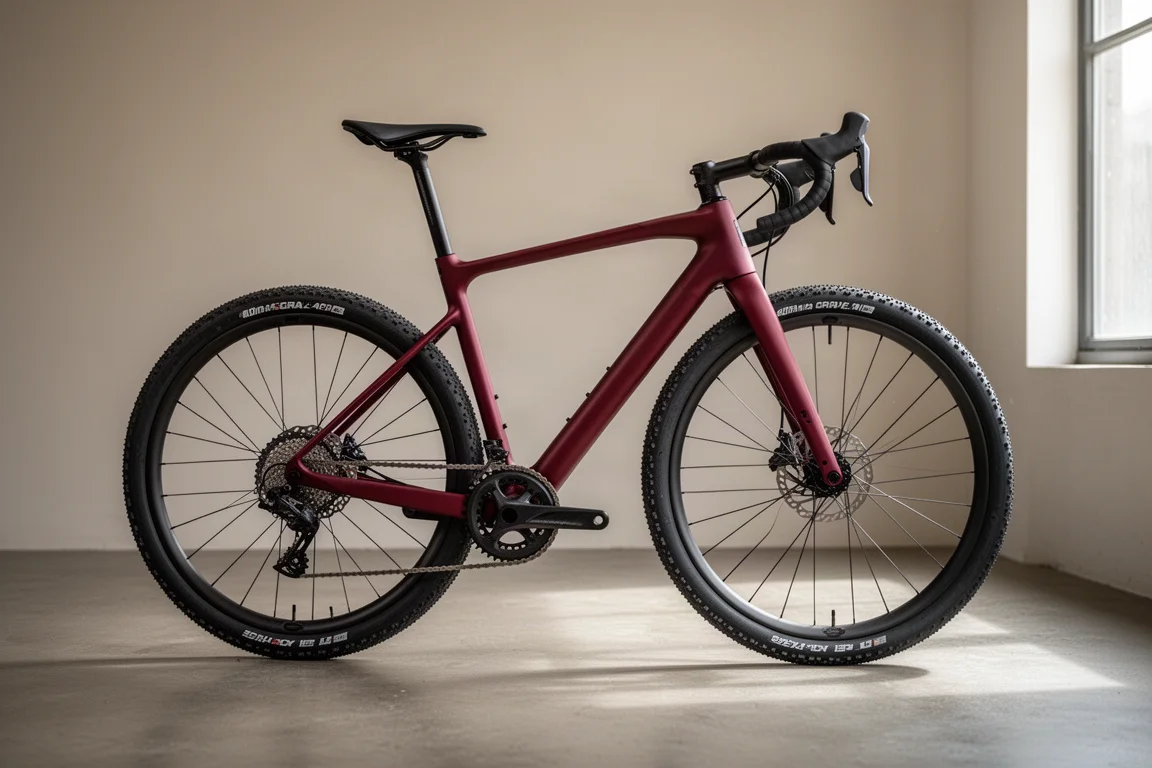
The Grade X costs around £3,000 and takes the third-generation Grade frame in a slightly more relaxed direction. Up front there is a RockShox fork with 40mm of travel, while the rear end is designed to flex: the compliant back end delivers roughly 30mm of movement at the saddle. Together they add up to something close to a full-suspension gravel bike.
The angles are slack enough to feel almost like a trail bike, which makes it capable almost everywhere and leaves plenty of scope for upgrades later. The standard Grade uses a longer carbon fork on a suspension-corrected frame, and a rigid fork option exists for riders who would rather not run suspension at all.
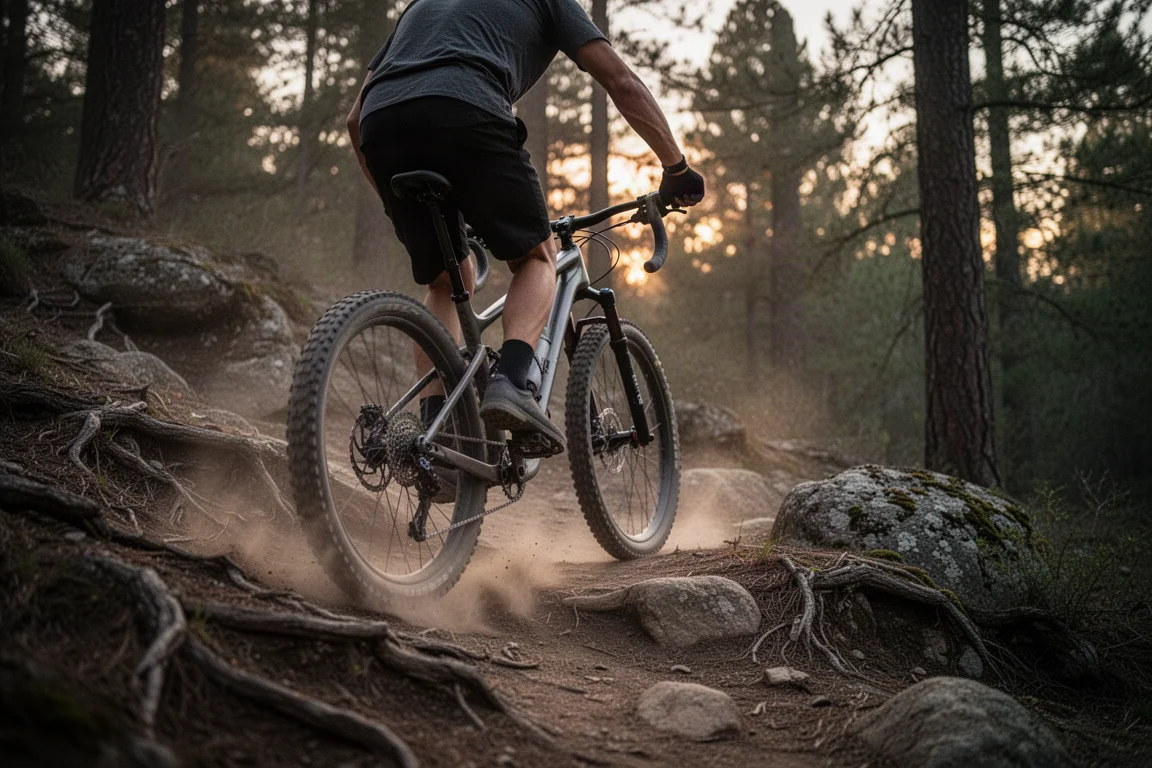
For riders whose gravel includes rock and technical singletrack, that combination of front and rear travel is the main reason to choose this bike over a rigid race frame.
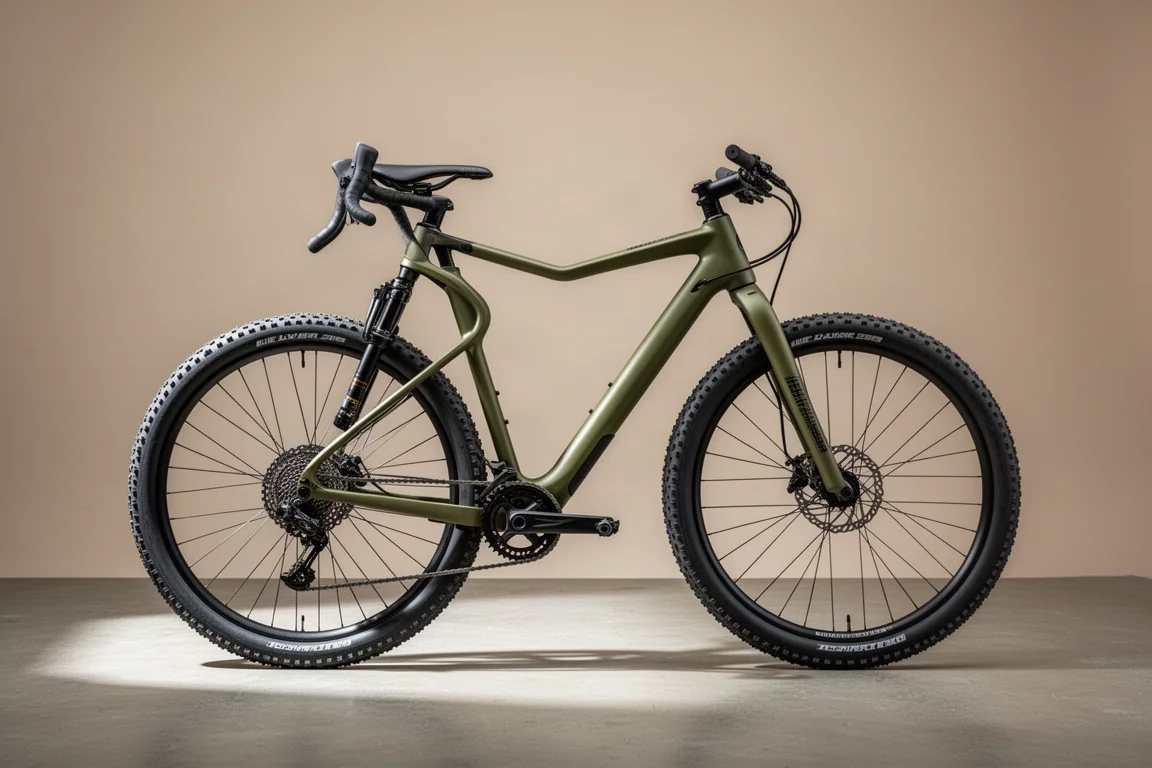
Giant Revolt X: Ready for a Suspension Fork
The Revolt X takes the standard Revolt and tweaks the geometry so the frame is designed around a suspension fork rather than adapted to one afterwards. That makes it the logical starting point for riders who want the comfort and control of front suspension on a platform engineered for it.
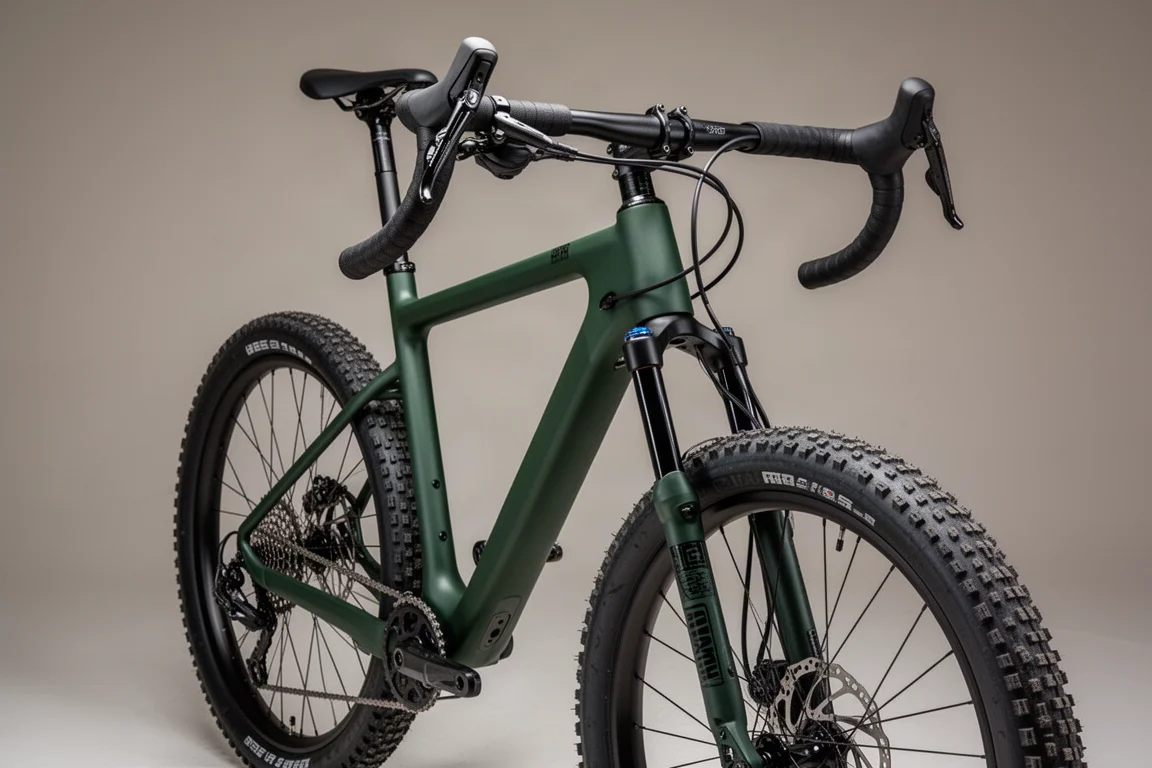
Black Heart Gravel AL: Boutique Alloy, Your Colour
Black Heart is a US-based brand focused on high-end alloy frames, finished with a cerakote coating: a ceramic-rich finish that behaves a little like powder coat but is harder wearing. The Gravel AL is a tidy, unfussy platform that can be built up however you want, with internal routing that enters through the headset top cap and, in all likelihood, a T47 bottom bracket.
The detail that sets it apart is the ordering process. You choose the colour of your frame before it is made, and you can specify a different colour for the fork.
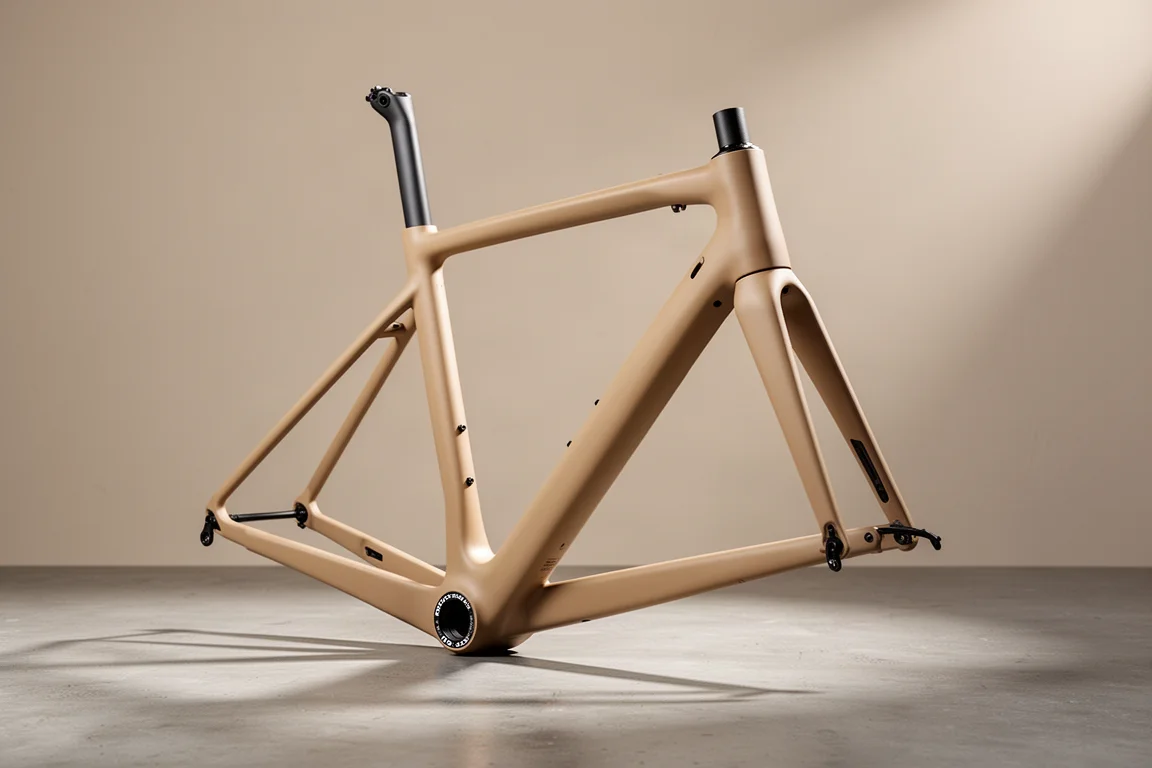
Specialized Crux: A Secondhand Bargain Build
The Crux is sold as a gravel bike, but its geometry comes from cyclocross, which is a large part of its appeal. The Pro model from a few years ago ran a Force 1x groupset and came in a striking multi-colour pink finish. New builds sit somewhere around £7,000 to £7,500, while a used S-Works example was spotted at roughly £4,500, which is where this platform starts to look like genuine value. The S-Works version is not necessary to enjoy the ride.
A rebuild is under way with a 2x setup: Ultegra Di2 shifters and cranks paired with GRX derailleurs. The GRX front derailleur allows more tyre clearance, and the GRX rear derailleur opens up a wider cassette spread, with an 11-36 for gravel and a tighter 11-34 for road and cyclocross. SKS mudguards are going on for short city commutes.
One caution worth knowing: the cheapest complete build is poor value, particularly where the wheelset is concerned.
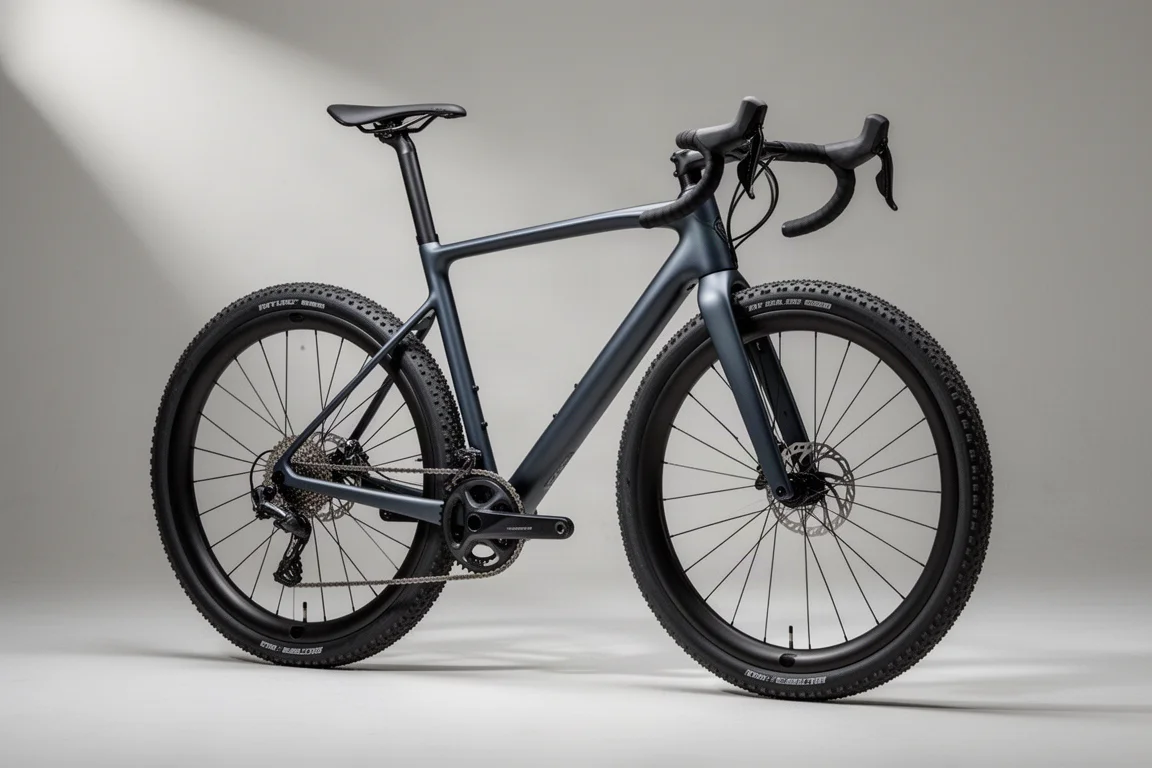
Cannondale Topstone Lab 71: A Smart Personal Build
The Lab 71 frame set costs around £3,500 and forms the base of a bike running a Cane Creek Invert fork, a RockShox dropper post, Cannondale SL wheels and an Eastern cockpit. The Kingpin rear suspension pairs neatly with the front fork, so the ride stays smooth at both ends.
The drivetrain is deliberately modest. Apex AXS was chosen over the top-tier option because a replacement rear mech costs around £290 to £295 rather than roughly £645, which matters on a bike that gets ridden hard on technical trails. Running 40mm cyclocross tyres keeps it rapid on the road and on smoother gravel, and the frame accepts up to 45mm. More clearance would be welcome.
The complete build came in under £5,000 and weighed less than the standard Lab 71 build, which sells for close to £9,000. The frame has not been updated in a while and still lacks the universal derailleur hanger standard.
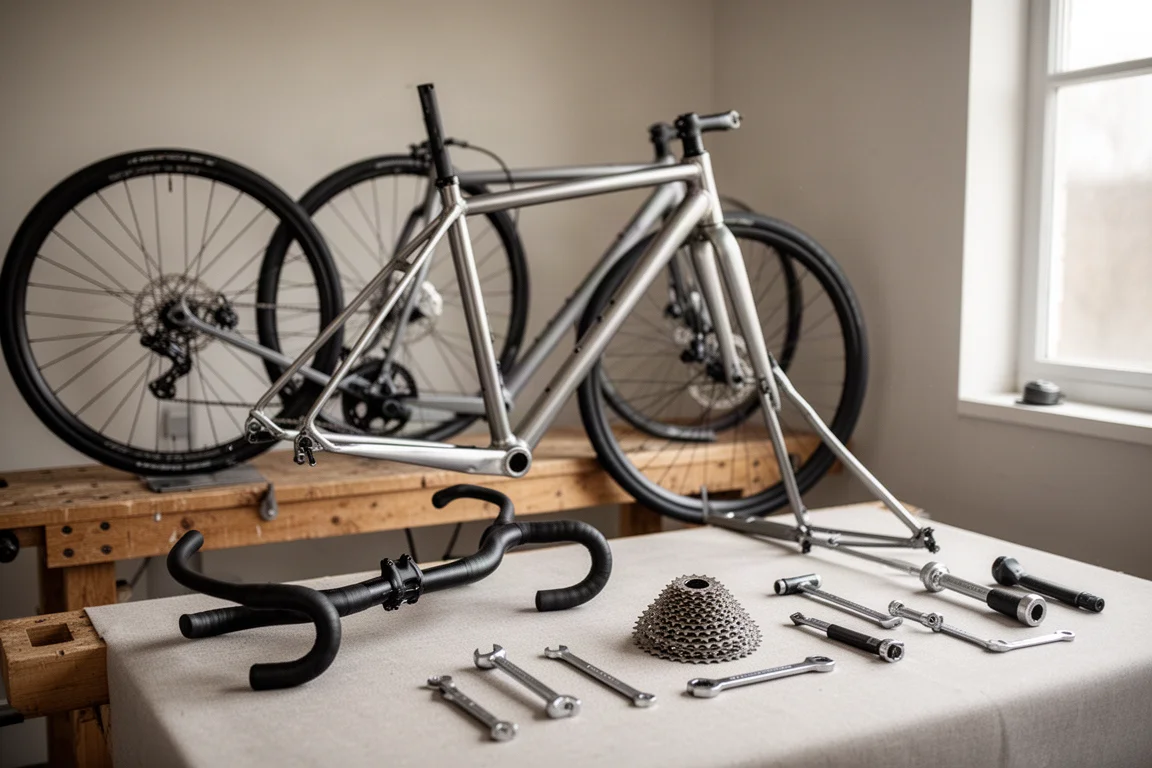
For riders who like the idea of a suspension fork paired with rear compliance, and who are happy to build up a frame set with parts they already trust, this is a compelling route.
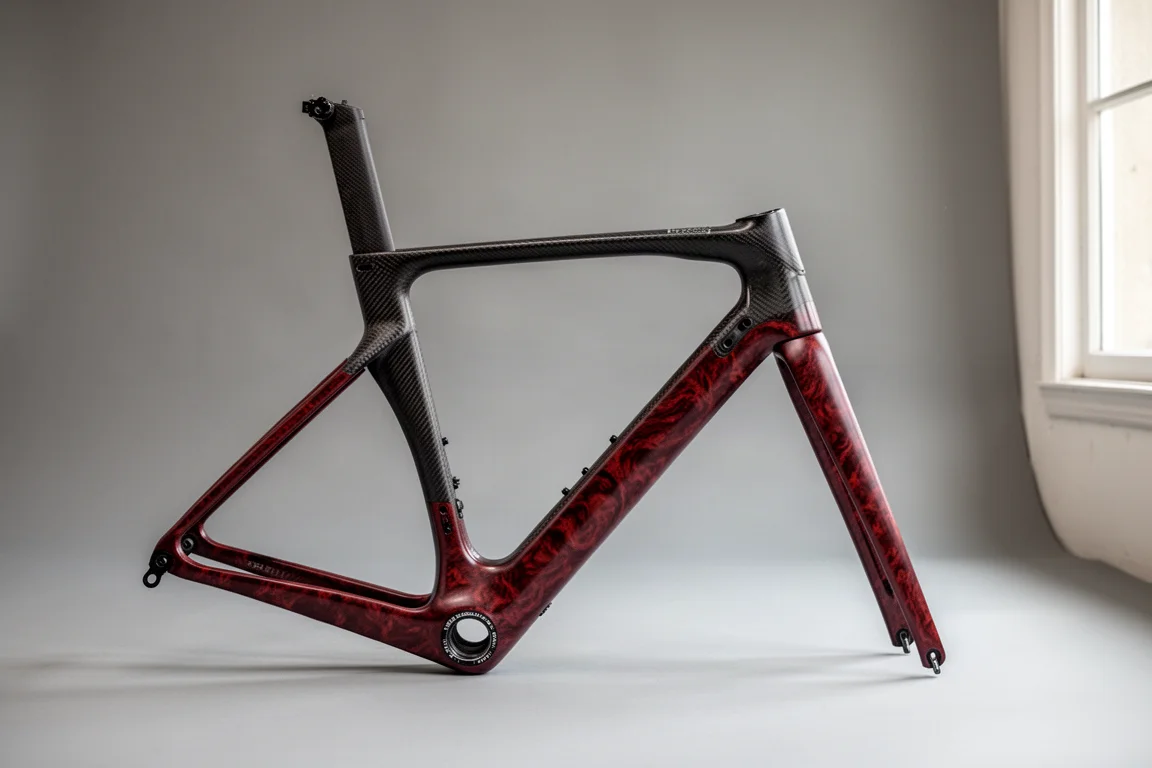
Canyon Grail CFR Di2: The Racy Dream
The Grail CFR Di2 is a high-end gravel race bike with a GRX Di2 build, and it earned a full five-star verdict on test. Handling is excellent, the cockpit ergonomics are well judged, and the integrated storage and accessory design show real thought. In the context of very expensive bikes, it is a pretty good build.
Two things hold it back from being perfect out of the box. The paint options are dull, and achieving the full integrated look means buying Canyon’s own cockpit in the correct size. There is also no power meter included, which is a notable omission at this price.
The stock G-One RS tyres are among the fastest around but are delicate, so a tougher set would be the first upgrade, along with a power meter. The Gear Groove cockpit is easy to live with once set up, and the accessory range includes a frame bag and mudguards, making the bike genuinely adaptable on and off road.
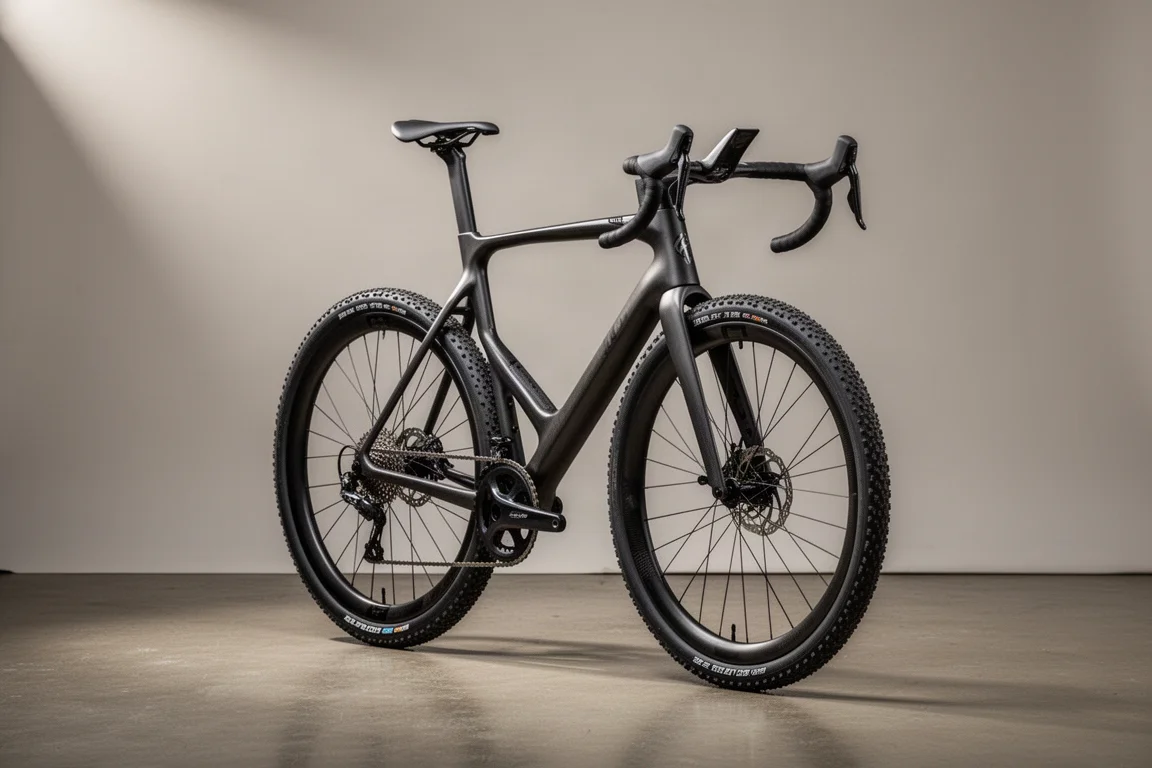
Cannondale Slate: The 650b Outsider
The Slate was a bike nobody strictly needed, built around 650b wheels and an aluminium frame with a large carbon Lefty fork that cost roughly twice as much as the frame itself. Its geometry turned out to be strikingly close to a 1992 GT Zaskar, which explains a lot about how it rides.
650b has fallen out of fashion, but the platform still has devotees. A recent rebuild swapped the original 52/36 Ultegra and 11-28 cassette for a mechanical 1x Apex Eagle setup, added a dropper post and fitted carbon wheels built around the Lefty fork. With a 46cm gravel bar up front, it behaves like a drop-bar mountain bike.
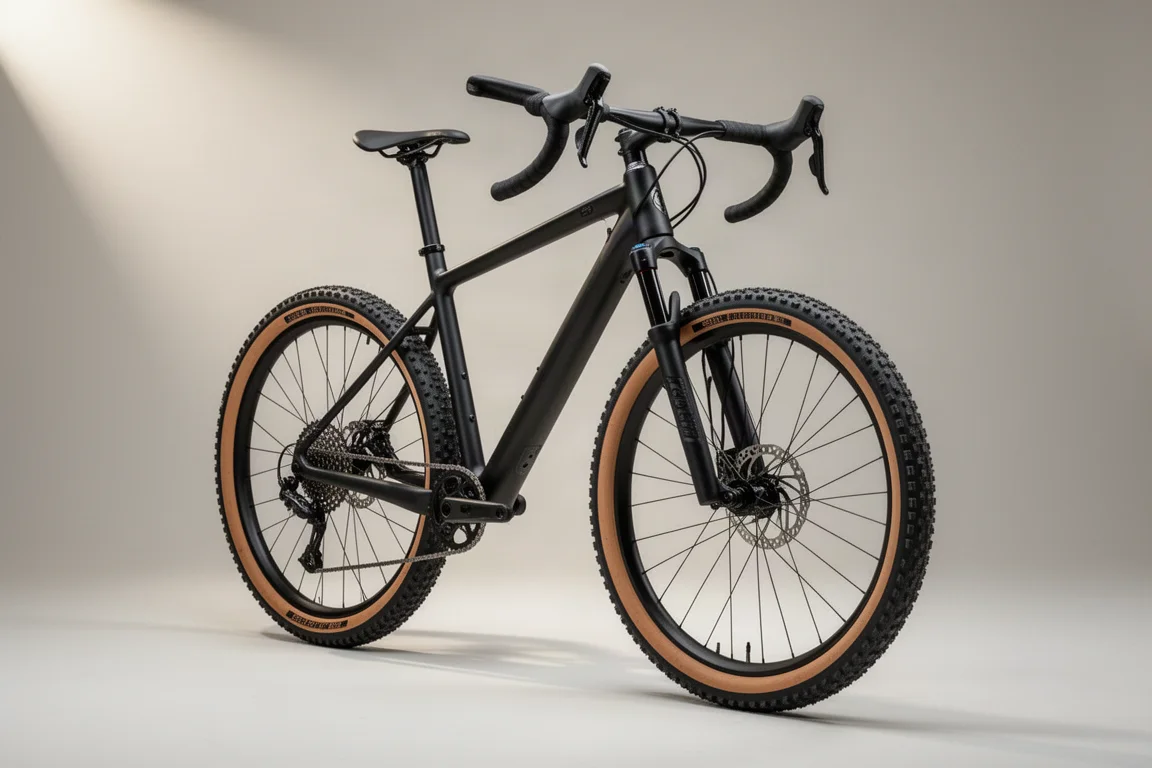
Factor Ostro Gravel: Fast on Smooth Gravel
The Ostro Gravel is an aero gravel race bike: low, stiff and designed for going very fast on smooth surfaces. In a gravel bike of the year test, it and the BMC Kaius were significantly faster than anything else point to point across the smooth sections of a 75-mile loop. In the woods and on singletrack it was the opposite: poor and, at times, intimidating. Across the whole loop it ended up slower than the bikes that finished at the top that year, and the ride is notably stiff and unforgiving.
None of that matters if your gravel is wide doubletrack and long, smooth Midwest-style gravel roads. A build would pair Shimano Dura-Ace Di2 shifting with GRX components, a Power2Max NG power meter and WTB Vulpine 45mm tyres. The team paint scheme, with its safari-inspired mix of colours, is one of the best-looking finishes in the category.
Buying Advice
Start with the surface you ride most. Aero race frames such as the Ostro Gravel are the fastest option on wide, smooth gravel and tarmac, but they give away a great deal once the terrain turns technical. If your routes include rock and singletrack, a frame with a suspension fork and more tyre clearance will be quicker and far more enjoyable over a whole ride, even if it is not the fastest on paper.
Frame standards are worth checking before you buy. A UDH dropout keeps hanger availability simple for years to come, and a round seatpost means you can fit a dropper later if you want one. Tyre clearance is the other long-term consideration: 45mm is workable, but riders who like volume tend to want more.
Value does not always sit at the top of the range. Building from a frame set with parts you already own can undercut a stock build substantially, as the Topstone Lab 71 shows, and buying a lightly used bike such as the Crux can put a genuinely high-end platform within reach.
Finally, be honest about weight. For riders chasing technical terrain and comfort, a slightly heavier build with suspension and bigger tyres usually delivers more than a lighter rigid frame that rattles them apart.
Conclusion
There is no single best gravel bike here, and that is the point. The GT Grade X and Giant Revolt X make sense for technical, suspension-friendly riding. The Cervelo Áspero and Black Heart Gravel AL suit riders who want a simple, upgrade-friendly frame. The Topstone Lab 71 and Specialized Crux reward anyone willing to build or buy carefully. The Canyon Grail CFR Di2 and Factor Ostro Gravel are for riders whose gravel is smooth, wide and fast. Match the bike to the surface, and the choice becomes far easier.
Further reading
Related Reviews
Gravel Bikes
3T Exploro Ultra Review: A Fast Gravel Bike Built for Big Tyres
A close look at the 3T Exploro Ultra, an aero carbon gravel bike designed around wide tyres, with road-like handling, a 980 g frame and genuine rough-terrain capability.
Gravel Bikes
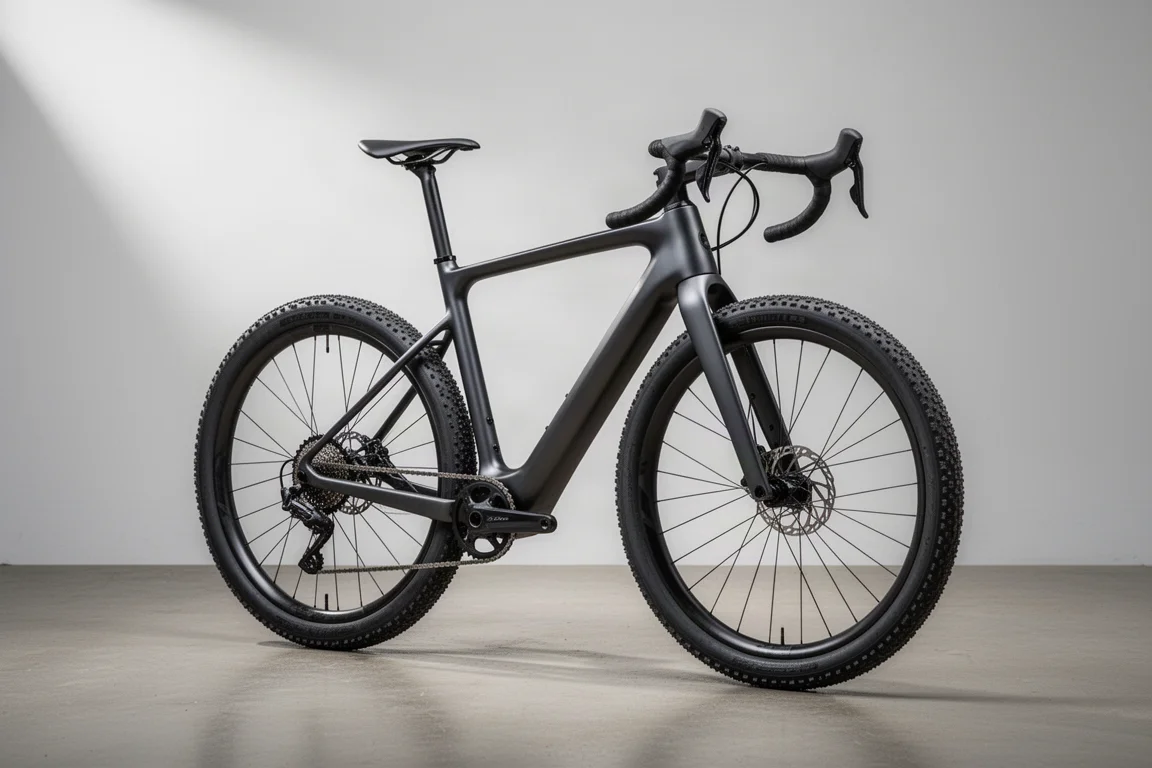
3T Extrema Italia Review: Aero Gravel Speed With Room for 57 mm Tires
The 3T Extrema Italia pairs an aero frame with huge tire clearance, Italian-made carbon and a more comfortable ride than the RaceMax. Here is what to know before buying.
Gravel Bikes
3T Race Max 2 Italia Review: An Aero Gravel Race Bike Made in Italy
A closer look at the second-generation 3T Race Max 2 Italia, covering its aero updates, ride character, tire clearance, internal storage and who it suits.