Gravel Bikes
Best Gravel Bikes: Eight Standout Models for Racing and Adventure
A practical look at eight standout gravel bikes, from aero race machines to suspension-equipped all-rounders and hand-built custom carbon frames.
Introduction
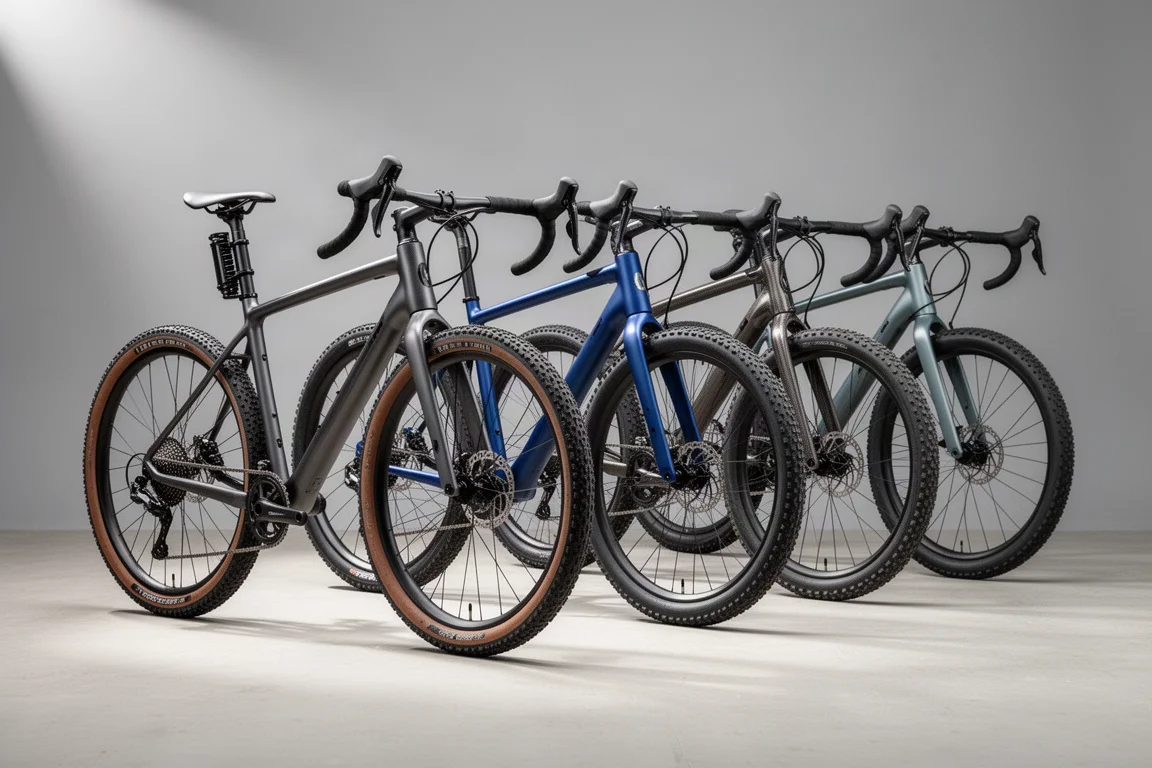
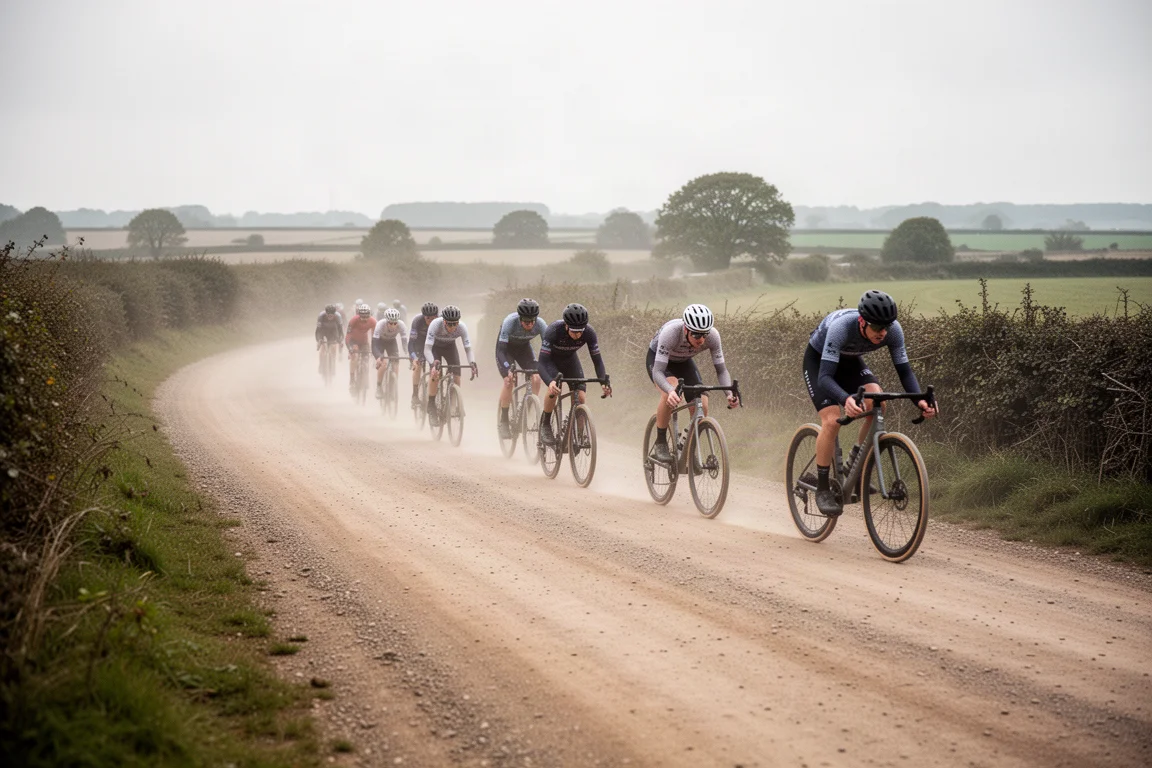
Gravel bikes have split into two clear camps. On one side are versatile all-rounders built to carry luggage, accept mudguards and handle mixed surfaces without complaint. On the other are specialist machines tuned purely for speed over gravel, borrowing tube profiles and cockpit designs from road race bikes to stay competitive in high-profile gravel racing.
At the same time, more gravel bikes are adding suspension, dropper posts and generous tire clearance, which makes them far more capable on terrain that used to belong to mountain bikes. The eight models below cover both directions, from aero race bikes rolling on 45mm tires to suspension-equipped designs and hand-built custom carbon frames.
Specialized Diverge STR: Rear Suspension for Gravel Versatility
The Diverge has been part of the gravel landscape for years, and the Diverge STR adds a rear suspension element to the front Future Shock that already sat in the head tube. The front unit provides 20mm of travel, while the rear adds 30mm of tunable deflection at the saddle. Specialized claims the combination delivers more than 20 percent less vibration at the saddle.
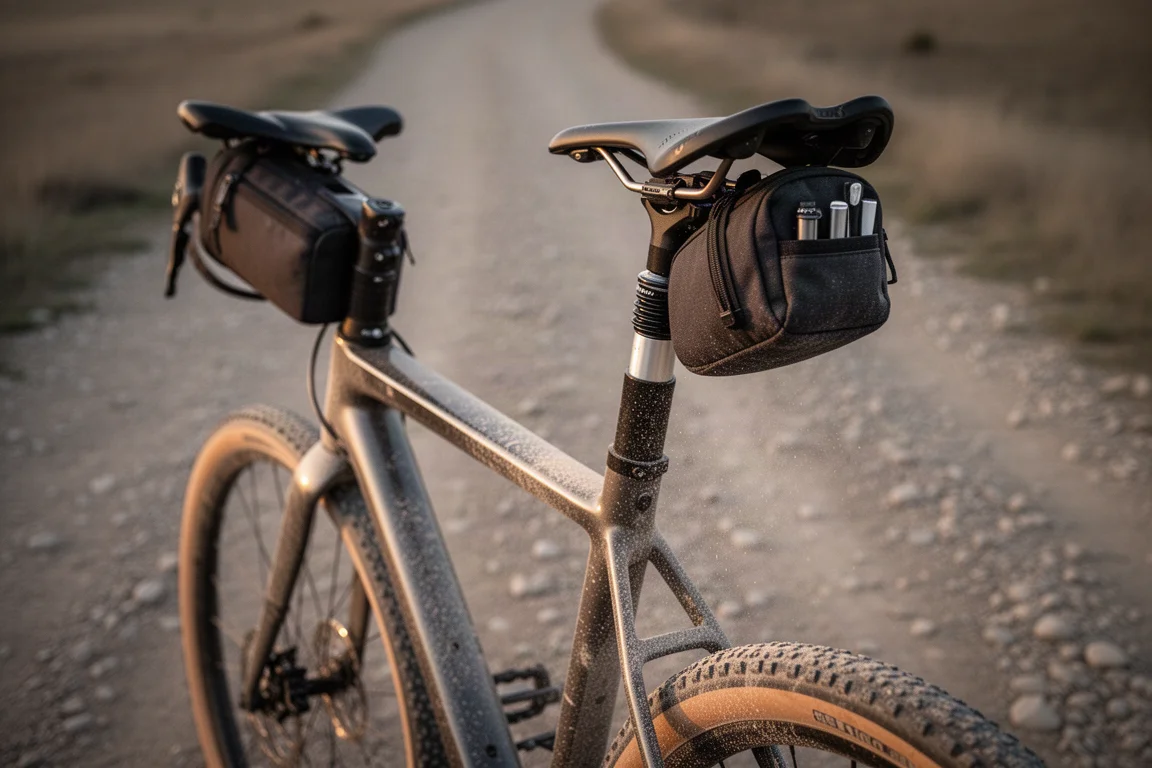
The system is designed to stay light. A complete S-Works build is claimed at 8.5kg, which is less than 400 grams more than a standard S-Works Diverge. Tire clearance is generous, with room for 47mm wide 700c tires or 2.1 inch 650b rubber, and there is a storage compartment in the down tube for tools. A dropper post can also be fitted, which makes the bike unusually versatile for a suspension-equipped design. The top S-Works specification sits at the very top of the market, at around £13,000 or $14,000.
Cannondale Topstone Carbon: Lighter Kingpin Suspension
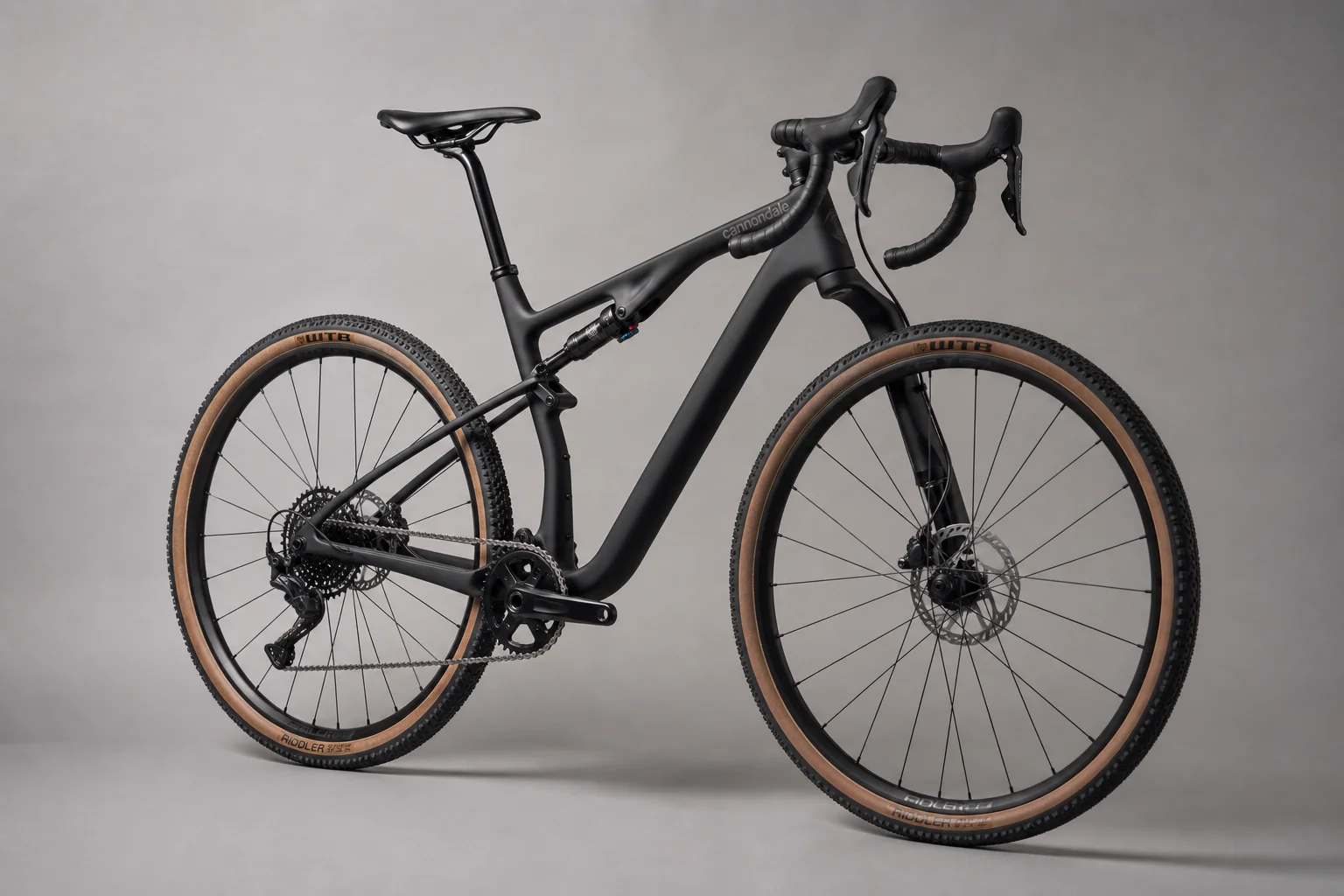
Cannondale’s Topstone is another bike that pairs front and rear suspension, and its Kingpin rear system was reworked with a 100 gram weight saving and a more streamlined shape. Riders who want more comfort up front can specify the Lefty Oliver single-leg suspension fork, which offers 30mm of travel.
The details have shifted in useful directions. The head tube angle has been reduced to 70.5 degrees, Cannondale offers its SmartSense integrated lights and radar on the platform, and tire clearance has grown from 37mm to 45mm for 700c wheels and from 47mm to 54mm for 650b. The bike now uses a threaded bottom bracket and a standard rear wheel instead of an asymmetrically dished one, which widens wheel choice considerably.
The Topstone Carbon range starts at around £2,800 or $2,800 for the Carbon 4 level with a rigid fork and climbs to roughly £7,500 or $7,850 for the top specification Topstone Carbon Lefty 1.
3T Exploro Ultra: Aero Speed With Mountain-Bike Tire Clearance
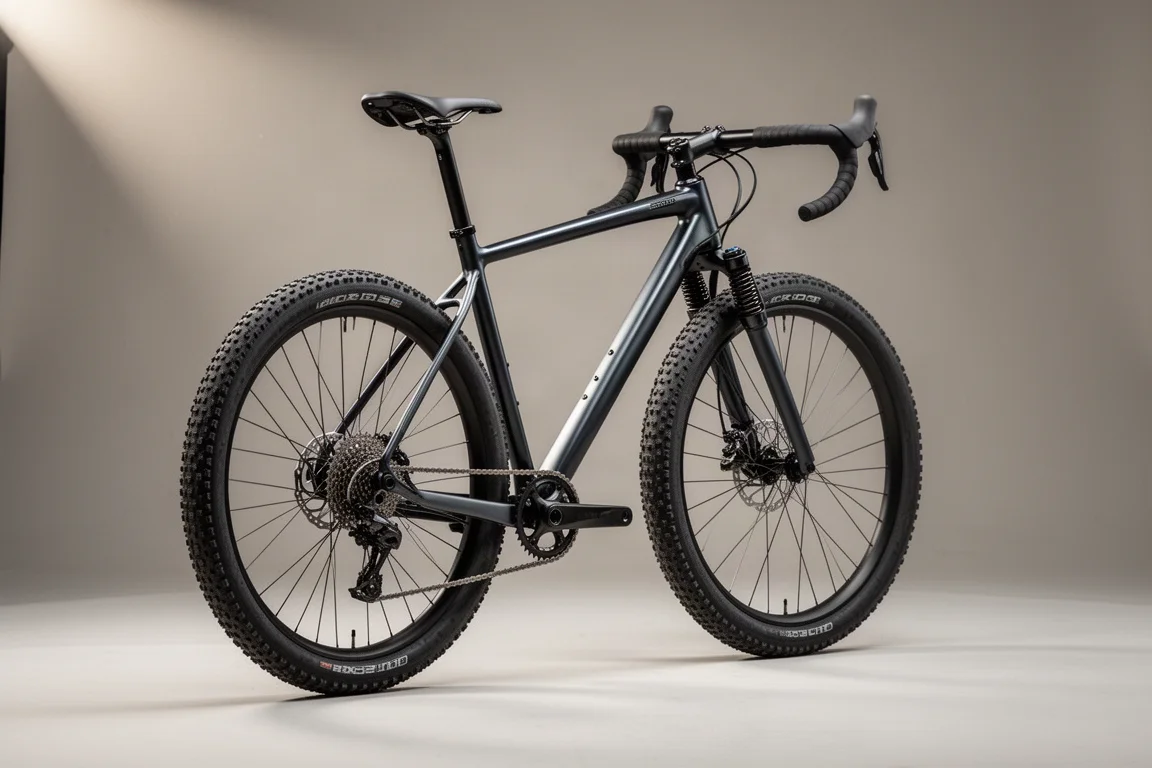
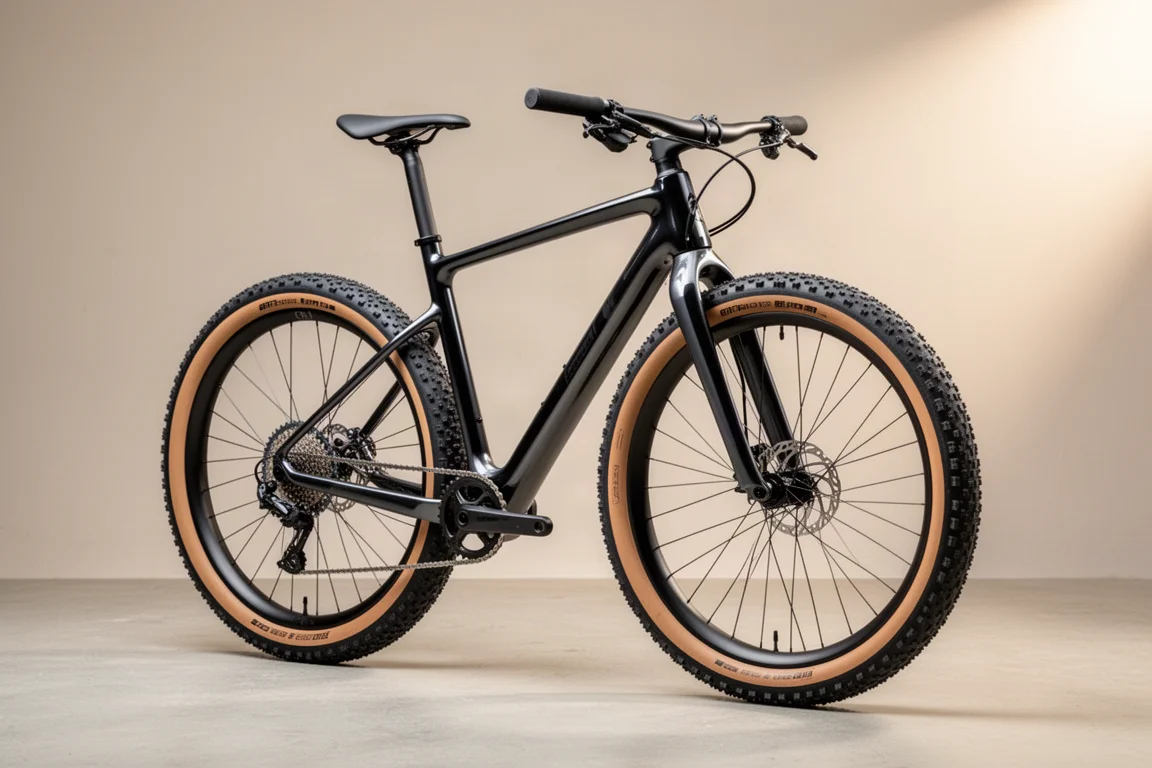
3T has been at the sharp end of gravel design for years, and the Exploro Ultra takes that thinking in a wider direction. It is optimized around 650b tires up to 66mm wide, which is 2.4 inches and as wide as many mountain bike tires. The company’s position is that this is as far as you can go while keeping genuine gravel bike performance rather than mountain bike handling.
The frame backs that up with a 60mm wide down tube and a new aero seat tube that still accepts a standard dropper post. The idea is straightforward: aerodynamics to get through the easy terrain quickly, and very large tires to get through the rough terrain safely. A frameset is priced around £3,000 or $3,200, while complete bikes run from roughly £5,700 or $5,700 up to £8,700 or $8,200 depending on specification.
YT Scepter: Gravity-Oriented Gravel
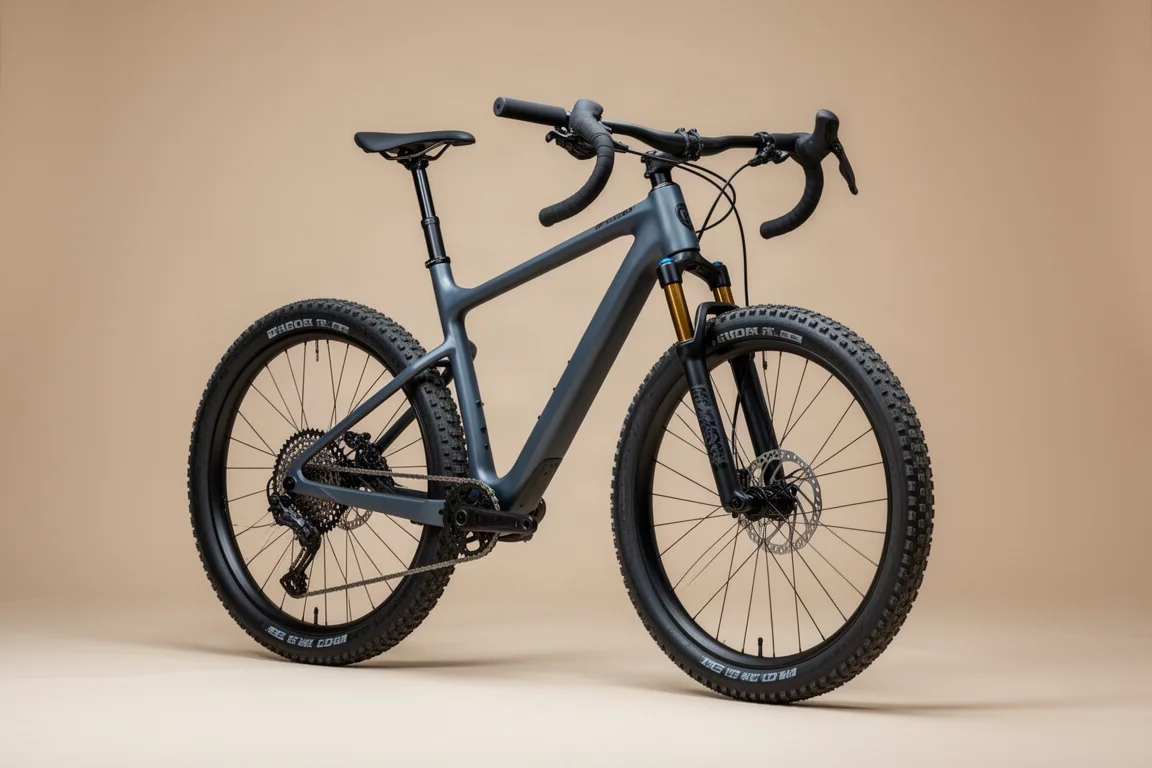
YT built its reputation on direct-sales mountain bikes, and the Scepter is its move into gravel with a distinctly descending-focused brief. It runs a RockShox Rudy XPLR fork with 40mm of travel, and the higher specification adds a 50mm travel SRAM Reverb AXS XPLR wireless electronic dropper post to make steep, loose sections easier to manage.
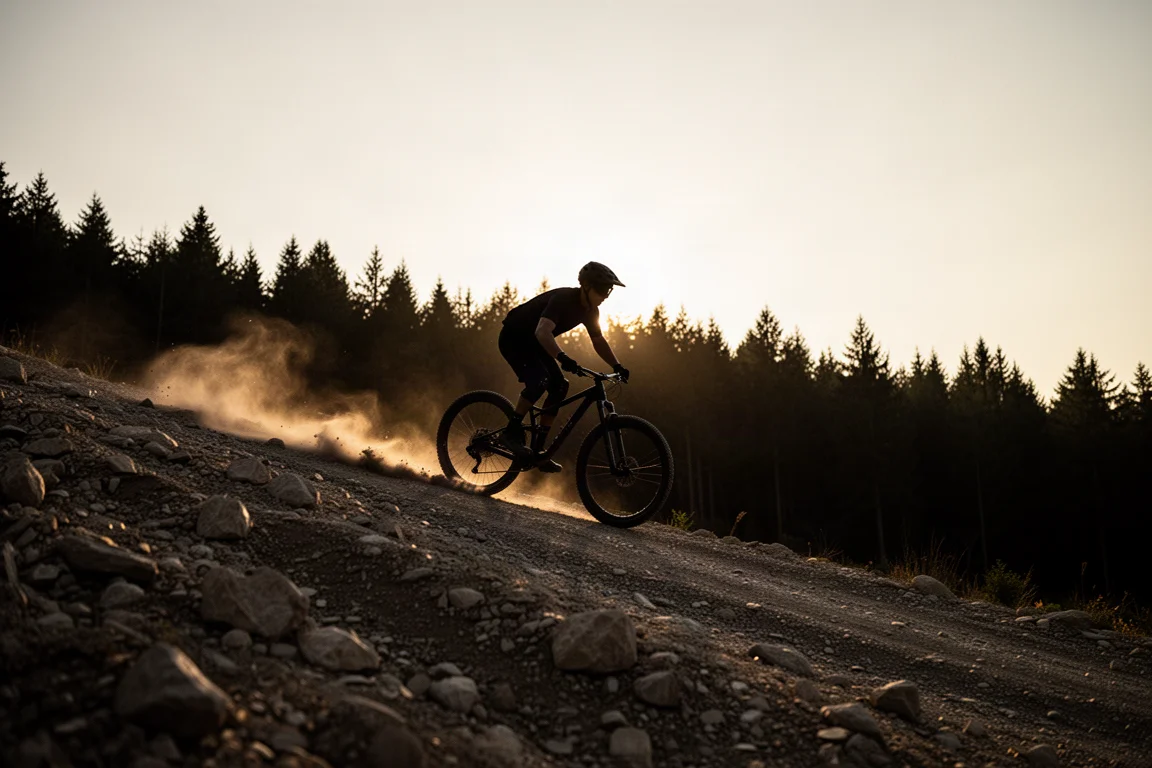
The geometry supports that intent, with a slack 69.4 degree head tube angle for stability and a steep 74.4 degree seat tube angle that puts the rider fairly upright. A 180mm front rotor adds braking power, tire clearance is 45mm, and the bike is single ring only, built around SRAM 12-speed wireless Force or Rival AXS groupsets. All that suspension hardware contributes to a weight of 9.9kg or 21.8 pounds. Prices run from around £3,200 or $3,300 up to £4,500 or $4,500.
Pinarello Grevil F: Road Racing Aerodynamics for Gravel
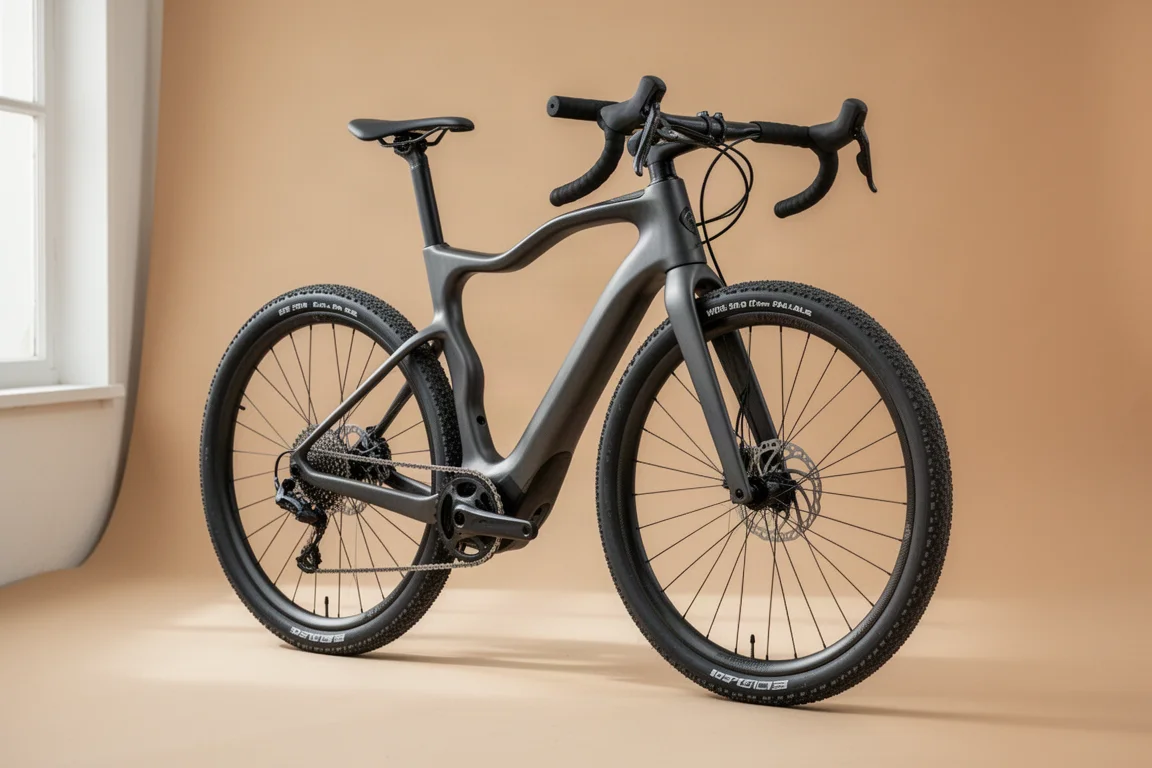
Gravel racing bikes have taken off in a serious way, and the Grevil F borrows heavily from the Dogma F road race bike. That means an aero asymmetric frame design and fork flaps that shield the disc brakes from the airflow, with hoses routed internally and emerging through the axle levers to reduce drag. Pinarello claims the result is 4 percent more aerodynamic than the previous Grevil, saving 5 watts at 40 km/h.
The frame uses mid modulus T700 carbon fiber, chosen for extra resilience compared with the higher modulus carbon of the Dogma F. The ride position is closer to a road bike, which gives stability at speed and confident handling over rough terrain, and there is clearance for 650b tires up to 2.1 inches for additional comfort. Pricing starts around £5,300 or $6,500 with a Campagnolo Ekar groupset, or £7,000 with Princeton Grit wheels.
Factor Ostro Gravel: Lightweight Aero Racing
The Ostro Gravel takes its lead from the Ostro VAM road race bike, but Factor says the frame has been reinforced and its aerodynamics tuned for the lower speeds typical of gravel. That means deeper tube profiles and an integrated bar and stem, with a claimed frame weight of 900 grams.
The geometry is designed to handle quickly on 45mm wide tires, and the bike is supplied with Black Inc 34 carbon wheels. It is built for electronic groupsets only, which is worth confirming before you commit to a specification. Complete builds start at around £7,400 or $8,700, a frameset is priced from roughly £4,730 or $5,500, and the top specification build weighs under 8kg.
BMC Kaius: Aero Efficiency With All-Day Comfort
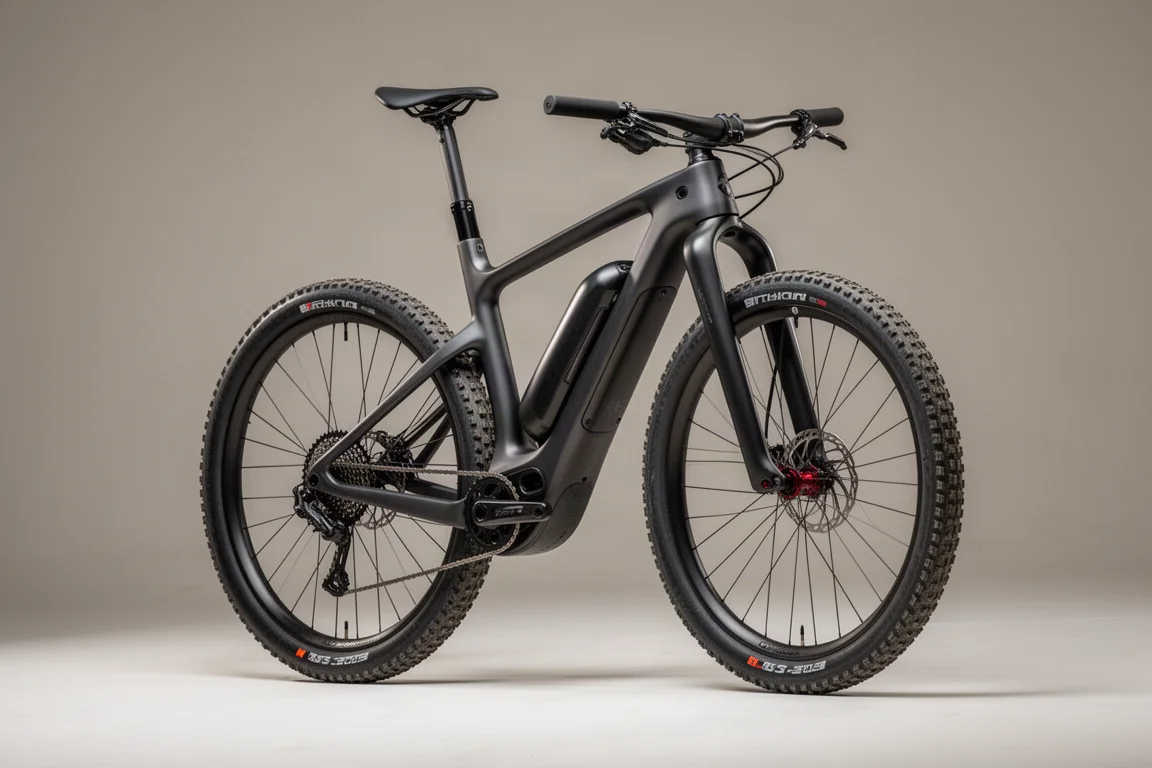
BMC’s entry into aero gravel racing is the Kaius, which looks a great deal like the Roadmachine road platform. It uses a 910 gram frame with aero tube profiles and an integrated cockpit, and BMC says it is stiff enough for sprints and climbing while remaining comfortable enough for the longest gravel race. Even the bottle cages are shaped to smooth airflow where they meet the frame.
Practicality has not been forgotten. The Kaius fits 44mm wide tires, accepts a dropper post, and can run either a one-by or two-by drivetrain. A bento box can be mounted on the top tube for race-day nutrition. Prices start at around £5,700 or $6,000 and reach roughly £11,000 or $12,000 at the top of the range.
Argonaut GR3: Custom Carbon Craftsmanship
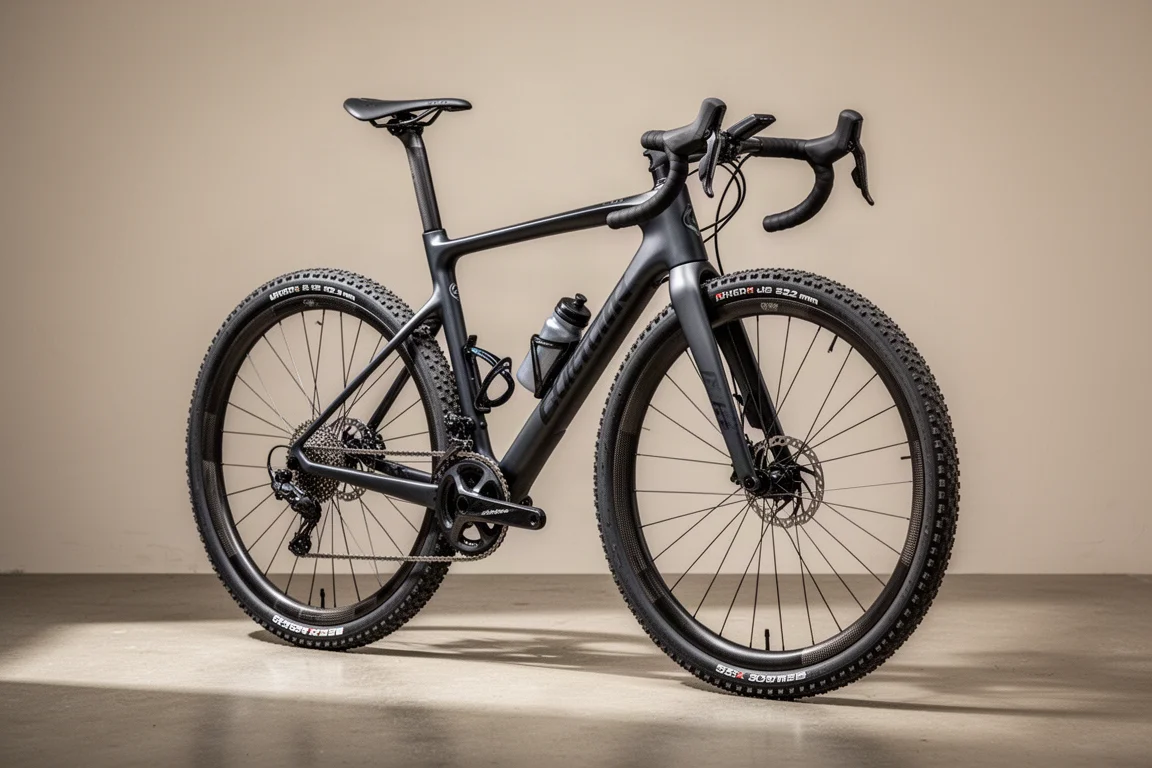
If you are looking for something genuinely individual, the GR3 from Argonaut Cycles is worth a look. Based in Bend, Oregon, Argonaut hand-builds all of its carbon frames, and if none of the standard sizes fit, the company will build a new mold specifically for you. The technical story is unusual too: the frames use the same resin as the landing legs on SpaceX rockets, along with a patented high pressure molding system.
The GR3 is positioned as a gravel racing bike, but with an extra slack 68.5 degree head tube angle that the company says makes for greater confidence on descents. Chainstays are very short at 450mm for snappy handling, and dropped chainstays still allow clearance for 50mm wide gravel tires. Buyers choose their own paint scheme, can tour the factory when collecting the bike, and Argonaut arranges studio photography of the finished build before handover. Lead time is around four months, and the frameset costs about $6,500.
Buying Advice: Matching the Bike to Your Riding
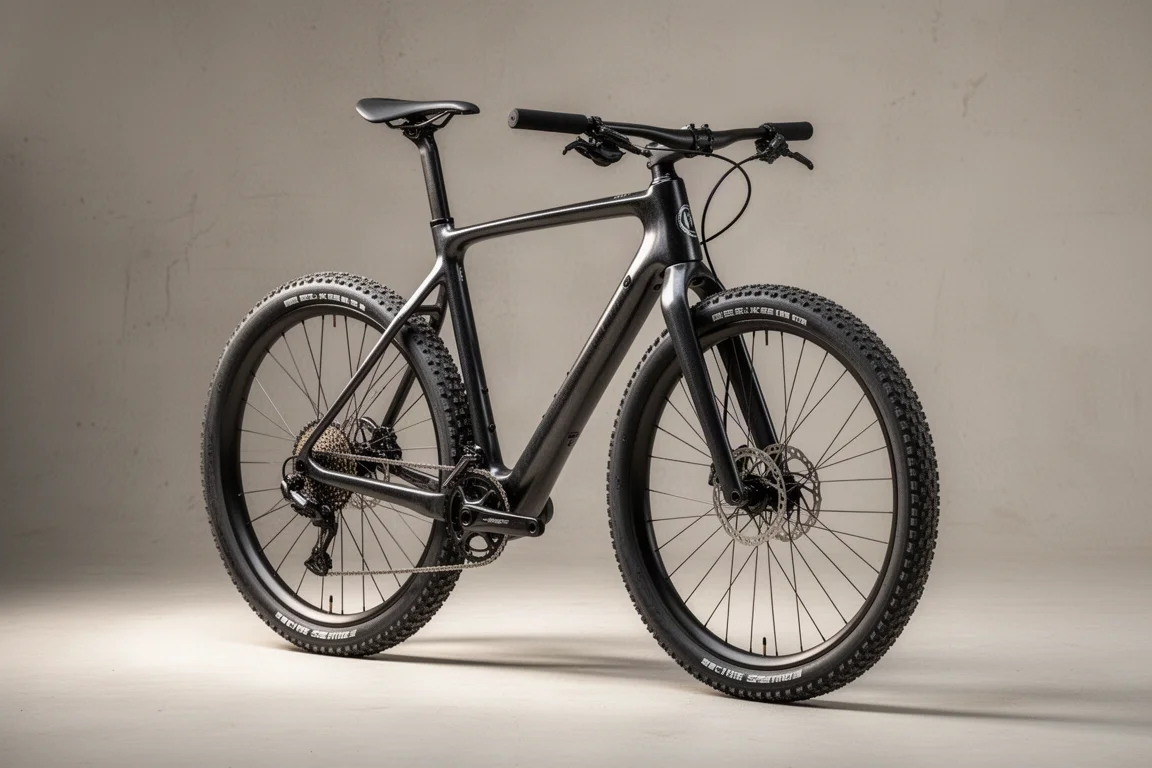
The first decision is whether you want capability or outright speed. Bikes with suspension and dropper posts, such as the Diverge STR, Topstone Carbon and YT Scepter, are the more versatile group. They smooth out rough surfaces, take wider tires, and in several cases offer storage or dropper compatibility that makes them comfortable on long mixed-surface days rather than just race day.
If racing is the priority, the aero frames are the more focused choice. The Grevil F, Ostro Gravel and Kaius all borrow from road race platforms and are built around speed, which typically means fewer mounting points for luggage, mudguards and racks than a generalist gravel bike. Beyond that, check three things carefully: tire clearance, drivetrain compatibility, since some frames are electronic only, and the price gap between entry and top specifications, which is wide across this group.
Conclusion
The modern gravel market rewards a clear sense of what you actually want from a bike. Suspension, dropper posts and mountain-bike-width tires make the versatile models genuinely capable on terrain that once required a mountain bike, while the aero race bikes trade some of that flexibility for speed and a lighter, sharper ride.
Pick the Diverge STR or Topstone Carbon if comfort and adaptability matter most, the YT Scepter if descents are the point, and one of the aero machines if you are chasing results on fast gravel. For riders who want a frame built specifically for them, the Argonaut GR3 sits at the opposite end of the scale as a hand-built, made-to-measure option.
Further reading
Related Reviews
Gravel Bikes
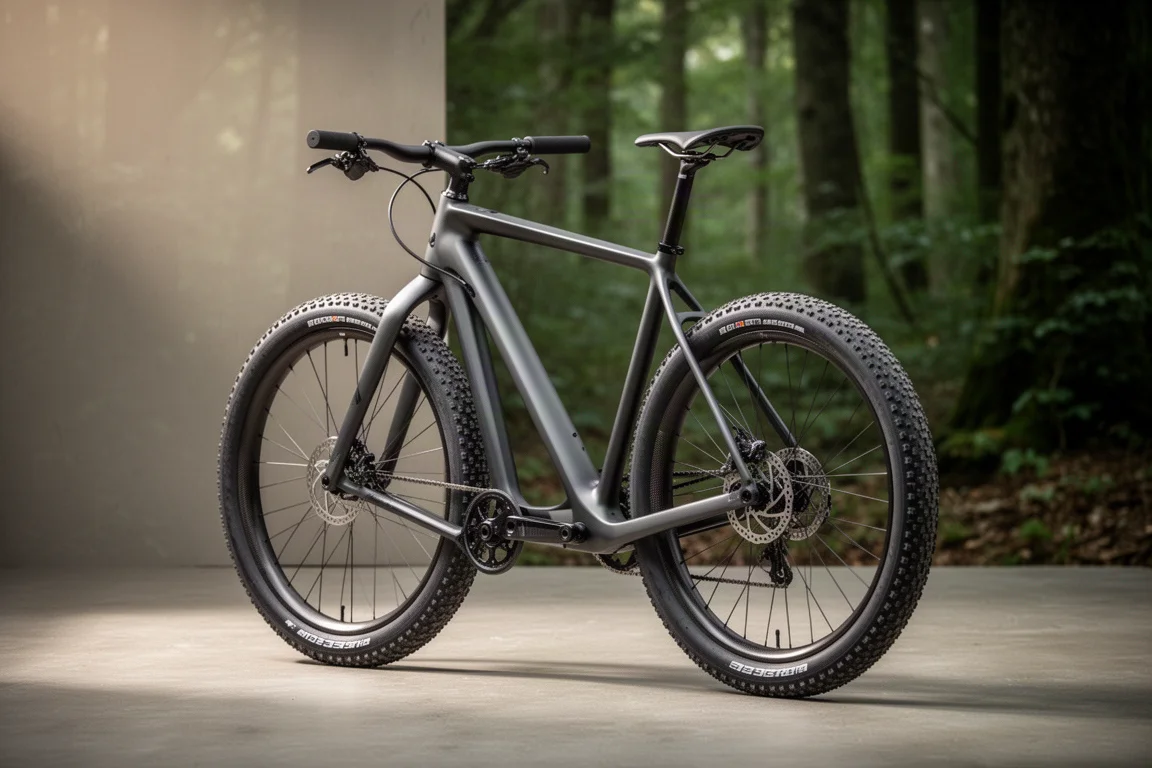
3T Exploro Ultra Review: A Fast Gravel Bike Built for Big Tyres
A close look at the 3T Exploro Ultra, an aero carbon gravel bike designed around wide tyres, with road-like handling, a 980 g frame and genuine rough-terrain capability.
Gravel Bikes
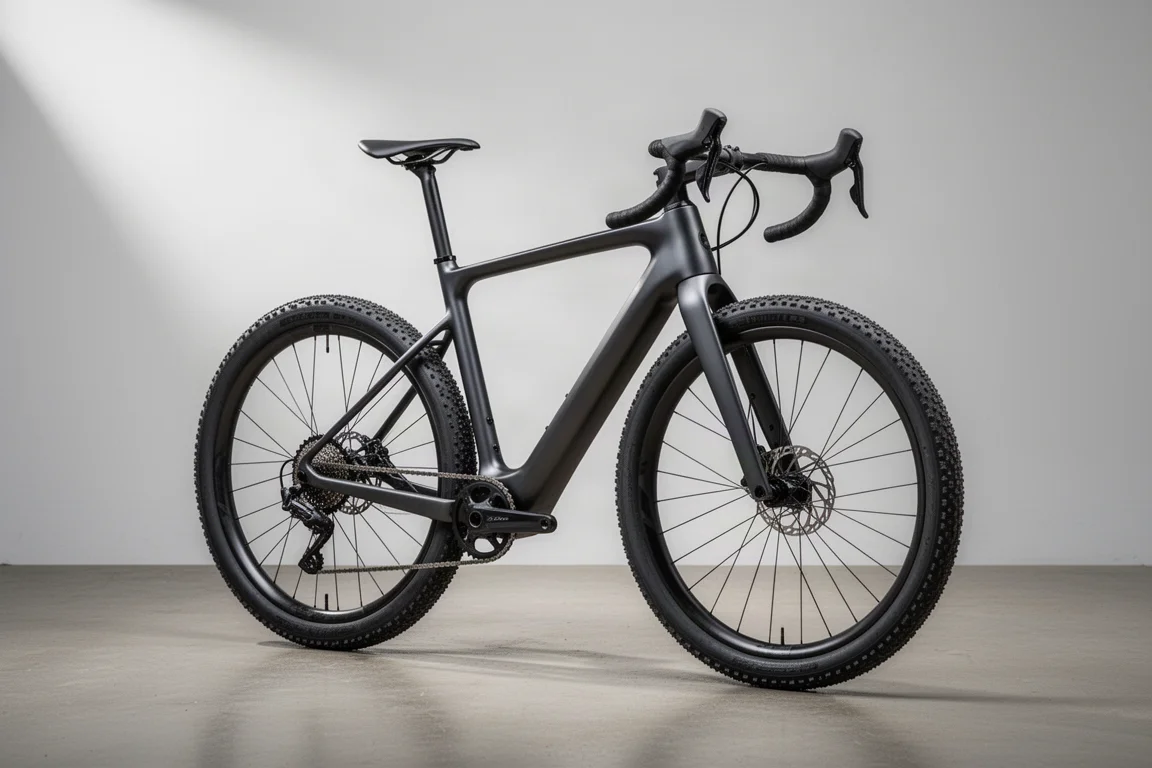
3T Extrema Italia Review: Aero Gravel Speed With Room for 57 mm Tires
The 3T Extrema Italia pairs an aero frame with huge tire clearance, Italian-made carbon and a more comfortable ride than the RaceMax. Here is what to know before buying.
Gravel Bikes
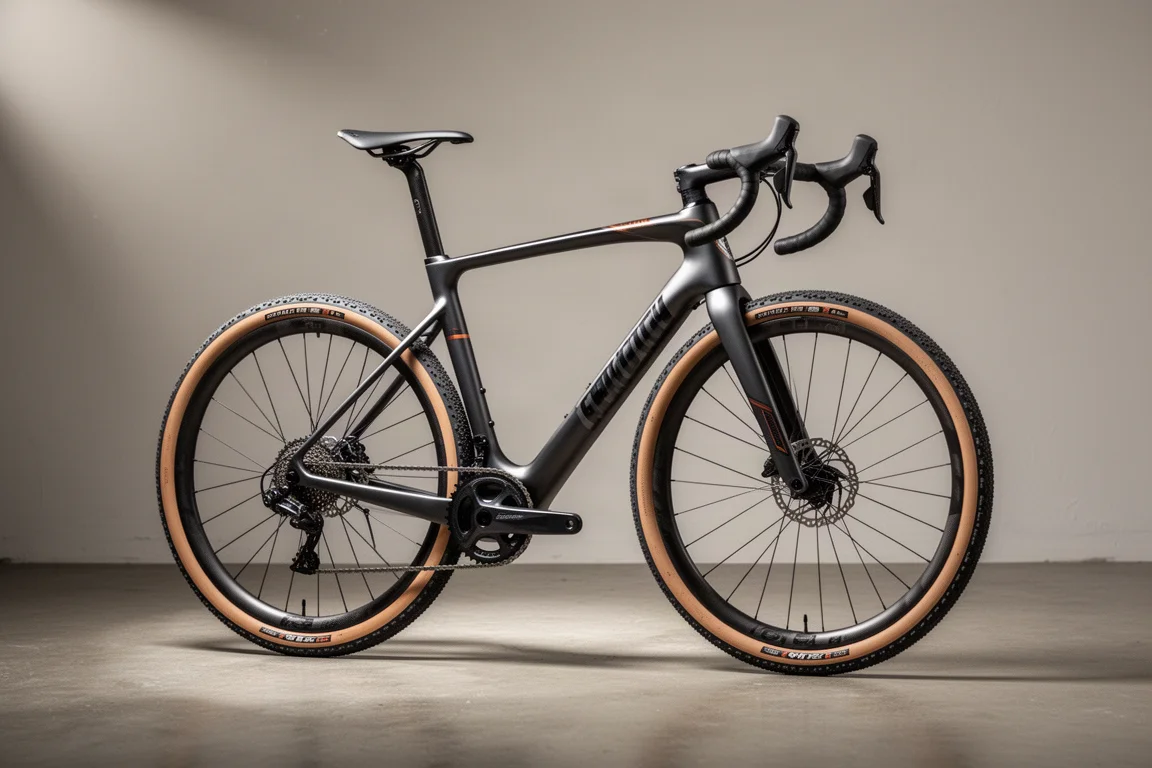
3T Race Max 2 Italia Review: An Aero Gravel Race Bike Made in Italy
A closer look at the second-generation 3T Race Max 2 Italia, covering its aero updates, ride character, tire clearance, internal storage and who it suits.