Gravel Bikes
Best Gravel Bikes: 12 Standout Options for Racing, Bikepacking and Adventure
A practical roundup of twelve gravel bikes covering aero race machines, comfort-first adventure rigs, aluminium value builds and a Reynolds 853 steel frame.
Introduction
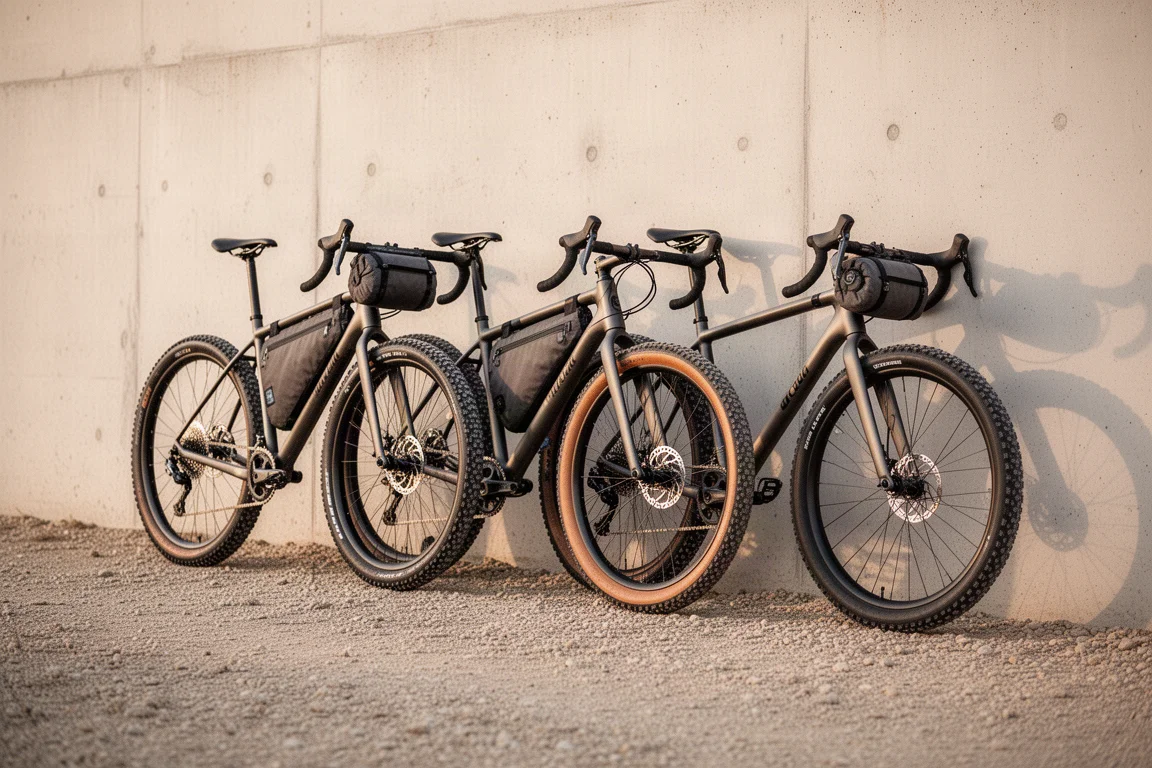
A gravel bike is one of the hardest purchases to get right, because the category now covers everything from aerodynamic race machines to steel adventure rigs. The twelve bikes in this roundup were chosen to represent that full spread rather than one narrow flavour of gravel. Some are built for speed, some are built for comfort, and several are built to carry luggage across multi-day routes.
They also differ in material, geometry and drivetrain. There are carbon race frames, an aluminium frame finished to a standard you would not expect, and a Reynolds 853 steel frame. Tire clearance runs from around 45mm to class-leading widths, and mounting options range from a few bottle bosses to full racks, bags and dynamo lighting. The notes below cover what each bike is genuinely good at, and where it asks for a compromise.
How These Gravel Bikes Were Selected
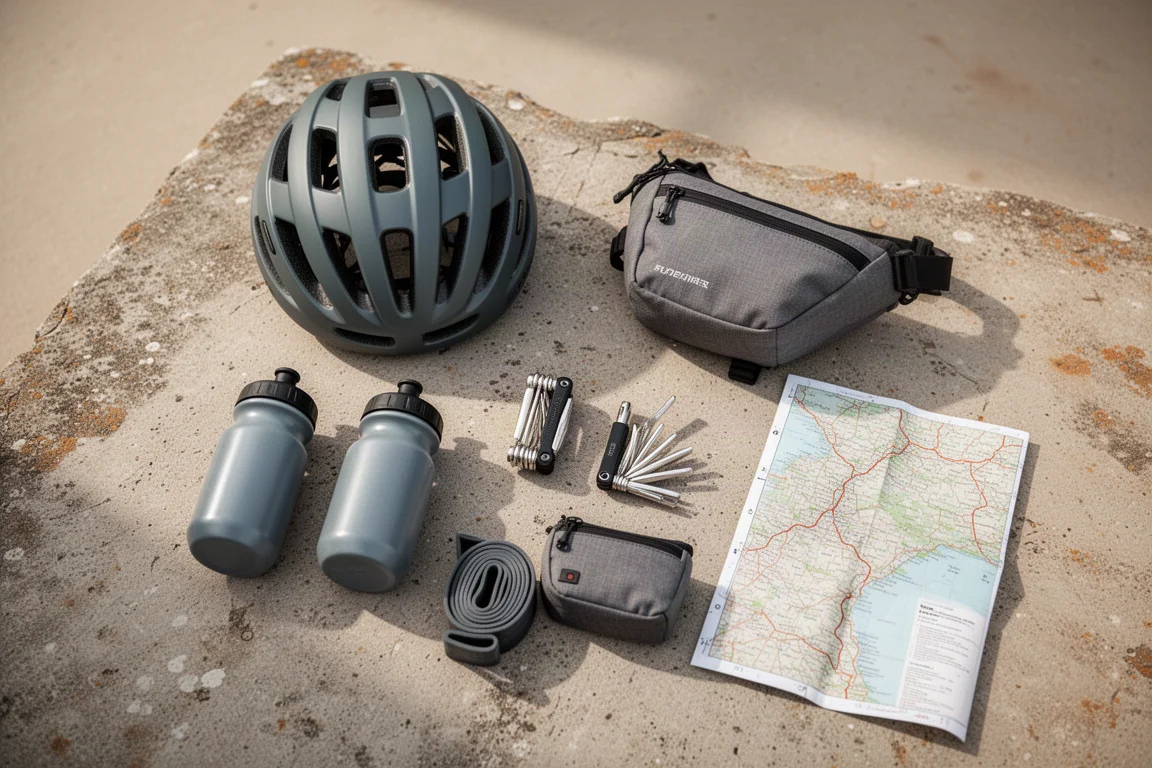
Five things decided whether a bike made the list: how it rides, how comfortable it stays over long distances, how much tire it accepts, how it carries luggage, and what it delivers relative to its price. A bike that is fast but firm can still earn a place if it is aimed at racing, and a bike that is relaxed and stable can earn a place if it is aimed at loaded adventure riding. What matters is that a bike knows what it is for.
Geometry turned out to be the single biggest differentiator. Road-derived race geometry, with a lower front end and quicker steering, suits fast gravel and racing. Mountain-bike-inspired geometry, with a taller front end, a slacker head angle and a longer wheelbase, suits rough trails and loaded bikes. Neither approach is better in the abstract, but they produce very different experiences on the same route.
The list below runs from race-first bikes to bikepacking platforms, with several frames that try to do both.
Canyon Grail: A Race Bike That Still Rides Comfortably
The Canyon Grail is a fully redesigned gravel race bike and one of the quickest all-round options here. It is lightweight, aerodynamically shaped, and the handling is responsive enough to feel fast on tarmac, on gravel and on singletrack. Comfort is well judged too, so long race days do not leave you beaten up.
The new handlebar replaces the previous hover design, and it is a clear improvement: back sweep, flared drops and a shape that encourages an efficient, aerodynamic position when you are riding flat out. Canyon’s Gear Groove system lets you mount accessories to the bar and frame, and the frame borrows aero seat tube, down tube and fork blade shapes from the road range, so it looks like a road bike from a distance.
Internal frame storage in the down tube is a genuine convenience for racing. Spare tube, pump and tools stay inside the frame instead of rattling in a saddle bag or filling your jersey pockets, and there is a matching aerodynamic bag designed to add space for gels. Value is strong as well, with CFR, CF SLX and CF SL trims covering a wide range of budgets.
Enve MOG: Fast, Supple and Adaptable
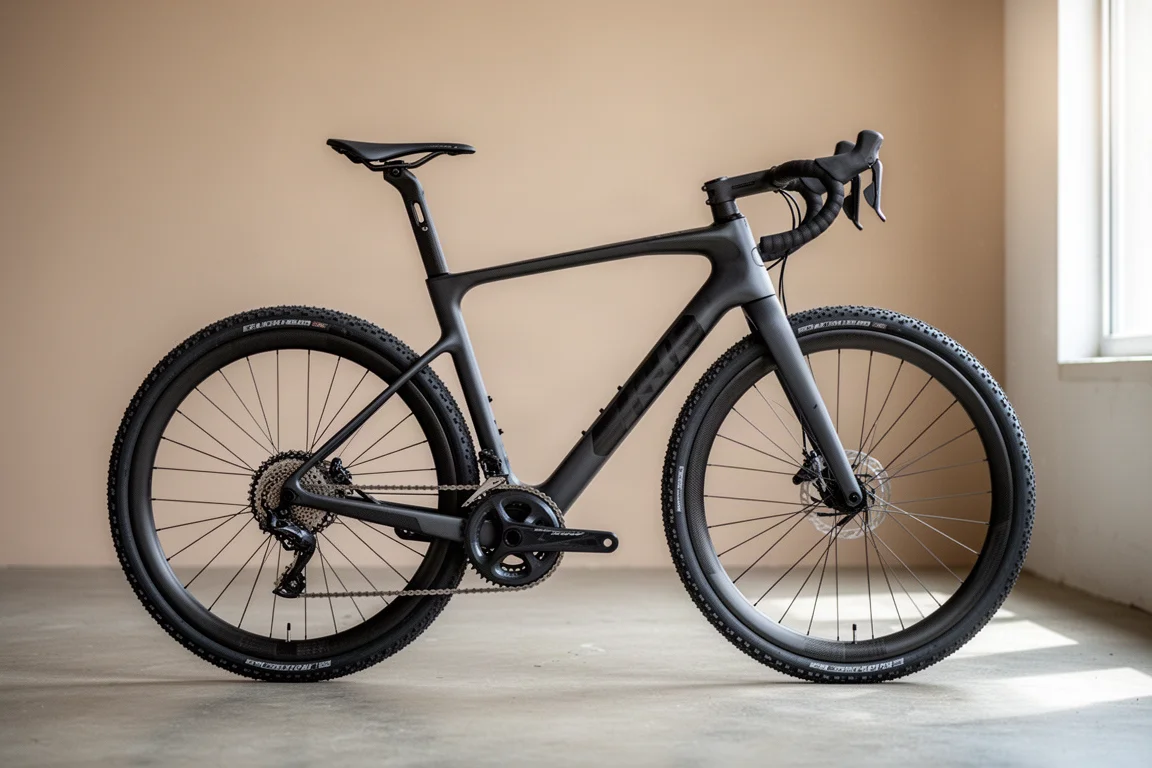
The Enve MOG is one of the fastest gravel bikes in this selection. It is aerodynamic, light, and stiff in the places that matter for power transfer, yet comfort is still good and the ride quality stays supple over rough tracks. Handling is balanced rather than nervous, and it works convincingly as a road bike, a cyclocross bike and a gravel race bike.
The MOG is not purely a race machine either. There are bikepacking mounts on the fork and top tube, plus mudguard mounts, so it can be loaded up for multi-day rides. The two-piece handlebar and stem is a practical choice, because you can change stem length and handlebar width to suit your fit instead of being locked into a one-piece cockpit. Internal storage in the down tube holds an inner tube, a gas canister and a multitool.
3T RaceMax: Aero Speed for Long Distance
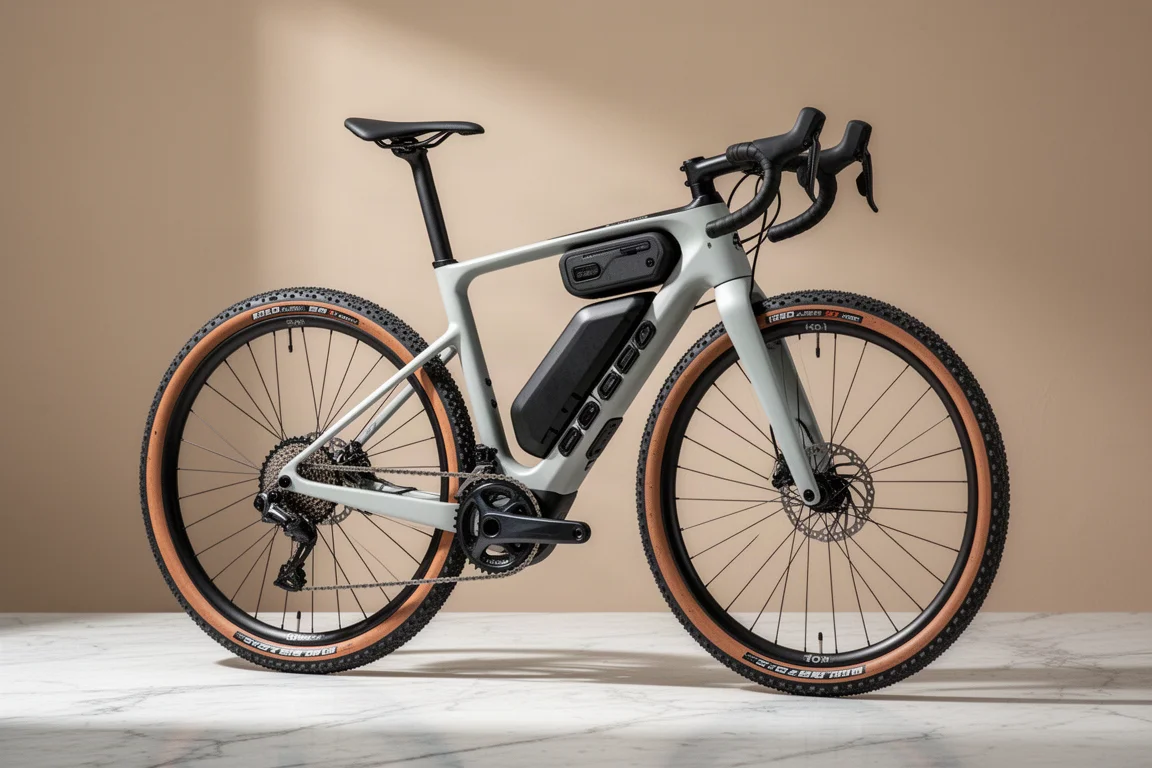
The 3T RaceMax descends from the bike that helped establish the aero gravel category, and the current version is a fast machine built for long-distance gravel racing. Deep aero profiles on the fork, down tube and seat tube make it quick, and it holds speed well over long efforts.
The trade-off is ride quality. The RaceMax is one of the firmer bikes here, and it is not as smooth as the MOG or the Grail over rough surfaces. Fitting wider tires reduces that firmness to a useful degree, so tire choice matters more than usual on this frame.
3T Extrema Italia: Bigger Tires, Same Aero Intent
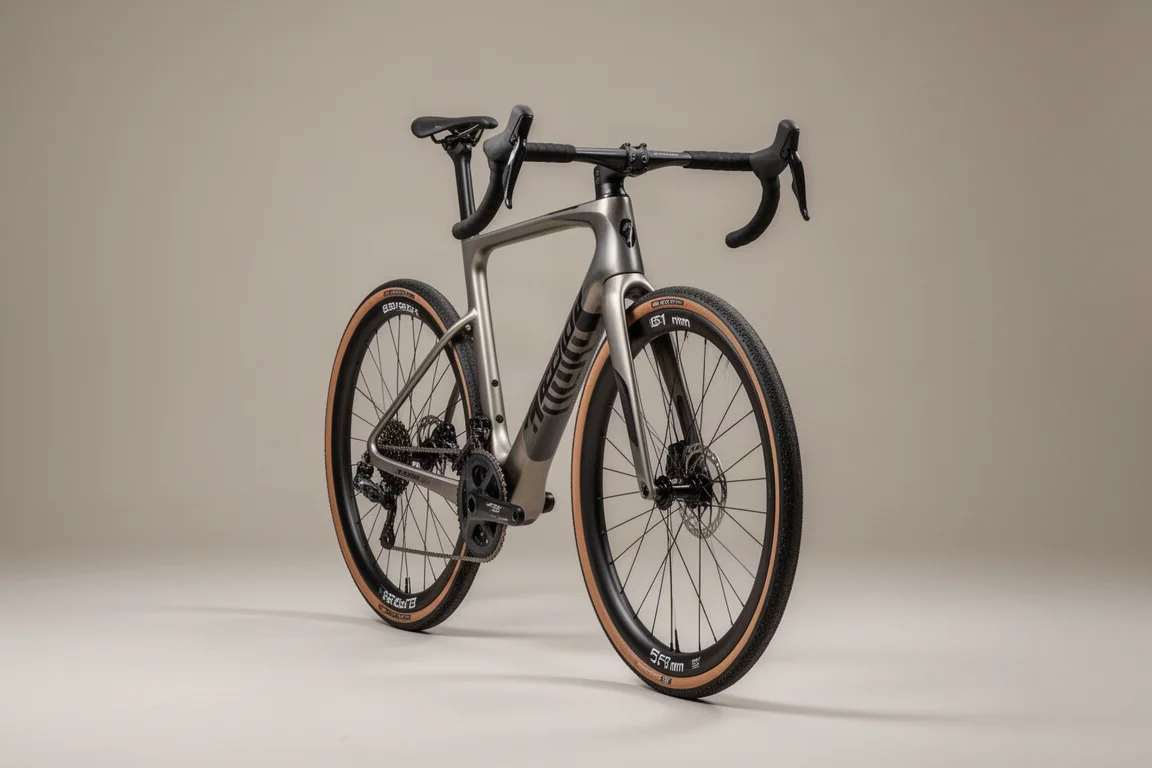
The Extrema Italia takes the RaceMax formula and boosts tire clearance to the biggest in its class. Combined with the same distinctive aerodynamic shaping, that extra clearance gives the bike more control and capability on tough, rough trails without giving up straight-line speed.
It is also unusually adaptable at the rear. The SRAM UDH dropout system means the frame can run a T-Type transmission for a modern mullet setup, and it will accept a dropper post if you are riding genuinely rough terrain.
Vitus Venon EVO-GR: Direct-Sales Value for Gravel Racing
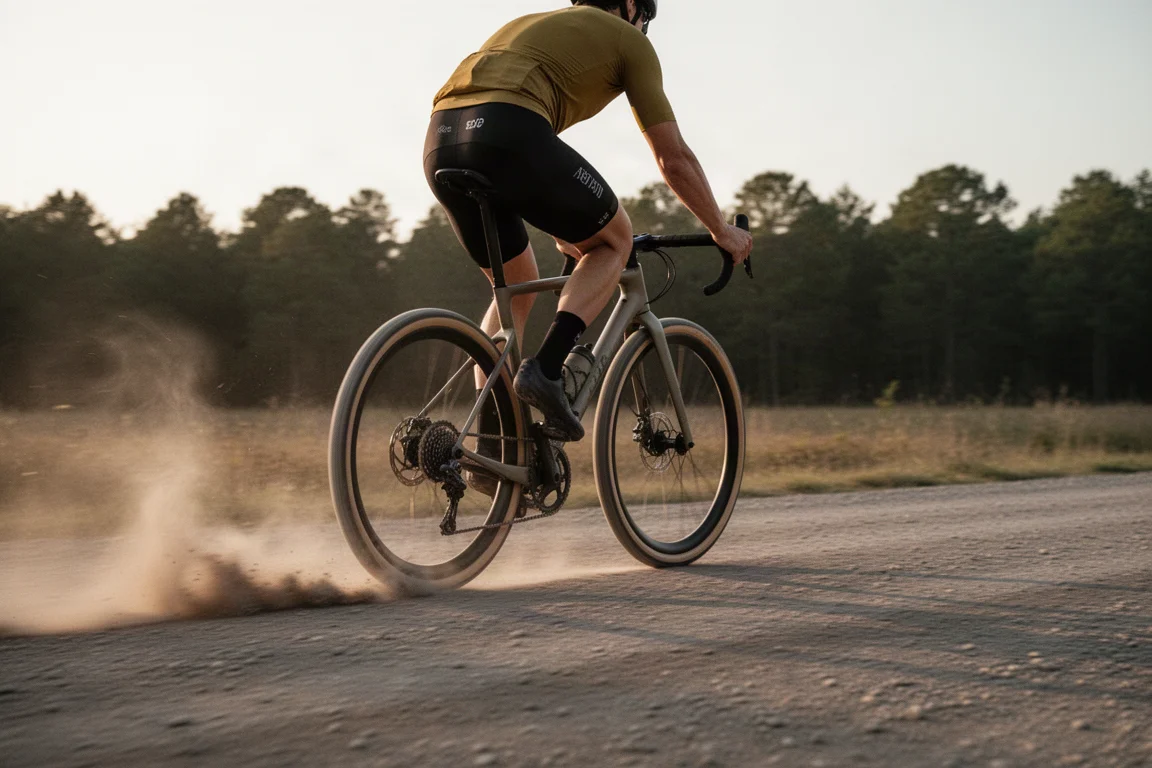
The Vitus Venon EVO-GR is aimed squarely at riders who want to race. It is a firmer, faster-riding bike with agile steering, and it stays responsive when you attack and put power through the cranks. The frame is stiff enough that it does not flex under hard efforts.
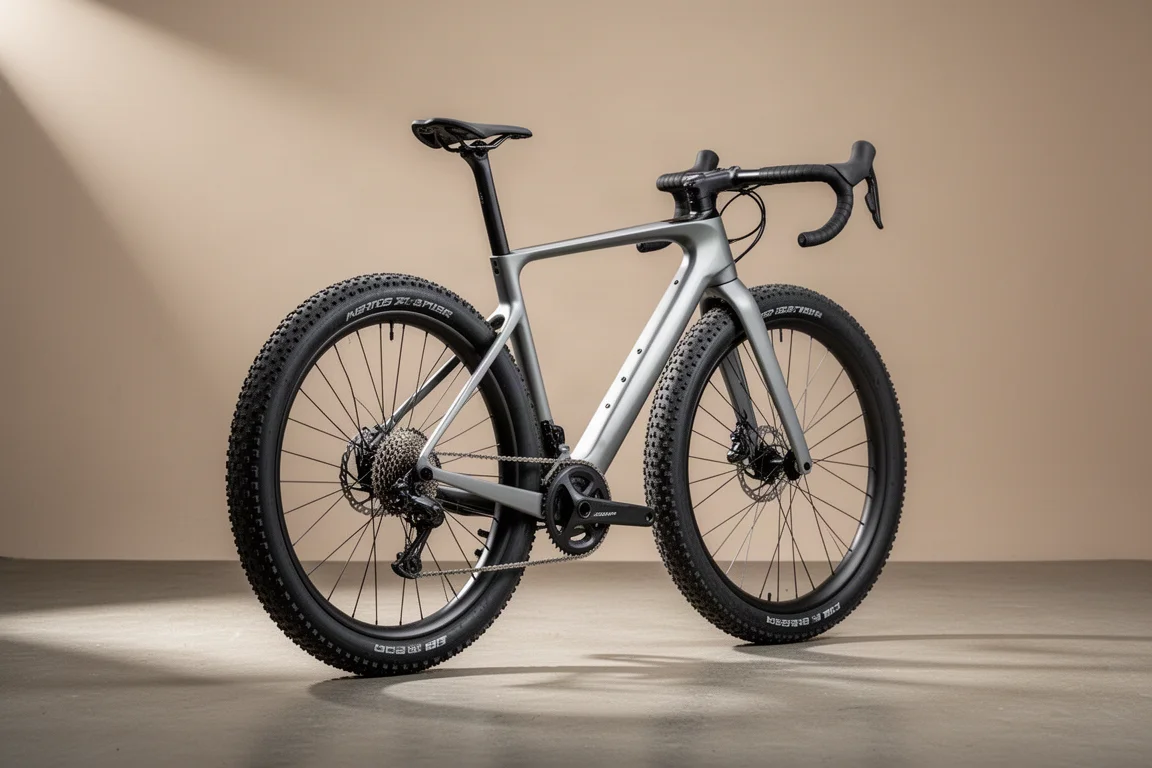
Its versatility is a real strength. With slick tires it behaves like a road bike, and with chunky knobbly tires it becomes a quick gravel bike. Because Vitus sells direct, value for money is strong, which makes it easier to reach a higher specification within a given budget.
That combination of a stiff, race-ready frame and two very different tire setups makes the Venon EVO-GR one of the more flexible options in this list.
Scott Addict Gravel: Speed with Road DNA
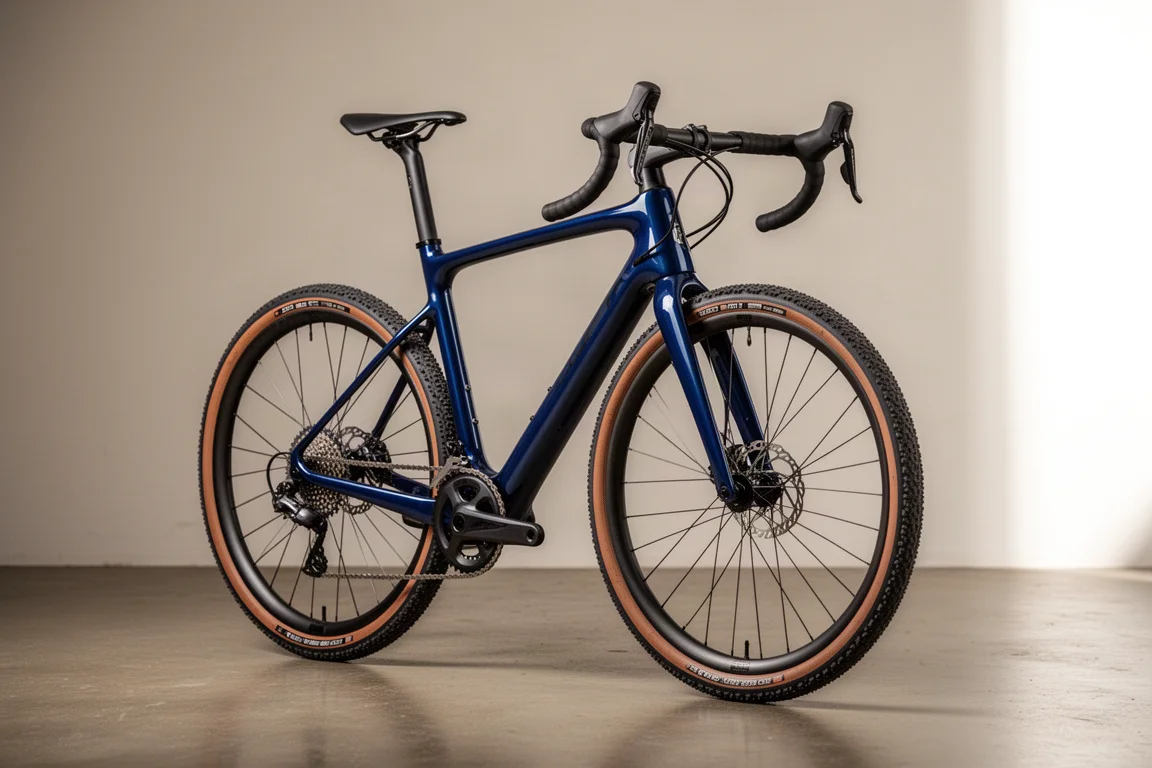
The Scott Addict Gravel borrows its name and its aerodynamic frame features from the Addict road bike, then adds the chunkier frame appearance and clearances a gravel bike needs. Tire clearance runs up to 45mm, and the bike delivers speed without much effort.
Handling is at its best on smoother gravel and fast, flat tracks, where it feels precise and quick. Twisty singletrack is where it is least at home. The overall look is modern, with full internal routing and neat details such as a lightweight seat clamp. It is often overlooked next to more popular options, but it lives up to its name.
Giant Revolt: Versatile, Comfortable and Well Priced
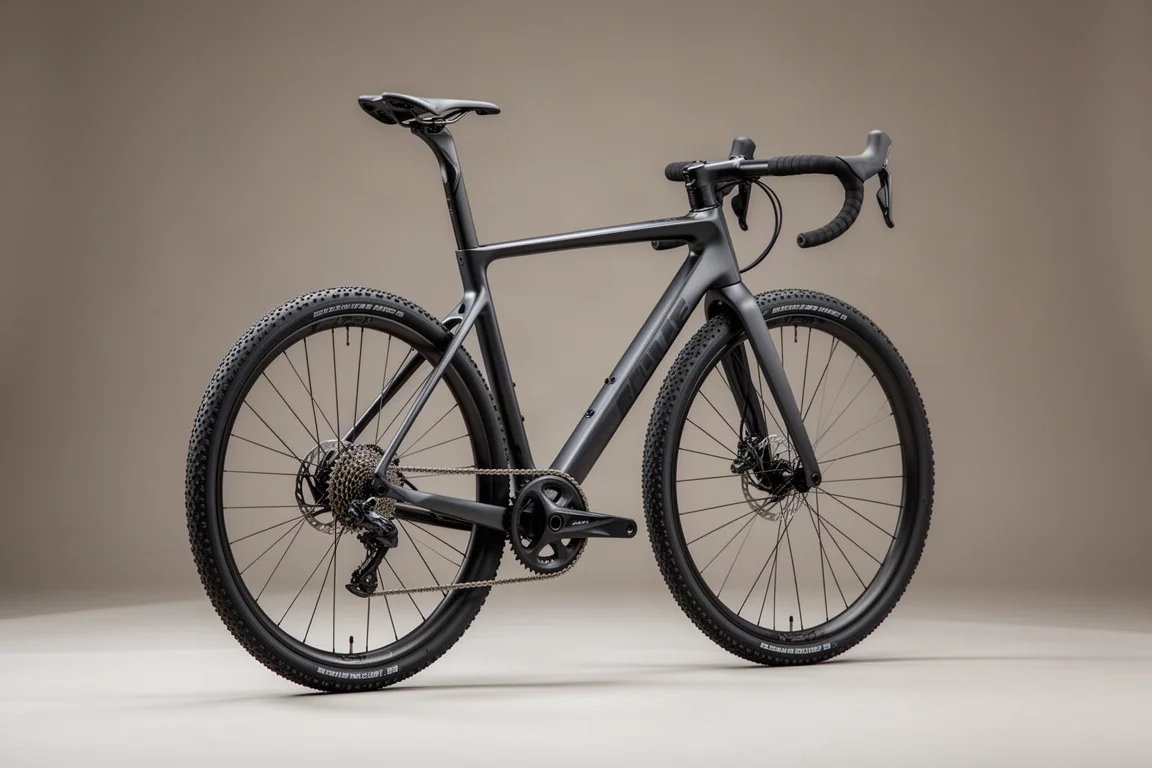
The Giant Revolt is a genuinely flexible gravel bike. It is fast enough to race, but the priority is comfort and capability for long bikepacking adventures. Tire clearance runs to 50mm and beyond, and adjustable rear dropouts let you fine-tune the handling.
Comfort comes from a D-Fuse seatpost and handlebar, particularly in carbon fibre, and there are bikepacking mounts on the fork and top tube along with mudguard mounts. The geometry is relaxed, which makes the bike stable and assured on long days when fatigue sets in, though it is slower-steering than a dedicated race bike. Value is excellent, with carbon and aluminium frames, 1x and 2x drivetrains, and a choice of Shimano and SRAM groupsets.
Merida Silex: Mountain Bike Geometry for Rough Trails
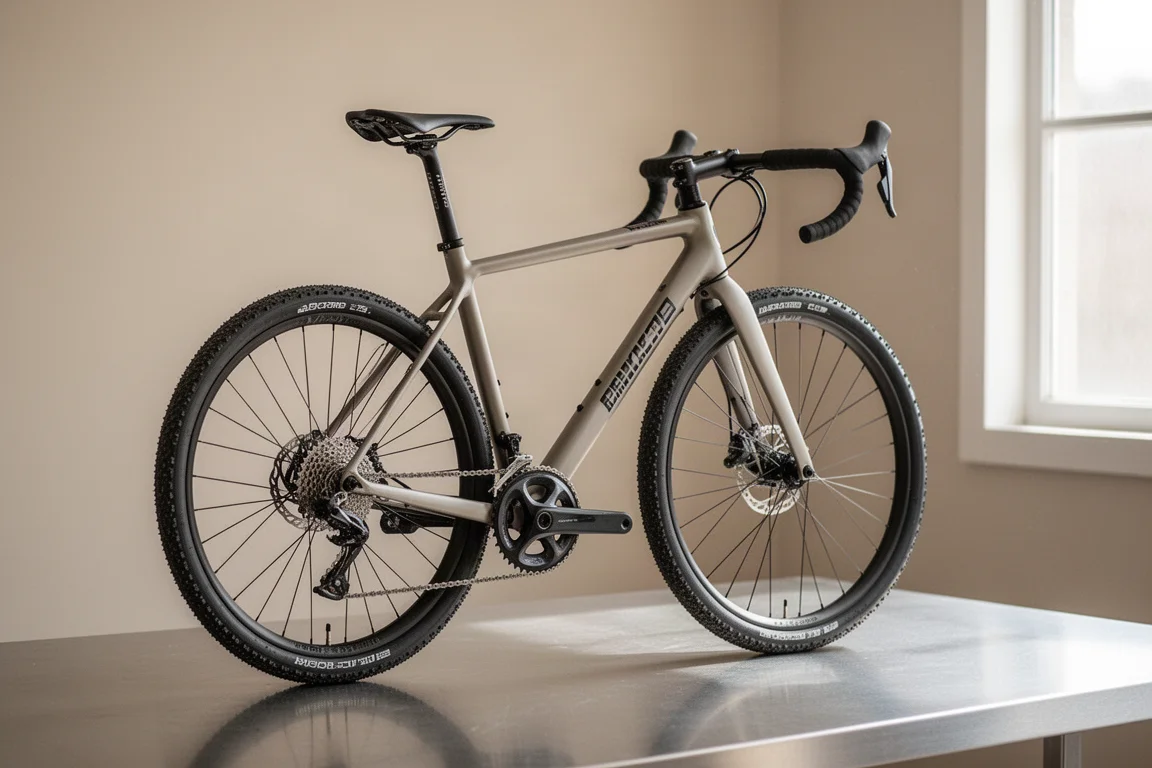
The new Merida Silex shows what happens when a drop-bar gravel bike takes its geometry cues from mountain bikes. A higher front end, a slacker head angle and a longer wheelbase than the road-derived race bikes here produce handling that feels planted and capable on rough trail.
That geometry makes it a strong choice for bikepacking, where routes often turn more technical and rougher than a typical gravel race course. It will not hold you back on mountain bike trails, and it encourages you to ride faster than you might on a race-oriented gravel bike. Value is strong, though the brand is not available in the United States.
Specialized Diverge: Comfort First for Adventure Riding
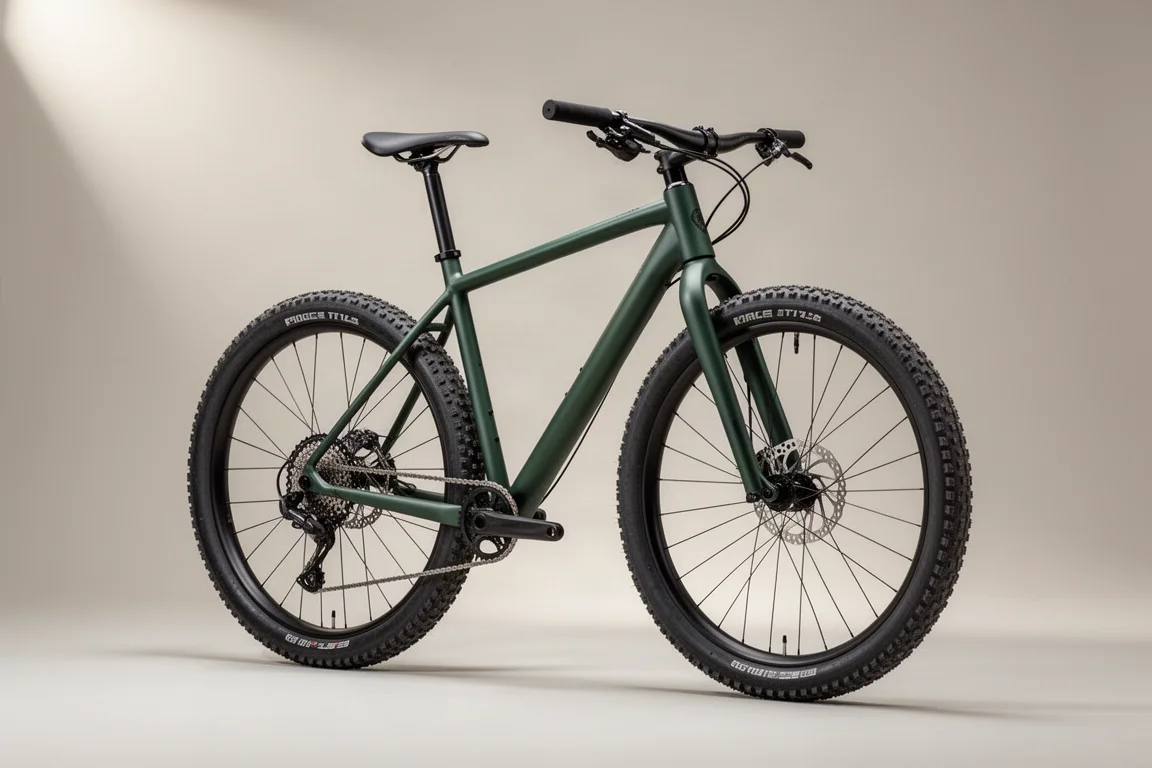
The Specialized Diverge is one of the smoothest-riding gravel bikes available, and the front Future Shock is central to that. It is a bike designed around bikepacking and adventure riding, with clearance for 47mm tires, plenty of mounts for bags and racks, and down tube storage for snacks and tools.
The geometry works well off-road, and the overall package is easy to live with over long distances. The main consideration is price: Specialized models often cost more than comparable bikes from brands such as Merida and Giant.
Specialized Diverge STR: Front and Rear Compliance
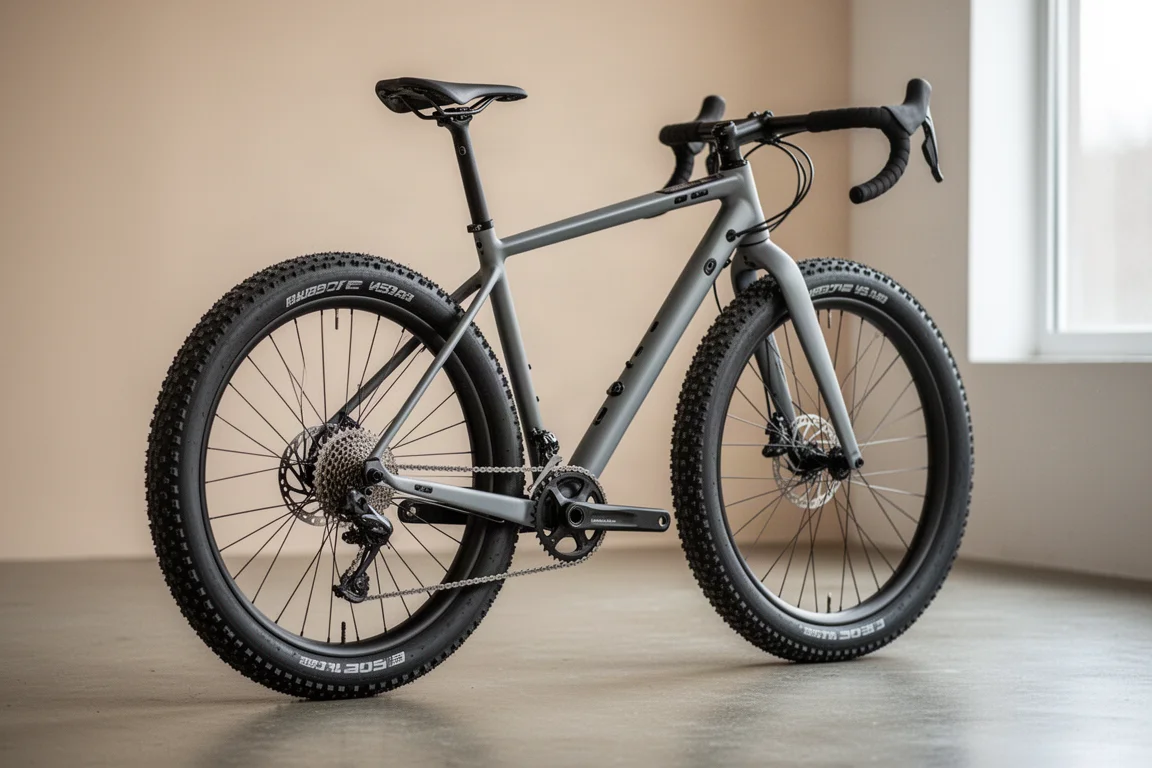
The Diverge STR is the second version of the platform, adding a rear Future Shock to the front unit so that compliance is handled at both ends of the bike. Riders who want the smoothest possible ride over rough surfaces will find the extra rear compliance worthwhile.
Everything else that makes the Diverge a strong adventure bike carries over: 47mm tire clearance, extensive mounts for bags and racks, down tube storage, and geometry that behaves well off-road. As with the standard Diverge, prices tend to sit above brands such as Merida and Giant.
Rondo Bogan: Aluminium Done Well
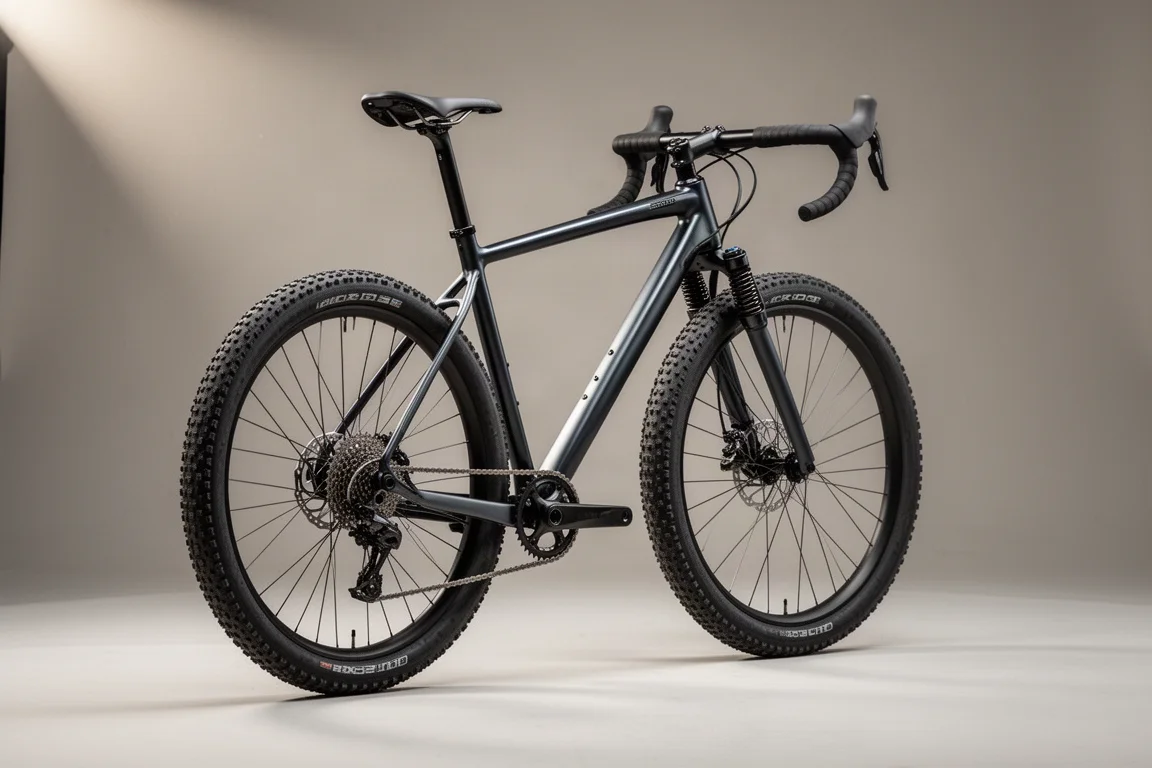
The Rondo Bogan is a showcase for how good an aluminium gravel bike can be. It is a fine-looking frame packed with details, and the ride quality is a genuine surprise: spritely, responsive and far more engaging than the material alone would suggest.
It is not the smoothest bike here, but fitting high-volume tires adds plenty of comfort over rough tracks. Bikepacking equipment is well covered, with space for big tires, mudguard mounts, and mounts on the fork and frame for bags and racks. The geometry gives an assured feel when the bike is fully loaded for a few days away from home.
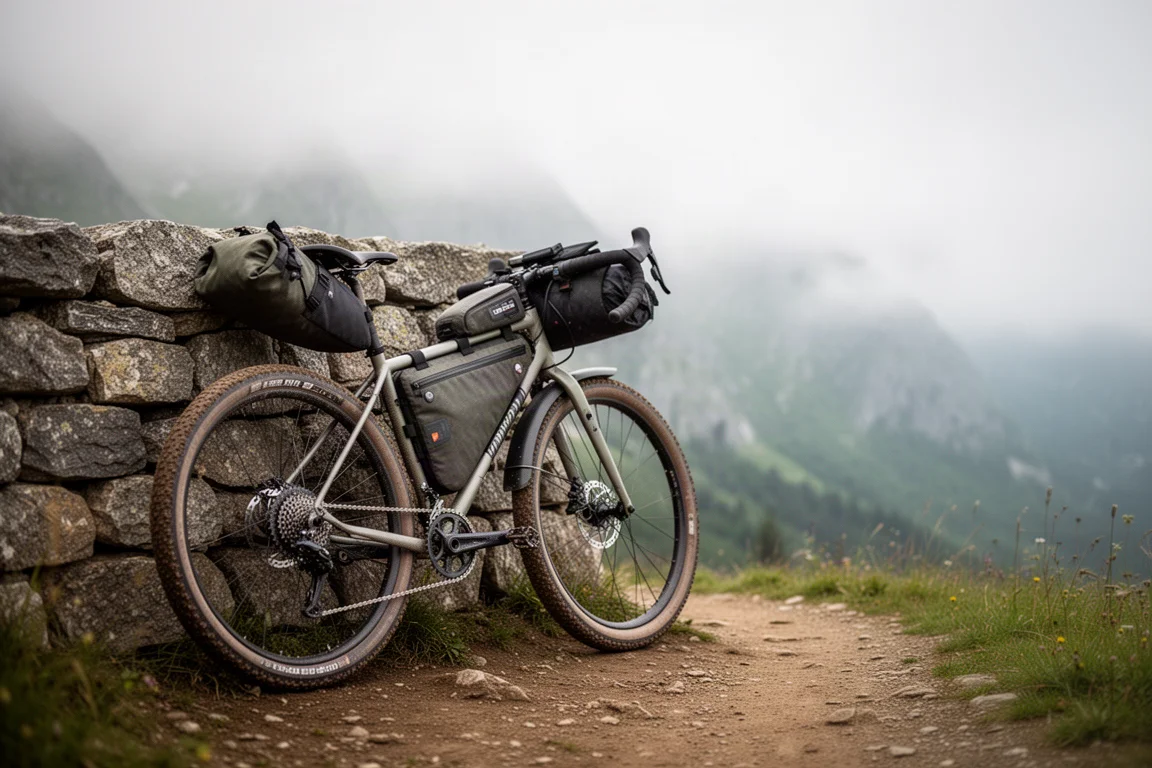
That mix of aluminium practicality, thoughtful detailing and stable loaded handling makes it an easy recommendation for riders who would rather spend on components than on a carbon frame.
Fairlight Secan: Steel Comfort and Custom Touches
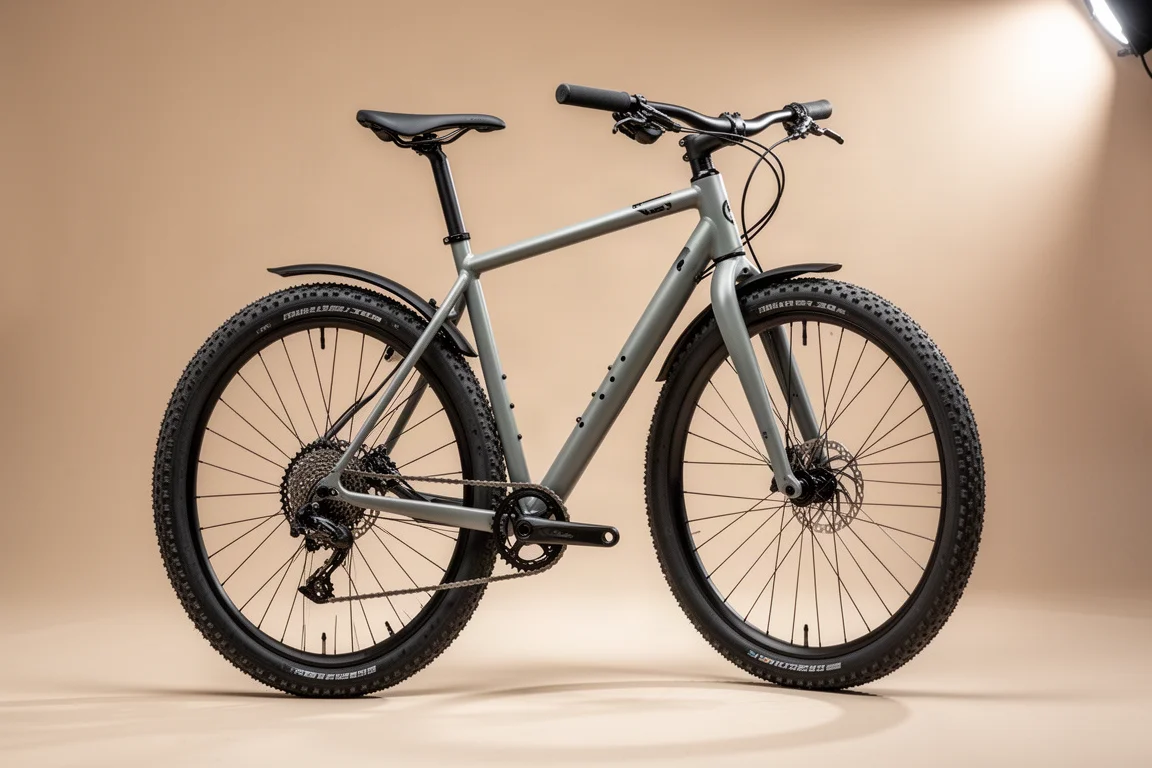
The Fairlight Secan is a Reynolds 853 steel frame that looks superb and rides extremely well. Tire clearance is among the most generous in this selection, and the frame accepts all sorts of racks, bags, cages and dynamo lighting, which makes it a genuinely adaptable platform.
The standout detail is fit. Fairlight offers two stack heights for every frame size, so you can choose a regular or a tall head tube. Short of a full custom frame, that is an unusual level of sizing flexibility. Steel will never be as light as carbon fibre, but the Secan is not a heavy frame, and a careful component choice keeps build weight reasonable. Ride quality, compliance and smoothness more than compensate.
Overall Buying Advice
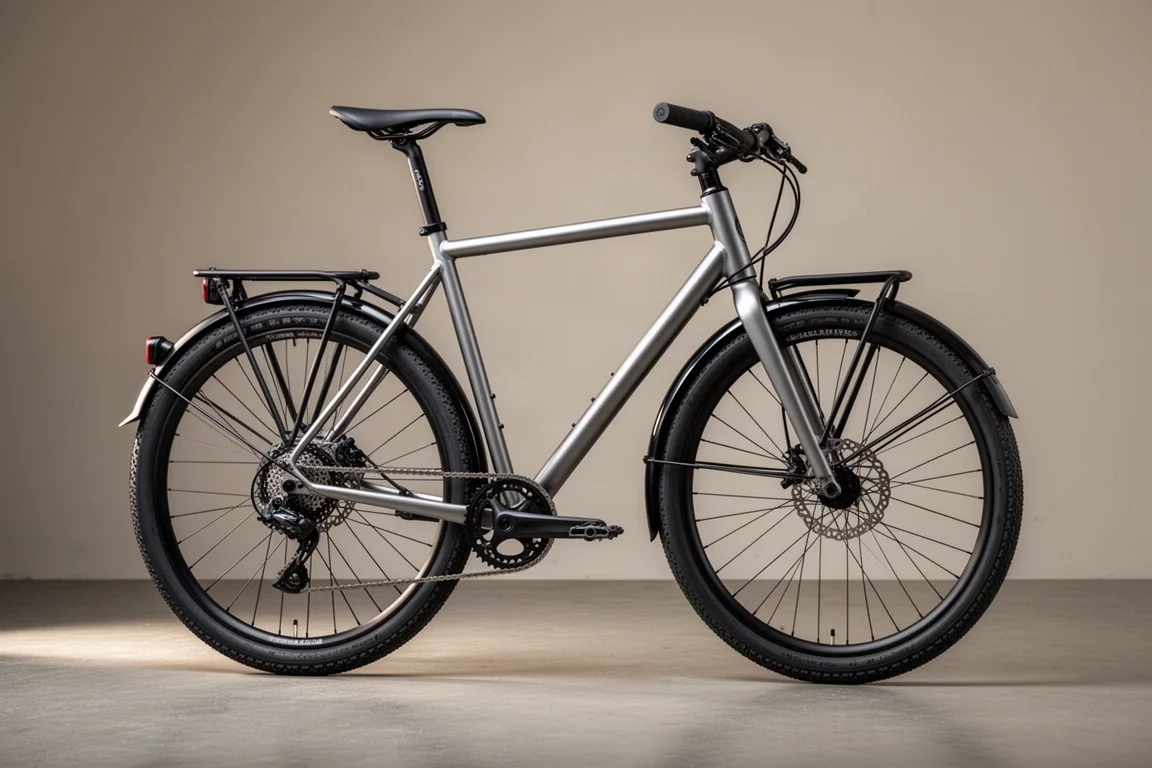
Work out what most of your riding actually looks like before choosing. If you race, prioritise aero efficiency, stiffness and quick handling, and accept a firmer ride. The Canyon Grail, Enve MOG, 3T RaceMax and Vitus Venon EVO-GR all sit in that camp, with the MOG and Grail offering the best comfort of the group.

If your riding leans toward bikepacking and long adventure routes, geometry and mounting options matter more than weight. The Giant Revolt, Merida Silex, Specialized Diverge and Diverge STR, Rondo Bogan and Fairlight Secan all bring clearance, mounts and stable handling, with the steel Secan and the aluminium Bogan offering a very different character to carbon. Tire clearance is worth checking carefully: 45mm is plenty for fast gravel, while the wider frames here open up rougher routes and heavier loads.
Conclusion
Twelve bikes, and no single winner, because the right gravel bike depends entirely on the riding you have planned. The Canyon Grail and Enve MOG are the most complete race-focused choices, combining speed with usable comfort and internal storage. The 3T RaceMax and Extrema Italia lean further into aerodynamic speed and, in the Extrema Italia’s case, class-leading tire clearance.
For adventure and bikepacking, the Giant Revolt and Merida Silex offer geometry and mounts that suit loaded riding at strong value, while the Specialized Diverge and Diverge STR prioritise smoothness. The Rondo Bogan and Fairlight Secan prove that aluminium and steel remain compelling alternatives to carbon, especially when fit and mounting flexibility matter as much as weight. Match the bike to the terrain you actually ride, and any of these twelve will serve you well.
Further reading
Related Reviews
Gravel Bikes
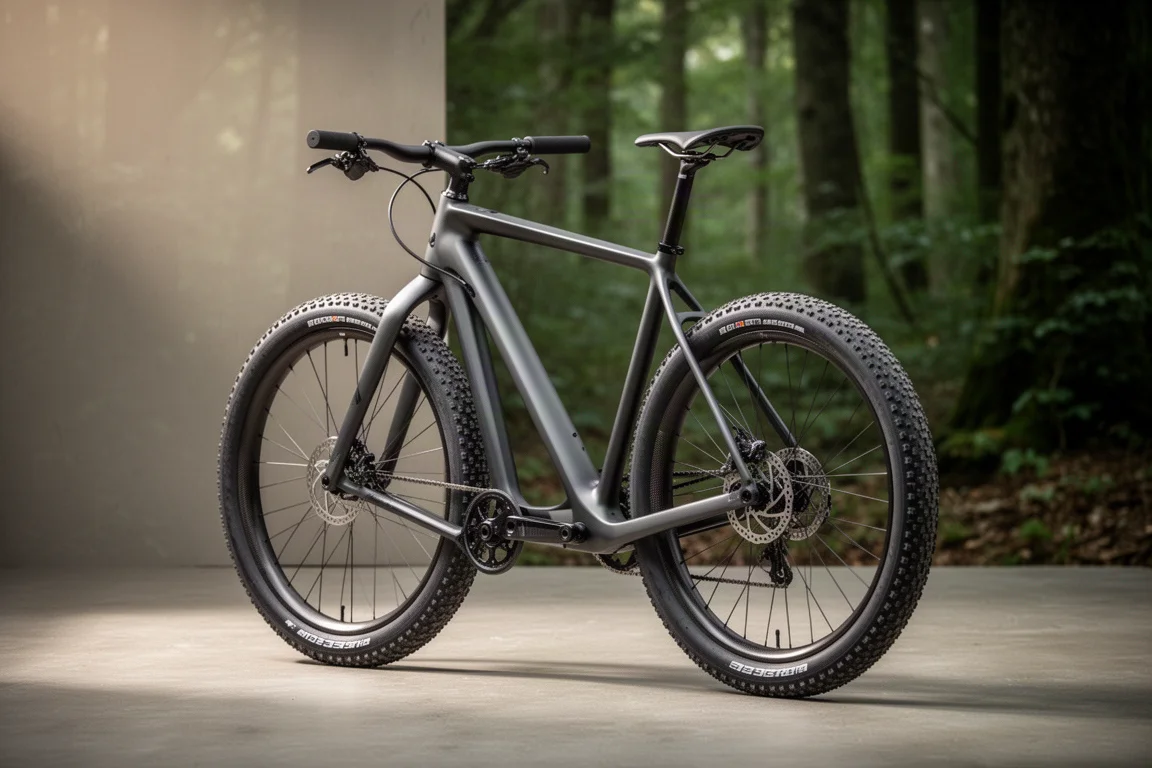
3T Exploro Ultra Review: A Fast Gravel Bike Built for Big Tyres
A close look at the 3T Exploro Ultra, an aero carbon gravel bike designed around wide tyres, with road-like handling, a 980 g frame and genuine rough-terrain capability.
Gravel Bikes
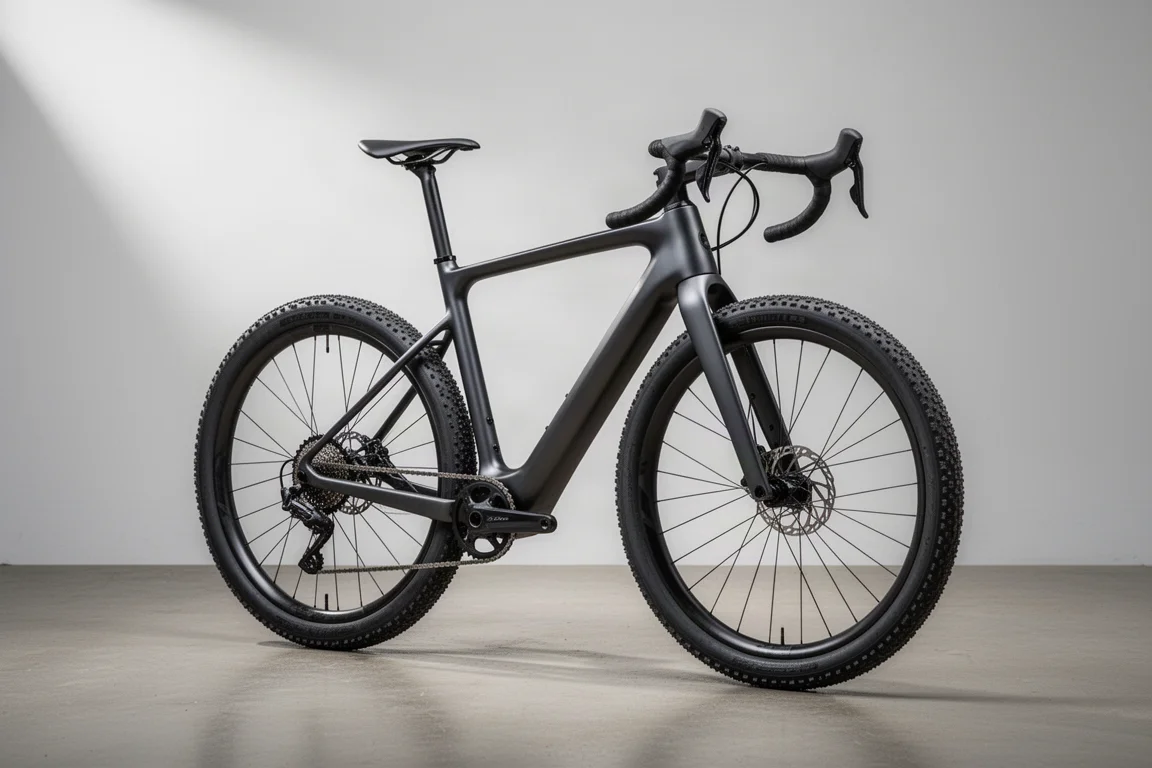
3T Extrema Italia Review: Aero Gravel Speed With Room for 57 mm Tires
The 3T Extrema Italia pairs an aero frame with huge tire clearance, Italian-made carbon and a more comfortable ride than the RaceMax. Here is what to know before buying.
Gravel Bikes
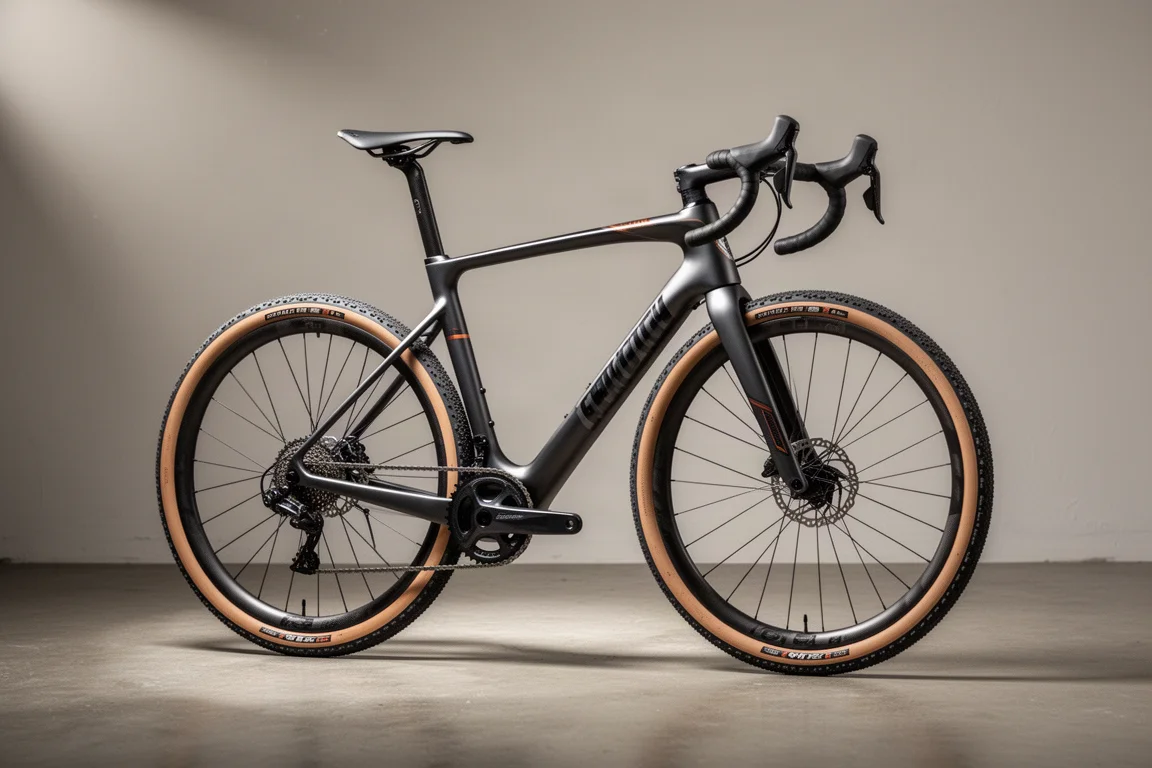
3T Race Max 2 Italia Review: An Aero Gravel Race Bike Made in Italy
A closer look at the second-generation 3T Race Max 2 Italia, covering its aero updates, ride character, tire clearance, internal storage and who it suits.