Gravel Bikes
Best Gravel Bikes: Aero Racers, Suspension Models and Custom Builds Compared
Eight gravel bikes compared, from aero race machines to suspension-led designs and a hand-built custom frame, with the details that matter before you buy.
Introduction
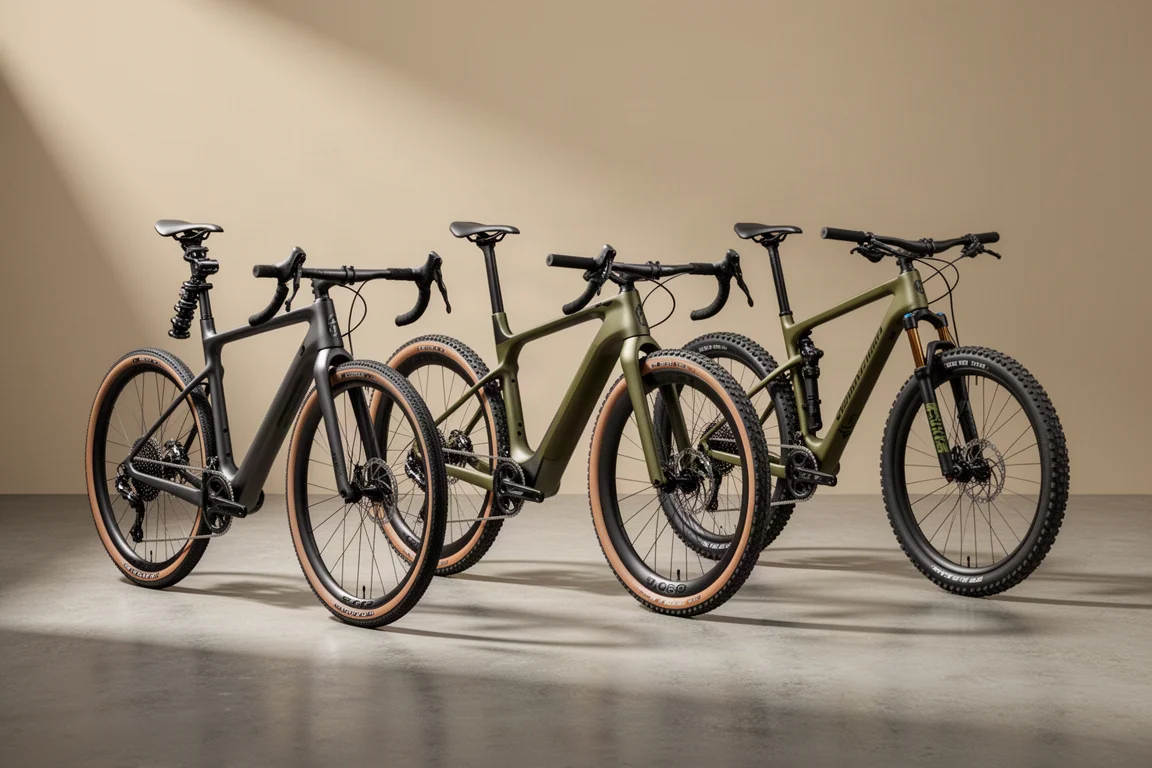
Gravel bikes have split into distinct camps. Some are built to go fast over loose surfaces, borrowing aero tube shapes, integrated cockpits and road race geometry. Others lean into capability, adding suspension, dropper posts and generous tire clearance so they can handle ground that used to belong to mountain bikes. This roundup covers the models that best represent each direction.
What Separates These Gravel Bikes
The first group is the race-oriented machines. They tend to skip mounting points for luggage, mudguards and racks, and instead take their aero cues from fast road bikes. The trade-off is straightforward: less carrying capacity, more speed.
The second group is the capability-focused bikes. Rear suspension, single-leg forks, wireless dropper posts and wide tire clearance all appear here. These bikes carry more weight, but they keep you composed on rough descents and long days in the saddle.
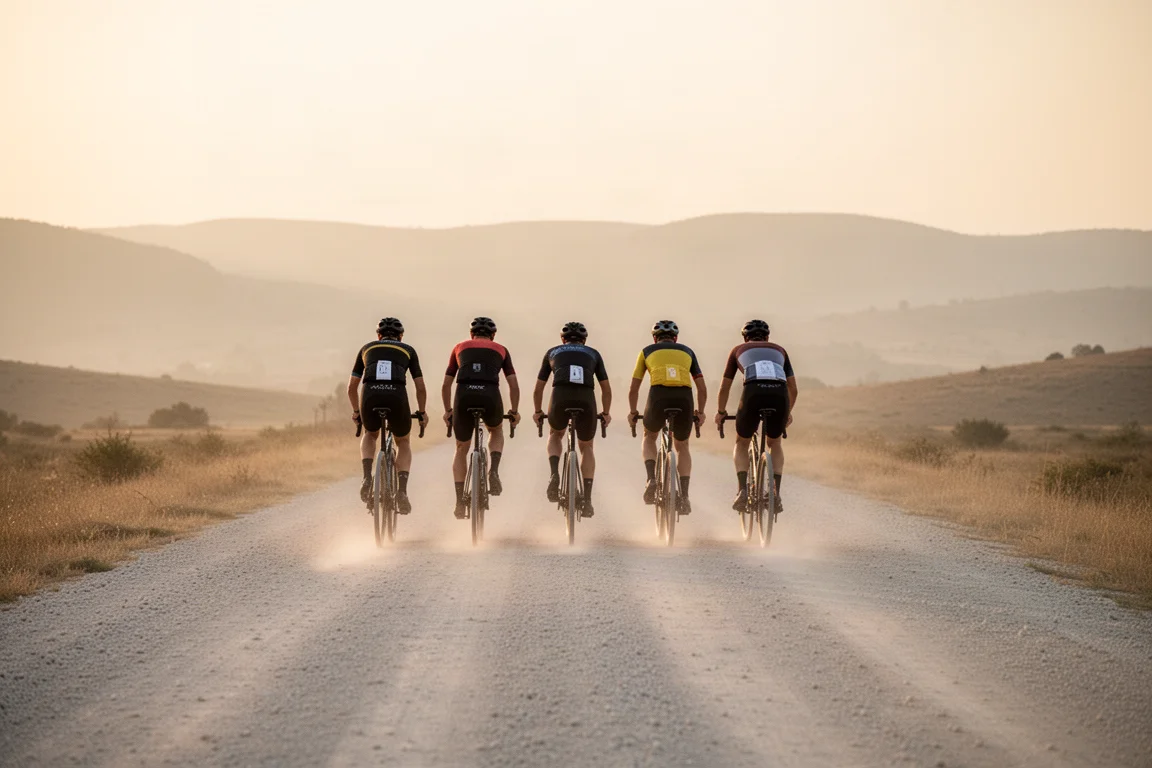
Tire clearance is the number worth checking first. It decides whether a bike is a fast 40mm machine or something that can swallow 2.4-inch rubber, and it shapes everything about how the bike feels once the surface turns loose.
Prices across this group span a wide range, from a mid-range direct-sales build up to six-figure-adjacent top specs. That spread matters, because the differences between these bikes are often about intent rather than quality.
Specialized Diverge STR: Suspension at Both Ends
Specialized added a rear Future Shock to the Diverge, working alongside the front unit that has been part of the bike for some time. The front provides 20mm of travel, and the rear adds a further 30mm of tunable saddle deflection. Specialized states that the combination reduces vibration at the saddle by more than 20 percent.
A complete S-Works build weighs 8.5kg, which is less than 400g more than the standard S-Works Diverge. Clearance covers 47mm 700c tires or 2.1-inch 650b rubber, there is a SWAT compartment in the down tube for tools, and a dropper post can be fitted.
The top-spec S-Works Diverge STR sits at the expensive end of the market, at around $14,000.
Cannondale Topstone: Refined Rear Suspension and Wider Clearance
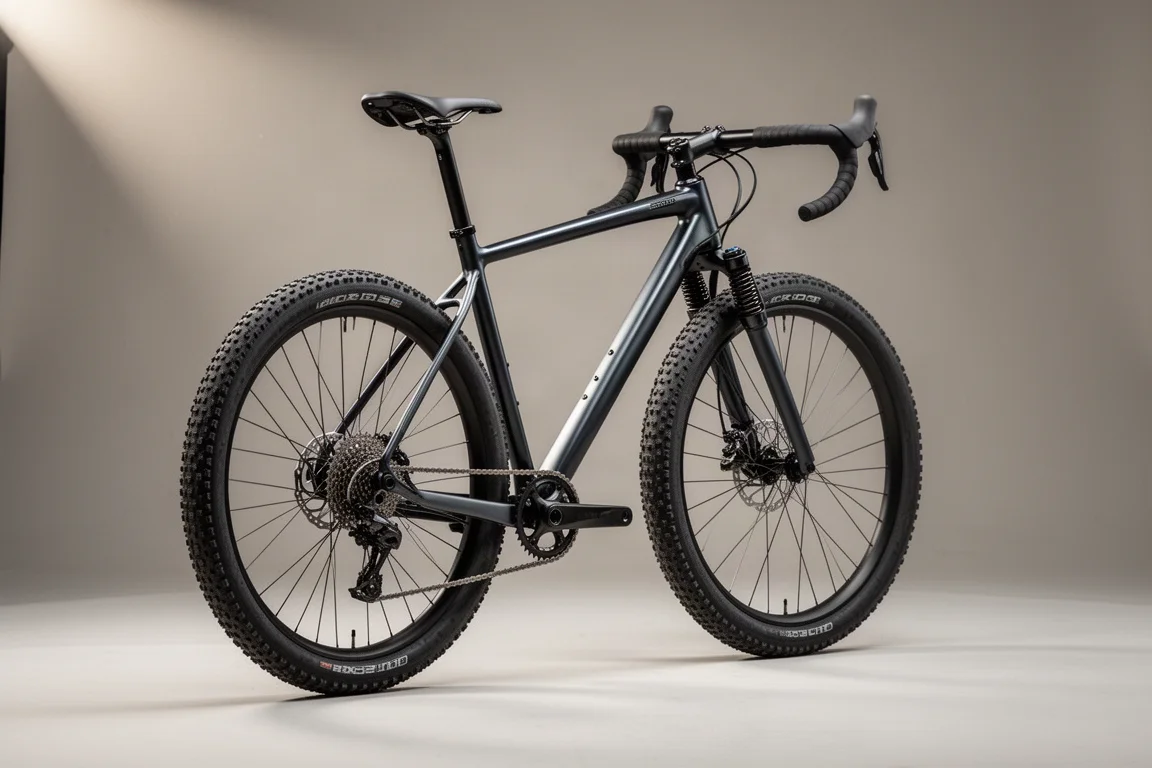
Cannondale refreshed the Topstone with a lighter, more streamlined Kingpin rear suspension system that saves 100g. At the front, the optional Lefty Oliver single-leg fork still offers 30mm of travel, and the head tube angle has been slackened to 70.5 degrees. SmartSense integrated lights and radar can also be specified.
Clearance has grown by 8mm to 45mm for 700c tires, and by 7mm to 54mm for 650b. Cannondale moved to a threaded bottom bracket and a standard rear wheel instead of an asymmetrically dished one, which widens the choice of wheelsets you can run.
The carbon range starts at around $2,800 for the Carbon 4 with a standard rigid fork and runs to about $7,850 for the top-spec Topstone Carbon Lefty 1.
3T Exploro Ultra: Aero With Mountain-Bike-Wide Tires
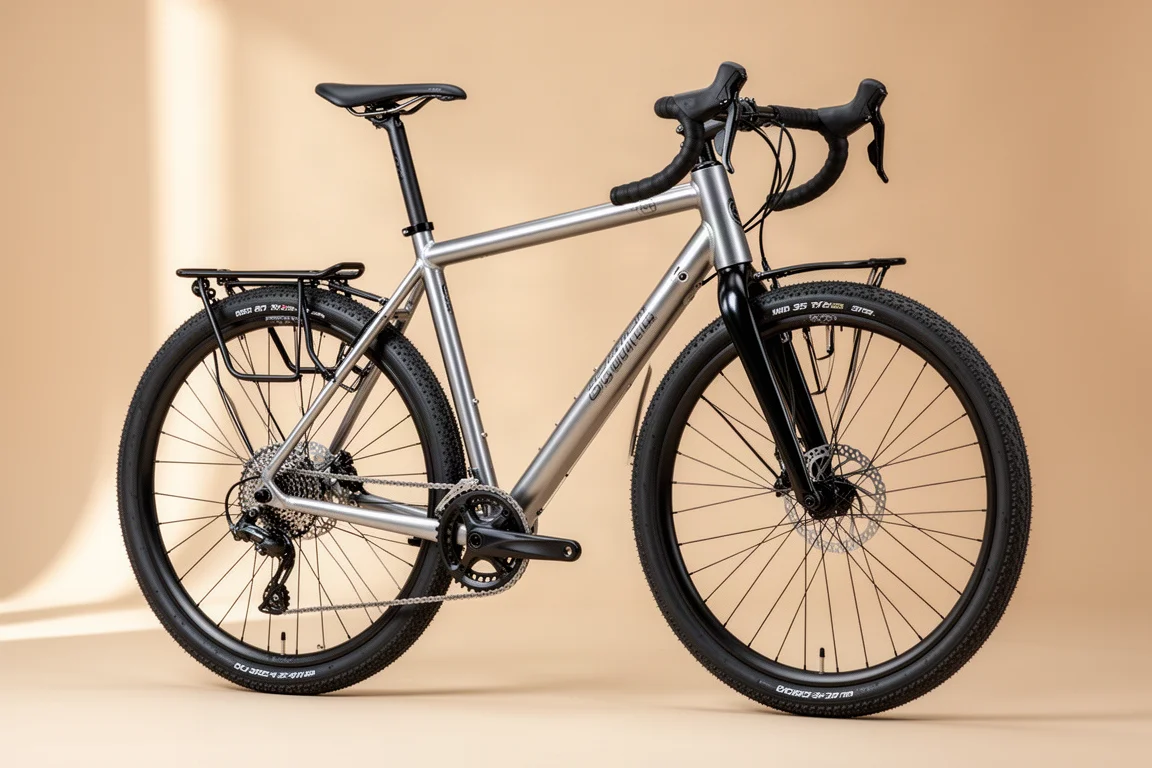
3T has pushed gravel design forward for years, and the Exploro Ultra takes that further with an aero frame optimised around 650b tires up to 66mm wide, which is 2.4 inches. 3T says that is as wide as you can go while keeping gravel bike performance rather than ending up with something that handles like a mountain bike.
The frame uses a 60mm wide down tube and a new aero seat tube that still accepts a standard dropper post. In 3T’s description, the bike has the aerodynamics to get through the easy sections fast and the tire volume to get through the tough ones safely.
A frameset is around $3,200, while complete bikes run from roughly $5,700 to $8,200.
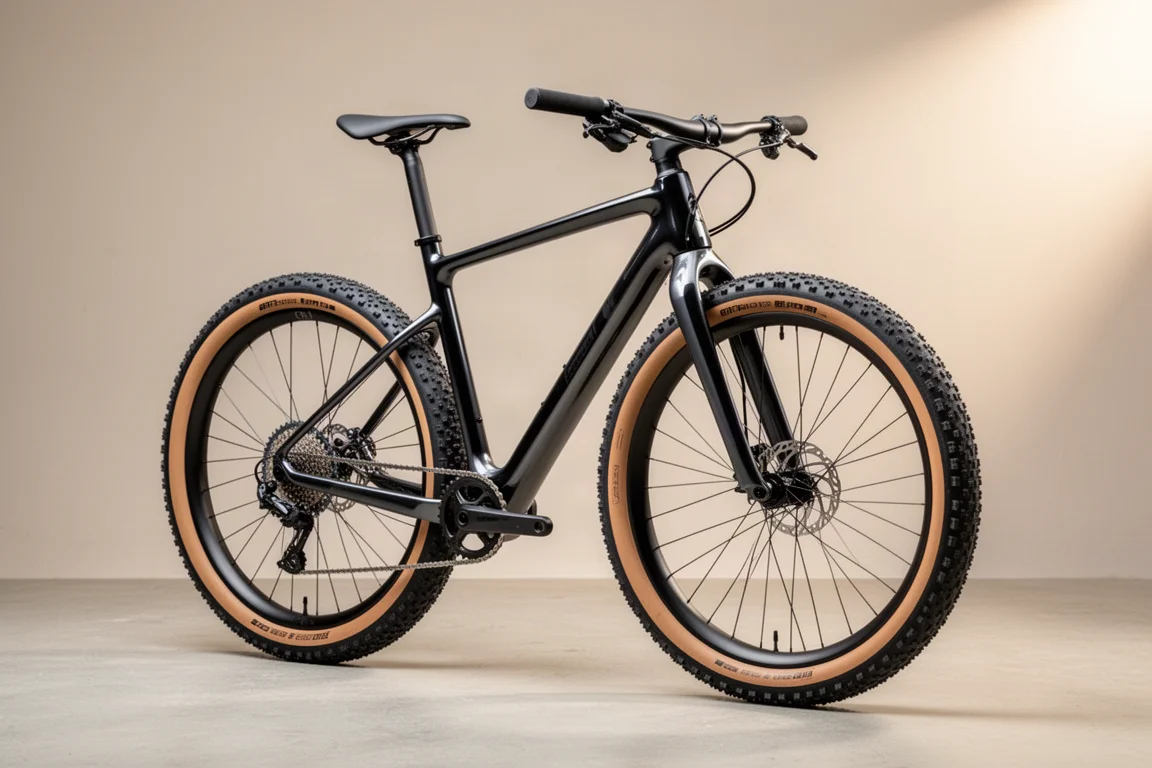
YT Scepter: Gravity-Oriented Gravel
YT is a direct-sales mountain bike brand, and the Scepter is its first gravel bike. It is built for what YT calls gravity-oriented gravel, which in practice means a clear bias toward descending. A RockShox Rudy XPLR fork with 40mm of travel handles the front, and the higher spec model steps up to a 50mm travel SRAM Reverb AXS XPLR wireless electronic dropper post.
Geometry follows the same thinking: a slack 69.4-degree head tube angle for stability and a steep 74.4-degree seat tube angle that puts the rider upright. A 180mm front rotor adds braking power for steep, loose descents.
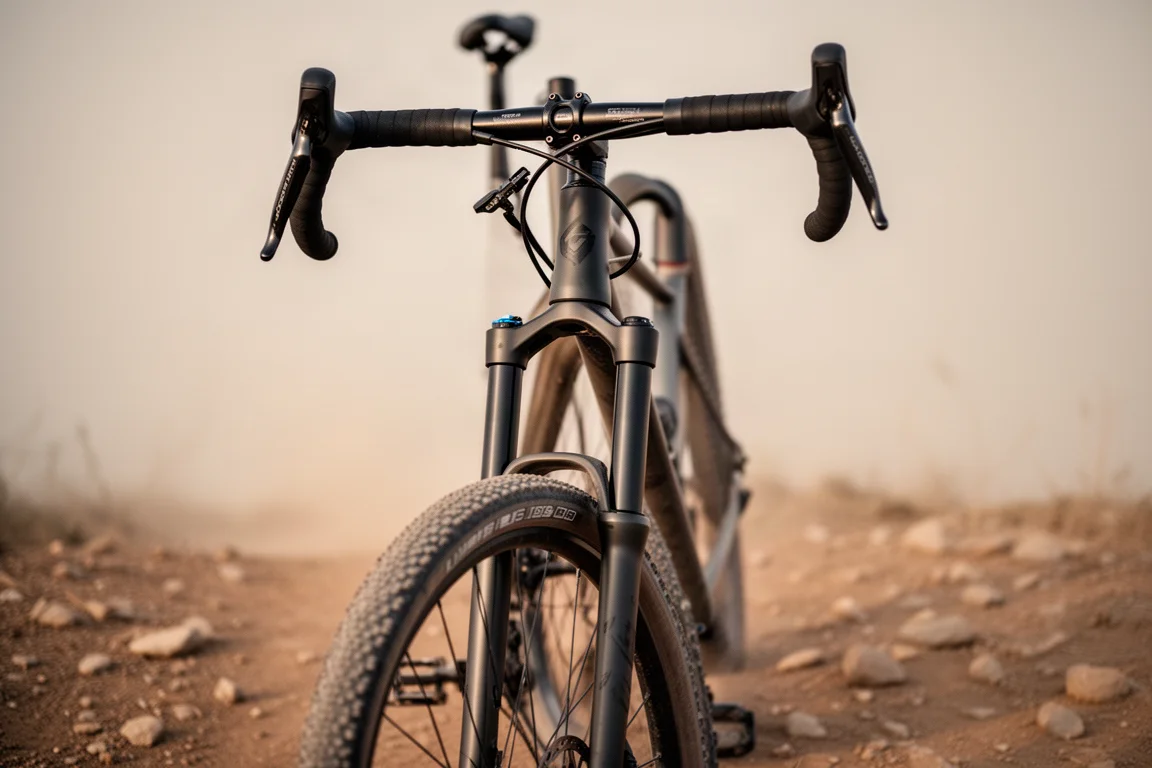
Tire clearance is 45mm and the drivetrain is single-ring only, using SRAM 12-speed wireless Force or Rival AXS groupsets. All that suspension hardware brings the weight to around 9.9kg. Prices run from about $3,300 to $4,500.
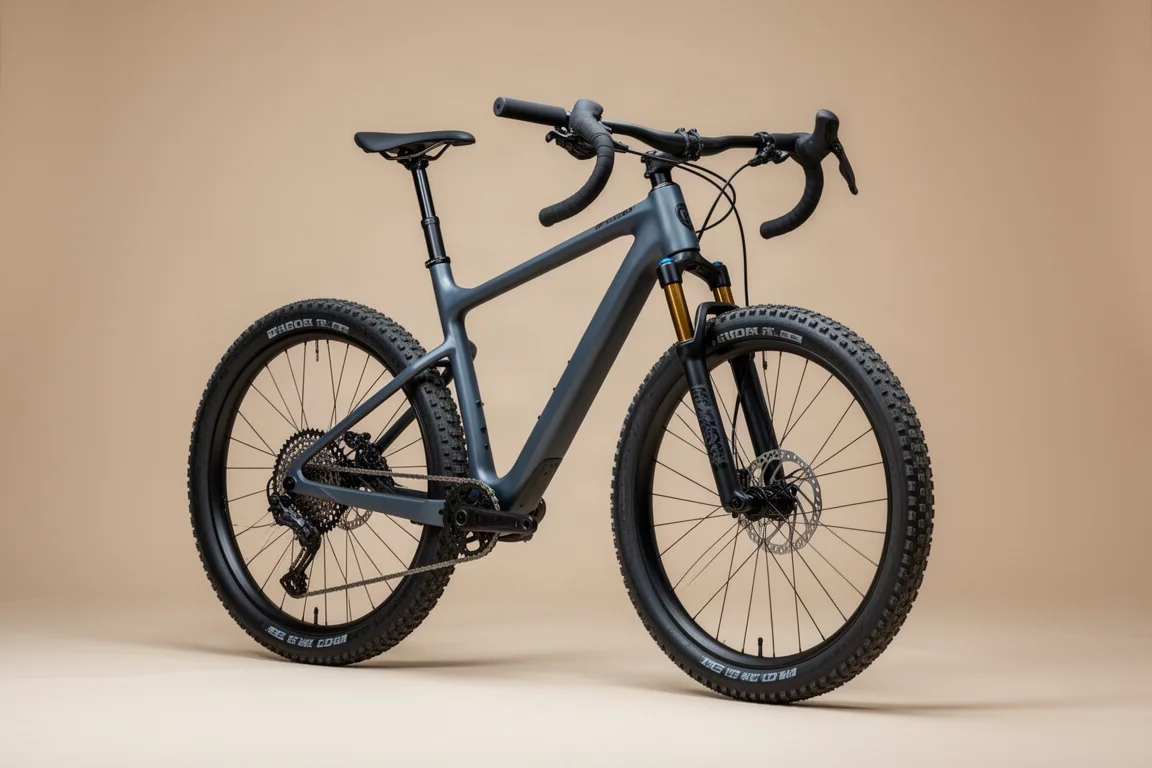
Pinarello Grevil F: Race Speed Borrowed From the Dogma F
The Grevil F takes its asymmetric aero frame design and its fork flaps, which shield the disc brakes, from the Dogma F raced at the top level of road cycling. Hose routing is fully internal, with lines emerging through the axle levers to cut drag. Pinarello states the result is 4 percent more aerodynamic than the previous Grevil, saving 5 watts at 40 km/h.
Ride position is road-bike-like, which keeps the bike stable at speed while still handling rough terrain. Pinarello uses mid-modulus T700 carbon rather than the higher modulus material of the Dogma F, for extra resilience.
Clearance is generous enough for 650b tires up to 2.1 inches. A build with a Campagnolo Ekar groupset is around $6,500, and a version with Princeton Grit wheels is around £7,000.
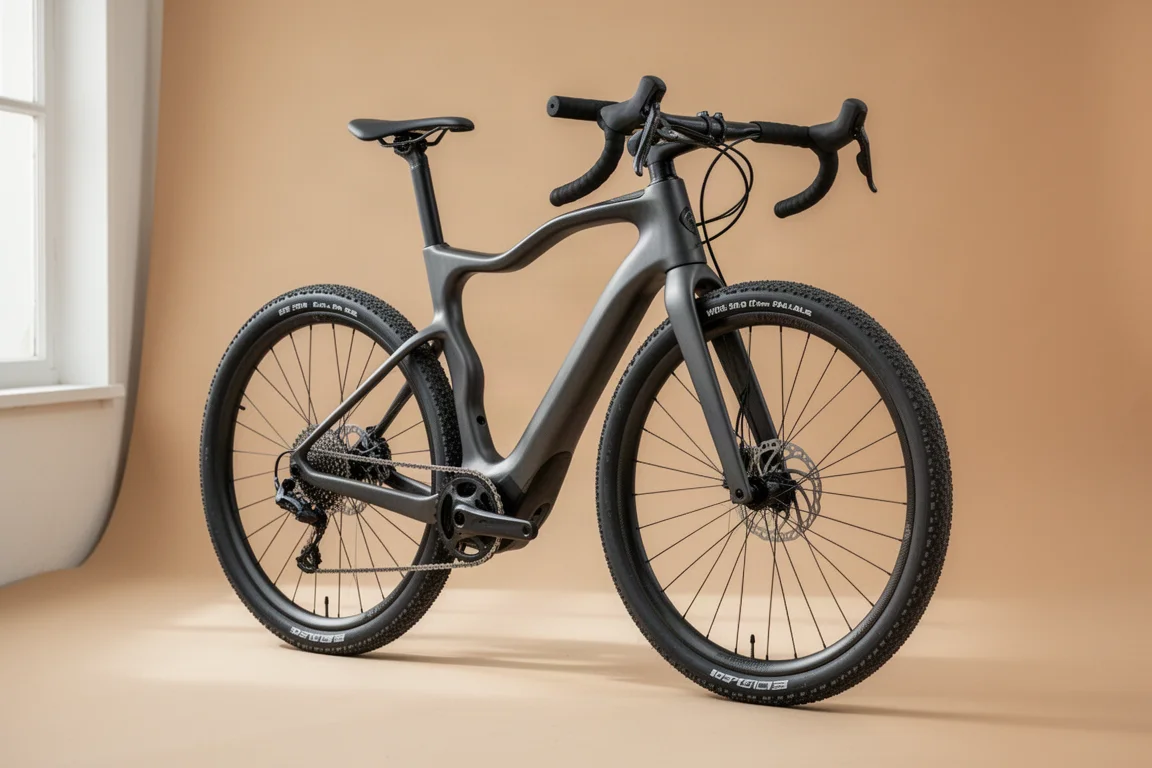
Factor Ostro Gravel: Light Frame, Aero Tuned for Lower Speeds
Factor based the Ostro Gravel on the Ostro road race bike, then strengthened the frame and retuned the aerodynamics for the lower speeds typical of gravel. That means deeper tube profiles and an integrated bar and stem. The frame weighs 900g, and the geometry is designed to handle quickly with 45mm tires on the supplied Black Inc 34 carbon wheelset.
One point to plan around: the frame is designed to work with electronic groupsets only. Builds start at around $8,700 and a frameset is about $5,500. The top-spec build comes in under 8kg.
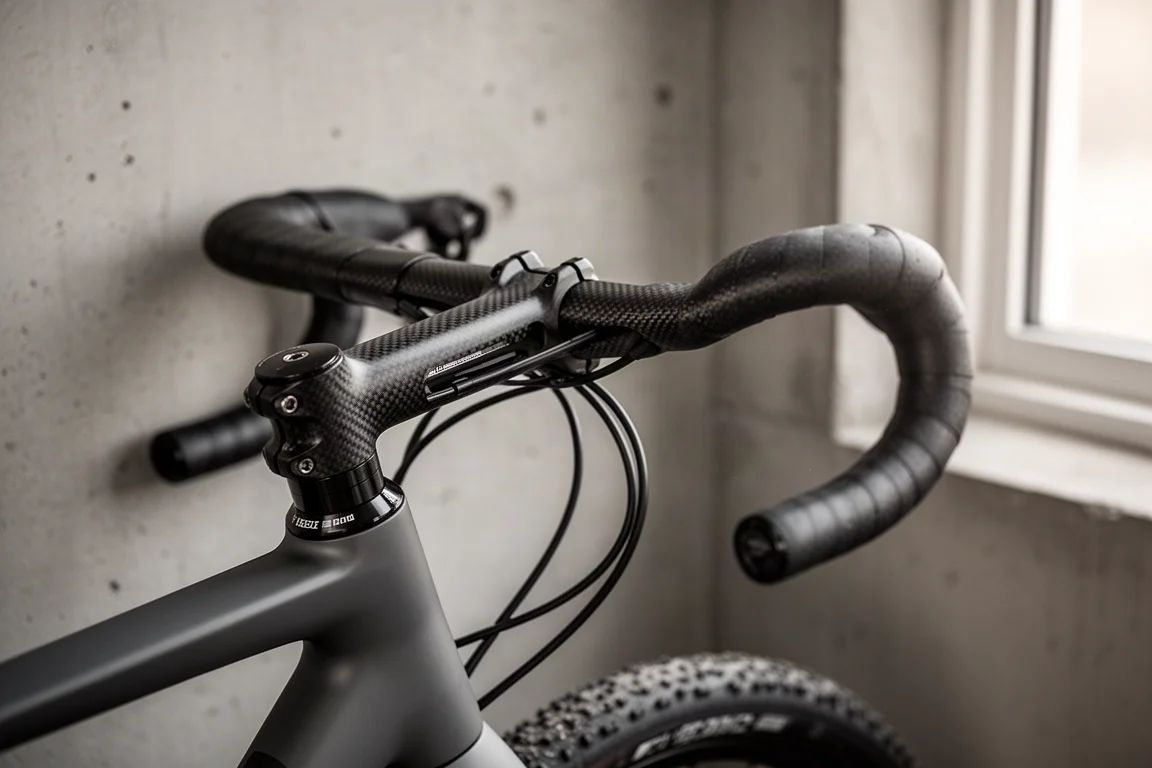
For riders chasing a light, fast gravel race bike, the Ostro Gravel sits in the same conversation as the aero road bikes it descends from, with the addition of room for wider rubber.
BMC Kaius: Aero Gravel With Road Race Manners
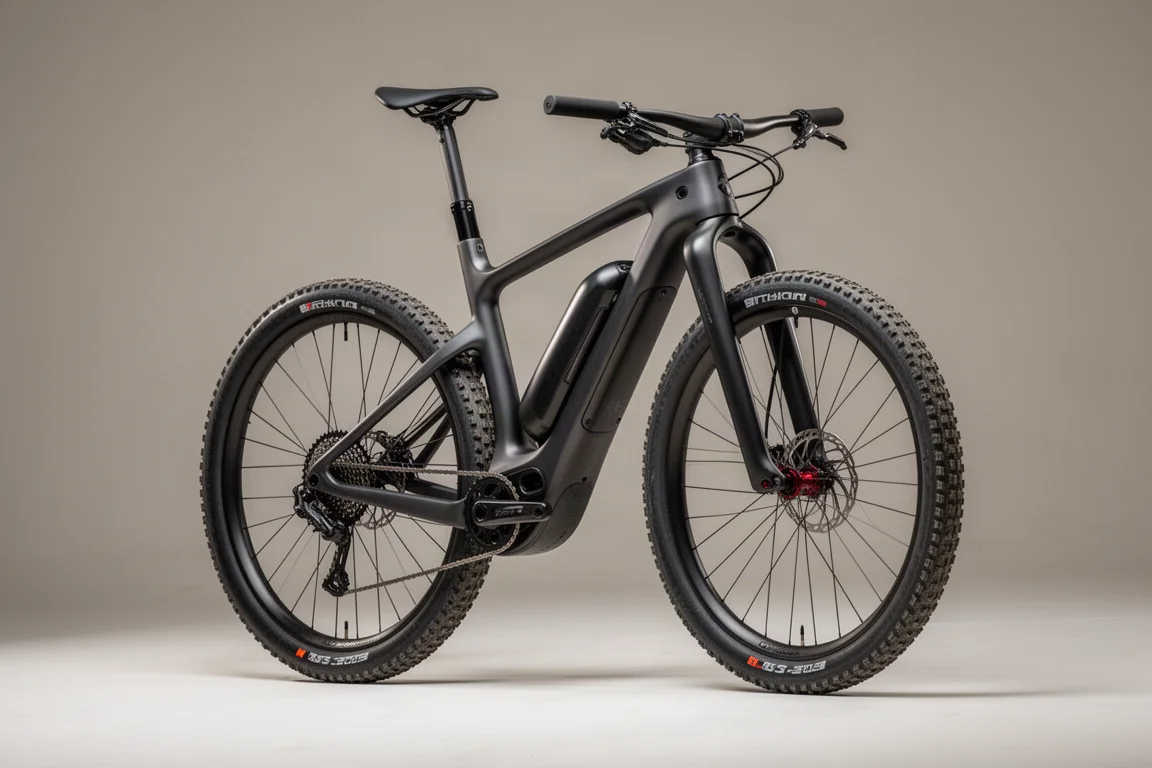
BMC’s aero gravel entry looks a great deal like the Roadmachine, with a 910g frame, aero tube shapes and an integrated cockpit. BMC describes it as stiff enough for sprints and climbing while staying comfortable over the longest gravel races.
Small details reinforce the aero theme. The bottle cages are shaped to smooth airflow over the junction with the frame, and a Bento Box can be mounted on the top tube. The Kaius fits 44mm tires and accepts a dropper post, with one-by or two-by drivetrains both supported.
Prices start at about $6,000 and climb to roughly $12,000.
Argonaut GR3: Hand-Built Carbon With Custom Geometry
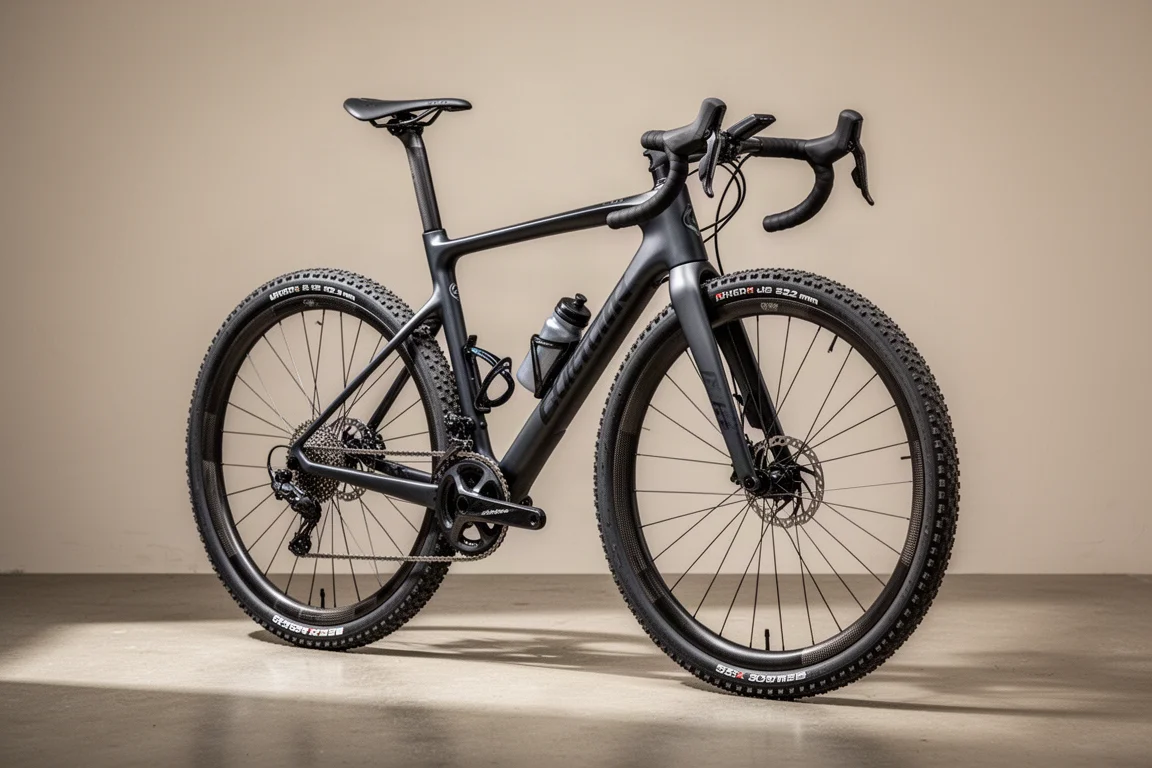
Argonaut Cycles, based in Bend, Oregon, builds every carbon frame by hand. If none of the standard sizes fit, the company will create a new mould for the customer. The frames use the same resin as the landing legs on SpaceX rockets, along with a patented high pressure moulding system.
The GR3 is aimed at gravel racing, with a slack 68.5-degree head tube angle and 450mm chainstays for quick handling, plus clearance for 50mm gravel tires thanks to dropped chainstays. Buyers choose their own paint scheme, and a professional photographer shoots studio images of each finished bike before handover.
The frameset costs around $6,500 and the lead time is roughly four months.
Buying Advice: Matching the Bike to the Ride
Start with the terrain you actually ride. If your gravel is mostly smooth and you line up at races, an aero frame with 40 to 45mm clearance will be faster and lighter. If your routes include rough descents, washboard surfaces and long days out, suspension and bigger tires pay off in control rather than outright speed.
Then consider the practical details. Frames that accept only electronic groupsets, or that skip rack and mudguard mounts, are race tools first. Bikes with threaded bottom brackets and standard rear wheels are easier to live with when you need replacement parts, and they tend to be simpler to service over several seasons.
Budget ranges here are wide. The YT Scepter sits at the more accessible end of the group, Cannondale and 3T span the middle, and the Specialized Diverge STR, BMC Kaius and Argonaut GR3 reach the top. If bikepacking rather than racing is the goal, bikepacking-oriented designs such as the Ridley Kanzo Adventure take a different approach, with carrying capacity built in from the start.
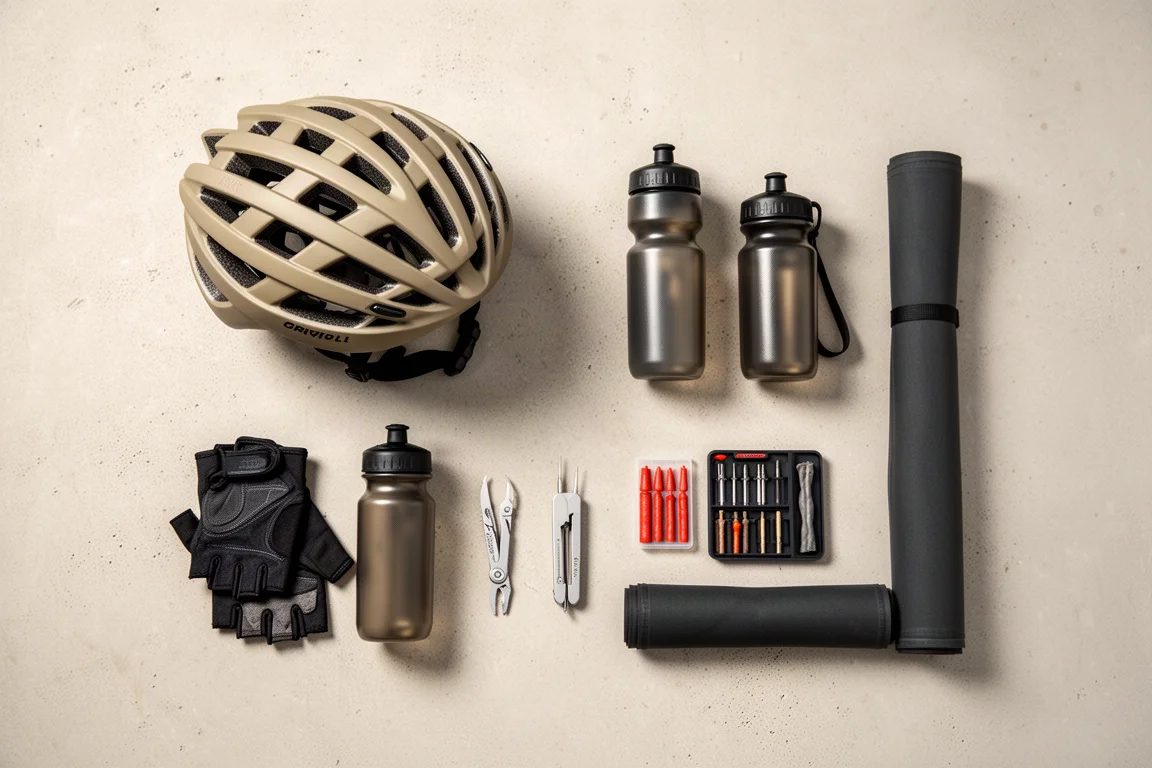
Whichever direction you choose, check tire clearance, drivetrain compatibility and mounting points before anything else. Those three details decide how a gravel bike will actually be used once the new-bike excitement wears off.
Conclusion
There has rarely been a wider spread of gravel bikes. Race-focused aero machines such as the Pinarello Grevil F, Factor Ostro Gravel and BMC Kaius prioritise speed and low weight. Suspension-led designs such as the Specialized Diverge STR, Cannondale Topstone and YT Scepter trade some of that weight for control on rough ground. The Argonaut GR3 occupies its own space as a hand-built custom frame, while the 3T Exploro Ultra sits between the camps with aero shaping and very wide tire capacity. Match the bike to the riding you do most, and any of these will serve you well.
Further reading
Related Reviews
Gravel Bikes
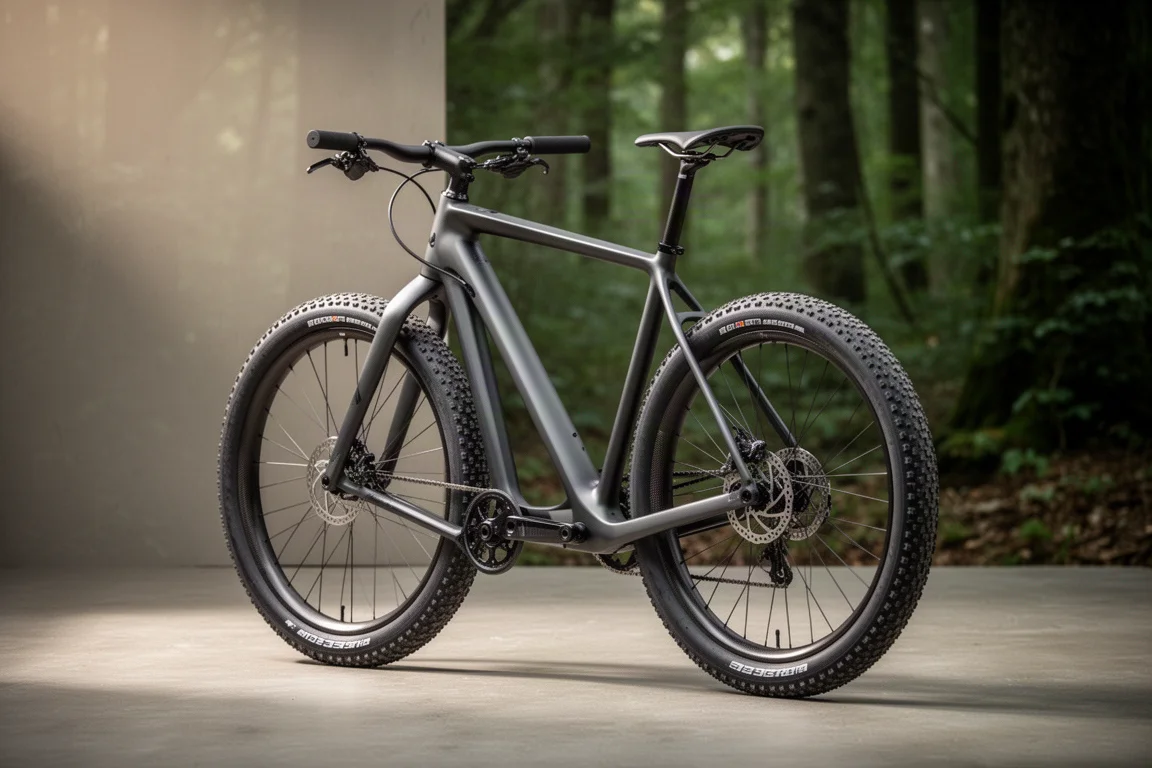
3T Exploro Ultra Review: A Fast Gravel Bike Built for Big Tyres
A close look at the 3T Exploro Ultra, an aero carbon gravel bike designed around wide tyres, with road-like handling, a 980 g frame and genuine rough-terrain capability.
Gravel Bikes
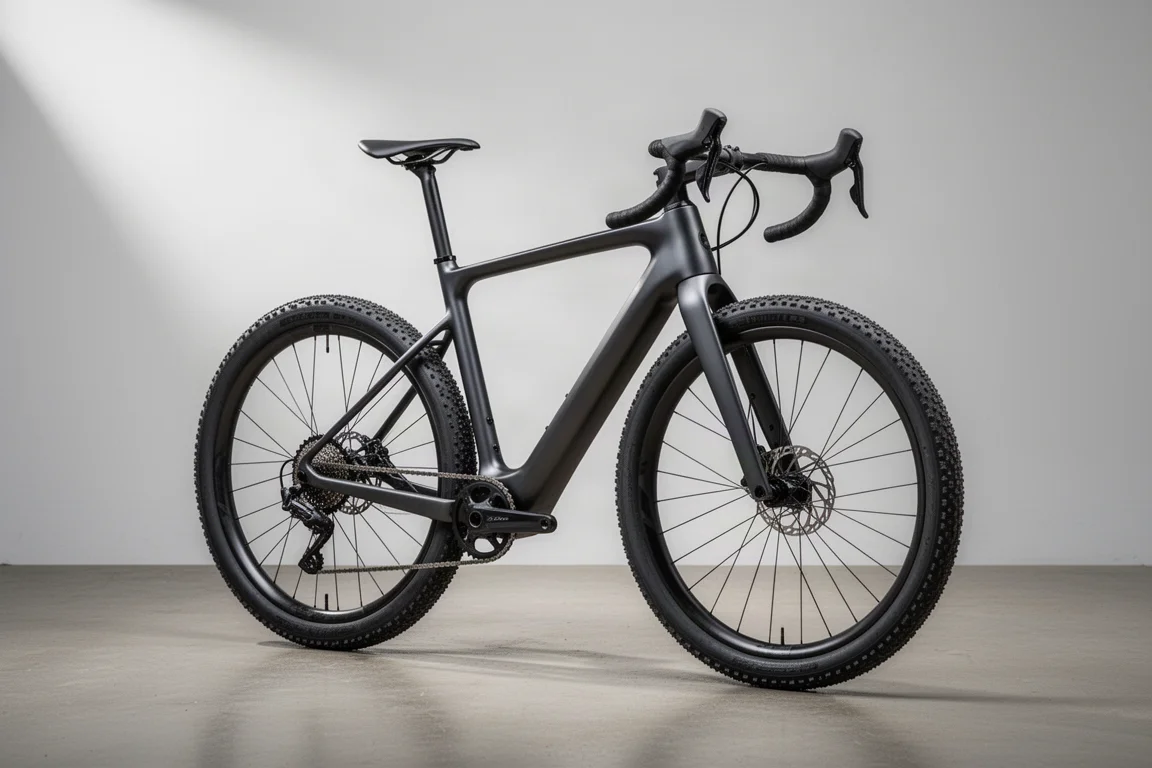
3T Extrema Italia Review: Aero Gravel Speed With Room for 57 mm Tires
The 3T Extrema Italia pairs an aero frame with huge tire clearance, Italian-made carbon and a more comfortable ride than the RaceMax. Here is what to know before buying.
Gravel Bikes
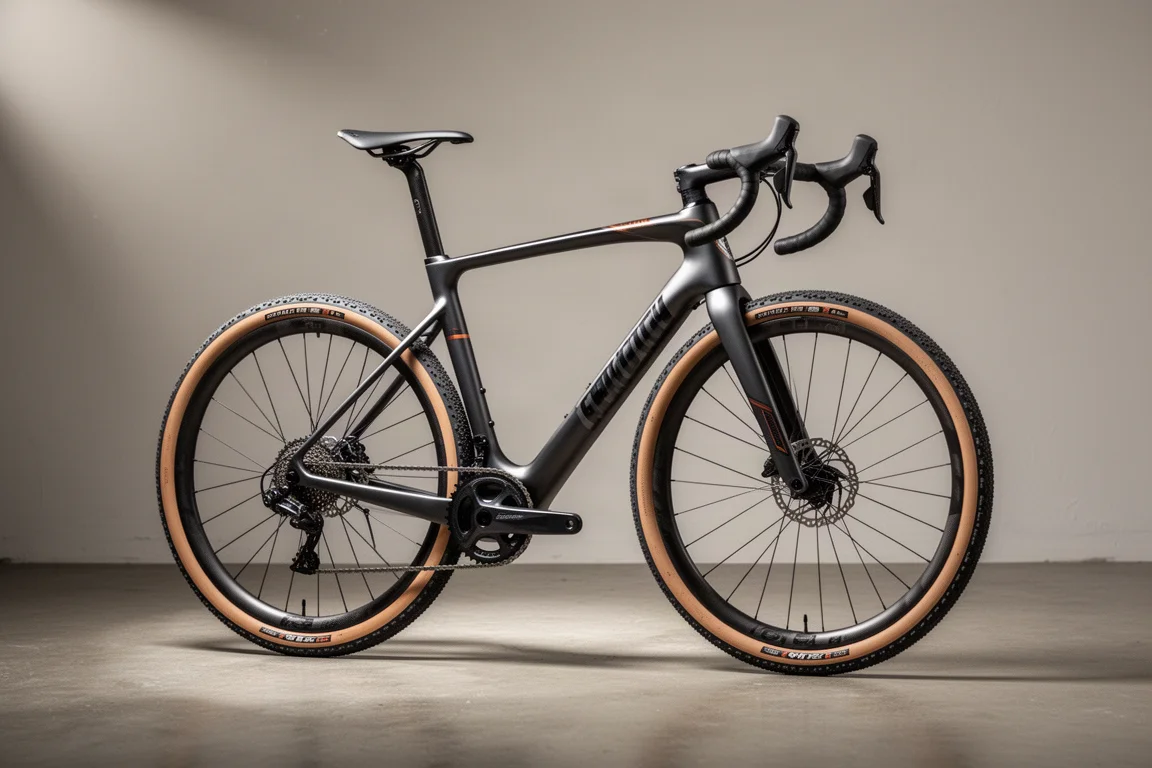
3T Race Max 2 Italia Review: An Aero Gravel Race Bike Made in Italy
A closer look at the second-generation 3T Race Max 2 Italia, covering its aero updates, ride character, tire clearance, internal storage and who it suits.