Gravel Bikes
Best Gravel Bikes for Every Rider: Seven Picks Worth Considering
Seven gravel bikes covering adventure stability, alloy value, aerodynamic racing and premium custom build platforms, with the trade-offs that matter.
Introduction
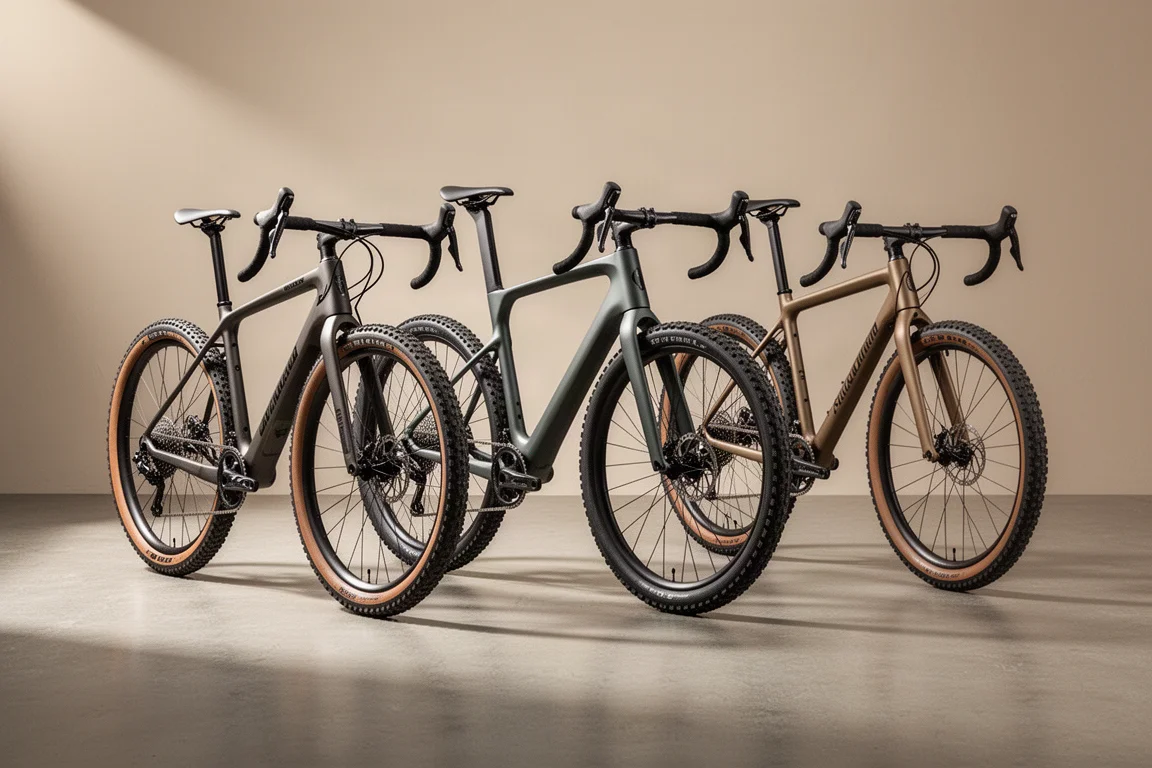
Gravel bikes used to be simple: a road frame with slacker geometry and room for wider tyres. That is no longer the case. The category now splits into race machines, adventure platforms and versatile all-rounders, and the differences between them matter more than the marketing suggests.
This guide covers seven gravel bikes that each answer a different question. Some are built for speed, some for comfort over long distances, and some for riders who want a single bike to cover gravel, cyclocross and road. Prices and specifications below reflect the builds described, and availability varies by region.
How We Picked These Gravel Bikes
The selection focuses on range coverage rather than a single performance metric. A bike earns a place here when it does one job clearly: aerodynamic race performance, stable adventure geometry, strong value for money, or the flexibility to be built up from a frameset. Tyre clearance, mounting options, drivetrain specification and frame material were all weighed against price.
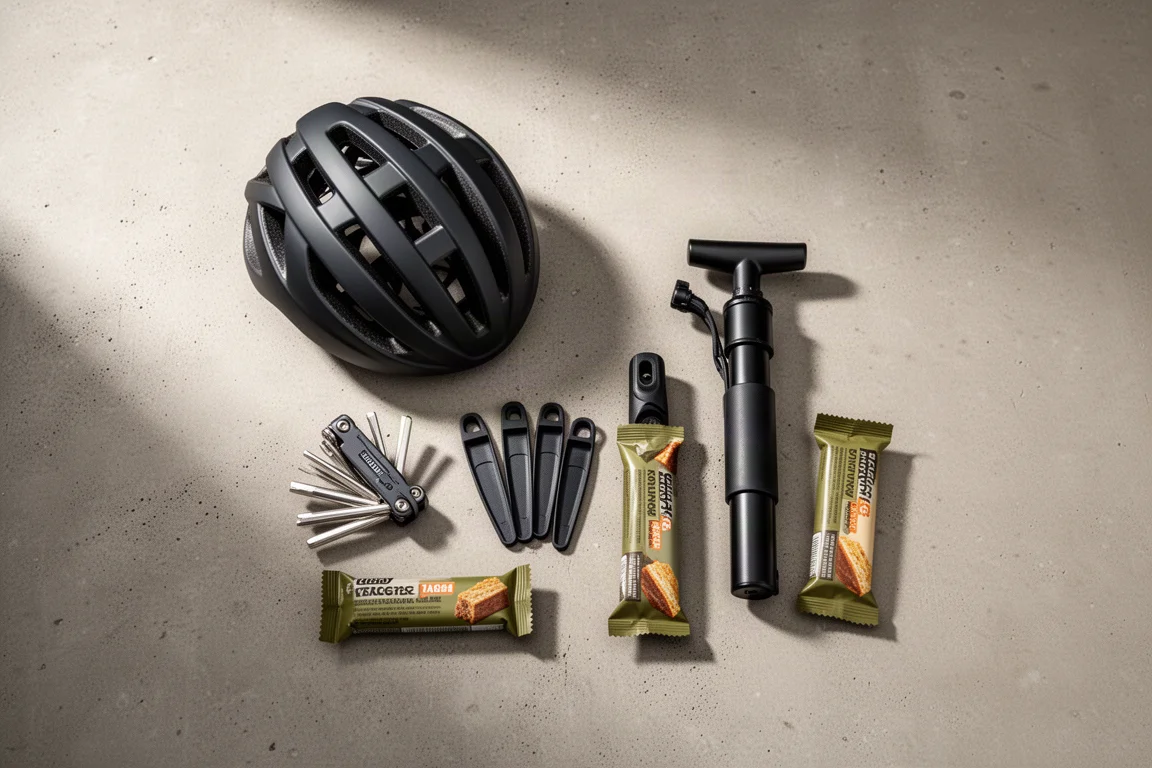
That approach means some picks are exceptional value and others are premium platforms intended for custom builds. Both can be the right answer depending on how you ride and how much you want to spend.
Merida Silex 10K: Adventure-First Stability
The Silex has been a well-known name in gravel for years, and the current version leans further into adventure riding. A 69.5 degree head angle pushes the handling towards mountain bike stability, which pays off on loose descents and loaded bikepacking routes.
Tyre clearance now stands at 45mm, giving solid grip off-road, though riders who want the widest rubber available may find it short of the 50mm that some gravel bikes accept. Disc brakes front and rear provide confident stopping power, particularly with luggage on board.
The range-topping Silex 10K tested here came with Reynolds carbon wheels, a SRAM AXS drivetrain and a price of around £8,750. It is a genuinely fun bike to ride and still offers reasonable specification value against its competition, though the broader Silex range holds better value further down the line-up.
Specialized Crux DSW: Alloy Versatility at a Fair Price
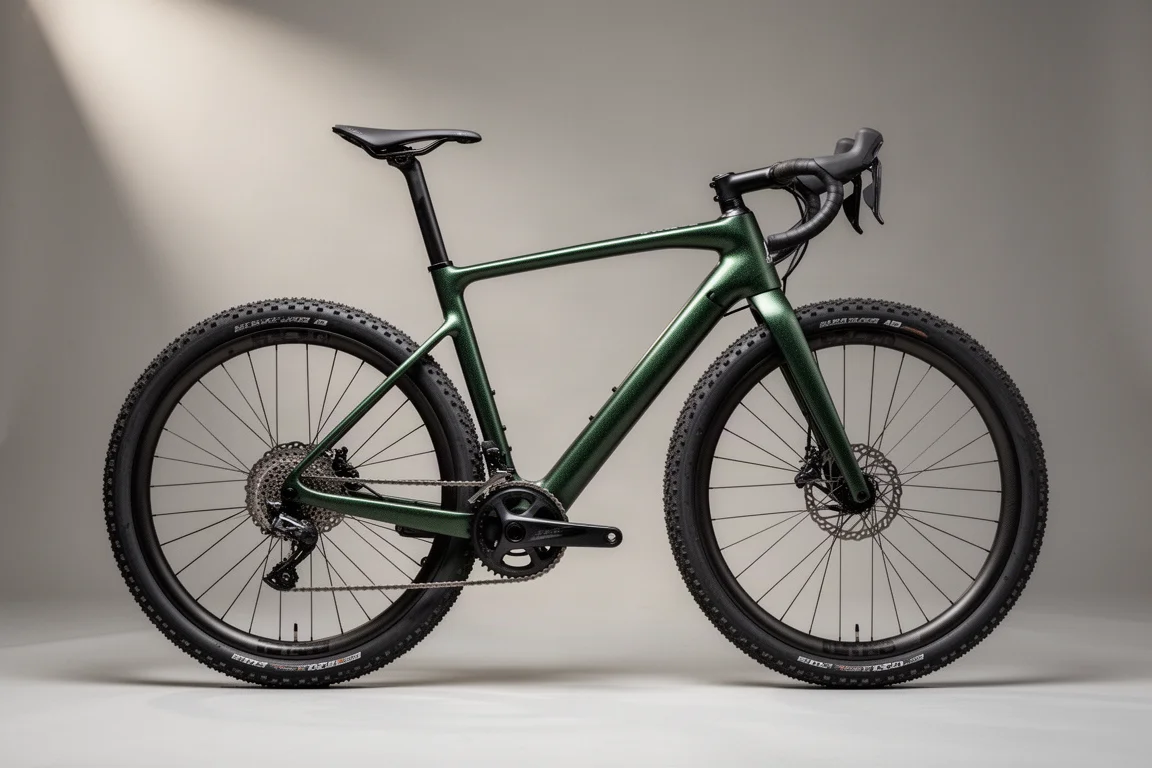
The Crux name is usually associated with carbon superbikes, but the Crux DSW takes a different route. Its frame is built from D’Aluminium Smartweld aluminium and mirrors the geometry of the more expensive carbon Crux models, which makes it an adaptable choice for riders who want one bike for gravel, cyclocross and road.
Clearance for 47mm tyres and a FACT 12r carbon fork keep the handling responsive across mixed surfaces. On climbs the ride feels lively, on descents it stays stable, and tight corners are handled with ease. It is heavier than its carbon siblings, and a wheel upgrade, such as swapping the stock DT Swiss G540 hoops for lighter race wheels, unlocks noticeably more of the bike’s potential.
At £2,300 for a complete build it is a well-priced entry into multi-surface riding, and the frameset is also available for riders who prefer to build from scratch.
Canyon Grail CF SL8: Race Performance at a Sensible Price
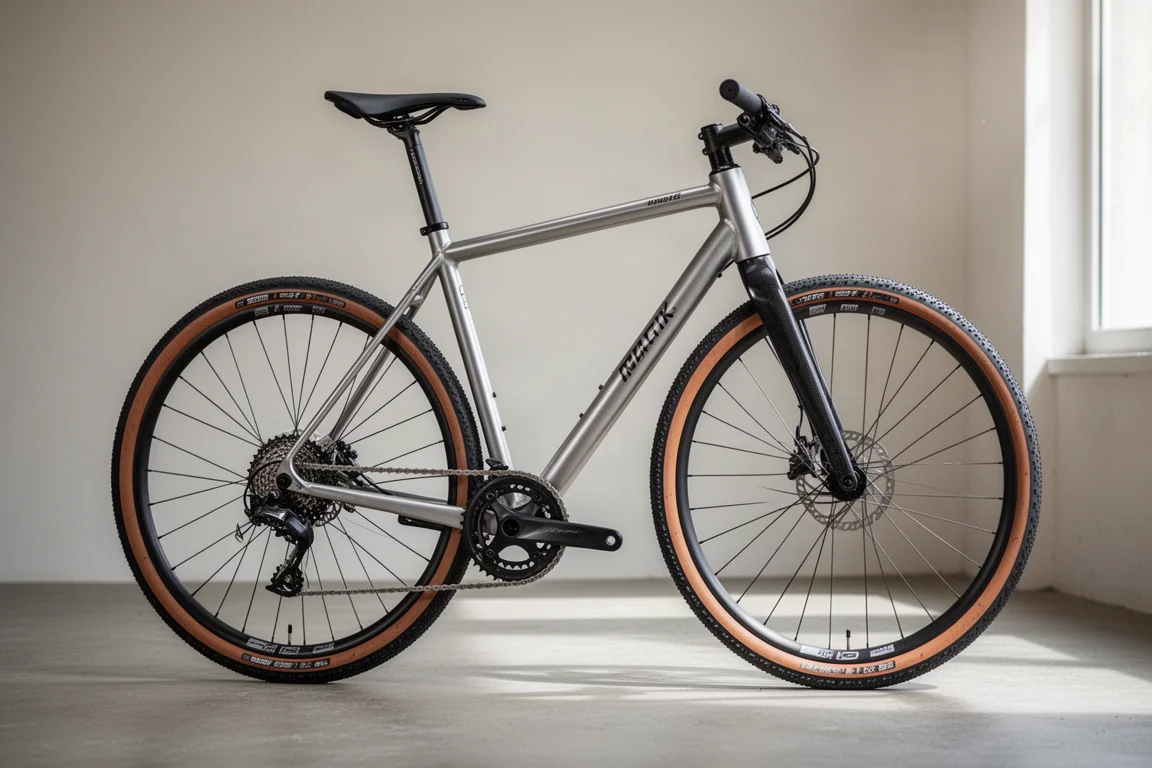
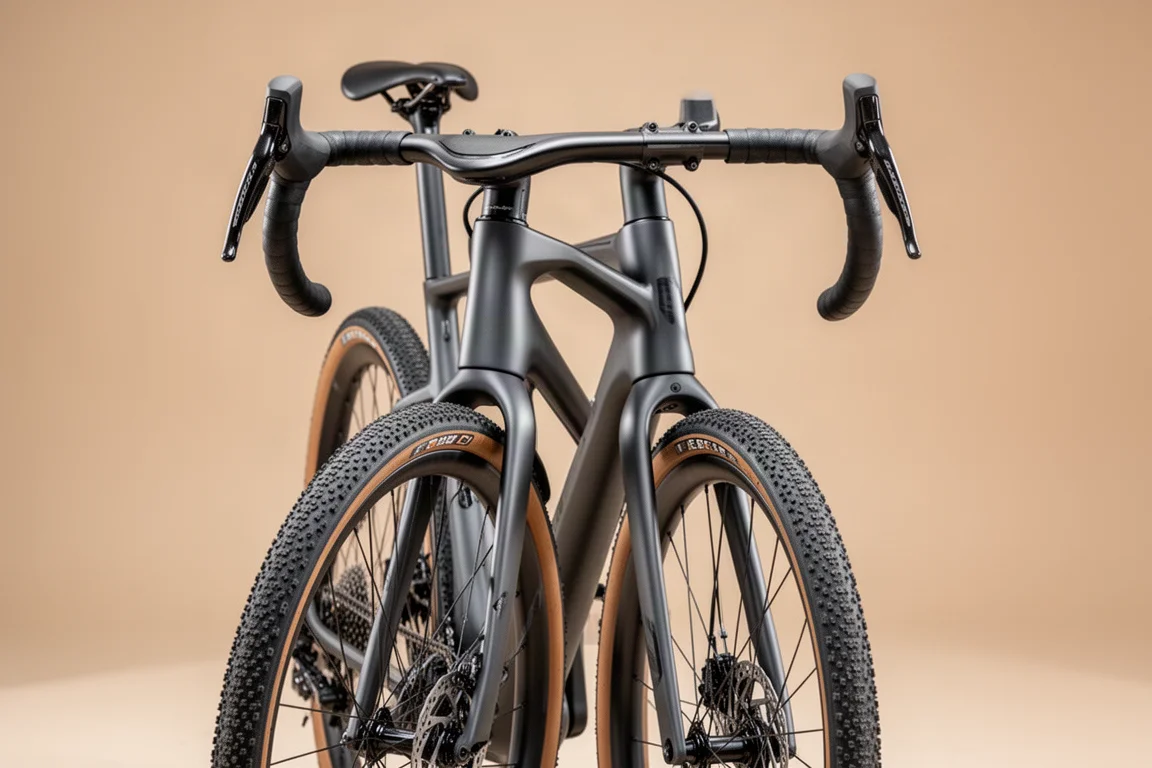
The Grail CF SL8 sits among the most sensible bikes in the range, combining race-proven performance with a capable specification at a relatively modest price. A redesigned, more aerodynamic frame works with a one-piece double drop handlebar to cut drag and produce a streamlined profile.
The geometry uses an extended wheelbase, a slacker head angle and a low bottom bracket, which together improve stability and inspire confidence on technical terrain. Componentry is deliberately bombproof: a Shimano GRX 822 12-speed mechanical groupset and DT Swiss G1800 wheels cover the needs of most riders.
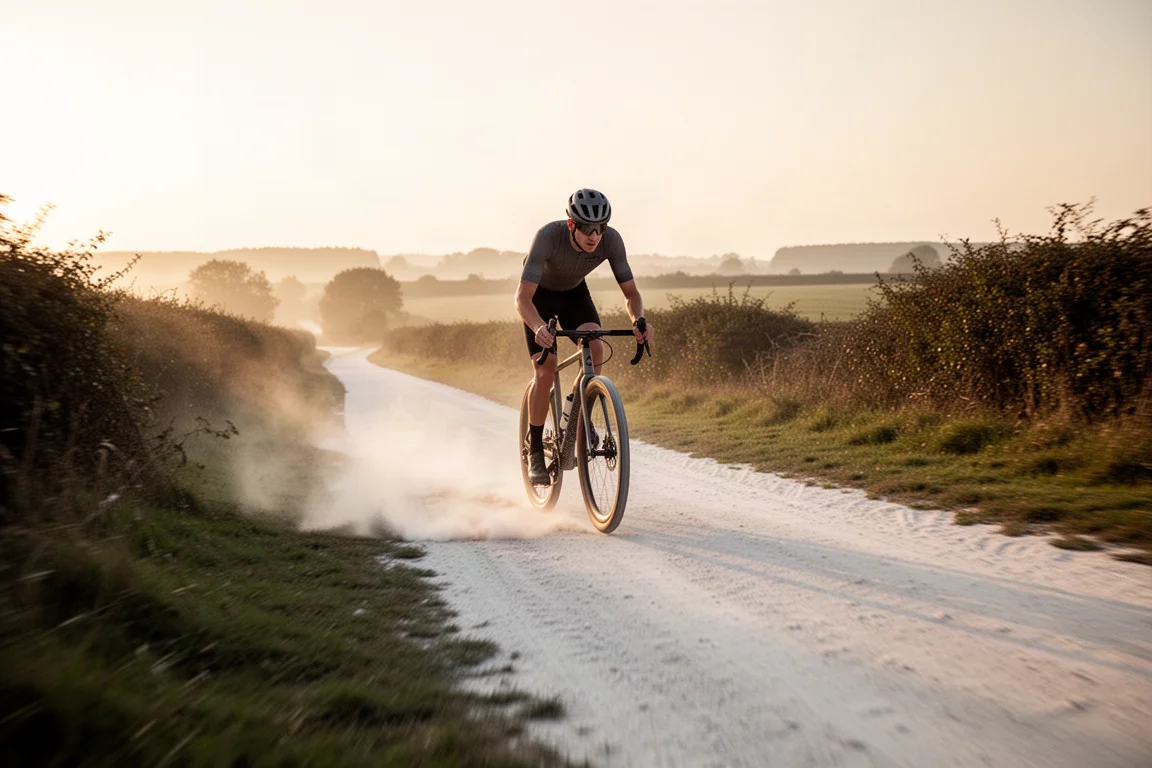
That integration comes with a trade-off. Canyon-specific accessory mounts mean many standard bike accessories will not fit, and handlebar adjustability is limited, so customisation can add unexpected costs. At £2,799 for a carbon frameset and a capable groupset and wheel combination, it remains a strong choice for riders hunting for value.
Trek Checkpoint SL7 AXS Gen 3: Comfort and Capability for Long Rides
The Checkpoint SL7 AXS Gen 3 is built around adventure, comfort and speed. Its geometry is tuned for endurance and stability, and the platform has been raced at the highest level of gravel competition, which says something about how it copes when the pace rises.
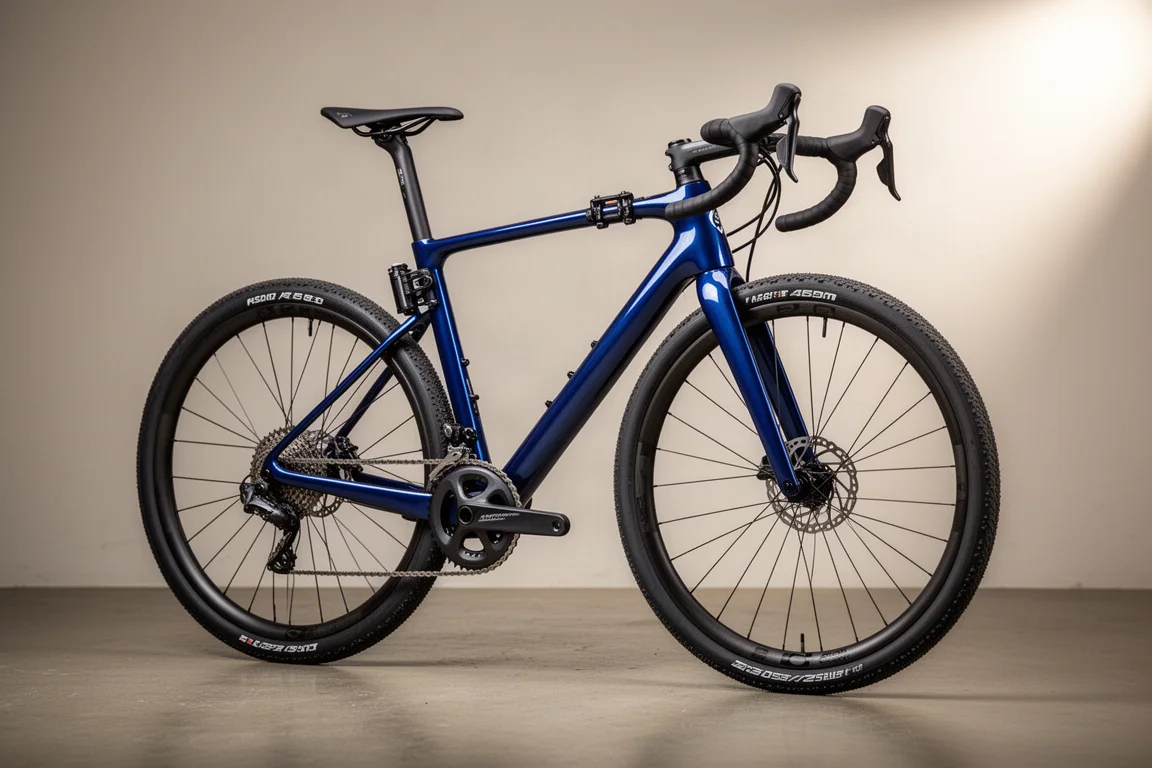
Tyre clearance is generous and the frame carries multiple accessory mounts, making it suitable for serious bikepacking or simply carrying extra gear. Integrated down tube storage lets you stash tools or snacks inside the frame, adding flexibility without adding bags. A wireless groupset delivers smooth, precise shifting, while Bontrager Aeolus Elite carbon wheels and a gravel-specific handlebar shape contribute to a clean, high-performance feel.
The IsoSpeed decoupler, now prominently visible, absorbs bumps and rough terrain and adds comfort without compromising speed. Whether the route is rocky or scenic, the Checkpoint SL7 AXS Gen 3 balances comfort and capability well.
Enve MOG: A Premium Platform for Custom Builds
Enve’s first dedicated gravel bike is a different proposition. The MOG is largely a platform for custom builds, and it balances stability, comfort and performance for mixed terrain riding, gravel racing and bikepacking.
The lightweight carbon frame carries ample accessory mounts and includes down tube storage. It is engineered around 700c wheels with clearance for tyres up to 50mm, and 650b compatibility preserves the stable, confidence-inspiring geometry if you prefer smaller wheels. A threaded T47 bottom bracket, plenty of mounting points and a choice between a dropper or a rigid seatpost give builders room to tailor the bike to varied off-road adventures.
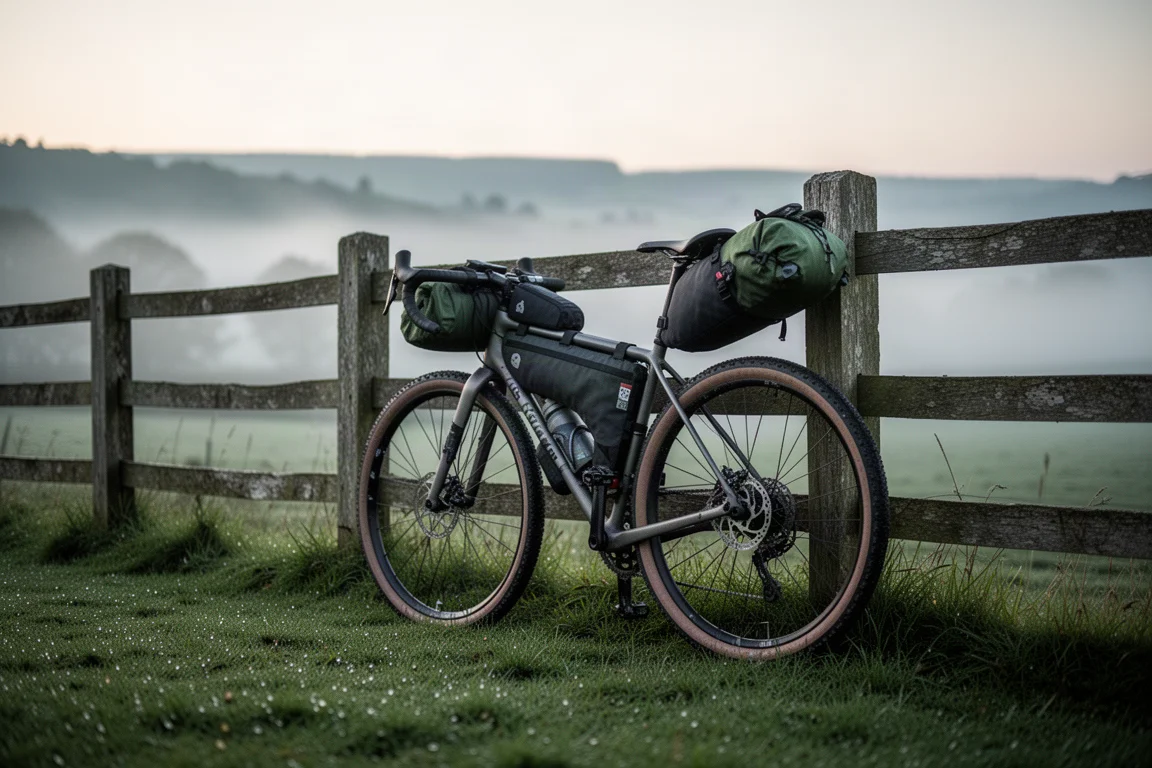
On technical trails the MOG’s responsive handling and solid geometry stand out, and a dropper post adds extra control on descents. At £5,500 for the chassis it is a premium option, but the versatility and considered design make it a worthwhile investment for dedicated gravel riders.
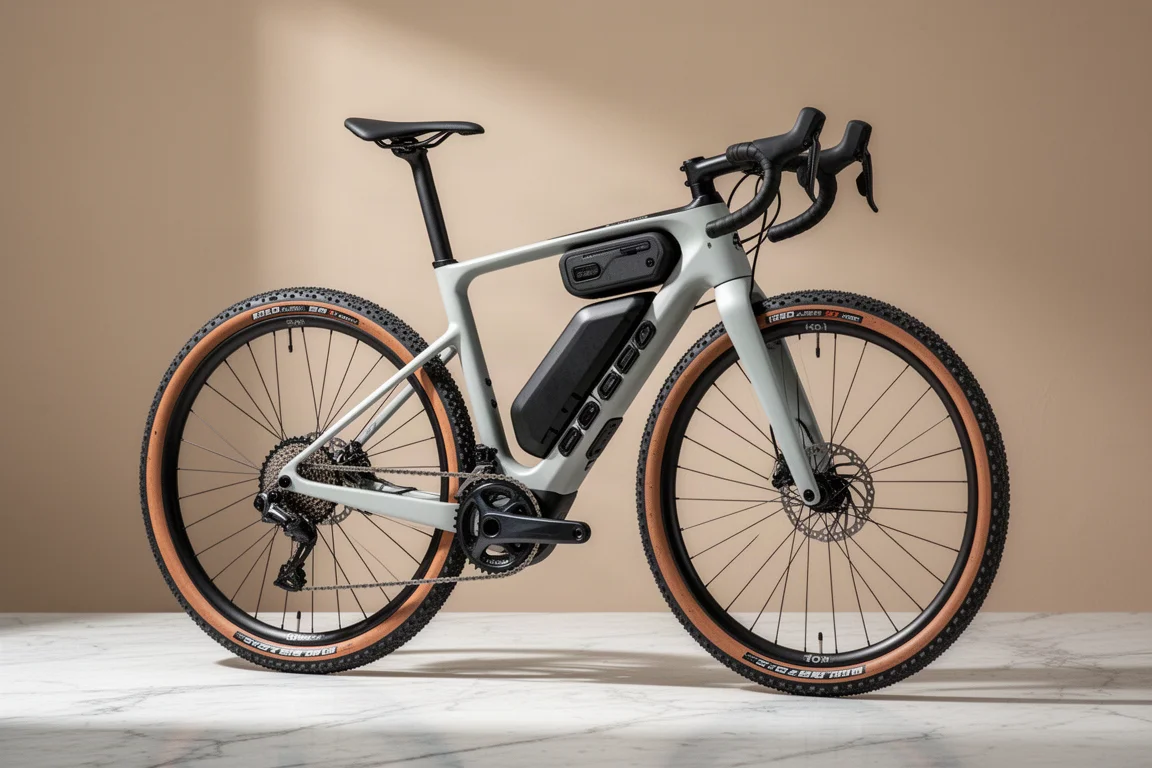
Ridley Kanzo Fast: Aerodynamic Gravel Speed
The Kanzo Fast marks the move from do-it-all gravel bikes to the race-focused end of the category. It borrows aerodynamic thinking from Ridley’s Noah Fast road bike, with a deep-section head tube and fully integrated cables producing a sleek profile.
Comfort is better than the aero silhouette suggests. The carbon frame’s flex and 38mm Vittoria Terreno tyres absorb a lot of trail chatter, making it easy to hold a smooth pedal cadence and an efficient posture. Responsive handling and a short wheelbase keep it agile, particularly on technical singletrack.
That short wheelbase has downsides. It can feel unstable on steep descents, and toe overlap on the extra small test size may pose challenges on tight trails. The aerodynamic benefit is clearest on long, fast descents, while limited tyre clearance slightly reduces overall versatility. For riders who want a high-performance, race-oriented gravel bike that still rides comfortably, it is a strong fit.
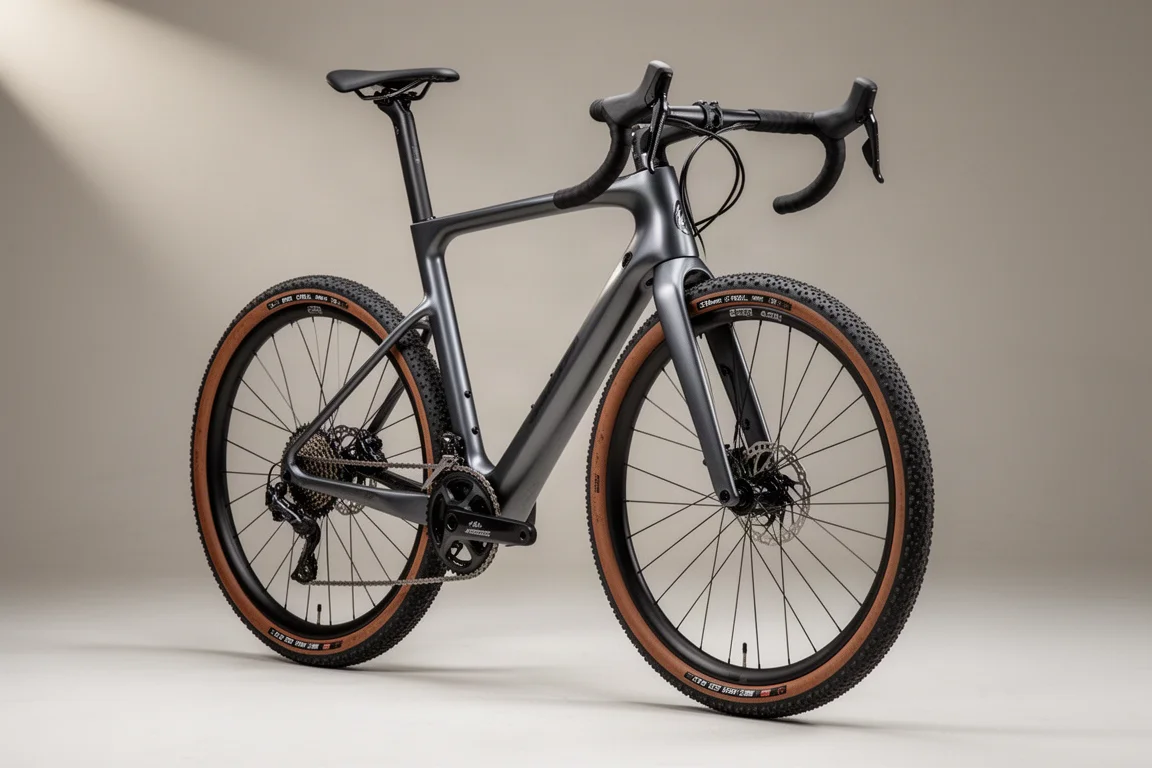
3T Exploro: Versatility Without Sacrificing Speed
The 3T Exploro is a gravel bike that prioritises versatility and comfort without giving up speed. The carbon frame is designed for all-day reliability, and it performs well on both gravel and smooth tarmac.
Geometry is largely carried over from previous versions, but tyre clearance is greater and there is now the option of a 46-tooth chainring, which makes the bike more adaptable to varied terrain. An updated rear triangle with dropped seat stays and increased seatpost flex produces a more forgiving ride on rougher surfaces.
The build pairs a SRAM Apex AXS groupset with 40mm WTB Vulpine tyres and Fulcrum Rapid Red 300 wheels, aimed at riders who want a balance of speed and comfort with enough capability for gravel adventures.
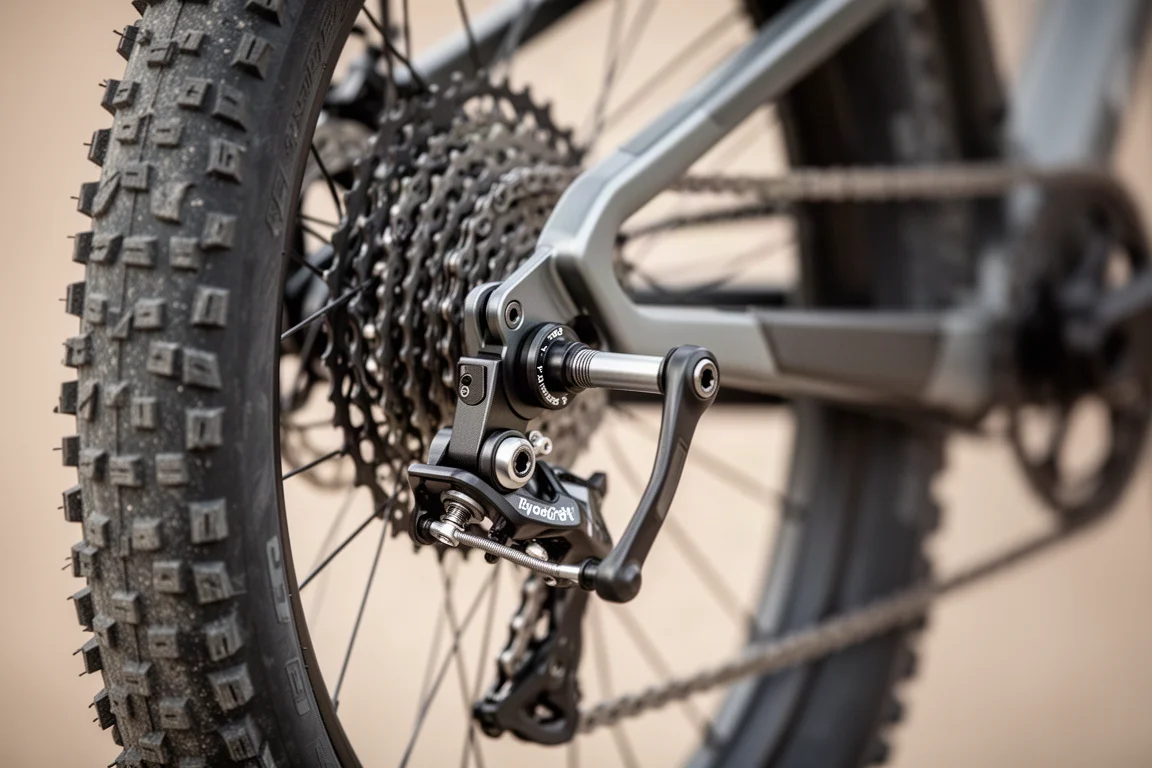
A flip chip in the frame allows trail adjustments for slightly altered handling depending on wheel size, which adds another layer of adaptability. At £4,200 the Exploro struggles against some rivals on specification value, but for the keen gravel racer it remains a fantastic option and one that responds well to a set of race wheels.
Buying Advice
Price is not the only signal of value here. The Crux DSW and the Grail CF SL8 show how much capability is available at the lower end, while the Silex 10K, MOG and Kanzo Fast sit in premium territory where the money goes into frame material, aerodynamics or build flexibility.
Match the bike to the riding you actually do. If your routes mix gravel, cyclocross and road, an adaptable alloy or carbon all-rounder will serve you better than a dedicated race machine. If you ride fast, long descents and care about aerodynamics, a race-oriented frame is worth the compromise in tyre clearance. If you load up with bags, prioritise mounting options, down tube storage and stable geometry.
Tyre clearance is the specification to check first, because it defines where a bike works well. Drivetrain and wheels are the easiest parts to upgrade later, so a frameset with good geometry and generous clearance can be the smarter long-term purchase than a higher-specification build with tighter limits.
Conclusion
Seven bikes, seven different answers. The Merida Silex 10K and Trek Checkpoint SL7 AXS Gen 3 lean towards adventure and comfort, the Canyon Grail CF SL8 and Specialized Crux DSW deliver strong value across mixed surfaces, and the Enve MOG, Ridley Kanzo Fast and 3T Exploro cover premium custom builds, aerodynamic racing and versatile all-day speed respectively. Choose the one whose compromises you can live with, and the rest of the ride takes care of itself.
Further reading
Related Reviews
Gravel Bikes
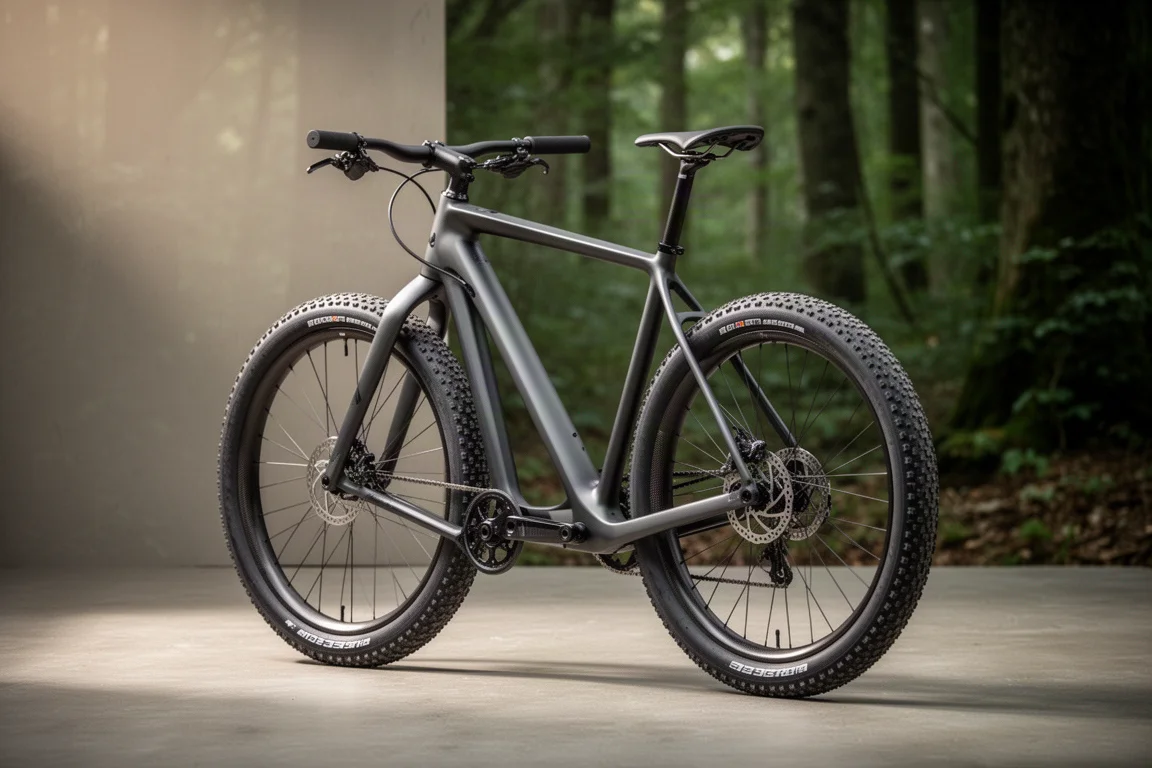
3T Exploro Ultra Review: A Fast Gravel Bike Built for Big Tyres
A close look at the 3T Exploro Ultra, an aero carbon gravel bike designed around wide tyres, with road-like handling, a 980 g frame and genuine rough-terrain capability.
Gravel Bikes
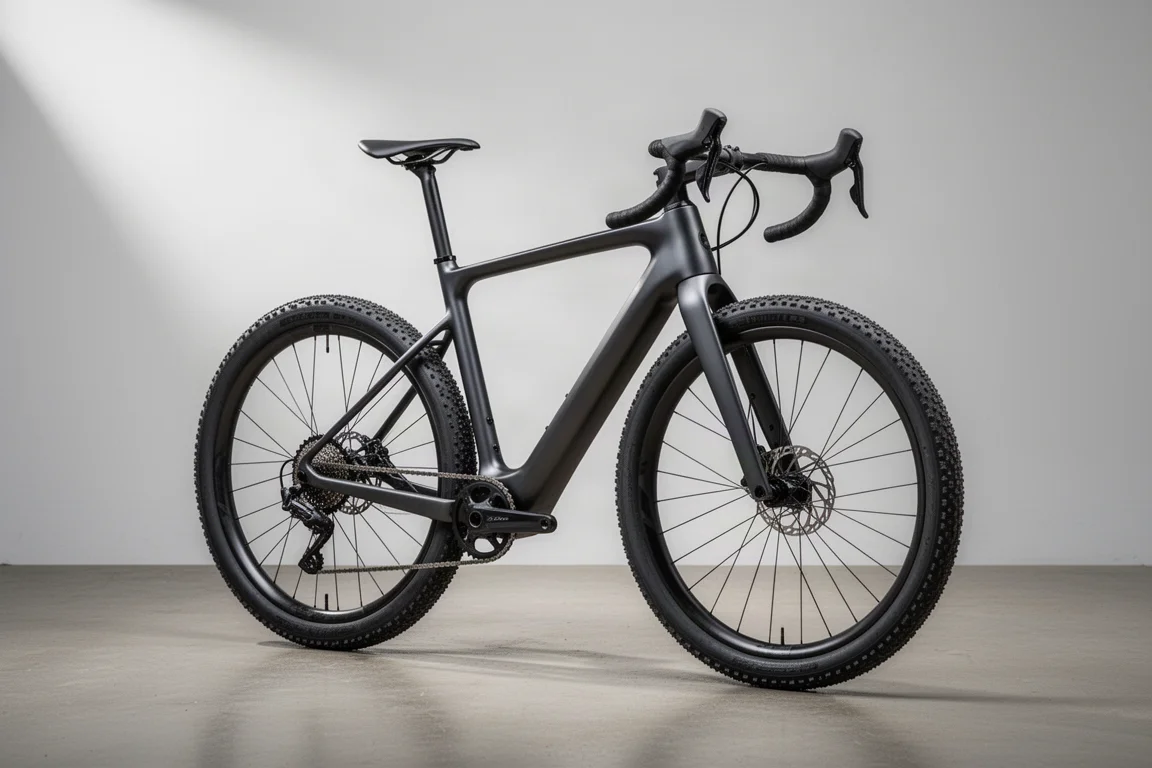
3T Extrema Italia Review: Aero Gravel Speed With Room for 57 mm Tires
The 3T Extrema Italia pairs an aero frame with huge tire clearance, Italian-made carbon and a more comfortable ride than the RaceMax. Here is what to know before buying.
Gravel Bikes
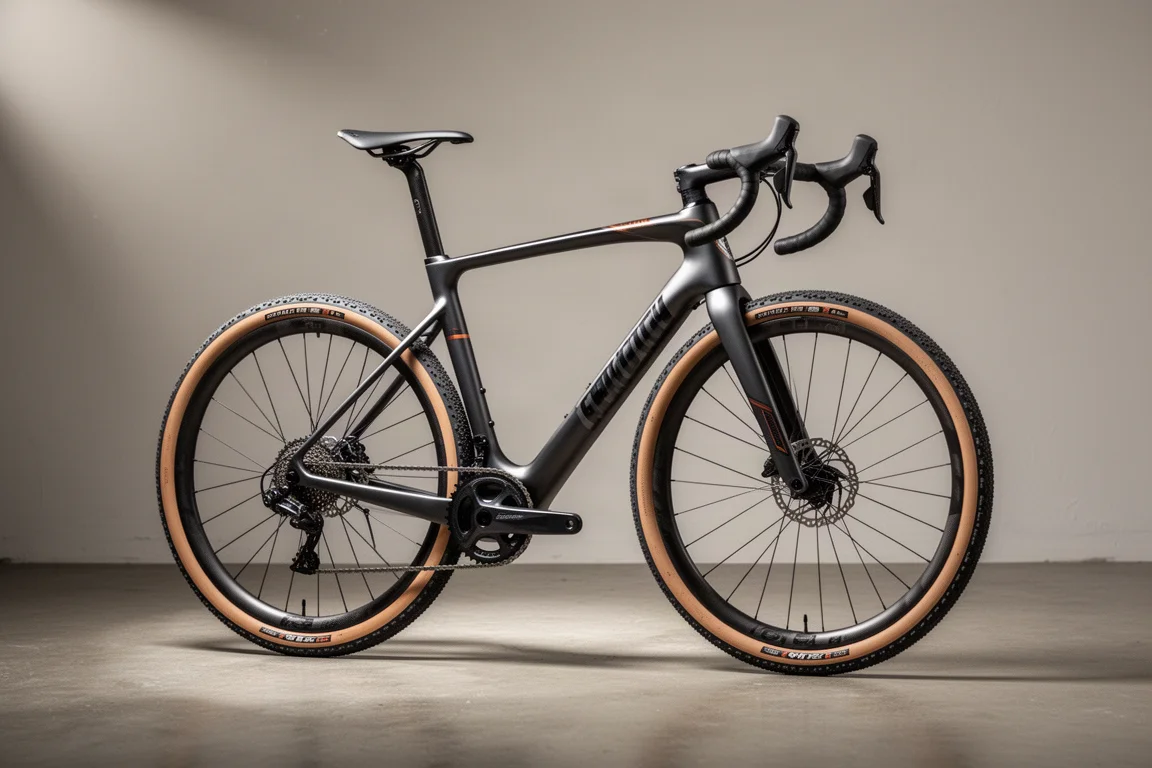
3T Race Max 2 Italia Review: An Aero Gravel Race Bike Made in Italy
A closer look at the second-generation 3T Race Max 2 Italia, covering its aero updates, ride character, tire clearance, internal storage and who it suits.