Gravel Bikes
Best Gravel Bikes: Five Capable All-Rounders Compared
A practical look at five modern gravel bikes, from a suspension-equipped carbon all-rounder to a lightweight tarmac-friendly build, with the trade-offs that matter before you buy.
Introduction
Modern gravel bikes have converged on a similar formula, yet the differences between them still decide whether a bike feels brilliant or merely competent. The five bikes here share drop bars, wide tires, and disc brakes, but they split sharply on tire clearance, geometry, frame compliance, and price.
Three of them rise above the rest. One leans on a short-travel suspension fork for control on rough ground, one uses a flexible rear triangle to smooth out chatter, and one keeps the weight low for riders who spend most of their time on tarmac and fast gravel. Two more are strong bikes that miss the top tier for specific reasons, and both are worth understanding before you commit to a shortlist.
What Matters Most in a Modern Gravel Bike
Tire clearance sets the ceiling on where a gravel bike can go. In this group, clearance runs from 45mm at the tightest to 50mm at the most generous, and on some frames the number changes depending on whether you run a single or double chainring, or whether you fit a front mudguard. A 45mm limit is workable, but 50mm opens up more options for loose, wet, or chunky surfaces.
Geometry has moved in a mountain bike direction. Head angles here span roughly 69.5 to 71.5 degrees, while seat angles sit between 73 and 74 degrees. A slacker head angle and a steeper seat angle create a longer, lower position that stays stable at speed and descends with more confidence. The trade-off is that a bike tuned for technical terrain can feel less eager on smooth tarmac.
Fork and frame design separate the field just as much. One bike in this group runs a 40mm suspension fork, while the others rely on rigid carbon forks, with one frame using a flexible rear end to add compliance. Drivetrains are largely 1x with electronic or mechanical shifting, wheel weights range from around 1,360g to just under 1,800g per pair, and every bike here includes mudguard mounts. Two of them also include a down tube storage compartment.
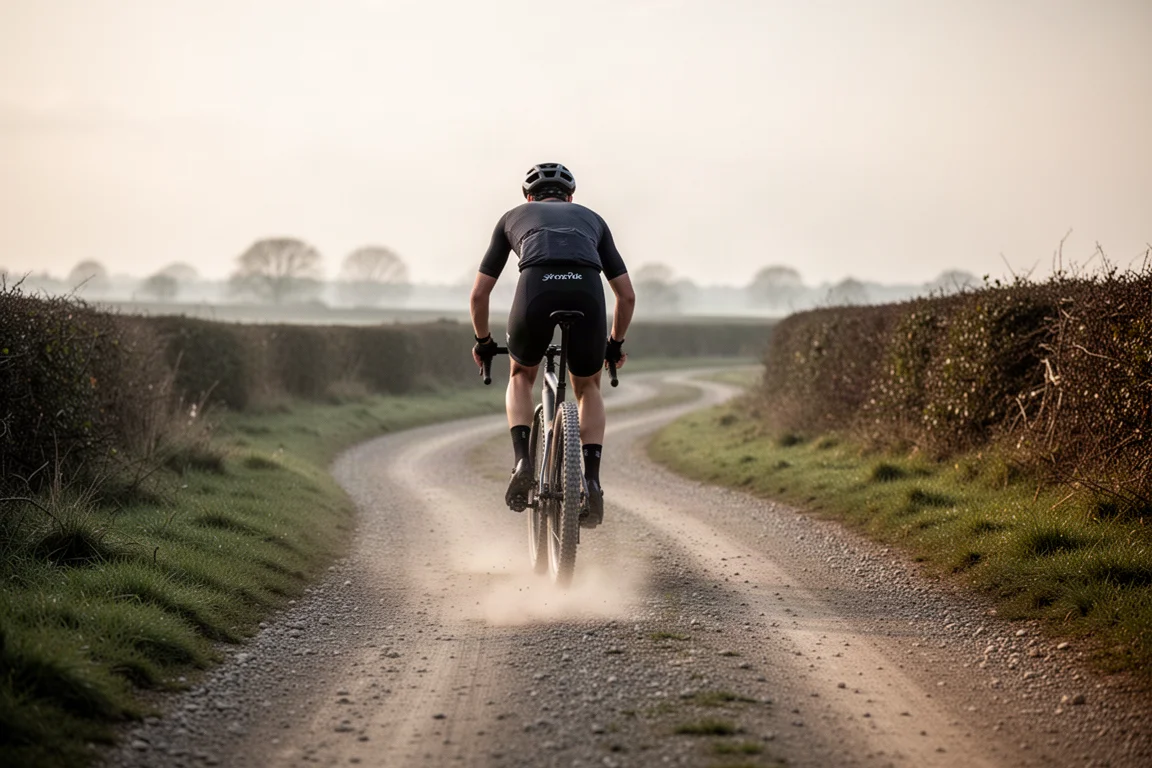
Storage and mounting points are the quiet practicality story. Bottle bosses, top tube bag mounts, and fork leg mounts vary between these frames, so it is worth checking that the luggage you already own will actually fit.
Santa Cruz Stigmata: The Most Capable on Technical Terrain
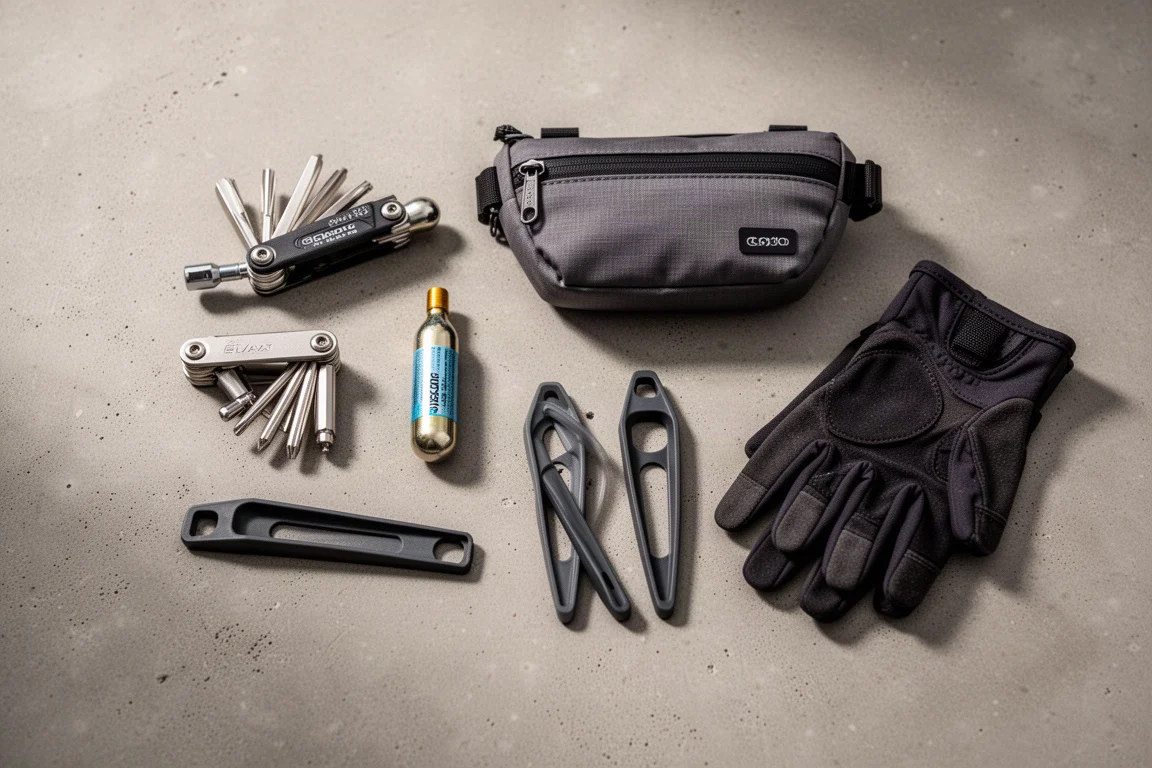
The Stigmata’s fourth-generation carbon frame takes a deliberately simple approach. There is no complex internal routing, and the mounting points are fewer than on some rivals: three sets of bottle bosses, mudguard mounts, and no top tube bag or fork leg mounts. What you do get is a down tube storage compartment with a bag that comfortably swallows tools, a CO2 inflator, and a pump.
Tire clearance is generous at 50mm on 1x builds, dropping to 45mm on 2x builds to preserve the chain line. It is also the only bike in this group with a suspension fork: a RockShox Rudy Ultimate with 40mm of travel, which adds control and comfort over rough terrain. Geometry runs a 69.5-degree head angle and a 74-degree seat angle, making it the most extreme and most trail-capable of the main contenders.
The build tested here is a premium one, pairing SRAM Force AXS with a Reverb AXS wireless dropper and Reserve 25 carbon gravel wheels that are the lightest in this group at 1,360g for the pair, wrapped in 45mm Maxxis Rambler tires. The chassis is stiff, and the stiff carbon wheels amplify that at lower speeds. Push the pace on faster gravel and the frame, geometry, and low, long position come together, with the suspension fork, high-volume tires, and dropper adding composure on rougher dirt.
GT Grade Carbon Pro LE: The Best All-Rounder
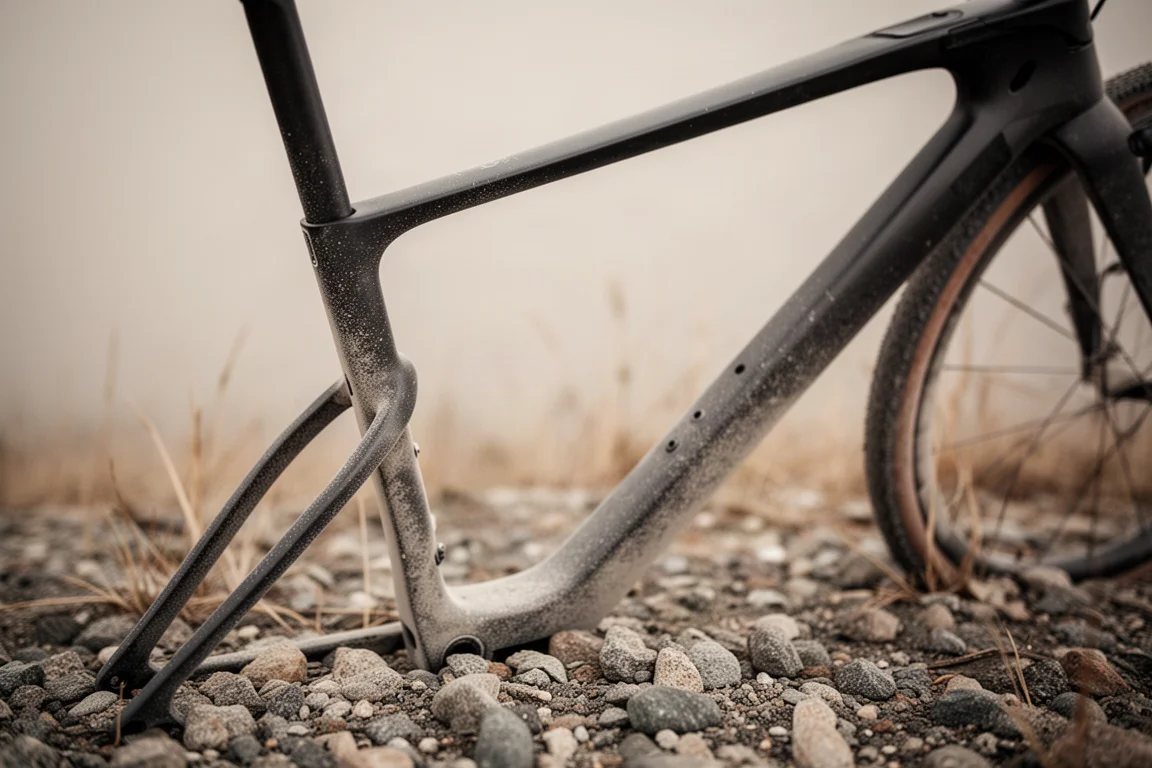
The third generation of the Grade widens tire clearance and pushes the geometry further, while keeping the build cost sensible. Its floating triple triangle design works with the seat tube and seat stays to allow up to 30mm of movement at the saddle, which gives it a soft-tail quality without pivots or suspension units. That, combined with a long, slender fork, produces ride quality usually associated with heavier suspension designs.
Clearance is 50mm with either a 1x or 2x drivetrain, reduced to 45mm if you want to run a front mudguard. The carbon fork keeps the front end light, and the geometry sits between its closest rivals at a 70-degree head angle and a 73-degree seat angle. A short stem keeps steering sharp despite the more relaxed front end.
The build uses Shimano’s 1x12-speed GRX mechanical groupset, which shifts dependably, and GRX hydraulic disc brakes with 160mm rotors that give a lot of confidence on technical sections. WTB alloy wheels with a 23mm internal rim width suit wider gravel tires, though at just under 1,800g for the pair they are heavier than the carbon options here. The whole bike weighs 9.22kg. The stock tires manage well in most conditions but lack grip in soggy, muddy ground.
Ride quality is the reason this bike leads the group. It feels rapid on smooth tarmac and light gravel, stays composed when the surface turns choppy, and balances nimble, flickable handling with a reassuring sense of control. At £3,600 or $4,200, it also leaves room in the budget for upgrades that could turn it into a genuine gravel superbike.
Orro Terra M41 E Team: Light, Fast, and Smooth
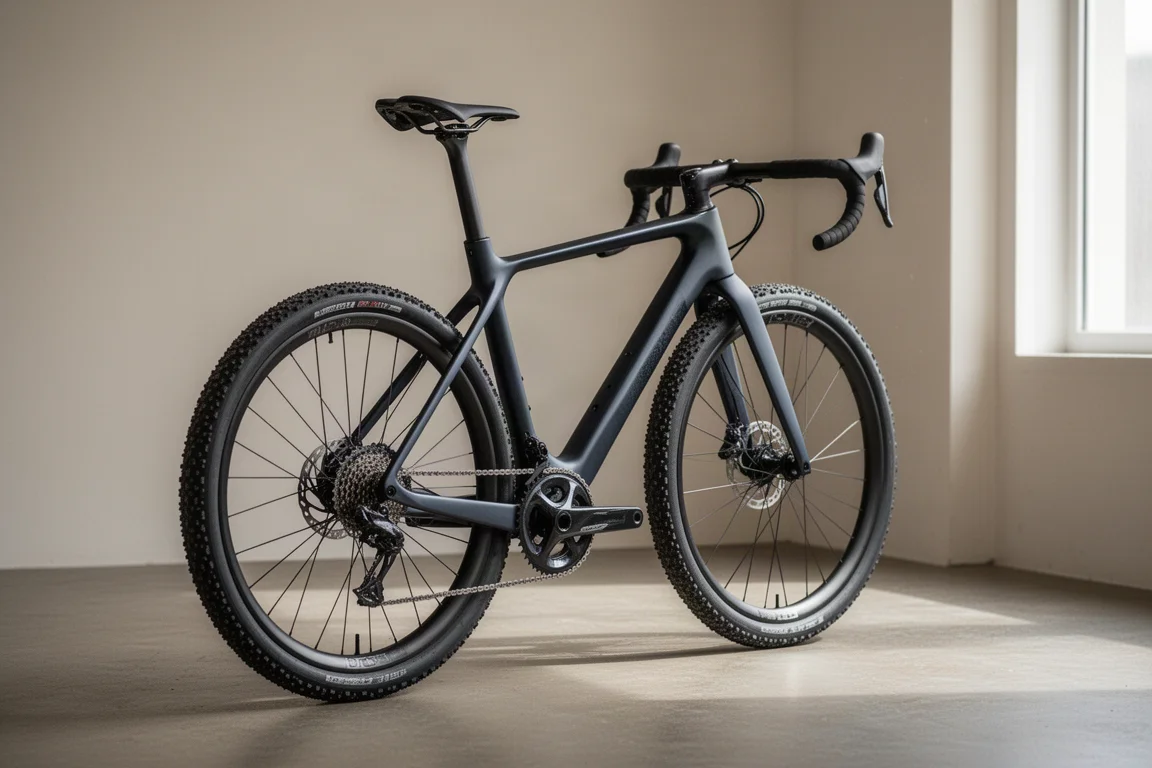
Orro takes a different route, offering semi-custom online ordering so buyers can choose the finish and paint scheme and upgrade to the brand’s Aqua carbon gravel wheels. The result is a bike that splits the two main contenders on price and equipment, and it carries a down tube storage compartment of its own.
The Terra is the lightest bike in this group at 8.77kg, helped by those Aqua carbon wheels at 1,425g for the pair with a 25mm internal rim width. Fitted with 40mm tires, it corners smoothly on tarmac while the tread still bites on trail. The frame pairs a low, long top tube with plenty of exposed seatpost, and the long slender fork works with the frame to produce a smooth ride that reduces chatter and takes the edge off bigger hits.
Geometry is the most road-oriented here at a 71.5-degree head angle and a 73-degree seat angle, which makes the Terra lively, swift, and quick to handle, and a strong climber off-road. The limitations are clear: 45mm is the maximum tire width on both 1x and 2x builds, and a suspension fork is not available from stock. The hard-pack tires fitted to the test build were also the weakest part of the setup in very wet conditions, where a softer or more open tread would have been a better match.
Canyon Grail CF SLX 8 Di2: A Dedicated Gravel Racer
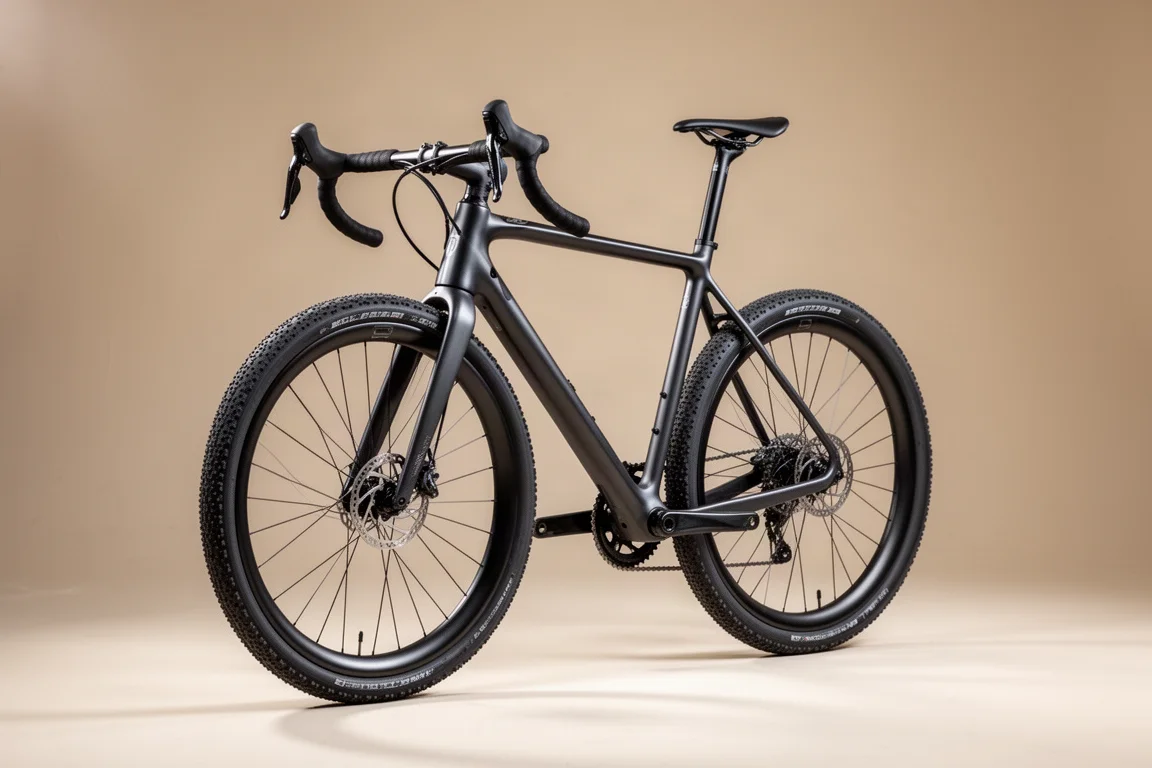
The Grail is a fast, capable bike with Shimano Di2 electronic shifting, but its focus is gravel racing rather than all-round versatility. That specialization is exactly what kept it out of the top three here. The ride is aggressive and stiff, which rewards committed, fast riding and asks more of the rider when the surface turns rough or the day is long.
If racing is the goal, the Grail makes sense. If you want one bike that stays comfortable across mixed surfaces, easier-going alternatives in this group are likely to suit you better.
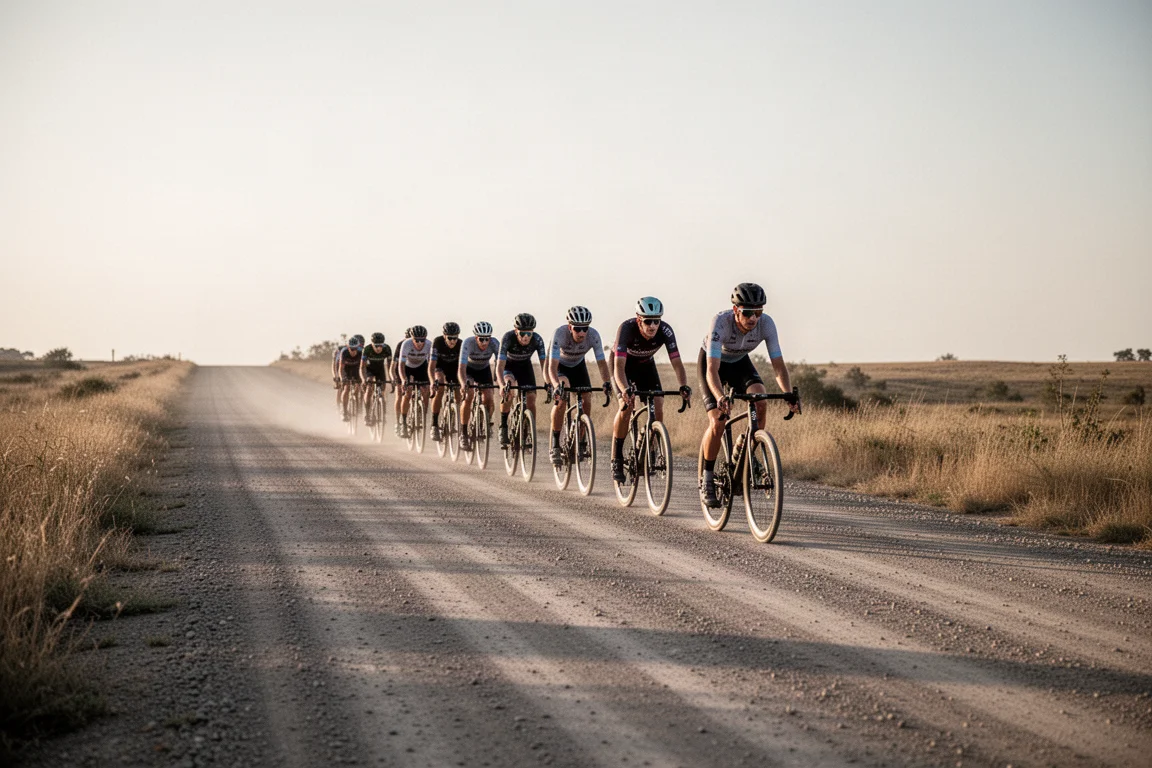
It is still a strong machine, and the Di2 drivetrain is a genuine highlight, but buyers should be honest about how they ride before choosing a race-first geometry.
Merida Silex 7000: Comfortable and Well Priced
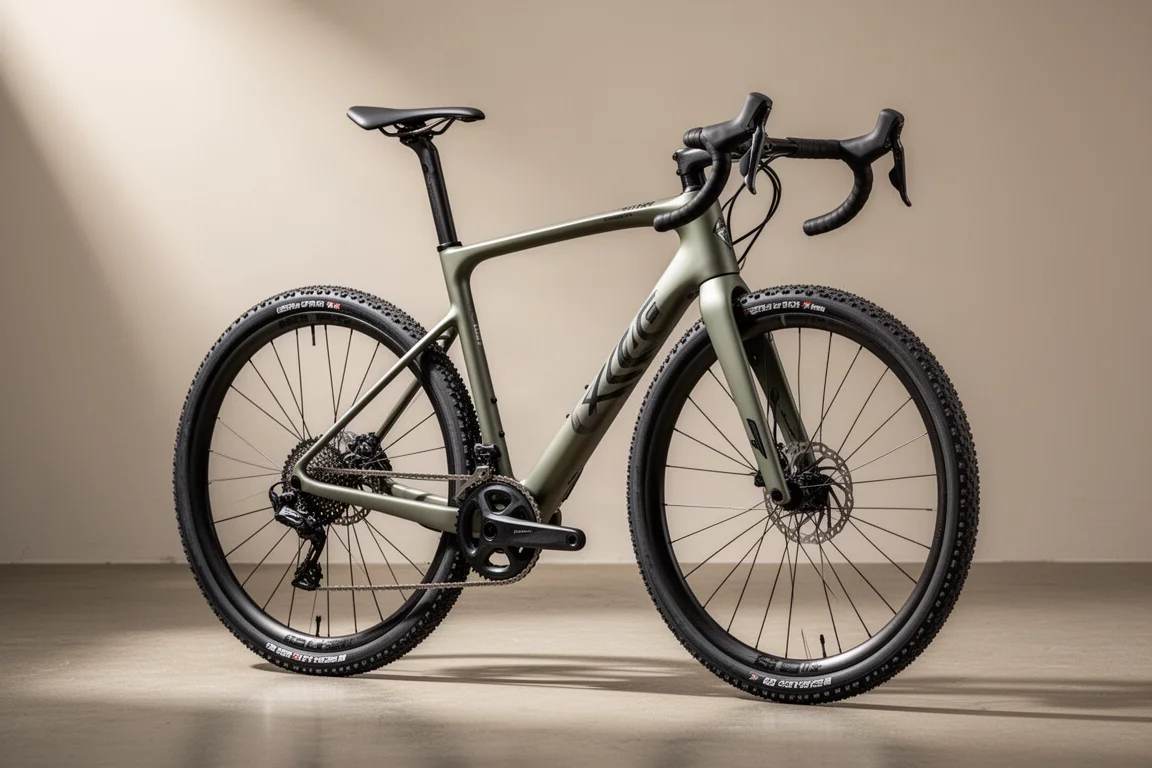
The Silex is versatile, comfortable, and offers excellent value, which makes it an appealing entry into serious gravel riding. It covers mixed surfaces without complaint and its pricing leaves room for upgrades.
Its main drawback is weight. Compared with the three leading bikes here, the Silex carries a penalty that is difficult to overlook once the road tilts upward or the pace rises. Riders who prioritize comfort and value over outright speed will still find plenty to like.
Buying Advice
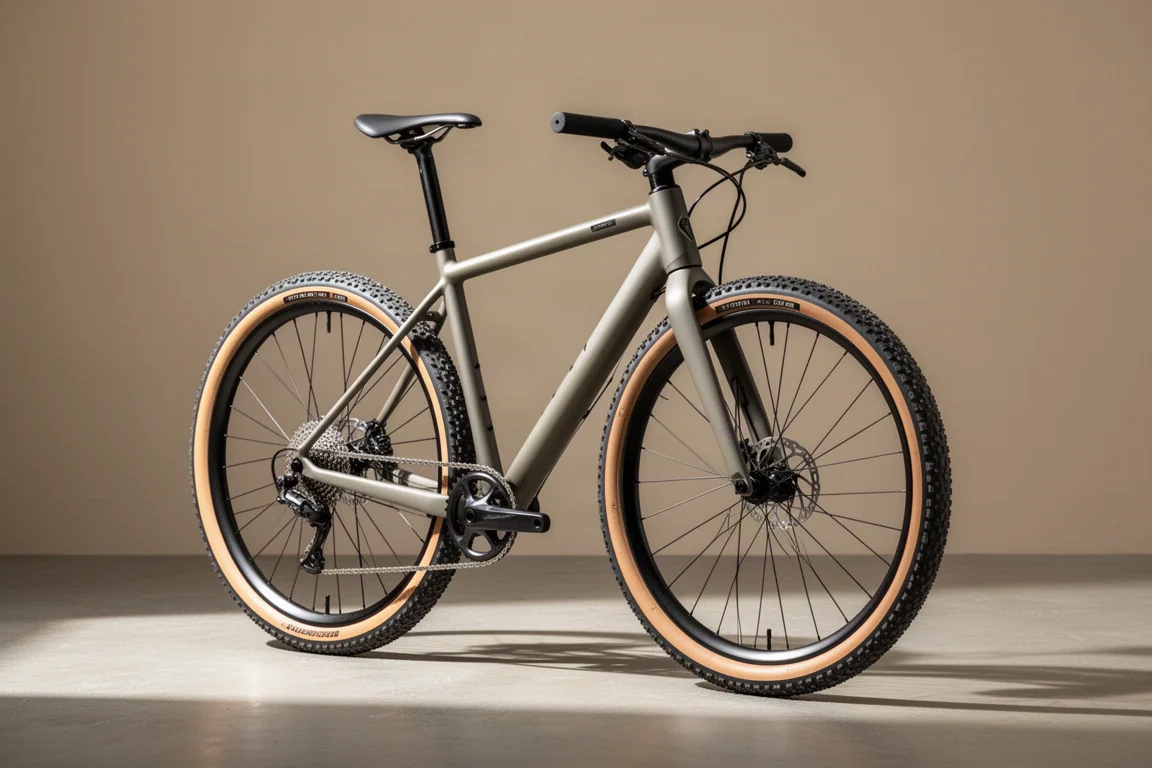
Start with tire clearance, because it determines the surfaces you can ride comfortably. If your routes include wet, loose, or chunky gravel, a frame that accepts 50mm tires gives you far more room to experiment with tread and volume. If you mostly ride tarmac and hard-packed gravel, a 45mm limit is unlikely to hold you back.
Next, decide whether you want a suspension fork. A 40mm gravel fork adds control and comfort on rough ground, and it is the clearest dividing line between the bikes here. If you ride mostly smooth surfaces, a rigid carbon fork keeps the bike lighter, simpler, and cheaper to maintain.
Weight and wheelset strategy matter too. Carbon wheels save meaningful weight and sharpen acceleration, but a well-built alloy wheelset can ride just as well and cost far less. Because all of these frames offer upgrade potential, buying a value-focused build and improving the wheels and tires later is often the smarter path.
Finally, consider the rear-end design. A flexible rear triangle can deliver a smooth-tail feel without pivots or added maintenance, while a stiffer chassis rewards aggressive riding on faster surfaces. Match that character to the way you actually ride rather than to a spec sheet.
Conclusion
The GT Grade Carbon Pro LE takes the top spot because it combines progressive geometry, generous clearance, and a genuinely smooth ride at a price that leaves room to upgrade. The Santa Cruz Stigmata is the more capable option for technical terrain, with a suspension fork and the widest clearance here, and the Orro Terra M41 E Team is the lightest and fastest on tarmac and smooth gravel. The Canyon Grail CF SLX 8 Di2 and Merida Silex 7000 are both good bikes that make sense for narrower use cases: racing, and comfortable value respectively. Choose according to the surfaces you ride most, and any of these can serve as a long-term gravel companion.
Further reading
Related Reviews
Gravel Bikes
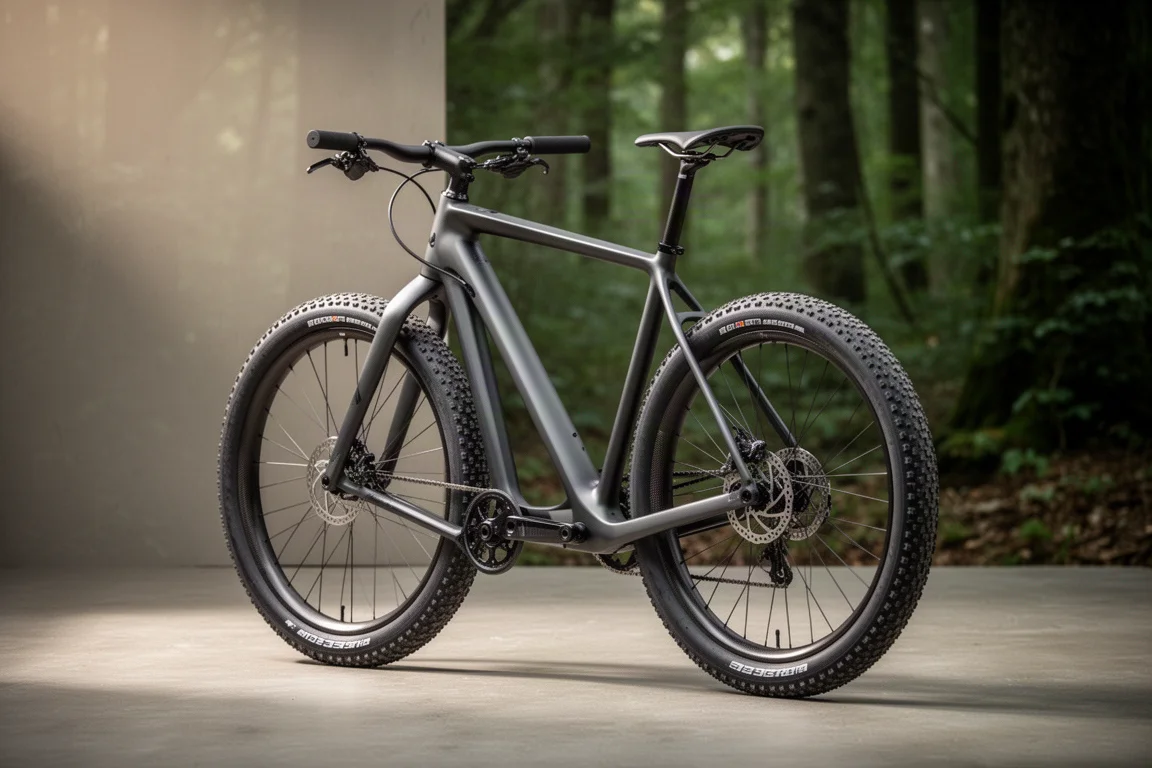
3T Exploro Ultra Review: A Fast Gravel Bike Built for Big Tyres
A close look at the 3T Exploro Ultra, an aero carbon gravel bike designed around wide tyres, with road-like handling, a 980 g frame and genuine rough-terrain capability.
Gravel Bikes
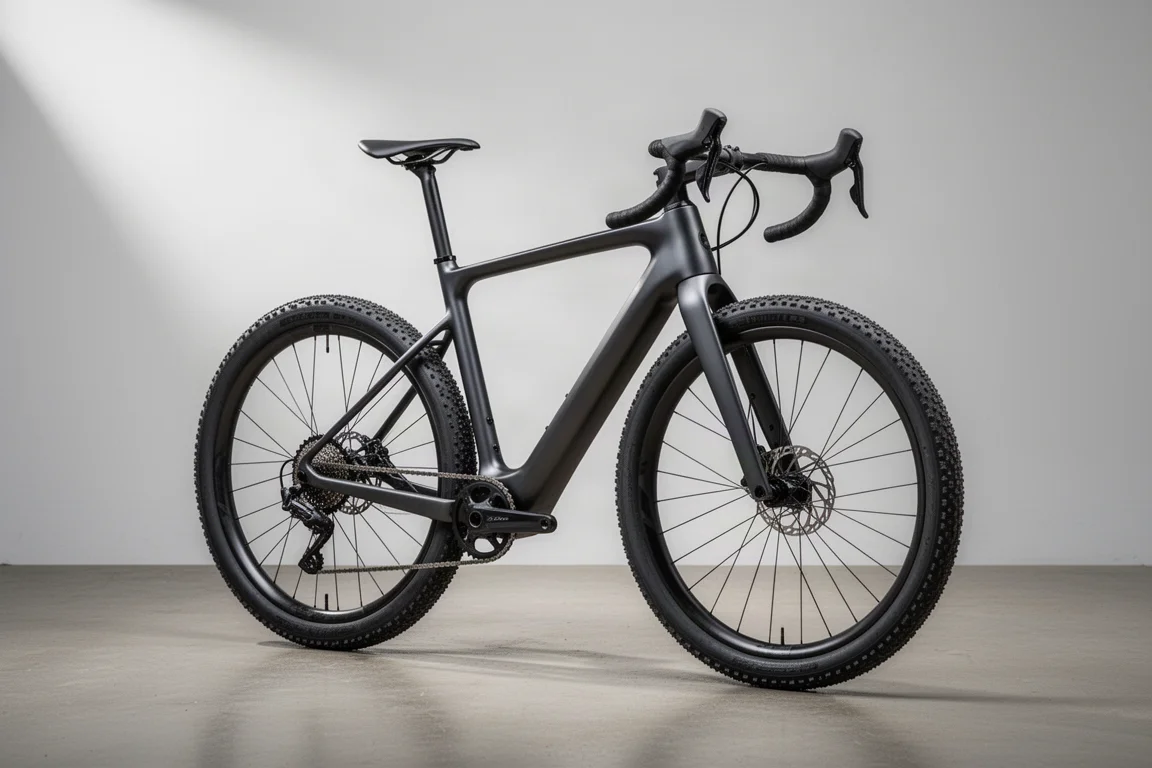
3T Extrema Italia Review: Aero Gravel Speed With Room for 57 mm Tires
The 3T Extrema Italia pairs an aero frame with huge tire clearance, Italian-made carbon and a more comfortable ride than the RaceMax. Here is what to know before buying.
Gravel Bikes
3T Race Max 2 Italia Review: An Aero Gravel Race Bike Made in Italy
A closer look at the second-generation 3T Race Max 2 Italia, covering its aero updates, ride character, tire clearance, internal storage and who it suits.