Gravel Bikes
Best Gravel Bikes: Gravel Bike of the Year Award Winners Compared
Nine mid-spectrum gravel bikes were put through a full group test. Here are the award winners, what they cost, and who each one actually suits.
Introduction
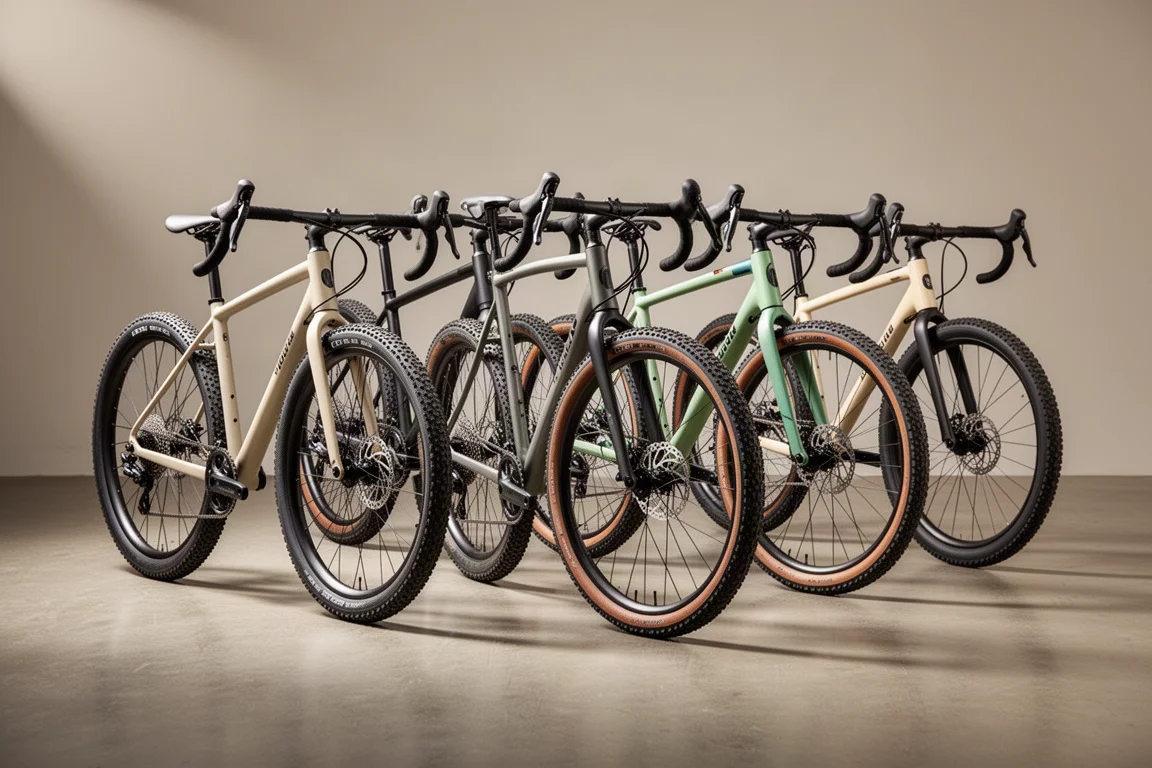
Nine gravel bikes, five awards, and a deliberate focus on the middle of the gravel spectrum. That is the shape of this year’s Gravel Bike of the Year group test, and the reasoning behind it is straightforward: bikes in this band are on the whole the most versatile, keeping your gravel horizons as broad as possible while still covering the race-oriented models where a huge amount of development has happened in recent years.
The awards covered an overall winner chosen on performance alone with money no object, a best value category that factors price into the equation, and two sub-categories, best for expeditions and best for speed, to recognise models with a clear bias towards either end of the gravel sphere. A best of British award was added because gravel riding varies so much from country to country. Bikes that work beautifully on wide open dirt roads are not necessarily the ones that suit narrow lanes and bridleway-style tracks closer to home.
What follows is a run through of the winners, what each one does well, and the trade-offs worth weighing before you commit.
How We Evaluated These Gravel Bikes
The test group was made up of nine bikes from the middle of the spectrum, where versatility matters most and where gravel race development has been concentrated. Value was not treated as a simple price ranking. The cheapest entry-level model in the group, the Canyon Grail, is a strong bike in many respects, but it was not held up as the single best buy for a cash-conscious rider. The next cheapest entry-level options, the Cannondale Topstone and the Ribble Gravel SL, sit at around £2,700 with Shimano GRX 11-speed groupsets. Both are solid platforms built around a dependable workhorse groupset.
The value award instead went to the bike that delivered the biggest step up in performance for a relatively small stretch in budget.
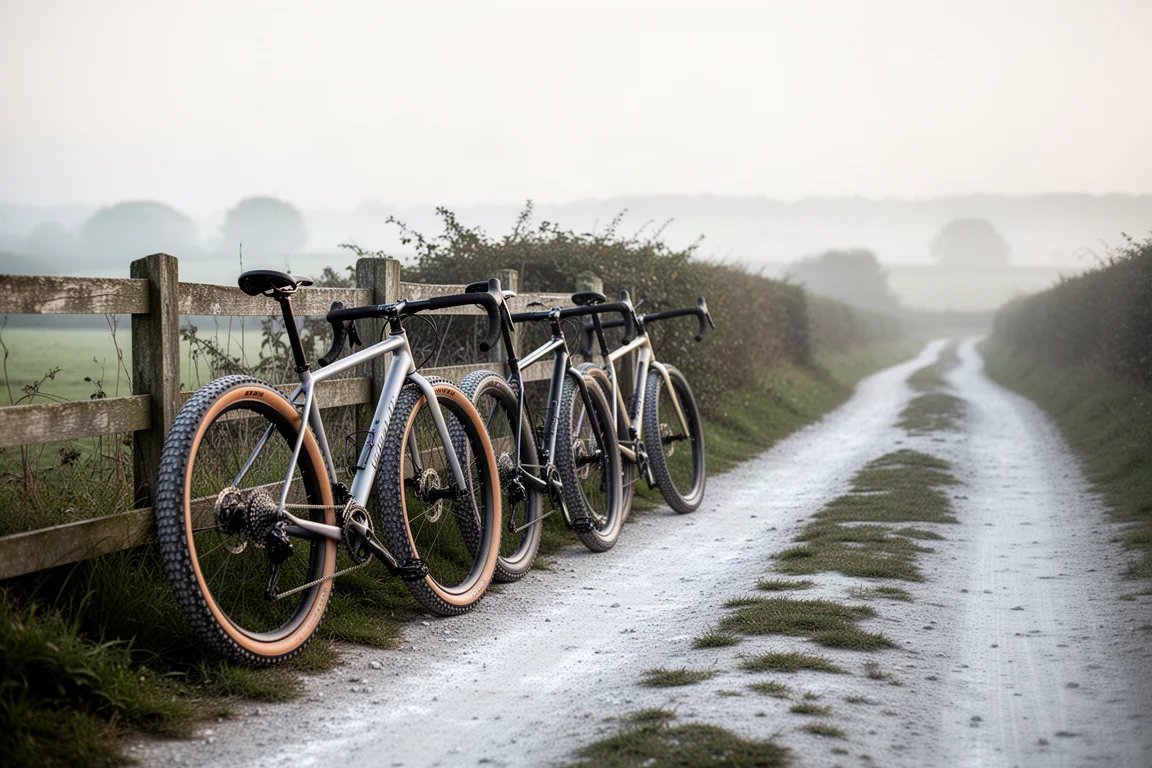
The sub-categories asked narrower questions. Best for speed looked for the bike that poses the greatest challenge to a stable of road and gravel bikes, the one that handles trails and tarmac alike. Best for expeditions recognised the model best equipped for ultra-distance gravel, judged on carrying capacity, comfort, tire clearance and geometry. Best of British considered which models were designed with British riding conditions in mind. The overall award ignored price entirely and went to the strongest performer on test.
Best Overall: Giant Revolt
The Giant Revolt took the top award because it straddles a wider section of the gravel spectrum than most, and it does so without becoming a jack of all trades and master of none. It goes toe-to-toe with the best bikes at either end of the spectrum, and it brings features that no other bike in the group offered.
Start with the seatpost. The stock D-Fuse post is said to provide 12mm of flex, and that compliance is easy to feel on rough surfaces. Rather than locking riders into a proprietary design, the Revolt also accepts a 30.9mm round seatpost, which opens up compatibility with a far wider range of dropper posts than the traditional 27.2mm road standard. Skinnier posts can still be fitted with a shim, which keeps most of the suspension seatposts currently on the market in play. No other bike on test offered that versatility.
Then there are the adjustable rear dropouts. The design is binary, with only two fixed positions, so it is not much use for tensioning a chain on a single-speed build. For everyone else the functionality is excellent. Set in the short position, the Revolt sits among the most aggressive racing gravel bikes, behind only the Specialized Crux and the BMC Kaius and ahead of the Scott Addict Gravel. Set in the long position, the wheelbase extends beyond the Ribble Gravel SL and the Pearson On And On, with only the Trek Checkpoint offering a more stable chassis. A secondary benefit of the flip chip is tire clearance, which opens up to 53mm, or 2.1 inches, on a 700c rim, more than any other model on test.
Mounting points are generous too, with bosses on the down tube and the top tube plus a pair on each fork leg. These are not the triple mounts usually seen at the front, so some cargo cages will not fit, but carrying capacity is still broad.
On the ride, compliance is the standout. The frame does an exceptional job of soaking up impacts, and while a few more vibrations reach the seatpost than on the Canyon Grail, that bike relies on a leaf-sprung suspension seatpost with separate moving parts, whereas the Revolt simply flexes its post. At the bars, the Revolt delivers a similar amount of vertical compliance to the seatpost while staying laterally stiff, with no wandering off line when the front end is loaded up in corners.
Price stacks up well, too. The top-end build with Shimano GRX Di2 2x11 and Giant’s CXR-1 carbon disc wheels is the second cheapest on test at £5,499, and the wider range starts under £3,000. The main criticism is the head tube height: a stack of 586mm is by far the highest in the group, and it would be better if Giant shortened the head tube and left riders to set their own stack height.
Best Value: Scott Addict Gravel
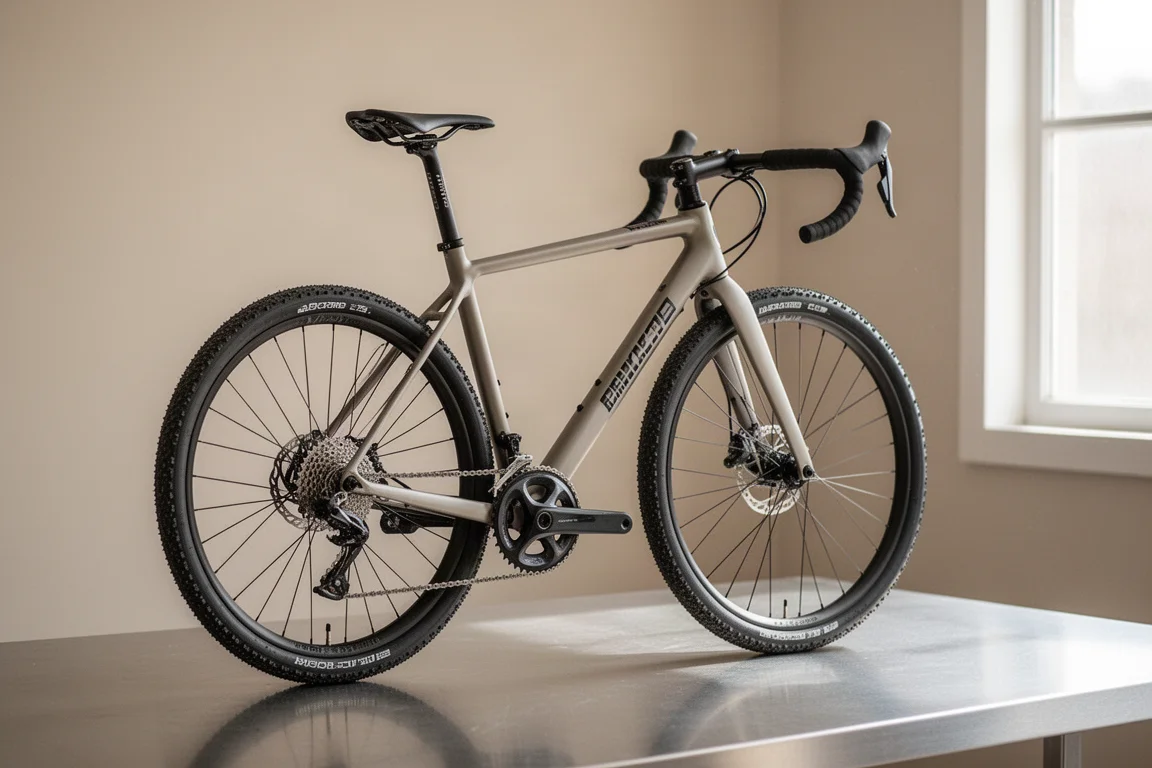
Value is not the same thing as cheapest. The Scott Addict Gravel’s entry-level build comes with SRAM Rival AXS, the least expensive electronic 12-speed groupset on the market, and it delivers the same huge range and the same tight jumps between gears as SRAM’s priciest offerings, along with the option of running satellite shifters and the other advantages of electronic shifting.
At £3,199 it sits close enough to the roughly £2,700 Cannondale Topstone and Ribble Gravel SL that saving a little longer buys a significant step up in performance. It shares the title of cheapest model on test with SRAM Rival AXS with the Ribble Gravel SL, and the Ribble is the better option if you want more mounting points. Overall, though, the Addict Gravel is the higher performance option and the best value bike in the group.
Best for Speed: BMC Kaius
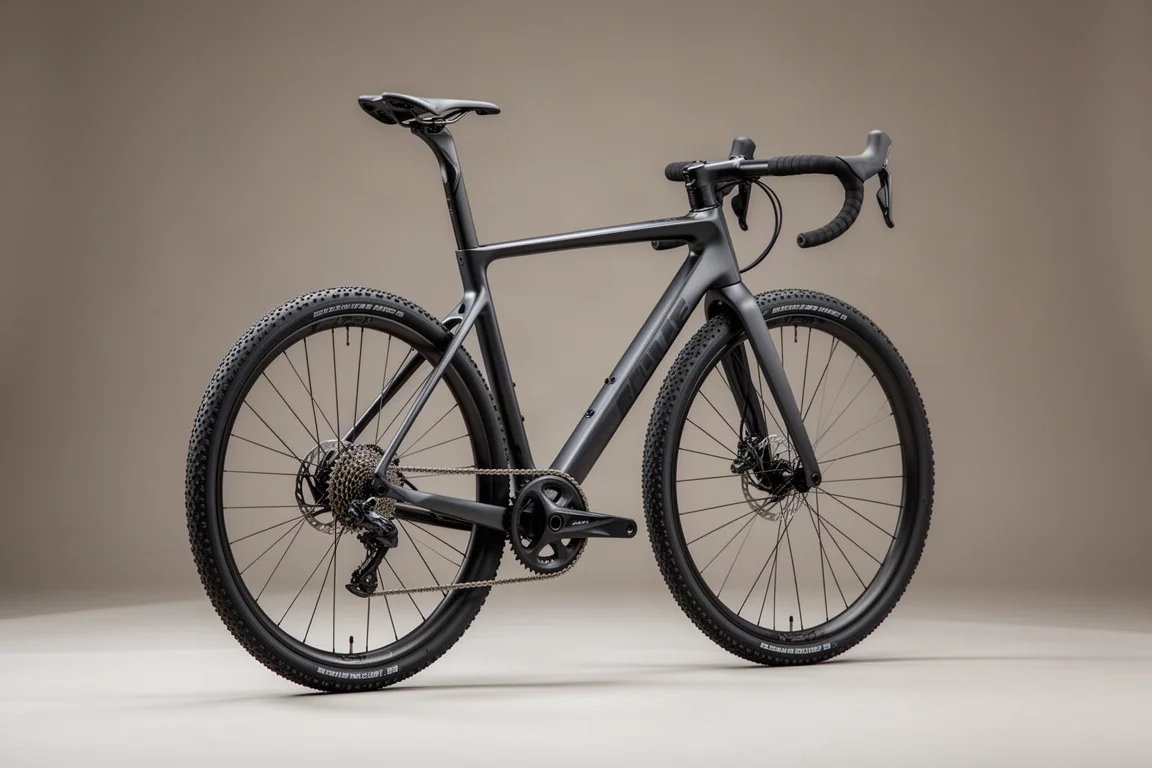
A year ago the Specialized Crux set the benchmark in this category. Its frame is incredibly light, lighter than many road bikes, and its handling stood out among its peers as peppy and nimble. The BMC Kaius has taken things up another notch. The frame is a little heavier, but the riding position and the ride itself are even closer to that of a road bike.
The result is a bike that is at least an equal on tarmac and still more capable off-road, which raises some awkward questions about where endurance road bikes now fit. The Kaius is not compatible with mudguards, and in many ways that incompatibility is the only thing stopping those questions being asked in earnest.
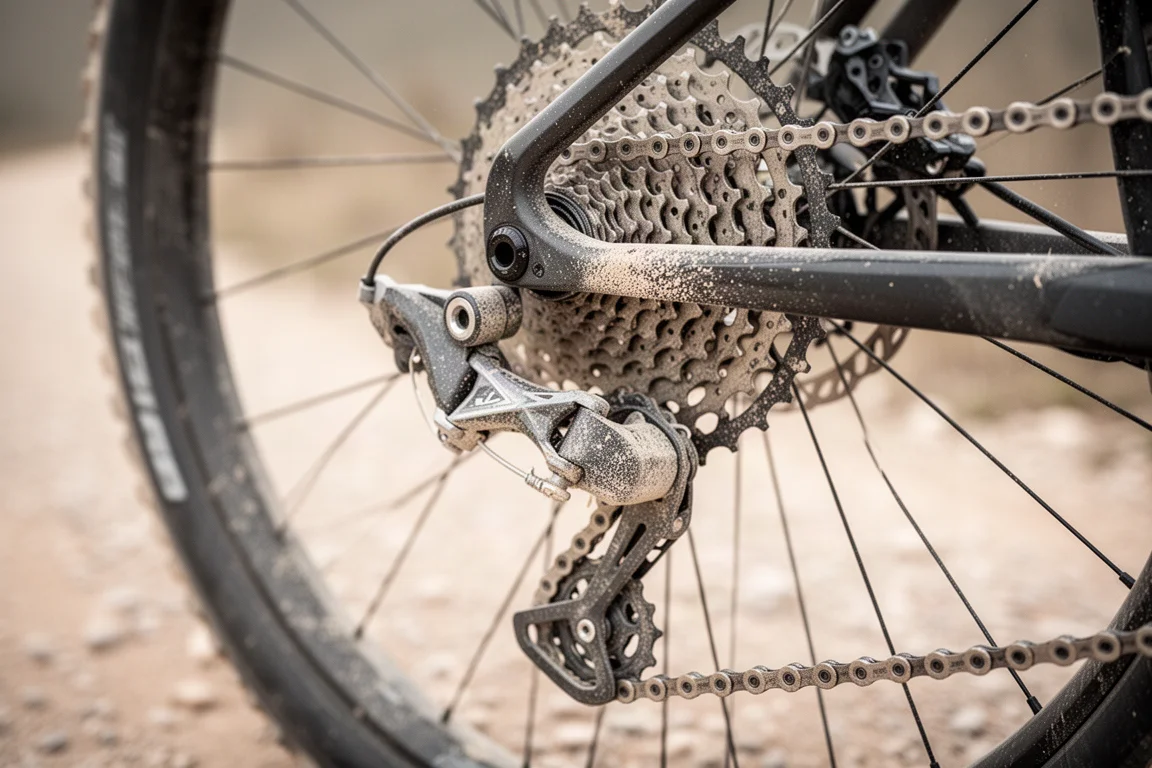
If mudguards are not a concern, the Kaius with 35mm slick tires, the same width that can be fitted to many endurance road bikes, would be a weapon on the road while still leaving gravel riding options wide open.
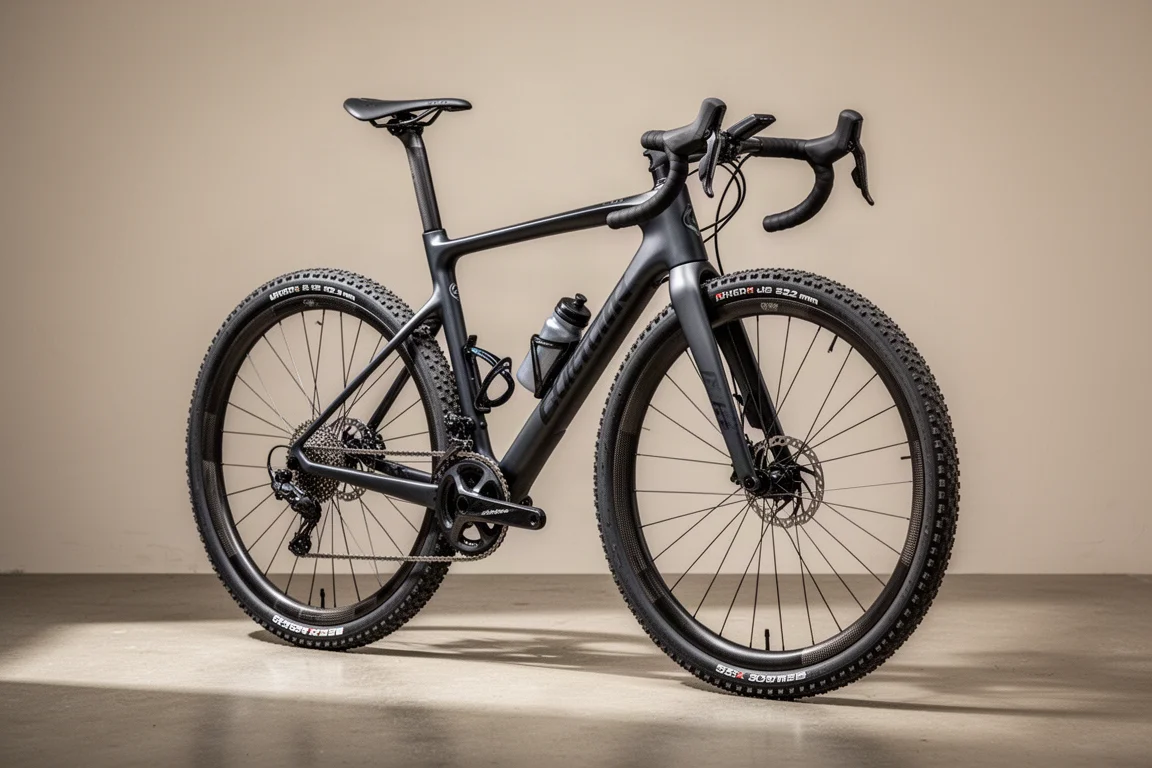
Best for Expeditions: Trek Checkpoint
Any slice of the gravel spectrum contains its own smaller spectrum, and the expedition end of the middle is where the Trek Checkpoint stands head and shoulders above the competition. It comes equipped with more mounts and storage locations than any other bike in the group, along with the carrying capacity, comfort, tire clearance and geometry that ultra-distance gravel demands.
The IsoSpeed decoupler is not quite as forgiving as the Canyon Grail’s seatpost, but the space for 2.1 inch tires on 650b wheels more than makes up for that. Geometry is notably more controlled than the rest of the group: the Checkpoint boasts by far the longest wheelbase, and its fork trail, an indication of how stable the steering is, is among the highest on test.
The payoff is a more composed ride than other gravel race bikes, while remaining much faster and more lively than an out and out gravel expedition bike. If you are up for bikepacking and longer distance rides but still want to go fast on shorter loops, this is an ideal match.
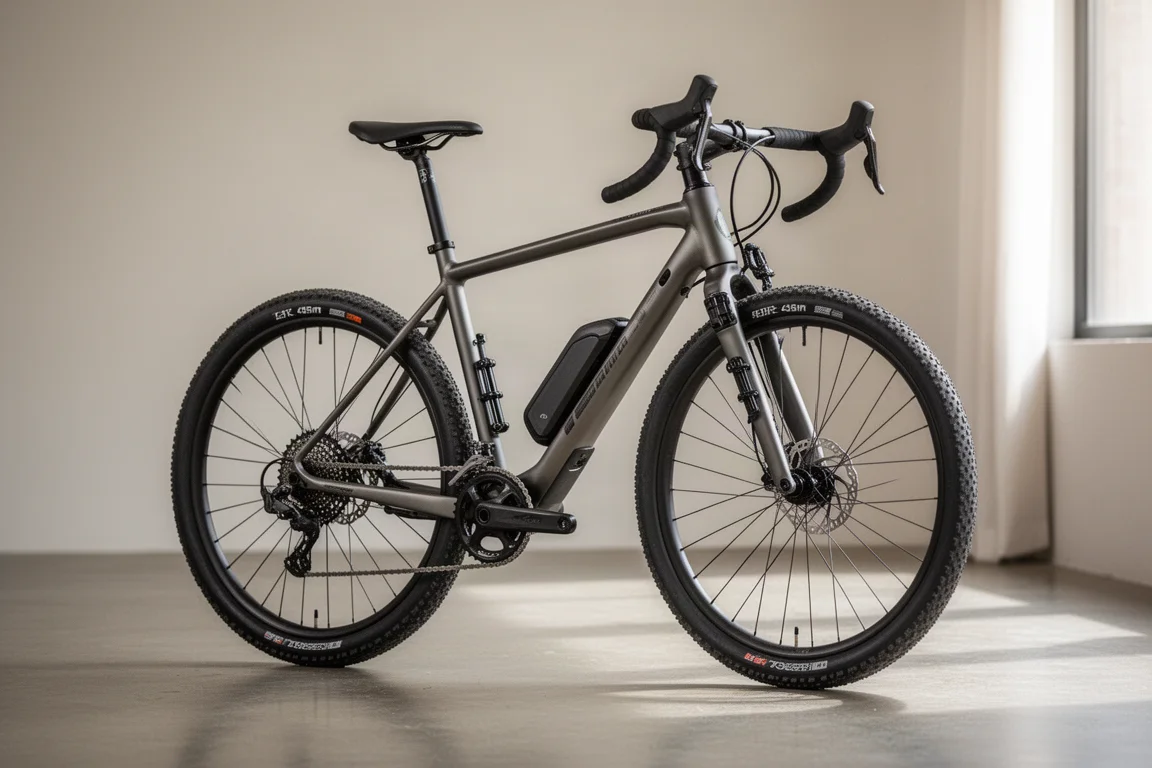
Best of British: Ribble Gravel SL
The Ribble Gravel SL and the Pearson On And On converge in several ways. Both are lightweight with a dash of aero features, and both are fully equipped for bikepacking epics and multi-day trips. The clearest distinctions between them show up in riding position and price.
The Gravel SL pairs its long and stable wheelbase with a notably low and aggressive rider position, which tips its purpose a little more towards the racing end of the spectrum.
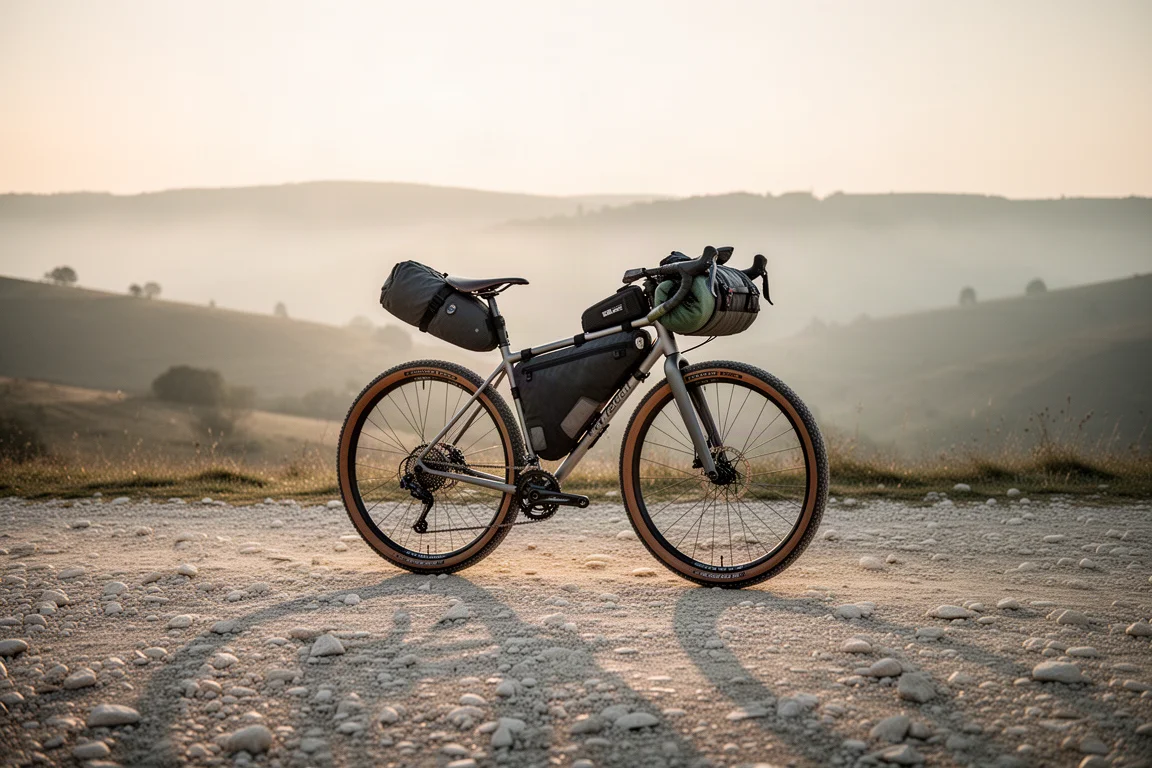
On price, the Ribble sweeps the board. Its range-topping model with Shimano GRX Di2 comes in at over £1,400 less than an equivalently specced On And On, and the Gravel SL range starts at £2,699 against £3,550. Combined with Ribble’s well-established bike builder, which lets you tweak most elements of the spec, that pushes the Gravel SL out front as the best of British gravel bike in the group.
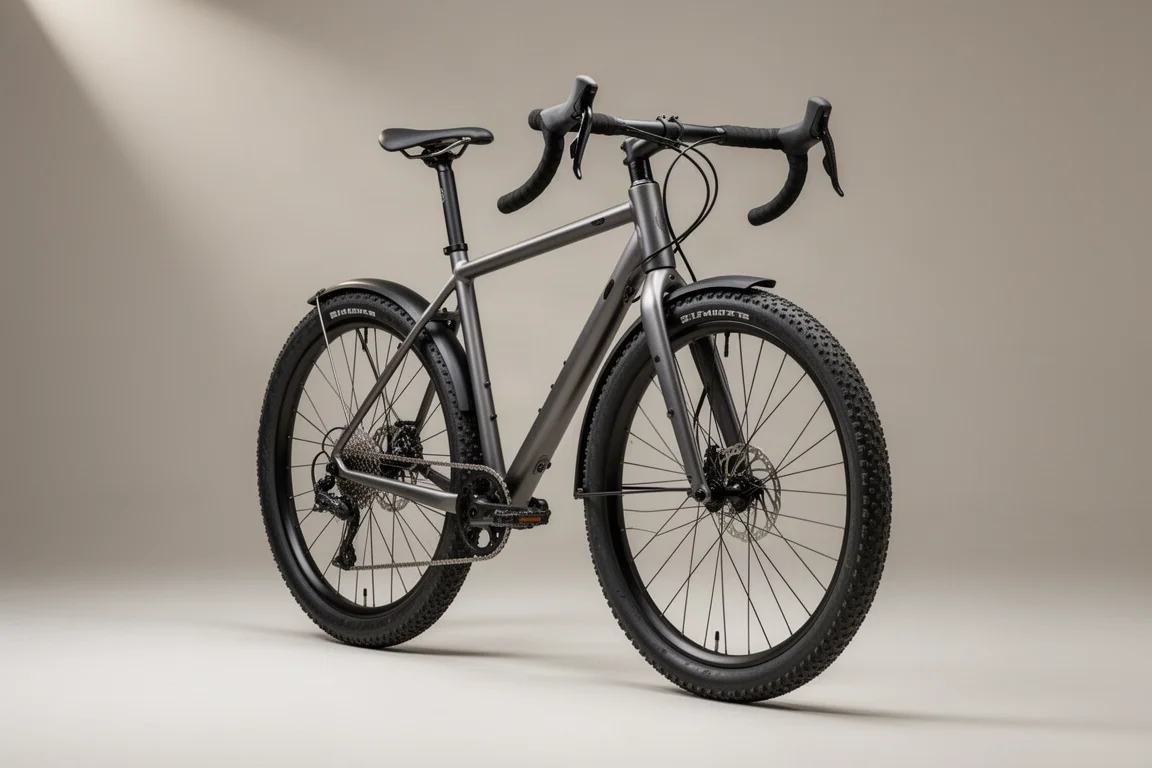
The Endurance Alternative: Pearson On And On
The Pearson On And On uses a similar chassis to the Ribble but combines it with a higher stack height, which makes it a little better suited to endurance riding rather than threshold efforts. Riders who value a more upright and comfortable position over a racier one will find more to like here.
It is the more expensive of the two British options, and that is the main reason it did not take the category, but it remains a lightweight, aero-tinged bike that is fully set up for bikepacking and multi-day trips.
Buying Advice
Which of these makes sense depends on where your riding actually sits.
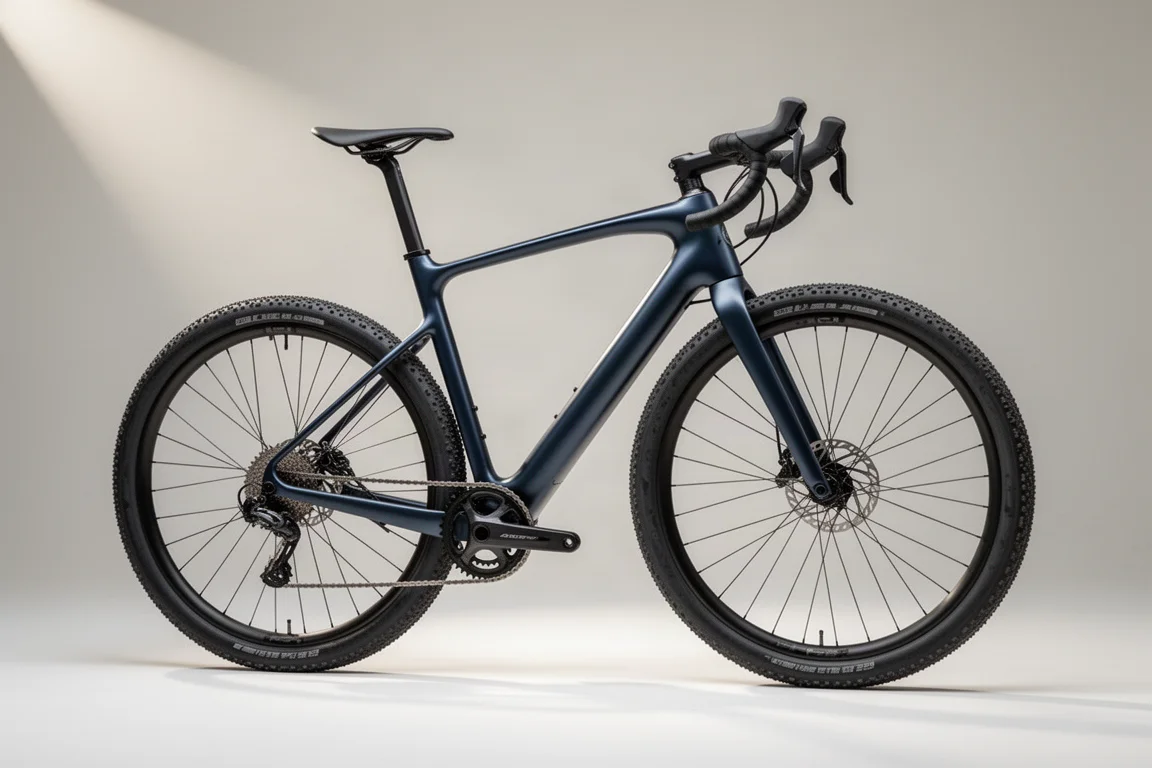
If you want one bike that covers the widest possible range and you are not price-sensitive, the Giant Revolt is the obvious starting point, thanks to its frame compliance, its seatpost and dropout versatility and its wide tire clearance. Riders who want the biggest performance jump for the money should look at the Scott Addict Gravel, where SRAM Rival AXS changes what an entry-level build can feel like.
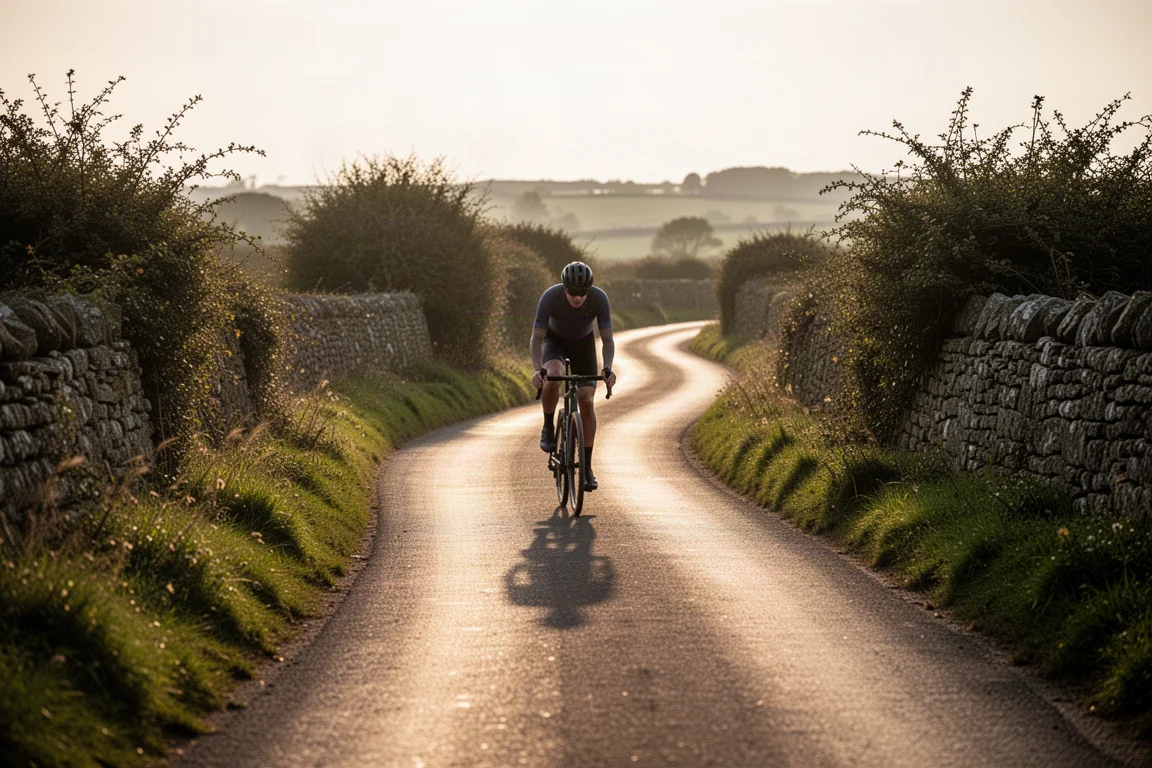
For speed on tarmac as well as dirt, the BMC Kaius behaves closest to a road bike, provided you can live without mudguard mounts. For bikepacking and long-distance riding, the Trek Checkpoint’s mounts, tire clearance and stable geometry make it the most capable load carrier here. And if you ride in British conditions, or simply want a race-ready gravel bike with a configurable spec, the Ribble Gravel SL is the value pick, with the Pearson On And On as the more endurance-oriented alternative.
One final note on budget. The cheapest bike in a group test is rarely the best buy. The entry-level options at around £2,700 are dependable platforms, but a modest stretch to an electronic 12-speed groupset buys a genuinely different riding experience, and the Scott Addict Gravel is the clearest example of that in this group.
Conclusion
The theme running through these awards is versatility. The Giant Revolt won overall because it performs at both ends of the spectrum rather than picking a side. The Scott Addict Gravel showed that value should be measured by performance per pound rather than sticker price alone. The BMC Kaius proved that a gravel bike can now match a road bike on tarmac, the Trek Checkpoint remains the most capable load carrier in the group, and the Ribble Gravel SL took the British honours on a combination of race-ready geometry, customisable spec and price.
Match the bike to the riding you actually do most often, and any of these will serve you well for a long time.
Further reading
Related Reviews
Gravel Bikes
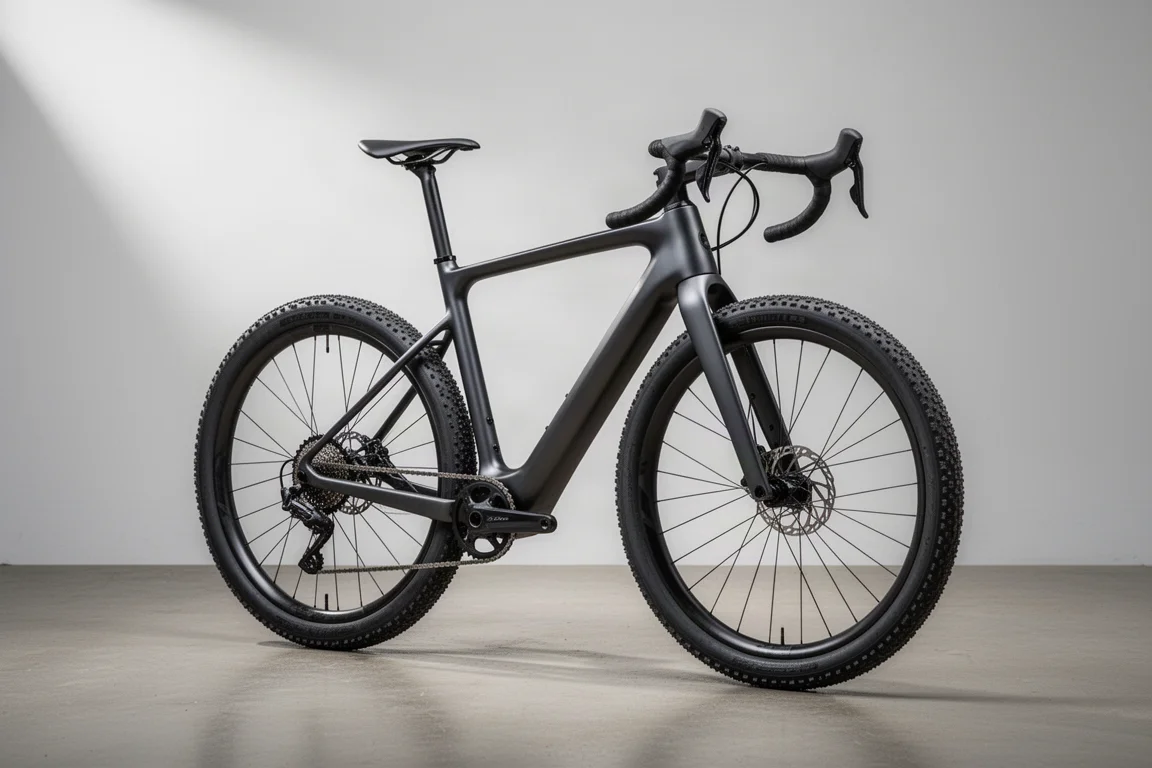
3T Exploro Ultra Review: A Fast Gravel Bike Built for Big Tyres
A close look at the 3T Exploro Ultra, an aero carbon gravel bike designed around wide tyres, with road-like handling, a 980 g frame and genuine rough-terrain capability.
Gravel Bikes
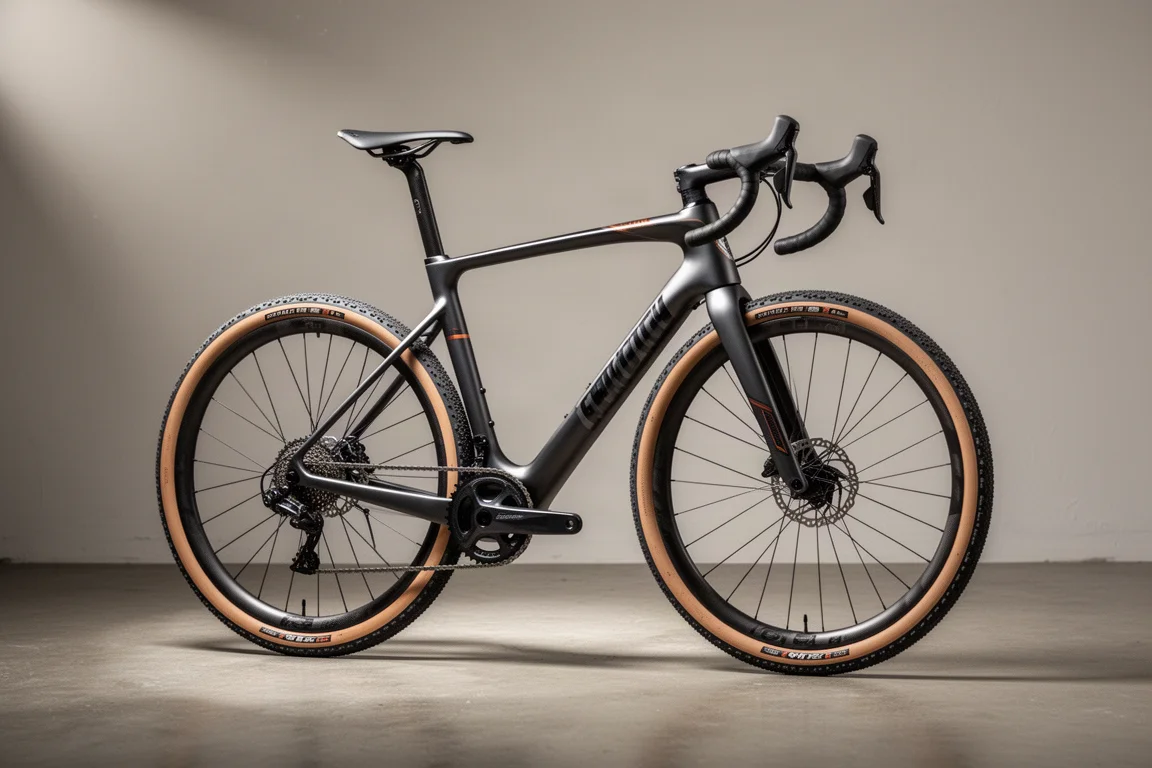
3T Extrema Italia Review: Aero Gravel Speed With Room for 57 mm Tires
The 3T Extrema Italia pairs an aero frame with huge tire clearance, Italian-made carbon and a more comfortable ride than the RaceMax. Here is what to know before buying.
Gravel Bikes
3T Race Max 2 Italia Review: An Aero Gravel Race Bike Made in Italy
A closer look at the second-generation 3T Race Max 2 Italia, covering its aero updates, ride character, tire clearance, internal storage and who it suits.