Gravel Bikes
Best Gravel and Adventure Bikes: 10 Practical Options to Consider
A practical roundup of ten gravel and adventure bikes covering aluminium, carbon and steel, from fast aero racers to comfortable bikepacking platforms.
Introduction
Gravel and adventure bikes have become popular for a simple reason: they let riders get away from busy, congested roads and onto woodland trails, farm tracks and quiet lanes without giving up the ability to ride on tarmac. The category has also broadened considerably, so the bikes below range from aero race platforms built for speed to steel frames designed to carry luggage across a country.
Because prices vary between currencies and markets, and because they shift over time, the focus here is on what each bike is designed to do, how it rides, and who it suits. Frame material, tire clearance, mounting points and comfort features are the details worth comparing first.
What to Look For in a Gravel and Adventure Bike
The first decision is usually frame material. Aluminium builds tend to sit at the more accessible end, carbon fibre brings lower weight and often more sophisticated tube shaping, and steel offers a blend of durability and ride quality that many riders value more than a weight saving.
Tire clearance matters just as much. Most modern gravel bikes handle tires in the 45mm region, and a few go wider, which effectively adds suspension on rough surfaces. If you expect to ride mud, loose gravel or woodland tracks, the tires a bike ships with are worth checking closely, because fast-rolling slick rubber flatters a bike on dry hardpack and quickly runs out of grip in softer conditions.
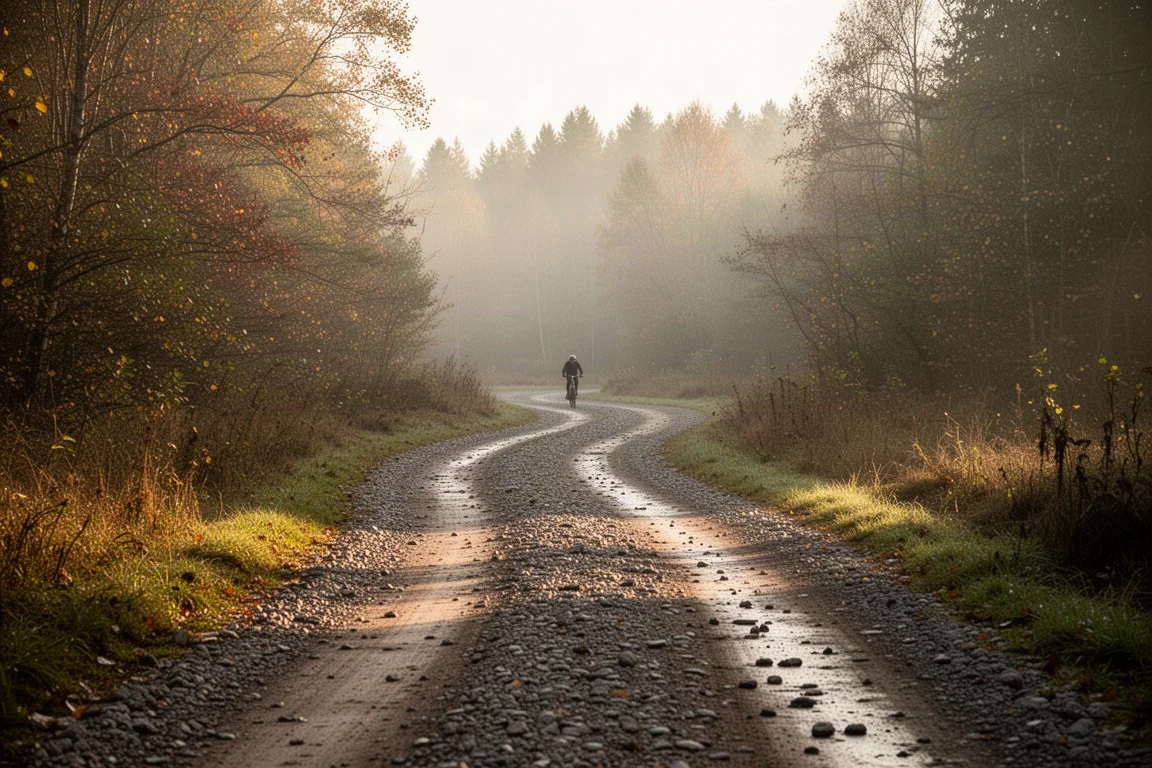
Mounting points decide how far a bike can be pushed into touring and bikepacking duty. Bottle cage mounts on the fork, top tube mounts for a bag, mudguard eyelets and a down tube storage compartment all change what a bike is realistically capable of.
Geometry is the other big variable. Some bikes lean towards road manners with responsive steering and a livelier feel, while others are slacker, longer and lower for stability on technical terrain. Comfort features, such as flexing seatposts, decouplers, or suspension elements at the front or rear, sit on top of that and are worth understanding before you buy.
Canyon Grizl
The Canyon Grizl is one of the easiest recommendations in this group. It is available in a choice of frame materials, with an aluminium option at the entry point and carbon fibre as you move up, and specifications come from both SRAM and Shimano in one-by and two-by configurations. Stock tires are 45mm wide, and there are plenty of mounts and accessory points for bottles, bags and cages.
Its geometry is designed to work well both on the road and off it, with a nice balance between stability and agility, good steering and good comfort. That makes it a genuine do-it-all bike, covering bikepacking trips, racing, commuting and weekend woodland riding without feeling compromised in any one role.
Because Canyon sells direct, value for money is a strong point across the range. There is also a version built with a RockShox Rudy suspension fork, which is worth considering if you want to improve capability and comfort when riding off-road.
Giant Revolt
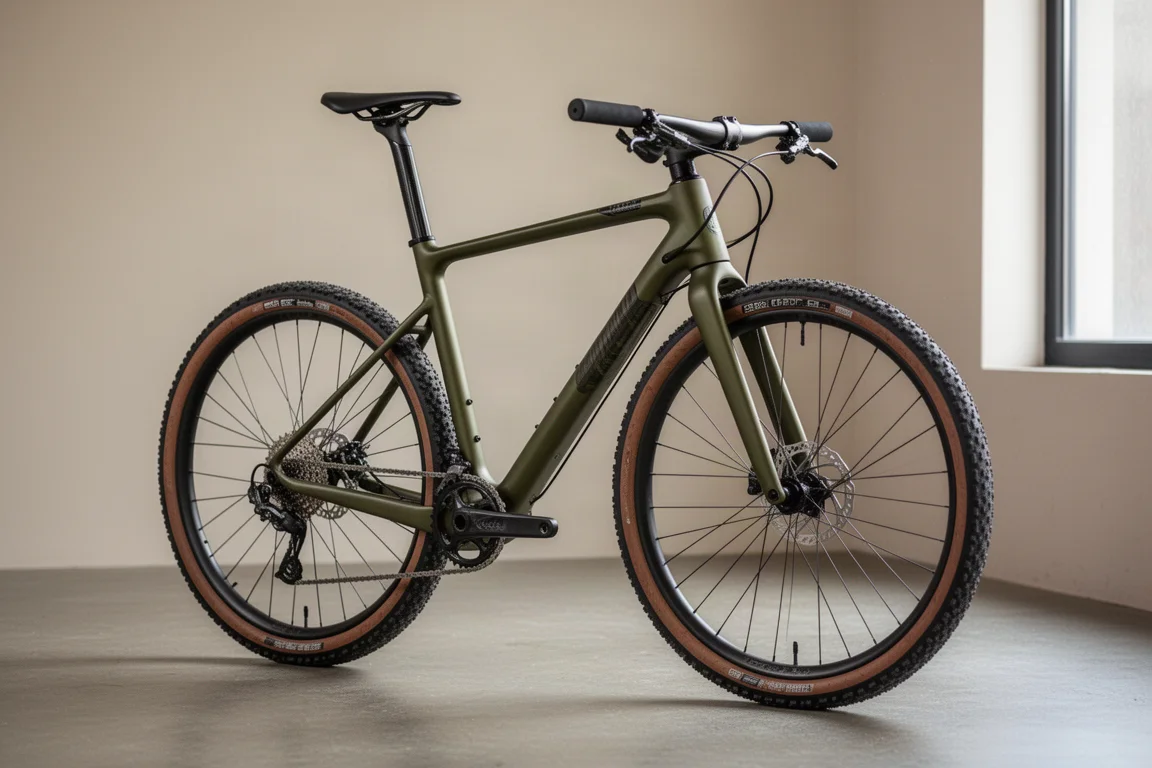
Like the Grizl, the Giant Revolt is an easy bike to recommend for riders who want to race, go bikepacking, or simply get off-road and away from congested roads. It comes in a wide range of prices, but every model shares the same fundamental frame design, which works well almost everywhere. The result is a lightweight, fast and comfortable bike, with a D-shaped seatpost and handlebar adding comfort over more conventional options, especially if you step up to the carbon handlebar higher in the range.
The latest Revolt also gains adjustable geometry through flip chips in the rear dropouts, letting you shorten or lengthen the wheelbase and run more or less trail. In practice the difference is small, but it is a nice feature if you want to tailor how the bike behaves, either more laid back or more responsive and agile. The geometry generally sits on the more responsive side, with faster steering and a livelier feel than the slacker, longer, lower alternatives, which suits long smooth fast gravel as well as twisting woodland trails.
Aluminium frames sit alongside the carbon options, and UK prices for aluminium models start from just over 1,000 pounds, making the Revolt an accessible choice for commuting, touring, bikepacking or racing. One practical note before you buy: budget for better tires. The slicks fitted to many builds are fine on road or very dry, hard-packed gravel, but they are not much use in mud or loose gravel, so it is worth switching to rubber that matches your terrain.
Cannondale Topstone
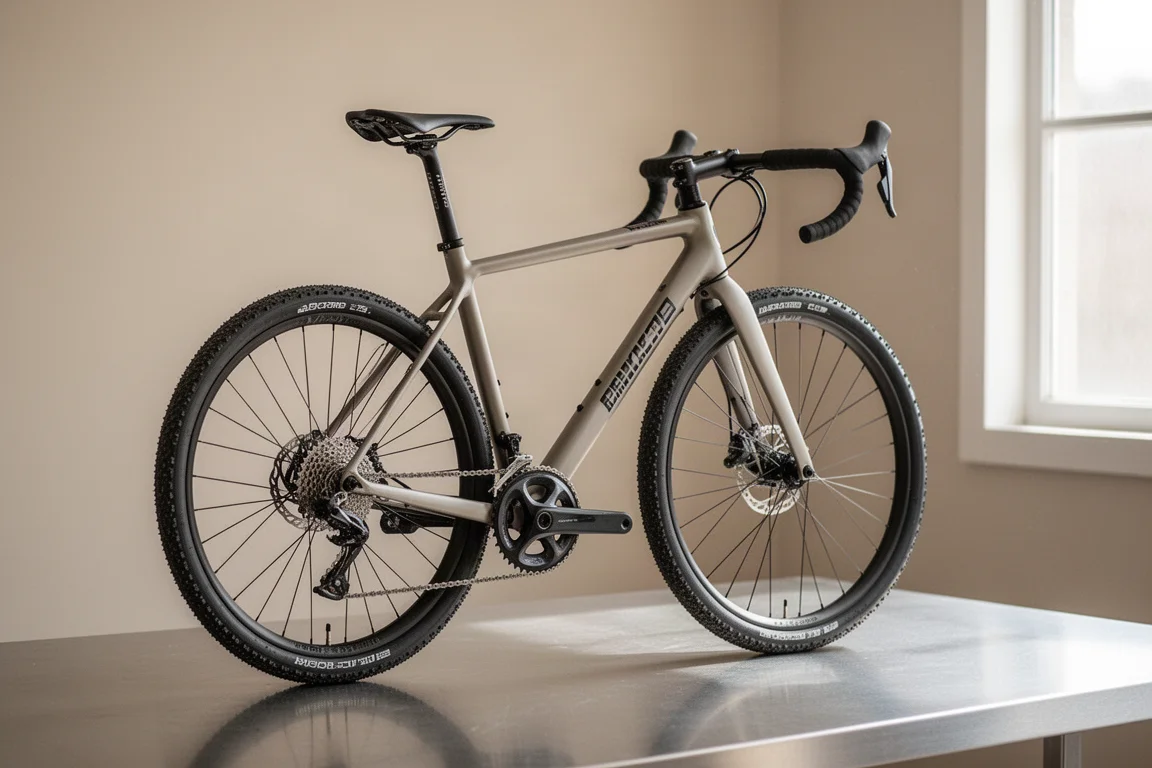
The Cannondale Topstone is an interesting option with a very wide range of models, from aluminium at the cheaper end through to carbon fibre in the middle and at the top. The carbon models carry a distinctive Kingpin rear suspension, a pivot on the seat tube that allows the rear end to flex more than a rigid design would, and the top end model adds a Lefty Oliver suspension fork with up to 30mm of front travel. If comfort and off-road capability are priorities, that combination is genuinely appealing. The cheaper aluminium models keep a conventional frame without any of those suspension features, which suits riders who want a simpler setup.
Geometry leans closer to a road bike, similar in spirit to an endurance machine, so the Topstone works really well on tarmac and on very smooth gravel. It is probably not the most capable bike here on technical, challenging terrain, but it remains very competent.
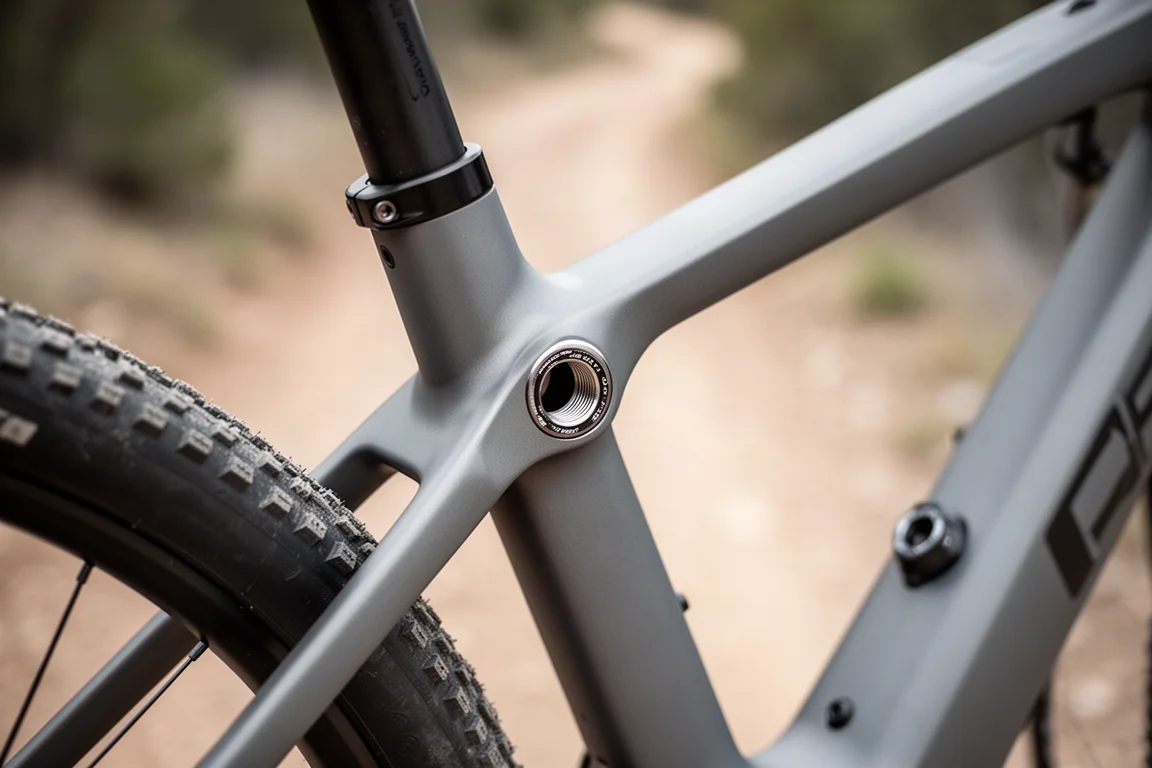
The current Topstone is also an easier bike to live with than before. The press-fit bottom bracket has gone, replaced by a threaded one, and there is now regular rear wheel spacing rather than an asymmetric offset, plus an external seat clamp and a regular round seatpost. Those are sensible details. The SmartSense system of integrated light, radar and battery, first seen on the brand’s endurance road bike, does appear on some Topstone models, but it is optional on this bike rather than universal, so it is worth checking which builds include it. Always-on lighting has real appeal for winter road riding, commuting and touring, but it is something you have to want.
Mason Bokeh
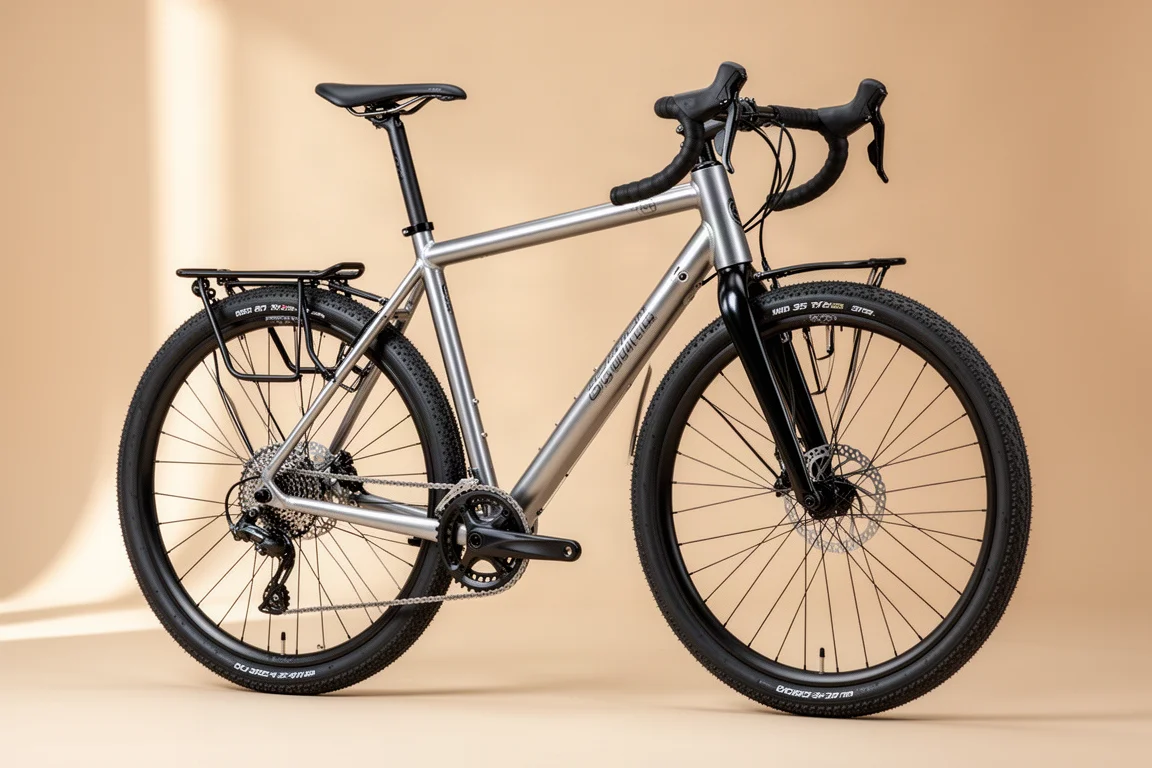
Mason was right there at the birth of gravel, and the Bokeh was one of the earliest gravel bikes on the scene in the UK. It remains a really good gravel and adventure bike, equally at home on bikepacking adventures, at races, and on everything in between.
The frame is British designed and Italian manufactured, a combination that shows in the finished article. The aluminium frame rides smoother than you might expect given the material’s unfair reputation, and it is fair to describe the Bokeh as the bike that elevated aluminium back towards the premium end of the market. That is reflected in the price, which is high for aluminium, but the logic is sound: most brands reserve aluminium for entry-level models, while Mason pushed it up into the bracket where carbon fibre usually takes over.
Attention to detail on the frame is excellent, with loads of mounting points, generous tire clearance, a threaded bottom bracket and well thought out cable routing, all finished in lovely paint with a good range of colours and decals. It is a bike that stands out from the crowd.
3T Exploro RaceMax Ultra
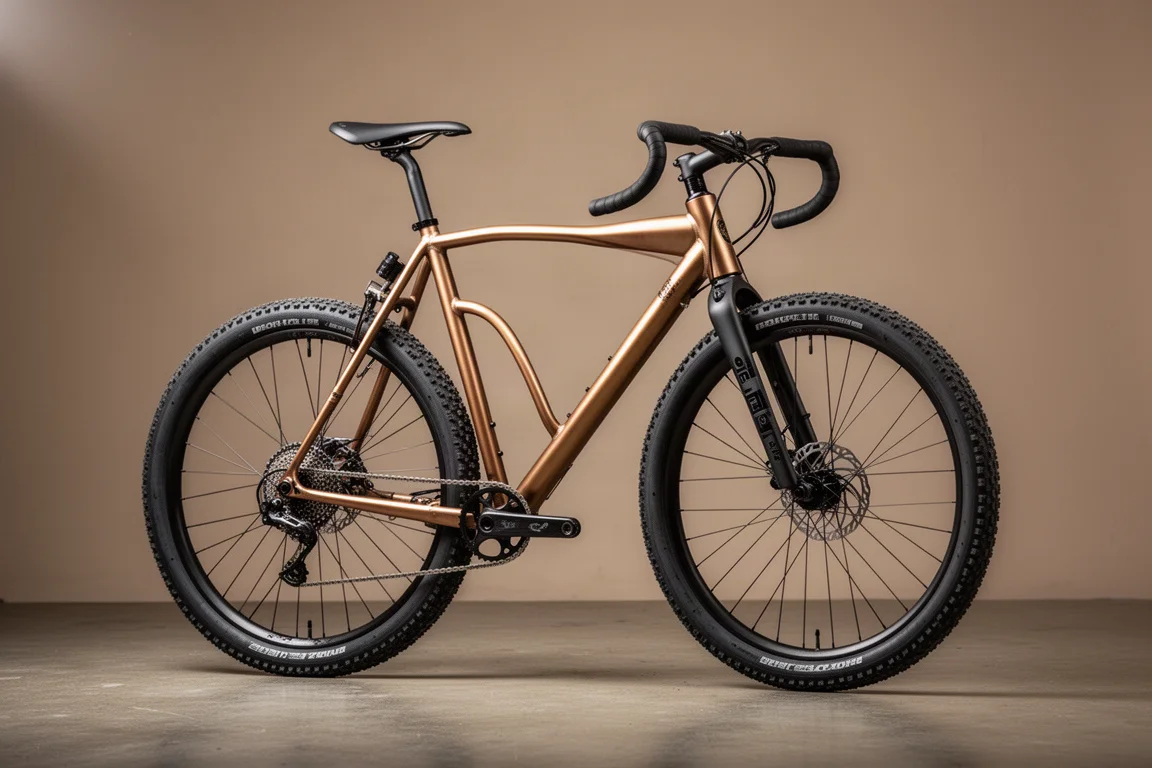
Racing on gravel demands speed, stiffness, low weight and aerodynamics, and the 3T Exploro was the first aero gravel bike and remains one of the few. The latest version, the RaceMax Ultra, is the current expression of that idea, and the case for aero on gravel is easy to make: average speeds at Unbound in 2022 exceeded 20 miles per hour. Across its various configurations, the Exploro has always delivered remarkable speed, and the RaceMax Ultra sits among the quickest bikes of this kind.
The trade-off is comfort. Big aero tube profiles compromise ride quality on rough, challenging terrain compared with smoother-riding bikes such as the Topstone, Grizl and Revolt. The Ultra does address this by accepting a mountain bike tire on a 27.5 inch wheel, and while that looks monstrous, the extra tire volume delivers a noticeably smoother ride while preserving the aero benefits.
Cable routing through the top tube remains a bugbear that may put some riders off. On the plus side, you can now fit a regular round seatpost, which opens the door to a dropper, a compliant carbon seatpost for extra comfort, or a suspension seatpost. The Exploro excels on very smooth, well maintained gravel, but in rougher woodland trails and tame mountain bike tracks it is less at home.
Scott Addict Gravel
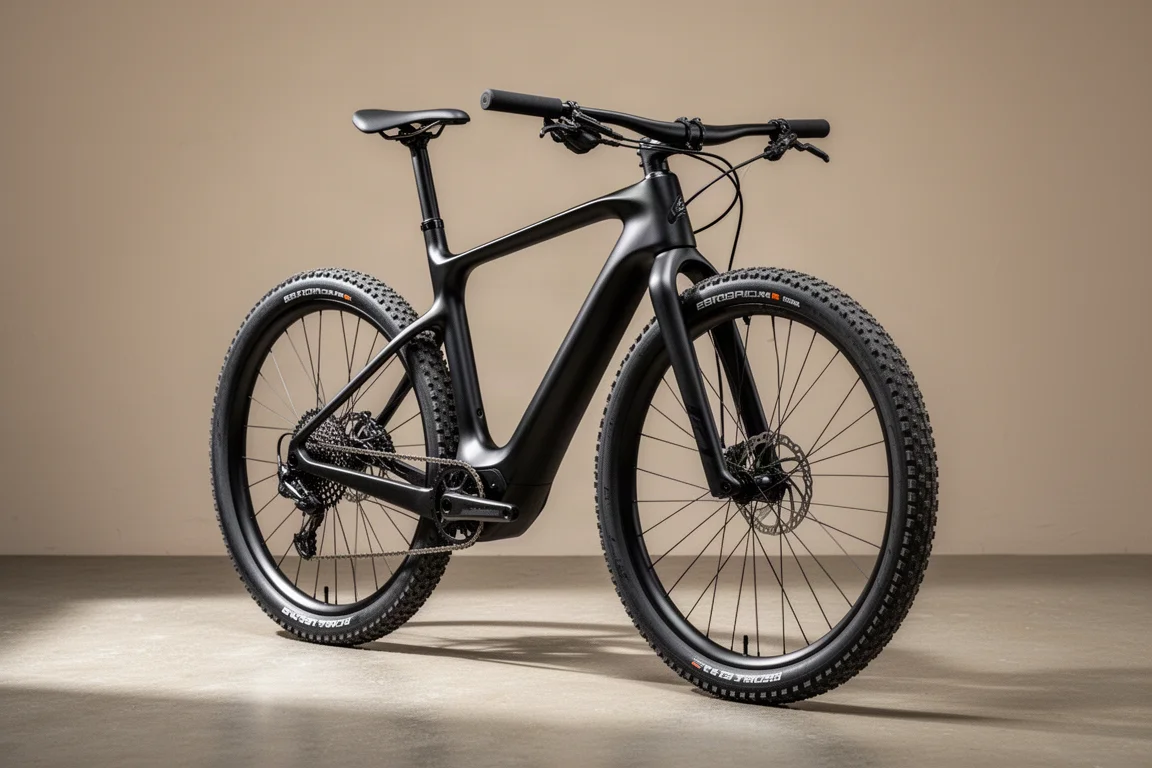
The new Scott Addict Gravel is big on integration and aerodynamics, taking a lot of inspiration from the Addict RC race bike. It is an extremely rapid bike that covers distance at great speed, and comfort is pretty good too, better than the 3T Exploro, although both share a similar sensation of speed. Geometry is very good both on road and off-road. It is not the most capable option on very technical trails, but on fast smooth gravel it is excellent.
Two-by drivetrains remain a popular and sensible choice for racing on a bike like this, because the closer ratios between gears are still an advantage over even the best one-by setups. The frame is as aero as you would expect given the brand’s focus, with styling shared with its race bike: shaped fork, head tube and dropped rear stays, plus internal cable routing. The top end model gets a one-piece carbon handlebar from Syncros, while a lower model uses a separate two-piece bar and stem with cables routed under the stem and into the headset, which at least leaves the option of swapping to a longer or shorter stem.
Tire clearance and versatility have not been sacrificed. The bike comes with generous 45mm tires and, notably, a knobbly tire suited to soft conditions rather than the slick fast-rolling rubber many brands fit to flatter a bike in dry weather. For wet autumn and winter trails that is a genuinely useful choice and one less upgrade to pay for. There is also a slew of mounts for bottles and accessories, along with mudguard mounts, which matters for riders who use a gravel bike as a winter road bike, commuter or tourer as well as a racer.
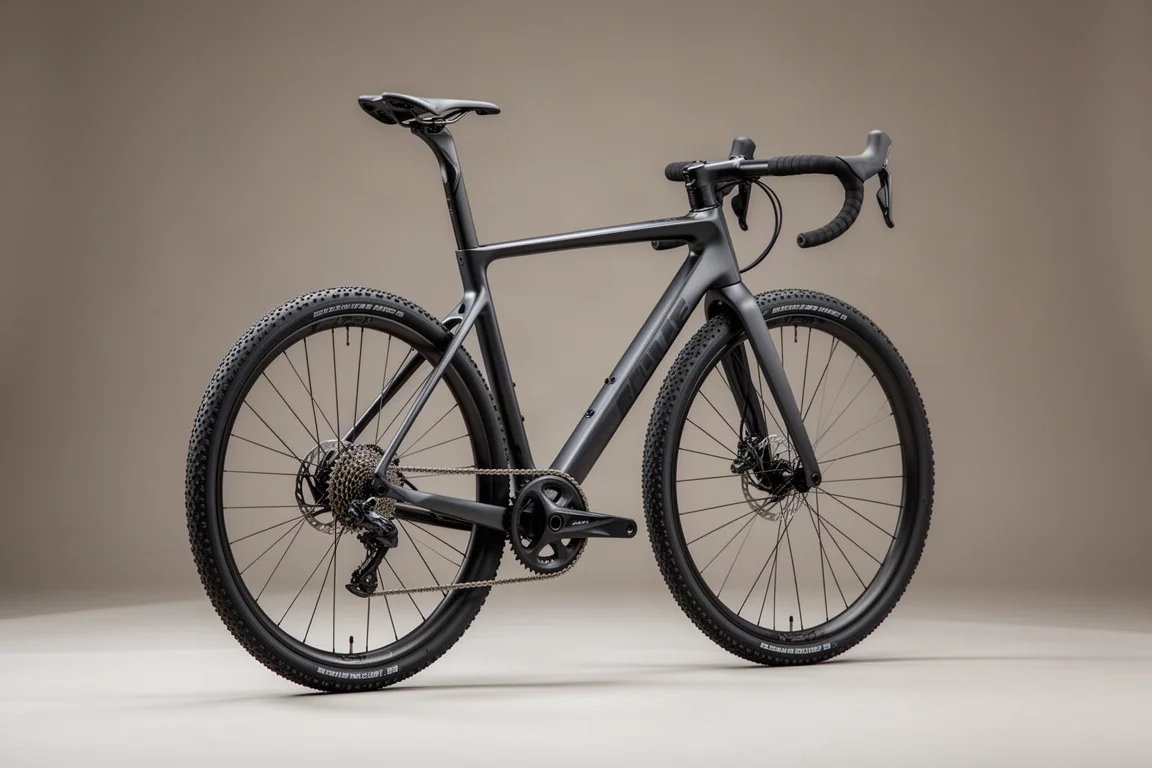
Fairlight Secan
The Fairlight Secan is a beautiful British designed steel gravel and adventure bike, and it is packed with the kind of details that are genuinely worth getting excited about. There are proper dropouts, a threaded bottom bracket and sensible external cable routing, along with massive tire clearance that is probably the biggest of any bike in this roundup. You can run 27.5 inch mountain bike wheels or big 45 to 50mm tires on 700c hoops, so there are plenty of options to match the wheels and tires you actually want.
That flexibility defines the bike. It is as good on gravel and woodland trails as it is on the road with slick tires and mudguards fitted. Ride it through winter with slicks, guards and a few bags for touring and all-day mileage, then strip all that off, fit knobbly mountain bike tires and get rowdy in the woods.
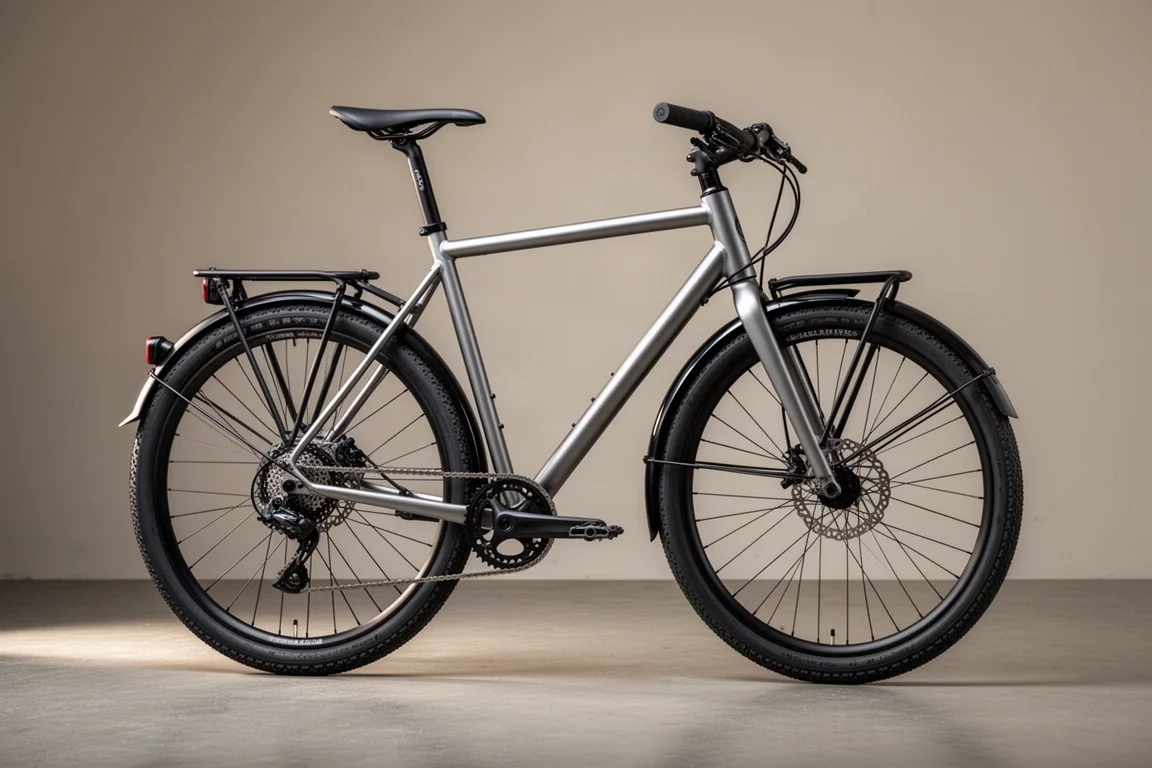
The fork now carries three mounts for adding extra cages and bottles. Each size also comes with the option of two stack heights, regular and tall, which effectively doubles the size range and lets you customise your fit far more precisely, almost as if you had gone down the bespoke route and had a frame made for you. It will not be as light as the best carbon frames, but the looks, durability and reputation of a steel frame are real advantages for many riders, and looked after properly it is a bike that can last a lifetime.
Specialized Diverge STR
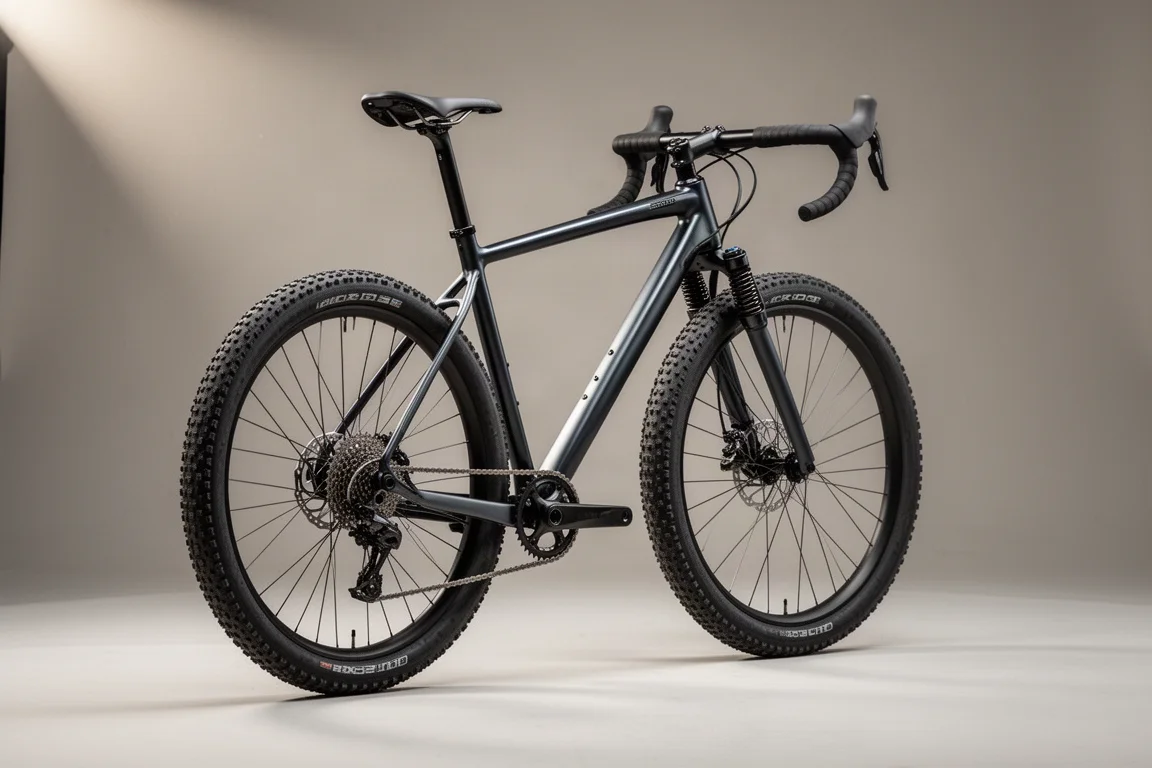
If you want the most technologically advanced gravel and adventure bike available, the new Specialized Diverge STR is the obvious candidate. It is a radical machine, and it continues a long story: this brand was there at the beginning in 2014 with the original Diverge, and the platform has changed enormously since. Earlier generations brought the Future Shock, 20mm of front suspension sitting above the frame and below the stem to isolate the rider from bumps coming through the front of the bike. The STR takes that idea and cleverly moves it into the rear of the bike as well.
The result is a smooth ride. If comfort is a priority, and you are shopping for a gravel bike with bigger tires, the Diverge STR is the smoothest riding and most comfortable gravel bike described in this roundup.
The caveat is a big one. The design is very distinctive and eye-opening, and there are legitimate long-term durability questions around the added complexity, on a bike that many riders reasonably want to be as simple to look after as possible, whether that means trouble-free ownership for one year, five years or ten. The brand says it has done the work to make it reliable. It is not a bike for everybody, and it is expensive, but for riders who like late technology and are happy to be early adopters, it is a serious option.
Specialized Crux
The Specialized Crux began life as a cyclocross race bike and still is one, but changes made to the most recent model have widened its appeal considerably. The geometry has been refined so it behaves better once you are away from a cross circuit, which makes it good in the woods and on fast gravel.
Tire clearance is massive, matching the Diverge at up to 47mm wide, far more generous than most cyclocross bikes that max out at 35 or 38mm. It is also remarkably light, one of the lightest options here, with the S-Works frame claimed at 725 grams, and it can be built up with top end carbon components if your budget allows.
The downside is versatility. This is not the most adaptable bike in the group: you cannot fit mudguards, you cannot add extra bottle cages and other accessories, so it does not cover bikepacking or touring duty. It is a stripped back, lightweight, off-road focused gravel and cyclocross race bike, and it is very good at exactly that.
Trek Checkpoint
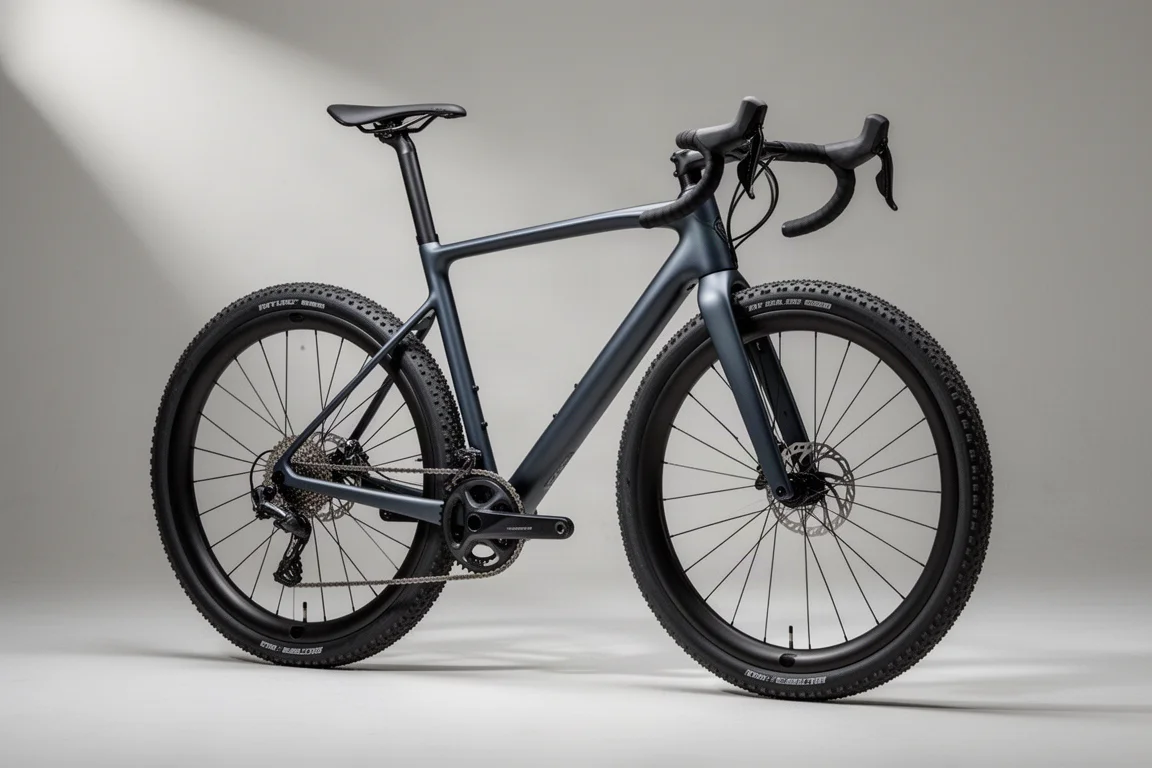
Comfort on a gravel bike can come from big tires, but it can also come from features that let the frame flex in a controlled way, and the Trek Checkpoint is one such bike. It uses the IsoSpeed decoupler from the brand’s Domane road bike, which lets the seatpost flex back and forth more than a conventional setup allows. It is probably not as smooth as the new Diverge STR, and not as effective as a dedicated suspension seatpost, but it looks better, is likely lighter, and is built into the frame design rather than bolted on.
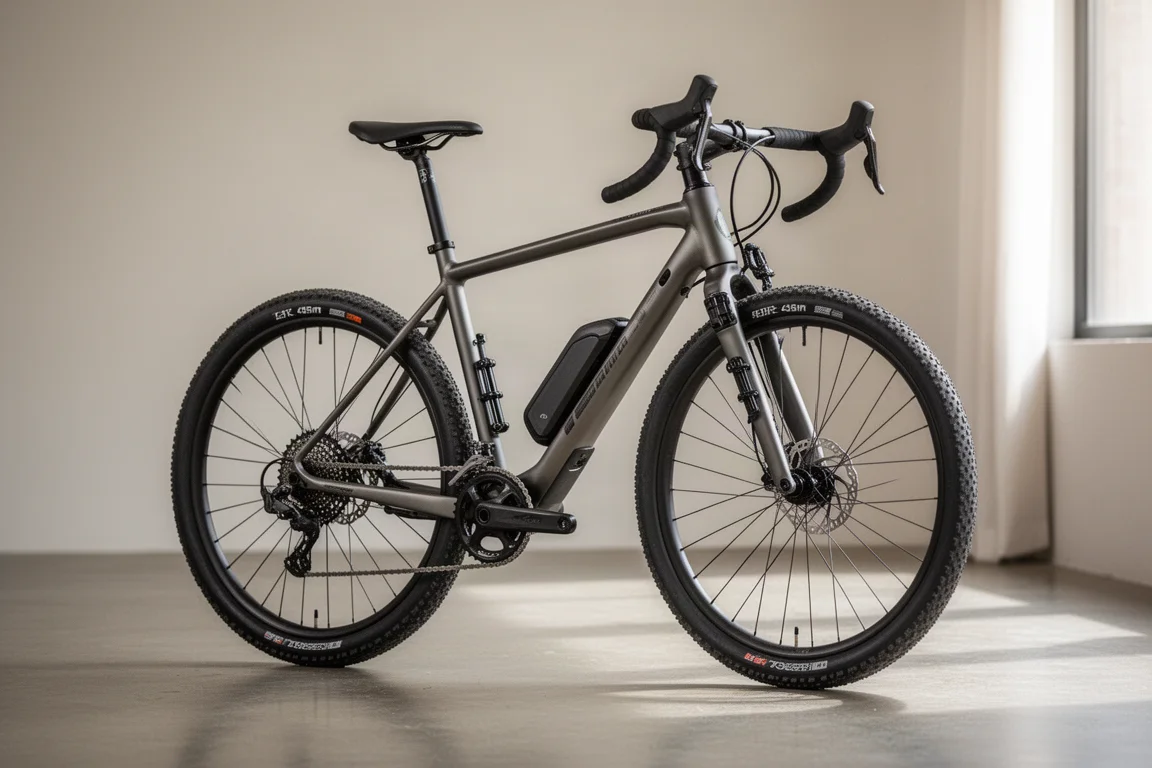
There are plenty of other reasons to choose the Checkpoint. The frame is decked out with the bikepacking details you would want, with space for 45mm tires and mounts including mudguard eyelets, making it a genuinely versatile do-everything option. There is also a down tube storage compartment for snacks and tools, a feature that saves strapping on a saddle pack or trying to figure out where to carry accessories, because they simply live in the frame and are always there when you need them.
For riders who want a versatile, smooth riding and reasonably good value package, the Checkpoint looks like a strong pick.
Overall Buying Advice
Start with the riding you actually do. If your gravel is fast, smooth and well maintained, the aero platforms make a real difference: the 3T Exploro RaceMax Ultra and the Scott Addict Gravel both prioritise speed, with the Addict Gravel adding noticeably better comfort and a more versatile spec. If your terrain is rougher, or comfort is the priority, the Specialized Diverge STR offers the smoothest ride here, while the Cannondale Topstone, Canyon Grizl and Giant Revolt balance comfort and capability more conventionally.
Frame material is the next filter. Carbon brings lower weight and, on bikes like the Specialized Crux, a race-focused sharpness that aluminium struggles to match. Aluminium remains a sensible and accessible choice, particularly on the Giant Revolt and the entry models of the Grizl and Topstone. Steel, in the form of the Fairlight Secan, trades outright weight for durability, ride quality and a level of fit customisation that is hard to find elsewhere.
Then check the practical details that will shape ownership. Tire clearance and the tires fitted as standard, mounting points, mudguard mounts, bottom bracket type, seatpost standard and any integrated electronics all matter more over five years than a few grams of frame weight. If you plan to commute, tour or ride through winter, prioritise the bikes with mudguard mounts and generous accessory mounting, such as the Checkpoint, the Secan and the Addict Gravel.
Finally, consider how simple you want the bike to be. The Mason Bokeh, Trek Checkpoint and Cannondale Topstone with the threaded bottom bracket and round seatpost are straightforward to maintain and live with. The Diverge STR is the opposite end of that spectrum: more capable on comfort, more complex everywhere else. Whichever direction you choose, matching the bike to your terrain and your maintenance appetite is what makes the purchase feel like good value years later.
Conclusion
This roundup covers a wide spread of priorities, and that is the point. The Canyon Grizl and Giant Revolt are the safe all-rounders, the Cannondale Topstone and Trek Checkpoint lean towards comfort and versatility, the Mason Bokeh and Fairlight Secan reward riders who care about materials and detail, the 3T Exploro RaceMax Ultra and Scott Addict Gravel chase speed, and the Specialized Diverge STR and Specialized Crux sit at opposite ends of the technology and simplicity scale.
Decide on terrain, luggage and maintenance first, and the right bike among these ten becomes much easier to identify.
Further reading
Related Reviews
Gravel Bikes
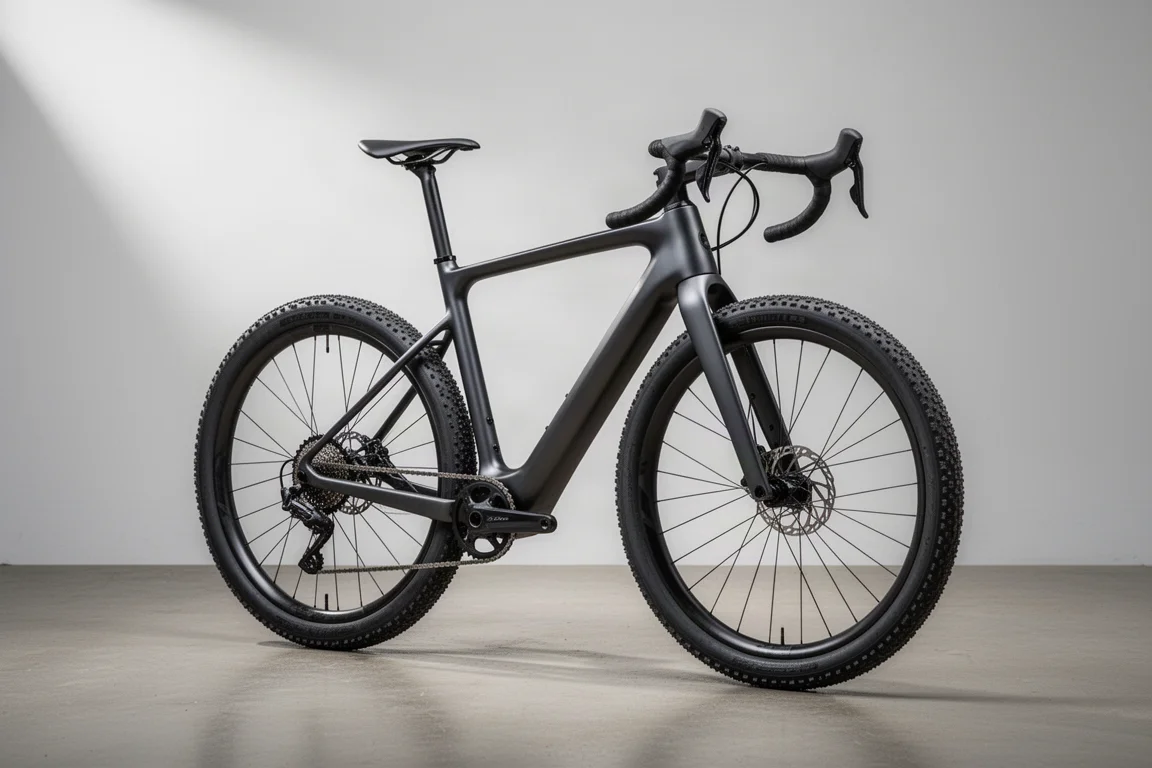
3T Exploro Ultra Review: A Fast Gravel Bike Built for Big Tyres
A close look at the 3T Exploro Ultra, an aero carbon gravel bike designed around wide tyres, with road-like handling, a 980 g frame and genuine rough-terrain capability.
Gravel Bikes
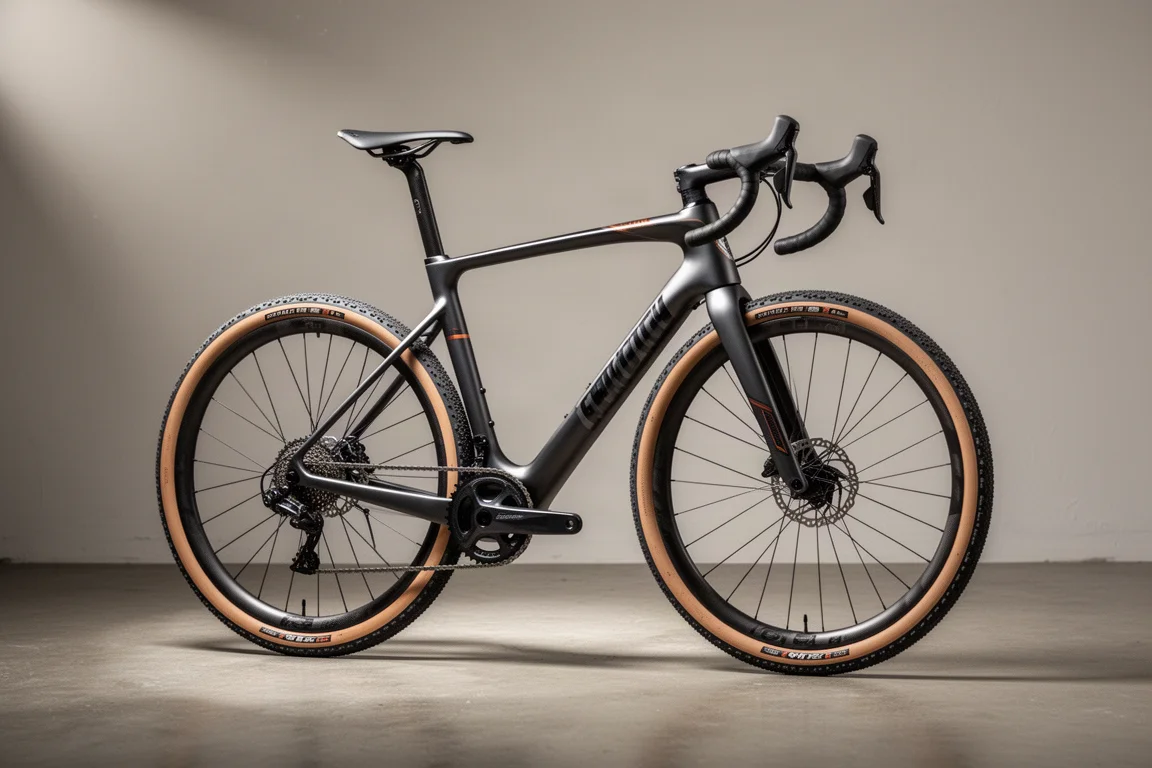
3T Extrema Italia Review: Aero Gravel Speed With Room for 57 mm Tires
The 3T Extrema Italia pairs an aero frame with huge tire clearance, Italian-made carbon and a more comfortable ride than the RaceMax. Here is what to know before buying.
Gravel Bikes
3T Race Max 2 Italia Review: An Aero Gravel Race Bike Made in Italy
A closer look at the second-generation 3T Race Max 2 Italia, covering its aero updates, ride character, tire clearance, internal storage and who it suits.